[00:00:02] Ad Read: This week's Taste Radio is brought to you by BevNET. The leading suppliers, service providers, investors, and brands grow their businesses and find talented employees through BevNET's advertising, event sponsorship, and job boards.
[00:00:15] Mike Schneider: To reach hundreds of food and beverage brands, become a sponsor of the Taste Radio podcast. Email us at podcast at BevNET.com to talk to our team about pricing and packages.
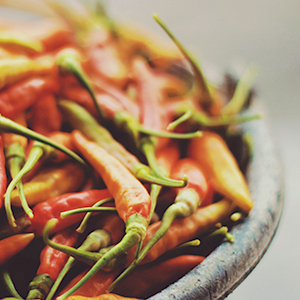
[00:00:32] Ray Latif: You're listening to BevNET's Taste Radio, the podcast for food and beverage professionals, where we talk trends, interview the leaders and rising stars in the industry, and discuss knowledge that we hope entrepreneurs and pros everywhere will find useful. Welcome to Episode 70 for August 11th, 2017. I'm Ray Latif, and with me are John Craven, Mike Schneider, and Jon Landis. Today we're recording from BevNET HQ in Watertown, Mass. And this week's episode features interviews with Jeff Church, co-founder and CEO of organic beverage company Suja, a Why Is It a Thing segment on Kefir, and the latest edition of Elevator Talk with Bronya Shillo, the founder of Fisher's Island Lemonade, a brand of alcoholic lemonades. I'm glad we're doing wise as a thing because I want to call it Kiefer. Yeah. Kiefer, Kefir, we're going to get to that momentarily. Kiefer Sutherland maybe. Kiefer Sutherland it is. Yeah. Last time we talked about some snacks that are in the office and some beverages in the office that we like to consume. We also get a fair share of spicy things in the office. And I've been seeing some chips with jalapeno, some cayenne and beverages, some mixers that contain sriracha. Don't forget ginger. And ginger too. Yeah. I mean, and we're seeing more and more of this stuff. I mean, obviously spicy and spice and heat have been around forever, but in packaged food and beverage, it's becoming more and more prevalent. And, you know, from my perspective, I've seen cocktail mixtures, you know, kind of paved the way and craft cocktails kind of paved the way for non-alcohol. I mean, in non-alcohol, we've seen cayenne, certainly in cleanse products, but now we're even seeing it as like a, just a regular flavoring. You know, people want more bold and interesting flavors.
[00:02:12] Mike Schneider: Well, it's been tried in beverages for a long time. I mean, obviously there's been super spicy ginger beers and way back in the day, geez, probably over 10 years ago, I think there was a brand called Locos Soda that was like a hot pepper soda. I think the timing today is clearly a lot better. You're seeing it across like so many categories, which is kind of interesting. It's almost like you can put spice in anything.
[00:02:36] Ray Latif: you can put spice in anything, but some of the stuff works and some of it doesn't work as well. Certainly on the snack side, we're seeing more and more stuff. And yeah, I mean, I think some of it is kind of tasty and some of it, you know, it's just the market maybe, maybe has to catch up to a Jon Landis.
[00:02:50] Ad Read: My favorite when it comes to snacks is like the meat snacks, like spicy beef jerky. It's just a natural fit in my mind. Yeah. I agree with you though. Sometimes I get a spicy potato chip or popcorn or something. I don't know. It's not really, that's my favorite. Yeah.
[00:03:06] Mike Schneider: Like at a expo West, I got to try Pocky not to be confused with the Japanese snack Pocky P O C K Y. This is P A Q U I. You gotta be careful, man. I got the ghost pepper chips.
[00:03:18] Ray Latif: Yeah. Oh yeah. I brought your eyes after that.
[00:03:20] Mike Schneider: I touched more than my eyes.
[00:03:21] Ray Latif: Let's say where, but those things need a warning label, man. They need a warning. I think we needed a warning on your comment. So yeah, ghost pepper is pretty interesting. I said some ghost pepper in chocolate. That seems to be interesting. Yeah.
[00:03:36] Ad Read: I'm a bigger fan of it in chocolate. I think it's, I think it balances out a little bit better because my problem with the ghost pepper chips or whatever those snacks is, it's just, there's no relief from it. Um, so you're just getting it and it's just in your face.
[00:03:49] Mike Schneider: There's a lot of people who like that is beer. I hated it. I don't have a narrow beer, uh, like the Chipotle beer. Not my favorite thing. Not my favorite.
[00:03:58] Ray Latif: Although there is a brand out of Austin, Texas called Five Stones Brewing, which won the first starter brewery challenge way back in the day, and they made a pineapple and jalapeno beer, which to this day is one of the greatest beers I've ever tried in my whole life.
[00:04:12] Mike Schneider: I've got to try that.
[00:04:13] Ray Latif: I've not tried it. I won't believe it until I taste it.
[00:04:15] Mike Schneider: Bring it. Send it. Send it to BevNET. Shout out to Seth at Five Stones.
[00:04:18] Ray Latif: There you go.
[00:04:19] Mike Schneider: Hey, Seth, I want to try your beer. Are you more interested in some cold-pressed Carolina Reaper juice? I would like some Carolina Reaper juice.
[00:04:26] Ray Latif: I'd try that or Carolina Reaper chips, but you gotta be, I mean, that is a... What is a Carolina Reaper pepper?
[00:04:32] Mike Schneider: That's the world's hottest pepper. It's hotter than the ghost pepper. He just Googled it before we started.
[00:04:36] Ray Latif: And it's got a sweet, like, scary name. Yeah. But you know there's going to be something out there with some Carolina Reaper pepper. I mean, just people want more and more bold flavors in everything. And some guy's going to come up with some chip or chocolate or beer with this pepper. Well, where would you want to try it first?
[00:04:52] Mike Schneider: Where would you think the first Carolina Reaper thing would be a chip? I have no interest in trying a chip. Okay, so it shouldn't be a drink. I mean, one of the problems with spicy beverage. You know, you have spicy food, you wash it down with a beverage, right? Right. So when you have a spicy beverage, what do you wash that down with? My favorite thing is to give somebody a glass of water. Cause it makes it worse. So dip, I don't know, bubble gum juice. There you go. Milk's the cure. Obviously you want to, it's like acidic and you're, ah, you're dying. So you drink some milk as a base.
[00:05:21] Ad Read: But the point being, you know, does a spicy beverage compliment food in any way? I mean, um, yeah, maybe, maybe if you're dumping hot sauce, not sure.
[00:05:32] Mike Schneider: Yeah.
[00:05:33] Ray Latif: Yeah. Well, I guess we're going to get to a point where, you know, it's just going to be pepper spray right to the face before someone really signs up for that. Yeah. Besides that, that's, that's just going too far. A vape pen of a pepper spray.
[00:05:48] Mike Schneider: Would you vape Carolina Reaper? No, not a hot pepper guy. You guys send your, send your hot pepper to the face products to, to John Lennon, to John Lennon's fridge.
[00:05:58] Ad Read: We'll test him out on Periscope or something.
[00:06:02] SPEAKER_??: Perfect.
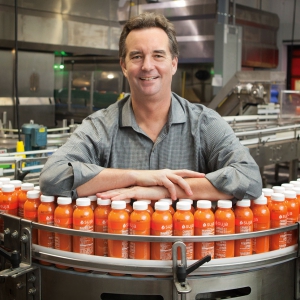
[00:06:03] Ray Latif: Speaking of things that are hot, a pretty hot rise that we've seen over the past few years has been that of Suja. Suja is a brand of organic beverages. They make cold-pressed juices, drinking vinegars, and now kombucha. And leading the company is Jeff Church. Jeff Church is the co-founder and CEO of Suja. He spearheaded the pretty incredible growth that the brand has had since 2012 when it launched. and was a key to the deal that Suji did with Coca-Cola Co in 2015 acquired a 30% stake in the company for $90 million. John Craven, you sat down with Jeff Church last month in San Diego. What'd you guys talk about?
[00:06:42] Mike Schneider: First of all, it's just super crazy to me to think that five years ago, this summer, I always spend a little bit of time in San Diego and just reached out to Jeff, who was doing Nika Water at the time, to see if he wanted to meet up. And he introduced me to three folks, Annie Lawless, Eric Ethens, and Jessica Pratt, who were starting this new juice company with him. And I got some juice bottles delivered in a cooler, glass bottles, kind of was like, what the heck is going on? Five years later, I'm going back to see Jeff in this massive, I don't remember how many hundreds of thousands of square feet this thing is, 200,000 or something like that, massive, crazy, impressive facility. As you mentioned, the rise of their company, we talk a lot about people taking time to build these companies, and they did it in what seems like the blink of an eye in hindsight. That was kind of, you know, the starting point for the conversation is just, you know, how this kind of got to the point where it is. And, you know, Jeff, somebody who I think always, you know, is totally like an open book with interviews that we have with them. And I think he gave some really great insight.
[00:07:51] Ray Latif: So yeah, he definitely gave some great insight. And there are definitely a few key points for entrepreneurs listening out there that you should pick up and listen to in this interview.
[00:08:02] Mike Schneider: All right, so I'm here in San Diego again. We're at the offices of Suja, the new offices of Suja, and I'm joined by Jeff Church, the CEO of Suja.
[00:08:12] Martín Caballero: Thanks for joining me, Jeff. Welcome, John. Happy to be here and happy to have you here. You've been through a bunch of our different plants, and I hope you enjoyed the tour of this one.
[00:08:21] Mike Schneider: You know, I feel like with each one of them, it's been more impressive than the last. And this one is of a whole new scale. I guess I'll say that since it's an audio interview here. Yeah. Tremendous growth over the past couple of years. Thanks. So, you know, for our listeners who maybe aren't fully familiar with how Suja got to where it is now, I wanted to start off just with you kind of telling our listeners a little bit about the company as well as, you know, you yourself, how you kind of ended up running a juice company here.
[00:08:52] Martín Caballero: Yeah, it's a pretty big stretch for a guy from, a meat and potatoes guy from the Midwest. But I met a really A dear friend of mine, James Brennan, met a guy named Eric Eathens. Eric was making these incredibly great tasting cold-pressed juices about five years ago. He and actually Brian Ribley, who makes all of our formulas today, and has been here since the beginning as well, kept saying, you got to try this juice, Jeff. You got to try this juice. It was like green juice in a glass bottle. I was like, I don't know if I can drink that. Finally, I did drink and it kind of stopped me in my tracks. And it was a drink called Green Supreme that has apple, kale, and lemon in it. And I thought, this is incredible. But we didn't want to... So it was really the three of us, and we didn't want to have another pasteurized product because we felt like that space was crowded. So we began to look for other technologies that were more disruptive, and we learned about high-pressure processing. High-pressure processing uses pressure instead of heat to kill pathogens if they happen to be in it. And once we saw that, Blueprint Cleanze and Evolution Fresh were both doing it in the juice space, but they'd just gotten started, and we felt like with the formulas that Eric and Brian had that we could make something that was hopefully a little bit better, and then we kind of got it going.
[00:10:00] Mike Schneider: So I guess for yourself, you had also been a part of a water company before this. And I think outside of that, you were doing stuff, you know, that wasn't beverage related. What sort of interested you just in this space, you know, with Nika Water, the water company? You know, why get into this if you're a meat and potatoes guy?
[00:10:19] Martín Caballero: Yeah, well, the reason to get into it was we found a disruptive technology. And I've been an entrepreneur on my own for the last 18 years and the various businesses that I've acquired and then eventually sold were businesses that had something disruptive about them. And, you know, that was the whole key with this. Could we find something disruptive? And that's where we found the HPP. technology and Nika water is still around. It's not doing bottled water anymore, but we bring clean water to people around the world and we donate 100% of the profits to do that. And so far we've brought clean water to about 30,000 people throughout the world. So it's super small, but just learning the whole bottling process and co-packing process was a way it really accelerated our timeframe to be able to get into Suja. And, you know, when we launched at Whole Foods roughly five years ago, this September, There were only three cold-pressed juice brands on the market, us and Blueprint Evolution. And today there's over 55 in Whole Foods alone. So it's been a lot of proliferation of brands over the time, but it really attracted us because the quality of the product was second to none. The consumers just loved it. I mean, we would bring bottles into the office and people would write their names on the caps that other people couldn't drink them. And it was just like, it was almost like, it's like kombucha is today a little bit. There was just a rush to get the product and to try it.
[00:11:36] Mike Schneider: So in 2012, when this all started, the, you know, juice category or super premium, whatever you want to call it, that was the cold press space was something that was really, you know, in its infancy, right?
[00:11:49] Martín Caballero: Yeah. It was, uh, it was really a juice bars where you'd pay, you know, 11, $12 for a bottle of juice and a glass bottle. And, you know, it was pretty minimalistic in terms of labeling and it wasn't treated for any for shelf life. So it would have like a three day shelf life on it. There was the super premium market, which is the naked Odwalla and Bold House brands. And there really was just the beginning of the ultra premium market, which was the organic juice, you know, type products. And, you know, we were one of the first to get into it. And interesting, like three months after we started, Both Blueprint Cleanze and Evolution Fresh got acquired by Starbucks and Hanes Celestial, and they both got kind of distracted a little bit. And as they got distracted, we just had an open highway right in front of us to, if we could execute flawlessly, that we would have the opportunity to grow pretty quickly.
[00:12:37] Mike Schneider: And I guess the opportunity to grow quickly is something that, and that highway, I mean, that for Suja has kind of had its twists and turns, if you want to call it that as well, right? I mean, the original sort of opportunity that it seemed as though Suja was after was a higher end, higher price point product, but a couple of years back, that changed, right?
[00:12:59] Martín Caballero: Yeah, I mean, we really evolved our strategy from that nine, it was 899, it was a 16 ounce product that we had. And that did great at Whole Foods, but we began to think that our mission really was to democratize organic juice and make it available to the masses at an affordable price point. And to do that, we couldn't be at $8.99 a 16-ounce bottle. We had to get within about a dollar of the super premium juices, the Odwalla's and the Naked's and the Bolthouse's. And by getting within a dollar of that, you know, it was elastic enough from a demand standpoint that consumers would step up and pay a little bit more for a higher quality product. and retailers would like it because it'd be a higher ring for them in their stores. And that really was where we started to focus on just an aggressive assault on the cost structure of the business so that we could get to that price point and make a healthy margin. And it's a very aggressive price point, but it's amazing how much better it does at $399 versus $499. So it was really important for us to do it, and you've seen a lot of companies follow suit with that same price structure.
[00:14:00] Mike Schneider: And I guess in retrospect, is that something that you would call an evolution or a pivot for the company?
[00:14:06] Martín Caballero: No, I think it was more a kind of a coalescing of what our mission is and really what we, when you start a business, you've got, you know, desires and missions and goals and all that. but you're kind of feeling your way through it. And, you know, in the beginning we made products that were similar to the super premium, you know, juices, more of the smoothie based ones. And what we found is that our consumers didn't have the same value proposition for the sweeter products as they did for the greens. And, you know, we began to think that, you know, geez, that with being organic, that we, you know, I mean, it was only like, I think 5% of the food production in the US is organic. And yet in studies we found there was about 50% of the consumers want more organics accessible to more organics. So, you know, we felt like that gap was really a gap that we could lean in on, but we had to do it at the right price point.
[00:14:51] Mike Schneider: So, as price point has, you know, certainly dropped and, you know, the product line has changed, how has your sort of, I don't know, perception of the consumer's willingness to kind of adopt these new product concepts, how has that evolved over time?
[00:15:12] Martín Caballero: Obviously in the natural channel, that's the easiest place to lead with something that's really, really innovative and is kind of difficult to understand by a three-second glance at the shelf. For example, the vinegars. Our vinegars do much better in Whole Foods than they do in conventional grocery. They're coming up in conventional grocery, but it's I think a mass appeal consumer is the concept of approaching a shelf and seeing something called drinking vinegar, I think is more difficult. Whole Foods or Sprouts, two big retailers that we work with, that consumer tends to want to be educated on product, is willing to stop and read labels, spends more time in the store, and there are certain products that really should be incubated more in the natural channel. I think what you've seen a lot of in the last five years is with a lot of products is these conventional grocery retailers, they know that they've got these organic consumers in their stores and yet they don't have a they didn't have an organic product accessible to them. So, you know, they were leaving and going to other places to get their whole foods and sprouts to get their, for example, to get their products, and now they can enjoy them at their stores. But it's a more difficult product to get into mass appeal because people don't, you know, if you put products like, you know, ingredients like ashwagandha, for example, in a product in conventional, you know, grocery, sometimes that's difficult for that consumer to understand, you know, really what that is.
[00:16:29] Mike Schneider: But, I mean, that has changed quite a bit since you guys started, right? I mean, at this point, I know Costco is an important customer of yours. I know, you know, other big retailers are. Clearly, there is some level of adoption or widespread adoption at the consumer level, right?
[00:16:46] Martín Caballero: Totally. I mean, there's the consumer really gets it. And, you know, I think a lot of it is A lot of our consumer base are millennials, and that group is certainly super focused on social media, on interaction, on getting referrals, on word of mouth, on reading labels, on all that kind of stuff that has really, I think, just accelerated that adoption into conventional channels.
[00:17:08] Mike Schneider: So let's talk a little bit about the growth and sort of the path that you've taken to get from 2012 to here. I think, you know, as we started talking in the beginning of this, this is, I think, plant number two or three. Three, I guess? Four, actually. Four, I guess, if you count the original. You know, that's something that, in hindsight, almost seems insane to me to think about that five years ago, this is a company that pretty much didn't exist. yet. Here we are in how many square feet or 200,000, a 200,000 square foot warehouse company has or plant, excuse me, company has a deal with Coke that we can talk about a little bit. How did you kind of set out a blueprint for this or at least manage kind of all of these stops along the way?
[00:17:54] Martín Caballero: I wish I could say that we had a blueprint, a master blueprint from the beginning, but it was, you know, it was a lot of luck and there's a lot of, you know, timing. And, you know, I believe, you know, strongly that, you know, luck is the meaning of preparation and opportunity. And, you know, we just happened to be able to execute really well. You know, we've done eight fundraising rounds, so we've done a lot. And I expected that we'd do two. So it's a very capital-intensive business. And we expected to be off and running and building the brand in the beginning, which was what we did. The growth was super fast through the natural channel and then quickly into the conventional grocery channel. a whole food supplier of the year in 2013, which was, you know, one of our greatest honors to be awarded that. And, you know, it was just opportunistic. You know, we had people that said we should only stay in one geographic area, prove the market out, and then expand. And we kind of went opportunistically where the right situations arose. And along the way, we began to see that the product was doing just fine in the middle of America. And with that, we had a really special relationship with Target. And with that relationship, once we realized that middle America buys the product as well and wants more health and wellness, we began to look at partnering with somebody.
[00:19:11] Mike Schneider: And I guess as far as building out these plants, You know, I assume from each new one, you've kind of learned from the past, but it does seem like a concept that is, you know, manufacturing your own product that is kind of growing in popularity with the advent of, you know, certainly cold-pressed juice, but things like kombucha or cold brew coffee. Do you have any advice for entrepreneurs that are out there thinking about, you know, gee, I want to set up my own production facility?
[00:19:39] Martín Caballero: Yeah, my advice is what I Call Me rule of twos, and that's that everything takes twice as long as you think, and everything costs twice as much money as you think. And my advice is to make sure that you've got the time and the access to capital to be able to see it through because oftentimes success is right around the corner, but you run out of money. And we chose to, you know, raise fairly small amounts of money. in the beginning just to try to manage the dilution of the business until the valuations of the company really came up. And then we raised more money. But we went through kind of our learning curve of common stock and preferred stock and, you know, very difficult situations where as different events happen, different classes of investors had different motivations and different realizations on liquidity events. And that was difficult because, you know, you're building the company from the ground up. you know, some investors that come in late tend to get profits, you know, right away and you have to go behind them and, you know, just learning that I think for new entrepreneurs is really, it would really be important for them to kind of learn and understand how that whole process works.
[00:20:40] Mike Schneider: Just to make sure that they have everything set up, you mean, properly or?
[00:20:44] Martín Caballero: Yeah, I mean, just, you know, and I think sometimes there are some venture capital firms that, you know, will come in very early and use preferred stock. And, you know, they can sometimes justify a higher valuation to you if they're getting their money back out first, or they're getting their money back out with a multiple on it. And, you know, as an entrepreneur, you think, oh, wow, what a great valuation. But then they're, you know, they've got a liquidity preference on it that, you know, means they get the first dollar out. And, you know, that can be very expensive, you know, capital for you.
[00:21:13] Mike Schneider: Good, I guess, advice for dealing with investors, for sure. And as you pointed out, you have no shortage of experience dealing with them. No, I'd say I probably have spent 50% of my time on fundraising.
[00:21:24] Martín Caballero: Less now, since we're associated with Koch, but I've spent 50% of my time on fundraising over the five years.
[00:21:30] Mike Schneider: And do you think that's typical of this space?
[00:21:33] Martín Caballero: Yeah, well, it's typical if you're making your own products, if you're vertically integrated and, you know, because they're really capital intensive. And if there had been a co-packing market out there, we would have probably taken it because I was thinking in the beginning, we were thinking that the value is really in the brand and much more in the, in the brand and the, and the sales and marketing and all that. innovation, but in reality, now that we've built the plant, we see now that we're completely vertically integrated other than owning our own farm and those we contract grow with. So it's now given us a cost structure that is, you know, I mean, really impressive to be able to build a business profitably, you know, for the long run and be able to have a price point that is within reach of the super premium juices. And if we were co-packing, it'd be a really difficult thing to do because with making your own product, it's capital intensive, but once you spend it, and you get to absorb that overhead that runs through your P&L. So for us, I'm happy we have our plant now, but it certainly costs us a lot more money than it would have had we not done that. But for now, it turns out that it's actually a really good barrier to entry because other people have, you know, the large companies, of course, can copy it and can do it. small companies, you know, they can build a nice little regional niche business, but it's very difficult for them to scale nationally. And as you work with, you know, larger companies like Kroger and Costco and Target, you know, you begin to realize that they want to be able to take, if they like your products, they want to be able to take them nationally. And, you know, the kiss of death is not being able to supply. So we've, you know, knock on wood, we've been able to, you know, meet our demands at pretty high rates of success over time.
[00:23:06] Mike Schneider: And I guess as far as, you know, large players out there, you know, you have the deal with Coke where they acquired a 30% stake. I think that was in 2015. And, you know, as you guys were working with Coke on that deal, was being vertically integrated a key part of that at all?
[00:23:27] Martín Caballero: I don't know that that was a key part from Koch's perspective. I think they certainly understand that and they understand how overhead absorption works. I think what they were most interested in was our innovation and our speed to market. We literally can have a product from idea conception to in the market in less than two months. And one of the things that we've just finished working on with Zico is a coconut water and cold-pressed juice line of products. And they came to us in February. And this is going through the Coke system, which has many, many great things. But innovation takes a long time to run through the Coke system. And we were able to get it so that we developed it and had it ready to go by the middle of June. And it's launching in September. So it'll be a new line of coconut water cold-pressed juices.
[00:24:15] Mike Schneider: So I guess aside from stuff like that, how has it been working with Coke as a partner? I don't mean good or bad because obviously on a podcast it would be bad to say anything that isn't nice, and I'm sure it has only been nice anyway, but what have been the benefits to Suja as far as having Coke as a partner?
[00:24:36] Martín Caballero: Yeah, and it really has been great. I mean, they've been a really great partner and they're salt of the earth people, high integrity. They love the buzz of the new stuff. And their new CEO, James Quincy, is talking a lot about innovation and a lot about just being into plant-based type products. So I think the alignment and fit is right there. I mean, Coke is probably the largest juice brand in the world. as well. A lot of people don't know that, but through Minute Maid and Simply. So, Suge is the tip of the spear, you know, if you will, for them in that healthy beverage-type market, and it aligns really well with Odwalla. And how they've helped us is, one, with our cost structure. You know, they're the largest plastic bottle user in the world. So being able to tap into that network of cost has helped us drive our cost down from a bottle, from a cap, from a label, from, you know, a lot of the different functions. They've helped us from a logistics standpoint, you know, in terms of getting our freight cost down. We're in San Diego, which is happens to not be the best place to ship product from across the country, but actually it's the best place to do what we do in the country because our sources of supply of the ingredients are, you know, within a couple hundred miles, you know, in a couple of different directions from here. So we're really close to the fields and, you know, so we're really efficient that way with it. The other way Coke has helped us with is, you know, really in category insights and, you know, category knowledge through accessing, you know, things like Nielsen and, IRI and spins and different things to give us data to really help us. But I think their interest in Suja was really about us. You know, when we got together, one of the things that impressed me and one of the reasons we chose Coca-Cola Co because they said that they wanted to bring us the good things that Coke can bring. but not bring us the things that, you know, or sometimes not the best things that did cope, you know, the long, long cycle of innovation, for example, or have us get kind of integrated into their marketing. So we've been able to keep that stuff really separate, but align on the stuff where we can help drive our costs down.
[00:26:33] Mike Schneider: And you're clearly able to continue to innovate with your recent announcement of a kombucha product, which you were talking about the timetable for that came about pretty quickly.
[00:26:42] Martín Caballero: Yeah, I mean, that came about in November. We were approached by Costco, who wanted us to, you know, really develop, Kevin Jones wanted us to develop a line of kombucha products to take into Costco that they could rely on from a sugar and alcohol conversion standpoint. And we spent a lot of time studying it. And actually we studied and we saw your kind of fortuitously your article had come out that I think the study that Kavita had done. And it was all kind of came together and it was a bit serendipitous, you know, for us. But, you know, we really focused hard on doing something that we felt was really innovative, you know, with our kombucha line.
[00:27:16] Mike Schneider: So before we wrap up, one other sort of thing I want to ask is just what else in this space, kind of the greater food and beverage space that is kind of excites you right now. And I guess I'll also point out for our listeners that your daughter also has a food company called Namba that she's part of. So I know you're out there looking at other stuff. So curious, what else piques your interest?
[00:27:39] Martín Caballero: Yeah, Namba is a fabulous pouch probiotic. snack organic product that is doing really well. And it's very millennial based. I think the average age of their company is 23. So it's a super young company. We're really focused on being a total beverage company within the health and wellness space. And our whole focus is one, it has to be organic. And two, we only want to do it if it's a clean label. So we're looking at alternative milks at the moment, but if we do it, we want to be able to do it in a clean label, you know, no oils, no extracts, no concentrates and natural flavors, you know, way. So that's an area that we're looking at. We're looking at other sparkling, you know, ideas. I think there's a large movement. You see it with the kombucha towards, you know, sparkling carbonated based products. And then our juices were really focused on reducing the sugar content. Anything we develop today has generally less than 10 grams of sugar in it per bottle. And that's just something that's really important just because consumers are telling us that. And then we're moving more and more towards functionality. Consumers don't, we're finding, don't just want They want a beverage, but they want something functional about that beverage too. We've seen a lot of traction with the probiotics, and there's a lot more happening in the media about that. The concept, one of the things I think Coke has liked about Suja is we fit into what they call master brand concept, which is they don't have to go out and buy a brand in every segment. They can rely on some brands that have the ability and the authenticity and transparency because of what they've built to transcend across different segments. So kombucha is a good example for us. Our vinegars is a good example for us. We don't have to have been a kombucha company to do it, but if we're going to do it, we're going to do it with, we're going to try to make the best kombucha on the market and put it out there.
[00:29:26] Mike Schneider: And I guess that kind of goes back to being a company that's about organic beverages and democratizing it, right?
[00:29:33] Martín Caballero: Yeah, democratizing organic juices and beverages and making them available to the masses at an accessible price point is really what it's all about. And when we took the investment in by Coke, and they're a minority investor, but when we took the investment by Coke, we got some flack on social media and on Facebook about it. I tried to respond to almost every one of the comments, and I believe very strongly, and I've talked to John Foraker from Annie's about this, and Seth Goldman from Honest Tea, to really democratize something and make it a healthy, natural product and make it available to the masses, you have to team up with somebody that's got the ability to get it to the masses. And it's the emerging brands like Sujo, like Annie's, like Honest Tea, like Zico, that can create the spark. But to really drive the spark home and make it a mass change, you've got to partner with the Kochs or the General Mills or the Campbells or different businesses like that.
[00:30:27] Mike Schneider: Great advice. I'm sure lots of our listeners out there would love to be in a position to have their product on the radar of some of these bigger companies too.
[00:30:34] Martín Caballero: Well, they're looking at it. They're looking at, you know, these companies are, you know, a lot of them have created their own venture firms within, you know, so that they can look at smaller businesses like Coca-Cola Co a VEB, Venture Emerging Brands. General Mills has their own group. Campbell's has their own group. So, I mean, you're seeing, they want to get into this stuff earlier. I think they've made some good moves in that they've learned their lessons of if you integrate these businesses too quickly, they die, you know, because you lose kind of that entrepreneurial focus, you know, of the thought leaders and the teams. And then the big companies, the processes, you know, kind of strangle them. So I think you've seen a lot with, you know, what some of these recent deals have happened where they're, you know, they're not doing that. They're really recognizing that they've got to leave those businesses alone and then support them however they can, like as Koch as us. Awesome.
[00:31:24] Mike Schneider: Well, hey Jeff, this has been awesome. Always great to connect with you when I'm in town here and, you know, love to keep coming by the plant and seeing the growth. I mean, it's pretty crazy how I think, I don't know how many plant tours you've given me over the years, but... I don't think anyone has really been, you know, the same as the last. So, it just changes so quickly here.
[00:31:43] Martín Caballero: Well, hopefully things will be, you know, will be more of the same down the road. So, thank you for your time, too. Awesome. Thanks, Jeff. Welcome. Thanks.
[00:31:53] Mike Schneider: kind of smelling there. It's a great question. It's the overwhelming smell of like kale and shard. I'm pretty sure I inhaled some vitamins just walking around in there. So nice. It's also like kind of inhalables. It's also a nice chilly, like 40 degrees in there too. I don't know how people work in places like that, but really cool.
[00:32:14] Ad Read: I can tell you because it's like 40 degrees in here right now.
[00:32:20] Mike Schneider: We've been having, we have had some temperature issues and everyone's like running around in sweatshirts, 90 degrees outside.
[00:32:25] Ray Latif: What do you want? Well, some of the interesting takeaways that I got from that interview were about, you know, Jeff addressing the consumer need and consumer demand for organic products at an affordable price point. And, you know, 2012, 2011, when we started to see cold press shoes come onto the stage, it was priced at, what, $11? Anywhere between like $8 and $11. And it was just unreasonable to think that that category could continue to grow and prosper at that price point. And it seems simple-minded at this point to say, oh, yeah, well, the price point has got to come down. But Jeff Church was so instrumental in making that happen and pushing that category forward to get to a point where organic was truly democratized for cold-pressed juice. And at a price point, $3, you're talking about? I mean, I was at the local CVS, and I see Suju there right now, which is unbelievable to think.
[00:33:18] Mike Schneider: Yeah. I mean, I think, you know, they've adapted their product line quite a bit as well. And, you know, that's the other thing, like what they originally set out to do, which was like, you know, the high, high end of juice, how big of an opportunity is there for that? And obviously there are companies out there that are successful at that. But if your goal is to be, you know, literally everywhere in America and big box stores and so on. it's gonna be really hard to do that with a product at that price point. So I think it's pretty interesting if you look at the lineup now, which I don't remember how many SKUs you said they have, but it's a lot. And they have stuff that's selling in places like Costco and other chains where the thought of, I guess, even honestly, an organic juice five years ago might've seemed kind of crazy, but they're doing a great job with it.
[00:34:06] Ray Latif: Yeah. And one of the things I always liked about Jeff is he really does attribute luck, you know, to the success of the company, but he's, you know, he prefaces it with the fact that yes, there's luck, but it's really about preparation and opportunity. I don't believe in luck. I think luck is preparation and opportunity. Exactly that.
[00:34:24] Mike Schneider: You just put yourself in the right spots. You work hard and things, you know, good things happen. I'm pretty sure they don't preach luck at Harvard business school either.
[00:34:31] Ray Latif: where Jeff Church went at for sure. You know, and he also talked about the rule of twos, you know, everything's going to take twice as long and cost twice as much as you think.
[00:34:39] Mike Schneider: Yeah, no, that was the one thing that, you know, after sort of listening to that segment back, I was kind of, you know, thinking about what I said in the beginning of his interview of, you know, how quick this has been. And it kind of got me wondering, well, geez, did he think it would have taken two and a half years instead of five? But, you know, it's, it's interesting. I visited his plant, you know, I suppose almost every year when I've been out in San Diego and every single time it's like different and bigger. You know, they were working on one plant, sort of build out and already thinking about the next one. And, you know, they just haven't wasted any time. Now it's a little divided by twos, man. Everything is faster than they thought.
[00:35:16] Ray Latif: Well, I mean, I think that's the impact of Coke and the Coke deal for sure. I mean, you know, Coke has really brought that kind of distribution production. you know, to an incredible scale for Suja. And there was some backlash, and Jeff talked about this in the interview, when Suja did the deal with Coke and, you know, a lot of people accusing them of selling out and so on and so forth. But at the end of the day, you know, the majority of the public is really happy that they were able to get a Suja, I would think anyway, is really happy that they're able to get a Suja almost anywhere in this country. And so that really, to me, spells out the ultimate benefit of the deal. Not as popular or well-known as cold-pressed juice at this point is a beverage called kefir, which is a fermented milk beverage. And we wanted to know more about it. I often come across people at conventions, and they're like, what do you think about kefir or kefir? We'll get to that, you know, how you pronounce it in a moment. But we wanted to kind of flesh that out a little bit more, the subject of that beverage. And Jon Landis, you sat down with our stellar senior reporter, Martín Caballero, to talk about it.
[00:36:18] Ad Read: Yeah, it was an interesting little project to kind of really figure out exactly what it is. And I learned a ton doing this research, but Marty lays it out really great.
[00:36:28] Mike Schneider: Is it named Water Kefir Sutherland? No. I just, I gotta know. Are you going to go register that domain when we're done? KieferSutherlandIsKafir.com? Yes.
[00:36:40] Ray Latif: I already own it. I got it. I got it this morning. Yeah. Well, you know, I want to learn more. I think our audience wants to learn a little bit more.
[00:36:47] Ad Read: Let's get to it. All right. I got Martín Caballero, a senior reporter at BevNET here. Who's going to try to give us a handle on why Kefir is a thing. And I think that where we have to start obviously is it is pronounced Kefir, not kefir or kefir. It's a Russian word, correct?
[00:37:08] Taste Radio: Yeah, that's right. Yeah. Kefir is the only thing that's, that is a thing. Kefir is not. So that was something that, you know, mispronunciation is not.
[00:37:17] Ad Read: I will probably call it like kefir at some point in this thing, but it's, it is supposed to be said kefir. Correct. Okay. So what is kefir exactly?
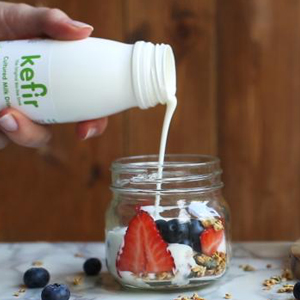
[00:37:28] Taste Radio: Well, I think most people would probably compare it to something like a drinkable yogurt. The difference is it's fermented in a specific way. So basically Water Kefir grains, which is a combination of live bacteria and yeast, are combined with a dairy product, which is typically milk. It could be cow milk, goat milk. I will get into a little bit later, but obviously soy milks and nut milks are more of a new thing. But traditionally they're blended with that and it results in sort of like a little bit of a tangy, sour, it's kind of like a thin yogurt, as I mentioned, probably comparable to drinkable yogurt, but not chunky. It's smoother. It's a lightly bubbly, so slightly carbonated, slightly alcoholic, as a fermented drink, you know, it typically is. So, yeah, it's certainly something that's existed for a long time, but is rising in popularity a little bit in recent years.
[00:38:19] Ad Read: And that's where it gets set apart a little bit from yogurt, is the carbonation and the alcohol content, and that's due to the yeast, because, you know, yogurt culture is only bacteria. This is a combination of yeast and bacteria.
[00:38:32] Taste Radio: Yeah, exactly. So it has a little bit different composition. People have referred to its health benefits as being anti-inflammatory. Obviously, there's the probiotics for gut health. But one thing, just basically right off the bat, it's rich in calcium, protein, and B vitamins.
[00:38:48] Ad Read: So all the minerals and vitamins that you typically find in milk, they are still in Water Kefir.
[00:38:53] Taste Radio: Correct. Yes. As I mentioned, some of the other nutritional benefits and values, you know, a little bit more anecdotal, but definitely calcium rich as in milk and protein, B vitamins.
[00:39:05] Ad Read: When I was reading about it too, what I found interesting is that the bacteria seems to eat up all the lactose. So it is friendly for lactose intolerant people.
[00:39:14] Taste Radio: Exactly. Yes. Lactose free, obviously gluten free. So it kind of fits in several categories for people who have certain allergen issues or whatnot.
[00:39:24] Ad Read: The traditional way of manufacturing it with like goat skins and.
[00:39:29] Taste Radio: Yeah, if we're talking super traditional, the goat milk was in a bag, in the goatskin bag, mixed with the grains and it would be sort of placed near a doorway and passers-by would sort of knock it as they pass by and mix the two products together. Obviously, this was a slow, really craft in all sense of the word production. So that's how it's typically made. Obviously, now it's a little bit different with large-scale production.
[00:39:58] Ad Read: Right. And the other thing that I thought was really fascinating when I was reading about this was it supposedly has a shelf life of around the traditional type, even without refrigeration for around 30 days, supposedly. I'm not a food scientist, so I'm not going to stand by it, but... Sure.
[00:40:15] Taste Radio: Yeah.
[00:40:15] Ad Read: I'll go with your expertise on that one. So, let's talk about who out there, if you have heard of Kefir, probably have heard of Lifeway, because they tend to be the leader in this category, right?
[00:40:28] Taste Radio: Yeah, for sure. In the U.S., I think consumers are going to be most familiar with Lifeway. They've been around for a while, and they not only have sort of the most typical brand that you would find in your conventional supermarket, also natural. But they've also been innovating in the space and sort of developing the audience that we're now seeing grow significantly. So yeah, Lifeway is probably the one that people are most familiar with.
[00:40:54] Ad Read: And they're not tied just to kefir beverages. They have Water Kefir products.
[00:41:01] Taste Radio: Yeah, as I mentioned, they've been sort of doing, with their focus on kefir, they've been innovating into other stuff. They have kefir cups, which are kind of like yogurt cups, same kind of concept. The sort of movement towards full fat, whole milk products, they've been involved with as well, offering whole milk kefirs, organic kefirs as well. They've even gotten into frozen kefir. If you can do it with yogurt, you can probably do it with kefir as well, with probably a little bit of technical tweaks here and there. But they have a frozen kefir that was actually available in a pretty popular Chicago-based chain of frozen yogurt places. So that's another sort of area of exploration. And also high-protein kefir. I believe they also have, I think it's around 40 grams of protein. So if you think about yogurt, all the innovation that's gone on there, pretty similar with kefir. There's a lot of places you can go with it and it sort of naturally fits in with a lot of the trends that we're already seeing towards certainly gut health, clean labels, high protein, sort of seems like it's a good moment for it.
[00:42:08] Ad Read: Do we know other brands that are in like the yogurt category that are also dabbling in kefir? You know, especially when you mentioned high protein, there's plenty of high protein yogurt brands out there. I wonder if they're going to be, do we know of any yet?
[00:42:22] Taste Radio: There really hasn't been too many that have been presenting themselves as kefir. I mean, we can get into this a little bit. I think we'll touch on it on sort of the, the legal perspective in terms of using that term. But certainly, you know, drinkable yogurt, again, is a very easy way for brands to sort of communicate the offering. And as you mentioned, sort of emphasizing particular aspects of it, the high protein, lactose friendly, all that kind of stuff. It sort of depends on how you present it.
[00:42:51] Ad Read: Well, let's actually get into that because there is an FDA definition on Water Kefir is. Correct. And it's pretty specific.
[00:42:59] Taste Radio: Yes, correct. So what's the USDA definition, which is quote, a sour brew of fermented milk with a consistency of liquid yogurt, which may contain two and a half percent alcohol. So this has really become a flashpoint for Lifeway in particular, because they have taken a pretty aggressive stance on protecting sort of the integrity of that name and really defining kefir as one thing, therefore other drinkable yogurts or kefir-like products should not, in their view, use that term. So we're seeing that come a little bit more prominently lately because there have been a couple, and not all of them have been using the Water Kefir, but there's been a rise in sort of dairy-free drinkable yogurts, I covered this a couple months ago, but certainly Forager Project with their Cashew Gurt, other nut-based drinkable yogurts. Dalicious, another brand that is sort of involved in using almond milk to create kefirs. So certainly there's been some activity on that front. There have been lawsuits brought by Lifeway, not all of them have been successful. I think some are still sort of pending and we'll certainly update you when we have some more information about that. It is a little bit about sort of brands protecting the integrity, but it's also about how much do you want to make that an issue. At the end of the day, you call it Kefir, you call it drinkable yogurt. I'm not sure that consumers are going to be really caught up in the, in the strict, you know, definition.
[00:44:29] Ad Read: I mean, consumers most likely won't, but it's the classic line for trademark battles is if you don't defend it, you lose it. Exactly.
[00:44:39] Taste Radio: And I think to your point, that's Why Is think we've seen other drinkable yogurt products. Maybe they call themselves smoothies or other sort of a different term, but maybe there have been less that have sort of gone out on a limb to be kefirs.
[00:44:51] Ad Read: Well, let's not dance around it. I mean, GT's Kombucha, Millennium Products, purchased Coco Kefir, which has obviously kefir in the name, and they're a non-dairy kefir, and they're the target of some of those lawsuits from Lifeway, including the ones that are currently outstanding. It seems to me interesting because it's like almost a little microcosm of what's going on with milk and almond milk. where we have almost the same kind of derision over the use of the word milk in a compound word or with a modifier, does that change the actual definition? It's a lot of minutiae, but in the business world, it's important for consumers, like you said, really I don't think there's too many people out there who are getting confused over, you know, if almond milk comes from cows or if cashew girt or cocoa kefir comes from fermented milk. Sure.
[00:45:51] Taste Radio: Well, I think that sort of leads to another, you know, interesting thing about, about this category is that it is, I think, dominated by, I mean, Lifeway is clearly the front runner and internationally, you know, there's some other Danone and other sort of yogurt brands. It is tends to be sort of concentrated in the hands of a few small, large players. So in that sense, it would make sense that they would want to sort of defend that the integrity of that name. And because that's sort of really a category and area that they've carved out.
[00:46:21] Ad Read: pretty, pretty strongly. So next, the next step, I guess, is what's going to happen with all of the Water Kefir brands, because that's an area where I'm talking to a variety of different people who are trying to come to market with a product, they give me a call, I'm talking to all these entrepreneurs, and a lot of them are starting Water Kefir. And is that similar? What's the deal with Water Kefir?
[00:46:45] Taste Radio: Well, interestingly, I think it was at Natural Products Expo West earlier this year, where we stopped by and talked with the folks from Lifeway, and they actually launched a probiotic soda. And so they've been obviously, as we mentioned, very clear on their interpretation of kefir. So they have released this probiotic soda Clearly it's called that and not a Water Kefir. So essentially they are, I guess for consumers purposes, probably pretty similar, you know, a fizzy drink, you know, not milk based or dairy based that has similar probiotic qualities, slightly alcoholic, fermented, that kind of thing. So again, it goes to a question of sort of how do you want to present this to consumers? The Water Kefir company is one, just an example that has really gone out front with this is what we are, this is how we define ourselves. For other people, maybe probiotic sodas are sort of playing around, those types of things. But certainly it's interesting. We'll see which consumers sort of identify more with.
[00:47:48] Ad Read: Well, I think it's important we're talking about it now because a lot of folks listening to this podcast, if you haven't heard of Water Kefir yet, I'm betting that you will. And I'm sure that people are somewhat familiar with regular kefir. Sure. So it's important to note the difference in the two. And yes, kombucha is basically a Water Kefir, but it's a Water Kefir. Right. So I mean, that's really all it is. That's if I can't dumb it down any more than that.
[00:48:19] Taste Radio: And maybe we try but let's keep it intelligent here.
[00:48:22] Ad Read: Okay, well, let's just let's just say, few reasons Why Is is a thing why we're talking about this today.
[00:48:29] Taste Radio: Well, I think, you know, as I mentioned before, I really think that, you know, you were talking about a second ago is fermented drinks in general, I really think I'm certainly not the first person to notice this, but fermented drinks and fermentation are really having their time right now. So Water Kefir really fits in well with that entire sort of movement towards, you know, gut health, probiotics, obviously, but also because consumers are demanding clean label natural products. So this is obviously, you know, it's all natural, it's protein rich, which is another thing people are looking for. As we mentioned, it can be either dairy or non-dairy. So, you know, making itself available to people with different sort of allergens or food issues or whatever. And also, another important thing is that it gives the brands a chance to tell a craft production story. You know, fermentation overall, I think does that pretty well. It sort of allows them to bring consumers into the process and really emphasize ingredients and sort of the historical, you know, the tradition of this particular drink. the natural remedy aspect of it. It really just fits in well with a lot of different trends that we're seeing right now. So it's growing. I think it's going to continue to grow. I think there'll probably be more brands getting involved. Certainly, I think with Dairy Free as a area which can be further explored. But the challenges I think is that I think the cost of production can still be an issue. And as I mentioned, it is still concentrated in the hands of sort of a few major players. So we'll see how much room it allows for maybe younger brands to sort of get involved. But certainly, there's a ton of white space there. There's tons of tweaks that you can make in terms of whole milk, organic, all different kinds of things, flavors. So it's certainly a wide open space and I think we're going to see it continue to grow because it really fits in with a lot of trends right now.
[00:50:31] Ad Read: I like a lot of what you said there. I've maintained for a very long time that brand owners, entrepreneurs who are making a fermented living product have a much deeper connection to that product. And, you know, you see it. You see it in the branding that beer companies and kombucha companies do. And there is a difference in the mindset of how you approach your product when it is actually a living culture. I'm really excited. And I also have to say one of the main challenges of kefir going mainstream is nobody knows how to say it properly to someone.
[00:51:03] Taste Radio: Yeah. Who's going to take it upon themselves to educate the public? Maybe it's us. I don't know. But well, I can't get it right myself.
[00:51:09] Ad Read: So fear. All right. Well, I hope you guys enjoyed. And Marty, thanks so much. Thanks for having me.
[00:51:18] Mike Schneider: I cleared up a few questions that I had about kefir, kefir. I mean, I remember my first day with BevNET was Expo West, and like, very first thing that happens is guy walks up with Water Kefir, Water Kefir, whatever, the Good Wolf guys, and drink that, and I was like, whoa, mind blown, because I'm like, oh, kefir is this yogurt thing that sits on the shelf, and I love that, but what's this, and it's so much different, and are they the same?
[00:51:41] Ad Read: My mind was blown at that point. I mean, I'm talking to a lot of different upstart Water Kefir entrepreneurs recently. In fact, that's kind of Why Is was excited to do this because I've been hearing a lot about Water Kefir and I wasn't really too in tune as to what exactly it is, but it's very, very similar to kombucha. It just doesn't have the tea aspect of it. A lot of the people who are making that stuff Obviously, they're saying it tastes better, but they're able, apparently, to make it taste more like a general soda and less sour.
[00:52:16] Mike Schneider: Better for you soda, right?
[00:52:17] Ad Read: I mean, it's a soda alternative. Probiotic soda is an alternate way to state a Water Kefir.
[00:52:25] Ray Latif: Well, certainly the health benefits are something that have attracted a lot of people to this category, to these beverages. I mean, you know, probiotics for sure. There are other health benefits that you guys talked about as well. It's just, I think at this point, part of it is really just getting over the hump of, you know, what to call it, how to market it and how to get people to try it for sure.
[00:52:42] Ad Read: Yeah.
[00:52:43] Ray Latif: But, you know, I mean, I think there will be some comparisons to kombucha and other probiotic drinks as well. There is, you know, that lingering controversy about, you know, Kefir and exactly what it is and how it should be described and how it should be marketed, you know, based on the FDA definition, based on, you know, how the USDA looks Water Kefir. I mean, I think, you know, LifeWave really does need to stand their ground on this issue. if they're going to protect that currency of that word. I mean, I think back to the word milk and how 20 years ago when we started to see soy milk and almond milk really come to the forefront, dairy processors really, that was their chance to kind of stop it in its tracks and stop people from using that word milk. is defined by the FDA as coming from the secretion of an animal and certainly almond milk and soy milk does not come from an animal. But at this point you can't do anything about it. It's almost like revisionist history. Almond milk and soy milk are just going to be called that forever.
[00:53:44] Ad Read: But it's an apt comparison because the reason the dairy... producers are so upset is because a lot of that plant-based dairy alternative products don't have the same nutritional value or profile as dairy products. And the same can be said for dairy-based kefir and Water Kefir because you get a lot of vitamins and minerals from the dairy in the final product. But at the end of the day, I mean, it's still very niche and there's still a lot of consumer education that has to happen. I agree though that it's... life ways on a better track than the dairy industry was by stepping up right away and saying, no, we have to follow this definition of a dairy-based product.
[00:54:27] Mike Schneider: Well, I think it's also a little different too in that if you look at what the dairy industry is trying to do more recently, it's somewhat of a defensive move where they see a threat. I don't think it has to do with nutrition, it's just dollars, right? So in this case with Kefir, where you have a company that's trying to protect its turf, there's kind of a bigger challenge, which is that there just isn't awareness. So I think it's an interesting dilemma where Lifeway and other companies that are in the space, they need more attention too. And maybe Lifeway is big enough that it doesn't think that it needs attention, but certainly these products are far from a household name. So, you know, on the one hand, I think there's that perspective, but then again, you know, Lifeway certainly has to protect its turf and it's, you know, basically the definition of the product. You think Kiefer from 24 should protect a stir from Kefir on the shelf or no comment. We didn't even know the difference now. Thank you guys.
[00:55:27] Ad Read: We didn't even get into, you know, the, the probiotic sparkling beverages like Kavita or like go live where you add probiotics to a water-based product. And I think that's got to be a small reason why some of these entrepreneurs are opting for Water Kefir instead of like probiotic soda, because there is a clear difference between a fermented product and one that isn't. It's just formulated. Sure.
[00:55:54] Ray Latif: Yeah. John Craven, you mentioned that, you know, some of these Kiefer brands, some of these smaller ones are not household names yet, but we've seen on, you know, some brands at BevNET Live and Nosh Live and Brewground Session that were small at one point and they are household names now. And while BevNET Live, Nosh Live and Brewground Session, which are all hopping in December, it's not right around the corner, but they're coming up and early registration is still available right now, but it is ending soon. And your opportunity to sign up for the room block, the exclusive room block at the low Santa Monica beach hotel that fills up pretty fast.
[00:56:28] Mike Schneider: It does. And we always run out of rooms. It's an awesome place to stay. I go there many times a year.
[00:56:33] Ad Read: And all the speakers are there and all the, like a lot of the investors and different people that you want to meet, you know, they're all hanging out at the bar. I can vouch for that part.
[00:56:42] Mike Schneider: Yeah. It's like 24 hour a day networking overload sometimes, but it's great.
[00:56:46] Ray Latif: People knock on my door at 3am and be like, Hey Ray, can I jam on you? I'm like, please, please for the love of God. No. You sleep in your new beverage showdown outfit though.
[00:56:55] Mike Schneider: So you've told me.
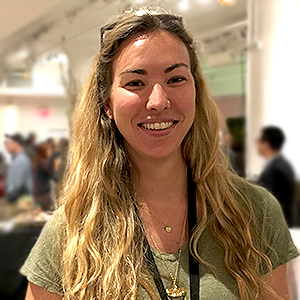
[00:56:58] Ray Latif: No comment on that. It makes things easier. I can get downstairs faster. Anyway, speaking of entrepreneurs, we have a pretty interesting conversation with an entrepreneur named Bronya Shillo. Branya is the founder of Fisher's Island Lemonade, and she recently joined us for the latest edition of Elevator Talk.
[00:57:22] Mike Schneider: Welcome to Elevator Talk, where we put an entrepreneur in the elevator with their dream investor for 45 seconds. We asked three questions. Who are you and what does your company do?
[00:57:31] Jeff Church: So my name is Bronya Shillo. I'm the founder of Fisher's Island Lemonade, which is a hard spiked lemonade in a can.
[00:57:38] Mike Schneider: Is there anything coming up that you're excited about?
[00:57:40] Jeff Church: I'm really excited to share with the world that we are one of the first craft cocktails in a can that consists of vodka, whiskey, lemon, and honey, not malt, not cider, no fortified wine. So it's a nice, refreshing ingredient product.
[00:57:52] Mike Schneider: What have you been geeking out on besides your brand?
[00:57:55] Jeff Church: I mean, kind of the same thing, a little bit of repetitive answer. Definitely hard ingredients. We're not malt-based, but to provide people with a better option for the ready-to-drink market and just sort of clean that up.
[00:58:09] Ad Read: And speaking of, you know, networking at the events, Bronya's been to a number of them, and I feel like every time I turn around, she's talking to a different person, just absolutely work in the room. There's always a handful of people that stand out to me that do a really, really exceptional job, taking advantage of the opportunity. She's one of them. A hundred percent shaking hands and kissing babies.
[00:58:30] Ray Latif: That's what it's all about. Yeah. I got to think she's taking some really good advice from those conferences because Fisher's island has done pretty well over the last couple of years.
[00:58:37] Ad Read: I mean, it's such a tasty product and it's not a FNB. It's not a flavored malt beverage. It's literally spirits Island Lemonade in a can. It's really, really good.
[00:58:46] Ray Latif: I could go for a Fisher's Island Lemonade right now, but before we do that, we got to end the show. So just want to thank everyone for listening and certainly thanks to Jeff Church, Martín Caballero, and Bronya Shillo for being with us on this episode. As always, if you have questions, comments, ideas for future podcasts, please email us at podcasts at BevNET.com. On behalf of John Craven, Mike Schneider, and Jon Landis, thanks so much for listening and we'll talk to you next time.