[00:00:02] Ad Read: This week's episode of BevNet's Taste Radio is sponsored by Virun.
[00:00:06] Ray Latif: Virun NutriBiosciences is a formulator and finished product manufacturer which holds more than 50 patents and patents pending worldwide.
[00:00:14] Ad Read: Virun's technologies focus on delivery systems for efficacious but difficult to formulate nutritious compounds and ingredients.
[00:00:22] Ray Latif: Virun's expertise lies in finding creative solutions for the functional foods, beverages, and supplements markets.
[00:00:28] Ad Read: Learn more about Virun at www.viren.com. That's V-I-R-U-N.com. And now Taste Radio.
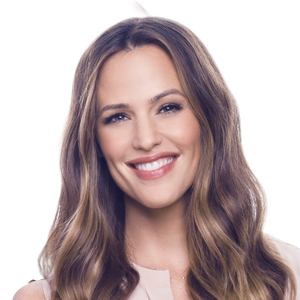
[00:00:45] Ray Latif: You're listening to BevNET's Taste Radio, the podcast for food New Beverage professionals and anyone building a business. Welcome to episode 75 for September 15th, 2017. I'm Ray Latif, and with me are John Craven, Mike Schneider, and Jon Landis. Hey now. We're recording at BevNET HQ in Watertown, Mass., and if you're listening today, catch us walking the show floor at Natural Products Expo East 2017 in Baltimore, Maryland. This week's episode features an interview with Aaron Anker and Nat Peirce, who are the co-founders of organic granola maker Grandy Oats. We also explore the growing market Plant-Based Meat in the latest edition of Why Is This a Thing? And we chat with Cindy Kasindorf, the Founder of Remedy Organics, in this week's Elevator Talk. All right, aside from getting scolded for drinking coffee with sugar, big news in the world of baby food this week. We saw that Jennifer Garner, the famous actress, has joined organic baby food brand Once Upon a Farm as an investor and quote-unquote co-founder. And it's funny because you're seeing more and more celebs embed themselves in these companies and involve themselves in strategic decisions. in some cases, day-to-day operations as opposed to paid endorsement. And I thought it'd be interesting to kind of like talk about the evolution of Celebrity Investment as it stands today. Great. I think so too. Yeah. John Craven, you talked about, you know, seeing this evolution as sort of a positive thing for the food New Beverage industry.
[00:02:13] John Craven: Yeah, I think it is awesome to see someone Why Is, you know, in a position in the case of Jennifer Garner, obviously still actively getting, you know, pretty substantial paychecks for her day job, if you want to call it that, and, you know, spokesperson for several national brands to see them wanting to get into this kind of natural and organic food space with not only, you know, their money or being a paid endorser or something like that, but actually attaching their kind of name and reputation to it as this co-founder, which to me says that they're going to be somewhat of an operator. You know, they're on the line for the success of this. which again is very different than someone who's just say a passive investor and wants to get a payday. I think that's a really neat sign for the industries that we're covering here in that people see this as a place that not only is a way to, I guess in this case, maybe get a little richer, but also to have fun, do something that is engaging and better their brand too.
[00:03:23] Ray Latif: Yeah, it's definitely bettering their brand in that she's associating herself with a organic food company, healthy, better for you brand that shines her in a better light or would for any investor in that kind of company. It's a little similar, I guess, in that we saw Justin Timberlake, you know, involve himself in a better for you brand with Bai as an investor. What's different about that is that his official title of Chief Flavor Officer is one that's sort of name and title only. I don't think that he's really getting involved in the day-to-day operations, certainly not since Dr. Pepper acquired the company.
[00:04:00] John Craven: I think the difference for buy is also just the size of the company. how a celebrity can help a company that's doing, you know, hundreds of millions of dollars is, I think, you know, no one really would be able to do that. So it's clearly just much more of a, you know, as you said, in name and for marketing purposes.
[00:04:19] Ray Latif: And this is the title of chief labor officer. It might as well be like mascot or spokesperson or something like that. It's an interesting way to attach Justin Timberlake to the brand. But this is not that. This is co-founder in a much smaller company. And if you think of it in terms of workflow, for instance, and you've got like, you know, companies out there now who are using agile development and they're, you know, using scrum and they're having standups every day. And you've got like the concept of pigs and chickens. Okay. In a stand-up, the pigs do all the work and the chickens are the ones who are listening in to what's going on on a day-to-day basis. And that goes back to the old joke of a pig and a chicken open a restaurant and the pig asks the chicken, what should we call it? And he says, well, we should call it ham and eggs. And the pig says, no way, because I'm committed and you're merely involved. And the chickens are, you know, they're involved. They're investing the eggs. They're putting the capital in and she's got to be a pig in this situation. Did you just call Jennifer Garner a pig? I think so. I think I just called Jennifer. In the nicest possible way. I meant it. I meant it in an endearing way. But she's a co-founder too, which is, this is the thing that, you know, is an interesting sticking point. I mean, this is an established company. Once Upon a Farm has been around for two, three years.
[00:05:28] Ad Read: A few years. I mean, it's not like by levels of established when Justin Timberlake joined, but it'll be interesting to see how the four of them now with Cassandra and Ari still as co-founders as well. work together in this four-way partnership, especially if one of them might be off somewhere else in the world for a few months unavailable filming on a movie or something like that, you know?
[00:05:51] Ray Latif: Beyond Meat, I think it'll be cool to see, you know, Jennifer Garner, if she actually goes out onto some of these sales visits, go and meets retailers and distributors, a la what we saw with Mark Wahlberg and Puff Daddy, what they've done with Aquahydry. I mean, they're both investors. They both have significant stakes in the company. When they did their major revamp and relaunch, they pointedly said, we're going to be involved in the operations. We're going to go meet with these folks and leverage their celebrity status to help further the brand's goals.
[00:06:20] John Craven: And the thing about co-founders is, you know, they're putting every last penny into an organization to see it go.
[00:06:26] Ray Latif: They're living it, you know, blood, sweat, and tears. And Jennifer Garner, I mean, like she's got more money than God. So what, Jennifer Garner's got, her life is made right now. So what kind of blood, sweat, and tears is she going to put into this thing is the question as a co-founder.
[00:06:39] John Craven: How far down the hole is she going to chase this thing? Right. Well, and look, I mean, like I said before, I think this is something that between this, we didn't talk about foodsters and Sarah Michelle Gellar. and what she's done there is, you know, co-founder as well. And, you know, I kind of wonder if this is something that is a trend that will continue, of course. And it's certainly a long way from, you know, Ray, you mentioned before what we've seen over the past 10 years. And, you know, I mean, I feel like in the course of, doing BevNET, I've seen so many different attempts by celebrities to get into New Beverage space. I guess the majority of them, unfortunately, came during the probably energy drink days of, you know, hip hop stars and whatnot. And I guess there was the action sports days where it was like, I don't know, we were getting athletes who were They played extreme unicycle hockey to crap on a random sport. That's a real thing. But I guess the point is, it seems like we finally have evolved to a point where this actually seems like a really smart approach for everyone that's involved. Right. And, you know, we talk about authenticity a lot, and this will certainly carry way more than, you know, just signing someone to go stand at store demos or events. So curious to see how it all goes.
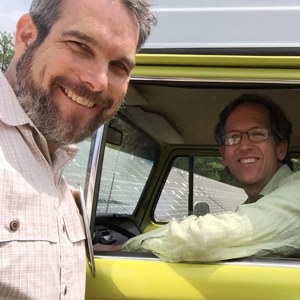
[00:07:59] Ray Latif: Well, yeah, I mean, it remains to be seen whether or not this is going to be a successful strategy and approach. I mean, there's a lot of, the brand has a lot of fuel behind it right now with the addition of Jennifer Garner and John Foraker. So definitely be following Once Upon a Farm as it continues to grow and develop. one company that's grown and developed quite a bit over the last 20 years is Grandy Oats and Grandy Oats. That's such a cool name. I thought it was a person at first, but I think it'd be a great name for like a superhero or a dog or something like that. Actually Landis told me yesterday, he's going to name his first child. Grandy Oats, Grandy Oats Landis. If that doesn't work out, ring to it. Gigantor or Mr. Roboto. And the best part about it is I like Sleelocks. The child's initials would be G-O-L. Goal! Oh, yeah. Anyway, as I mentioned, Grandiose is a maker, wholesaler, and retailer of organic granola. BevNET's editor-in-chief, Jeff Klineman, recently drove up to Maine, where he met with the co-founders, Aaron Anker and Nat Peirce, to talk about the company and its development over the past 20 years. In the past two years, it's greened its factory, it's added capacity, and it's on the brink national expansion. At the same time, it's trying to figure out its product mix and move toward a successful CPG line from what had been a majority bulk food company. And it's stayed independent since its start. It's a certified B Corp company and a solar-powered business. And Jeff talks to Aaron Anker Nat extensively about the development of the company. And it's a really interesting listen, so let's get to it. I'm Jeff Klineman. I'm the editor-in-chief of BevNET and Project Nosh, and I'm here for Taste Radio at Grandy Oats Bakery in Hiram, Maine, and I'm here with the co-founders who have their own unique titles. I'm Aaron Anker. I'm the chief granola officer here at Grandy Oats. And I'm Nat Purse, and I'm the head honcho up here at the production facility. So these titles, what do they say about the kind of company you gentlemen are running here? We like to have fun. Yeah, I mean, I think it's about fun. It's also about not taking ourselves too seriously. I've just never wanted to be a title or a corporate sort of guy. It's interesting because as we're growing now, I think people are looking, you know, outside of Nat and I, they're looking for more role definition. And it's hard to do that and then also sort of have fun with titles. But we're trying to figure that out because we feel it's important. So introduce me to Grandy Oats. What is this company and how long has it been around and at what point did you guys become involved? Sure, well Grandy Oats has been around since 1979 and for the first 18 years it was a very small bulk granola company, and they sold only direct to stores basically in New England. And in 1996, I started working with the previous owners because they wanted to pass it on. And as they said, to pass it on the torch to someone else that could then take the business and continue on in their in their methods in some way to wherever it goes. And so I've been doing it since then. Aaron came on with me three years later. Yeah. And I mean, I think the real principle, and we've continued to have a good relationship with Saren. Penny, the founders, in fact, they visited us just about six months ago. Yeah, we've got a picture here of them sitting right next to us, but they, you know, I think they wanted a like-minded person to take it on. And if you can imagine Nat, you know, close to 20 years ago with hair down to his knees about, maybe not that long, but it was pretty close. I'm just kidding. He had a pretty good beard. And then, you know, I think they were really excited when I joined Nat in partnership because it brought it back to a partnership. And we've had a great run. I mean, I joke that Nat's my other wife. We are in a 50-50 partnership. A lot of smart business people told us not to do that for the obvious reasons, but we've always had a great way of making decisions collectively. If one person feels more passionate than the other, they voice their the rationale behind that decision. And usually one of us listens and hears it, and we may compromise, we may move it one way or the other, or just take that person that was more emphatic about it.
[00:12:22] John Craven: But I did want to ask, what was the torch that they were passing?
[00:12:26] Ray Latif: Was it one of sort of principle and consciousness with the business? It was in a way. I mean, when they were looking to move on with their lives, they wanted to pass on their business to someone they felt would continue on, and they actually turned away a lot of people. They had people that made offers, that wanted to buy the business, that they said, no, we don't think you're the right person to take our business. I think they were looking, and that's kind of my comment about Nat's hair being long, and I was just kind of joking around with that. We like to call ourselves granolas, and it's a double entendre in the sense that, you know, we make granola, but we also live that granola lifestyle, which we consider to be an environmental lifestyle, someone that cares about how they treat the planet and what they put in their body. So, you know, whether you've been called a granola, a crunchy, since we're in the natural products industry, pretty much most of my friends in the industry could call themselves a granola. So I think they were looking for somebody like that, and I think Nat was doing the same with me and we had a lot of conversations before we joined in partnership in terms of our business philosophy. My first trip on the road when Nat and I were just new partners, I was in a wild oat store in Princeton, New Jersey, and the buyer, who was certainly a granola and a great guy, his name was Steve, said, well, are you an organic dude? And I said, you know, we're not, you know, and you got to imagine this is 2000, the organic standards really hadn't even been implemented. They had been written under Clinton. So I called Nat excitedly and said, hey, we need to go organic. And Nat, being smart, said, well, we can't do it overnight. Let's get there. Let's move that way. And it took us about four years to get all the different ingredients because we certainly couldn't change recipes that have been around since 1979. I think that's part of the principle is that we know that there's people that have been having our granola for close to 40 years and that's a relationship those people have in the morning within their bowl of you know whether it's cereal or yogurt and there's a lot of responsibility with that where you can't mess with something that they have had and you know I like to say to people like breakfast is a ritual A lot of people have the same thing every morning. They may do it right after they work out or before they work out or before they hop in their car for their long commute or whatever it is. So I think that's part of what Sarah and Penny were looking for is somebody that can continue that. And not just like the end customer that's using it in their kitchen, but, you know, those customers that we're selling to too, the retailers. But why did you guys buy it? I can tell you that I did because I was looking for my own gig, if you will. And at that point, I had a small retail bakery in a small seasonal town in Maine, and I realized pretty quickly that that wasn't very sustainable. So I was looking at wholesale products, and I had narrowed it down to granola for a variety of reasons. It's shelf stable, you can ship it. There's a lot of reasons that it was appealing. And then it was brought to my attention by a friend that Grandiotes existed and they were looking to pass it on. So it just sort of happened that way.
[00:15:34] John Craven: Were you guys looking to join the natural and organic food business or was it you were just looking for a business?
[00:15:41] Ray Latif: I was, definitely. Yeah, I was actively trying to do that on my own with very little. behind me or very little knowledge of what, what actually was going on out there. I mean, you gotta remember I was what? 24. Yeah. I mean, for myself, I had a foundation just like Nat. We went to hotel restaurant management school at University of New Hampshire. So we both came from the hospitality background. I ran, you know, worked in my grandfather's restaurant from when I was, you know, like eight years old to 16 and past that worked in restaurants and hotels for years. So I think we both came to the wholesale idea in a similar way because Nat also worked in restaurants growing up and hotels. So I think we both realized, hey, retail is pretty tough. You know, and we love hospitality. I mean, we still run our business with the customers always comes first and certainly the customers always right. And so I think that for me, I'd worked at Fresh Samantha Juice Company for two years. So that brought me into the natural products industry. I'd also worked at a vegan restaurant in Colorado. So I'd been introduced to that lifestyle and that type of food. So for me, it was pretty natural to join that in that regard. How does the partnership work? You guys get along? Yeah, I'd say so. Yeah, it's been good. I mean, you're almost 20 years in business together and almost 20 years in the granola business. The company's grown from, I read, about $115,000 at the time that Nat first bought in. Correct. You guys are north of six million now. Correct. In moving from this $100,000 business to a $6 million business, what are some of the challenges that affect the business itself? I mean, it depends on the different curves. So it's been 17 years, we've never had a down year, always grown at different pace. So when Nat's children were younger, my children were young, we would pull off the gas, so to speak, a little bit and maybe grow five to 10%. Right now with us feeling really comfortable in the business, we're growing at around 25%. Last year when we were moving our facility from Brownfield to Hiram, which I can go into in a second, but we grew at 6% that year. So I think that depending on what that rate of growth was, there was different challenges. So when we grew at 65% about 10 years or so ago, it was a cash flow. That was a challenge. The last year, we've brought on some really smart people to help us grow this business, and that's been a challenge. Because there's such smart people, and when you onboard smart people, it takes a lot of energy to make sure that you're answering the very good questions that they have for you every day. And also for us to challenge ourselves to be able and willing to do things a little bit different, which I think is one of the most, for me, and I think for Nat, one of the most exciting things for us to be evolving right now and bringing these really great people to teach us and for us to teach them in different ways to do things. So that's been a cool challenge. You talk about growth as if it's a given, something that you can regulate up or down. Well, we're actively seeking growth. So it is a given in that sense. If it's not a given, then we're not doing our jobs the right way. But yes, I think that we've been able to regulate it because, especially as a smaller business, you can pursue larger growth opportunities or you can pursue smaller growth opportunities, which add up to larger ones. Maybe not all on the same day, but over the course of the year, So you'll pull back from chasing chains and try and shore up and fill in spaces in geographies that you're in already. Right, because you'll run into production issues if all of a sudden you take on a chain that will increase your production 25%. Yeah. I mean, I think, you know, the answer to the question, the given, because I mean, yeah, we do come, it sounds like a very confident position. And like you said, we've been doing this 20 years. I mean, we're very, you know, I would say it's lucky. And it's also, I would say, you know, intentional that we are an industry that is, has been growing at a rapid clip. The other thing that was very intentional for Nat and I was to not take outside investors on. Because I'd seen what happened at Fresh Samantha and because I'd seen with so many friends' businesses how that changed their trajectory and how that changed sort of their governor, so to speak, on, you know, using that gas pedal analogy. When you take on investors, and there's no fault at all to anybody that's done that, I admire them for doing it, but once you do that, there's only one speed that gas pedal's going to go. I mean, you're in fifth or sixth gear and that's it. Right. And that's why you take on capital, because you need money, obviously, to invest in your business. So for us, we could govern that. And we are in an industry with a lot of opportunity. And we've tried to diversify, too. So that's another way to grow. So about six or seven years ago, we went concertedly after the food service segment. And that's been a pet project of mine. So we do a lot with universities and their dining halls. And that was a nice way for us to grow into a new segment outside of the typical natural channel. And then, you know, the other thing I would add is because we have governed the way we grow our business, we really look for good partners. You know, there's something that Nat, I know, taught me years ago, which is it's okay to say no. And in fact, it's a really powerful position to just say, you know what, I don't want that business. They're asking for way too much. And, you know, we're smart enough guys to do the math on that. And I'm talking about specific, like certain retailers ask for a lot of, whether it be slotting fees or marketing funds upfront. then you have to protect your business, not just because of the two of us, but because they have this awesome family of people that we have working here and we owe that to ourselves and to everybody to look at the business and health and when it's smart for us to go after a certain client or customer and when it's not, you know? And yet competition in the granola category in particular is very high. I would agree. There's a lot of competition. We've also seen a lot of players come and go over the years. I mean a lot. Yeah. It's been, it's been what I would call an irrational marketplace. There's been a lot of infusion of capital into it. I said earlier, you can make or no on your own kitchen. The barrier of entry is pretty low. You know, what I would say, though, I mean, simply using Hannaford as a good example, one of our first chains that we worked with, when we went in there, we were one of only two granolas on the shelf, and it was four feet, one shelf. And they were at $3.99, and I was scared to go to $4.99. You know, and now you've got eight feet of shelf. And to be honest with you, they have an under skewed section because you go to some of their competitors or other ones and there's now can be like, you know, 12 feet of granola. And the interesting thing is, is cereal segments actually decreasing, but the granola section is increasing because people want less processed foods. I think it all depends on what your mission is, right? If your goal in the granola business is to grow to a couple hundred thousand or a half million dollar business, I think you're going to be able to do that. I think if you're going to try to, to go, you know, sort of like bear naked did years ago from zero to 50 million, like overnight, that's a harder plot right now. And I think that's because there are a lot of regional players. There's also some big national players of course. And then there's folks that now own some of those players. So do you see the granola business as following that kind of regional to national? to local division, you know, much like we've seen in the craft beer industry or in the kombucha industry? I don't know. I mean, the answer is yes and no. I mean, I think that a lot of the retailers would like to see it more regionalized because they're seeing so much granola come at them that they'd like it just to be regionalized. For us, because we sell nationally, We don't want to get pigeonholed into the regional play. With that said, we want our region to be our backbone, if you will, our protected territory. But we don't expect us to be the only granola in New England. We've got some great friends that make fantastic granolas here in New England. There's a lot of mouths out there. We're fine with that. But I think it depends on again, like what that operator, what that business wants to have come out of it. You know, I mean, if they want to, if they're going to go national, they're going to have to have a lot more capital behind them now than they ever have. I think, I mean, because we're able to go national now with our Coca Nola, which is our coconut-based granola that we're super excited about. It's a paleo, gluten-free granola that's absolutely delicious. And I think that's because we have a brand that we've built for over 20 years, and we've got a well-funded business that can pay for things. But if you're starting from zero to go national, that's a hard play now because of the competition, to your point. For you guys, the idea is we can push nationally with coconola And we have something of a national presence to begin with, with our bulk products. So how do these things work together in the way your business is set up? I think you're absolutely correct with that. I mean, in order to push national as a brand, you need something that's different. just being another granola is going to be challenging unless you have a lot of money to pay your way. Accelerate growth. Right. Which is risky, very risky. But if you have a unique product that is good, that's the other thing. Your product has to be good. I mean, people will try a product once, but if it's not good, they're not going to buy it again.
[00:25:26] Taste Radio: Right.
[00:25:26] Ray Latif: So then what's the point? But if you have a good product that's unique and different than people want, then that's a good thing to lead with when you go national. Now, the question with bulk, we've led with bulk for forever, honestly. And for us, it's a nice way for us to develop products to work with our existing customer base, even though it is often a different consumer than the person that will purchase a nine or 12 ounce package. But it establishes relationships at the store level. We have a very good track record with a lot of our products. So the stores, the buyers, the chains know that and see that, and they're more apt to try something else. I think the one thing that we haven't mentioned, and I think it is probably the thing that I'm most proud of, and I'm sure that Nat is too, is that You know, unlike we're talking about, you know, competition here, these other brands, they don't have the story that we have behind our brand. Sure. We're talking about close to a 40-year-old brand that is a net zero facility that has 288 solar panels in a ball field where the kids used to play and revitalized a school that was going to be You know, a blight on a community that now is is employing, you know, close to 30 people. That's something you can't just do overnight. That's not something that's not a story that you can just fabricate. You can't just get a hell of a branding company to create that. I mean, and there's. So there's a brand story there that's like 100% authentic. And then there's also, and I mean, I'm not trying to brag about it, but it's something I'm really passionate about. And we've made conscious decisions throughout our growth to choose the path less traveled, to choose, you know, a path where we can lead in an industry that loves to see people do cool, innovative things. And then, you know, try to teach others how to do that. I mean, I've learned from so many, you know, whether it's the, you know, the Tom's of Maine or, you know, Gary from, from Stonyfield or, you know, our, our friends from Pico, John from Pico organic, or we're, we're hanging out with the guys at wicked Joe right now, we're doing some really cool stuff in coffee. Like that's what our industry does is it collaborates. So we want to be able to do that. And, and I think that in that realm, that's really hard to just do that overnight. It's hard to get those partnerships. It's hard to get that brand equity. There's an inflection point here, a crossroads that you guys hit in saying we need to be more of a brand rather than a bulk. So what was that decision process like to start rolling out more of these granolas and then Beyond Meat to say we have an innovation play that we can push behind nationally? We'll get back to Nat and Aaron in 20 seconds. BevNET's bringing three conferences to the Lowe's Hotel in Santa Monica, California this winter.
[00:28:23] Ad Read: Brewbound Session will explore the business side of craft beer on Wednesday, November 29th.
[00:28:28] Ray Latif: Nosh Live is hosting the Natural Package Food Industry for a day of strategy and networking on November 30th.
[00:28:33] Ad Read: And BevNET Live returns on December 4th and 5th to cover the world of non-alcoholic, ready-to-drink beverages.
[00:28:39] Ray Latif: For more information on attending and sponsoring, visit BevNET.com slash events. We hope to see you there. I mean, I think that, you know, the longer answer, I mean, I'd love to say we cooked this up at a, you know, at our kitchen table and we were talking about just doing this, but it's been years. I mean, the first move was to buy this new facility, really, because we were in an old dairy barn in Brownfield, Maine, which was quintessential and cool. And I always say to people, hey, if you've lived in an old house, like you love it, but you hate it. You know, it's beautiful, it's cool, it's quirky, but it's an old barn. It had many limitations. It had many limitations, so when you move into, and you're cash flowing well enough that you can have a great regional bank get behind you and help with some good state financing behind it, and you do the solar panels and you do all this really cool stuff here, and you've got, you know, a really well-run facility with a great team behind it that Nat's built through the years, then you can start to say, okay, well, let's take this brand and really catapult it into the branded side. Plus, I guess, simultaneously the work that myself and my team's doing on, you know, on the branded side, still building bulk or in food service or whatever. So all those facets sort of come together. And it's a year later since we moved into Hiram and you couldn't do that like day one. So now, and then I think the other part of it is the team, you know, like we hired Rob Maxwell. who had 22 years experience at Whole Foods, who's just a really smart strategic thinker. So he came on board about a year ago. And about six months ago, we hired Mick LeBel, who's been a good friend for years and did our PR along with a lot of other great brands. And he's now director of marketing. And we've got, like I said, a great production team too. So I think it's all of that. So let's talk about the role of innovation and how it affects your base product lineup. And in that regard, I want to talk about Coconola. You have a product that either Aaron is a hell of a salesman on, you know, the potential for this product, or it's really catalyzing sales. And I think it's the second, that you have a product... Come on, give me some credit. Well, no, you are a hell of a salesman, but... It's obvious that this is the product that you guys will want to push behind. Yet you have this legacy of 30 something other SKUs. Right. This is an inflection point for a company. And I wonder how you work through the idea of whether or not you go all in behind the hot new thing, or how much of a commitment you make to serve Coca-Cola while also honoring the rest of the brand. You can do both. You can do both. And one of the nice things about that is that, I mean, we are going all in with the coconola as a packaged item that we're going national with, although we sell huge amounts of it in bulk. So that is honoring the tradition that we're not going to give up on. So we can do both, like Aaron said. And I think we will do both. I mean, we're developing new trail mixes for, for bulk simultaneously while looking at new Coca Nola skews for package and bulk right now, we've been working on them all summer. So I think, you know, we've got a big enough, smart enough team. and enough great customers that are willing to try products out for us too, so that we can always be looking at the next new thing. I, you know, it's sort of, I think it's the walk and chew gum sort of scenario. And I, I think what you were asking more about, you know, the, the hierarchy of the, the team and it being much more of a flat team and, and now we're putting some more managers in place. I think that's the other reason you can do that. And one of the things that Nat and I are trying to do, and I say this seriously and a little bit kiddingly we're like we're trying to get more out of the way now than we are trying to be you know in the day-to-day operations and there's a couple reasons we're doing that is because we are number one we've hired really smart people that can do this and number two we've been doing it a certain way for a long time and it's time to go to that next step so I think that's part of the reason you can do two things at once too is because some really great smart people that are out there selling. We've also got some good broker partnerships that we've formed in the last year. And like I keep saying, the production guys are really well-versed. And one thing we did in production that was really good is we separated our facility. So we have a gluten-free section, and then we have our traditional section. And the traditional side, we're still making our classic granola, which is our best-selling granola that is served in college campuses all over the Northeast. People have been eating it for 40 years. It's one of the best-selling granolas around the country, and that's in its one section, and then you've got the gluten-free side with your trail mixes, your nuts, and any new granolas that are going to be gluten-free, and then, of course, the grain-free coconola in the other section. So dividing that really gave us some flexibility. You know, a lot of production facilities, what they're doing is they'll do like one day a week when they do gluten-free or two days a week. You know, that's going to set you in that path I mean, sure, you could ebb and flow. Oh, well, now we'll go to three days a week, but then that's ultimately going to take space away from the traditional stuff or vice versa. So actually separating the facility, which was a very intentional move by Nat and I to do, that gave us flexibility to grow both at the same time, if that makes sense. So when you put in this hierarchy, what kind of capacities are you hiring for? Are you looking for someone who can do demand planning? Are you looking for someone who's able to do financial projections? I mean, how did you assess what your needs were and how did you go about filling them? That's an interesting question because it has been gradual. So it's kind of comes as as it needs to and we look out and say, well, we probably do need this certain role filled. When do we need it filled? Right. As opposed to, oh, we got to fill this now and then figure out what they're going to do. I would say that. You know, in a partnership, we've had a really good way of talking things through, but about a year, well, actually almost two years ago, when we started interviewing Rob Maxwell, because I think he's a really good example, I just felt like we needed a very strategic, long-term Anker and Nat the same time, we needed somebody to help me with sales. And when we hired Rob, he's like, I'm not a sales guy. I'm an operation guy. And we clearly could tell that. I mean, he's a very personable, good guy and is easy to, to get along with. And so he's got the salesmanship and that side, but he's not a, you know, by nature salesperson, but I think we both felt like it was more important. We couldn't hire both. Right. So we felt like, let's get somebody that's really strategic here first, and then maybe the next play. And that might be counterintuitive. A lot of companies might've said, no, let's get the salesperson first. Let's grow the sales, then figure about the strategy later. We felt like we needed really to think long-term. And Rob's got a great operational side because he ran, you know, large Whole Foods stores for years in regions. So he has been able to both talk in a production capacity, but also on a sales operational. He has very much been a bridge between production and sales, which was essential. at the time and is still essential for the growth of our business because you can't just grow through sales without being able to meet the demand of producing. So to have someone that is in both sides of that operation and can communicate well with both sides of it is really an important role and he has handled it very well. How do you guys stay patient enough to go through these slower phases, a three year delay from opening a factory to building the sales and marketing capacity to, to do that lift. We're pretty unique. I mean, I don't know. I think we're both, that's the one thing. I mean, that's pretty unique about both of us. I think we both looked at this, you know, and this is not a knock at all against so many of my friends in the industry who've, who've built something really quick and sold it or built it over a long time and sold it. I'm not trying to be cliche here, but I'm living my dream. I'm having a blast. I love what I do. I enjoy the people I get to work with. So I've never really wanted to rush through this. I can't imagine what I'd do otherwise. I do want to work. I want to have a nice balanced life and be able to do fun things with my family and such. But at the same effect, I want to have a job and feel like I'm growing something. I also want to do something. And I know Nat feels this way too. That's just not a business, right? It's like, we've done some cool things with solar, with being a hundred percent organic, with having an awesome team that we get to work with. So if I wasn't doing those fulfilling things, I might be in more of a rush, but because I get to have these rewards along the way, I'd say that makes it, Less of a rush, if that makes sense. Is it the same for you, Nat? You know, honestly, when you look at the business and the growth and the growth patterns that we've had and it continues to go and it goes and it goes, it's really a day in and day out situation. You know, I don't sit back and say, oh man, we got to do this so much faster because it's not broken. There's not a pressure that says, oh, you've got to go faster. Because you don't. We're in a good place. We want to grow. We're pursuing growth. And we're doing that, but I think we're doing it smarter than if we felt like we had to. Thank you very much, guys. Best of luck. Continued success. Thanks, Jeff. I really appreciate making the trip up to Hiram. And I think we should go for a swim now. I don't know about that. I don't know if you're up for that or not. It's been nice. I got a suit in the car. Let's go to the Saca River. All right. Thanks a lot.
[00:38:41] John Craven: John Kramer, what's your take on Grandiotes as a brand? From what I heard in Jeff's conversation, I think it's really just neat to see a company that has the history that they do. I mean, 1979 or whenever they started is like the stone age of natural foods, basically. And, you know, they trucked along and, you know, these two guys took over. Here we are 20 years later and, you know, basically something that's old is kind of new again and exciting. And as they pointed out, there's super low barriers to entry. You know, we could all just go off and make granola and, you know, somehow they've managed to turn this into a brand as opposed to this bulk company. And it, you know, it looks nice, it's growing. And it was just neat to hear a story about that.
[00:39:31] Ray Latif: Yeah, and staying on track with what they've been doing since 2000, I think it was Aaron that mentioned that, you know, it's being lucky and intentional. The market for organic products in 2000 was, you know, still developing, standards weren't even established for organic products, and yet they were like, We need to do this. This is something we need to be focused on. And that was the intentional part. The lucky part is how quickly it's grown since. I mean, everyone seems to be wanting a piece of organic. And if you're innovating as a company, as a food New Beverage company, if you'Remedy Organics, it seems to be that you're on the right track because It just has this healthier halo.
[00:40:08] Ad Read: I mean, there were two things that they talked about that stood out to me. One is a common theme that we just keep hearing from all of these folks is being intentional, saying no, knowing when you're overextending yourself, thinking about the people who work for you as your family and taking care of them. These are things that we hear a lot of, and it's for good reason. Also, these guys pay attention to the industry, what's going on. They're not just head down in granola world. They're out looking around. And you're listening to Taste Radio, so you're kind of doing the same thing. So I think that those are two really, really important points on if you want to slow build over a long time to build a sustainable business. two things you should really be looking at.
[00:40:51] John Craven: Well, I mean, to your Jon Landis, this is a company that is not out there chasing some gold rush, right? So they have built everything kind of intentional for a reason that is not just to, you know, make a buck today. And I think that's, you know, when you look at a lot of the companies that have been successful up until now that have had that sort of slow build, you know, you can look at, I don't know, a Stonyfield Farm or, you know, the early days of an Honest Tea and other pioneers in organic and, you know, they were building for a sort of mission and purpose. And I think this is another one of those companies.
[00:41:26] Ray Latif: The other interesting thing sort of toward the end of the conversation was how Nat and Aaron Anker about sort of trying to get out of the way and focusing less on day-to-day operations. And they've done that by hiring great people who can help manage their business. And it was really interesting for me to hear them say, well, we've been doing this thing for a number of years and we've been successful at it. But if we really want to evolve, we have to change those processes. We have to evolve. we have to look at ways that we can improve Beyond Meat's already successful for them. And I thought that was kind of interesting because you can be successful as a company, but if you really want to take that next step, maybe you have to look at those processes and maybe you have to look at your operations and see where you can get better.
[00:42:12] John Craven: Yeah, I mean, I think that's clearly something for every company to consider. I mean, I think, you know, they're speaking and sort of how I interpreted that is that, you know, the challenges of being like a $100,000 company that they were 20 years ago and the challenges of being a, you know, $6 million company today in a much more competitive market where they want to grow. I mean, they're just totally different. So they certainly for sure. I think, you know, have to get out of the way a little bit and figure out how to build a team and sounds like they're doing it.
[00:42:47] Ad Read: So putting your big boy pants on as a business, you know, indeed, I mean, they're keeping their fingers crossed. They're hoping for that overnight success, but they're realists about it. Yeah. The authenticity that these guys have to, it just oozes from them. Like you can hear it in your headphones as you're, as they're talking, uh, they talk about being granola's. I mean, it's not about telling a brand story anymore. It's about living that lifestyle yourself and then being it being the biggest user of your product and having it.
[00:43:13] John Craven: having concentric circles away from you in terms of the brand.
[00:43:17] Ray Latif: Yeah. Well, thanks so much to Jeff Klineman and Aaron Anker Nat for that interview. Canola seems to be a pretty fast-growing food category. Another really fast-growing food category seems to be that of Plant-Based Meat Landis, you recently sat down with the Project Nosh folks, Carol Ortenberg and Meagan McGinnis, and talked about this expanding market for plant-based, quote-unquote, meat. some of the brands that are involved, product categories, and the technologies that are driving that development. Let's get to it in this latest edition of Why Is This a Thing?
[00:43:50] Ad Read: Well, anybody out there who identifies with Ron Swanson might want to turn out the podcast right now. We're going to start talking Plant-Based Meat and why they're a thing. Carol Ortenberg and Meagan McGinnis, Project Nosh in the flesh with me here right now. Let's just talk about real quick, it is a thing and the numbers don't lie, correct?
[00:44:09] Aaron Anker: Right. So Plant-Based Meat now, we're seeing just in general that 70% of the world's population is either reducing their meat intake or just removing animal products from their diet in favor of these kind of plant-based alternatives altogether. We saw the plant products double from 2015 to 2016 just on the market with new product launches too. So you're seeing brands really just encompass this and really believe in this product and look to these because that's what consumers are wanting.
[00:44:42] Nat Peirce: And these brands aren't just targeting vegan consumers. They're also targeting the wider audience of shoppers, whether that be someone who's trying to cut back on the meat in their diet, or maybe they just want to incorporate more sources of plant-based food into their diet, or they want to make a more sustainable choice that they feel will better the environment.
[00:45:04] Ad Read: Yeah, and that kind of gets to the backbone of what this phenomena really is all about. It's not just about dietary constraints or anything like that. There's a lot of different reasons why people are motivated to eat plant-based products.
[00:45:18] Aaron Anker: I mean, you have animal rights. That's just kind of like your go-to. And then you have nutrition, which is kind of attracting, as Carol was saying, what has typically been a meat-eating consumer who now is trying to cut back And then you have sustainability if you have consumers who are being more mission driven and caring about carbon emissions and the environment and things like that.
[00:45:39] Nat Peirce: And that's given rise to what the industry has called the flexitarian consumer, which is that they, you know, flex back and forth between being sort of vegetarian and also eating meat and don't really adhere to one diet or the other necessarily, but are more conscious about what they're eating.
[00:45:56] Ad Read: But that's not only, you know, there's brand owners out there who are motivated by those things, but there's also brand owners out there that just identify the consumers find these things important and are building products for those types of people.
[00:46:10] Aaron Anker: True. I mean, even if a brand does not care at all about any of those three things, which is kind of unlikely just in the natural food world in general, but say they don't care at all. every brand cares about making money. And so the bottom line is they care about their bottom line and they want to grow and have a profitable business. And I mean, it's expected that just the Plant-Based Meat could reach upwards of $5 billion by 2020. So that alone is enough of a motivation for even companies as big as like Tyson. They announced that they're going to be looking towards these plant-based options and they're one of the largest meat companies in the world. So everyone's looking to this.
[00:46:54] Nat Peirce: That doesn't mean that you can just get away with making a lackluster Plant-Based Meat. The problem is there's also so many choices now that you can't just put together some veggies in a puck shape and call it a veggie burger and expect it to really just sail off shelves. Consumers are also becoming more educated and tasting Plant-Based Meat alternatives and demanding those higher quality options.
[00:47:21] Ad Read: And when I think of, like you said, a puck with vegetables, when I think Plant-Based Meat, a lot of the time I go back to like Boca burgers and whatnot, but that's not Plant-Based Meat is in 2017 anymore. I mean, those still are out there and there's still products like those, but it's kind of bridging off into two different roads right now.
[00:47:40] Nat Peirce: Well, I think there's still the companies that want to provide consumers an easy analog for items that, you know, they want to keep in their meal rotation, whether that's a Plant-Based Meat on the chicken nugget or the hamburger or chicken breast or something like that. But with those products, they still have to taste good is the key element. They still have to cook up nicely and they still have to serve that functionality. So if it's a veggie burger that falls apart on your bun, that's not really helping the consumers solve that, you know, how do I replace a hamburger for Wednesday night dinner issue?
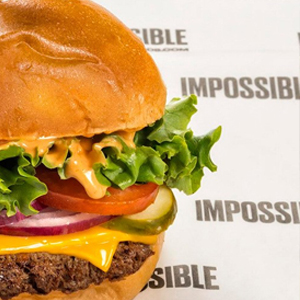
[00:48:17] Aaron Anker: And then you have the other end of things, which is appealing less to the vegetarian or the vegan Why Is looking for that utility and more to this larger consumer that is more of the flexitarian that we were talking about, the average meat eating consumer Why Is looking to cut back a little bit. their products not only to have that utility, but they want them also to taste like meat. They want them to taste like something that they're familiar with, which is why we're seeing the Beyond Burger or Impossible Burger now start to take rise.
[00:48:52] Ad Read: We've reported on those quite a bit recently because they've taken in lots of money. I mean, when food meets tech, it seems to be a perfect storm for investment in 2017.
[00:49:01] Nat Peirce: It certainly is the technology aspect. It's also, you know, these are brands that have very sophisticated marketing and packaging, and they really capture consumers' attention and become something to be talked about, especially when you're a company like the Impossible Burger and you're working with chefs like David Chang that consumers are excited about just to begin with.
[00:49:23] Aaron Anker: That's when you get those lines that are forming up and down the streets of New York when they first were launching at those restaurants. And then you get the social media hype, and then everyone's talking about this bleeding burger that has no meat in it, and that builds the craze.
[00:49:38] Ad Read: Well, it begs the question if, you know, a viral flash in the pan can sustain long-term growth, how appealing and exciting are these things after that initial wow factor wears off?
[00:49:48] Nat Peirce: Well, we've had them cooked in the office, I think, a couple of podcasts ago. Yeah. Did you get to try one?
[00:49:54] Ad Read: Yeah, I did. They were good. I would eat them. So, I mean, we'll see.
[00:49:57] Aaron Anker: That's a big thing coming from him, by the way. It's a bold statement.
[00:50:04] Nat Peirce: He basically is our Rod Swanson.
[00:50:08] Ad Read: No, I like to think myself more of like a Tom Haverford, you know, but that's okay. I don't have that much energy.
[00:50:14] Nat Peirce: We got to upgrade your hoodies then. Very true.
[00:50:19] Ad Read: Well, I want to ask our Leslie Knope here in the office, Carol, what are the big challenges right now to growing this? Because we have great forecasts of this category expanding to $5 billion in the next three years. You know, what are these brands being faced with right now as they try to hit those thresholds?
[00:50:37] Nat Peirce: I think one issue is where is their home in the store and how do consumers who walk in the store know exactly where to go to get a Beyond Meat burger. In many stores, they are sold in the meat department, but I've also seen them sold with the meat alternative, sort of in tofu or one time even in a yogurt cooler. So I think once they decide, you know, is this something that should be sold in meat as an alternative or is it a plant-based protein and should be sold in that set, that will help relieve some of that confusion right now.
[00:51:12] Aaron Anker: I mean, Kroger just came up, they are now selling Beyond Burgers and they're in, I think it's 600 of the meat sections of that store. So that retailer is trying to position it with the other meat options for people.
[00:51:26] Nat Peirce: The issue is, you know, sometimes when things are decided by corporate offices, it sounds really great. But then when it comes time to actually unpacking the product and putting it on shelf, it can sometimes get confusing or there's store buyers who think they should be merchandised somewhere else. So execution certainly is another point that they'll have to be on top of.
[00:51:46] Aaron Anker: I think there's also some price barriers as this starts to just grow as a category. I mean, I'm guessing that the, like anything else, the prices will start to drop as they scale more, but for right now, they aren't a cheap alternative.
[00:52:02] Nat Peirce: I think they're somewhat comparable to like a grass-fed ground beef. And that does beg the question, like, if you have the choice between grass-fed ground beef and a meat alternative, which one are you going to pick? I think, like Megan said, as they start to scale and see that price drop, that encourages accessibility and encourages more people to give a shot. Right now, for the average consumer, it might feel more like a treat that you're going to try out.
[00:52:28] Aaron Anker: Yeah. And I don't know if the average consumer as of right now has the knowledge base to know the nutritional differences or benefits of having a plant-based burger versus that grass-fed one compared to kind of like factory meat or something like that too. So I think as this continues to grow, if there's more education around some of the nutritional benefits over just all meat in general, rather than just the kind of factory farm stuff that you're getting in those family packs, then you'll see them start to pick up more steam.
[00:53:01] Nat Peirce: You also mentioned, John, that there's a lot of press around these brands, but what that means is there's also a lot of press when something is unknown. I think along with the education about Why Is can be better for you, there also has to be education about the product being a clean, safe alternative. Because a veggie burger that bleeds can also be pretty scary for a lot of consumers. Like, am I eating a product that's GMO and I'm trying to avoid GMO, like is this some weird lab-grown meat?" And these companies are under a microscope, so if something happens, the public quickly picks up on that and sort of starts telling the story of this weird burger that had this issue.
[00:53:45] Ad Read: It's a double-edged sword. You know, you have the attention when you have something catchy and interesting and with that wow factor, and then Also, you're going to kind of get analyzed, overanalyzed to a degree. But, you know, you mentioned Plant-Based Meat and that begs my question of, you know, what's the future hold for this? You know, meat is obviously a huge industry and there's a lot of momentum going to the anti-meat. So, you know, where does it go and what's in the horizon?
[00:54:15] Aaron Anker: So, just to be clear, like for... the anti-meat. You Plant-Based Meat and then you have clean meats. So clean meat is when you are taking meat cells and growing them in a lab to make meat from that rather than from animals and factory farms and things like that. So that's a cleaner way to do it with all the animal rights issues and things like that. But say if you're using animal cells and it's not a vegan friendly product, like plant-based would be, and you still have some of the nutritional differences between meat and plant-based options. So they are two very different things that are under the greater parent umbrella of just clean meat alternatives, I guess.
[00:55:01] Ad Read: Yeah. Anti-meat.
[00:55:01] Nat Peirce: Anti-meat, there we go. But I do think making that line clear to consumers is going to be really important. As Plant-Based Meat to resemble real meat, you know, in order to appeal to those consumers that really don't want to eat meat, you've got to be clear, like, look, there was no animal products used in the creation of this meat.
[00:55:23] Aaron Anker: But I mean, we're seeing investors and the money go into both, which is super interesting right now to watch. So I mean, just kind of following the dollars, I'll be excited to watch what happens over the next couple of years. You're seeing Memphis Meats just got that huge investment. Hampton Creek announced that they're going into clean meat.
[00:55:44] Nat Peirce: So I'm excited to see what the future holds for it. And a lot of them are not, shockingly, all in California. So that definitely seems to be a hotspot for both the clean meat and Plant-Based Meat.
[00:55:56] Aaron Anker: Even on the other end too, you saw Nestle with its acquisition of Sweet Earth. So they're both getting major plays.
[00:56:05] Ad Read: It sounds like a little bit of foreshadowing into this difference between clean meat Plant-Based Meat and two different consumers, but being marketed towards as the same and how's that all going to play out. But maybe a few years from now, we'll dissect it a little bit more.
[00:56:19] Nat Peirce: Yeah, we'll see which way the market is moving.
[00:56:23] Ad Read: Oh, no. That's our Leslie Knope for you, ladies and gentlemen. Carol Ortenberg, Megan McGinnis, thank you so much for joining me today.
[00:56:31] Aaron Anker: Thank you for having us.
[00:56:34] Ray Latif: Some really interesting talking points here. I love the idea of these new plant-based burgers as improving upon veggie burgers and what's traditionally been sold. I mean, veggie burgers were the butt of every joke. Everyone was like, oh yeah, I'm eating a veggie burger. I'm trying to be healthy.
[00:56:50] Ad Read: We know you're eating cardboard.
[00:56:51] Ray Latif: And I can make butts out of vegetables.
[00:56:52] Ad Read: It's not even that old. I mean, I still remember that commercial, the guy putting a quinoa burger on the grill. And what is this? Quinoa.
[00:57:02] Ray Latif: Yeah, what is that, a loofah? But I mean, that's the point. It's about reaching a broader audience, trying to make things taste better, trying to make things healthier, trying to improve the protein count, the fiber count, everything. And it's really cool to see this market expand. John Craven, I mean, you're eating a lot of this stuff at your own household. I mean, you go, you operate almost as a vegetarian household, right?
[00:57:20] John Craven: Yeah, well, half of my four-person household is vegetarian. And I guess I'm just not overly motivated to cook, you know, meat or fish for myself at home. So, you know, I've tried a lot of these products, like either at shows or here in the office when we've had samples of them and, you know, purchased some of them. For me, I, you know, I'm not a vegetarian, but I end up eating a lot of this stuff. And, you know, I'm kind of not personally looking for like something to be fake meat. I like things that have their own, you know, unique flavor and experience. That's my own personal preference. You know, my wife, who's a vegetarian, kind of is basically the same, doesn't like things that look like meat. There's a reason she stopped eating meat, you know, that goes beyond just ethical reasons or whatever. And I don't know, I think, you know, it's interesting to see all this innovation happening right now. Like, we're clearly in the middle of this innovation curve that doesn't quite know where it's going to end up.
[00:58:19] Ad Read: So it's kind of like splitting off in two ways to splitting off in different ways.
[00:58:24] John Craven: And I think, you know, there's obviously, as you know, you guys just discussed so many different things out there. I find it kind of like almost makes my head spin trying to keep tabs on it also.
[00:58:33] Ray Latif: Vegans heads are spinning too, because they don't know what to make some of this stuff. You mentioned your wife not wanting to eat anything that even resembles meat. At Expo West, when we were at the Beyond Meat counter and you see everything sizzling and people are eating the same, it tastes just like burgers.
[00:58:47] John Craven: There was one vegan there who was like, I am not eating that, just on principle. Good job, guys. But I don't want to eat that. And I will say, you know, after having some of these products at Expo West, trying to reproduce what, you know, I had at the show at home was like a totally different experience. Like when I had to actually look at some of these products and try to make them taste as good. And I mean, I don't know, I'm not like in no way a chef, but not like somebody who eats Hot Pockets either. But it was actually pretty hard to work with some of these things. Did you remember to add the bacon? Because that's what they did at Expo West. I deep fried the crap out of everything in duck fat and top it with bacon.
[00:59:28] Ad Read: I'm lining up to try like lab-grown meat. I would love to do that. I want to eat, you know, a hamburger that they grew in a laboratory while cruising around in a self-driving car. The future is here. Now you know where Jon Landis stands when it comes to the GMO debate.
[00:59:43] Ray Latif: He is clearly in one court.
[00:59:44] Ad Read: I am pro-GMO. And if you have problems with that, you can find my phone number online. Give me a call.
[00:59:50] John Craven: Some Soylent while you're at it.
[00:59:52] Ray Latif: You can give me a hamburger that's not going to clog my arteries. I'll eat three. I want that.
[00:59:56] John Craven: Hey, nothing wrong with a good old-fashioned hamburger. Yeah, I love burgers.
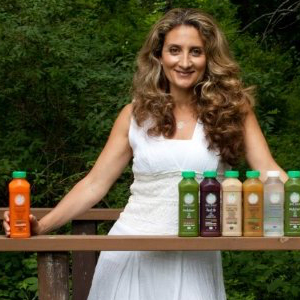
[00:59:59] Ray Latif: You know, you should ask about that as the folks from Remedy Organics. John, you could talk to them about that. In the latest edition of Elevator Talk, we do talk to one of the Founder of Remedy Organics, which is a line of almond milk and plant-based protein blends infused with adaptogenic ingredients. I love those words. Yes, aren't they great?
[01:00:19] John Craven: Yes.
[01:00:20] Ray Latif: We talked to Cindy Kasindorf, Why Is one of the co-founders in this edition of Elevator Talk. Welcome to Elevator Talk, where we put an entrepreneur in the elevator with their dream investor for 45 seconds. We ask three questions. Who are you and what does your company do?
[01:00:40] Taste Radio: I'm Cindy Kasindorf, Founder of Remedy Organics.
[01:00:45] Ray Latif: Is there anything coming up that you're excited about?
[01:00:48] Taste Radio: What's exciting about what we're doing at Remedy Organics is we're taking a plant-based beverage and taking it to the next level in functionality.
[01:00:56] Ray Latif: What have you been geeking out on besides your brand?
[01:00:58] Taste Radio: What I love in the industry is all the creativity and I love that we're in this health food revolution and we're really creating change in the food New Beverage industry.
[01:01:13] Ray Latif: So Cindy and her husband slash co-founder Henry participated in New Beverage Showdown 13, which was in June at BevNET Live Summer 2017. I thought they did a great job. They made it all the way to the final round.
[01:01:24] Ad Read: Yeah, they did. And it was a pleasure working with them leading up to it because there's a lot that goes on behind the scenes before those New Beverage Showdowns take place on stage. In fact, we now have the application open for this winter's New Beverage Showdown 14 taking place in Santa Monica, December 4th and 5th. Please, if you have any interest in being a part of this thing, send in an application. Give me a call. Let's talk about this. There's a lot that goes into it. We want to have a great lineup of some really killer brands and have everyone be super prepared.
[01:01:55] Ray Latif: And one of those brands is going to win $10,000 in cash and prizes. There's my game show host voice. Do you hear that? You like that? All right. That brings us to the end of episode 75. Thank you so much for listening. Thanks so much to our sponsor, Virun, which makes efficacious ingredients for trend-setting brands. And thanks to our guests, Aaron Anker and Peirce, Jeff Klineman, Carol Ortenberg, Megan McGinnis, and Cindy Kasindorf. As always, questions, comments, ideas for future podcasts, please email us at podcast at BevNET.com. On behalf of John Craven, Mike Schneider, and John Lentz, I'm Ray Latif. Thanks so much again for listening. We'll talk to you next time.