[00:00:02] of ABC: But I spent my career trying to make people understand that eating well, fueling your body, letting your body thrive on good food, it should be delicious. It should not be a sacrifice. It should feel like an indulgence.
[00:00:15] Ad Read: This week's episode of Taste Radio is sponsored by Rise Brewing Co. New York City-based Rise Brewing Co.'s organic nitro cold brew coffee is refreshingly smooth, naturally sweet, and so creamy that it's hard to believe you're drinking coffee. Rise uses the highest quality ingredients and brews their coffee in both kegs and cans sold nationwide.
[00:00:33] Daphne Oz: Think a super light, refreshing stout beer meets iced coffee with a frothy head. An infusion of nitrogen gives RISE its distinctive creamy cascade and natural sweetness without added sugar or dairy.
[00:00:45] Ad Read: RISE is available in three delicious flavors. BevNET's best New Beverage winning Original Black, Lemonade, and Blood Orange. The innovative citrus flavors are a refreshing twist on coffee with a tea flavor profile. A clean alternative to energy drinks, they deliver the same caffeine as a cup of coffee but with stimulating flavor.
[00:01:04] Daphne Oz: Our favorite part, when you open a can, it roars. To learn more about Rise Nitro Cold Brew, visit www.risebrewingco.com today.
[00:01:13] Ad Read: And now, Taste Radio.
[00:01:25] Ray Latif: Hey everyone, thanks so much for listening to BevNET's Taste Radio. I'm Ray Latif and with me are John Craven, Jon Landis, and Mike Schneider. We're recording from our studio in Watertown, Mass. And in this episode, we feature an interview with celebrity influencer, TV star, and Chief Innovation officer of healthy baby food brand Pure Spoon, that is Daphne Oz. We also hear elevator pitches from the founders of two innovative food brands, No Evil Foods and Ayoba-Yo, and offer feedback on their business plans. Just a reminder to our listeners, for questions, comments, ideas for future podcasts, please send us an email to askattasteradio.com. Gents, I know you missed me. Maybe you didn't. Maybe I missed myself. Who? We missed you, Ray. That's because I was out for episode 105. I'm back for episode 106.
[00:02:09] Daphne Oz: Everyone's happier now.
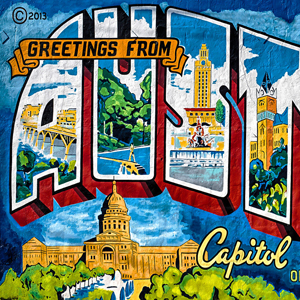
[00:02:10] Ray Latif: Yes, yes. I was in the city of Austin, not to be confused with Boston, Austin, Texas, that is.
[00:02:16] Daphne Oz: Keeping it weird, Ray? I was keeping it weird. Making it weirder?
[00:02:18] Ray Latif: Yeah. No, Austin's a great city, as you guys know. One of the things that really stands out in Austin is that they love their own brands. And there's so many upstart early stage or entrepreneurial food New Beverage brands that come out of that city. I passed by Epic HQ. And I remember when Epic used to be this like tiny little beef bar. It's just like, who would eat that stuff? And now all of ABC sudden. It helps spur the movement. It helps spur the movement. I mean, we're gonna be talking about a new beef jerky brand later on in the show, but- Ray, it's built on. Isn't it? Okay, built on. All right. But yeah, I mean, if you were drinking coffee, for example, if you're drinking canned coffee, you're drinking either heyday or High Brew. If you were drinking sparkling water, you were drinking Waterloo. Canned cocktails I saw all over the place, and most of them were Mighty Swell, which is a brand based out of Austin. And then, well, I mean, I guess the other brand that you see that's not based in Austin is Topo Chico. Everyone was drinking Topo Chico as well.
[00:03:16] Daphne Oz: You funneled a few Shiners, did you, Ray?
[00:03:18] Ray Latif: Nice. A few Shiner box? I didn't drink too much Shiner, but there was a lot of other craft beer in Austin. And again, I mean, this is something where the community really supports itself and supports each other by saying buy local. And I think I saw some sort of statistic that said, if you buy local 60% of the money, or I think it was even more than that, more than 60% of the money actually stays in Austin versus if you're buying from a brand that's based outside of the city, where only 17% of it comes back into the city. So really good to see so much interest in entrepreneurship and so much interest in really supporting a dynamic, interesting, innovative community in Austin. Would love to go back again soon. Did you bring us any samples or ribs or anything? I have some brisket in my fridge, but that's for me. Brady, did you go to Franklin Barbecue? No, I went to Salt Lick. Salt Lick was, oh my goodness.
[00:04:09] Daphne Oz: Salt Lick is amazing, yes.
[00:04:10] Ray Latif: It is really good. So much meat in this episode. That pit. Yes. That sausage. Oh my God. Sausage. Yeah, so while I was gone, you guys were working on a pretty interesting video, weren't you, Jon Landis?
[00:04:22] Ad Read: Yeah, I guess this is my directorial debut, the second Jon Landis, to grace that title. It's definitely the second thriller, right? Sequel to thriller. You know, I feel like Eric Cartman in that episode of South Park, you know, how do I reach these kids?
[00:04:39] Daphne Oz: You guys, I am totally, I'm totally trying to get you to do BevNET, New Bevis Showdown.
[00:04:45] Ray Latif: Between Howard Stern and South Park, I guess you guys just know every single line.
[00:04:50] Ad Read: So, you know, we have so many people that are interested in this competition, The New Beverage Showdown, and we're so excited that everyone wants to be a part of this thing, but it's really not built for every single person out there.
[00:05:03] Ray Latif: What is The New Beverage Showdown, John Linus, for those folks that don't?
[00:05:06] Ad Read: Yeah, it's our pitch competition at BevNET Live for entrepreneurial beverage brands. And we're really looking for brands that are on the market less than a year, meaning not just a new brand that your company has launched, but we're looking for green entrepreneurs. We're looking for people who need some insight and feedback and have really outside the box ideas. And like I said, it's not for everyone.
[00:05:29] Daphne Oz: And I heard you're kind of trying to talk brands out of it in the video.
[00:05:32] Ad Read: Yeah. And I do. I do talk people out of it. I mean, you have to know what you're getting yourself into. It's not, you know, peach peaches. It's not. It's not what? It's not peaches and what? Peaches and herb? Yeah. It's not, uh, you know, it's not super rosy all the time. It can be very harsh. And I have this same like five or 10 minute conversation with literally everybody who inquires. And, you know, we decided like, how do we try to get this message to you guys before we start talking? So we made this quick video.
[00:06:02] Daphne Oz: So you can advance the conversation when you're, when you're talking.
[00:06:04] Ad Read: Yeah. deeper conversations instead of just giving my spiel to everybody, right? So we got a new five-minute video. It's up on YouTube. You can go check it out. It stars just about everybody on the BevNET editorial team. San's our editor-in-chief, who was just simply too busy. But it should be a lot of fun. We're trying to engage you guys and use what we do best in creating media, creating content. to tell a bit of ABC story about what this New Beverage showdown thing is all about.
[00:06:33] Ray Latif: As Jon Landis mentioned, it's on the BevNET YouTube channel. The 10,000th viewer of the video will win a prize. Let's link it up on the site, too. That's going to be on the site, too. All right, let's link it up. You got it. Link it up. Link it up. So that's been taking a lot of time. So I can only assume that some of the brands are going to be participating in The New Beverage Showdown we saw at Expo West 2018. Love the fact that we're still getting samples from some folks, although we're not getting all the samples that we saw. Some of The Chew products, some of The Chew brands that we saw at the show. John Craven, what do we do with all these samples when they come in and why are they so important to us? Well, we got to eat, you know?
[00:07:13] Daphne Oz: Yeah, I mean, that's a great question. I mean, people ask us that quite frequently. And, you know, there's a lot of different things that can happen with the product. You know, we take a picture of them all. We put them in, you know, either the BevNET database or the Nosh brand database, both of which are, you know, public. You know, you should go check if your company's on there. If it's not already, you can find those databases on either BevNET forward slash reviews or on Project Nosh forward slash brands. You know, a lot of the products also end up on our social media or social media of people in the office here. You know, I think at the end of the day, like, you know, having your product in the hands of the people covering the industry and, you know, writing about either your category, maybe your company, it's certainly a good thing to do. You know, it's good to educate us and, you know, help us stay in touch with your company. So, you know, always recommend people send samples of, you know, all their new stuff. And we need some snacks too, like I said before, so.
[00:08:10] Ray Latif: Indeed, and it's great to be able to share what we see in the office on our social media platforms as well, on Instagram, on Twitter, sometimes on Facebook as well. And a lot of it is educating fellow entrepreneurs and fellow folks in the industry about what is out there, what folks are doing, and how they're all trying to stand out from the competition. And also, it helps us to really formulate the foremost trends that are happening in the industry. We can see and identify from these products what is really latching on with the founders of these companies, with these companies themselves and with their customers.
[00:08:46] Daphne Oz: Sometimes there's a lot of hype around a trend and when you send us a product and we actually taste it, then we And we can believe in the hype or not believe the hype. I mean, obviously there's just like with New Beverage showdown, it can be a double edged sword, but you know, most of the stuff that comes into the office is pretty eyeopening.
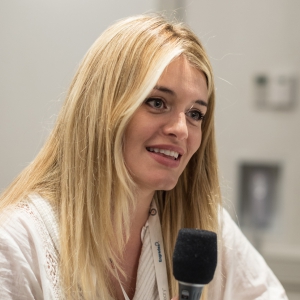
[00:08:59] Ray Latif: Indeed. And we're going to be talking about a couple of these things that came into the office this past week. So stay tuned for that. But for right now, let's talk about Daphne Oz. Daphne is a chef, New York Times best-selling author, Emmy Award-winning television host who co-hosted the ABC show, The Chew for six seasons. Daphne engaged viewers to see wholesome eating as a way to indulge with her signature, quote, happy and healthy recipes. Everyone's got those, but she's got even more specific ones. And now she's taking her expertise to Pure Spoon, which is a brand of healthy HPP organic purees for babies and kids. Mike Schneider, our very own Mike Schneider, not the one that you guys know, but our very own Mike Schneider, met up with Daphne at Natural Products Expo.
[00:09:41] Daphne Oz: Not the ABC news anchor, the editor of Variety Magazine, or the Tony Hawk of fingerboarding, or the polka king of Wisconsin? None of those. Okay.
[00:09:48] Ad Read: Tony Hawk of fingerboarding, where do you pull this up?
[00:09:52] Ray Latif: Gotta meet that guy. That's weird, by the way. He's a chill dude. Anywho, it's our very own Mike Schneider who spoke with Daphne about her role as an influencer and industry expert, and her transition to entrepreneurship with Pure Spoon.
[00:10:05] Daphne Oz: This is Mike Schneider here for Taste Radio with Daphne Oz. Daphne, thanks for being on the show.
[00:10:09] of ABC: Thanks for having me.
[00:10:10] Daphne Oz: So great to have you here. Daphne Oz're a journalist, an author, a TV personality. Probably the hardest job of all is mom, right? You've got three kids. We both have three kids. Not together, but we do.
[00:10:22] of ABC: Well, what's that movie that they combine forces, they get six? Besides the Brady Bunch. Yeah, the Brady Bunch. Oh my gosh, great.
[00:10:27] Daphne Oz: Right, right, right. So how do you do it all?
[00:10:31] of ABC: I mean, how does anyone do it all? Unfortunately, I have not invented the time jump machine yet. So I still only have 24 hours in the day like everyone else. And you know, I really talk about this because I think it's important for moms in particular to hear because I think sometimes you see this image of moms just doing everything and you're like, I know you only have as much time as I do. So how are you actually doing all these things? And I talk about this candidly. I think some days, you know, I get an A grade as a mom and a B grade as an employee and a C grade as an innovator or an investor and those rankings calibrate day to day. And there are some days like today where I'm here, I'm at the convention, I get to be with adults and I get to see all these incredible new food products and wellness category products. And then there's some days I'm just at home with my kids and just soaking that up. And I feel like that balance, being gentle with myself in that balance is key to making sure that I'm happy through this. Because I am a true believer that happy kids come from happy families, happy parents, happy moms. So I try to preserve that too.
[00:11:29] Daphne Oz: We've had a very successful career as a journalist and an author and a TV personality. I want to talk about, you mentioned before, an investor and an innovator. But before we get into that, we're here at Expo West.
[00:11:39] of ABC: Yes.
[00:11:40] Daphne Oz: And I think people would say, why didn't you ask her the question if I didn't ask you what you're excited about?
[00:11:44] of ABC: Oh my gosh. What am I not excited about? This place is like the land of unicorns. If you're a health and wellness freak like I am, and I just, I'm a product junkie. That was actually my very first job. I was in high school. I was a product road tester for Elle Girl magazine. I remember having to go on assignment and spray men in Times Square with like Bobby Brown's new beach fragrance and see if they responded.
[00:12:08] Daphne Oz: How did they respond?
[00:12:09] of ABC: They liked it. They really liked it. It's a delicious fragrance.
[00:12:12] Daphne Oz: Did you bring any? I could use some.
[00:12:14] of ABC: But no, I mean, I love this stuff. And so walking around, walking through the convention now, you see people who are so passionate about these companies that they have blood, sweat, tears running into. They are, I mean, a couple of the categories I'm super excited about. Alternative dairy substitutes. So I just, probiotics for me, it's the one thing I wish every American would start working into their diet. It helps your gut health, which in turn helps you absorb. You could eat the best diet in the world if your gut isn't in good shape, it's not absorbing that nutrition, so it doesn't matter.
[00:12:41] Daphne Oz: And what is it about your gut?
[00:12:42] of ABC: Your gut, I mean, your gut is, in ancient Chinese medicine, they talk about it being like your brain. I mean, it's what turns on different hormones. It's what, you know, tells your brain what to do.
[00:12:50] Daphne Oz: Yeah, you're Dan Tian in ancient Chinese medicine, right?
[00:12:52] of ABC: Oh, look at you. See, you know.
[00:12:53] Daphne Oz: Tai Chi.
[00:12:54] of ABC: A little Tai Chi. Tai Chi, Tai Chi. A little Tai Chi, yeah. A man of many, many knowledges. So anyway, I think these alternative yogurts, given that dairy can be complicated for some people, the coconut yogurts, the water buffalo yogurts, I mean, not even getting that far away from dairy, but just away from cow dairy in some cases, I think is fascinating. I love the introduction of beauty foods now. I think collagen is sort of the front runner there. I think that we'll just continue to see growth in that category. People would want to be able to eat their way to a a glowy model exterior, and I think some of these are probably promising that and won't achieve it, but I'm super excited and definitely a willing candidate to try them.
[00:13:33] Daphne Oz: Same here.
[00:13:34] of ABC: Yeah.
[00:13:34] Daphne Oz: I could use it, not like you. I mean, I need the colleges.
[00:13:36] of ABC: You know what? This is like four hours of sleep last night, and I got a red eye overnight coming in from New York, so it was a little crazy. But I think that the third thing I'm really excited about on a personal level is seeing a lot of grain-free introduction. I think, you know, people want it to be uncomplicated. They don't want super processed stuff. But we've relied on grains in such a big way for so long that we've forgotten that we can use things like, like I put, instead of pasta, I put spaghetti sauce on spaghetti squash all the time. But now there's all these different sort of, you know, interesting lentil pastas and other kinds of beans and legumes that they're using. There are other vegetable pastas. So I think, We're going to see a lot of health. For me, my career has been... You're talking about beyond the zoodle, of course, right? The zoodle is fabulous. I love a zoodle, but I feel like people sometimes don't want to have to break out the spiralizer. They want to be able to grab something. And I get that. As a family, cooking for my family, I understand the convenience factor as well. But I've spent my career trying to make people understand that eating well, fueling your body, letting your body thrive on good food, it should be delicious. It should not be a sacrifice. It should feel like an indulgence. I feel like we've so long have felt that healthy eating has to be deprivation-based, and that is so not where I live. So I love to see so many products in this category bringing that front and center.
[00:14:49] Daphne Oz: Yeah, there's so many things out there to see right now. I mean, I'm just drinking from the fire hose. And you named three of the big ones there. Let's talk a little bit about this new move that you've made here. You're with a new company.
[00:15:00] of ABC: We'll talk about that in a moment. I'm so excited. I'm like bouncing in my seat.
[00:15:02] Daphne Oz: I know. You're bouncing up and down. And you're adding to, you know, journalist, author, TV personality, investor, and Chief Innovation officer. So let's talk a little bit about that. Let's talk about Chief Innovation officer first. What is that role in a startup?
[00:15:17] of ABC: Yeah, so I am here at Expo West with Pure Spoon. It's this incredible baby food company that I've joined as their Chief Innovation officer. And that title for me is all tied up in the fact that, so I've been in full baby mode for the last four years. Our oldest is four, we have a two-year-old, and then my youngest is three months old. So she's just about to get ready to go into that solid food phase. And obviously, as a result of that, baby food has been something I've been thoughtful about for a while. Childhood nutrition is something that I just am passionate about to begin with, And when I started learning about this company and how different they were than the traditional packs and packages that your wife may have bought when you guys were, when your kids were little, like it's, it is, when you buy a pack and I am so guilty of this when you're at the airport or you're on the run or you need a meal to go and you buy those squeezy packs that you think are organic and you think you're doing the right thing for your kids. as a conscious consumer, I had no idea the level of processing of that food. I had no idea that those companies were buying pureed foods, combining those purees, cooking them again, cooking them inside the plastic packaging, which was like the major light bulb moment for me was how unhealthy can this be, given that it's condensing the sugar and given that it is destroying all the nutrition. and that it's being cooked in plastic. When I discovered Pure Spoon and saw not only are they buying whole produce and prepping it for baby food exactly as I would have at home, so it just removes some of the guilt for me as a mom. If I can't always make my baby food at home, what's the next best option? Buy the whole produce, peel, chop it, puree it together once, put it into a cup. So we use a cup packaging as opposed to the pouch packaging. and submerge it under, get this, 87,000 pounds of pressure per square inch. Oh yeah. So it's called HPT. They were the innovator in the space. They were the first ever cold-pressed, totally organic baby food to use HPP processing so you don't destroy vital enzymes, so you keep maximum nutrition. but kill anything that could be growing. And that to me was a light bulb moment of, my gosh, I am a committed, conscious consumer. I think about buying organic for my family. This is my job. I live and breathe this. And I didn't realize that I wasn't necessarily investing in the right food for my baby until I started learning about PureStream. So when Allison, the founder, and I started talking, and she was listening to me, as you can tell, I like to talk, and I'm rattling off. Thank goodness, because that's what we do on the show.
[00:17:30] Daphne Oz: If you didn't, it would be a pretty bad show.
[00:17:32] of ABC: If you have any reticent people, I hear one-word answers. You're like, yeah, thank you for coming. Okay. Great interview. Good times. We have one word from so-and-so. You know, she listened to the way that I was brainstorming, and she's a mom as well. She started this company because she was committed to making baby food at home, and at some point realized it was taking hours out of her day, and it was expensive, and it just wasn't tenable long-term, and she wanted a feasible solution for moms just like her. And we were going back and forth on the nutritional needs of ABC young family across the board. As I started brainstorming with her, it was just clear that baby food is just the beginning. For me to be able to apply my strengths as a mom who's just living in it and thinking about it all the time and realizing what's working and what's not working, what my kids desperately need, it just made perfect sense to me. Just a mom who's living in it. You're not a journalist.
[00:18:18] Daphne Oz: You haven't done anything in this space.
[00:18:20] of ABC: You have a platform. Well, I'm very lucky to be able to do things like this now as an investor, bring my platform and make it meaningful in a way to consumers who care about... Look, they know that if I'm giving it to my family, it's because I think it's the best out there. And I love to be able to share those products with people because, look, we're all just trying to do the most with 24 hours that we possibly can.
[00:18:43] Daphne Oz: So you have this platform, and like we said before, you've been a journalist, and now you're moving into the entrepreneur space as a Chief Innovation officer. How do you use that platform now? And are you making a full move into sort of the startup world, or are you kind of straddling the line, and how do you do that if you are?
[00:19:01] of ABC: No, I mean, I love what I do. I love being able to get on TV and talk to people in such a big way. I mean, you know, I've written books for a long time, too, and I feel like it's just, television is this wonderfully efficient way to reach the maximum number of people with real personality. They feel like they actually get a sense of who you are, and that, to me, is absolutely vital. I share the real me. I share my real thoughts on things, and I, for me, television will always be front and center in that way. I've always had this little bit of an itch to get involved in Chief Innovation in the entrepreneurial world because when you have ideas and when you're thinking about a category as deeply as I end up doing in motherhood, in health and wellness, in beauty, the things that I'm really passionate about, you do identify real challenges and real needs people have. And I like to think I have good ideas every now and then. But it's also a new skill set for me. Like, I think that I'm not afraid to admit that I'm learning every day on this journey, that I am learning from the best of the best all around me, that I'm watching Alison as the founder of this company, how scrappy she's been from the beginning, the obstacles she's overcome, the things that the triumphs she's had, like, that is a really vital lesson for me, you know, as a supporter of female entrepreneurs to begin with, but also just to As my brain starts turning on these things that I'd like to be a part of, it's been a very exciting thing to add to a busy schedule.
[00:20:19] Daphne Oz: So we haven't really talked about Chief Innovation Officer, and it's not a common role in a startup. I mean, it's an early stage startup that's going to go out for funding at some point, right?
[00:20:29] of ABC: Yeah, it will, but it has been incorporated for about four years at this point.
[00:20:33] Daphne Oz: Okay, so it's still a young company.
[00:20:35] of ABC: It is young.
[00:20:35] Daphne Oz: It is still a young company. Bringing on Chief Innovation Officer, what is that role? Are you here as a trend spotter? Is it a scientific role? How does that work?
[00:20:42] of ABC: I really wanted to capture my abilities and my strengths and what I thought I could add to this company. And for me, first and foremost, that is about being the consumer. That is about identifying the needs of moms everywhere because I'm living and breathing this. And I know what my kids will eat and what they won't eat. I know what is practical for me to throw in my handbag and take with me to the park. I know what actually matters to me when I look at packaging. in a rush to the supermarket and just throwing stuff in my bin, or am I actually paying attention to the various different nutritional counts and things like that? For me, I want to be able to be that consumer on the ground, but that consumer with a mouth, with a megaphone as you put it, or a bullhorn in some cases, to be able to share that with a company that so urgently is able to and wants to provide for that consumer. If you were a mom who would like to make all your baby food at home, but know that isn't practical, Pure Spoon is the only baby food for you. And so, you know, first and foremost, I'm the, I'm the mom there, but as, as is Alison, but I'm a second mom for her and a mom with young kids. But I also absolutely am there with my background in integrative nutrition, with my background in culinary. I want to be able to be there front and center when we start doing things like healthy protein bars for kids when we start, not to give away all of our good ideas, but when we start doing things that are going to change the way young families think about childhood nutrition. Because for me, Chief Innovation piece is taking what Pure Spoon is already doing really well, and they are absolutely the thought leader in this space. They were the first to go to HPP. We provide the baby food in cups that are really easy to stack in your fridge or your freezer and are perishable. So you're getting, when you side-by-side compare the look of ABC shelf-stable product that is older than the baby you're feeding it to versus this fresh food product, there is just absolutely no comparison. So taking what they're already doing well and taking it to the next level. Absolutely, that's transplotting. Absolutely, that's being able to get us you know, placements and being able to talk about it in a major way where moms everywhere can start to hear about it, because I think that's important too. But look, I could have come on, to your point, I could have come on board as just a spokesman, I could have come on board as just someone who's going to tweet about it. That's not what I'm interested in. I don't get behind companies that I wouldn't A, give my own children, but B, that I don't have skin in the game on and that I don't think I could make a bigger mark on that I feel like there's just more to do here. And I was very grateful that Allison and her husband, Greg, took me up on that offer and thought, you know, had their trust in me that I'd be able to bring some value there.
[00:23:04] Daphne Oz: Allison Eberle, the founder of Pure Spoon. How did you meet?
[00:23:07] of ABC: So we met through a mutual friend who'd obviously known that I was, we actually met almost a year ago. So my son who's now two was still eating, you know, baby foods regularly. And I actually take these baby foods and put them into their smoothies. So we, you know, we use them for all ages, but had introduced me to them and seeing them in the fridge or in the refrigerator section. I like that idea. I know it's, and it's good for adults too, actually, if you're not like, I know some adults are kind of picky about their vegetables and you know, a handful of spinach only goes so far in smoothies. So these are a great way to add veggies right into your, and other fruits right into your shake.
[00:23:36] Daphne Oz: Another use case.
[00:23:37] of ABC: Yes. But they introduced us and you know honestly I got to talking with her. When I talk about becoming an investor and I talk about that being something that I really wanted to add to my resume and I really wanted to learn about and be able to bring my unique skill set to bear there. I wasn't out there looking for someone who's trying to make a billion bucks off of selling stuff to kids. I wanted someone who was passionate about what they did, who had a unique approach to something or had innovated on something.
[00:24:02] Daphne Oz: So you're actively looking.
[00:24:03] of ABC: No, I'm always looking. I mean, look, we're all always looking. But more looking for what my family would want to use than I am looking to throw money around. Because look, that's not my core asset. My money is not any greener than anybody else's and there are plenty of people with much deeper pockets who could just pour money into a company. I like to think that my acid is my brain and my acid is my ability to understand what I want and therefore be able to apply that to what I think lots of moms would want. I didn't think Allison was trying to make a bank on this idea. I knew that she was committed to making the best possible baby food because she wanted to give it to her daughter. And when you hear the stories of what, and that's part of why I don't call myself a co-founder or something like that. She's been, you know, living, breathing this stuff, making batches of baby food in her kitchen for the last four years. I haven't been there for that. I'm coming on now where she's ironed out these kinks and she's ready for the next level. And I feel like that is so important to be able to see the genesis of this idea as a passion project for her and that she's allowed me to bring my passion for it as well. I think we're just going to take it to the next level.
[00:25:04] Daphne Oz: So you're clearly passionate about Pure Spoon. You're clearly passionate about baby food and more nutritional options. And one of the things I read in the press release was that there were more healthy options for dogs than there were for kids, which was a thing that everybody's eyebrow was up on. So you saw a space here, and you're going into this space now. You have this platform from social media through television. How do you sort of weave this in authentically? I mean, clearly, it's a part of you.
[00:25:32] of ABC: Yeah.
[00:25:32] Daphne Oz: But how do you do this authentically, particularly on social?
[00:25:34] of ABC: I mean, I try not to adulterate my reality very much. I share portions of it, not the whole thing, obviously. We're a pretty private family, but the parts that I do share are real to me. And so when my daughter, Domenica, who's three months now, starts taking solid foods, and I have the Pure Spoon cup there with me at the high chair, And I show that to my fans and my friends on social media, like, they see that that's something that's real for me. That's not, you know, I have to put this product here so you see it, so you go buy it. I just, that's not how I've ever operated. And I think, again, like, if I didn't have kids or I wasn't involved in this personally, it'd be much harder for me to talk about it in a way that meant something. And I think a lot of the people that I talk to online and on television pay attention to what I have to say in a few particular categories that I happen to have in my own personal life. And I think that for me, I don't think about the authenticity question as something I actually have to spend time on because if it wasn't authentic, I just wouldn't do it.
[00:26:34] Daphne Oz: Well, what's the next three months look like for Peerspoon?
[00:26:36] of ABC: So we just launched stage three flavors, which this is a big feature of having that cup. So I talk about our cups looking kind of like the hummus containers that you buy, which is great because you can actually get more food in the product than you can in a pouch, but even more so they stack really well in the fridge and freezer. You do get them in the refrigerator section, or you can have them shipped right to your house, which is super convenient. But we just launched stage three flavors, which have more texture. So one flavor has whole blueberries in it. Another has coconut woven throughout and lentils. So your baby actually, I know the lentils.
[00:27:06] Daphne Oz: Coconut lentils, quinoa, there's a lot of flavors in there that are.
[00:27:09] of ABC: Oh my gosh, you actually knew about this other flavor. There's a quinoa, kale, and a pineapple, a mango. Mango, pineapple, mango, kale, quinoa flavor. That is fantastic. And there's an apple and oat option. Just ways for your baby to start to have some textural plays that I think are really important as they develop teeth, as they develop The Chew.
[00:27:27] Daphne Oz: Maybe developing more complex palates.
[00:27:29] of ABC: We want to be able to help parents teach their kids how to be adventurous eaters. The number one thing I hear from moms all the time online is like, how do you get your kids to not be picky eaters? How do you show them how to love food the way that you do?
[00:27:41] Daphne Oz: You know what the answer is? Just don't make them something else. Just put the food in front of them. They're going to eat it.
[00:27:45] of ABC: At some point they will get hungry enough, they will eat it. But my kids can be stubborn and I do experiment with ways to make it healthy and delicious. But I also think it's a matter of exposing them to things as often as possible. And now my oldest, Philomena, is four and she's very rebellious and I have to cajole her into trying anything. But I insist on her trying things once. I don't force her beyond that, but I want her to not be afraid of food. And I think when you're feeding your kid food from a tube, and they can't see it, and they don't know what it is, and it's kind of like, they're not getting that family eating together experience. When you have to give your kid a spoon, a food from a spoon, unfortunately, you know, I like to think of the packs as being mom-friendly. Of course they are, they throw them in their purse, they're easy. But the tubs are much more kid-friendly and much more eater-friendly. They're going to be the way that your child actually starts to develop this love of trying new things and love of eating together with you as mom or you as dad. in a way that I think that we're all focused on and missing in a big way right now. And it's still convenient. You throw this tub in your purse and you have it for a mealtime in two hours. It's totally fine. So I think launching Stage 3 is the big move for right now. But now that I'm fully on board, the brainpower is just churning. Alice and I get together and it's like, reams of paper just coming out of things that weren't because she's as ADD as I am. Maybe you can tell me. I had no idea. The two of us sit there brainstorming and she has the technical know-how. For instance, we were brainstorming new flavor combos last week and I threw out that I thought, so I was really in a pina colada mood that day and I wanted to have something that was pineapple and coconut and chia seed. And immediately she was like, well, the pH is going to be this, so we need to adjust it with this. And that is something that's so not my skill set. And that she's, again, because she's been living in this space, she knows it. But I can come in with novel flavor pairings or novel ideas about what my kids are really into right now.
[00:29:34] Daphne Oz: You can figure out the next strawberry banana, right?
[00:29:36] of ABC: Figure out the next strawberry banana. You're looking at it right here. Next banana, next chocolate banana, next Nutella, next the whole thing.
[00:29:41] Daphne Oz: Jalapeno. Jalapeno, kiwi, cucumber. I just tried HealthAid, their new kombucha.
[00:29:47] of ABC: Oh.
[00:29:47] Daphne Oz: It starts hot and it cools right off. I was like, this is, this is not, these are not flavors that would exist in nature, but it's brilliant. You know, you're coming up with the same kind of things, right?
[00:29:56] of ABC: Yeah, but I think, look, I think at the same time you want to keep it simple for parents. I think that's, If I sound like a broken record on this, it's because I can't drive it home enough. We are in the business of being the pioneer, the most interesting, most exciting, most true to our promise of being the healthiest, 100% organic baby food out there. But I also want to make it simple for parents. I want it to be the easiest thing, the most practical thing, because at the end of the day, I also know that that's a factor at play. You have to make it simple for parents to to find this baby food, to make Peerspoon a part of their everyday life, to also see the brand as something that's going to get them through the whole length of young familyhood. I'm sure you remember, I don't know how old your youngest is, but it's tough going when your kids are 10. Okay, so you're out of the weeds.
[00:30:39] Daphne Oz: A little bit. It's tough going.
[00:30:40] of ABC: There's just new weeds. Okay, this is the crazy thing. Everyone's like, oh, bigger kids, bigger problems. I don't know. I've got some crazy things happening in my house right now.
[00:30:50] Daphne Oz: Yeah, it's just the same.
[00:30:52] of ABC: It's all the same. You're in the weeds of it when they're that little. And you want products that support you and support your mission, support your goals for how you want to feed your family. And our hope is that Pure Spoon becomes the most exciting young family nutrition brand in the world.
[00:31:05] Daphne Oz: Well, Daphne, as you build out this new lifestyle brand, Pure Spoon, we wish you the best of luck in this adventure and all of your adventures. Thanks so much for being on Taste Radio. Thank you, Mike.
[00:31:15] Ray Latif: So we've heard the term, the title, Chief Innovation Officer for a few different food New Beverage brands. In her case, it means something, and in other cases, it's just some celebrity who was invested or given money to a brand, and that's the title that they got. But in her case, she's really taking a very important role in the future of this company.
[00:31:36] Ad Read: Well, it contrasts with others who are in her position who take on the role of co-founder. And I really thought it was very refreshing to hear her reason why she didn't want that title because she thought it would detract from all the heavy lifting and hard work that the true co-founders did in the early days to get this thing off the ground.
[00:31:55] Daphne Oz: Indeed. I'm really curious about how this goes for her. First and foremost, I think this is a very on-brand thing for her to do as a food expert and someone who cares a lot about nutrition and then also who has a family. She was one of the warmest people I've ever spoken to. She was at the interview early. We had a good chance to prepare before we talked. And I just, I feel like there's a lot of authenticity here in her mission and the things that she's going to try to accomplish with Pure Spoon.
[00:32:25] Ray Latif: And she's really about good tasting food, which is something that I love to hear about. I mean, she mentioned that, you know, deprivation of flavor had been a theme for healthy, better for you food for so long, you know, and one of the quotes I loved was in And she said, I've spent my career trying to make people understand that eating well, fueling your body, thrive on good food, it should be delicious. It should not be a sacrifice. It should feel like an indulgence. And I love that. And again, you know, that's something we talked about. Jon Landis, you specifically brought this up a couple of podcasts ago when you talked about some of The Chew products, new brands at Expo West and how much better tasting they have been. as compared to counterparts in the past years. Yeah.
[00:33:03] Ad Read: And let's face it. I mean, when you're talking about kids' food or baby food, that whole aspect of the product is exponentially more important because kids are very picky eaters. They want things that are, you know, sweet and they want things that, you know, are familiar to them and aren't like, super exotic or, you know, that's just not, it doesn't seem to be what a two-year-old is interested in eating. But I think what a lot of brands have struggled with is the two-year-olds aren't the ones actually purchasing the products and they need to appeal to these parents somehow, you know, without them actually tasting the products, right? So how do you...
[00:33:41] Daphne Oz: Healthy for you and tastes good. Like you said, they usually haven't been things that go together and especially, Landis, to your point, and as a parent, you know, you, You wanna try to get your kids eating healthy, but it has to be something that they're willing to, you know, three of us are parents here and we've gone through this before. If it doesn't taste good, the kid's just not gonna eat it. And starting with that as the mission, especially in a baby food brand is something that we just haven't heard before. Well, I think bigger picture too, you know, part of the reason why natural has, you know, expanded beyond just being this thing out on the periphery is that companies have figured this out. So it's no, you know, sort of surprise that taste is now important as, you know, natural, healthy products get closer and closer to the mainstream. Like, you know, the majority of consumers are just not willing to accept that sacrifice. So I think, you know, we're going to continue to hear that and we're going to continue to see products that are able to do that.
[00:34:34] Ray Latif: And I think her point about indulgence is an important point for brands going forward. I mean, for so long you think indulgence and natural and healthy, they don't belong in the same sentence, but people love indulgent food. People love chocolate, people love ice cream, people love all these kinds of things that taste really, really good, but haven't necessarily been healthy. I think this is a real opportunity for brands to look at their products and say, how do I make this indulgent and how do I keep it healthy? And I think that's going to be a really important part Chief Innovation strategies going forward.
[00:35:04] Ad Read: Especially in a food that has to be healthy. Yes.
[00:35:06] Ray Latif: I mean, this is key.
[00:35:07] Ad Read: I mean, to me also, Daphne seems to look at everything through a consumer lens, you know, she's clearly elevated beyond your average consumer, right? She's got that celebrity status, and she understands a lot of things in the industry behind the scenes that typical consumers don't, but Every time, Mike, you talk to her, you know, about, you know, what her positioning was or what her thoughts were, what does she deal with? How does she deal with authenticity? She immediately went through the lens of the consumer and was talking about positioning this brand to fit that, to fit how the consumers will be looking at it, which I think is just, you know, it's, it's a good exercise for people to do. And a lot of the times here in the industry, you know, we're in our own bubbles and, you know, we're talking to industry people all the time and we're really not thinking about elevating something for the consumer specifically.
[00:36:01] Ray Latif: At the same time, talking to the consumer beyond just the product itself is really important, and this is where that work-social-life balance comes into play. How much of your life do you share? How much of your life has to be, you know, real for social media versus real for you? And she talks about trying not to adulterate her reality too much and only sharing portions of it, but the portions that she shares are real to her.
[00:36:26] Ad Read: Work-life balance in 2018 seems to be work social media life balance.
[00:36:31] Daphne Oz: Totally. She has established this platform and she's established herself as an expert and she has and she's bringing this brand into that and she has to do it in a way that's very authentic otherwise she's gonna you know it's gonna look like she's kind of turned a corner and is doing something very different and she's just a pitch person and I don't think I don't think that's what she's going to end up being. I do, you know, she's clearly passionate about the brand. She's clearly passionate about the mission. And, you know, because she's already set up this social media platform, it should be easy for her to bring it into her, into her lifestyle because she already believes in it. Similar to what I think Jeanette Ogden does with Shut the Kale Up. Although Jeanette's not The Chief Innovation officer of any of these brands, so.
[00:37:11] Ray Latif: Nor has she been on a Emmy Award-winning television show. No, that's true.
[00:37:15] Daphne Oz: That's true.
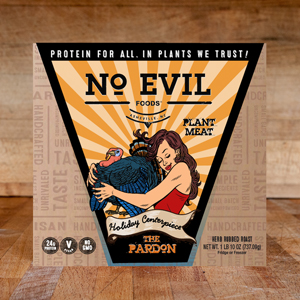
[00:37:15] Ray Latif: Yeah. Well, great interview, Mike, and- Thanks, and thanks Daphne, that was a real treat. Yeah, it was. All right, so as I mentioned, we've got another extended edition of Elevator Talk. We're going to hear from two really interesting brands, and then we're going to follow up with some constructive criticism on their pitches. First up is Cedra Cheadle, who's the co-founder of No Evil Foods.
[00:37:43] New York: It's time for our Elevator Talk, where we put a founder in an elevator with their dream investor. Let's hear what happens. What is your company's mission?
[00:37:52] of ABC: Our mission is to do No Evil. So in addition to making really great products, we want to do good with Natural Products. So we're more than the food that we make, and we're more than the food that we eat. And we have very strong beliefs and passions that we can make a huge impact environmentally, public health, and for animal welfare through the foods that we're eating.
[00:38:08] New York: What is your product and how is it different?
[00:38:11] of ABC: We make meat from plants. So we take an artisanal plant-based approach to traditional proteins. We have a chicken and No Evil foods, Italian sausage, Mexican chorizo and a hickory smoked pulled pork. And we do that all with really simple ingredients. We don't have added fats or oils. We have a completely understandable label and we're not using any protein isolates.
[00:38:31] New York: Who is your target audience and how do you quantify the market opportunity?
[00:38:34] of ABC: Our target market is everybody. It's everyone who likes good food. So we have a really dedicated, passionate, core set of ambassadors that are in the vegan and vegetarian community, and they've been wonderful early adopters of our brand. But we see a lot of opportunity with the broader market, the people that want to have a cleaner, better, more healthy alternative to animal protein.
[00:38:53] New York: What stage of growth is your company in?
[00:38:55] of ABC: We are still an emerging brand for sure. We have about 250 doors right now with a reach from New Hampshire to California. And we're opening up our own facility to quadruple production this year, which means a lot more plant meat to a lot more people.
[00:39:07] New York: What has been the biggest surprise since starting your company?
[00:39:10] of ABC: overwhelmingly enthusiastic people have been about our product. You know, we didn't come into this from a place of knowing exactly what we were doing. To be quite honest, we said, hey, maybe no one will buy this, but we came at it with personal passion. And it turns out a lot of people really are receptive to what we're doing. And that has been the most fantastic part of building this brand is seeing the enthusiasm and excitement from the people who try it.
[00:39:32] New York: What do you need from a partner or an investor to go next level?
[00:39:34] of ABC: We're actually doing our first fundraising round right now, so it's a great question to ask. We're looking for partners who understand our mission and will support us in that because it's at the core of everything that we do. People with manufacturing and operations experience is something that would be really beneficial at this stage of our growth as we really plan to scale and develop our innovation pipeline.
[00:39:52] New York: Why should I invest in you?
[00:39:53] of ABC: We're fresh, so there's a lot of really cool things happening in plant-based meats, but there's nothing like No Evil Foods. We are mission-based. We do a lot for social justice initiatives. We have a lot of that baked into our brand already, and our product is fantastic. There's nothing out there that can really nail the flavors and textures that we're nailing with the label that we have.
[00:40:17] Ray Latif: All right, first things first, Sadra really well-spoken. I enjoyed listening to what she was saying, and it felt like she had the answer to every question that was asked.
[00:40:25] Ad Read: Yeah, I thought she was very well-spoken. Like you said, very tight and very easy to hear her passion for what she's doing. One thing that stood out to me was when she talked about her target demographic being everybody. You know, being in 250 doors, I think it's a little early to be doing that. I do very much understand that the space that she's playing in, everyone is trying to democratize, you know, plant-based meats. and change the world and, you know, impossible foods and beyond meat are trying to make these really big things happen. But there is a plenty of ABC market here for just people who want to eat vegetarian. And, you know, I think that she should play to her strengths earlier on. And to that point, you know, she seems to know what she needs help in. She knows they're building out a new facility. She needs manufacturing and operations help. Like, you know, she knows a lot of these things. To me, I think That was something that lost me just for a moment.
[00:41:22] Daphne Oz: If it were me, I would tighten up the initial mission to do No Evil. I mean, that's that's the name of the company. So that's inherent. I would tighten that thing up along with the audience as well, because in an elevator pitch, you have a very short window to be able to describe what the company does. And at this stage of the game, playing a little too big, I think. And remember also that Google's mission, their BHAG at one point was to do No Evil. So you're also kind of evoking that when you say this. And I don't think that you have the, you know, the size at this point to be able to go there.
[00:41:55] Ray Latif: But I did love when she said, we have a completely understandable label, because to get to that broad audience, you have to be able to explain what you are effectively, efficiently to everyone. Otherwise, it's not going to be for everyone. Although there are some interesting names for her products, right, John Craven?
[00:42:12] Daphne Oz: Yeah, I mean, some of the products are called like, I think it was a comrade chicken, comrade chicken and the stallion. I wonder if that's a little too like in your face, you know, it makes me think about meat and animals like too much plant based horse meat stallion. Well, if that's what you're into, I don't know.
[00:42:32] Ad Read: I mean like humanizing the animals, right? Like it is.
[00:42:37] Daphne Oz: And I mean, I think, you know, I think I understand what they're going for, but it also kind of like, It just puts a negative sort of like almost downer thing in my mind when I'd rather be focused on just like enjoying their product.
[00:42:49] Ad Read: Yeah. And I mean, I got to say that, you know, inherently I think her brand and products are very interesting in this time right now. For sure. you know, it doesn't seem like she needs to go very far, like put herself out there to get people, drum up interest from investors with a plant-based meat brand in 2018. Like, so I would just say, you know, step back, you know, one step, dial it in just a tad on, you know, who is actually buying your products and making it more accessible for them before opening it up to the 300 million people.
[00:43:21] Daphne Oz: Honing on that mission. You can keep that BHAG of do No Evil for your, you know, for in your office, but just get, tighten up that mission just a tad. Well, and all those other companies that you mentioned are spending boatloads of money doing that. So, I mean, again, to your Jon Landis, like they can just focus on here's our product and why it's a good option.
[00:43:39] Ad Read: If she wants to ride in the wake of those boats, I mean, she totally can. But, you know, to me, there's also an opportunity to just set yourself apart with the core community. I think she wants to be the speedboat. That's the thing.
[00:43:51] Daphne Oz: Yeah, that's true. And I admire that.
[00:43:53] Ray Latif: Good stuff. Absolutely. Good stuff. All right, on the other end of the spectrum, sort of, so to speak, we've got Jan van Vlamisteen, who's the owner of Ayobeo. Let's listen to what he has to say.
[00:44:12] New York: What is your company's mission?
[00:44:13] Daphne Oz: To introduce the USA to a more sophisticated, nutritious and delicious alternative to traditional beef jerky and meat sticks. We want to do that while building a healthy and culturally oriented business and promoting South African culture and really celebrating our roots at the same time.
[00:44:27] New York: What is your product and how is it different?
[00:44:29] Daphne Oz: So we make a South African recipe beef jerky called biltong and a beef steak called druivorce. Typically, beef jerky is cooked at a low temperature for about six hours, leaves it very hard The Chew. Instead, our product is air dried for 14 days, which leaves it naturally tender. That means we don't have to add any sugar or chemicals to it. So we're no sugar, higher protein than jerky, and just all around more delicious.
[00:44:53] New York: Who is your target audience and how do you quantify the market opportunity?
[00:44:57] Daphne Oz: We target foodies in general, but we really concentrate on the healthy, conscious snacker who follows diets like Paleo, Whole30, and Keto just because our product really fits into those genres. We quantify our market with email surveys. how customers respond to our Instagram posts, the wording on there, what hashtags people tend to like, and then also the feedback from social influencers. And lastly, we really put a big emphasis on in-store demos and listening to the customer when they try the product and seeing what they like on the packaging and what they don't like.
[00:45:27] New York: What stage of growth is your company in?
[00:45:29] Daphne Oz: We're still relatively small. We're in about 70 stores right now, and we do a lot of online business on ioba-yo.com and amazon.com as well. We're slowly expanding into the Northeast and concentrating a lot on online growth. We're at the stage where we want to bring in a strategic partner.
[00:45:44] New York: What has been the biggest surprise since starting your company?
[00:45:47] Daphne Oz: That's a very good question. Honestly, it's how helpful and friendly everyone in the industry has been. I mean, I've met so many good people, and they're all so willing to help. Just a text or a phone call, and they'll answer and help me in the right direction. Another thing is how well the public is accepting our product, because it has such a strange name, and not everyone's familiar with Biltong and Drevor's. But everyone's willing to try it, and once you put it in your mouth, you're a fan for life.
[00:46:11] New York: What do you need from a partner or an investor to go next level?
[00:46:14] Daphne Oz: Well, of course, capital. I think that's everybody's answer. But more than that, we're looking for a partner who has a different thought process when it comes to creative sales channels and really how to expand while keeping margins in mind. But not just that, we need somebody who really cares about our product, who cares about our mission and who wants to see the United States get a better tasting and a more delicious beef jerky in their hands. Why should I invest in you? The jerky industry is growing 7% year over year, and it's expected to hit roughly $2.8 billion by 2020. But not just that, we have a very innovative product. The category is saturated with normal beef jerkies that are just teriyaki or barbecue, but we really have a different product that concentrates on the ingredients, concentrates on the flavor of the beef, and makes sure that the healthy consumer can meet all their diet requirements while still enjoying the product.
[00:47:10] Ray Latif: Okay, full disclosure, we have some Ayobio here at the studio. Thank God. Well done. Mike is just a general fan. He just kind of likes this product. But overall, I thought the pitch was really tight. Vion, also a well-spoken person. Starting with the mission, the mission's pretty tight.
[00:47:31] Daphne Oz: Yes, absolutely. I think he definitely, he's going after a specific segment. He's going after white space.
[00:47:36] Ray Latif: what he sees as white space in the beef jerky segment. Which is bringing a South African beef jerky that hasn't necessarily been seen or consumed here in this country.
[00:47:45] Daphne Oz: Well, he also said a better beef jerky. He talked about it being an air-dried beef jerky, talked about the details of the product, but he also said he wants to bring a better beef jerky to the U.S. market. Now, the question here is, does the primary beef jerky customer, Bubba, does he care? You know, the convenience store customer who loves beef jerky. Is he going after Bubba? Does Bubba care about a new beef jerky? Or is it more like someone who... Landis, you made some points about the diet.
[00:48:10] Ad Read: Yeah, I mean, I think that's a smart way out of the gate for him. I mean, clearly this nutritional profile, this product meets a lot of what these dieters are looking for with the Paleo and Whole30 diets. And they're also, you know, focused mostly on e-commerce right now, which is a great way to directly reach those people. So I think that out of the gate, that's pretty wise. But to me, the overarching goal of creating a better beef jerky, I just don't think that you're changing the world. I don't think that I really care about that personally.
[00:48:41] Daphne Oz: I have sort of ABC similar feeling that you Jon Landis, but slightly different take, which is that I think, you know, there's so many beef jerky companies out there that have already been selling a better beef jerky, that it's just one of those things that I think it'll be really hard to cut through the clutter with that same exact message. So my question kind of after listening to that is how do you really differentiate with the product and the message? And is it a matter of having to go out there and educate every last person, what Biltong is, why this is better. Again, to your Jon Landis, like why they need another, you know, better beef jerky. And I think that's something I just, I don't know. And it's going to be really tough with just the number of products entering that category too. I think it's definitely an uphill climb for Ayobeo and Kalahari, who's another Kalahari Mountain, right? Uphill climb, sorry. It's one of those things where they have to first, you have to understand, biltong is a beef jerky, and it's better, and it's from South African, and the flavor's different, and the mouth feels different, and all that kind of stuff. It's definitely not that sort of rubbery or really dry experience that you can get from some beef jerkies that a lot of people happen to like. So once you get this thing, it's gonna be different from the get-go.
[00:49:54] Ad Read: And one thing that I was a little bit confused on, you know, dialing in what hashtags work and getting Instagram comments and using that as feedback to me as, you know, a prospective investor air quote type person, you know, that just tells me you spend way too much time on social media. So, you know, I just, I think he's way down in the weeds on that kind of stuff. Now that said at the end, when he talked about, you know, what he's looking for with a partner that spoke to me because, you know, these brands, do need new channels to incubate their products and to reach their target demographics. It's not enough to just get into Whole Foods and go national.
[00:50:31] Daphne Oz: I'm going at you on the Instagram front for a second here though, bro, because like he's direct to consumer. So he's trying to get as much feedback as he can, and he's going to get it first and foremost from the people who buy direct to consumer, right? So he's getting it from his customers, but he's also trying to figure out what's the conversation I need to be having What conversations do I need to participate in to be able to get my message in front of people in the first place? He's trying to create a lifestyle here. He doesn't even know what it is yet.
[00:50:56] Ad Read: I definitely understand that. To me, focusing on which hashtags are working and the comments, that's a small subset of his target audience that actually care about hashtags or actually comment on Instagram. As long as he knows that he's looking at a little bubble of his audience, that's fine. But if he's spending a disproportionate amount of time analyzing that and trying to parlay all of that to his audience at large... That to me is a bit of an issue.
[00:51:25] Daphne Oz: Guys like me really geek out on that stuff. I guess that's why I do what I do and you do what you do.
[00:51:29] Ad Read: But I do really like that he's looking for alternative channels and looking for new ways and looking for a partner that understands the changing landscape of retail and wants to take advantage of what's happening right now.
[00:51:43] Daphne Oz: I think it's smart. He knows what he knows. He knows what he does and he's very self-aware.
[00:51:46] Ray Latif: It's a good product, I mean. And to build on what Landis said, an investor who really loves his brand and his product deeply, that's such a key for any brand looking for funding. And I do want to mention one thing, you know, we've given these folks two and a half, three minutes to give their best elevator pitch. We've given five minutes of comments and we haven't seen their entire business plans. We haven't seen, you know, behind the doors, you know, under the hood, so to speak, as much as, you know, we might want to. Take it all with a grain of salt, folks. Take it all with a grain of salt.
[00:52:15] Daphne Oz: Well, the idea of these pitches is to get to that point, right? So we're trying to help you. We're trying to help you craft those pitches, hone those pitches so that you can get to that point where you can get at the table with an investor and show them your numbers.
[00:52:25] Ray Latif: Right. But overall, I mean, I enjoyed listening to Cedra and Vienne, and I think they've got some good runaway for both brands. Agreed. Both really interesting founders. Yes, indeed. All right, folks, thank you so much for listening to this episode of BevNET's Taste Radio, and thank you so much to our sponsor, Rye's Brewing Co, which is a brand of nitro cold-brew coffee made from organic, single-origin, and sustainably sourced beans that are available nationally in cans and kegs. Thanks to our guests, Daphne Oz, Cedric Schadel, and Wian van Blommestein. Once again, for questions, comments, ideas for future podcasts, please send us an email to askatasteradio.com, On behalf of John Craven, Mike Schneider, and Jon Landis, I'm Bray. Latif, we'll talk to you next time.