[00:00:00] Shane Emmett: This episode of Taste Radio is presented by BevNET Events. Join us this November 29th and 30th for Nosh Live, a natural food industry conference gathering A-list speakers from top brands, investors, retailers, and more to navigate the food industry, discover what's next, and find your vital partnership.
[00:00:26] Health Warrior: Beverage Pros, you know we have you covered. BevNET Live takes place on December 3rd and 4th to talk about innovation, trends, and challenges in the beverage space, while encouraging partnership through extraordinary networking opportunities. The events are at the Lowe's Santa Monica Beach Hotel for the 10th time. To learn more, visit www.bevnetlive.com and noshlive.com. We hope to see you there.
[00:00:48] Shane Emmett: And now, Taste Radio.
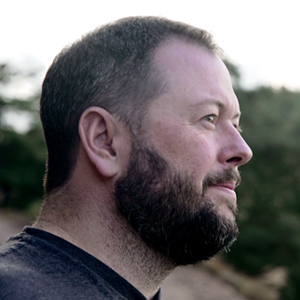
[00:01:01] Ray Latif: Hey everyone, thanks for listening to BevNET's Taste Radio. I'm Ray Latif, and you're tuning into episode 131 of the podcast. This week, we're joined by Shane Emmett, the co-founder and CEO of fast-growing natural food company Health Warrior. Just a reminder to our listeners, if you like what you hear on Taste Radio, please share the podcast with friends and colleagues. And of course, we'd love it if you'd rate us on iTunes. Just a quick note before we get to our interview with Shane. Since launching the podcast in April 2016, we've heard from many listeners who've responded to our calls for questions, comments, and ideas for future episodes. Thank you to all who've reached out. It's been a tremendous help to us. And as Taste Radio continues to evolve, we'd like to ask for a little more assistance. We've created a short survey that asks listeners a little bit about themselves and their podcast listening habits. The results of the survey will help us better understand our audience and how to craft new and interesting content. Please head to Taste Radio and locate the listener survey link on the homepage. It'll take two or three minutes to complete, and once you do, you'll be eligible to win a $25 gift card. But, of course, the biggest reward is in helping out the folks behind your favorite podcast. Am I right? Now on to our interview with Shane Emmett, who, as I mentioned, is the co-founder and CEO of Health Warrior, which markets a range of plant-based snacks and foods, including its flagship line of chia bars. Since its launch in 2011, Health Warrior has become one of the fastest-growing natural food companies in the U.S. Its rapid rise was fueled by an early focus on direct-to-consumer sales and serendipitous partnerships, including those with several NFL players and teams. Of course, there's more to the story of Health Warrior's growth, and in the following interview recorded at Natural Products Expo East 2018, Shane discussed his decision to leave behind a career in law and launch a food brand, how the company has cultivated and enhanced its relationship with Amazon, why trusting your gut over syndicated data can lead to better decisions, how Health Warrior incorporates social mission into its business strategy, and what he says is the biggest surprise since the company was founded. Okay, it's Ray Latif and John Craven from Taste Radio. We're on the mics with Shane Emmett, the co-founder and CEO of Health Warrior. Shane, thanks so much for being with us. Thank you, gentlemen, for having me in. It's great to see you. It is great indeed to see you, and not the Australian version of you. That's Shane Emmett, the actor who, when you look up the name Shane Emmett on Google, he's the first thing that comes up. It's not you, which really surprised me.
[00:03:40] Shane Emmett: I'm totally OK with that. And I appreciate you noticing it. No one has brought that up to me in a while. And I'm disappointed I'm not a more famous actor for you to be interviewing. But, you know, glad to be here nonetheless. You said you get his email sometimes? On occasion. You know, I normally didn't pay much attention to it, but one time, it was probably a year and a half, a couple years ago, I got one that included an invoice for the wild Australian animals that had attended his child's birthday party. And it was not a small invoice. So I thought I should get in touch and let them know that as enamored as I am with the name, I'm not going to be paying for the alligators and probably crocodiles over there. Unless they came to your house and entertained your kids. It did set a high bar for my children. My daughters are five and two, so I don't think they appreciate the story quite yet. Not ready for alligators. Not ready for alligators. Ostriches, perhaps? Ostriches, they can be mean as well, but my wife is very patient for putting up with me with many things, so I'm not sure if I need to go there, at least right now.
[00:04:43] Ray Latif: Except for maybe the 25,000 pounds of chia that you once stored in your unborn daughter's bedroom.
[00:04:47] Shane Emmett: As I mentioned. She's actually a social worker in the family joke. Only a therapist would marry someone who would do something like this.
[00:04:55] Ray Latif: We'll get to that in a second. So we've established that Shane Emmett, the actor, is a successful person, if you want to use that descriptor. And Shane Emmett, the entrepreneur, some might call you a successful entrepreneur. And I'm curious as to how you define success.
[00:05:10] Shane Emmett: Well, it's a great question. I used to be an attorney, and I was kind of a constitutional attorney. I was working in the governor's office in Virginia, Governor Tim Kaine. It wasn't a political role, but more, you know, a lot of crime and punishment, a lot of executive power. We had the sniper and the Virginia Tech incident, and it was all very serious, but really one of the cooler legal jobs you could have. So I felt like my legal career peaked at 30, and I never wanted to work for a big law firm. It was kind of my greatest fear. So my college buddies and I came up with the idea for Health Warrior. really because of reading two great books. I love talking to journalists like you guys about this because the ideas came from two great nonfiction books that were written by great journalists. Born to Run by Christopher McDougall, the story of the Tarahumara Indians and the greatest foot race the world's never seen, and The Omnivore's Dilemma, which obviously everyone here is familiar with. It's a story of where our food comes from in America. And it took us a while, about a year and a half, to conjure the idea. But we really started it not as a hobby, but as a side business after we realized, look, most packaged food in America, that makes up most of our calories in America, packaged food, and the great majority of packaged food is junk food. But there's foods like chia seeds, which we read about in Born to Run. It's one of the top four foods in the Western Hemisphere for 2,000 years. The Spanish wipe out the crops. No one hears about it for 500 years. And it's shelf stable. So you can make nutrient-dense Whole Foods the number one ingredient in snack foods. It doesn't have to be the last ingredient. They don't have to be full of sugar and have food that's actually not just better for you, but actually good for you. So really everyone, I mean, I could have made a lot more money practicing law in the early years of Health Warrior than doing something like this, but it seemed like a true adventure. I didn't know anything about retail, which probably was one reason why they say, come on in, the water's warm. But it's nice to get out of bed and when you're dealing with the hard parts of the business to have that mission. So I don't spend a lot of time thinking about what success is, but building a really cool team and creating value, doing something that we think genuinely makes the world better and can nudge the big guys in the right direction. It's pretty exciting. So we feel really lucky to get to do it.
[00:07:25] John Craven: So take us through kind of the moment when you went from side job to all right, you know, I'm going to quit my day job as a lawyer. Yeah. Which presumably if you had peaked at 30 was not a bad job. And it probably wasn't the way most lawyers think about peaking.
[00:07:44] Shane Emmett: But fair enough.
[00:07:45] John Craven: It was really cool. And, you know, you presumably, at least, I guess you didn't have a child yet, but... That's right. You had, you know, a wife. Yes. So what happened in between there that got you to the point of actually ready to jump in the water full-time?
[00:07:56] Shane Emmett: It's a great question. Thank you for asking. And it was really luck. Two things happened. One was we had started Health Warrior on the side, and we're in about 10 stores and on Amazon Health Warrior.com, and it was mainly our mother's friends that were buying at that point. No one knew about us. And the other one is we have term limits in Virginia. So the governor's constitutionally limited to one term. So the governor's term was ending. And in Virginia, you actually get health care for a year at the end of the term. Now, obviously, you can go work wherever. But I was like, guys, I've got health care for a year. You know, we've been working as attorney for 10 years. And this is getting serious. We had a big Wall Street Journal article come out about the NFL's top secret seed. We had heard from Whole Foods. I was like, this is perfect timing. I can start doing this full time. And it just worked out. It really did. And I wonder if we had had a kid, if that hadn't been the timing and I had had to affirmatively quit a job, if we would have done it. But it worked out really well, so far at least.
[00:08:55] Ray Latif: Well, how did it go from sort of, and you described it earlier before we got on the mics, as a hobby. That's right. Versus a side business. How did you determine that your side business could be a scalable opportunity?
[00:09:08] Shane Emmett: Honestly, we always thought it was a really good idea. And we thought the name was so iconic, we were shocked the intellectual property was even available. But that really took the course of a year. to have those revelations and to learn more about the food industry. And that, hey, this probably isn't just a new super ingredient thing. You know, they say the best businesses work on big problems. And if there's, we think there's no bigger problem than the packaged food industry right now. Currently and back then. Yeah, absolutely. And it's getting better, I think, but obesity and diabetes are still crushing the US healthcare system. And that's largely because of what we eat. So, you know, that was always the motivation. Better health builds a stronger society. So it went from, we discovered this ancient superfood, a lot of other people did at the same time, but really no one knew what chia seeds were, to, wait, we can use this as a paradigm for ingredient, an ingredient and innovation philosophy that can do all sorts of products, both in bars and not bars. There's 300,000 edible plants. Three of them make up the majority of our American calories, mostly highly refined. And we're like, wait, we can take these other nutrient-dense Whole Foods, superfoods, and really celebrate them and make them convenient, easy to take on the go. That's a ton of white space in front of us. But it took us about a year to figure that out. We started with, hey, chia seeds are really good. We should sell them.
[00:10:30] John Craven: So Chia seeds have, you know, kind of had this, I don't know if I'd call wild ride, but I'm certain that, you know, a few years back when we were going to these trade shows doing our roundups and such, it was, you know, talking about Chia as a trend and, you know, Chia was kind of I don't know, maybe it's similar to things like CBD or whatnot today, where people are just trying to put it in everything. CBD being totally different, of course, but, you know, that has largely kind of cooled down for chia. So how has that kind of impacted Health Warrior? I mean, I know you guys have still, you know, grown and you've evolved, but, you know, what was it like kind of riding along with, you know, an ingredient that was kind of having its moment?
[00:11:16] Shane Emmett: It's a really good question. I'll answer in two parts. The first part is, It got really wild after that first year. So, we launched nationally with Whole Foods about five and a half years ago. And all of a sudden, the chia crop, you know, chia plant takes 140 days to mature. It's a great plant, grows like a weed. It's a member of the mint family. So, if you've ever gardened, that's actually why they use it for the chia pet, because it always germinates. So, it's a great crop, but it takes half a year to grow it. And all of a sudden, the supply would disappear. Right, so we actually had to raise capital at the beginning just to buy containers of chia and hope we could sell them all because otherwise we were going to run out. And that was crazy to see. And I think it's one of the most interesting things for the food industry right now, as you look at these truly nutrient-dense, biodiverse crops that need to be celebrated more and should be celebrated more, is how do you scale the agronomic work with the growers in line with the market. Because all of a sudden, if Dr. Oz back then starts talking about chia seeds, they're all gone. And that was fascinating. And I think we learned so much about that. I think it was the Greeks who said, all wisdom comes from suffering. And, you know, having those out of stocks, having an accidental just-in-time inventory system for those early growth years really taught us a lot. So, that was cool. And now we want to do it with other ingredients because we know how to. So, we just launched our line of pumpkin seed bars about six months ago, and that's been really cool. It's a more developed crop, but it's still one that is delicious and so phenomenally nutritionally dense. We can do so much more with it. That's the first part, but we always said from the beginning, after about six months, this shouldn't be just a chia company. It shouldn't be just a one-hit wonder. We need a name that can transcend the retail shelf and really be, we call it a plant form brand. So, you know, a plant-based food company that takes radically convenient real food across ingredients and across formats. It's easy to say, it's harder to do, the second part.
[00:13:10] Ray Latif: Now, how much help did you have in figuring out the strategy for your name and your brand? You know, what mentors really helped you along the way and how much of your own personal experience as an attorney fed into entrepreneurship?
[00:13:24] Shane Emmett: Well, it's a good question. I would give shout outs to three people right off the bat. Nick, Dan and I, we started the company together and I didn't even know what CPG meant.
[00:13:33] Ray Latif: Join the club. You still run into people who don't know. When I first came to BevNET, I certainly didn't know what CIG meant or RTD. Right. Yeah. Someone sent me a glossary at some point. I was like, I don't know any of this stuff. Have you considered beverage school?
[00:13:45] Shane Emmett: Exactly. That's right. That's right. It wasn't around back then, right? It's such a good idea. Everyone go to beverage school. Buy two tickets. So we were personally connected to Mark Rampolla, the founder of Zico, Kelly Flatley, one of the founders of Bare Naked Granola, and a guy named Jesse Itzler, who was really involved with Zico at the beginning as well, and basically said, hey, guys, you know, we think we discovered one of the greatest superfoods unknown to mankind. Can you tell us about the food industry? And just got great advice from them. And it's one reason now that, you know, we've learned so much. Certainly don't know everything. But it's really fun to talk to people, starting companies, to sort of share some of that. Because otherwise, we would have been totally screwed if we hadn't had those sounding boards. And Kelly, in particular, sat us down like children and taught us all the nuts and bolts. And it's also one of those things, though, that you can read it. but until you've lived it, you know, you can read about often invoice discounts, but until you've lived them, you don't fully appreciate the dynamics. So it's been a great education. And my legal career, I don't think prepared me at all for it. I was truly worked on constitutional matters most of the time. So, you know, even all the corporate stuff, all the fundraising, I never took those courses purposely. So anyway, so luckily we've been able to pay really smart lawyers to help us when we've needed them.
[00:15:08] Ray Latif: We'll be right back with Shane Emmett after this short break.
[00:15:11] Whole Foods: Nosh Live is a two day business and networking event for the natural foods industry held this winter in Santa Monica on November 29th and 30th. Learn more at noshlive.com.
[00:15:24] Ray Latif: One of the things that we've heard on the podcast before is, you know, don't get into this business unless you're ready for chaos, unless you're ready to lose a lot of money, frankly. Yeah. Do you think that was important? I mean, you know, you were coming from a background in law, you're two co-founders from hedge funds. Yeah. Did that really help you sort of have that safety net and made you feel more comfortable launching the company?
[00:15:45] Shane Emmett: We were actually pretty worried about it. When Kelly first told us about raising capital, you know, to pay for perishable inventory and marketing, right? I think our response was, That sounds like a terrible idea. We probably shouldn't do it. You know, let's just sell on Amazon and healthware.com. You know, before D2C was cool, but that was what we thought we should do. Of course, we didn't know how to do that, but it seemed to make sense versus raising a million dollars to make a million chia bars to send to Whole Foods all over the country. And then we totally didn't take our own advice. And when Whole Foods gave us that opportunity, we're like, sure, we have two employees, but let's go. Yeah, so we're lucky that we've been, and Dan and Nick kept their day jobs. Dan's actually now with Mark Rampolla at PowerPlan Ventures. The one thing that was nice was having worked in the professional world for a decade and really hard. Frankly, we had all had pretty tough jobs and put in serious hours before. So I think that's probably served us to some extent. As someone who's gotten a lot older, not only in terms of actual years, but, you know, mileage over the past six years, I really enjoy all these new articles about how the successful entrepreneurs are the older ones. So I turned 40 and I'm having my midlife crisis. I was like, that's great. But I do think it gives you, I mean, some, you know, when we were younger, I know thinking about my young self, I'd be terrified to do this, but there's a lot of young people who I'm sure were much more mature than me in their mid twenties.
[00:17:05] John Craven: Well, that's, I think, also the classic, once you've been through it, looking back, if you knew what you were going to go through, you might not do it again, right?
[00:17:15] Shane Emmett: Well, no, we hear that all the time from entrepreneurs. And it's easy to stay. You don't really know. You don't know what you don't know. All the stories about how challenging it can be, I think are really true. But I've come to learn that, number one, I just think we're so lucky, all of us, to be able to do this. If you look at the history of the world and what humans normally have done for the existence of the human race, the fact that we get to go to trade shows and do cool podcasts and make chia bars and protein mug muffins. Eat samples till we're going to puke. Exactly. Exactly. But not actually puke. Our ancestors, even a century ago, would have killed for unlimited samples until they could puke, right? So anyways, we just feel very fortunate to be able to do it. So you have to tell yourself that when something really hard is going on. It's definitely not a bad place to be. No, not at all. Come back as a cockroach.
[00:18:05] Ray Latif: Jeez, I hope not. Health Warrior was sort of ahead of its time in a couple different ways, you know, at the forefront of the ancient seed movement, the ancient nutrition movement, and also with DTC. I mean, when you first launched, you were primarily online, you had some retail accounts. Why did you see DTC back then as a real great retail opportunity for the brand?
[00:18:28] Shane Emmett: It's a really good question, and it's the same reason we love that DTC business now. because you get to actually see if people buy something and eat something more than once before make the type of investment you need to go into big retail. So it's about that direct connection. And that's really what we wanted to do. We were like, look, we love this. Let's see if other people love it. And we'll buy it multiple times before we do what we think you have to do to properly go into retail and, you know, hire great people and make those kinds of investments. So that's it. I mean, it's a direct connection to what we're doing with our innovation now, launching it online and on Amazon, getting consumer feedback, rapidly iterating. And then once we know we're on to something, you know, that's when you get to go talk to Target and Whole Foods and those guys.
[00:19:17] Ray Latif: And so you've had a relationship with Amazon for a long time. You mentioned that beforehand that Amazon is your number one customer. That's right. How happy were you when Whole Foods was acquired by Amazon last year?
[00:19:30] Shane Emmett: I was so surprised by that. I really was. They were our two biggest customers. So our biggest customer bought our second biggest customer. And our whole marketing program was really focused on field and Whole Foods. So the year they were acquired, I think we did something like 5,500 demos in Whole Foods market with our own employees. 5,500 demos? Yeah.
[00:19:51] Ray Latif: And there's only like, at the time, there were only what, how many Whole Foods were there in the world?
[00:19:55] Shane Emmett: There were just under 400. Wow. So, you know, this was what, 18 months ago or whatever. So, that was a huge change for us. It really was. We've always done really well on Amazon, had really high subscription rates. But the whole field marketing part, which is very traditional, you know, and with Chia Bars, you kind of have to demo them sometimes to get them get them out there. Everyone loves them once they have them. But it worked. It was just this great flywheel. And the acquisition, at least short term, really changed that model. It was not as easy to go into the stores and do those kinds of demos aggressively. And we really had to make a big pivot. And a lot of that pivot's been investing more in Amazon, just directly, which has worked really well. It's very measurable. But it's cool. I went to the town hall yesterday, and it's fun to hear, you know, a lot of things Whole Foods is working on. What's the town hall for listeners? Whole Foods had a town hall yesterday. Okay. And they just had some great questions, some great information. And sort of returning to that grassroots, it was really a grassroots strategy that we thought about with the demo program. I worked as an attorney for the Obama campaign for a while, and we called it door knocking. You go out and you actually talk to humans. So that was the whole strategy. A novel concept. And for the demo strategy, it was the same thing. It's like, let's have people at the company that are way more important than me, although we make everyone do demos. So even the super talented head of sales and marketing we have that joined us from General Mills. They do demos. Our CFO, who's an investment banker, he does demos.
[00:21:18] Ray Latif: Why is that important?
[00:21:19] Shane Emmett: Because you connect with the consumer. You stand there. Wegmans just opened two new stores in Richmond, where we're based. So Austin, our CFO and I, went and did a 14-hour demo for the first day. And you get to have hundreds of conversations with real people who don't care at all if you used to be an investment banker or the governor's lawyer, and will tell you exactly what they think about your product. So you can do all the focus groups you want, but standing in a store all day and talking to people and trying to get them to buy and try chia bars, you'll learn more about your brand and product doing that than anything else. It's also very democratizing and grounding. You know, startup is hard. You have to do everything yourself. You have to build the systems while you're growing the business. So we used to, the tradition originally was your first day at Healthware, you had to build your own desk because it was a metaphor for the fact no one's going to do anything for you. You had to figure it out. Now we've just built a lot of desks. We've turned all the old trade show booths into desks.
[00:22:16] Ray Latif: I hope you at least give them instructions on how to build the desk.
[00:22:19] Shane Emmett: Well, no, we let everyone do it their own. So they go by the wood and you'd see everyone's unique personalities coming out. Seriously?
[00:22:25] John Craven: I was picturing like an IKEA assembly or something.
[00:22:28] Shane Emmett: No, no, no. So like Julia, our Vice President of Marketing who joined us from Mills, you know, Julia is really cool. She used an old trade show booth from Expo East and it's like branded and very slick looking. Mine's like a piece of wood on two file cabinets. Real DIY kind of stuff. Exactly. Nice. Exactly. We read Amazon did that in the early days. They used to use doors from Home Depot on file cabinets. And I was like, what a great idea.
[00:22:51] Ray Latif: Yeah. So Amazon is such an important partner to you. And it seems like if you get into the food and beverage business, if you get into any CPG business, Amazon is going to be a critical part of your future. How do you maintain a good relationship with them? And how do you use their retail capacity, their intelligence to the best of your ability?
[00:23:15] Shane Emmett: Yeah. No, it's a great question. And it's, um, these are all good questions. I guess I can stop saying that. I'm like, yeah, that's what I think about all the time. Thank you. And it's largely algorithmic and you can't pick up and call the, we call the algorithm the spider and you can't call the spider if something's wrong. Right. So we have a full-time employee. His name's Leon. He does a great job. He spends all of his time on Amazon trying to understand what they want from their customers, the type of investment that gets the best return for us. And then we've also been working with their marketing team, who I really like, their Amazon marketing group team. And they'll come down to the office and, you know, they always are changing. So every month there's new opportunities. And they'll try something, and if it doesn't work, they'll just stop. And if it works, you can double down on it. So it's mostly highly measurable, which is really cool. And it's a little scary, because they change the rules sometimes, and they don't ask you about it first. There's no town halls.
[00:24:10] Ray Latif: You can't just email Jeff Bezos and be like, hey, you know, I just wanted to ask a little bit more about this. So do you guys know about this? No. What are you talking about? You can email Jeff Bezos.
[00:24:19] Shane Emmett: You have. Have you emailed him? Absolutely. And has he replied? Probably 50 times. I have heard back from his team a number of times. His team, but not from him? No, well, not from him. No, no. Maybe he's listening to a podcast. He's a huge Taste Radio fan, right? Thanks for listening. He's a health nut. Thanks for your support. I'd love to send him some Chia bars. I think I've offered that in every email. He's looking a lot more diesel lately. Have you noticed? He's a Health Warrior. I love it. You know, can control the destiny of the food industry.
[00:24:47] Ray Latif: Yeah.
[00:24:48] Shane Emmett: No, it's wild. And we'll send in ideas. One of the ideas, which I think would be really cool, is to do a store within a store for innovation. So if something's doing really well on Amazon, fast, because there's an endless shelf, why not have part of Whole Foods that's a little store within a store, just with brand new items that are over-performing on Amazon? Traditional data won't see that for two years. So I think there's a lot of cool stuff they'll be able to do, and it'll be exciting to see as they integrate more. Interesting.
[00:25:15] Ray Latif: I definitely wanted to bring up there or talk about the NFL, because that was a huge moment for your company. So you mentioned this before, you know, when that Wall Street Journal article came out about, you know, the NFL's secret ingredient or their secret.
[00:25:29] Shane Emmett: The NFL's top secret seed. There it is. The chia seed.
[00:25:33] Ray Latif: Thank the Aztec gods for the Wall Street Journal editorial editor that came up with that headline. So at the time, were you working with folks from the NFL? Were you working with teams?
[00:25:44] Shane Emmett: No, our marketing strategy was we knew professional athletes just through our past lives and our friend Jesse Itzler. And we basically were like, let's send everyone samples. And the Wall Street Journal reporter noticed some in the Baltimore Ravens locker room. And that's where it came from. And if you read the article, it's actually, you know, it was so early with Chia, it was so unknown. But the headline was just huge. And it was like the most emailed article for a week. They had a great visual on it. And it's funny, we actually ended up having a group of NFL players, including pro bowlers, invest in the company about a year and a half later. But that was almost a totally different story. The first investor was a gentleman named Arian Foster. And Arian's one of the best running backs in history. But what's cool about Arian is, I mean, he obviously knows a lot about football, but he prefers to talk about business and astronomy. So we got connected with Arian, and he wanted to get involved with a healthy food company. And they have a really neat network of guys who sort of have the same financial manager and invest in these better-for-you, good-for-you brands. So anyways, we met Arian and then, you know, really some of his friends and colleagues invested in the brand. And it's just been really fun. You know, they're 100 calorie chia bars and NFL audiences aren't necessarily our core demographic. But when you see NFL players going into Whole Foods, that's when you start to see, you know, Arian, who's been a vegan before and being very thoughtful about food and nutrition. It's just really fun to talk about.
[00:27:17] Whole Foods: We'll be back with more from Shane Emmett after this quick break.
[00:27:34] Ray Latif: So you just sent them, basically cold sent your bars to NFL teams?
[00:27:39] Shane Emmett: That's where the Wall Street Journal article came from. We had a great PR person who was helping us out at the time, Lonnie Kopstein. We'll give her a shot at helping us out now. She got married. Her name's Lonnie for right now. But anyways, but then actually the Arian connection came through a friend of a friend. Okay. And he was interested in the space and that's how we met. And it's just been very fun. you know, they'll come to Expo East Amanda Huang out, and they've made other investments in the space. You might be familiar with the brand, Me and the Bees. Really amazing story. So I know Arian's an investor with them. And, you know, it's impressive. Nice.
[00:28:13] Ray Latif: So when you started out, you said that you didn't know a lot about CPG, you didn't know a lot about retail. That's right. You still persevered and had your company and you are where you are. Now you have access to a lot more data. You have access to a lot more information. That's right. Is that better?
[00:28:30] Shane Emmett: It's funny, I had to drive for 13 hours recently and I listened to the Walter Isaacs and Steve Jobs biography. And one of the points that I thought was really interesting was when he was talking about the difference between Western analysis and Eastern intuition. He was talking about the time he spent in India and how in the East there was so much more of a reliance on your gut feeling than there is on data. And I think you can have all the data in the world and just not try new stuff and get lucky that your gut tells you to. So it's really important. And it's good to know if something's doing well, which we had no idea for the first two years. And we would have investors ask us, who's your consumer? And we're like, I don't know. Like, someone's buying it. And now that we know, it's actually really wonderful. Like, we figured out most people buying the chia bars are not pro bowlers. educated moms who run three times a week, and we're like, that makes a little more sense, given the product, right? And it's great, because they're like the highest value consumers in the world. So that part's been really cool. But I think what you have to constantly be on guard for is innovating by data. And what I mean by that is, like I said, if you're looking at syndicated data from the last 52 weeks, that's going to tell you what was a good idea two years ago, not what is a good idea for the next two years. So I think using your gut, where do you find inspiration? Do you find it in syndicated data or in Intel reports? Or do you find inspiration in great nonfiction books, which is what led us to where we are in the first place? Do you find inspiration in history and anthropology? Do you find inspiration in culture and design? So, I think we just try to be cognizant of that. Analysis, paralysis is a real thing, right?
[00:30:13] Ray Latif: Right. social mission is such an important part of your business too. And, you know, we meet a lot of entrepreneurs who talk about what they want to do from the perspective of a sustainable, better for the world kind of company. But you have to have a business, you have to be profitable to actually do good, right? So, you know, what's that strategy? What's that sort of timeline for hey, we wanna do good, here's when we can do it and how.
[00:30:41] Shane Emmett: It's really hard and you're right. And I really came around when I went to law school over in England, college in upstate New York, law school in England, both places had very poor weather. So I moved directly to Santa Barbara, California when I finished to recover. And I was doing civil rights, employment law stuff. And I just was very fortunate to get to know a lot of people that worked for Patagonia, which is based there. I noticed your hat. And seeing that company, yeah. You got the Buffalo going. I still have brand loyalty, you know, 17 years later. Because learning what they'd done in that story and the nature of the people that worked there and founded it was just so profoundly inspiring to me. Because I just didn't know many people that worked for corporations who, you know, were motivated by that and built great brands and built great cultures. But you're right. I mean, even Patagonia has had hard times where, you know, they've had to do layoffs and, Not recently, but they call it growing pains for a reason. But that's really what we sort of pinned on the wall and said, hey, if we can get big enough to be like that, it's very attractive. And we think the best way to change the food world is to build value by doing the right thing and selling food that's actually good for you. So, you know, I don't know, Health Warrior might not get big enough to replace all the food that's not good for you out there. But even being able to move the biggest food companies in the world a little bit in the right direction, which I genuinely think everyone that works for these big food companies wants to do. And by giving more permission for that, if Wall Street looks more at emerging brands that are building value by selling stuff that's good for you, it's highly attractive.
[00:32:14] John Craven: So let's talk a little bit about kind of the continued evolution to expand beyond Chia. You've talked about pumpkin seed products. You've got this new protein muffin product in front of us. You know, where is Health Warrior at in kind of its, you know, I guess it's called life cycle, just from, you know, the vision you've had and where it's at right now.
[00:32:35] Shane Emmett: We have always wanted to do more than chia seeds, ingredient-wise, in terms of celebrating truly good-for-you, nutrient-dense, Whole Foods, superfoods, from the beginning. And we've been saying we were going to do that for years. What we realized was, number one, the chia bars were growing really fast, and we just needed all of our time and focus and energy to do that right for the first few years. Number two, if you're going to start doing different ingredients, different manufacturers, different buyers at the retailers, different quality standards, different ingredient suppliers. You need to be relatively sophisticated. You should be relatively sophisticated before you start throwing spaghetti all over the wall. So we always wanted to be really deliberate about it, put our stakeholder in with chia bars, ironically, and then go from there and say, there's 300,000 edible plants. three of them are making up the majority of our calories, and it's not good. And there's all these other ones that are really cool and that we can celebrate. So we always wanted to be plant-based, and we always said chia is the paradigm of a nutrient-dense Whole Foods, sort of the paradigm of a superfood, but it's not the only one. So about six months ago, we launched the pumpkin seed bar, certified organic. So it's the only certified organic bar in the country that doesn't have sugar as one of the main ingredients. It's only got five grams of sugar. Pumpkin seeds are 70% of the bar. It's very elegant. The protein comes from pumpkin seeds, which is great. And that's performing really well. They're delicious. I don't know if you guys have tried them yet, but I'll send you some. And then we always also said, and particularly with our business, our channel mix being so heavily e-commerce, Like, you know, we have tens of thousands of customers online. We can begin to send them other innovations that are outside of category review cycles whenever we want. Amazon takes, you know, 24 hours to set up a new product. Like, let's get this going. So we had, you know, we had 50 cool ideas. And the two we decided to come down with were the protein mug muffins. So it's a plant-based breakfast treat, twice the protein as sugar, and it uses superfoods as the main ingredient, fava and sorghum, and pumpkin seed, which is awesome. And it's like a warm, spoonable muffin. So it's almost like eating cookie dough for breakfast, but it's good for you, which is cool. And we're really excited about it. And the funny thing is we started working on that about 12 months ago, and the actual categories have now, you asked about data, now the categories are growing. Mugs are a thing, and the timing's really fortuitous. So we're really fired up about that. And we also had so many customers asking us for a plant-based protein powder that didn't have pea or rice in it. So we're like, huh, you know, chia, pumpkins, hemp, and flax can create a full amino acid profile. Like, why don't we get our... protein from superfoods as well and try to make a protein powder that's derived from the superfoods. So that's where that came from as well. And we didn't want to use Stevia because a lot of people don't like it. So that was the genesis. And the idea originally was just to launch these online, see how they do, see if people love them, iterate maybe, and then take them to retailers.
[00:35:43] Ray Latif: Nice. I'm holding your banana nut protein mug muffin in my hand. I like the top here. It says food that actually feeds you, trademarked. Thank you. And then twice as much protein as sugar. I really like that. It's true. Yeah.
[00:35:55] Shane Emmett: No, it's good. And that's, you know, that's what we want to do. And when you start thinking about that philosophy, we're always going to have superfoods as the first ingredient and we're going to have as low sugar as possible without using ingredients that we think are suspect or we just don't know enough about them. And you start to apply that across a grocery store, and we think we can do a lot.
[00:36:16] Ray Latif: Cool. So as part of our Elevator Talk series, which focuses on up-and-coming food and beverage entrepreneurs, we ask this one question. I feel like it's an appropriate question to ask you. What's been the biggest surprise since you launched Health Warrior?
[00:36:31] Shane Emmett: The biggest surprise, which I feel like I talk about almost every day, And bearing in mind, this is someone that not only didn't know what CPG was when they started a food company with their friends, but had never worked in retail in any manner whatsoever, didn't even really shop very much. The biggest surprise to me has been the role of merchandising and tags and deals affecting what people buy in a grocery store. I remember at the beginning, someone sent me a chart about how much sales go up with a TPR tag, a temporary price reduction tag, and NCAP at the checkout counter. And I was like, that's nonsense. Humans aren't fish. They know what they want when they go in a grocery store. They're not just attracted by shiny objects. Was I wrong? It's been absolutely shocking to me how well that works on people. And here's why it matters. And it's like the most boring thing in the entire world, and it might matter more than anything. Because if you merchandise healthy food, food that's genuinely good for you, people are gonna buy more healthy food that's genuinely good for you. If you merchandise junk food, that's what people are going to buy. And if you buy it, you're going to eat it. If it's in your pantry. I was talking to a chef who's an author, Michael Ruhlman, neat guy. And I was explaining, he was writing a book on grocery. And I was explaining the role of trade spend. Number one, how much of it happens. And number two, how important I think it is to the role of health and wellness and food in America. And he was listening, and I eventually sent him a video on TradeSpin for the book to say, hey, this is what I was talking about. And he wrote back something like, it's the most boring effing thing I've ever seen in my life. But it's also the most important. It really is. What gets merchandised gets bought. And wire racks of healthy food can go a long way, I think, to changing the dynamic in the country. So that's it.
[00:38:26] Ray Latif: Well, I like that. I like that that's the, you know, the key learning lesson for entrepreneurs that are listening right now is don't discount signs that say discount, right? That's right. What a tagline.
[00:38:38] Shane Emmett: Nice work. Don't discount signs that say discount. And be humble when you're coming in and people tell you this is things that have worked in retail for centuries. Don't be an idiot like me and be like, that's nonsense. We shouldn't do that. Yeah, don't do that.
[00:38:53] Ray Latif: Shane, this has been great. Love hearing about your story and the story of your company. I suspect our listeners will as well. Thank you so much for taking the time to be with us and good luck with Health Warrior.
[00:39:05] Shane Emmett: Well, thank you both for taking the time to chat and thanks for doing the podcast. It's a real resource for everyone. I know everyone enjoys it a lot.
[00:39:11] Ray Latif: I appreciate that. Thank you. All right. That brings us to the end of episode 131. Thanks to our guest, Shane Emmett. Tune in on Friday, October 5th for the second episode of Taste Radio Insider, which features an interview with Matt McClain, the founder of organic beverage company, Uncle Matt's. You can catch both Taste Radio and Taste Radio Insider on Taste Radio, iTunes, Stitcher, Google Play, SoundCloud, and Spotify. For questions, comments, ideas for future podcasts, please send us an email to askattasteradio.com. On behalf of the entire Taste Radio team, I'm Ray. Thank you so much for listening, and we'll talk to you next time.