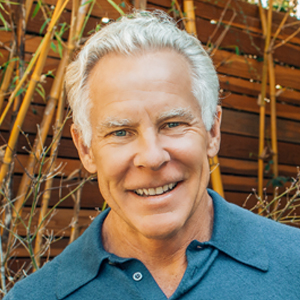
[00:00:10] Ray Latif: Hey folks, thanks for tuning into the Top Podcast for the food and beverage industry Taste Radio. I'm Ray Latif and you're listening to episode 157, which features an interview with Mark Sisson, the founder of Primal Kitchen, a fast-growing brand of paleo-friendly condiments that was recently acquired by Kraft Heinz for $200 million. Tune in on Friday, April 17th for episode 29 of our Taste Radio Insider Podcast, which includes an interview with Chris Hollad, a Los Angeles-based venture capitalist who's invested in a number of high-profile lifestyle brands, including Dirty Lemon, Matcha Bar, and Recess. Just a reminder to our listeners, if you like what you hear on Taste Radio, please share the podcast with friends and colleagues. And of course, we'd love it if you could rate us on iTunes or your listening platform of choice. Mark Sisson has seemingly done it all. A serial entrepreneur to the core, he's launched dozens of businesses and a career that began in his tweens. Like any entrepreneur, he's seen a few wins and a few losses. His biggest win came last year. That's when Kraft Heinz acquired Primal Kitchen, the paleocentric brand of condiments and dressings that Mark started in 2015 for $200 million. It was an incredible price for a three-year-old brand, but one that was decades in the making. In the following interview, Nosh editor Carol Ortenberg spoke with Mark about his background as an entrepreneur and how the concept of Primal Kitchen was born. He also explains how his experience in direct-to-consumer sales paved the way for his highly popular blog, one that laid the foundation for Primal Kitchen. Mark also discusses effective techniques for communicating with modern consumers, and why he views Kraft Heinz as the perfect partner.
[00:01:51] Mark Sisson: Hi, everyone. Carol here. I'm at Expo West, and I'm joined by Mark Sisson, who is the founder of Primal Kitchen. Mark, thanks so much for being with me.
[00:01:59] Primal Kitchen: It's my pleasure, Carol.
[00:02:01] Mark Sisson: For our listeners who maybe aren't familiar with Primal Kitchen, can you tell me what the company is?
[00:02:08] Primal Kitchen: Yeah, so Primal Kitchen basically makes sauces, dressings, and toppings in a manner that would be objectively considered better for you than most other products in those categories. Now, I know that sounds a little biased, but that was the intent from day one, was to take the things that make real food taste even better. Things like salad dressings on salad, things like steak sauce on steak, mayonnaise, barbecue sauces. To take all of these wonderfully flavorful things that have been sort of iconic in the standard American diet for the last 50 or 100 years, And to do versions of them that would be demonstrably better using no sugar, using no artificial sweeteners, no artificial colors, using what we would call healthy fats instead of industrial seed oils. And that became this impetus for creating this line of product. that's designed to offer an opportunity for every meal to become not just a meal in which you can enjoy better taste and a better range of flavors, but also enhance the food that you're actually eating.
[00:03:17] Mark Sisson: Although the food company has been a raging success, you didn't start off as a food entrepreneur. And I think I'd love to go back even, rewind a little further and talk about how you came to this industry because you have a different path than most.
[00:03:35] Primal Kitchen: Well, I certainly have a circuitous path, and I took a lot of pivots. And we can go back. I tell my kids that I've been working 40 hours a week since I was 12. By that, I mean I was shoveling snow. I was mowing lawns in between school sessions when I was 12 and 13. I painted houses when I was 14 and 15. I was a contractor through college. And then after college, when I was an elite runner, earn a living to be able to support my running habit and travel around the world and race, there was no such thing as professional racing in those days. Then I opened a frozen yogurt shop in Palo Alto in 1981, and then a soup and salad emporium a few years later. Then I started publishing books on training and fitness and exercise, and then was a personal trainer and a coach for a while. Then I ran the U.S. Triathlon Federation out of Colorado Springs for three years. And then I ran a vitamin company for a bunch of years. So, you know, I've done a lot, a lot of things. But I've always been an entrepreneur in this. In 2006, I started my blog, Mark's Daily Apple. And I started it basically to sell as a platform to educate, but also to sell a line of supplements that I had designed some 22 years ago. And over the years, as I was selling these supplements direct to the consumer, I started with television. The television model failed. And so I eventually wound up starting a blog, thinking I would create this platform, be able to sell my supplements. It would be great. I had a lot of things I wanted to say about health and fitness and diet and exercise. all things related to that. So Mark's Daily Apple started in 2006. As I started writing and started espousing these views about how to become stronger and fitter and leaner without having to struggle and suffer so much, a theme started to develop. I was doing a recipe every Saturday. I was talking a lot about making your own sauces and dressings. I recognized that once you get rid of the offensive ingredients in your diet, once you get rid of the sugars, the unhealthy fats, once you get rid of grains, processed foods, and all these other things, you're left with a fairly narrow range of foods that are considered good for you. You know, meat, fish, fowl, eggs, nuts, seeds, vegetables, a little bit of fruit. What makes the difference is what you put on them, the sauces, the dressings, the toppings. That's what takes clean eating out of the realm of, oh, it's kind of boring if I can only eat 17 vegetables and if I can only eat three or four kinds of meat, to now I have an infinite number of ways in which I can prepare a meal and have it taste great every time and not feel guilty about using so much salad dressing that it's almost a lettuce soup instead of a salad, right? This was always the sort of idea I had, which was I want to be able to use these sauces and I want to access these sorts of things I can put on my food and not feel bad about having purchased it and used it with reckless abandon. But nothing existed. There was nothing in the marketplace. that fulfilled those sort of criteria. Had it taste great, couldn't have offensive ingredients, and if at all possible, had to have what I would call health-enhancing ingredients. So, started doing research and development on a line of products that I thought would fulfill that need that I saw in the marketplace, and lo and behold, the first thing we came up with was this mayonnaise. It was based on avocado oil and organic eggs, you know, from cage-free hens. organic vinegar from non-GMO beets, a little bit of sea salt, and it just, it took off. And I realized then, there were a lot of people like me who wanted to be buying these better-for-you sauces, dressings, and toppings because they got that this is what makes healthy eating exciting.
[00:07:14] Mark Sisson: And I remember when that mayo launched and you're right, everyone was like, mayonnaise. And then you taste and you're like, ooh, mayonnaise. And it's a great point because I think sometimes we forget about flavor when we're talking about healthy eating. There's no real diets that I'm aware of that says you can't use spices or herbs or healthy, better for you sauces. Yet for so long, those were neglected and overlooked.
[00:07:37] Primal Kitchen: Well, your whole life, uh, you know, you've been cautioned to use mayonnaise sparingly or to stay away from ketchup because it's got high fructose corn syrup or use that sparingly or, you know, only spritz dressing on your salad because salad dressing contains fats or it may contain sugar if it's fat free or it may contain artificial sweeteners if it's, you know, whatever. So we have this mindset that those things that we generally would like to put on our food and because they taste good and they add flavor, Now we have to use them sparingly because they're not good for us. And it was sort of a weird kind of a conflict here. And I just thought that there's a space for people to offer both, to have great tasting condiments and great tasting dressings, and then to be able to use them to your heart's content and not feel guilty about having used them. With the mayonnaise, it just was sort of coincidental that that was the first product we came up with. It turns out it was the holy grail of this whole new view of sauces and dressings, because so many people in not just the ancestral, paleo, primal world had sort of gotten rid of mayonnaise, partly because nothing in the store was fulfilling their requirements for a healthier version, and also because it was difficult to make in the house yourself. You know, I tried making my own mayonnaise and
[00:08:55] Mark Sisson: I made it once. I think there's still mayonnaise on the ceiling as the Cuisinart, you know.
[00:08:59] Primal Kitchen: Well, at least yours gelled enough to go on the ceiling. Mine was like, you know, every second time I made it, it wouldn't form an emulsion.
[00:09:05] Mark Sisson: That's why you just call it aioli.
[00:09:06] Primal Kitchen: No, exactly. Or I'd use it as a salad dressing instead. So it was, I guess, fortuitous that the mayonnaise became the first product because all of a sudden, Chicken salad became available to all these people who had sort of sworn off chicken salad. Tuna salad, egg salad, even potato salad became now back on the menu because now they could use a mayonnaise with reckless abandon, as I like to say. and provide this added element to their diet. And just, you know, one more thing, and then we talk about slaws and all of the sauces that you can make with mayonnaise. So it really opened the door for a lot of people to start re-evaluating how exciting clean eating can be, whether you're paleo or primal or ancestral or keto, or even if you're only gluten-free or whatever. There are lots of ways of eating now that these products fit into.
[00:10:01] Mark Sisson: And so, like we said, you didn't start off as a food entrepreneur. How hard was it to just go and start a food company?
[00:10:08] Primal Kitchen: Well, you know, if I knew then what I know now, I wouldn't have done it. And I sort of say that just because I was so naive about what it took to start a food company. It was my hubris and ignorance that kind of got us through the first couple of years. And to my credit, I mean, I've been an entrepreneur my whole life. I know how business works. You know, I've been involved in all aspects of manufacturing and distribution and I've, you know, had my own company and my own warehouse and my own credit card clearing and fulfillment. So I've had a lot of the... You had the pieces. I had the pieces and I just needed to put them together. But, you know, it's bizarre to think that, you know, you're going to launch a 12-ounce jar of mayonnaise that's going to sell for $10. You know, in a world where you can get 32 ounces at Costco for like eight bucks, right? So, or more. So it was this sort of test of the marketplace where When I did the first batch and I went to my co-packer and I said, what's the smallest run we can do? And he said, well, we can do a run as small as 12,000 jars. I'm like, my God, 12,000 jars. What if I sell four the first week? It's gonna last, I have three year inventory. Well, we sold out in two weeks. So that's when I realized we were really on to something. Now, we sold out because I had a platform with Mark's Daily Apple, and we actually sold direct to the consumer on my platform. I was also an early investor in Thrive Market. They were able to pitch our mayonnaise as an exclusive. They were the only online distributor of the mayonnaise. Because of the work that I'd done in the paleo community for the prior 10 years, several buyers at Whole Foods, We're willing to take the product almost sight unseen and just say, we like what you do, Mark. We like the concept. We'll take it on and we won't make you go through the months and months of review. Guessing your margins? That's risky. Belay Financial gives CPG brands the clarity to scale smarter, faster, stronger. Get your free inventory ebook by texting TASTE to 55123 and start making data work for you.
[00:12:21] Carol Ortenberg: Tune in at the end of this episode for an exclusive interview with Matt Lynn of Belay Solutions. He sits down with Melissa Traverse to break down the biggest inventory and accounting mistakes CPG founders often make. You'll learn how to bring clarity to your numbers so you can scale with confidence.
[00:12:39] Mark Sisson: It's interesting you mentioned the platform you had because, I mean, when you started blogging in 2006, there was no Instagram influencers or really blogging influencers. You were so ahead of the curve. And the part that resonated with me was that you saw this as an opportunity when television just wasn't connecting with the consumer anymore and were one of the first direct-to-consumer businesses.
[00:13:05] Primal Kitchen: Well, so I was a direct-to-consumer business back in the late 80s. I did print, DR, we called it direct response in those days. I did radio, direct response. I did television for 10 years. I sponsored health talk shows where I would have my products on the sidelines and I would just have a conversation with the host about diet and exercise and fitness and nutrition. And, oh, by the way, I have some products over here. Would you like to try them? And it worked very well for 10 years. But there's a point in 2004, I don't know what it was about that year, but Amazon had just started to gain traction. There were more online sellers. There were 300 cable channels on television or satellite channels at any given time. There were 15 infomercials on. So the consumer became kind of immune to the call to action, you know, call in the next 30 minutes and get, you know, not only get what you're selling today, but get, you know, three more weeks supply or whatever. It dried up, and it became more and more difficult to sustain a business that way. And by the way, that happened in 2004. So in 2005, I took a year, and I produced my own television show called Responsible Health. And I bought time on Travel Channel, and I aired every day from 8.30 in the morning. I was the last time slot that they would sell before their regular programming, and it failed miserably. I shot 52 half-hour episodes of this, and I lost millions of dollars. But I did it, and I tried, and I proved that that didn't work, like as Thomas Edison proved that there are 10,000 ways not to make a light bulb. So that's when I pivoted to the blogging, and I thought, well, I can build an audience. I'm great at content, if I do say so myself. You know, that content is inexpensive on the internet, and I just have to find, you know, my audience there. So that's how I got into the blogging thing. It was a, again, was a direct pivot from having created content for television and then finding that television no longer worked. And the blogging did not start out great guns. I mean, it was a slow build. But within a few years, I was, you know, the top sort of go-to blog in the world of ancestral health and things that were kind of novel concepts that were sort of anti-conventional wisdom at the time. And I think it resonated with the reader that we were thwarting conventional wisdom in such a way that, based on science, not just, you know, woo-woo stuff, that it gained traction.
[00:15:33] Mark Sisson: I remember reading your blog in 2007 and it's funny to me because now we put so much effort into, you know, the perfect pictures and the perfect, you know, layout, but it was just good content. It was very simple. That's what a lot of websites were then, but it was about what you were saying and how you were saying it.
[00:15:53] Primal Kitchen: Well, thank you. I mean, that's always been, you know, a major driver and a major concern is we want to take complex science ideas and distill them into a language that the average consumer or the average reader can, for lack of a better word, digest and understand. And that's been the main focus, always based in science. And by the way, science is still a sort of a nebulous term because in science there are you know, an equal number of people who would be espousing a different way of eating.
[00:16:24] Mark Sisson: And we're seeing more and more studies that you find out later were paid for by different points of view. Exactly.
[00:16:30] Primal Kitchen: And, you know, I've reserved the right to change my mind over the years, and I've done so in a few cases. But for the most part, I feel like I kind of dialed it in early that this, you know, mimicking to the extent that one can an ancestral dietary pattern is still the, it's what our bodies expect, it's what our genes expect of us. Those are the inputs that will manifest a strong, lean, healthy body. And so that's been the main driver of the content. And, you know, I heard from day one, you know, the mantra with all those who are participating in social media before social media became a thing was content is king. And that goes back to the early, you know, even days of television. And then when Netflix started and when, you know, all these other channels became, you know, even HBO and Showtime, content is king. And we're seeing it more than ever now, that good content, even though there's an infinite amount of content out there, good content still rings true and still attracts, you know, a readership that, you know, is knowledgeable and thirsty for more education.
[00:17:33] Mark Sisson: You mentioned that you were dialed in pretty early on, you know, what your beliefs were in terms of dietary habits. Is it funny for you now walking this show and seeing the amount of paleo and keto and healthy Natural Products that you've been kind of talking about for so long?
[00:17:51] Primal Kitchen: Well, it's great. You know, I feel like I've helped open the door for a lot of people to be able to access products that are better for you, demonstrably better for you. There are now hundreds of companies that are developing products that, you know, fit that criteria of, you know, no deleterious ingredients and including those that have been shown to be functional or supers, you know, superfoods or whatever you want to call it. And it's, truly changing the landscape at the highest level. Big food is now recognizing that the consumers, they're reading the label more, they're choosing not to buy products that have offensive ingredients in them, and they're looking for products that are better for you. I would like to think that, you know, going back to those early days of blogging and then the influence on other bloggers to pick up where I left off and to maybe explore even in greater detail in certain areas, that we've created a really interesting community of advocates for eating better.
[00:18:53] Mark Sisson: You're right, there are a lot more products on shelf now. How have you remained competitive with your products and stood out from the crowd? Is it about content and this base that you've developed? Because you have seen success and now you walk over to the mayo set and there's multiple avocado oil premium mayos. Are you the same in the dressing set?
[00:19:16] Primal Kitchen: If you did an analysis of every product in each of those sets, we would still win the greatest number of check marks in terms of going down the list. Our objective has been to be the demonstrably best offering in whatever category we're in. So there are a lot of so-called healthy salad dressings. I would suggest that that we're probably among the best in that category, if not the best in that category. In the mayonnaise set, I still would say that no one has checked off all the boxes the way we have. You know, in this version of Expo West, you know, we not only won Best New Condiment for our ketchup, we won the Consumer Choice Award for the ketchup. 100% unsweetened, so not only no high fructose corn syrup, but no cane sugar, no monk fruit, no stevia, no sweetening at all. It's organic and it tastes great. And that was a problem that we were very happy to solve for.
[00:20:13] Mark Sisson: And that last one is so important. It has to taste great.
[00:20:16] Primal Kitchen: It has to taste great. And that's been the issue with so-called health food for the longest time. You know, I've said this from day one. I want every bite of food I put in my mouth to taste great. So I'm not going to hold my nose and choke down some, you know, green smoothie, you know, bitter, whatever, because it's supposed to be good for me. It has to taste great. Now, you can solve for both, but not all companies do.
[00:20:39] Mark Sisson: Something different with Primal Kitchen than some of the other companies on the market too, is you're very inclusive, you're very welcoming. And when you talk about adhering to this diet, you know, you recognize, hey, this is a hard transition for people to make, where I feel like sometimes other brands can say, you're eating wrong, you're doing it wrong, you're so unhealthy, you're positive in your tone. Is that something you guys consciously try to do to be welcoming?
[00:21:06] Primal Kitchen: Absolutely, from day one, when I created the primal blueprint, which are these 10 primal blueprint laws of optimizing your life. It was at a time when paleo was becoming a thing. And I recognized very early that paleo was very exclusive. It's become more inclusive over the years, but in the early days...
[00:21:27] Mark Sisson: It was scary. Like, I felt like I wasn't cool enough to be paleo.
[00:21:31] Primal Kitchen: You couldn't have any kind of saturated fat on paleo. You couldn't have any kind of sugar. You couldn't have any kind of alcohol. You couldn't have chocolate. You couldn't have beans of any kind. And for some people who had the discipline, I guess that worked. But from day one, I basically said, don't tell me what I can't eat. Tell me what I can eat. And so we looked for ways to include things. For instance, Gary was a no-no in the early days of paleo. I always said, look, find me. the types of dairy that I can consume. By the way, all foods exist on a spectrum, and so even within the dairy spectrum, you have, on the one hand, you have 2% skim, low-fat, homogenized, whatever. That's crap, and I wouldn't have anyone consume that. On the other end of that spectrum, you have ghee, you have grass-fed butter, you have, you know, heavy cream. Those are all wonderful things. Cheeses, those are things I included in the primal blueprint from the beginning. You know, I acknowledge that while alcohol can be toxic in large doses, that people like to have wine with their dinner, and so we included red wine early on. Recently, with the research that I've done on legumes over the past 10 years, I've shifted my thought on that. And I think that some amount of well-prepared beans fit a primal blueprint diet quite nicely and offer not just an added flavor choice and texture choice, but also provide substrate for healthy gut bacteria. So, you know, there are a lot of ways that we looked to be inclusive. Now, when it comes to the line of product, our steak sauce, for example. There are a lot of people who never heard of paleo, primal, ancestral, low-carb, keto, they just like a steak. Well, they're going to use our steak sauce because it tastes phenomenal. And if they buy our steak sauce and they read the labeling, oh, it has no sweetener of any kind, no sugars, wow, I guess that's beneficial. Maybe I'll look into that. So we're looking at ways to include more and more people. There are a lot of people who are on a diet and they're gonna, you know, they're gonna be eating salads and they're afraid to use too much dressing. Well, if I can convince them that the avocado oil that's the basis of our salad dressings is not only one of the best forms of monounsaturated fats, but there's proof that it enhances the absorption of the carotenoids in your salad, that's a good thing. So we're including not just the paleoprimal ancestral keto, low-carb carnivore people in our way of eating, but where anybody who's been eating a standard American diet would be, I think, attracted to Natural Products just on taste alone. And then if they found out that they happen to be demonstrably the best in that category, would maybe be compelled to start doing a little bit more education. So I think that's sort of our foot in the door for the rest of the population.
[00:24:32] Carol Ortenberg: Do you want more repeat buyers on Amazon? Well, this free resource in collaboration with Straight Up Growth will help your brand turn first-time buyers into long-term subscribers. Download Winning the Repeat Purchase Game on Amazon now at Taste Radio.com slash SUG. That's Taste Radio.com slash S-U-G to start building retention-driven growth for your brand on Amazon. Scaling a beverage brand into major retail comes down to operational readiness. From packaging lead times to co-manufacturing strategy, the details can make or break a launch. In a new ebook in collaboration with Octopi and Asahi Beer USA, industry leaders share what they've learned in helping brands scale. Download it now at Taste Radio.com slash octopi. Do you need to scale your team faster without compromising on talent? Join Oceans for a live webinar on April 20th and learn how leading companies are hiring top global professionals who are ready to grow with your business. Register for the webinar now at Taste Radio.com slash oceans. That's Taste Radio.com slash oceans.
[00:25:43] Mark Sisson: And it even comes through in your branding, right? Your branding is very beautiful. It's not just about function. It features beautiful shots of food, bright colors, all the things people want when they walk up to a shelf and have 10 seconds to pick out a salad dressing.
[00:25:59] Primal Kitchen: Look, people... love to eat, and contrary to companies like Soylent that are making products that are designed for a consumer that apparently doesn't like to eat and just wants to slam down an all-inclusive beverage within four minutes and get back to programming and coding, we are of the opinion that people love to eat. It's still one of the great pleasures of life. So, like I say, I want every bite of food I put in my mouth to taste fabulous. To that end, we create products that fulfill that part of the requirement quite nicely. And our mission from here on is to expand into those other areas that we don't currently exist and come up with solutions to those problems that people might have where they might say, I'm gonna pass on that because it's not on my, eating plan, and I'm told that I shouldn't be doing it. And no, this goes back to your mention about inclusivity as opposed to exclusivity. We want to be as inclusive as possible.
[00:26:58] Mark Sisson: Let's talk about the future. So last year, the company had some big news. You were acquired.
[00:27:04] Primal Kitchen: Yes.
[00:27:05] Mark Sisson: How did that come about? And what led you to believe that this was the right decision for Primal Kitchen?
[00:27:10] Primal Kitchen: Well, from day one, my mission has always been to change the way the world eats. And I started with information, with the blog. I started with information, with the books. I did seminars. I have a coaching program called Primal Health Coach Institute. We have 3,000 people have gone through the program, so I leverage that technology. But the real leverage is in making products that allow people to see that maybe what they'd been doing wasn't working for them and that there are new alternatives. The mission has always been to affect, well, 100 million people in terms of how they eat. And I recognized starting the food company that there was a point at which I was going to run out of resources, whether it was money, whether it was talent, staff, whether it was my own energy. So I knew from the beginning that I was going to grow this to find a partner at some point who could assist me in taking it to the next level, to take it to the greatest number of people possible. By the middle of 2017, we'd grown so substantially and were starting to test those resources that we realized it was time to start looking for an appropriate suitor, an appropriate partner. Kraft Heinz came along in April of last year. They were very interested in what we were doing. I think partly because they saw that we were, for lack of a better word, we were stealing market share from some of their iconic products in the shelves that we're on, even in conventional, by the way.
[00:28:37] Mark Sisson: If you can't beat them, join them.
[00:28:38] Primal Kitchen: And that, well, but I also, beyond that, I feel like they understood that this is where it's headed. This is where the consumer's headed. That every, you know, 18 months, the number of people who buy a product that has sort of a connotation of being better for you or healthy doubles. And it's still a small segment of the American buying population, but it is growing and it is not going to revert back. So with that in mind, and I want Primal Kitchen to be a billion dollars in sales at some point in the future, I needed a partner who had that same vision. And one of the visions that Kraft Heinz has is making the world a better place and changing the way people see food. acquired over the years, dozens and dozens, hundreds of iconic brands that we all know. Times have changed. Now there are some of these brands are coming up against the consumer who says, I'm no longer interested in that. Tell me what the next thing is. And we're the next thing. We are obviously a choice for a discerning customer who's looking at moving forward. And again, I still use a lot of the iconic brands that people are very familiar with. I don't want to in any way, shape or form, you know, put those down. But I will say that food is moving in a very positive direction from my perspective. You know, we talked about it earlier, about all of the companies that are now offering better for you versions of what their parents had been buying, you know, decades before. So I was thrilled when we arrived at, you know, we got to an agreement and they acquired us in January of this year. And, you know, the company stays the same. I mean, all my employees are staying with us. We stay, we continue to operate out of Oxnard, California. We have the same manufacturing capabilities, but what we have now with our new partner in Kraft Heinz is we have resources that we never had before. We have distribution resources, we have financial resources, marketing resources that I think will allow us to scale much more aggressively, and the end result is allowing more and more people access to products that are demonstrably better for you.
[00:30:50] Mark Sisson: I'm sure you had multiple acquirers who came up to you and said, we want to make this a billion dollar brand. What about Kraft Heinz made them the right fit? I mean, clearly they have subject matter expertise, but was there something around the culture or how they plan to integrate you that was appealing?
[00:31:06] Primal Kitchen: Well, I got to know the senior management quite well through the transaction, and I got a tremendous degree of comfort from them that they not only liked what we were doing, they wanted to learn from us. They wanted to understand what it was that we were doing and how we were moving and how we were speaking to the customer. And that was one of the reasons that they said, literally, we're not going to touch you. We're going to acquire you through our springboard division. We're going to give you resources, but keep doing what you're doing because it's worked so well. It's gotten you here. We want to see what's possible. So the senior management, by the way, they do not have a 50-year history in Big Food. They're business people who are you know, looking to change the way the world eats the way I want to do that. And so I felt very comfortable in being able to speak with them at any level and make suggestions and, you know, participate in any way that I can with moving forward.
[00:32:09] Mark Sisson: For a lot of entrepreneurs right now, they look on Instagram and they see these millennial founders who graduate college and are like, I'm going to start a food brand. This is my dream. I saw it on Shark Tank. You started Primal Kitchen at 61. You had done many things before that, and I think more entrepreneurs should be looking at you as a role model and saying, hey, if this is your dream, go out and do it. What's your message to the community about starting a food brand?
[00:32:40] Primal Kitchen: Well, my message would be about starting any brand in any space. And that is, you know, it has to sort of come to you organically. What I see a lot in the social media world, you know, these business coaches, these 22-year-old business coaches who are social media experts and, you know, preaching hard work and crushing it and, you know, killing your goals and, you know, setting goals. Look, that's fine. I think more importantly, it's making sure that what you want to do is A, a good choice, a good business idea, and B, something that you're going to feel compelled to wake up every morning and, you know, can't wait to get to. In my case, I never intended to be in the food business, but I always intended to be in business. So I've always had something I've worked on. And that's kind of been my main thing is I've always been passionate about what I'm doing, whether it was writing a book, was creating a fitness program, whether it was opening a frozen yogurt shop or a restaurant, you know, whether it was creating a system of coaching. I mean, I've done a lot of things and in every case, A couple of things really rang true for me. One was it needs to feel right and it needs to be a good idea. Because I've had a couple of ideas that just were shitty ideas, right? They were never going to make money. And even if they were successful, it wasn't going to be a $100 million business. It was going to be a $100,000 business, right? The other thing and probably the most important thing that I realized through my life is don't sacrifice your life for your business. In other words, live your life. If you're 20-something, 30-something, 40-something, you know, make enough money to have fun and go out with your friends and have a family. You know, don't make those sorts of sacrifices in the name of growing a business. If your business works well and if you work smart, then it'll happen. And it may not happen next week or next year, but it will happen. And in my case, I started my company, my supplement company, when I was in my 40s. My kids were three and six. I had no money. I had zero money. I left a good-paying job. I had a wife and two kids. It was stupid, really, almost, because I had no money. But I started this company. And so my kids saw what happens when you have to go back to zero. But they also saw what happens when you stay with it and make adjustments over time and pivot. And through those years, when I was growing the supplement company, I never missed a soccer practice. I never missed a soccer game. I went boogie boarding with my kids. And that's what they'll remember the most today is the time I spent with them. not the time I didn't come home because I was working late at the office or whatever. So that's kind of one of the key things is live your life because you only have now to enjoy, you know, the past, the past, the future, who knows. And then if you stick with it and you observe and you're open to the ideas and you're open to the universe offering up suggestions, Yeah, one day you'll be successful. And so I was successful up until my 40s and 50s, don't get me wrong. But the more recent success started when I was literally open to this idea of starting a food company that had never occurred to me before. And it was slapping me in the face. Again, I was writing about food. I was kind of bemoaning the fact that you couldn't buy these sorts of products anywhere in the store. And it wasn't until, like, again, I would say way too late, but it's always perfect timing, that I had this idea, well, I should start making Whole Foods that I'm writing about and talking about. And within a few years, it became very successful. So live your life. Don't get caught up in this have to work hard, have to crush your goals. Look, goals change all the time. In fact, you have to allow goals to change all the time. We call it pivoting, and I've done talks about how often I've pivoted in my life. And at some point, it'll all come together, and you'll have a wonderful life, and you won't have sacrificed living up until now just to have you know, a suitcase full of cash, but you've actually got everything.
[00:36:54] Mark Sisson: Well, I so appreciate you spending time with us today and telling us the story of Primal Kitchen and your own story. I think there's some amazing lessons, not only in starting a business, but also life lessons. And with that, I'm going to let you get to the booth and start introducing this whole crowd to Primal Kitchen salad dressings.
[00:37:13] Primal Kitchen: Well, it's been a pleasure hanging out with you, Carol. Thanks.
[00:37:15] Mark Sisson: Thanks.
[00:37:19] Ray Latif: That brings us to the end of episode 157. Thank you for listening, and thanks to our guest, Mark Sisson. You can catch both Taste Radio and Taste Radio Insider on Taste Radio.com, iTunes, Stitcher, Google Play, SoundCloud, and Spotify. As always, for questions, comments, ideas for future podcasts, please send us an email to ask at Taste Radio.com. On behalf of the entire Taste Radio team, thanks for listening, and we'll talk to you next time.
[00:37:55] Kraft Heinz: Hello, I am Melissa Traverse here for the Taste Radio podcast, talking about some of the biggest tension points that CPG brands and founders face when they're scaling a brand, and those are financial accounting and inventory management. I am joined by Matt Lynn, inventory accounting guru from Belay Solutions, and he is going to shed some light on all of this that is going to help everybody out quite a bit. Matt, thank you so much for joining us today.
[00:38:25] Although Primal: Thank you for having us, Melissa. It's great to be out here at Expo West and it's great to sit down and be able to chat this because it's kind of a passion project of ours, working mainly with CPG brands and hoping to help them scale.
[00:38:36] Kraft Heinz: It's been such a pleasure chatting with you and the team and learning all about what you do over there at Belay Solutions. Can you tell us a little bit about yourself and what your role is and the kinds of solutions that Belay gives to CPG brands and founders?
[00:38:52] Although Primal: Yeah, absolutely. My role with Belay, I'm actually our inventory accounting manager. I run our inventory department, so we work with CPG brands, taking them from spreadsheets, putting them on inventory management systems, and really helping connect their tech stack between their sales online marketplaces to that inventory management system, even down to their financial systems like QuickBooks. Belay overall is kind of an outsourced accounting firm. And with that, we're helping teams. We have different levels with bookkeeping, controller level work, even high level into CFO type items. So we really help those brands in any way that they need financially. And then I just have a subset of a department where we're really just laser focused on inventory.
[00:39:35] Kraft Heinz: It's certainly a complex topic and there are plenty of places to go wrong. Let's start by going right and start super simple. Can you tell us what some of the biggest red flags are that would help a founder understand or, you know, the person running a brand understand that it really is time to get some help with some of these areas?
[00:39:55] Although Primal: WKYT. They have a lot of transactions that don't get coded or they just put them into placeholders to just get rid of it so it's not an eyesore. They'll notice they have revenue but no cash or they notice that they have a good amount of cash but their blind spot is really seeing the vendor invoices that are sitting there just needing to be paid and so they just lack that clarity that's going to really be around the corner.
[00:40:33] Kraft Heinz: You know, you were talking about one of the red flags that comes up that I think makes so much sense. When somebody asks you what your numbers are and you can't come up with the right number, that's a big problem because that's something that you really should be able to share with decision makers who you're ideally looking to do business with. What should you be able to call up at a moment's notice?
[00:40:57] Although Primal: Really, at any time, you should be able to know an accurate margin. It's amazing how many founders we end up talking to that they can tell you their revenue numbers, they can tell you their selling price, and then the minute you start talking about cost or their cost of goods sold, they just get a deer-in-headlights look. So really, it's very hard to tell, am I even making money? Or if you don't know your entire landed cost. Maybe you know what the freight cost is, the duties separately, but you're not really getting that as part of your unit cost. So it's really hard to tell. Am I even making money or am I losing money from the very beginning?
[00:41:30] Kraft Heinz: And do you recommend that founders are able to call up a margin by channel?
[00:41:35] Although Primal: Absolutely. And depending on the number of products and channels, you kind of want to know what are your best sellers, which ones are making the most and which ones maybe you're not making as much. But especially if you're branching out and you're doing D to C with B to B, absolutely want to know that.
[00:41:51] Kraft Heinz: Gotcha. You mentioned that when things feel really chaotic, that's probably a red flag. I would say that it probably almost always feels chaotic if you're running a CBD brand. And I know this may be hard to quantify, but is there a revenue number? Is there a number of doors number that would help a brand understand whether or not it makes sense to bring on a partner like Belay? Understanding that so many brands are bootstrapped or they might be tight for cash. What is that friction point?
[00:42:22] Although Primal: 3 3 3 3 3 But as you're growing, as you're getting to those six-figure revenue numbers, and especially as you're approaching seven, you want to make sure you've got good financials. Because as you scale to that point, most likely you're going to be looking to raise capital. And investors, the first thing they're going to look at is your books. And are they clean? And do they show a clear picture of your business?
[00:42:55] Kraft Heinz: You know, another area that folks might look to to organize some of the chaos are their systems. So many folks stick with Excel spreadsheets for a good amount of time. How do you know that you need to outsource some of your accounting to an organization like Belay Solutions versus maybe signing on to a Synth7 or a NetSuite or something like that?
[00:43:17] Although Primal: Well, that's actually something we really help with when it comes to that cost question. That's something that trips people up. And sometimes if you just have a turnkey business, you buy and sell a finished good, you can maintain with spreadsheets. And we've had clients with million dollar revenue that can do that. But we see so many brands nowadays are using contract manufacturers and they're just sourcing certain parts of their product. So when you start talking cost, they have no idea exactly what their unit cost is. So that's where we come in and we kind of understand, we'll speak with the customers and the clients and get their needs. And then if we think they're ready for a system, then we'll help put them on that system so they can get some of that clarity. And it's not something we force on anybody. There are plenty of times where founders come to us and we'll tell them bluntly, you're not ready for it right now, but we'll let you know when we think you are.
[00:44:03] Kraft Heinz: That sounds like excellent advice. What should a founder or somebody running a brand look for in an outsourced accounting partner? Are there certain checklist items that they should make sure that their partner be able to execute or be able to help them understand?
[00:44:20] Although Primal: Absolutely. I think one of the keys, there's, there's a lot of outsourced accounting firms out there. Some focus on service-based SaaS companies, but if you're a CPG founder, you really want to make sure that your accounting firm has CPG experience. I would ask them, you know, what kind of brands have they worked with? And even beyond that industry specific, because there's so many subsets of CPG. And that's something that I think is great about what we do with Belay is that we kind of run the gamut. It's kind of like the insurance commercial. We know a thing or two because we've seen a thing or two across a broad spectrum.
[00:44:50] Kraft Heinz: Probably getting references is always helpful, right? Absolutely. All right. So this all sounds great. I think we have a really good understanding of would it make sense to hire an outsourced partner? You know, what some of the things you should be looking for are. What does offloading this kind of work mean for the brand? What can this do for lightening the load of a founder or lightening the load of a brand operator? Like, how does that help them in their everyday business?
[00:45:19] Although Primal: It just tries to really help quiet the chaos. So what we're looking to do is just take some of the weight off that founder's shoulder, let them focus on building the brand, building the business, getting that exposure. If you don't have sales, you really don't have anything. So we want them to be able to focus on that while we take care of your back end office work. And we can just present that to you on a monthly basis, you can help make decisions, you can take that to investors. And really, you can just focus on growing your business.
[00:45:45] Kraft Heinz: I feel like I felt founders and the folks who are running brands collectively sigh. A breath of relief just hearing that. How can people learn more about Belay Solutions?
[00:45:56] Although Primal: So people can text TASTE to 55123 for their free inventory guide to get started.
[00:46:01] Kraft Heinz: Matt Lynn, inventory accounting guru at Belay Solutions. Thank you so much for joining me here at Expo West. It's been such a pleasure to chat with you and learn about what you all do over there to help founders and brands with their financial accounting and inventory management. For everybody else out there, thank you for listening to the Taste Radio podcast. I am Melissa Traverse and we'll see you next time.