[00:00:05] Ad Read: This week's episode is brought to you by Zoom Essence. Did you know that powder flavors can lose up to 30% of their aroma from the intense heat involved in the drying process? An aroma is flavor. Essential oils evaporate due to heat. This is especially damaging to natural ingredients. Don't mess with Mother Nature. There's no excuse for an apple not to taste like an apple. At Zoom Essence, we employ physics instead of heat, so essential oils aren't lost. The natural flavor you put in comes through in every nibble. Find out more at zoomessence.com. And now, Taste Radio.
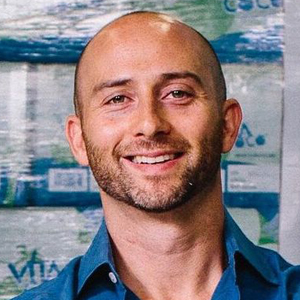
[00:00:55] Ray Latif: Hey folks, thanks for tuning into the Top Podcast for the food and beverage industry, Taste Radio. I'm Ray Latif, and you're listening to episode 164, which features a wide-ranging interview with Mike Kirban, the co-founder and CEO Vita Coco. Tune in on Friday, May 31st for episode 36 of our Taste Radio Insider Podcast, which includes an interview with Josh Zluf, the co-founder and CEO of Sudden Coffee, an innovative startup that's aiming to revolutionize the $40 billion instant coffee category. Just a reminder to our listeners, if you like what you hear on Taste Radio, please share the podcast with friends and colleagues, and of course, we'd love it if you could review us on iTunes or your listening platform of choice. Mike Kirban is unquestionably one of the most successful beverage entrepreneurs of all time. But if the following interview offers any indication, his legacy is far from complete. Since co-founding Vita Coco 2004, Kirban has guided the brand to its dominant position in the coconut water space. Distributed over four continents, Vita Coco holds a 26% share of the All Market for coconut water, which is estimated to be worth $2.5 billion. Success has attracted many suitors over the years, yet Vita Coco has remained privately held and Kirban intends to keep it that way. In this recent interview, he spoke about his ambition to build upon Vita Coco27;s foundation and develop a beverage platform focused on better-for-you brands. He also discussed his leadership style, why he hires based on attitude over skillset, and how Vita Coco considers innovation and potential acquisitions. He also explained what motivates him to personally invest in brands and why living close to his office is key to work-life balance. Hey folks, it's Ray with Taste Radio. I am in New York City and I am at the headquarters Vita Coco. Sitting in front of me is the man behind the coconut, so to speak. That's Mike Kirban, the co-founder and CEO Vita Coco. Mike, thank you so much for having me today. No, thanks for having me. Thanks for coming by. It's been a long time coming, I feel like. And I think we first met in 2011, right around the time I started at BevNET. And yeah, we've wanted you on the podcast for a while. So thank you so much for doing this. It's great. Happy to be here. So you and I were emailing last night up until about, I think, 1130, which isn't really that late. But I read once that you had insomnia. Is that still the case? No, no.
[00:03:25] Mike Kirban: I sleep really well, actually, but I don't sleep that much. So I'll get up like during the night and look at a couple of emails and do a few things. No, last night that wasn't it wasn't too late. But no, I actually looked at my calendar. and remembered that we had this podcast today, so I just wanted to reach out and make sure we were still on. Of course. Hey, you know what?
[00:03:44] Ray Latif: The train wasn't canceled, so I decided to take it anyway. What is your daily routine like?
[00:03:51] Mike Kirban: I wonder, I mean, what's your day-to-day like? You know, it's funny, I do a little bit of everything within the business. I'm quite involved in the day-to-day of the business and running the business as much or even more so now than I've been in other periods throughout the 15-year journey that we've been doing this. But at the same time, I think I have quite a good work-life balance. My house is a block from the office and I go home and I meditate at least once if not twice a day. I go home for lunch quite often. And my kid's school is two blocks away. So, you know, quite often I'll go pick them up and then I'll bring them home and they'll come back to the office. So it's really a nice balance. And it's also a nice way to live in New York City to be able to, you know, keep everything within a small, small radius. So it's good.
[00:04:37] Ray Latif: Totally. Do you have a room where you meditate specifically in your house? My bedroom in a chair. I was gonna say, it would be hard to meditate in your office, which is great, but it's all glass.
[00:04:48] Mike Kirban: I do it all the time. Yeah, every once in a while, I'll be lying, sitting here on my couch and meditating and I hear people, because it's all glass, I'll hear people on the other side of the glass being, oh man, Kirban's sleeping again. Nope, just meditating real quick, be right back there. How long does it take you to meditate? 20 minutes.
[00:05:06] Ray Latif: I have to learn how to do that. It's very difficult. It seems like it would be very difficult to learn how to do that.
[00:05:11] Mike Kirban: How long did it take you to learn how to meditate? I went through like one of these, you know, programs. It was this guy Bob Roth at the David Lynch Foundation. And I went in for like a three or four day, you know, intense meditation training thing. And I'm not big into those things in general. And I came out of there and literally it's changed my life. You know, that afternoon slump where you start to get tired in the afternoon. I don't get that anymore, you know. I meditate at two o'clock and I get all this energy and I'm ready to go. So it really is, it's an amazing thing and it gives you so much more energy to get through the day and to do so many more things and to focus. It's really incredible. It's been game changer.
[00:05:50] Ray Latif: That's really cool.
[00:05:52] SPEAKER_??: Yeah.
[00:05:52] Ray Latif: So as I mentioned, we're here in New York City. Are you originally from the city? From Connecticut.
[00:05:56] Mike Kirban: From Connecticut. Okay. From a small town about an hour outside of the city. What's it called? Easton. Do you come from a family of entrepreneurs? 100%. So actually, if I go back, there's not another male in my entire extended family that has graduated from college. We're not a, you know, a family of professionals. Everybody's been an entrepreneur, you know, starting with my great great grandfather. And you know, it's funny, my aunt at one point started to take business cards from my great grandfather, my grandfather, my dad and me. And you could just pile them up all the different businesses that we've had or been involved in. None of us have actually had a job at any point in our lives. I've never been on a job interview. I've never had a job. Never worked for anybody else. That's incredible. Yeah.
[00:06:40] Ray Latif: Well, you have a job.
[00:06:41] Mike Kirban: You just never, you don't work for anyone else.
[00:06:44] Ray Latif: That's amazing. Did you graduate from college?
[00:06:46] Mike Kirban: No. No.
[00:06:47] Ray Latif: Do you feel like you missed out on?
[00:06:49] Mike Kirban: Not at all. I went to the University of Alabama. What? Random. I know. That is random. It was really fun. Roll Tide? Roll Tide roll. Went to Alabama for a year and a half and realized pretty quickly that although it was a lot of fun and the partying was great and I just had a blast, man. It was great. But I realized pretty quickly that, you know, education wasn't my thing and college just wasn't my thing. I felt actually like I was wasting time. And there was so much more I could be doing to make a difference and to actually create my own success that college just was not my thing. So I left and created my computer software business after I left college. How long was that in development? How long did you run that business? I still have it today. Wow. Yep. Started the business with a friend of mine and my father and we built the business up over many years and we still have it today. It's an incredible business. What's it called? It's called Software Answers. And on the board, I'm not super involved in the day-to-day anymore just because I've got a few things going on here. But it's an incredible business that we've created over the years. So it's great and I still have it. I have a few things going on here.
[00:07:58] Ray Latif: I think that's the understatement of the year. Going back to something I read about you, or it was a quote I read in an article, it said, my inexperience has served me well when it comes to the food and beverage industry. You had no prior experience before getting into the business. It's funny, I've done a few of these podcasts. Our listeners will know I've done more than a few of these. And I'm hearing that more often, that inexperience in food and beverage has actually been to the benefit of the entrepreneur. Why is that?
[00:08:31] Mike Kirban: Because I think if I knew what I was getting into in the first place... I might have thought twice. You know, it takes a little bit of naivety to to do things like this and to think that you can do things like this, but also to challenge what is potentially the status quo. Right. I remember the first interview I ever did with anybody. It was this kind of, you know, it was like the elevator pitch. It was on MSNBC or somewhere like that. And it was me with two industry experts. They were both it was a man and a woman. They were both over six foot tall. And I'm not that tall. So I'm in what is supposed to be an elevator looking up at these two people doing an interview. I saw that interview. You have seen it?
[00:09:10] Ray Latif: I think it's still on the internet.
[00:09:11] Mike Kirban: Yeah, it's pretty funny. And that was the first one. And I remember them saying, you know, how are you going to distribute your product? You know, you're not with Coke. You're not with Pepsi. And at the time, you know, then DPS or KDP was Cadbury, you're not with Cadbury. And I looked at them and I'm like, I don't know, I'll figure it out, you know, and that's what I did. But I think if I had known getting into this, you know, that that was the only way beverages, you know, prior to us starting had been distributed, I think it would have been, you know, obviously a challenge, but instead I went and figured it out and found smaller guys. You know, I found in New York City, I found a guy with a van, you know, in Brooklyn, and his name was Angelo. And every day I'd go out and open up new accounts. And I'd take orders, and I'd fax them to Angelo. And then Angelo would deliver them the next day. And that's how I started. And that's how we built the business, you know, just new innovative ways to get products to stores.
[00:10:07] Ray Latif: So you had distribution down, you had retailing down, sourcing was a whole nother thing.
[00:10:11] Mike Kirban: Oh my god.
[00:10:13] Ray Latif: coconut water, crazy.
[00:10:17] Mike Kirban: Um, yeah, no, it was really challenging. And I think, but that again, is something that if I knew about supply chains and so on, I would have gone about it a totally different way. I would have probably raised, you know, tens of millions of dollars to invest in supply chain. And instead what we did is, you know, first we started using a co-manufacturer in Brazil, but they quickly ran out of inventory. They were producing for us, they were producing for Zico, they were producing their own brand in Brazil, which was growing really fast. And we realized pretty quickly we had no inventory. So, you know, we realized we had to build a factory, our own factory. And instead of, you know, starting to build multiple factories all over the world, we found a model that worked for us very well in Brazil where we invested some money with a local partner. The local partner then eventually bought our share of the joint venture back from us and became a long term exclusive supplier. And then we replicated that model over and over again to the point where today we have, you know, I think eight factories. operating in multiple countries, producing, you know, cracking two and a half million coconuts a day, and we don't own the assets. We just have our supply chain locked up through exclusive long-term contracts because we put these people in business selling coconut water. How long ago did you lock in those contracts? We started in Brazil in 2007, I believe. Okay. And then, you know, we've been working through the Philippines, Indonesia, Malaysia, Sri Lanka, you know, over the years. And we've done, you know, it's been really amazing. So not only have we been able to build a supply chain to supply our needs as a consumer goods brand, but also we've been able to have a real impact on the communities in which we produce. I mean, in the Philippines, where we, which we're one of our largest facilities are, In this region we've developed 15 schools where kids were going to school under tarps if they were going to school. We've done a lot of training in these communities teaching farmers how to... how to be much more productive. So it's good for us because we get better quality product, better quality raw materials. But at the same time, we have farmers who when we got there were making, you know, $1,700 a year that are today making $17,000 a year. I mean, it's really you converted these people's economic lifestyle dramatically by working with them and making them more productive and so on as farmers.
[00:12:34] Ray Latif: That's amazing, something you should be commended on for sure. So when I left this morning, when I left my house this morning, I noticed this book in my office and it's just... I don't even know why it's there. It's called The Functions of the Executive. It's by this man named Chester J. Barnard. You familiar with Mr. Barnard's work? I am not familiar with Mr. Barnard. I'm not familiar with Mr. Barnard either. I think the book was published in like 1938. But it got me thinking, the functions of the executive. I assume you have an opinion on what the functions of a food and beverage executive should be. And in particular, what your role is in this company and how it's evolved over time.
[00:13:12] Mike Kirban: Yeah, you know, my role has evolved over time. However, I operate without any executive training whatsoever or having ever been part of a larger organization that receives any sort of training or executive training and so on. So we as an organization operate very differently because of that. For a period of time, I brought in a president who was here from, I believe, 2012 to 15, something like that, Jeff Popkin, who was great. He was great for that time in the business. Now with Jägermeister, we had him on the podcast. Yeah, he's a great guy. And, you know, what I realized, though, is during that time period, I operated very differently than I did before and then I did after. So, you know, I'm quite hands-on. I manage by walking around. I literally walk into meetings all the time where I'm not invited and give my opinion. Sometimes it's appreciated, sometimes it's not, but it doesn't really matter.
[00:14:06] Ray Latif: When you greeted me at the door, there was a conference room that a few folks were in and we were chatting for a minute and one of them slammed the door before I walked in there. Slammed the door shut. A little bit of a... Well, scowl. I don't want to say scowl.
[00:14:20] Mike Kirban: I don't want to say that. Those were the auditors. They don't actually work here.
[00:14:26] Ray Latif: That explains everything. Okay. But yeah, I can imagine. I mean, you know, you've got all these people on the floor. There's, I don't know, it's like 50 people out there, at least 80 people. And yeah, I mean, it seems like walking around, you kind of get a pulse on it.
[00:14:39] Mike Kirban: Totally. And getting out in the trade with the guys, you know, I think for me, that's very important. Right. I like to be hands-on. I like to be involved in the day-to-day. I like to know what's going on even though I don't influence every decision that's being made around here. I've got a great leadership team who has a lot of freedom to make decisions and do things, but I like knowing what's going on because if I know some of the smaller stuff, it helps me figure out some of the bigger issues when they arise, right? Because I know where the root of the problem could be. or where the root of the opportunity could be in some instances. So I feel I'm very close to the business, which I like. During the time period where I had a president running the business, I wasn't as close to the business. You know, one year I took 16 weeks vacation, you know, which- Congratulations.
[00:15:22] Vita Coco: Thanks, it was great.
[00:15:23] Mike Kirban: You deserve it, right? It was great, but it wasn't really my style, you know? I kind of get a little, you know, I like to take time off. I find when I take, I always take slightly longer vacations. I take, you know, at least two weeks, you know, consecutive in the summer. sometimes even more than that. And I find it gives me the opportunity to really think and come up with ideas that I wouldn't be coming up with in the day-to-day, like of being around the office. Whereas at the same time, I do get a little antsy not being around the office and not being around not only the energy that is here, because the energy is incredible, but also the people. I mean, the people that I work with every day here, it's my family. I walk into the office every day and I feel like I'm coming to see my family. It's fun, the high fives, the excitement. that is just never ending here is really, for me, it's a great place to be. I really enjoy it.
[00:16:10] Ray Latif: Yeah, it totally feels like the vibe of the folks that work here mirror your vibe. You know, you guys are sort of playful and in the same way that family would be playful. I think you flicked the ear of one of your colleagues as we were walking into your office. He deserved it. We spoke once in the past and you said, I hire based on attitude. Yeah. How does that work? I mean, obviously, they've got to have some sort of experience to work in a certain role. But how do you gauge attitude?
[00:16:41] Mike Kirban: It depends on the role. And it depends on how much experience a role needs. But I'm never one to look at, for example, where somebody went to school or if somebody went to college, you know, for certain roles, people have to have some experience, you know, in order to be able to do that role. But at the same time, when I meet somebody, I know pretty quickly if they've got the right attitude, right? And like I said, I always say it's about attitude over skill set. And that attitude, if I pick up on it wrong during an interview or when I meet somebody, you quickly realize if they're not the right fit. And one thing that actually Jim Cook from Boston Beer said one time, which was really interesting, is hire slowly and fire quickly. And I live by that. We have plenty of people that just, they're great people, but they just weren't the right fit here that didn't work out. And we are very capable of moving people out who aren't the right fit, because This place, like I said, it's like a family, but we need to move in sync. And if there's somebody that is, you know, an asshole or that is affecting that movement in sync, they need to be taken out of the picture because they poison it really quickly. And I think that's a critical part of, I think, why this place is such a fun place to be. We just have a good time and we work together. Nobody works against one another here, which is great.
[00:17:59] Ray Latif: What if that person is just a rock star?
[00:18:01] Mike Kirban: I don't care. I've had it. I had somebody here for, you know, it took me a little bit too long to take them out, but they were amazing. Brilliant, brilliant, really amazing individual, but just not the right personality fit. That to me is more important because if the rest of the team is not having fun because somebody is just not the right attitude, it slows down the whole organization. And I don't think we're as productive. It's important to me that everybody here really enjoys what they're doing and they enjoy their job, but also they enjoy their lives. I mean, we have unlimited vacation here. And beyond just unlimited vacation, sometimes we find that people don't take enough vacation. So I actually sent out an email the other day, you know, forcing people. I want everybody to take certain Fridays off during the summer, even though they have unlimited vacation and they could take every Friday off if they want to, if they're getting their job done, they have to be out of the office at least two or three Fridays during the summer. You know, it's like they have to take long weekends at least.
[00:19:00] Ray Latif: You're going to have so many people sending their resume to you, Mike. When they listen to this, you're going to be like, okay, you know what? Forget about this whole Unlimited Vacation thing. No more of this. No more resumes. When did that come into play? When did you institute Unlimited Vacation? About a year and a half ago. And is it because, you know, the world is so interconnected at this point where you can just sort of, I mean, everyone's working anyway, like you wake up in the morning, you're working, basically, totally go to sleep at night, you're I mean, you're answering emails, you're looking at emails, you're working, you essentially you are working.
[00:19:29] Mike Kirban: Yeah. But at the same time, I'm not a believer in people that have HQ functions should be in HQ. Like, I'm not a big believer of letting everybody work from home, because that, again, even though people are getting their job done, you lose that camaraderie, you lose that spirit, you lose that, you know, that that fun that happens in the office every day. And we make a lot of quick decisions here. And that's why I'm here every day. We make so many quick decisions that aren't thought through in long strategic strategy meetings. They're thought through literally in the kitchen at the, you know, at the water cooler. So people need to be around or they get lost pretty quickly here because we move so fast. You're still an entrepreneurial company 15 years. Oh my gosh. Yeah, it's amazing. We're creating a new brand that's launched today, actually, in New York City that we're announcing next week. The concept came about like four months ago. Concept. And then we built the brand, a whole new brand. We built the brand and the product and produced it and got it in market within less than four months. So we moved pretty quickly.
[00:20:33] Ray Latif: You couldn't do that at Pepsi, could you?
[00:20:34] Mike Kirban: You couldn't do that at Pepsi.
[00:20:37] Ray Latif: We'll get to that in a moment.
[00:20:41] All Market: Zoom Essence invented the first low-temperature drying technology to make the world's best-tasting powder flavors. Heat is the enemy. Cool is the answer. Find out more at zoomessence.com and get your brand Zoom-in today.
[00:20:57] Ray Latif: You talked about getting everyone sort of on the same page, everyone working in the same direction. For them to do that, they have to be confident in the leader of the company. They have to be confident in their leaders. You come across as a confident person to me, and I don't mean that in any other way than being positive. Did you call me an egomaniac? No. I'm just kidding. I didn't, Mike. I apologize.
[00:21:21] All Market: Here's me shrinking in my seat.
[00:21:24] Ray Latif: No.
[00:21:26] SPEAKER_??: No.
[00:21:26] Ray Latif: In my opinion, confidence is a critical function as a critical component of a leader, a good leader. Do you see it that way as well? I mean, where does, and if so, you know, how do you, how do you draw on confidence?
[00:21:39] Mike Kirban: Yeah, I think absolutely. I think you need to be confident. You need to be confident in what you're doing. but you also need to be capable of making decisions quickly, right? I think that's one thing that I've learned over the years. People really need a leader to make a decision and stick with that decision. That's part of the problem in corporate America too, in larger corporations. Nobody wants to make that decision until it goes all the way up to the top and it's hard to get to the top in a large corporation. So we have such a flat organization here that a lot of people all around me all day are making decisions. But if they need me to help them just make a firm decision, they literally pop in the door and ask me a question and the decision's made. It's nice that way. I mean, literally everybody on this floor walks into my office all the time. There's no real hierarchy here. Do you have an open door policy? Very open door. Yeah, it's all glass. They can just literally talk through the glass if they want to.
[00:22:34] Ray Latif: So what's an example of, I mean, of an employee coming to you and asking you a question about something that you had to make the decision on? You said, you know, sometimes things happen in an instant. Can you give an example of a situation like that?
[00:22:48] Mike Kirban: It could be anything from a retailer pushing us on price to a distributor, you know, wanting some sort of program to, I mean, it could literally be anything. I mean, I usually don't get into the details on those type of things on a regular basis. But if it's something significant with a significant retailer or a significant distributor, all the time, you know, and I'll jump into the conversation, we'All Market a quick decision, then move forward. I think that's important so things don't get hung up. Innovation is the best example. I mean, these things, we're moving so fast between all of our launches that we had last year between Vita Coco Pressed and Sparkling. and PET in 7-Eleven that is now national this year and the new launches that are happening this year like vitacoco hemp infused and you know PET going nationally and all the stuff on RUNA. So things are moving so quickly but the reason they're able to move that quickly is because we just make decisions quickly and we go for it. And we make mistakes, right? I think that's one thing that is very important for an entrepreneur, is you have to be willing to make mistakes, and then you have to try to fix your mistakes as best as possible. But you can't be afraid to make mistakes. You have to make quick decisions, be willing to make mistakes, and then if it is a mistake, you fix it quickly. Otherwise, you get hung up on things.
[00:24:07] Ray Latif: Yeah, we had the CEO of a honey company on the podcast a few episodes back. And he said, one of the things that stuck with me that he said was, if we're not failing enough, we're not trying enough. And certainly, Vita Coco hasn't been afraid to try a lot of different things, entered a few different categories. Some of them haven't worked out as well. Specifically, what comes to mind is sports drinks, Vita Coco Sport. It feels like there's just so much opportunity And so many ways you can go with the brand. You know, how do you assess opportunities to innovate?
[00:24:38] Mike Kirban: Yeah, I think we look at things that are really that work for our brand, right? I think our brand clearly plays in sport. You know, our number one, the number one place where we pull consumers from is Gatorade still to this day. Wow. So we clearly work as a sport drink. We're just not a sport drink. You know, it's not what Vita Coco is. The functionality is there. and the consumer drinks it for that reason, whether, you know, replenishment, whether it's after workout, before workout, whether it's, you know, when they're hungover, on a hot day when they just need hydration, that's what VitaCook was used for. But to try to force it to look like a sport drink was hard for us, because I think, you know, that's just not who we are. So as we look at any opportunity from an innovation standpoint, it's got to be something that fits the brand well. I think hemp infused is a great example of something like that. The beach and the chill factor and the, you know, the cool laid back feeling that the brand has fits so well with that space. So that's a great example of, I think, where this brand can translate to it. It really, it depends on where consumers, I believe, where consumers give us the license to innovate, right? And it's constantly me and the team sitting here and judging where does the consumer, where do we think the consumer gives us license to play, right?
[00:26:03] Ray Latif: Sometimes it's also the retailer though, right? I mean, the retailer has to be willing to take in a certain product. I mean, with hemp, for example, and let's talk about hemp just briefly. Vita Coco infused, I'm holding in my hand a can, it says Vita Coco infused with hemp. This is a ginger apple variety. We first saw this at Expo West 2019 when it was called Vita Coco CBD. That was before legal review. Man, I put that on Instagram though, and that got a ton of hits and a ton of comments. People were going nuts over it. I think that was my most liked Instagram post ever.
[00:26:34] Vita Coco: Really?
[00:26:34] Ray Latif: That's amazing. Yeah. You've got to work on your Instagram posts. We'll say it was over 250 likes or so. That's not too bad, right? You know, where does this, where does this fit? Does this sit on shelf next Vita Coco Core? I mean, where would this be sold?
[00:26:48] Mike Kirban: Yeah, I think it sits next Vita Coco Core, just like Vita Coco Sparkling does. I think it opens up, you know, some interesting new channels for us, specifically, you know, helping us to further grow our UDS, our up and down the street business. I think it's an interesting play for up and down the street.
[00:27:05] Ray Latif: Particularly in New York City where up and down the street is.
[00:27:07] Mike Kirban: Particularly in New York and Southern California and markets like that where there's a decent size up in Northern California too. But it sits right next Vita Coco and vitacoco sparkling. It's closer to sparkling than it is to core vitacoco. So it's sparkling water with roughly 50% coconut water and then this one has 20 milligrams of broad-spectrum hemp. You didn't say CBD. Well done. I didn't. I personally think many, many, many brands will have CBD SKUs. Any brand. I think there are certain things it just doesn't mix well with. I know it's a big thing, coffee and CBD, and I guess there's some discussion around mental clarity and all of these type of things. That doesn't connect so well for me. I think active ingredient brands, like super active things like energy and so on, I don't know if it connects. I have to really look at it further, but I think for Vita Coco's just a perfect connection.
[00:28:09] Ray Latif: Sometimes it's challenging to figure out what is perceived function versus actual function. I mean, obviously a ton of research done on caffeine and the actual function that it has on performance, CBD, plenty of information that's still not out there, which makes it kind of a slippery slope if you do say anything about it. You talked about the brand a lot, the brand, the brand, the brand. One thing that I've been wondering is the name Vita Coco, where did it come from?
[00:28:39] Mike Kirban: So way back in the day when Ira, my partner and I started this business, he was down in Brazil and I remember exactly where I was standing in my old apartment in Brooklyn when I picked up the phone and it wasn't a cell phone by the way, it was a real phone, a landline. The Millennials still don't know what they don't know what I'm talking about. And I picked up the phone and I said, hello. And he said, Vita Coco. I'm like, is this Ricky Martin? Seriously, that was my response. And he's like, no, that's the name. It's Vita. It's Vita. It'll work globally. And Vita is life in Italian and Latin root. And Coco explains exactly what it is. And then it started to grow on me pretty quickly. And I'm like, OK, that's it. That's the name. So he came up with it, I think, in his sleep. Woke up in the morning and that was the end of it. There was no focus group. There was no research. There was no, let's try a couple different. I mean, we were back and forth on different ideas for names, but when this one came, it was just, okay, let's do it. That's it.
[00:29:46] Ray Latif: A much copied name since.
[00:29:47] Mike Kirban: I know.
[00:29:48] Ray Latif: Cocoa. It seems to be like every new coconut, every other new coconut water out there.
[00:29:52] Mike Kirban: Cocoa's got it. Cocoa's in everything. Yeah.
[00:29:54] Ray Latif: Yeah.
[00:29:55] Mike Kirban: It was Cocoa Cafe, a company you guys bought.
[00:29:57] Ray Latif: Yeah. Yeah. Any names on the cutting room floor? Any names that Vita Coco could have been?
[00:30:01] Mike Kirban: My memory is not that good.
[00:30:03] Ray Latif: Going back to innovation, it's interesting to hear about, you know, your thoughts on where the brand should be and in what categories and using what ingredients. And you have a very influential role, not just in coconut water, but in beverage. Now that you are established, is it better to be that trendsetter that you've traditionally been, or do you wait for the market to evolve, to develop a little bit before you jump into something?
[00:30:34] Mike Kirban: Me personally, on the personal side, or here Vita Coco? Here Vita Coco. No, I think it's important for us to be a trendsetter as opposed to a trend follower. I think it's really important. Now, we could look at trends like, you know, we're looking at a category right now for potentially a new brand, an established category, but I think we're working on ways to innovate within that space and create, you know, something unique. However, it's an established category as opposed to creating categories from scratch. But I think for us to basically do something like this is why we didn't do kombucha, for example, you know, kombucha got big. We were looking at it. We were thinking about opportunities in that space. But it's just, you know what, it's like, let's do something earlier in the life cycle, unless we could we find, you know, a business that's quite sizable and transformative to potentially acquire. When we look at categories and brands that we want to play in, let's try to do them earlier in the life cycle, because we can, you know, move quickly and be a more innovative company.
[00:31:35] Ray Latif: Do you see yourself as being more of an acquirer these days as much as you are developing internally? I mean, like I said, eight years ago, you acquired a brand called Cocoa Cafe, which was a blend of espresso cream and coconut water and eventually became Vita Coco Cafe. Last year, you bought Bruna, which is a guayusa-based beverage. You talk about kombucha, plenty of those brands out there. How often are you looking at potential acquisitions for Vita Coco? All the time.
[00:32:02] Mike Kirban: Really? I look at things all the time. I think, you know, my goal to create this better for you beverage platform, combining functional beverages and healthier beverages will need a combination of both in-house innovation and new to world brands and M&A. And for us, obviously the fastest way to do this through M&A. So if there are opportunities, specifically larger things that we could acquire and really gain size and scale even faster, great. But if not, and we see opportunities to innovate and create brands from scratch, we'll do that also. So I think my goal is over the next couple of years to really have four or five totally unique brands in-house under All Market, Inc., which is the holding company, that really play in different sub-segments of this healthier, functional drinks market.
[00:32:52] Ray Latif: And would they be of a certain size? Are you looking at mid-stage, very early stage?
[00:32:57] Mike Kirban: So if they're very early stage, unless there's a major supply chain advantage like Runa, it's easier for us to do it ourselves, right? Because you're not really buying anything besides a brand. But if it's so small, you're not buying a consumer base yet. So for us, it's got to be of a certain size. You know, I think ideally you have something that's doing somewhere between 20 and 80 million in revenue, I think is a nice business, a really nice business for us to look at as that's growing as part of, you know, this portfolio.
[00:33:30] Ray Latif: How things change, or at least perception wise, because the last couple of years, there's been all these rumors out there about Vita Coco being acquired. Pepsi looking hard Vita Coco, and it seems like... you're pretty comfortable being an independent company to the point where you have goals and plans to build an umbrella organization.
[00:33:56] Mike Kirban: So I don't think there's any real secret. There were a lot of rumors out there in 2017 that we were talking to strategics. We had conversations with strategics. We were approached by one and then we broadened it a little bit. We went quite deep with a few of them. And it was during that process that we realized pretty quickly that we could do something really special with the foundation that we've already developed. To sell the business at this stage, or specifically the way a lot of these deals look, is they're multi-stage deals, right? Where you sell part of the company and then you go to work for one of the strategics. and then they buy the rest of it over time. And to me, that's a death sentence. A, I've never worked for anybody else, nor do I want to. And B, I don't know if we would be that successful in a larger organization unless we were getting the appropriate focus, right? Like any other small company, you see it all the time. You know, large food and beverage companies come in, they buy a business, they take out the whole team, and then the business starts to flatline. And so I didn't want to see that happen. I believe we could create a lot more value long term here by taking the foundation that we've created, which is a pretty large, probably the largest independently owned, better for you beverage company, and building off of that and creating a broader platform. And whether one day that becomes a portfolio or a platform that we could IPO, or it becomes, you know, something that potentially, you know, a strategic is interested in, because maybe they're not in the non out business, or they're, you know, looking for opportunities to get a broader platform. Or if it's just a longer term thing, that is a dividend generative business, I think there's just more opportunity for us to do something with that Coke and Pepsi. they're really good at certain things and they've done quite a lot of M&A in this better for you functional beverage space, but their share of better for you functional beverages continues to decline, even though they've done so much acquisition in that space. And I think it's just because it's not what they're... good at. It's not what they're focused on. So I believe that that opens up kind of this lane for us to just drive right through as we should be the ones and we could be the ones who really create the better for you beverage company for the next generation. You know, the beverage, the big beverage company for the next generation. That is the goal. That's the goal. And I also think, you know, without really taking shortcuts, I think it could be done. You know, and I think that's one thing that that we're quite proud of here. We create really good products and we try to do it as a good company. And I think consumers are looking for better brands from a better company, better products from a better company. And that's kind of what we're trying to be. There's no reason we need to take shortcuts in our product. There's enough margin in there to do things right. You know, that's that's what we're focused on.
[00:36:52] All Market: Welcome to a Taste Matters bite from ZoomEssence. We are creating flavor combinations in everything tasty, including sports beverages, CBD infused products, functional foods, and even snacks. The secret is our low temp drying technology that creates the world's only liquid quality powder. Find out more at zoomessence.com.
[00:37:13] Ray Latif: You seem really comfortable with this idea and this decision and you have investors though. Yeah, I forgot about them. Sorry. You do have some prominent investors. You know where they where do they stand on this.
[00:37:26] Mike Kirban: The beauty of our main investor our largest investor Veril Invest is that they're patient you know and they're fully on board with this strategy.
[00:37:36] Ray Latif: For our listeners at home who aren't familiar with Veril Invest. What are they?
[00:37:39] Mike Kirban: So, Van Invest is the Belgian families that were the original producers of Stella Artois, that became Interbrew, and now they're the Belgian shareholders of Anheuser-Busch and Bev. This is their family office. And, you know, they invested in this business back in 2007, when we were doing less than a million dollars in revenue. off of 2006 I think it was. Wise investment on their part. Yeah I mean we were tiny and they invested early and they've been a great partner ever since and they're quite patient with the strategy. And then our other large investor is Red Bull China who invested in 2014 and they're helping us build out our China business which is great. And they're also patient. I mean there's no we're not with like a private equity that has a four year time horizon or anything like that. So we have the time. and the freedom to really create something super special.
[00:38:31] Ray Latif: And the relationships, I mean, you've got to have a great relationship with your investors to tell them, to be honest with them, like, look, I don't want to move forward with this particular deal. I have something better in mind. It sounds like you didn't have to convince them that hard.
[00:38:44] Mike Kirban: No, that's what's great. Really good partners, yeah.
[00:38:48] Ray Latif: We're talking about early stage companies and building out that Vita Coco portfolio. Your personal portfolio includes, your personal investment portfolio includes investments in a number of CPG companies behind you, over your right shoulder. You've got this beautiful bottle of Whistlepig straight by whiskey, which you've invested in. You're also an investor in Sir Kensington or had been an investor in Sir Kensington's and Bean Fields, Ancient Nutrition, Monkey Rum. So what's your personal investment strategy? I mean, how do you evaluate the opportunity for some of these early stage brands and the entrepreneurs behind them?
[00:39:26] Mike Kirban: Yeah, I think they're all different. But for me, one of the biggest thing is the entrepreneur. When I see an entrepreneur that I really respect, I see an opportunity. Sir Kensington's is a great example. Mark who built that business really, you know, I met him a couple of times and I just felt this guy, you know is committed He's he knows what he's doing. He's super smart. He doesn't have any experience and I saw an opportunity there Sounds like someone you know, right? Yeah The guy holding the mic So, you know, I think that's a great example. I think Beanfields is a great example. You know, Mark Rampolla was kind of leading the first round there and he called me up and he's like, wouldn't it be fun to work together on something? And, you know, Mark, you know, was the founder of Zico. He was my biggest competitor for years. We were brutal enemies, but we always really respected each other. The coconut water wars. He was the opposition. And we, you know, I thought it would be just great to work with him and I, and I trusted him. And, you know, so that is a great example there. Whistle pig was another really great investment. I invested very early there and met with the founder and really just loved the concept. It was like rye wasn't anything. Rye didn't really exist at the time. There was no bullet at the time or anything else. And his concept was to create a premium, single-malled, aged rye whiskey. And he was going out and buying up all the aged rye from the big spirits manufacturers who were selling it very cheap because they didn't have a need for it. They didn't have a use for it. And he was betting on the fact that, you know, brown spirits would take off. And they did. And Rye was a big part of that. And so Whistlepick has been an incredible investment opportunity for me personally. So I look at all different things, but I think for me, it's really about either the entrepreneur or a really special idea.
[00:41:18] Ray Latif: More than ever, we're seeing new food and beverage concepts come to market. There are some that seem like a pretty obvious improvement upon a legacy category, and then there are some that are just kind of out there. And the out there concepts are fun for like Expo West, you know, you get to try some new things like, wow, I've never had banana water for people or something like that, you know. How do you work through the clutter? I mean, not to call these products clutter, these brands clutter, but there are some that are going to succeed and then some that you just, you know, they're not.
[00:41:47] Mike Kirban: I've missed plenty of them.
[00:41:48] Vita Coco: Yeah.
[00:41:48] Mike Kirban: I looked at buy very early. I just didn't get it taste-wise. I just didn't understand it.
[00:41:54] Ray Latif: I remember when I first met Ben Weiss at Expo West in 2011, they were downstairs in the basement and they were in that glass bottle and it was this coffee fruit beverage and Ben and Ari were downstairs and they were just so excited about their And I was like, man, who's going to buy this? Who's going to buy this? It turned out Dr. Pepper Snapple would buy it for a billion seven.
[00:42:18] Mike Kirban: And you know, and so you miss out on things. But for me, I'd rather miss out on something because I didn't get it or I didn't believe in it or it wasn't, you know, rather than just take flyers on things just because other people say they're going to be the next big thing. Right. Yeah. I have no problem. looking back at something like that and being like, okay, fine. I didn't believe it. I didn't want to do it. I'm the guy that in 2000, the year 2000 sold my Amazon stock because I figured this company is never going to make money. Right? So sometimes you don't make the right decisions. But you know, as far as investments go, I think I've done pretty well. So it's been good. Yeah, I can imagine kicking yourself for that. Oh, that's the only one the Amazon thing.
[00:42:57] Ray Latif: It's the only one. That is, yeah. You might have some say in how your product is marketed at Whole Foods. If I kept all my stock, right. That actually brings up an interesting point. I mean, Amazon acquired Whole Foods two years ago. And I mean, the industry has changed pretty dramatically in the 15 years since Vita Coco first launched. Yeah. You know, what do you see as the biggest change in this business?
[00:43:25] Mike Kirban: You know, a lot of people will say that the business has changed or consumers are buying products differently. Yes, Amazon is a great piece of business for us. It's also a great way to get products out that are not nationally distributed. I mean, you could build brands on Amazon. You know, we're doing something similar in China. I mean, the volume going through e-com in China is outrageous. In the U.S., The retailers have all been innovating pretty quickly, right? From Walmart, Walmart's e-com business to, you know, Kroger in-store to, you know, even some of the regional retailers, Wegmans, for example, quite a few of them are doing some amazing things. So consumers are still going to retail here, unlike China, for example. You know, there is change, but I think it's change for the better. And I think, you know, a lot of guys are keeping up. I think those who don't will fall behind and will go away. But I think a lot of the retailers are keeping up. In terms of the way the beverage landscape has changed, it's changed quite a bit since we started. I mean, there was Fuse, there was Snapple, Sobe, Vitamin Water. Those are the only ones I could think of that were like, you know, independent, innovative.
[00:44:35] Vita Coco: Arizona.
[00:44:36] Mike Kirban: Arizona. And that's it. But imagine, I mean, today, first you go to Expo West, you see a billion things. But you go to a store anywhere up and down the street in New York City or anywhere in the country, you go to Walmart now, they have this new, like new age set, which has all sorts of things that you would never have expected would go into Walmart. so early in a brand or category's life cycle. That's changing a lot. Shelf space is getting crowded, really crowded, which it makes it hard. You know, we're bringing out so much innovation. I think we brought, you know, high teens, almost 20 new items to our distributors this year and to our retailers this year. And it's hard because now you're trying to fight for 20 new places on a shelf where there's also a thousand other brands trying to fight for that same space. it's becoming a crowded landscape.
[00:45:29] Ray Latif: You're competing with every new brand that goes on shelf at Walmart, when once, you know, your primary competitor had been, as you mentioned, Zico, and you guys were very, very competitive against each other. Do you still try to find a competitive partner to motivate you, to get you guys excited?
[00:45:49] Mike Kirban: That's one of the things I love about Runa. It's so much fun because we know exactly who we're going after. Okay. You know, Runa to me, we go after Red Bull space, right? A little bit of monster, but it's really going after Red Bull space. And that is a big brand. It's an amazing brand. It's a brand I've always respected so much. And I think we've created a product that we can really go after their space, which is really fun for us. It's fun to have an enemy sometime, a direct enemy, whereas with VitaCoke and VitaCoke with sparkling and all of the other things that we're doing today, we're really going up against all refreshment beverages. So it's fun to have a very clear target like we have with Runa to go after Red Bull.
[00:46:33] Ray Latif: So every entrepreneur that I've ever talked to runs into problems. Some are very, very serious problems. And for some, it meant the end of their business. Have you ever run into such a serious problem where you said, look, VitaCook was not going to work, I need to quit?
[00:46:48] Mike Kirban: Yeah, I think I'm a little bit overly positive of an individual for that. So we've had some serious problems, right? I don't know if you remember years ago when we were small, I think 2010 or something, we got hit with a massive lawsuit. It was just a bunch of lawyers coming after us. And it was super, it hurt. And there was a lot of press around it and everything else. And you start to get really down. But at the end of the day, I think I'm just such a positive individual that we can overcome anything. And we've had our hardships as we built this business. We started selling a product that I would bring into retailers and distributors. And they'd be like, are you kidding me? Seriously? Yet we still kept on going and going and going. And we continue to this day. So there's never been that moment where it's like, I got to hang it up. I'm done because I really, I just enjoy it too much. And I think I'm just, you know, sometimes overly positive that we'll always get through it. And we, we, we tend to do that.
[00:47:46] Ray Latif: Yeah, I remember that lawsuit. And I remember your quote was, in Russia, they bribe politicians. In the US, you bribe class action attorneys.
[00:47:54] Mike Kirban: You remember that?
[00:47:55] Ray Latif: Yeah, sure. Yeah, that's true. Cool. It's a big racket. I can only imagine. I don't know why I always leave this question to the end, because it's probably the most important question I'm going to ask. As you lean closer to them. Come on. You know, happiness is something that is never talked about enough. I feel like, you know, the reason you get up in the morning is to do something that makes you happy, right? Yeah. What makes you happy?
[00:48:25] Mike Kirban: In the business or outside of the business or both? Both. Yeah. So I think one is in the business. We all work so much. Everybody works so much, right? So much of your life is spent around your co-workers and in the environment you work in. And if you don't enjoy that, you're not going to enjoy your life, right? My family is so important to me. My friends are so important to me. But I couldn't enjoy them as much as I do if I didn't enjoy what I was doing 10 hours a day or whatever it is, 10 hours plus. So every single day, at least five, if not seven days a week. So I think that's where it starts. It starts by enjoying what you're doing for a living. And I think I've done a really good job at that for me. This suits me so well. I love the creativity. I love the people I work with. I love the environment I'm in. I love our, you know, our partners in this business. It's really, it's been amazing. And that creates happiness that then translates to the home. My kids are incredibly energetic, happy kids, a little bit too energetic sometimes, but a lot of that energy is contagious. And I bring it home from the office. Being around people that you really care about and that you enjoy being around makes you a better person. And it does for me, at least, which is really fun.
[00:49:39] Ray Latif: Mike, this has just been a really, really fun conversation. I can't thank you enough for taking the time to be with me. It's been so amazing for me to watch your brand develop and see you develop as an entrepreneur. And I'm so happy to see you happy. So thank you for that. And good luck with Vita Coco and everything else you're doing in the future.
[00:49:57] Mike Kirban: That's so nice. Thank you. And I really appreciate you coming by. And it was great hanging out. So much fun. Right on. Awesome.
[00:50:06] Ray Latif: That brings us to the end of episode 164. Thank you so much for listening, and thanks to our guest, Mike Kirban. You can catch both Taste Radio and Taste Radio Insider on Taste Radio, iTunes, Stitcher, Google Play, SoundCloud, and Spotify. As always, for questions, comments, ideas for future podcasts, please send us an email to ask at Taste Radio. On behalf of the entire Taste Radio team, thank you for listening, and we'll talk to you next time.