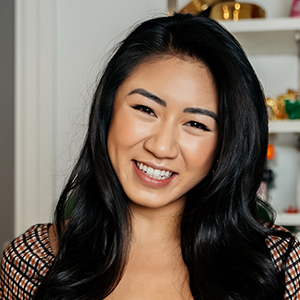
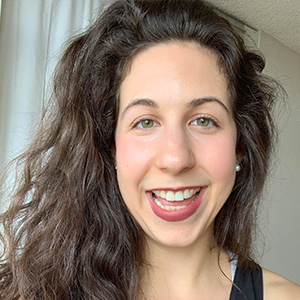
[00:00:10] Ray Latif: Hey, folks, I'm Ray Latif, and you're listening to the number one podcast for the food and beverage industry, Taste Radio. This episode features an interview with Vanessa Pham, the co-founder of Omsom, an innovative brand of starter kits for cooking Asian dishes at home. We also sat down with Caroline Cotto, the co-founder and COO of Renewal Mill, a company focused on fighting climate change and food waste via baking ingredients and plant-based snacks made from upcycled food. Just a reminder to our listeners, if you like what you hear on Taste Radio, please share the podcast with friends and colleagues. And of course, we would love it if you could review us on the Apple Podcasts app or your listening platform of choice. It's one of the most publicized food startups in recent memory, and for good reason. Omsom's originality in product, form, and vision is captivating. Launched in May 2020 by sisters Vanessa and Kim Pham, both first-generation Vietnamese-Americans Vanessa brand markets chef-crafted starter kits that the company describes as pantry shortcuts for specific Asian dishes. The sauces, aromatics, and seasonings for each dish are included in a single package. A consumer combines the starter with proteins and or vegetables to create the finished dish. Since its debut, Omsom has captured the attention of consumer and trade media with its dazzling labels, note that the brand was awarded Nosh's Best Package Design of 2020 award, and innovative approach to at-home meal prep. The company's most notable aspect, however, is the story of its founders and their vision to create a brand that breaks long-standing barriers in how ethnic food is perceived and sold. In the following interview, I sat down with Vanessa Pham for an expansive conversation about Omsom's mission and business planning, why she and Kim set out to build a brand for all consumers, and the reason they don't use the word authentic when describing Omsom or its products. She also spoke about the company's retail and merchandising strategy, how the team is attempting to align buyers with their vision for the future of grocery, their PR strategy and why it's been effective in attracting national media attention, and why Vanessa is bullish on greater financial investment in BIPOC-owned brands. Hey folks, it's Ray with Taste Radio. Right now, I'm honored to be sitting down with Vanessa Pham, who's the co-founder and CEO of Omsom. Vanessa, how are you?
[00:02:36] Vanessa Pham: Hey, Ray. I'm great. Excited to be here. Thank you for having me.
[00:02:40] Ray Latif: Thank you so much for being with me. You look rested. You look well, healthy, and rested. I can only assume that's because you just got back from vacation, which you did tell me you were on vacation with your family, right?
[00:02:51] Vanessa Pham: That's right. It's the post-croissant binge globe. We were in the French Riviera in Paris. It was an extended vacation with my family, which I've not done since launching the company. So it was really incredible.
[00:03:05] Ray Latif: Amazing. Well, you said croissants, and I've never had a, well, I've never had a croissant from France. By the way, did you hear I just said croissant instead of, I said cross croissant, and then I said croissant. I tried to correct myself to sound, I don't know, more, yeah, but anyway. Were the croissants as good as people expect them to be? Were they the best thing you ate?
[00:03:27] Vanessa Pham: They were, but that's because I am just a huge, I have a huge weakness for like laminated dough. I love flaky dough. And so croissants obviously are like the epitome of that. And so yeah, the bakeries would have them fresh in the morning, or should I say like patisseries? And they were just incredible.
[00:03:45] Ray Latif: Very cool. Well, hopefully I'll get out there one day. In the meantime, I'm really excited to try your newest product, OMSOM's newest product, which is an instant OMSOM. What is it all about?
[00:03:57] Vanessa Pham: Yeah, so we partnered with Instant Pot, which is wild because they're in one in three households in the US. This is the level of prevalence of this company. And so we have our product line adapted to be able to be used in their Instant Pots and air fryers. And this was launched just in time for the holidays. The Instant Pot is obviously huge for Black Friday, huge for the holidays. And so we're super excited to get this in the hands of a bunch of Americans. And it's going to be also launching in select retail stores. well, which I can't share will be out there.
[00:04:31] Ray Latif: Very c retail stores in a littl to the nitty gritty. Um, brands and C. P. G. You gu quite a bit in just a rea And I've been reading just article after article about Omsom. And one of the things that struck me most about your brand was from an article that came out, I think it was just a couple, two, three weeks after you launched, in which you said, our company is a direct response to the world where people didn't think a brand like ours should exist. There's a lot in there. Let's talk about the people. When you say where people didn't think a brand like ours should exist, what are the people, who are the people you're referring to?
[00:05:20] Vanessa Pham: In that sentiment, we're more often than not talking about gatekeepers or people who have control and access over resources. And that's really important for us to shape their view of brands like ours and change the dialogue around what people think is niche or not a great opportunity, whether that be in terms of investment or in terms of velocities in a store. And so we're really talking about those people at the end of the day, the gatekeepers.
[00:05:49] Ray Latif: As you're explaining or as you began to explain what Omsom is and represents, there is a certain amount of education that you had to share with those gatekeepers, that you had to share with consumers, but there's an essence about the brand I think that you guys have really nailed. What is, in your words, what is the essence of Omsom?
[00:06:11] Vanessa Pham: I mean, I can't describe the essence without describing what our name means because that's really the heart and soul of it. So I'm song in Vietnamese means rowdy, rambunctious, riotous. We chose that name and that energy because it was our kind of, you know, personal, like. middle finger to the model minority myth of Asian-Americans being docile or submissive. So really, the Omsom energy is about being proud and loud, unapologetic. And Omsom strives to be that in our content that we put out into the world, our interviews where we try to shape national dialogues, and of course, in Natural Products where we don't hold back on flavor. We're really in your face with the fish sauce, with the spice, for example. And that's really how we live that ethos in everything that we do.
[00:06:58] Ray Latif: A middle finger to those that are... To the model minority myth, is what we say. Yes, yes.
[00:07:05] Vanessa Pham: No one in particular, the myth itself.
[00:07:08] Ray Latif: You said it best. I'm trying to think of other brands or companies that have a similar approach or a similar mindset. And I can think of a couple, but where did you guys draw most of your inspiration from when you were crafting the brand strategy, when you were crafting the business strategy for Omsom?
[00:07:24] Vanessa Pham: Yeah so you know that was maybe three years ago that Kim and I as co-founders and sisters were working on this and we really looked inwards. It came from our life experiences as the daughters of Vietnamese refugees. We you know obviously Aesthetically, we're inspired by so many different things. But when I go back to that core ethos of who Omsom is and how we try to show up in the world, it really came from internally our lives as sisters and everything we've experienced and how we want to shape the world around us.
[00:07:59] Ray Latif: I feel like I have a sense of what it feels like to be a minority growing up in a world where so few people that you interact with look like you or know the experience of how you grew up. I know my parents were really bold, shall I say, in what their expectations of my brothers and sisters could do and should be as we grew older. Is this the path that they saw for you is, you know, owning your own business, getting into entrepreneurship?
[00:08:30] Vanessa Pham: Absolutely not. My parents, I think, in some ways, were really quite progressive, really raised us to be independent thinkers, have been incredibly supportive, and actually encouraged us to be kind of like hyper individualists, which we kind of are, and it's actually reflected in our brand. But at the end of the day, they were immigrants and refugees coming from a place of survivorship. The most important thing was creating safety and a safety net for ourselves and for maybe our kids one day. I would say in general, they were a little bit more risk averse in the way that they make decisions for themselves. They simultaneously wanted that safety for us, but then equipped us with the tools to really think outside of the box. So I can't say they were fully surprised when we jumped from startup world, venture capital world, on my sister's side, and me, a management consultant at Bain. They weren't surprised, but they were a little confused as to what we were doing. They were like, wait, so you're starting a company? So it's a food company. They kind of just let us do our thing until we literally launched and had stuff to show them, at which point they were very proud. So they were supportive throughout, but definitely a little bit baffled at the beginning.
[00:09:45] Ray Latif: They didn't give you any flack for leaving Bain & Company? You worked at Bain & Company for three years?
[00:09:50] Vanessa Pham: I worked there for two years. They held their tongue, but I could sense a little concern, but they are really intentional about how they impact us and how they shape our thinking. And so I think they bit their tongue on that.
[00:10:04] Ray Latif: What did being there teach you about how to build a business? Because I think most of the companies you were working with were these multinational Fortune 500 companies. So, I mean, how do you take learnings from companies like those and incorporate them into your business?
[00:10:23] Vanessa Pham: You know, I think at the end of the day, I mean, it's great to have exposure to that type of, those types of businesses and their biggest strategic priorities. But I feel as though my experience at Bain was kind of this like crash course in like this core business skillset in terms of like thinking analytically, having this like analytical financial toolkit that I could use to then pair with actual early stage operating experience. which is very different. I think the combination of the two can be quite powerful, but there was definitely a huge learning curve after Bain in terms of being an actual operator. But I do think that foundational analytical skill set in terms of strategic communication, in terms of understanding numbers, drawing insights, it's like the liberal arts education of the business skills, if you will. I found it extremely helpful, but there was a lot of additional learning. vertical learning curve that happened after I left Bain as a founder.
[00:11:24] Ray Latif: For sure. Did Bain or being at Bain teach you anything about how do you turn innovation into a finished product or concept? How did you think about that idea of making it easier for people to cook Asian dishes at home and create this idea of a starter kit? You know, why was that the form factor? Why wasn't it, say, sauces or a finished product, a finished frozen meal, something like that?
[00:11:52] Vanessa Pham: Yeah, absolutely. It's a great question. I would say Bain was not helpful in the technical knowledge or the execution of commercializing, like bringing a product to market or to life. But what it did really help me with is research, consumer insights, and turning those insights into something that I think was a strategic product given a lot of input. So when we decided to start Omsom, we first just did a ton of research on two sides, the consumer side and then the industry side. On the consumer side, we were really trying to distill what is the current state of cooking Asian food today? What are the biggest pain points? What do consumers really value and want more of? What are they missing in the market? And so to do that, we surveyed 200 consumers, interviewed 100, and actually watched 50 people cook in their kitchens. Then on the industry side, spoke to investors, founders, and found out what both CPG brands and direct-to-consumer food brands were struggling with, and designed around all those learnings into this product. I could give you a million reasons why it landed here, but a couple on the business side is like, okay, these are light, they ship flat, it's a value-add product, so the margins are strong. On the consumer side, we learned that folks know how to stir-fry chicken. That's not hard for them. What's hard is the flavor. Getting all the hard-to-find ingredients, actually getting the flavors right, they really lack confidence there. So this product allows us to have their back on the flavor, but then flex their dietary preferences and restrictions. So it can go with plant-based meat, or it can go on your pork belly, if that's what you so choose. So that's really kind of how we landed here.
[00:13:39] Ray Latif: So you didn't just jump into the ocean and say, hey, we're starting a consumer brand. There was a lot of thought and planning that went into Omsom prior to its launch. You said three years, you guys were planning for three years prior to its launch?
[00:13:52] Vanessa Pham: No, we've been working on it for three years total. So I guess that's like a year and a half leading up to the launch.
[00:13:59] Ray Latif: Yeah, I mean, that's pretty amazing. And, you know, I think that's something that We don't hear enough, I think, from entrepreneurs is, you know, do you have a business plan? Did you do the legwork, the research, the planning that it takes to get off to a successful start? Clearly it's worked out for you guys, you know, and it doesn't work for everyone. You could do all the planning in the world, have all the money in the world, and sometimes it just doesn't work. But within that planning was, I believe, one of the most compelling elements of Omsom and this was outlined by your sister Kim in an article for the Today Show's website and it was all about why you guys don't use the term authentic. Could you share with our listeners why that is not a term that Omsom uses when describing its products?
[00:14:51] Vanessa Pham: Absolutely so you know we totally understand why people use it and you know I think what we want to do is kind of share more about our perspective on it. So the reason we don't use the term authentic to describe Natural Products is because. The term authentic is pegged in this idea that there's only like one way that a cuisine can exist and that limitation ends up transferring to these chefs and the founders and creators of those backgrounds that are representing their cuisine and perhaps trying to innovate on it. or charge more for it. And so I think the idea is that it's very limiting for that community and the evolution of that cuisine. And moreover, it pegs in almost like a nostalgic view of it, like, that's the way my grandpa or grandma cooked it. And it's kind of impossible to win against that standard, right? Everybody's got an emotional layer to that. And so at Omsom, we actually use the term cultural integrity because it's more anchored in a process as opposed to one finite output or outcome or product or flavor profile for that matter. The idea is essentially to distill it into something more like an example. Why does pho have to taste one way, the way that somebody's parents made it and have to be a certain price point, less than $15, when French chefs can take a traditional French dish, make a tiny portion of it, and innovate on it and sell it for 4x. And that's accepted and celebrated. We just want to make sure that BIPOC and Asian food founders, as well as chefs, have the ability to innovate. And if so, and if they need to, charge more for it. So that's kind of what it comes down to. But really, cultural integrity is what we like to anchor on, because it's about doing your research, representing something respectfully, and also, in our view, compensating equitably when you're representing a cuisine.
[00:16:50] Ray Latif: What was the reaction from the food community? There was a pretty powerful reaction from the community as a whole, from the American community as a whole. And I know that makes it sound like this is a huge, really impactful article, but it was. I think there was a lot of talk about it on social media or otherwise. But what was specifically the reaction from the food community, especially those who continue to use that word authentic when describing their products?
[00:17:16] Vanessa Pham: Absolutely. I mean, as with all, you know, conversations like this, I think there's, it's very nuanced, right? There's no one, one way. I would say by and large, the community was really excited about it and learned a lot from it. We got a lot of folks in there. I never even thought about that. I've been using that word for so long and, you know, met really well. And of course we all do. Um, in some ways it's the idea of wanting to protect these cuisines. And I, I understand that sentiment. but I think the community was actually really receptive and really willing to learn and adapt. And then of course, you know, there are folks who continue to use it and that's absolutely fine. I mean, you know, we're just offering one perspective and we use it when talking about, you know, brand, for example, like a genuine and authentic brand. That's like very different than what we're talking about, which is like anchoring on one representation of a cuisine.
[00:18:10] Ray Latif: Let's get to the who, because One of the things that I guess kind of surprised me about Omsom is the idea that you and Kim wanted to be a brand that is everywhere. You want to mainstream this idea of Omsom as being something that could sit next to other kitchen staples like tomato sauce. And when I look at the brand as it is, as it stands right now, I see a store, a relatively niche consumer for it. And I'm sure you've heard that before. And I apologize if I'm, if that sounds offensive, but I guess I've seen a lot of brands out there and I'm just thinking about the broad opportunity and I'm not necessarily seeing it yet for Omsom, but I'm putting words in your mouth. So who is the Omsom consumer? Who are you really trying to target with the brand as it stands today?
[00:18:59] Vanessa Pham: Yeah, I think it's a great question and one thing I will say is that I think this is a place where investors and marketers alike can miss something that I think is very critical. And I think what that is, is that you can't talk about audience and opportunity without talking about evolution of a brand. And what happens with so many brands that I think fall flat is that year one, they start trying to talk to their year five consumer because they're thinking, okay, well, we want to grow sales as much as possible. That means a bigger market opportunity and therefore bigger audience. But when you're building a brand, if you do that, you're not standing for anything, and you're not going to cut through the noise. And you're going to dilute your brand, basically, right out of the gate. And so, of course, as with anything, any entity, any even person, there's an evolution, and there's growth over time. And so what we do at Onsum is we're very intentional about how we show up, who we speak to, at what part in our journey. We're not going to launch and right out of the gate be speaking directly to certain demographics because of our mission, but also because of our strategy as a brand. Everything that we're doing now is by design. It's who we're intending to speak to. And so that's why to us, we answer to the Asian-American audience at the end of the day, every day. They are the core of our brand. They're our anchor and they're the community we want to do right by. But we really believe that that doesn't mean that we're not relevant to all consumers. And in due time we will speak to them and meet them where they're at. But you know it's an evolution and it's a balance and it's a dance. And we have so many tools at our disposal. It's not a blanket strategy. Every channel is different. How we show up in social media versus how we'll speak to folks if we have shelf talkers on the grocery store in middle America will evolve and be different. It's all about having a cohesive ethos while still meeting the consumer where they're at at different parts of the brand's journey. And so it's nuanced, but I think it's very critical in the execution of scaling an intentional brand that's mission driven, that represents community and culture.
[00:21:24] Ray Latif: I thought that was brilliant when you talked about how a lot of brands are going to market with their year five strategy in year one and, you know, sort of way ahead of themselves, because I think that does happen quite often. That being said, as you are planning out your long-term strategy, there are certain elements that are critically important to getting to that mainstream consumer education, affordability. How are you thinking about those parts of the business now and then as you're continuing to grow?
[00:21:55] Vanessa Pham: This is very top of mind for us. And and you know like I said it's a dance. And so when when I say that I mean I have every turn. We're making intentional decisions of like are we meeting the consumer where they're at on this dimension. Are we going to challenge them. We believe that today consumers want to be challenged. They want to learn and they want to be invited into something new and different. But at the same time there are certain barriers that they just don't know how to cross. So we are actually being extremely empathetic as a brand on every dimension and making that call. So for example on specific things like product evolution we do want to meet the consumer closer closer to where they're at. This was our first product to market the starter. It's our wedge. But absolutely in future product lines we will do things where you know maybe folks don't have to cook or maybe it can be ready in a minute. That's the type of place where we're like let's meet them in terms of our content though. we're going to challenge them and we're going to invite them into our universe and expect them to stand a little bit taller on some dimensions. That's core to Omsom, and I think that's what makes us different and still delightful as a brand. It's not a blanket strategy of accessibility across the board. If we did that, I think we would lose our magic.
[00:23:11] Ray Latif: How much do you really want to challenge consumers, though? Because I think your products seem to be pretty easy to use. And I think there's an ease of use that is built into the brand. And then when you think about, OK, are the cooking instructions easy enough for people to follow? Are they pretty small in terms of the list of cooking instructions? Taking into account modern appliances like the Instapot.
[00:23:31] Vanessa Pham: It's definitely designed to make a restaurant quality dish like more accessible and pretty easy on your table in 20 minutes. But there are still things that make it like there's still a little bit more like friction and barrier than like things you can just like throw in your microwave to your point. I'm not saying that's the direction we're headed. But if we can. make the use occasion really easy, you know, that's something we definitely want to think about. So, in terms of product, moving towards making it easier to integrate into the everyday is definitely something we're thinking about.
[00:24:03] Ray Latif: The other part of accessibility is where can people buy your brand? Where can people find it on shelf? Currently, I think most of your business is direct-to-consumer, if I'm not mistaken, is that right?
[00:24:14] Vanessa Pham: That's right, yeah.
[00:24:16] Ray Latif: At the outset of our conversation, you do talk about getting into retail and looking at that as an opportunity. How are you thinking about making that or how are you strategizing when you are planning to make that leap? Because that's a big one. There's a lot that goes into retail that is not part of the direct-to-consumer business. Certainly it is a bigger opportunity, but. There's this whole big set of folks called retail buyers, as you know, or the gatekeepers that you referred to earlier, that will demand certain things of your brand and products. Yeah, absolutely.
[00:24:50] Vanessa Pham: So our vision for Omsom is to be the next household name in Asian food CPG. We think there's a huge opportunity here and it hasn't been captured. And so when I think about that vision, we absolutely have a place on the shelf as a pantry staple in people's homes and with the visibility and prevalence that being in brick and mortar grocery stores affords. So that's definitely the direction that we'd love to head. You're right. It's a huge endeavor. But we're really excited. We've had a lot of inbound interest there. We're having those conversations now. They're really different to your point than anything that we've really faced as a business in the past. But what we've been really excited about is that as a young brand we've been able to drive a national dialogue. around Asian flavors, Asian stories, we've been able to drive important conversations on different topics that have captured attention. And so that is definitely something that we're bringing into these conversations with buyers, making sure they kind of understand the awareness and brand equity that we've built. And I will say that I have definitely been pleasantly surprised with how much they are really recognizing that and layering that into the conversation that we're having with them. But absolutely, we're moving towards that opportunity. I do think at the end of the day, as a food CPG, really, that's where the huge opportunity is.
[00:26:17] Ray Latif: Where's the ideal place for Omsom to be merchandised in-store? I think you and Kim have both expressed that you do not want Omsom to be pigeonholed as an ethnic brand per se, or at least merchandised in the ethnic aisle.
[00:26:33] Vanessa Pham: I ultimately I feel like the Best Package for on some is contextualized next to what it helps you prepare because ultimately our product answers the question what am I going to have for dinner tonight. Like that's the value prop. And so folks are thinking through that when they're at the meat counter getting their steak. or at the seafood counter or by the mushroom or tofu set. And so I would love to see Omsom next to those parts of the store so that you can grab your protein, you can grab your Omsom and be on your way, have dinner on the table in 20 minutes. That's what I'm most excited about. But of course, it has to kind of have a home in the center of the store, which I think is a very important question. It's hard to say because the whole store would kind of have to be reorganized in a sense for us to have a more natural place that we would like feel most excited about, which would be in like a section with all the cooking sauces, right? That essentially is what our product is, and so I think that would make the most sense. However, that's not really how the store is laid out right now. And so it would be challenging to try to force our way into a place where consumers aren't necessarily expecting us. And so at the end of the day, like if Omsom has to go into this quote-unquote ethnic aisle, like we'll have to do that, right? There's really, as a young brand, there's not really much we can do. And I think it's important to share that. Oftentimes, when these buyers are reaching out to us, it's already the buyer that's in charge of the ethnic set that's reaching out to us. So what are we saying? Hey, we don't want to talk to you. That's not how it works. It's like it's before the conversation's even started, we're already put there. And so it's definitely a challenging one. But that's why we really believe change happens on so many different ways. Change happens when we get on some in the hands of more people, even if that means being in the ethnic set. Change happens when I'm having this interview and buyers are listening and thinking, oh, well, that's interesting. Maybe there's a way we can like, you know, think about the future of the grocery store and change happens when consumers. go to their grocery stores and ask for a change. It's happening on multiple fronts, and I'm excited to be a part of that dialogue through many different conversations, including this group called the New American Table. I'm not sure if you've heard of the work we're doing, but it's me and a couple of other folks. For example, Chloe Servino of Forbes, Miguel Garza, the founder of Siete, Errol Schweitzer, a former buyer at Whole Foods. We're all part of this group trying to drive an important dialogue around this.
[00:29:03] Ray Latif: The dialogue that you're having with these buyers, I think a lot of times it's just nuts and bolts. You know, what are the margins? Can you provide me with consistent inventory? You know, what are you doing to support the product on shelf? It's just the basics. But how does that dialogue, how does the dialogue that you're talking about go beyond that? How are you educating buyers? to this concept of this notion of a different grocery store of one that introduces consumers to new flavors and new form factors and things like that?
[00:29:36] Vanessa Pham: So, you know, what's actually interesting is that a number of the buyers that are talking to us are actually pretty plugged in on this. and see the same future that we see, like a good number of them, especially the ones that reached out to us, right? Because that's why they're talking to us. And that's been super heartening to see. And so I think when I have a relationship like that with a buyer, I'm like, okay, great, like we're on the same page. In other instances, it's less of that. Maybe it's not an opportunity they fully see, at which point there's data that we can show them. We're definitely having those dialogues as well. Then of course, there's broader industry dialogues that aren't happening one-on-one in the context of them buying Omsom. That's really where I'm really trying to drive the conversation forward because there's less of a power dynamic. in that situation, it's more of us being people in the industry trying to move the industry forward. And so that's why I'm making time as an early stage founder, even though we're a small team and I'm super busy, but to partake in those types of conversations, those types of panels, or writing articles, things like that. We dedicate a lot of time to that because it's aligned with our mission and the future that we want to see.
[00:30:54] Ray Latif: Going back to the ethnic aisle for a second, visibility, I would assume for OMSOM is probably going to be stronger at this point online and via direct to consumer than it may be in certain stores, in certain S stores, ethnic aisles. How do you weigh the opportunity between saying, okay, we're going to spend our time really trying to meet people at the grocery store versus, you know, the success that you've had in this track record that you've had introducing the brand and educating people about the brand and products online?
[00:31:24] Vanessa Pham: Yeah, I would say in general when we do launch into grocery, we will definitely be, you know, have a strong focus there because there's a ton of education that needs to happen and the shelf is obviously a challenging place to do that. So I know it'll be a very concerted effort. That being said, digital for us is one of those really big levers we have to inform the shelf. In this world, today's day and age, that experience, it doesn't just drop off between the two. Like as a brand, we will definitely be working to merge. the understanding of Amsum's brand across mediums as much as possible. And from talking to other founders, I know digital is an important lever in a retail marketing strategy. I would say we're taking a very omnichannel approach to that. And we really believe like kind of like rising the tide across both channels is actually going to help. And as we're thinking about, you know, the strategy there and even hiring, that's definitely something we're thinking about, like trying to find people that have experience bridging the gap across digital and brick and mortar.
[00:32:29] Ray Latif: That's an important role. What's the title for that role?
[00:32:32] Vanessa Pham: It's not necessarily one role that we would be hiring to be in charge of that. But we are hiring a director of growth right now who would be focused on e-commerce and direct to consumer. But we are in the interview process asking them if they have experience leveraging digital to support a brick and mortar retail strategy which is a hard thing to find. But there are folks that do have that.
[00:32:56] Ray Latif: Yeah, you just have to find them and hope they're ready to leave their jobs, because I don't think they're unemployed at this point. As I mentioned earlier, just so much media coverage about OMSOM right out of the gate. You know, 18 months ago is when you launched. You've already had articles in the New York Times, Food and Wine, Vogue, dozens of other media publications, Consumer and Trade. How did you achieve this kind of coverage for an early stage brand? It just, it rarely happens if ever. I think I can think of one other brand where this is the case. It was a brand called Recess, which makes, have infused beverages and the like. You know, I saw that a couple of years ago and I saw similarities in terms of the coverage for OMSOM. What was the PR strategy? What was the plan for getting this kind of coverage? Was there one?
[00:33:47] Vanessa Pham: Yeah. So, of course, PR was a very important mix in our launch strategy, or part of the mix for us. Our approach to it really came all the way back to the brand strategy. So it wasn't just like, OK, here's our brand, whatever. All right, let's tack on this PR strategy. From day one, Omsom has been a response to the way that the world looks and exists. So inherently, what we're doing touches upon really important dialogues that are happening at a national level. And so it's hard to kind of divorce the two, right? The way that we talk about who we are, what we stand for, and flow that ethos through everything that we do and put out into the world, whether that's our visual identity, our website, or our product to our perspectives and our content. All of it is a response and is a change that we want to see in the world. And so inherently, I think that has been newsworthy because it parlays into broader conversations that journalists are driving at that level. And so I attribute a lot of, I think, that PR success to the brand mission, vision, and values that we live from a very genuine place every day. And that has been interesting to people because it's not this like kind of soulless Brand positioning doc that you know was Was manufactured it came from a very genuine place in the hearts of myself and my sister I think people can feel that and I think that that kind of one thing led to another and then at the same time We were really from day one investing in building a strong evangelist community knowing who we're speaking to speaking directly to them and creating something meaningful and real. And journalists can see that and that's newsworthy as well. So I think, you know, between our community approach and our PR strategy, there was this kind of flywheel between the two. I know a lot of people say they don't believe in like a PR flywheel, but there was something that was harmonious, I would say, in the coupling of those strategies.
[00:36:06] Ray Latif: When you were talking to evangelists and to the media, I can think of three things that folks would latch on to. One, this idea of Omsom as being sort of the tip of the spear for this movement. Two, the innovative products that you're bringing to market. And three, your just outstanding package design. Nosh awarded Omsom as the Best Package design of 2020 in our best of awards. What did people really latch on to? Did you have to sort of pick your spots about who you would talk to about certain elements of the brand? Or was it sort of a holistic approach to here's Omsom, understand it and write about it as you will?
[00:36:46] Vanessa Pham: I would say was more of the latter. We basically told our story as like co-founder sisters but daughters of Vietnamese refugees. And we talked about our Brandt Gehrs because that's really the anchor of everything. You can tie everything back to that. For example our commitment to cultural integrity. You can tie back to being proud and loud as a brand. Our packaging design being super colorful, super in your face and rowdy. You can tie that back to being proud and loud, right? Everything that we do comes back to that. And so we're kind of just showing up as ourselves, talking about the energy and the ethos that we live every day. And there's something to grab onto, whether you're a design publication or you're a culture publication. And so that's it. That's how we approached it. Which is why, like, in general, when we have these types of conversations with folks in the media, we just show up as ourselves. You know, like, I'm just saying what's top of mind for me, because it's very core and genuine to who I am as a person and the CEO I try to be for Omsom and our community.
[00:37:51] Ray Latif: The community was deeply affected. The Asian American community was deeply affected, you know, following the events of last year, following the social unrest of last year. Is that something you and Kim felt comfortable talking about as it relates to your overall vision and mission for the brand?
[00:38:10] Vanessa Pham: That was obviously a really challenging time. And it continues. It doesn't just go away. It continues to shape my perception of myself as an Asian-American and my sense of safety all the time. And I think something that has been interesting is the dialogue that came from that. But really, it's been something that Kim and I have experienced been thinking about for much of our lives, and even starting off on three years ago right, our mission and our vision didn't come about recently, it's been something we've been working on for this whole time, but obviously during that time we we did want to. be vocal, but also create space for our team, who is predominantly Asian American, to take care of ourselves. And so while we did speak out, as we felt comfortable, it didn't feel like a responsibility for Omsom to do so, just because at the end of the day, we're humans with identities and we're, you know, we're experiencing these things on a personal level, too.
[00:39:11] Ray Latif: How much of your personal life do you feel comfortable sharing with people, people that you certainly do not know, how much can you share without giving it all away? You know, and how much do you need to continue to do amid the brand's growth and development?
[00:39:28] Vanessa Pham: Kim and I are both very, very comfortable with it and actually think it's really important to kind of provide that level of transparency into our brand, into ourselves, the people behind it. And the reason we feel so comfortable is because from day one, the brand was built to allow for the multitudes of Asian America, full stop, and of us as individuals. Omsom is about being unapologetically yourself. And it's been a personal journey for me unlearning internalized racism, like trying to be this model minority. Like that's been a journey for me in actually even building the brand. So It's been a huge blessing in my life to have a brand that calls me forth in a way that's like, hey, be yourself, live your truth. And on a personal note, it's been really transformative for me and Tim actually building the brand itself. But yeah, to answer your question, the reason it's so comfortable is because Omsom, by definition, calls us to be our truest self. And that's been very liberating, actually.
[00:40:39] Ray Latif: That's so interesting. I sometimes catch some flack from folks because I'm very not personal. Well, for the most part on social media, I'm very about here's some new products that I found or here are some events that I'm at. And, you know, I mean, it can be personal in that I'm enjoying something or, you know, I'm speaking with someone that I find very interesting or or whatnot, but it's I don't talk about family or my personal life, you know, in the way that I think some folks would want me to. And I think part of it's the fear of, I guess, revealing too much about myself. And sometimes that, however, is really beneficial. in expressing a worldview that I think people aren't necessarily familiar with. A lot of people aren't familiar with for one reason or another. And I wonder how much of that has to do this idea of exposure and awareness with the lack of diversity that we see among female and minority entrepreneurs in terms of investment. It's very well documented and lamented that not enough money, not enough capital is being infused into female and minority-owned brands. Based on your experience, are you seeing that this is something that's going to continue for a long time now, or are you optimistic that things are changing?
[00:42:03] Vanessa Pham: Yeah, I absolutely think it is changing, just not quickly enough. there is a small group of investors, they're actually putting their money where their mouth is on this topic. Everybody's talking about it, no doubt. Everybody, every VC's got their website feel about pushing the boundaries, blah, blah, blah. and investing in the future of America, blah, blah, blah. But I think at the end of the day, there needs to be more commitment to it in tangible ways. not just this kind of blanket sentiment of this is what we support, but actually making calls or even setting a goal number of investments a year, percentage of investments even. I would love to see that from funds. There are a number of funds that I'm really excited about doing good work here. Supply change capital led by Nora May and Shana are really committed to this, especially in the food space. And I'm starting to see more dialogue around this for sure. And I'm glad that it's getting a spotlight. I'm hoping it's gonna inspire more funds, bigger funds to be changing their approach here. But there are brands that are left definitely leading the way and we hope to continue to drive the charge on this too.
[00:43:31] Ray Latif: Well, you're certainly lighting the fire. And I think there's a bigger fire that's to come. I hope it's just a question of As you mentioned, how much lighter fluid are the investors willing to share with you and other BIPOC entrepreneurs? I think one of the other big parts of this is the encouragement of female minorities to enter the food and beverage business. I think you can look from the outside and say, hey, this doesn't look like it's going to work out for me. Are you at this point, you know, encouraging other folks to get into the business? I mean, what should they be looking out for? You know, how do they get inspired to be involved in an industry that a lot of times seems like it's not very welcoming?
[00:44:18] Vanessa Pham: Yeah, I absolutely encourage folks if they feel like they're really passionate about something, they really want to see it come to life. I definitely do not beat around the bush around the real challenges. I personally wouldn't do this for something I don't really deeply care about on a mission values level, because it's a hard journey, no doubt. So I'm very honest about that. But I would love to see more diversity in CPG. I really am trying to do what I can to support that through mentorship. I do bi-monthly office hours where anybody can join and ask me anything. And it's been amazing to see. And more often than not I would say like 90 percent of the folks that attend those are BIPOC founders because they're looking for faces that they feel they might have mutual experiences with that they can relate to and learn about their journey. So I do things like that. And there's also a couple of really awesome BIPOC-focused CPG communities where there's a lot of resources and help. So there's Project Potluck. There's another one called Included. highly encouraged folks to check that out. And then there's New American Table, which is a group of us, but we do events as well for folks who are interested in learning. And we're trying to facilitate some kind of community or support through that as well. So there's definitely resources out there. It's not without challenge, but I'm excited to see how much solidarity and support there is within the BIPOC founder community. We are just trying to help each other as much as we can, and I'm super thankful to be a part of it.
[00:46:01] Ray Latif: I'm super thankful that you brought up your office hours. How do people get in touch with you to be a part of those?
[00:46:08] Vanessa Pham: They can just email us directly and then we'll send them a sign up link. So the email that is best would be famsisters at omsom.com. And yeah, we respond there. And my next one is in December. I just did one like last Friday.
[00:46:24] Ray Latif: Okay, well, hopefully a lot of people sign up for the one in December, famsisters at omsom.com. Well, Vanessa, our CMO, Bevanis CMO, Mike Schneider was the one who suggested that I speak with you. I'm so happy that he did, because this has been a conversation I think a lot of folks will benefit from. I've benefited from it personally, and it's really refreshing to hear the approach that you've taken in every aspect of your business. I'm excited for the future of Omsom. I can't wait to see what's next. And now I need to buy an Instapot, by the way. So thank you for that. That's on the list. In the meantime, once again, thank you so much for joining me today. And please stay in touch. Hopefully we can see each other in person soon.
[00:47:12] Vanessa Pham: Absolutely right. Thank you so much for having me. It was such a pleasure. Really interesting dialogue. Definitely got me thinking. So appreciate the opportunity.
[00:47:21] Ray Latif: Thank you again. From one highly ambitious food company to another, our next guest is Caroline Cotto, the co-founder and COO of Renewal Mill. As mentioned at the top of the show, Renewal Mill is a maker of baking ingredients, mixes, and sweet snacks made from upcycled byproducts of food production. I spoke with Caroline Cotto Natural Products Expo East 2021 for a short conversation about Renewal Mill' origins and vision, its multi-pronged approach to product development, their alignment with brands of a similar focus, and how the company is positioning itself to be the go-to supplier for upcycled food ingredients. Hey folks, once again, Ray Latif here at the Expo East 2021 show in Philadelphia. And standing with me now is Caroline Cotto, who is the co-founder and COO of Renewal Mill. Caroline, how are you?
[00:48:13] Caroline Cotto: Great. Thanks for having me.
[00:48:14] Ray Latif: Thanks so much for being with me today. Renewal Mill, what do you guys do? You guys do a lot of different things, but what's your primary focus?
[00:48:21] Caroline Cotto: Yeah, so we're an upcycled food brand. We do both ingredients and finished plant-based products. So we actually take the pulp left over from making plant-based milk and dehydrate that and mill it into a high-fiber, high-protein, gluten-free flour. We do this with both soy milk and oat milk. And then we sell those flours to other people who want to use them in their own products, as well as use a subset in our own plant-based cookies and baking mixes.
[00:48:48] Ray Latif: So out of all those products, I guess what best represents Renewal Mill in terms of how you guys are going to market and building this brand?
[00:48:58] Caroline Cotto: Yeah, on the CPG side, our bestseller is our dark chocolate brownie mix. It's vegan and gluten-free, and all you have to do is add oil and water. And then it features our hero ingredient, okara flour, which is that flour coming from the leftover pulp from soy milk. It's Upcycled certified under the new Upcycled Food Association certification. It's carbon neutral, and then it has a bunch of nutritional benefits from that okara flour as well.
[00:49:23] Ray Latif: And where are these products sold?
[00:49:25] Caroline Cotto: We are in traditional retail. So we are in Whole Foods, Northern California, as well as most of the leading e-commerce platforms. So Imperfect Foods, Good Eggs, Thrive Market, Fresh Direct, and then on our website at Renewal Mill.
[00:49:38] Ray Latif: I knew I'd seen your brand with Imperfect Foods. I shop on that or I'm a member, subscriber, whatever you want to call it. And it seems like the perfect fit for what you guys do. There's a lot of alignment there. On that site, it's probably easy for consumers to understand what Renewal Mill is all about. But how do you educate other folks? What's the best path? What's the best way to get people to understand what it is you're doing and why they should be buying your products versus others?
[00:50:03] Caroline Cotto: Yeah, definitely. We're very forward on our bags. It says fight climate change and describes kind of what upcycled food is right on the pack. And also all of our packaging designs are inspired by real weather patterns to kind of draw that link for consumers between upcycled food, which fights food waste and is helping fight climate change. And then obviously we have a bunch of other third party certifications that we like to tout as well. So we're plastic negative certified. We're newly upcycled certified. And then carbon neutral certified and non GMO and gluten free and vegan and all of the good things.
[00:50:39] Ray Latif: So, you know, when you mentioned cookies earlier, I feel like that's an easy way for consumers to understand what it is you're doing. And it seems very approachable. They don't have to make anything. It's just it's just a cookie. It's right there. How much of what you guys are doing in terms of communication to that end consumer comes from things like that?
[00:50:59] Caroline Cotto: Yeah, definitely. We're really trying to use familiar vehicles to introduce novel ingredients. So that's why we started with America's favorite chocolate chip cookie, because we want you to say, this is a delicious chocolate chip cookie, but it also has all these added benefits from this new ingredient. And then, you know, once folks understand that, they're kind of more amenable to trying it in all these different products. But yeah, we really love partnerships as well. So we work with a lot of other emerging brands who also have ready to Natural Products that are utilizing our flour in their products. So like Tia Lupita's Grain Free Tortilla, Pulp Pantry's Grain Free Chips, Fancy Pants has an entire line of upcycled cookies made with our flours. So yeah, just trying to get people to understand that your favorite foods can be made even more sustainable with these upcycled ingredients.
[00:51:43] Ray Latif: So along those lines, are you looking to co-brand or are you actually putting the Renewal Mill brand name on products like tealupita, et cetera?
[00:51:52] Caroline Cotto: Yeah, we love to co-brand. We also kind of have like an Intel inside model where they're kind of branding our ingredient in the ingredient deck and kind of saying this is Renewal Mill okara flour, this is Renewal Mill oat protein in this product. But it's a helpful way to kind of educate consumers about why this is really a hero ingredient that should be celebrated.
[00:52:11] Ray Latif: And are you actively seeking co-branded partners or are they coming to you?
[00:52:15] Caroline Cotto: A bit of both. Some of them we've just happened to meet at trade shows like this and they've been really excited about what we're doing and kind of, you know, a lot of synergies between our brands and others. We've sought out to kind of say like, we think this would be a really great product for you. You're already using gluten-free flour. Why not make it a little bit more sustainable, a little bit more nutritious, all those good things.
[00:52:36] Ray Latif: Yeah. Now, when you're talking about price point, it feels like upcycled foods should be at a very reasonably affordable price point because you are using typically ingredients that would have otherwise been thrown away. That being said, there's also a premium element to what you're doing. So I guess, how do you address the the expected price point among consumers who are looking at upcycled foods versus sort of the premium branding that you're trying to establish?
[00:53:07] Caroline Cotto: Yeah. I mean, there's definitely processing that goes into making sure that these ingredients stay food safe and that, you know, we're rescuing them and there's a certain amount of work that goes into that. So we try to price ourselves with other alternative gluten-free flours on the market. So we're priced similarly to like an organic cassava flour, coconut flour, something you could use as a one-for-one replacement for what we're selling. We don't want to be, you know, above that. We want it to be an achievable price for the producers that we're working with. And same with our consumer products. You know, we're looking at people like Simple Mills and other kind of alternative baking mixes on shelf and pricing ourselves as a line price with their products.
[00:53:45] Ray Latif: What are your expectations in terms of the size of your business that is food service slash co-branded items, your ingredients business that is, versus your branded products?
[00:53:56] Caroline Cotto: Yeah, so the sales cycle for ingredients is quite long. It can be like two to three years. And so the CPG products are a great way to educate consumers in the meantime and kind of build up some revenue that we can use for those longer term ingredient sales. But ultimately, our goal is to be majority ingredient sales. So about like, you know, 60-40 or 70-30 split with ingredients being the majority of the sales. But right now, we are growing the CPG brand. So they are roughly equal at this point.
[00:54:24] Ray Latif: It's interesting because it seems like your business is a little bit more streamlined and easier just being an ingredients company. But, you know, getting the name out there via CPG seems like a way to do exactly what you were just talking about.
[00:54:36] Caroline Cotto: Yeah, it's a great way to get PR. We, you know, always thought, oh, like the consumer facing brand educates consumers, but also it educates a lot of R&D folks who find us through our retail products and then are like, oh, what's, what are the ingredients in that? And then they're like, oh, we could use those in our own products. So it's been a great way to do that and kind of spread the word about upcycled food.
[00:54:57] Ray Latif: Yeah. How'd you get into this business?
[00:54:58] Caroline Cotto: Personally? So my co-founder actually founded Boston's first organic juice company and came face to face with food waste firsthand in that business and was appalled at the amount of fruit and vegetable pulp she was throwing away every day. And then she met the owner of one of the largest tofu companies in the country and he was like, You think you make a lot of pulp in your tiny juicing business, you know, I'm making hundreds and hundreds of tons a week. So that was how we kind of got the idea. My background is more on the nutrition side of things. So I had done a lot of work in child obesity and child malnutrition and some work in tech and was combining food and tech to help my co-founder start this business.
[00:55:33] Ray Latif: Yeah. And, and, you know, when you're talking about your co-founder, there's a lot of folks that I've spoken with that will say that, you know, you should never start a company without a co-founder. How do you, I guess, balance responsibilities? You're the CEO. Oh, I assume your co-founder is a CEO.
[00:55:47] Caroline Cotto: Yeah, definitely. We work super collaboratively. I've taken on a lot of the B2B sales role in the company, so overseeing the sales arm, and she's overseeing a lot of the financial responsibilities and online, like direct-to-consumer marketing and fundraising. So we do a lot of things together, but it's definitely we complement each other's skills.
[00:56:09] Ray Latif: And how are you finding navigating this business? On the one hand, as you talked about the ingredients side, it's pretty straightforward. Buy our ingredients because they're better or, you know, they fit well with your products. On the other side, starting a brand, starting a CPG company is a challenging thing to do. How are you balancing both? Is that something where you have to be careful about how much time you're spending on one versus the other?
[00:56:32] Caroline Cotto: Yeah, I mean, they really do work synergistically. Like this is not a new model. So companies like Cargill and Ingredion and really large ingredients companies also have branded products like Stevia that they've kind of launched in order to help sell more ingredients. So we are conscious about how we're splitting time, but like I said, they really do play off each other. So the kind of growth of the CPG kind of feeds the growth of the ingredients business. And a lot of the contacts that we make for both are kind of overlapping.
[00:57:02] Ray Latif: You mentioned some pretty big ingredient companies, Cargill and Ingredion. Is that your ultimate vision for their Renewal Mill is to be as big as those companies?
[00:57:10] Caroline Cotto: Yeah, I think, you know, we're aiming to be the food industry's go-to supplier for upcycled ingredients. And I think, you know, we've had some interactions with both of those companies early on and would love to partner with them at some point to build out an ingredients portfolio for them. But the goal is to be an easy choice for producers who are looking for more sustainable options for their products.
[00:57:32] Ray Latif: Well, there you go. I know there's a lot of folks listening right now who are looking for that exact thing. So hopefully they'll reach out to you. What is the best way to reach out to you?
[00:57:39] Caroline Cotto: You can reach us at info at Renewal Mill or me personally, Caroline Cotto Renewal Mill.
[00:57:45] Ray Latif: Right on. Caroline, thanks so much for taking the time to be with me today. I really appreciate it. And let's stay in touch because I'd love to hear about Renewal Mill continues to scale from here.
[00:57:53] Caroline Cotto: Of course. Thanks so much.
[00:57:54] Ray Latif: All right. That brings us to the end of this episode of Taste Radio. Thank you so much for listening, and thanks to our guests, Vanessa Pham and Caroline Cotto. As always, for questions, comments, ideas for future podcasts, please send us an email to askatasteradio.com. On behalf of the entire Taste Radio team, thank you for listening, and we'll talk to you next time.