[00:00:10] Ray Latif: Hello, friends, and thanks for tuning in to Taste Radio, the number one podcast for anyone building a business in food or beverage. I'm Ray Latif, the editor and producer of Taste Radio, and with my co-hosts for this episode, John Craven, Jacqui Brugliera, and Mike Schneider. In this episode, we feature interviews with Alex Duong, the founder and CEO of Fair & Square, a modern snack brand inspired by childhood favorites, and also Lena Zhuravsky, The founder of passion fruit centric beverage brand, Passion Joy. Passion Joy. On the stage for our new beverage showdown. Yeah, Fair & Square joined us for our Nosh Pitch Slam a couple of years ago as well. So a couple founders who have done well in our past competitions. Excited for our listeners to hear from both of them. Excited for next week, even though the industry seems to think I absolutely hate Expo West.
[00:01:06] John Craven: I don't.
[00:01:07] Ray Latif: Getting a lot of a lot of attention on my recent areas about yeah Well, but very excited to see everyone who is attending exhibiting walking the show Jackie I'm excited to see you But I am a little worried that you may not be at Expo West because you're heading to New Orleans Take in Mardi Gras
[00:01:28] Jacqui Brugliera: I thought, like, what better way to warm up for Expo West? So I'm getting my steps in, eating the local fare, maybe drinking a couple beverages. My system will be ready.
[00:01:41] Ray Latif: A couple beverages.
[00:01:42] Jacqui Brugliera: I promise to just, you know, de-germ before I see you.
[00:01:46] Ray Latif: OK, thank you very much. Well, what's interesting about Expo West is that there are, what, 75,000, 80,000 people that attend. You can find that on like two square blocks in New Orleans during Mardi Gras. Sounds about right.
[00:02:01] Jacqui Brugliera: So Expo West will be nothing, you know.
[00:02:03] Ray Latif: Exactly, exactly. I've only been to Mardi Gras once and it was a long time ago. And I saw things that I didn't think I would ever see and have never seen since. Buckle up.
[00:02:13] Jacqui Brugliera: I will have stories, lots of stories to share with everyone that I see there.
[00:02:17] Ray Latif: Yeah, yeah. Here in this part of the country, they call it Pottygraw. It's not Mardi Gras, it's Pottygraw. Pottygraw kid. Pottygraw kid.
[00:02:26] Jacqui Brugliera: Wish me luck.
[00:02:27] Ray Latif: Good luck. Good luck. It'll be fun. Have fun. Just be safe for sure. Yeah. Okay. Well, you know, there was just an incredible amount of news that happened over the past week. And I'm so excited for a lot of brands. Let's start off with the news that Aura Bora, the brand of botanically infused sparkling waters. was acquired by New York-based investor and brand collective Next In Natural. Next In Natural helmed by Jeff Lichtenstein. Jeff Lichtenstein, he's been a player in the food and beverage industry for some time, former distributor, and very excited for Aura Bora to be in the hands of a company that can hopefully expand distribution of their products nationally or more broadly, because they're already sold nationally. But this kind of came as a little bit of a surprise. I think some people didn't think that a brand like Aura Bora, you know, at this stage of their development, because they're only about five years old or so, would be bought at this point. But I don't know.
[00:03:32] John Craven: I mean, I think there's been a trend of smaller brands getting acquired by kind of roll ups. So, uh, not totally surprised. There was also the, uh, brand bub love that was acquired by, again, another company that has a bunch of different brands. So yeah, I mean, you know, that's just kind of where the market's at right now too. So.
[00:03:56] Ray Latif: Yeah, I heard some, I don't know if I'd call it hate, but some mixed reviews about the deal on LinkedIn. There were some folks who had wondered if it was a true acquisition, you know, because it seems like, and what's been reported is that the estimated, it wasn't the actual transaction or the details of the transaction were not disclosed, but. The estimates are around 20 million or low in the low 20 million range. And some folks have said, oh, well, you know, for a true acquisition, you're looking at 3x, 4x, 5x. But from what I understand and from if I put myself in the shoes of Paul and Maddy Vogue, who are the co-founders of the company, And I've heard this from other entrepreneurs. The reality is that you're going to have to raise a ton of money to get to that next stage of development. And I've heard this from other founders who are just like, look, I can't do this anymore. I can't go and raise another 15, $20 million to keep this thing going. I would rather put it in the hands of someone who can acquire it and who can lead it into its next stage of development. And this is true with Alix Peabody, Who Eats the founder of Bev. who I interviewed last year, and she talked very much about that. She was, you know, at the point where she was going to have to raise another $20 million or she could sell the brand to Gallo and Gallo turned out to be a good acquisition partner. Same thing with Nona Lim, Nona Lim Foods, a little different, but When I asked her in our interview from a few weeks back, she definitely mentioned that fundraising and continuing to fundraise for the next year or two did not seem like something she wanted to do. I mean, this is a beautiful, great tasting brand in the hardest category, sparkling water. And they were doing something different. And that is, first of all, what they've done is to be commended. I mean, the Aura Bora team did a phenomenal job of getting where they got, and we don't know what the deal is. It could have been an ACK hire, so they're, you know, they bring the team on, keep them, they keep some equity. There's so many different ways this deal could be put together. I mean, we'll catch up with them at some point and find out if they're happy. That's what matters at the end of the day, you know. For sure. I mean, certainly we want to make sure that Paul and Maddie got the best deal they could. And hopefully, as you mentioned, Mike, they continue to lead the brand because they have for the past five years, they've led the vision, the direction. And I guess the one thing that I heard from one retailer is that When Aura Bora started to become price competitive with mainstream conventional sparkling waters, it didn't help the brand. In fact, it was a detriment to the brand. So when you started seeing Aura Bora at conventional retailers for $1.50 a can, when they had started out and they have long been viewed as a premium brand, priced at around, you know, three bucks, you know, 253 bucks, I guess it made it seem like it wasn't as premium. And the retailer I spoke with brought up the fact that Sanzo, which is another premium sparkling water brand, hasn't at this point or to this point dropped their prices or have. you know, any kind of price. I've never seen Senso for $1.50 a can, have you? No. No, no. The answer is no. No. One brand that also made some waves this week was a brand called Hiyo, H-I-Y-O, the winner. of BevNET's New Beverage Showdown at our Winter 2021 event. And Hajo is a maker of non-alcoholic social tonics. Congratulations to the founders who picked up an investment from Constellation Ventures. This is part of a $20 million funding round. And as folks might know, stop, it's not a billion. Mike with that pinky. Constellation Ventures is the venture capital arm of Spirits and Beverage Alcohol Conglomerate, Constellation Brands. So I got $20 million for a Series A. Big things in the works, clearly, for Hayo. Jackie, I always see Hayo out in California. I mean, they're California-based. When we first saw this brand, I thought it had legs, but clearly it has some serious runway.
[00:08:15] Jacqui Brugliera: It does, it does. I definitely see it in retailers here and I also find that retailers have these non-ALC functional like social beverage spots more and more. Like these are popping up like in my Lazy Acres and things. So it's showing that the category is growing and there's more opportunity and like you said there's a huge runway for it. So this is just validating that and showing that, you know, sky's the limit. And I mean, they're hitting on the social front. And they're also they have a bunch of functional ingredients that are really trending right now, like ashwagandha, lion's mane, L-theanine. So I think they're hitting on multiple trends.
[00:08:53] Ray Latif: One thing to take from their playbook is just the beauty and the simplicity of the packaging and the fact that they've made all the choices. It's hard to make choices as a beverage founder, what you want to put on the can. They've gone with Hayo in our project, minimal text, and it's working for them. Yeah, it definitely looks like a beautiful premium can that you could hold in a social setting and get people noticing it, ask a lot of questions, and certainly not feel like you're being left out if other people are drinking alcoholic beverages. It also has this lifestyle component that definitely feels counter to some of the non-alcoholic or alcohol analog brands that we've seen out there that are very much, hey, we're sober, we're for sober, curious people, we're, you know, don't drink. Hiyo is not like that. It doesn't feel like that at all. It definitely feels like a very fun, cool lifestyle beverage, almost in the vein of a trip, you know, a trip. Definitely in the vein of a trip. Yeah, absolutely. Yeah. So congratulations to the founders, including Evan Quinn, George Yeomans, and Signey Cooper, all of whom appeared on stage at DevNet Live and won the New Bedward Showdown. Just goes to show you, you know, you get on stage, good things might happen. I found that brand on a run one day in Santa Monica and I told Jackie, this brand's awesome. Have you heard of it? And she's like, no. And I just DMed him. I was like, you should enter the New Bedward Showdown. It was just like, strange the way they just kind of came out of nowhere and now they're, they've got all this attention and I'm just, I'm really happy for them. Are you implying that you're responsible for the rise of Iowa? No, I'm not implying at all. I am not implying that at all. It's just weird the way that they came into, there's a lot of different ways people come into the community. A lot of it's through Instagram. It's weird how, you know, they were kind of know nowhere and kind of, they were just out there doing their thing. They knew who we were. They'd already been reading FNET, et cetera, et cetera. I mean, it's not like they didn't know who we were. You're a big part of this. You're a big part of their success. I'm not a big part of their success. Oh boy. I'll give credit where credit's due. Mike is outstanding when it comes to engaging with a lot of early stage brands and helping them along the way and offering them advice and making sure that they're connected with our community. And that's what we really try to do. I always say this to folks. A lot of people look at BevNET, Nosh, Taste Radio, Brewbound as news organizations. I think of us, and I hope I'm not speaking out of turn here, as community organizations. We're really here not just to report on the news, but to help brands grow and to connect folks with people and organizations that can help them build their businesses. So I just want to make that clear. And Mike, you are a big part of this. Thanks, Ray. I appreciate that.
[00:11:47] SPEAKER_??: Oh boy.
[00:11:47] Ray Latif: First I'll just beat you down, and that's like a compliment sandwich. Yeah, I don't know if that was a sandwich. It was like a compliment boxing glove. The audience didn't see that comment. First, it was just, you know, I head-butted you on the soccer field, and then I picked you up, and we hugged. Yeah, that's what happened. Did you just compare yourself to Zidane? Zidane, Zidane? Yeah, okay. All right, we haven't mentioned the biggest deal of the past week, which is Celsius' acquisition of its competitor, Alani Nu. The price. Now you can do your pinky thing, Michael. Here it comes. Here it comes. $1.8 billion. I was vintage Dr. Evil before, and now I'm just regular Dr. Evil. Okay, well done. Yes, so it was a mix of cash and stock And Celsius paid for Alani Nu. Alani Nu, as folks probably know, is a maker of energy drinks that are positioned and I guess designed for female consumers. It seems like Alani Nu Celsius have kind of been competing for the same type of consumer for some time. And it's been reported that Alani Nu was looking for an acquirer for some time. They are a part of or they were a part of the Congo Brands organization or company. And Congo Brands has now sold Alani Nu to Celsius. A lot of takes on this, a lot of takes on this. I'm curious about John Craven, your take on this, because I haven't seen yours. Usually you're posting something on LinkedIn. Yeah, your take. Yeah, no, I think it's
[00:13:21] John Craven: in this case, almost, you know, got to wait and see a little bit just how this shifts the landscape of the energy category since, you know, certainly Elani was a
[00:13:32] Ray Latif: Top-ten brand that has you know combined with another top-ten brand yeah, just to interject there the company will Celsius now with Alani Nu Represents 16% of the energy drink I had to go in the u.s.
[00:13:46] John Craven: Seems like a bang-sized hole Yeah, no, I think it's it's gonna be interesting to see how other players respond and just how the combination goes but You know, I've said this before and we'll say it again, I think, you know, a deal of this size is always good overall for beverage and CPG, as are, you know, the other deals that we talked about. And it seems like it's a reasonably good deal climate right now. So we will wait and see what else happens in the first half of 2025 here.
[00:14:16] Ray Latif: Well, certainly some big question marks around distribution as well. Celsius distributed or their primary distributor is PepsiCo and Alani Nu is part of the Anheuser-Busch network. So some questions there. I'm just curious about cannibalization, right? And this is something that's been brought up by a lot of analysts. They sell to the same consumer, so. I mean, they do, but they also sell what they sell to the same consumer right now.
[00:14:41] John Craven: So I don't really look at it as something that. I mean, certainly there could be missteps in execution of the combination, but again, they're doing what they're doing right now, so.
[00:14:53] Ray Latif: I mean, selling to the same consumer, same audience doesn't mean they're selling to everyone. I mean, so they acquired their audience. This is not dissimilar to when Facebook acquired Instagram back in the day either.
[00:15:03] John Craven: I think it's also like one of those things where what we've seen with you know the energy category is there are consumers who just identify with different brands for whatever reason all the way up to like some people like monsters some like Red Bull right and I think with this there probably is a point at which like rather than trying to convert every Alani Nu consumer over to And Celsius consumer just some some Alani Nu that's fun I
[00:15:28] Jacqui Brugliera: Yeah, I feel like it makes sense because I know a lot of people that drink both. And I know that Elaninu skews a little bit more female, it's performance a little bit more premium, functional. So people might be drinking Celsius in a different occasion than they are drinking Elaninu. And then I also know people that only drink Elaninu, so they can just capitalize on that as well.
[00:15:52] Ray Latif: One thing I would say about Elaninu versus Celsius is Celsius feels like it skews to a slightly older consumer. And I don't mean older, like someone in their thirties, early forties. Whereas Elaninu definitely feels like a Gen Z young brand. There's a lot of, if you look at their packaging, if you look at their marketing, there's a lot of hot pink Barbie kind of vibes going on. Whereas Celsius definitely feels like it's a bit more fitness centric for a more serious consumer. Not to call people who are younger, not serious, but. I think that could be an interesting part of this deal too, is trying to reach consumers at different ages and stages of people's lives.
[00:16:30] Jacqui Brugliera: Yeah. And like Alani Nu too has built like a little, well, they've built a lot of trust with like women consumers too, because they've focused on like hormones, which is like a big thing for women. So they have like supplements to balance your hormones. So they're like creating products specifically for women. So I think that's just like another benefit of that brand.
[00:16:49] Ray Latif: I'm sure they're all clinically tested, too. I can't say that, but I will say that once again, John Fieldley, who is the chairman and CEO of Celsius, continues to impress. A couple of years ago, you never would have thought And Celsius would buy a company of this size, buy a brand of this size. And it just goes to show that he is helming a company that still continues to grow and continues to do things that would not be expected in a category like energy. So congrats to John and his team. Really impressive stuff. A couple of weeks ago, maybe three weeks ago, we congratulated Bill Kreilman, who is the founder and CEO, former CEO of Spindrift, for their majority sale of the company. 700 million, is that what it was? I'm forgetting the number. Well, yeah, no, it's not like, yeah, approximately that much. And I think what Bill has built is really amazing. And, you know, we talked about it and I didn't see this coming. Spindrift getting into the soda game or actually getting back into the soda game started out. Yeah. as a more natural, I guess you would call it a better for you soda, when it launched. And this week they announced that they are getting into full flavored CSDs, this time in cans. When they launched, they were in bottles. So Spin Drift Soda. is the name and it's flavors that are, I guess, less typical than you would see in the category. We have a strawberry shortcake, a Concord freeze, an orange cream fruit, a ginger ale, everyone has seen ginger ale, and a Shirley Temple. So it feels like they're skewing to folks who are looking for innovative flavors and those who are trying to avoid alcohol, a la Shirley Temple or Ginger Ale. Maybe. Maybe. Each flavor contains, this is according to the story penned by our very own Brad Avery, each flavor contains 20% not from concentrate juice and up to eight grams of sugar per 12 ounce can. It's pronounced Brad Avery. Yeah. Yes. The line is launching direct to consumer online and through Amazon today. Brick and Mortar is going to roll out later this year. So I'm looking forward to speaking to Bill and CEO Dave Berwick about this. We're going to be chatting for a future episode for an interview for a future episode of Taste Radio. And, uh, yeah, coming to Full Circle. Cause when we spoke. That has to have been on the roadmap at acquisition. Cause that, that came out fast. Yeah, it had to. But what's interesting is I remember talking to Bill like 10 years ago, maybe it wasn't that long ago, but he had said that the development of the sparkling water line was in essence, the culmination of what they were trying to do with soda originally make a better for you soda with as little sugar as possible and with the best ingredients possible. Not saying that the ingredients in the soda are not. Yeah, they've always cared about flavor first. But yeah, interesting. And they have also positioned this new line as one that is very much anti-functional Like we're not putting probiotics. We're not doing Non-nutritive sweeteners. We're not doing any of that stuff look. It's a soda It has sort of a mid-calorie mid-sugar soda, and that's what it is well. No added sugar, too I think it's all from the fruit juice there you go
[00:20:24] Jacqui Brugliera: Yeah, and that feels very on brand. I mean, everything they do is very simple, you know, and very clean. So you're getting what you're getting. And that's what the consumer expects from Spindrift. So I'm not surprised that they're just going all in on this is soda. But it's better for you soda, and it's clean, no functionality.
[00:20:42] Ray Latif: Yeah. Well, does this really open up? more of an audience for spindrift or are spindrift consumers going to be drinking this? I don't know. I don't know about the whole... Say those flavors again, Ray. Strawberry shortcake? I don't have my glasses, it's hard to see here. Strawberry shortcake. How do you make strawberry shortcake juice? I mean, that seems a little... It's a strawberry vanilla soda. Okay, and so the concrete grape one is a grape soda the orange cream one is an orange cream float. I believe it's called it's an orange vanilla the ginger ale is ginger ale and the Shirley Temple's Described as a cherry doesn't have ice cream, and there's no cake in the strawberry shortcake those are just right They're just descriptions of the flavor so maybe maybe those flavors aren't as spindrift as I'd like them
[00:21:23] John Craven: Yeah, the flavors are weird those those struck me is not very spindrift if you want to call it that but I tried the I think it was the strawberry shortcake one yesterday.
[00:21:33] Ray Latif: Where are these cans? It's good it's closer to like spindrift than it is, you know full-calorie soda It's very light. Anything that you drink that's Spindrift, you should say, oh, it tastes like Spindrift, right? I mean, that'd be bad if you didn't. It would be bad if you didn't. They know better than to surprise you in a bad way. So, I mean, they're top class.
[00:21:56] Jacqui Brugliera: To your point, though, like the names give me like high sugar, super like candy-like flavors. And I would expect just like a grape soda, a strawberry soda.
[00:22:05] Ray Latif: I'll be surprised if those don't change. Yeah. I'll be surprised. We'll see. We will see and I I'm excited to try these hopefully bill and Dave will bring some over when they walk over here Should be again there should be a spindrift river between the two They could literally roll them down the street to us Roll kegs roll kegs all right so many products so little time. Yeah, let's get to it Jackie. Let's start with you
[00:22:37] Jacqui Brugliera: All right, I guess this is my thing, protein donuts. And I found this brand called Keejoy. So it's like playing on keto and joy, obviously.
[00:22:47] Ray Latif: Spells K-E-Joy.
[00:22:50] Jacqui Brugliera: Yes, K.E. Joy.
[00:22:51] Ray Latif: How do you spell joy?
[00:22:52] Jacqui Brugliera: Yeah, right? And this is vegan, gluten-free and has a bunch of fiber. It also has a bunch of other functional ingredients like maca. And it's pretty tasty. The only thing that I would say is it's just one donut and it's pretty expensive, but it's, it's good.
[00:23:10] Ray Latif: What's the flavor on it?
[00:23:11] Jacqui Brugliera: This one's blueberry lavender.
[00:23:13] Ray Latif: Blueberry lavender. Now that sounds good. Is it really dense like a lot of protein donuts are?
[00:23:19] Jacqui Brugliera: It's kind of dense, but it's more like almost like a muffin.
[00:23:22] Ray Latif: Okay. Does it have that like that minty aftertaste that a lot of keto foods have?
[00:23:28] Jacqui Brugliera: Yeah, a little bit.
[00:23:30] Ray Latif: I feel like I've seen this brand before. It's not new, right? It's been around for some time, right? I know there's a lot of protein doughnuts that have launched over the past or protein doughnut brands that have launched over the past three four years But I feel like I've seen key joy before maybe I just saw them on Instagram.
[00:23:49] Jacqui Brugliera: Yeah Instagram. I know they're still like building their audience They don't have a bunch of followers.
[00:23:52] Ray Latif: Okay, you know what I'm talking about, right? You've had vellum it's before A lot of keto stuff has like the same aftertaste this vellum it's for me, which is very distinct I don't know what it is.
[00:24:06] Jacqui Brugliera: What ingredient does that? I'm not sure peppermint
[00:24:10] Ray Latif: Okay, well Jackie's chewing John has another Pizza yeah, we're just Flavored products tell us all about it a new pizza flavor product some weeks someone.
[00:24:26] John Craven: Maybe you should just send us some like pizza flavored pizza I would love that And I don't mean a Domino's and by the way. I was like out sick the rest of the week after that episode, so Thanks, right But this is up along at the table.
[00:24:40] Ray Latif: I was almost that I that pushed me over the edge, but anyway Why are you taking those away? I want to try this Jim.
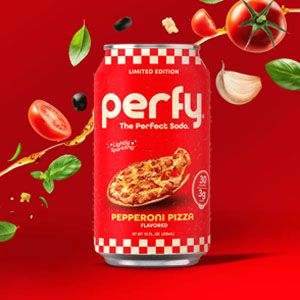
[00:24:46] John Craven: Oh, this is a new limited product from perfy a pepperoni pizza flavored soda I mean, to be clear, this is clearly a... Drink More Pizza. This is clearly a gimmick product, right?
[00:25:05] Ray Latif: Oh, Vasa, what are you doing to us? Yeah, we love Vasa, but... We do, you know, so much. Vasa Martinez, the founder of Perfect. You know, it's probably good that I say that before I take a sip of this, right? Yeah.
[00:25:15] Jacqui Brugliera: So, oh my Lord, wow. Yeah, it looks like tomato juice.
[00:25:19] Ray Latif: Eric, pass that down.
[00:25:21] Jacqui Brugliera: Wow, it smells... It smells like tomato. Wait, wait, should we do it in tandem? Oh, no, Vasa. It's the sweetness for me that really throws me off. Really? Here we go.
[00:25:41] Ray Latif: Jackie it's not as bad.
[00:25:42] Mike Schneider: Hey. I was gonna say I mean I'm not as bad as I thought it's a It's not bad at all.
[00:25:47] Ray Latif: I could finish a whole can I Here's the problem for me In no offense to perfect when you open the can and the aroma yeah, yeah, it smells very medicinal That's the point very medicinal point, but um I love the I love the basil kick No, it does not it doesn't make like your brain can't comprehend I'm going for more Jackie. It smells like an Elio's pizza.
[00:26:19] Jacqui Brugliera: It smells like an Elio's pizza throws me off a little bit I can't drink more.
[00:26:24] Ray Latif: That's enough. I think I think he has an actual new like a real new flavor coming out, too Okay, but sound better.
[00:26:31] John Craven: I feel like it might have been like a cherry cola or something like that.
[00:26:34] SPEAKER_??: I
[00:26:34] Jacqui Brugliera: Yeah. Who knew that pizza would be trending this year?
[00:26:38] Ray Latif: I had to go for a palate cleanse with Something and Nothing, which is a UK soda founded by Tottenham supporter Oliver Dixon. I think that's what the Nothing is. The Something is the incredible liquid. Definitely the Nothing is the Tottenham in him. What a guy. I love Oliver. He's a good dude. This stuff's phenomenal, by the way. Something and Nothing, a great representation of a mid-calorie soda. Yep. that's made with premium ingredients and tastes amazing. Ten grams of sugar, phenomenal taste. This one's the ginger and key lime. Yeah, that stuff's good. And it says premium soda on it. I mean, it is what it is. It's amazing. That's the something. That is something. It's something. So good. Do we have some snacks over there? We do. We got time for a snack? We do. We do. So Quinn, Yeah, which is a maker of gluten-free Pretzels and snacks they just introduced a new PB&J Berry filled pretzel so everyone's in the peanut butter filled pretzels So Quinn, I have never seen this before, Quinn with her PB&J berry pretzels. So let's break these open. I'll take a picture. All right. Take it easy. Take the picture here. Come on. PB&J. Okay. You want to open it? You can open it. Do they have a pepperoni pizza flavor? No, they don't. Okay, let me open this up. I'm thinking combos here, you know.
[00:28:04] Jacqui Brugliera: While you're eating those, I have a beverage that I'm washing down this protein donut with. It's called Ginza. It's a sparkling ginseng tonic. This one is ginseng and Korean pear, and it's only 20 calories. It's caffeine free. It's really delicious. And the packaging is really nice. This feels like an art project as well. It looks like it uses Korean ginseng, which helps sharpen focus and fights brain fog. Very clean tasting, which is nice.
[00:28:34] Ray Latif: That's a beautiful package, Jackie. I love that can. It is beautiful. Yeah. It has a very modern art vibe to it. It feels- Art Deco, right? It's not really Art Deco. It's reminding me of Miami. It's a little Miami-ish in terms of its color scheme, like a little 1980s. I would almost call it- You just call Miami 1980s. No, it has that Miami Vice vibe and almost like a Pete Mondrian kind of vibe as well.
[00:29:03] Jacqui Brugliera: Yes, yes.
[00:29:05] Ray Latif: And I love the fact that it's a beverage brand that's positioned as a modern ginseng beverage. There was a brand, I think it's still out there, called Ginseng Up. Remember that brand? Oh, yeah. From Worcester. Yeah.
[00:29:14] Jacqui Brugliera: Yeah.
[00:29:15] Ray Latif: This one. Yeah, I like what you're doing.
[00:29:17] Jacqui Brugliera: It feels very current and like a young person like myself would pick it up because it's the call outs are really great too.
[00:29:24] Ray Latif: Okay, all right now John's Jackie rubs it in that she's still young All you need to know that she's going to Mardi Gras, okay, yeah These PB&J things are pretty good. They pair quite nice with the perfy pepperoni pizza by the way No more of these because we can't have any more crunching. So good. We got a crunch. Yeah. You know, we need more cowbell. OK. This kind of wrote itself, didn't it? This brand. I saw this in the fridge. It's called Cowball. It's a hydration beverage. It comes in a 16.9 ounce plastic PET bottle. I believe it's a PET bottle anyway. Described as nothing artificial, 35 calories per bottle, nine grams of added sugar. This is their grape variety. Let's let's give this a whirl. It's clear liquid. I thought there was a hint of color, but there's no color to this. That's just the label. Tasty. That's pretty good. Yeah, it has a bit of stevia in it, but you don't get that overwhelming stevia flavor. It kind of tastes like a vitamin water kind of. Yeah, I'll give you that. I'll give you that. Or it's like it's in the Gatorade family and some on some level or vitamin water or pie. It's definitely tasty. Yeah, it's very good actually. A lot of B vitamins in here. 120% of your daily B6 and 420% of your daily B12. Oh, thank goodness. You want to try this? It's good. You got a cup for me. Yeah, I'm sure okay. There you go well done cowbell and obviously the marketing rights itself. I need more cowbell ding ding Yes, exactly All right, Jack meet a cowbell Jackie's digging in for more.
[00:31:03] Jacqui Brugliera: I think perhaps yeah I have one more beverage which we talked about hi. Oh, and I got oh hi. Oh yummy Another UK based brand cowbell is good. It's any UK babies. Yeah, I It's funny because I saw that it has magnesium in it. And before I realized it was a UK brand, I was like, I remember in Europe, there was just so many magnesium brands. But yeah, this stuff is delicious. I love that it's just like a hint of like functionality. It's like really just tasty, sparkling water.
[00:31:37] Ray Latif: Pretty sure they're going to be at Expo West. Looking forward to seeing them. I was engaging with the founder of the company and Expo West that I'll be going to, gratefully. Yeah, he is making a big push into the United States this year. Ojai has been sold in the UK for, I believe, two to three years and 2025 is when he's coming stateside. So excited to see that brand in more places.
[00:32:00] Jacqui Brugliera: Yeah, I saw him in Sprouts. So he made it.
[00:32:03] Ray Latif: There you go. So I kind of want to gauge your feelings on this subset of a very popular category, which is pasta and Protein Pasta. Now there's a lot of them out there, obviously Banza, one of the OG brands in this space and Brahmi, which is a maker of pasta that is made with Italian wheat and lupini beans sent to some of their products and It looks really good. There's 21 grams of protein and nine grams of fiber per 3.5 ounce serving. Nice. It feels like a lot. It does. Are you eating pasta? Are you looking for products like these? Jackie, I feel like you are.
[00:32:47] Jacqui Brugliera: Yeah. I honestly eat Protein Pasta like at least once or twice a week. Also eat it. It's just such an easy meal. You have the Protein Pasta and you don't really have to add anything else to it except for maybe some veggies, but you don't have to have some protein with it.
[00:33:03] Ray Latif: Do you feel like you're missing out on the flavor or? Over the years, you haven't realized Jackie's like a simple cook. She's just like, I want to make something simple and delicious and nutritious. That's what she likes. I guess what I'm asking is, do you feel like there's any compromise between what you've traditionally eaten as pasta and what you're eating with Protein Pasta? Is there any difference in taste, texture, flavor?
[00:33:26] Jacqui Brugliera: I would say a little bit. Also, you have to figure out like the timing. Like if you slightly overcook it, it just becomes mushy. Like I usually like run it under cold water. So, you know, you get that firmness al dente still, but yeah, it's definitely, I mean, I think I've been eating it so much that I forgot what real pasta tastes like.
[00:33:44] Ray Latif: It's a little chewier.
[00:33:45] Jacqui Brugliera: Yeah, it's a little bit sure yeah a little chewier.
[00:33:48] Ray Latif: Yeah, well. Hopefully they get better and better at the texture of yeah I mean, I think it does look good. It's probably good. This is a beautiful package number one. This is slathered in tomato sauce That's gonna taste amazing. Yeah, lather it in tomato slather. Okay slather tomato sauce all right Mike's gonna talk about something and then I'm gonna finish off. I got I got it. I got two to talk about I'm gonna talk about this one first though this is Melissa Traverse's favorite brand, one of her favorite brands, Wild Planet, which is a maker of tuna, sustainable tuna. And they've decided to, I think maybe, this is kind of like a fish wife and Heyday Canning had a baby or something. It's like, this one's white bean salad. So they're putting white bean salad in with the tuna. It's lunch in a can and I'm here for it. It's really tasty. I had this yesterday for a snack.
[00:34:35] Jacqui Brugliera: Nice. It's kind of like Scout when they had those like tuna fish where you mix it with some goodies in it and you got like an instant tasty snack.
[00:34:43] Ray Latif: 100%. And, you know, another one that's in that similar vein is Scout. That stuff's tasty as well. So, you know, good for the category. 340 calories and lots of protein. 340 calories that you had that as a snack.
[00:34:55] John Craven: That is a snack, yeah. I'm an athlete, Ray.
[00:34:59] Ray Latif: All right, what else do you got there? You got one more thing? Oh, yeah. So I've got these. We met these guys in Miami, make this Hungry Boy, which I think is an influencer brand. Don't know too much about it, but these flavors are ridiculous. They're Hot Sauce. This one is, I'll save this one for last. Well, I don't know what to save for last. Let's go first with this one. The strawberry donut, strawberry maple syrup and jalapenos. It's one meter, one meter of heat. Strawberry then we'll graduate to the gut gurney The dog is having IBS you can see on the on the can around the bottle here This one's green serrano peppers garlic and honey three meters wait ray, and then let's let's end with the exorcist I mean, pugs always look confused. This one looks, it's drooling. These names scare me. Tomatillos, chiles, and smoked paprika. There are other flavors as well. These are the three that I brought to the show. Thanks so much for sending it along. Okay, well, strawberry donut. Maybe we don't need this Mars drink. So Mars, everyone knows what a Mars bar is. I found a can that is described as a Mars milk drink. It's a 200 milliliter can. Classic European beverage here.
[00:36:13] Alex Duong: Classic.
[00:36:13] Ray Latif: It's not new to be clear. It's not new. It's notable. We talk about new and notable products here. Notable to you. Notable to me. This is Turkish lettering or Turkish language all over this can. Let me just try this. Tastes like a milkshake. A very good one at that. There you go. Well done. Does anyone want any? No? I know it tastes like- I'm good. I've had it before. I know what it tastes like.
[00:36:32] John Craven: Alright.
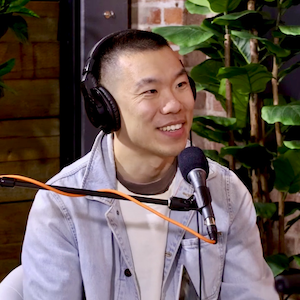
[00:36:36] Ray Latif: Alright, it's time to get to our featured interviews for this episode, beginning with Alex Duong, the founder and CEO of Fair & Square, an emerging brand of gut-friendly crackers inspired by childhood favorites. I sat down with Alex at a recent networking event hosted by industry organization Naturally San Diego. where he discussed how his experience in the CPG industry has shaped his approach to brand building. He also talks about the importance of patience and staying true to core values as an early-stage entrepreneur. Our interview with Alex is followed by one with Lina Zurofsky, the founder of Passion Joy, a new brand of sparkling beverages with passion fruit at its core. As part of our conversation, Lina shared her vision for expanding distribution of Passion Joy in the U.S. and internationally, with plans to target major retailers and eventually compete on a global scale. Hey, folks, it's Ray with Taste Radio. Right now, I'm honored to be sitting down with Alex Duong, who is the founder and CEO of Fair & Square. Alex, great to see you. Thanks for having me. Fair & Square, I have spoken with you a couple of times, and I remember you best as a participant in the Nosh Pitch Slam event a couple of years ago. And I thought you were amazing up on stage. And I love your brand. I love your brand name. For folks who aren't familiar, tell us all about Fair & Square.
[00:38:03] Mike Schneider: Yeah. Ferron Square makes gut-friendly versions of childhood favorites. Our first products were a Cheez-It and a Wheat Thin. And more recently, we've launched our Graham Crackers. So our hero ingredient is green banana flour, which is prebiotic, which supports your gut health, while also tasting incredible and very similar to wheat in texture. So when was the first time you entered the business? I started entering this business by being a buyer at Whole Foods.
[00:38:26] Ray Latif: OK. And I think that's where I saw the professionalism in Fair & Square. When I saw you up on stage and I saw your brand and I saw your products, I felt like there was some foundation behind this. It did make sense. And I think Typically, that means you have a leg up and typically it means that you have an opportunity to understand how the business works more so than other early stage founders. But would you consider it an advantage? Has it really helped you as much as I think it would?
[00:38:55] Mike Schneider: I think it helps from the advantage of like knowing that you have a strong foundation to lean on, right? In terms of, you know, my price structure, where I want to go, how I tell the story, why there's gaps in the category. where sometimes it is not so helpful is, you know, it's like the smartest kid doesn't always create the best business. To be good at business, sometimes you need to lead into creativity and faith and conviction. So that I would say it has established the foundation very, very well. But that still doesn't mean that as a founder, like, you know, sometimes you don't lack conviction and you're like, oh, man, this is really going to work. And that's when you double down.
[00:39:30] Ray Latif: And I think things change from year to year. So what might have been trendy at Whole Foods, what might have been interesting to a retail buyer at Whole Foods 12 years ago might be very, very different than it is today. Yes. And how have you navigated those trends? How have you adjusted your pitch, your positioning to meet the needs of the modern consumer and the retail buyer who buys for them?
[00:39:53] Mike Schneider: I think first and foremost, you know, one of the most important lessons I learned as a buyer is to think about the customer and think about how do you be five years too early for whatever retailer you want to be in. So for example, Thrive and Erewhon are two big names here in Southern California. I would consider them the early adopting retailers who are willing to bring brands on that have no retail presence and no track record at all. If that's where you want to go, you don't want to do the thing that's trendy now. For example, when I first started this company five years ago, everyone was saying, well, why aren't you Keto? And I'm like, guys, if you're launching a Keto product in 2022, you for sure missed the train. Right. I mean, totally. Yeah. Right. And so, like, you know, you want to be early into whatever you're getting into. Not too early, but you want to be early because the earlier you are, the more you can kind of control your destiny versus if you're trying to ride this trend that's already matured. By 2022, you're on the downswing of Keto. There's no momentum to be built. Right.
[00:40:59] Ray Latif: But the scary prospect is you're going to have to wait and you have to be patient. And that means that you're going to have to suffer. Yes. I mean, how patient do you really have to be, though? How patient can you be to the point where, yes, you've got to wait, perhaps, but you've got to keep that train moving somehow?
[00:41:20] Mike Schneider: So I think you're correct in that patience is really key as a founder. I would say how patient you're willing to be is probably correlated with how much cash you have to burn. Sure. Because you can accelerate things in your impatience if you have a lot of money to burn. But I think a classic brand, you know, which has been featured with the Nosh crew over time was like Kodiak Cakes. Yeah. Where like they took forever to get to their first million. And then when everything was lined up, the thing went gangbusters in like a couple years, right? Like they, I think the story is they took seven years for them to get to their first million, I think is the narrative. And then they got to a hundred million in the next five or whatever. Right. And I think there's something really important to be learned there in that like, on average, you don't want to be a hundred million dollar brand in a couple of years. Because the problem is you get there, you're not going to have the money to support it from the bottom falling out in year four and year five. And that's the danger in this industry, right? It's like, look, food is incredibly trendy. And if you tap into something that's too trendy, do you have the ability to make sure that you grew the brand and you grew what you did to mean something to the customer beyond the trend? And if you don't do that, the bottom falls out.
[00:42:31] Ray Latif: Yeah. Can you iterate while you're waiting, though? Can you iterate while you're being patient? Or as you mentioned, you know, can you just hold out until it makes sense to the consumer?
[00:42:43] Mike Schneider: I think you can iterate, but you have to figure out what your core pillars are. Right. So, for example, like we're gut friendly. I think you can iterate to the sense that you can change the ingredients potentially, you can change the mix, you can change the flavors. But I can't be like, you know what, we're going to go full gluten. Because then you've lost the core that makes you different. We wrangle with this a lot in terms of our messaging, in terms of like, OK, like, where do we cross? Right. For example, one of the pieces that we've been wrangling with a little bit more is, what is the communication like for allergen-friendly, right? I mean, there's been a lot of brands over the time, whether that's Partake in this generation, in previous generations, Enjoy Life. And look, Mondelez isn't stupid, but they couldn't figure out how to make Enjoy Life any bigger. In fact, Enjoy Life no longer exists, basically. I think there is this thought process of, is the thing you believe is your core big enough? And then more importantly, I think in our souls and as founders, is it big enough for what we want? Not what your investors want, but what you want. There's nothing wrong with having a $10 million brand that generates a million dollars of EBITDA on your own terms, on your own timeline. And it took you six or seven years to get there. You print a million dollars a year. It's not the worst thing in the world. No, it's not.
[00:44:03] Ray Latif: But we've been taught you have to exit and you have to get to that humongous number, even though it's extremely rare. It doesn't happen a lot. In fact, I think when you think about Simple Mills, talk about a long time, you know, about 12 years or so for them to get to their exit and an amazing brand. But, you know, it wasn't an overnight success. And all the people who are seeing that and saying, oh, well, I can do the same thing. Well, You better be ready to put in the hard work because if you think about Caitlin, I mean, she was doing those demos at Whole Foods every day, multiple times a day. She was really doing that legwork that it took to get to that through that first year. So, yeah, to your point, it's going to take time. But if you have a Passion Joy it, if you love it. If you're willing to eat, breathe, you know, do all the cliche things that people say. I mean, I really do feel like there could be a good outcome in the end. And if you're doing it on your own terms, as you mentioned, and I say this a lot, and investors have been telling me the same thing. What's wrong with having a $10 million, $20 million business? I mean, the days of creating $100 million, $1 billion businesses, far and few between, and they always were really.
[00:45:08] Mike Schneider: I think even beyond that, there's this conversation of like, why do you do what you do as a founder? And I believe at its heart, the founders that have done really well in this space on average are activist founders. I'm doing this thing basically that I run as a for-profit that are funded by like-minded investors who basically want me to signal to move the needle in such a way that the massive corporation that has a category and product similar to mine might innovate their product to be just a little bit better. Right. And that's way more impactful than any money that you could spend. You could run a protest outside of Kellogg's facilities. And I don't know if that moves the needle as much as like proving that you can succeed selling a product in their same category. That's such a good point, Alex.
[00:45:55] Ray Latif: And man, it just blew my mind right there. Thank you so much for doing what you do. And thanks so much for being with us on Taste Radio today. I really appreciate it. Good luck with everything going forward. And please let us know how things are going, because I'm seeing the future. The future looks good for Fair & Square. Thank you. Thanks for having me. Appreciate it. Hey, folks, it's Ray with Taste Radio. Right now, I'm honored to be sitting down with Lina Zurofsky, who is the founder of Passion Joy. Lina, great to see you.
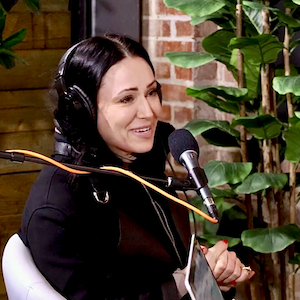
[00:46:25] Lena Zhuravsky: Hello. Thank you for having me. And I'm very honored being here after BevNET.
[00:46:30] Ray Latif: Yeah, absolutely. We first met you at BevNET Live Winter 2024. You're on stage as part of the New Beverage Showdown. I thought you guys did an amazing job, you in particular. And people were really impressed with Passion Joy, the flavor, the positioning, the packaging. It felt like you guys did a really, really good job coming out of the gate with what you did.
[00:46:51] Lena Zhuravsky: Thank you so much. Yeah. We worked very hard. We worked like maybe more than three years. It was project. It was like a lot of work behind. But thank you for the opportunity being on the stage. And I think we did well. Yeah. Because our Passion Joy, it's something different what people want to see. Maybe it's not different, but it's something like people looking for drinking.
[00:47:18] Ray Latif: I think it's very different. I had never seen a passion fruit centric beverage brand out there. And yes, you don't want to be tied specifically to one single ingredient. But I think that the beautiful part of your brand is that passion doesn't necessarily have to be specific to passion fruit. Yes, it's the key ingredient. But the idea of creating a brand that's part passion, part joy, it felt like the whole thing kind of came together.
[00:47:44] Lena Zhuravsky: Yes, like a mom. I'm always looking for something healthy for my kids, for myself. I've always been watching calories, you know, like a healthy lifestyle. Since I've been moving to California, health is, you know, for me it's passion. And I want everyone drinking my beverage feeling like being healthy. So this is like 100% organic beverage. Passion fruit, it's origin from California. So everything has like, you know, like theme, everything has like goals. And when I was creating the product, I was like thinking about like what I would love to drink myself. Because, you know, like I was watching calories, ingredients. I wanted something simple to drink. You know, do not think before like food, after food, like mixing, like functioning. I just want to drink. I just want to relax. I don't want to like overthinking, you know, just like simple drink. You can enjoy it. You can like mix with other drinks. You can like give to your child. You can drink by yourself. When you feel like hot, you want a refreshing, also like a chemistry background and I will like thinking about ingredients like a simple same thing but also refreshing so our beverage is refreshing organic beverage like for whole family for everyone.
[00:49:03] Ray Latif: And I think that's what you've created. I think it's something that you don't necessarily have to be educated upon. It's a juice beverage. Yes, not everyone knows what passion fruit is, but if you taste it, you taste this beautiful, luscious drink that doesn't necessarily require you to know too, too much about what's in there. You just know from drinking it that it's probably going to be good for you.
[00:49:26] Lena Zhuravsky: Yes, and it's also low calories. It's not like, you know, like everybody like looking for something like something new, something, you know, like creative, innovative. But, you know, sometimes study like shows a lot, you know, like something like bad and good ingredients are something like, you know, when you're taking like, for example, stevia, like something simple, it works like for a long time. So I think what we created, what we put inside our drink, it's very like, healthy and due to studies, you know, like, you know what I mean?
[00:49:58] Alex Duong: Yes.
[00:49:59] Lena Zhuravsky: Because like something new like sugar or something like new, we don't know like studies.
[00:50:04] Ray Latif: Right.
[00:50:05] Lena Zhuravsky: So it has to pass a couple of years like what we know. But our degree is very simple and very tasty. And I think like people on the BavNet really like it. A lot of people approached us and said like, oh, really nice, something refreshing, something new. And, you know, it means a lot for us.
[00:50:22] Ray Latif: It's something new, something refreshing.
[00:50:24] Lena Zhuravsky: Feedback, people who love our drink. It's very important because we want to give something back. And the feedback was very important for us. It was very important. We were pleased to be on the same page with our consumers, our followers.
[00:50:44] Ray Latif: In terms of next steps, what are you trying to accomplish in 2025? What are the retailers you're trying to get into and what do you need most help with at this point?
[00:50:53] Lena Zhuravsky: So we try to put all our production to California. We're trying to work a little bit with not to base in California and sales in California. We want to make drink popular in California region and spreads out like slowly, but like very strongly. And of course, based on my husband's experience, He works with experts a lot. And of course, our goal for now is to make Passion Joy very popular in the U.S. So our target consumers are maybe Jimbo, Sprouts, Trader Joe's, Whole Foods. Of course, the big and the most famous markets are worn. And let's see, you know, like we also would love to be a part of BevNET in New York. We would love to be a sponsor. We would like to introduce our drink to East Coast. And surely and strongly, but you know, like, for example, my goal, it's not only the passenger. We would like to make powerful Passion Joy, move forward like abroad, like to Europe, to Middle East, to Dubai, everywhere. My dream is to make our drink very popular. Popular, healthy, something like very like... luxuries, well done, organic beverage, American drink. Do you make popular like Coca-Cola, Pepsi?
[00:52:26] Ray Latif: Sure.
[00:52:26] Lena Zhuravsky: So, you know, I'm dream big. I'm from Ukraine, you know, like, and I dream big.
[00:52:32] Ray Latif: Yeah. Well, if you're not dreaming big, you're probably thinking a little too small, right? I mean, you want your product to be something that a lot of people want to drink. I think that sometimes can be something that founders overlook, which is Yes, at launch, it's probably only going to be something that a handful of people drink. But at the end of the day, if everyone has an opportunity to try your product and love it, why not shoot for the stars? And I think that's something that Passion Joy has.
[00:52:59] Lena Zhuravsky: Yeah, thank you to my husband. He's, you know, he's hard-working person and he has a very good reputation abroad. So I think like a Passion Joy, it's kind of like our baby, third baby. No, fourth, I'm sorry. So and based on his experience abroad, I would love to, but we don't have experience here in America. So we do kind of, we do like baby steps now.
[00:53:25] John Craven: Yeah.
[00:53:26] Lena Zhuravsky: But I think we need a little like help. Because I think like Passion Joy, it feels like we have a space. It's missing, like not a lot of products are there. Right. You know, it's simple. You can drink. It's healthy, low calories. You can give to your child. I see like a lot of when you go like to all supermarkets, like it's you have a lot, you know, like you don't have like simplicity.
[00:53:48] Ray Latif: Right. Yes. Good point.
[00:53:50] Lena Zhuravsky: simple to make like our drink popular in the U.S. This is my dream. And, you know, like the sky's the limit, you know?
[00:53:59] Ray Latif: Yeah. Well, one day at a time. And I think the approach of going simple and straightforward is something that is refreshing. You know, so often we hear about the most innovative ingredients and formulations. But at the end of the day, I think consumers really do want what you're talking about, which is simple refreshment that's good for you. And I think that's what Passion Joy represents. Thank you so much.
[00:54:18] Lena Zhuravsky: Yeah.
[00:54:18] Ray Latif: Lena, thank you so much for taking the time to sit down with me. I really appreciate it.
[00:54:22] Lena Zhuravsky: I hope you're enjoying the event. Thank you.
[00:54:25] Ray Latif: All right. Until next time.
[00:54:27] Lena Zhuravsky: Of course.
[00:54:27] Ray Latif: We'll see you soon.
[00:54:28] Lena Zhuravsky: Thank you.
[00:54:33] Ray Latif: That brings us to the end of this episode of Taste Radio. Thank you so much for listening. Taste Radio is a production of BevNET.com, Incorporated. Our audio engineer for Taste Radio is Joe Cracci. Our technical director is Joshua Pratt, and our video editor is Ryan Galang. Our social marketing manager is Amanda Smerlinski, and our designer is Amanda Huang. Just a reminder, if you like what you hear on Taste Radio, please share the podcast with friends and colleagues. And of course, we would love it if you could review us on the Apple Podcasts app or your listening platform of choice. Check us out on Instagram. Our handle is bevnettasteradio. As always, for questions, comments, ideas for future podcasts, please send us an email to ask at Taste Radio.com. On behalf of the entire Taste Radio team, thank you for listening, and we'll talk to you next time.
[00:55:23] John Craven: you