[00:00:10] Ray Latif: Hello, friends, and thanks for tuning in to Taste Radio, the number one podcast for anyone building a business in food or beverage. I'm Ray Latif, the editor and producer of Taste Radio, and I'm with my co-hosts for this episode, John Craven, Jacqui Brugliera, and Mike Schneider. In this episode, we revisit three interviews from Taste Radio's Miami meetup, including those with Stephen Santangelo, the Founder Tok Matriarch Wealth Management, Ken Sadowsky, the senior advisor with Verlinvest, and of course, Chris Hunter, the co-founder of Koya and 4Loco. I have a Miami-themed tasting, too. Oh, good. What's it, a beverage? It is. I was just noticing I was watching back some of my Instagram reels and I tend to like really get into it when I'm talking to people or at least for the introduction And I just realized I was doing that same thing when I was introducing this episode where I'm Like Air'm really getting my body into it. It's kind of weird. I gotta stop doing that.
[00:01:08] John Craven: Yeah, you're warming up.
[00:01:09] Ray Latif: Why would you stop being yourself?
[00:01:11] John Craven: Yeah, like keep doing it people love it.
[00:01:13] Ray Latif: It's your signature move. It's my signature move We love you. Just the way you are. I just don't want people to think I'm like seizing up every time I introduce the show Nobody nobody excited. No one was gonna notice but now you mentioned it and well Now people are good. Someone's gonna make a reel of Talk The times even You know the one time I don't do it and I this is I'm sure this is the case because I've seen these episodes I watched them back. I you know, you watch your all night bender Yeah, watch yourself just some of you make sure you're not making a complete complete ass out of yourself every single time you're on TV We're on video. It was on Elevator Talk. I don't I don't to throw myself into it on Elevator Talk. And I talked about this last week. I just want to point out Elevator Talk is now available on audio form or in audio form in the Taste Radio feed, which means every new episode of Elevator Talk will be included in your feed if you're a subscriber of Taste Radio. So this is outstanding content. You get to hear about a whole bunch of early stage, new and disruptive brands from food and beverage. A lot of the hot, new, and exciting brands of today have appeared in past episodes of Elevator Talk, so if you want to hear about them first, check out Elevator Talk The on video, you can check it out on BevNET, Nosh, or Taste Radio, and of course on the Taste Radio feed via audio format. And I'm sure there are brands in the audience right now that are wondering, how do I get on Elevator Talk? Well, you go to Taste Radio.com slash Elevator Talk. I, uh, I don't think the folks from Poppy were on Elevator Talk. I can't recall.
[00:02:46] John Craven: I don't think Elevator Talk wasn't around back then.
[00:02:49] Ray Latif: Wasn't around back then.
[00:02:50] John Craven: No.
[00:02:51] Ray Latif: No. But, uh, they did appear on stage at BevNET Live Winter 2016. And why do we care about Poppy? Why do we care about Poppy?
[00:02:59] Jacqui Brugliera: You've got to give the list of contacts because they probably don't know. They have no idea what's going on. Nobody does. They have no reason to care about Poppy. I mean, if you open LinkedIn, it's not every other post. They didn't have a Super Bowl ad or anything. Or a big deal.
[00:03:13] Ray Latif: They got a big deal. They got a big deal. It did happen. Everybody's been hearing about ready stuff The the big rumor at Expo West that we were gonna talk about last week, but then I was muzzled But it finally happened PepsiCo PepsiCo announced on Monday that it entered into a definitive agreement to acquire Poppy for... Stop, Mike. That's why I'm so distracted. $1.95 billion, with a B, yes. Minus $300 million for a net of $1.65 billion. Correct. The deal includes... Kind of a weird way to announce that, but hey. $300 million of anticipated cash tax benefits, bringing the net purchase price to $1.65 billion, according to a press release. And this is according to the story on BevNET.com, penned by our very own Brad Avery. Well done, Brad. In this case, it's pronounced B-rad. Of course. An incredible congratulations to the Poppy team, Allison and Steven Ellsworth, the founders. As I mentioned, they started out In 2016, they were on stage when the brand was called Mother Beverage, and they triumphed in our New Beverage Showdown competition that year. They rebranded to Poppy, some might say reinvented, Mother Beverage into Poppy, which as everyone knows is a better for you soda made with prebiotic benefits. Can I say that? What would you call it? Prebiotics. There's still some question as to whether those are efficacious, but correct correct correct, but poppies everywhere It's been everywhere. It is a incredible machine and in essentially less than five years they've gone from zero to 500 million $500 million in sales, but $1.65 billion in acquisition price. Amazing, amazing, amazing. Obviously a lot to talk about as it relates to this deal, and I want to touch on something that Mike just said, and I consistently question this. And there are others who say, no, the functional benefits matter incredibly to the end consumer. Certainly the folks from Olipop would say this is the case, but do the gut health benefits of poppy and better for you soda in general actually matter? And what percentage of the deal, John Craven, do you think could be attributed to the functional benefits versus say the branding in the execution?
[00:05:39] Jacqui Brugliera: I mean, right, first of all, never saw this deal coming.
[00:05:43] Ray Latif: Oh, here it is! Here it is! I was waiting for it. I was waiting for it. He said it, and then I called him out, and then it actually happened.
[00:05:53] Jacqui Brugliera: Oh my gosh. I was gonna finish the sentence.
[00:05:55] Ray Latif: Oh, the Humble Pie all over my face.
[00:05:57] Jacqui Brugliera: I was gonna finish the sentence. Can you smash a pie in your face? Oh goodness. Gonna finish the sentence with a slightly sarcastic, yes, Ray, it's all about the functional benefits, but No, I mean, look, obviously plenty of brands are copying the functional benefits of Poppy and Olipop, or at least trying to. But, you know, if it were just about that, it would be way easier for those copies to work or Coke or Pepsi to like
[00:06:25] Ray Latif: launched their own. Can I pause you there? It's certainly not all about that, but how much of the deal is about the functional benefit versus, again, the brand new execution?
[00:06:33] Jacqui Brugliera: Yeah, I mean, I guess I think it's Like Air zero about that, because I do think that what they have done very successfully, and obviously Olipop is a key player in that as well, is, you know, they have created a new better for you modern brand that I think for a company like PepsiCo that has a lot of appeal and you know some of the other things that they've acquired you know you look at Like Air Siete Foods and you know some of the products that Siete has are in the wheelhouse of what PepsiCo does like chips right other products maybe not so much whereas this brand is like 100% in the wheelhouse of what PepsiCo does. it's a carbonated soft drink at the end of the day. And, you know, we've talked about this before, but I think the real power of this is that they have built an exciting brand in a category that has of been lacking excitement lately, you know? Obviously there's billions of dollars of, like, CSDs that people are drinking, but again, they're just like, what's an exciting brand in that space otherwise, you know? I mean, Poppy and Olipop are, like, the two most exciting brands there, so this, as we've talked about before, just seemed Like Air's inevitable. PepsiCo and, you know, to some degree Coke or KDP, like, they need this. They need these brands.
[00:08:00] Ray Latif: If other strategics are looking at Olipop, if you were to advise the company, would you say, look, forget about pushing the functional? And they don't really do that that much. And in fact, when I spoke with the founders last year for an episode, they specifically said, look, if the foundation of your brand is tied to the education of it. You're pushing a rock uphill. So it's not necessarily that they are promoting the functional benefits first and foremost, Dolly Pop, that is, but they still make it a big part of what they do. If you were advising them, you say, look, just
[00:08:36] Jacqui Brugliera: No, I think, look, I'm not crapping on what they've done with this, to be clear. You're not crapping, just saying, you know, disagreeing necessarily. I think it is and has been their reason for being, right? And now I guess the point is that both of those brands have been successful and become mainstream enough that they've sort of transcended the need to have that always as part of the conversation. And I think that's a fine thing. And the whole point with what I was saying about Poppy is that I think really the appeal for this brand, and I would put Olipop in the same bucket, is that if a PepsiCo takes this in, they have a brand that's not limited to just prebiotic products. There probably are other things. I'm sure there's a roadmap or whatever somewhere in these companies. that might Talk The brand outside of that and there'd be nothing lost with either of those like brands to do that. So that's just bigger picture like what these brands have done is really successful because you know they've done it in a category that historically has been really tough, if not impossible, for emerging brands to make any sort of inroads in. And both of these brands have essentially opened the door for that. So, you know, I think that, again, is great for everyone, as is You know, there's a story out there in the Wall Street Journal about a certain poppy investor that got a, I think it was 88x return on his... Adams-Briggs financial group. Yeah, on his $105,000 check. I mean, that's sort of like, we've talked about this before too, like, the grease for the investing wheels. Like, that all of a sudden, Like Air don't know, what could you... What could you have bought that would get you an 88x return Like Air don't know a steak and Taste Radio shares of nvidia Some crypto coins or something.
[00:10:25] Ray Latif: I don't know, you know, yeah, that's a pretty But that's insane return well making inroads into The csd category as you mentioned john has historically been extremely difficult for entrepreneurial brands But it's been tough for the big guys too with their own line extensions, you know Yeah, but Poppy has done it and did it really successfully, I think, beginning with a digital first strategy. In fact, when I spoke with Allison and Steven a couple of years ago, they described themselves as a digital first brand. And Allison was one of the first Founder Tok really embrace TikTok and make it a huge part of their marketing strategy. And she's consistently been promoting the brand and being front and center on TikTok. Jackie, how much of an impact do you think that approach, not only having a digital first approach, at least in the first, you know, two, three years, but also being that front and center Founder Tok a platform like TikTok, how much of that approach do you think had on the end acquisition?
[00:11:24] John Craven: Yeah, I mean, back to just branding in general, like she is the brand, she is Poppy and she was the face of the brand and built that. And a lot of people bought into her story and really resonated with her as Like Air mom starting a business with her husband. And they wanted to follow along as she grew this business. And I think people got excited as each like win that Poppy got as they got Like Air Super Bowl ad and then They're on, like, American Idol, and she and her husband are front and center, you know, on court as they're, you know... I think they sponsored one of the NBA teams, too. Like, they had Poppy gear. They're just everywhere. They're at the Super Bowl. They're just... They were everywhere, and she was showing the journey of all these cool things that Poppy allowed them to do.
[00:12:15] Jacqui Brugliera: I think also, and this is related to what Jackie just said, timing and just luck of timing always plays some role in a company's success or failure. And I think in this particular case, like the digital marketing side of things, there was unfortunately a big opportunity for Poppy to beat what Coke or Pepsi were doing, which is during the pandemic. And historically, I think a lot of entries into the CSD category, tried to do something unique at retail, which is dominated by Coke and Pepsi. It's really hard to get big signal there. And what Allison did online, certainly both Poppy and Olipop had really solid e-commerce businesses during COVID that I would argue was to some extent key for both of those brands in establishing a beachhead that You know, now has Like Air'm sure both those brands are not shipping nearly as much percentage wise of their revenue as they did back then. So I think that's just another sort of unique thing that happened for these brands for better or worse.
[00:13:24] Ray Latif: And poppy has consistently been one of the top selling, if not the top selling beverage brand on Amazon for a very long time. the question of whether or not digital marketing and a digital first approach has an impact on the broad opportunity for CSDs is not necessarily the question. I think how much of an impact did it have on bringing new consumers to the category, bringing younger consumers to the category, having them have a CSD of their own, a SOTA of their own, because nothing really represented Gen Z More To a certain extent younger millennials as much as Poppy did.
[00:13:56] Jacqui Brugliera: I mean, again, it was not cool to drink soda, right? And they, those brands have made it cool to drink soda.
[00:14:03] Ray Latif: Yeah. I'm not giving you props here, but I'm kind of giving you props. I mean, it's such a true statement. You know, people didn't want to drink soda. You had to give them a reason to and poppy did. So yeah.
[00:14:12] Jacqui Brugliera: And, and again, that's my point with like the functional side of it. I think at this point they've created that they've earned that. So I think it could diverge from the current sort of approach to it being a better for you functional brand.
[00:14:25] Ray Latif: Yeah. For someone who is probably the best in the company at making relationships and creating a reason for people to reach out consistently and highlighting what a company does, Mike, how much of this deal do you think, and we know this because, you know, Rohan Oza has a really great track record in this industry of working with brands and bringing them to humongous exits, a billion dollar exits or more. how much do you think this deal had to do with industry connections with a guy like Rohan Oza as it did the brand itself the guy from coke yeah well Rohan Oza just for context for people who don't know obviously you've seen him on shark tank but he was the cmo the first cmo vitamin water he's the Founder Tok kavu which is a venture capital firm that has invested in a lot of different brands including by bai of which rohan also made some money so Everyone always talks about, okay, the founders built this incredible brand, but so much of it, I think, it's just my opinion, has to do with who you're around and some of the influential people involved. They say it's not what you know, but who you know for a reason, Ray. The Poppy team did a very good job of staying connected to very influential people and, you know, they're out running the business, you know, as Jackie spoke so eloquently about just Talk The content that they're creating, being the faces of the brand, focusing on that. And certainly they have people in the background who are talking about deals, acquisition Talk The time.
[00:15:53] Jacqui Brugliera: So that's how the rumors get started in the first place. It's not unlike football business, you know, that we talk about a lot. So yeah, very important to have people like Rohan Oza in your corner who can make that sort of magic happen. They say that success changes a person, but for Allison Ellsworth, I feel like success just amplified her kindness. Like, we've known her to be... John was talking about copying Poppy earlier. I heard her say at least 10 times, copy us, copy our playbook, because she was giving advice to a Founder Tok came up to her and wanted, you know, just some piece of advice that would help them get to the next level. And she would say, copy us, do this, do that, you know. We're still in a place right now where 1.5% of investment is going to female-led companies for all kinds of excuses.
[00:16:41] Ray Latif: We hear about them every day on Instagram and on TikTok. And they're excuses, they're not reasons. Exactly. Excuses for not investing in a female-led company.
[00:16:49] Jacqui Brugliera: And just look at Poppy. 1.65 plus billion dollar exit company started by a pregnant mom.
[00:16:59] Ray Latif: you know, who led the charge, built this brand, pivoted the company and overcame ridiculous challenges with her team. And now has gotten us to this journey. It's a long journey. It takes a long time for this kind of thing to happen. And the next billion dollar exits are out there right now. And a lot of them are going to be female owned brands invest in female owned Yeah, I'm glad you brought up the fact that it was slightly difficult to get to a place where they did surround themselves with the right people. In fact, we talked about that in our interview from a couple of years ago. I'll include the link in the show notes, but, you know, professionalization of Poppy's organizational structure, they described as challenging at first, but ultimately valuable. And they also talked about the decision to hire a CEO and eventually that CEO stepping aside and Steven taking that role once again. I mean, it is truly remarkable for a brand that Well, for a company that launched in 2016, but for a brand that was born in 2020, I mean, not a ton of time to scale something as quickly as they did $500 million in sales last year, the exit this year. So truly amazing stuff. Now, the big, big question for everyone listening, one down, because everyone's been saying, okay, it's gonna be poppy, it's golly poppy, got Culture Pop, got all these different better for you soda brands out there. One down, how many More To go? Okay, is Poppy's acquisition, is it going to spur other strategics to open up the checkbooks? Or, or, or, is the bubble about to pop on Better For You? Okay, well, John, who really just elbowed me in the ribs about 10 minutes ago about me questioning whether or not a Better For You CSD brand would actually sell in the next 18 months, something he said, to his credit, in January of last year. What are your thoughts?
[00:18:47] Jacqui Brugliera: Well, first of all, I don't think the bubble is going to pop on Better For You sodas. I think that this is perhaps a tipping point instead where the diet, zero calorie, CSD space goes through a complete evolution, revolution, whatever you want to call it, where perhaps it is the thing that makes some of these legacy brands finally start seeing, you know, a real, I don't know, drying up of their revenue as it shifts to other brands, which I think just sort of, I mean, plain and simple, it's not like the younger consumers who are in a poppy now are all of a sudden gonna be like, crap, you know what, I really want Like Air Coke Zero Diet Coke or something instead. That's like not gonna happen, right? So, I think there's an opportunity here for more brands to come in and take share from those legacy brands, if we're just talking about CSDs. Beyond that, I think in terms of like M&A, no, I think we're, you know, we've seen a good bit of, you know, exit M&A activity, and there's no reason to think that this is going to stop it. So, you know, it'll be interesting to see what happens next. You know, what category the next acquisitions into, isn't it? Another brand in this category, is it something else? You know, we'll see. Can I play devil's advocate though? Yeah, of course. That's what you do.
[00:20:10] Ray Latif: Over the past, say, 15 years. how many of these beverage acquisitions by strategics have really panned out? That's always sort of a complicated thing.
[00:20:24] Jacqui Brugliera: Why was that the most diplomatic answer? Well, I mean, look, I feel like this is another thing we've touched on a fair amount and comes up in conversation, which is like, oh, they buy these brands and then they go away. Why do they keep doing that? And, you know, look, I think some of the brands that managed to get to these numbers are brands that are in a category that maybe is going to, you know, pop or whatever their thing is, isn't really Like Air defensible kind of place. And again, I think for the reasons we talked about before, I feel like this one in The Oza category is just different. You know, again, it's like, totally in the wheelhouse the company buying it so other stuff that gets acquired that might be like trending you know or seeming Like Air category that they should get behind and then it proves to not be or whatever it might be again i think that's just Like Air cost of doing business for these big brands like they buy it for a billion dollars and maybe they get ten years out of it that cumulatively is like five billion dollars, that is still worth it, you know?
[00:21:27] Ray Latif: I wonder. I mean, you know, certain brands, I won't mention any, I don't think they'll ever hit five billion in sales. I was talking about this with someone the other day and they're like, what brand can you think of that has really panned out and worked for a strategic, and I think Smartwater, you know, certainly.
[00:21:41] Jacqui Brugliera: Well, yeah, I mean, that's a great example too. I mean, vitamin water is obviously like still out there, but it's not a, I mean, it's, I guess, No offense to anyone who works on it, but it feels a little bit Like Air zombie brand of sorts. Like, you know, you don't kind of know what it stands for. It's just out there and it's Like Air staple.
[00:21:57] John Craven: Right.
[00:21:58] Jacqui Brugliera: But smart water was like the thing that really had, you know, legs to it of the vitamin water acquisition. And at the time, I think it was sort of like, Oh, we get that too, you know? So it's fine. I mean, I'm sure they got their ROI on that.
[00:22:13] Ray Latif: I think the lesson for entrepreneurs and perhaps strategics is. you know, if you find a brand that has a similar sounding name to yours, perhaps it's a, it's a good, you know, marriage. Pepsi, poppy, you know.
[00:22:28] Jacqui Brugliera: Oh jeez. Popsie. Terrible advice. You know, I got it. Only, they only acquire brands that start with the letter P. MB Ray over here.
[00:22:37] Ray Latif: Look, look, look. That wasn't an accident. When they named the brand Poppy, I don't think it was an accident that it sounded kind of similar to Pepsi. There was a little bit of a point of reference there, and hey, it could fit easily into the Pepsi portfolio.
[00:22:48] John Craven: Why not? They knew their goal. They're like, we're going, we're going for them.
[00:22:51] Ray Latif: You know, Paul Vogt, the Founder Tok the co-founder of Ouroboros mentioned this too. I asked him, you know, where'd you come up with the name? He goes, well, we were trying to think of something that was catchy and kind of sounded like Coca-Cola. And you know what? It was kind of catchy. Ouroboros, Coca-Cola. alipop so it's just Like Air car uh... which anyway now obviously this what sounds Like Air dvd recorders there's some Culture Pop is mostly it was mostly just but some truth there congratulations once again a poppy graduations to their entire team hi can't wait to get back on the horn with steven and alice and and would love to sit down with them for an interview to talk about this incredible ride that they've been on, so we gotta... You were in their video. I was in the video. That was really kind of them. Yeah, it was. Mike, you mentioned female-led, female-owned, female-founded brands. I've got one in my hand. Women-owned, correct. Pop & Bottle, love this brand. It's a maker of almond milk lattes. They just introduced a Vive Organic strawberry matcha almond milk latte. It's described as plant-powered, no refined sugar. It is USDA organic. I can't speak this morning. And it comes in this 32-ounce Bottle imagine you're very very first day at bev net and one of the first people from the industry that you meet is josh can Founder Tok there you have a bottle I mean That's pretty high bar You uh, I thought the first person you met was Ken Sadowsky. He was one of the first people I met but in terms of founders Yeah, okay. All right. You want to try some this I do. I'll take some I try this at Expo. It's great I didn't I'm sorry. I didn't see these I So I had I had the pleasure of trying this with one of our other dear friends Jessica Pratt also a Pop Bottle and this stuff tastes so much like my childhood Strawberry Nesquik. So good. With a little matcha.
[00:25:03] John Craven: I love the packaging because when you go to Like Air cafe or a coffee shop, like that's what you expect. You expect like the strawberry milk on top that's like going fading into the matcha.
[00:25:13] Ray Latif: Yeah, what Jackie is describing is that you've got this pink hue at the top and the neck of the bottle, and then it sort of fades into this light green on the bottom. It's beautiful. It's really tasty stuff. One of my favorite parts of this is that there's no, it appears that there's no added refined sugar. There's coconut nectar, which I believe is the only sweetener in here. But there's no sugar, stevia, erythritol, monk fruit, what have you. It's just a beautiful, delicious tasting product. Absolutely well done to pop and bottle. If any acquirers are thinking about buying a Pop Bottle, might be a good idea. Oh, KDP, yeah. KDPop and Bottle. Pop and Bottle. I wonder why they named the company Pop and Bottle, actually. Do we know that? Do we know why? Not off the top of our heads. Good trivia question. Pop and Bottle folks, please send us an email to ask at Taste Radio.com or reach out to us on the socials and let us know. DM us. DM us about your DNS product. DNS product. All right. Is it time? What is, what the hell? What's that?
[00:26:15] John Craven: Is that the Miami tasting?
[00:26:16] Ray Latif: This is one of my favorite brands, this is Gorilla.
[00:26:18] Jacqui Brugliera: So, I don't know, somehow I've been, I've become known as Like Air Gorilla guy.
[00:26:24] Ray Latif: Gorilla, a maker of? A maker of cannabis products, Delta 9 cannabis products. Of various types.
[00:26:30] Jacqui Brugliera: Of various types. Gummies, they've got some vapes, they've got, you know, and they've got this iconic Gorilla logo too, that I think is really stunning.
[00:26:39] Ray Latif: They're getting some traction in on-premise as a spirits alternative, particularly in Miami right now. And I had a conversation with Karan and Karla and... Who are the founders? Well, Karan is the founder. Karla is the VP of marketing and was talking to them about, you know, just the product. And I realized I hadn't tasted the elixir yet.
[00:26:58] Jacqui Brugliera: So they gave me some tasting tips that I should try it in sparkling water. So I'm going to go for it.
[00:27:03] Ray Latif: I'm going to have a little taste. Okay, so this is their Lemonade variety. This is the Lemonade variety. It has the Gorilla logo on top of the bottle. It's a, what do they call it? What kind of bottle is this? 750ml? 750ml.
[00:27:17] Jacqui Brugliera: They also have a frosted. What are you looking for here? A frosted bottle.
[00:27:20] Ray Latif: A glass bottle, right? They're totally leaning into this as a spirit and they've got like cool sleeves for it. It looks Like Air spirit. It comes in a 750ml. frosted glass bottle, it's got a flat shoulder to a longer neck.
[00:27:33] Jacqui Brugliera: It's premium looking, how about that?
[00:27:34] Ray Latif: It does look Like Air spirit. The word elixir is vertical on the top, I'm sorry, the front of the package here, and THC infused is very clear. So I don't think you would confuse this, I hope you wouldn't confuse this with an alcohol brand.
[00:27:47] John Craven: How much THC is in a serving of like, is it Like Air shot kind of thing?
[00:27:52] Ray Latif: 2.5 milligrams of THC. I think their previous formulation was five. So now they're down to 2.5. And I mean, I can see this lemonade. I can see why they're getting signal in on-premise because this tastes Like Air lemon drop.
[00:28:05] Jacqui Brugliera: I Like Air. Yeah. It's good.
[00:28:07] John Craven: It's cool. Cause you could like, yeah, have a couple cocktails and just build your high with 2.5.
[00:28:12] Ray Latif: Well, it says, it's funny you say that, Jackie, because above the supplements facts panel, it says 2.5 milligrams of THC in a 1.5 ounce shot. But then it lets you know that the entire bottle contains 42 milligrams of THC. So if you were to just pound this. Don't drink the whole thing. Although we've seen shots that contain like 50 milligrams of THC. Oh my God, that would be at the Rose Cafe. If I had a nickel. I know, for a reason I haven't talked about that. But yeah, this is super tasty. I would definitely try some of these other ones. So thanks for encouraging More To try.
[00:28:46] Jacqui Brugliera: Well done. All right, John, what do you got? So I guess we're sticking with the Delta 9 thing here.
[00:28:51] Ray Latif: I got this new product Breeze BREZ which is a maker of Cannabis infused butter.
[00:28:59] Jacqui Brugliera: Yeah, I was Like Air this a Jeopardy question here? Not everyone knows Breeze. So this is basically Like Air Drink enhancer, so it's got 2.5 milligrams of THC per 25 milliliters So you like mix it with your favorite drink. It says haven't tried it yet, but it's um Ray, what kind of glass bottle would you call this?
[00:29:19] Ray Latif: This is a fully wrapped squat-ish?
[00:29:23] Jacqui Brugliera: 750 milliliter bottles rather carryin. Yeah, it looks rather apothecary and kind of looks like just a glass bottle version of the breeze can like yeah, literal trends with a with a wooden cap closure. Yeah, little plastic around there. But anyway, beautiful breeze sort of got to give context. I assume this is Like Air e commerce sort of thing that they're doing, but it's it's pretty cool looking. So yeah, I had to give that a try. Just wanted to mention it.
[00:29:52] Ray Latif: Okay. Oh, you're not gonna have any right now. Did you see Mike was jumping at the bit? He's leaning over the table trying to get some of this action, no? I'm okay with Mike, with my gorilla for now. Mike's like, uh, I'm gonna skip lunch. I'm just gonna take a nap this afternoon, so. I need this to hang out with you, Ray. Okay. All right, Jackie, what do you got?
[00:30:10] John Craven: I got some tasty Thai roasted chili jams. This is by Pink Salt. So that's the name of the brand.
[00:30:19] Ray Latif: Oh, cool. Yeah. They sent us some too.
[00:30:21] John Craven: Yeah. I haven't tried them yet, but I'm excited to cook with them. This is their Nam Prik Pao. And they have a hot and then a Thai hot, so I'm guessing very spicy as Thai food can be very spicy. And then they have a vegan version and then a non-vegan version because it has like fish sauce in it. Very clean ingredients. Yeah, I'm excited to try. It looks really, really good. I would say like my only suggestion is maybe make the brand name a little bit bigger because on the front, I thought the brand name was Nam Prik Pao, but that's the type of sauce that this is.
[00:30:53] Jacqui Brugliera: I kind of think that having the sauce type be the hero is a good thing.
[00:30:57] Ray Latif: I just wonder if, you know, it's certainly there are people that are going to know what Nam Preak Pao is, but not everybody. So, yeah, we should just have a chat with him, Jackie.
[00:31:07] John Craven: Yeah, we should.
[00:31:08] Ray Latif: You know, we did have a chat with him. We did have a chat. Wait, was it on? With the founder. Was it on? Paulites Retana. Yes. on Elevator Talk. Yeah. So Preeta actually started the company during the pandemic and it was began, Pringsell began as a series of pop-ups and she eventually came out with this consumer brand and it is really exciting stuff. And actually a couple of the comments you guys just made also popped up in the conversation that we had with Preeta. Well, Jackie, be sure to follow up and let us know what you think of that because I was super intrigued by that one as well.
[00:31:45] John Craven: Yeah, I will. I'll use it tonight.
[00:31:47] Ray Latif: A little tofu action, maybe?
[00:31:48] John Craven: Mmm, yeah. A little shrimp?
[00:31:51] Jacqui Brugliera: Yeah, that sounds even better. I've got some of the latest from Like Air. Give me some of those.
[00:32:00] Ray Latif: Like Air might be the best new snack brand that I've seen in a while. Oh my God. You guys, this is their best flavor.
[00:32:08] John Craven: Is that the Green Goddess one? It's epic. It's so good. Yeah, I had that at Exmoor.
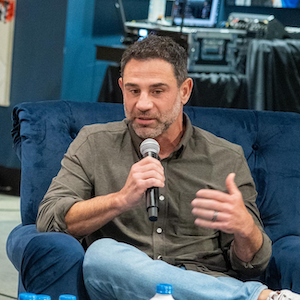
[00:32:13] Ray Latif: Like Air is a maker of popcorn. Instead of popcorn, these are corn puffs. that contain a variety. They have a variety of flavors for them. It's described as better than popcorn. They're green goddess variety comes in these little small bags. They have larger bags as well. I believe this is 80 calories per bag, non GMO, no artificial ingredients, gluten free. My mouth is watering because I haven't tried this yet. So it's so good. These are so good. This is like one of my favorite snacks. Yeah, Like Air, they come out with these limited edition flavors in the vein of or a la Jones Soda. So they had Like Air Thanksgiving one last year. That was pretty good. Yeah, they have Like Air peppermint cane or one. I think they had a birthday cake. Maybe I'm making that up. But if they're listening to this now, maybe you can create Like Air birthday cake flavored one. It's all so good. So good. And it's so easy to eat. You can finish this bag Like Air two minutes and it's only 80 calories. Outstanding stuff. Love Like Air. All right, let's dive into our featured interviews for this episode. As I mentioned at the top of the show, we're revisiting three insightful conversations from Taste Radio's Miami meetup, which was held on February 11th. a high-energy networking event presented by NewWater, Matriarch Wealth Management, and LallyPack. The meetup brought together over 100 CPG professionals from across South Florida and beyond. During the event, I had the privilege of sitting down with three industry powerhouses, Chris Hunter, the co-founder of Koya and 4Loco, Ken Sadowsky, a senior advisor for Verlinvest, and Stephen Santangelo, the Founder Tok Matriarch Wealth Management. I spoke with each of the seasoned leaders about their perspectives on the biggest opportunities and challenges facing founders and operators in today's fast-evolving food and beverage space. All right. Once again, my name is Ray Latif. I'm the editor and producer of BevNET's Taste Radio podcast, which is the number one podcast for the food and beverage industry. I got to say thank you so much to our partners for this event. Neau Water, Matriarch Wealth Management, and Lallypack. The best in the business, I should say. And if you could just bring your conversations down for just a moment. That would be great because once again, you're going to want to hear from our interview guests beginning with the one and only Stephen Santangelo or Stephen Santangelo of Matriarch Wealth Management. Steven, great to see you.
[00:34:47] Mike Schneider: Great to be here, Ray.
[00:34:48] Ray Latif: You go by Steve or Steven? Steven usually. Yeah. I didn't think you go by Steve. You're not really a Steve kind of guy.
[00:34:53] Mike Schneider: Steve was my name in college and then I transitioned to Steven in the professional world.
[00:34:57] Ray Latif: Okay. I appreciate that. Matriarch Wealth Management. Okay. So I get the sense that you invest in companies.
[00:35:05] Mike Schneider: Yes, so we run holistic wealth management for our clients that are ultra high net worth investors. But a big value add is that we invest in private companies, specifically some CPG companies as part of our kind of private equity allocation.
[00:35:20] Ray Latif: And what CPG brands are you currently invested in?
[00:35:23] Mike Schneider: Right now, we're invested in Bull and Junkless, which are two of our family's brands, actually. I think you know, but my uncle is Mike Rapoli, who was very involved in Glaceau, Body Armor, and now he does Junkless and Noble, two CPG brands.
[00:35:39] Ray Latif: Mike Rapoli, for folks who don't know the name, he's a pretty successful guy, one of the co-founders of Vitamin Water, Glaceau, and one of the co-founders of Body Armor. So combined, those two companies sold for about $12 billion with a B, is that correct?
[00:35:54] Mike Schneider: Yeah, 12 billion, and it's funny. So Mike makes a joke that I'm the best investor in the family, because when I was eight years old, I made my first investment in Glaceau. And when I was 16, I exited my first investment and paid for college. So I'm actually a better investor than he is.
[00:36:10] Ray Latif: I would say so. Yeah. Well, he's an entrepreneur. You're an investor. Yeah. Speaking of investment, you know, when I think about entrepreneurs and the struggles that they have trying to raise money, I think a lot of it comes down to focus. and business strategy. When you're advising entrepreneurs and folks in this room, Founder Tok are saying, hey, Steven, how can I get investors to notice me? How can I raise capital? What are the things that come to mind first and foremost for you? The biggest thing is we want to see the vision, right?
[00:36:37] Mike Schneider: And the passion behind the brand. It's nice to have a good brand and great to show sales and proof of concept. But unless you're passionate and kind of crazy about what you're doing, people on the other side of the bench are going to see that, right? And if we see someone that's laser focused, driven, motivated, we're more likely to take a chance on that folks company than if someone else is just kind of winging it, if you will.
[00:37:01] Ray Latif: Mike is known for being a tremendous worker. This guy works Talk The time. He is driven almost to the point. You can call him a psychopath. He is obsessed. He is obsessed. But I wonder at what level, I mean, is there a fine line between hard work and being obsessed? I mean, how do investors evaluate founders in that regard?
[00:37:22] Mike Schneider: I think from a mental standpoint, they're kind of one in the same. You know, it's he lives, breathes, and sleeps the brands that he's a part of, right? And that's kind of passed on to me where, you know, if we get a new client today, that's awesome. But tomorrow it's like that person didn't exist, right? And we want to continue to grow the business and continue to stay laser focused. So for Mike, it's a perfect blend where he's just always been driven, motivated, and kind of the only person in the room. And that just kind of propels him.
[00:37:51] Ray Latif: So Matriarch Wealth management, we didn't talk about at what stage you're looking at companies, at what stage of their development that you're starting to say, hey, we might want to be involved.
[00:38:01] Mike Schneider: I would say series B is when it starts to get interesting because what we find is that many founders, and I'm sure a lot of people in this room, you are so laser focused on your business. You don't know what happens when an LOI comes to you. You're not prepared for that for you and your family, right? Because you're so into your business. Our job is to make sure you're prepared for that LOI. Because there's a lot of gifting strategies, a lot of things you can do pre-LOI that'll actually save you millions of dollars in taxes. And that's what we find people are not so ready for. And when you have that plan in place, you're going to be better off for it. Your family's going to be better off for it. And on the other side of the table, when we're looking to invest in you, we want to see that you're focused on the 360 view.
[00:38:45] Ray Latif: Just for folks who are not familiar with the term LOI.
[00:38:47] Mike Schneider: A letter of intent. So someone's trying to buy your company.
[00:38:51] Ray Latif: And series B level, you're talking about 10, 20 million in revenue?
[00:38:54] Mike Schneider: 10, 20 million is usually the sweet spot, but as a founder, we like to see that you own at least 20% of your business in an ideal world, right? But that series B, 10 to 20 is a good target area.
[00:39:08] Ray Latif: Just before we wrap up, there are folks in the room who are saying, hey, you know, I want to get in touch with Steven. I want to be in touch with him and his team. When is the best time to reach out to Matriarch? When is the best time to begin a relationship with you guys?
[00:39:21] Mike Schneider: Now, honestly, because at the end of the day— Be careful when you say that. You're going to get swarmed after this. Well, yeah, but when you're thinking about what's going to happen in the future of your business, it's probably an unknown, right? Someone can knock on your door tomorrow and offer you a check, right? Someone can want to require you tomorrow. And, you know, we're okay talking to people in the very early stages of their life cycle because there's value in planning to be done now. that might not be a benefit for you for three or four years. But at least you've done the work now, and you're ready for that exit. So there's no time as good as now.
[00:39:52] Ray Latif: Absolutely. Steven, thank you so much for all of your support for this event. Thank you so much for all you do for the industry. For folks who want to get in touch with you, is there an email address? Because we are recording this, and we are going to post it on Taste Radio. For folks who are not here, what's the best way to connect with you and your team?
[00:40:08] Mike Schneider: Yeah, you can email me at Stephen, S-T-E-P-H-E-N, so sometimes confused with Stephan down here in Miami, at matriarchwm.com, and you can also visit our website at www.matriarchwm.com. Outstanding. Stephen, once again, thank you so much.
[00:40:25] Ray Latif: Thanks, Ray. I really appreciate it. Thank you. You can leave your microphone right there because we're going to bring up our next guest, and that man is known as the beverage whisperer. Come on up, Kenny. Ken Sadowsky, a legend in this industry. Not exactly a micropole. Yes, clap. Clap for the Kenny. Yes, there you go. There are some shared history, or there is some shared history between you and micropoly.
[00:40:49] Rohan Oza: I would say yes. Yes.
[00:40:51] Ray Latif: You were an early distributor, one of the earliest distributors of vitamin water. Yes. And by you, I mean your family's distribution company. Correct. Yeah. For folks who aren't really familiar with Ken Sadowsky, distributor, investor, general raconteur, you know, tell us a bit about your background and work in the beverage industry.
[00:41:10] Rohan Oza: I wish I could remember. It's been that long? No, look, thank you. Thanks for having me here. I started the non-alcoholic beverage division of a family business that started legally in 1933, maybe started in the 20s, before that, in the alcoholic space, and now what we call beverage alcohol. I've been a student of the game since New York Seltzer in the late 80s and became an early Snapple distributor, an early Red Bull distributor, so we just had some really good brands. I had good instincts, fortunately, about what brands were going to be next, and learned from Darius and Mike Rapoli. The co-founders of Vitamin Water. Yes. How to back people. And I just liked those guys, and they asked More To join their board, and I invested in the company, and that was sort of my pivot point. And then I guess the other thing that's a big time drain is being the advisor in the U.S. for VerlInvest, the Belgian InBev Families Diversification Vehicle. And they have about four and a half billion euros deployed around 28 portfolio companies around the world. And I led them to Vitacoco and Hint and Sambazon and then also introduced them to Popchips. So not only am I the beverage advisor for them, but a little bit of food.
[00:42:43] Ray Latif: That's good to know for the folks in here, because we have both food and beverage founders here in Miami. And I want to know, I want to get into your angel investing in a moment. And you are an investor in Neau Water, which is one of our partners here for this event. And I want to get into how you evaluated that brand, how you evaluate early stage brands in general. But before that, you know, thinking about the landscape of food and beverage and how much it's changed over the last 20, 25 years, I mean, it feels Like Air's become a lot more difficult for brands to be uber successful. You know, how do you see the changing winds and how do you see them affecting really early stage brands, those that are zero to two years in?
[00:43:21] Rohan Oza: Well, I guess one answer is the sort of how the beverage business in particular is evolutionarily healthier and how consumers. define healthier has evolved over the 20 or 25 years. I mean, when I started with New York seltzer, it was just Coca-Cola with no artificial flavors, colors, preservatives. And today it's obviously a whole different level of how consumers define healthy. And, you know, one of the biggest, I guess, epiphanies for me is just the vilification of sugar that continues.
[00:43:57] Ray Latif: Well, the vilification of sugar has also come with the rise of non-nutritive sweeteners. And I know we've talked about this. You and I sat down for a conversation for Taste Radio last year. It's called Sips and Whispers, Talking Shop with Ken Sadowsky. Definitely check it out. But you're not a huge fan.
[00:44:16] Rohan Oza: Wait, before, you'll never get that hour of your life back. So just, I mean, listen to it, but don't blame me.
[00:44:22] Ray Latif: I don't know. We've gotten some good feedback on that one. That one of the most recent one, which is titled Don't Go to Expo West asterisk. So anyway, watch that one. Read that. Yeah. Non-nutritive sweeteners. There you go. So non-nutritive sweeteners. Just how do you evaluate these new sweeteners that keep coming to market and how they're deployed in beverages?
[00:44:42] Rohan Oza: I think it's fascinating. One of the things that I really Like Air the evolution of stevia. Because when stevia first started, it's supposed to be the end of that steviol leaf. And that is sweet. But as companies got greedy, the ingredient companies, they started using the whole leaf. And that's what added to the bitter component of the stevia aftertaste, that lingering bitter. Now they're using different letters to connote the evolution back to just using the end of the sweetness. So Reb M is what they're up to now, and that's a much better sweetener than Reb A for beverages. Beverages are typically getting cooked. So like some of the other beverages that I Like Air trying to use allulose, allulose doesn't stand up to ultra-hot temperature pasteurization, for example. So those are the nuances that are there's still a need for the best non-nutritive sweetener.
[00:45:44] Ray Latif: As an advisor and as an investor yourself, how much do you think about ingredients versus positioning versus trend when you're evaluating a potential, making a potential investment?
[00:45:58] Rohan Oza: Right, I mean they're all factors, right? And then it really just depends on a couple of other components, like sometimes it's timing, sometimes it's I'm backing this entrepreneur, sometimes it's, you know, this is just the right product at the right time in the right package. at the right price, you know, I get asked Talk The time, what are the five things I need to do right? And there, you know, there are sort of scientific things that one can do right, but there's also a little bit of pixie dust for luck sprinkled on top. So if there were a manual about this, someone smarter than me, and believe it or not, older than me, would have written this book already. Well, I think the book has been written.
[00:46:41] Ray Latif: It's just that there's different versions of that book that keep coming out. It's like when there's a new edition, you see it on the front cover or the inside flap and it says, okay, well, this is the eighth edition of this book. You've, again, invested in a lot of brands and you've had a pretty good track record of picking winners. And in Neau Water, which I'd love to talk about exactly what it is and what makes it different, but what did you see in this brand that really got you out of your seat?
[00:47:07] Rohan Oza: Well, I look at it as sort of the science waters came out, thankfully, with Darius and micropoly as smart water. And it was also the base of vitamin water and Talk The other Glasso Energy Brands products. And then I was an advisor to Essentia Water, which I saw as smart water 2.0. And I think this has the opportunity to be smart water 3.0.
[00:47:33] Ray Latif: So almost like step up almost the way that coffee has been went from first wave, second wave, third wave. You're seeing the same thing in water.
[00:47:40] Rohan Oza: Yeah, I mean technology has lent itself to so many different segments of the beverage category and this one. I believe that if this, when this science works, it's going to be so scalable that it could be helpful in growing agricultural products, Like Air can have use for plants to grow more effectively in this warming environment.
[00:48:06] Ray Latif: So it's not just the brand that you're investing in, it's the technology behind it, the proprietary technology that Neau Water owns. Right. That is an important part of a brand's ability to differentiate and stand out from other companies. But it's incumbent upon the Founder Tok lead and lead well. What did you see in the Founder Tok Neau Water that made you believe that this could be a successful brand?
[00:48:29] Rohan Oza: There's good chemistry there. I hate to use that sort of double entendre, because there is some science chemistry involved with this. But also, I mean, this could be seen as an asset or a liability. When I met them, they were in Houston, and they were enough psyched that I wanted to get involved that they More To Miami. So maybe they need their head examined.
[00:48:49] Ray Latif: I don't know, Miami's a pretty nice town. Given that the food and beverage community that I'm seeing out here is pretty, I mean, like, how many founders are here? If you can raise your hands, how many founders are here? I mean, quite a few. Well, look at that. Geez, wow. I had no idea that the Southeast, and particularly South Florida, was as active as it is in emerging food and beverage concepts.
[00:49:08] Rohan Oza: How long have I been telling you to come to Miami? Oh, I don't know.
[00:49:12] Ray Latif: Maybe two years. John Craven, 15, 20 at least. So, you know, we've got a couple of minutes left, Ken, and I wanted to go back to Neau Water one more time, which is you hear new pitches Talk The time. You invest in a brand called Parch, which is a brand of non-alcoholic cocktails. Was that last year or the year prior?
[00:49:31] Rohan Oza: One or the other.
[00:49:32] Ray Latif: Okay. Time flies. When I think about new opportunities and I think about brands that are sort of attaching themselves to an emerging trend, does that give you pause or is this something where, again, there's a specific part of the brand that overwhelms the potential of that trend to disappear or that fad to disappear?
[00:49:53] Rohan Oza: Well, I mean, look, water, retail pet water, retail water, because we're sitting here with aluminum, has become the largest category in the US after a lot of time. It's the number one category in the world. I believe in the water category. It's really healthy. And so that's sort of what compelled More To make a couple of bets in this genre or arena. And then as far as Parch goes, That one I'm really betting on. I was enamored with the liquid, and then I really like the Founder Tok the end of the day, I bet on the jockey over the horse.
[00:50:33] Ray Latif: Let's do some quick word association with the time we have left.
[00:50:35] Rohan Oza: Seven.
[00:50:36] Ray Latif: Seven? Okay. Word association. I know your feelings on this, so maybe everyone else doesn't. Gut-friendly sodas.
[00:50:46] Rohan Oza: Puffery.
[00:50:47] Ray Latif: Puffery. What does that mean?
[00:50:50] Rohan Oza: Not real.
[00:50:51] Ray Latif: Not real. Okay.
[00:50:53] Rohan Oza: Exaggerating claims.
[00:50:54] Ray Latif: I want to ask you to expand on that. Yeah. Ready to drink cocktails. I like them. When it comes to this next category, I'm going to throw you for a loop here. Wine.
[00:51:07] Rohan Oza: I wine a lot. I don't know if you're aware of the most famous Jewish wine. No. Harold, I want to go to Miami. Oh, geez. Henny Youngman, ladies and gentlemen. There you go.
[00:51:22] Ray Latif: Well, I see some fruit juice beverages here, or the Founder Tok some fruit juice beverages here. Fruit juice?
[00:51:29] Rohan Oza: Look, I mean, I think it taught, I mean, if I'm supposed to use a single word, I've already screwed up. But I think it just plays into the vilification of sugar. So how do you cull the calories out? How do you cull the calories? Or enhance the efficacy to the point where someone's going to want to tolerate those extra calories? Last one, functional shots. Love them. I was an investor in Vive Organic. I love the immunity. I don't know about the myriad of other occasions for use, but I really believe in the immunity shots. Whenever I get on a plane, whenever I get off a plane, it's where I'm going.
[00:52:08] Ray Latif: I asked Stephen this, and it's probably a good question to ask you. When is a good time to come and Talk The you, Ken? When is a good time for someone to reach out to you? When I'm awake, which is really rare. Not true.
[00:52:19] Rohan Oza: Ken's always awake. No, I mean, look, VerlInvest has a criteria where their minimum check size is $50 million. So they've come up with a British, one of their offices called V3, VerlInvest Ventures. Those are the $1 to $10 million checks. So it's my responsibility to bring everything that I see that's viable to VerlInvest first, then I can work with a company or not work with a company after that. In terms of, I guess it has to do with my personal bandwidth. I don't want to make promises I can't keep. I don't want to over-commit and under-deliver. I think if you Talk The three companies that I'm on the board of and six companies that I'm on the advisory board of and maybe any of the other 15 investments out there, that I try to be as available as possible, but I'm getting close to the edge of what I can continue to commit to.
[00:53:19] Ray Latif: But you're still good for a word or two about advisement, and you'll give your opinion. Absolutely. Yes, outstanding. Ken, I can't thank you enough for all that you've done to support this event and the beverage industry as a whole. Thank you so much again for joining us. Thank you. Thank you. All right, from one legend to another, let's bring up Chris Hunter, who is very well known to this community. He is the co-founder of Four Loko and the co-founder of Koya. There he is. Yes, round of applause for Chris and Kenny. Good to see you. How are you? Do you have your microphone?
[00:53:59] Chris Hunter: How are you? I'm good, coming straight from mom's birthday dinner and my son joined today, so.
[00:54:05] Ray Latif: Happy birthday, mom. Great to see you over there. Well done. You're a big family guy. I'm so happy that you're always surrounding yourself with your family. And last time you and I chatted for the podcast, we did talk about how you separate your time between work and family. And it's a really difficult balance when you're an entrepreneur. What's your best advice to folks in the audience?
[00:54:25] Chris Hunter: Well, the best advice is it's never going to be perfect, and it's going to take some time to figure out. I pay a lot of attention to it, though. And my motto right now is focus on the things that can't be replaced. And so my sons are 12, 10, and 7, and I'll never have a 12-, 10-, and 7-year-old again. And so I focus on making sure that I'm there for that, those really important moments. Because let's face it, work can be all-consuming for all of us, right?
[00:54:52] Ray Latif: Yeah, absolutely. And I've actually tried to adopt that in my life, is thinking about the moments as much as I am thinking about where I place my time. Because again, that moment, even that minute, that hour, that's not going to be there the next day, or that's not going to be there ever again. And I guess that's sort of true for the beverage industry and the CBG industry as a whole, is how do you pick your spots? How do you think about when you should pull the trigger, when you should pump the brakes? And you've had a great career. You've built $200 million businesses. I mean, actually 4Loco is a much bigger brand at this point, but Koya is about $100 million in revenue at this point, in retail sales right now. Congratulations on that. But you've picked your spots in good places. You've made good decisions when they mattered. How do you think about timing? How do you advise people to think about timing?
[00:55:45] Chris Hunter: Well, when I think about the industries that I got into and the timing of them, it was really just authentic to me. I was 25 years old when we started Four Loko. I was drinking vodka and Red Bull. It was very intuitive, right? I was the target market. When I started Koya, I was older. I had two children. My second son was dairy intolerant. My wife was a holistic nutritionist. And so life looked very different at that moment. There were a lot of opportunities after For a Logo to jump back into alcohol. But to me, it just wasn't as interesting or as aligned with my lifestyle. So I think that's what I've used as a guiding light. Now, whether timing was right or not, I don't know. But I think when you jump into something, you have to go full go. And I was going to drive these companies to be successful no matter what, whether it was good timing or bad, was my mentality.
[00:56:32] Ray Latif: You built 4Loco for someone like yourself. Koya, I feel like skews to a slightly younger generation. It feels Like Air's a bit More To a millennial and forgive me for calling you old in so many ways, which I'm not. But it feels Like Air skews to a younger consumer. How do you stay in touch with and have your finger on the pulse of what they're doing so that you can communicate and market to them as effectively as you need to?
[00:56:55] Chris Hunter: Well, first of all, you just gave my son a bunch of ammo. Sorry. So really, it's through our team, right? So a great example of that is TikTok. I didn't use TikTok. I do now to pay attention to what we're doing for the company. But our team brought up TikTok, they brought up these trends, they brought up the opportunity to capitalize on that platform. And so I think it's a bit of gut for the creation of the product and the brand, but really having the team that's kind of aligned with whatever it is. For marketing, it's the younger generation and the core consumer for Koya.
[00:57:30] Ray Latif: I would think you're as involved in marketing, perhaps even more involved on the innovation side of things. And a lot of time innovation comes from your customers. Your customers are telling you what they want. They're saying, we want more protein, we want less sugar, we want bigger size, smaller size, what have you. How do you Talk The information that you're hearing from customers, from your consumers, and apply it or not apply it to your innovation pipeline?
[00:57:55] Chris Hunter: Yeah, so for me, it has to pass multiple tests. One, I like to hear it from consumers or be able to spot the trend. You know, if I hear one piece of feedback though, it's not enough, right? We need to hear multiple pieces of feedback or something needs to make sense to me personally or someone on our team personally to be Like Air second stage gate to consider. But I think we also have to be afraid, not afraid to make mistakes. I mean, we've put out multiple lines and products that got discontinued and that's okay. I wouldn't call those failures because they served a purpose. They either proved that we weren't going to go into this category or they gained us additional shelf space that we backfilled with a new item. So, I mean, a bit of gut, a bit of data. I mean, I think there's a trap in getting too wrapped up in data because it's a lagging indicator, right? And then, you know, Ken's big on this, but store checks, right? We have to be in the store. You have to pay attention to what you're seeing working and what's not, because customers tell us all kinds of things. A great example of that. When we looked at the data, it said that sugar was out of favor, right? We all know that. Low-protein smoothies were a miss or a need in the store. And that's what everybody told us. Buyers loved it. And then nobody bought it. It's a bit exaggerated, but it didn't work. And so the data guided us in the wrong direction, whereas there had to be a bit of gut and feel to it.
[00:59:14] Ray Latif: So what is the purpose of data? What do you use data most for? Because it's expensive. I mean, you talk about spins, IRI, what have you, anything that you can't get organically, it's going to cost you a lot of money. And for folks in the audience right now, they're like, well, I don't have $10,000, $15,000 to spend on data. I mean, what's your advice in that regard?
[00:59:32] Chris Hunter: So for me, data is really to prove things to other people. When buyers are first buying from us, they're buying on passion and belief in us, whatever story we're telling. At some point, they want some data to back that up. And I'll give you an example. We were in the midst of a transition last year. We were pulling the smoothie line out of retail. There were some distribution gaps. Our numbers looked down. But I knew at the end of the tunnel, the velocities on our core items that we would backfill with that were higher and therefore would show essentially growth. But we had to get through that eight months, right? So we had to use the data to tell that story, to get people excited, to give us additional facings and placements. They're not just gonna believe our self-fulfilling story or self-interested story. So that's how we use it.
[01:00:16] Ray Latif: Yeah, and I think retail buyers love that data story when they can get it, but they also love when brands have been able to prove themselves out. What are basic prove-out points at this point? You know, if you're an entrepreneur, you're a year or two in, and you've gotten into a handful of stores, does the number of stores, does the velocity, does the innovation pipeline, what have you seen matters most to retail buyers?
[01:00:41] Chris Hunter: I think there's only one metric that matters in beverage and CPG in general and it's velocity. I mean, we get trapped in expanded distribution and it makes you feel good, you're going into a thousand stores, but if you're not able to support it and get that velocity up, you're kicked out and you may not get back in ever. you do, it might be five years at best, right? So I think it's always about velocity. And I would take a region or a market and max that out in terms of velocity and then extrapolate that story nationally over going national too fast and not be able to support it from a velocity story.
[01:01:16] Ray Latif: Those velocity stores can be great to tell if you're in a well-recognized chain. Does it matter as much? Let's say you're an independent chain. I heard someone talk about a six-story chain out here in Miami, but if it's not as well-known as a Whole Foods or a Sprouts, does that story resonate as much, though?
[01:01:31] Chris Hunter: I mean, for me, everybody's going to discount your story no matter what, right? Whatever you show the buyer, their job is to like, sift through the bullshit of it. So I would just tell the best story with those six stores chain. I think it's still powerful. And you may not get National with Kroger based on that story, but you may get Publix based on that story. So it definitely matters, but it doesn't change the approach.
[01:01:54] Ray Latif: How about the approach that you guys have taken, which is to turn Koya into something that is both functional and lifestyle-oriented? It feels like Koya has made that transition, made that evolution really seamlessly and beautifully. When did you evaluate the opportunity to go from a protein beverage to one that can fit into a wide variety of lifestyles, not just fitness or active consumers, but can fit into everybody's lifestyle?
[01:02:22] Chris Hunter: Well, a bit of it was the trend of protein in general, right? So years ago, protein used to mean muscle, and now protein is like satiation. Obviously, muscle doesn't have the same potential negative connotation Like Air a meathead in the gym, you know, image. But we from day one set out to be lifestyle because I think it was a miss in protein. Most proteins were Zero Function. It was like, how much protein, how low sugar, and taste may come secondary, but people would chug it down because they want their protein, right? For us, it was actually a little bit different. It was like, we want to sneak in the health benefits. We want to lead with taste. And we want to build a lifestyle brand from day one. So it's a much broader opportunity.
[01:03:02] Ray Latif: So from the beginning, you were thinking about lifestyle.
[01:03:05] Chris Hunter: Well, it also mattered the way we were marketing the brand, right? So if you're capitalizing or utilizing today's marketing mediums of social media, you almost have to highlight lifestyle to be effective, I think. I mean, there's only so many pictures you can put of the macros of your drink up on Instagram and people give a shit.
[01:03:22] Ray Latif: Yeah. I also feel like there's untapped opportunity in generations that aren't the ones we always talk about, Z and millennials and alpha right behind them. How much do you think about older generations, Gen Xers, baby boomers, and that opportunity to sell to those folks?
[01:03:39] Chris Hunter: I mean, we think about everybody. We want protein to be in, and Koya to be in everybody's cooler, but you can't do everything all at once. And so we find a lot of bang for our buck marketing to the consumers we talked about. But I think We started by spending our dollar closest to the point of purchase. And so in-store, you're going to capture a much broader audience, right? And so we definitely think about those consumers from a packaging standpoint. We don't want to alienate anybody. But on the platforms, like TikTok's clearly going to skew young because the users on that platform skew young. So there's just such an opportunity at retail. We have the number one, two, and three items in our set in Ralph's, which is amazing. We're really excited about that. We got some data that 8% of the shoppers coming in Ralph's shop that section, and only 6% of the shoppers that shop that section buy Koya. We're number one, two, and three in the category. So it's such an opportunity to capture customers right in the store. And I think it's often overlooked as Like Air early stage move. Well, I think it's an evergreen.
[01:04:41] Ray Latif: I think what you're talking about is building the brand at the store level, which is something I heard from Nicole Dawes. And Nicole Dawes is the Founder Tok Late July Snacks and also the Founder Tok Nixie Sparkling Water. We had a good conversation and she talked like that's her, that has been her focus and her strategy since day one, building the brand at the store level. But, you know, what does that actually mean? I mean, for folks who hear that and say, okay, yeah, that makes sense, but how do I do it?
[01:05:05] Chris Hunter: often non-scalable tactics. I mean, in-store demos are really expensive. They're really expensive if you go do them yourself, right, or your team does them. But that is the biggest way to build, you know, momentum, excitement, awareness for your brand. So doing things like that, doing TPRs, I've been shocked at how many... And a TPR for folks who are not familiar with that term. Oh, yeah. Okay. Temporary Price Reductions.
[01:05:27] Ray Latif: Okay.
[01:05:27] Chris Hunter: Thank you. You're welcome. I've been so shocked at how many brands I've talked to that they're like, we're in whatever retailer and we haven't figured out how to scale. And I'm like, what's your promo schedule? What's your TPR? And they're like, oh, we're not doing any. It's a huge miss because that yellow tag effect is going to get somebody to try it that hadn't before. And you're going to gain awareness that way. So, I mean, things like that.
[01:05:50] Ray Latif: In general pricing strategy, when I think about Koya, I think of it as an affordable product. It wasn't always necessarily the most affordable product out there. But, you know, in this day and age when it's just so competitive, is there a way, I mean, can you take a hit on gross margin early on and say, we're going to, you know, make up for it in volume later on? Or is that just not a good strategy at all?
[01:06:12] Chris Hunter: I don't know. I mean, I feel like we got caught in the trap of growth at all costs, just raise more money. And that transition happened a few years ago where you see a lot of companies Like Air no man's land, they can't get profitable and they can't raise more money. So I feel Like Air is definitely a dangerous tactic. We did do it. We took our price from $4.99 on the shelf down to $3.99 with a plan for margin enhancement. that took us three years to get to, and we spent and raised a lot of money because of that. So I don't know that there's a right or wrong way, but it definitely is a risky approach. I will say in retrospect, we ended up bringing our price right back up to where it was at the beginning.
[01:06:49] Ray Latif: Interesting.
[01:06:49] Chris Hunter: But along the way, we may not have captured some of those conventional retailers. So I don't know what's right.
[01:06:55] Ray Latif: We're going to get back to networking in one second. You just came out with a book, and I have heard only great things about that. What's the name of the book and what's it all about?
[01:07:05] Chris Hunter: So the name of the book is Blackout Punch, an entrepreneur's journey from chaos to clarity. And it's really just my story. I didn't really want to do a how-to book. I just didn't feel authentic. It's just kind of who I am, where I come from, things I've learned along the way, some of the successes, some of the setbacks.
[01:07:22] Ray Latif: Chris, you know I'm a big fan and have been for a long time. You're always generous, transparent, and just a good person to know and Talk The. Thank you so much for being with us today. I really appreciate it.
[01:07:32] Chris Hunter: Thank you for having me.
[01:07:33] Ray Latif: All right. Thank you. That brings us to the end of this episode of Taste Radio. Thank you so much for listening. Taste Radio is a production of BevNET.com, Incorporated. Our audio engineer for Taste Radio is Joe Cracci. Our technical director is Joshua Pratt, and our video editor is Ryan Galang. Our social marketing manager is Amanda Smerlinski, and our designer is Amanda Huang. Just a reminder, if you like what you hear on Taste Radio, please share the podcast with friends and colleagues. And, of course, we would love it if you could review us on the Apple Podcasts app or your listening platform of choice. Check us out on Instagram. Our handle is bevnettasteradio. As always, for questions, comments, ideas for future podcasts, please send us an email to ask at Taste Radio.com. On behalf of the entire Taste Radio team, thank you for listening, and we'll Talk The you next time.
[01:08:45] Jacqui Brugliera: you