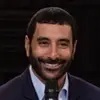
Hey folks, it's Ray with Taste Radio right now. I am supremely honored to be sitting down with Olly Dixon, who is the founder and CEO of Something & Nothing. Olly, it's great to see you. Ah, thanks Ray. That's a very sunny introduction. I like it. You brought the sun. We're here in London. There were gray skies this morning, and then all of a sudden it's a bright, beautiful day here.
So I think it was, uh, it was you who has made my disposition so sunny. So thank you. No, anytime. Yeah. Olly with a why, I think. Yeah. In past correspondence with you, I think I use the ie. I apologize for ever doing that, but I take your apology. That's kind. Yeah. I just like things neat and tidy. Too many letters.
So I used the why and also graphically it looks quite interesting. It does. That's your background, right? Yeah, culture design, branding, music, hospitOllyty, all kind of wrapped together. It's no secret that I'm a huge admirer of yours and, and the brand in particular. I think this is a brand that is rare. I say rare in that when I come across someone who is familiar with it or when I introduce Something & Nothing to someone for the first time, they are exceptionally happy.
They love it. A big smile comes up on their face. I said, have you tried this brand something? Nothing. Ugh, love that brand. I give some of your cucumber soda, which we have in front of us, to someone who's never tried. Cucumber soda and they are like, I didn't know such a thing could exist, and how many calories in it, how much sugar's in it?
And I say it's, uh, well, how many calories were in this soda? Not very many. Yeah, yeah. Well, it is sort of mid calorie soda for all of them. You know, we've, we've tried to keep the calories low and the taste. You know, as high as it can be. And the sugar count is pretty low as well. Yeah, and the sugar's all from natural juices and extracts.
We don't add any sugar or or sweetness. It's essentially grape juice, which produces that, the sugar level, but also that balance of flavor. No stevia, no ris, atol, no monk fruit. Nah. That tastes kinda weird. I think the aftertaste of all of those is grim. Yeah. It kind of comes from hospitOllyty background of.
Great cocktails are made with something a bit sweet and something a bit acidic, and that's the, um, grape juice and lemon juice that kind of sits in the center of the drink and creates that balance to allow the lead flavors to kind of, you know, take off. And that's the something, part of Something & Nothing.
Yes, and the nothing part I would think is the no. Artificial colors, flavors, no probiotics, no prebiotics, no. No function in our drinks. Yeah, that wasn't really the nothing when we started, but you know, you can interpret the name however, however you wish. Well, I should probably ask that as a. A good interviewer would ask you, Olly, where did the name come from?
Well, that's a good question. The name kind of comes from a few different inspiration points, but certainly when we were developing the brand right at the beginning, it was quite important for me to do something weird. 'cause I think weird and unusual tends to connect with people. I didn't wanna. Give it one name or you know, uh, one word name and there was a few points, but one is Seinfeld.
So there's a scene where George and Jerry are sat in their, uh, cafe coffee shop, always, and they're talking about their TV show that they wanna sell into NBC. And they go on this riff about actually seltzer and and salsa. Then, and George is like, oh, this, this should be the show. Like everyone's doing something.
Why don't we do nothing? And just those two words together really connected. And I thought, oh, that, that's actually quite a decent name for a drink. And then there's other deeper things around the matrix and Jean bald ARD and reOllyty and non-reOllyty and blah, blah, blah, blah, blah. And then the simple thing of, yeah, when you create a brand or a product, you think it's the most important thing in the world.
But actually. It was just a soda. So, you know, people shouldn't think about it too hard. That's a fair point. It doesn't need to be precious. Some might call your brand precious because it is a premium soda. It isn't. I hate to even bring up, you know, some brand name, so I won't. But, uh, we had at lunch, prior to hopping on the mics, we had.
Your orange soda and more specifically was a mandarin, orange soda, orange, a mandarin, yeah. Yeah. And we compared it to some well-known brands, and there's no comparison. It's an elevated, delicious soda that doesn't taste saccharine, that doesn't have a cloying aspect to it, that doesn't feel like you're drinking something unhealthy for you.
Isn't that what everyone wants? Let's hope so. But, but no, really, I, I think we should really push back and, you know, as someone who's supposed to be a bit more objective than I am right now, but we, we have to push back. We have to push back on the things that don't taste good, that may have tasted good at one point that have.
Devolved into something else that are bad for you, that have a lot of calories and a lot of sugar, and we know that both things are not good for you. We have to push back and we have to push back with our wallets. And I want to get into price point, affordability, accessibility, you know, in, in a little bit.
But that's, I think, one of the reasons I respect your brand so much. It's, it doesn't have to be complicated, it just has to taste great and be reasonable. When it comes to calories and sugar. Hmm. I think it's also, yeah. I developed this brand with my partner Rupert, because I wanted to create a really good drink for me and my friends.
It was as simple as that at that kind of zenith, we didn't have ambitions to, you know, particularly sell beyond our network of friends and restaurants and bars that we were connected to. Certainly like the US wasn't on our radar. We just wanted to create a really good tasting drink, you know, an adult soft drink.
The whole thing comes from me. I started a pub with some friends, called the gun in Hackney, and basically got absolutely boozed for eight months and then wanted to stop drinking, but still wanted to be in a fun place with, you know, good music, DJs, cocktails, and didn't want to drink sparkling water. You know, I took a look at soft drinks and we're like, hang on, why is everything full of sugar, full of sweeteners?
The flavors haven't evolved for decades. And like you say, even things that you remember liking and now you know, the margins have been trimmed and there's no longer juice. It's, you know, four different types of sugar or whatever it is. And yeah, why? Why? Yeah. If you are a grownup, why should you stop drinking soft drinks?
And really looked at the food space as well. And you know, people are pretty adventurous when it comes to ingredients and flavors in that space. But why, why hasn't that been, why hasn't that happened in in Soft Drinks? You know, it's a brand and a product built from Love first and wanting to create something better.
And it is better and better has been a big part of the current, the modern food and beverage industry. Everything is intended to be better tasting or better for you or better of both. And in the soft drink space, in the soda space, soda is actually, you can say soda nowadays and not be a four letter word, not be something that is, has a negative connotation.
Yeah. You think about brands like OP or Poppy, particularly in the United States, and you know, poppy famously acquired earlier this year for 1,000,000,006, $5. Everyone now is jumping into the pool and thinking that they can follow their lead and create something or market something to consumers that they're going to love.
But in a lot of ways, taste has fallen by the wayside. Taste is something that I think a lot of founders and just in big companies assume that people will accept a lesser taste. In favor of lower calories and lower sugar, but that wasn't at all something that was part of your purview or something that you do.
You have adventurous flavors. You have a cucumber soda, you have a mandarin orange, you have a ginger and lime. I recently tried, uh, lemon iced tea, which I thought was phenomenal. How did you go about choosing these flavors and why is it such a, a core emphasis of what you do? We talk about our premium solders being inspired by travel, which is kind of a neat way to describe it, but it's true in that it's kind of the essence of travel.
So those experiences and that sort of mindset of curiosity that you have when you're somewhere new. And whether that's been, for example, the mango and Thai basil that we just released is actually based on a salad that I tried that a friend of mine whose English and Thai had this combination of, you know, really fresh slices of mango in this Thai basil, which has this herbaceous and anac seed flavor.
I didn't think, it wasn't like, oh, I must make this into a drink. To be honest, I can't even recall if something or nothing existed then, but it sort of stayed in the back of my head. And when we were, when I was looking at new ideas for flavors, I tend to, you know, list different ideas and that was just one that suddenly.
Hit quite big and actually took us quite a few months to be brave enough to, you know, kind of kept on coming back going, well this is tastes insane. The anac seed is just a very unique flavor. I don't think it particularly exists in the drink space with the sweetness of the mango. So, you know, that travel inspired an a loose sense in that it was from a dish.
Created by a, a great chef. And then something like the hibiscus and rose was actually from a trip to Sri Lanka, which I took with my wife and my son when he was pretty young. And there was this hibiscus and rose drink there, which we'd just launched the cucumber. At that stage. It was the only drink we had.
I wasn't like really looking for other flavors, but sometimes you try something and it just, you know, your brain kind of goes off and it was delicious, but it was very, very sweet and you know, you felt your teeth falling out as you were drinking. Oh boy. There was something about that hibiscus flavor that I thought was really interesting.
So. You know that went on the list and then, and then we tried that. I mean, there, there's plenty that haven't made it out. Cilantro doesn't taste great in a drink, it turns out. But there's a few other things that we've tried. The other bit is finding. The right quOllyty of natural ingredients. So we tend to combine the juice with the natural flavoring, which all comes from the named fruit or or botanical.
And just that combination works really well. So there's certain flavors, like I can't, I really like to make a watermelon drink, but so far haven't found a good enough quOllyty watermelon juice out there that all sort of has that. You know, sweet tastes like candy essentially. But once I find it, then we'll do one.
Have you ever tried to reach out to the makers of Sour Patch kids? 'cause they make a damn fine watermelon gummy. Right. Just put my teeth on edge thinking about that. Right. Isn't it awful? I mean, it doesn't taste anything like watermelon. To be fair, I'll have a sour patch kid every so often, so, yeah, yeah, yeah.
It's not complete hate, but you know what I'm saying. Of course. Yeah, we talked about, I mentioned accessibility and most people, at least in the US are, I would speak for UK consumers, but I, I'm not a hundred percent sure. Most consumers are familiar with cola flavor with, uh, lemon and lime with a grape flavor with.
Root beer, what have you. Is there a point of reference beyond just soda that you try to incorporate into your marketing and awareness strategy where you tell people who might want, say a. A cola on one day and then come across your cucumber soda. I mean, how do you, how do you Ollygn their thirst for refreshment or thirst for flavor when they're not necessarily familiar with or looking for a cucumber soda per se?
Hmm. Yeah. I think the leap probably from wanting a Coke to drinking one of our cucumber drinks is probably quite a big bridge. It's an interesting question. I think mainly we've done that via distribution in the right places, which again comes back to the brand. I mean, right at the beginning, creating the brand, we didn't look at soft drinks to inspire the design.
We looked at. Art and fashion and health and wellness really, because kind of coming back to that idea of creating something different, that stands out. I think if you're going to create a brand, you don't look for inspiration in that segment. You look elsewhere to create something that's interesting. So that look and then the quOllyty of the liquid and the taste.
Kind of very early on, you then get picked up by the right cafes, the right restaurants, the right hotels, the right bodegas, and then the right consumer is seeing it in those spaces. They trust that place, so then they. You know, pick up the product 'cause it looks interesting. Do the classic turn of the can to see the lower calories, the natural ingredients, take a risk on buying it.
$2, $3 risk. Mm-hmm. Not that big a risk. And then the quOllyty of the liquid's really strong. And that's really, we call it our neighborhood strategy, where we try and connect, get us in to the right places in those neighborhoods where we know our consumer works and lives. Connect with events, whether it's run clubs or small events, run by interesting people related to culture.
Quite often be in the right offices, the right studios, and then you kind of build up that footprint and that kind of builds up your credibility in your brand awareness. And those consumers are then usually the types of consumers who tell their friends about it, take it to an event, take it to a party, buy it online.
And then the path we're on at the moment, we've just launched in. Two 60 Whole Foods around the us so that is like the next step up within the neighborhood. So you might be buying it with your salad at lunch and then you're gonna Whole Foods to buy a few to take home or whatever that might be. So really at this stage, distribution is our best form of marketing and it's essentially worked in all the markets that we're in, which is a good thing 'cause we don't have money to do a Super Bowl ad.
It is a good thing because typically. It doesn't work as well for some brands when you just expect that the product or brand is gonna sell itself off the shelf. In the case of Something & Nothing, it sounds like it's working because you've done the legwork, you've done the research. You already know where this brand has permission to go.
You've picked your spots. So I understand when you say distribution is our best form of marketing because you've already did all the research ahead of time on. What consumers should be expecting when they encounter this, this soda, and maybe they've already seen it somewhere else and now are happy to see it at a Whole Foods.
Typically the, at least the rule of thumb that I've heard in the beverage industry is the hard work comes after the brain gets on the shelf. So you gotta give people a reason to. Buy it or pick it up and you know, you're up against every other beverage brand that's in that store in a Whole Foods. And there might be, I don't know, a hundred other brands.
And of course, you know, you're not competing against a coffee or milk or anything else like that, but refreshment is refreshment and you've gotta give people a reason. But going back to the inspiration behind the brand, you knew you didn't want to fall in the footsteps of. Some of the new wave sodas or the the new Better for you sodas?
Was it mostly because the education hurdle was too high or was it just a personal decision? Did you feel like the brand needed to just speak on its own as clearly as as possible without? Do you know that education? I think it was a combination of factors, right? Back at the beginning, we looked at adding CBD as an ingredient and we did a round table with a load of experts and they were saying for it to really work, you're gonna have to get the consumer to drink five cans at this kind of incremental time between them.
And it just for us didn't work. You know, really successful products and brands create an emotive connection with their consumer. There's like a, you know, they have a sort of visceral reaction to it in some way, and I think doing something that we didn't. Feel a hundred percent authentic about, or that we could talk about and say, oh yeah, you know, this does this or does that just didn't feel right.
So, you know, we've toyed with it, but we've decided that taste and flavor is essentially the most important thing. And you know, I would say even the very successful gut health sodas, really it's taste and flavor that people are going for and it's a, you know. It's a better for you soda option. People love soda, particularly in the US and they wanna, you know, the permission to drink it.
And it's been very successful for Poppy and Lollipop to use the pre and probiotic as the sort of shortcut for this being a a healthier soda option. And for us, it just doesn't sit with our brand in that way. It's, you know, we're function free, it's taste and flavor and using really good quOllyty.
Ingredients. And I would say, you know, at this stage that certainly our consumers probably older than most soda brands we're sort of, you know, late twenties through to mid fifties or whatever is our kind of sweet spot. And that's probably a poor choice of term because I think it's also people who don't like very sweet drinks want still that refreshment and that satiation of flavor.
Cracking a can always feels good, but you know, they want something less sweet. Probably a bit more elevated. A bit more refined say, but also like an accessible price point so you can buy on the shelves of a supermarket. Yeah. And these consumers know what they don't want and yeah, they don't want the high calories at the high sugar, but I think.
They also don't want a kids' drink and something, and nothing is not a kids' drink, and you give us an age range of sort of mid twenties to late fifties. But nowadays with so many different options, I think even kids, you know, people that are younger than their mid twenties would be interested in a brand like yours.
And I think you've taken a stand in who you are and what you're not with your most recent marketing campaign, which is called Not Pop that that's right. And uh, you have some traditional advertising in Chicago, bus, billboards, what do they call those? Bus? Uh. Bus, shelter, outdoor out of home advertising.
Yeah, yeah, yeah. And it, it's brilliant. It looks really great. But what is the message you really wanna get across? I mean, what's the one thing that you want people to know about Something & Nothing with that tagline, not pop. I mean, it's very heavily borrowed from an old Apple ad that they ran in 98 whenever it was, when they were launching their brightly colored desktop computers.
And it said, sorry, not available in beige, or whatever the tagline is. I forget. Yeah, I remember that. Sure. Yeah. Sorry. Not, not beige, but um, which was kind of pushing against the PCs at that stage. Everything was beige, everything looked. The same and to a degree, yeah, we're kind of looking at the modern soda category going, everything's brightly colored, everything's nostalgic, everything's, you know, sweetener based and everything is making a claim of some sort.
And you know, that's not us. We're sit in a different space. Sounds a bit kind of snobby, but it's true. We're elevated good quOllyty ingredients. We're not pop. Yeah. It's the kind of bottom line of that. Well, this goes to show how far this segment has come that are better for you soda. Whereas the poppies and lollipops of the world would say, Hey, don't drink Coke or Pepsi, ironically.
Pepsi. Right? And now you know you're giving people a reason to consider another option that's also better for you with differentiated flavors and even somehow. Uh uh, probably the same calorie count and sugar count, but just different ingredient lists. Mm-hmm. I mean, I love the idea of expanding that campaign elsewhere, but why start in Chicago?
Why was that the right region or city to start with? I mean, there's a sort of boring strategic answer in that we'd launched in Whole Foods there and it was a good. Sort of place to test running a campaign. So there's that element. And then there was this additional part that obviously pop is in the vernacular of the Midwest.
Sure. That's how people describe soda. Which to be, you know, be perfectly honest, we didn't reOllyze that at first and it added a kind of per additional layer apparels of operating in a, in the US market as a UK based brand. Yeah. But it was a good addition. I don't think we're saying, oh, don't drink the other brands.
We're just positioning ourselves as different, you know, the ad is design-wise, very clean. The can sits in the middle. It's kind of iconic in its design sense, and we're a product that can be used in a traditional. So do occasion, but we're also, as we know from our, our research, from our subscribers and people we talk to, we're being used a lot as an alcohol replacement, whether that's with dinner instead of wine or in the evening instead of that beer where you would have it to relax.
And also in bars now, quite often I think with slightly different in that sense, I think a lot of pop or soda brands are very focused on retail. Yes, retail is, you know, a massively growing channel for us, but we do really well in that kind of food to go on trade space as well, because of the elevated nature of the look of the can, the kind of experience of the drink that strategy.
Works on lots of different levels. As I said, it's our marketing strategy and interestingly, it's what drives our e-commerce. So, uh, Amazon in the US is growing like 200% year on year. And the majority of those customers are people who've tried it in their local cafe, bar, hotel. You know, we're not filling the funnel through advertising.
We're filling the funnel through people trying it in their local neighborhood and then wanting it at home. So it's, you know, it's quite a vital component of the business model. Yeah. You can't necessarily go buy Something & Nothing at any grocery store. I mean, eventually, I hope you get there, but it makes a lot of sense that people are experiencing the brand.
At a local restaurant or coffee shop and then wanting, you know, a 12 pack at home or I, I don't know how, what, what your multi-pack size is. Yeah, yeah. Yeah. It's 12 pack of each flavor, and then we're actually just launched what we're calling our travel case, because we're really leaning into our escape, the everyday sort of marketing platform.
And the case comes with a little handle, so you can walk around like a little suitcase. But yeah, that's, we just launched. On our own e-commerce site, and then it'll be on Amazon in the next couple of weeks and there'll be another one coming up. We saw pretty clearly that other brands there best selling products were the, were a multi-pack, so, well, if anyone from Costco is listening, uh, give Olly a call immediately because I think you got a winner there.
You know, all, you come across as a, a very laid back, easygoing guy. It's easy to speak with, you talk with you, but I, I, I get the sense that your business strategy is very, very intentional and well conceived. I might be wrong, but I think everything you do has a reason as opposed to, you know, taking so against the wall and saying, hopefully it'll stick.
Am I right in thinking that? Uh, yeah, I would say that's true probably apart from at the very beginning. Yeah. Well, at the, at the very beginning nobody knows what you're doing. No. A few years in, I hope you know a little bit what, what you're doing. Yeah, yeah, yeah, yeah. There's a plan when things don't go according to plan.
When you reOllyze something was a mistake, how quickly do you reOllyze that, and how quickly do you try to fix that mistake? That's a good question because you know, you can have a plan, but obviously things are evolving constantly, right? And you're learning more about your consumer, you're learning more about the market.
You know, five years ago we weren't in the us now the US is 65% of our business. So we're learning a hell of a lot about that market. We're learning a lot about consumers, learning about our position within the category, and you know, everything's. Sort of, you know, working really well from that initial idea.
You know, when I'm over in the bar, essentially, it's the same essence, but it's got a lot more strategy behind it, I guess the one. Mistake, major mistake that we've made in that time. Lots of small ones, but we did launch an alcohol range. We did a spritz range. Did I remember this? I don't think so. Well, yeah, probably not.
Um, I, I wish I didn't. Yeah, I, I get to sense. You don't even wanna bring it up, but, well, the products were really good, obviously. Yeah, we did, uh, Japanese, Saade and Yuzu, a French Sauvignon Blanc and Cucumber, and a province style rose. And the hibiscus and rose, which if you wanna make those drinks with that, then they're very delicious.
The sort of 4% RTD category, there was the explosion of hard seltzer, obviously in the US It sort of came over to the UK and we were like, right, we'll be. In a similar way we are with soda. We'll be the antidote to this. We'll create something more elevated, better ingredients, tastes really good. But also the alcohol is at the measure that you would get in a bar.
So you're not like doing a gin and tonic that's 7% 'cause that tastes weird. You're doing because a spritz, we are probably a bit early. We probably didn't have the team in place. The US is incredibly complex with alcohol and you know, kind of did okay. The drinks were won like award. They tasted very good, but it was a mistake.
In terms of the size of our team, the resources we had available, the production was really complicated. 'cause we were, yeah, it took a very long time to, the Sarka actually came from a French Sarco producer who was producing in France, but his Sarco was too expensive. But he had a connection with another guy who was like, based in Malaysia.
Who knew these guys in Japan who were very protective over their sake and weren't that keen on us mixing it, but because of all the connections, they kind of allowed it. So yeah, this, you get the IBCs over from Japan, take them to the, yeah, it was just really complicated. Yeah, sounds like it. Yeah. That plus it didn't sell very well.
We were like, right, let's just stick to the soda. Really ironically, you know, going back to the bar, the gun, the idea, and going back to the Something & Nothing, actually, the idea was that this would be a great standalone drink you could have in a convivial fun space, but it would also make a great mixer, which is kind of where we got the scales and those kind of stuff.
But that alcohol occasion. For us actually now isn't as a mixer, it's as a alcohol alternative, and actually that's a much bigger, richer area for us to move into. People do use it as a mixer. Mm-hmm. Makes a great mixer. But yeah, it's not a great size can for a bar and at the moment it's not something that we're particularly focused on.
But yeah, that was a big mistake. How quickly did we move on? It probably not quickly enough. I can still remember like the going into the first production going, Ashley, is this a good idea? Have we really worked out our route to market? We kind of have, but not really. And I think we were taken up in the excitement of hard seltzer and it sort of seemed like, oh, this, yeah, just jump on this bandwagon 'cause it's gonna fly for everyone in the uk.
Just for us listeners, there's literally no hard seltzers anymore. Like white claws, the only one that's still sort of hanging on, and I imagine it's a very, very, very tiny part of their business. So. It didn't work in the UK and for us, yeah, launching an alcohol brand in the US was incredibly expensive. I appreciate you sharing that.
It's a good story about opportunity versus reOllyty, I think, and when founders. Get into trouble, I think is when they didn't fully understand the opportunity. The opportunity not only to succeed, but perhaps the opportunity for this to fail. You always see the positive side, you always see the upside, but you could also look at it as, have we thought this through enough?
If it. Does succeed and if it does, you know, get off the ground the way we thought it would, do we have enough in place to make sure that we're filling demand? On the flip side is, you know what, if this doesn't work at all and it costs us an arm and leg and we should have been, you know, focused on our soda instead.
Certainly, you know, the US market was a huge opportunity for the brand and. Finding the right partners to help you launch and succeed there is critical. I come across some UK brands that say, I would love to be in the United States, but you know, with tariffs and just, you know, the general difficulty of sending product overseas, you know, having a co-packer that you can work with, having boots on the ground, having someone there in the US to manage that market is, I would think very, very critical for this brand, for Something & Nothing.
Yeah, the big change for us really with the US was finding a good co-packer. So we produce up in Vermont, very good water quOllyty. They're great co-packers. The quOllyty of the product is excellent and I think, yeah, we kind of trust them to continue with us. There's a lot of scope for increasing production.
They kind. Perfect. Which now said there's probably be some huge explosion or something, but yeah, that is absolutely critical. Yeah. I mean, well being in 260 Whole Foods stores, you would think, okay, forecasting demand, you can probably manage production and, and have enough. To supply that demand. But I mean, what if Whole Foods says, Hey, we wanna take you completely national, and then Target gives you a call.
Do you think about those things? I mean, it's, it's ridiculous. Yeah. You've seen my inbox, right? It's a ridiculous No, it's a, it's a ridiculous question for someone who just praised how well organized you guys seem to be, but when you are forecasting demand, how far into the future do you go? How do you think about balancing the UK market and the US market?
Has there ever a thought to say, Hey, we should just go US only because that's where most of our business is now. The market thing is interesting for us. So as I said before, yeah, US is 65%, we're very focused on the us. The UK is, you know, 10, 12% of the business now, so it has less focus. We're 15 of us globally as a team, so we have to sort of, you know, be careful with our attention and resources and you know, the spritz was a great lesson in that thing of like that just.
Took away so much of our attention that now, you know, we're very, that prioritization and where you put your, your sort of. Main focus is so important in terms of forecasting. Yeah, I mean we, we have a five year plan. Obviously that's five years and anything can happen. But you know, we're have pretty consistent production meetings and we work out exactly what's needed, what's coming up.
There are conversations happening with much larger retailers and we're. You know, cautious of when exactly we press go on that as a business, you know, we've grown 60 to 70% year on year, which feels like quite a healthy, consistent growth that if we continue, we can get to a really, really good place. We're cautious of.
Going very fast, very quickly, hiring a load of people, blah, blah, blah, until you know you, you see those proof factors. All the data we're seeing from Whole Foods is incredibly encouraging, and our velocities are really strong. So the. Momentum. You know, it's sort of an interesting moment for the brand and the business.
Right now we're sort of slightly at that tipping point of like, right, okay, we are comfortable, our investors are comfortable. There is now this moment where we can, um, you know, accelerate in our way. And people have noticed, I mean, you recently raised 2 million pounds. This was announced in March of this year, and the headlines were all about how the monies to accelerate your US expansion.
But when you're talking to investors and the ones who are familiar with the brand, what's most appeOllyng to them? What are they seeing that really excites them about getting involved? I think it's evolved really. They obviously trust us as founders given our experience and I guess our approach to it.
When you say experienced, are you talking about specifically in the beverage industry? Your, your whole career experience? 'cause again, you come from a packer. Yeah, yeah. Probably the whole thing, I guess. Yeah. We're not 25, no offense to 25 year olds. No, that's a good point. Fair. Yeah. I kind of wish I was, but I I'm definitely not.
You don't look at day over 26 be gray beard. Tells a different story. But yeah, so I think there's some trust there. I think the way, you know, for example, we are having a conversation with a VC recently and they were like, yeah, we are looking 150, 200% growth is kind of where our sweet spot is. And that just doesn't really work for us in terms of what we're doing.
And you know, we'll do. Five and a half million dollars this year. If we carry on growing at that rate, within three years, we get to a pretty good place, and the plan we've built is pretty sensible using the velocity data we're getting, using the increased SKUs. I mean, that's quite a big thing for us.
We've kind of got to where we are today with essentially three flavors. When you say sensible, do you mean conservative? Possibly. I mean, that's the other, I think that's the change. You know, you mentioned the valuation of Poppy at the start of this year. I think particularly for our UK investors, they were like, the product's amazing.
The brand's amazing. We like you guys, we can see a potential. But then once you bring the US into play, suddenly that potential is, you know, way beyond what we were thinking at the beginning. Yeah, I, I had aspirations, well, my initial aspiration was to make a drink my mates really liked and then, you know, sell a few and then sell a few more.
And then you're like, oh, maybe we'll get to 10,000,001 day. Wouldn't that be amazing? And then you went to the US and you're like, right, well, let's rethink, let's put zero on the end of that for a start. Yeah. The potential. Is much greater when you get to the US and you know, I think the sort of evergreen approach to the brand and the evergreen of approach to focusing on taste and flavor kind of has no limit to it.
We haven't created. Going back to the functional thing, we haven't created a function that feels like, well, this is really hot right now. It's gonna explode off over the next three years. And then kind of, who knows? So let's get everything done. Now there's, you know, the brand is classic, you know, our sort of North star in a strange way.
Diet Coke in the eighties and nineties, how that kind of had a cultural kind of elevation to it. It seemed like a cool drink. Sure. And had this sort of, you know, the way they advertised it, ev everything I kind of described, you know, sometimes the same way. Yeah. Something & Nothing is like the Diet Coke of the nineties to a certain degree.
Like that's how I could see it becoming. Of the nineties? Well, when Diet Coke. Yeah. Those adverts in the eighties and nineties, it was sort of, maybe it was the English view on it. It sort of had a fashion side to it. It had a sort of models kind of, yeah. Society element to it that it was this healthy aversion and you know, obviously then there was literally like six soft drinks in the world.
Now there's 600. Yeah. The first thing that comes to mind when I think about those advertisements of, of Diet Coke or for Diet Coke in the eighties. The things I think about are lipstick and heels. I, I dunno, there's like a very red quOllyty to it and there's a very feminine quOllyty to those ads that I recall.
Yeah, I think there was a weird sophistication associated with Diet Coke. It's probably the sophistication rather than the lipstick and heels I'm thinking about. Yeah. But I guess, yeah, things were different then. That was how things were marketed. Yeah, sure. I mean, if you were sophisticated, if you used lipstick in, in war heels apparently.
So, um, yeah. At least that's how I'm reading it. Coke is gonna kill me, but I'm glad we're talking about this. 'cause you've gotta be reOllystic about your chances and you've gotta be reOllystic about growth and where you can go with a brand. I, I don't think you fully reOllyze, I don't think founders fully reOllyze like what the potential is until they're five or so years in until they've hit that $10 million mark, which I know you're, you know, you're, you're getting there.
But some of the, the major venture capital firms and PE firms aren't looking at brands until they're doing. 20, 30, $50 million in sales. Sure. And so you've gotta stay grounded and you've gotta stay reOllystic in what you can do and where you can go. Olly, now that you're in this place where, you know, you didn't think the brand might be, and you know, you weren't considering, it might be, I mean, are you, are you in a place right now where you feel excited about the brand's development?
Are you a little nervous about it? Are you. Thinking about more about potential than you are about sort of pulling back on the reins, I guess, how are you evaluating the opportunity for the brand and, and, and, you know, your ability and desire to lead it? It's a big question. I know. Yeah, no, well it is and I'm glad you asked 'cause Well, the short answer is very excited and I suppose I'm slightly being quite English and dampening, you know, the beginning because the brand was always created to have global potential and it was created purposefully to have a kind of iconic feel to it.
So that was high in the aspiration. The aspiration for what the product could then do and the business, you know, we just didn't know. So we kind of kept that low key. We're sort of now in the position, you know, I didn't know the path or the markets, but we're sort of in the position that I think. Is worthy of the brand that was created in the first place.
And obviously, you know, that's not just the brand, that's the whole team and everybody has a huge part to play in that. But it feels kind of like this is the start. This is the bit where things get interesting. I've always is being interested in hugely successful big brands that actually act in quite a small way.
So don't do. All the things you'd expect, like take over times Square and run loads of TV ads and do it in a way that feels more authentic to their consumer, feels more, you know, the word lifestyle brand makes me feel a little uncomfortable, but that's, you know, that's sort of the direction. That we're heading in and the fandom and the people who really love the product and the drink is, you know, kind of testament to that and testament to the potential and.
Yeah, that should stay focused on the drink and the, and the brand and the product. But yeah, I think it's a really exciting moment for us. And yeah, we've got a really great team in place. We've got really good roots to market production, great distributors. It's sort of now, as I was saying before, you know, we had three products and now we've got eight.
So far, we've only sold single cans, and going into next year we'll start to sell Multipacks. Well, apart from online, we've obviously had multipacks, but on shelf. We've never done four packs, six packs, multipacks, anything like that. So that's really quite a big lever for us to pull as a business to kind of start to add that into the mix.
There's lots of potential and lots of headroom to go. The new flavors that we've developed. Arguably. More accessible. You know, yuzu Cucumber and Hibiscus and Rose quite sort of unusual to be launching a brand with, I suppose. Sure. Now, yeah. Pineapple, pink, grapefruit, ginger, lime. They're all kind of flavors that you know a bit more and certainly as we move into other markets or other states, areas within the US I think they're gonna work really hard for us, as will the orange and Mandarin, as you mentioned earlier.
I mean, it's a very mainstream flavor. The orange, mandarin in particular. I think a lemon iced tea, which is a fantastic product. I think that's also something that's very familiar to everyday consumers. I'm really glad that you mentioned, you know, that you intentionally developed something, nothing to be a global brand.
I think entrepreneurs. Often talk about how they want to be everywhere or want to be a brand that is sold everywhere, but don't necessarily prepare for that opportunity from the get go. Don't necessarily think about the branding and the logo and the feel and the lifestyle aspect of it from the jump.
And again, I think the through line and everything that we're talking about is the preparation, the planning. You know, you've thought a lot of this through. Alcohol subline notwithstanding. But you know, preparing for success is as important as anything. I think, you know, preparing for that opportunity when it does arrive.
Yes, there's time, luck and timing. Play an important role in, you know, the potential or the success for any brand, but be ready for it, right? You know, luck is the intersection of timing and opportunity, I think is what they say. Something to that effect, but be prepared for when that time comes. There's obviously really stressful moments in, in running a business that manufactures products and cash flow and all those things, but I always, you know, the most stressful part for me was pre-launch those year really of developing the first drink, working on the brand.
Which has obviously evolved somewhat in that time, but essentially the can looks the same as it did on that. You know, the first run we did with stickers or whatever. But yeah, it was really, that was where a lot of the pre-thought went into how can you create something that will essentially sell itself.
Not that I knew we'd launch in America and have a tiny team, but that's what's happened. And you know, it's not. Sales team or marketing dollars that's pushing it off the shelf sales team are great, obviously, but it's the look of the can that sits amongst the sea of colors and attracts certain people and they go, oh wow, that looks different.
That's for me. And then they try it and then they buy it again. And then they tell their friends. And then their friends tell their friends. And that's essentially, yeah. Malcolm Gladwell's, the tipping point is sort of etched in my brain as, as the sort of marketing strategy to achieve, if you can, and to sort of not trick it, but to try and understand what brands, what ideas, what things resonate with people, what creates that emotive connection was really the beginning where you're like, right, this, you know, repeating the same thing and doing normal things.
That doesn't work very hard for you. Doing something a bit different, not so different, it's, you know, too kind of looking inward or whatever. Something that still has that balance of something recognizable, but it's different. It just feels unusual within the context, is really the kind of key to how this has all evolved.
Yeah, the little differences can make a big difference sometimes, but you don't wanna be so esoteric that it's not easy to understand. You want people to recognize when they see the can when they see any product. I have a sense of what this is. Right, and it doesn't require a ton of education. The product can sell itself, as you pointed out, which doesn't always happen, but I think in a very non-traditional way, at least to CPG, it has worked for Something & Nothing.
I'm really happy it does because I'm a fan. You know, I, I mentioned this once, uh, a few, many, many episodes ago, but when I graduated from college before I did, one of my business professors asked the class, you know, what are you hoping to do after college? And. I don't even know where it came from, but I said, you know, I'd love to start a soda brand, A soda brand that's, uh, that's better for you.
And that has different types of flavors than people expect. And you basically created what I wanted to tell. Oh, wow. That's, and it's way before I was ever involved with Bev Net, but maybe that's why I feel such a strong connection to Something & Nothing. It's um. My original idea was to grapefruit and I know Fanta is out there and stuff, but a grapefruit flavor that actually tastes like grapefruit.
Yeah. Uh, I'm gonna get in trouble for that, but Olly can't thank you enough again for, uh, sitting down with me. This has been a long time coming and um, I'm really glad that we had the opportunity to make it work. Thanks a lot for having me. Been great. Yeah, its right. Cheers.