[00:00:10] Ray Latif: Hello, and thanks for tuning in to Taste Radio, the number one podcast, the food and beverage industry. I'm Ray Latif, the editor and producer of Taste Radio, and I'm with my co-host for this episode, John Craven, Jacqui Brugliera, and Mike Schneider. In this episode, we feature the first edition of a new series featuring operations expert, Andrew Guard, who answers common and topical questions about production and scaling strategies. Just a reminder, if you like what you hear on Taste Radio, please share the podcast with friends and colleagues. And of course, we would love it if you could review us In The Apple Podcasts app or your listening platform of choice. Have you come up with a clever name for this series, like Guarded Wisdom or something like that? I like that, but I think we're going to go with Special Ops within regard. All right.
[00:01:01] John Craven: Okay.
[00:01:03] Ray Latif: Okay. We're all over the place for this episode. Jackie, you're In The home base of San Diego, your home base of San Diego.
[00:01:10] John Craven: Yeah.
[00:01:12] Ray Latif: I have typically been recording from the office for these episodes, but I am back here in my home office, we'll call it that, in Brookline. Well, John and Mike are In The great city of Santa Monica, basking In The glow that In The Pacific Ocean. Is there a glow? Does the Pacific Ocean give a glow? I don't know In The ocean glows.
[00:01:34] Jacqui Brugliera: I think it blinds.
[00:01:35] Ray Latif: It's a little blinding. I can't look In The direction of the light.
[00:01:38] John Craven: And we just got back from blowing all our money at Erewhon.
[00:01:42] Ray Latif: As you should. That'll happen. You know how Whole Foods used to have the moniker Whole Paycheck? What's the Erewhon version of that? That's a great question. We also went to the Giusta grocer. Hadn't been there before. I think it's... We got Erwan's money. Wait, what?
[00:02:01] John Craven: I get it.
[00:02:03] Ray Latif: Oh, we got Erwan's money. Oh, okay. I get it. That's why he's in marketing, you guys.
[00:02:08] John Craven: We went to the Giusta grocer too.
[00:02:11] Ray Latif: Yes, yes, I saw the Juicy Grocer on Instagram. Now, was that just sort of like for everyday groceries or is it like a specialty curated? I mean, if you're doing your everyday grocery shopping In The, you know, congratulations.
[00:02:24] John Craven: Yeah, you're doing something right in life. Nice. It's a nicely curated little shop. I mean, you know, there's nothing In The by accident, so.
[00:02:35] Jacqui Brugliera: Was this your suggestion? I feel like this is like your dream come true.
[00:02:39] John Craven: Me?
[00:02:43] Ray Latif: I don't know. They have a legit coffee setup, of course. I mean, it's well curated snacks and I really like the meat selection as well.
[00:02:55] John Craven: It's really nice. I mean, my number one suggestion to people is just open a bar and just only serve Negronis. So, no one is taking my advice.
[00:03:07] Ray Latif: So, it's okay. Is there a bar like that anywhere In The world?
[00:03:12] John Craven: I mean, there's got To Be somewhere, right? Googling it. I mean, the Dante in New York City is pretty close in that basically every drink that's on their menu. Well, they have martinis too, but they have a lot of drinks that are basically just a variation of a Negroni.
[00:03:29] Ray Latif: Isn't that like that place Amaro? Is that place in New York too?
[00:03:35] John Craven: Well, that's like an Amaro like, I mean, that's right down the street from The Dead and Company. They make cocktails with Amaro. It's pretty good.
[00:03:46] Ray Latif: They have so many brands of bidders. It's like a collection. It looks like you're walking into a wizard shop and there's an alchemist behind the bar who's got all these cool bidders behind him. That just brought me back to, it was, I think it was DevNet Live 2018 or our December events in 2018. And the last night, as we typically do, the team was hanging out at Shade J. And just as the clock struck midnight, I turned to my left and I see an intense game of Magic the Gathering between Mike and Josh. Hence Mike's familiarity with wizard shops. I was getting my ass handed To Be by our technical director, Joshua Pratt in Magic the Gathering, which I'm not, I mean, I'm not going to lie. I used to play. I have, I have cards, but mine are old school and he's got all, he knows all the new rules. I knew none of them. He was beating the crap out of me at Shea Jay. It's interesting the way that you put that. I used to play. That's kind of the way people talk about like basketball or like football or baseball. I used to play. They're not typically talking about magic together. And this is just... First of all, this is like...
[00:05:08] John Craven: a Taste Radio episode that we should commemorate in that.
[00:05:11] Ray Latif: I don't know how many minutes we are in, but we have not talked about the premier league at all. So that's great. You just mentioned it, but now we're talking about magic, the gathering.
[00:05:20] Jacqui Brugliera: So it's almost like we need to, we have new topics.
[00:05:23] John Craven: We need, we need, we need a listener poll here. More senseless bandwagon, uh, premier league fan talk from, Mike and Ray or new experimental topics.
[00:05:37] Ray Latif: Just so you know, at 445 this morning, when our airport driver accidentally crashed In The curb in front of John's house this morning, and we're just standing there, not sure what to do, waiting for another Uber to come and get us while he's, he's trying to change the tire. John's telling me about how he watched the Premier League this weekend.
[00:05:56] John Craven: Yeah. So I could partake in this and I found my new favorite team, which is Nottingham forest. Cause they don't have a schlocky sponsor logo on their Jersey.
[00:06:05] Ray Latif: That's amazing. And you know what? They're red and white, just like Bev net. So yeah, it's pretty cool. Just saying right In The Nottingham forest Jersey. You know, the worst team In The league right now, they were like, I think they won on, on Sunday, Ray. It did beat Liverpool on Sunday. Maybe you didn't know. Maybe you didn't know that. Right. No, not a true fan. He's just, anyway. All right, I'm sure some listeners are like, get to the beverages, get to the food. We're gonna get there. True story, folks. We talked about Giusta and Erewhon for a minute. We did, we did. This is true. You know, I was actually thinking of, now, we're gonna move on, trust me, folks. I was thinking of some banterish topics, actually, for this episode, and I was gonna ask folks about this new craze for Casio watches, like old school Casio watches, like the one I have, I'm showing everyone In The video here, It's the old calculator one that some friends of mine got me because they're crazy into watches. And they're like, Ray, you got to get into watches, too. And they saw they got me like, you know, sort of baseline level watch here just to get into this kind of stuff. But anyway, that's for another episode. Save it. If you're interested in talk about Casio watches or hearing us talk about Casio watches, send us an email to ask a Taste Radio dot com. I have a feeling people are just going To Be like, don't talk about watches, please.
[00:07:21] John Craven: Like more, please.
[00:07:22] Ray Latif: More soccer, please. Now let's talk about what is perhaps our favorite topic, and that is Fabnet Live and Nosh Live. Both events are just about 30 plus days away. I mean, these things are really, really close. We are In The trenches, getting ready for Santa Monica. We have two folks in Santa Monica right now, making sure that the T's are crossed, the I's are dotted, all that kind of stuff, because these events are going To Be the best that we've ever had. I am so psyched for them. Now, of course, I'm excited to host both competitions at both events. And if you are interested in attending, we highly encourage you to apply. Of course, for the New Beverage Showdown 24 competition, head to bebnet.com or noshpitchslam13, it's a no-brainer, Nosh.com. We have plenty of other opportunities for folks who do want to highlight what they're doing with their brands and their businesses, including Elevator Talk. We're bringing it to the events. And we've talked about this In The podcast in recent weeks. Jackie, why is this going To Be so great for early and mid-stage brands?
[00:08:31] Jacqui Brugliera: Yeah, so I know Elevator Talk is a favorite of our audience watching the video series that you host, Ray, on BevNET and Nosh, and we're bringing it to Nosh. We're going to have a stage set up for brands of all sizes. So whether you're an emerging brand, you're just getting started, or you're more developed, and you just want some feedback or a pitch to investors, we have that opportunity. at Elevator Talk. So you do get three minutes and three slides to present your best Elevator With In The stage, and you will present to a panel of experts as well as us, the Taste Radio hosts.
[00:09:05] Ray Latif: Yeah, it's going To Be really exciting. And, you know, once again, I always talk about Elevator Talk as a great way to build awareness for your brand and a great way to get feedback on what you're doing and what you've accomplished to this point. You know, I think so often folks hear from friends and family about, you know, their business plans or their branding or their products, and you don't get the best feedback. In my opinion, you don't get the best feedback. I'm sure the feedback is well intended, but you definitely need to hear from industry professionals like investors, distributors, retailers, advisors, board members, people like that. And that's what Elevator Talk is offering. at Nosh Live. So, again, if you're interested in participating, head to Nosh.com to learn more. If you can't find what you're looking for, just send us an email to ask at Taste Radio.com. And if you want to learn more about how Elevator Talk works, you can check it out via bebnets.com or Nosh.com. It's in that drop-down menu. Just look for Elevator Talk, and you can see the recent episodes that we posted with, again, those experts who are offering early-stage entrepreneurs feedback and advice on their business plans. And if I'm not mistaken, we will be publishing this content and it will be evergreen content on Nosh and DevNet. So it'll be something that you can use and point to. The goal is to make a show out of it, right? There you go. Yeah. Content. Exactly. And of course, what would our December events be without our best of announcements, best of 2022 for the food and beverage industry. Of course, In The BevNET side, we're talking about beverage, In The Nosh, we're talking about food. Now, if you're interested in nominating a brand, a product, a person, a marketing campaign, a package design, all of which we cover in our best of awards, please nominate them ASAP, as in today, because The Dead to submit nominations is October 28th. It's not hard to do. Just go to the top menu bar on BevNET or Nosh, look for the Best of 2022 Awards tab, click on it, there you go. You can make a nomination. I'm full of energy today. I think it's because I'm excited about the event. I'm really engaged today, I think. I was pretty wiped out earlier this week because I spent 30 hours in a whirlwind trip to New York City last Thursday and Friday. I was there recording podcast interviews with some brilliant minds in our industry, including Dario Wolos, who In The founder and CEO of Tacombe, which also In The brand behind Vista Hermosa, which makes these incredible tortilla chips and tortillas. We've talked about these folks.
[00:11:46] Jacqui Brugliera: So good.
[00:11:48] Ray Latif: They've also introduced this new line of burritos, frozen burritos, which we'll talk about soon. Also interviewed Sarah Nguyen, who was the founder and CEO of Nguyen Coffee Supply. I saw her in Brooklyn. I met up with her at an incredible place in Brooklyn. It's a sort of a shared base for smaller coffee roasters. It's called Shared Roasting, I believe. Also had an opportunity to meet up with a legendary bar owner. Well, he's expanding his bars. He's going to own more than one pretty soon. That's Jack McGarry, who was one of the co-founders and the managing director of The Dead Rabbit, which is consistently listed as one of the top bars In The world. That was an incredible conversation. Also had an opportunity to sit down with the founder of Snack Shot. You might know her from Twitter. That's Andrea Hernandez. What a firecracker. I mean, sit down With Andrew for about two minutes and you just don't want to ever get up because she is so fun, entertaining. She speaks your mind and she knows a hell of a lot about the food and beverage industry. And then last but not least, it was amazing to sit down with the man who played Silvio Dante. In The Sopranos. He's also probably better known as a member of the E Street Band. That's Stevie Van Zandt, who's the founder of a new brand called Little Steven's Underground Apothecary, which is a wellness-focused brand that makes lollipops, Ice Cream, and other things that are packed with adaptogens like turmeric, ginger, etc. really interesting conversation. So all of that is coming to Taste Radio soon. Look out for it. But maybe that's why I'm really excited because these are all such great conversations.
[00:13:24] Jacqui Brugliera: Yeah, I was watching your Instagram story and I was exhausted for you. Did you lose your voice?
[00:13:29] Ray Latif: Luckily, I didn't lose my voice, but Thursday was insane. Thursday, I think I left my house around 5.30 In The morning. I don't think I finished my day until about 8.30. So yeah, it was a long day, but well worth it. It was definitely a lot going on In The New York minute.
[00:13:48] Mike Schneider: guessing your margins, that's risky. Belay Financial gives CPG brands the clarity to scale smarter, faster, stronger. Get your free inventory ebook by texting TASTE to 55123 and start making data work for you. Vibrant Ingredients In The natural ingredient partner powering food and beverage innovation, delivering flavor, function, and protection through a science-backed portfolio. Vibrant delivers purpose-driven solutions that help brands create extraordinary experiences. Discover what's possible with Vibrant today. Visit vibrantingredients.com.
[00:14:36] Ray Latif: Unfortunately, there is some sobering and sad news affecting the beverage industry. The co-founder of Red Bull, Dietrich Mateschitz, passed away earlier this week. He was in his mid-70s, a legendary figure In The beverage industry, obviously known for introducing the energy category to the U.S. market. I believe Red Bull first came to the U.S. in late 96, early 97, which is right around the time that you started BevNET, John, in 1996. Do you remember those days? Do you remember seeing Red Bull come to market and seeing sort of the birth of the energy drink category at the time?
[00:15:14] John Craven: Oh yeah, definitely. I remember seeing, you know, Red Bull get its start as well as, you know, other brands like Monster or Hanson's Energy. There were a bunch back then and, you know, look, I mean, Red Bull is probably, it's one of those brands that really like didn't play by the rules from, you know, the beginning and.
[00:15:35] Ray Latif: I think, you know, a lot of people at the time thought it would be something that would just be a total flop for, you know, those reasons. I think looking back now, I don't think anyone would disagree that it's a brand that's had a major impact on, you know, the beverage industry that we have today, as well as other places like alternative sports and stuff that Red Bull was a big supporter of.
[00:16:00] John Craven: So, I mean, I think In The beverage industry, it certainly created
[00:16:05] Ray Latif: You know, Oh, I mean, it was the pioneer of a segment that's now, you know, many billions of dollars a year. He, uh, Dietrich was someone like, I've never met him. I don't really, not sure. I know anyone that's ever actually met him aside from people that I knew who worked at Red Bull. When Red Bull USA hadn't didn't even really get to meet him that much if they did it all. And again, somebody who had an impact, but wasn't a vocal personality in space, pretty different than what You Need today. It's just amazing where that brand has gone from starting as an energy drink and like John, as you said, getting into sports, but also really, you know, sponsoring sports and having its own F1 teams and F1 style of car. And that's just, that's unfathomable. Three football clubs, New York, Salzburg, Leipzig. I mean, it's just, it's a huge brand. Yeah, and he did it his own way. I think there were a lot of questions about his style and whether he was investing his money In The right place, at least Red Bull's money In The right place. And clearly, he was right on a lot of occasions. Certainly, there were some mistakes. There were some missteps here and there. But seeing some of the posts on LinkedIn, honoring Dietrich and what he accomplished with Red Bull has been pretty great to see. I think a lot of people honored him really nicely and talked about his impact on their lives as beverage entrepreneurs and executives. And I think it's safe to say the modern beverage industry would not be what it is without him. So always sad when someone passes and with someone of his stature, it's a big loss. It's always hard to transition out of these stories, but I'm going to try. There was, of course, positive news, as there always is In The food and beverage industry. Great to see that the team from a brand called XCJ, which is a fast-growing brand of frozen foods inspired by Chinese street cuisine, just picked up $10 million in a new round that was led by Imaginary Ventures, which is a New York City-based venture capital firm. I love this brand and they make some outstanding dumplings, meat skewers. They just introduced a new line of frozen noodles, which we'll get to in a second. I had an amazing conversation with one of the co-founders, Jen Liao, on an episode of Taste Breaker that aired and was published August of this past year. I highly recommend folks listen to it. It's a pretty incredible story. They started out with a restaurant, pandemic hit, they pivoted and they pivoted big time into some big, big wins. Take a listen if you have an opportunity. It is a great story. the well-known brand that has a very, very specific flavor that only people who drink Dr. Pepper know. I just introduced this really interesting limited time offering. It's a bourbon flavored Dr. Pepper. And I'm just gonna read here from the PR that I was sent. In celebration of college football and tailgating season, Dr. Pepper has launched the all new Dr. Pepper Fansville Reserve bourbon flavor. It's a one-of-a-kind flavor that includes sweet, savory, and woody notes with subtle hints of cherry, vanilla, and maybe even chocolate or caramel. It all depends on your palate. John, I know you tried this product. Did you get those chocolate or caramel notes? Sorry.
[00:19:36] John Craven: You should laugh about it because it's... I don't know where to start.
[00:19:40] Ray Latif: I mean, it has In The front of the thing, it says artificially flavored, right? I'm holding the box. Yeah, because it was it was delivering this beautiful box, I have to say. Yeah, I mean, yeah, I mean, John added flavor. Didn't You Need that on his Instagram?
[00:19:58] John Craven: I added a little bourbon. I didn't taste any bourbon. I don't know. You know, look, I think These things are, you know, they're fun. It's, you know, interesting to try something different, but yeah, this one, I don't know, it needed more fake bourbon flavoring, I guess, is, you know, what I would say.
[00:20:18] Ray Latif: Yeah. The can is just, it's got these two stickers. Actually, no, it's a full wrap can, and it looks like there's just two stickers In The front and back. Right. For people who aren't watching the video, the front just says, bourbon flavored Fansville Reserve. John is correct in that the description is as a non-alcoholic, artificially flavored bourbon Dr. Pepper. It gives you the profile too. It notes of oak, honey, vanilla, and cherry. And this is, as they describe, the reserve that fans deserve. I'm going to give this a whirl. Taste, here we go. I haven't had Dr. Pepper in a very long time. Tastes like Dr. Pepper.
[00:21:04] John Craven: It tastes like Dr. Pepper.
[00:21:06] Ray Latif: I mean, I don't know. The flavor notes of Dr. Pepper.
[00:21:12] John Craven: And also, if you're going to use words like reserve and try to talk about something in a flavor note kind of way, like putting artificially flavored on there just undermines all that. You know, that's fine if You Need that somewhere. It doesn't need To Be in big letters In The front of the can.
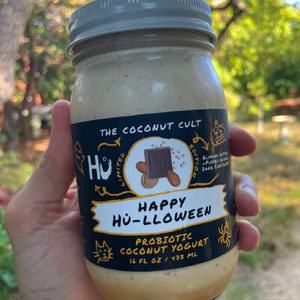
[00:21:30] Ray Latif: Like that's the fine print. Come on, just let us enjoy this a little. That's a very good point. Although I will say, I feel like I am getting some chocolate notes. And I do want to highlight one thing that was In The PR here. The new flavor was inspired or is inspired by consumers' love of mocktails. I don't know which consumers that is. on I appreciate what they're trying to do. Trying to create a buzz. It's like that Pepsi s'more stuff. You remember that? That came out like two weeks ago. Yeah, yeah, yeah. Oh my goodness. I mean, let's talk about products that we need to try versus this sort of PR stunt on and all that stuff. But it's kind of a different kind of PR stunt with Chocolate Notes. Have you seen The Coconut Cult Who Chocolate collaboration that has a whole candy bar in it? And it's supposed to get like the candy bar gets softened up and you have to charge your spoon In The, break it up. And John and Mike were looking all over for it. It's not at Whole Foods. It's not at Erawan. I think it's either sold out everywhere or it was only D to C. I'm not sure, but that's something that I need to try. Yeah, I do love when You Need brand collaborations happening like that. You know, The Coconut Cult, obviously a cultish kind of a brand. Phenomenon. It's In The name. And then Huw, which is it, Huw, Huw, I never, I never, never had a friend.
[00:22:59] John Craven: Huw, it's that- I think it's Huw. Huw, Huw.
[00:23:02] Ray Latif: Yeah, like human, right? Yes, there you go, Jack. It's Huw, Huw Chocolate. But yeah, that's a great, that's a great partnership for sure.
[00:23:10] Jacqui Brugliera: Yeah.
[00:23:10] Ray Latif: They've done a bunch of great collabs.
[00:23:12] Jacqui Brugliera: It looks like they're sold out. So I think everyone wanted to try it.
[00:23:17] Ray Latif: Did you hear Mike just breathe out? It was like, he was so frustrated. I missed it. I looked all over the place for it. As I mentioned, Vista Hermosa just introduced a free SKU line of frozen burritos called Burrito Bueno. These are bueno, bueno, bueno, for sure. They come In The varieties. They have a bean and a Oaxaca cheese flavor. They have a super spicy chicken and they have a sweet potato and cactus. I've had the chicken and the cactus one. Sweet potato and cactus? Yes, they are incredible. I am definitely hoarding these. Do not ask for any. These are like gold, man. Come on now, bring over a sliver.
[00:24:01] John Craven: Selfish.
[00:24:04] Ray Latif: And they work really well In The toaster oven. It takes a while in a toaster oven. It takes about 55, 50, 55 minutes in a toaster oven, but they come out amazing. In about two to three minutes In The microwave. Toaster oven is better, but they work either way.
[00:24:18] Jacqui Brugliera: Air fryer? Pizza oven?
[00:24:19] Ray Latif: No, just straight up. I know Ray definitely has a deep fryer in his house. No, I don't. That's the one thing.
[00:24:26] Jacqui Brugliera: Do you have an air fryer, Ray?
[00:24:27] Ray Latif: I don't even have an air fryer. It's embarrassing.
[00:24:28] Jacqui Brugliera: What do you have?
[00:24:29] Ray Latif: You'll find one In The side of the road at some point.
[00:24:31] SPEAKER_??: Crockpot?
[00:24:33] Ray Latif: I probably could find one In The side of the road. Crockpot would be good to have too. Or one of those Instapots. I don't have that either. But it's funny, I was talking to Dario Willows during our interview last week, and I was like, you get people to come In The office because their office was packed. Everyone was there. And I was like, you get people to come In The office just because your freezer is stocked with these, right? And he's like, yeah. He's like, our freezer is stocked with burritos and people eat the heck out of them. So they are delicious, all natural ingredients, as you might expect. And they are based on or based off of the burritos they serve at the Tacoma restaurants throughout New York City and beyond. They're actually opening up, I think, about 75 new restaurants In The next couple of years. It's pretty amazing. So, again, stay tuned for that interview. I have a quick shout out to a brand that I saw in secret vial at Last Expo West called Keef. Keefer Water finally saw it out In The wild at Giusta. That's spelled K-I-F. K-I-F. And this In The raspberry ginger sage flavor. They've got, I think, four SKUs. One's pomegranate. The other's escaping me right now. They're all pretty tasty.
[00:25:46] Jacqui Brugliera: All right, so what I've been taking daily is rooted, which are little packs of multivitamins for her. So they do have multivitamins for women and also for men. I thought it was an interesting take on these, uh, nutrition packs because usually it's based on a specific function. So you're looking for energy, you're looking for gut health. where they're looking to just provide a multivitamin that is for beauty, hydration, and energy. And it does include probiotics, superfoods, and enzymes. Definitely seeing a lot more people looking for more fun ways to take a multivitamin, whether it's like the Ollie gummy vitamins or some other options. So I thought this was an interesting product and the packaging really pops off shelf. You're seeing a lot of new colors coming In The vitamin set, like this pink. and then purple, blue. So it's fun to see some more fun in vitamins.
[00:26:38] Ray Latif: Now, Jackie, rooted, the brand name is spelled R-O-O-T apostrophe D. And it looks like the packets that you were showing In The video, are those powder packets? Is that how they work?
[00:26:48] Jacqui Brugliera: They are. So it's a single serve powder packet that you just pour into like a glass Kif Water. So you could have like one a day In The morning instead of a tea or in addition to a tea or a coffee. And that's how you would take your multivitamins.
[00:27:02] Ray Latif: And so they come, those single serve packets, they come in a bigger bag. Is it about 20 per bag? Is that what it is?
[00:27:08] Jacqui Brugliera: It looks like there's 24 in a pouch. Nice. And it looks like the price point for these, for a one-time purchase, it's $35. So it breaks down to About Dr dollar, a little over a dollar per serving, which is pretty typical for vitamins, I would say, for quality plant-based vitamins.
[00:27:27] John Craven: Yeah, that looks interesting.
[00:27:29] Jacqui Brugliera: Something else, which is a better for you indulgent product. Uh, I found Christie's, which is a line of, you can obviously already ripped In The bag and flow of crinkle Christie's, which is a line of plant-based supernatural potato chips. Uh, so sour cream and wild onion, they have a nacho. Um, they have some cheese, plant-based cheese chips, and they're based in Santa Monica where we're headed. in December. So hopefully they'll come to Nosh live. But love their packaging. I thought it was really simple and clean. They called out the ingredients In The back really clearly. And it's cool to see some plant-based vegan-tasted chips.
[00:28:08] Ray Latif: That branding is outstanding. I want those in my belly.
[00:28:12] Jacqui Brugliera: What flavor was that that you had there, Jackie? This is sour cream and wild onion. Not just onion, but wild onion. Wild onion. Interesting.
[00:28:20] Ray Latif: Yeah, for folks who didn't see the packaging In The video, it's like a teal color. That's sour cream and onion. The logo is featured vertically, which is always kind of disruptive. And I don't see too many vertical logos in that chip snack set. So interesting stuff. What do you think makes the onion wild? Does it, like, stayed up all night at a rave and microdosed cocaine?
[00:28:44] Jacqui Brugliera: I In The opposite, you know? All natural wild, you know, from the forest.
[00:28:49] John Craven: Oh, from the forest. Yeah. That kind of wild. I forgot.
[00:28:52] Ray Latif: All right. I also mentioned that XCJ has launched these new frozen noodle kits.
[00:28:59] John Craven: Yeah. Yeah.
[00:29:01] Ray Latif: Yes. That's how you that's how you pronounce the name in full. XCJ is shorthand for. Your turn. Your turn. I'm not going to try. So these frozen meal kits, these frozen noodle kits are fantastic. They have three different varieties. They have a Gong Yu Ban noodle, which is a scallion oil Shanghai noodle. They have a Zha Jiang noodle, which is a sweet and salty Beijing noodle. A what noodle? Sweet and salty Beijing noodle. And they have a Dan Dan noodle, which I think people who are familiar with Sichuan food are pretty familiar with. Dan Dan noodle. Spicy Sichuan noodle. Dan Dan, excuse me. Yeah. These are also being hoarded because Mike's making fun of me for my pronunciation.
[00:29:48] John Craven: Let me see the noodle package there.
[00:29:51] Ray Latif: You want to see The Dead Dan noodle? The Dead Dan noodle I saw. And then what was the other noodle? The Gong Yu Ben. Ah. So anyway, everything that XDJ makes has blown me away. And even though I haven't tried all these varieties yet, I'm expecting all of them will blow me as well. It's really great to see how they are expanding the brand. As I mentioned, they make these killer dumplings. They have these meat skewers, Ice Cream, and now they're going into these frozen noodle kits, all again based on Chinese street food or what you would traditionally see in China, street food carts.
[00:30:31] Jacqui Brugliera: Yeah, really excited for them and really excited for other recipes.
[00:30:42] Ray Latif: You can say, I really love Xiao Chi Jie's dumplings and noodles. Mike, you said it for me. I appreciate you for that. Also wanna call out a brand called Alex's Ice Cream. That's spelled A-L-E-C, apostrophe S, Ice Cream. What differentiates Alex from a lot of other brands is that it is, and they describe it as the first regenerative and organic 100% A2 craft Ice Cream. Made with sustainable ingredients. The one I'm holding in my hand is a honey blueberry lavender flavor. One of the things I really love about Ice Cream or when you know that Ice Cream is really good is when it has a limited number of ingredients. pretty hard to differentiate in this space, especially when there are so many super premium brands like Alex's, but I'm really impressed with what they're doing. And I love that regenerative angle. And it's something that I feel is a really important factor for not just the Ice Cream category, but we're starting to see that In The food and beverage categories as well. I do think it's going To Be an important talking point. an important reason for people to buy these types of products because of that investment into agriculture, that reinvestment into agriculture. So well done, Alex. I'm really happy with you guys. I'm really happy that you guys were able to send me some products.
[00:32:17] Jacqui Brugliera: Yeah, I In The Ice Cream set's an interesting place to look at as far as the Ice Cream set has matched the trends and followed diet trends and capitalize on keto and low sugar and sourcing. But now people are picking up packs and they're looking at the back of the pack to understand, you know, what are they doing for the environment? So I think it's interesting what they're doing and exciting to see how it takes off.
[00:32:41] Ray Latif: Last but certainly not least, I was really happy when I saw these guys. We've talked about Better For You Donuts a few times in this podcast. This In The first time I've come across the brand. They're relatively new, called Greenhouse Foods. They make these plant-based mini donuts. Have you seen these, Jackie?
[00:32:57] Jacqui Brugliera: I haven't, but I've seen an uptick in plant-based mini donuts, which I'm excited about.
[00:33:03] Ray Latif: Yeah, absolutely. So these come in packs of three. I don't think this is a single serve. I think each, no, actually a single serving is three donuts. These are chocolate covered and chocolate donuts. And you wouldn't know unless I think someone told you these are plant-based and better for you. That's how good these donuts are. You would think that they are the, You know, remember those ones used to get In The cafeteria in high school? You know, they were like packs of six. That is what these taste like. And yet it made from plant based ingredients and better for you ingredients. First ingredient You Need is a greenhouse flour blend, almond flour, sunflower seed flour, pea protein and pumpkin protein. They're sweetened with allulose so that keeps the sugar and calorie count low. Sugars are one gram per serving. and 190 calories per serving is also a good amount of protein per three donuts, 10 grams protein in each one of these packs. So cheers to the team at Greenhouse Foods. We're actually gonna be featuring these folks in an upcoming episode of Elevator Talk. You don't wanna miss that one.
[00:34:12] Jacqui Brugliera: Yeah, and a quality product and also great packaging. Love the packaging.
[00:34:17] Ray Latif: Yeah, I love this. It's kind of a foil type packaging. It's shiny, but like, yeah.
[00:34:25] Jacqui Brugliera: Yeah, it catches your eye.
[00:34:26] Ray Latif: Yeah, you can definitely pick this up from at least 20 feet away and see what it is and know what it is. Well, maybe not know what it is, but you definitely want to go and take a look.
[00:34:34] Andrew Guard: Do you want more repeat buyers on Amazon? Well, this free resource in collaboration with Straight Up Growth will help your brand turn first-time buyers into long-term subscribers. Download Winning the Repeat Purchase Game on Amazon now at Taste Radio.com slash SUG. That's Taste Radio.com slash S-U-G to start building retention-driven growth for your brand on Amazon. Scaling a beverage brand into major retail comes down to operational readiness. From packaging lead times to co-manufacturing strategy, the details can make or break a launch. In a new e-book in collaboration with Octopi and Asahi Beer USA, industry leaders share what they've learned in helping brands scale. Download it now at Taste Radio.com slash octopi.
[00:35:24] Ray Latif: Alright, it's time to get to our featured interview for this episode. As I mentioned at the top of the show, Andrew Guard is an operations expert with extensive executive-level experience In The beverage and food industries. A former BevNET employee, Andrew In The founder of Right Coast Brands. a Massachusetts-based beverage co-manufacturer that offers bespoke production services, and The Guard Agency, an advisory firm that works with early and mid-stage brands to support their scaling and logistic strategies. Andrew is also a co-founder of fast-growing probiotic soda brand CulturePop. The following In The first in a series of conversations that will address common and topical questions about how founders can optimize their operational strategies. We call it Special Ops With Andrew Guard. All right, folks, I am honored To Be sitting down in front of a great man, a colleague and a friend, Andrew Guard. Andrew, how are you?
[00:36:23] Mike Schneider: Hey, Ray, how's it going? Happy To Be here. This is great. Isn't it great To Be here? I know this is fun. I feel like we're just picking up where we left off, which is excellent. It typically works that way anytime You Need I hang out. Yes, whether it is behind a microphone in a studio or just, you know, randomly somewhere in some random city. At a bar. Yeah, well, you know, I left that for you to add or not, so.
[00:36:43] Ray Latif: Yeah, I think people probably read between the lines. I've known you since I came to BevNET back in 2011. Back In The Dead you worked here, you worked at BevNET, but you've gone on to do some amazing things since. wear a lot of hats metaphorically. Yes.
[00:37:00] Mike Schneider: Well, and actually. And actually as well. Congrats to the Phillies. Thank you. Yeah. Well, I'm not saying thank you. I had nothing to do with it, but as a fan, as someone who is a former resident of Philadelphia, I'm very proud of them because it was a surprise. So that's very nice.
[00:37:14] Ray Latif: I'm referring to the fact that the Philadelphia Phillies are In The World Series and With Andrew is wearing a Phillies cap.
[00:37:19] Mike Schneider: Correct. Yes.
[00:37:21] Ray Latif: Yeah.
[00:37:21] Mike Schneider: Tell our audience what you do, because you, again, you do a lot. Yes. So a quick backstory, I'm a beverage industry lifer, literally answered an ad in Craigslist for a flavored water company based in Cambridge and applied and interviewed the next day and started The Dead after. which was pretty much a whirlwind and I'm still here doing this. Fast forward several years, I was in 2006, definitely built a knack for the operational side of the business and kind of the nuts and bolts of how you make things and get product from point A to point B and I guess got kind of good at it or was savvy enough to make it work. and help companies grow and contribute to their success, and just use that to continue to learn, honestly, and be excited about what's going on In The industry. I love making things. I love drinks. It's pretty wild. I recently realized I've made every single type of ready-to-drink product and every single type of ready-to-drink package. pretty much around the world too, which is kind of crazy. So, experienced the good and The Dead, made mistakes that hopefully I can help other people avoid or navigate. And then fast forward, started a business myself to help emerging brands. The Guard Agency. The Guard Agency, yes. Natural evolution of The Guard Agency turned into Right Coast Brands, which is a self-manufacturing facility that I have in Massachusetts where we do really, really small, you know, nano-sized productions of anything that's carbonated or steel or in glass or in cans that's shelf-stable and stuff that's built or, you know, set To Be built for scale. It's brand new. It's exciting, kind of doing a lot of different things and trying to fight, trying to solve problems before they become problems. And you know work with supplier networks manufacturers and brands to to kind of. collate ideas, develop them, commercialize them, and then have something that's bulletproof to take to market. So far, so good. In my spare time, I was one of the co-founders Culture Pop, which is also doing really, really well. Tom running that business allows me to kind of stay with my creative side of things and explore different fun ideas and ideate. And what I'm doing with Right Coast obviously a benefit to what we want to do as a brand Culture Pop. what we can offer for other emerging brands and clients and things like that as well too.
[00:39:37] Ray Latif: Yeah. For folks who are not familiar with Culture Pop's a line of probiotic sodas that are among some of the best tasting in this whole new category of better for you functional sodas. I highly recommend that you check it out if you haven't had an opportunity. And the Tom you were referring to is Tom First, who's one of the co-founders of Nantucket Nectars, is a well-known advisor and investor In The beverage industry as well.
[00:39:59] Mike Schneider: Yeah, I mean, it's, it's remarkable and admirable that, you know, after the career he's had so far, you know, jumping back in to do stuff that's very scrappy and very, you know, bare bones from the very beginning, starting with Culture Pop. I mean, we, we run this business and started this business like any brand would, you know, limited resources. And we practice what we preach in terms of that business and how we, we. started to operate that business and how it's evolving and how we're being smart about the decisions we make and not growing too fast, not taking on a bloated amount of capital and seeing where it takes us. Obviously, we're subject to how people respond to the products and how retailers and distributors and partners of ours you know, help us sell and help us position. And we're very reactive and responsive to that. And, you know, I'm drinking a lemon lime soda now. And I was talking with Tom this morning about how I want to make little tweaks to it. and we go back and forth on that constantly. It's a constant evolution of making things better and we have a really exciting year coming up for us and it's definitely gonna be getting product into a lot more people's hands and we wanna make sure that it's as perfect as it can be at that point in time. So that's no different for anyone else entering this industry or who's been in this industry for 20, 30, 40 years.
[00:41:16] Ray Latif: I like the way you put that, a constant evolution of trying to make things better or making things better. I think that everyone should adopt into their business strategies or at least their perspective on this industry that we're in. I do want to highlight one other aspect of your resume that you didn't mention, and that's the food part of what you know and do, and that's working at Vienna Snacks. You were there as their VP of operations for a time?
[00:41:37] Mike Schneider: Yep, so I was at Vienna for just about 14 months and entered that business Right Coast they were starting to really turn on a lot of national chain authorizations. They had a really big need to, I would say, bolster and support their supply chain from chickpea supply. having continuity there, as well as consistent, repeatable, scalable manufacturing. Roasted chickpeas in a pack type that was positioned To Be allergen-free is challenging to do because you sit next to roasted nuts, and various ways of manufacturing or making the chickpeas for those snacks is counterintuitive to historically how you roast things In The snack food world. So a lot of interesting challenges there, and it was great To Be part of that team. Obviously, a bunch of world-class operators who are growing that business and being very hands-on allowed me to understand the application I took from the beverage industry to the snack food space and seeing correlations and differences. And it was just very interesting. And actually one of the, one of my coworkers at Vienna snacks now works for me as my VP of operations as well too. So obviously make connections that were longer lasting and kind of come full circle, which is awesome.
[00:42:59] Ray Latif: Yeah. You mentioned supply chain and the challenges that Vienna was having at the time that you were there. And I think that's a great segue into what some of the things we're going To Be talking about today, in particular, the fact that entrepreneurs are facing supply chain challenges. They have been for the past two and a half years. You know, it's an ongoing problem. And we get questions all the time from listeners about how do I secure the kinds of ingredients that I need, how do I develop better relationships with my sourcing partners, particularly amid inflationary pressures as well.
[00:43:31] Mike Schneider: It certainly depends on where you're at in your business's trajectory. If you're very early stage, there's really two paths of what to look at. So you're either focused, hyper-focused on cash flow and cash management because you have limited resources, you're still figuring out your product, you're still figuring out how to grow, what the right market fit is. And then the other side is cost of goods, really understanding your unit economics, your component pricing, the logistical costs to receive in materials, all the moving pieces that are essential to figure out your product margin, which directly correlates to your gross margin, which is a healthy indicator of your business. So if you're In The earlier stage of that and you're managing cash, it's a different methodology. So you're looking at unique ways to leverage supply partners to get you what You Need, not burdening yourself with excessive amounts of inventory just to lower a cost. You're still burning too much cash to then be sitting on things for months on end where you still might be pivoting and changing and learning. So that's really one model is this, how do you In The right supply partners, whether it's In The manufacturing assembly, you know, blending, batching, filling side, or In The liquid ingredient sides where, you know, it's your asset suppliers or flavor suppliers or juice suppliers, sweetness suppliers, you know, build an ecosystem where you can leverage a lot of like-minded pieces to eliminate the various amounts of moving parts and minimize the amount of stuff that you have to go and buy and deal with. You want to keep things small and be very focused on what your ingredients are and how you use them, what's essential to your brand and what's not. Now In The other side, if you have figured out more or less kind of your product market fit, how you like your product to taste, who your consumers are, what they're looking for in your brand, you can then really hyper-focus your attention on targeting specific suppliers that are willing to grow with You Need support you in a variety of ways so there isn't this surprise when it comes to component pricing and things like that. And then you build your cost of goods model around that. And there's two, there's three components to it really. One In The liquid. So all the stuff that goes In The package that is obviously robust and unique and challenging. Then there's your packaging. So what makes, what makes sense for you for your brand? Do You Need To Be in cartons? Can To Be in a loose tray? Does it need To Be in a box? Do you completely despise plastic and you don't want a sleeve on your can and you don't want shrink wrap on your trays? So that impacts, you have to buy a box. The box is three times the size of a tray. So it's going To Be three times the cost. And paper costs are going through the roof, you know, on a quarterly basis and there's nothing you can do about it. systematically thinking about what You Need are and then cutting away everything else. So you're really focused on what you want to deliver and the brand experience that you are marketing against and speaking to in retail, delivering upon that and wasting not a penny more on anything else. And the third piece of that is your actual manufacturing partner. Are they the right scale and size for you? Are you running too frequently with them? You know, smaller runs might seem a little less of a cash outlay, but the reality In The revolving wheel of moving materials in, product out, materials in, product out, the shrink that happens with yield loss with a lot of that revolving movement is challenging. you want to systematically set yourself up In The right path to work with partners that are like slightly above the scale where You Need To Be. So you can grow into that and then you can have an eye on where You Need to go next. There's several rungs of beverage manufacturing partners out there that cater to hyper small to I would say emerging middle tier. And then there's like your foots In The gas and you're just cranking through product and it's a much more streamlined operation. So those three buckets and determining, you know, how you want to allocate cash versus fight for product margin are kind of the two buckets. And when I talk with, you know, younger brand owners, We have a quick conversation about that right away. Younger brand owners are looking to raise money, bring in capital, strategic partners in some ways. Questions they get asked all the time are about gross margin, about product margin, even contribution margin. And there's a bigger focus on EBITDA and net revenue now more so than there was, I'd say, five, six, 10 years ago. So a lot of those questions are being asked, and then Whether I'm helping someone In The investment side or someone In The brand side, dig In The details. Sometimes there's just a hard stop and it's. It's not about improving your product margin by three points. It's really about how are you going to take this $200,000 and use it in every aspect of your business, not just on product margin or gross margin. So if you're at that stage, let's just focus on that. We'll we'll focus on cashflow. We'll get creative about sourcing things. Now the flip side is if you somewhat figure that out or still need improvement and you're going out and raising money, are you going to improve your business? You want to drive your cost of goods down. So you then take a hyper, you take a pen and go through each of your things and Really evaluate what You Need are from a material standpoint. Are you at a position where you can transition from a sleeved can to a printed can? Does your product and brand design work for a digitally printed can? Technology there is changing rapidly and I think it's going To Be much more prevalent in two years, I would say. Do cans make sense? Is this a glass or a PET type product? Who is your, what is, what is your go-to-market strategy? Are you e-commerce driven? Are you, you know, DSD, brick and mortar driven? Are you kind of broadline, KE, unified, natural channel? what are their needs? I mean, knowing KEIHE and UNFI's requirements just in terms of fulfillment and the logistical challenges that are a part of that, you gotta factor all that stuff in, you know, and make sure that that makes sense for how you build your pricing strategy and how you go and negotiate your buying power, you know, with your suppliers and how you target where you wanna make your products, where you wanna source your materials from. There's a lot of vendors out there that are willing to help and be supportive. You just got to In The right ones and really make sure that they believe in your products and believe what they add to your products truly add value. And if they feel like what they're offering you truly adds value to your product, 100% of the time, they'll be willing to work with you to ensure that they can deliver on that. And that's the people you want to align yourself With Andrew sometimes it just takes finding those people and asking the right questions to get the right answers back. And that's stuff that I help people with every day. And that's the fun part of my job is bringing together both sides of this industry. And it's exciting.
[00:50:38] Ray Latif: There are daily pressures faced by early stage entrepreneurs. And, you know, what's the daily pressure In The most important thing that you're facing In The short term and probably In The longterm because you've only been at this for a short amount of time. But, you know, where does contingency planning fit into all this?
[00:50:54] Mike Schneider: That's a great question. And it's certainly an important question when it comes to what you're bringing to market and how you're carving a niche for yourself, sometimes that's built around a unique type of ingredient or a lot's built off of you know, say you're a matcha tea brand, obviously the matcha source is an extremely important piece of your supply chain and your product and your existence in this industry. So having continuity there is key and there's, you know, grades of quality and making sure that you have consistent supply. If you have something that is, I would say, bleeding edge in terms of component functionality, maybe take a deeper look and understand why there isn't a couple options. You know, In The supply chain fully vertically integrated and owned by someone who will forever be able to pull the strings and pull the rug out from underneath you? You want To Be able to have the ability to have some sort of leverage as you go and grow your business, you know, and you want To Be able to work with the best partners you can throughout your life cycle as well too. So, contingency plans are huge. Supply side certainly, but if you work with a reputable formulator or you have an ops team or an outside operations support, they'll be able to safeguard You Need not put you into this bucket where you're kind of stuck. Contingency plans are also massively important In The packaging and manufacturing supply side as well too. natural disasters are a thing that happen, you know, in this country. So whether there's a hurricane in Vermont, you know, or a snowstorm in Texas, like this stuff happens and it's disastrous because there aren't the types of things that readily available to have continuity of business. So like force majeure and contracts does happen and there's no, there's no safety net. You know, if you have issues with, manufacturing supply, you're going to potentially be out of stock on product. So you have to have the ability to replicate what you make outside of one roof. A lot of what I do with Right Coast is essentially creating a universal commercialization program. So you can take what we would make here and plug it into essentially any co-packing network right away. So you're able to have consistent repeatable quality, whether it's in Sacramento or in New Jersey or in Florida, wherever you want to feel the need that You Need to manufacture products. So having consistent continuity there is essential. I would say more so than In The material, like liquid supply side, make sure you have somebody that you trust that can make your product. And you have not a plan B, but you have like a, a plan one and a plan one a, when it comes to, you know, continuity for, for your own inventory.
[00:53:46] Ray Latif: It's a lot to think about. It's a lot to consider. It's a lot to strategize around. And I think there are folks listening who would be like, well, I'd just be more comfortable having someone on my team who's 100% focused on operations. Someone who has experience in helping to scale brands, you know, the logistics of production. So, you know, what is your suggestion for folks who have that question and are looking to hire or bring someone onto their team?
[00:54:13] Mike Schneider: I In The initial question is relatively industry agnostic. If you were a tech business or an automotive business or, I don't know, something that's completely different than CPGA almost. and you're an entrepreneur and you're starting something new, you should have the wherewithal To Be self-aware. So what are your strengths? What are your core competencies besides, you know, propelling the business forward, managing the business, but are you more sales and marketing driven or is that what you prefer To Be doing? Or are you really detail-oriented, operational focused, focused on product, Figure out where you are and where you want To Be in your own organization and then surround yourself with the best people possible. I would say, be realistic about what You Need are. So when you're going to try to, you know, attract top talent, make sure that your asks and your thoughts are aligned with where these people are In The career trajectory as well, too. Early stage businesses require a lot of different ways of thinking about things. And the term wearing multiple hats is very common on job descriptions. It's a very vague term. So I'd be mindful of how you phrase that in terms of wanting to get somebody who has experience and who can walk the walk In The operational side of things. And yeah, I mean, experience goes a long way too. Someone who has dealt with problems, someone who's been In The floor of a manufacturing facility, someone who's galvanized teams that are external, right? You're working with third-party manufacturers. A lot of times people In The floor, English might not be their first language, so how do you communicate real-time if there's issues? How do you work with their management team? Be realistic about what the growth opportunities are as well, too. And making sure that whoever's going To Be out there representing You Need your products and has a big stake In The game in terms of wanting to see it through, you know, beginning to end and making sure that they're fully dialed in and locked in. That's certainly more In The someone in-house full-time scenario that can be supportive of the accounting and finance team, be supportive of sales and marketing. really is a brand advocate of yours and, you know, really believes in your product.
[00:56:38] Ray Latif: Before we get to the outsourced part of that question, salary-wise, you know, what are some expectations for someone who is experienced, who has, say, three to seven years of experience in beverage or food manufacturing operations, you know, what are they expecting in terms of salary?
[00:56:55] Mike Schneider: I mean, this is probably a question that a lot of people would like skirt around, right? Because no one likes to talk about it, but you're managing a business and you're managing cashflow. And if you're early stage and you're looking to bring on people talking about cashflow and cashflow management, your biggest expense is going To Be headcount and how you grow that accordingly. I would say three and seven years experience is also kind of very far away from each other as well too, depending on what was done in that seven years, someone In The scale of that. If they were just with one business or two in that seven year span, similar roles without a lot of growth there. I would maybe lump them into more of like a less experienced person. But operationally, if you're looking to hand the keys over to somebody to drive costs down, manage your supply chain essentially, and work interdepartmentally, I mean, you're paying more than $100,000. If you're a San Francisco or New York City or Boston based company, you're going To Be paying more than that. I mean, it's just you have to compete with other entrepreneurial, fast paced industry that's attracting top talent. The upside is, I think, with food and beverage is there's something compelling about making something that people physically consume and enjoy and may or may not consume multiple times a day. There's not many things out there that people have that type of interaction With Andrew go out and seek and bring back. So you have to In The right person who has a drive for that as well too. But it's not, it's not a cheap hire and it should be proportionate to how you're, how you're building out the rest of your team as well too. You know, I think you're going to have a, an executive team, whether it's a group of directors or managers or vice presidents or whatever kind of your rung of people are, but make sure there's continuity amongst amongst the leaders of your team as well too. If you have a VP of operations, they really should be, you know, lockstep with your VP of sales and your VP of sales should really be lockstep with your VP of marketing or director of marketing. Or In The, the CEO or founder of the company is naturally assuming one of those roles, they all need To Be in lockstep and there has To Be unison there.
[00:59:02] Ray Latif: You're talking about in terms of mindset, sort of personality and vision.
[00:59:05] Mike Schneider: Yeah, it just. It's, it's like any team, right? You know, if you're a sports team, like you, the pitcher and catcher need To Be In The same page, right? and the first baseman and third baseman need To Be In The same page, and the outfield as a unit needs To Be In The same page. I mean, this In The same idea, making sure that there's direct lines of communication, there's just the right ways of solving problems, going to work every day together, not being in a silo, and that's missed a lot, unfortunately. And it's something I see a lot working with a bunch of different brands over the last 18 years, There's, there's misalignment all the time and it comes from a variety of different sources, but that's something I look at personally is, you know, I'm building a team. So each, each person that you bring on is, is, is a, an addition to the team. So how does the team structure change or. What do we need to enhance or how do we use bringing in additional people to support the overall business? So. That's where it comes down to what do you do? You know, what are you, what are you contributing? Right. Are you totally hands off? Then who's the general manager? Who's running the show, you know, assessing strengths and weaknesses and building the right pieces around that. You know, that said, you may not need a director or a VP of ops or whatever it may be. You could rely on somebody who has, you know, deep level of experience, but is external. and is advisory or more and you're utilizing them at a much more efficient cash burn for you as a business than if you were to hire somebody for 100, 150 grand and be asking them to do a lot of menial stuff just to kind of justify their time there because there's ups and downs In The industry and it's not a... It's not a 24-7 business. It's close to it. But when you're growing, there's breathing room there. So you feel obligated to have them doing something.
[01:01:02] Ray Latif: Well, we covered quite a bit.
[01:01:03] Mike Schneider: Don't tell me that's it. That's it?
[01:01:05] Ray Latif: I'm just getting started. We're just scratching the surface here in terms of operations and the first of many to come, I'm sure. Andrew, thank you so much for taking the time right now. If you do have questions, specific questions that you'd like Andrew to answer in future segments of what I like to call Special Ops With Andrew Guard. I like that. Please send us an email to askattasteradio.com. In The meantime, my friend, it's been an honor, as I mentioned at the top of our conversation. Look forward to seeing you soon. This was great. Happy To Be here and can't wait to come back. That brings us to The Dead of this episode of Taste Radio. Thank you so much for listening, and thanks to our guest, Andrew Guard. As always, for questions, comments, ideas for future podcasts, please send us an email to ask at Taste Radio.com. Our audio engineer for Taste Radio is Joe Cracci. Our technical director is Joshua Pratt, and our video editor is Ryan Galang. On behalf of the entire Taste Radio team, thank you for listening, and we'll talk to you next time.