[00:00:10] John Craven: Hello, and thanks for tuning in to Taste Radio, the number one podcast for the food and beverage industry. I'm John Craven, the founder and CEO of BevNET, and I'm joined with my co-hosts for this episode, Jacqui Brugliera and Brad Avery. In this episode, we feature the latest installment of The Goat Pin, our regular series with Carlton Fowler, the co-founder and managing partner of early stage investment firm, Goat Rodeo Capital. How are you guys all doing?
[00:00:37] Jacqui Brugliera: Doing all right. Just got back from Washington, D.C. yesterday. So just recovering from a long weekend. A bachelor party. It was. I'm getting married in November. Nice. Well, count down the days. Exactly. I didn't I didn't clock any beverages while I was there. I almost like, well, I saw a lot of Diet Pepsi. Have you heard of that brand?
[00:01:00] John Craven: Maybe it's a lot Pepsi a lot Diet Coke.
[00:01:03] Jacqui Brugliera: I was gonna say it's that from the Handle of vodka that you probably consumed Maybe Tito's or Corona's Corona's I went I went sort of low-key again You you know go into these bars where that didn't really have large craft selections nice
[00:01:19] John Craven: Well Brad you I think have not been on Taste Radio for a year as Ray pointed out Ray and Mike still on vacation doing God only knows what they do on vacation Probably being numpties in some other town kicking the soccer ball Just a lonely kick of the soccer ball somewhere just to each other yeah, they're camping at a soccer camp yes But I think last time you were on in 2022, there was a discussion about Chamberlain Coffee and I think some Gen Z brands, maybe prime. And, uh, I don't know, maybe seems like a good time to check in on, on those brands still, still relevant, right?
[00:02:01] Jacqui Brugliera: Yeah, I mean, probably more relevant overall. I mean, I think Chamberlain is in a ramp-up stage at the moment. We're seeing them really invest a lot more into the RTD. They raised about $7 million around June, I believe. We covered it in June, at least. And it's hands-in-the-hands time for them. They're rolling out to retail and expanding. I haven't seen any data, I don't know exactly where the brand stands at the time, but they've been doing a lot of retail deals lately, and I think they've even been expanding the dry coffee as well in Target and elsewhere. It definitely seems like they're in this moment of moving beyond just online, influencer-driven, and into this broader mainstream market, and seeing who they can capture there. And what about Prime? I mean, Prime is definitely blowing a league of its own. It definitely is standing out. I mean, the last numbers I saw from from Nielsen IQ for early August was 600 percent growth in retail. And that's not even necessarily tracking every channel or e-commerce at all. And it was coming up on five hundred million in sales. And that's just a sports drink. That's not counting the energy drink, which is already like near an one hundred million. Again, just in like Moolah and I think SeaStorm. That's just limited data, and I would assume those numbers are larger, so Prime is definitely the one that is standing out in the sense that it's sticking around. I mean, I thought the question for them was always going to be, can you prove it's not just a fad? And those are numbers that seem to be suggesting there's a lot more beneath the surface than just Logan Paul going out there and getting a bunch of middle schoolers excited about a sports drink Brad Is mean, I don't know exactly too much about how they're doing it, but it's definitely resonating. And I think when you have, say, Chuck Schumer commenting on your product, that You know, it doesn't necessarily hurt its sales even if it does, you know, sort of raise some questions about, you know, regulatory and marketing issues that could or could not come up. Sure, the old all press is a good press, right? Exactly.
[00:04:12] Brad Avery: Yeah, I'm really curious to see what's next for creator, you know, founded brands. I think they're kind of paving the way for brands in the CPG space. There's been a lot of success in beauty and lifestyle and fashion with creator founded brands. And I think with like CPG. it's a little bit more difficult as far as the operations go. And I think some of these brands are figuring it out and they're finding good partners to figure it out. So I'm curious to see what's next. And I think we've also seen a shift from consumers really buying into celebrity-based brands to creator-based brands. Celebrities can have a million brands and they're just attaching their face to a product, whereas creators, they're talking to their audience and they're having more of a collaborative dynamic and figuring out what exactly does their consumer want before they're launching some of these products.
[00:05:07] Jacqui Brugliera: Well, it's interesting you draw a dynamic between creator Of Celebrity because isn't it just sort of a new brand Of Celebrity? It's just a Different Style Of Celebrity. That's what it is. But I think it's, you did tap into why it's working more effectively is that it's a type Of Celebrity that is much more in direct contact with their audience and sort of the old Of Celebrity is, you know, I, I probably could not send a DM to The Rock and have him respond necessarily, or, you know, comment on it in a Twitch stream. I mean, have you ever tried though? He wrote back to someone in the beverage industry on Twitter yeah, so You know the old-school kind of movie star celebrity that always has sort of a remove from the public and I think these online You know influencer creator celebs have this much more like dialogue that's going on with their Their fans who are younger and so like you know I'm only in my early 30s And I already sort of feel at this removed from the trip the teens and the Gen Z kids who are yeah? I think you're you're all bred don't worry. Yeah, but no. I mean. I'm just saying like Basically these uh you know this new crop Of Celebrity who have this whole new way of talking to their audience and so that's turning into a Different Style of, you know, consumer base for when they are now releasing all these products. Yeah. And, you know, entering into CPG. I think that that's really fascinating and it's sort of showing the legs that some of these brands can have. I mean, I think there's also the Mr. Beast bars is another example of that. And, you know, there's been a lot of these these online creators, you know, hopping in.
[00:06:40] John Craven: Well, I think with with Prime and Logan Paul in particular, it's I don't know, it's interesting watching how Of Celebrity status started as a creator, right? And now he's like a WWE wrestler, which, you know, as a kid growing up, I would say like, I don't know, Hulk Hogan and like Macho Man, those were like celebrities, you know? So it's kind of weird to put a label on it at all.
[00:07:04] Brad Avery: Yeah. I think also it just shows that if they have a core audience, they could become anything or launch anything as long as they're tapped into their audience and they have that buy-in. Like who thought that he would evolve into who he is now or that he'd launch the products that he would, but his core consumer and his audience are just so tied into what he's doing.
[00:07:27] Jacqui Brugliera: Yeah, I mean, Logan Paul, I mean, that's the guy who got famous on Vine, a platform that doesn't even exist anymore. Like, you know, he's just a kid doing funny videos. And, you know, you look at how that can just sort of pile into, you know, snowball effect into where it's gone, if you just make the right moves, the right decisions.
[00:07:44] John Craven: Well, I mean, this is also like, you know, we're talking about like the upper echelon, like, you know, you could probably count People who are in that that class of creator like on your fingers right in terms of you know They're just aren't that many of our yes here. Yeah the top tier which is you know, obviously top tier creator celebrity in a category that also has a lot of volume behind it, you know, is kind of an interesting play, you know, as opposed to, I feel like some of the pitches we're getting, you know, where it says it's from a creator, I have to like Google it again, you know, probably just too old to know who some of these are, but like, I'll ask my kids and they don't know who it is and they're launching a product that's, like a pretty kind of niche thing, right?
[00:08:28] Jacqui Brugliera: In order to do it right, you've got to bring in sort of seasoned operators in CPG. Like, I mean, with Prime, you know, you have Congo Brands behind who, you know, are also doing Alani Nu. And so they have an operation that clearly knows how to market and merchandise a brand. you know, with Chamberlain and I believe Mr. Beast as well now, LA Libations has been doing, you know, a lot of work there and, you know, they brought in some, you know, experienced executives to really lead the business, you know, and obviously Logan Paul and Mr. Beast, they're all involved in these brands to probably a larger degree than You know, we already saw that shift away from just Of Celebrity spokesman to Of Celebrity investor and, you know, executive type of role. But they've found partners who know how this industry works, can get the products made, can get the products out there. And then their job now is to represent them, you know, weigh in on branding, weigh in on identity, you know, and speak to their audience. And I'm sure there's other ways they're involved too, but. That's one of the key factors of why some of these products have been successful is they have people who have experience in this industry doing them. Right.
[00:09:38] Brad Avery: Yeah. And I think that's what takes them from online, you know, to retail because they can launch as a, you know, DTC brand and have their audience buy it off of their site. But once you get on shelves and into retail, it's a whole different game. So if they're going to be able to succeed in that format, like you said, they need good partners.
[00:09:58] John Craven: Well, at some point they also just, if they want to be, you know, a brand that's billions of dollars a year, they have to transcend their own sort Of Celebrity status, right? Because there's plenty of people out there who are either don't know who these folks are or are not influenced them because it's not the target demographic, but they still need to drink Prime or Chamberlain Coffee or eat a Feastables bar, which again, at least they've picked categories where that's a believable leap, right?
[00:10:27] Jacqui Brugliera: Yeah, I mean, I'd say Mr. Beast is the only one I'm noticing that really has tied the branding to the creator. I mean, Chamberlain Coffee has her name in it, but I feel like there's a chance for that to transcend who Emma Chamberlain is and then Chamberlain just becomes the name of the coffee brand. Yeah. And Prime, you only know that Logan Paul and KSI are involved from all the news media stories. Because they show it nonstop? Yeah, yeah. But on the actual bottle, there's, you know, I don't know if there's any indicator or not. Maybe. I don't know if there's text that says it, but otherwise, the brand kind of could stand totally on its own. Right. Separate from them. You know, that's what's the interesting thing about the Mr. Beast bars is they do sort of tie themselves directly to the creator in a way. Like, Mr. Beast is not someone's last name. Right.
[00:11:11] Brad Avery: Yeah.
[00:11:11] John Craven: I guess all of these creator brands will continue to be a theme for sure. I appreciate you bringing some insight, Brad. Great. Uh, I guess we'll, we'll maybe we'll talk about this again next year. It'll be maybe we just say it's the end of August special. We just talk about all these brands. There you go. Well, I guess before we go further, I also need to thank our presenting sponsor for this episode, Tetra Pak, the pioneering package solutions company that provides safe, innovative, and environmentally sound products that each day meet the needs of hundreds of millions of people around the world. Hey, how about that? So summer's coming to a close here, which for those of us who are on a lot of PR lists, it's the dreaded pumpkin spice season.
[00:11:56] Brad Avery: Oh, yes.
[00:11:57] John Craven: Yeah. You guys getting bombarded yet? You guys drinking your PSLs and whatever else we're supposed to do yet?
[00:12:03] Brad Avery: Haven't yet. It's too hot here in San Diego to, you know, start diving into pumpkin spice.
[00:12:09] John Craven: Come on, you can get a nice pumpkin spice latte.
[00:12:11] Jacqui Brugliera: I just came back from Washington, DC. It was like 90 degrees there. I was drinking cold brew still.
[00:12:15] Brad Avery: Yeah, I think everyone's trying to rush the year that you walk into any retail store and they're selling Halloween products. Oh, yeah. They're trying to push fall flavors already on us. I don't know. I'm personally not ready. But I think as soon as Labor Day hits, everyone's in fall mode. So it's just a matter of a week. Well, I guess we should check in next week.
[00:12:33] Jacqui Brugliera: I went into just grocery shopping last week and already they had like I got bombarded with this like scent of cinnamon from like all the Scents that they put out and there was like little ghosts and skeletons, which I welcome those those little guys I like to be greeted by like a you know a smiling skeleton Hey, speak for yourself, I guess, but too spooky.
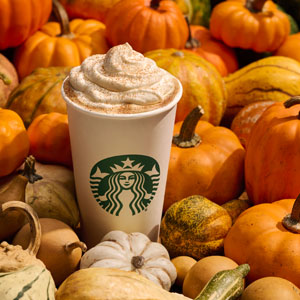
[00:12:55] John Craven: I don't know. It's just that, yeah, it is kind of a bummer that summer is winding down and we're in full Halloween mode. And I don't know, the pumpkin spice thing is always pretty interesting to see which brands like hop on that each year. You know, some like Starbucks obviously has a recurring thing that they're known to do and it works, but. There's always sort of emerging brands that, you know, decide to roll out a pumpkin skew or maybe it's a some winter Christmas themed product, but it seems kind of like a challenging thing to really make noise with at this point.
[00:13:32] Brad Avery: If you're doing a limited release and it's during the fall and pumpkin spice is just so played out for me. I don't know. It has to be the right product to have that flavor profile. I also saw Sovos Brands do a great job of just. Suggesting recipes that include pumpkin spice that uses their product, but they don't have to make a skew that is pumpkin spice. So if you like that, you like it. If you don't, you don't. And that's like another good option, I guess, for brands, if they want to tie into fall flavors.
[00:14:02] Jacqui Brugliera: Yeah, I mean, it's interesting that the flavor trend has kept up after all these years. I mean, at this point, I don't know how far back we're going with the real pumpkin spice, like, takeoff. A decade plus. Yeah, for sure. I mean, the fact that it's like continues to be so strong is already sort of impressive with that, that like, you know, it's become an annual holiday, sort of like, oh, pumpkin spice is back. Yeah. Yeah.
[00:14:26] John Craven: I mean, I'm also throwing shade on pumpkin spice, but. You recall last week, well, Brad, you weren't here for it, but we had this Eggo waffle sipping cream. Oh, did you actually get that? Yeah, and I had a bartender friend attempt to make some drinks out of it, and it's, I don't know, that stuff, it was weird. I wanted to try it, I was morbidly curious about it. You guys have seen the movie Anchorman, yes?
[00:14:53] Jacqui Brugliera: Yeah.
[00:14:53] John Craven: You know that scene where he's putting on the cologne and everyone in the newsroom's freaking out, like, what is that? Yeah, that was kind of the reaction that I saw when I opened the eggo sipping cream Like it has a really strong eggo smell that if you're like 10 feet away from it You're like what what the hell, you know, if you put it in a waffle iron, can you make waffles with it?
[00:15:14] Jacqui Brugliera: I think that would lead to fire because it's got some alcohol in it.
[00:15:17] John Craven: But yeah Maybe make ice cream out of it
[00:15:22] Jacqui Brugliera: But anyway, yeah, so maybe I'll dial back the the pumpkin spice hate for a little while yeah I think I think pumpkin spice got one of those things where I got too popular and so like you were like oh I Since he was he was cool for a bit, and then I got popular and everyone was like mmm. I can't like it anymore It's not you know. It's not punk rock anymore. It's like pumpkin spice. Yeah.
[00:15:42] John Craven: Yeah, well I guess We'll see how it pans out. Maybe one of these episodes we'll have a pile of pumpkin spice products to take a look at here.
[00:15:51] Brad Avery: That's inevitable. That's definitely going to happen.
[00:15:56] John Craven: Brad, you didn't bring any new products here, aside from a beverage we talked about last week, but what do you think of it?
[00:16:03] Jacqui Brugliera: Tell us what it is. I'm drinking Benu, is that how it's pronounced? Energy from plants, Uplift. This one's the passion fruit green tea. It's got 100 milligrams caffeine, all your astragonda, lion's mane, l-theanine. It's pretty good. I'm liking it. I'm not normally Bang Energy drink person. Clearly, this is tea based, so. You're not a three bang a day guy? No, I'm not. No. As much as I love caffeine, I go more for my coffee overall, but. You know, I grabbed this and I'm feeling pretty good. I did notice, you know, I'm not too familiar with this brand at the moment, but they also have sort of like relaxation and calm skews. And I think the big thing for me that I always question is I see a lot of startups now, you know, functional beverage brands that are launching, you know, it's like we have our relaxation drinks, we have our energy drinks. And I, you know, I think this has been discussed on the show before. Yeah. I sound like a broken record when I talk about this topic. Yeah, exactly, but I kind of agree with you there It's like you should probably just pick one because it's like you don't go to like Monster Energy for your relaxation drinks and obviously it's totally Different Style like I think you want your brand to be identified with a like need state as well so you're like All right, Bennu, like, is this my drink that I go to for my energy or is this my drink I go to, like, to relax? They're not the only ones that are doing this by any means. And so, you know, I think you look at some of the functional brands like, you know, like the Kineforx has sort of hit a mark of, like, having that type of thing, but they're sort of... You know, that's a brand that jumped into mine, but they're they're sort of like got this almost like crazy new wave type of, you know, feel to it as well. But yeah, that's one one trend I've noticed. And, you know, I can't think of any examples of someone, you know, super blowing up doing it. Right. I think, you know, there's some good products have come out of it for sure.
[00:17:52] Brad Avery: Yeah, I think it's at like the beginning stages still of just these almost supplement beverages. Like if I walk into my Lazy Acres and I walk to the supplement section, there's a whole refrigeration set now of all these beverage brands that have specific functions and it has it labeled on the can. So I think like for people that are looking for energy and that's all they're looking for. Awesome. If they're going to a supplement section and they're looking to substitute, maybe like taking a vitamin or doing something else for these beverages, maybe it could work for them. But I still think it's like early stages for that.
[00:18:27] John Craven: Yeah, I think it's also like to what Brad said before, you know, there isn't really anyone that's kind of blown up doing that, which to me is partially an example of just a reality in CPG where someone will go and be like, why is no one doing this? Like maybe, you know, I could be the first one doing this and it's like, well, actually everyone who's tried that didn't make it, you know?
[00:18:47] Jacqui Brugliera: It's not that the cans are confusing either. With this particular brand, they are very clearly labeled. Like, I was not confused, but I think there's then the question in my mind of, like, what am I going to associate this brand with? Am I going to associate it with Bang Energy drink or am I going to associate it with a, like, this is my wine down at night, like, alcohol replacement?
[00:19:05] John Craven: Well, I think it's like if you took Bang Energy brand that had five flavors, their sort of premise is, you know, you're someone who will look to that brand for energy, as you were stating. And maybe today you're in the mood for, I don't know, lemon lime versus fruit punch. Right. And a brand like this is sort of banking on you to not only have that dimension, but also like, you know, you might be in the mood for lemon lime, but that's the relaxed flavor and you Bang Energy. It's like, it does kind of.
[00:19:32] Jacqui Brugliera: Yeah.
[00:19:32] Brad Avery: Too many variables.
[00:19:33] John Craven: Yeah, too many variables, and I think, you know, just risks kind of really limiting, like, the use occasion for, you know, that brand.
[00:19:42] Jacqui Brugliera: Yeah, I mean, you know, it's like you don't see too much, like, decaf coffee in CPG, for example. Sure. Doesn't mean that maybe there's not a market for it, but it's the type of thing where, you know, no one necessarily wants to, like, oh, well, we offer a decaf, but it's only the vanilla latte. Right.
[00:19:59] John Craven: You know what goes great with beverages, though? Cookies.
[00:20:02] Brad Avery: Yeah, I wouldn't say these are functional though.
[00:20:05] John Craven: No, we've got the uh, they can be these are the Milk Bar crunchies line of bagged cookies They have a brown butter chocolate chip cookies and cinnamon toast cookies. So we'll have live live sampling here.
[00:20:20] Jacqui Brugliera: All right Do I do I want to chew it on the mic do I want the audience to hear that just a crunch?
[00:20:27] John Craven: Yeah Yeah, they're pretty crunchy, right?
[00:20:30] Brad Avery: I tried them before so They're pretty good. It's interesting because they are packed with crunch from crispy rice cereal. So I know like Milk Bar known for their cereal milk soft serve ice cream. That's how they like started. Right. And they're carrying that through their other products, which I think is smart.
[00:20:49] Jacqui Brugliera: That was pretty tasty. Yeah, I've liked their past products they have to the Milk Bar. So that I mean that definitely delivers like on a package like real crunch chip, you know, you know, I tend to go for a chewy cookie myself, but that that's pretty good.
[00:21:05] John Craven: Yeah, I mean, these are these are pretty tasty. I think you know, it's To me, still kind of interesting that there feels like there's a big gap between what Milk Bar sells at its retail outlets and what it sort of stands for, and then the CPG products. Kind of felt that way about the Magnolia Bakery products, too, that we had recently, where What they create in the store just can't ever fully translate to like a packaged shelf-stable product. But these are good. Just don't know if it makes sense as part of the Milk Bar brand, but so it is.
[00:21:40] Brad Avery: Yeah, the cinnamon toast cookies are my favorite. These are really good. There are a lot of different flavors in my mouth. This doesn't necessarily go with cookies, but I have Faba-lish, which is a line of chickpea-based products. So this is a vegan mayo and it's made with aquafaba. And they have other dips like tzatziki and things that is also made with aquafaba, which for people that don't know, it's like the liquid that is in a chickpea can. So often it's wasted away, it's just thrown down the drain, but they use that and make it into dips. It's a great substitute for like eggs, which makes it vegan. And I know that their mayo is a new product this year. They have chipotle and they have their traditional. I found it my local sprouts. I know they're rolling out in sprouts. So really tasty stuff. I love the branding too. And they also have frozen like chickpea bites, brownie versions, as well as like falafel. And this is a nice little extension, just again, sticking to their core product of aquafaba and chickpeas.
[00:22:52] John Craven: Definitely some nice looking packaging. We'll have to give that one a try. If we can get that out here on the East coast.
[00:22:58] Brad Avery: Yeah, I think like, especially for mayos, you see a lot of the same kind of like branding white, you know, not anything exciting. And I think the color blocking of this will really pop on shelves.
[00:23:11] John Craven: Definitely. All right, it's time to get to our conversation with Carlton Fowler, who, as I mentioned earlier, is the co-founder and managing partner of Goat Rodeo Capital, a VC firm that makes early and growth-staged investments in emerging food and beverage companies. Goat Rodeo holds stakes in Lemon Perfect, The Good Crisp, Hoplark, Beatbox Beverages, and Nectar Hard Seltzer. This is the third edition of our interview series with Carlton, who spoke with Ray about Campbell's acquisition of Rayo's owner, Sovos Brands, why he's bullish on hard tea and the potential for Monster Energy and Dunkin's respective forays into the category, his perspective on how to most effectively set expectations and navigate disagreements between investors and entrepreneurs, and the trajectory for CBD infused food and beverage brands.
[00:24:04] The Goat: Hey folks, it's Ray with Taste Radio. Right now I'm honored to be sitting down with Carlton Fowler, the managing director and co-founder of Goat Rodeo Capital, for Volume 3. of The Goat pen. Carlton, great to see you. Good to see you too, Ray. You know, it's been a minute since we saw you and heard from you and I hope all is well. You know, it's interesting, this summer has been flying by and I think about all the interesting brands that are coming out in the summertime. It's kind of a strange time to launch a new product, to launch a new brand. But in your experience, I mean, is it like any time of the year or is it just as effective to see a new product or launch a new product at this time?
[00:24:44] Carlton Fowler: I mean, just the basics of summer is hot. People drink more when it's hot. makes it an interesting time, right? It's kind of like trying to launch a new Bev Alk brand during October, November, December. Your distributors are so focused on getting the actual cans and bottles on shelf, but sometimes they don't have quite as much bandwidth to focus on it. So a lot of times you'll see the new launches be in maybe an April in preparation for the summer. But with the size of some of these companies that are kind of moving into the space, with your monsters and, and Duncan's like, they're so big that the distributors will do whatever they need them to do. So they can, they can do small cut-ins.
[00:25:26] The Goat: Yeah, it is funny. We chatted about this before we hopped into the mics. Monster Energy announced in June that they're going to be launching a lineup of non-caffeinated hard teas in late 2023. And then just this week, actually yesterday as of this recording, Dunkin' is launching a new line of spiked iced coffees and iced teas. The iced coffee threw me for a loop because I feel like that is a segment that's been there, done that, and without a lot of success. But let's start with the iced, the hard teas. You're a fan, or maybe not a fan, but you are bullish about hard teas.
[00:26:06] Carlton Fowler: Yeah. I mean, tea in general, I guess it's fascinating because it's like the largest category worldwide after water, right? So it has to be reckoned with. We have many, many examples of it being very popular in the traditional beverage side. And yet, one of the only real success stories on the alcohol side has been Twisted Tea. And don't get me wrong, Twisted Tea is really big, but I think that people have kind of considered it downmarket. And it does have a little regionality to it. It's strong on the East Coast and to the South to some degree, but that's just because that's where Samuel Adams is very strong. Which is the owner of Twisted Tea, for those who don't know. Owner of Twisted Tea, and it's really funny to me. consistently because stock analysts are lazy. The brands that do the strongest in the mid-Atlantic and East Coast, where the predominant concentration of public market analysts are, get like overhyped because if you're going to go do some channel checks and check out stores and stuff like that, you don't like also fly to Arizona and Boise and all those, you, you check your bodegas and the stuff around there. So there's always. A lot of really interesting kind of reflexivity to how specifically Sam reports to the street, because that was one of the things that truly got a little out of control on because no one was seeing some of the softness elsewhere. And they just had an absolute bang up quarter. for Twisted Tea. And that has not surprised me. I'm seeing a lot of smaller growing tea brands do well. You know, you've always had the one, I don't know why I'm blanking on it, Loverboy has always kind of been there. But there's some, some new competitors like giant, like Al's brew, like this Duncan one. And, you know, it really does make sense. T's a really big non-alcoholic beverage category. The flavor to it and the tannins to it help it stand up really well to either a malt or a spirit space. So there's, there's a lot of things going for it. I think it's here to stay. And I think we're going to see a premiumization of the Twisted Tea consumer. And the way we've seen a lot of these categories happen, you know, where, where seltzer kind of went to the high noon and the vodka RTDs. I think we'll see that. And who's going to win though? I don't know yet. I mean, like every hard kombucha brand all of a sudden has a tea.
[00:28:42] The Goat: Yeah, it's interesting you mentioned that because Luna Bay, which is based in Chicago, a hard kombucha brand, they just launched a line of hard teas and it's sort of a platforming of their brand where they're putting as much emphasis, it seems, on the hard tea as they are on the hard kombucha.
[00:28:59] Carlton Fowler: Yeah. I mean, same with Giant. They were hard kombucha. I would not be surprised at all to see June Shine do it. Who knows what Flying Embers is up to. They kind of just like throw everything against the wall and see what sticks. It's definitely exploding quick. And I think we'll probably see the majors get involved because you're seeing it, you know, the numbers are just so clear in the public markets on, on Sam, how well that's doing. And there aren't any competitors in, you know, Molson Coors really, or, you know, ABM, they could really use something that could go up against that.
[00:29:32] The Goat: Not to get too deep into the weeds with hard coffee, but again, we've seen a lot of people get into this space and they have just disappeared. I mean, PBR got into this space and- Great packaging. PBR packaging was awesome. Yeah, a lot of hype. But I think within a year, if that, it was gone.
[00:29:52] Carlton Fowler: Sometimes it's just really simple. It's really hard for a new beverage brand to make it if there aren't power users. the people that are evangelizing the brand, the people that are drinking multiple cases a month. And like, it's hard to sit down and drink six hard coffees and not have a really bad physiological outcome. It's kind of just that simple. Like, I can drink a cooler of beer. I can drink a cooler of hard tea. I can drink a cooler of seltzer. Can't drink a cooler of Dunkin Donuts hard iced coffee. Yeah, I mean, La Colombe tried it.
[00:30:29] The Goat: La Colombe tried it for, it lasted, I think, just about a year.
[00:30:32] Carlton Fowler: That was that. And when you think about it that way, like, an alien would be able to back into espresso martinis because they They cost $15, and you're not trying to drink seven of them if you're a normal human. I mean, I'm not saying that there aren't some folks out there that might really kind of go for the Guinness Book of World Records, but priced right and dosed right, it's great because people love coffee and people love booze. Why wouldn't they combine? But you just can't do it in a fast-moving good and expect there to be a power user that can actually become the backbone of your brand.
[00:31:08] The Goat: I think the common sense argument that you laid out there is as easy as a way to explain why a category is probably not going to work or why a product is not going to work. Who is going to sit down and drink three hard coffees in one sitting? It's not that kind of beverage. I mean, how many people actually drink three cups of coffee a day? I mean, I would assume that number is pretty limited too, but you know, you add alcohol into the mix and good Lord. It just doesn't sound like, it doesn't sound like there's going to be a lot of velocity there.
[00:31:40] Carlton Fowler: You're at the center of a pretty complicated Venn diagram. Like I need to be more awake. And that isn't something that other illicit drugs might be good for slash I want three of them. So it's viable for the branches. It's a tough look. It's a tough look.
[00:31:57] The Goat: Yeah. You know, this I think leads to another topic that we talked about for this episode of The Goat Pen. And it's that of the relationship between investor and entrepreneur. And, you know, I'd love to hear from you about how the relationship gets off on the right foot, number one. But also how it's cultivated such that there is trust when things don't go right and when you might disagree with a particular strategy or concept that a brand might be launching, i.e. a hard coffee. How do you have that conversation in a productive and meaningful way? But let's start with the, you know, the origins of that relationship. Once, you know, you do make that initial contact with an entrepreneur and say, Hey, this is something where I think there is some synergy here. I would like to invest in this company. I feel like they would be, you know, well to align with us. How do you cultivate that relationship so that it does have some legs long-term?
[00:33:06] Carlton Fowler: It's going to sound again, overly simplistic, but I think it's built on two things. One is honesty, right? So you've got to be able to kind of quickly, incredibly convey. you know, oh, I'm interested in a lead position in your company. I want to be very involved. I want a lot of information. And here's all the things I can do to help. And here's the reason why you want me versus I want to be an investor. There are companies that we're invested in that The CEO doesn't need to hear from me. We might talk in friendly terms, you know, once or twice a quarter, but that's a cordial relationship based on the necessity of capital. And that's about it. And I, you know, no expectations beyond that and, and haven't communicated any any expectations that I would expect all of a sudden that CEO to need something from me beyond additional capital and additional rounds. That's a kind of easy one to handle. But when you look at the philosophy that we invest in, which is, you know, earlier stage, we want to be really helpful, and you've got to balance it. And this is always, you know, an ongoing journey on our part. Like, the more help they need, The more effective that we can be, but also the less help they need. That's probably a signal of, of how good of an operator they are. So you want to balance that and you want to be able to open doors, but not be a full-time executive in their company. But I think for us is that first six months. Host investment is key. Like where you just, you from our perspective, you try and set the stage for communication. You try and set the stage for, for where you can be helpful and how you want to be involved. And that allows them to say, okay, this is a safe space. This is someone who is with me for the long haul, who understands how much capital is necessary to make a CPG brand work from seed on so that I can be honest with them. Cause the, the, what you really want. is to be their first call when something goes wrong. It's great to be someone's first call when something goes right, and it's fun to share the ups and downs, but you have to earn the trust, I think, to be the first call when something goes wrong. And that's got a lot more to do with how you react to it. Are you in the foxhole with them trying to fix it rather than doing recriminations and so on so forth? Does that answer your question?
[00:35:28] The Goat: Yeah, it does. And I think the honesty element is one that leads to trust and trusting that when you do call your investor, they're not going to try and bury you for making a mistake.
[00:35:42] Carlton Fowler: You know, I think my friend Kiva does a good job of talking about this on social channels. Like there is a social contract to accepting investor money. When it goes wrong and you hear people talk about horror stories of like losing their company. And it's not to say that there aren't bad actors on the investor side, just like there are bad actors on the founder side. But for the most part, if you have a lot of empathy on both sides and everybody is understanding, hey, I founder and looking for investment because I want to grow this company to be a certain vision, but I'm honest with myself enough to realize that by taking investment, there's implied. Contract that happens with that. And if, and if we're not marching on that path towards making good on that investment, then then changes will be discussed and potentially made. And that's, that's what I mean about, about just like really radical transparency. Honestly, at the beginning is like, Hey, what is your goal? Like everybody asks. Folks like, well, do you want to sell this? And kind of the, you know, the general answer is like, well, you know, I want to work on this until I've achieved my vision. Like, okay, but let's make sure that everybody understands that you're going to accept a lot of investor cash. You're, you're now working towards a joint goal, return on investment and, and achieving a founder vision.
[00:37:00] The Goat: What if you run into an issue with a founder and it was about communication more than it was about the problem itself? I guess what I'm asking is, you know, when did you run into a situation? When did you encounter a situation where you thought you had the appropriate line of communication? You thought you had the appropriate rapport with a founder, but It turns out you needed to have more of a relationship, a deeper relationship with that person.
[00:37:36] Carlton Fowler: Yeah. I mean, it's so funny. You know, we're going through some situations like that right now, like. Especially when you're in a seed stage investment, there are all these contractual terms like information rights and like board observer and board member. And like those are all like really fancy ways of saying like, are you in the information flow? Is number one, all the information you need available to you contractually or otherwise. And then number two, and this is the more important part, is that founder building structures where that information is proactively communicated to all of those who are they both obligated to communicate it to and those who can be most helpful. And, you know, they're like, hey, I'm going to give you this piece of information because I need your help to solve the problem. Like, you know, when a call comes in at like 11pm on a Friday, I'm smart enough to know that's not going to be a good call. But that shouldn't be the expectation. The expectation should be like, I am available to you at that 11 PM on a Friday, because you as a founder who I have established this level of trust and deciding that I can probably help you solve this. You know, that, that to me is the most important part is, is building that expectation of information flow well beyond like what's contractually obligated and the actual investment docs.
[00:38:59] The Goat: So it's something where there has to be a healthy balance between the contract itself and the relationship that you expected you'd have in terms of open communication and lines of communication between founder and investor.
[00:39:15] Carlton Fowler: Yeah. And to me, the evidence is almost always kind of part and parcel with the relationship building, right? So, I mean, completely beyond, you know, you establish friendships with these folks, and you do try and separate the friendship from the business nature of the relationship. But, you know, I like to think that I'm a generally pleasant person to talk to, and we like to do business with people that are generally pleasant to talk to. But beyond that, like, the whole point, and I do think this is incumbent on the investor more than anything at the beginning, is to create a situation where your founder doesn't think that every communication point with you is necessary to always report good news or only talk about the things that are going well, because in a situation where everything's going well all the time, great. It's going to work out for everyone. In a situation where. there's a social stress on that founder to really kind of only talk about the good things, then you're, you're missing the point of your board and your advisors and your investors, all of whom are almost perfectly aligned with you from an incentive standpoint to make this company better. And the founders that, at least in my experience, grasp that very early and make use of their communication channels extremely often and are very, very direct about what they need. That's where it's the best. Like, you don't need to do the HR practice of like, I'm going to give you a good piece of feedback and then a bad piece of feedback. And then the feedback sandwich, like, listen. You already have my capital and provided that you hit our mutually determined milestones, you're going to get more of it. Everything else should be about optimizing the business and making it better. So you don't need to sugarcoat the stuff when you call me. And I think it's kind of hard to get to that point because humans just naturally want to share only good news. We have that tendency. creating a relationship that can sublimate that I think is one of the most important aspects of this and it takes sympathy on both sides.
[00:41:23] The Goat: Have you been in a situation where you are friendly with a founder and you feel like the relationship is great, but you feel like their leadership of the organization, their leadership of the company isn't, and that someone would be better suited to fill that role of, you know, CEO, if not COO. And how do you have that conversation?
[00:41:46] Carlton Fowler: To me, It's not that you're planning for that situation, because in an ideal world, when you're making your decision about team and product and company, that founding group has the ability to make it all the way. But like, let's not pretend like there aren't situations when people's skill sets become clearer over time and they're better oriented. The hope there is, again, the more direct and transparent the relationship. the more that feedback can be taken on exactly what is being said, rather than everybody on both sides searching for implications or double meanings. So when you have a conversation with someone, and we've definitely had this conversation, I think it's difficult in this setting to talk about individual times, because the whole point is trust and knowing that this conversation is stable. But of course there have been times where we've had to tell people, Hey, I actually think you're much better suited to roll X, Y, Z than this. And I would say, actually, you know, speaking really honestly, seven times out of 10, it comes as a huge relief to the person you're delivering that feedback to. And many of those instances, they were just about to come to you to say the certain thing because there are. Different Style sets. Some people are incredible operationally. Some people are incredible from a marketing standpoint. Some people are great from a strategy standpoint or product development. Very rarely is someone good at everything. And when they are, like, amazing, let's figure out a way to clone them. But I think, again, if you established a relationship based on transparency and trust and empathy, Most of the time that conversation's going to, everyone's going to feel better after they had it because probably that founder is thinking something along the same lines. Might not be exactly the same, but everybody wants the company to succeed. And there are very open to that conversation. Now I'm not going to pretend like you can't go wrong as well. And that's. I think a lot of times the newsworthy stuff is when hard changes are made, but I think that undersells and under-emphasizes just how many really smooth transitions are made because relationships are strong.
[00:44:08] The Goat: During the initial stages of the investment, of the investment process, do you look for a founder who can take that news, can take that feedback and be humble about it? That feedback of, you may not be the right person to take this brand to the next level. Can you identify a founder that is willing to step aside during that initial conversation or the initial parts of that conversation?
[00:44:34] Carlton Fowler: I think everybody, Sure, everybody thinks they can. I mean, obviously, I think in practice, that doesn't always play out. I think it's so much more about having the conversation of do they understand their strengths and their weaknesses? And do they have a plan, whether through personnel or personal development, to mitigate the weaknesses and to extenuate the syndromes? I would view it as probably a bad thing to be having a conversation with, say, a seed-level company, like, oh, cool, you just want to get it to X and then get replaced? Well, why don't you go get that co-founder now and then talk to me? But I think it's incredibly appropriate to have a conversation at sea level with a company when they say, and this is the time at which point I want a CFO with gray hair. And this is the time in my company that I really think it's appropriate to have a COO. And I've always wanted that COO to be really heavy on operations because I'm good at marketing, or I want that COO president to be really good at marketing because I feel very comfortable with operations. Those conversations can be had early, and I think that they are really good examples of someone indicating their flexibility and their understanding that they have to build a rockstar team up and down the c-suite to make this all work.
[00:46:03] The Goat: I think there were a lot of conversations in 2019 about the viability of a CBD-infused food or beverage. And I was on Twitter recently and Darren Revelle, the sports business reporter, had posted something saying that essentially there has been no CBD-infused food or beverage brand that has had any impact or any real traction on the market. And it does feel like the craze, the hype that we saw four years ago has just vanished. But is there, I mean, I have to think you're still getting some pitches from companies that are in that business, in that space. Do you think there's still an opportunity for CBD infused products?
[00:46:49] Carlton Fowler: I mean, our opinion is largely the same as it's always been. In situations in which something doesn't have a true identifiable physiological activity, such as to say like, hey man, you know if you've got some THC in your beverage. People can react to it differently, but there's a reaction. Plenty of people think that they get a calm or a physiological activity from CBD, but it is not proven and it is not consistent. So the way we view that is kind of the same way we view a lot of functional aspects. for a certain percentage of the population that can either A, feel the physiological effects or psychosomatically feel them, or B, have done the research and are convinced that said ingredient is doing positive things for them. Like, you can make...there are a lot of people that shipped hundreds of millions of dollars of CBD and continue to do so. But the profitable ones tend to not be making a Brad Is the classic sense around it. Because the issue you can run into, and I think we've talked about this in the past, is you get a false signal from functional ingredients and functional attributes of a brand such that you might be tapping into, because of modern targeting tools and how efficient they are, like, whoa, look at how good my return is on all this performance marketing spend. And that must mean the overall amount of people who want this is massive. And instead, you might have just really easily targeted some people whose desire for that product is so high that the second it comes across their radar, they have a high willingness to pay. And so it's not that I don't think that CBD hasn't been profitable for especially a lot of DTC companies and certain other ones that rely on physical retail. But those companies never tried to also be Gatorade, you know, or they weren't trying to build enduring, massive consumer brands around it. And so if you ask you know, a Volkswagen Beetle to be a Ferrari, it can't. But if all you really wanted to do was get from point A to point B, Volkswagen Beetle's fine. So I think in large parts, it's a matter of like, how do you qualify success and what did you expect CBD to begin with in the first place?
[00:49:01] The Goat: Well, I think people thought that it was a billion dollar opportunity for certain brands. And I mean, I think that is The Goat for a lot of these strategics is to invest in a company that has that billion dollar potential, i.e. Gatorade. Um, I think it was Mark Rampolla from Powerplant Ventures, which I know has a new name, but I forgot the name. I forgot the name, but.
[00:49:21] Carlton Fowler: Brownforce or something like that.
[00:49:24] The Goat: Yeah. He had said, you know, the era of billion dollar Brad Is over. And what we're going to be seeing is a lot of, you know, successful $50, $100 million companies, and that's fine. And I think that goes to your point of, you know, yeah, maybe you're not a Ferrari, but you're a pretty darn great looking car that runs very well.
[00:49:44] Carlton Fowler: Yeah. Mark's a very smart man, and he's got more success than I do. So when I hear him say stuff like that, I certainly stand up and listen. I tend to also look at human nature and just say, Hey, we seem to have a proclivity towards coalescing and brands. that have a function both as signals to consumers and signals to others who see you consume said thing that just a general semiotic need to define ourselves by the products we buy. And I don't necessarily know how that will go away, even as channels fragment and customer acquisition gets more specific, but we'll certainly see. We will continue to bet that brands can get very large.
[00:50:29] The Goat: Well, before we wrap up, I got to ask you about a brand that has gotten pretty large and did sell for, well, essentially, because this brand was leading the charge for Sovos with Rayos. Rayos was the centerpiece of Sovos Brands. Sovos Brands was acquired by Campbell Soup. for $2.7 billion. And that was earlier in August. You know, it's, it's such a mind-blowing, eye-popping number. How did you evaluate that deal? And, you know, what takeaways do you have specifically as it relates to restaurant-born brands or restaurant-centric brands like Arrayos?
[00:51:15] Carlton Fowler: For me, it's, and we've talked about celebrities and now restaurant brands like it's never really about the actual celebrity or restaurant for me to me it's okay now we have yet another example of something that has a great product that has some kind of customer acquisition cost discount mechanism. And whether that's awareness of Rouse or awareness of Of Celebrity or Rouse, I probably pronounced it incorrectly. That's the pattern that matters there less than like, okay, let's go try and find a bunch of other, you know, a bunch of other restaurant turn freezer aisle or pasta sauce aisle brands. Like you've got to say, okay, is the product amazing? And it is. Is the value proposition doing well? And Rao's was priced, you know, Campbell's has Prego and Rao's is I think around $8 a jar and Prego's is down around $3. That's a major differentiation. And they seemed to be able to not only justify that price differentiation through quality, But because they had an awareness mechanism and rails, it actually could grow faster than normal and just for that price point. So it's way more. I am attracted and pleased when I see people who have a good and repeatable customer macro position engine, a really high quality product that stacks up to its price point, and then a really solid team going out and executing distribution against that.
[00:52:48] The Goat: Carlton, the time has flown by, as it always does, and I really appreciate it, as our audience does, I'm sure. Thanks so much again for everything you do for our community. We'll be back for Volume 4 of The Goat Pen soon enough, I'm sure. Are you going to be at Expo East?
[00:53:05] Carlton Fowler: I think so, right? It looks like we might have some travel out there anyways, and I'd like to try and combine it, because We haven't been to as many conferences as I'd like to this year, so I'd love to see some faces.
[00:53:19] The Goat: Okay. Well, I believe your friend Kiva is a regular attendee of... Oh, yeah. Even though he lives in LA now, maybe you guys can hitch some sort of ride together. Yeah, we could figure it out. All right, Carlton. Thanks so much again. We'll see you soon. Okay. Thanks so much. Thank you. That brings us to the end of this episode of Taste Radio. Thank you so much for listening. Taste Brad Is a production of BevNET.com, Incorporated. Our audio engineer for Taste Brad Is Joe Cracci. Our technical director is Joshua Pratt, and our video editor is Ryan Galang. Our social marketing manager is Amanda Smerlinski, and our designer is Amanda Huang. Just a reminder, if you like what you hear on Taste Radio, please share the podcast with friends and colleagues. And of course, we would love it if you could review us on the Apple Podcasts app or your listening platform of choice. Check us out on Instagram. Our handle is BevNetTasteRadio. As always, for questions, comments, ideas for future podcasts, please send us an email to ask at Taste Radio.com. On behalf of the entire Taste Radio team, thank you for listening, and we'll talk to you next time.
[00:54:28] Goat Rodeo: you