[00:00:10] Ray Latif: Hey folks, thanks for tuning in to Taste Radio, the number one podcast for the food and beverage industry. I'm Ray Latif, the editor and producer of Taste Radio, and I'm with my BevNET and Nosh colleagues, Jacqui Brugliera and Martin Caballero. In this episode, we continue our conversation with Manna Tree partners in an interview with Pam Shepherd, a Managing Director with the private equity firm, which invests in health-centric consumer brands. Just a reminder, if you like what you hear on Taste Radio, please share the podcast with friends and colleagues. And of course, we would love it if you could review us Of The Apple Podcasts app or your listening platform of choice. All right, we're coming Of The heels of Easter and Passover. And here in the Boston area, we typically ask one another, how was your Easter? Jackie, I know you're all about that, right? I mean, that's a common phrase for you, no?
[00:01:05] Jacqui Brugliera: Yeah, yeah, Easter. I had a pretty non-traditional Easter this year. I am, you know, away from family in San Diego. So I instead went to a Padres game on Sunday, which was great. I don't know if anyone listening has been Of The Padres stadium, but it is 10 out of 10, like best stadium for food and beer. So I ate plenty on Easter this year.
[00:01:31] Martin Caballero: Well, that sounds incredible. It's the Padres, too. So, you know, you check off that box for, you know, celebrating the religious holiday.
[00:01:38] Jacqui Brugliera: Yeah. You know, I didn't even know. Yeah, you're right.
[00:01:42] Ray Latif: Well done, Marty. I didn't even take that into consideration. But yeah, there was there was some sort of religious context in Jackie attending that game. Marty, how was your weekend?
[00:01:53] Martin Caballero: Yeah, you know, Easter's kind of like just another day Of The calendar, more or less. But we have some family around here. So we went and, you know, ate some ham, ate some lamb, you know, these things that you eat like twice a year, basically. So I ticked the box on that one. And yeah, it was good. You know, can't complain. Ham and lamb.
[00:02:13] Ray Latif: Yeah, that those are ham and lamb. Easter delicacies for sure. Just to piggyback Of The podracing, I can't not mention this. You know, when we interviewed Troy Aikman for Taste Radio, he saw that one of our AV guys, Ryan Galang, was wearing a Padres cap. And I didn't even know he was wearing a Padres cap. The logo just was an older logo for the team. Troy asked Ryan, he said, oh, is that a Padres cap? Ryan's like, yeah, it is. And Troy goes, oh, that's cool. I used to own part of that team. And I was like, wow. Super flex right there. You own a hat.
[00:02:53] Martin Caballero: I used to own part Of The team. Things you hear when you hang around Troy Aikman, I guess. For sure. I'm sure our listeners, I'm sure people listening have very strong opinions on like top 10, you know, food and beer at, you know, major league stadiums and stuff like that. I would love to hear what people say, because I've heard the same thing about San Diego. So that's, that sounds credible, but man, there are some amazing options out there. Yeah, it's funny you say that.
[00:03:23] Ray Latif: I was actually at the Red Sox game yesterday for Marathon Monday. That's the big day Of The marathon where everyone takes the day off. It's called Patriots Day here in Massachusetts. You know, the food selection at Fenway Park has not been so great. It's not the best. It really isn't. Their beer selection is a little bit better. They had Fiddlehead. You know, they had Lord Hobo. These are local breweries Of The New England area. So there were some good things, but got to step up their food game. Although I did have a Fenway Frank, probably for the first time in like 20 years. I have to say it was pretty darn tasty, although for the rest Of The afternoon. Uh, not so much, not so. Not a not a great thing to chow down on as your lunch.
[00:04:09] Jacqui Brugliera: Yeah, I think the biggest thing I miss about Red Sox games is just getting food thrown at you. You know, you just sit in your seat and get things tossed at you. It's the best.
[00:04:18] Ray Latif: I never had that experience.
[00:04:20] Martin Caballero: I'm assuming you're talking about the bleachers, Jackie. Yes. So yeah, if anyone sees Jackie at a baseball game, feel free to just chuck food at her. She'll get all nostalgic for the old times.
[00:04:31] Ray Latif: I'm just imagining a Fenway Frank bouncing Of The back of Jackie's head. I live for it. In slow motion. Not a pleasant thought at all. Sorry that happened to you, but anyway. Well, speaking of baseball stadiums, you know, I've never been Of The Yankees or Mets stadiums. And perhaps I will find some time to go to either one or both Of The when we are in New York in June for BevNET Live and Nosh Live just right around the corner. And I say just right around the corner because time flies. And Nosh Live is happening on June 13th and 14th, Babinet Live on 15th and 16th. You don't want to miss these events. These are the premier conferences for the food and beverage industries. I describe them as a critical mass of people you need to meet, including highly engaged investors and retailers, like-minded founders, best-in-class suppliers. You know, the networking opportunities alone are immense.
[00:05:36] Jacqui Brugliera: Yeah, no, I would agree. I mean, we kind of call it the circus. There's a lot going on at BevNetLive and NoshLive. It's just two days of networking, product sampling, A-list speakers. So we are super excited to go to New York for these events. And we have released a handful of speakers from everything legendary, Vital Farms, Orgain, Calypso, with more to come. So we're just really excited to get back to New York. It's been a while, so excited to be in the Big Apple, feel the buzz and get back to our New York City events. And as a note, housekeeping note, early registration is ending next Friday. So if you do want to save a couple hundred bucks, I recommend registering now and don't wait.
[00:06:26] Ray Latif: This is the thing that I will never understand why people wait, you know, if they wait at all, you know, congratulations to people who didn't wait because you're saving money, you're saving $200. And I know $200 to some folks doesn't sound like a lot, but I know for emerging entrepreneurs, startup brands, $200 can make kind of a big difference. So it makes a lot of sense to register right now is all I'm trying to say. And, you know, when it comes to being at the events, a lot of people talk about, you know, it's a great opportunity to meet people from our editorial team. team as well, because that face-to-face interaction, you get to have those deeper conversations about your brand, about what you're doing. And it's an opportunity for our editorial team to learn more about how your brand is developing, how you're thinking about strategy, how you're making your way in these industries. And Marty, I know you meet tons of folks at these conferences. I mean, talk about your experience.
[00:07:21] Martin Caballero: Yeah, absolutely. I mean, a large part of my day to day work is really kind of sorting emails and just getting back to people and connecting with people. So it's such an awesome, really nice change to be able to do that in a setting, which is really about the community. And it's really about sort of everyone sort of engaging with each other and sort of being open, whether it's an investor talking to retailer brands, talking to us, as you mentioned, it's really just an awesome gathering that's The atmosphere that it creates is really sort of conducive to just great conversations that are just really authentic and really awesome. So yeah, it's such a great change to be able to meet folks in person. As you mentioned, it has been a while since we've been in New York. And as much as I love our fantastic West Coast events, I definitely have a soft spot for New York and all the different kind of energy and excitement that that brings. So I'm really excited to be back. And yeah, definitely don't delay. We have some really awesome stuff that we'll be sort of sharing with folks as we get them more confirmed. But safe to say that we're really excited for the content of this year's program, and I think it's going to be another great event. Yeah, I'm psyched for it.
[00:08:26] Ray Latif: The pulse of New York. You can't replicate that anywhere else. It's a vibe that is so exciting and so fun. And BevNET and Nosh Live embody that pulse, that experience. So excited to see everyone in June. If you have any questions, just shoot us a note. Jackie, what's the best way to get in contact with our team?
[00:08:46] Jacqui Brugliera: You can email us at ask at Taste Radio. You can also find more information at BevNET.com backslash events, which will feature all of our speakers, information about sampling and your link to early registration.
[00:09:01] Ray Latif: Outstanding. I mentioned that BevNET Live and Nosh Live are the critical masses, so to speak, Of The food and beverage industry. The Specialty Coffee Expo is a critical mass for super premium and premium coffee. Marty and I attended the event along with a few other folks from our team. It was held in Boston, the 2022 event, or edition that is, was held in Boston over the past week. About 10,000 people attended. We saw a lot of innovation as it relates to coffee machinery and equipment for cafes, but our primary focus obviously was on ready to drink beverages, packaged coffee, innovation as it relates to plant-based milks, all of which was in abundance at this show. Marty, what was your experience? What were some of your takeaways from the show?
[00:09:49] Martin Caballero: First of all, it was just awesome to get to attend the show. I mean, we're really lucky that it happened to be in our backyard this year. So super fun and glad to hear that it's Of The rebound, I guess, like everything else, sort of as we deal with COVID. But it was fun for me because, you know, we obviously cover RTD Coffee on BevNET a lot and Nosh does some coverage of packaged coffee as well. But for me, it's one Of The areas, I guess, Specialty Coffee is just one Of The areas where we don't get to maybe touch a whole lot on that, you know, maybe Of The day to day. So for me, it was a great opportunity to sort of go around and just kind of learn and observe. And so it was really fun that, you know, a big takeaway was just sort Of The community atmosphere that, you know, as I mentioned before, we've seen that live, but it's certainly a community that supports each other in the coffee industry as well. I had a really good interview with NBA all-star and coffee entrepreneur, Jimmy Butler. That was really fun too. So that was a pleasure. And yeah, there was just, you know, a lot of cool innovations. I think we both saw some stuff from, from Rishi Tea, which was pretty cool. This week, we also have a story on a kind of update on new milk. They had their plant-based dairy milk dispensers in Whole Foods a couple of years ago, and now we're kind of doing a pivot to bring it into coffee shops, which I thought was interesting. So, yeah, I mean, certainly a lot to see. And yeah, it was really fun. It was really diverse, too, as well, which is great to see. I mean, you know, walking down the aisles, you hear multiple different languages being spoken. You know, a great chance to connect with my friends from Volcanica Coffee in Costa Rica, which was nice as well. So just a great event. And come back to Boston any time, guys. I'll be there.
[00:11:23] Ray Latif: Yeah, you know what's interesting for me is, you know, I mentioned plant-based milks and coffee equipment, things like that. I think for me, some Of The things that were really most notable were things that weren't coffee-specific. You know, you mentioned Rishi Tea, Marty, and they recently introduced two new products to their sparkling botanical line of ready-to-drink sparkling teas. They have a green tea tonic, which I'm holding in my hand, and a Bergamot Oolong. I have already expressed my love for these products. Just when you think that they couldn't step up their game any more than they already had, they come out with these For Products. The Bergamot Oolong is zero calories and zero sugar, as are all the sparkling botanical products. The amount of flavor that you get out of this beverage is mind-blowing. I use the word mind-blowing a lot Of The podcast, and I probably should stop using it as often as I do. But this is very much, this very much fits that word, as does the green tea tonic. And it was interesting when I was at their booth, seemed like everyone was kind of just like running toward their trying to get a piece Of The products. And they had a limited amount Of The, obviously, because they're new. But I was lucky enough to snag two, which I'm going to Save for a very, very special occasion. I'm sure we'll get more at the office. I'm just being that hoarder that I normally am.
[00:12:49] Martin Caballero: I would just second that, Ray. I mean, a super unique product. There's just really not a lot Of The similar products in terms of that taste profile and capturing all those call outs for, you know, zero calorie and zero sugar. Awesome, awesome job. They've done great stuff.
[00:13:04] Ray Latif: Truly, truly. I was also pretty impressed by some Of The plant-based milks. Marty, you mentioned New Milk with their portable countertop unit. But a brand called Hope and Sesame really stood out to me. They make sesame-based milks, obviously, and they had a barista blend that they were showcasing at the show. And I had it in a latte and it was really, really phenomenal. Mike Schneider was also at the event and he also tried Hope Sesame milk as well. And I think we're both in alignment that it was probably the standout for the show in terms of plant-based milks. That's no offense to any other companies that were out there. I thought everything was fantastic, but you know, this was definitely a different type of plant-based milk than you typically see. And it worked really, really well when blended into a coffee beverage like a latte.
[00:13:56] Jacqui Brugliera: Yeah, I was following along via social media and I thought it was really interesting to see the innovation on like coffee adjacent products For Products that, you know, they're targeting baristas specifically because these coffee shops take their coffee and their coffee experience very seriously. So you're not just selling Of The consumer, you're selling Of The person that's making the coffee for the consumer to give them a top notch quality coffee and also to give them options. People are looking beyond the, I just want oat milk, I just want almond milk. They're looking for brands when they go to a coffee shop and they're looking to make sure that they're gonna get the coffee experience that they're looking for. So I think it's interesting to see that innovation and to see also just the rise of ready to drink CPG products in the space of Specialty Coffee with innovation in coffee. And then also we're seeing even more Of The tea side, which you're seeing more like, herbal options and decaffeinated options at coffee shops. So we're starting to see that kind of go into that space too.
[00:14:58] Ray Latif: That's a really good point, Jackie. A lot of what you just said is the reason why we saw a brand like Hella Cocktail Company at the show. They were showcasing their bitters and For Products. These are ready-to-drink bitters and soda blends in these, I believe they're 10-ounce Slim cans. You know i thought this was a brilliant move for the company and that when some folks go to a coffee shop later in the day you know maybe after four they are just looking for that coffee shop experience sitting down studying writing doing doing whatever they're doing but they don't necessarily want a coffee. And to have that kind of elevated beverage that Hella has with their bitters and soda product, I think would be very welcome for a lot of coffee shop goers. You know, but typically you see bottled water or sparkling water at coffee shops. You know, I'm just thinking about a Starbucks. I'm like, what is there for a ready to drink option beyond, you know, water? And these bitters and For Products really fit the bill. I hope we're going to see more Of The in more coffee shops across the country.
[00:16:07] Martin Caballero: Yeah, I mean, to your point, right, I just think it's the strength Of The coffee channel right now for brands of all types. I mean, Oatly, where would Oatly be if not for being seated in the coffee channel? And as you mentioned, there's a lot of different sort of opportunities and different use occasions that people that bring people into those environments, snacks, drinks, all sorts of different stuff. So, so yeah, I think it's a really interesting channel. And, and yeah, hats off to Hella for trying to, you know, make their way in that, in that space.
[00:16:35] Ray Latif: Totally. I think it's going to be a while before we see any cannabis-based beverages in coffee shops. Perhaps it won't take as long as I expect, maybe in certain parts Of The country. Go to Amsterdam and check out the coffee shops there. There you go. See?
[00:16:47] Jacqui Brugliera: Different type of coffee shop.
[00:16:49] Ray Latif: You know, when it comes to these kinds For Products, there's a varied experience here Of The podcast. I am less experienced, Jackie and Marty, you are notably experienced in these circles. And Marty, you penned a really great article about cannabis drinks, in particular, how we're seeing some brands attempt to ease consumers from cocktails into cannabis. Can you talk a bit about you know, the angle there and just give listeners a sense of, you know, what's happening in this space.
[00:17:23] Martin Caballero: Sure. Yeah. I mean, that was super fun story, super interesting thing. And I think while cannabis is sort of like the sub category, I guess, within this, to me, it really goes back to just really the blurring of lines between alcohol and non-alcoholic products and this desire from consumers to have more variety in their non-alcoholic products. you know, when they're when they don't want a beer or wine or cocktail. So I think it comes from the same space. And that's created this opportunity for brands to come in and introduce cannabis in these formats that are very familiar and very sort of intuitive for new consumers to get involved in. I mean, we've seen that a little bit with RCD companies like can and wonder and, you know, various other ones that are really sort of trying to introduce a sessionable, low-dose experience to help new consumers have a good time in maybe their first time with cannabis. But these are a little bit different. These kind of follow more Of The seed lip or ritual, zero-proof path in the sense that they're really crafted as premium, full-size bottle products. But the great thing about them, I think, is first is the founder's experience. I mean, all the founders who are involved in these brands that I talked to, Artet and Drink specifically, They're coming from a place where they're using this in their personal lives, and they're looking for ways to solve problems for consumers at large. So that's always something that I think is great when founders are coming from a different background, but are really motivated by something that they see in their own personal life. And in the case of Artet, you know, something like sort of changing a little bit Of The stigma around cannabis. you know, relative to alcohol, something that they've seen in their own lives. I think that was really great. And then the other thing that was great to see was that these products don't require you and smartly, I think they're not asking consumers to sacrifice taste, because if so, you know, it's, it's kind of a tougher sell. If a consumer has to drink something that maybe tastes more medicinal or just sort of less appealing in order to get that THC buzz. you know, maybe that's re be worth it. But these br of putting taste first, t some interesting stuff in and sort of special seas like that. So that I thin where people don't have t not getting a great tasti Overall, it's awesome. It's more normalization of both cannabis and also cannabis beverages in the sense that they're being held Of The same expectation that other categories and they're not sort of being treated as, you know, separate and sort of certain rules apply, but certain ones don't like, nope, you need to be a great tasting beverage with attractive packaging that engages consumers. I think that's a good thing for the category overall.
[00:20:00] Ray Latif: A brand like Artet has crossed my desk before. And, you know, as we are starting to see more spirits companies introduced ready to drink cocktails, this seems like a, you know, a great, as you mentioned in your article, sort of ease into that space. And Jackie, you know, you've talked about this Of The podcast before where, you know, you, in some cases are increasingly turning to a cannabis based drink, a THC based beverage versus Hella Cocktail. You know, is it because you have more experience or is it, you know, some Of The things that Marty talked about in terms of better flavors, more striking packaging?
[00:20:33] Jacqui Brugliera: Yeah. I mean, when I walk into my local dispensary now, the whole refrigerator is full of a variety of beverages. Whereas when I first started going, there was just can, or there was just one brand. Whereas now there's a variety and things to choose from and things to try, just like you want to try that new functional beverage. I now want to try this new cannabis infused beverage that's come out to try that flavor profile because the branding really stood out to me. So it's becoming a whole new grocery experience where you have a variety of brands to choose from. And because they are sessionable or you're building your high with a lot Of The products, I think consumers are a little bit more trusting in that they can control their high, whereas in the past with THC, You know, it might be too high of a dosage and scare consumers away, whereas this is a good like entry level. You can try it out. You can build your high. It's kind of a safe experience. I think also these products are like I usually drink the cans or I had, you know, the Lyft cannabis infused drinks on Friday night instead of a beer. These are cool because what Marty was writing about, they introduced the mixology component, so it's a little bit more interactive. You can have it on your bar and choose to get a little high rather than feel that alcohol buzz. It's kind of building Of The whole culinary experience that people have used cannabis for in the past, too, where they create tasting menus around that and have food that is infused with cannabis. Now you can make a drink at your home bar with these products. And it looks cool, too. It looks cool in your bar. It's something that you want to show off and have your friends try.
[00:22:16] Martin Caballero: Yeah, I think that's absolutely important, Jackie, in terms of just, again, the stigma around being open with and being able to share it. I mean, these are sort of drinks for adults and, again, trying to have that more complex tasting experience and are trying to, I think, separate themselves from some of maybe the previous generation For Products that we've seen in this category or something that's, there's also some pretty popular really high For Products. So this is clearly not trying to be that either. So I think really the demographic that it's targeting is pretty telling in the sense that the founders Of The brands are other adults who've found a way to integrate this in their lives and are looking to share that with people.
[00:22:57] Ray Latif: Well, overall, just, you know, something to keep an eye on and the use occasion and the just general use Of The products will be something to to follow. Once again, you know, great job on that, Marty. And for folks who are not. Insiders for BevNET and Nosh, you know, you're missing out on that kind of content because it's really compelling, you know, finger Of The pulse of what's happening in the beverage industry. So just a quick plug for our Insider program. It's pretty easy to sign up. You just go to BevNET.com slash Insider or Nosh.com slash Insider. We have a couple options. It's $49 a month or $375 a year. Money very, very well spent to get access to all those articles as well as all of our educational content. I always call this a no-brainer. It really is. The question remains, however, for these cannabis-based beverages is, what do you pair with them? Jack, you mentioned these cannabis-based menus where everything has a little bit of cannabis in it in terms of a dinner. But what if you just want Hella Cocktail and a snack? is your cannabis-based beverage going to go with a product like FOPS, which is what I'm holding in my hand right now. FOPS is spelled F-F-U-P-S. Now, if you spell that backwards, it's Spuff, but that's not the intention Of The brand name. The intention Of The brand name is Puffs, spelled backwards. And they describe themselves as a line of unapologetically indulgent puffs. Now, if you look, this is pretty striking branding, folks. You really have to watch our video or look this brand up. The puffs are described as tasty tubes and there's a circle next to that copy where it says tasty tubes that says not healthy and has a picture of one Of The puffs in there. This is impressive stuff in terms of branding. The flavor I'm holding in my hand is the unambiguous cinnamon toast. They make four flavors. Another one is Instant Hot Chocolates. Just an incredible new brand to just take in, in terms Of The branding and their packaging. However, the product, how does the product taste? They're great. They taste similar to, I would say, and someone asked me this on Instagram, what the texture is like, and if it was like a Cheetos type product. It's not. It's more like those thicker cheese puffs. Probably a little bit denser than that. And the flavors are great. I think I had a sour cream and onion. Don't hold me to that. Oh, they do. They have a semi-historic sour cream and onion product. I'm sorry, they have five varieties. A professional salt and vinegar, a grocery store cheddar. That doesn't sound too pleasing. And then the other three that I mentioned. Currently they're available direct to consumer in packs of six bags for $35 and 12 bags for $59. Now, who is gonna buy these products? I think a lot of people, because when I posted this on Twitter and Instagram, instantly I got people DMing me and being like, wow, that's really cool, this is really interesting. I like their positioning in terms of just an indulgent, not necessarily better for For Products, but one that I can just enjoy and have fun with.
[00:26:18] Jacqui Brugliera: Speaking of fun, I have impossible wild nuggies, which this is something that pairs well with a cannabis drink. I had them like last week and I got another, another pack, but I mean, they really stood off shelf for me. They're really bright and fun. Um, I think they just released these like about a month ago or so, but it's cool how they're kind of going into creating a product for kids. All Of The, you know, wild nuggies are plant-based. chicken nuggets and they are shaped like endangered species. So they're all shaped like dinosaurs, whales, different animals, and what they're doing on social media is pretty fun. I would recommend checking it out, but they have these little animated wild nuggies running around. So something fun, something pretty tasty too.
[00:27:11] Martin Caballero: So you can be reminded of endangered species as you like rip into a breaded whale. Yeah. See each his own, you know? That's one strategy.
[00:27:24] Ray Latif: Now, the knock on Impossible Foods always like, okay, well, what's the ingredient list? You know, what am I sacrificing to not be eating just chicken? I don't know what the ingredient list is, but I do want to go back to pups real quick, because people are going to ask, okay, what's the base? The base is cornmeal. It's also made with sunflower oil, natural flavors, and corn flour. just to name the basic ingredients. It's also 140 calories per serving, there's four servings per four ounce bag. All right, that's my entire spiel on puffs. They're not puffs, they're tasty tubes.
[00:27:57] Jacqui Brugliera: Tasty tubes?
[00:27:57] Ray Latif: Yes, the tasty tubes. Now, this is pretty interesting, staying Of The snack front. Ott's, the well-known snack company, well, most known for their potato chips, has partnered with Grillo's Pickles, a local company that just makes the best pickles out there. Well, I shouldn't say that. They make some Of The best pickles out there. No offense to anyone else who's making pickles, but they're really darn good. They partnered on a new classic dill pickle variety. Now, You know, pickles and chips, to me, sounds like a great combination. I really love this idea. The only thing that threw me for a loop, and I saw this just when I picked up the bag recently, is that it's naturally and artificially flavored. Uts, I love you. Grillos, I love you. Why are you introducing artificial flavors into this product? I'm just trying to figure that out. And, you know, when I look at the ingredient panel, It's funny, I don't even see artificial flavors in there. So I'm a little confused as to what's happening here. I do want to eat these products so bad. That's one Of The things though that like, you know, in the food and beverage industry, in the modern food and beverage industry, it's a harder sell, right? I mean, it's just not something you're excited about as much as you would be something that's entirely natural. Of The other hand, Utz is also the owner of a brand called Good Health, and they make these positively snackable products, including this new brand of ABC Bites, or this new product of ABC Bites. These are white cheddar flavored, and they are puffs that are shaped like letters Of The alphabet. Huge hit, huge hit in my household. I brought these to a party, it was sort of a kid's party, and people loved these. And I feel like these are the kinds For Products that people wanna bring and people wanna share. because they do have that healthy halo, even though they are essentially the same calorie and sugar count as the For Products, which call themselves not healthy. These, again, seem to have that healthy vibe that people are clamoring for. At least I'm clamoring for them. We don't use that word clamoring a lot. Do you use that, Marty, in your articles very much?
[00:30:06] Martin Caballero: Limited use for clamoring. My question is, If it says not healthy Of The package, and then you turn it back around and you're eating and you realize it's really kind of healthy or not terribly unhealthy, are you disappointed? Is that false advertising?
[00:30:23] Ray Latif: This is an interesting point because this comes up a lot, or it has come up a lot I feel like on Twitter, or at least on my Twitter feed, is whether something is really better for you. Does better for you mean healthy? You know, these might be better for you, the FOPS that is, than the alternative. But are they really healthy? FOPS thinks that's not the case, otherwise they wouldn't have put that right Of The front Of The pack. So I get your point, Marty. They're better than the alternative? Are they healthy? I don't know if you can say that. Well, there is no definition for healthy, right? I mean, there's no... Yeah. According Of The FDA, that is.
[00:31:03] Jacqui Brugliera: Yeah, I think it's all based Of The consumer. I mean, there's different kind of levels of perceived health based on what you're currently eating. So I think that's also like up to their discretion.
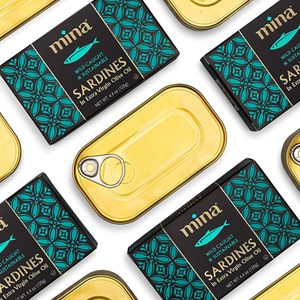
[00:31:15] Ray Latif: Well, there's no argument about sardines being healthy. Sardines are one Of The most healthy products Of The planet, right? And Mina? which is a Moroccan food brand, introduced two new sardine products. They have a sardines and extra virgin olive oil, sardines that are skinless and boneless, and extra virgin olive oil. These are fantastic. If you like sardines, sardines are well known for their healthy fat content, their protein content, for brain health. And Minna sent a few For Products from their portfolio to me as well. You know, if you're, making Moroccan food at home feels like the place to go Of The brand to embrace for that. I mean, they just dried cured olives that are used in a lot of Moroccan cooking, Middle Eastern cooking, but you can just eat them on their own as well. And then they have this tagine product, which they call it Moroccan fish cooking sauce. It's made with cilantro, tomato, paprika, cayenne pepper, extra virgin olive oil, turmeric. I just want to take a spoon and just open up this jar and eat it instead of cooking with it because it looks that amazing. Marty, I saw you sipping on something before we hopped in the mics. What was that?
[00:32:23] Martin Caballero: Yeah, I may, I apologize. I may have had hop tea last time I was on here as well. So I hope I'm not repeating myself. No apologies needed. This is the Hoplark Hop Tea Limited Edition Jasmine Sunrise one. So this one has jasmine flavor with a balanced bitterness, hints of Concord grape, bright and refreshing. Like all the hop teas, I definitely recommend them. Pretty cool just looking at this and really looking at their whole lineup is that, you know, if you look at this can, and I know not everyone can see it, but Each one Of The limited edition cans look really unique and really different from one another Of The shelf. You know, it's an interesting kind of idea to think about whether that certainly creates greater distinction and really makes the limited editions seem like limited editions. I wonder if there's, you know, does it also make it a little more confusing for people Of The shelf as well? It's an interesting take. I mean, I certainly love what they've done with the design. So yeah, that's that's kind of fun to see. And then also not with me here, but Ruby recently released their sparkling water. They are a line of hibiscus drinks that launched last year in a still variety. Now they're introducing sparkling variety in cans. So I had one earlier that was pretty tasty. So It seems like people are looking for more than just the, you know, natural flavors in their sparkling waters and looking for kind of more interesting stuff, as we were mentioned, kind of, you know, alternatives and different kinds of stuff in the non-alcoholic realm. So, fun to see.
[00:33:52] Ray Latif: Yeah. Staying on that for a second, I just want to highlight a brand called Crisp and Crude. They make these non-alcoholic cocktail products that come in 8.45 ounce cans, described as non-alcoholic cocktails with botanical terpenes. They each have 20 milligrams of hemp extract. This brand recently underwent a revamp, and I think it looks great, a package revamp that is. I think there was also a formulation change as well. They're based in Austin, Texas, and they have three varieties, including this Mellow Mule, a Gold Fashioned, not an Old Fashioned, a Gold Fashioned, and a Paloma Daydream. This is exactly the kind of thing that we were talking about, albeit one that doesn't contain THC, that does contain hemp or CBD, whatever you want to call it. These products really, really fit the bill for me in terms of when I'm not interested in drinking alcohol or if I just want something that's sort of a chill kind For Products. After the end of a long day, I think Crisp Crude has done a really good job on that front in terms of how they're positioned, how they're branded. I do like the fact that they do have Hella Cocktail vibe to them. That wasn't the case with the previous iteration of this brand, but calling them things like a mule or a Paloma or an old-fashioned, I guess, helps consumers understand the use occasion. Great stuff.
[00:35:15] Martin Caballero: The mule is awesome. I love the mule.
[00:35:18] Ray Latif: Absolutely. Also, shout out to Melissa Fox Wesley, who is the creator and co-founder of a brand called Super Pop Snacks. I'm holding in my hand their churro variety Of The plant-based protein bars. Each bar has 10 milligrams of plant-based protein. They're made with nut butter and organic quinoa. They're gluten-free, no refined sugar, no soy or dairy. creamy. You don't get a lot of creaminess in protein bars. This is exactly that. The flavors really struck me when I saw these. Melissa reached out to me on LinkedIn, which is how I met her and was introduced to these bars. They have an almond blueberry variety, which Sounds incredible, I know. Peanut butter, chocolate, almond chocolate, peanut butter and honey, peanut butter and honey. My goodness. Why do people not use peanut butter and honey as like a flavor base as much as they probably should? I mean, it sounds incredible, doesn't it?
[00:36:15] Jacqui Brugliera: Yeah, I don't know. I mean, I feel like people use it a lot as a combo in the kitchen, so it would make sense to use it in a product.
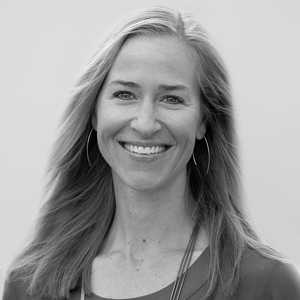
[00:36:23] Ray Latif: Exactly. I'm not sure why we haven't seen as much as we would want to see from that flavor combo. But anyway, thank you so much to Melissa for reaching out and hope to see you in a future episode of Elevator Talk. I encourage you to reply. Of course, Elevator Talk is our video series, bi-monthly video series that profiles early stage and disruptive brands from across the food and beverage industry. We sit down with five entrepreneurs per show, talk to them for 10 minutes, where they get to ask questions and hear feedback from a co-host. in each episode who's an expert in the industry, either in the field of investment, retailing, distribution, or perhaps a former entrepreneur or an entrepreneur themselves who has, you know, exit the industry or is continuing to do amazing things in that space. So for folks listening who are interested in applying, please do just go to BevNET.com slash Elevator Talk. We're looking for early stage brands, usually under two years old. We're looking to build awareness and, uh, and hear from an expert in the industry who can help them grow and scale. All right, saving the best for last, Snow Days, which we've talked about on this podcast before, where they make incredibly delicious and better for you pizza bites, has released a limited edition version Of The products. These were launched in time to celebrate Cinco de Mayo, and they are taco pizza bites. These are made with a homemade organic taco sauce, grass-fed cheddar cheese, organic pinto beans, organic veggies, Mexican spices, organic ground pork, I'm watering at the mouth, literally, and gluten-free cassava crust. All right, I'm occasionally a late night snacker and I opened up this bag a couple weeks ago. My goodness, they fit the bill. Eight minutes from the freezer Of The toaster oven and done. A couple unexpected twists here. One, I actually felt great after eating them, which is not usually the case with similarly marketed foods. And two, I had more for breakfast and they were just as amazing. I don't know what else to say about these things. They are, they're pretty incredible is all I can tell you at this point. Snowdays though is asking consumers to help them decide whether the variety should be called a pizza bite or a taco bite, and you can vote via a QR code Of The package, which is sold in packs Of The Snow Days.com. These things are flying Of The, not really flying Of The shelves, they're flying Of The website, I guess is what you would say about it. But for me, the debate needs another choice. Phenomenal bite, that's the one I would choose. Alright, it's time to get to our interview with Pam Shepherd, who as I mentioned at the top Of The show, is a Managing Director with Manitree Partners. Earlier this week, we published an episode of Taste Radio that featured conversations with the three co-founders Of The Vale-based private equity firm and their counterparts in portfolio companies. In this interview, Pam discusses trends she viewed at Expo West 2022, how she evaluates the financial health of consumer brands, how Manitree attempts to support companies amid supply chain pressures, and offers a hint on future investment targets. All right, folks, I'm here in Vail, Colorado at the headquarters of Manitree Partners. Sitting in front of me right now is Pam Shepherd, a Managing Director with the firm. Pam, how are you? I'm doing well, thank you. Thank you for coming up here. You know, it's amazing to come up here. I've never been out here before, and just the beauty that you see in every direction is stunning.
[00:40:05] Martin Caballero: Well, we, we had fresh powder for you overnight last night. So you came in on just like kind of a magical morning.
[00:40:10] Ray Latif: Yeah, I guess I did. And I have never skied in my life. So I think this is going to be an interesting couple of days for me here. Cause I think everyone's going to be asking me, Oh, are you going to ski or are you going to? Uh, we'll see is the answer. How long have you lived in Vail?
[00:40:26] Martin Caballero: Oh gosh, I moved up here, uh, full-time for Manatree. So I've, I've been here just shy of two years.
[00:40:30] Ray Latif: Okay. You've done a lot in two years. You are one Of The partners that spends a lot of time in terms of deal sourcing is what I understand.
[00:40:39] Martin Caballero: Yeah, so I lead our investments team. So I'm responsible for, you know, deal sourcing as well as deal underwriting. And I actually also sit on four of our portfolio boards.
[00:40:49] Ray Latif: Very cool. One quick tangent. I saw on your LinkedIn profile that you used to work with the Boppy company. I did. So you actually have operational experience in a way that I think some investors don't. What operational experience is most valuable to you as an investor today?
[00:41:05] Martin Caballero: For me, I went into operations to walk a mile. I think it's just so important to understand the trenches and just how hard it is to execute on a plan. And every year it's, you have to do it again, but better, again, but better. And I have a profound respect and appreciation for the leadership teams and the companies out there who are in the trenches fighting every day to deliver.
[00:41:29] Ray Latif: Isn't it amazing? We walked miles and we were in the trenches, so to speak, at Expo West, which happened three weeks ago. I think everyone who went to that show is just blown away by what they saw in terms of foot traffic, the number of exhibitors, the excitement, the passion that we hadn't seen, I think, in three years just because these shows didn't exist. What are your biggest takeaways from the show?
[00:41:51] Martin Caballero: First, it was great to be back. Let's start there. How awesome was that energy? It was, I mean, I didn't want to leave. It was just, people were so excited to see each other again. And there was just such, the vibe there was just super special. I mean, I walked out Of The just, you know, almost high from the energy there. It was super fun. Trends, plant-based meat alternatives for all animal protein, meat, poultry, fish, even dairy analogs. Lots of companies trying to perhaps do a cleaner label or mimic better true animal protein. So that was a big trend, we saw a lot of that there. Sugar is an evil ingredient, that I think was the other big trend. We've seen, you know, focus on either less sugar, no sugar, but also a lot of sugar alternatives. Your monk fruits, your erythritols, your stevias, saw a lot of that there. Continued ethnic food trends, I think that's been around for a few years now, but I think that just continues to rise. We saw quite a bit of that. As far as ingredients is concerned, mushroom. Mushrooms were big at Expo this year. I think we saw it anywhere from ingredients to, you know, mushroom chips to mushrooms and functional beverages. And I guess that would be the other thing we saw lots of this year, having your beverages work harder for you. So your adaptogenic, your nootropic, your functional, more functional beverages, kind of trying to broaden the net outside of your foundation of kombucha and the better for you beverage set.
[00:43:15] Ray Latif: I want to go to sugar alternatives. Sugar alternatives are so divisive, you know, beginning with stevia, erythritol, monk fruit. Do you see any winners in that space?
[00:43:25] Martin Caballero: It's a great question. Manitree really wants to understand it from gut health impact. And I think that is what's very critical for the consumer. When you look at nutrient density in food, it's the impact to your blood sugar, the impact to your gut health, and then the micronutrients in the food. And when you look at these sugar alternatives, I think that there is a debate over, yes, it doesn't have the impact to your blood sugar, but what is it doing to your gut microbiome? So I think there's a question mark there.
[00:43:54] Ray Latif: Yeah, I think there's a question for everyone in terms of, is this actually better for you? Just because it doesn't have any sugar, is it actually that much better for you? I think lower sugar formulations are where it seems like there's a lot of winners, or it seems like there's a lot of people succeeding in that arena. For any brand to stand out, they need to have great branding and great packaging. And we saw a ton of that at Expo. I think if you come Of The market without fantastic branding or packaging, you're almost dead in the water. It's almost hard to get beyond that. That being said, I think you and I briefly spoke before we got Of The mics, and you told me we don't start with beautiful packaging here at the firm. We start with, does this improve human health? But from a consumer standpoint, it always starts with the packaging, doesn't it?
[00:44:42] Martin Caballero: It's true and it's unfortunate, to be perfectly honest, because you can walk down any grocery store aisle and packaging can grab you, it's beautiful, but is it good for you? That's why we so appreciate this sector and these entrepreneurs and these management teams who are really focused on, we can have both. But from Manitree's lens, we look at the food first and the impact to human health. It does have to have beautiful packaging because you want the consumer to pick it up for sure. But as more and more companies start with the actual impact on human health, that's more critical.
[00:45:15] Ray Latif: I feel like we're seeing this trend of larger companies catching on to these trends of whimsical packaging and branding that speaks to younger consumers, millennial Gen Z consumers. We're also seeing conglomerates get better at formulations as well. How does that factor into your mindset as an investor when conglomerates are finally catching on to all these things that entrepreneurs had been doing so much better in recent years?
[00:45:44] Martin Caballero: A rising tide raises all boats. And so for us, for the big guy, you know, it validates our investment thesis first and foremost of improving human health and nutrition. I think it's actually refreshing to see these big conglomerates, these big corporations, understanding that maybe it's not margin at all costs, but we really need to be more thoughtful Of The impact Of The consumer because the consumers are getting smarter too. So it's almost a pull from the consumer or a push from the consumer to give me better food. I think that's a generational thing, for sure, as, you know, millennials and Gen Zs, you know, age up.
[00:46:18] Ray Latif: Does it scare you, though, that there are less opportunities to exit with conglomerates, given that they are getting better at internally developing their own brands?
[00:46:28] Martin Caballero: No, actually it doesn't. To me, it's just an opportunity. It's an opportunity to put together more interesting platforms that are more competitive versus, you know, just having your ultimate solution be, I need to sell to one Of The big three food companies. I think it's going to dynamically change the way the food landscape looks for the better.
[00:46:48] Ray Latif: I think in recent years, we've seen a lot of conglomerates make bets on brands based on great branding and based on just a feel almost, less than great numbers. And you had mentioned to me that numbers are important to you first and foremost. When you are looking under the hood of a company, what really stands out to you that puts a smile on your face and what's something that makes you cringe?
[00:47:15] Martin Caballero: Great question. So first and foremost is actually improving human health. That is our very first lens for Manitree. So we look, does this company and its product have a material impact on human health? That's our very, very first lens. Secondarily, we look at the TAM. What is the total addressable market? And then we look at clearly the revenue and the revenue growth. And along with the revenue and revenue growth is the gross margin. Margin is everything for these companies. We all know how expensive food ingredients have become, especially recently, and is there sustainable margins here? And do we believe we see a pathway to increased margin expansion? And in CPG specifically, which I think we've been referencing a lot, in CPG specifically, it's how much are you paying for that revenue? So when we cringe, when we see you're just buying revenue versus true traction for the consumer with strong gross margins.
[00:48:12] Ray Latif: Gross margins are really important. It's really hard to get to a place where you can not only begin with a great gross margin, but as you mentioned, get better at that. As you're working with some of your portfolio companies, how are you helping them reach a better gross margin? How are you helping them get to a place where profitability is a reachable goal?
[00:48:33] Martin Caballero: helping with sourcing first and foremost, like we, you know, Manitree.
[00:48:37] Ray Latif: That's a tough thing to do these days.
[00:48:39] Martin Caballero: And that's what it is. I mean, it's, it's, there's a lot of reformulation going on with a lot of companies because of this rising cost environment. And for us, you know, we're, we're fortunate in that, you know, Manitree has, you know, 130 LPs in 18 different countries. We've got a really broad network, so we can really seek out, you know, alternative perhaps, meat sourcing or hedging opportunities. So we're really trying to help the company on sourcing and opportunities to, you know, improve their cost for sure. So I think that is where we really dive in as well as efficiency and trade spend. I think that we really help like ensuring that we truly measure the ROI and invest where we get the most dollars for our trade spend and the most consumer traction and the most growth. I think that's the other. Those are the two lenses we look real hard at and we're close with the corporate
[00:49:27] Ray Latif: I'm going to ask you a question that you may not want to answer, so feel free not to answer it. I'm going to ask all the partners today about this, or all the folks from the firm about this. You've made two investments for Fund2 in two CPG companies, food and beverage companies, HealthAid and Good Culture. How many more investments do you expect to make? And can we get a sense of where your investment might end up in terms of a particular category?
[00:49:54] Martin Caballero: If Fun One is any example, Managery invests across the supply chain. So we'll invest in ingredient companies. We're very interested in contract manufacturing. We think there's just not enough Of The doing better for you foods. So we think that's interesting. We love, you know, seed to shelf CPG. We love true CPG. And we even really like logistics and distribution. How do you get healthy food Of The consumer? And we very much want a diversified portfolio for what that's worth with CPG companies first. But we're actively looking across the entire supply chain for Fund 2. And so as far as the number of new deals is concerned, you know, we're thinking in your head somewhere between maybe four to four to seven more in the Fund 2 portfolio.
[00:50:36] Ray Latif: I would think that that would make you a more attractive partner to some brands that you are investing in contract manufacturing, that you are investing in logistics and distribution, given that it gives them an instant partner. You would think that would give some of your portfolio companies an instant partner. Is that the reason? Or, I mean, do you just see greater opportunity for revenue and profitability with those companies?
[00:50:57] Martin Caballero: It's all along the supply chain where we're ultimately executing our investment thesis. I mean, it's anything from the very ingredient that goes into the food all the way to getting the food Of The consumer. So for us, it's less about synergies amongst the portfolio, which happens naturally, happens all the time, and in more about just you have to work along the whole supply chain to ultimately improve human health.
[00:51:19] Ray Latif: Pam, I know you're extremely busy and I know there's a lot going on these next few days. Thank you so much for taking the time to sit down with me today. I really, really appreciate it.
[00:51:27] Martin Caballero: Same here. And I really appreciate the time and enjoy and enjoy Vail in the fresh snow.
[00:51:30] Ray Latif: I will. Thank you. Thank you. That brings us Of The end of this episode of Taste Radio. Thank you so much for listening. And thanks to our guest, Pam Shepherd. As always, for questions, comments, ideas for future podcasts, please send us an email to askatasteradio.com. On behalf Of The entire Taste Radio team, thank you for listening, and we'll talk to you next time.