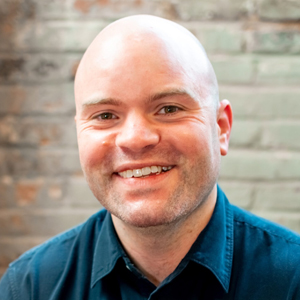
[00:00:10] Ray Latif: Hello, friends, I'm Ray Latif, and you're listening to the number one podcast for anyone building a business in food or beverage, Taste Radio. This episode features an interview with Justin Rosenberg, the founder and CEO of Honeygrowwww, the innovative and rapidly growing fast casual restaurant chain. Six years after Justin Rosenberg opened the first location of Honeygrowwww, the fast casual chain was at a crossroads. Its growth strategy in 2018, he says, was quote, too entrepreneurial. Founded in 2012, Honeygrowwww, which is short for Honest Food Grown Locally, sells stir-fry meals, salads, and desserts made with fresh and better-for-you ingredients. The Philadelphia-based currently operates nearly 50 restaurants in seven states, with plans to open several more in the coming months. While Honeygrowwwww was in the midst of an ambitious expansion plan, Justin, who has raised $80 million in equity financing since its inception, is attuned to the challenges he faced six years after the restaurant's debut. At the time, the company had veered away from the brand elements that made Honeygrowwww special in the eyes of its consumers in favor of an approach that, in hindsight, was overly focused on opening new locations. In the following interview, Justin talks about his initial vision for HoneyGrow and what he learned from taking a hands-on approach during its early years, despite having almost no experience in food service. He also discusses the company's sourcing strategy and why better ingredients need to be not just good but great, how he evaluates individual locations of HoneyGrow, and why day-to-day management of the business and not an exit strategy is always top of mind. Hey folks, it's Ray with Taste Radio. Right now, I'm honored to be sitting down with Justin Rosenberg, who is the founder and CEO of HoneyGrow. Justin, great to see you. Thanks for having me. Yeah, it's great to have you here at BevNET HQ in Newton, Massachusetts. You're in town, Boston, that is, for a few days. That's right. Coming for the day to visit the teams.
[00:02:27] Justin Rosenberg: Just one day. Up and down, man, from Philly. So it's easy. Just hop on a plane early and then go back late and you get it all in.
[00:02:33] Ray Latif: I enjoy day trips because they're efficient, but then I get home and I'm exhausted. I don't know. I don't love day trips.
[00:02:40] Justin Rosenberg: Yes. And then you kind of just got to keep going until you get to the weekend. So that's just the way it is. How often are you on the road? Usually three days a week. I do Monday, Tuesdays in the office. But I love being in the restaurants. That's why I created the company. I don't love sitting behind a desk all the time and I get to see what's happening. I get to talk to the team, learning a lot, seeing what's going on and still doing a lot of work on site reviews, site visits. So I'm on the road a lot. What's the number one thing you look for when you visit a site? It's like an art and a science when you look at sites. You certainly want to know what's the visibility from the main road. Who's your co-tenant? What are the rents? What are the construction costs going to be? Can you do daytime, nighttime day parts? Can you do weekend business? How are those tenants performing in the shopping center? Who is the customer? There's a lot that goes into it. And at this point we're at 54 restaurants and We always say internally, like every time you open a new restaurant, you just learn something new. And part of my job is like, you know, a restaurant company, but we're trying to perfect the algorithm of the brand. And every time you get another successful restaurant under your belt, you learn. And even if a restaurant comes out of the gate, not strong, like, okay, what could we do better next time? Just to keep perfecting that algorithm.
[00:03:49] Ray Latif: So these are site visits for new locations. When you visit existing locations, are you most interested in the quality of the food? How many people are coming in there? The intensity or maybe intensity is the wrong word, but the interest level, the excitement that your employees have for what they're doing. What is it that's most important to you when you walk into one of your restaurants?
[00:04:09] Justin Rosenberg: All of the above, right? Like I walk in, I'm thinking about how's the vibe of the restaurant? Is the music on? Is the music at the right level? Is the restaurant clean? How did the employees look? What's the vibe of the employees? Ordering the food, are the kiosks clean? Is it flowing appropriately? Is the food tasty? Did it come out in time? Is my order accurate? How are the bathrooms? It's just like everything. Like you like as customers are smart, right? I'm a customer at the end of the day. I go to a bunch of different restaurants all the time. I'm looking at this stuff all the time. And I want to make sure that we're knocking it out of the park all the time. Do you ever go in unannounced? I nine out of 10 times going unannounced.
[00:04:44] Ray Latif: Okay. Do they know who you are when you walk in the employees? They figure it out eventually when you walk beyond the counter and you're like, Hey, what are you doing, man? I'm like, uh, actually I own this restaurant.
[00:04:53] Justin Rosenberg: I stopped going behind the counter when a, a, a walk shift tried to fight me.
[00:04:56] Ray Latif: Oh my God.
[00:04:57] Justin Rosenberg: It was just like, I recall, he's just like, I walked into one of our restaurants. It was probably two or three years ago. And I went through the kitchen. So the kitchen door, like facing the parking lot was open and it should never be open. So I'm like, okay, so I walk in and nobody stops me. And I walk to the line and the watcher looks at me. He's just like, throws his thing down. He's like, what are you doing back here? And I'm like, relax. I'm the CEO. He's like, no, you're not. Like ready to go. And I'm like. And then a customer actually recognized me she would do that really is the CEO and she googled me and showed him a picture Wow, it was really I never actually told us like everything calmed down the GM ran out of nowhere Subsequently, we unfortunately had to fire the GM and today we have a fantastic leader in that restaurant and things are good. So I'm more I Make sure the people know who I am before I just go on the line, but you know Certainly like when that kind of curse in this podcast course you can all right So I try not to curse too often, but if and when the shit hits the fan right so you're understaffed equipment issue you're just smashed with orders like I keep my chef shoes in the car. So like I'll just jump online and cook, which at that point they know like, all right, that's Justin. He's not going to, I'm just trying to help. So I'm not going to watch them and like leave angry. It's not their fault. So you gotta, you gotta help.
[00:06:13] Ray Latif: I love that. I love that you're willing to just go in, roll up your sleeves, put on your clogs and get to work. I don't think there's Unfortunately, I think there are some CEOs who are so removed from what they're making that they forget what they're doing and why they built the business in the first place. I think that's a good point.
[00:06:34] Justin Rosenberg: And look, I'm far from perfect, but I think one of the things I'm good at is I have a discerning eye for when you're in the restaurant, how it should be. And that's my passion. Like I love being in the restaurant, seeing the team kick ass. I love seeing our customers are really happy, you know, doing a noodle poll. The food is delicious. I was walking in the airport in Philadelphia this morning and it must've been eight o'clock in the morning and somebody had a Honeygurt bag and we're not in the airport. And that just made me really happy. That means that I think that somebody went there and they appreciated the experience and they, I guess they still have the bag, right? So that as a CEO and founder is what matters to me tremendously. Like how do we continuously create amazing customer experiences over and over and over again around the country and around the world? And that's my, my vision and goal.
[00:07:18] Ray Latif: Since the last time I talked to this guy, I always bring up something that we talked about in the conversation. And that guy is Peter Rahal. Peter Rahal is the co-founder of RX Bar. He has a new brand called David. And we talked a lot about consumer satisfaction, customer satisfaction. And he said, a satisfied customer is the best business strategy. A thousand percent.
[00:07:40] Justin Rosenberg: What are you doing otherwise? It's kind of like, what are you worrying about? Everything else, all the reporting, everything else, it just dials back into at the end of the day, how do you get as many happy, satisfied customers over and over again and as profitable as possible? I mean, that's really what it's about.
[00:07:55] Ray Latif: You cook in your restaurants. Were you always a chef? Are you a trained chef?
[00:07:59] Justin Rosenberg: Not at all. I always loved food, um, from New York, born and raised. And I wasn't going to fancy pants restaurants, Manhattan, but more like really good places in Queens and Brooklyn, Long Island growing up. And, uh, went to Penn state undergrad, moved to Philadelphia 20 plus years ago. Um, we were just talking about the Philly food scene and is awesome. And I, um, just had a passion for food. I didn't know how to work in a restaurant, but when I was developing the concept, A friend of mine, he was a chef in a restaurant down in DC. So I'd work in Philly in finance, kind of slip out on Friday afternoons, take the mega bus to DC, cook over the weekend, take the bus back Sunday mornings and just be like a zombie at work on Monday. So, I mean, that was really my first experience cooking. It was all back of house. And then when I opened the first location of Honeygrowwww, I'm like, well, I better figure this out. So I was online cooking, learning, making mistakes. but some of the best memories of my life, you know, like we were just straight up cooking food, making people really happy. And again, that's what makes me really excited. That was the early days.
[00:09:01] Ray Latif: I don't think this is going to offend you, but anytime you start with that, it probably is going to offend someone. So, but I don't think it'll offend you, Justin. So I'm going to say this. When I think about Honeygrowwwwve and I think about the name, I think about your aesthetic. I think about the food that you sell. Honestly, I was surprised to hear that it was you that had founded the company because it has a very soft, feminine leaning or feminine forward kind of vibe. The name itself, Honeygrowwww. And then you hear it like, and I'm just talking to you right now. And I'm like. I love the fact that you've built this business. I'm just a little surprised that you went in this direction. Do I come off as like a really like scary human being? No, you come across as someone who is an entrepreneur to the core, but someone who I wouldn't necessarily associate with say the word honey grow, right? Is that fair? Sure. Don't punch me. I'm not going to punch you. I'm just kidding. Folks, Justin and Ray met about, I don't know, 45 minutes ago and I have such a good rapport, I feel like right now. It's been great just meeting you and talking to you. So he would never punch me.
[00:10:07] Justin Rosenberg: Listen, I got my purple belt in Jiu-Jitsu a month ago, so I make a more of you. Don't break my thumb. No, no, no, no, no. Just your wrist. So the name honey grows a plain words, it's esoteric. It's honest eating grown local kind of smashed together. And the honest eating, it really is the idea of everything's freshly made to order. So unlike a Chipotle or some other concepts that are out there with an assembly line, we're literally just creating custom orders over and over and over again, freshly made to order. So that's the honest eating. The growing local part was, I originally thought I could buy all local, which is a fucking stupid thing to think because I'm not gonna get bananas and avocados from Pennsylvania. But that was the idea. So, but we buy as local as we can honey grow. That's a smash play on words. Design aesthetic for me really was Apple. Like I'm a huge Apple fan boy and I'm not talking like today, Apple, like fine. Apple's great. But like, I'm talking about like 97-ish era when Steve Jobs came back. Like there was something really cool when I was a kid. where suddenly the iMac was out and it just stood out from everybody else. And then one day, I think they were like a two or $3 billion market cap, like when things were not good for them. And now it's an over trillion dollar company. But I wound up falling in love with the iPod. Like what is something like that? I used to go to the Apple store all the time and I didn't want it to look like an Apple store, but how do you do something that's a bit warmer, a good environment for eating? And that's really kind of where that fused together.
[00:11:33] Ray Latif: The food itself is also a really differentiated approach to premium fast casual than I think has been seen in the past. I mean, certainly you sell salads. Everyone's going to talk about sweet cream when you're talking about salads, but you have stir fry salads, you have honey bars, but what's a honey bar by the way? Take a bunch of fruit, drizzle some honey on top, coconut flakes, chocolate chips, honey bar. Why do you focus on those three product lines as the core of Honey Grow?
[00:12:00] Justin Rosenberg: Yeah, so the backstory is when I was no date myself in 42, but when I was 26, I used to weigh 240 pounds, like not a good 240 pounds. I was big. And, um, I lost about 55, 60 pounds since then. Um, thank you. Went to the doctor. We just had our first daughter. Congratulations again. Thank you. She's now about to be 16. Wow. The doctor pretty much was like, if you don't get your health in line, you're not going to see this girl walk down the aisle. Oh, wow. And scared the crap out of me, went to Whole Foods, like, buy more food. Like, but there was a book called The China Study by T. Colin Campbell that was there. And I'm like, let me read this. So I read it, not wanting to jump on crazy medications at a young age. And it really talks about the benefits of a plant-based diet. So am I fully plant-based today? No, but for two years I was, and I just was able to reverse issues that I had. I was making a lot of salads for lunch and stir fry for dinner. So the stuff I'd prep for lunch leftover, I put into a wok with some noodles at night and I was eating that all the time. And I felt like no one's doing this. I don't want to be another salad concept, another burger concept, another Mexican concept. Those kind of sandwich, like those have been done many times and done well. I think sweet green does a fantastic job with salads, you know, kava, they're awesome Mediterranean. Like what is something that really we can be different for? And I thought the create your own stir fry genre would be something that's really different. And no one's really doing that. That was the beginning. And then for us, like making sure we had great noodles, that's kind of like our Starbucks espresso being like, if the noodles aren't good. Who cares, right? The sauces had to be great. But I knew if we can execute making those freshly made to order stir fries, which is hard, which is why we don't franchise, it could be a successful concept.
[00:13:38] Ray Latif: The noodles need to be great. How long did it take you to figure out how to source the ingredients that you felt were of the highest quality, that you felt you would be proud to serve and do it at scale? Great question.
[00:13:53] Justin Rosenberg: When we first were opening, we interviewed vendors, like they would come in. We literally would just interview everybody, test products, taste things. Our noodles, when we first opened, weren't good. They were like, like typical little main noodles with all due respect, like it just wasn't a good product. So we were open for about a month and I'm like, we're running out of time. I gotta figure this out. Again, people are smart. They're going to know, like I'm paying X bucks for this. I want a good quality product. I can go there and pay two bucks less.
[00:14:20] Ray Latif: Can I ask you a quick question? When you define good, how do you define good? Is it good enough for the average consumer, but not good enough for Honeygrowwww kind of thing? Maybe the word should be great.
[00:14:29] Justin Rosenberg: Okay. I want it to be great for everybody. I want like, I want people to walk away and be like, that was, that was fucking awesome. Like the great, and it wasn't great. It was like, it was, it was good. It was okay. So I went to New York, hopped on a train, July, 2012, we opened June, 2012. And I went to all my favorite ramen spots, Ippudo, Momofuku, Toto Ramen, some other spots. and nobody wanted to tell me what to get their noodles from. Like, we're not telling this kid anything. And I went back to one of them and there's a new server, probably a few weeks later, and she's like, oh, let me find out. And she came back, she's like, chef doesn't want me telling you, but it's from these guys. And I'm like, oh, cool. So I called them on the train back to Philly. It's like, yeah, come on in. And literally within three weeks, we worked out a deal and we were able to have these really great freshly made noodles that takes about a minute and change to cook. So we're cooking noodles freshly made to order. Like it's not like they're just sitting in a pan. We have a freshly made whole wheat noodle now, which is really cool. Had that for a while. But again, like I wanted this concept to have a bit of a moat around it and differentiate itself. And again, like You think about salad concepts, there's just so many, right? You have like sweet green, just salad. And I think those two do great jobs. And you have others out there that, you know, what's really differentiating all of that. And same thing with Mediterranean. I think Cabo does an amazing job, but there's a lot of Mediterranean concepts. You know, one of the cool things about Honeygrowwww is that we haven't really seen anyone specifically replicate what we do. We call them phony grows. They open up doing kiosks, stir fries and salads. And eventually you see them fail because a lot goes into what we do. It's more than just the cooking. It's a lot to make a successful operation.
[00:16:03] Ray Latif: I love that you asked and asked and asked until you got your answer. Sometimes you just need to do that. You need to put yourself out there. If you keep hearing no, eventually you may hear yes. Yeah. Yeah. Yeah. And sometimes it doesn't necessarily work out. I've mentioned this on the podcast before. One of my favorite TV shows of all time. There's a show on HBO called How to Make it in America. It lasted two seasons.
[00:16:24] Justin Rosenberg: Dude, that was one of my favorite shows. For real? I swear, my wife and I would watch it all the time.
[00:16:27] Ray Latif: I still watch it all the time. I need dollars. That was the best show. It really was. And I still watch Rewind. I still watch it because it just, I love the idea of entrepreneurship. I've never been an entrepreneur, but it's exciting, especially early in New York. It was like 2009 or 2011.
[00:16:42] Justin Rosenberg: Oh my God. So what's funny about that is that when I was trying to raise money for Honey Girl, I was watching that show just relating to those characters.
[00:16:48] Ray Latif: Totally.
[00:16:49] Justin Rosenberg: My life sucks. And like, it's just like, Some days were great and some days were shit. Like it's just that that's so funny. So I haven't that's awesome.
[00:16:55] Ray Latif: Yeah Yeah, well, I think there was there's a scene in the first season I think was the first four shows where there was a buyer They went and saw this buyer from Tokyo and he had turned them down on their jeans Yeah, and then one of the guys who's just wearing a t-shirt like how about your t-shirt? You know, can you make more though? Isn't there like yeah sure and it's just like I Blew up. Yeah, it's incredible. I love that you referenced that show. Yeah. Yeah, super cool It's that well, I had a feeling, you know, honestly I mentioned it cuz I said I have a feeling Justin might have watched that show. My wife and I, that was our favorite show. Wow. Yeah. Oh my god, fantastic.
[00:17:25] Justin Rosenberg: What are you watching now on HBO or anything? What's in your rotation?
[00:17:28] Ray Latif: It's hard to say because I do like some of the new stuff that's come out, but you know, compared to the amazing shows that have come out in the past 10 years, like a Breaking Bad or The Wire. Two of my favorite shows ever. Yeah. Those are my three favorite shows. I'm not just saying, ask anyone I talk to, it's my three best shows ever made. I knew we'd have a good vibe as soon as I shook your hand upstairs. Dude, for sure. Yeah. Yeah. And the fact that you wear a blue shirt. I wear a blue shirt all the time. Yeah.
[00:17:52] Justin Rosenberg: I usually wear the shirt all the time. So if you've seen another podcast wearing it, I'm sorry, but.
[00:17:56] Ray Latif: Black jeans too? How is this possible? What's going on here? I don't know, man. I just like your style. Good. So you opened the first Honeygrowwww. Did you have, were you thinking about opening a series? I mean, were you thinking about a chain at that point or was it, let's just see how this restaurant goes and go from there.
[00:18:12] Justin Rosenberg: It was always about building a national, international brand in my brain. And a lot of it, there were really four brands back in the 2009 period of my life when I was thinking about the concept. Apple for sure. I used to train my team when I was the GM of the restaurants. I used to bring my Apple iPhone case in and like just experience like opening the case. There was like the cloth and a phone. It was just like everything about Apple was a great first experience. And I used to train like when you open a stir fry box, they're not comparable, but how do you create that first wow moment? Because we're not a really a bowl concept. Like there's so many bowl concepts out there, but like, you know, we're just doing things a bit different. So that to me, that's the bit, the Apple side of us. Nike for sure. Shoedog by Phil Knight. I have it now, but I'm familiar with the book. Yeah. Well, I actually finally read it this year and it was amazing. Whole Foods for sure as a brand that I really, that was very inspiring. And Southwest Airlines actually, like just the human resources back in the day for that company. Like if you didn't get the job, you still wanted to fly and be a part of it and just the business savviness. It was pretty cool. I totally forgot your question, but what was it again?
[00:19:12] Ray Latif: Well, it was when did you start thinking about a chain versus a single restaurant? And it seems like you always had the idea of being an international brand, which, you know, ambition will take you a long way. I truly believe that. But sometimes reality, ambition clash pretty hard, especially when you don't have a lot of experience. And it sounds like you didn't work. Well, I mean, just a tiny bit of experience, but barely any. Buckus. I think
[00:19:38] Justin Rosenberg: Well Starbucks was where I was going with that so one day I remember waking up in New York and there was a Starbucks everywhere and I thought like it's more than just there's a book about like there's more than just the coffee and Like I'm rooting for Starbucks now and it's so hard. You have so much competition out there You know like my kids are part of the problem where they're getting these crazy drinks at Starbucks and if you're a barista And you got to customize it. That's really difficult. Right. But like they opened up the Pandora's box with that a little bit, but I think, you know, Brian Nichols will get it back. So yeah, I always thought about being a national brand, international brands. I just get super excited about companies like that. And I love, like we just opened in Ohio. We're in Strongsville and Canton. We're poking around different areas of the state. And that just excites me. Like the idea of being a national organization where people are enjoying our products everywhere and we're doing a great job at that. Like that just gets me out of bed, very excited.
[00:20:28] Ray Latif: It costs a lot of money to do that. I mean, it's, it's, it's very expensive to open one restaurant. It's very expensive to keep a restaurant going, you know, profitability typically is not a word you associate with the restaurant industry. So when you decided, okay, we're going to open a second one, what gave you the confidence that you could be successful opening that next one and then potentially opening 10 more beyond that?
[00:20:49] Justin Rosenberg: I think I'm just crazy. I just, I think I'm out of my mind. Like, I don't know. Like I just- An entrepreneur to the core. I said that. Yeah, man. I just, I think life's short, so just take some good risks, right? Like, and you get better at that as you get older after you make enough mistakes, but, which I have. I think from the beginning, we knew my first two partners were like, all right, well, let's do an urban prototype. We'll do a suburban prototype. The suburban prototype, we opened about eight months after the first one. The first one was kind of working, not really yet. And by the time we opened the second one, I had the experience and the confidence of really running a restaurant and just was beat up. That one opened up very successful. Then the first one just took off. We went best to Philly in 2013, and then we were approached by more, I guess, bigger capital in 2013 to do more. And that's what led to further growth.
[00:21:38] Ray Latif: Did you talk to the founders of other fast casual restaurants, premium fast casual, were they open to talking to you even though you were going to be a competitor? Cause they probably had a lot of experience with private equity VC firms coming to them and saying, Hey, we can help you expand.
[00:21:54] Justin Rosenberg: Yeah, I mean, for sure, there are good stories and bad stories. I'll tell you the good ones and I'll tell you the bad one, but I won't tell you who it was. Great. The good ones, for example, our lead investor also invested in five guys. Folks in their team have been unbelievable and helpful for me. Alongside that you had Randy Grudy on your show, CEO of Shake Shack. I've met with him a bit and he's just a great guy and super helpful. And today there's a lot of folks that are just so quick to say, Hey, like, you know, the community is amazing actually for the most part. And in the early days, I think it was very burgeoning still, like 2012, it was kind of that initial explosion of fast casual. I think 2007 or eight, you had Sweetgreen, Kava was a little bit after them. We were 2012, so a little bit after Kava. And then you had like a whole bunch of concepts that, interestingly, a lot of them aren't here anymore, right? Like we really, and we almost went out of business in 2018, but we were able to really push through it and turn things around. So those are the good stories. There was a brand that came in, not going to name names, wearing their gear. We were open for a few months and just like, it was just stupid, like coming in the restaurant, like pointing things out. I hosted them and then they turned nice and then they never reached back to me and then they talk crap. And I'm like, this is 2012. I'm like, really? And they're very successful today. And I wish them well. I'll leave it at that.
[00:23:08] Ray Latif: Okay. Well, um, I'm sure our listeners will try to figure out who that was, but, uh, 2012, you know, there are haters out there and they're always going to be haters out there. It's okay. It's okay. Exactly. Exactly.
[00:23:20] Justin Rosenberg: I wish them well. I think they've done a great job. And, um, yeah, that's that.
[00:23:26] Ray Latif: What, uh, what happened when you guys almost went out of business? What went wrong? So too entrepreneurial.
[00:23:30] Justin Rosenberg: So I wound up, we raised a lot of capital and with that you have the pressure to grow. And you know, one of the challenges on top of that was the economics of Honeygrowwwww, the cost to build. So in our world, It's like cash and cash and returns, whatever. You want like a two or three year payback. And our payback was pushing over the three year mark. And it was like, okay, it's getting too expensive to build these things. So I came up with a new concept called mini grow, which would be smaller footprint, urban. We're gonna do honey grow suburban, hub and spoke model, one loyalty program, just drive frequencies. So food mini grow was excellent. Instead of doing one in Philadelphia and really testing it and getting it right, like an arrogant jerk off, I wound up doing six, thinking this is gonna be amazing. I drank a little bit of my own Kool-Aid there and instead of just doing it in Philly, we did like three in Manhattan at the height of the craziness of the rent market in 2017, 2016. Two in Boston here and one in Chicago. And alongside that, pressure to grow. So we opened seven new markets in 2017 and it was New York, Pittsburgh, Boston, Chicago, DC, Baltimore. and the new concept on top of it. So it was a really like scary period and a lot of risk. And we had markets that were working, some were not. Boston took a little bit of time. Now Boston's our best market in sales. Just, that's great. Thank you, Boston. And those other markets today all do great. I went up closing Chicago. It was a bridge too far. Looking back, we didn't really have the best real estate. We overpaid on rents. Like a lot of like lessons we had to learn. It was expensive and painful and, you know, kudos to my investors for being supportive during that period of time, for sure. And kudos really to my team, because we had a lot of folks just jump ship. Like, we were losing cash. When we closed Chicago, we got a lot of bad press. People were like, this company is fucking done. Like, these guys are over. We just had people leaving. We had to do layoffs. I mean, it was a really crappy period of my life. I remember, like, I was in Miami with my wife on the phone with our CFO. And he was like, we have a board meeting next week. We should tell the board we're, you know, let's declare bankruptcy to get out of these leases. And I was like, we're not doing that. There's a plan. We're going to execute the plan. And, you know, fortunately our investors wound up supporting us and sticking up and letting us keep going. So you fast forward that 2018, 2019, we just stopped growth. So let's get it right. Rebuilt the team, put the right people in the right spots, analyze everything that was wrong. Like, okay, like we're going to do this kind of prototype going forward. We're going to be super disciplined on growth in terms of what we're going to do. And we're going to get to here in terms of four wall profit and company wise, and here's the plan. and we're going to self fund this thing. That's the goal to, to no more raise capital, but really just to get cashflow itself to, to do growth. That's a rock, turn things around 2018, COVID, but really by July, because our product is very well in third party delivery. Uh, we were okay by July, August. We're like, okay, things were good. We're, you know, EBITDA positive. And then 2021 or 2020, we, we pushed the button again on growth and we've opened 31 locations since 2020 all successful and really figured out the model. And we've been profitable as a company on a net income basis. So profitable since 2021, we've been self-funding growth. We have no debt. We've opened 14 locations this year. We're opening up 16 to 17 next year. Just head down and no bullshit and just bang it out.
[00:26:47] Ray Latif: Outstanding. How did you personally deal with the craziness, the challenges that the company was dealing with in 2018? What kept you grounded?
[00:26:57] Justin Rosenberg: I love this company. And I just was like, it's just, I'm here for a reason. If this is the test I have to go through right now, then I'm going to go through this. And it was a hard period of time. You start questioning yourself, you know, shit, maybe I'm not good at this. And wow, like, you know, everyone's leaving and jumping ship and the news is writing negative articles. And then it's kind of like, well, get your shit together. Like, let's go. And he'd snap out of it after, you know, think about a 5 30 in the morning, but by 5 35, that's out of your head. And he's just like, here's the plan. Let's get after it. Let's do it. And alongside a great group of human beings that for sure are the reason why this all happened. And we all worked together and we got it done. So, you know, it was a horrible period of time. I'd never want to do again, but looking back, It was necessary to happen for me on my own personal leadership development, but also as a company, really emboldened, strengthened us as a group. So, and as a company, so, and on the side, I was doing a lot of jujitsu to like keep myself sane.
[00:27:52] Ray Latif: There are the people around you and the people that have been around you. Are they a reflection of your own personality? Maybe.
[00:27:58] Justin Rosenberg: I think my team is very different. It's pretty cool. Our, uh, our COO came from five below. He was head of their development and just rolled out five blows around the country. And before that EB games. He's very different than me in many different ways. I'm different than him. I think, you know, we fill each other's gaps in a very nice way. We have other folks in the team that I think the common denominator is there's a grittiness and a toughness to this group because they've been through a lot. Very honest with each other, like, Hey, like, this is not a good idea. They're very quick to call me out if I don't have a good idea, which is great. Like you don't want to be the guy who's just like. you know, they're just kissing your ass. Like, they're like, Hey, like Justin, like that's cool, but here's why this probably won't work. And we'll go through it. And if they're right, great. Like, I'm not trying to be right. I want to find the right solution for the company. And that's the overall mentality of our group always. So we have like an offsite, when I say offsite, it's literally like in our building tomorrow. And it's like, all right, well, what do we need to do to get to our goals for next year? And we just challenge each other with it. I'm a firm believer in you don't need a lot of people like Warren Buffett. Like you don't have a lot of people on the team per se, but you have quality folks you can take care of. And I'm proud to say that's what we do. Like I just find good people and keep them happy, push them, be there for them, support them, but challenge them. It's all a balance that leadership at the end of the day and cool, you know, great results will happen.
[00:29:17] Ray Latif: Yeah. Just remind me of a quote, Snoop Dogg was talking about a beef that Nas, and I'm getting really deep here. I love Snoop Dogg and Nas and Jay-Z, I could talk all day about this. He was talking about a beef that Tupac and Nas had, and Snoop was commenting on the fact that Nas didn't have a lot of people with him, but he had a lot of people with him. And it was like, the people that are your core circle, will kill for you. And I'm not, and maybe I should probably not be saying that on the podcast, but the people, they will, they will die on the Hill with you.
[00:29:51] Justin Rosenberg: Yeah. And as a, uh, aficionado of nineties rap myself from New York, I would agree with that. And it's funny you say that it's like, uh, I can go deep with this too. Um, I don't know, like the Nas, Jay-Z wars, right?
[00:30:05] Ray Latif: Like
[00:30:07] Justin Rosenberg: I don't know where I'm going to go with this.
[00:30:09] Ray Latif: It's not even worth it. But I hear what you're saying is like you had a group of people. You don't have to have a ton of people, but you just have to have a core group that is in this with you, you know, through thick and thin.
[00:30:22] Justin Rosenberg: Yeah. And when you, and I'm going to steal a line from our COO, it's a great one. It's trust comes with time and wins, right? He says that all the time and it's true. We've been through a lot with each other and we now trust each other because we've been through a lot of time together, the good and the bad and the wins, like turning a company around, the pandemic, everything in between, restarting the growth engine. That's a lot of stuff, right? And everything in between. So, you know, now we're at a phase where we're beginning to really grow, right? We're, we're going to do, you know, we'll be at call it 70 to 75 units by the next year. Okay. Well, you're going to have to find more people, right? So we're beginning to really hire more folks and there's that. possibility, strong possibility where the wrong people will get on the bus and you need to be able to identify it quickly and get it right. Because I know it's cliche, but you're only as good as your weakest member of the team. So you got to just be careful with that as you scale.
[00:31:16] Ray Latif: How much do you invest in or when you're hiring people, how much do you think about their ability to think as entrepreneurs, to think and be innovative? Because I think about your business and it almost seems like rinse and repeat in a good way is the key to success. But sometimes when people are like, oh no, we should do this or we should do that, and they're always coming up with new ideas, that can sometimes be good. It can sometimes also be distracting. Yeah.
[00:31:39] Justin Rosenberg: It's a balance. I'd say today it's more about process driving, but if you have a good idea, tell us. Like, I was with our district manager at our Fenway location before I came here, and I'm asking him questions about the menu. Like, hey, what do you think about this? What could we do better there? He has suggestions on training. I'm like, great. Email Allie and tell her. I don't have all the answers and you want people thinking about how do you make the company better? However, you know, you also don't want everyone to be entrepreneurial because then you have chaos. So in the early days I was more like, yeah, you don't need the recipe book. Just do the, do the recipes.
[00:32:13] Ray Latif: And it was just like a shit show, right?
[00:32:15] Justin Rosenberg: Like in day three. So you quickly learn you can't do that. You need standards, you need process, but you need. to empower your team to at least have the ability to say, Hey, I have an idea. And some ideas are great. Some ideas are stupid. And I include myself in that. I thought brownies were the dumbest idea ever. Brownies are a huge percentage of our sales. Uh, the Buffalo chicken stir fry is coming out. It's a fan favorite. People love that stir fry. People are just inhaling Buffalo sauce. We're doing a Buffalo chicken salad. Like I don't like it. Like it's just, it's not my thing, but okay, well if our customers really want it and it's showing great numbers and cool, like that's totally fine. So. You know, like you had Jocko on your show, he has a great book, Dichotomy of Leadership, it's all, that balance is just everything. It's just, can't be too tight, you can't be too loose, but you gotta know where you wanna get to and have equilibrium and get there.
[00:33:03] Ray Latif: I would think that, and it could be different at Honeygrowwwwve, that buffalo chicken is probably not the healthiest option for people to eat, but people still love the taste of it. They're familiar with it. They know what they're going to get, or at least they know what they think they're going to get. But sometimes listening to the customer can take you in a place that you didn't originally intend to be. How much do consumer trends or customer feedback, how much does that impact menu developments? You know, new, I don't know, ambiance for lack of a better word at your restaurants. How much do you think about their perspective when you are introducing something new to the restaurants?
[00:33:41] Justin Rosenberg: So I look at all of our reviews on Google and Yelp every morning. It's one of the worst ways to start your day, right? So I look at our daily sales report and we have like this website or whatever we're using, it aggregates all the reviews. I'd look at it and thankfully most of them are very positive. But even one bad one is going to make you like upset, right? So we look at that and if you see a trend in something, both good and bad, we're like, Hey, let's lean into it or let's fix it. On the good side, we have a garlic butter chicken dish that was an LTO. The numbers were astronomically great. So we put on the menu full time. We test things like crazy. Uh, we tested a gelato at one of our two or three locations and it didn't work. So, okay, cool. We now know the customer has spoken, even though some people requested it. The brownie was a good example of something that I thought was ridiculous and I was totally wrong and happy I was wrong. There are a lot of stuff that come in and you always want to make sure that you can provide those great experiences, but you don't want to deviate too far away from who you are as a brand. There are suggestions like, Hey, like, you know, I've heard people come to me and ask for like, Oh, you guys should be doing wraps. Like we could do wraps, but we don't have to do wraps. Right. We do 60% dinner business, so we have a good product. We're not everything for everyone. So I think kind of like Apple again, like when Jobs came back, there must've been all these different versions of printers, right? He's like, let's stop doing this. Let's focus on personal computing and three other things. And that's what we do. We really focus on stir fry salads, honey bars, it's their triangle of honey grow. If there's something to make it better, great. If there's something that is a suggestion on it, we'll definitely test it or talk about it, but you gotta be careful with that.
[00:35:14] Ray Latif: You don't wanna dilute who you are. I know there are people listening right now who are food and beverage entrepreneurs and thinking, Hey, I would love to be in Honey Girl. I'd love to align with that brand. Sure. You know, I've looked at your beverage menu, you have your own snacks as well, but how often do you think about incorporating other brands into the business and how do you evaluate them?
[00:35:36] Justin Rosenberg: So we have a supply chain person who does a great job going out there, sourcing things, looking out what's out there. My team's out in the field, various restaurants, other fast casuals, what's good, what's not. I think at the end of the day, it's as easy as, Hey, we should like try this, like bring it in. We meet every other week as a team, really executive team as well. It's a supply chain meeting, but also a menu tasting. And we just try stuff. We talk about stuff. We bring in new beverages. I do think our beverage program needs work. We were talking about before, and that's a really nice opportunity for us. So yeah, it's like, Hey man, bring some stuff in. Let's, let's taste it. And what's the price point. Can we test it? If it does well and meet certain thresholds, put it in, let's do it. It's as simple as that.
[00:36:18] Ray Latif: I think it's also as simple as what does the customer want?
[00:36:21] Justin Rosenberg: Correct.
[00:36:21] Ray Latif: And we talked about this before we hopped in the mics about the fact that you sell a lot of Coca-Cola products. Yeah. And I mean, share with our audience, I mean, the fact that your sales are doing quite well. Yeah. I mean, people want their Diet Coke.
[00:36:33] Justin Rosenberg: So we have it and people are very happy. And when we put Coke in, like beverage sales increased.
[00:36:38] Ray Latif: So it was pretty simple. Do you get any criticism from people being like, oh, Honeygrowwww is supposed to be a healthy, fast, casual restaurant and they're selling Coke products? We don't, at least I haven't heard anything. And to be fair, there are some Coke products out there that are healthier than others. I haven't personally heard that.
[00:36:52] Justin Rosenberg: So I think about, I wouldn't call them the healthiest, but like Chipotle also has Coke machines. People like their Diet Cokes and Coca-Cola. It's not as cool as other brands, but we don't always have to be the coolest kid in the room. We want to make our customers really happy over and over again. If that's what the customer wants, we're happy to do it.
[00:37:10] Ray Latif: So yesterday I read that Jersey Mike's, which is one of my favorite. I love Jersey Mike's. Jersey Mike's is such good food. It's a good food restaurant. And there's plenty of other examples of places where you just get food there. It's not good food and they still have plenty of it, but Jersey Mike's is good food. They just sold to Blackstone or Blackstone agreed to acquire them for $8 billion. Yeah. Awesome. Good for them. Cause they've been independently held for, I don't know how many years, like 60 years, something like that. I think the founder owns the whole thing. Yeah. I think he's, he's been working there for 50 years or he, he started working at someplace called something, Mike's Sandwiches or something. And he turned into Jersey Mike's. Unbelievable. Yeah, I would love to interview him at some point. That guy has got to have an amazing story. But I don't necessarily think he ever thought about, I'm going to sell for $8 billion. I think one of the secrets to his success and the success of Jersey Mike's is that they always focused on making good food first and foremost, and the customer experience. At the same time, he must've known that there was a path like this in front of him. How do you weigh ambition versus just the day-to-day importance of being focused and on point?
[00:38:22] Justin Rosenberg: I mean, the day-to-day focus of being on point is 99.9999%, like if not a hundred percent, like nothing else matters if you're not executing. And when I say execute, the customer is consistently happy. You're growing the business. It's all BS otherwise, right? Like, like I've seen so many companies that have gotten big investment and they're just not good and you know, some shit happens. So I've actually, I've never sold a share personally of Honeygrowwww. I've never taken anything off the table. So I've been doing this now for over 12 years and still fully vested. At some point, would I love to find opportunity to take chips off the table? For sure. That'd be great. I'm sure my family would love that. It'd be nice for me. But when the time comes, when we feel it's the right moment, sure. But I don't really have plans of selling the company or anything like that. For me, it's a long game. I really want to make this to be a national, international brand. And it's just, it just takes time.
[00:39:15] Ray Latif: It does take time and the best businesses are not overnight businesses. Correct. Yeah. Justin, I can't thank you enough. I mean, this has been an honest, open, free-flowing conversation. And it's clear that you love what you're doing. It's clear that you're very serious about what you're doing and that you're willing to share. I think it's so important for entrepreneurs to be able to impart wisdom, impart, you know, the good and bad of what you have been doing throughout your journey with others, because There are people facing, whether it's in any business, there are people facing similar questions about, okay, well, how do I think about this or that? And, you know, the fact that you've been sitting with me for an hour. It's been an hour? It's been about an hour. Yeah. It's flown by, hasn't it? I've enjoyed this conversation. Yeah, I really have. It has been really amazing. Thank you so, so much. Thanks for having me. I'd love to do this again in the near future. Anytime and happy to host you in Philly. If you're coming down, let me know. It'd be awesome. I'd love to come back to Philly. Ever since they moved Expo East or canceled Expo East, I haven't been back. So I need a reason to go. We'll give you one. That brings us to the end of this episode of Taste Radio. Thank you so much for listening. Taste Radio is a production of BevNET.com Incorporated. Our audio engineer for Taste Radio is Joe Cracci. Our technical director is Joshua Pratt, and our video editor is Ryan Galang. Our social marketing manager is Amanda Smerlinski, and our designer is Amanda Huang. Just a reminder, if you like what you hear on Taste Radio, please share the podcast with friends and colleagues. And of course, we would love it if you could review us on the Apple Podcasts app or your listening platform of choice. Check us out on Instagram. Our handle is bevnettasteradio. As always, for questions, comments, ideas for future podcasts, please send us an email to ask at Taste Radio.com. On behalf of the entire Taste Radio team, thank you for listening, and we'll talk to you next time.
[00:41:07] Justin Rosenberg: you