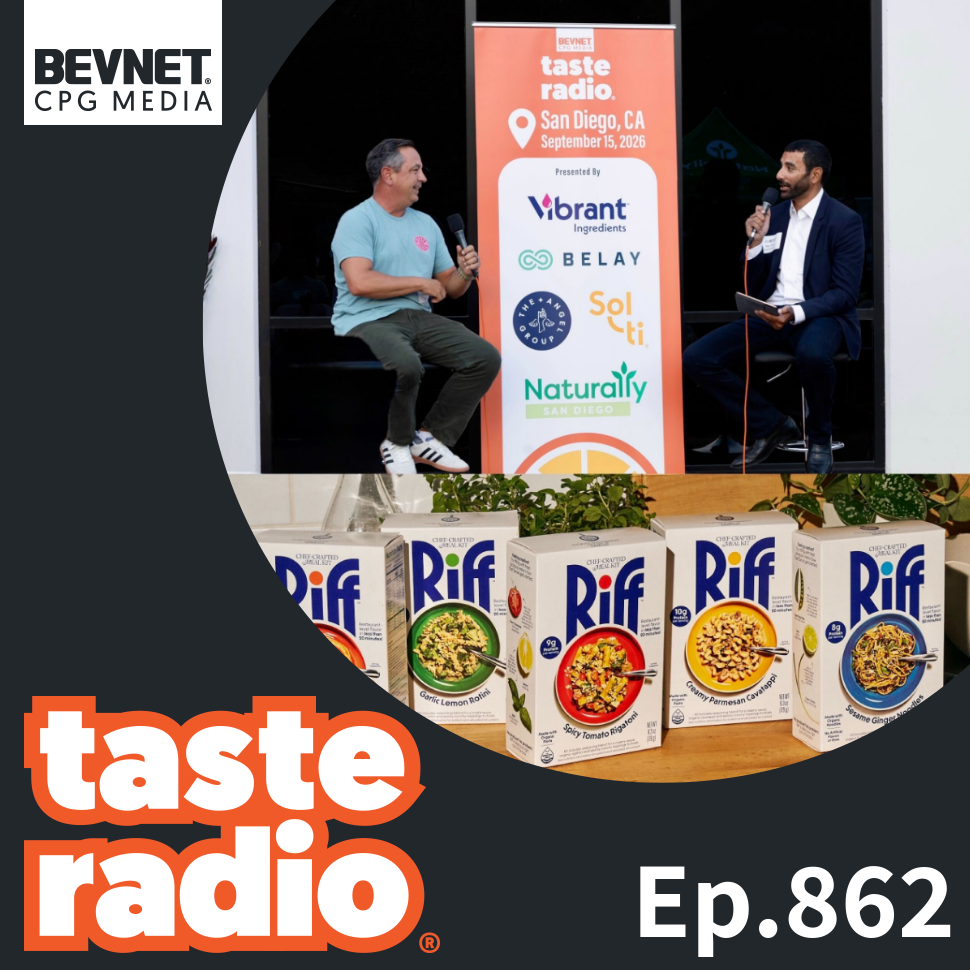
[00:00:10] Ray Latif: Hello, friends, and thanks for tuning in to Taste Radio, the number one podcast for the food and beverage industry. I'm Ray Latif, the editor and producer of Taste Radio, and with my co-host for this episode, John Craven, Jacqui Brugliera, and Mike Schneider. In this episode, we feature the third edition of Special Ops with Andrew Guard, in which the operations expert offers guidance on timely issues affecting food and beverage entrepreneurs. Get access to limited swag and exclusive content by becoming a Taste Radio VIP. It's easy for you to join that group of very important people. Just head to Taste Radio.com slash VIP and take one minute to sign up. That's the easiest URL you will ever. ever here, right? It's like Taste Radio, very easy words.com everyone knows.com really slash VIP. I mean, I don't know.
[00:01:01] John Craven: BevNET.com is pretty damn simple. I don't know.
[00:01:05] Jacqui Brugliera: Brewman.com. They're all very simple.
[00:01:07] John Craven: That's true. You lost me at the slash.
[00:01:11] Jacqui Brugliera: Then it got complicated. Jackie looks like you popped his balloon. Sorry, Ray.
[00:01:17] Ray Latif: Is BevNET dated, though, or? Dated? What are you talking about? What? Oh, there we go. No, the name. The name, you know, Net. It's timeless. It's timeless.
[00:01:26] John Craven: Get it together, Ray. Original logo with the lightning bolt.
[00:01:29] Ray Latif: It's right there. Yeah, I love it. It's in the corner. I think we talked about this once in the podcast, but the original name of the company or original name of the site was The BevNET. That's right. Did you have a reason for why you called it The BevNET? Because I couldn't get BevNET.com.
[00:01:43] John Craven: No, really? Yeah. Well back then Domain registrations just lapsed and then you could get it. Oh, you're one of those sneaky dudes, and you're just like I'm gonna wait wait wait Wake up the company well It was like some sort of ISP thing in Virginia, and they switched to Bev net and
[00:02:09] Jacqui Brugliera: I believe.
[00:02:10] John Craven: That's why you couldn't get Bev.net. Should we look up Bev.net? Yeah, does that still exist? Watch out. I believe it was the Blacksburg Electronic Village is what it was called. It's coming back to me.
[00:02:21] Ray Latif: Unfortunately, it says, this site can't be reached. Check if there's a typo in Bev.net. They probably sold dial-up or something. How could there be a typo in Bev.net? That's the character URL. Whatever. Anywho, great to see everyone. John, welcome back. You were in Vermont last week.
[00:02:38] John Craven: Oh, yeah, I was.
[00:02:38] Ray Latif: Melissa Traverse filled your seat admirably. Yeah, that's good. Yeah, you enjoyed Vermont?
[00:02:44] John Craven: It was quick. Oh, I did have lunch with the folks from Plank. Nice. Do they live in Vermont? They do.
[00:02:50] Ray Latif: Max did not know that.
[00:02:51] John Craven: Yeah, their headquarters is in Burlington, Vermont. How about that?
[00:02:56] Ray Latif: Chill dudes. Those are some plinking good dudes. The winners of BevNET Live Summer 2022, New Beverage Showdown 23 was Plink. It'd be interesting to follow up with those guys and see how they're doing.
[00:03:08] John Craven: It'd be Plinktastic.
[00:03:09] Ray Latif: Yeah, yeah. But excited for the New Beverage Showdown, as we've talked about many times on this show. Also excited to announce new speakers for BevNET Live, including some pretty outstanding members from a Relatively important retailer, Jackie, which retailer is that?
[00:03:26] Jacqui Brugliera: It is Sprouts.
[00:03:29] Ray Latif: That's a very important retailer. Yes.
[00:03:33] Jacqui Brugliera: Sprouts will be taking the stage at BevNET Live. They will be talking about how they're seeking innovative beverage brands, what goes into that process, what they're looking for, and they're going to be taking some meetings and more information about that can be found at BevNetLive.com.
[00:03:49] Ray Latif: So you're saying that people who attend WebNet Live will have the opportunity to meet folks from Sprouts?
[00:03:54] John Craven: They'll have the opportunity to meet if they qualify. Yes.
[00:03:58] Ray Latif: How does that work?
[00:03:59] John Craven: Sprouts Speaks a qualification process, but we're going to give you a way to express interest and Sprouts will let you know.
[00:04:05] Ray Latif: Okay. Fair enough. Yeah. I feel like if you dress well, that's why I always dress well to these things. You can usually talk your way into a meeting, even if you don't necessarily qualify. So. Hint folks dress well doesn't mean like a tie per se if you maybe a bowtie would I think Mike's got the model outfit We're going right now. I don't want to talk about my shirt right now. I just those are Taste Radio Those those shorts are a little too short.
[00:04:30] John Craven: I think Mike just get off the off the pitch. I We're playing for Arsenal. Yeah, that's exactly. Pretty sure you're on the field because they sucked this weekend.
[00:04:41] Jacqui Brugliera: They sure did.
[00:04:42] John Craven: They sure did. It was a disappointing weekend. I'm so proud of them, though. I'm proud slash disappointed. You just gotta celebrate the losses sometimes. I love how loyal you are. The 3-0 loss, right? So loyal.
[00:04:53] Ray Latif: That's a bad loss and that pretty much knocked Arsenal out of the title contention. They had been the table leaders for so long, but no longer.
[00:05:01] John Craven: Thanks, Ray. Thanks for reminding me of that. It's been fun looking down at Man U for the entire season, so. You guys talking about this for so long has motivated me to pay attention. And now my man city fan cuz you guys are both losers huge losers. This is good. This is a year ago Plastic fan oh yeah, I'm just picking whoever's at the top like yeah, that's it a year ago But I've always loved man city this is man city fans by the way. We just just go way back I've been watching them so long like maybe two weeks ago
[00:05:34] Ray Latif: This is good because a year ago John would have picked up a bottle smashed it over my own head to make it stop
[00:05:41] John Craven: I'm wearing the yellow shorts because I brought some of the new Oathouse granola butter banana bread flavor. No spoon, though.
[00:05:50] Jacqui Brugliera: Oh, in honor of bananas.
[00:05:52] John Craven: In honor of bananas, I'm wearing the banana shorts. That was a stretch. Thanks for connecting the dots.
[00:05:57] Jacqui Brugliera: I was like, where are we going with this?
[00:05:59] John Craven: Yeah, I didn't bring spoons. We can try it after the show, but I've had it, and yeah, it's OMB.
[00:06:05] Ray Latif: This is like the Matrix. There is no spoon. Nobody? No, I thought you were holding that because it made you happy, given that Arsenal is not going to win the Premier League, but also because there's big news associated with Oathouse. They recently got into Target. I believe it's Target stores across the country. Yes.
[00:06:27] Jacqui Brugliera: That's true. Yeah. They posted an awesome Instagram reel featuring their introduction to Target. It was really fun.
[00:06:34] John Craven: They did. And then, um, I was watching, you know, Allie's Instagrams and she had, I mean, they did the most incredible photo shoot. Uh, she bought a bunch of red and white outfits and just go to, um, Allie.B-O-N-A-R and then also Oathouse's page and you can see them. But she was talking about how She thought it was going to be one of the best days of her life. And then she got all excited about it. And then it was just, oh my gosh, overwhelming and, and, uh, not quite the day she was hoping it would be. But, and I think that that happens to a lot of founders out there. I don't think it's just her. So it was really cool to see her sharing that. It's just like, you know. A lot goes on in the food business and you see a lot of the good side of people getting into stores or launching new products and a lot of the hard work happens behind the scenes and you don't always see that. It's a lot of lows with those highs.
[00:07:29] Ray Latif: It's like the notorious B.I.G. once said, mo' money, mo' problems. That's a great song. You like that? I love it. I'm in touch with today's youth. I'm hip. I'm with it. Okay. Yeah. No, in all seriousness, you know, it is interesting to see and read Ali's Instagram posts and I can just read it here. Sometimes when I'm in the facility, I have this weird out-of-body moment when I look around and wonder, how did I get here? I live in Pennsylvania. I employ 26 people. I make spreadable granola for a living. Can someone tell me what the hell is going on and who put me in charge? I know she was the avocado queen.
[00:08:01] John Craven: She was the avo queen and now she is the granola butter queen.
[00:08:06] Ray Latif: Well, I think what she's talking about is imposter syndrome. And I hear this relatively often from entrepreneurs, especially ones that are seeing some success with their brands because you have achieved such things. John Craven, you've talked about this on Twitter, right? Yes.
[00:08:20] Mike Schneider: Yes.
[00:08:21] Ray Latif: Many times.
[00:08:22] John Craven: Typical, normal feeling for entrepreneurs.
[00:08:26] Ray Latif: Yeah, and it's one of those things where it's hard to embrace the good because you just see the challenges and hurdles coming in front of you as well.
[00:08:34] John Craven: She knows how the granola butter is made and she knows all of the, you know, she knows all of the ins and outs of it and the challenges that they face to getting into Target And then the fact that, okay, it's going to go into Target. People are going to buy it and, you know, potentially buy this granola butter and sell out and they have to make more and more and more and more. So what if it explodes, you know? They're a small company with their own production facility. So there's a lot to think about there. And that is the reality.
[00:09:00] Jacqui Brugliera: Yeah. And as you grow, there's just more challenges. There's more people you have to answer to. There's higher expectations. And I think when you found a company, you are doing it for yourself. It's a passion project. You're trying to solve a problem. And then Now you have all these consumers asking for your product and you have all these retailers expecting something. So it just adds all of that new pressure.
[00:09:25] Ray Latif: Sending lots of love to you, Allie and to Eric. It always helps, though, when you are scaling and trying to figure out the next steps for your business and brands to have great partners, especially supplier partners. including people like the team at AFS, Applied Food Sciences, which is the presenting sponsor for this episode of Taste Radio. AFS is the leader in innovation for functional organic ingredients in the natural products industry. And it's built on the belief that quality is transparent from seed to label through organic farming, ethical sourcing, and sustainability. Learn more at AppliedFoods.com.
[00:10:03] John Craven: Love how you just injected that into the middle of the conversation. I'm what they call a sultan of segues I think it was because we were talking about the notorious big so you want a FS.
[00:10:13] Ray Latif: Oh, okay. Yeah, I like that They're not notorious though notorious AFS. That's what I call it is Notorious and a FS. You know what? I think that the zaps would actually appreciate the notorious We should bring that out to them. Maybe they'll change the name of the company. I
[00:10:29] Jacqui Brugliera: Totally. Yeah. Let's chat.
[00:10:31] Ray Latif: Let's chat them up. Yeah. Well, we'll see them at DevNet Live in New York City. Hope to see you all there as well. You know, we saw a few years back in New York City, I believe it was at one of our summer events, was the founder of a brand called Toast, T-O-S-T. Or is it Toast? It's a maker of sparkling beverages that come in these 750 milliliter bottles and is intended to be an alternative to sparkling wine and adjacent beverages, a sort of celebratory beverage as it were. I recall seeing people this past New Year's drinking with toast as opposed to a sparkling wine or champagne. And at the time that they launched, which was in 2017, I have to be honest, I didn't see a huge runway for this brand. It just felt like the market opportunity was too small. I felt like it was too niche.
[00:11:20] John Craven: I remember us scratching our heads when, when it came out. Well, I think it's, you know, a prime example of a product where when it launched, the questions were like, where are you going to sell this? Like nobody buys this. Right. And, you know, they've done a really great job of just building their own path. And I think it also kind of shows maybe they knew something that we didn't in hindsight, but the trends have sort of evolved to a place where like that kind of makes total sense now. Yeah. So props to them.
[00:11:51] Ray Latif: That never happens. Liquid death.
[00:11:53] John Craven: I think it's the umlaut that makes it.
[00:11:57] Ray Latif: Well, they were clearly ahead of the trend and they've done well and they've found quite a bit of traction on the market to the point where Constellation Brands, the wine and spirits conglomerate, acquired a minority stake in toast. And this was announced last week on BevNET.com. Malika Montero, who has been at Brewbound Live. She's the Executive Vice President and Chief Growth Strategy and Digital Officer at Constellation Brands. Praise the investment as allowing Constellation to continue to optimize our higher end portfolio by providing an alcohol-free beverage with a complex flavor profile for consumers that complements their lifestyle across a variety of occasions. And I think what she's trying to say in all that is this gives people a choice. This gives people flexibility. and being able to drink what they want, when they want, and not have to settle for something. This is a premium product. I often see it stocked at Whole Foods, and I wouldn't be surprised if we start to see it stocked in many other retailers as well.
[00:12:58] Jacqui Brugliera: Yeah, and I think it's interesting just to see what Constellation Brands is doing in that space too. I know that they now have like non-alcohol Corona. They also have an investment in hot water. So they're trying to get into that space and they're understanding that people are still buying alcohol, but they want an alternative when they're also buying alcohol to be a little bit healthier, to drink less.
[00:13:23] Ray Latif: Absolutely. And, you know, this is, as the founder and CEO Brooks Addington described, toast is an affordable luxury. I feel like, you know, this is probably less than $10. I feel like it's even closer to seven or eight, but it looks premium. It's a beautiful bottle. You know, you bring this to a party, you know, people are going to reach for it and feel like they're not missing out on that social occasion. So once again, I I have to admit I was wrong about this brand, but I'm really happy about the fact that I was wrong. Switching to the alcoholic side of things. Did you hear? Well, of course, John Craven heard because he's the one who slacked it. That Neil Patrick Harris, Mr. Doogie Howser himself, he's going to hate me for saying that, is launching a new espresso martini, an RTD espresso martini. This is not surprising, right? I mean, what celebrity isn't getting involved? Yeah, more and more so.
[00:14:16] John Craven: At least it's not a tequila.
[00:14:19] Ray Latif: Well, yeah, but I mean, don't you think like there's also a kind of this glut of espresso martini brands out there nowadays? Yeah, probably.
[00:14:28] Jacqui Brugliera: I think there's a glut of just RTD cocktails these days. So it's interesting that more and more celebrities are getting into the space. This brand in particular, Thomas Ashburne, which creates the cocktail, they just are really capitalizing on celebrities. All of their products are linked to a celebrity like John Craven. I think Playboy Cardi.
[00:14:48] Ray Latif: And Sarah Jessica Parker.
[00:14:50] Jacqui Brugliera: Yeah. Sarah Jessica Parker with her Cosmo, which is very on brand. Totally city.
[00:14:55] Ray Latif: Yeah.
[00:14:56] Jacqui Brugliera: But yeah, that's really what they're building their brand on is just celebrities and tying a cocktail to that celebrity.
[00:15:03] Ray Latif: You know, what's interesting is you run the gamut from John Craven to Sarah Jessica Parker to Neil Patrick Harris, all of whom I would consider pretty well-known celebrities, in some cases A-listers. But I'm trying to figure out who would buy or be interested in buying the John Craven product because it's John Craven.
[00:15:24] John Craven: What is the John Craven product?
[00:15:25] Ray Latif: I believe it's an old-fashioned. Yeah. That does not make any sense. You know, John Craven's gonna come. He's from Newburyport, right up the coast, as it were.
[00:15:32] Jacqui Brugliera: He lives in San Diego. Does he? Yeah, I see him wandering around sometimes.
[00:15:37] Ray Latif: We gotta get him on Taste Radio, Jackie.
[00:15:39] Jacqui Brugliera: You gotta be like... Okay, I'll stalk him next time in Little Italy. And you know what?
[00:15:44] Ray Latif: If he's like, no, I'm not gonna do it, you can just do the chant that they do at these WWE shows, which is, Cena sucks. Cena sucks. You can just prank call him. He deserves it.
[00:15:54] John Craven: All right, I like it well great talking about John Craven, but getting back to reality here Hey wrestling is real This new hoplark 0.0 collaboration with Other Half, which is a brewery in New York City very well respected Well now people don't still wait in line for it I think you can get it in like you know the grocery store now, but anyway still great liquid Hoplark has a couple different flavors of these that they've just launched with Other Half. I think they all just use different blends of hops. It says non-alcoholic dry hop brew. So pretty excited to give this a try. Yeah, I want to try that too. Do you have more? I really like the idea of using brand equity from a known brewery for this too. That's pretty cool. That 0.0 series is really great. I mean, for me, it'd be difficult to tell the difference between that and a beer or at least the low ABV beer. I think those are just super for somebody who wants to just drink a beer, but not have the impact.
[00:17:00] Andrew Guard: Vibrant Ingredients is the natural ingredient partner powering food and beverage innovation, delivering flavor, function, and protection through a science-backed portfolio. Vibrant delivers purpose-driven solutions that help brands create extraordinary experiences. Discover what's possible with Vibrant today. Visit VibrantIngredients.com.
[00:17:27] John Craven: Moving out of beverages here. I got this. Oh yeah. New Fila Manila Isla sauce, which is described as a boozy pineapple rum sauce. This is, uh, well, pretty incredible stuff. First of all, uh, it's made with, uh, this Kusama, which is a small batch rum producer. And, uh, yeah, this stuff's pretty damn addictive. Feels a little, kind of like a new type of product for, uh, Jake from Philomenilla to, to launch here. But, uh, I'd kind of describe it. It's almost like a, like a sweet and sour sauce with like a little like kind of rum flavor to it. Interesting.
[00:18:06] Jacqui Brugliera: What have you used it with?
[00:18:07] John Craven: It kind of goes nice with, like, savory things. We've been putting it on, like, banh mi sandwiches, which is probably some form of sacrilege, but also put it on some, uh, had some, like, Asian tofu, some, like, takeout that I got at home that by itself was kind of whatever. But, uh, yeah, this- We should have Jake spice it right up. Give us some recipes because whenever we go to the Phil and Manila booth, they always have something really good for us to eat. And I'd personally like to learn a little bit how to cook Filipino style food and I think the difference between that and his other products is that one is the first that is in a squeeze bottle, right? Yeah, squeeze bottle. Yeah, you can just flip the top and...
[00:18:44] Jacqui Brugliera: I just went for it, oh my gosh.
[00:18:46] Ray Latif: It's so good. I don't know what to say about that.
[00:18:50] John Craven: We'll have to cut that, or maybe we won't. No, we won't. We're keeping that.
[00:18:53] Ray Latif: Oh boy.
[00:18:54] John Craven: That was awesome. Was it? You know, it is. It's really, I mean, you shouldn't do that because it's like really sweet. Sugar is the number two ingredient in this after water, so probably do not want to consume a lot of this just as a shot.
[00:19:10] Ray Latif: You just had your lunch, is what you're saying.
[00:19:12] John Craven: Yeah. I'm just glad I didn't get it on my shirt. But anyway.
[00:19:15] Jacqui Brugliera: So the product I want to talk about isn't in the office, but it's on Nosh.com and it's a collaboration between Compartes, which is a gourmet fine chocolate brand with, you would never guess it, Velveeta, which is a high-end, just kidding, kind of low-end mac and cheese brand that I used to eat frequently when I was younger.
[00:19:38] Ray Latif: Oh, God.
[00:19:39] John Craven: Wait, is it Mac Mac and cheese or slices? Did you eat both? Yeah, well, they sell they sell.
[00:19:44] Jacqui Brugliera: I guess they do, right? Yeah. Yeah. But they came out with a truffle, which is a truffle with white chocolate on the outside and Velveeta cheese on the inside. Oh, my God.
[00:19:57] John Craven: That's going to be good.
[00:19:59] Jacqui Brugliera: If you look at the packaging, it looks, you know, high-end, looks like a gift and you open it up and you have five shell-shaped truffles full of Velveeta cheese and the price point is $25. What? You're paying $5 a truffle.
[00:20:14] John Craven: That's like when we went to London and got those Kit Kats.
[00:20:19] Ray Latif: With the gold yeah, that was weird, you know if I if it weren't announced six days ago Yeah, and this is the first comments on their Instagram post about this. I would have thought this was an April Fool's joke and I almost feel like they did this for shock value because Compartis is a high-end chocolate brand. It's a super premium chocolate brand and Velveeta is ain't that. And it's just kind of a weird collab. I mean, that's exactly why they did it. We're talking about it.
[00:20:50] Jacqui Brugliera: Exactly. It's a PR stunt. But also, if you think about it, they also had the Veltini recently. So it seems like they're trying to do high-end collaborations to draw in a higher-end audience. But when you bite into that truffle, I don't know if you're getting a high-end experience. So it might be good for blips of exposure, but as far as long-term sustainable growth, not quite sure, but I'm still curious and I still want to try it.
[00:21:17] Ray Latif: So Kraft Macaroni and Cheese did the partnership with Van Lewins, right? And that was kind of weird too, but I feel like that almost made more sense because you get- Did that really exist though? Yes, it did. Yeah. Like, do we know anyone that actually tried it? No.
[00:21:31] John Craven: Exactly. How did you not try it?
[00:21:33] Ray Latif: You're like their biggest fan. I'm a big fan. I don't know if I'm their biggest fan. I think you are. I feel like Kraft Macaroni and Cheese somehow Has a more premium reputation or slightly more premium than Velveeta. Velveeta feels like government cheese in so many ways.
[00:21:48] Jacqui Brugliera: It's just like a liquid cheese, you know? You just squeeze it out of a pouch. And when someone explained the experience, when you bite into it, you're getting that liquidy cheese coming out of the truffle.
[00:21:58] John Craven: I feel like when people use it as an adjective, it's not a good thing. It's Velveety.
[00:22:06] Ray Latif: I'm going to agree with William Bill Green, who left a comment on this Instagram post from Compartes. William Bill said, oof, this sounds revolting. William Bill and I are kindred spirits because that's exactly how I feel.
[00:22:20] Jacqui Brugliera: I'm curious too, you know, if you're Compartes and you get approached by Velveeta, like what do you, I guess you're getting a blip of exposure as well. But Other Half that, I wouldn't say they're, you know, partnering with a high end brand.
[00:22:32] Ray Latif: They just have a good sense of humor.
[00:22:34] Jacqui Brugliera: Yeah.
[00:22:35] Ray Latif: Maybe they were just here for the comments, because there's a lot of good comments here. Annie underscore too tired said, y'all being sus AF, what is this sorcery?
[00:22:44] Jacqui Brugliera: Oh my god, we should do a whole episode of you just reading comments.
[00:22:51] Ray Latif: I had a great conversation with the founder of this brand, Midwest Juicery, which is a maker of cold pressed HPP juices. You know, and I asked Ziad Burkett, who's the founder, how is it that he's finding traction with a category that seems to be in decline, that seems to be less relevant to the everyday consumer? And he said, well, number one, I looked at what the biggest problem was. And the biggest problem with cold press juice and juice in general is? Freshness. No. Quality? Jackie, would you say? Sugar? Sugar, exactly. People pick up a bottle, they look at the back, Jackie, once again with the right answer. And they're like, why am I drinking a bottle of juice that has, you know, 20 to 40 grams of sugar? So what he did is really look at the opportunity to formulate these products with a lot less sugar. And he's definitely found a receptive audience. So exciting stuff. He sent us a bunch of his samples. I mean, this stuff looks good.
[00:23:54] John Craven: It sort of feels like what's old is new again, you know? The cold-pressed juice category got so far off of what it was originally created for that this is like, you know, what you'd expect to see on the market in, I don't know, 2018, right? But that doesn't really exist anymore.
[00:24:10] Ray Latif: No. And one of the cool things is, so I have their sipping on ginger juice variety, and it has the ingredients listed on the front. It has apple, lemon, ginger, apple cider vinegar, and turmeric, cayenne pepper, and black pepper. with the first ingredient being apple, I assume there was going to be, or I assume there's going to be a lot of sugar in this, but there's only eight grams in this 12 ounce bottle. And the ingredients, again, the first ingredient is filtered water. The second is organic apple juice. So yeah, I love the idea of an eight gram sugar juice. And I'm going to crack this. Yeah, DNS.
[00:24:47] John Craven: Trying this carrot one.
[00:24:49] Ray Latif: Carrot for gold? No, this ginger juice one is really good. Well done, thank you Ziad. None for me. I know, we'll be talking to you again soon. What's up with that?
[00:24:58] Jacqui Brugliera: I don't get it either.
[00:24:59] Ray Latif: I know. Mike, do you want the lava lemonade? Of course. Okay, there you go. Once again, thank you so much to Ziad Burkett from Midwest Juicery for sending us these products. Are you afraid I'll spill the beet? On a microphone? On your yellow shorts is what I was going to say.
[00:25:13] Jacqui Brugliera: Just destroy everything.
[00:25:14] Ray Latif: And you have to take them off and then that's just going to be a whole HR issue in the office. We don't need that.
[00:25:20] John Craven: It's like a bloodbath. We're going to get Taste Radio cargo shorts in Mike's honor. I am very concerned about the direction of this episode. It's not. That's why we're getting them for Mike. Got it.
[00:25:32] Ray Latif: Yeah.
[00:25:32] John Craven: Ooh, this has pepper. This is awesome. Oh, maple syrup, cayenne pepper. This is really good. Midwest Juicery, thumbs up.
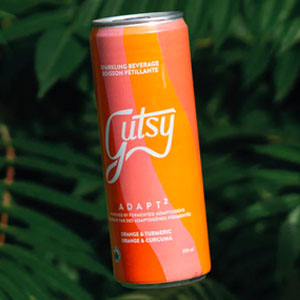
[00:25:39] Ray Latif: Indeed. Yummy. Have you guys tried Gutsy? I have. I tried the product at the Winter Fancy Food Show. I think I talked about this. I thought it was the founder, but it wasn't. It was a sales rep from the company. And he was, he had a little wagon and he was taken across the floor on the last day of the show, bringing gutsy to the people as opposed to the people going to the booth. And I thought that was a pretty good idea, even though I was probably against the rules of the show.
[00:26:06] John Craven: I think it's a brand out of Quebec. This one's called Adapt2 and the flavors I have are orange and turmeric and passion fruit hibiscus. I've had the orange turmeric. It's so good. A little confusing because their Instagram handles Gutsy Kombucha. So I wasn't sure if they were trying to make this a kombucha or not. I asked, they said they're just busy trying to keep up with demand. So they haven't gotten around to changing their handle yet.
[00:26:32] Ray Latif: So, so you're saying you have tried it or do you have it?
[00:26:36] John Craven: Yeah, I have. I have. It's tasty.
[00:26:38] Ray Latif: You want to try it? Is it gutsy or tasty?
[00:26:40] Jacqui Brugliera: Both.
[00:26:42] Ray Latif: Okay.
[00:26:43] Jacqui Brugliera: I have another beverage over here. Name is Jabin. We met the founder at Expo West at the Mina meetup. And this is a Persian beverage with cucumber mint, electrolytes, gut health, hydration, lots of functional benefits. And it's really simple ingredients. So it's an apple cider vinegar beverage. The ingredients are water, apple cider vinegar, raw cane sugar, cucumber juice, mint, cilantro, and pink Himalayan salt. And it's really, really refreshing.
[00:27:11] John Craven: That just hits the exact right way, doesn't it?
[00:27:14] Jacqui Brugliera: Yeah, it's chuggable. It's really tasty. The fact that it has all of these, you know, functional callouts in addition to that is just, you know, icing on the cake because it's just a really delicious, tasty beverage.
[00:27:26] Ray Latif: Super good. I love the idea of a cucumber water. I love a cucumber water with functional benefits. I feel like that probably needs a package upgrade because in that glass bottle, it You know, it's a stock bottle, but if you get that into a custom or some sort of at least different looking bottle, I think he would stand out even better on the shelf.
[00:27:48] Jacqui Brugliera: Agreed.
[00:27:50] Mike Schneider: Do you want more repeat buyers on Amazon? Well, this free resource in collaboration with Straight Up Growth will help your brand turn first-time buyers into long-term subscribers. Download Winning the Repeat Purchase Game on Amazon now at Taste Radio.com slash SUG. That's Taste Radio.com slash S-U-G to start building retention-driven growth for your brand on Amazon. Scaling a beverage brand into major retail comes down to operational readiness. From packaging lead times to co-manufacturing strategy, the details can make or break a launch. In a new e-book in collaboration with Octopi and Asahi Beer USA, industry leaders share what they've learned in helping brands scale. Download it now at Taste Radio.com slash octopi.
[00:28:40] Ray Latif: Alright, it's time to get to our featured interview for this episode. That's with Andrew Guard of Right Coast Brands. In this conversation, the third edition of our regular series with Andrew, the operations expert spoke about how founders operating early stage in emerging businesses can more effectively prepare their brands for scale. He also discussed the link between great flavor and mainstream appeal and considerations when working with natural and non-nutritive sweeteners, including monk fruit. Hey folks, it's Ray with Taste Radio. Right now I'm back on the mics with the one and only Andrew Guard. Andrew, how are you? Good, Ray. How are you? It's been a minute, I'd say. It's been a minute in a year that's flying by. Correct. It's May. I feel like, I was just asking, when was the last time you came to the studio? And you were like, February? I was like, no, it had to be years ago.
[00:29:29] Neil Patrick: Right. I know. Well, how many times have we traded texts either day before or day of, of like, hey, sorry, my turn to cancel? It was, it was more than was appropriate for sure.
[00:29:41] Ray Latif: Well, you've been very, very busy.
[00:29:43] Neil Patrick: Yes.
[00:29:43] Ray Latif: Right Coast Brands is just doing all kinds of business with all kinds of brands. How are you keeping up?
[00:29:49] Neil Patrick: We're not. Best we can, I guess. It's an interesting process being kind of on this side of the business. And, you know, the amount of interaction, communication, explanation is a significant amount of the, you know, I'd say like prep time, lead time. But we're extremely fortunate in that At least once a day, seven days a week, there's outreach to us, you know, with people who have really cool ideas or want to learn more or want to move fast, want to do, you know, a variety of different things. So it's, it's wild to see and it's wild to be like on truly that front cliff of like what's kind of coming down the pipeline in this industry. And that's what I hoped for sure.
[00:30:34] Ray Latif: You said that you're getting inquiries, inbound inquiries, seven days a week, sometimes once or twice a day. And one of the most challenging parts of your job is explaining to potential clients how this business works, or at least how manufacturing works. What are some of the things that you're having to sort of repeat often about this business?
[00:30:57] Neil Patrick: you know, right-sizing expectations around where brands are at from a scale perspective in their infancy, whether it's pre-launch or, you know, they've kind of had a product in market that they're trying to figure out how to grow a little bit, and really right-sizing expectations in terms of unit economics and balancing what is either an emphasis on cost of goods or an emphasis on cashflow. At an early stage, you can't do both. You can't be hyper-obsessed about having your unit economics case cogs be X, but then also not have the ability, rightly or wrongly, in deploying excess capital to drive unit economics. You afford yourself that ability. It's much better to think about cash flow and how you're utilizing every dollar that you have available to your business across your entire business, across your headcount, across your marketing, across trade spend, across product, across materials, but you have to look at the whole picture. So a lot of what we do is taking that step back and working with these founders and investors or groups of people to help them understand their entire business and building a structure that's more supportive for their entire business, not just you know, solving some sort of problem on like a liquid or packaging costs perspective. So you're consulting as much as you are co-packing in so many ways. Yes, and that's the ideal sweet spot for us where we can be truly helpful, you know, in like a 360 type of way. It's only advantageous for us and it's certainly advantageous for all the people that we end up working with. There are challenges in, you know, having to either over explain that, you know, to someone who's very new to the space or has, you know, they're very ingrained in the way that they're thinking. And that's on like the small emerging side of things. We also have a couple of really cool partnerships with brands that are, I would say, in that kind of on their way to scale or, you know, are very large regional like food and beverage companies on the retail side of things that we're also doing cool stuff with in terms of like their innovation pipeline and portfolio and stuff like that. Stuff I can't talk about.
[00:33:08] Ray Latif: You mentioned scale and there's, I think what has been revealed as a myth in the beverage business, and I think in food in some ways as well, which is that scale can fix your unit economics, or at least scale can help you get to a gross margin that is industry acceptable or investor acceptable. Is that true?
[00:33:30] Neil Patrick: It's true, but there's tons of complications that come with that. I mean, what kind of product are you looking to scale? Is it a scalable thing? If you're making a carbonated soft drink or a canned seltzer that has very straightforward components, the supply chain pathway has been built for you, basically. and all you're trying to do is get on the highway, it's much easier to merge onto the highway than it is to build a new one, right? So I think there's been supply chain challenges for brands that are adjacent in categories like alternative milks. I think those brands have had tougher times building unit economics that are viable, scalable, things like that, when you're looking at it as a comparable to traditional milk industry, right? carbonated soft drinks, things in cans, that's pretty dang straightforward. And if you're smart about how you build the back end of your business, you should absolutely be able to unlock, you know, incremental tiers of unit economic efficiency as you grow. You certainly tap into some parts before others. And it's just, again, it's still a willingness of Are you managing against cash outlay and burn for money you've raised? Or are you now at that point where you're looking to be more efficient? You have sightlines just on true bottom line profitability. There's different levers to pull constantly. And then also looking at your products and your business as a portfolio, do you have some channels that are much more margin efficient versus others? What's your blended margin expectations and blended cost of goods? And then there's product margin and gross margin, right? Product margin you can really bear hug, you know, at multiple stages in the business. Your gross margin is obviously a blend of your product costs, but also like what you're willing to do in market to create some contra revenue to your business, to get product in people's hands, to gain exposure, to be more engaging in partnerships and partner with retailers in a certain way. So gross margin and product margin, two different ways of kind of like slicing the same amount of cost efficiency.
[00:35:37] Ray Latif: Right. To be clear, product margin is what it takes to make your product. Gross margin is what it takes to make and sell your product in so many ways.
[00:35:42] Neil Patrick: Yeah. No, that's a good summation of that.
[00:35:44] Ray Latif: Yes. Is it scalable is the question, but if you answer that question, is it scalable? Yes. But what does scale mean? What is scale for a particular category, for a particular beverage type? I mean, how do you figure that out as an entrepreneur?
[00:36:01] Neil Patrick: it's slightly evolving, you know? What is your revenue or business goals expectation? And is that properly aligned with what's the reality of, you know, the category you're in? You know, what is the market opportunity? And what are you trying to achieve? So if you can clearly understand and define the market opportunity, and then what you wanna incrementally achieve within that opportunity, you can really understand how to drive towards some level of scale. Scale is, you know, not overspending on a per pound per unit basis on materials. You know, how to properly plan for production runs and raw material and finish good inventory management. You know, do you front load production and have inventory in a warehouse for 18 months or a year? Or do you look to do it every four weeks and you have a revolving thing? What goes into that? Tons of freight. How do you balance these things? So it really is indicative of what you're looking to achieve, I'd say, within a window of time for your business. So first six months, first 18 months. first two years and then kind of after that period, you should understand like what your game plan is from a sales growth opportunities perspective and how to best deliver efficient margin driven products. within all of these kind of channels of growth, right? Is club more efficient for you than direct-to-consumer or vice versa? Is working with a national distributor like UNFI and KEHI beneficial for certain parts of the business where you don't have to over-index on additional SG&A expenses like headcount and marketing activities and some kind of further outreaches of the country? Or do you really want to go and penetrate a certain area geographically independently with an independent distributor as well, too? How are you supporting them? What's going to go into that? I'd rather invest more dollars there and more dollars to drive velocity and growth at retail and off the shelf, as opposed to like pinching pennies and trying to get cute and creative with sourcing. and taking your eye off the prize, which is selling products at retail and engaging with consumers.
[00:38:22] Ray Latif: I imagine there's a lot of folks listening right now that are furiously writing down notes so they can include what you're talking about in their decks or at least, you know, certain parts of what you're talking about in their decks when they present them to investors. Cause at the end of the day, this is all going to cost a lot of money. Yes. Yes. When you are talking to investors, are you finding that, uh, and just, you know, having those conversations, are you finding that their expectations are a lot more realistic than they had been in the past? Are you finding that they want. you know, the God's honest truth more than sort of the pie-in-the-sky opportunity?
[00:38:52] Neil Patrick: 100% for sure. I think understanding what the God's honest truth actually is tends to be enlightening. And also how difficult and expensive it is to start, operate, and begin to grow a beverage business. There is no pathway to profitability in the beginning. You have to be spending top line dollars. to grow the business. It's not a 100% product margin scenario, right? For every one you sell, you make enough money for the next, right?
[00:39:28] Ray Latif: And this is in particular as it relates to beverages. I mean, I think there are some food categories where you might be profitable at the beginning, but yes.
[00:39:35] Neil Patrick: And my, I have much more experience on the beverage side of things, like across the board than snacks or food, but It's a different idea and velocity changes things a lot more too. You know, what's considered acceptable and expected in terms of, you know, retail velocity for food is definitely different than beverages. And you see that in this kind of like right-size buying power and it's like the backend manufacturing pieces of that too. It's much smaller scale and much more hands-on. It's just not that way so much with beverages.
[00:40:08] Ray Latif: I imagine conversations with investors are happening on an everyday basis in your role at CulturePop, where you're one of the co-founders and helping to scale that brand as well, doing really well from what I understand. You guys are national. Any news that you care to share about how you guys are doing?
[00:40:27] Neil Patrick: I mean, CulturePop's continuing to do extremely well in the accounts that we're in. I think we've been surprised based off of our conservative expectations about how we would have grown to perform at Walmart. Some of our best performing stores are in very specific regions and are Walmart accounts that my takeaway is that they're most likely underserved consumers in terms of people who are looking for better for you options. One of our best performing stores is in South Dakota. So it's not something that we would think like when we're like putting out like a map of how to grow this business that we're like, you know, South Dakota is going to be where we drive the most velocity. But I think it's a direct result of one Walmart doing a good job of you know, working with us to find the right stores for the product to have us be successful. And then in those areas where I'm sure wherever this is in South Dakota and those consumers are, they don't have Air Ones and, you know, a variety of Whole Foods and Sprouts and all these other places to really kind of wet their whistle in terms of like new and emerging products. So, so far, so good. And similarly with Albertsons as well, too. You know, we've have a really good set with Albertsons, their dedication to understanding the category and all the emerging brands that are, you know, sit next to us has been very, very rewarding. So it's good to see this product, that brand do well in like very, you know, traditional kind of mainstream accounts. So that's been exciting.
[00:42:01] Ray Latif: Well, one thing I consistently hear about CulturePop is that it tastes amazing and it tastes amazing in comparison to some of the other better for you sodas that are out there. And I talk about this on the podcast all the time, which is that taste is king. It always has been. You can't put out this beautifully packaged product, have someone buy it, try it, don't like the taste and expect them to buy it again. That's just not going to happen. And, you know, that advantage of having better-for-you taste, I mean, how big of an advantage do you see that as having in a very competitive category, a very competitive and fast-growing category like better-for-you soda?
[00:42:42] Neil Patrick: Yeah, I mean, your point of view in terms of taste being King is 100% correct. I mean, the reality is it's the foundation in which you're building these products on. It's not the packaging, you know, it could be somewhat the people, but if your product is delicious and repeatable from a manufacturing perspective, like you're not going on these wild swings of variability and taste or quality and scalable, you know, you've built something that tastes great, is repeatable and is infinitely scalable. That's a rock-solid foundation. And it's economical for the category for where you are in your growth period. That's some strong stuff. And it seems like a no-brainer, like, well, just make great-tasting stuff that check all those boxes. But that's hard to do. And we spent a good amount of time getting that right, you know, right in the beginning, before we did anything else. I mean, Tom, Mark, and I sat with the product and, you know, we did a really good job of getting right in that wheelhouse of what we wanted kind of Right Coast of the gate. I think we had a lot of like preemptive time to like theorize what we would consider to be, you know, a quality ingredient deck that tastes great and what our guardrails are, right, of what we want to use, what we don't want to use from an ingredient standpoint. And then solving the problems that make us unique, like the spices and herbs, you know, that's a very intrinsically challenging problem to launch and then to realistically scale is how are you putting real ground spices and herbs in very large beverage, you know, blending tanks and not have them clog all this stuff. You know, we incrementally solve supply chain challenges like through that piece as well, too. But it all comes back down to taste. And then how do we deliver a relatable, approachable experience? And if we have that super strong foundation, we can go and take this product and put it in front of everyone because there's zero compromise on the taste. There's no, well, it's good for a thing that has this or it's good for zero sugar. You know, there's always that kind of like, caveat or asterisks for a lot of newer products and I just don't know if they're fully solving You know a problem for a consumer by having to always have that compromise that I think That's challenging for me as someone who likes to create a lot of this stuff and put together great tasting products I struggle with having to be stuck in certain boxes around calorie sugar can't use natural flavors has you know, it's this there's The less you can get stuck on ingredients and a why, the better you can make your product taste, ultimately.
[00:45:25] Ray Latif: How do you impart that foundation of a relatable, delicious experience to your clients as a co-packer? You and I, and everyone who works at BevNET, former and current employees, are beverage geeks, right? We know what tastes great because we've tasted a thousand products. Sure. But I did an interview with the founder of a small retail chain called Pop-Up Grocer. In fact, it's a single store retail chain at this point. And she said in her criteria for determining what she's going to put on shelf, taste is not part of that criteria because she said taste is so subjective. And I kind of disagree with that because I feel like taste at a scalable level is pretty objective. People, I think when you're selling a lot of product, Generally speaking, there's going to be a lot of people who think it tastes great. So as an operator and as a co-packer, you know, how do you share that kind of information, share that kind of expertise, I guess I would say, with someone who says, oh no, I think it should taste like this. And you're like, look, that is not going to work for the mass market. It's not going to work for a larger audience. Sure.
[00:46:34] Neil Patrick: Well, one, incredible way to incorporate taste into your Taste Radio podcast. I'm very proud of you for being able to bring us, to ground us. Radio was my idea. I don't know if taste was. Well, we can, fair enough. That's a good question. And it's a, it's an evolution in education for me as well, too. Because like you said, like, I've tasted everything for the most part or have a sight lines on what something's going to taste like based off of what I can read, you know, from ingredients. And when I get pitched ideas or things brought to me, there's sometimes challenging conversations just around feasibility or like, yeah, like that's not gonna taste that great. Or you're not gonna get into some retail doors because of stuff you think you have to use or you know, you want to solve some of your problems, right? Like problems I mean, I refer to as like, has to have, you know, 10 calories. Well, that's, I mean, that's very challenging just to have that be a guardrail, right? And then you want it to be X, Y, Z, or like no sugar or low sugar. Like, well, what does that mean? That's low is subjective relative to what somebody is willing to consume or not. I would agree with you that taste is something that is not subjective. there's a lot of fundamental baseline necessity to create shelf-stable products, whether they're acidified or low acid. And taste is one of those kind of specific criteria. And taste is aligned with some of the scientific sides of things in terms of acidity and bricks and sweetness. So how are you emulating that? And then how are you recreating some sort of experience? So if you don't have sugar, what are you doing to help enhance the sweetness profile of whatever you're creating? How are you recreating the mouthfeel and the viscosity and like the tackiness that, you know, using, you know, what essentially becomes like a simple syrup in a product, when that goes away, how do you replicate that? What are your tools that you're allowing yourself to use? I think a lot of that is all comes down to taste, right? And that model can be applied to any type of beverage format for the most part. So that's very objective and not subjective in my opinion. And then the whipped cream or the cherry on top is what makes you stand out and different and how you highlight those components.
[00:49:02] Ray Latif: There are so many natural sweeteners out there, there's so many artificial sweeteners out there, and I think everyone's trying to find, still at this point, that holy grail of combinations that are going to work for a low-calorie, low-sugar beverage. You know, obviously erythritol is going through its own kind of... Identity crisis. Identity crisis is a good way to put it. So when you are advising folks about sweeteners, and you talked about this earlier, people want to get down to that low calorie count. They want to be zero sugar or at least close to that. What are you seeing right now in the landscape of sweeteners, non-nutritive, natural and artificial and otherwise?
[00:49:43] Neil Patrick: It's kind of like the, it's not like the Wild West. when it comes to it, you know, there's a lot that's understood now from the supplier side of things and how to best put these non-nutritive sweeteners in the right products at the right quantity, you know, and that helps the product, doesn't hurt it. You're still seeing blends of something that is like a monk fruit with a natural sweetener, whether it's juice, whether it's sugar. And ultimately maybe there's gonna be like a softening there, Whereas, you know, not to go out on a limb, but I think you're seeing trouble with your erythritol. Like, can that happen with something else? I don't know. You know, like, I, I, I, so that's, that's a bit of a, not gonna say a red flag, but like, imagine like you built a whole brand around X and then, you know, well, like let's just say, let's use Zevia, right? Everything's built that brand, literally the name's built around Stevia, right? if Stevia ended up having something horrendous, you know, like... Well, it's interesting because there have been reports about the sort of... Like the gastrointestinal... Exactly. So, but again, like one of that is kind of just like something to talk about, you know, in the food and beverage space versus like, this is a real serious health problem. You know, that's also, I mean, McDonald's still is in business and like, I think that's been clear and like doing really well, you know, so like, it's not that, that it's going to kill you, you know, but When you are bootstrapping and trying to grow and trying to get good-tasting products in people's hands, stuff like that can derail you. And if your whole thing's built around that, like, what do you do then? You know, then you're spending your entire time defending something that, like, Is that your job to be defending? That seems like a waste of resources and exhausting. I like some of the components, but the reality is any of these non-nutritive, high-intensity sweeteners, you have to do some decent amount of masking, blending, formulating to have them, like you said with this, like it's not smacking the face and it doesn't take over the entire profile like it used to five years ago or whatever, when these kind of things first started coming out. That's all you tasted. I think that's still the reputation with stevia. People just say, oh, I don't like stevia. Even if it has monk fruit or something, you know, they're like, I don't like that stuff. Like, well, you know, like, come sit back down at the table. Like, it's collectively gotten better. I do think it's fundamentally better in some drinks than others. It's not my personal, you know, I don't need to go seek it out because if I'm going to drink something that has calories in it, I mean, that's fine with me, you know? Yeah, I still want to see how it goes and I want to see how the brand that isn't using something that's in Coke Zero or Pepsi Zero or whatever be successful at that scale. I just haven't really seen that yet.
[00:52:41] Ray Latif: So in essence. Entrepreneurs should be willing to be flexible in their approach to sweetening products. Entrepreneurs should be willing to be flexible, period. Yeah. Well, I, you know, as it relates to sweeteners, I think there are some people will say, I don't want monk fruit. Well, hold on. Let's, let's consider the, let's consider the options cause they have gotten better. Right.
[00:53:01] Neil Patrick: Okay. Right. Or yeah. Like how do we work to blend these things together? Right. And what do you want the consumer's takeaway to be? on these products, you know, are you okay using sucralose because like it's a high velocity drink that like if it's in the natural channel, great. But the reality is like you're looking at mass market performance like prime. Yeah, it's going to taste better. Yeah, Prime uses sucralose and they are... Celsius. Yeah, Celsius. And it hasn't hampered their growth. No. You know? Not at all. So again, like, what are you trying to accomplish, too? You know? And also, like, to build products to solve a certain retailer problem, that's pretty thick blinders, too. Sometimes you gotta just stay true to yourself and stay the course. And if you have a great tasting product and you're not... you know, you're not lying about what's in it or like you're not totally compromising, you know, the authenticity or the premiumness of the brand and it is what it is. I mean, I think that's fine, you know?
[00:54:02] Ray Latif: Always, always insightful, educational, entertaining. Andrew Guard, thank you so much for taking the time to be with me today. I feel like we could chat for another three, four hours. We have plenty of beverages here and the ones that you brought. Yes. So, uh, we'll do it again soon. Thank you so much. And just to be clear, you know, I'm sure that people can find you on LinkedIn and otherwise. Is that the best way to get in touch with you if they want to connect with you?
[00:54:26] Neil Patrick: Yeah, or just reach out to us via the WrightCoast site or, you know. What's the site? Right Coast.
[00:54:34] Ray Latif: Okay, Right Coast. Yeah. Awesome. All right, my friend, I will talk to you soon. Yeah, sounds good. Thanks, Ray. Thank you. That brings us to the end of this episode of Taste Radio. Thank you so much for listening. Taste Radio is a production of BevNET.com, Incorporated. Our audio engineer for Taste Radio is Joe Cracci. Our technical director is Joshua Pratt, and our video editor is Ryan Galang. Our social marketing manager is Amanda Smerlinski, and our designer is Amanda Huang. Just a reminder, if you like what you hear on Taste Radio, please share the podcast with friends and colleagues. And of course, we would love it if you could review us on the Apple Podcasts app or your listening platform of choice. Check us out on Instagram. Our handle is bevnettasteradio. As always, for questions, comments, ideas for future podcasts, please send us an email to ask at Taste Radio.com. On behalf of the entire Taste Radio team, thank you for listening, and we'll talk to you next time.
[00:55:32] John Craven: you