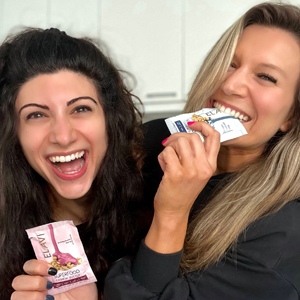
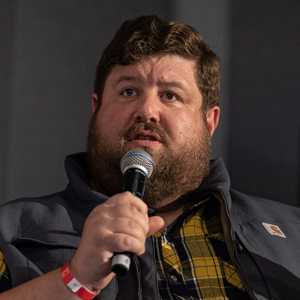
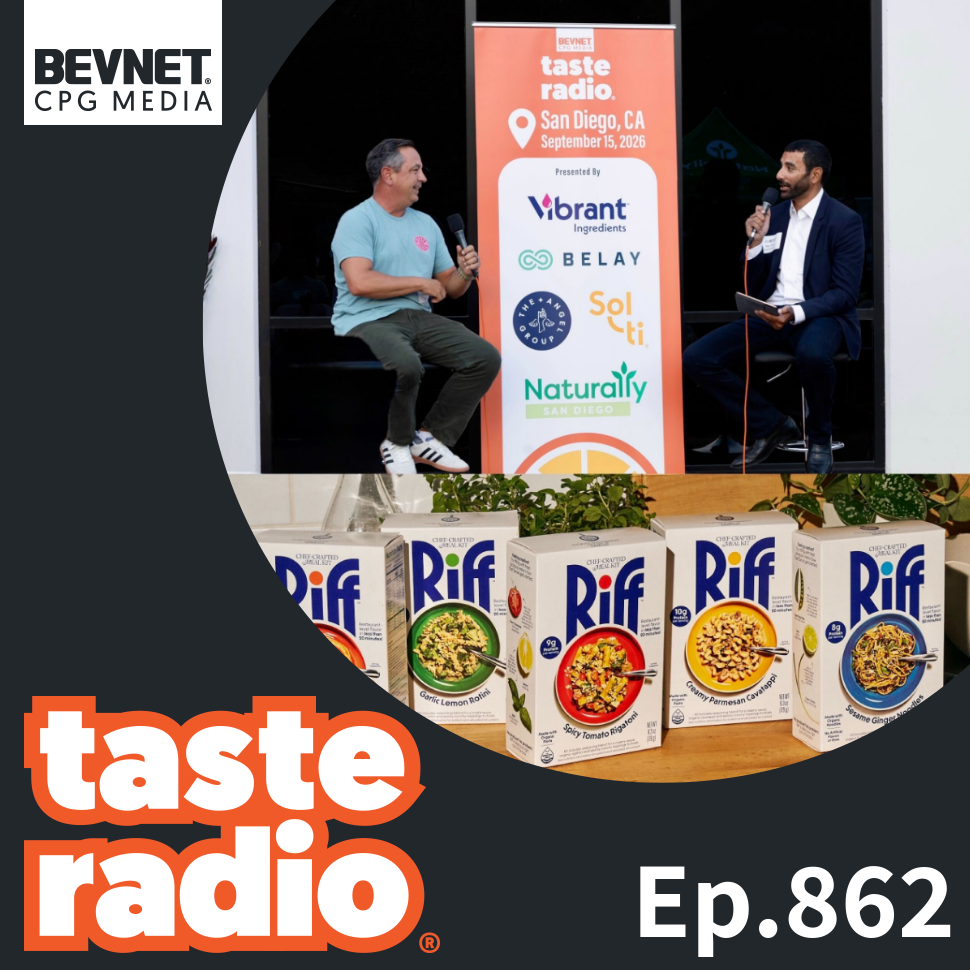
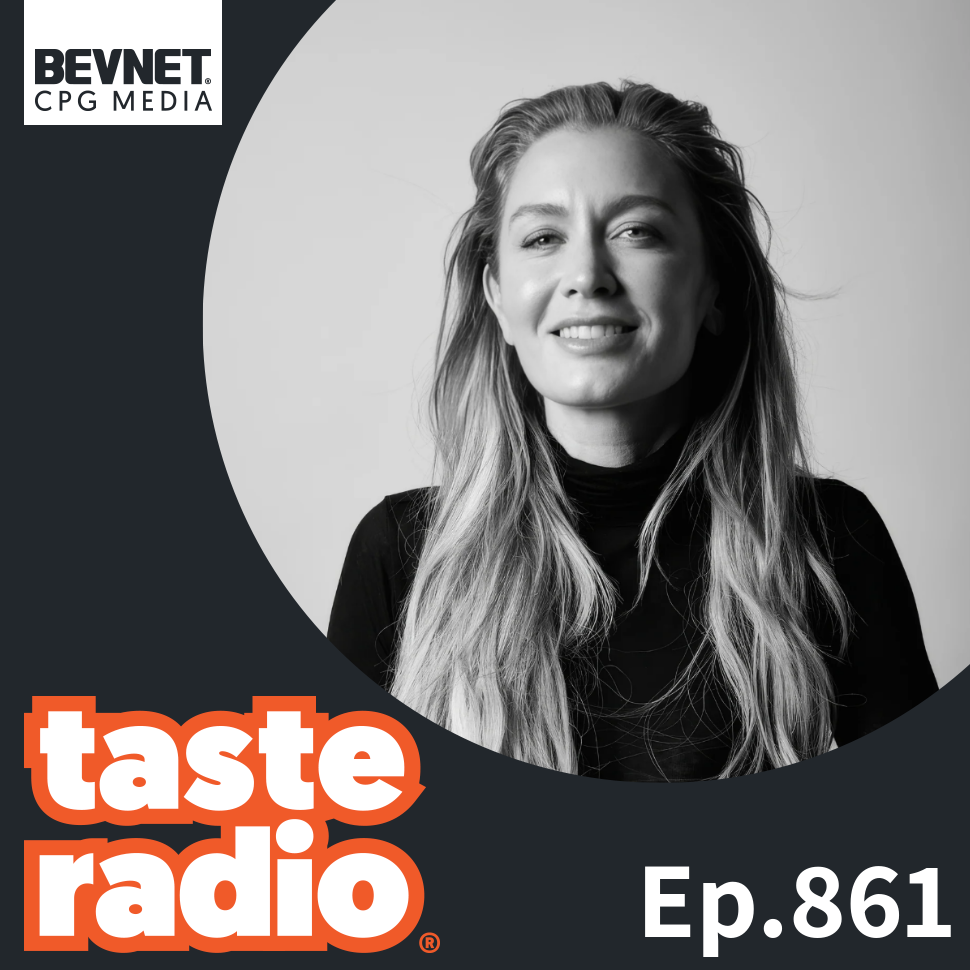
[00:00:10] Ray Latif: Hello, friends, and thanks for tuning in to Taste Radio, the number one podcast for the food and beverage industry. I'm Ray Latif, the editor and producer of Taste Radio, and I'm with my co-host for this episode, John Craven, Jacqui Brugliera, and Mike Schneider. Also, we'll be joined by BevNET's director of community, Melissa Traverse, who will be dropping in in a bit. This episode features an interview with Michelle Razavi and Nikki Elliott, the co-founders of superfood snack brand Ilavi, who revealed how they planned for and executed a rebrand for less than $200. We also sit down with Carlton Fowler, the co-founder and Managing Partner of Goat Rodeo Capital, who joins Taste Radio for the first in a series of conversations focused on the investment landscape for growth stage food and beverage companies. Get access to limited swag and exclusive content by becoming a Taste Radio VIP. It's easy for you to join that group of very important people. Just head to Taste Radio slash VIP and take one minute to sign up. Let's talk about Jackie's t-shirt, which I can't make out from three cobras on it. Yeah. Tash Sultana. What is that? She is an Australian artist and she's kind of like indie rock. She loops all of her music. She plays multiple instruments. I'm down. Rocking her t-shirt. She going to be at Coachella? She's not going to Coachella, but I will be at Coachella this weekend. You're going to Coachella? I'm going to Coachella. I have my Coachella purple hair. I'm ready to go. Yeah, I'm super excited. I'm actually most excited for the food. There's like a huge central market and one of our favorites, Sunny Blue, will be there. Sunny Blue. Yeah, it's our favorite when we're in Santa Monica. You can always find Jackie and I there. We always sneak away to go, go get Sunny Blue, which is they make delicious subi. So it's like a rice ball filled of tasty treats like mushrooms and spicy tuna. I hope they save you some, Jackie, because once Coachella gets wind, that thing's, that's going to be popular. I know there's gonna be a long, long line. Wait, where is Coachella being held? In Coachella? Yeah, Indio, California where I think it's always there. Yeah, is that close to Santa Monica? I have no it's near Palm Springs. Okay, so Oh sunny blue is going to have a booth at Coachella. Yeah, lots of LA restaurants quick brands That will be there. Yes, where is Coachella hosted? I don't know anything about cut that rig No, I don't know anything about this thing. Well, first of all, I think Jackie sort of prefaces by saying she has her purple hair ready for Coachella. I'm the kind of person who just doesn't have enough guts to color my hair purple. So I'm probably not the person who would be going to said musical event. What do you think, Jackie? Should we color Ray's hair purple for the next episode?
[00:03:06] Melissa Traverse: No.
[00:03:06] Ray Latif: I think that should be the next episode.
[00:03:07] Melissa Traverse: A purple shirt.
[00:03:09] Ray Latif: Purple shirt starts there.
[00:03:10] Melissa Traverse: A purple shirt.
[00:03:10] Ray Latif: I'm not Brad Barnhorn. He's talking about Brad Barnhorn Jr. I don't think so, no. I mean, you can't throw shade at someone else who just wears the same color shirt. If you're a same color shirt guy, nothing wrong with it. I get it. Let's be clear about this. It's not just the same color shirt. It's the exact same style and brand and color shirt. I don't think Ray's throwing shade. I think Brad Barnhorn's his shirt mentor. Shirt mentor. Yeah, I learned everything from Brad. No, Brad's a good guy. Brad is a good guy. I don't want to disparage his name. We may see Brad at BevNET Live, which is happening June 14th and 15th in New York City at the Metropolitan Pavilion. We may not now, unless you apologize. What did I do? I didn't do anything. You guys were like, you can't wear the same color shirt all the time. I'm like, yeah, other people do that too. Anyway, June 14th and 15th, a slew of amazing speakers What Are going to be on stage at the event. We are seeing attendees coming in by the droves. It is definitely an event that you want to attend, want to be there. The pulsating heart of the food and beverage industry is in New York. It is an event that you cannot miss. And since the last time we chatted, we have a bunch of new speakers that we just added to the site. We have executives from Boston beer company. Yes. Lee spin drift and also Super Coffee. So check out bad net live.com. Check out the speakers, see what's going on. We also have the new beverage showdown returning to the bed net live stage. So if you're a startup, make sure you apply. A lot of deadlines are coming up soon. So check those out. Absolutely. Your chance to get on stage and work with the one and only Ray Latif. I work well with early stage brands, so. Up until You Doing them. Let it be known that I don't control the gong that is controlled by the- Not what I tell people. Up until you turn it over to the judges. I have like a secret little mic that's like, gong them, gong them now! And they get gonged. That does not happen, folks. Anywho, I would love at this point to thank our presenting sponsor for this episode, that's AFS Applied Food Sciences. They are the leader in innovation for functional organic ingredients in the natural products industry, and they are built on the belief that quality is transparent from seed to label through organic farming, ethical sourcing, and sustainability. You can learn all about them at AppliedFoods.com. And also the Zapfellas, smart, cool, chill dudes. Very helpful, knowledgeable. They've definitely seen a lot of rodeos. You can ask them any question that's keeping you up late at night. They'll have the answer or they'll know who does. Absolutely. I wonder if they supply ingredients to a brand called Dink. Now I've heard, I only heard about this brand because John Craven tweeted about it. Well, he retweeted something that Darren Revelle tweeted about a week ago and Let's just read Darren's tweet here, Pennsylvania based bald birds brews unveiled its pickleball recovery drink It's called dink described as a typical non-alcoholic seltzer and a flat Gatorade is now the quote official isotonic beverage of USA pickleball oh my goodness so many words yeah, it's hyper specific pickleball requires recovery And as far as the name like when you hit the ball does it make like the dink yeah, it does it makes in fact it's pretty annoying sound if you have a lot of people playing pickleball at the same time and there are like So many communities What Are angry about pickleball in their community because of the noise It's it's just a whole thing and then of course yet as Jackie pointed out before the show. There's a problem with the Yeah, tennis players hate pickleballers. Because they're always battling for real estate. Because you play on half of a tennis court, so you can play two pickleball games for every game of tennis. And usually you play doubles. So people come in, as Ray was saying before, in droves, take over the tennis courts, and they bring their own nets and everything. And it's just the whole thing. But now they have a beverage called dink. Now they have a beverage called dink that I can't wait to try.
[00:07:35] Melissa Traverse: That's not going to irritate the tennis players. No.
[00:07:37] Ray Latif: Well, I think this is sort of related to a topic that we discussed a couple of weeks ago, which is, is pickleball actually going to last? Is this kind of a fad? Is this part of a trend? I mean, what is this? And whether it's part of a fad or a trend, does it deserve its own drink is the question. I was trying to think of a brand of significant size that has a hyper specific audience or use case. And I can't really think of any. Well, I mean, I think some have started with specific audiences in mind and branched out like I don't know. I mean, even if you look at energy drinks way, way back in the day that were focused on things that at the time were called alternative sports, things like skiing and snowboarding and mountain biking, skateboarding, things that now are commonplace. So, you know, they're going after a niche, hoping that this niche turns into something bigger, right? Pickleball people they they love their gear you have to have a lot of gear to play pickleball you actually like a lot of people have their own Nets because you have to take them to the to the court and set it up, and it's not that hard, but but you know you've got your paddles You've got people are buying pickleball shoes, so why not why not a drink? I mean is there an official drink of like cornhole out there somewhere, or probably throwing. I mean it's called beer yeah Yeah, but I'm Again, you know, is there a brand of significant size? Remember LifeAid, back in the day, LifeAid, which is a brand of recovery drinks, they had a variety called GolferAid. Sure. But that was just one variety. That wasn't like, obviously, they have a much bigger brand halo. Yeah, it wasn't built a whole company around it. But honestly, I feel like You know, building your, your company around it and going all in is probably going to increase chances of success over like just do one skew that you're kind of not really hanging your hat on. Yeah. And I feel like pickleball isn't really going anywhere, especially for like the younger people What Are picking up pickleball. It's just something that's more accessible to all ages. So you can play it for a long time. I'll just say this. If I ever pick up a pickleball racket, I'll probably just reach for a body armor before I'll reach for dink. Oh, just saying. I thought you were going to say, if I ever pick up a pickle wall, is it a paddle or a racket?
[00:09:48] Melissa Traverse: It's a paddle.
[00:09:49] Ray Latif: It's to throw it over the goddamn fence from my tennis court that I'm trying to play tennis on. I could see Ray playing pickleball. You'd be good at it. Why? Because, you know, you're a nimble guy. I'm sure people can see that from the football. You can get around. You know, I play soccer.
[00:10:06] Melissa Traverse: Yes.
[00:10:07] Ray Latif: But we call it football. Yes. Did you guys see that Jennifer Lopez launched this new RTD cocktail called Delola? Yeah, it was well. I tried it, but heard the news I hope you guys thought because it was reported on Bev net or the launch was reported on Bev nets Insiders obviously got access to that story. I was a little surprised to see this though because I know that JLo Does not consume alcohol she's been very outspoken about not drinking her husband Ben Affleck Has been an alcohol rehab many times so for her to launch an RTD alcoholic cocktail brand seems a little inauthentic And I'm not the only one who thought this her fans I've been speaking about it as well on the Twitters and other forms of public and social communication. They've been a little put off by it, shall I say. The things in the big H word? Hypocrisy? Maybe, maybe in one instance or two instances. Maybe. Yeah. So how does she respond to that? That's a very good question. I think it brings up this, uh, this question of authenticity and, you know, we hear about it all the time. I've talked to dozens of entrepreneurs about this subject and, you know, are you speaking to your consumers in a way that is actually truly representative of you and, you know, your vision for a brand? And I think with JLo and this brand Alola, I think the answer is no. That's like if I put out a, if I put out a THC gummy instead of a coffee brand. I don't know if it's quite like that. It's not that authentic though. I mean, I feel like at this point I'm just desensitized to all of the celebrity alcohol products out there. I mean, obviously a lot of these celebrities have great brand equity that they built for themselves, but it's like they're just trying to cut through the clutter of all the other celebrities that also have brand equity that have attached their name to some sort of alcohol product. So I don't know. I mean, it does seem like an interesting move. I mean, I guess at least at least it's not a tequila brand. Yeah, I think she's trying to sell something else to like her audience, but her audience is calling her out. She has to think about, you know, what she stands for and what she represents and she is her own brand. So it's interesting. It seems like she's almost jumping on the bandwagon, like you were saying, of all these celebrity products. So it will be interesting to see how it all pans out. I still want to try it. Well, there are three varieties. So it's a, I guess it's an umbrella brand that's going to release a number of products or a platform brand is going to release a number of products, but they have their first products are spritzes. So they have. A vodka-based spritz, a tequila-based one, and an Amaro-based one. Oops, I got tequila. Yes, there's your tequila. And it's interesting because the photos of her promoting the brand don't actually include the bottle anywhere. It just shows a picture of her sipping a spritz out of a straw on the Amalfi Coast. But I guess what is in her glass could be anything so I wonder if she's kind of trying to play both sides of the fence here She's like well what I'm drinking. You know could be non-alcoholic, but all my friends are drinking Delola, so it's a little weird Little weird JLo. Call me. We'll talk about rail fix it right. I'll fix it all right enough about JLo Let's talk about something. That's much more important someone that's much more important. That's Melissa Traverse Melissa great to see you I Great to see you too, and I'm really happy to correlate Community Call with J-Lo. We'll get right on that. Yeah, Melissa, maybe we've got a Community Call topic for you. J-Lo just put on an alcohol brand and she doesn't drink. We were questioning whether that was a form of hypocrisy or maybe it's a Community Call subject. I'm taking notes and again, very happy to be making CPG a little bit more glamorous. Exactly. And you have been, and Community Call has been a great hit. Melissa, just talk about some of the subjects and some of the speakers that have joined Community Call in the last few weeks and ones What Are coming up. Yeah, absolutely. So What Are're trying to do here is amplify topics that brands are working on every single day. There are so many one-on-one conversations that founders and entrepreneurs have at shows and at networking events. So What Are're looking to do here is amplify those conversations so that everyone can benefit. We've had Ben Manned and the Harmless Harvest team on talking about sustainability that leads to profitability. We've had the AumSum sisters talk about their transition from D to C into retail. We had Kiva Dickinson on talking about what the current investment landscape looks like. We have Jess Caven from Generation CPG talking about something that all CPG brands have at the top of mind, which is finding a co-manufacturer. Whether it's finding the first one ever or finding the second or the fifth, it's something that comes up all the time. And she's going to be talking about what brands need to be successful in their searches, how to prepare, how to go into those conversations ready. So that's going to be a great one. That's really cool. Cause there's so many brands out there. They don't, they don't have the opportunity to ask all the questions and you're, you're going to be there having the conversation, inviting them in. Exactly right. So this is an opportunity for folks to ask all of those questions. So, you know, if you're in the middle of a search or, you know, that you have one coming up or you're planning for when you know, you're going to have one coming up because scale is always a part of the equation. This is an opportunity for folks to tune in and ask those live questions. Very cool. I'm actually excited for a Community Call that's upcoming that features Puri Patodia from Vienna. Vienna is based, What Are mile or two away from Denver headquarters? So, so far away. Not too far away, but talk about an amazing brand, an amazing entrepreneur. Super Coffee. When I was at Whole Foods Market, I remember we used to run Earth Fest and we had Poor V come to speak at that show. I think she was eight months pregnant and I said to her, I can't believe you're here. And she said, this is just, this is just what I do as a founder. And I'm just, I'm just so impressed with what she's done. And she's going to be talking about high return retail activation when every dollar counts, which it certainly does for so many brands. So we've got to tell people where to go to get access to all these Community Call, right? Correctamundo. We're going to make it super easy for everybody. Go over to, just head on over to BevNET.com slash Community Call. You can sign up. It's super easy. It's, it's totally foolproof. So BevNET.com slash Community Call. You can sign up for future shows and you can watch recordings of our past episodes there. I know there's people What Are listening, they're like, I have a great idea for Community Call, you know, I think I'd be a great person to speak with, or What Are you. Should they be getting in touch with you? I mean, is there a formal process? It's on the page, Ray. It's on the page. The bottom of the page. Well, I'm at it. Full proof, did you not understand, Ray? And I'm the fool. But let me say though, you can hit me up on LinkedIn, send me an email at mtraverse at BevNET.com. I am here for you. I want to be a voice of the people. You are a voice of the people, Melissa. Voice of the Community Call I appreciate you being a voice of Taste Radio today. Thank you so much. I know you have to run off to conduct a episode of Community Call right now. Yeah. Thanks for joining us. Yeah. Thanks, Melissa. Thank you so much for having me. It's always a pleasure. Yeah, that was a great, great little segment there. We've got, I've got lots more great ideas for segments. Oh God, that's how I end up on fire. That's kind of close. I thought, I was thinking about this. And I want to, I want to do like the Taste Radio version of like Two Truths and a Lie, but it's like two CPG products and one like edible product. Just jacked up with THC. Pick wisely. And Mike has to figure out which one is which. You uh did you have a call with the illegal team yet about this yeah, they're really on board. I'm sure they're on board Yeah, they just said when you know something goes wrong. Just take Mike's body out back by the dumpster Okay I never heard of two truths and a lie until I was on the Ciete brand website. And Ciete has a list of all their team members and each of them have two truths and a lie about themselves. So we should do that for BevNET. Or just on the BevNET about us page. Legal team is advised against that, Ray. They do have limits. There's too many truths. This might sound controversial, but maybe we should look into getting a new legal team. No, I'm just kidding. They're fired, Ray. Okay, so we talked about a RTD boba drink and what is that with the pearls in the can or bottle last week when we were talking about April Fool's jokes and how it would be awesome if Sanso actually created the April Fool's product right they said they were creating which was Lady Boba product right but in my hand is a product called Lady Boba and I bought this from a bodega in New York City. It's described as brown sugar bubble tea, and it has tapioca boba in the can. So I'm gonna pop this open. Unfortunately, Jackie, I don't have, I didn't get to send one to San Diego, but- Are we all gonna get some boba chunks? I hope so.
[00:19:44] Melissa Traverse: Here we go.
[00:19:44] Ray Latif: I love boba chunks. Precisely the problem I was talking about with boba is that you need the straw. The boba straw is special. Right, just keep pouring. It'll come out. I did get some. Yeah, you got all the boba. I got like two boba in here. It's very sweet. I mean I'm a sugar is in this thing. Oh my goodness It tastes like it tastes like Golden Grahams milk well Ray this can take a guess on the calories on this can 187 more I've only had the can in my 181 okay, so you were close. I like that you went with an odd number to end it cuz that in itself is kind of weird weird Yeah, let's just say there's a lot of sugar 19 grams. I mean, that's typical for boba tea though, right? Yeah, so I see some some boba pearls some tapioca pearls at the bottom of my cup here my mug and It's actually it's it's good. It's a see this is quite like Golden Grahams milk I mean, it's it's definitely tasty, but it's like I probably shouldn't drink that why not I That's just like a lot of calories and sugar dairy all those things that I guess it's a treat You know when people get boba.
[00:20:53] Melissa Traverse: It's like yeah.
[00:20:54] Ray Latif: Yeah, I mean this is not like you know somebody's gonna switch from drinking their La Croix or their Diet Coke and just start slamming down cans of Lady Boba right right the bottom line here is that I did get about six or seven pearls and They were good. They were nice texture. Yeah, they weren't too chewy. They weren't too gummy. They weren't like to you know starchy They were just the right texture For boba what you would expect from Lady Boba tea, so I think yes aside from the sugar and the dairy The reasons that people don't drink boba tea. I think that's a quality Certainly tasty, and I feel sad that I lost the game of boba roulette I Love that you bought this at it just says deli on top and it was a buck 99 Yeah, I mean inflation. What Are you? Where's that? I I did expense that It was denied gonna report you to the accounting and legal team now we not share a can of Lady Boba just now All right, well, let's let's talk about granola yum functional granola at that. Yeah, this is uh forage which we've had before They got some new packaging might have already been eating this It's open. Yeah, I I like this stuff. I mean he does uh parker olsen uh is the guy's name He does he does a nice job with this product. It's like Got a savory note somewhere in there and you know functional granola. I guess you know that sounds cool to me. Definitely one that's caught you. You've been an OG fan. What's new with this one? Is there anything different about it or just the package? I think packaging and I feel like he's, I don't know, it just feels like the production maybe is a little better. I don't know if the recipes changed on these but it's got lion's mane mushrooms, vitamin D are the promoted sort of functional ingredients. This one's a vanilla almond flavor. Mushroom granola love that you could pick this up and eat it and not know that it had mushrooms in it aside from like there again There's just like a light savory note to it, but I like the new look of the packaging went from they were like green bags originally now They're yellow got a more vibrant look to it, so they have a little character on the front Yeah, he's got these playful little guys on here. I don't and on the bottom Blob Guy blob snowman guy It looks like this is a stand-up package, and it has Blob Guy on the front and then Blob Guy on the bottom Who says hi he says howdy on the front, and then he says hi there on the bottom And then he says let's eat on the back for just spelled f o r i j and Is the the guy who found this company is he Scandinavian because it feels very Scandinavian in nature I think he actually grew up in Newton I Thought you're gonna say Norway He went to high school here in Newton. We've talked about this. Oh, okay. Yeah. Well, not on the podcast. I've talked to him about this when he visited the office, uh, I don't know, a year or so ago. Nice. Nice. Very cool. Yeah. This is a beautiful packaging. And I feel like, uh, if you put this on the shelf next to other granolas out there, this will definitely stand out. Nicely done. I also got this Kitty Winks. Mmm chocolate plant-based milk. That's pretty good a little Maybe on the sweet side for me personally, but you know probably not for kids Probably not the target demographic of this. How does it compare to the sweetness of Lady Boba? I mean, it feels like I'm drinking water after that Lady Boba. Wow. Yeah, this stuff, it's pretty good. I like the sort of playful, quirky look to the package. And it's chickpea based. Yes. That's correct, right?
[00:24:33] Melissa Traverse: Yes.
[00:24:34] Ray Latif: Yeah. So Kitty Winks was actually featured on BevNET.com in an article talking about chickpea-based, plant-based milks. And I have another one of the products that was featured called Tally Kids. And this is developed for early childhood nutrition. There's zero added sugar. I think the key factor is that it's nine allergen free. So for kids bringing this to school, You Doing't have to worry about allergens and it's just more of a nutritious plant-based option. And it's interesting to see how the chickpea known for hummus and some other food products is making its way into plant-based milks. Did you try it? I haven't yet, but I've tried the Kitty Winks at Expo West and that was pretty good. It tastes like chocolate milk. Yeah, we got to meet them at the Snack Shot event. Super nice. I mean, I love the idea of chickpeas or a product. I mean, it's kind of what I thought would happen with oat milk was just, you know, allergen-free ingredients would kind of crush nuts and soy and it didn't work out. Maybe chickpeas will fare better. I think the question is, when do you start your child's on chickpea-based milk? Because for me, I'm trying this and I'm like, this is good. But if I was a child, I'd be like, this tastes dramatically different than dairy-based milk. And so if you start them with a plant-based milk versus a dairy-based milk, I feel like they'll appreciate it more and they'll grow into it just thinking that this is the way that milk should taste. I think the transition might be a little difficult for those kids who started on dairy and are getting into plant-based. Just my two cents. Don't know. Don't remember how that whole, uh, whole thing went.
[00:26:16] John Craven: It's been a while, huh?
[00:26:18] Ray Latif: It's been a little while, but, uh, yeah, no, that, that's, I think, been a challenge with beverages What Are designed for kids is just, They're trying to achieve something nutritionally oftentimes with sweeteners or whatever it might be, sneaking in some healthy ingredient, right? And how do you get kids to drink it? And I will say this, the Kitty Wink, it tastes pretty close to what I remember chocolate milk tasting like. Maybe it's the vanilla-based one that I'm having a little trouble with. Yeah, vanilla's probably a little harder. Yeah, chocolate is good. I started with the chocolate one for that reason. That's like the original flavor in that sort of product. Gotcha. All right. Shout out to the team at High Tide, which is a new brand of cannabis infused, non-alcoholic RTD margaritas. Mocktail, yeah. Is that can melting in your hand? It is not. Co-founders Shay Coakley and Josh Grabb came to the office. It was great to see them. They dropped off some samples of their non-spiked or non-cannabis infused products. Which I think are just samples. I'm not sure they, do they sell them without cannabis? I don't believe so.
[00:27:27] Jacqui Brugliera: I think they're samples, yeah.
[00:27:28] Ray Latif: So we could all try them. They say sample, not for resale.
[00:27:31] Melissa Traverse: That's all I was trying to say.
[00:27:32] Ray Latif: Those are the Mike version. Yeah, test it out. Yeah. I've known Josh Graff for a long time, back when he was still with the Boston Beer Company. Great guy. Glad to see him in the beverage space as an entrepreneur. And a huge thanks to him and Shea for dropping by. And thanks for stopping in. We love when people come to the office. If you're in the Boston area, if you're based here, come out to Newton. We want to see you. 65 Chapel street. Probably should send us an email before you drop by, but if You Doing, we'll probably let You Doing. And if you're in the San Diego area, come stop by the San Diego office, which is right near the Costco off of the five. Jackie, you're so San Diego.
[00:28:15] Jacqui Brugliera: I love it.
[00:28:16] Ray Latif: Loyal listeners will know why we're laughing.
[00:28:18] John Craven: Yes.
[00:28:18] Ray Latif: Is that a sports drink you have there, Jackie? So it's not a sports drink, but you can hear it sloshing around. So this is from Sparrow Foods, which Sparrow Foods Other people might have seen they have plant-based cream cheeses and some other products. And they just recently launched this egg alternative, pepita egg alternative. It's similar to like a just egg. But what's interesting about this product is just very, very simple ingredients. It's just water, pepita seeds, which is pumpkin seeds, and then just some seasoning. Are you sure that's not the pickleball workout recovery drink? Why does it come in a beverage bottle? I'm so confused. Are You Doing to chug that, Jackie? I mean, people might. If it's just pepita seeds, it's not going to hurt me. But it's interesting. It's a yellow bottle. It was in the dairy egg section. I picked it up because it did look like something different and I was curious. So I haven't tried it yet, but it's supposed to work kind of just like a just egg. You can scramble it. It's liquid and supposed to be better for the planet. So I'm going to give it a go. You better Instagram this. I mean, I will. I will. And don't do like scrambled eggs. Do like a frittata or something that's Instagramable. Come on. Yeah. Yeah. This is like the reverse of a lot of issues that beverage brands have, which is they're using like a dressing bottle for their beverage. So true, this is like the reverse of that a food product using a beverage bottle when it should just use the dressing bottle there you go But that wouldn't be any better in a dressing. I don't think so. I think it was really feel Someone needs to invent like a plant-based eggshell that you can just crack and outcomes the plant-based egg, right Don't do that Jackie Oh no, she's drinking it. If it were just raw egg. And? It actually tastes like, like a flavored plant-based milk, honestly. Wow.
[00:30:21] Melissa Traverse: Egg flavored.
[00:30:22] Ray Latif: Like a spiced plant-based milk. If you're in the studio, you see me backing up because I feel, I felt like Jackie was going to spew into the camera. It is yellow. So it would just be yellow all over the camera.
[00:30:33] John Craven: Oh my goodness. Don't do that.
[00:30:35] Ray Latif: All right. Do you have the plastic on the floor? We have to have that in the studio going forward.
[00:30:40] John Craven: Vibrant Ingredients is the natural ingredient partner powering food and beverage innovation, delivering flavor, function, and protection through a science-backed portfolio. Vibrant delivers purpose-driven solutions that help brands create extraordinary experiences. Discover what's possible with Vibrant today. Visit vibrantingredients.com.
[00:31:08] Ray Latif: All right, it's time to get to the first of our featured interviews for this episode. As I mentioned at the top of the show, Michelle Razavi and Nikki Elliott are the co-founders of Illavi, which markets low-sugar and gut-friendly protein bars and cashew butters. I sat down with Michelle and Nikki at Expo West 2023, where they shared a remarkable story about a recent package revamp whose timeline and total cost are jaw-dropping. Hey folks, it's Ray with Taste Radio. I'm back here at Expo West 2023 in the Anaheim Convention Center. And once again, joined by the dynamic duo of Michelle Razavi and Nikki Elliott of Elavi. Michelle, Nikki, great to see you.
[00:31:55] Mike Schneider: Great to see you. Thank you so much for having us.
[00:31:57] Ray Latif: Yeah. Well, about one year later from our last conversation at Expo West and some amazing things happening with Elavi. Just give us a sense of where you are in terms of retail and distribution.
[00:32:07] Mike Schneider: Yeah, so we're distributed nationwide. We really focus on the alternative channels. So quick refresh on our backgrounds were Equinox fitness trainers in addition to running the company. And we really leaned into the alternative channels of the fitness studios. So we're distributed in the Equinox cafes in both California and New York. We're also sold in over a hundred locations in lifetime fitness cafes, in addition to central market in Texas and your local juice shops, smoothie shops, and, and fitness studios as well. in addition to Amazon and online. So really leaning into where our consumers are and trying to get in front of them in the best way possible.
[00:32:47] Ray Latif: Yeah. Michelle and I were emailing a few weeks back and she asked me if I had seen the new packaging for Alavi's superfood cashew butters. And somehow I missed seeing the package revamp, the label revamp. And she sent me a photo and I said, holy crap, this looks incredible. This must have cost you a fortune. And Michelle was like, that's actually a really interesting story, Ray, because it didn't cost us a fortune. Well, first of all, let's back up for a second and explain why you felt like you needed a label revamp for these butters. Because I thought the original label was great, but you made it excellent, like really, really fantastic. Nikki, talk about what you wanted to change.
[00:33:31] Jennifer Lopez: Yeah, so we launched these about a year ago. And we wanted the nut butters to sit under the umbrella with our bars. We wanted to look like a related family of products. So we very much mirrored this black packaging, very premium, sleek, and modern, gender-neutral packaging that we have in our bars for our nut butters. And we were really proud of the product and how vibrant and bright colored it is with the superfoods. And this black packaging, we noticed, was really not doing justice to this really high-personality product inside. And it was also getting confused on shelves with our bars. this kind of necessitated the discussions around, hey, I think we need to like really bring this product to life. We know we have some really innovative, delicious product that people are loving, but the packaging is holding us back. And so that was months kind of into the market after launch. We launched January 2022 with this product. And within a number, even of weeks, I think we realized that we're going to outgrow kind of how we launched. And we were just more focused on like, let's get to market, let's prove concept. And we'll figure out how we need to do a package rebrand after the fact, once that's been done. So that necessitated pretty quickly that we are going to need to do something.
[00:34:35] Mike Schneider: Yeah, we realized that we missed the mark in terms of conveying the fun, vibrant color. Because who else is blue cashew butter and pink cashew butter? It was so cool. And I think we were trying so hard to give off the premium, elegant look as our collagen protein bars. that we were blind as founders to really seeing what was in front of us, which was this very vibrant, fun, new brand aesthetic that we had the opportunity to tap into. And our packaging was holding us back. And so we realized we need to move quickly, just like as quickly as we launched to market, we need to relaunch a new package design before we distributed further into retail, because it's really difficult to go and change your products. And so we knew we had to act fast in the redesign.
[00:35:18] Jennifer Lopez: In further context, we're sold in individual single-serve packets, not jars. So there's no window into what the product looks like, what the consistency is. And similarly to the color, it's also much more of a liquid viscosity product so that you can get the entire thing out of the packet. So we just felt like between those two things not being conveyed well by the packaging we'd initially designed, we wanted to really bring that to life through imagery, showing cashews, showing the superfoods, showing the color, showing how it drizzles, to really put that right in the front and center of the packaging.
[00:35:47] Ray Latif: Now we'll put this in the show notes. We'll put photos of the two flavor varieties that you have here that I have in my hand here, but I'll just describe it as best as I can. It's a 1.13 ounce pouch of cashew butter. The blue spirulina vanilla variety. has just said that, what would you call that sort of cascading? Yeah, that cascading cashew butter just being poured all over cashews and the key attributes of the product underneath where it says cashew butter here, no added sugars, vegan, no palm oil and gluten-free. Totally easy to understand exactly what this is in a very short amount of time. And if You Doing actually take a closer look, there's a lot of great information on the front and the back. Again, typically to achieve what you've achieved here, you would be paying, I don't know, upwards of $30,000 to $60,000 to a branding agency or designer.
[00:36:41] Mike Schneider: It would probably take months. Yeah. And that's the painful thing, right? It's the back and forth iteration. mood boards that they want to do. And those are all great. But when you're a startup that is competing against time to get to market and get your name out there, you need to act fast and efficiently. And the brand agencies that we were talking with, not only was the time just not able to work with our timeline, but the price was just not going to work with where we're at, especially with the economy for every brand. We're looking at every single part of the business and where can we be mindful of our cash flow and of our spend.
[00:37:19] Ray Latif: Two remarkable things. Let's start with the first one. Your timeline for the revamp was?
[00:37:25] Mike Schneider: Like two weeks.
[00:37:27] Ray Latif: Okay. That is a very short amount of time. Is that how long it took?
[00:37:32] Mike Schneider: Actually, it took two days. I did two all-nighters. So what's really fun about this story is just the power of hustle and thinking outside of the box. And I think that's what's so fun about when you're constrained on resources, it forces you to think creatively. So there's this amazing site called CrowdDesign, where you crowdsource designers from all over the world to submit different concepts, different designs. You put up a brief, logos, anything you want, examples. And then all these designers submit their concepts or ideas, and then you pick a winner. And then from there, you work back and forth with that designer, that talent, and you get to bring your vision to life. Now, I have some marketing background, so I was able to be the creative director for this. And we had an idea of generally What Are wanted and where we were lacking. But yeah, I just pulled like two late nights because he was in Bangladesh, I believe. And so I had to work with crazy time zones and just knocked it out. And we got it into the hands of our printer within 48 hours.
[00:38:38] Ray Latif: Okay, so that is remarkable. But I think the cost is even more remarkable.
[00:38:42] Mike Schneider: Yeah, we spent less than $200. So $150 total. Okay.
[00:38:46] Ray Latif: What did you say? $150? Yep. Okay. Well, I don't even know. So yes, folks, $150 is how much it costs to create a really impressive label and do it in a way that didn't take weeks and weeks, if not months of research analysis and probably wasted time, honestly, in some cases.
[00:39:08] Mike Schneider: Exactly.
[00:39:08] Ray Latif: Did you have any confidence this thing was going to work or was it just sort of, look, we've got to do this and we've got to try at least?
[00:39:15] Mike Schneider: More so the latter. It's kind of like we didn't really have much of a choice. We needed to rebrand right away to submit the designs in time for our next production run. So we knew that we need a new product and we knew that with every extra day, our older packaging is out in the market. That inhibits us from expanding into retail growth, knowing that we need to do this eventually. So why not do it now before we expand and grow anymore? And how I heard about this idea was actually an advisor was telling us about this site. We had never done it before. So to your point, we had no idea. It was kind of going down the rabbit hole and seeing what would happen and just taking one step after the other. And, you know, the finished product that you're looking at, that isn't What Are started with. We went through a lot of iterations still with the designer. We shared it with our friends, their community, with trusted advisors and went back and forth internally a lot with What Are sense for the consumer. Because the end goal is understanding what's on the inside of the packaging, because we don't have a clear window, because you can't do that with the nut butters. And so really, that was just the goal is to make it as clear and inviting and delicious and just this like beautiful brand experience. And the result, it just kind of came together because, yeah, we didn't really have much of a choice. And fortunately, we were open-minded to different options. And I think if we were just designing it from scratch, we wouldn't have come to where we saw. And we kind of needed people to present us with different options so that we can see, OK, we don't like this. We do like this. We like something similar to this. And eventually, hustled through and got it across the line.
[00:40:47] Ray Latif: I recently spoke with the founder of Urban Remedy, which makes organic snacks and meals, and I asked her about whether she wants Urban Remedy to be most known or best known for making delicious products, which they do, or for making nutritious products. And she ended up, you know, she kind of, she didn't like the question to begin with, you know, because it is a tough question. But in the end, she really does want it to be known for the nutrient density, for the nutritious value of her products. But when I'm looking at your package, I can't tell actually, because you have this very, very indulgent kind of looking product with, again, the cascading cashew butter. But, you know, between blue spirulina, superfood, you know, vegan, gluten-free, it all speaks to the modern consumer in a way that I think so many people are striving toward. How did you think about that balance between indulgence and nutrition?
[00:41:44] Mike Schneider: Yeah, I mean, I think that's an exciting part, right, to kind of intersect both. So our newest advisor, Jared Smith from RxBAR, he defines our products as healthy indulgence. And I think that's perfectly hitting the nail on the head of where we're trying to do because If a product doesn't taste good, you're not going to get that repeat purchase, right? Or even maybe after that first trial for someone to even buy that first purchase. But at the same time, consumers, especially since we're in the fitness industry, they're looking for healthier ways to enhance their lives. And I think that's a really exciting thing that we can provide is that empowerment to consumers of, hey, you can enjoy the healthy foods and feel good about the foods that you're putting into your body and reinvent this you know, compromise. Yeah, the compromise of, you know, you can only have one or the other. So it's not the whole you can have your cake and eat it too. But how do we, you know, tap into nature's ingredients like dates and monk fruit and spirulina and have fun and function and energy from the foods that we know inherently are good for their body. So I think it's empowering to consume the product and from a brand, it's empowering to create the products that, you know, innovation is really our forte and it's so exciting to challenge ourselves to bring that.
[00:43:01] Ray Latif: It's such a great story. And I've always loved the story of Alavi. And I think you guys have created a great brand. And I'm excited to see how these do in 2023. Please let us know how things are going. And please let us know if you have any other tips or tricks. Maybe it's like you'll never pay another dollar in slotting fees. And you can tell us about how you did that too. Because that would be a really good story as well.
[00:43:21] Mike Schneider: I mean, look, it's a hard time. Brands are more constrained than ever. There's a lot of pressure, a lot of scarcity mentality from the investment standpiece. It's hard fundraising. So we get it. We're in the thick with everyone. And I think What Are lean into is that our origin story was very, very humble. We bootstrapped ourselves with our personal savings. We didn't have any family money to help us through the pandemic. So I think just that mentality of, you know, we'll get through it, we'll be resilient, we'll figure it out has just always permeated through our story. And I think that's a great mentality to carry as a brand right now. So if you're afraid, if you're scared, if you're worried about money, kind of flip that on on its head, right? It's okay, there's opportunity to get creative, right? If we weren't forced to innovate with a very tight budget, this probably wouldn't have come to fruition, we would have worked with some brand agency, they would have come up with something that we wouldn't have liked. And so it's kind of an exciting opportunity to be constrained because it really forces you to be creative and nimble. And I think that's just been our Brandt Gehrs is hustle and put yourself out there and take risks and bring your Community Call to help you along the ride and share anything you can because people want to help.
[00:44:30] Ray Latif: For sure. And investors want to invest in great brands, but they also want to know that you're going to be smart and cautious with their money too. Exactly. This is a good starting point for sure and a lesson for them to be like, look, we will be very cautious with your money. And I think, again, this is something we've talked about in the podcast a number of times with a number of investors. Yes, we'll give you X, but we want to know that you're spending wisely.
[00:44:53] Mike Schneider: Exactly. Exactly. We will squeeze every last drop of that fruit.
[00:44:59] Ray Latif: And I'll squeeze every last drop of this cashew butter and eat it for the rest of the day. Thank you so much again. Michelle, Nikki, so great speaking with you as always. Let's talk again soon. And good luck with the rest of the show and the year. Thank you so much. Thank you.
[00:45:14] Jacqui Brugliera: Do you want more repeat buyers on Amazon? Well, this free resource in collaboration with Straight Up Growth will help your brand turn first-time buyers into long-term subscribers. Download Winning the Repeat Purchase Game on Amazon now at Taste Radio slash SUG. That's Taste Radio slash S-U-G to start building retention-driven growth for your brand on Amazon. Scaling a beverage brand into major retail comes down to operational readiness. From packaging lead times to co-manufacturing strategy, the details can make or break a launch. In a new e-book in collaboration with Octopi and Asahi Beer USA, industry leaders share what they've learned in helping brands scale. Download it now at Taste Radio slash octopi.
[00:46:04] Ray Latif: A capital-efficient mindset is appreciated by investors. Just ask Carlton Fowler, a Managing Partner with Goat Rodeo Capital. A San Francisco-based investment firm, Goat Rodeo's portfolio includes stakes in several fast-growing food and beverage companies, including Lemon Perfect, Hoplark, Beatbox Beverages, and The Good Crisp. Loyal listeners will recognize Carlton's voice, as he has been featured in two previous episodes of Taste Radio, with more to come. This interview marks the first in a new series in which he will regularly share his perspective as an active investor in emerging and growth stage companies. Hey folks, it's Ray with Taste Radio. Right now, I'm honored to be sitting down once again with Carlton Fowler, the co-founder and Managing Partner of Goat Rodeo Capital. Carlton, great to see you again.
[00:46:56] Melissa Traverse: Ray, it's good to see you. It was fun to catch up at Expo and always a pleasure to sit down with the Taste Radio folks.
[00:47:03] Ray Latif: I am really looking forward to this conversation and subsequent ones. This is the first in a regular series of interviews that we'll be doing with Carlton about his work, What Are's doing with Goat Rodeo, being on the ground in the trenches of investment in food and beverage. Goat Rodeo is absolutely an active investor. And you and I have chatted about the fact that some investors in some firms are really pulling back the reins on where they're putting their money and being a little bit more careful and cautious about their investments, given these uncertainties in the economy. However, again, I think some folks like yourself, I wouldn't call you bullish, but I would call you less cautious perhaps about brands that you're looking at for investment. Why is that?
[00:47:57] Melissa Traverse: There's two things. And the first I'll kind of address what kind of seems to be like a bifurcation within we'll call the food and beverage space. And What Are're seeing definitely is like as liquidity pulls back, there are definitely some companies, and I'm using rough numbers here, but like the top decile of companies, we'll call it both in growth and as with a good walk towards positive unit economics, they're able to access capital. They just don't. And we'll call like, you know, maybe the next two deciles have enough progress that they're probably able to at the very least access capital from inside their cap table. Those people are willing to defend their investments. Those companies, like it's not as if the trends that is pushing all this, much of which is better for you, you know, better products, you know, more sustainable supply chains, some ESG, but for the most part, just better for you. It's not like if we go into a recession, people are going to wake up and be like, Oh my gosh, like I definitely need to have an extra 40 grams of high fructose corn syrup in my diet every day. That's just not going to happen. The toothpaste doesn't go back in the tube. So the slight Delta of premium that the better for you products have that can create sustainable and durable and attractive margins. at the top aren't going to go away. And in fact, I would actually argue, and this is kind of really illustrated to me at Expo West, like there are so many amazing products out there What Are delicious. And in a very liquid environment, more of those products are getting funding. It doesn't mean they'll all be successful because there's so many other things that go into it, like process and team building and scale and a lot of luck. But if the liquidity tap isn't flowing into that bottom 70%, you actually don't have quite as many people trying to come at you from behind. So if you're one of these companies, like Liquid Death, like Poppy, like Lemon Perfect, like Golly Pop, some of the beverages that have absolutely broken through, You might actually find yourself with considerably more share as you go through this process because there's not someone picking off one or two regions of Whole Foods or picking off 300 targets here or there because they're just not able to get quite as much funding. But on the flip side, the overall consumer trends of better for you, people are still fleeing the large brands that were developed 30, 40, 50 years ago What Are not good for you. So I actually think those in that we'll call it top two deciles are going to perform quite well. So we are definitely deploying there. On the flip side, it's not that I'm anti-caution. It's that I'm anti-bolting the door closed after the horse already got out. That to me isn't proactive and forward-thinking investment. I don't mind slowing deployment. I think that the fact that people are trying to deploy their funds in 12 or 18 or 24 months, that's going to go away. That was a blip of that super high liquidity environment. But I also think that 2023 and 2024 are going to be some of the best vintages because quality companies are available at better prices than they have been in the past. And I think there are many structural reasons why that they will grow faster. So if I hear kind of an echo chamber of, you know, name of telephone getting like, well, we only want to back profitable companies, we only want to back profitable companies. We also want to back profitable companies. But I'm, I'm willing to say, okay, for the last four or five years, Growth was what was in demand that that was being overpaid for. And that's how we got to some of these valuations that ended up being crazy. Now, it's not that 10 people are looking to invest in profitability. And of course, profitability is like, it's good. It's good to be profitable. We are capitalists, but there are going to be times when I'm looking to buy things that have a walk to profitability and can take share right now because. really growthy names maybe aren't as sought after as they were before. So I always want to try and buy what's on sale and what's going to be attractive three years from now, not what's attractive six months from now. And two years ago, if you would have been swimming against the crowd and saying, no, I'm only deploying into profitable companies, you would have saved yourself a lot of heartache. There wouldn't have been very many of them, but it would have slowed your deployment. And so I think right now what's on sale To some extent it's growth. So if you see us deploying a lot, it's because we think there are some companies with amazing margins and improving unit economics because of getting on top of their supply chain and the growth is there. We think 23 is a great year to buy that.
[00:52:46] Ray Latif: Let's talk about that a bit. How do you evaluate brand as a party for your investment strategy in relation to things like process and team or product itself? And how does that change from stage to stage or the stage of development for a company as they as they continue to grow? Great question.
[00:53:04] Melissa Traverse: To answer that, I kind of got to go into my background a little bit. So at Gallo, I was trained to be a product obsessive. They are an amazing product development company. And what I did very differently is I came into an organization that was very professionalized from a consumer research standpoint, but to a lot of degrees, one of the reasons I like so much more being on the capital allocator side is it's not that good insights and good research can't get done. It's just that consumers are actually pretty savvy. And if you're available on a Tuesday afternoon to give your opinion on a new product, like In many ways, you're probably not the consumer that product's going after. And it's not like these folks can't identify which is the product that's been on the shelf for 10 years and which is the new product. And they naturally have a proclivity towards pleasing the interviewer, regardless of how objective that interviewer is. So I got put in this situation, and I just started asking a lot of questions like, well, We spend all this money on Basie's and these different products. I'm like, well, how good are they? Has anybody looked at their track record? It turns out Basie's ups the chance of a product launch success by some, enough to potentially justify the cost of it. But for me, I was just like, I just don't understand this notion of top two box, strongly agree with buy, somewhat agree with buy. the only brands that ever attracted me as a brand developer were actually things that had a ton of top box and a ton of bottom box. I want people to either love it or hate it. Because then at least you know that there is a visceral reaction to it. Like Liquid Death is a great example.
[00:54:52] Ray Latif: I was just going to say.
[00:54:53] Melissa Traverse: The amount of people that love to define themselves by hating Liquid Death is the reason it's successful. There's so many capital outliers like, well, you know, I had a chance to invest in it. And I passed because like, it's just water or it's like, I don't understand it. It's just water. Well, like, you know, I've heard that before. It's like, I don't understand it. It's just a chat room. Like, well, the internet is going to get a lot better. Like, I don't understand it. It's just crazy internet money. It's like, well, I think Bitcoin might be a thing. I love it. Like when I see something that like half of my investors think, like, how could you invest in that? That's the stupidest thing I've ever heard. And if the other half, like, I totally get what you're doing. You know, that team is very forward thinking. Like then I get really excited. If I can find things where people are like, I don't get it. That's dumb. It shouldn't be successful. And then other people are like, this is the best thing I've ever seen. I can't wait to buy more of it. I get super excited. So from a brand standpoint, because I helped build so many that did go through that, like, you know, people loved it, people hated that kind of, you know, for the longest time, so many people thought Hainan was the dumbest thing in the world. Now, the downside to that is I learned that in an organization where a number of other things were held constant. You could be certain that Gallo had a phenomenal supply chain. You could be certain you were going to get distribution. And you could be certain that the sales force would react to incentives and the way you set it up. So if you armed them with the best brands, it was much more likely to work. So of course you had to focus only on cracking what is a good product and what is a good brand. In capital allocation world, especially at seed stage and like A, where we like to play the most, that can be super dangerous. Cause I can just convince myself, this is a very special brand. I have subjectively the ability to identify special brands because I did so in the past, which in and of itself can be spurious logic, but let's just say that that's a talent. So like we've had very much change. You know, some of the things and ways we go about it and get much, much more rigorous on how we evaluate team and how we do allocation of capital from like, maybe we need to pull back and not do as much as seed so we can follow on bigger and a, and even a bigger and B so that we have time to evaluate this team because. Having an operator background and being able to help and point out a lot of potholes to founders is good. I think if you hold our founders, they would appreciate how much we know about the systems they operate in and how many doors we can open and help. But I think it can blind us to a lot of things because we can be like, Oh, well, we know how to do that. We can definitely fix that. Like, and my job shouldn't be over time being a free executive to all these companies. We definitely probably do it more than most, but I do think that that's, it's a double edged sword or a two sided coin, whatever euphemism you want to use. It's very helpful to have an operator background and it's very helpful to have a very good heuristic on brand, but it can also blind us.
[00:58:07] Ray Latif: Well, it can also make your founder partners a little agitated from what I've understood. Now, I'm not talking about your partner, Carlton, but I'm saying in general, I've heard from founders that they don't necessarily love when investors dabble in the day-to-day. Is that something where, I mean, I guess, what is your process for offering advice and insights and feedback without sort of crossing the line into day-to-day?
[00:58:31] Melissa Traverse: I think so much of it is a proof-based system, right? So we try to be overwhelming. in the level of help that we give at the beginning of a relationship to establish a level of credibility, so that when we have something that is constructive, but perhaps critical, that they know it's coming from a place of someone who's in a foxhole with them, who is working their ass off to make this conversation. Because, like, going back to what I said, like, GoRoadie is a startup. We have an Lemon Perfect incentive alignment with our founders. We are not so big that James and I can live off management fees. Like we have to affect exits. If we want to be as big as I want, get ready to be five, 10 years from now. So we have truly, you know, as good incentive alignment as we can possibly get. And even within that, we try and earn the trust within, we'll say like the first year of a relationship such that. It can almost be undeniable that we can help. It can be undeniable that we are right more often than we're wrong when we give advice. So that when it's time to come and say, hey, I really think that you need to rethink this decision, it's coming from the right level of relationship rather than just jumping in there and making the assumption that you know better. It just works so much better, I think, if you put in the time to develop the credibility.
[00:59:55] Ray Latif: I imagine it's really helpful for celebrity-led or celebrity-founded or creator-founded brands to work with an investor that does have operational background that can help them navigate what could be a treacherous process to getting to retail, to making sure that you have adequate supply for the demand that's coming in. And we're seeing a lot of interest in celebrity-led brands. I mean, just look at what's going on with Prime. I mean, it's pretty nuts. So, you know, how are you evaluating and how are you advising brands that do have that celebrity component?
[01:00:33] Melissa Traverse: I mean, kind of like the question, when you look at what can happen in something like a Prime or even a Feastables, The way that we're trying to rapidly develop a heuristic for this world is that like, and this isn't rocket science, right. But we do spend a lot of time thinking about it. It's like, okay, the old world, the old military industrial complex was big conglomerate like Procter and Gamble, still the largest advertiser in the market works with celebrities to borrow said credibility pays them cash. And that was the way it was done for 60 years, 70 years, basically since the advent of radio and television. And then I would say recently, the military-industrial complex is actually the cooperation between true celebrity and influence, and we can kind of unpack that a little bit. Plus, very good operations, like let it not be lost that Congo Brands is a very, very good operations company. You know, the folks that were behind RxBar What Are working with Mr. Beeson and Feasible is very good operationally. But then also retailers. So like one of the themes that goes through this is like, you got to go star plus operations plus Walmart or star plus operations plus target to actually make this work. And you say, well, why would Walmart do this? Well, A, if they can be convinced that your operations are going to be there and you're going to be able to meet demand, that makes them much more comfortable. But Walmart also wants to send brushback pitches to Procter and Gamble and Unilever and Kraft Heinz and all these things, because like those people try and dictate so much of what happens in Bentonville. Bentonville swings a big stick with their volume, but they can also swing a big stick by saying, hey, I can king make anybody I want. or at least help. And so for me, like celebrity, good celebrity plus for the great operating team. Great. Celebrity plus really great operating team plus an unholy alliance with Bentonville, best. Like that's really kind of how this is working because it's very difficult for Kroger to say, no, I'm not going to take this if it's doing, you know, top king tile velocities at Walmart or Target or, you know, any other mass. And those are, they're big enough and they have enough reach. But I think eventually the alliances will start with the Krogers and the opposite of the world, depending on how that merges. This is kind of the brave new world of this, and we don't necessarily know what acquisitions are going to look like, because some of these things have gotten so big that, I mean, there's always exceptions that prove the rule, but what Prime has done is just, it's bananas. And what I don't know, and I don't think anybody knows, is, okay, will the velocities just keep going? do they decay over time? Because normally my heurists would be like, okay, and just a non-celebrity brand, like, okay, if you did, I'm just normalizing this numbers. If your velocity was one in year one, and then you got it up to two in year two, and then it's 2.5, it'll slowly, but I'm trying to get you to three or four X, what's your original velocity was. And then I know you're really turning, it's time to push you into a lot of chains. Some of the celebrity brands are starting at five. And so like, will, after three or four years, that consumer feel satisfied that they've bought enough of their celebrity? Will that decay? And frankly, that decay is okay. If you start at five and decayed at three over 10 years, that's a hell of a lot better than starting at one, ending up at three in 10 years. But it still makes it difficult to understand and evaluate that growth. And decide whether or not a public market might be a more appropriate exit or, or an acquisition is a more appropriate exit and how to value that acquisition. So trying to figure this all out as it's happening in real time, it's about like, it's not a burden. It's about as much fun as can possibly be. And we're like, we're involved in it. And then within that, like you can throw a wrench into it and look at a brand like Nectar, which we are very excited to continue to invest in. These guys are becoming famous. as they promote their product, which is very, like when you buy into, if you're an investor in Congo, You Doing't, you have no claim on Logan Paul. You're just hoping that contracts and his own personal interest that is hopefully incentivized properly continues his work there. But like the Nectar guys are digitally native. They have a media arm and that media arm is Nectar. So how do you work that math out? We don't know. We just want to be a part of it.
[01:05:26] Ray Latif: Not bad at all. I think you have, going back to an earlier part of our conversation, I think you've coined a new term, Carlton. You talked about the military-industrial complex. Well, if we're talking about the celebrity operations-retailer complex, it's the core complex is really what it is now.
[01:05:43] Melissa Traverse: Yeah, the unholy alliance.
[01:05:46] Ray Latif: Awesome. Well, this is a great start to what I know is going to be a fantastic series. Thank you so much, Carlson, for doing this. I know our audience is going to love it. And I'm sure there are people that could try to get in touch with you every day. Is LinkedIn the best way to connect with you?
[01:06:00] Melissa Traverse: LinkedIn is good. We do have an email address, theroundup at GoatRodeoCapital.com. We try and stay on top of that. you know, the best way to do it, because one simply must create like stage gates on time. So it's not like I'm trying to set up like a Zelda level quest, but if you can get a warm introduction to me, that is always going to be preferenced over a cold email. But we do try and get to every cold email that comes in.
[01:06:28] Ray Latif: Good to hear. Once again, appreciate the time and excited to meet again in about a month's time. Great. Appreciate it. That brings us to the end of this episode of Taste Radio. Thank you so much for listening. Taste Radio is a production of BevNET.com, Incorporated. Our audio engineer for Taste Radio is Joe Cracci. Our technical director is Joshua Pratt, and our video editor is Ryan Galang. Our social marketing manager is Amanda Smerlinski, and our designer is Amanda Huang. Just a reminder, if you like what you hear on Taste Radio, please share the podcast with friends and colleagues. And of course, we would love it if you could review us on the Apple Podcasts app or your listening platform of choice. Check us out on Instagram. Our handle is BevNetTasteRadio. As always, for questions, comments, ideas for future podcasts, please send us an email to ask at Taste Radio. On behalf of the entire Taste Radio team, thank you for listening, and we'll talk to you next time. you