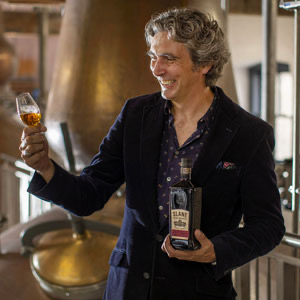
[00:00:10] John Craven: Hello, and thanks for tuning in to Taste Radio, the number one podcast for the food and beverage industry. I'm John Craven, the founder and CEO of BevNET, and with me are my colleagues, Melissa Traverse and Jackie Burguiera. In this episode, we feature an interview with Alex Conyngham, the co-founder of Slane Irish Whiskey, who discussed the duality of building a modern brand that's rooted in tradition. Hello, guys.
[00:00:34] Melissa Traverse: Well done. Thanks.
[00:00:37] John Craven: Yeah.
[00:00:37] Melissa Traverse: Very nice. Stuck it in for Ray.
[00:00:39] John Craven: We don't need Ray.
[00:00:40] Melissa Traverse: Right? Yeah. I mean, I don't think so. Sorry, Ray.
[00:00:43] John Craven: Yeah. I know big news about Ray, by the way.
[00:00:46] Melissa Traverse: Ooh, tell us.
[00:00:47] Jacqui Brugliera: Ooh, what is it?
[00:00:48] John Craven: Manchester United lost to Tottenham. And I think he's drowning himself in a bucket of two buck Chuck somewhere. So, uh, no, he's, he's just on vacation. I don't know. And Mike's relegated to the Jersey shore. So.
[00:01:04] Jacqui Brugliera: Hmm. Yes. He's boogie boarding somewhere.
[00:01:08] John Craven: That's a frightening thought, but yeah.
[00:01:11] Jacqui Brugliera: Anyway.
[00:01:12] John Craven: Um, how are you guys doing?
[00:01:14] Melissa Traverse: Pretty good. Yeah. How, how about you guys?
[00:01:17] John Craven: Not bad.
[00:01:18] Melissa Traverse: Summer's almost over. Yeah. Which is kind of sad, but I have kids, so it's not that sad. Now you get a little bit of break. Yeah, exactly right. Yeah. Theirs ends and mine begins.
[00:01:29] Jacqui Brugliera: I'm feeling great this weekend. I went to Denver and I had the U S GAA, which is Gaelic athletic associations, finals, North American finals. And we won our Komogi championship. Congrats. The whole week. I will be drinking all beverages. So this is where you can find me.
[00:01:53] Melissa Traverse: That looks like it could hold at least three beverages. You're going to be well hydrated.
[00:01:59] Jacqui Brugliera: I am. This is the only vehicle for any liquids. But, uh, yeah, for anyone that doesn't know, Komogi is a national sport of Ireland. It includes a ball and a stick and you got to YouTube it because it's really hard to explain, but a lot of fun. I got a couple of bruises, but all worth it.
[00:02:15] Melissa Traverse: Is it similar to cricket field hockey somewhere in between?
[00:02:20] Jacqui Brugliera: Yeah, throw in lacrosse and ultimate frisbee as well, because you get like the four steps. And then the goal is like a soccer goal combined With Ray American football upright. Again, lots of things going on. You got to YouTube it.
[00:02:34] John Craven: So this is a contact sport, right?
[00:02:37] Jacqui Brugliera: A little bit. It's just kind of like lacrosse physicality. Like you can shoulder people, box people out. You can hit them with your hurl. That's the stick. You can hit other people with your stick? I mean, as long as you'Or Not going for their head. But if you're going for the ball, anything is allowed.
[00:02:53] Melissa Traverse: How did you get into this?
[00:02:55] Jacqui Brugliera: Uh, an old colleague was from Ireland. She worked for BevNET and she was going off to practice after work and invited me to come try it out. And I did, and I got hooked. I used to play all different sports. So this kind of just fits that for me and allows me to be competitive still.
[00:03:12] John Craven: I mean, anyone who's playing like a contact sport, who's not like in high school is pretty impressive to me. So, uh, glad you made it back safely, I guess.
[00:03:20] Jacqui Brugliera: Yeah. Back in one piece. Yeah. I mean, I barely made it back. Cause I know everyone saw the headlines of San Diego and a hurricane. So I got stranded for a couple of days, but nothing too bad.
[00:03:32] John Craven: Well, you know, with summer also coming to a close, we have a lot of stuff going on this fall. Right guys.
[00:03:37] Melissa Traverse: We sure do. Super excited about the two meetups that we just announced. We will be having a meetup at our Newton headquarters on October 4th from 6 to 8. So everybody who's in the area, please take note and visit. We will be doing sampling from brands, chatting, food, drinks, fun, all of it under one roof. Our roof.
[00:04:03] Jacqui Brugliera: Both roofs, because we also will be having a meetup in San Diego on Thursday, September 28th from five to seven. Come enjoy some pizza, bring your samples. We will be here and we are partnering with Naturally San Diego again. So we're excited for that.
[00:04:22] John Craven: Fun times. I'm going to be at both. Lucky me.
[00:04:25] Melissa Traverse: You know, I'm curious, why does ours start at six, but San Diego's starts at five?
[00:04:31] Jacqui Brugliera: Hmm. Everything starts a little bit earlier in San Diego. Oh yeah, that makes sense. People get off of work a little bit earlier, and then they need to go, you know, live their lives later in the day. Yeah, that makes sense.
[00:04:42] John Craven: I like that. That's better than what I was going to say. We'll go with Jackie's explanation. And obviously we have all the fall trade shows. I know, uh, people from our team are heading to all sorts of things. Expo East, Pack Expo, Supply Side, West, NACS, Great American Beer Fest. I don't know. I'm probably forgetting some other stuff that's in there. And finally culminating with our events out in Marina Del Rey right after Thanksgiving.
[00:05:08] Jacqui Brugliera: Yeah, I feel like right after Labor Day is when everything starts going full speed ahead again. September is going to be jam-packed. October, November, and then it's our events. And couldn't be more excited to be in Marina del Rey. I know we also just announced that we have the retail one-to-one meetings at BevNET Live. So if you go to BevNET.com, you can check that out and you can sign up to meet with Albertsons companies. And that's not just Albertsons. all of the retailers that Albertsons manages under their big conglomerate. So check that out on bevknack.com and you have to register in order to participate.
[00:05:50] John Craven: And that is of course part of BevNET Live, but we also have Nosh Live and Proven Live and early registration is still open. So crazy to think about December when it's only August, but hey, you know, you got a plan.
[00:06:03] Melissa Traverse: That's what we do. If you miss those retailers at all of the trade shows, then you have a chance to hunt them down at our shows and it'll be a lot easier there for sure.
[00:06:13] John Craven: Definitely. You know, in just a couple of months, we're going to open applications for our sampling at these events and Jackie will be inundated with boxes being delivered to the office out there. Be a good time. So, but speaking of boxes. Let's thank our presenting sponsor for this episode, Tetra Pak.
[00:06:33] Melissa Traverse: Smooth. Who Needs Ray?
[00:06:34] John Craven: I mean, I tried to do a Ray-style one. So yeah, Tetra Pak, the pioneering packaging solutions company that provides safe, innovative, and environmentally sound products that each day meet the needs of hundreds of millions of people around the world. How about that?
[00:06:51] Melissa Traverse: What would we do without Tetra Pak?
[00:06:52] John Craven: I don't know.
[00:06:53] Melissa Traverse: It'd be a different world, not one that I'd want to live in.
[00:06:56] John Craven: I mean, Ray would not be on vacation in Monaco right now if it weren't, uh, getting, I have no idea where Ray is. Let's also talk a little bit about the, uh, latest Community Call stuff too. I think, uh, you've got this new script flip thing that you're doing.
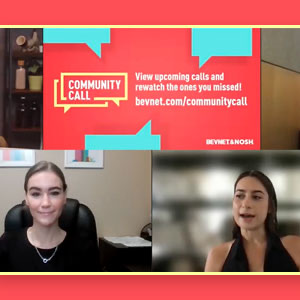
[00:07:11] Melissa Traverse: Yeah, for sure. So we just did our second flip script a couple of weeks ago. We had Elise Eilerman from the Bad Tea Company who was looking for help sourcing information on influencer marketing, how to do it, best practices, where to start. So we had Becca Milstein from Fishwife and Sarah Grose from Good CPG hop on and give her some really fantastic advice. Certainly check that out if you haven't had a chance. It's BevNET.com slash Community Call. And I'd also like to put an alert out to all emerging brands who are listening. If you are trying to figure out a particular issue, a particular piece of business, whatever it is, Let me know. It's a great way to really answer the questions that brands are having in the moment. And I would love to hear from you so that, you know, perhaps we could do a Community Call with you. My email address Melissa Traverse, T-R-A-V-E-R-S-E at BevNET.com. Hit me up. Let me know what you're struggling with. And I'd love to hear from you.
[00:08:14] John Craven: There you go. I mean, all brands are welcome, as you mentioned, and it's been really interesting just to watch some of the brands that have gotten, you know, to take part in Community Call and both the Script Flip episode as well as some of the others. Always easy way to get FaceTime and get your name out there too. So definitely reach out to Melissa if you're interested.
[00:08:33] Melissa Traverse: Absolutely. I'm here. I'm waiting.
[00:08:35] John Craven: So I want to talk about another really important day that Jackie just told me about, which is August 24th, National Waffle Day.
[00:08:44] Jacqui Brugliera: Yes, that is true.
[00:08:47] John Craven: Figured this would be a great time to do this sampling of the Eggo brunch in a jar, which is in collaboration With Ray company called Sugarlands Distilling Company. And this is Appalachian sipping cream, which is, let's see, 20% alcohol by volume.
[00:09:06] Melissa Traverse: The Appalachian piece of that, how does that relate? I wonder.
[00:09:11] John Craven: I don't know. I kind of got hung up on this brunch in a jar, which Melissa and I are going to do a sampling.
[00:09:16] Melissa Traverse: I just want everyone to know that I'm giving up my usual fast until lunch to try this. I hope that's being appreciated.
[00:09:26] Jacqui Brugliera: So this on an empty stomach is going to be interesting for you.
[00:09:29] John Craven: I really want all listeners to know that it's actually 4.30 Eastern time here, like on a Friday. Which is totally a lie, but we would never try it at 11 in the morning. Never do that. So here you go. Thank you. Cheers.
[00:09:44] Jacqui Brugliera: Cheers. I'm very curious. I've heard that has tasting notes of buttery toasty eggos and then also bacon. I guess that's what makes it brunch.
[00:09:54] John Craven: Wow, that is.
[00:09:59] Melissa Traverse: Oh, I just saw Melissa gag. That is a real wallop to the old system. Is it potent?
[00:10:08] John Craven: Yes, it's pretty potent. It does kind of taste like someone took egg or waffles. I don't know, a stick of butter, some cream, crap load of sugar, and probably some grain alcohol and put it in a blender.
[00:10:22] Melissa Traverse: Oof. I have nothing but exclamation points running through my brain.
[00:10:27] John Craven: Well, I assume you don't drink sipping cream too often, right?
[00:10:30] Melissa Traverse: You know, this actually might be my first sipping cream experience.
[00:10:34] John Craven: You know, having tried some of these products just purely in a professional setting, I Or Not drink stuff like this. Uh, normally getting past the sipping cream part is the first hurdle.
[00:10:46] Melissa Traverse: Can we go back to the sipping cream? So is there a list of ingredients on there or is there nothing? Okay. Okay. You don't want to know. No, no. You're right, Jackie. Actually, I don't want to know.
[00:10:58] Jacqui Brugliera: I don't think there's real bacon or real eggo in there.
[00:11:00] John Craven: Well, I don't think it claims to have bacon. I mean, there's only a picture of just the eggo waffle. Yeah, waffles and syrup cream liqueur. I think that's a pretty accurate description of what it is. I absolutely love the label, though. That's that's pretty cool.
[00:11:15] Jacqui Brugliera: Yeah.
[00:11:16] John Craven: Nicely done on that.
[00:11:18] Jacqui Brugliera: Yeah, I know they also had a Eggo nog for the holiday season too, so they're really trying to extend the reach of the Eggo to the parents that, you know, maybe need to relax when the kids aren't around.
[00:11:31] Melissa Traverse: You could go Bloody Mary, you could go mimosa, and now you can go Eggo waffle sipping cream. Why not?
[00:11:39] Jacqui Brugliera: They did a great job with their PR though, because it's been everywhere. It's been going viral on social media. It's been in every Google search. So bravo to them. Kudos to them. Yeah, for sure.
[00:11:50] John Craven: Another product that we just got in are these new Genius Juice shots.
[00:11:55] Jacqui Brugliera: Cool. Nice.
[00:11:56] John Craven: Yeah, these are daily nootropic shots, so a little different than the core Genius Juice product, Genius Boost now. Been following that brand for a while, as you can tell, but this is, I think, a pretty good pivot for the brand. You know, it feels like something that is timely and, you know, kind of makes sense for what this brand's all about. So nice work, Alex Baer.
[00:12:17] Melissa Traverse: I appreciate the black and white packaging. It certainly stands apart from the other shots on the shelf, which typically have a lot of color. So that'll certainly make it pop on the shelf. Definitely.
[00:12:29] Jacqui Brugliera: Yeah, and it's cool to see them really hone in on just function. I think like the juice set has transformed into the shot set, people aren't going to be drinking a full thing of juice, just, you know, being more cognizant about sugars. And they really just want to know what exactly is this going to do for me. And a small format allows them to just pick it up and chug it.
[00:12:53] Melissa Traverse: What are each of the flavors that you have there?
[00:12:55] John Craven: Quizzing me on that. I only have the chocolate and the chocolate raspberry. I think there's a third one not sure what it is my apologies, but grab these real quick and they've got Kind of feels like a little miniature hybrid of his like coconut smoothie and kind of the protein drink that he had just in terms of how it tastes.
[00:13:15] Melissa Traverse: So, uh, it's pretty, pretty nice. Functional ingredients in there.
[00:13:18] John Craven: And look, I think it's always interesting just seeing a brand do some sort of pivot, which this is not like an extreme pivot. It's feels like, uh, maybe like a 15 degree turn sort of thing, you know? But yeah, it feels a lot more, uh, kind of market ready, I would say.
[00:13:36] Melissa Traverse: Yeah. So we need to talk about this. Jackie and I have matching jars of Atlantic Sea Farms fermented seaweed salad. Nice. And this is unplanned. Yeah, totally unplanned. We just happen to both have it in our fridge. And we were talking about how crazy it is, but in fact, it makes perfect sense. I went down a bit of a seaweed rabbit hole lately. I got really into making my own miso soup. So you simmer the kelp.
[00:14:04] John Craven: That's a totally normal thing to do, by the way.
[00:14:06] Melissa Traverse: No, I know, I know. It's just like a therapeutic thing.
[00:14:09] John Craven: Yeah, that's cool. Everyone's got their cooking thing. Exactly.
[00:14:12] Melissa Traverse: So you simmer the kelp and then you take that out and then you add the bonito flakes and then you, you know, of course, miso, tofu and wakame add up. But this seaweed salad from Atlantic Sea Farms is incredibly tasty. Have you had a chance to try this?
[00:14:28] John Craven: No, hit me.
[00:14:29] Melissa Traverse: All right. It's very tasty, although I would say it doesn't quite taste like the seaweed salad you might expect from, you know, a sushi place. It's a little bit more toothsome than that, but I think it's really tasty.
[00:14:41] Jacqui Brugliera: Yeah, it had like all the buzzwords that I'm just attracted to fermented seaweed. I love seaweed salad when I go to a sushi joint. And I love this company and what they stand for Atlantic Sea Farms are all about regenerative agriculture and sustainability. And They just hit on that note as well as creating products that are just full of nutrients and are super foods. So anything that they come out with, I know they also have, you know, like kelp cubes that you can put into your shakes for a little bit of boosted nutrition. I personally also use like a salt shaker with kelp granules in it. It's not from Atlantic Sea farms, but it's just another way to kind of add iodine and seaweed into my daily nutrition, especially with like thyroid issues. Iodine helps with that. So there's just like a host of nutritional benefits for seaweed.
[00:15:37] Melissa Traverse: Do you ever put that powdered seaweed on popcorn?
[00:15:40] Jacqui Brugliera: Oh yeah. Yeah. There's just like so many use cases.
[00:15:44] Melissa Traverse: Yeah.
[00:15:44] Jacqui Brugliera: Get that umami flavor.
[00:15:46] Melissa Traverse: And iodine is a big thing. I feel like, especially now that so many folks use sea salt, iodized salt isn't something that necessarily everybody's using these days. And it, I don't know, it's, it's tough to get iodine. You don't want enormous thyroid.
[00:15:59] John Craven: Uh, no, definitely not. Well, this stuff, you know, it's quite tasty. I will agree. But, uh, also I, I just got to point out that for you guys, like, you know, seaweed is like your premier league, you know, like Mike and Ray want to talk about that. You guys just want to go on seaweed. So.
[00:16:16] Jacqui Brugliera: I know we got to pick like a varietal, you know, like I'll be kelp. Ooh, I'll be wakame. Okay. Nice.
[00:16:26] Melissa Traverse: Yeah, before we started, Jackie and I definitely were effusively talking about seaweed. So I definitely think we should start a team and perhaps have t-shirts.
[00:16:35] John Craven: Just a seaweed podcast.
[00:16:37] Melissa Traverse: Someone must have that.
[00:16:39] John Craven: Yeah, absolutely.
[00:16:39] Melissa Traverse: There's got to be an aquaculture.
[00:16:41] John Craven: Oh, yeah.
[00:16:42] Melissa Traverse: Yeah, sure.
[00:16:43] John Craven: No doubt about that.
[00:16:43] Melissa Traverse: Maybe we can guest host. I'm so down.
[00:16:46] John Craven: You guys have more products? Because I'm going to sit here just chugging this Eggo jar.
[00:16:52] Melissa Traverse: So I also picked up these Kushi croutons. I don't know if either of you have had a chance to try these. So good. OK, I'm going to open these right now. Yeah, let's do it. But they are sourdough croutons made by two brothers who are obsessed by bread. They're based out of the Chicago area. And, um, you know, I gotta be honest. I love the fact that they'Or Not gluten free. I love the fact that they're, you know, shock full of, uh, gluten and, um, what can't you do with these little puppies?
[00:17:22] Jacqui Brugliera: Yeah, I remember talking to them at Expo West. And it's a really interesting category that they're getting into. When you go to the grocery store, and you look at croutons, there's been no innovation. It's just you know, the same packaging, the same flavor profiles. And I know they have like some sweet options and some savory options and the packaging just really pops. So I really like what they're doing.
[00:17:47] Melissa Traverse: And they have some really nice suggestions on the back as well. So of course you can use them in a salad. You can also crumble them on pasta. I would crumble them into a kale salad, you know, why not?
[00:17:57] John Craven: I like feed the birds.
[00:17:58] Melissa Traverse: Or you could feed the birds with them.
[00:18:01] John Craven: Super expensive way to feed the birds.
[00:18:03] Melissa Traverse: Those are so tasty. These are pretty good.
[00:18:05] John Craven: I like the packaging.
[00:18:07] Melissa Traverse: Yeah.
[00:18:08] John Craven: Really simple, clean, shall I say bread forward flavor.
[00:18:12] Melissa Traverse: Mm-hmm.
[00:18:13] John Craven: I'm like, you know, you get some croutons or they just taste like stale bread. I didn't like fake flavoring. Yeah.
[00:18:19] Melissa Traverse: Yeah. Nice job cushy on the on the croutons. Yeah. They're also non GMO, I might add.
[00:18:26] John Craven: Jackie, you have any products that otherwise?
[00:18:28] Jacqui Brugliera: I do. So the beverage that I was drinking out of the cup is Bennu, or Bennu, I believe. And it is a line of functional beverages. This one is Energy from Plants. And then I also have another one which is Unwind, Calm from Plants. So the idea is there were three parents that just felt like their life was very chaotic, and they were trying to supplement alcohol and supplement caffeine. And they came up with these products. And they're really great tasting products and very simple ingredients that have a lot of these buzzy functional ingredients that you've probably heard of, like lion's mane and rhodiola and ashwagandha, vitamin D3. This one also has echinacea. So this one is the uplift one, and the energy comes from green tea. So this one is marketed as a sparkling energy supplement. And then this one is a sparkling non-alcoholic adult supplement. So you have something for the morning, and then you also have something for nighttime, maybe instead of your glass of wine. And I love the packaging. The packaging really pops as well.
[00:19:43] John Craven: Is it just two SKUs?
[00:19:45] Jacqui Brugliera: They have two more as well. So they have two uplifts and two unwinds and they're just different flavor profiles.
[00:19:52] John Craven: And one has alcohol in it is what you're saying.
[00:19:55] Jacqui Brugliera: Nope. This one has no alcohol. So it's, it's instead of drinking alcohol, you can drink this time. And this one has yeah. Echinacea as well. Lion's mane, ashwagandha, L-theanine for stress reduction. And then it also has, Oh, okay. So this one is interesting because it has kava in it. And it has 500 milligrams. I knew there was going to be something funky there. Yeah. I feel like it's always interesting when a beverage just kind of like throws it in there and doesn't really call it out unless you're really looking at the side label. Because I know some people, it's kind of like polarizing as far as kava goes, but it is marketed as a supplement and it does have supplement facts. So I guess that's something that makes you read the ingredients a little bit closer. Does it say how much kava is in there? It says 500 milligrams, which is the equivalent to one cocktail.
[00:20:44] Melissa Traverse: Interesting. I've never tried kava myself, but I've certainly been hearing a lot about it lately.
[00:20:50] John Craven: Yeah, it's a pretty polarizing ingredient that I think has had a couple of attempts in the beverage industry. Maybe this time around where there's more knowledge about functional food and beverage ingredients and things like cannabis, it'll stick a little more. I think the first time I saw it, it was positioned as an alternative to energy drinks, which was... probably 15 or so years ago, but I don't know. I'm not a personal user of it. Like Trouted, it makes me kind of feel a little loopy.
[00:21:20] Melissa Traverse: Yeah. Kind of chills you out, right?
[00:21:23] John Craven: Well, I mean, I personally find that sort of feeling like not chill, you know, like it feels like the side effect to a medication. Yeah. And I guess I would say, I don't know, like that, that just makes me feel unchill.
[00:21:36] Jacqui Brugliera: Yeah, that makes sense. Yeah, for sure. Yeah, there's a cava bar that's walking distance from my apartment. And, um, I went there and it's really interesting. They serve it in like this shell and you drink it and then you start to feel kind of like a little woozy, I guess, like a little like, Oh, something's hitting me. It's definitely like a high of sorts. It is very relaxing. I felt very relaxed, but it's also was a very relaxing environment too. Um, it was just very chill vibes. But yeah, I feel like in San Diego, especially, there's still like some bars that, you know, serve cava. So you can go there instead of going to an alcoholic bar. But yeah, I don't really see it that much other than that.
[00:22:14] Melissa Traverse: It seems like one of the few functional ingredients where you immediately feel the effects, whereas many others, like, maybe they're doing something and maybe not.
[00:22:24] John Craven: Yeah, I mean, I think it's definitely like more on par with alcohol in terms of the immediacy of it. I think it just still has a huge education issue to it, even though it's been around in various ways, like I don't think, you know, mainstream awareness of it is, is there, you know? So I think with anything like that, that just becomes a massive challenge to any like startup brand, right? Because you just, you can sell to that, that niche that, you know, your competitors are selling to and growing beyond that's like tough. You know, I mean, I do feel like that's an ingredient that will get there eventually. It's just kind of like, is it now? Is it? Yeah, something that a small startup could have the funds to ride out? Don't know, you know?
[00:23:12] Jacqui Brugliera: Yeah, I think there's definitely more of an opportunity now to just because there's all these non elk options and people are still looking for a buzz or some sort of, instant feeling of relaxation. So I think that opens the door to maybe, you know, consumers being open to it and open to new ingredients and learning about it just because they're trying to cut out alcohol.
[00:23:35] John Craven: Totally. I mean, that's what I was sort of poorly articulating before about cannabis, too. It's like, I think there is more of a thirst for, like, alcohol alternatives, right? Sure. So maybe it will be part of that movement. You know, we'll see. I mean, it obviously, you know, has a functional component to it, which you can't say about all, like, alcohol alternatives, you know?
[00:23:56] Melissa Traverse: And similar to cannabis, I believe it has a pretty strong flavor that can be difficult to integrate into a tasty beverage. Jackie, how does the kava skew taste? Can you taste it?
[00:24:11] Jacqui Brugliera: Yeah, it's kind of like earthy, I guess. Like if you're used to drinking more bitter, earthy drinks, you know, I don't know, it doesn't put me off from drinking it. It also blends well. So if you're putting other flavors in it, I believe that one has some juice in it. And that's where the sugar comes from, which is nice. There's no like artificial sweeteners or anything like that. It's just like sugar from juice. So that kind of masks it a little bit, and then it just tastes like a really nice, light, refreshing, sparkling beverage.
[00:24:43] Melissa Traverse: Very interesting.
[00:24:46] John Craven: All right, it's time to get to our featured interview for this episode. That's with Alex Conyngham, the co-founder of Slane Irish Whiskey, a brand born in, of all places, a castle. Alex and his family are the owners of Slain Castle, which is located in Ireland's Boyne Valley, just north of Dublin. Since 1981, the Castle has hosted concerts for some of the biggest musical acts in the world, including U2, Bob Dylan, and the Rolling Stones. Harry Styles performed there earlier this year. The Whiskey debuted in 2009 and eventually caught the attention of Spear conglomerate Brown Foreman, which acquired the brand in 2015 and reintroduced it two years later. In the following conversation, recorded at the Spirits Convention, Tales of the Cocktail, held in July, Ray Latif spoke with Alex about the development of Slain, which has emerged as a brand that lives at the intersection of music, sustainable farming, and premium liquid, and how he communicates that positioning within the competitive landscape for the whiskey.
[00:25:50] Ray Latif: Hey folks, it's Ray with Taste Radio. Right now, I'm honored to be sitting down with Alex Conyngham, the co-founder of Slane Irish Whiskey. Alex, great to see you. Likewise, Ray. It hasn't been a while.
[00:26:01] Alex Conyngham: We had breakfast this morning, or I had coffee, you had breakfast. That's true. I needed that breakfast after last night at his tails. After all, as we were saying earlier, at least you get one good meal a day and then you're good. Exactly.
[00:26:12] Ray Latif: And you know, it's the most important meal of the day, breakfast. At least that's what they say. Yes, that's true. Who are they, by the way? I don't know, but we seem to listen to them. I learned quite a bit about Slain this morning and a brilliant brand in so many ways. Its backstory just knocked me over. And I was like, we need to share this with our audience. We need to share this with the industry. And so I figured we could chat a bit about how you've built the company since you launched about 14 years ago, or since the brand launched about 14 years ago. The actual debut of Slain Whiskey, when it was originally called Slain Castle. That's correct.
[00:26:49] Alex Conyngham: was very, very unique. Tell us about the debut. So we started back in 2009. Slane Castle, which is my family home, is like, it's a music venue. So we figured whiskey and music go pretty well together. So the very first time we produced Slane Castle Irish Whiskey was actually the Oasis concert at Slane Castle. And Prodigy and Kasabian were also on the bill. So you're talking a pretty lively audience. So it seemed very appropriate that that was a good time to release Slain for the first time. I remember taking the bottles down to the bands. And yeah, it was a hell of a day. We consumed a bit of whiskey that day.
[00:27:27] Ray Latif: I gotta say, you said that so calmly. Well, we had Oasis and Prodigy, and they performed as we debuted Slain. That is really remarkable. Oasis, I think their peak was probably not too far from there. And Prodigy was still a very, very big act as well. I mean, how did you get them to, I mean, was it just very much, hey, we're going to introduce our brand as part of the performance that you're associated with?
[00:27:57] Alex Conyngham: I think it was just, when you have 80,000 fans coming onto your property, which is the capacity of the venue, and it's a beautiful field kind of in front of the castle, when you have that many people coming through your front gates, it'd be, we just kind of said it'd be nice to be able to give them a drink, so, that we could make ourselves. So, that was the origin of it, and we wanted to discover if the narrative of the Slain concerts, which have now been going on for over four decades, if that could lend itself to whiskey. And whiskey and music have a long association together. We're by no means the only brand to go after music, but it's in our DNA. And so when we were going to launch it to actually serve it for the very first time at a gig seemed like the natural thing to do.
[00:28:40] Ray Latif: just getting off the ground is an accomplishment, but actually getting to scale is a different thing. Sometimes getting to scale means aligning With Ray strategic. And your story about aligning with Brown Forman is also quite an interesting story, if you can tell us about that.
[00:28:53] Alex Conyngham: Yeah, so the early days, you know, myself and my dad and my stepmom, I think when you're investing in a brand and you're starting off, The single biggest investment that you put into it is your time. And we literally went and we pounded the streets in America and Ireland and we then got into the UK and we kind of hand sold that. And that's how you built the initial relationships. So that was the early days. But when we actually decided to build our own distillery. And that really came out of necessity as the mother of invention. So we were sourcing liquid from another distillery. That distillery got bought out. And then they basically turned the tap off and said, sorry, you'Or Not getting any more juice. And I remember going to dad and saying, dad, I got bad news and I got good news. Dad's like, all right, give me the bad news. And I was like, I'm sorry, dad, we'Or Not getting any more juice. So Slain Castle Whiskey is finished.
[00:29:45] Ray Latif: And so for our audience members who are makers of non-alcoholic beverage or food, this is akin to your co-manufacturer saying, hey, we can't produce your product anymore. You have to go find someone else or build your own factory. And that's kind of what happened with this.
[00:29:59] Alex Conyngham: That's exactly what happened. So that's why dad turned and said, well, what the hell is the good news? And I said, well, dad, we're going to have to build our own distillery. And this was something I had wanted to do for a little bit before that, but I had no choice then. I have to be very grateful to my dad because we took a hell of a risk then because we didn't have anything to sell. But we had a dream to build a distillery and we then set about trying to design it and we had to fund that design work. We had to build a team. We had to go do the research in America and Ireland and Scotland. I got a lot of help actually from people in the Irish whiskey industry. We're a small club and very collaborative. So we put together this distillery design knowing full well that we would never actually be able to finance the building of it. because we were always going to need a partner. And you mentioned Brown Forman earlier, but the way that actually happened, I was lucky enough to meet Garvin Brown, who was the chairman of the board at the time. And I managed to get a lunch with him. How do you get a lunch with the chairman of Brown Forman? It wasn't easy. It's actually quite a long story, that one, but I'll give you the very shortened version.
[00:31:04] Ray Latif: We'll take the cliff notes, even if the cliff notes are kind of long.
[00:31:06] Alex Conyngham: So what actually happened is a friend of mine, I was on a bachelor party. That's how it starts. Okay. With Ray guy who worked for a bank and that bank had an advisor and that advisor knew Garvin. And I went and spoke to him. He said, you need to go and speak to this guy. This is a great story. And that's ultimately how I got to him. That guy was the chairman? No, no, no, no. This guy worked for a bank and that bank had an advisor who basically advised on M&A activity in the spirit sector. And so he, he got me an introduction. How long did that take? It took a while, but what took longer, I guess, was having had lunch with Garvin. You know, what I really loved about meeting him was that ultimately, although they are, you know, publicly listed and they're a big player in the spirits world, ultimately, behind the Brown Foreman kind of brand and ethos is the Brown family. And they've been going since 1870. And that long-term view, thinking about the next generation and beyond, that was actually more important to me and Dad than anything else, because that meant that they would... build to last, but they would always think about the future. And thinking about the future thinks about how it affects your community, how it affects, in the case of Slain, the ecology, the archeology, everything else. So this long-term view meant, effectively, we felt comfortable with them moving in next door. The Distillery is like a stone's throw With Ray good arm from the front door of the castle where I live. So you've got to trust these people. And that trust was based on this, you know, on this communal beef belief in nurturing for the next generation.
[00:32:38] Ray Latif: Hopefully it wasn't a communal beef where you guys were throwing stones at each other. The preparation for that interview must have been very much about, well, we have to figure out if this is the right partner for us as much as we think they might be the right partner. Yeah, it was.
[00:32:53] Alex Conyngham: But the process itself took some time because they obviously, you know, they were looking at I guess all the opportunities that were there in the Irish whiskey category, they had publicly said that they wanted to get in. We had a project that was ready to go, but they quite rightfully researched very carefully and looked at it, and they kept coming back to Slane. But as I say, it was a meeting of minds, and myself and dad felt very comfortable, still do. They're a great company, good people, and great brand builders. And so we finalized that deal in 2015. And that meant that what was effectively a vision and a dream that we had funded, all the design work ready to go, we could now get started and start building the distillery because they provided the investment that allowed us to do that.
[00:33:36] Ray Latif: Did you feel like you needed to make Slain more attractive in a certain way? Did you feel like your deck needed to reference the category and other players that might have been interesting to around Foreman?
[00:33:51] Alex Conyngham: The difference from when we originally started back in 2009 and where we ended up in 2015 was we wanted to create a whiskey that, if you look at the Irish blend category, I think they are very accessible, easy drinking, kind of unpretentious, kind of fun, easy to decode. So I see the category as a kind of great gateway into whiskey. So we wanted to deliver on that, but where we wanted to set ourselves apart, and this is another reason why the Brown Foreman partnership was really important, was we wanted to double down on flavor. And a very important way to do that was to have access to good wood. And Brown Foreman, because they have their own cooperages, that opened up that opportunity to get a hold of barrels. that would allow us to kind of deepen the flavor notes and build a character of a blend that still made it smooth and approachable, but dialed up on flavor. And that's what we set out to do.
[00:34:46] Ray Latif: So the brand went from Slain Castle Whiskey to Slane Irish Whiskey, sort of relaunched in 2017. For context, when you launched, the Irish Whiskey category was where and where is it today?
[00:35:01] Alex Conyngham: Well, back in 2015, the category was already pretty hot then. And what was interesting is that Brown-Fullman were prepared to stay out of that market. So whilst we were building our distillery and waiting for our own spirit to mature, we procured liquid from other distilleries. But rather than just blending that liquid together, sticking it in a pack and getting it out to market, we stayed out for a further two years. And the reason we did that is we wanted to do our own triple cast maturation to build that full of flavor profile, as I said. And we lost two years of pretty good growth, if you look at like from 2015 to 2017. For the category you're talking about? Yeah, for the category. But it was worth it because when we came out of the blocks with our first product, because it was essentially a totally new proposition to what we'd done previously, we knew we needed to have a full flavor. And it took time to do that, and there was no getting around it. So by the time we launched in 2017, the growth had accelerated further. So if you look at what we've, I guess, since launch in 2017, we're now in and around somewhere between 45,000 and 50,000 cases, and that would cover the US and the other markets that we're in. And that kind of growth would reflect pretty much what the category's been doing over that period. And then the really exciting thing, I guess, is the future of Irish whisky is going as well.
[00:36:24] Ray Latif: And where is it going?
[00:36:25] Alex Conyngham: So the blend category is going to continue to grow. There's a lot of new entrants coming in. If you walk into a retail store in this country now, like I remember when we started, you'd be hard pressed to find Slane Irish whiskey section would be like sandwiched somewhere next to Canadian or something else. Now you walk in and we got our own space. And that's because the category has got bigger, which is great for consumers because there's more choice.
[00:36:50] Ray Latif: It seemed like the category was two brands and one was represented by one sect of Christianity and then the other.
[00:36:56] Alex Conyngham: Yeah, ours is Jedi whiskey. So I think the domination of the big brands in that space that you know, that is going to continue. I hope slain will continue to take share in that space and can continue to play. I think the ultra premium category Slane Irish whiskey is on the positive side is kind of There's not many players in that space, and that's simply because the juice that all of these new disseries are creating just isn't old enough yet. You've got the established players, but if you look at what is going to happen for single pot still whiskey, which is like our native Irish style of whiskey, where that's going to blow up over the next 10 years, Slane will play in that space as well, whilst continuing to nurture our core blend, which is always going to account for the volume, is always going to be the accessible way into Irish, but the growth of Ultra Premium is where I think Irish gets really exciting over the next decade or so.
[00:37:53] Ray Latif: So was Slain positioned at launch as an ultra premium Irish whiskey or has it evolved into that segment?
[00:38:00] Alex Conyngham: No, Slane Irish whiskey, our triple cast blend is designed to be just in the premium space. It isn't every day you're talking in and around or less than 30 bucks a bottle. So I wanted this to be, you know, a whiskey that you can crack it open. You can drink it any way you want to because it's fine on its own. But if you do want to mix it in a long drink or a cocktail, the flavor is there. You can bounce it into different directions and you can get that depth of flavor without breaking the bank. It's affordable. I think if you do that, you got like a good, at home we would say that's a good session whiskey on your hands, you know? And that's what I want Slain to continue to be. So we're never gonna be an unaffordable or unaccessible brand. our ultra premiums will be a different proposition. You know, that's the halo effect up, but we're a little bit away from having those whiskeys ready.
[00:38:54] Ray Latif: I guess when you think about the brand and having a tiered approach to your innovation strategy, if the growth is coming from ultra premium, but your bread and butter is the premium line, how do you determine the appropriate delineation of resources?
[00:39:14] Alex Conyngham: The thing about having a kind of, I guess, an entry level, if you want to call it that, like a core blend is... Hopefully in time the volume will grow and obviously with volume comes awareness as well. So that those who people who get to know your brand through that core is then going to be wider. And that means that when you do step up into ultra premium that core blend continues to play a role in supporting ultimately products that yes are higher margin but obviously smaller quantity. But if you don't have the springboard of awareness that the brand has opened up through the blend I think it's potentially harder to make your ultra premium offers work.
[00:39:53] Ray Latif: And does the ultra premium tier, is it something that competes with other Irish whiskeys or is it something that competes with whiskeys from a global perspective, say with American, Scotch, Japanese, et cetera?
[00:40:05] Alex Conyngham: I think if you go back 20 years or whatever, you know, people tended to be very loyal to one brand and loyal probably to one category, but almost specifically like that's my drink and that's what I drink. Now, because people are interested in exploring flavor, and I guess education has notched up, if you're looking at your drinks cabinet at home, if you have an ultra premium whiskey, you're probably going to have an ultra premium rum in there, you're going to have, so we'Or Not competing just with ultra premium Irish whiskeys, you're competing with the ultra premium across different categories. And I think that's good. But what is uniting those together? What's uniting them together is people are exploring the flavors that that offers. And I think actually the stories behind them are really important as well. So, you know, the perfect combination is good story, good liquid. And if you can bring that together in an ultra premium offering, then hopefully, you know, that's the jam that should make it work.
[00:41:03] Ray Latif: And people are willing to pay a premium for that story and for that liquid more than they had in the past, I think.
[00:41:09] Alex Conyngham: Yes, but you do have to deliver definitely on the liquid for sure. A good story is not enough. And I think likewise, good liquid without a good story, it's a much harder proposition. And let's be honest, it's less fun to buy because stories are what makes the world go round. And that's why we're always interested in each other's stories. So I think the Irish Ultra category is just, as I said, it's just physically small at the moment because we've now got over 40 distilleries, which is brilliant on the island of Ireland. And they are all working on their whiskeys of the future. It's going to take time for it to evolve, but I'm really excited about Slain becoming part of that along with all of the others, because then we've got a rising tide on our hands and that's good for everyone. For sure.
[00:41:52] Ray Latif: Bonus question. Yeah, everyone associates Ireland with Guinness and, you know, when they have those annual Guinness days, it seems like that is probably the highest consumption of Irish whiskey in America, I would assume, or the day where more Irish whiskey is consumed than any other day. But I would think that you would want to separate yourself from said drinking events and drinking days, right? Is there a way to be inclusive of both, though, to say, hey, we are going to celebrate you know, St. Patrick's Day and et cetera, et cetera.
[00:42:22] Alex Conyngham: There's no getting around that St. Patrick's Day is a power period for Irish whiskey. And so to kind of avoid that, to get in the sand, it's not, it's not probably commercially a very good decision. But what is important is that you don't just rely on that. Nobody wants to just be a bell curve brand where you have one peak a year. And what's really interesting now is that you're seeing Irish whiskey being consumed year round, not just in the lead up to the 17th of March in a round. So for example, we're seeing it on cocktail menus in summer drinks as well. And we designed Slain to be flexible for that reason. So it can work in a frozen Irish coffee, which you can have in the summer. You can have it in a tropical style drink as there's banana and tropical notes on the back of one of the cars we use, which is an ex Jack Daniels barrel that gives you that lovely ripe banana note. So Irish whiskey consumption patterns are changing and we are moving away from that one power period. And that's important because if you only get one, you know, and unfortunately, You know, when COVID started, that came in just before St. Patrick's Day. So for everyone in Irish whiskey, that was incredibly tough because everybody had inventory ready to go and then boom. And I think that was a wake-up call for all of us going, we cannot just rely on that one period. Very interesting.
[00:43:46] Ray Latif: It's kind of like the rise of non-alcoholic spirit brands and trying to rely on one month or two months, saying dry January or sober October.
[00:43:54] Alex Conyngham: Yes.
[00:43:54] Ray Latif: They realize they do have to be a year-round beverage. Yeah, exactly. Same thing. Yeah. Well, Alex, I got to think this is kind of a trip for you, right? Because when you launched Slain Castle Whiskey in 2009 at an Oasis concert, I guess at your venue, which would be your Oasis concert in so many ways, to being here now at Tails in 2023 has been quite a journey.
[00:44:17] Alex Conyngham: sure has. I mean, I still have to pinch myself in a good way when I see slain on a back bar, you know, on the other side of the world. But on the other hand, I know the kind of blood, sweat and tears that we put in to get it to this point. And I continue to get out and support the brand as a global ambassador. And I consider that I'm Very lucky to be able to do that, but it's also very important to keep your nose to the gate. You've got to keep at that grindstone and keep growing it because the family connection and that personal motivation behind a brand, that's an important part of what makes a brand intriguing and interesting and all the rest. So it's been quite a journey. We had some scary moments along the way, but I wouldn't change anything because some of the more difficult times have actually made us stronger in the long run. We can't end it right there because you just said some, some things there. What was the scariest of times? Some of it was definitely like the financial pressures of, you know, prior to the Brown-Foreman acquisition, I, for example, myself and dad had to pay a fairly large deposit on our stills package because the demand for stills for hand-beaten copper pot stills specifically at that time was very strong. And if, if we had not. paid that deposit, we would have lost our place in the queue and that would have set the distillery back by probably two, two and a half years. So we made that commitment in the hope and expectation that we would find a partner who could pay for the rest of it. So there were some sleepless nights there. And then, you know, the trepidation of once you've built your distillery, no matter how much you've put into, you know, diligence into designing your process, until that first liquid starts coming off the stills, there's this horrible fear that it's not going to work. And, you know, it took a while to get the balance right and the cut points and end up With Ray liquid that we, you know, that we felt comfortable with. So, you know, there were some scary moments there. Our column stills in particular were technically very challenging because we're putting 80% unmalted barley through continuous distillation, which no one else in Ireland is doing. But I wanted to Slane Irish ingredients, specifically stuff that I was growing myself. So that was the challenge I set myself. So I kind of, I set myself up that potentially for a fall, but we managed to crack it and we're making good juice now.
[00:46:40] Ray Latif: You seem much more mellow than the strung out, no sleep entrepreneur that I know so intimately. Oh, I've been there, trust me. Well, like I said, it seems like you're in a good place now and it feels like Slain is on a good path and it's tremendous. It must feel, it really must feel amazing just to have built something that is actually a quote unquote success.
[00:47:03] Alex Conyngham: Yeah, no, thank you. And you know, I just hope that future generations of my family, like it's gonna be fun looking back at this. And if I'm lucky enough to be around for another few decades, you know, and looking back on those early days, because those are the good memories, right from when he started all, but you got to keep that passion going as you continue to grow. And that and you know, that's, that'll be an interesting challenge in itself.
[00:47:26] Ray Latif: Indeed. Well, Alex, thanks so much again for taking the time. These are long, long days here at Tails. creeping into the late afternoon. So hopefully you're getting some rest in before the craziness of every evening that is here this evening in particular.
[00:47:42] Alex Conyngham: You've just got to embrace it, though. You know, you just got to you got to roll with it. And there's a lot My Friends here and the chance to reconnect with people, you know, that you may not have seen in a while. And actually, I think there's a lovely creative spark that comes out of Tails. People start talking to each other, ideas spring up. And I actually think some good innovation comes out of this thing as well as having fun and celebrating our industry, which I'm very lucky to be part of. For sure.
[00:48:09] Ray Latif: Once again, appreciate the time and let's stay in touch. All right. Thanks a million. That brings us to the end of this episode of Taste Radio. Thank you so much for listening. Taste Radio is a production of BevNET.com Incorporated. Our audio engineer for Taste Radio is Joe Cracci. Our technical director is Joshua Pratt, and our video editor is Ryan Galang. Our social marketing manager is Amanda Smerlinski, and our designer is Amanda Huang. Just a reminder, if you like what you hear on Taste Radio, please share the podcast with friends and colleagues. And of course, we would love it if you could review us on the Apple Podcasts app or your listening platform of choice. Check us out on Instagram. Our handle is BevNetTasteRadio. As always, for questions, comments, ideas for future podcasts, please send us an email to ask at Taste Radio. On behalf of the entire Taste Radio team, thank you for listening, and we'll talk to you next time.
[00:49:06] Slane Irish: you