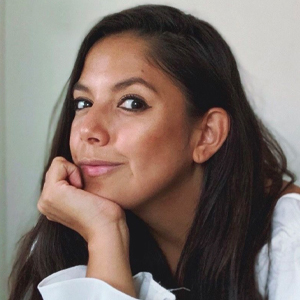
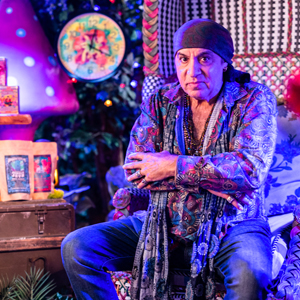
[00:00:10] Ray Latif: Hey folks, I'm Ray Latif and you're listening to the number one podcast for the food and beverage industry, Taste Radio. This episode features an interview with Andrea Hernandez, the creator of Snaxshot, a multi-pronged digital platform that explores the future of food and beverage through witty and insightful content. We also sat down with legendary musician, actor, and entrepreneur, Steven Van Zandt, who spoke about the launch of his holistic consumer brand, Little Steven's Underground Apothecary. Just a reminder to our listeners, if you like what you hear on Taste Radio, please share the podcast with friends and colleagues. And of course, we would love it if you could review us on the Apple Podcasts app or your listening platform of choice. Andrea Hernandez is one of the most respected influencers in food and beverage, but it's not a title she covets. She'd rather be called cult leader. A former marketer with over a decade of experience in the food industry, Andrea launched a trend-centric blog and newsletter called Snaxshot in 2020. Well-researched and waggish, Snaxshot has followed and forecasted some of the most notable trends in the food and beverage industry over the past two years. Notably, Snaxshot is ad-free and community-funded. While Snaxshot highlights brands aligned with Andrea's perspective that food and drink should be delicious and uncomplicated, the company's independence provides her with a platform to be honest, authentic, and occasionally controversial. In the process, Snaxshot has become a valuable resource for entrepreneurs, industry professionals, and consumers. Snaxshot's newsletter has over 35,000 subscribers, who are affectionately known as Snacks Boys, and tens of thousands of followers on Twitter and Instagram. In the following interview, I spoke with Andrea about the emergence of Snaxshot and her content strategy, why she's uncomfortable with her anointed role as a trend oracle, her bone to pick with functional foods and beverages, how she defines, quote, a great product, and her take on several noteworthy trends. Hey folks, it's Ray with Taste Radio. Right now, I'm honored to be sitting down with Andrea Hernandez, who is the founder of Snaxshot. Andrea, how are you?
[00:02:38] Andrea Hernandez: Hi, I'm great. Thank you for having me.
[00:02:40] Ray Latif: Thanks so much for being with me. I hope you're not too chilly. We're here on the second floor patio at the Hotel 50 Bowery in the Bowery neighborhood of New York City. You're here for about a week, or you have been here for about a week, and I'm here for a couple of days running around like a Chicken with his head cut off. I think you might be able to relate.
[00:02:57] Andrea Hernandez: Yeah. It's been busy, huh? Yeah, 100% can relate to that specific sentiment.
[00:03:04] Ray Latif: Yeah, it's chillier, though, too. And you are not from a chilly climate, per se.
[00:03:08] Andrea Hernandez: No, I am based in the very tropical valley of San Pedro Sula, Honduras. Before I came into New York, it was 96 degrees and sunny.
[00:03:20] Ray Latif: Is it humid or is it a dry year?
[00:03:22] Andrea Hernandez: Very humid.
[00:03:22] Ray Latif: Okay. That's problematic.
[00:03:24] Andrea Hernandez: Isn't it?
[00:03:25] Ray Latif: Or do you appreciate the humidity?
[00:03:26] Andrea Hernandez: I appreciate the humidity. I think I was born into it. I like to think that in a past life, I was some sort of lizard or iguana.
[00:03:35] Ray Latif: Turned cult leader.
[00:03:37] Andrea Hernandez: Turned cult leader. Yeah.
[00:03:39] Ray Latif: That's how you describe yourself on LinkedIn.
[00:03:41] Andrea Hernandez: That is actually my title. So yes. Yeah. Not really how I describe myself. It is my actual position.
[00:03:49] Ray Latif: You know, if more people call themselves cult leaders, I think we would be better off, truly.
[00:03:54] Andrea Hernandez: Yeah. I mean, when people define themselves as like that they're a part of your cult, then I think it just is appropriate to be able to call yourself a cult leader. Yeah.
[00:04:04] Ray Latif: Snaxshot is that cult. And it's a pretty amazing platform that you've created. I call it a platform, and I'm going to ask you to define it in a moment, but You touch so many folks within the industry. You reach consumers. You reach other influencers in the food and beverage business. You're very active Twitter and Instagram. You have a great blog on Substack. You do so much. But having said all that, in a nutshell, what is Snack Show? What do you do?
[00:04:34] Andrea Hernandez: Yeah, I would say Snaxshot itself started as a newsletter and I was trying to make space to sort of unpack what I was seeing. I like to call the goopification commodification of wellness in this particular industry. And it was just more about like, It felt like this industry was becoming a parody of itself and my background is in marketing and PR and building out the brand's narrative so I was very much wanting to explore like when did water you know start labeling itself as vegan and like how come you know we need to be told that we're not sipping on bone broth or like Why is every can offering a meditation or spiritual upliftment? It's not like we're going to get tongue down by the Dalai Lama at any point. So where was this all coming from? And it was an exploration and sort of parsing through the noise of this industry and also sort of poking fun at it. That's where the whole snack boy persona comes from. It's fuck boy meets everyone market.
[00:05:32] Ray Latif: Definitely going to check that box. That Apple podcast box is going to be checked multiple times. when we publish this episode, and I love it. I love it. You know, the unvarnished truth is sometimes the most important truth. And I think when you're talking about these things, I think everyone else kind of knows exactly what you're talking about and feels the same way. But you've been very outspoken about it on your blog, in your newsletter, and done it in a really entertaining way. You've very successfully melded, I think, the information that you're trying to share with entertainment value that's really dynamic and fun. How do you do that? I mean, it's like, this is just you, right? You're a one-person team.
[00:06:15] Andrea Hernandez: Yeah, I'm a one-person team. Well, hopefully not for long, but for now, yeah. I think, again, a lot of people ask me like, what's your hack or what's your tip? And honestly, I think it's just I was very passionate about sort of that exploration. It was kind of like a sort of like an existential question of like, if I'm going to do this, is it adding to the noise or if it's something that's creating value? And I think that that's sort of what drives everything. And also, you know, making things approachable. I think, like, one of my initial things, like I used to say, where it's like, I want Snaxshot to be that place where you can talk about, like, I don't know what, like, what the fucking adaptaging is, like, you know, new tropics, like, who is she? Like, do I know them? Like, wanting to like really just make sure that people felt comfortable asking those questions and not like they're going to like get like that Game of Thrones non that was going to be following them around the market and be like, like, you know, shame, shame, just because like they're asking questions that are just like very valid questions. So I think humor always helps also sort of. get people at their best and not have their like guards up or like wanting to be like, OK, what are they trying to sell me? You're like, what's going on here? And I feel like especially at a time where media has become so polarizing, it's just like, come on, like it's not like we're talking about like cancer research. It's literally just like we're talking about fucking snacks. Like it's like Little Debbie and like Oreo cookies. And it's not it's it's really not that serious, right? And I think snacks and food and beverage are such a staple in our lives. I just wanted to make it relatable again, like when did it become this like sort of like novel, like, ooh, like in the know kind of thing. So that's kind of like where I where I take inspiration from and I really like to also like position myself of like whenever we're like there's so much stuff out there like I like to think of each Snaxshot episode as like some sitcom variety show so like there's one where I pretend to be like in an old school newsletter when I'm like you know even to take inspiration to do that I was listening to old like radio shows that the guys are talking like break this down, Skippy, breaking news." And it's like, wow, I really put myself in that position. So I think I like to think of it as sort of like a theatrics and edutainment kind of vibe.
[00:08:24] Ray Latif: Yeah, I think that's a really good way of putting it, edutainment. But who is it for? You have 35,000 subscribers is what you told me for your newsletter. And on Twitter, it feels like you interact with a ton of folks in the food and beverage industry, industry professionals is what we'll call them. But who does your audience represent?
[00:08:41] Andrea Hernandez: Yeah, that's very, that's a very good question, because when it first started, I felt like I was talking to the void. I really didn't have, well, I did, I have, well, like, the goal that this would actually permeate the industry as an outsider. And so for me, it was like, again, your average consumer, but someone who is very much inclined and the ones who are going to be trying this new food and beverage, the industry insider that top of the chain at Snack Daddy Corp. And Snack Daddy, by the way, is what I call the big food corporations because they got the big pockets. But so it kind of was like, yeah, I'm aiming to do like within the food industry and as an outsider sort of clawing my way in. But what has been more interesting is to see the actual people that, you know, join our community chat, that subscribe. A lot of students, a lot of students, very young, very Gen Z. And also like people who are not have anything to do with with snacks or food and beverage or anything, they'll be like, hi, my name is so and so. I'm just like working in the legal industry, but I'm really into snacks and they're just there. And I'm like, great, that's amazing. This is a space for you. I like to say that this is a space for people who are like lovers of all things, snacks and sexy pantry items and the such. So like literally, it's I guess it's for anybody who can relate to what I'm putting out there.
[00:10:03] Ray Latif: Do you get content ideas from your community or is it very much driven by what you're seeing and what you want to see? What story do you want to tell?
[00:10:12] Andrea Hernandez: Definitely comes from more on my end because I do believe if I'm asking the audience to tell me what to write that I'm not really doing my job. So for me, it's more of like an exploration. I like to think of whenever I'm thinking of an issue is like sort of pulling the thread, going down a rabbit hole and then trying to think, of, you know, if there's enough that I brought back from that exploration that's worth unpacking. And I like to say I don't write to write. I'm very much about making sure that what I'm putting out there has some sort of value or something that people can take with them, that it's not just regurgitating what's already out there.
[00:10:48] Ray Latif: One of the first, I think it was the first post for Snaxshot was about non-alcoholic cocktail brands.
[00:10:56] Andrea Hernandez: Yeah.
[00:10:56] Ray Latif: And it's an interesting segment. It's a growing segment. There still seems to be a long way to go with it. But back then, what really drove your interest in those kinds of products? Because at the time, I think they were just kind of weird outliers. you know, where no one really knew where they fit. And now it's like, OK, it's very clear where they fit because. There's a lot of demand. Yeah, exactly. I mean, I guess back then, why did you feel like this was an important story to tell?
[00:11:27] Andrea Hernandez: Yeah. Oh my God. I love this question because one of the reasons why that was my first issue is because of my background, right? I come from like marketing, branding, PR, sort of positioning strategy. Like I saw something in that moment that I felt, wow, this is smart. So what I was seeing and picking up was that these non-alcoholic, like non-alcoholic isn't novel, right? That exists. Like that's always existed.
[00:11:52] Ray Latif: It's not like a hundred, $200 billion industry, right?
[00:11:55] Andrea Hernandez: I know, but it's not something that's new, right? Like you always had access to non-alcoholic beverages if you want it. But I think the smart and sort of the shift here is how they market themselves. So they kind of figured out that, you know, when people say like, well, liquid, that's just canned water. It's all marketing. Yeah. Hello. It's always been all about marketing in the same way that the alcohol industry can sell you a literal depressant. and make you think that you're having a happy hour in the same way that, you know, non-alcoholic drinks have sort of sexified themselves to emulate that sort of same feeling that is less infantilizing than a virgin mocktail, pina colada, and more interesting than, you know, a plain seltzer. And that's where I felt that was very interesting how they were repositioning themselves.
[00:12:40] Ray Latif: And to be clear, we're talking about products like Guia, like DeSoir. Parch is another brand you mentioned.
[00:12:45] Andrea Hernandez: Geniesta, like all of them, Three Spirit. If you look at their marketing, it's literally the same sexy, you know, cocktail shot, even if it has no alcohol in it. They've been partnering with bartenders, restaurants. Ghia, for example, now has like aperitivo hours with restaurants in LA and New York. And I feel like that's what really made a difference, I guess, in the space that these things already existed. But now it's like the way that it's allowing for me to not feel alienated by choosing to not choose alcohol. So like even the fact that mocktails now are now being put in the same space in menus where the cocktails are. So it's like wedged in between, as opposed to it used to be that you had to flip the menu where all the sodas and stuff were sort of alienating you from that. Also, it feels very infantilizing. And I think those are the two things that and I even titled it was in a drink. You know, and I started it by saying what's in a drink that consumed in any other way would make you feel the same. And that's for me, it's literally that that was the appeal of it, like that they were using marketing and sort of how they positioned it to make themselves appealing as opposed to in the past where it's like, well, you only had sort of the I like to say two ends of the opposite ends of the spectrum, where it's like the plain seltzer and then all the other way to the sugary infantilizing mocktails that, you know. you were probably given when your fake ID wouldn't make it. And so like you're drinking this like daiquiri that's like, I don't know how many grams of sugar, but it made you feel like a little kid.
[00:14:15] Ray Latif: Well, based on that post and subsequent posts, I think people start to look at Snaxshot and look at you as being someone who could predict trends in so many ways, who could see the thing that other people hadn't seen. I think hibiscus water is something where people have pointed to you and been like, she knew about hibiscus water and how awesome it was going to be like way before anything ever hit the market. And you, you know, you see articles in the New York Times and Food and Wine about you and about Snaxshot. And I think in some ways it's sort of a burden and an opportunity, right?
[00:14:47] Andrea Hernandez: A blessing and a curse?
[00:14:48] Ray Latif: A blessing and a curse, as it were, in that people look to you for advice and that can be kind of dangerous. It's a slippery slope, right? So how do you, best position yourself to be that person who can offer great advice, yet at the same time, not sort of direct traffic.
[00:15:08] Andrea Hernandez: Oh, that's easy. I've never positioned myself as someone who wants to direct the traffic. I basically just put out what I'm seeing, whether you look back at it and be like, whoa, she really was talking about Espresso Martini's, particularly her hatred of Espresso Martini's way before the New York Times pick up on that. And that's why, you know, they reached out to me. But for the most part, I like to think of Snaxshot, myself, snack, everything related is an intermediary. I kind of like bridging gaps. between brands and consumers, really, again, is this something that's actually a trend? Does this have legs to stand on or is it going to be the next, you know, activated charcoal? Like, you know, now it's drumroll deactivated, but like really bad joke. But that's basically how I think about it.
[00:15:58] Ray Latif: I ask that question because You work with a lot of brands. You interact with a lot of founders who are looking to you for information and looking to you for directions in a lot of ways. And I think that's where, you know, a consultancy business makes a lot of sense. And I think you mentioned to me that that is part of what you do.
[00:16:18] Andrea Hernandez: Yeah.
[00:16:18] Ray Latif: Is it the same message that you share with everyone else that you share directly with brands?
[00:16:22] Andrea Hernandez: Yeah, I do not change nor for the snack daddies or the emerging brands. I pretty much am just the same constant unfiltered. Here's what I think is BS. Here's where I do think that, you know, there is there's a lot of validity in this. And if it helps emerging like founders and stuff, seek that validity. Or if it helps like, you know, like the snack daddy corpse, maybe find some sort of direction on like, you know, how to utilize this information to maybe compete in the space, that's great. But for the most part, I try to keep that intermediary role where it's like, I'm happy to talk about what I've seen, riff on what I've seen, give you advice based on what I know and what I've picked up on. But I'm not going to be telling you, by all means, go put out another beverage out there. right? Like, I feel like I'm happy to help. For me, what's most important is that this isn't like a gate kept kind of thing. Like this information, like lots of founders will tell me like, oh, I used, you know, one of your issues for our deck. Some VCs also tell me that, oh, I saw someone's reference snapshot. in a deck and that's great because for me Snaxshot is sort of that rebellious underdog that's coming to sort of be like yo like let's try to focus on creating more win-win structures like everybody can be winning here it doesn't have to be the consumer loses it doesn't have to be the brand loses it doesn't have to be the big one versus the small one it can be just be like a betterment for the ecosystem and if I can like contribute to that that's where I like to position myself as opposed to like, oh, I'm this industry leader and what I say goes. Like, I like to make fun of like when people go to like Expo and stuff and they'll be like, five trends I picked from Expo West. And it's like, bro, like literally anybody who can like buy a $20,000 like booth there is not like something that I would say is quote unquote emerging. But that's just my humble but very vocal opinion.
[00:18:19] Ray Latif: How do you define emerging? Because we talk about emerging brands and emerging trends all the time, but I think, you know, it's a very subjective kind of thing.
[00:18:28] Andrea Hernandez: For me, it's like, well, you know, like if we're talking about something that's novel, the fact that like plant-based is something that you're picking up from like, oh yeah, plant-based is like everything that I saw at Expo West, whatever. It's like, well, that's not really emerging anymore. That's kind of already been, but that's what you see. And that's kind of the difference where it's like, I like to think of emerging of like, let's talk about like, you know, how these like brands are leveraging wearable data to like go and create like more personalized forms of like snack bars, like this like snack bar that's called like Air. And they take like your wearables data and they like give you like a selection of bars that cater to your like system more or whatever. or like science-backed function is something that I think is actually emerging so brands like update that do like pay scientists to like develop these better ingredients or the founder of Oatly who did the the good idea one as well that actually you can track it on your like smart patch or whatever. So like those are the kinds of things that you're not seeing all the hype around these expos and conferences because most of them are not even there yet. So I don't know. That's how I like to define it, because maybe I'm always like trying to focus on like, oh, what's not the mainstream?
[00:19:43] Van Zandt: guessing your margins, that's risky. Belay Financial gives CPG brands the clarity to scale smarter, faster, stronger. Get your free inventory ebook by texting TASTE to 55123 and start making data work for you. Vibrant Ingredients is the natural ingredient partner powering food and beverage innovation, delivering flavor, function, and protection through a science-backed portfolio. Vibrant delivers purpose-driven solutions that help brands create extraordinary experiences. Discover what's possible with Vibrant today. Visit vibrantingredients.com.
[00:20:30] Ray Latif: I think what you're talking about is function that makes sense, function that's authentic to a brand versus function that is buzzword and are added for some strange reason that no one really understands why.
[00:20:42] Andrea Hernandez: Like every drink now is like a freaking Mad Lib. or like literally uh the brands that I've picked up on that are like Palo Santo this actually exists uh it's like it's called Lune Sparkling and it's like Palo Santo brewed water like distilled over like I don't know what type of quartz like while like this like hurts it's like tuning and it's like, oh, for the elevation of your vibes. And I'm just like, I cannot wait to maybe talk about this on another podcast of yours. But I would love to have like a nutritionist literally sit down and like stare at her and just be like, let's talk about like the nutritional value of a vibe. Every drink now has fucking vibes in it or is elevating my vibes. But what does the hell does that mean? Right? So I feel like, yeah, to your point, like, I feel like I think when I say science-backed function is like things that you can actually like, you know, measure or that it's beyond just using the buzzword of, you know, I talked to a rabbi about this recently where I was like, can you tell me what it means like that a drink gives me spiritual upliftness? Because there are drinks that say that, that that's their actual function. So I feel like those are the kinds of things that I'm like, you know, saying, like, well, it's gone Beyond Meat one point of parody and also like talking again about emerging trends. I feel like, OK, well, we get it right on basis here. We get it. But those are like sort of same regurgitations that I see from more mainstream outlets that just like that's why I made that comment where it's like it just doesn't make sense to me.
[00:22:06] Ray Latif: But I think there's so much. value in what you're saying. And in so many ways, I think you have a voice that is aligned with generations, as in millennials and Gen Z consumers. I think a lot of them are probably on the same wavelength of just, I'm calling BS on this and BS on that. But it doesn't really trickle down to or up to, in some ways, the brands and the brand founders. They just, they think they know, but they don't necessarily know, right?
[00:22:40] Andrea Hernandez: But you can also see, like, at times the market then dictates, right? Same thing that happened to activated charcoal, it kind of like, you know, fizzled out in the same way, you know, you see companies like Beyond and sort of the saturation and like, okay, we hit peak plant based, right? Because it's like, there's so many options out there, whatever. I feel like in the end, like, you can say all you want to say and, you know, claim all of it. You know, this is the success to Liquid Death. It's like the people wanting to be contrarian about it, but it's like, wait, people are actually buying it and people actually want it. So I think in the end, that's what ultimately dictates what what really was a trend or what really was there to stay, like as an actual like a shift. that created like an actual change or became like an actual like challenging brand to whatever legacy it is. But yeah, like it's it's speaking of that, it's very interesting to also see like talking about Gen Z and it's like Gen Z is from my experience and from our community just like chatter around. how people are just so tired of these functional, overly promising pastel group type of brands. And you're starting to see like people really embrace brands like Liquid Death, where it's like it doesn't have any fucking function. All it is is like water in a can. And, you know, it's a Little Debbie more sustainable. Their rejection of the overly overcorrection that millennials kind of did in the past decade. And so to your point, I think ultimately, you know, the consumer is who determines who's right, I guess.
[00:24:08] Ray Latif: It does help the brands when they do have someone of your, I guess, influence saying, this is a great brand. I really love what Liquid Death is doing. I'm a big fan of Gia.
[00:24:18] Andrea Hernandez: I'm not trying to put you on a pedestal, Andrea, but... It's making me feel very, like, that's not who I want people to portray me as at all.
[00:24:26] Ray Latif: But you mentioned this, I mean, people will put your newsletters into their investment, into their investor decks and things like that. And you do have influence. And there are folks listening on the podcast right now who are like, how do I get in the good graces of Snaxshot? I guess what would define a great brand for you these days? What defines a great product for you?
[00:24:49] Andrea Hernandez: So for me, OK, I actually did deep dive into this. I made a whole issue around the process of creation. It's titled and it really talks about how in a time of influx of products being launched left and right, And, you know, a lot of them riding on the coattails of trends or sort of like riding on the coattails of other brands who are gaining momentum, etc. I like to think of, well, we're seeing like sort of that it pays off to invest in actually building your brand universe. And so, you know, I give Guy as an example, Liquid Death as an example, and beyond the food and beverage category in that article, I also reference pool suite and vacation. I feel like especially now that you start to see like even creator led brands like Prime, et cetera, like what is it that people are going to gravitate towards you as opposed to you going and putting yourselves in front of people? And I think people like Guia, for example, the feels like Guia, Mediterranean aperitif, like without having to have alcohol and even just like the curation of the imagery she uses on her socials and like how she positions the brand and how the brand extends beyond food and beverage into puzzles. She recently launched glassware, et cetera. I think that for me is what really defines and sort of stands out in the crowd of everybody's doing the same thing, whereas that investment in the brand itself in the same way a fashion house, for example, spends so much time building that brand equity and protects it so much. I think the reason why you see the rise of the Blandines in this category is just because the barriers of entry are a lot more lower than you know, maybe in the luxury business or whatever. But I think now, you know, things like Liquid Death are showing you that having the brand as a moat can be extremely valuable. So I like to focus on those things. But also, like, there's this brand that's coming out called Cora that is this ingredient that MIT scientists actually worked on. The guy who's doing the actual brand, he is like the head of Open Biome, which studies like stool, culture, etc. And his goal and mission is literally to create a better fiber. And when I asked him about like, okay, you're going to license the licensing ingredient, like why would you go and literally have to go through the very grueling process of launching a beverage brand, especially, you know, in 2022. And he was like, well, I'm determined to make this product accessible to the masses because like the ingredient that they've developed is supposedly, you know, supposed to improve gut health, etc. So I also love to see sort of that where the motivation is there beyond just like the monetary whatever exits, you know, instead of like waiting for, oh, yeah, I can't wait for snack daddy to buy us up in the last like next five years as my ex said, whatever, like, that there is that passion and that story behind why you're actually putting in the effort to make a better product of what's out there that actually makes an impact. I hate to say better for you. I feel like it's such a bastardized term now. But yeah, those are kind of like the two things I would say I like to take into consideration.
[00:27:58] Ray Latif: I bet you hate the word or the term table stakes too. Everything is table stakes nowadays. It's better for you with table stakes today.
[00:28:06] Andrea Hernandez: You know, it's so funny. Like when I first started, I used to have the URL notanothercbdproduct.com and that was literally the URL. And I remember Ben from Reese's was like, you're hilarious, but you're still right.
[00:28:18] Ray Latif: Well, the one thing we haven't talked about, shockingly, is taste. Everything, I mean, has to taste great, no matter what it is, no matter what functional benefit it offers, no matter any of the research that went into the product, no matter how great your brand community is, the product still has to taste great.
[00:28:35] Andrea Hernandez: Yeah.
[00:28:35] Ray Latif: And one thing you've talked about often is permissible indulgence, like this whole idea of, you know what, people don't want a disgusting product. And I almost said keto bar, but like, You see, you're affecting me now. I shouldn't be saying these things on Taste Radio, Andrea. But no, people don't want a bad tasting snack.
[00:28:57] Andrea Hernandez: Yeah, 100%. First, I will preempt that with saying like, I believe taste is highly subjective, right? what you like is not necessarily something that I like. Obviously, there has to be that mainstream appeal in the same way that big food, you know, creates this flavors that are going to hit that mainstream appeal. So there's an article that talks about how bland and boring the chip flavors in the U.S. are. And there's like this is that's the reasoning why, because it's like a flavor profile that hits everybody in the right way. But to your point, yeah, it all comes down to taste. Right. So it's like if you have and people in our community chat post that all the time, they'll be like, I don't like to speak of a brand negative, so I won't mention the brands. But I will say, like, there are brands out there that, you know, they're in Target and there's these new emerging brands and people be like, yep, I tried it. Pretty Branding did not fool my kids like, you know, it doesn't taste the same or you know, a cereal brand, I won't say which one, but a big one that most people that try it, they'll be like, yeah, it was great. Like the packaging and everything, the pricing was wild. Like, I can't believe I bought that.
[00:30:03] Ray Latif: You basically said the name of the brand without saying the name of the brand.
[00:30:06] Andrea Hernandez: But I will remain, there's a lot of new brands out there, who knows. But yeah, it's so funny, there's a lot of what I like to say, Trojan horsing with aesthetics. And then it doesn't equate or translate into an actual good tasting product. And I also like to warn brands about that. I'm like, stop comparing yourself to like a Nutella, or stop comparing yourself to the new Lays. those things like these people have years of experience catering that specific profiles and making that shit taste good so it actually sells in the same way that it sells to this day and that they're building like 30 plus year you know brands that people go and stick to whatever you can't you can't say that you're gonna do that and then remove like 80% of the ingredients that make it taste that well, because people you're basically making people have these like high expectations of what your thing is going to taste like. And then it'll be like, shit, that was like literally sawdust. Or there was like this spread, I won't say the name, but you know, it's always like comparing itself to like these like legacy things, whatever. And people have equated it to it tasting like a hand scrub, stuff like that. So it's like I think to your point, yeah, it all comes down to taste. And that's why I think most of the things that get tried in our community, people are very quick to say, I'm not buying this again because it just didn't taste good or I couldn't finish it. But when something hits, It's like, whoa, this was really good. I'm obsessed with it. Someone was mentioning Grasa this week, the olive oil brand. And they were like, look, like I wasn't gonna wait for like the thing to arrive. So I went to the supermarket. And he's like, he's like telling me like, I'm Greek, like all about olive oil. So like, I went to a supermarket and you know, bought whatever I saw. that I thought was going to be good. And then when I tried it, it was nothing like, you know, grasa. So like he made the trip to Whole Foods that he knew that stocks grasa because now that he tasted something that was good, now comparing it to other products, it just didn't hit the same for him. So I think like that's a good example of like when you nail it, You nail it, you will have those people regardless. They'll make sure that they're coming to you. So 100% I agree with you.
[00:32:17] Ray Latif: Yeah, I mean, it shows the power of great branding and great quality, for sure. Not everyone can do it. I think there are some people that are outstanding at branding at the outset. their formulation needs a tweak or two, and they eventually get there. And then there are some people who make amazing tasting products, but their branding is horrible. And I try to tell people in the nicest possible way, you've got to find a package designer who knows the food and beverage industry, or at least someone who is a professional in package design, because what you have right now is making people not buy your products.
[00:32:52] Andrea Hernandez: Yeah, I mean, again, Trojan horsing people with aesthetics is like how I like to say, which is only going to get you so far because yeah, it fits nice in that curated trendy grocer. But if people try it and it doesn't, it's only hurting you that it's not translating into this like incredible experience in their mouths the same way that you design this packaging. But to me, it's like don't even go to an agency that's going to go and make a mood board of all these like trendy things that are not even like, again, like that are industry, but they fit some sort of aesthetic that doesn't really make sense for like whatever product you're putting out there. Right. I agree with you on that.
[00:33:29] Ray Latif: You know, food and beverage designers can be very, very expensive. Like, you know, I know people that have gone and spent $75,000 on a, you know, pack design. And then there are some people who are very good and more affordable, but it helps. Yes, in some cases it probably hides some of the deficiencies of your brand or product, but it's important. It's really important. There's another thing we didn't talk about, and I guess this sort of plays to this permissible indulgence term and topic, is moderation. Everyone talks about, OK, well, I don't want to eat any sugar or like this has way too many calories. But whatever happens to a Little Debbie of sugar, a Little Debbie of calories, you know, that's fine, isn't it?
[00:34:12] Andrea Hernandez: Take your functional cookie dough or whatever it is, like get it out of here, dude. I want to have something. A dessert used to be a dessert. I get it that there is the ability to improve upon ingredients 100 percent. Should I be getting 30 grams of sugar in it? No. But making it like zero sugar and then it's like, God, prebiotics, whatever. I honestly am at this point where it's like, OK, the real functional ingredients are the ones that can clean up after the fucking mess I just made. Talk about that kind of function. If you're a snack can't take my dog out for a walk, then it's not really functional. It's literally just doing its inherent function of giving me some nutrients or just filling me up in that moment that I need a snack. That's just how I see it. But that's what Gen Z, I think it's this. I talk about the pendulum swinging back. And look, look at the brands that they like, when the studies that they put out, there's like Gen Z's most popular brand is like Goldfish. First of all, who is disrupting Goldfish? I, you know, it's a bigger question we should be asking. I don't see any brands coming for Goldfish, but there are some coming for, you know, Pop-Tarts, for example.
[00:35:16] Ray Latif: Well, it's funny you say that because I interviewed the co-founder and CEO of Foxtrot last year. Yeah, Mike, who's amazing. And I asked him, like, why are you selling Oreos and Dunkaroos in your stores? And he's like, well, A, no one can make a product like Oreo taste as good as Oreo. That's first. Although I think someone has cracked the code.
[00:35:36] Andrea Hernandez: I know you're talking about Sundays. We'll see. We'll put it to the test.
[00:35:39] Ray Latif: Well, I was actually talking about the new Rip Van, the new Rip Van cream cookies. Those are really, really good. Okay. I think so anyway.
[00:35:47] Andrea Hernandez: Okay. I'll have to give them a try.
[00:35:48] Ray Latif: Yeah. And then Dunkaroos is like, yeah, like no one makes Dunkaroos like this and people buy it because they like it and they feel like it's a nice little treat for them.
[00:35:56] Andrea Hernandez: I would love to say, though, if Dunkaroo people are listening, I will never forgive you and I will always hold this against you. Killing off the kangaroo mascot, that was just... They did that? Yeah. It's no longer in the packaging.
[00:36:10] Ray Latif: Well, that was half the reason you would buy it.
[00:36:12] Andrea Hernandez: I know, right? Yeah. But to your point, so this is why I love about Foxtrot. I know a lot of people have their opinions about them, but honestly, I do think that they make a really good balance of catering to emerging, but also having that like staple of, dude, I just want to like. That's the thing. Like a snack should be that where it's like it's indulgent. The fact that like people are wanting to like put all these things on snacks where it's like, OK, I want the cookie to give me collagen because like what? Like I'm trying to anti age at the same time that I'm snacking like what? So now I'm getting bullied by snacks because now they're just like, I'll see like the, you know, you go to the Erewhon beverage aisle and it'll be like all these drinks are like beauty. anti wrinkle, whatever. And I'm like, okay, cool. So like, you're basically saying that I like fucking need five shots of Botox. Like, I don't get what this is all about.
[00:37:00] Ray Latif: But well, they know who their consumer is, right? They know who their customers are.
[00:37:03] Andrea Hernandez: No 100%. But I just think it's hilarious. Because no, because now you're starting to see collagen, like get into cookies. And you'll see that even at the, you know, not so trendy, but you know, just more mainstream Whole Foods aisle. So that's what I'm kind of saying. Like, well, I think, again, Gen Z is here for sort of the pushing back and the pendulum swinging back. You have brands that hopefully will be launching soon, like Rodin, right? You've seen Rodin. You see that. I love it. I'm like, hell yeah. Give me guts spilling out of each of the letters. And it's like, it's so gross and disgusting. And that's the kind of nostalgia that I'm all about. Like when I was a kid, we were watching like real monsters on Nickelodeon. It's like these people living in a fucking sewage with like hairy armpits and like carrying their eyes in their hands. And it's like, yeah, that's amazing. Like we kind of grew up with that. And I like to think of like what's happening right now, similar to what Yuppie sort of what happened after Yuppies, like came like the grunge and sort of counterculture movement. La Croix was made to sort of counter the stuffy Perrier I like to call the Pair Year fans H2Hoes. That's what I call them. Anyways, we're sort of diverging to something else, but yeah, it's really fun.
[00:38:15] Ray Latif: Well, I wonder what you think about trendy, quote unquote, trendy categories. And this has been an amazing conversation, Andrea. Thank you so much. But can we play like word association for a couple of minutes here?
[00:38:25] Andrea Hernandez: OK.
[00:38:25] Ray Latif: All right. Better for you, sodas. Andrea just shook her head.
[00:38:30] Andrea Hernandez: I would say BS.
[00:38:33] Ray Latif: Really?
[00:38:34] Andrea Hernandez: Is it because of the stuff they put in these things like probiotics and prebiotics or is it just... I get the better for you is like, well, it's not soda, but it's like it's most of that stuff is getting dissolved in a seltzer. So it's like, well, how much of this is going to make an impact? Is it something where you think customers are going to... I think better for you is the new organic as in it's become devoid of meaning.
[00:38:56] Ray Latif: OK.
[00:38:56] Andrea Hernandez: To be very just honest.
[00:39:00] Ray Latif: Again, I don't think you're the only one who thinks that. You may be the only one who's saying that right now, but that's why they call you a predictor of trends. Keto.
[00:39:08] Andrea Hernandez: It's overcorrection. I think you're going to see, I even see keto snacks now for kids. I think that's, that's going to become sort of like the new Atkins thing, where it just became passé at some point.
[00:39:20] Ray Latif: I asked an investor. Well, I did this exercise with an investor and I mentioned this and she shocked everyone in the audience. It was a live podcast interview when I asked her about gut health.
[00:39:30] Andrea Hernandez: Gut health, I wrote about gut health being the new bliss, but actually, I do believe that there's a lot of science and to the point of having a conversation with actual MIT scientists with this new product that's coming up. I do believe, again, gut health is the new bliss, but it's going to be more on the side of wearable and personalized nutrition as opposed to just your regular food and beverage you're going to find at your supermarket. So it's a medium. take because it's like it's not overly like hyped. I do think that there's a lot of validity that a lot of this stuff, a lot of our deficiencies, ailments do come from gut. So anything that's really trying to really with back function, trying to improve upon it, I'm here for it.
[00:40:16] Ray Latif: Natural, non-nutritive sweeteners.
[00:40:19] Andrea Hernandez: I honestly don't have a take on that. I feel it's very interesting because I've had different people say like that they hate the taste of the fake sweetener. Some people say that they don't trust the zero sugar claims. And then people who comment like, I kind of am OK with natural sugars as long as it's not like an insane amount. So I think that there's a lot of like mixed feelings of that. So I don't know. Maybe they need to do better marketing for it.
[00:40:47] Ray Latif: Well, Stevia for sure. Unfortunately, Stevia has gotten a really, really bad rap because it, well, and this is the weird thing. Like if you drink by BAI, they've done an incredible job of masking whatever flavor you get from Stevia and people drink and they love it. And they have no idea. I think most people that there is Stevia in there. So I guess it's just, you know, how you formulate. Better for you candy. Now I know how you already said this about candy, better for you. But I've started to see, and I think if you went to Expo East, and did you go to Expo East?
[00:41:20] Andrea Hernandez: No, I wasn't here.
[00:41:21] Ray Latif: Expo East, I saw all these new, quote unquote, better for you candies come, gummies, hard candy. Suckers and stuff. Jelly beans, suckers, things like that. And what made it better for you, sorry to interrupt, what made it better for you was that it was lower in sugar and lower in calories than traditional candy.
[00:41:38] Andrea Hernandez: Yeah, I mean, come on. Candy is a candy. That's why dentists hate it so much. The reason it tastes good is because like it's loaded on sugar, etc. I have tried some of these like better for you candies that also like play on like plant-based, you know, and stuff. Honestly, haven't really found one that I can say that I'm actually excited for Rotten to come out, but Apart from that, I just feel like for the most part, the ones that I've tried, they either have a weird texture to it. Like I've tried these like better for you candy that's like low in sugar, like smart sweets and stuff. Oh God, I said I wasn't going to talk negatively about a brand, but I just it doesn't it doesn't do it for me taste wise. And then I hate that these like whatever ingredients or formulations they have, it just makes it more prone to get stuck to your teeth.
[00:42:26] Ray Latif: Totally.
[00:42:27] Andrea Hernandez: Candy should not be such a struggle.
[00:42:29] Ray Latif: The last term I want to ask you about, and you briefly talked about this, is plant-based meat. Now, plant-based meat seems to be in big trouble. There seems to be a reckoning for plant-based meat at this point. What's your take?
[00:42:41] Andrea Hernandez: So I actually did write about this. It was called Alt New World. And the theme of it was like that MTV, I forget what her name was, Daria. And there used to be a show like within the show that was called Six Sig World. And so I took that theme and I sort of like, just basically presented like, are you seeing this? Like, it's like a saturation of just so many brands in the space, not really differentiating itself from each other. So like, you know, Impossible Foods are like the big ones, but there's so many that fallen behind, not to mention the big brands, Snack Daddy's versions of that as well. And so to me, point where we got where Amazon launched their own plant based patty should have been like, like the indication that we hit top. Right. So I don't know. I feel like in any like category and the same thing that happened with hard seltzers is like there's going to be the the rush and the boom. And then the market consolidates because like there just cannot be so many options out there. It just doesn't make sense. So like you're starting to see that sort of plateauing and that slow slowness of of that boom for what it was. And also like, come on, like people bringing to light like, you know, the ingredients and stuff. It's just like people would rather either not eat the thing, go for an actual vegetable as opposed to whatever mush a lot of these have.
[00:44:05] Ray Latif: 100%. And I think that's where the brilliance of the Actual Veggies burger brand comes to light. Because if you say you're going to be plant based, you maybe want to see the vegetables in your burger. You don't want to see some like mush that you think and hope is actually made out of plants. And that's why they're actually succeeding where a lot of the other plant-based burgers are not.
[00:44:31] Andrea Hernandez: Yeah, I agree. And come on, we're doing like, I love this like little like fire around. I feel like, come on, it's really just... It is what it is, even though people don't want to sort of admit to it, especially like the people who like bet big on it and be like, oh, yeah, like it was like, no, come on, like it just wouldn't make sense. And also like with the ones that are lab based and stuff like that's really great. I'm so glad that science can help like you know, in any way to not have our planet implode upon itself. But the reality is, is that there's going to be a lot of time in between that actually being a mass mainstream product and reality. And people should be aware of that. And so like, yes, there is this promise of plant based this and plant based that. But I just think that we should be honest with ourselves. Like we literally made almond milk unsustainable. I thought almond milk was supposed to be better than milk and then you know it was like oh almond milk is so hot like everybody wanted almond milk that it became literally like now it's taboo like oh my god you're ordering almond milk that uses so much water and I'm like I thought the cows were the bad people in this scenario and now it's the almonds and You know, then, you know, the oats, they're too sugary. And it's like, it just it's like, can we just take a moment and be like, maybe it's our gargantuan demand for everything that becomes trendy out there. That may be the fucking root of the problem. That's dropping the mic now. And that's I just needed to bring this up whenever I talk about alternatives. It's just it's ridiculous.
[00:45:57] Ray Latif: Well, before you drop your mic, I just want to say thank you so much. for sitting down with me bearing this like breeze. It's a Little Debbie more of a breeze than I'm describing it. But no, in all seriousness, this has been a great conversation. And I really appreciate you taking the time to be with me because I know you're extremely busy and you have a lot to do. Congratulations on the second anniversary of Snagshot. I'm looking forward to the third, fourth, fifth, and maybe more. And on each anniversary, we should sit down for an interview and talk about what we learned over the past year.
[00:46:28] Andrea Hernandez: I love that. We should definitely do it. I'm going to pitch that to John for sure.
[00:46:32] Ray Latif: Outstanding. Well, Greta, thank you so much once again.
[00:46:34] Andrea Hernandez: Thank you for having me.
[00:46:36] Steven Van: Do you want more repeat buyers on Amazon? Well, this free resource in collaboration with Straight Up Growth will help your brand turn first-time buyers into long-term subscribers. Download Winning the Repeat Purchase Game on Amazon now at Taste Radio slash SUG. That's Taste Radio slash S-U-G to start building retention-driven growth for your brand on Amazon. Scaling a beverage brand into major retail comes down to operational readiness. From packaging lead times to co-manufacturing strategy, the details can make or break a launch. In a new ebook in collaboration with Octopi and Asahi Beer USA, industry leaders share what they've learned in helping brands scale. Download it now at Taste Radio slash octopi.
[00:47:26] Ray Latif: Our next guest for this episode is well-known to fans of Hall of Fame artists Bruce Springsteen and The E Street Band, as well as the iconic television show The Sopranos. Steven Van Zandt is an accomplished musician and actor who recently added entrepreneur to his resume with the launch of Little Steven's Underground Apothecary, a brand focused on natural and holistic remedies to everyday Street Band ailments. The company markets boutique teas, coffees, lollipops, and other products infused with organic ingredients including ginger, turmeric, kava, maca, and manuka honey. The brand donates 10% of all profits to teachrock.org, a nonprofit that uses the history of popular music to create engaging lesson plans for history, social studies, language arts, music, and science classrooms. Hey, folks, it's Ray with Taste Radio. Right now, I am sitting with the legend, musician, actor, and entrepreneur, Steven Van Zandt. Stephen, how are you? How you doing, Ray? Doing great. We're at the launch party for Little Steven's Underground Apothecary here at the Hard Rock Hotel in New York City. Very exciting stuff. Obviously, an apothecary infers wellness, and that's all about what you guys are doing here. Talk about the origins of the line and origins of the brand.
[00:48:46] Little Steven: Yeah, I mean, we really came out of the whole pandemic thing, really. You know, my friend, David Roth, who's ended up my partner in this, already had a wellness company with the raw materials of ginger and kava and turmeric from Fiji and Nicaragua, and he was already into it. So I said, well, why don't we take those products and then turn them into some fun, you know, more daily products, you know, like coffees and teas and lollipops and, you know, ice cream and brownies. You know, then at the same time, it will help with the immune system. and have some fun, you know, and we'll give a piece of the action to the foundation in the end, you know. So we just kind of started having some fun with it. And Maria, my sister-in-law, had started doing lollipops that had, you know, health benefits. So we got her involved, and she's an expert in all of that stuff.
[00:49:48] Ray Latif: That was it, you know, and off we went. You said that the pandemic had a lot to do with the origins of the brand, but were you always into wellness? I mean, were you always someone who is incorporating things like turmeric and kava into your daily lifestyle?
[00:50:01] Little Steven: To some extent, I was, yeah, yeah. You try, you try, you do your best. especially when you're on the road a lot like we used to be and will be again soon. You want to try and keep the sugar to a minimum and try and make the food more of a benefit than poison, which is what sugar is, basically.
[00:50:26] Ray Latif: Now, I originally saw Little Steven when it was focused on cannabis. I think Little Steven is still focused on that.
[00:50:36] Little Steven: Yeah, there's another wing to our business, which we're just starting. We wanted to focus the cannabis, again, on the health benefits rather than just the getting high part of it. So we're experimenting with that in Massachusetts right now. And then we'll see where that goes. That's another sort of a separate wing from this stuff.
[00:50:59] Ray Latif: But it's all interconnected in that you're looking to help people with common ailments via nutraceuticals and natural products.
[00:51:09] Little Steven: Yeah, it comes down to, you know what it comes down to is just good habits. You know, it's habits, right? We just grow up with so many bad habits. And, you know, in this country especially, you know, I travel around the world quite a bit. This country is the worst when it comes to you know, the temptation of how many sugar products we create. You know, no other country is like that, you know. So in this country, you really got to be fanatical a Little Debbie and really focus on it or you're going to be swept away. I mean, we're probably two thirds of the country is probably obese. or in some form or other.
[00:51:51] Ray Latif: I think I read that stat, yeah.
[00:51:53] Little Steven: I mean, and that's where all of the diseases, you know, come from. I mean, you know, half of our diseases are due to obesity. And if you're not paying attention in our country, you're just gonna blow up like a balloon, man, you know. We've all been up and down with those kinds of things. And so you have to be a Little Debbie focused on it, but... We're trying to make it easy by developing better habits. Even if it's just a coffee or a tea, a lollipop, even some of the brownies and ice cream we're going to have will be healthier than the typical version.
[00:52:28] Ray Latif: Yeah. I mean, everything sounds and looks and tastes amazing. And I wonder how you're going to get these products to more and more people. Right now, I believe everything is direct to consumer.
[00:52:37] Little Steven: Yeah, right now we just, you know, we've been sampling things. We want feedback from people. But we're about to make a distribution deal right now. We're talking about to people. I expect that to happen within a month. And then we'll begin to really send the products out, you know, through a distributor to many, many different stores.
[00:52:57] Ray Latif: And is this something where you're looking at, like, natural retailers, like a Whole Foods, or is this something where, you know, maybe we'll see this in, say, Target or Walmart in the next few months to a year or so?
[00:53:06] Little Steven: Well, we'll see. Little Debbie of a gourmet element to it, I guess, you know. So you want to, you know, see what stores are appropriate for that. But many are getting more and more organic things now. It's not just Whole Foods anymore, you know. So that's encouraging. So we're going to, you know, we're talking to the Hard Rock Cafes, obviously, one of my sponsors for my radio show from the beginning. And then we're going to be talking to the distributors that specialize in organic products. So we're doing that right now. And I expect there to be action within a month or two.
[00:53:40] Ray Latif: Nice. How involved are you in the promotion of these products and getting the word out about them? Obviously, we're here at the launch party, but are you going to be talking to retailers, talking to distributors as much as the rest of your team?
[00:53:53] Little Steven: I think until we get rolling, I will be, yes. And then, whenever it's necessary, a Little Debbie of promotion or marketing. But we have, you know, Jessie Wagner is a great spokesperson. She starred in the commercial. And we'll have others as well. So it won't be just me, but whenever it's necessary, I'm happy to be there. especially in the beginning.
[00:54:16] Ray Latif: And maybe perhaps some of your castmates from The Sopranos will see Vinny pass the door with a lollipop in his mouth.
[00:54:22] Little Steven: Not known for their healthy habits, perhaps.
[00:54:25] Ray Latif: Well, it's one way to get them better, right? Get some turmeric into your system every so often.
[00:54:30] Little Steven: Exactly. Exactly, yes.
[00:54:32] Ray Latif: You're going on tour, you mentioned, in a Little Debbie. Is that something where you're going to bring the products on the road with you?
[00:54:38] Little Steven: Yeah, that's why we're talking to the Hard Rock. Very often on the road I'll go and DJ at local Hard Rocks because they're all over the place. I don't know how many there are now, 180 or 200 around the world. So we're talking about maybe also having products in the Hard Rocks as well. And we're just in the early stages of that. Outstanding.
[00:55:00] Ray Latif: Well, Steven, you know, it's been an honor. I've been a huge fan of yours for a very, very long time. And it's just amazing to see what you're doing with the Underground Apothecary Carry. I wish you all the luck. Thank you. And thank you so much for having me today.
[00:55:11] Little Steven: My pleasure.
[00:55:12] Ray Latif: All right. That brings us to the end of this episode of Taste Radio. Thank you so much for listening. And thanks to our guests, Andrea Hernandez and Steven Van Zandt. Our audio engineer for Taste Radio is Joe Cracci, our technical director is Joshua Pratt, and our video editor is Ryan Galang. As always, for questions, comments, ideas for future podcasts, please send us an email to ask at Taste Radio. On behalf of the entire Taste Radio team, thank you for listening, and we'll talk to you next time.