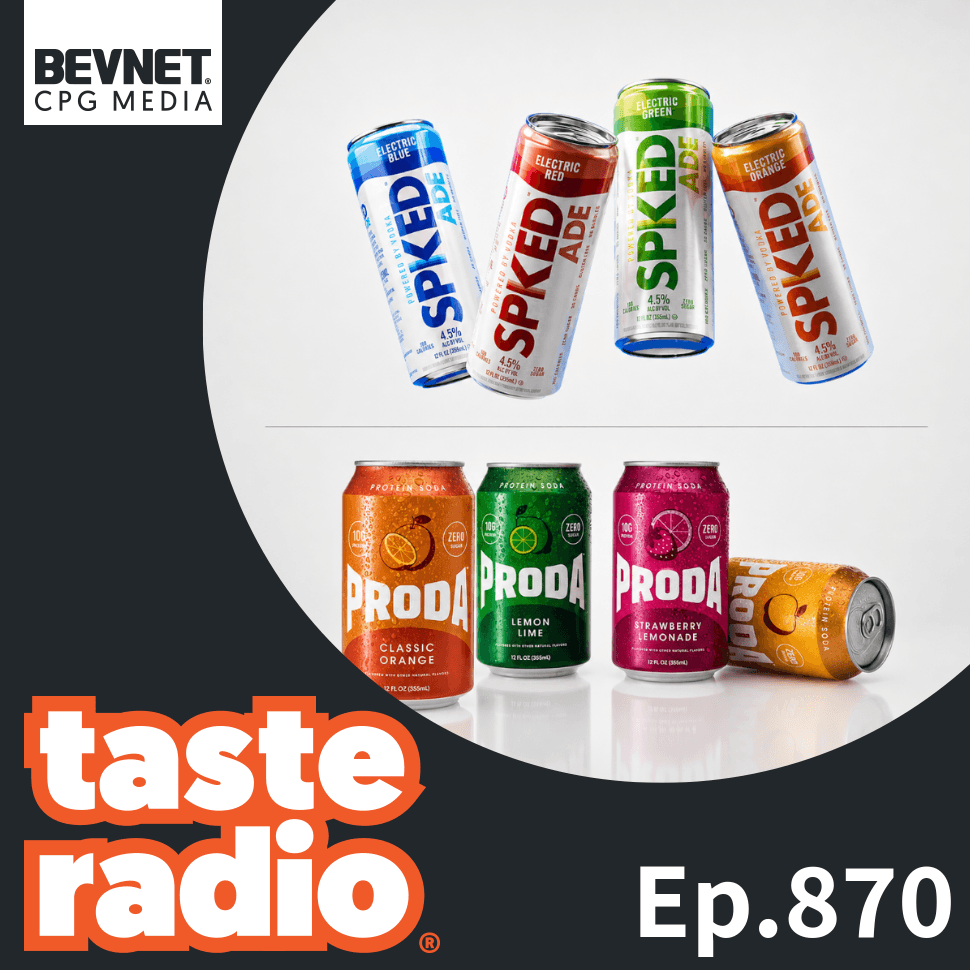
[00:00:10] Ray Latif: Hello friends, and thanks for tuning in to Taste Radio, the number one podcast for anyone building a business in food or beverage. I'm Ray Latif, the editor and producer of Taste Radio, and I'm with my co-host for this episode, John Craven, Jacqui Brugliera, and Mike Schneider. In this episode, we sit down with two entrepreneurs making waves in fast-growing categories. Holly Arbuckle, who is the co-founder and CEO of Better For You Meat Snack Company, Singing Pastures and Swati Elavia, the CEO of Frozen Indian Food Company, Monsoon Kitchens. Met both of them at the Naturally New England, Naturally Rising pitch competition, and they are fantastic people. You folks will love our conversations with those two people. Last Call. Last Call, not for alcohol, but it's Last Call for BevNET Live. Yeah, right? Okay. BevNET Live is happening next week, June 11th and 12th in New York City. Already 625 people are registered for the event. Actually, I think the number is probably higher.
[00:01:14] John Craven: It's growing every day.
[00:01:16] Ray Latif: Yes. As of this day, it's 625. By the time we get there, it'll probably be closer to 700. It will be the most attended, perhaps the biggest BevNET Live that we've ever had in New York City. And why? Because the people that you want to meet, that you want to hear from are going to be there. The lineup is stacked. The networking opportunities are stacked. The beverage cooler is going to be stacked. What isn't going to be stacked?
[00:01:41] Jacqui Brugliera: It's going to be stocked, not stacked.
[00:01:43] Ray Latif: No, we're stacking things on top of each other. You stock a cooler, Ray.
[00:01:46] Jacqui Brugliera: I never worked in a grocery store, John. I mean, neither have I, but, you know, you pay attention to the industry you work in for long enough, and you get...
[00:01:54] Ray Latif: I'm gonna take issue with that, because you did work at a Dunkin' Donuts, and they did have coolers in there, didn't they?
[00:02:00] Jacqui Brugliera: We've got top networking opportunities. We've got great workshops all kinds of good stuff I'm just trying to have a conversation here and you guys are trying to talk Hold on the weekend, it's no big deal. Okay, so Jackie didn't know that John work Yeah, Like Air college I think we talked about this on the campus dining all we talked Why do you think I can't make himself a good cup of coffee? Oh! Shots! Fire!
[00:02:31] Ray Latif: Oh my god. Because you learned at Dunkin Donuts. There's not much to learn, I think. That machine at home's a current. Totally not true.
[00:02:40] Jacqui Brugliera: That's not true, John has definitely learned some skills since his Dunkin Donuts days.
[00:02:45] Ray Latif: Well, I don't think we have anyone... I don't drink Dunkin Donuts, for the record. Just to make that very clear. I don't think we have anyone from Dunkin Donuts attending And we certainly won't now after that. But we will definitely have coffee represented at the show, coffee brands represented at the show. And I'm excited because I think we're kind of at the stage right now where we saw this incredible rise for canned and bottled RTD coffees. And then we saw a bit of a lull. And now I think we're back on that. good trajectory for ready to drink coffee. That's just my perspective anyway. Because I went to Whole Foods the other day and... Fuzzy coffee shop. I hope so. Well, I think last year I saw that shelf shrink quite a bit.
[00:03:32] Jacqui Brugliera: And now I'm seeing it expand a little bit. It just comes in waves. I mean, it is a really, really challenging category for emerging, I mean, well-funded emerging CPG brands to I mean, it's just a stronghold of, you know, Starbucks Frappuccino. And I mean, the other big basically RTD coffee brand is Java Monster, you know, like those things are massive. And I think, you know, we've seen some pretty cool innovation, you know, obviously the La Colombe Draft Lattes. Things like rise with nitro and I don't know, you know, it's doing a good job of penetrating that category. Yeah. I mean, I think it's, there's always opportunity there. It just has been maybe a little elusive for something to stick in Like Air massive kind of way. It seems like one of those categories where the more innovation you're putting in, the less chance you have of survival. We've seen some pretty innovative stuff happen in coffee and. I mean, I think, yeah, it's hard because the innovation and make it better puts you in this like coffee nerdery world where most consumers just don't care about that stuff. They also make their own coffee too, so that also makes it challenging.
[00:04:46] John Craven: Yeah, I think caffeine in general, I mean, people are just looking for that functional ingredients. So sometimes when you pile on a bunch of like other innovation, people start getting confused. And that's what I've also seen with just like, you know, our TDTs now, it's just very simple. It's like, how can we get the caffeine or, you know, the herbal remedy? And then that's it, you know, just very simple, clean ingredients.
[00:05:10] Ray Latif: Well, if I may, I'd like to plug an episode of Taste Radio that we published this week featuring Asha Balesha, who's the founder and CEO of Mason Dixie Foods, which is a brand of frozen comfort food, better for you frozen comfort food, including breakfast sandwiches, biscuits, frozen burritos, fried chicken sandwiches, all made with high quality ingredients. During the interview, she said something that really stuck with me, which is, consumers don't necessarily want to be educated about a new ingredient. Sometimes just giving people what they want in a better form is the best idea. So I think that's what everyone's saying here.
[00:05:46] Jacqui Brugliera: Yeah, we're just talking about, it's got to be a simple story, tastes good, maybe a little better for you to succeed on shelf. Like Air lot of education is, I'll say it for the I don't know 5,000 time incremental not radical innovation Okay, also one of the kindest founders you could ever hope to meet.
[00:06:06] Ray Latif: Oh, she's fantastic Asha, and that is I don't know I I have a hard time Differentiating between or promoting one episode more than another, but that is absolutely can't miss episode I Definitely. Asha is brilliant with a capital B and so much guidance, so many insights, such great advice in that episode. You really, really need to tune in. Genius with a capital G. Yeah. You know, on the note of keep it simple, I think everyone knows what a high-protein bar is, right? Like Air's a protein bar with lots of protein. Yeah. And I think that's one easy way to describe David. The brand of high-protein bars that launched last year famously launched by Peter Rahal, who's one of the co-founders of RxBAR. As we know, RxBAR sold for $600 million. Don't even think about bringing your pinky up. Why would I? It's retired. It's retired.
[00:06:58] Jacqui Brugliera: It's just sitting there on the table.
[00:07:00] Ray Latif: To Kellogg's several years ago. And yeah, made a splash, a big splash in that with David. I'm holding in my hand. For their bars, they have a blueberry pie, a cake batter, a chocolate chip cookie dough, and a double fudge brownie. Why am I mentioning David? Well, that's because last week, David pulled in another $75 million. A $75 million Series A round. And as our dear friend and colleague Lukas Southard reported in that story, the $75 million is also taking a step toward vertical integration with the acquisition of Epo-G, one of its ingredient suppliers. Epo-G makes a plant-based fat alternative called EPG. And it is an incredible ingredient that makes the GMO-free modified plant-based oil, which reduces calories from fat. And as you may know, or may not know, David only contains 150 calories per bar and zero grams of sugar and still has 28 grams of protein. So they're trying to perfect Or at least Peter Rahal has talked about how they're trying to perfect the protein bar zero sugar 150 calories and 28 grams of protein two grams of fat I mean, I think that's You sound like you're an infomercial pitch man here.
[00:08:21] Jacqui Brugliera: Yeah I'm just waiting for the if you buy now you get a free Like Air don't know some sort of Tupperware or Like Air knife or something I'm doing two things here.
[00:08:30] Ray Latif: I'm reading from Lucas's story and And I'm also talking about this. I mean, I don't know. I'm just repeating what I'm seeing here. I don't know. Is this the perfect protein bar?
[00:08:40] Jacqui Brugliera: Well, look, I think, you know, my giving you crap about this is that I think this is a... I'm still waiting for my apology. You get no apology. Um, I think this, this is a brand that's trying to tick a lot of boxes and, you know, certainly has an experienced founder and, you know, team behind it that is well-capitalized. So, you know, certainly the question will be, is the consumer into this and is the flavor good is, you know, are all these things sort of like going to line up and create magic for Peter and his team again?
[00:09:15] Ray Latif: Reigns to be seen. David, according to Lucas' article, is in 3,000, over 3,000 retail locations and expects to surpass $100 million in revenue in its first year of operation. I mean, that's pretty nuts. I did see David on GoPuff. They're already on GoPuff. Did you see that? Well, it's not that hard to get on GoPuff.
[00:09:31] Jacqui Brugliera: Oh, jeez, guy. Since they have seven grams of your least favorite ingredient in here.
[00:09:37] Ray Latif: Well, they also added artificial ingredients. Does it have cheese in it? It doesn't have cheese.
[00:09:42] Jacqui Brugliera: Sorry, second least favorite ingredient.
[00:09:43] Ray Latif: This is why I wish Jackie were in the office, because Jackie could add some good points without having to rag on Ray. Please, Jackie, take it away. No, no, no, but I mean, I just, we gotta, we gotta really... No, no, not Jackie.
[00:09:52] Jacqui Brugliera: We're not done. Just for the listener who doesn't understand, you know, Ray's the guy that'll order nachos, hold the cheese, but then he'll have a packaged slice of cake. Packaged slice of cake? Interesting. You've had a couple of those on here where you're like, Oh my God, this packaged like ridiculously high in sugar.
[00:10:12] John Craven: Oh, you do like your baked goods.
[00:10:13] Jacqui Brugliera: Yeah. Packaged ones. Loads and loads of ingredients.
[00:10:16] Ray Latif: But no, no, no, no, no. Minimal, minimal ingredients. No, it's funny you say that. Tangent, huge tangent here. Over the weekend, I did get some nachos. I did ask for lighter than typical cheese. What's even the point?
[00:10:29] Jacqui Brugliera: It's not a nacho. You're just ordering chips.
[00:10:32] Ray Latif: Jackie back.
[00:10:34] John Craven: I understand the lighter cheese, but it's a little weird. It's a little weird.
[00:10:37] Ray Latif: Okay. But I mean, your, your take on David, I mean, you know, Jackie wasn't even a safe Haven for you. No, no, but I feel all you've been dumped. Alley-oop board when she did it.
[00:10:53] Jacqui Brugliera: Okay.
[00:10:54] Ray Latif: It's alley-oop. It's alley-oop, unless you're on a skateboard. For a person like yourself, who is an active consumer, sports, I mean, on a regular basis, I mean, you would think that a David Protein bar, you would be the typical consumer.
[00:11:12] John Craven: You would think so.
[00:11:13] Ray Latif: You would think so.
[00:11:13] John Craven: I don't know. I might have, like, some trauma with some protein bars, like, going back to, like, Atkins bars when I was a kid.
[00:11:20] Ray Latif: Oh, goodness. I'm not a power bar, anyone. I thought a Luna bar, you know, that was a pretty hard one.
[00:11:26] John Craven: These are not for us. Yeah.
[00:11:27] Ray Latif: What?
[00:11:27] Jacqui Brugliera: Those David bars. I'm good with Rahab and all those. We didn't finish with Jackie. Yeah, I got some bars later.
[00:11:34] John Craven: I can see people buying it. I just also am a stickler for ingredients. And the fact that they're doubling down on something that's, you know, very modified. And I don't know, it just might not be for me.
[00:11:48] Jacqui Brugliera: It's pretty hard to find a super duper clean bar. Yeah, they all have something in them that keeps them together. Or, you know, So in terms of just like, if you look at that ingredient panel and you're, you're getting 28 grams of protein for 150 calories. Yeah. That seems pretty great was with like two grams of fat, which you need a little bit of fat. So I just, I don't know anything about this kind of fat that pitch man, Ray went, what was that again? Ray pitch man, Ray pitch man, Ray was talking about a special fat ingredient.
[00:12:18] John Craven: Yeah. The nutrition, the nutrition label, like makes a lot of sense. It just feels a lot different to, from Like Air bar where. your very simple ingredients on the front of pack.
[00:12:28] Jacqui Brugliera: It's EPG, the fat system. I think also like for me, the, you know, when I said, will the consumer accept it? I think the packaging approach is very against the grain of what kind of mainstream bars are doing, which I feel Like Air trying to visually appeal to the senses with, you know, even color palettes and whatnot that sort of tied to the ingredient. And I think its wrapper looks very like candy bar. I think it's right next to Werther's original.
[00:12:57] Ray Latif: Yeah. I mean, just for, for listeners who are not familiar with what the David bar looks like, it comes in a gold wrapper. David is the largest font, very prominent on the front, the nutritional facts or the key nutritional info is on the bottom and it has the flavor name to the right of David. But yeah, I mean, I think for this, this is a brand that if you buy one, you'll probably buy a lot of them. It's one that you'll, you're going to cultivate consumers who are not just going to buy like one of these a week. People are going to be eating like 10 of these a week.
[00:13:30] Jacqui Brugliera: To the point earlier that John made, it's, you know, it looks Like Air's going to sit next to a candy bar. So you put it in the bar aisle, that thing pops out against everything else. And also the flavor cues are really easy to see too, because it's just like popping on gold.
[00:13:43] Ray Latif: Yes. All right, shifting gears, I want to talk about another company that's raised some money, and that's Moment. Moment is a relaxation drink beverage. Just picked up $5 million in new funding. If you're familiar with the name Moment, it's probably because you know them from our new beverage showdown competition, Moment. one hour summer 2020 competition. I was in the midst of the COVID-19 pandemic. The virtual one. The virtual one. Yes, we did a couple of virtual ones, but that one was pretty unique. And I think people at the time wondered if Moment was just sort of right place, right time. I mean, everyone was anxious. Everyone was really frustrated. And people talked about the need to chill, the need to look after your mental health. And so Moment, again, I think very much a beverage that came at the right time, a beverage brand that came around at the right time. But five years later, it's still Doing well. The $5 million came from Be Tomorrow Ventures. Be Tomorrow Ventures made an initial investment in 2021, a second in 2022. And according to the article written by Martín Caballero of BevNET, This latest capital infusion indicates that BTV's quote, long-term confidence in moment's vision and potential to lead within the growing adaptogenic beverage space. Now, I would never want to call this an adaptogenic beverage because nobody, well, the average consumer doesn't. We live in this bubble. Everyone knows this food and beverage bubble where people talk about adaptogens all the time, but even I think we don't necessarily know exactly what they do for you. So I think going with a relaxation beverage is definitely the right way to go. I don't know if their consumers are knowledgeable about why they're drinking. I would assume they would be, but I think that's the right route for them.
[00:15:30] John Craven: Yeah, I think there's, you know, a lot of other players that are looking at that too. I mean, even like trip or we have breeze or we have other, you know, functional beverages that are promoting the chill. There's also a whole, Like Air went into lazy acres the other day, there's a whole social tonic area where you can have different. functional benefits. You can chill, you can feel a little bit happier, you know, it's just focusing on what the end result is going to be rather than what's going into the product that's going to make you feel that.
[00:16:01] Jacqui Brugliera: How many people are in that section?
[00:16:03] John Craven: There was a couple of people combing around. Yeah.
[00:16:06] Ray Latif: Yeah. I think you're a hundred percent right, Jackie. Focus on the function, not the ingredients. So with recess, which is also part of that cohort, they focus on mood or they describe their products as mood. We saw Four Sigmatic do this as well with a rebrand they introduced last year where it was less about the mushrooms and much more about what the mushrooms would do for you, the specific function. In the case of Moment, again, I think the adaptions are all well and good, but I think what people want to hear is that it's going to make them calm, chill, what have you. Either way, congrats to the Moment team. Aisha Chowdhani, who is one of the co-founders and the CEO of the company. Really excited for her. And just another, another New Bedford Showdown winner making waves in a hot category. Love to see it. All right, we talked about high-protein bars, we talked about relaxation drinks. I wonder if both categories are featured in a Q2 2025 Food and Beverage Trends Report based on SPATE's popularity index. Well, SPATE, if you're wondering, is a machine intelligence tool that uses publicly available consumer data, anonymous and aggregated, to identify shifts in consumer behavior. Why am I talking about SPATE? Good question. Why am I talking about this popularity index?
[00:17:23] Mike Schneider: Tell us. I have an idea.
[00:17:24] Ray Latif: And why am I talking about this 2025 food and beverage trends report? Because... Could insiders get this, Ray? Insiders. BevNET and Nosh insiders have access to the full reports. If you are not an insider, well, you don't have access to the full report. So... It's easy to become one, though. Very easy to become one. Just head to BevNET.com slash insider, Nosh.com slash insider, Taste Radio.com slash insider. And you can easily become one and you can get access to this very, very valuable report as part of your insider.
[00:17:57] Jacqui Brugliera: Did you know, Ray? Did you know that a BevNET insider is also a Nosh insider?
[00:18:04] Ray Latif: crazy. I'm barely able to function as a result of that statement, that fact that you just shared with me. So thank you. All right. We got a ton of new products and I do want to talk about these products, but I want to do it in a kind of way that We're going to gamify this. We're going to gamify this a little bit. Is this the curve ball that you're talking about? Brush and roulette? No, here comes the curve ball. This is a bit of a curve ball.
[00:18:29] Jacqui Brugliera: Oh, John, no. No brush and roulette. You guys go first.
[00:18:32] Ray Latif: Okay. I've got a bunch of new products and I want to talk about this. Yeah, me too. Everyone's going to get a chance to participate here. So I just want to hear- I think you want to go first. I want to hear your gut opinion on this. Is this something you would buy? Yes or no immediately. Yes or no. Okay. Ready? Yep. We're going to start with, now we've featured these types of beverages on the show before, but we haven't had a brand like this. This is a brand called Pizza Wine. It is a canned pizza wine. It's described as a sparkling red wine that you're supposed to enjoy chilled. It comes in this, I believe a 10 ounce slim can. I can't really see where. It says 250 milliliter slim can and it contains 11% alcohol. The label is bright red and the piece of wine logo is large right on the front of the can. It looks like dripping cheese. Okay, so yeah, it does actually. The logo that is. All right, Mike, yes or no? No. Jackie, yes or no? No. John, yes or no?
[00:19:28] Jacqui Brugliera: I mean, no, only because I have a case in my office, but I'm definitely intrigued by it. I like the branding and. I don't know. I haven't tried it yet. I have some in the fridge at home. I was going to try it later.
[00:19:39] Ray Latif: But what makes you want to try this versus the other pizza wines that we had this year?
[00:19:44] Jacqui Brugliera: Uh, well, I mean, this one's Like Air chilled red wine is not what the other ones were. Correct. Says to enjoy chilled yet sparkling red wine sparkling.
[00:19:51] John Craven: Yeah, so I don't know I Like Air sparkling red Okay, pizza wine because you're supposed to drink it with pizza or it tastes.
[00:19:57] Jacqui Brugliera: Yeah.
[00:19:57] Ray Latif: Yeah, so it's not it's not I'm scared of it because I didn't like the Pizza Hut pizza fine that was like pizza flavor wine That's ruining this no no the Domino's one that they paired with yellowtail or the the Domino's and yellowtail collab was not pizza flavored.
[00:20:14] SPEAKER_??: Mm-hmm
[00:20:14] Jacqui Brugliera: Yeah, well, I mean, I don't know, you made us eat a Domino's pizza, so that kind of wasn't a fair... I missed the Domino's pizza. I mean, look, there was a... Why'd you have a Domino's pizza when I wasn't here? What's their name? Breitland had pizza oil, you know, like that was... I really like that stuff, not... Flavored like pizza just goes with pizza this goes with pizza.
[00:20:36] Ray Latif: Okay. Don't be a hitter last question on this Just the branding standout is the packaging jump out for you. Okay.
[00:20:41] Jacqui Brugliera: Yeah, the packaging is extraordinary It's just I'm it's not not now so that's why you wouldn't buy. That's why you know You asked Money For my gut and I said no, but you didn't ask me what I thought about the packaging. Okay.
[00:20:53] Ray Latif: Is the game over? Can I go? No, no, no, no, no, no, no, no, no, no, no, no, no, no, no, no, no, no, no, no, no, no, no, no, no, no, no, no, no, no, no, no, no, no, no, no, no, no, no, no, no, no, no, no, no, no, no, no, no, no, no, no, no, no, no, no, no, no, no, no, no, no, no, no, no, no, no, no, no, no, no, no, no, no, no, no, no, no, no, no, no, no, no, no, no, no, no, no, no, no, no, no, no, no, no And it contains one serving per two ounce pouch. Now, I know you're a pescatarian. Yes, Jackie. So what do you think of this?
[00:21:23] John Craven: I would say yes, but I'm skeptical because I've never really had a good fish jerky experience.
[00:21:29] Ray Latif: I didn't even know you could have a fish jerky experience. Okay, interesting. John, how do you feel about this? Can I try some and then give you an answer?
[00:21:37] Jacqui Brugliera: Well, no, no, no.
[00:21:38] John Craven: Well, on shelf, you can't try it.
[00:21:40] Jacqui Brugliera: I wouldn't buy anything like jerky, if I'm being honest.
[00:21:44] Ray Latif: That's fair, that's fair. You're not a jerky guy.
[00:21:46] Jacqui Brugliera: It's like asking Mike if he'd buy alcohol. Okay, well.
[00:21:49] Ray Latif: So this is a bad game. Okay, no, no. But I'd like to try it. No, I think this is important because like, what's the addressable audience or what's the addressable market? Can I try it now? Yes, momentarily. I'd eat that jerky. You would eat this jerky? Of course. Yeah. Okay. What makes you interested in this? Now you can talk about that. I like salmon jerky.
[00:22:05] Jacqui Brugliera: Really? Yeah. I like, well, I like fish in lots of different formats, so I'm really intrigued by it. You see that 31 grams of protein on the right?
[00:22:13] Ray Latif: Yes. Okay. So on a, in a protein bar, less so you're less so interested in a protein count, but for something like this, which is, well, I'm pretty sure that's just fish and cured fish.
[00:22:24] Jacqui Brugliera: So I'd love to try it.
[00:22:25] Ray Latif: Yeah. Let's rip it open.
[00:22:26] Jacqui Brugliera: All right.
[00:22:26] Ray Latif: Go ahead. All right. John's going to try that.
[00:22:28] Jacqui Brugliera: Is this the only flavor?
[00:22:30] Ray Latif: Why does John only get it? I'm the one who said I'd try it. They have sweet chili and they have teriyaki. I figured you wanted the flavorful one. I definitely want sweet chili.
[00:22:38] Jacqui Brugliera: I'm trying like the naked version here.
[00:22:40] Ray Latif: This one has sea salt. Okay, let's see. All right, does that change your mind? 210 calories, 7 grams of fat.
[00:22:46] Jacqui Brugliera: Yeah, there's like, even reading the label makes me want to try it more.
[00:22:49] John Craven: Is it super fishy? Past fish jerky's have been very fishy.
[00:22:54] Ray Latif: That's actually a very good question. I haven't tried this. Well, not on this table yet. It's super fishy. It's very fishy. It's salmon-y. The aroma is filling the room. We have a very, very fishy room.
[00:23:07] Jacqui Brugliera: This is not for me just because it still has a jerky texture. Not a fan of the jerky texture. No offense to the Fable Fish Company. This is really good.
[00:23:18] Ray Latif: Well, if you want to learn more about Fable Fish, tune in to a recent episode of Elevator Talk where we featured the brand and its founder. Really interesting brand. She has a really great backstory as well. But I do love this brand.
[00:23:29] Jacqui Brugliera: It tastes really clean and it tastes like what you would expect tinned salmon to taste like too. Love the packaging. And that mega protein callout too.
[00:23:39] Ray Latif: All right, great. Let's move on.
[00:23:40] Jacqui Brugliera: This is a product I was going to talk about.
[00:23:42] Ray Latif: You got to hold on. You're not hosting the show today. I mean, I'm hosting the show today. So you got to wait one second. Okay. This is a brand called Boshi. This was in the danger fridge. And I was really taken by its packaging. It has a brilliant label. Bashi is in big letters, the B-A-S-H-I. It comes in a two-toned can, orange and white. And this is their peach mango variety. The function is to ease anxiety and boost focus. But what creates this function? What creates this function is hava and functional mushrooms. And on the side of the can, it says perk the F asterisk CK up. So, all right, Mike, we're going to start with you. I'm in. You're in. OK, Jackie.
[00:24:31] John Craven: Yes, I'm in.
[00:24:32] Ray Latif: Okay, Jackie's in. All right, John. You're cheating. You're sipping.
[00:24:36] Jacqui Brugliera: I mean, it's a hard no for me. No, I'm kidding. I'm not sipping it. I like Bashi.
[00:24:40] Ray Latif: Yeah, you like Bashi. Okay. I mentioned the packaging. I'm not necessarily a Cava consumer, but this definitely stands out, and I would pick it up, and perhaps, even though I'm not a Cava consumer, try it. I wasn't a Cava consumer until I tried Mellow.
[00:24:54] Jacqui Brugliera: I mean, I think both of those brands, it's nice to see sort of Like Air new wave of Kava products that are trying to combat this with Like Air clean, more wholesome sort of vibe to them. And yeah, I think this has a real nice clean label of ingredients pairing Kava with other trending ingredients and with a nice wholesome tagline, perk the fuck up. Yeah, I mean, that might be something to minimize over time, but I think it's kind of catchy. And otherwise, I mean, the packaging stands out. It's not, I guess, super screaming kava at you, which is probably good.
[00:25:35] John Craven: Yeah, I feel like people have steered away from kava in the past because there's been too much kava.
[00:25:40] Jacqui Brugliera: Or it's been mixed with other stuff that you might not want to consume. But yeah, I'm a fan of these.
[00:25:47] Ray Latif: I think the thing that we were talking about earlier, Jackie, where you're focusing on function more than you are ingredients is what Bashi is trying to do, even though the function is in smaller font than the logo. I would, if I were this brand, consider increasing the size of the font for Kava and Functional Mushrooms, just because some people don't want kava and there is, it affects some people in different ways or different people in different ways. So that's the only thing I would say. But in terms of packaging, this is a home run. This is a fantastic looking brand. So well done Bashi. All right. How about this? This is a repackage from a brand called One Trick Pony. What is that?
[00:26:33] Mike Schneider: Legs?
[00:26:34] Ray Latif: Which is a maker of very limited ingredient peanut butter. And Mike mentioned legs because legs pantyhose. And we're really dating ourselves here. It looks Like Air has this sort of bubble kind of appearance. It comes in this plastic jar with this bubble sort of appearance. And the cover, the screw cap cover, is actually on the bottom of the jar. All right, One Trick pony. That's a good idea for peanut butter. Jackie, is this something that if you saw this on the peanut butter shelf, you'd be like, hey, this looks Like Air's for me?
[00:27:07] John Craven: Well, I guess my big question is how much is it? Because for peanut butter, I feel Like Air wouldn't spend a ton of money.
[00:27:13] Jacqui Brugliera: Okay, so you're more of a skippy sort of person.
[00:27:18] Ray Latif: Yeah, I'm buying peanut butter Jackie's been tapped No, Jackie's making an excellent point here because this does look quite premium even though it's a little It has sort of a kid kind of appeal because one of these jars is Like Air lime green, the other one... It's like Easter colors. Right, very Easter pastel colors. And the two varieties are crunchy peanut butter and smooth peanut butter, but that's a good point. If something looks really expensive, maybe you're not even going to attempt to pick it up off the shelf.
[00:27:48] Jacqui Brugliera: I think two bits of feedback on this, you know, it's definitely against the grain to sell a nut butter of any kind where you can't actually see the product inside. And I think that's something that could be a bit of a challenge in that, you know, you can see for certain peanut butters that it's like kind of coarsely ground, for example, things that like appeal to the senses and this doesn't have that. You know, that could work out either way, I guess. My only other immediate feedback is I saw this one, the crazy crunchy peanut butter first. And the word crazy was a little bit of Like Air stop and pause and be like, what, like, why is it crazy?
[00:28:30] Mike Schneider: Like what's in it?
[00:28:31] Jacqui Brugliera: Is it a THC peanut butter or something, you know? Fair point. Yeah, no, I think it certainly really goes against sort of the typical look.
[00:28:41] Ray Latif: Yeah, and what's interesting is this is an organic brand One Trick pony. They make their peanut butter with organic roasted Argentinian nuts and for the silky smooth one just a little bit of Patagonian sea salt, but the organic USDA organic seal is in it's pretty small on the back and there's a small note on the front this says just organic peanuts and salt I wonder if organic would For certainly for a premium peanut butter brand, if you increase the size of that font, how much of a difference that would make for consumers? You have the certification, you should put it someplace people can see it.
[00:29:17] John Craven: Yeah, I think the packaging is interesting, but it's almost distracting from the quality a little bit. Like Air they're going for quality, that's not really, I guess, coming through.
[00:29:26] Ray Latif: Interesting I wasn't expecting this conversation because this was promoted online One Trick ponies Recent repackaging and seem like people thought it was a home run, and I really do think it's standout. It's very differentiated It's very disruptive on shelf, but the points that everyone has made is are good.
[00:29:42] Jacqui Brugliera: It's definitely CPG Social media eye candy for sure playing the game.
[00:29:48] Ray Latif: No the game's over. Oh, I'm sorry Mike I'm sorry. I thought you did you chimed in here. I mean you know the answer though Okay, what is the end? I don't know. I love peanut butter. So yes, I'm in you're in just because of peanut butter Yeah, just because it's premium peanut butter.
[00:30:00] Jacqui Brugliera: So peanut butter. I'm in Okay, but I think the one thing that we haven't really talked too much about is just it's smart to have your peanut butter container upside down because You know just makes it easier to mix it, too.
[00:30:15] Ray Latif: I Right, because there's separation typically between the oil. Yeah, well, another brand that does that is Nutso. We've seen Nutso as well. Well done. All right, last? No, we have one more and then we can get to yours. Okay.
[00:30:27] Jacqui Brugliera: You have my product over there.
[00:30:29] Ray Latif: I do have it. I do it. Okay. Come on. Hippies everyone knows hippies. They're a maker of chickpea based snacks. They introduced the new cheesy cheddar flavored pops Product described as light and airy pea puffs baked not fried to be completely honest with you I'm gonna give my two cents first here. Okay. I've always felt like the texture of hippies has Not been for me. It's a little too crunchy. I love it. It's a little bit like Captain Crunch you would scratch the top of your It's definitely, it's kind of aggressive. It's definitely zigging while others are zagging for sure. Okay. Because we started with you last, Mike, we'll start with you. Is this a product that would fill a hole in your life? I Like Air. Okay. Yeah. Yeah. So you'd buy this?
[00:31:10] Jacqui Brugliera: Well, just because it's hippies and something different, I would want to try it. So yes, I would buy it at least once.
[00:31:15] Ray Latif: Okay, Jackie, does this do anything for you? Would you change? Would you toss your regular cheesy pops puffs?
[00:31:23] John Craven: I would eat it because I'm a huge smart food fan. So I would definitely eat this.
[00:31:28] Ray Latif: But smart food is popcorn.
[00:31:29] John Craven: Yeah, but it's still cheesy. You still get the cheesy elements.
[00:31:32] Ray Latif: It's pretty different. It's the cheese. Yeah. Okay. All right. So, John?
[00:31:36] Jacqui Brugliera: The snack itself, I don't know if you hold... I'm like, he's just holding it Like Air my face, but anyway. I think he did fine. I've tried these, they're pretty good, but I feel like the brand proposition for this is kind of confused, because it's a brand that's been around for, jeez, how long has hippies been around? A decade? About that, yeah. Oh, shit. Kind of became a chickpea snack, and now this is Like Air chickpea, but also a pea puff. So I guess I... What is it? Is it a pea or a chickpea? And also... I think it's a little bit of both. Did they just process chickpeas to bring them back in... As chickpeas? Well, it's chickpea flour and pea flour.
[00:32:19] John Craven: And is it fully plant-based with the cheese?
[00:32:22] Jacqui Brugliera: Oh, good question. It says vegan, so I'm going to assume that's a yes. Yeah, so I mean, I don't know. My question for this is, having seen a lot of brands that try to make a pivot away from whatever their core was, I feel like that's what this product sort of represents a little for me, and I just I feel Like Air's a little bit of a muddled message, if I'm being totally honest. But it is, it is a tasty snack. When you get a chance to taste it, there's a bit of nostalgia there for like old school puff cereal, but it's cheesy. So it's, it's kind of an interesting combination of the two.
[00:32:57] Ray Latif: Yeah, the one thing I would say about this is, and it's cheesy, they're spelling it C-H-E-E-Z-Y to get around any controversy or potential lawsuits around Gary. But not the cheddar. Yeah, but not the cheddar, ironically. The only reason I probably would not try this, aside from my past experience with hippies, is because it's described as light and airy pea puffs. I automatically assume it's going to be a compromise in taste, flavor, and texture because it's described as pea puffs. So I know transparency is great and I understand what they're trying to do and make it very clear to the consumer what they're getting, but I'm not necessarily moved or interested or want to try this because of the word pea.
[00:33:35] Jacqui Brugliera: Well, these are also... what you probably wanted the other hippies to be too, because they're super light and airy, like they're almost fly away airy. So the crunch that you're expecting, the texture you're expecting from these is not what you're getting.
[00:33:48] Ray Latif: Well, the other reason I might try these is only because the description is slightly reminiscent of Like Air snacks. And I love Like Air snacks. Like Air, my goodness. Those are awesome. Best new snack brand in some time.
[00:33:59] Jacqui Brugliera: These are definitely crunchier. They're a little crunchier, but they're not Like Air you put them next to each other, you know, on a table and you tried them both. People wouldn't be disappointed in either of them.
[00:34:08] Ray Latif: All right. Let's wrap up the the banter here with John's Okay, cuz I do you want me to talk about? All right clean up in the studio final final product is IQ bars new salted caramel chip bar that was made in collaboration with the very famous chef Thomas Keller of I Getting French Laundry. The French Laundry, the three Michelin star French Laundry, which is in some hot water of its own. Google it. So anyway, so IQ Bar, this looks delicious. It's got 12 grams of plant protein, one gram of sugar, and it says it has brain nutrients. These are tasty. But at a glance, another protein bar we're talking about here. Jackie, what's your feeling on this?
[00:34:58] John Craven: At a glance, I think I would be skeptical and say no, cause I would assume it doesn't taste good because it's really leaning on function.
[00:35:07] Ray Latif: Interesting. Okay. Because of the plant protein or the brain nutrients?
[00:35:10] John Craven: The brain nutrients just throws me off.
[00:35:12] Ray Latif: Okay. Interesting.
[00:35:13] Jacqui Brugliera: But it says IQ bar. But what about even on the protein bar scale? Because I mean, none of them tastes Like Air Michelin star restaurant meal. So you wouldn't think this is tasty even with salted caramel chip flavor.
[00:35:27] John Craven: I think it's just the brain nutrients makes me think of something that's like very functional. And that's going to be even more functional tasting, I guess.
[00:35:35] Ray Latif: I like that we're trying to sell Jackie on this. She's like, no, no, no, no, no.
[00:35:41] Jacqui Brugliera: We're trying to get to the bottom of just not a good person.
[00:35:43] Ray Latif: I'm doing my best pitman Ray right here.
[00:35:46] John Craven: And if nothing's happening. She should be a consumer of this. I think I just don't like protein bars.
[00:35:50] Ray Latif: What do you think Thomas Keller does here? What are you implying? Jackie needs to start. Brain nutrient stuff You know I've got I've got to have that to have a good show that that isn't good stuff All right, John to you because you've been showing how you've already been housing this Hey Mikey, he likes it Well, first of all
[00:36:16] Jacqui Brugliera: I mean, all of the IQ bar flavors that I've had, especially the mint chip, taste really good. I don't really understand the, at least from the package, I've read the press release, Thomas Keller just sort of getting dropped in there.
[00:36:29] Holly Arbuckle: It's kind of like...
[00:36:30] Jacqui Brugliera: What did he do here? You know, is there going to be some like weird foam when I open this thing? Is there going to be a bill for like $700 when I open this? Oh, you know, you ripped through the three stars on the package. That's the thing. Regardless, Thomas Keller or not, it's a solid tasting bar. I really like that the sort of function of IQ Bar products is just basically spelled out for you on the front of the package in a pretty simple way. I mean, obviously. Brain nutrients is something that people might wonder, well, what's that? I mean, and they nicely have a kind of bulleted list on the back there. So for brains, this is, uh, at least for me, Like Air bars, a brand where, you know, I see one of their products and I'm like, this is going to be pretty good. And this definitely delivers. I mean, I like how it says that these are for brains, although, I mean, I think people know magnesium is there. I don't know if they know about, you know, what vitamin E is for, but MCTs, I think those are also, you know, known for smarts. Flavonoids, I don't know about that and lion's mane adaptogen probably also At least you got three of the five that are pretty well known as brain health ingredients So if you saw this on shelf next is perhaps a David bar chair you'd be reaching for this hmm I would check that out. I would check them both out, and I'd look at the back. Okay. Yeah, I would reach for this I And that was kind of my point earlier of just like the curb appeal, you know, like this is another one. It's got the sort of colors that appeal to the senses, like.
[00:38:02] Ray Latif: You do see some caramel on top. Yep.
[00:38:04] Jacqui Brugliera: Yeah. And it's something that is well thought out for its appearance on shelf. So I don't have a problem with whey protein either. So I might look at these both and say, okay, for, for the same calories, I'm going to get 28 grams of protein. So I might go for the David bar.
[00:38:20] Ray Latif: I will say this, I would have to pick this up, this IQ bar, and I probably would pick it up, and you can feel through the package that it is a bit of a softer protein bar, which definitely appeals to me.
[00:38:30] Jacqui Brugliera: Yeah, and the size too, I think.
[00:38:32] Ray Latif: Yeah, the size is good too.
[00:38:34] Jacqui Brugliera: It's a really tasty product.
[00:38:35] John Craven: If I was to eat a protein bar and I put that like next to David, I'd probably lean more towards that because I'd want more function out of my protein bar if I was going to eat.
[00:38:43] Jacqui Brugliera: She's coming around. She'd just have the barf bucket nearby. She doesn't like protein bars.
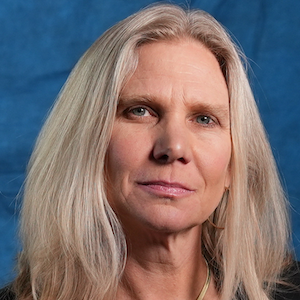
[00:38:48] Ray Latif: There's dual functionality here. There's the protein and there's their brain function, if you want to call it that. So, yeah. Well, this was fun. We should do this again sometime. Let's do this again sometime. Maybe next week? Perhaps next week. Yeah. Great. Let's do it. Alright, let's get to our featured interviews for this episode, which spotlight two remarkable women on a mission to elevate the way we eat. Holly Arbuckle of Singing Pastures and Swati Elavia of Monsoon Kitchens. Fresh off her win at Naturally New England's Naturally Rising Pitch competition, Holly shares the story behind Singing Pastures, a premium brand of fermented, slow-smoked meat sticks rooted in regenerative farming practices. She talks about her agricultural roots, the value of nutrient-dense food, and her vision for a more sustainable meat industry. Meanwhile, Swati, a nutritionist with a deep love for Indian cuisine, discusses Monsoon Kitchens's journey from serving institutions to launching retail products. She reflects on the challenges of scaling, the importance of staying true to culinary traditions, and her commitment to offering clean-label Indian meals. Hey folks, it's Ray with Taste Radio. Right now I am supremely honored to be sitting down with Holly Arbuckle, who is the Arbuckle of Singing Pastures. Holly, congratulations first and foremost.
[00:40:20] Singing Pastures: Thank you so much. I'm just thrilled right now.
[00:40:22] Ray Latif: Yeah, we're here in Providence. at the Naturally New England, Naturally Rising pitch competition, which you won just now. And it was a tough competition, some really great brands, really great presentations. But the judges heaped praise on you and your presentation and your brand Singing Pastures. For folks who aren't familiar with the brand, tell us what you do.
[00:40:45] Singing Pastures: So Singing Pastures is the name of our farm. We're a farm in Midcoast, Maine. And I'm always very clear that we don't single source from our farm. We source from other pasture raised and grass fed branches. But our farm, our product, so it started as a farm and now we're a CPG brand also. So our hero product line is premium craft meat sticks.
[00:41:09] Ray Latif: And B6, definitely a category on the rise. But what makes yours different from all the other ones that are on the market?
[00:41:16] Singing Pastures: That's a great question. So what I was pitching tonight was the next generation of our product. So we've actually been making meat sticks since 2016. And we have grown slowly over the years. So at the beginning, our differentiator was we were pasture-raised pork. A lot of the other sticks are grass-fed beef. That's kind of how we got our entry in. And we really talked a lot about farming because that's what we do. And we've been very involved in the regenerative agriculture movement. We've done a lot of studies. I did two SARE grants and we're with another one right now, which you don't need to know what that means, but the important thing is we're always pushing the envelope about nutrient density in meat and how it's important to know how the animal is raised. None of that is why I won tonight. We won tonight because we were talking about women and meat sticks. Right now, historically, a lot of the brands were very masculine and macho. And you think Jack's Links, you know, Old Trapper, Slim Jim. And I give credit to Chomps and Archer that have really pushed that category. But what we're seeing is the reason that category is exploding is because of women. Women are looking for high protein. They're looking for, you know, snacks on the go. And we've just taken that to the next step. So we're launching our new packaging that is a lot more female oriented. It's Gen Z oriented. And we have a new recipe that has grass-fed beef bone broth and grass-fed collagen in it. So those things, I think, you know, we're looking to kind of talk to the women out there that are doing strength training and looking for protein.
[00:42:53] Ray Latif: One of the things that for me looks a lot different or seems to be a lot different than other meat sticks that I've seen is that when you cut it open or bite it open, it actually looks like meat on the inside. Clearly, that was an intentional decision or there's a lot of intentionality behind that. It doesn't feel processed, even though, you know. Meat sticks, you know, they're processed. It is what it is. But, you know, how do you incorporate that kind of education into your marketing? Just make it clear that what you're eating, the ingredients are high quality. You can literally see them.
[00:43:27] Singing Pastures: So you said a couple of things that I want to touch on. One is that the way we make them is different. And I said that during my pitch tonight. They're fermented, and then they're slow smoked. So the process of crafting we're doing is 16 hours. It's twice as long, maybe more than twice as long, as most of those other sticks on the market, like Thompson Archer. So they use encapsulated acid and liquid smoke. So the first thing is, Part of what's happening is just the way that it's made. And so that makes it kind of more tender and meaty, where those sticks are dried down more. And so that's how they get the protein up. So part of the reason that we're making this evolution in our sticks is adding grass-fed beef bone broth. It's for the taste, but a fortunate byproduct of that is that it also is gonna be higher in protein. And then to your point about the processed food, I think of our sticks as a processed food, not an ultra-processed food. And here's why. If you have yogurt, if you have sauerkraut, right, those are processed foods. Ours are fermented and then they're smoked. It's something you could do in your kitchen. We don't have any encapsulated acid. We don't have any partially hydrogenated oils in our sticks. And I think that is very different. Right. That's a different step. So I'm always trying to tell people you want to eat food that you could make in your kitchen. Maybe you never will. But is it possible? Yes. Is it possible if I give you a stick of corn to say, go make corn oil out of it in your kitchen? Probably not. Right. That's an ultra processed food. So that's just the line that I think of between processed and ultra processed, that we're trying to do it the slow way and the right way.
[00:45:10] Ray Latif: Holly, you mentioned that a lot of the growth in the meat stick category is coming from female consumers. Are they shopping for meat sticks in the traditional places that we've seen them by the cash register? I guess, where are the opportunities to merchandise meat sticks at retail and in what channels as well?
[00:45:31] Singing Pastures: So primarily we're going to be in the jerky aisle and then I think also by the cash register. So those are places. I think that this is part of the pivot. I think historically it was mostly men, like 7 out of 10 people were men eating meat sticks and meat jerky. But when I was in high school, we were told to eat granola bars and do a lot of aerobic exercise. Now pretty much across all age groups from Gen Z to I'm Gen X, everybody that I know. My women friends are all looking for protein and they're doing strength training, right? And we're doing that, you know, not like just to get buff, but just because we know it's good for our long term health. So those are the people that I'm really speaking to, and not exclusively, right? Like, Because our packaging is really bright and fun and colorful, we took our inspiration from brands like Graza and Fishwife. I also could see young men eating them and lots of people eating them just because they like the taste. So that's the direction we're going and I hope people really Like Air when they see it on the shelf.
[00:46:39] Ray Latif: Yeah, I hope so as well. Price. Price also, you know, is a factor in how people buy meat sticks. Unfortunately, for the most part, people are looking at them as being on the less expensive side, especially now that you can get, you know, a stick of chomps at a Trader Joe's for $1.50. How do you think about pricing strategy when it comes to the development of your brand?
[00:47:02] Singing Pastures: Yeah, we're going for price integrity and price conviction, which means that ours will be on the higher end, no doubt about it. So right now our SRP is $2.59. As we pivot in our new recipe, we're going to be adding grass-fed beef bone broth, grass-fed collagen. Stick's also going to be 20% bigger than it is right now. So there's a lot of value coming with that. So our SRP, we're looking at $2.99 a stick. And having gone over everybody in the category, we're still within the boundaries of how much, at least at Sprouts, because that's the one national grocer we're with right now. We're in 400 locations at Sprouts. We're still within the range. We're not going outside of that range. But for me, I feel Like Air there are people that are already buying this often as a meal replacement, right? It's still a really good value because you're getting the protein and one of the neat things about our new sticks like the beef stick is going to be 10 grams of protein and 80 calories. So it has a really great protein to calorie ratio also. So You know, if it's the extra 15 cents or 20 cents, I think a lot of people are going to be willing to do that because they want the quality. And then they buy it again because they like the taste. Right. The first time is just like, oh, it's good for me. I like the packaging. But then after that, it's like, no, this is meaty and juicy and tender. And, you know, I want to I want to be able to eat this and put it in my kids lunchbox.
[00:48:27] Ray Latif: Great segue, because I'm seeing a lot of kids eating meat sticks more than I ever imagined. And I feel like that's a big opportunity for meat stick brands. Are you looking at that? Are you looking at that?
[00:48:38] Singing Pastures: If you look at our new packaging, which is not launching until August. Right. So it's not out there. If you go to our website right now, you're not going to see the new packaging. But that's what I was pitching tonight, because this is the up and coming thing. And we've got the packaging. We're One Trick. You know, it's just a matter of getting everything done and out the door. So kids, absolutely. I think the bright colors, the Gen Z, the kind of fun cartoonish look, that all went into it too. I can easily see this something. And really we're going with super bright colors like yellow and bright pink, you know. And I had one person say, oh it reminds me of candy. And at first I thought like, Like Air don't want to remind anybody on candy. But then the second thought I had was, actually, what they're telling me is it seems Like Air has a lot of flavor. It's something that I'd want to reach for. And that's what we want for our kids today. We have filled up children with sugary snacks forever. And we know we're not doing them any good. We know it's not good for their metabolic health in the long term. So just even returning to real food seems like something that has captured the imagination of the public right now. Like simple ingredients, I want to be able to pronounce it and afford it. And I guess that is where we're going is like, you know, in a sense, it's just a real bread and butter kind of thing, you know, real meat, and then have some water with it, as far as I'm concerned.
[00:50:04] Ray Latif: Yeah, simplicity goes a long way. And I think people are looking to simplify what they're eating because it's probably the healthiest way to eat is using the ingredients that are easy to pronounce, that you know, and don't make you feel ill. That goes a long way, too.
[00:50:20] Singing Pastures: Yeah, we're governed by the USDA. And the USDA, there are a lot of things that I can say, it's very hard sometimes to negotiate with them. And I feel like there's been, historically, a lot of room for food corporations to write the rules. You know, and grass, which people know about, generally regarded as safe. You know, here's an example. This is not going to be true anymore, but this was true when we started. When we went to make a meat stick at first, I found out that red dye was in the casing, the collagen casing, and it didn't have to be disclosed. You didn't have to put it on the ingredient deck. And I didn't want red dye in our stuff. So we started with dye free casings, right? So that's what you put the meat in. And I went to the USDA and I was Like Air want to put no red dye on our box. Well, that got turned down. I'm not allowed to say that. I could say, in a dye-free collagen casing. So that's what we ended up doing. But there are really strange rules sometimes that you have to negotiate. Now, of course, that's probably going to change because, as we all know, it seems like some of the artificial dyes are going to be going away. But who decided? that was considered like generally regarded as safe. Who decided that's safe? Who decided that that didn't have to be on the ingredient deck? But that's how it is. And when you look at a gas station meat stick and it looks Naturally New, that's why it's red dye.
[00:51:48] Ray Latif: Yeah, well, I can't thank you enough for sitting down with me today. Congratulations again on the big win. Thank you so much. And I look forward to speaking again soon.
[00:51:55] Singing Pastures: I look forward to it, too. I appreciate what you're doing to try and bring integrity into food and help people to understand it.
[00:52:02] Ray Latif: One day at a time.
[00:52:03] Singing Pastures: Thank you.
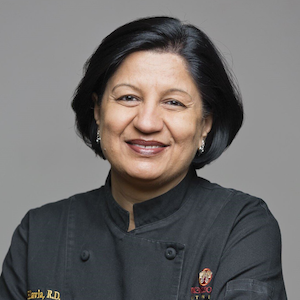
[00:52:04] Ray Latif: Thank you. Hey, folks, it's Ray with Taste Radio. Right now, I am honored to be sitting down with Swati Elavia, who is the president of Monsoon Kitchens. Swati, great to see you.
[00:52:19] Mike Schneider: Thank you, Ray. Great to see you too.
[00:52:21] Ray Latif: Yeah. Thanks so much for joining us here at the Naturally New England, Naturally Rising Pitch Competition. Is this something that you were ever interested in? You guys are pretty far in. You don't need to be in a pitch competition right now.
[00:52:32] Mike Schneider: We probably don't need to be in a pitch competition, but you know, our big business is food service. So in retail, we could actually come and do a pitch competition, but we are not participating in today's.
[00:52:42] Ray Latif: Yeah. But Monsoon Kitchens has been around for a long time.
[00:52:45] Mike Schneider: 20 years.
[00:52:45] Ray Latif: 20 years. Incredible. Tell us a bit about the origins, the history of the company.
[00:52:49] Mike Schneider: So the history starts with me. My background is in nutrition and food science. And I came to America to do my PhD in nutrition. And then I came, did my PhD in nutrition, became a registered dietitian, and then I worked for a large CPG company, General Mills. My husband moved a lot. And when we moved to Boston from Minneapolis, I wanted to do something that I really enjoyed and I was Good Data, and that was Indian food. And I loved CPG company. I mean, I love the business of CPT. So I thought, why not combine my skills with what my experience is? And around that same time in 2001, my daughter went to college. And when I went to the parents weekend at that time, I asked the chef, I said, you are serving Mexican cuisine, you are serving Chinese food, but you are not serving Indian food, even though there are so many Indian students.
[00:53:42] Ray Latif: What university is this?
[00:53:43] Mike Schneider: University of Chicago.
[00:53:44] Ray Latif: Okay. Yeah.
[00:53:44] Mike Schneider: And he said, you know, we would love to do that, but we don't really know how to do it well. It's complicated. And there are no good products that are turnkey that we can use. And I was like, what is turnkey? I mean, really, at that time, I had to think about what was turnkey. There was no Google at that time. So when I found out what turnkey was, it took me three, four years to figure out what my mission was going to be. And I figured I would try and create a product line that would be wonderful assistance to the chefs that they could serve their customers, whether it was colleges, hospitals. And that's how it began.
[00:54:22] Ray Latif: That's fantastic. And I'm so, I know this is in the past, but I'm so excited. for the opportunity for food service operators to have high quality Indian food without the kind of preparation that it would necessarily take to start from scratch. Typically, we see CPG brands go from retail and then maybe introduce a food service line. For Monsoon Kitchens, it's the opposite. That's right. Why get a CPG?
[00:54:50] Mike Schneider: I think the brand name has been recognized by a lot of people in the food service industry. When we go and do the trade shows, everybody says, where can we buy this? And they can't really buy our food service products because they're big. They're like big boxes. So we thought we are going to go ahead and introduce some retail products. And when we decided what to introduce in there, because we have just now 32 food service products, and we decided we were going to do some fresh products. So just now I've brought you two of the items. I did not have a third one in our warehouse, but we have a chicken tikka masala, which is a 16-ounce meal. And this can be sold either frozen, or this can also be sold as slacked out in a fresh. Oh, interesting. Yes. And then there is a butter chicken here, same, 16 ounces. And we actually have a coconut shrimp curry, which no other Indian company is doing it. We are the only ones who do seafood. And these are just now selling in Publix. Okay, wow. So these are in about 1000 Publix markets.
[00:55:51] Ray Latif: That is an interesting retailer for you too. I mean, was that your first retailer?
[00:55:55] Mike Schneider: That was our first retailer for these products.
[00:55:57] Ray Latif: Okay.
[00:55:57] Mike Schneider: And guess what? We just got this on a Kuwait military base.
[00:56:01] Ray Latif: Oh, wow.
[00:56:02] Mike Schneider: Okay. The first order just delivered yesterday.
[00:56:04] Ray Latif: You have some interesting first time retailers. Publix, which is, as most folks know, primarily based in the Southeast, really well known for Florida, and then a Kuwaiti military base. I would not have guessed that in a thousand years. That was one of your retailers. When you were thinking about your retail strategy and where you wanted to be, why was Publix an interesting or a key primary retailer for you guys?
[00:56:27] Mike Schneider: So it was not because we wanted to. It happened because we introduced our products just before COVID in 2019. By the time we were ready to start getting buyers meetings, COVID hit. It was impossible to get any buyer to look at anything new because they were struggling with what they currently had. But then when they started doing Zoom calls, the public's buyer got very interested in it. So whoever at that time would be interested in it, we could ship the product and they said, fine, we are going to launch it the following October. So this was launched in 2021 October in Publix. Why would we say no? And we had not even shown it to anybody else at that time. We were just trying to basically throw the mud on the wall and see which One Trick. But then we also had frozen items. We had lovely frozen samosas with a packet of tamarind chutney. We got quite a bit of national distribution with that during COVID and after that. But the prices kept going up. We didn't understand how to do it right. And I will completely agree on that, that people have to know how to get into retail and try and make money. We couldn't make Money For the frozen. So we decided to pull back for a while, and we will go back with a better assortment of products. Because there are a couple of Indian companies that are doing well. We don't want to be the same old, same old. So we will go back, but we will go back with something more unique.
[00:57:56] Ray Latif: I feel like Indian food, branded Indian food is having a moment. We're seeing a lot of new Indian centric brands come to market. And those that are already existing on the market seem to be doing quite well, which is great. But then that also means you have more competition. You are seeing more frozen entrees on shelf in primary retailers Like Air Whole Foods, Wegmans, Target, Walmart, what have you. Is that competition good or has it made it a little bit more difficult for you to kind of stand out and explain why you're different?
[00:58:28] Mike Schneider: That's where the skill comes in, correct? Because I always feel that if you didn't have competition and if you felt that all Italian restaurants have opened in the world, there will be no other new Italian restaurant. So there is more competition for those kinds of cuisines. Indian is still starting. It's a very big pie and we haven't really just, I think we have just basically scratched the surface. So yes, the competition for another tikka masala would be hard. But then there is something else. So for coconut shrimp curry that we do, we have no competition and everybody seems to be interested in it because it's differentiating.
[00:59:08] Ray Latif: Right.
[00:59:09] Mike Schneider: I don't know if you know a lot about Indian food. No, not so much. OK, so Indian food is so varied. I mean, we have such incredibly delicious vegetarian items, and I don't think anybody's selling those. There are some shelf-stable products, but in the frozen, there is hardly any vegetarian that is just promoting health. That is still not the case. We are just doing traditional Indian cuisine. But being a nutritionist, I think there is something to be said about how our products or how Indian food can be extremely helpful for people. especially given what today is happening. I mean, if you see what's happening is all these new products are coming, healthful products, but for the first time there is a negative correlation. Heart disease is again increasing. Obesity does not seem to ebb Last Call. Something is not right here. We are eating healthy. We have healthy products on the shelf, but the population is not getting healthier.
[01:00:10] Ray Latif: You just blew my mind right there. You're totally right.
[01:00:13] Mike Schneider: It's a 20 year reverse for heart disease. It's amazing what's going on. So as a nutritionist, my first love is nutrition. My second love is CPG, but I do keep my credentials as registered dietician and I read a lot about it and it just bothers my mind that we have a lot of good healthy products, but we are not seeing it correlating with the health improvement.
[01:00:36] Ray Latif: So as the founder of a brand like Monsoon Kitchens, how do you walk that line between saying our products are healthy and our products are also very delicious? I would think delicious is probably the thing you lead with.
[01:00:47] Mike Schneider: Absolutely.
[01:00:48] Ray Latif: So how do you talk about health or how do you want to start talking about health?
[01:00:51] Mike Schneider: So we talk about health in some ways that, okay, our products have, first of all, very clean ingredients. It has moderate amounts of fat. It doesn't have a lot of fat. Our sodium is moderate, which is considered to be not low sodium, but it is moderate that people who are trying to improve their health can be consuming it. But we need to come up with new products. That's where our goal is. We do sell those in food service just now, like we have lentil-based dishes and we have beans dishes like pulses. We have a lot of those. We haven't brought them to the market in detail. And that's what my next five years will be.
[01:01:30] Ray Latif: When you do have innovation or an innovation pipeline, you have new products that are potentially coming to market. Who's the first call? Do you start talking to retailers well ahead of the potential launch?
[01:01:43] Mike Schneider: We would like to start doing that. And this is my very first. I just joined Naturally New England because, you know, before that, I was focused on college and university associations, all the other food service trade agencies. But now, if I want to be playing in this arena, I have to be a part of Naturally New England because that's where my heart is. I think salmon would be a great addition to our product line.
[01:02:08] Ray Latif: I think what I'm looking at right here on the table that we have is a really delicious product or products, you know, because you have your chicken tikka masala and your butter chicken that I want to eat right now. And I can't, obviously, but, you know, if I had a microwave. You can take those. I can? Yes. OK, I'm going to I'm going to get back to you, Swati, and talk to you about my experience with these. And I hope that folks in the region where public stores are most located get a chance to try Monsoon Kitchens as well. But in the meantime, thank you so much for taking the time to sit down with me. I really appreciate it. And very, very excited to start seeing Monsoon Kitchens maybe in the Northeast pretty soon.
[01:02:44] Mike Schneider: We hope so. I mean, if it can go to Kuwait, why not Northeast?
[01:02:49] Ray Latif: That's a really good point. I'm really glad we had this opportunity to sit down and talk. Thank you so much.
[01:02:53] Mike Schneider: Thank you for inviting me.
[01:02:54] Ray Latif: Thank you. That brings us to the end of this episode of Taste Radio. Thank you so much for listening. Taste Radio is a production of BevNET.com, Incorporated. Our audio engineer for Taste Radio is Joe Cracci. Our technical director is Joshua Pratt, and our video editor is Ryan Galang. Our social marketing manager is Amanda Smerlinski, and our designer is Amanda Huang. Just a reminder, if you like what you hear on Taste Radio, please share the podcast with friends and colleagues. And of course, we would love it if you could review us on the Apple Podcasts app or your listening platform of choice. Check us out on Instagram. Our handle is bevnettasteradio. As always, for questions, comments, ideas for future podcasts, please send us an email to ask at Taste Radio.com. On behalf of the entire Taste Radio team, thank you for listening. And we'll talk to you next time.
[01:03:49] Holly Arbuckle: you