[00:00:02] Ad Read: This week's episode of Taste Radio is sponsored by Top Health Ingredients. Top Health Ingredients is an industry-trusted supplier of plant-based non-GMO proteins, fibers, and sweeteners. For 10 years, Top Health has provided the highest quality, innovative ingredients to the food and beverage manufacturing markets with a focus on sports nutrition. In addition to unique ingredients, Top Health maintains a steadfast dedication to customer service with ready inventory and on-time delivery.
[00:00:28] Mike Lee: With new product additions like the 90% fava bean protein and a commitment to providing safe, clean, competitively priced products, Top Health aims to be the supplier of choice for your team's next big idea.
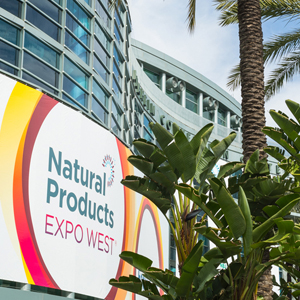
[00:00:39] Ad Read: To learn more, please visit tophealthingredients.com. And now, Taste Radio. Thanks for listening to BevNET's Taste Radio. I'm Mike Schneider, filling in for Ray Latif, and with me are John Craven and Jon Landis. This is episode 100 of the podcast. We're recording from Anaheim, California at Natural Products Expo West 2018. In this episode, we're joined by Mike Lee, the founder of Alpha Food Labs and Future Market, who forecasted the future of food through the lens of personalized nutrition and experiential marketing. We also hear from Launchpad founder and CEO, Jeremy Smith, who discussed keys to success in the club channel. And we share pints and perspective on beer with Mr. Guinness himself, Fergal Murray. In this week's edition of Elevator Talk, we chat with Michael Kurson, the co-founder of hard seltzer brand, Briggs Original. Just a reminder to our listeners, for questions, comments, and ideas for future podcasts, please send an email to ask at Taste Radio. As I mentioned, we're here at Expo West. Guys, Sunday afternoon. I've been looking forward to this for weeks. You've been looking forward to it for weeks for sure. You've been saying that you're going to look forward to this particular moment. Yeah. You know, and I really feel so this show was fantastic.
[00:01:57] Alpha Food: It was probably the highest energy Expo West that I've experienced. It's only my fifth one. You've been to more though, John.
[00:02:04] Ad Read: Yeah, John Craven, what's different about this show than you've been to so many of these?
[00:02:08] Alpha Food: Well, yeah, I mean, I guess I've been to, you know, decades worth at this point, which is certainly, you know, you talk to people here who have been coming to it since it was tiny, whatever, 30 years ago, or I don't know how long it's been. Yeah, for sure. I mean, you know, this thing is totally nuts. I mean, I think we all pretty much tell everyone that we talked to in the industry that they've got to be here at least walking around.
[00:02:30] Ad Read: And I mean, I feel like that's kind of how it was. And then some, you know, it just was totally overwhelming, I guess. Yeah, on the show floor, you mentioned that the first ones felt more like a farmer's market feel. Well, not the ones that I went to.
[00:02:45] Alpha Food: I mean, the first ones I went to were right on the tail end of the recession, and it was a totally different, you know, vibe than it was or is now. You know, everyone was trying to figure out how to get money as that was one of the bigger challenges, and that clearly is not the case here, which
[00:03:04] Ad Read: I think is kind of what makes it awesome right now that you see all these brands that come out of the gate with, you know, stuff that's really polished, you know, they have the right funding, they're able to, you know, create packaging and a product that stuff looks pretty pro. And it's definitely not, you know, to what you're saying about farmers market, like the stuff you're seeing here doesn't look like it just rolled out. Yeah, yeah. An example of that, uh, the, the AVO love, we talked to those guys this morning and they They aren't even out yet and their package looks phenomenal. Yeah, and you know, it's not even just about individual brands, but to John's point, I think... people are really leading with the consumption experience through their branding, through their packaging.
[00:03:44] Alpha Food: And they're making the product say, hey, this looks like something that's going to taste delicious. And then, oh, by the way, it's nutritious.
[00:03:52] Ad Read: Or, oh, by the way, it has these functional benefits where five years ago, things were so crunchy. And I didn't think things tasted as good as they do today.
[00:04:00] Alpha Food: But they were leading with, you know, you should buy this because it's good for you, not because it tastes good. So having that flipped on its head is definitely positive, you know, momentum. For sure.
[00:04:09] Ad Read: I mean, I think just, you know, the supply chain in these industries and, you know, what people are capable of from a I don't want to call it food tech, but just formulation, product development perspective, you have stuff where you're no longer having to compromise, right? And I think that's always been sort of the holy grail. You know, consumers are not going to compromise flavor, enjoyment, experience to get some benefit, right? You know, outside of things like, you know, allergens and stuff where you just have to avoid it. And I think that's why you see, you know, such a, I don't know, surge of, all these plant protein, all these, you know, different, like even zero calorie options. And right now it's sort of, I think just within the industry feels like the sky is the limit. And, you know, again, that just gets back to how overwhelming and insane this show is, which added a ton of square footage this year and is adding more again next year from what I hear.
[00:05:07] Alpha Food: So I think to that point, I mean, you're, you're totally right. The industry has seen the opportunity in natural
[00:05:14] Ad Read: And that's shifted development R&D and the technology that's required and the investments that are required in that technology to get these products to be made. has been happening over the last few years, and now we're seeing the results of all of that. Yeah, we're seeing a lot of changes in the conversation as well. Last year, I remember there was a lot of conversation about getting into Whole Foods, and now it's like, well, with the changes with Whole Foods, people are looking at different options, and so there's been a lot of that conversation on the floor as well.
[00:05:38] Alpha Food: Definitely a lot of brands I was talking to are looking at growing their food service channel, working with more on-premise cafes, grab-and-go type stuff, and I think that it's possible that if, you know, the Whole Foods stuff keeps going the way it is, and that becomes less of a area for incubation, you know, you might see some more of these independent cafes and things like that being areas for trial.
[00:06:02] Ad Read: Yeah, maybe convenience too. Well, you heard a lot of different conversations on the floor. Well, I think one of the, you know, without naming brands, you know, one conversation I had with someone who, you know, it's now at a slightly more, you know, mature state was talking about how, you know, their playbook that they used basically this past year had kind of made it obsolete. And, you know, just how different things are. I mean, everything used to just be Whole Foods, Whole Foods, you know, I don't know. There was one year I think it was like everyone was trying to do Whole Foods exclusives. That was like the trend. And you kind of don't hear any of that anymore. I mean, it more in a cautionary way. So I think it's, you know, we're, we're certainly at a point where there's just a shift going on. So kind of curious to see how that all levels out, I guess, but totally, you know, it was also, uh, I guess, you know, pretty neat just to run into so many listeners of the podcast. I think I've met every single one now. So thanks to everyone out there. Yeah. It feels like it. I, I, I am overwhelmed. Honestly, I've been stopped a couple of times, you know, been interrupted in conversation because People recognize the sound of my voice. That's crazy to me.
[00:07:06] Alpha Food: That's awesome.
[00:07:07] Ad Read: We've had some folks walk up to us too with some secret vials. That's obviously something you guys have experienced before, but it's New York me and one of my favorite things. I mean, thank you to the folks who did that. We can't even talk about you. I made Mike taste all of them first just to make sure they were clean. I survived each one of them. Yeah, he waited like about 15 minutes and he was okay. I'm like, do it or don't do it, bro. Yeah, the feedback from our listeners walking this show has been absolutely tremendous. And the fact that this is episode 100, it just kind of underscores, you know, how important you guys are to us. You know, we wouldn't be making this show if people weren't listening and appreciating it.
[00:07:42] Alpha Food: And I can't imagine, I can't believe that we're at episode 100.
[00:07:45] Ad Read: It's so fun to have people walk up to us and say they like the show. Yeah.
[00:07:47] Alpha Food: Yeah, totally. It's great. If they want more jokes about us, though. That's it. Vape, vape, vape.
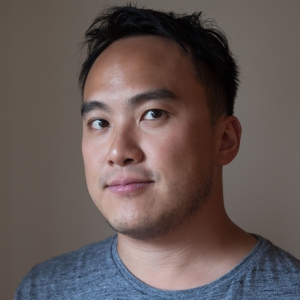
[00:07:53] Ad Read: More soccer, I got that too. Nice. Thanks to everybody who emailed us before the show, AskAtTasteRadio.com. Keep those emails coming. If we missed you at the show or if you have things to tell us, let us know, AskAtTasteRadio.com. And we'll turn it over to Ray in the studio because we've got some great interviews coming up. Sounds like Expo West was a riveting show. This is really weird for me. It's kind of awkward, but we'll get through this. Mike Lee is someone who constantly thinks about the years to come. He's a former executive with Chobani's Innovation New New Ventures Unit, and is the founder of Alpha Food Labs and Future Market. Both companies are focused on how brands can best take advantage of a food system that is expected to look dramatically different in the decades to come. Mike and I recently sat down with Mike for a wide ranging interview, including what roles personalized nutrition and experiential marketing will have in the future of the food industry. All right, we're in the press room at the Winter Fancy Food Show here in San Francisco, California, and we're honored to be joined by Mike Lee, who is the founder of Alpha Food Labs and Future Market. Mike, thanks so much for being with us. Thanks for having me. So how's your San Francisco experience going so far?
[00:09:06] Future Market: It's been pretty great, actually. We got a running start with some good dinner last night. Nice. And getting ready for the show. We've had a crush of people so far at our Future Market exhibit up on the F-Splanade. And so far, so good.
[00:09:18] Ad Read: So looking forward to it. So for our listeners at home or in the office or in their cars, tell us a little bit about Apple Food Labs and Future Market.
[00:09:26] Future Market: So Alpha Food Labs is a platform for new product development and Innovation New food. We do two main things. One is our consulting business where we advise and work with large food companies on new product ideation and we take that all the way through to development and formulation and packaging. And then the second part of the business is what we're currently building right now to launch later this year. which is incubating and creating our own ideas internally, and then cultivating those brands into something where we can eventually spin them out into standalone companies. So it's not necessarily a traditional accelerator or incubator model. It's almost more akin to kind of, you know, if you could start a CPG company from scratch, a conglomerate, what would you do, and where would you place your bets, and where would you build? So that's sort of the spirit of Alpha Food Labs.
[00:10:12] Ad Read: So Future Market is also a really interesting concept and you've got a Future Market, so to speak, here at the show. Tell us what that's all about.
[00:10:19] Future Market: So the Future Market was really born out of this idea of in the food industry, we wanted to see a place where people could kind of think much more ambitiously than maybe the current technology or Future Market allows. It was inspired by the auto show and the concept cars that have been happening for decades. And I wanted to see something like that for food in terms of where can we kind of dream and propose the idea of saying in the next five to 25 years, here are the products that we're going to see. And so what we do is we have 29 concept products, and like the concept car, these are Natural Products that are on the shelves today, but they look at various trends in the industry from personalized nutrition to cellular agriculture to plant-based proteins. And we sort of build these Natural Products that say, here's what this thing could look like in the next five to 25 years if the technology matures. It's meant to start a conversation and really get people thinking about what are the implications and what's the possibilities of some of these early stage trends we're seeing.
[00:11:16] Ad Read: Can you give us an example of one of these future concepts or these future food concepts?
[00:11:21] Future Market: Well, one of them is a pair of concepts that examines kind of advances in study in the microbiome. So a lot of people are researching that, trying to map out the microbiome and trying to create food that's kind of customized for you. We have a concept product that's called Analyze Me. It's based off of an actual pill that gastroenterologists use today to scan the inside of your gut, basically. But the whole idea is to basically say that you could swallow a pill, have it kind of sense what's happening in your microbiome and then use that data to create another product that we call custom culture, which is a yogurt that is engineered totally towards your microbiome. And it gives you sort of the microbiomes that microbes that you need inside your gut. So, you know, that is not entirely feasible today. It's like a 23 mean for your gut, right? But you know, it's a way to kind of say, a lot of those concepts and research is somewhat confusing to people right now. It's not really clear what the potential is. So we kind of cut to the chase and say, here's the commercial version of what happens when that tech kind of gets mature. Here's the use case of how you might see it on your average day, right? You swallow a pill, you get a really cool yogurt that's really good for you, right? And so that's in essence what we're trying to do is trying to boil down these kind of maybe arcane kind of technological things into something that's very consumer-facing.
[00:12:32] Ad Read: Personalized nutrition is kind of what we're talking about, right? Such an interesting concept. At the same time, it's not necessarily something, as you mentioned, that we're going to see tomorrow. It's something that, you know, is a concept, an idea that's much further down the line. And you spend a lot of time thinking about the future, and you spend a lot of time thinking about not necessarily what's going to be a trendy concept tomorrow or next year, 10, 15, 20, 50 years down the line. But I do want to go back in time for a sec. Sure. What really got you into food? What really drove your passion in this business?
[00:13:03] Future Market: I got into food probably from birth. My grandparents. Thank goodness. Thank goodness for that. I wouldn't be here if I didn't have to thank food. But, you know, my grandparents, they created one of the first Chinese restaurants in Detroit in the 40s, right? And so they were kind of not just in food, but, you know, food innovators in that sense. And it was just kind of bred into the family, this idea of growing up in a restaurant family where there's always food around and kind of everyone's lives kind of really center on food. Spiritually speaking, it always just kind of came back to that. Fast forward a lot of years after that, you know, I was working a day job doing Innovation New product development for non-food things. And I was kind of having that itch of I want to do something in Food Show what I did was I kept the day job, but while I was doing that, the night job was I created an underground supper club. And this was kind of like 10 years ago when I think, you know, that idea was still fairly new and kind of novel. And so we were one of the handful of people that were doing that in New York City. And what that did for us was we created this captive audience where we didn't have to abide by the normal rules of a restaurant in terms of, you know, a restaurant typically has to be one concept all the time. we could flip the concept on a night-to-night basis, and that gave us so much creative latitude to just experiment with new ideas, but also to just kind of understand how to create a really cool experience and speak to people with food. A lot of the stuff we're doing today, consulting with big food companies, is not arguably doing dinners like we used to. I think that sense of thinking of the experience holistically has definitely influenced kind of how we engineer products and market products and things like that.
[00:14:41] Ad Read: Yeah, because you have regulars that come to your supper club. You've got to figure out what they're interested in and then you have to keep them interested.
[00:14:49] Future Market: Absolutely. And I think the common theme amongst all the dinners, even though the concepts were so wildly different, was that it was always a narrative behind them. It was always kind of taking people on a journey and telling them a story. And, you know, you're seeing this today, like some of the best food brands here at the show and other shows, they tell really good stories. And I think that's key.
[00:15:09] Ad Read: You once held one of these separate clubs on a subway train, correct? Yeah. Yeah. Tell us about that.
[00:15:14] Future Market: We were part of a bigger group with a bunch of other of these clubs that essentially said, what's the craziest thing we could do? We could do something on the subway. So the L train. in New York City, if you're not familiar with it, it's precisely 43 minutes end-to-end. And I know this because we scoped out the whole thing and how we didn't get arrested was an amazement. But I think even then, we were sort of kind of personally resigned to say, if we get through 75% of it and then we get arrested, then that'll be cool. We just got to get through three quarters of it. We got through the whole thing.
[00:15:45] Ad Read: But the MTA was probably happy that you came in and sanitize the car.
[00:15:48] Future Market: So this is like totally like some sort of like thing out of Die Hard where there's some big event that distracts all the cops because that day there was this thing called the five borough bike race and all the cops were kind of managing that outside. so we didn't see any police presence indoors.
[00:16:03] Ad Read: I'd love to hear about, you know, what that experience of producing a multi-course tasting menu in 43 minutes on a train sort of taught you about how to create an experience that you can replicate.
[00:16:18] Future Market: Yeah, I mean, there was two dual lessons, one more behind the scenes and one outside of the scenes. Behind the scenes, it taught us a ton about operations. And it just taught us a ton about how to creatively design something that is delicious and awesome, but also works in a crazy, weird environment, you know? And so we took those lessons to heart, even in all the stuff that we do today. It's harder making stuff. in a package format that has to go into retail versus doing it in a restaurant. So we always have that mindset. On the front end though, I think this idea of kind of using fleeting experiences and scarcity as like a way to drive excitement is really interesting. And we, as part of the strategies we recommend for rolling out products and things like that, are always trying to find ways to get people, big brands, small brands, whatever, to get in that context where you can create food in a food service context and tell a story and make it for an exclusive amount of people because that's the kind of stuff that travels around and people want to hear and kind of desire over. You got to find a platform where you have the attention span for people to kind of listen to a story and be a part of a journey, right? And I think for scaled brands, it's so important to find those pockets. You're never going to do it all the time. But, you know, you have to create that content. You have to create that buzz. And doing it on a very kind of bespoke way is something that nearly every brand probably fits in their strategy.
[00:17:38] Ad Read: And on the product development side, you have a lot of experience having worked with a very big brand called Chobani.
[00:17:43] Future Market: Correct.
[00:17:44] Ad Read: How are you building upon your experience at Chobani and infusing those Labs and Future thinking, forward thinking into Alpha Food Labs?
[00:17:53] Future Market: You know, at Chobani, we had a team that pretty much constantly just kind of flew around the country Amanda Huang out in people's kitchens. Not necessarily... It's a tough job, man. It's a tough job. But it wasn't necessarily to test a new idea or validate a new product idea. It was more just we need to understand how people are living and how people are eating. and use that as a way to find new needs that other competitors aren't looking for, right? And so we take that to heart right now and we're constantly, as much as we're staying afloat of the big trends that are happening that everybody talks about and knows, we're really on the hunt for things that no one's talking about yet and trying to assess is that going to be something that's going to be, let us be ahead of the game with a product or a service. So we constantly kind of engage our community and are always hanging out in people's kitchens doing that same thing, looking for the next need.
[00:18:46] Ad Read: What are some of those emerging trends, those future concepts in food and beverage that you're homing in on right now and think could create really disruptive products and brands for the future?
[00:18:59] Future Market: One of the biggest areas that we're looking for right now is the area of digestive issues in IBS. There's about various estimates range around 65 to 75 million people in the United States that suffer from this, which, you know, is a decent sized number, but also within that number, there's a huge amount of underservice to products that meet those people's needs. Specifically, we've been looking a lot at kind of the low FODMAP diet. FODMAP is an acronym that basically stands for a series of sugars that are very difficult for people to digest, that have things like IBS, right? And so, for instance, if you eat a low FODMAP diet, you can't eat onions. So think about every product that has an onion in it, and you can now not eat that, right? So it's really hard, and a lot of this is born out of just kind of the modern day lifestyle of stress, which has created these issues, and we're seeing larger incidents as that happens. So all that's to say is, there's not a lot of press out there about this market. It's a good market size, but that's what makes it exciting to us, because I think there's a lot of passion that we can unlock, kind of creating products that acknowledge that person. And so those are the things that we constantly look for.
[00:20:10] Ad Read: You're looking for niche opportunities? Or are they niche opportunities that have the potential to become broad opportunities?
[00:20:15] Future Market: We're looking for niche opportunities that have the potential to be broader. I mean, we see the trends of this growing conversation around gut issues and IBS and things like that. And you're seeing Instagram influencers and stuff like that talk about it and talk about how they're going on a low FODMAP diet and things like that. That's when we're like, this is kind of slowly escaping, just being talked about in doctor's office in hushed tones. It's starting to be like a thing that people are coming out and saying, this is something I have an issue with.
[00:20:41] Ad Read: Yeah, it's interesting to hear like these, you know, yoga influencers talking about how this makes me gassy or that makes me gassy. I mean, they're just coming right out very transparently talking about Top Health issues. And it's an okay thing to talk about now. And there's a great opportunity to be a leader, you know, on the scientific front.
[00:20:58] Future Market: Absolutely. I think there's sort of a... I don't know if it's a bias, but it's sort of like implicit kind of things like that are kind of icky to talk about, and people don't want to talk about them. You know, we were inspired by... I turned it down. The brand Thinks that makes, you know, like period-proof underwear for women, and they're kind of like trying to nip that thing in the bud and say, like, why are we saying this is a taboo topic that's kind of quote-unquote gross to talk about? Let's just nip it in the bud and go around. there's a similar kind of parallel to things around stomach issues, things like that, that I think is interesting.
[00:21:32] Ad Read: I mean, that's a good segue to a trend that we're seeing right now across the industry, which is transparency and truth in labeling. We're seeing that really evolve into something where knowing not just the source, but what, say, an animal ate and where that feed came from is becoming more and more important to consumers. What is your approach to introducing more information and how to best articulate and communicate that to consumers on the front of the package?
[00:22:01] Future Market: I think this is like the classic graphic designer, communication designers. There's no other thing that it's so important that the people or the person who's designing the thing have a really intelligent way to compartmentalize these things. The truth is that we're getting technologies like blockchain and other technologies that are slowly starting to gather all this information. The point is, how do you make it relevant and how do you make people care, you know? And how do you visualize it?
[00:22:27] Ad Read: How do you make it so that someone who sees it, there's a language, a visual language that you can use across packages that doesn't make it so you need to have like a degree, you know, an advanced degree to understand what you're getting.
[00:22:38] Future Market: Yeah. So we did, so we have a new concept product that we just launched here at the show called BlockBirds and it's essentially like a chicken product, right? So it's, The product itself is not necessarily that innovative. It's chicken that's packaged. But on it, we've depicted this image of an e-ink screen where there's the full supply chain of what happened to that chicken from birth to death. And so, you know, if you look at CES, they're looking at things like flexible screens and things like that. And we get excited because we're like, is that something that when that becomes cheaper, that can solve a problem for us to say like, you know, I don't know how many people have scanned a QR code on a package and actually gone through that whole experience. But maybe if you had something like a flexible screen, could you get that on pack? My favorite blog of all time is picturesofpeoplescanningqrcodes.tumblr.com. It came out in 2012. That's amazing. No pictures yet. Incredible. That's good. That's a hard blog to run. Yeah. I was going to say the answer is not QR codes. No one scans a QR code. I think it's really a classic challenge of just kind of how to make it relevant for people.
[00:23:44] Ad Read: Well, I'm looking at an image of Blockbirds right now, and you've got this sort of tagline here, a streamlined, honest blockchain. And there's so much information on the front of the package. It really is for a consumer. It feels like it's really for a consumer that is willing to pay a premium price.
[00:24:00] Chris Furnari: Yeah.
[00:24:01] Ad Read: At this point, the technology that you're talking about sounds like it would be quite expensive on shelf. Correct. Or for a product on shelf. Do you feel like consumers are more and more inclined at this point to spend more for premium products? Or is that just something that, you know, is for a more exclusive set of consumers that can afford and is willing to pay for the transparency. And what's going to make this market? Are you the first mover in this or do you have other others out there who are trying something similar that will kind of help bring Future Market up?
[00:24:31] Future Market: What's going to make stuff cheaper? I think it's, yeah, you're right. A lot of this stuff follows the normal kind of adoption curve of it gets super expensive and precious at first until it doesn't, right? And usually what comes after that is scale. The thing that's tough for some of these ideas is that initial hump of trying to find that first early adopter set to use it and make it cheaper. What we're trying to do with Alpha Food Labs and with the Future Market is try to say, this is a pocket where it's mostly early adopters. And you can kind of incubate some of these technologies and improve them in our kind of context so that one day it becomes cheaper and more accessible for people. I think there's definitely probably a larger, I don't have data to back this up, but it feels like from the industry there's generally a larger instance of people that are willing to pay more for better Food Show I think that's good and that's helping that along. But it's just gonna take time. And in lieu of that we need to find ways to incubate these early stage technologies better and faster.
[00:25:29] Ad Read: One of the other things that people are willing to pay more for is flavor, and flavor and function don't necessarily always come together in a way that works. You and I talked earlier, and you mentioned that good flavor gives you permission to talk about the rest of your pitch. The question is, between price points, marketing, flavor. How do you get people to try the product in the first place?
[00:25:54] Future Market: Right, right, right. I mean, this comes back to that experiential thing as well, too. The Chobani experience was really colored also by the cafe that they have in person. And I think that was a really telling way because they're essentially quote-unquote doing a dinner every single day, right? And they're able to kind of get people into something that's compelling and that drives trial of products, right? And so we take that to heart too, and so we still do, you know, a good amount of dinners and events and things like that to get, to build buzz around it. And hopefully that's enough to kind of drive desire to say like, oh, I want to pick that up or I want to, you know, reconsider that. So yeah, it comes back to the experiential marketing, I think it's really important.
[00:26:34] Ad Read: It certainly concerns me and I think other consumers as well is this notion that reverse engineering and personalized nutrition and all these things that are going into the future of food makes the idea of natural organic.
[00:26:49] Chris Furnari: Yeah.
[00:26:49] Ad Read: Not obsolete, but it really muddles the water, so to speak.
[00:26:54] Future Market: That is like the question for the next 10 years in so many ways, because I think, yeah, you're right. There are a lot of food tech companies out there doing really cool stuff that has really big potential for sustainability Top Health. It's just culturally doesn't exactly sync up with what we know is to be the kind of on-trend things, right? So, cell ag is one of the biggest ones, right? It's like, on the one hand, do I care about the animal getting killed, or do I care about eating a GMO, right? And so, what I think as these things get commercialized more is, People are going to have to have a really reassessment of their values and reshuffling of what they truly care about. And that's going to tell which one of these companies kind of floats to the top and can succeed at what they're doing versus not. For me, I think the lesson is that transparency is going to have to be more key. There was an interview that my business partner did with Robert Fraley. He is the chief science officer at Monsanto and he's credited with inventing GMO. And she asked him a question that said, if you could do it all over again, what would you do differently? And he said, I wouldn't do anything differently except for communicate better and be more transparent about what we were doing. Because from his point of view, he obviously believes that, you know, there's a lot of positive stuff that they're doing. They just did not get communicated at all.
[00:28:12] Ad Read: Yeah, and there's a chance that GMO is the new non-GMO at some point in time, and he's like, oh, that could have been, you know, when I invented it, it could have been that if I just, it's one of those things where science and marketing don't always come together in the greatest way.
[00:28:25] Future Market: It's so hard, and it's so treacherous, and it's so hard to know exactly where the line is. And the thing that I say is I would hope that people, consumers, understand in the future that I think there's no such thing as anything that's 100% good or bad. I mean, there's some things that are, you know, really bad, obviously, but like in food marketing perspective, there's a pro and a con to most things. And so I hope we just kind of get to a place where the conversation doesn't get dumbed down. It gets a little bit more high resolution.
[00:28:56] Ad Read: Creating a point of reference is also critical in these new ideas as well. You tweeted something the other day that I thought was kind of interesting. It was this mobile supermarket where it's a fresh food, futuristic-looking car, machine, I don't know what to call this thing, that goes around neighborhoods and delivers fresh Food Show it's almost like what's old is new again. If you go to different parts of the world, even if you go to different parts, different urban areas in this country, you'll see fruit and vegetable carts and those folks in the morning going around and say, hey. Bring out your dead chicken. Oh, no way. Not that. In some cases, that might be true. If it's chicken, bring out your dead chicken perhaps. No, it's the produce cart. I was just doing a Monty Python reference because I thought it'd be funny.
[00:29:40] Future Market: Well, think about the milkman. Right. There you go. Right. The milkman. You could argue milkman was the original food delivery. Right. And, you know, it is. Yeah. So it's funny that like all this kind of old stuff. The grocery store used to be a personalized experience where you talk to somebody and you'd be like, oh, I need this, this and this. And they would know you. Right. So that kind of was like the old school, old school food way of buying food. And then the whole green revolution happened and we figured out food at scale, right? Let's make a bunch of stuff, throw it through the distribution model and just get as much efficiency out of the process as we can. And we kind of lost the personal touch to food along the way, right? Now we're seeing the reflection of that where people want the personal touch and the personal story back in their food again. But it's not necessarily scalable to do a milkman type thing anymore. So what's happening is technology is coming in and trying to get old school ideals in a new way. FedEx didn't exist for the milkman, but essentially FedEx and UPS are making Blue Apron happen, which is simulating the milkman. So tech is basically coming in and making these old school relationships happen at scale, which I think is super exciting. But the sentiment is that people, I think, long for a lot of the elements of what food used to be, for sure. This is somewhat similar to what Amazon's purported to do with drones.
[00:30:57] Ad Read: You know, you've got this sort of drone supermarket that can come to you. It keeps the elements of touch and smell and, you know, being able to see the produce that you want to choose and also gives you that convenience factor. So when you think about that, is that a scalable proposition? Drone specifically? Oh no, I'm talking about the, sorry, I'm talking about the mobile supermarket.
[00:31:19] Future Market: Oh, the mobile supermarket.
[00:31:20] Ad Read: It's kind of like a drone, right?
[00:31:21] Future Market: The mobile supermarket, I honestly think, is probably more scalable than something like a drone proposition, only for the practical fact that if all businesses were allowed to just start delivering through drones, it'd be a pretty tricky thing to solve with airspace and things like that. Versus autonomous vehicles, like roads are already equipped and managed for autonomous vehicles to exist, and this arguably is just another autonomous vehicle that just has a bunch of stuff in it, right? So, it really depends on how firmly you believe that autonomous vehicles are going to become a thing. If it is, it stands to reason that there's nothing to stop something like a mobile grocery store from happening like this. And you could just have it on the road nonstop, and it could just stop wherever you need to. Yeah, you could just have a fleet of them roving around different zones, and they'll just get refilled and stocked as needed. So, it's an interesting, very compelling concept, I think.
[00:32:14] Ad Read: Mike, this has been a great conversation. Thank you so much for taking the time to be with us. Look forward to chatting again really soon. Thank you so much for having me. Yeah, imagine you just jump on the L train and there's your supper sitting there ready for you. I mean, you're, hey, would you like a steak, Ray? And then if they say, if you say, hey, no, you don't have a ticket, you can be like, well, I'll just go tell the conductor and get you all busted. You got an MTA pass, dude. No ticket. The way it works in New York is you don't, you already, I'll explain this to you later, Ray. Okay. Ray rides around in limos in New York City. Right, yeah, peace though. Ray's never been on the subway. I stay away from those things. I thought that was a pretty interesting way for him to learn about... You get a card, Ray, and you swipe it, and it lets you onto the train. There's no conductor giving you a hassle. Yeah. Well, for all the... For all the talk about the future and personalized nutrition and these concepts that are like way down the line, it comes back to experiential marketing. It comes back down to creating that interesting experience. And it was interesting to hear Mike talk about how holistically those supper clubs and the train dinner really definitely influenced how they market and engineer products. How many brands do you think are going to go out and try to do a supper club on a train now? I'm not encouraging this, by the way, nor should we, I think. No, but like you said, the experience is important and thinking about the experience from the time that they hear your message to the time that they get, you know, what's in what's in your bottle or what's in your package is really important. And these are one way to get attention. And but thinking about that experience is the kind of thing that you have to do every day, all the time, and always be trying to refine that experience for your customer. Definitely, and a lot of people are constantly thinking about innovation, but how do you get people hungry? How do you wet the palette for innovation? And I think that's what Mike was trying to get at, which is you have to have a relatable experience, no matter how impressive the innovation is on the outside of your package and in ways that are going to relate to someone in their homes. I mean, when he was talking about Shobani and flying all over the country, you know, going into people's homes, They were looking for new ways to develop products that could meet need states that aren't currently met. Yeah, you have to make sure that these experiences that you're trying to provide are on brand. I mean, you might remember this company called Red Bull who got their start that way. And now look where they are. Totally, totally. It's definitely important to think about creating an experiential moment for your customers. but where do your customers shop? And it seems like a lot of customers are increasingly shopping in the Club Channel and in particular places like Costco. We recently spoke with an expert on that business. His name is Jeremy Smith. Landis Craven, you guys have known Jeremy for some time, yes?
[00:35:12] New York: Yeah.
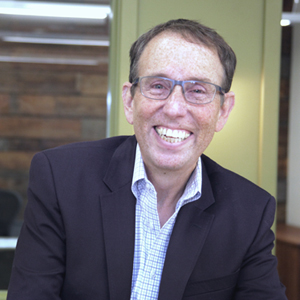
[00:35:12] Ad Read: Yep. Chill dude. Chill dude. He's the CEO and founder of Launchpad, which is a firm that works with emerging food brands on business and branding strategies, specializes in Costco in the Club Channel. He's a longtime food and beverage veteran and was recently named part of Forbes Magazine's Circle Up Top 25 Catalysts, Dealmakers, and Influencers of the Consumer Industry in 2017. We got a couple of those folks in-house as well. Didn't make the list this year. None at this table. But yeah, I thought it was really great to hear from Jeremy about some of these ways that you can think about the Club Channel early on for early stage companies, for mid-stage companies, and beyond that, ways that you can get into a meeting and make that meeting really effective when you're talking to some of these retailers. All right, we're at the 2018 Winter Fancy Food Show in San Francisco, and I'm joined by Jeremy Smith. Jeremy, thanks so much for being with me. Nice to be here with you. I'd love to just hear from you. You know, you've had a long and somewhat, say, storied career in this food and beverage industry, and I'd love to get some background on how you get started in this business and some of the work that you've done. Yeah, well how I got started in the business had more to do with my brother than anybody else because he had worked for Costco, my brother Jonathan for 19 years, started with them when they had one building. And I didn't even know what the brokerage business was, but I had a background in advertising and design, worked with many of the best designers on the West Coast, worked on some of the original Acura stuff. And so he felt like that was a really good background for working with him. And I was burned out on advertising. It had been After a while, you can only sell people on something for so many years, and then it gets kind of boring. And then he had just left Costco, and we started a firm called Level One in 2006. And this was before there was anything labeled an emerging brand on the food side. You know, I don't know. You know, I always wonder who coined that term, emerging food brands. Somebody did, and that's kind of what it stuck, but that's what we focused on. And so we built a brand based on where we thought Future Market was going to go long term. And we knew Costco wanted treasure hunt items. So we really felt that if we could find these smaller brands from all over the country and then bring them into Costco, that we might be able to build a little business. And Costco's the one retailer that someone's whole world can change because it has the potential to be 10 million or 100 million in business. And that's incredibly exciting. And Costco's probably, other than Whole Foods, I think Costco's the most uniquely suited retailer for emerging brands because you can go into Costco and just do two buildings if you want in one region or you can go everywhere you want to go with them and you know, they're really good at bringing small brands in. And so as Future Market has changed, the brokerage business has changed. You mentioned that emerging brands have a great opportunity to succeed in Costco. That wasn't necessarily the case 10 or 15 years ago. So can you give us some perspective on how the Club Channel has evolved over the past 10 years, particularly in terms of food and beverage offerings? Well, I have to say as much as the media likes to knock millennials, millennials have really driven emerging brands because millennials, they didn't want their father's mayonnaise or ketchup. They wanted something different that represented who they were. And they've been a big factor in why emerging brands have been successful both in club and outside of club. Costco just in the whole concept of a treasure hunt was really well suited for emerging brands because like the average Costco member does not come to Costco to buy Tide, does not come to buy Charmin toilet paper, even though they buy a lot there. They come to find that little soda company, that little yogurt company. The members come in there, and they love the roadshows that are there. And you think about the atmosphere when you walk into a Costco building, you know, it's so different than a supermarket. Supermarket, you come in with your list, you go around to certain aisles, you whip out your coupons, you're out of the store. Costco, you could be in there for hours tasting products, you know, from the demos. And lastly, and most importantly, Costco, you know, the demographics there are around, you know, the average income's around $100,000 a year. So most of the more premium emerging brands are walking into an environment that is tailor-made for their consumer, for their product. So Jeremy, for some of these early stage brands, when should they be thinking about going to the Club Channel? When should they be crafting their strategy for Costco? Well, whether they want to go to Costco now or five years from now, The day you start creating your pricing strategy for Amazon, for Whole Foods, for Kroger, you've got to start your Costco strategy. Because I've had clients that come to me that don't do that. And then when they get to the point where they're finally ready to go to Costco, they can't get to the Costco value that Costco needs. in order to bring the item in because they price their products so low out in retail that there's no more margins. And so I advise everyone that calls me, that's one of the first things I talk about with them. You may not be going to Costco until next year or six months, but start looking at your pricing. Think about it now. It doesn't have to be written in stone, but Costco wants to be traded like a distributor, and most brands don't recognize this, or they haven't heard this when they're younger. One of the ways that emerging brands can succeed in the club channel and in Costco. One of the things you have to be careful about at Costco is that Costco wants you to be item selling, and most brokers item sell, and that's a huge mistake. You need to be brand selling, because if you don't differentiate yourself from your competitors, then what happens is the buyer has to assume that your product is no different than your competitor, and then it should be the same price or lower than your competitor. And so that's an important thing you have to think about before you go to Costco. So Launchpad isn't a traditional brokerage. You do quite a bit more than just broker services. But I do want to chat with you a little bit about common myths and misperceptions that brands and brand owners have about working with a broker. Specifically, what can you tell me about, say, the five things that often are confusing about working with a broker and that end up being challenging for a brand? I found most brands, especially the early younger brands, really do a terrible job at interviewing brokers. And obviously I've been interviewed quite a few times. And so I always get asked the question that, do you have good relationships with the buyers? And I don't mean to insult anybody, but when you think about it, who's going to tell you, yeah, Frank loves us, but Sandy thinks we're like the worst broker we've ever dealt with. No one's gonna admit that to you. And so they're gonna tell you, oh yeah, we've got great relationships. There's only one answer to that question. And that is, when you're looking for a broker, don't ask about the buyer relationships. Ask about their SKUs. How long have they had their SKUs? What do they do after the SKU goes in for a first rotation? What do they do to make sure that the brand continues to be successful? What happens when, if you're a unique product coming in, What do you do to defend your territory when other brands knock you off? And then the other thing is you should never let the broker go to the meeting by themselves. Somebody who works for the brand must always be at that meeting because, first of all, the broker will be more on their toes, I guarantee it. And second of all, if something's said in the meeting, it gives you a chance to pivot and respond back to it. So I think those things are important things to establish at the start is challenge them. Then another thing is most clients never rehearse. They just count on the broker to be ready to go to the meeting. All the paperwork's been done, the PowerPoint, presentation's been done, which, by the way, is the worst piece of software ever invented is PowerPoint. Because people go in, it's like reading from scripts. And I always tell clients, I said, why don't we just take green eggs and ham with us? I think the buyer will get a kick out of it over your 34-page presentation. But part of it is, when you find out about timing it is, I had a client who said, no, I have to get a 34-page presentation. I said, all right, let's rehearse it. So he went through, I let him go through the whole thing, and I got up and walked out of the room. And he said, what did I say? I said, it wasn't what you said. I'm the buyer right now, and the buyer, you ran out of time. You spent all your time talking about yourself. I said, when you go to Costco, and this applies to any retailer, You have to treat it like it's just like this podcast. It's a conversation between two people. And you're not trying to sell them something. You're trying to build and create a relationship with them. And the first time you walk into a meeting, they're not ready to buy anything because they don't know who you are. And so some brokers are really good at making sure you tell the story. And the others are just, I think, overpaid, PowerPoint pushers. And so the difference of what I do is and why I refer to my company when we call on Costco as a representation company is because the broker is a middleman. Why would you even want to be called a brokerage firm? The whole thing is negative to begin with. I'm a partner in the client's business. And first of all, and this is a big problem, is that a lot of the salespeople who work for brokers are so worried about their relationship with the Costco buyers that they forget who they represent. You're an emerging brand. You're not Coca-Cola. You're not Pepsi. You're walking in with a good story. They have no good stories. Their stories were written 100 years ago. They have nothing new to bring to the table, but an emerging brand, has a great story to tell when they walk in there. You better make sure that your broker gets that story and that they have the ability to sell your brand. A monkey can walk in and try and sell an item, but a real representation firm will put you in a position to be incredibly successful at Costco. I'd love to get your perspective on how you see the Club Channel and Costco evolving over the next 10 years and what it will take for brands today and the new ones coming in tomorrow to ultimately be successful with the changing times. Right. So that's a good question. 10 years out is a long time. So my view on this is that if I look at Costco and how they've evolved Costco is more able to react quickly to market changes, which is a good thing because they don't have like a traditional supermarket. Oh, we're going to do our review in March, come back in 11 months to see me. So Costco, like if you're a plant-based product, or a paleo product, Costco can bring those products in like that. And if that fades, like they were the first ones really into low carb. But when low carb started slowing, they were out of it. Goji berries were hot for a year. They went into goji berries and they came out quickly. Now, that's also, when you see that, that's the risk for the brand going in and why you can't build your entire business around Costco, because that part of the business will always be risky. And the buyers will tell you this, there's no guarantee you're going to be there. But I think where I see Costco changing the most now, we just went through a period where they finally proved they understand organic, because they didn't. An organic customer doesn't want to walk into Costco on Monday and then find out that when they come back two weeks later, their organic brand isn't there. And that was their challenge, and Erica Welton from the Bay Area figured it out, was a genius in that category, and she changed all of Costco on that. So those type of things will happen from time to time where there's fundamentally major changes, but where I see things going forward after that was Costco got stuck on these coupons, not the big programs like the MVMs, but everyone started referring to these coupons as crack. And so Costco is finally getting back now to everyday low price. And that's where the business started. And I think the more they get back to their roots on that, the better they are. Now, something else that's changed at Costco is the private label business for them. The Kirkland Signature business has really expanded. And so that takes skews away from people. And I think Unfortunately, that's going to continue to grow because the current CEO loves it. And he's an incredibly smart guy, Greg Jelnik. And they're doing really well with Kirkland Signature. So a brand today has to be prepared that their brand may run into a KS version at some point, or they may be asked to produce it. I also think that we're going to see, as more and more of the younger millennials are shopping at Costco, I think you're going to see a greater demand on Costco to shift to even healthier foods. And as the older folks like me are pushed out and my kids are all shopping there, I think you'll see the buyers will adjust to what they carry and I think that's an important aspect that makes Costco a retailer of why they're going to be around so long is because they're one of the few retailers that can adjust so quickly. dipped into certain trends that have become fads and gotten out of them quickly with no damage to them. E-commerce has become an important part of the food and beverage industry and all signs indicate that it'll become a very critical part of how food and beverage brands do business. There is some speculation about whether or not Costco has or other Club Channel retailers have been able to keep up with the times in terms of online retail. What's your perspective on how well prepared they are and whether or not they can continue to be successful without a really keen strategy, so to speak? Good question. It gets asked a lot. I spoke to some analysts in the industry who, when Amazon made their announcement about Whole Foods, panicked and said, oh, Costco's in big trouble. and they don't have a good e-com strategy. Amazon's gonna crush them. And I said, you guys are idiots. You don't understand Costco. And I said, you don't understand the experience. I said, don't you think if Amazon could inexpensively ship a 40 pound bag of something, they'd be doing it? The way Costco's business model works, and this is the challenge with e-com, it's really not suited for shipping. It's suited more for you order it on e-comm and you pick it up at the building. I mean, you know, let's say you want to buy two boxes of Tide. It might cost you more to ship it, those two boxes of Tide that Costco sells, than it would to just, you know, either go into the store or buy it from Amazon because it's just too expensive. So that's one challenge that Costco to a certain extent is insulated from on e-comm because Costco can't get the prices where they are today without large pack sizes. Large pack sizes are expensive to ship. And it's going to be challenging for Amazon to compete. And if you look at a lot of the pricing surveys, Costco's crushing it against Amazon. And, you know, people still think Amazon's going to start warehousing and delivering to Whole Foods. I don't think they need to do that. So what Costco should be doing now is making it easier for consumers to work within their website, have more tracking features so that, like when I go to Whole, Amazon, All of my purchases that I've made, they quickly ask me when I show up there, oh, do you need more dog food? Do you need more of this? Do you need more of that? Costco doesn't do any of that. Now, some people might say, oh, that's great because I don't want to be bothered. And I think Costco will improve those things over time. I think they need to prepare more for mobile. than e-com because I've been shocked at how high some of the numbers are of especially millennials that are looking for all of their products through their iPhones and not from a desktop. And the Costco app, doesn't work as well as the, you know, the Amazon app does. And I think that's something they need to address. Jeremy, great stuff. A wealth of information. I feel like, can I call you an expert? Usually you don't want to call someone an expert unless they, you know, they embrace it, unless they embrace it. But clearly an expert on the Club Channel and even a greater expert when it comes to Costco specifically. Thank you so much. I think the entrepreneurs listening and the executives, too, are really going to get a lot out of this. So I appreciate it. Thank you very much. It was a lot of fun. Appreciate it. Thank you. Jeremy talks a lot about the story and practicing your story. I want to put the exclamation point on this. It's a thing that you can't do enough. It's a place where you have to constantly be looking at yourself and getting feedback and refining that pitch because you never know when you're going to get a chance to do it. And then you don't know how much time you're actually going to have and what's going to resonate. So you want to try to pick the most important points. And remember, in a 34-page deck, If you're going to put things in there that somebody's going to grab onto and you're not going to want to talk about, so only put the things that you want to have that conversation about in that deck. Yeah, and make sure that your broker knows everything in that deck as well, knows that story inside and out. Yeah, the part when he said, don't send your broker without someone from the brand, that's so key, and I'm sure that mistake happens all the time. It does, and to your point about PowerPoints, he was like, you might as well just bring green eggs and ham if you're going to bring in a 55-page PowerPoint. It's just like, why can't you just tell your story succinctly and effectively in a short amount of time? That's why we created Elevator Talk so people could practice. Exactly. Well done. I also thought it was pretty interesting for Jeremy to talk about when brands should be thinking about Costco and the Club Channel and pretty early on. He's like, whenever you're creating your pricing strategy for Whole Foods or for Amazon or for Kroger, you also need to be thinking about that for the Club Channel. I mean, it's really fascinating to me. Here's a guy who's 20 year, you know, Costco broker, and now he's focusing on go to market strategies and launching brands and helping people at a gate. And I think that's just a, you know, very much a sign of the times here that Costco and Club Channel used to just be for these larger brands to pump volume and private label stuff. And now it's, it's actually like a platform for getting out of the gate. It's pretty interesting. So, you know, if you're a young brand out there and this type of high volume format fits your brand, you can take a direct approach towards the club channel nowadays. And even if it doesn't fit your brand currently, it's something you should be thinking about early on. Well, I think just to add on to what Landis said too, you know, one of the things like when I first met Jeremy, geez, I don't know how long ago it was, but they were dealing in things like dried fruit and these more commodity products. And, you know, I think it's not necessarily just about launching there, but I think, you know, obviously what we're seeing in the industry now, like the speed at which early stage companies can grow and get to that level just so much quicker. So, I think, you know, he's been doing this a long time and I think better positioning himself for the current state of the industry. You guys ever buy Guinness at Costco? I have not bought a ton of Guinness at Costco, but I do buy Guinness. I do enjoy Guinness quite a bit. It's a delicious beverage. As someone who can't burp, I appreciate the nitro, you know, without the carbonation. When you had Guinness the first time, did you really drink Guinness? Yeah. Yeah, and I used to drink it in college a lot, you know?
[00:56:29] Chris Furnari: Yeah, me too. Irish Car Bombs.
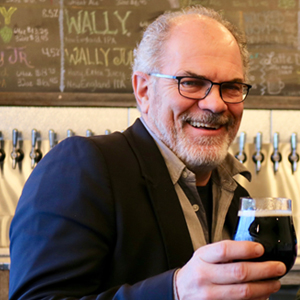
[00:56:30] Ad Read: That's when I first, yeah. I did a few of those, but remember when you first had a Guinness, didn't you think it was like, oh, you're like eating a cheeseburger. You felt like it was the most high calorie, just filling kind of, kind of brew you had. And in actuality, it's a low calorie beer. Yeah. Low ABV, low calorie, and it's delicious. And this is what Fergal Murray's job was for a long time. He was known as Mr. Guinness. Fergal Murray was in our office. He was in our office, in our studio. He was. He's a Former Master brewer of Guinness. He was a brand ambassador. He is now a consultant within the beer and distilled spirits industry. He works with a lot of companies on innovation strategies, formulation strategies. He's currently working with Wachusett Brewing here in Massachusetts. to brew a new beer called a New England Stout. We tried some of that in the office as well. It was great to see him. It was great to see the folks from Wachusett. And Virgil graciously sat down with us and specifically Chris Furnari, who's the editor of Brewbound for an interview that you're gonna listen to right now. Chris Furnari here, the editor of Brewbound, and I am sitting down with a legend in the beer business, Fergal Murray, the Former Master for Guinness. He is responsible for brewing one of the world's most famous, most iconic beers in the world, Guinness Stout. Fergal, welcome.
[00:57:50] Mike Lee: Chris, thank you very much. It's great to be here. Brewbound, huh? Boston, hello. Well done. You guys did an amazing job communicating the the story of what's going on in the craft world. We're picking it up in Ireland and Europe as well. So you've got an audience out there listening to you. So well done to you. Even if it's only an audience of one, we appreciate it. No, no. The communications are just great. What's going on in Future Market, you do send the information that's what's needed. People want to hear what's going on. They want to understand what's going on and you do a great job of doing that. So thank you. Thank you, I appreciate that.
[00:58:25] Ad Read: So for our Taste Radio listeners that might not be as familiar with who you are, maybe just give us a little rundown.
[00:58:33] Mike Lee: You're not familiar with who I am?
[00:58:34] Ad Read: You don't know Fergal Murray? Tell us who Fergal Murray is and just give us your whole background.
[00:58:38] Mike Lee: Well, I had a great career with Guinness, 30 years plus working as a brewer, master brewer, traveled all over the globe, worked in various markets, worked in their Nigerian brewery, for example. Learned my trade, learned the hard way, learned how to make Guinness, learned how to make beer, learned what it means to make beer and the art, the craft, the science behind all that. Ended up doing a sort of a role where I was the spokesperson for the brand, where I was out there helping the marketing team, the sales team, commercial teams to actually get the point about what brand Guinness meant for the world. And spent a lot of time coming over here to the U.S. doing some promotional gigs and innovation gigs and bringing new brands to Future Market here. So amazing journey and amazing experience. Learned an extraordinary amount. Don't know half the things I learned, but it's been in the beer business and being in the beer business is just the best business. I mean, unbelievable. And connected to the people who are involved in making beer, whether it's a corporate nation like mine or some of the craft brewers that I've got to know over the last number of years, it's just a passion. It's unbelievable.
[00:59:48] Ad Read: So how does one become the brewmaster for Guinness?
[00:59:54] Mike Lee: I don't even know the answer to that, actually. I think it was my surprise, I suppose. we ended up learning the trade, understanding what it meant to make the beer, understanding how it meant to fulfill the obligations you are when you're involved in supplying product to Future Market. And then I suppose the second level of that is actually understanding how you have to communicate what you've just done to create the beer when you're out in the marketplace. And I was good at that, if you know what I mean. I mean, they recognized that. I got the opportunity to sort of be part of that world. Loved every minute of it. I loved the brewing part and I loved actually going out there and seeing how it was received in markets like Africa and Asia. As a global brand, I got to see everything everywhere. It wasn't just Ireland, US, it was Australia, it was India, it was Indonesia, it was China, it was South America, blah, blah, blah. It was great.
[01:00:47] Ad Read: Yeah. What are some of the key differences between the markets that you visited on behalf of Guinness, some of those international markets that you mentioned, and what you see here in the US, both, you know, during your time as brewmaster for Guinness and today?
[01:01:04] Mike Lee: Deep question. I mean, Future Market is so challenging to get, you know, product to these distant markets and to gain brand awareness. You've got to constantly be able to send the right message, you know, constantly get people to consider your product above other local products that are available. And that's a big, big challenge. Even here in the US, for example, let's focus on that. I mean, Guinness has been around for over 200 years in the North American market, and we've only made a small dent on it. It's got punches above its weight as a brand, but I mean, from a volume point of view, it's always been, you know, probably a smaller player. But it's always been there, and people do appreciate it, and it's a brand that sort of has its position in the marketplace, and that's what happens around the world. And you've got to recognize that when I was out there doing what I was doing, you've got to recognize where it fits, and how it fits with Future Market, and what presence it had, and build on that equity. So if Guinness was thought of as what it was, you build on that story.
[01:02:02] Ad Read: I think over the last few years and probably towards the end of your run with Guinness, there was a lot stronger push towards trying to get consumers to kind of rediscover Guinness. And, you know, I think a lot of that is due to the fact that there was this you know, just onslaught of craft breweries that emerged and now over 6,000. Can you talk to our listeners about, you know, what it takes to take an established brand like a Guinness or any established beverage or food brand for that matter, and get consumers to re-engage with it?
[01:02:39] Mike Lee: Well, you've always got to keep it live in their minds, I suppose, is the constant sort of need from a marketing point of view to actually make it relevant to the consumer in a way that they recognize it as, you know, what's going to solve their requirement at the time. And Guinness has always done well at that. They've had a good opportunity to sort of get their brand available to consumers in a way they can actually see it and hear about it. And that was the execution that we used to do very well and still do. The brand still does very well. Take that to what craft brewers are doing all over the world now today. I mean, that's what they have to do. They have to get their brand aware, seen by people, heard by people, talked to about people. And then the quality of the product has to give those people who consume it the opportunity to talk about it. And that's what needs to happen. If you're making a beer, you want to be able to send a message that this is worth talking about, this is worth considering, talking to your friends about it, passing the message on. And yes, it's been an extraordinary challenge, I suppose, for all the big corporate brewers, as the craft world has exploded, because the choice is there. But it's brilliant for the beer industry. I mean, it's amazing, you know, this is like, this is what I always wanted it to be. When I was starting in the brewing industry, there was very few brewing companies around, type thing you might have had. A few craft ones in UK and Germany, but there was no craft industry. And now that's transformed people's understanding of what beer is about. And the innovation that's coming out of the beer world is amazing. I think that blows my mind every time I come, especially in America. When you come over here and you just wander down and see what people are doing and the ideas they have, the flavors they have, the sort of approach to what beer is about, it's stunning.
[01:04:19] Ad Read: You've spent an extraordinary amount of time in the beer business. What are, you know, one or two of the biggest lessons that you've learned along the way that you might impart to our listeners?
[01:04:29] Mike Lee: If you don't get your, well, this is the old master brewer speaking here now. You don't get your quality of your product. correct. Do not set it out to trade. The pint you have is only as good as the last one you ever made. You know what I mean? I was instructed by brewers with regimental conditions. If that isn't within spec, you do not move it. It doesn't go anywhere. It has to be perfect every single time you put it into a keg. That's the way you have to be. And you have to be rigid. You can't let yourself fall into the trap of saying, oh god, it's a couple of EBUs or IBUs better, higher than it should be, and I'll let it out. If you start thinking that way, you're always on a slippery slope. So quality is what you're based on on the product side of it. And then the quality of your packaging and the quality of your language that you use if you're going into the marketing story. The consistency and sustainability and I suppose an understanding as well if you can get to that stage.
[01:05:33] Ad Read: Yeah and it's not even so much quality as it is like striving for perfection it seems. It's tough to sit there and say, like, well, we do it perfect every single time because, you know, there's a margin of error in no matter what you're doing.
[01:05:45] Mike Lee: You always will be. Yeah. Yeah. But it's about understanding that, you know, realizing this, we're not always, you know, we're on this journey. You know, we've just done one, a brew with what chooses in a stout brew. We've just done one brew. And I know where, you know, it has room for improvement. But that's the point, we know, but it's within our design spec, it's within the way we wanted it to be at the moment. But we'll now improve it and get it better, and that's what the brewer's supposed to do. Constantly look at ways of improving what they have. and understanding they're on that journey. That's the art of it and the craft of it. You know, science is definitive, but the art and craft is, you know, we're still working on this. It's not perfect. We've got to think about it. We've got to change the grists. We've got to change the temperature. We've got to let it lie longer.
[01:06:32] Ad Read: Well, in the U.S. all you have to do is just put experimental on the package, and that solves everything.
[01:06:38] Mike Lee: Well, we'd never do that. I have never been allowed to do that. That word couldn't be utilized. No, you wouldn't. I don't think people, I don't think brewers want to be seen as just experimental. I want to be proud of my creation. I want to be proud of what I've delivered. I want to hear what the consumer says. I want to have the feedback. I need to have the feedback. I can't expect them to always go around liking it. I want to say, you know, Fergal, that's not as good as it could have been. Wow. Then that makes me even more passionate, more hungry, and more desired to improve it.
[01:07:14] Ad Read: Yeah. Speaking about the U.S. and some of your work here now, can you talk to us about sort of life after Guinness and what you're doing and some of the work you're doing with Wachusett?
[01:07:24] Mike Lee: Well, there I was in the corporate world and I walked into this sort of like idea, well, I might have some value to add to some of the craft brewers.
[01:07:32] Alpha Food: I would think so.
[01:07:33] Mike Lee: I thought so too, but it didn't happen immediately. There was this sort of like, you know, need for me to adjust my thinking that you can't come and speak to fantastic entrepreneurs. as if you came down for the corporate sort of world, you know, you have to adapt. And that was one of the things I was always fairly able to do when I traveled the world, you have to adapt to the cultures you're in. So my journey over the last few years has been adapting to understanding what their world was about, you know, then it's a totally different world from the corporate world. So it's understanding what their needs are, their opportunities, and supporting. And I, you know, my language changed, my communication process changed, and Then I had to really look at my own position and say, well, what values can I have? What services have I got? Have I got any at all? Because some of these guys are on their own journeys. They're on their own paths. They want to make their own mistakes. That's great. But there are one or two out there, you know, maybe a phone call could be helpful. And that's what I'm trying to do. So I'm trying to be helpful to them, you know, and if I can be of value, in any sort of way as a craft brewer goes along his journey. That's what I'm trying to do. And I want to do it because I think I'm very passionate about the beer industry. And I had that great opportunity recently with Wachusas. You know, an old friend of mine who used to work with me, he's now part of the Wachusett Brewing Company, and he asked me would I like to collaborate. Yeah, what would you like me to do? Let's come up with something and let's make a product that we can release as a collaboration series and part of a new journey they're on, bring their equity of their brand a little bit higher up on the scale. And I said, let's do it. And then, where to start? That's the question I was like, what am I going to do? How am I going to do this? Where are we going to go? But first thing is to get to know the people that you work with. The local brewers, the brewers that are there, and say, guys, how are you doing? What are you thinking? And then we then, over an internet chat, we both sort of landed on doing a New England type stout, which was like, well, that sounds like an obvious choice. Why didn't we think of that before we had the chat? But we didn't. We had to have the chat first to get to know each other. So there we were, making a stout. So what else should I be telling them to do? So I sprinkled some stardust and, you know, asked Arthur could I use some of his secrets and he didn't sort of answer back, so... I got together with the brewers and we've now created a little project called the Fergal project. People seem to be calling it the Fergal, which is very interesting in its own right, but it's going down very well. I'm actually enjoying it while I'm chatting with you. Yeah, let's do a little bad radio. Let's do a little bad radio and taste it.
[01:10:09] Ad Read: And aroma. A little bad radio, but no, it is good. Thank you for stopping by with some beers. So you would describe this, what, as a hoppy stout? No, no. It is a little hoppy, though.
[01:10:20] Mike Lee: It has a hop character at the back, just a little bitterness. There's no aroma hop. There's no, like, you're not looking for any aroma. So the roast character is giving you the aroma. And it's a session stout, really. which is not overpowering, it's only a 4.5% alcohol level. It makes stout sessionable in the context it's drinkable. You know, I want you to have a second one. I want you to have a third one. I don't want you to really just sort of like, you know, get all that powerful flavor and then sort of like, well, can't have another one of those. This is one, just sit back and enjoy this and then allow the stout to do its job as stouts do, as they take a little bit more time for you to actually, Wow, that's not bad, you know. You let the taste sort of linger and develop. So it's got an Irish malted base. We acquired an imported Irish malted barley from a special part of Ireland. The malt has been grown in part of what they call the Hook area of Waterford. And we found that in America. It was already imported here. So we bought the stock, put it in, sort of decided to use some New England hops that were available for the brand that was already being used. And we combined them, and here we are. I wanted to make sure the color was, you know, ruby red, dark, but not too black, not too heavy. The liquid had to be, you know, I wanted it to be sessionable in the context. I wanted to be able to have a second one, and I didn't want it to be overpowering in the sort of flavor that would make it intimidating. So I think what we've done is we've come up with this, and so far the feedback has been very good.
[01:11:46] Ad Read: Yeah, well, it's tasty. And, you know, I did see a photo of you actually in the brew house. So this is a true collaboration. That word gets tossed around a lot.
[01:11:56] Mike Lee: I got my hands dirty. They allowed me to do that. I would never allow them back in my place. But anyway, I was let in. That's cool. That is cool. It was brilliant to be there. I mean, it's just getting your hands dirty, as they say, and being involved in the whole process was just amazing. I loved it. I was just a kid in the candy shop. Awesome.
[01:12:17] Ad Read: Well, Fergal, this has been great.
[01:12:18] Mike Lee: Cheers. Thank you. Absolutely, Chris. Brilliant. And good luck with Brewbound and all the team here. Lovely to be here. You do an amazing job here.
[01:12:24] Ad Read: Thank you very much. Fergal was here. in our office. It's pretty awesome. All right. We're now joined by Chris Furnari, as I mentioned, the editor of Brewbound. Chris, thanks so much for joining us. Yeah, thanks for having me. Very cool. Very cool interview. That must have been kind of a trip to interview Mr. Guinness himself.
[01:12:43] Chris Furnari: Yeah.
[01:12:44] Ad Read: I mean, a guy who's brewed, you know, quite possibly one of the most famous, most iconic beers in the entire world for 30 years. It's pretty incredible to get the chance to interview him. You get to try the New England Stout? I did, yeah. I took a four-pack home. They dropped off a couple cases, so thank you to Wachusett and Fergal for providing our entire office with plenty of beer for the weekend. It's tasty stuff. It is, and Fergal styles himself sort of as a purist, and he talked about that in the interview. I thought that was pretty interesting. What are your thoughts on sort of that take? Yeah, you know, the one big takeaway for me that was really interesting is this idea that with so many different beers that are being sold at retail now, that it's almost better to get back to simplicity and get back to more traditional brewing. And obviously, that's something that Fergal is most familiar with. And I think we're starting to see some of that amongst the craft brewers now. A few companies that come to mind, you have a company like New Belgium with their Dayblazer Ale, you know, really easygoing, easy drinking ale. You have Firestone just came out with a lager, something that they had been brewing before, kind of went away for a while. You have Founders with a solid gold lager. So, you're starting to see these larger craft brewers actually, you know, work to appeal to drinkers with more simplistic, more traditional styles of beer. Getting back to the basics.
[01:14:09] SPEAKER_??: Yeah.
[01:14:09] Ad Read: There is an opportunity to be sort of experimental and we've seen a lot of brands release limited edition experimental kind of products. That's not really Fergal's game though. Yeah. I mean I think he appreciates Innovation New I think he likes to experiment, but he doesn't want to send something out that isn't perfect. It's always this, you know, striving to be, you know, delivering the most perfect product he possibly can. And he talked a little bit about that at his time at Guinness. It was, you know, do not put it in a bottle, do not put it in a keg, do not put it in a can if that is not the most perfect beer you can absolutely deliver. Because, you know, you're only as good as the last pint that you serve somebody. And I think that's something that, you know, now that there's 6,000 plus breweries out there, That's something that everybody should always keep in mind, that there's a lot of breweries that are just slapping experimental on the label and kind of calling it a day. As somebody who's had a lot of Guinness, I can't say I've ever had a bad one. It's always been that consistent experience, the cascading experience, like each and every time. And they're also crazy about the way they have you even pour the thing. I mean, they've got every I dotted in tea crust. Yeah, and a lot of the pouring is actually more of just like sort of a marketing thing. That was, you know, a really genius marketing idea that somebody came up with. Oh, here, we got to do this whole thing and it's theatrical and whatnot. But I think, yeah, the point is that if you're not delivering the highest quality possible product to, you know, really fickle consumers, I mean, you pretty much only got one shot and you're done. And Mike, I mean, I know that when I was drinking Guinness in college all the time, I would go to Mr. Dooley's or the Black Rose where I know that it flows all day like water because they got fresh kegs on them. I wasn't drinking it at Jose McIntyre's, you know? Yeah, that's the other thing that can be super disruptive that you can't really control is just the actual establishment and, you know, how seriously they take their beer programs. Yeah, you can make the most perfect beer you want, but if it's going through a dirty line, you know, that's a bad experience for the consumer. And that's, you know, a big challenge, I think, for the industry in general. Chris, as you mentioned, 6,000 breweries out there right now. How does Guinness, who's on top, also stay top of mind? Yeah, that was a really interesting point that he made that, you know, Guinness has been sold here for a couple hundred years and it's still only made, I think he said, like a small dent is the way he described it in terms of volume. What I really appreciated was his comment about having a really high quality product and getting consumers to talk about that as opposed to something else. So if you can get the consumer to talk about, you know, how great the beer tastes or how great your product tastes with their friends or on Instagram or wherever it may be. That's sort of the secret sauce. That's when you've actually won. And right now, you know, you do see a lot of consumers talking about maybe a funny name or a cool-looking package or something like that. And it was, you know, kind of refreshing to hear him say, yeah, get consumers to talk about how high quality the beer is, and that'll carry you so much further. And that's how you can exist in a country, you know, have the brand punch above its weight class for 200 years, even though you're only doing a small amount of volume and be as iconic as Guinness. It makes sense to me that, you know, the brewmaster is the one focused on quality. Go figure. Great stuff, Chris. Great interview. Thank you so much for doing it. And thanks so much for being with us. Yeah, thank you. All right. We got Elevator Talk coming up this week. We're featuring Briggs Original. Yum. Briggs Original is a brand of alcoholic flavored seltzers that are infused with real fruit juice. The company is based in Newton, Mass, which is one town over from Watertown, where our headquarters are located. Kind of like a Spindrift with a touch of booze? Spindrift with a touch of booze, exactly. That's how you and I would describe it. How Michael Kurson is one of the co-founders of the company would describe it is all here, and again, this edition of Elevator Talk.
[01:18:08] New York: It's time for our Elevator Talk, where we put a founder in an elevator with their dream investor. Let's hear what happens. What is your company's mission?
[01:18:17] Ad Read: So our company's mission is to deliver the customer the most authentic product possible. We use 100% real fruit in our hard seltzer. We're the only company out there doing it. And really the basis behind it is to give the consumer something that's natural, real, approachable, and delicious.
[01:18:32] New York: What is your product and how is it different?
[01:18:34] Ad Read: We're competing in the alcoholic seltzer market. We're competing against some of the largest companies in the alcohol space. You know, you see AB and Bev, Boston Beer Company, Mark Anthony Branson. And what we deliver is something more authentic. We're a local startup company out of Boston, Massachusetts. And we provide the consumer with 100% real fruit alcohol seltzer. It's something that none of our competitors use or do. It really is a higher quality product. We use 100% real ingredients, no artificial ingredients, something that we're very proud of.
[01:19:04] New York: Who is your target audience and how do you quantify Future Market opportunity?
[01:19:07] Ad Read: Sure. So, you know, I don't love putting an age range on our target audience, but, you know, it's typically the young professional, someone who's looking for a casual, approachable beverage. It's very light. It's gluten-free, low in calories, low in carbs. Like I said before, 100% real fruit. There's really nothing artificial about this product. It's easy to drink. And, you know, it's something that can really transcend different generations. But for the most part, it is, you know, that young professional demographic.
[01:19:33] New York: What stage of growth is your company in?
[01:19:35] Ad Read: So right now, we're going through our first rebrand. We've launched our product in June of 2017, been on Future Market for about seven months now. We're in about 150 stores in the greater Boston area. We're going to be expanding that significantly this upcoming summer, as well as introducing new products to Future Market. We're very excited about this rebrand, and I think that there's a lot of opportunity for us to get our product in front of a lot more people this upcoming summer.
[01:20:00] New York: What has been the biggest surprise in starting your company?
[01:20:02] Ad Read: So the biggest surprise for us since we launched was kind of the clarity of what we wanted this product to be. And when we first started making the product, we wanted to create a product for the local consumer, something that was very focused towards Massachusetts. And as time evolved, we really saw great traction in the hard seltzer market. It was something that we felt we really wanted to be a part of. And when we launched this last June in 2017 with Briggs Original Boston Cranberry, it did very well. But I don't think that we connected with the hard seltzer market in the way that we anticipated. And so now we're going through this rebrand over the winter. We feel that what we're creating is much more approachable for the normal target market of a hard seltzer consumer. And we're excited to roll out these new products this upcoming spring and summer.
[01:20:42] New York: What do you need from a partner or an investor to go next level?
[01:20:45] Ad Read: We've raised a full round of capital and we're currently going through raising our second round of capital. And I think that what's really important for us right now is bringing in strategic investors, people who have an alignment with our vision and understand the type of product that we're creating and Future Market that we're creating it for. And I think that finding investors who are not only willing to help us on the financial side, but willing to offer their insight and industry expertise is something that is really important for us as we're starting to get to that next level and starting to grow really quickly.
[01:21:17] New York: Why should I invest in you?
[01:21:18] Ad Read: It's an interesting space. It's a very exciting space. In the hard seltzer market, we're competing against a lot of these really large companies. You see AB InBev, Marc Anthony Brands, Boston Beer Company. But Neil and I are really the only ones doing this on a startup level. We've studied this space more than probably any other two individuals in the world have. We understand the space, we're passionate about it, we're excited about the ability to grow and scale the company. It's really been our baby for the last year and a half, and we're excited to be able to share it with as many people as possible. We're committed to this day in and day out. We're out there in the field making connections, doing tastings, creating the best possible product and branding, and it's a really exciting time to get involved. If you're interested in investing, happy to talk to you. If you're interested in advising, happy to talk to you. Really one of our core strategies has been meeting as many people as possible. We're young entrepreneurs. We're excited to hear people's opinions. We're excited to talk to people in general. Man, I'm so bummed I missed this one. I don't even know when this stuff was in the office. It was a crazy day that day.
[01:22:23] Alpha Food: Yeah, I would love to try it because this is a product that's right up my alley. You know, this low-calorie, ready-to-drink cocktail in a can type thing.
[01:22:31] Ad Read: Well, the good news is, as I mentioned, One town over, Landis.
[01:22:35] Alpha Food: Yeah, I know.
[01:22:36] Ad Read: So, Michael, if you're listening, and hopefully you are, please come by the office with some more products. Cases Jon Landis. Cases Jon Landis, exactly. All right, that brings us to the end of episode 100. A great mark for the company. And once again, you know, we couldn't be prouder of our listenership and everyone coming up and talking to us about the podcast. It means a lot to us. Hopefully you'll stick around for the next 100 episodes. Thanks so much to our sponsor, Top Health Ingredients, a leading and industry trusted supplier of plant-based non-GMO proteins, fibers, and sweeteners. Thanks to our guests, Mike Lee, Jeremy Smith, Fergal Murray, and Michael Kurson. Again, for questions, comments, ideas for future podcasts, please send us an email to askatasteradio.com. On behalf of Mike, John, and John, I am Ray Latif. We'll talk to you next time. To 100 more.