[00:00:02] Sarah-Michelle Geller: I think we've elevated sourcing when it comes to baking. There is no, I mean, I feel very confident in saying that there is no baking mix. whose ingredients can not only be sourced as ethically, but that tastes as delicious as ours. And that's been a personal mission for us. And when I say personal mission, I mean, I mean that literally.
[00:00:20] Ad Read: This week's episode of Taste Radio is sponsored by BevNET Events. Calling all better for you packaged food brands. Join us this June 4th and 5th for Nosh Live, a natural food industry conference gathering A-list speakers from top brands, investors, retailers, and more. We're gonna navigate the food industry, discover what's next, and help you find your next critical partnership. And beverage brands don't feel left out. BevNET Live takes place on June 6th and 7th to analyze the current challenges and trends in the non-alcoholic, ready-to-drink beverage space. We know you guys spend a lot of money and time at the big trade shows, and those events do a fantastic job at connecting brands with retail buyers. But let's face it, there's a lot more to your business beyond retail relationships. BevNET events focus on the decisions you make every day. The quality of these decisions ultimately determine the success or failure of your business. We gather the community to provide you with forward thinking, case studies, lessons learned, and industry connections that enable your brand to make the best decisions. Wanna learn more? Head over to bevnetlive.com and noshlive.com and feel free to reach out to us directly by emailing sales at BevNET.com if you have any questions. We hope to see you there. And now Taste Radio. Hey folks, thanks for listening to BevNET's Taste Radio. I'm Ray Latif, and with me are John Craven, Jon Landis, Mike Schneider, and Carol Ortenberg. This is episode 110 of Taste Radio, and we're recording from our studio in Watertown, Mass. In this week's episode, we're joined Sarah Michelle Geller Laibow and Greg Fleishman. who are the founders of fast-growing baking kit brand Foodsters. We also speak with Dan Schorr, the founder and CEO of renegade Vice Cream brand Vice Cream. And in this week's Elevator Talk, we hear from Matt Oscamou, who's the co-founder of Weller, a brand of hemp-enriched coconut bites. Just a reminder to our listeners, for questions, comments, ideas for future podcasts, please send an email to ask at Taste Radio. You know, I said we're in the Taste Radio studio here at BevNET HQ, but we're in the brand spanking new Taste Radio studio.
[00:02:27] Galit Laibow: First time.
[00:02:28] Ad Read: The official name. Yes. Until six months from now when it's not brand spanking new anymore. It's still a construction zone too. A little bit. It's going to get better. And we got new mics. We do got new mics.
[00:02:37] Galit Laibow: Yeah.
[00:02:38] Ad Read: These are legit. Hope it don't sound funny now.
[00:02:40] Galit Laibow: I know. Who knows?
[00:02:41] Ad Read: We got curtains on the windows. This actually used to be the BevNET edit cave where we would be pumping out content daily for the magazine, for live events, et cetera. But now it's just. It's good mojo in here. Yeah. There's more lighting now and it's less.
[00:02:56] Sarah-Michelle Geller: We had to smudge it.
[00:02:57] Ad Read: Editorial and much more.
[00:02:58] Sarah-Michelle Geller: Bring in some incense. Some incense. To cleanse the bad juju out of it.
[00:03:04] Ad Read: To wash all the tears out of the carpet.
[00:03:07] Sarah-Michelle Geller: A little bit of blood, not too much, don't worry.
[00:03:10] Ad Read: It's all Jeff's fault.
[00:03:11] Sarah-Michelle Geller: First rule about Edit Club, don't talk about Edit Club.
[00:03:13] Ad Read: So if BevNET Edit isn't here anymore, well, where is BevNET Edit? BevNET Edit's in its own brand spanking new edit cave.
[00:03:20] Sarah-Michelle Geller: Indeed.
[00:03:21] Ad Read: There's a whole office of edit now. The newsroom, so to speak. Yeah. John Craven, what's the newsroom?
[00:03:25] Greg Fleishman: I've been calling it the annex because it's across the hall, which for context, we expanded our office into the space across the hall, got some more room for everyone, which is always a good thing. Had people crammed into tiny little offices and didn't have enough room to record podcasts and all those other things we need to do. So yeah, we kicked all those annoying editorial people across the hall.
[00:03:48] Ad Read: I've been calling it Westeros because it's so far away. I've been sending ravens over there to communicate with them. Carol, you're across the hall as well, too. How do you like your new digs?
[00:03:55] Sarah-Michelle Geller: I love it. I have a window that opens. It's the most exciting thing. There's lots of- You make it sound like prison. I mean, but the coolest part is that I have this giant cork board and all the brands who send me like awesome stickers or pictures from their company or cool little things. I put that up on the cork board to remind myself of all the cool brands we cover on Nosh. I'm a cheese ball, what can I say?
[00:04:22] Ad Read: Yeah. One new thing Jon Landis, me and Mike is that we have doors now. Moving on up. You can do your sales, you can do your marketing, you can do your editorial slash podcast with your door closed now, which is kind of nice.
[00:04:33] Sarah-Michelle Geller: Just remember there's windows right next to the doors. So, you know, keep it PG, maybe G.
[00:04:41] Ad Read: Fair enough. Fair enough. Jon Landis, you recently came back from Portland, yes? Up in Maine. Up in Maine. The real Portland. Ooh, that's going to sting a little bit. That's a stinger. It was a really great trip, and I got to just give a shout out to Eli at Urban Farm Fermentory. He took some time, took an hour out of his Saturday morning to give a tour to Julia and myself, and it's really cool. He's in this East Bayside neighborhood that they opened up I don't know, years ago and there was nothing there. And now there's breweries and restaurants and it's like they're leading a huge revitalization effort. They got greenhouse where they grow all their own herbs and everything to infuse their juns and their kombuchas. It's really, really cool space. Yeah, it was a really awesome trip. What'd you get to try? Yeah, thanks for bringing some back.
[00:05:29] Sarah-Michelle Geller: Good job sharing, Landis.
[00:05:30] Ad Read: Well, they have some beers that they only make and serve there, which were really interesting. They're all like kind of Grewits. They're very different from your traditional beers, but their ciders are on point. And we tried a little bit of everything. How about the Booch? The Booch is amazing. It's great. The June, I think, is really the big thing to watch coming out of Urban Farm Fermentary, they're going to be bottling that and expanding their retail presence with the June. For our listeners' benefit, what is June kombucha? June is a different culture that eats honey. So it's a similar culture to the kombucha culture, but it's sweetened and fermented using honey. So it leaves a little bit of the residual honey in there. It gives it a really great flavor. Nice.
[00:06:17] Sarah-Michelle Geller: And Portland's really becoming a booming city for food. I think there's a Pilotworks kitchen there now, and it's amazing to see all these small food brands and beverage brands popping up there.
[00:06:29] Ad Read: It was definitely a vibrant scene. It was one of the first really nice nights. So everyone was out. The restaurants were packed Saturday night. We went to a couple of cool spots. Maincraft Distilling got some of their blueberry moonshine, and they share a space with an oyster shop that was serving caviar that apparently used to be on contract to the French Laundry, and they got the contract now. So we were eating some real good caviar there. I haven't been there in a while. Is it still like all independent? That was like the hallmark of Portland is it's just everything is independent businesses. There's more chains now, but there's still a lot of independent businesses and you just walk around and there's cool shops left and right. Yeah, it's become a little bit more commercialized, but it's still retaining its independent roots for sure.
[00:07:20] Sarah-Michelle Geller: It definitely still has its character and personality.
[00:07:22] Ad Read: Yeah. You know what I would love to see is some of those new food and beverage brands in Portland at BevNET Live and Nosh Live, which is just less than a month away. Are you guys nervous? I'm a little nervous about this, but...
[00:07:33] Sarah-Michelle Geller: It's okay, Ray.
[00:07:35] Ad Read: I mean, these are like going to be incredible events, both two day events that are coming up, as I said, in just less than a month. Now's the time to sign up if you haven't already. Talk about some of the speakers that are going to be at Nosh Live, Carol.
[00:07:47] Sarah-Michelle Geller: Nosh Life, we have some amazing speakers. If you enjoyed the podcast last week with Peter Rahal, you know, RxBar is going to be there with Kellogg's talking about the deal, the ins, the outs of how that got done. We also have a fantastic panel with Gary Hirshberg and Bill Weiland, who will be just, you know, They're gurus in the food scene. They're going to cover everything you want to know about what's going on. Also, John Sebastiani, if there's a role model for a lot of these small emerging brands, it's certainly Crave Beef Jerky. How many times have you guys been told, I'm the Crave of X? Right? So we've got the Crave. We've got RX Bar. Cool House will be in the house. And then we've also got a slew of investors who will be speaking, attending, networking, looking for that next big investment that they're going to make.
[00:08:38] Ad Read: Walk right up to them, chat it up.
[00:08:40] Sarah-Michelle Geller: Say hi. As well as some retailers too. You want money? You have to get your product on shelf.
[00:08:45] Ad Read: Thrive Market's going to be there, right?
[00:08:46] Sarah-Michelle Geller: Thrive will be there. 7-Eleven. Some great speakers and still maybe some yet unannounced guests.
[00:08:53] Ad Read: And I know everyone that I've talked to, you know, you try to plan out, you know, your whole trip. Well, the agendas for both BevNetLive and NoshLive are now out. So definitely go to the website, check it out. We got, you know, there's going to be some changes between now and then, but the overall agenda is, is available for you so you can plan your trip. And we're also making it easier for emerging brands to get onto Elevator Talk. So we're going to try to, you know, get a schedule going on that. We'll send out an email to any brand that registers to let them know what it's all about and tell them how to get on the show.
[00:09:25] Sarah-Michelle Geller: And the great thing for me is, you know, we see some of these brands crossing back and forth between beverage and food and food and beverage. So if you are one of those brands, it's even easier to attend both Nosh and BevNET Live. They're back to back and you can just interact with all the players in the industry and the whole ecosystem.
[00:09:43] Ad Read: Yeah, and on the BevNET side, as John mentioned, Jon Landis mentioned, the agenda is out already. It's a pretty packed lineup. We've got Mike Curban, who's the CEO and co-founder of Vitacoco. We've got three really fast growing kombucha companies. We've got the CEOs from each of them. That's Hum Kombucha, Revive Kombucha, and HealthAid. We've also got Tim Brown, who's the president and COO of Chobani Yogurt.
[00:10:06] Greg Fleishman: Patty Spence, who's the CEO of Zevia. And we also have Gary Hirshberg and Bill Weiland and a couple of other folks that are doing double duty for us. So either event that you go to, you'll get to see some of these legendary folks.
[00:10:20] Sarah-Michelle Geller: And Mike, there's some crazy sampling opportunities too, right?
[00:10:23] Ad Read: crazy sampling opportunities at both... Crazy good. Crazy good. So many samples. Opportunities for brand exposure at BevNET Live and Nosh Live. So, you know, check out noshlive.com and bevnetlive.com for more information, figure out how to register, and we'll see you there. Outstanding. So speaking of our live events, if you attended or live streamed our Nosh Live Winter 2016 conference, you may recall our interview with the founders of Foodstirs, a maker of organic baking kits. Founded by entrepreneurs Galit Laibow and Greg Fleishman, along with actress and author Sarah-Michelle Geller, Foodsters has disrupted a sleepy baking mix category with innovative products that merge high-quality, sustainable ingredients and indulgent flavors. In the time since Nosh Live Winter 2016, Foodsters has ramped up its retail presence and is now carried nationwide at retailers including Whole Foods, Sprouts, Target, Kroger, Safeway, and Starbucks. Carol met up with Sarah, Galit and Greg at Natural Product Expo West 2018 for a conversation about Foodstir's rapid growth, the brand's approach to new product development and innovation, and why they see Foodstir's as taking a new tack on fresh for center store grocery.
[00:11:28] Sarah-Michelle Geller: Hi, everyone. Carol here. We're at Expo West with the brilliant team behind Foodstirs, modern baking company. With us Sarah Michelle Geller Laibow and Greg Fleishman, who are all three of the co-founders. Thanks so much for being with me today, guys.
[00:11:46] Ad Read: Thanks for having us.
[00:11:47] Sarah-Michelle Geller: I know it's been a long day at the Expo booth. How's Expo been going?
[00:11:52] Martín Caballero: It's been amazing. I think Expo is such a great opportunity to showcase our brand. It's the first time we've been on the floor this year. We're really excited just to meet everybody, see everybody, see the reaction when people come and taste our product. It feels like our little coming out party, so we're really excited to be here.
[00:12:07] Sarah-Michelle Geller: My feet hurt and I'm very full. I'm hungry. How could you possibly be hungry at Expo?
[00:12:15] Ad Read: I have not eaten or left our booth. It was exciting though, the hot products area in North Hall seems to be where it's at. I haven't seen before such a great range of buyers, brokers, distributors, and even media coming by all in one place. Usually, it's one or two an hour there. It was just jam-packed non-stop.
[00:12:33] Sarah-Michelle Geller: You're 20 years at Expo. By the way, you have not cracked the code on how to not be hungry here. All you do is when someone comes over and you say, oh, what's your product? They bring it to you.
[00:12:42] Ad Read: I'm usually talking a lot, you know, selling. And I don't like to sell with my mouth full of food.
[00:12:49] Sarah-Michelle Geller: That's why I swallow it before I talk. I'm just putting it out there. 20 years at Expo and you're hungry.
[00:12:54] Ad Read: That's all I'm saying. The bigger thing is I needed 20 years to learn how to eat.
[00:12:59] Sarah-Michelle Geller: Speaking of eating and snacks, for those listeners that might not know, tell us what Foodsters is.
[00:13:04] Martín Caballero: Foodsters is a modern baking brand. We created the brand to really create experiences in the kitchen. So getting families, loved ones, people in the kitchen creating. And what better way than through baked goods? So we offer a variety of baking mixes, and we have a couple new things to show right now. And we're, you know, we're really about cleaning up comfort food.
[00:13:25] Sarah-Michelle Geller: There's been baking mixes for years. What was the hole you guys identified in the marketplace?
[00:13:29] Martín Caballero: So I think for us, it was, you know, we would go down the, you know, conventional grocery store aisle and we would see a lot of the old legacy brands, right? With a lot of chemically filled baking mix products out there that really haven't been reinvented in, you know, 30 years. So that was really shocking to us. And then we would go to the more, you know, health, natural food stores and see that it was a lot of functional or gluten-free and, you know, nothing that really, or nothing that we thought tasted well. So we really thought, you know, wow, like nobody has come in and just created a brand that stands for high quality great tasting convenience and most importantly affordable that tastes great. So we really saw this was really hiding in plain sight for us.
[00:14:11] Sarah-Michelle Geller: And it also seems to have come from personal experience in your own families.
[00:14:15] Martín Caballero: Yeah, for all of us, we all have kids under the age of 10. All three of us was really inspired by them. I mean, I think we're on social media right now so much and technology and on our phones and our kids are starting to be on the phone so much. And it was really a way like, how can we get off our phones and have an experience and really connect? And what better way than in the kitchen and what kid doesn't like a treat? So how do you get them excited about getting in the kitchen? And we really saw through baking or just that experience is, you know, you can actually focus and talk and so many other things come out of it, which for us is really important and meaningful.
[00:14:47] Sarah-Michelle Geller: When you walk the halls of Expo here, there is a baking mix for everyone. There's high protein, there's, I even saw cauliflower baking mixes. Why not go the functional route? I mean, it seems like that is a path that a lot of brands are thinking about right now. How do you decide if functional is right for you?
[00:15:05] Ad Read: For most people, they want an indulgent experience that's worth it. Everybody, once, twice, three times a week, wants that candy bar, bowl of Vice Cream, the pie, the brownie, that has all the flavor and an amazing sensory experience, a true celebration of dessert. And the only way to get there is to go hard against that. If you start going alternative flour routes, adding functionality, you are definitely compromising that great taste experience. So we want to be for the people that want that amazing decadent experience and have it be worth it. And we own a unique part of the category in that we do that really, really well.
[00:15:45] Sarah-Michelle Geller: I think it's like exercise, right? Everybody wants that great exercise where you stand still and your body gets, like, really thin, but that's not...
[00:15:51] Galit Laibow: Does that exist? When?
[00:15:53] Sarah-Michelle Geller: No, it doesn't, and that's my point, is that doesn't exist. Sure, it'd be great to have a baking, but that's not what you're talking about, and you have to look at the category. that you're in and it's not about reinventing the wheel, it's about creating the best model. that so that it is the best it can be, I think.
[00:16:10] Ad Read: Oh, and I think sometimes you just want to say, well, how did they eat desserts in the 1850s? You know, using clean ingredients that were good for the planet and her people and tasted amazing. And we've tried to say, well, let's do that, but let's make it more convenient, ultra convenient, as a matter of fact, for people and then use that convenience and have it, you know, length of time that allows you to connect and bond with the ones that you love, create those indelible memories. So that is what's really important. It's hard to really bond with the ones you love, create those long-lasting memories if your brownie is made of cauliflower and bean flour and has probiotics in it. And that is for some people, but it's not for us.
[00:16:53] Sarah-Michelle Geller: Greg, don't I remember from Nosh Live that you were an advocate of banana flour at one point? Yeah.
[00:17:00] Ad Read: Banana is the number one fruit in the world and you could not get enough banana. Though I think we, as we were building out the retail line and we were coming up with points of differentiation so that we could deliver the ultimate connected experience for people. We looked at everything at a time. And all we wanted, as we talked about, was we wanted to have a strong point of view, make sure that we were different. People knew what we were going to be really good at. And so we looked at the extremes. And one extreme was to go all functional and do your mung bean flour, probiotic, you know, Portlandia brownie, or go just the clean route with a range of flavors and formats that people get really excited about it. You know, Galit and Sarah, they begged me and they were like, can't we please use red mung bean flour? And I was like, guys, we've got to go the clean route.
[00:17:49] Sarah-Michelle Geller: It's always Greg's idea.
[00:17:51] Ad Read: Except the booth. That was Galit's.
[00:17:54] Sarah-Michelle Geller: That doesn't mean you're compromising on ingredients, though. You guys take your sourcing very seriously. I think we've elevated sourcing when it comes to baking. There is no, I mean, I feel very confident in saying that there is no baking mix. whose ingredients can not only be sourced as ethically, but that tastes as delicious as ours. And that's been a personal mission for us. And when I say personal mission, I mean, I mean that literally. We don't use middlemen to get our ingredients to broker them. We will pinpoint exactly what the ingredient is that we want. We will research until, you know, there's no stone left to be unturned to find the best possible ingredient and then stop at nothing to get that ingredient. We always use the example of our chocolate for we had identified this one particular, you know, group of farmers that we really wanted to work with and they wouldn't take our calls. And so what's the next best thing you do? You get on a plane and you fly down to Peru and you show up on their doorstep. And then once they saw our passion and heard us speak and realized how important this was to us and what advocates we would be for them, both for the people selling it, for the farmers and really educating the forward facing consumer about what they do, they opened up with, you know, open arms and took us all over and That's how I think we're able to create the product that we do. Sarah, that's a great point. One thing I think is really interesting, though, is that while you do have those call-outs on the front of your packaging, whether it's organic or non-GMO or biodynamic, you still lead with a voice of fun and family and talking to mom. You had this great campaign called More Flour 2 Ya. And yes, while it was clean ingredients, it still was about the fact that this is a great thing to do with your family. How do you strike that balance between educating the consumer but not, like, going overboard on it? Nobody wants something thrown in their face. We're a hit from advertising now in this digital society, left and right. I mean, you can't even watch a television show without subliminal advertising these days, and it's not so subliminal. So I think you have to know your consumer. And I think we're very fortunate in that the three of us are actually the consumer. So how would we want someone to speak to us? And the consumer is savvy.
[00:19:57] Martín Caballero: And I think going to your point about the More Flour 2 campaign, that was, you know, that all came out of the power of baking. I think we all kind of sat in a room and said, OK, who are we and what does baking mean? And it's empowerment, right? Like it's about feeling confident, feeling proud, feeling not intimidated to do something. And more importantly, getting your children involved and the power of connection. So that's a lot of what we are doing here. And when you talk about the balance, we are the most sustainable baking mix on the market right now. But we're really leading with the experience, right? It's a product, but it's really about the experience. And once you have the experience, the end product is amazing.
[00:20:38] Sarah-Michelle Geller: It is interesting because we've talked about the Pinterest pressure and here we are at Expo West and there's influencers everywhere and there can be a lot of pressure on consumers to feel like they have to make these perfect meals in very specific ways, especially as moms and dads. So let's talk about the new lines that you guys have released because I think that really takes the company in even more directions. You've had really unique retail strategies for some of them and just different packaging, different form factors. For our listeners, what did you launch at Expo West this year?
[00:21:12] Ad Read: So we launched two product lines. One is Minute Mug Cakes, organic Minute Mug Cakes, the world's first. And three flavors for that, different packaging configurations. And then we launched the first ever line of Bake Your Own bars. One is chewy oat and the other is protein.
[00:21:35] Sarah-Michelle Geller: And why did you expand the portfolio to incorporate these two directions? Did you guys do research? How did you figure out this is where to go next?
[00:21:45] Ad Read: I think for us, yeah, the pain points in other categories are obvious. We'll start with the bars first. So parents in particular consuming, you know, ready to eat chewy oat bars they're buying for their kids have issues with the manufacturing and the chemicals and the cost and the nutrition. And so we thought, well, how can we bring an experience where they can make their own food and address all those issues. So that comes up fairly frequently in almost every research study that's been published for the last three years, but nobody's found an acceptable solution for it. Until now, you know, it seems so obvious, right? Like, the size of the bar category and the amount of pain people have to buy into it, is significant. Nobody ever really spent any time trying to solve for it outside of the category. So that's us. We're all parents and we all buy ready to eat granola bars. And so we're our own user, our own focus group. And that was another data point that we used. And then also just social media and whatnot. It's really easy when you scrape the Internet to discover all these different pain points. So with that, you know, we're a baking company at our heart and We want to do everything out of the oven and the stove and this seemed like a natural progression as we address. all those pain points in a completely different category. So with this new line, it's more nutritious than the other items. It's got the cleanest ingredients. We're using biodynamic identity preserved flour, super fair trade. And then it's very convenient and easy to make, you know, 25 minutes, a couple of ingredients and you're done. And then the big thing is the value. So in this one, you get 16 bars for the same cost as six ready to eat. So across the board, We see consumers being particularly excited about this and addressing all those insights that you've seen bubbling up over the last three years. On the protein bar line, people know there is a huge cost involved in participating in the Ready to Eat protein bar line. It's usually anywhere from $1.99 to $2.99 a bar, so cost is an issue. They're over-manufactured. Some of them are filled with chemicals. It's not a great eating experience. We're our own consumers. You know, go onto Pinterest or go onto YouTube and say, bake your own protein bar or make your own protein. You will see tons of videos. So it's a problem that's out there. We decided to make it more convenient for people.
[00:24:03] Martín Caballero: This new assortment of products allows us to expand, you know, occasions and usage with our customers. So for the treat baking, it's the customer that maybe wants it for a special occasion, a birthday party, a bake sale. You know, going to a housewarming or having guests over and you want to make that cake or that cookie, you have the chewy oat bars that, you know, kind of solves for us, solves the problem of lunches, right? So we want to put a healthier snack in our kids' lunch. You can make these on a Sunday night. You have 12 bars, 14 bars. You pop them in the kids' lunches. It's easy, convenient, and actually the kids could be part of it. And then from the protein bar mix, again, maybe you want that extra protein for yourself or your family, and you want it to taste great, and again, the values. We really think we're hitting all the different points on the bar line. And the Minute Mug Cake Mix, the Organic Minute Mug Cake Mix is so exciting because it's like a personal treat for yourself. So we took something that, you know, maybe you don't have, again, we're about convenience too, right? So maybe you don't have a lot of time to do something, but we are the cleanest organic mug cake out there. And if you want to pop it in the microwave for a minute, just add some water and you have this like great little portion treat for yourself that you could actually also customize. So on our site, we give you recipes where you can put almond butter in it, you can put, we even have Baileys and cream recipes, like you can put really fun things in it to really make it your own.
[00:25:25] Sarah-Michelle Geller: Greg, you have a really robust history in branding and creating packaging. How did you go about creating this brand that can expand across all those day parts, speak to all those use cases, and really have that flexibility?
[00:25:40] Ad Read: Well, I mean, first of all, it was a team effort. We do everything together on the creative strategy and then particularly on the design. So I've never worked with another brand where I've got two highly involved and expert co-founders that know what they're doing when it comes to communicating and design. So on this one in particular, we laid out the first challenge, which was how do we communicate? It's a new type of baking mix. So we've got oat bars in mix. So that was going to be communication hierarchy priority one. And then next was the key attributes that solve for all those pay points that people have on the other category. And then the other was just beautiful food shots. So that were arrayed in a different way than you typically see in the category. So that was our thought process going into the creative strategy. And then we partnered with the good folks at Beck's Brands who understand when you go into different segments within categories, how to compile all of that. you know, all those different points in a communication brief and really bring it to life in a way that is going to simplify something that is somewhat complex.
[00:26:40] Sarah-Michelle Geller: It's exciting to see a brand really take on center store because right now, you know, there's this pressure that you have to be fresh and you have to be in the perimeter. What's your take on center store? Why should brands be trying to create products and be in that those categories?
[00:26:56] Ad Read: Well, it is a redefinition of what fresh is. So when you take dry ingredients and then you can bake them up, that is essentially giving you a fresh experience. So we're not raw. That's a totally different ballgame. But for us, we're helping people create their own fresh food. And that's the glory of Center Store. It has that capability of doing that. Now what we get to do is help you create fresh food that is playing in classic baking, like, you know, your cookies, your brownies and cakes, but also we get to tackle it in different ways. Like, I mean, bake your own granola bar, bake your own protein bar. That's a new level and fresh. And that's how you re-energize a category in ways people never thought possible before. That's how you get, you know, all the growth from another part. You know, there's only so many juices and jerkies you can come out with out of the world. This is something that people really want and it's totally hitting that trend. Make your own fresh food is going to be the future. We're helping kick that off. We started with bake your own cakes, bake your own cookies, bake your own brownies, and now it's bars. We're going to be going into other formats. On the other side of that, you have a deep rich experience that you get to share with the ones you love. Part of that enrichment is coming from the fact that it's food that you created. We're trying to bring the spin of doing it around convenience. Spending two hours in the kitchen is not the ideal, especially if you have kids.
[00:28:19] Sarah-Michelle Geller: It kind of almost reminds me of the trend around meal kits right now, where you're providing ingredients and then you're letting consumers get their hands dirty, customize the products to what they want, and really feel like they're playing a role in the creation of this item.
[00:28:34] Martín Caballero: Yeah, and I think that's how we, for those of you that don't know, that's how we started Foodsters. I mean, a couple years ago, we were exclusively online. So we started as an e-commerce business doing more of the dessert kit idea, right, of taking desserts and making them easy and fun and interactive and, again, inspired by our children. So, you know, we felt like that's great. And that touches a demographic that wants that more in-depth experience and a longer experience. But then how do we even cut it down and make it even more convenient? actually having people still do a couple steps, couple ingredients. I think that's what's exciting about our brand and resonating with the consumers.
[00:29:10] Sarah-Michelle Geller: Well, it's been exciting to sit here with you today and talk about how you're transforming a category. I'll let you guys get back to your booth and have a great rest of the show. We love you, Carol.
[00:29:21] Ad Read: Thank you. Love you. So Greg mentioned that on occasion, most people quote, want an indulgent experience that's worth it. They want all the flavor and an amazing sensory experience, a true celebration of dessert. And the only way to get there is to go hard against functional ingredients and formulations. And, you know, we've talked about this in the podcast, you know, most consumers aren't willing to compromise on Taste Radio flavor when it comes to functional products and functional ingredients.
[00:29:50] Greg Fleishman: Well, I think also, you know, just what Greg said in there about, you know, it being a great taste experience and have it be worth it. I think, you know, it even kind of takes it to another level, which is they realize they're making a product that is mostly for indulgence.
[00:30:04] Sarah-Michelle Geller: I think that's really smart of them to recognize that they can't be everything to everyone, right? There are many brands that say, oh yeah, we're indulgent, but we're also whole wheat and we're high protein and plant-based. And Galit, Greg, and Sarah said no. We're going to hone in on who we are and what we stand for. And yeah, we might try to explore other categories like their brand new high protein bars, but they've really stayed true to exactly that core message.
[00:30:35] Ad Read: They're trying to do it in tiers. Basically, they're getting the flavor right. They're getting the experience right first. And then they're saying, okay, well, if we can inject functionality, then we will, because it's that simplicity model.
[00:30:44] Sarah-Michelle Geller: where it makes sense that will inject functionality. I don't think they're going to come out with a keto, paleo, protein ball.
[00:30:53] Ad Read: Mung bean flour, right out. Greg said that.
[00:30:56] Sarah-Michelle Geller: I think at Winter 2016, he said banana flour was where he was initially trying to go.
[00:31:02] Greg Fleishman: It was also pretty interesting to hear them talk about, and I think it was Galit that said this, that, you know, the three of the co-founders are the target consumer for these products, which I think is noteworthy both, you know, because that's something that, you know, sometimes we see entrepreneurs that are just focused on an opportunity, white space, and maybe, you know, maybe there's some passion, but it's, you know, secondary. And it's not necessarily a product that kind of fits perfectly into their lives. And I think also just Sarah Michelle Geller involved in it, that's kind of an added level. You know, we've talked about that before where there's someone that brings, you know, a personal brand and maybe applies it to a product that isn't really a good fit. And, you know, here she's someone who is also like a real user of the product. So I think that's that's pretty neat.
[00:31:52] Sarah-Michelle Geller: It's very authentic and one part of their lives that they're really open and honest about with is this pressure on moms to be sort of Pinterest perfect, you know, bring exactly the right desserts to the school bake sale or birthday parties. And both of them are open and honest that sometimes life gets messy, especially when you're baking. and you do the best you can. And Foodsters is there to help you bond with your family and have this experience of baking. And it might not always be perfect and it certainly gets messy, but you know, we're there to support you in that journey.
[00:32:23] Ad Read: They're also trying to redefine what fresh is. At least that's what Greg said. You know, he said, When you take dry ingredients and then you bake them up, that's essentially a fresh experience. We're hoping that people create their own fresh food, which I thought was kind of interesting for Center Store, considering that you don't think of fresh in Center Store as being one and the same.
[00:32:42] Sarah-Michelle Geller: Yeah, I mean, fresh is certainly a buzzword in the industry right now. So as much as you can explain to consumers that there is fresh in Center Store, that seems really smart to me. And yes, you know, with their transparency and their clean ingredients, consumers know exactly what's in it. They know how it's made because it was made in their kitchen. Through their website they can do substitutions like yogurt or other better for you ingredients. So it really is more fresh than just going to the bakery and buying brownies that you don't know how they were made or what exact ingredients were in them.
[00:33:17] Ad Read: And the simplicity is there. And then this brand is a brand that acts like a media channel. We talk a lot about brands who are creating content and they're there to help you say, okay, once you've got the simple recipe, the way that it was intended to be made, there are ways to step it up on the website. You mentioned substituting yogurt and other ingredients as well. So it's pretty cool to see the way that they create content and the way that they're always on.
[00:33:40] Sarah-Michelle Geller: It's funny to me that they're actually sold in Starbucks now, because I think of Starbucks as one of the brands that really brought about the personalization movement. You can customize your drink however you want it. You want a skinny mocha latte, two shots, almond milk, you know, whatever. That's fine. That's your drink. And here's Foodsters, which says you want to make a matcha green tea brownie with sea salt will help you get there. And so it's like the two personalization mavens coming together in one product.
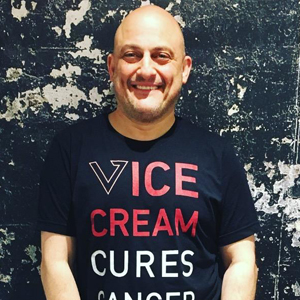
[00:34:10] Ad Read: And both of them also have the simple model as well. So, you know, they've got their hashtag mug life. You can make your quick cake in a mug too. So they've got like an, it's interesting the way that the brand is multi-layered in their messaging as well as their product. Okay. From one indulgent brand to another, at a time when the Halo Top of the world are swarming the freezer aisle with low calorie and function for desserts, a renegade Vice Cream brand is trying to scoop the competition with quote, an unapologetically indulgent approach. It's called Vice Cream, and there's a compelling story to the brand and founder, Dan Schorr. Dan's career is grounded in product marketing, and he played a key role in the development of the Power Bar brand. He also held executive level roles with Sasani, Puma, and Gatorade. In 2014, though, Dan was diagnosed with an aggressive form of lymphoma and told that he only had 12 weeks to live. Following two years of treatment, however, Dan was cancer-free and decided that he'd live his life with a sense of indulgence. In late 2016, that perspective materialized in Vice Cream, which markets decadent Vice Cream products with flavors like Chalk of Shame and Toffee Wife. I recently sat down with Dan and discussed how his personal journey has shaped the business and marketing strategy behind Vice Cream, which has quickly grown in the two years since its launch and now available in more than 5,000 grocery stores across the U.S. All right, I'm here with Dan Schorr, who's the founder and CIO, that's Chief Vice Cream Officer of Vice Cream. Dan, how are you?
[00:35:36] Carol Ortenberg: I'm doing great. How are you, Ray? I'm great. Thanks so much for joining us. Thank you, it's great to be here.
[00:35:40] Ad Read: I always say joining us, but in this case, I think I just mean joining me. Well, it's actually you, me, and a pint of Vice Cream. It is, it is. You're noshing out, so to speak, on your own product here.
[00:35:50] Carol Ortenberg: What do you got? If I chew on air, I apologize. Vice Cream Higher Grounds, this is our nod to cannabis, which you at Nosh here all know so well. It's coffee Vice Cream, chocolate-covered cookie crunches, espresso pillows, and mocha fudge ripple. Mudge foca, I like that.
[00:36:07] Ad Read: Mudge foca, I like it. We just invented a new flavor. So Vice Cream, a brand launched in 2016. You've been working on this product and you've been working on this brand for some time. Can you tell us a little bit about the backstory with the Vice Cream?
[00:36:19] Carol Ortenberg: Yeah, thank you so much for having me. You know, the story is a lot of times we say as marketers, we're storytellers, but this story found me. And I obviously, as you know, was one of the early guys that helped build the Power Bar brand out of Berkeley, California years ago. I was an athlete, which is relevant to the story. I ran 407 for 1500 meters. So Power Bar was amazing. Then I went to PepsiCo to go work on Gatorade. I worked on a bunch of brands while I was there. As I kid around about one day I woke up after working at Gatorade and Powerburn, I was like, holy bleep, I'm in the food business. So I didn't even necessarily want to go into the food business. I eat like an eight-year-old. I eat like spaghetti. Like my daughter, a three-year-old, eats more than I do. Like guacamole and stuff I don't even touch. So I'm not a foodie by any means. I was a sports guy. And I woke up and was like, wait a second, I'm working on these food brands. I don't even know the food business. But I always was an entrepreneur at heart. If anything, when I worked at PepsiCo, I was like the least corporate guy. I was like running out in the field, moving cases. I never, you know, went to these big company meetings. And my old boss, Scott Moffitt, said to me during a review, you got to be doing your own thing. So I just didn't know like so many people. I call a lot of things in life BS and AS and that's before Shark Tank and after Shark Tank, I guess it's BST. And like before Shark Tank I wanted to do my own thing and always wanted to do my own thing. I didn't know exactly what it was. Who doesn't love Vice Cream? My mom and dad and my mom passed away about six weeks ago. My dad passed away last year, pretty big age gap between us. But every single night in my house as a kid, around 11.30 at night, I'd hear the spoon just clanking against the bowl. And I knew that they would split up a bowl of Vice Cream every night. I think it's where I get my night owl hours from that everyone in the industry kids me about. I'm usually up two or three in the morning. they would watch Leno or Letterman or Carson eat Vice Cream before they went to bed at night. I mean it's an unbelievable magical category, to talk about the category for a second, where, you know, so many of us and one of our core values at Vice Cream is create miracle moments for people. And that comes from my time running a good humor truck. So when I grew up, I loved Vice Cream. Who doesn't love Vice Cream? And I paid for college here at Tufts University. from a middle class household by running a good humor truck in Westchester County, New York. And really there I saw the power of Vice Cream. Driving down the street, ringing those bells, children, adults, they all come out for this category. I challenge you to go to a party, forget bourbon, forget vodka, forget wine, walk in with Vice Cream. There's a lot about the category that's magical. So when I was looking for something to start, sure it was on the list, but I was going to start a beverage, chips, all these brands were exiting vitamin water for a ton of money at the time. And four years ago I was walking through Expo West, I came to the Vice Cream aisle and all I saw was sugar-free, dairy-free, soy, chai, and I was like, this is not Vice Cream. And I went to the grocery store, to Ralph's, I was walking up and down the aisle and I saw that Ben and Jerry's and Haagen-Dazs basically had been around 40 years with no innovation. And a lot of people don't want to go into frozen, but every reason that people don't want to go into frozen made me want to go into frozen. And I didn't have an idea. The original name of the brand was Downer Dan's Happiness Vice Cream. And our first flavor concept that we never developed was chocolate.
[00:39:12] Ad Read: Vice Cream is so much better.
[00:39:13] Carol Ortenberg: Thank you. I said it's like this was like, you know, the apparel brand here in Boston. Life is good. This was life is bad. And our first flavor was Chuck-Is-Stuff chocolate. So we had banana split ends, Chuck-Is-Stuff chocolate, your boyfriend cheats and you throw his stuff out the window and dig into a pint. But there was an insight there that like Vice Cream made things better. So it just sort of came to me and I really had never had another idea since that but I was in the Houston airport on the way back from Sundance Film Festival and I was like, what is Vice Cream? What is Vice Cream? And I was like, it's a vice. but someone has to have this intellectual property. Googled it, you know, it was available, and it took two years to get, and we never ever deviated from it. And there, you know, part of the positioning came to life with both my personal story, which we'll get to, and it came down to this idea of Vice Cream supposed to be a vice. It's supposed to be indulgent. It's supposed to be about real Vice Cream and, you know, go to SoulCycle, eat kale, wash your cottage cheese, I don't care, but when it comes to Vice Cream, eat real Vice Cream. And the story evolved from there.
[00:40:12] Ad Read: So one of your hallmarks or one of the hallmarks of the brand is unapologetic indulgence. And as you mentioned, people have been eating Vice Cream forever and it has always been that sweet, delicious treat, even though it hasn't necessarily been the healthiest of treats. And as you also mentioned, we live in a society right now where consumers have a tendency toward healthier ingredients, healthier food, healthier lifestyles. Who is the consumer of Vice Cream? How does it really fit into a consumer's life?
[00:40:41] Carol Ortenberg: Well, first is we have a couple, a number of phrases up in the office wall. One of the things they do during orientation, not to make fun of you, Ray, but I have, I don't know if I can curse on air. Like I, one of our things in orientation is don't ever call this a fucking treat because like treats soft. Like treat something you get on Halloween when you're five years old and knock on the door. Like this is not a treat. Like everything about, I get mad if things are too soft. Sometimes I get like social media posts our team does that I call like mean girls. It's like try us here. Like this brand is all about being all in. You know as we used to say like with Spinal Tap, those of us who are old enough to know that movie, it's like turn it up to 11. There's an old boss of mine who's very famous in the beverage business. And if he's out there, he drove me fucking crazy while I worked for you, John Bellow. Bellow used to say, you know, I work at 100,000 feet and I work at one inch. And I hire people like Dan to be the 99,900 feet in between. I'm a little bit like that also. There's little nuances of the brand that's in words that sort of drive me crazy. But, you know, you asked as far as who our consumer is. Our consumer is what we call the young and the young at heart. The real market opportunity we saw was that the millennial, even younger than the millennials, So 15 to 30 was really looking for something new. And we really saw, if we nailed one thing three years ago, and I would say we, but if we nailed one thing three years ago, it was that this category had consumers that were looking for something new. I don't like the D word, I don't like the disruption word. But they basically saw Haagen-Dazs as, I call it the AARP brand, I call it Haagen-Dazs. So you had Haagen-Dazs and then you had Ben there done that. And you had Ben and Jerry'Ben and Jerry and Ben getting in their tie-dye in the middle of the field. I said that, like, the greatest day was when Ben and Jerry's came out with Urban Bourbon last year. Like, number one bourbon craze has been going on for years. How urban could they get? They had, like, a cow in a pasture. Like, couldn't they do a skyline of Burlington? So, you know, we just saw that there was this opportunity out there where there was brand for younger consumers. But what's very important to us is the young at heart. is the people who are, you know, if you get the kids, you get the older people. Get the older people, you won't get the kids. So it's 40 to 50 is still very important to us, people that believe, hey, I should live an indulgent life. And as much as I make fun of Ben and Jerry's and Haagen-Dazs, look, I've read the book of, you know, in and out of Ben and Jerry's. I was excited to cut the ribbon at the Scooper Bowl in New York with Jerry Greenfield. They have a great story and they really paved the way in the category and I reread the book periodically. I'm reading it again now, Chico's book. So I have a lot of respect for what they've done and it gives us a benchmark as we build.
[00:43:05] Ad Read: A few weeks ago when we first spoke, you mentioned the term backlash to the backlash and Vice Cream represents that term, well, in a pint, so to speak.
[00:43:13] Carol Ortenberg: What did you mean by that? Yeah, I mean, I use that term a lot in the office, the backlash to the backlash. So, you know, where we were a number of years ago when I was at Pepsi eight years ago, people were talking about removing trans fats, removing sugar from your diet. everybody was starting to move from gyms to SoulCycle and bar classes and everything like that and they're beginning to wash their cottage cheese and Whole Foods is the only place you're going to shop. And everybody went way far, in my opinion, on one side of the boat. Now here we are, we've been waiting for this moment of Vice Cream where now everybody hates Whole Foods because of Amazon, there's negative information about Whole Foods, it's called Whole Paycheck and it's coming back to indulgence again. This was the consumer insight and the trend and we're poised. Last week we were at Expo West, we didn't display, we probably should have. But people were coming up to me in my Eat Fuckin' Vice Cream shirt and they're like, you guys have a very unique voice in the marketplace. You're doing something no one else is doing. And as we say, it's real Vice Cream with a real story. And I think it's been validated by the marketplace because as a guy who almost died, I don't like to use the term bury, but I don't want to bury the lead. We started in 2020, 20 grocery stores 20 months ago. We just hit 4,000 grocery stores and launching at Safeway this week. And, you know, the retailers basically also see that what's going on in Better Few Vice Cream with Halo Top and Enlightened and other brands, they realize that consumers in the large part of the category is still super premium, indulgent Vice Cream, and they love where we're positioned.
[00:44:34] Ad Read: And in a lot of ways, you're the antithesis of some of these new brands that are coming out. I won't mention any names, but low-fat, high-protein, low-sugar. But consumers are increasingly buying those products, too. I mean, there's a lot of buzz about some of those products.
[00:44:47] Carol Ortenberg: Three years ago, as I said, we saw that this category was ripe for disruption. I picked up my first pint of, I don't want to tell you what we call them in the office, but Halo Air is a nice way to say it. I picked up my first pint of Halo Air about three years ago at Wegmans. It was a lemon limoncello. And I couldn't believe how light it weighed. I mean, I encourage people to pick up their pint, pick up our pint, you know, our pint's real Vice Cream. But it's a phenomenon. It's not just a phenomenon in consumer, sorry, in Vice Cream, it's a phenomenon in consumer. I'd say investors wouldn't talk to us three years ago about Vice Cream. They don't want to be in Vice Cream category. everyone's throwing themselves at Halo Top. So they've done an amazing job, they've done an incredible job with social media, they've done incredible, they've really done something consumer no one else has done. We'll see how long it lasts and we'll see it's a different consumer and people are debating where they're sourcing from. Interestingly, everyone says we're bringing new consumers into the category, not to spend a lot of time on them. I do believe they're sourcing from Talente in particular and other people that are trading out and going into the category and the numbers bear that. With us, as I said before, like our competition is really no one because no one's speaking in the voice that we are, but absolutely there's consumers that shop the category by flavor and they come in and they're like, oh, I want to look for my Cherry Garcia, but now consumers are saying I want my higher grounds, I want my breakfast in bed. I have to tell you, Ray, I'm continually surprised by how many consumers play our flavors back to us, and we've been around 18 months. I love, they may not get it right, I love the breakfast one, instead of breakfast in bed. I love Higher Grounds. Oh my God, Chocochain made me laugh. So I do think that we have our own consumers in the marketplace already, and we're just trying to get more of them.
[00:46:24] Ad Read: You touched on this. No one speaks like Vice Cream does, at least no one in the category. You have some pretty provocative approaches to marketing. Last year, you launched a series of YouTube videos. They're short YouTube videos. I encourage folks to go listen to them. In fact, we'll probably put a link into the show notes. The first one that I saw was about a minute and a half and it said, life's too short to waste your time on nonfat high protein grossness. You know where you stand and we know what you are and what you're not.
[00:46:52] Carol Ortenberg: I encourage everybody to go to the video because one of the headlines here is a poll quote is we're in the smiles business. And that's what Vice Cream is supposed to be. We want to bring smiles to our mission and our purpose and we call it Pints with a Purpose. It brings smiles to consumers overall and we'll get to this, but cancer patients in particular. We have a key phrase in the office, really, really key phrase with our communication internally is, smart not stupid. We try to be clever with everything we do and I don't say it in an arrogant way, like I don't like everything about sex, this and that. The video is hysterical and it is called vice calls. A lot of people don't realize we actually set up a call center so you could call in the phone number and actually go to the vice line and somebody read you your flavors last year. So we took the online and brought it offline. And there was a lot of stuff on social media like, holy shit, this line's real. Everybody in the cast was incredible. And it just brought smiles to people's faces. That's what we're doing is bringing fun back to Vice Cream again. We have some things. At the end of the day, I do things that make me laugh. And others around me do things. And that's the simplest benchmark. When it comes to marketing and promotion, how do you push the envelope without going too far? Where we start with marketing and promotion is number one, we want to support our retailers. Number two, it's all about the key attributes of the brand. It's about reverence. It's about giving back. It's about our entrepreneurial spirit. It's about authenticity above all. You know, if there's one thing I learned from Brian Maxwell when we were building PowerBar was you can never get outspent on things money can't buy. You never can be outspent on things money can't buy. When we were building PowerBar, Mars was coming after us, General Mills was coming after us. We had authenticity by the bars. And it was something that the athletes knew was real. It was done by athletes for athletes, we used to say. With us right now, people know the Vice Cream brand is authentic. The product is real. And the story is real and we keep talking about the story a little bit but two months into founding the company I had been a 407 1500 meter runner on the New York Marathon five times, San Francisco, Chicago Marathons, 37 half marathons, half Ironman. Completely healthy lifestyle and just about four years ago today Four years ago, probably Thursday, I was not feeling great on a run and I had not been feeling great for a while and I went into the doctor's office and I got the same thing from everyone who just said, you're the healthiest guy we know, you're the healthiest guy we know. And I found a new primary care doctor and on that fateful day I went in and every symptom I had she said, you're a manic entrepreneur, you're nervous, this, that, that's why you can't sleep. I was about to walk out, I've actually never saw that doctor before and I've never seen her again, she never called again. And I said, hey, look, I'm sorry to be an asshole but can you test me? I went for an ultrasound and the next day I got bad news where everyone gets bad news. I was shopping for toilet paper in Target and they gave me those three words that no one wants to hear, we found something. It could be an infection, 2% chance, but most likely it's cancer, it's lymphoma to be exact and it's very aggressive. They soon told me that I had 12 weeks to live. And that was essentially I was diagnosed April Fool's 2014. And I was one-third angry, I want to blame someone. I was one-third stunned, I'm healthy, why me? And one-third very at peace, which is a very odd feeling for a type A guy like myself. And I decided pretty quickly the only weapon I had to fight this was humor. And my mantra on the blog I have is called humor with tumor. And that was the way I was going to fight this. If I was going to die, I was going to go out with a smile. So we stopped the company for a couple of months and I actually ran. The hardest race of my life was a mile road race at Tufts. I couldn't make it around, the backstretch was really, really hard. I had to walk and try to hide around the backstretch and basically threw up afterward. But I did go to my oncologist and the case at Dana-Farber and said, hey, can I go back to this Vice Cream thing again? And really went back with a vengeance. And really when we talk about indulge in life and life short, eat fucking Vice Cream, there's a story behind it. It's not just marketing and PR. The thing I'm most proud of, Ray, that we've done is number one, nobody said we can make a product like this. Our product is very unique. It has four inclusions, it has a different pasteurization technique, it's phenomenal. And no one said we could get on shelves this early and no one said we could get in 3,000, 4,000, 5,000 doors. The second thing I'm most proud of, and maybe it should be the first, is that we donated $25,000 last year in goods and in product and cash to cancer patients, research, and their families. And our goal is to give back through Pints With A Purpose a million dollars, you know, hit a million dollars that we donate over X number of years. So the story, as I say, it's real Vice Cream with a real story and it all builds to authenticity.
[00:51:31] Ad Read: That's an amazing story. Obviously quite inspiring. Congratulations on fighting the fight and 12 weeks to live. That diagnosis could crush a lot of people, probably crush me. So kudos on staying positive and getting through it. I have to think, Maybe some time in the hospital you ate some really subpar Vice Cream and that might have inspired you a little bit more.
[00:51:51] Carol Ortenberg: We actually call our program, but we don't leave who we are even in the cancer space, we call our program chemotherapy. We go into Levine Cancer Center, go into Dana-Farber, we sample to patients. When I went through chemo, I went through something called R-CHOP, it was eight hours long, every three weeks, it was intense drugs. and they gave me like saltines and tuna sandwiches. I mean, people think we're, I'll get some complaints from this, from Taste Radio. We are not marketing Vice Cream to cancer patients. I get sugar things and we have a lot of research against that. What we're doing is marketing smiles.
[00:52:19] Ad Read: You yourself, you inject a lot of Dan Schorr into Vice Cream. How do you do it in a way that makes sense for the brand?
[00:52:27] Carol Ortenberg: So it's something I struggled with, to be honest with you. When the brand started, I wanted it to be about the brands. You know, I said Red Bull's a model, Nike's a model. With Red Bull, no one knows who Dietrich is and he's got $6 billion in Austria. They know Red Bull. Red Bull's an irreverent brand. Nike, even. I mean, Phil Knight's a huge part of the story, but if you polled people on the street, 99 out of 100 probably wouldn't know who he is. So I struggled over it. And I actually talked to Justin Gold about it when I sat down with him before we launched in Boulder.
[00:52:54] Ad Read: The founder of Justin.
[00:52:55] Carol Ortenberg: The founder of Justin. I said, do you regret putting Justin on the package? And he said, no, not at all. And I was like, don't people want to see you all the time? And he's like, no, that's what I enjoy. They want to know who the person is behind the brand. And so we did, I wasn't in the story when we started. Again, it was only 20 months ago. But when consumers started finding out the story, especially millennials who wrote into us and said, I picked up your brand and then Googled your website and saw into the about section, your story, like why isn't it more prominent? And slowly, you know, I could be accused of having a big personality. Somebody out at Expo West at a party called me weird. So God, I forgot her name. She's in PR. She works at LA, may start with an S. Hope you're listening, Sabrina. So by the way, one of our core values is flavorful. We are accepting at our company, Sabrina, of flavorful people and colorful people. And, you know, I was getting more comfortable. I have a big personality, but I don't, I could speak to a thousand people on stage at a company and I do, but sometimes I'm not necessarily, I'm a little humble, a little awkward in terms of being the front of the brand. But it has been played back considerably that people are inspired by the story. People are looking for a story like this. They know it's real and they know it's authentic after everything I went through and understand why we have this positioning. So it's something I'm getting more comfortable with every day. I'm going to Entrepreneur Magazine tomorrow, CNBC in New York. Cheddar TV, This Today, it's been a little bit of a media tour. And sure, we're out to sell Vice Cream, we're out to be number one in the category, but the story, if it touches people, and that's our purpose, and I say it touches one person out there, one person to maybe do something different in their lifestyle, but most important, one person to go get tested when they're not feeling well for cancer, and it keeps one person alive, then this is all worth it. For gosh sakes, I don't care what you do six days a week, but when it comes to Vice Cream, just eat real fucking Vice Cream and do it for a cause.
[00:54:47] Ad Read: Love it. Well done. And thank you so much for this great interview. And thank you so much for bringing the Vice Cream. You brought, I think it was about eight pints. You brought your entire line. We had a little bit of trouble getting into the freezer. You were not so happy with some of the other Vice Cream. People send us samples all the time.
[00:55:02] Carol Ortenberg: I know, what's the deal? I come here for an interview, open it up. It's like freaking Target in there. I got like 10 different Vice Cream. I mean, we're local here in Boston. You open it up, there's, you know, I don't even want to say brands with a C, brands with a Y. I won't even give these guys credit. Filled up, brands with a G. It's ridiculous. I don't know, Jeffrey Klineman's your intern here. I guess you just go to Kleiman. I don't even know what that guy does. He just drives around, I guess, and buys competing Vice Cream. I have no idea what that guy does. Does anyone know? He shows up at parties. He hangs out. He doesn't even write anything anymore. He must be the Vice Cream, competitive Vice Cream buyer. I don't know, climate, what you're stocking your freezer with, last pint you get in the brave sock.
[00:55:39] Ad Read: And the Falcons suck. That was the greatest rant I've ever heard in my whole life. And we're not cutting a single word out of that. So thank you very much, Dan. In all sincerity, truly an amazing story, great brand. Really look forward to seeing how things play out. Good luck with everything you're doing. Thanks so much for having me, Ray.
[00:55:56] Carol Ortenberg: We appreciate it. And thanks for everybody who's buying Vice Cream out there. We love that you're part of the Vice squad.
[00:56:00] Ad Read: Right on. Man, Dan talks really, really fast. He covered a lot of ground in the first 10 seconds.
[00:56:08] Sarah-Michelle Geller: He might've been an auctioneer in a previous life.
[00:56:12] Ad Read: He's a hard charging entrepreneur. And when he wants something, he goes after it. He reminds me of a tech, like the tech guys that hustle, they call themselves hustlers. This guy is always moving, always thinking, always thinking about the intricacies of each and every move. It is, it is. I mean, from what I gather, he had this idea of Vice Cream for some time and it only really came together in 2016. And it seems to me like it's good timing for the brand. I mean, again, he talks about the backlash to the backlash, which is that, you know, the food and beverage industry from a few years ago was really all about and going hard at health and wellness. And, you know, it's still that way too, but people are really demanding more, as we mentioned in the Foodsters interview, better flavors, better taste, and you can't get away with that anymore if you're not a good tasting product. Get me a pint of L'Orange a Trois, please. You know, I mean, I have to give Dan props because if you want to be unapologetic, then be fully to the max one way or the other. You know, not everybody is going to like the way this brand is positioned. People will be offended. Like that's just how it works when you, you know, have scantily clad women serving Vice Cream, right? Yeah, they're running the Carl's Jr. playbook. Very much so, and that's, I think, okay, though. There is a market for this. There are people who this is going to be attractive towards, and, you know, it's almost like what we talk about, don't say your target demographic is everyone. They know who wants the humor that they're sharing and the flavors that they're sharing, and they're going after it, and they're not apologizing. They're playing to the brand name. I mean, it's called Vice Cream, very much so.
[00:57:45] Sarah-Michelle Geller: We've heard of Bro-Gurt. Is this bro-screen?
[00:57:48] Ad Read: I mean, maybe a little, but I mean, as far as Dan's concerned, you know, there's plenty of women out there who like this stuff too. So, I wouldn't pigeonhole them all the way in that direction, but it's certainly a fine line that they have to walk. It was interesting when I asked Dan about competition, he said, you know, our competition is no one because no one is speaking in our voice. I don't know if that's necessarily true, but there is certainly no one speaking in the voice that Vice Cream is speaking in right now. Not in the Vice Cream space. Yeah, not in Vice Cream.
[00:58:15] Sarah-Michelle Geller: I think you have to start thinking about ingredients and what's really inside the pint. Consumers nowadays, you know, they're smart enough to see past the marketing. Marketing does get you so far. But what's inside? What's your product? What's your ingredient statement? Are you clean? And who else is playing in that same product environment as you?
[00:58:35] Ad Read: And given the size of the company, most people's first experience with Vice Cream is going to be in the freezer aisle versus seeing them online or seeing the advertising. So you might end up, you know, enjoying the product and then see what they're about later, you know. To your point, Carol, I don't know if the natural channel is like they're going all in on that, but you know, there is a lot of consumers out there who still drink Coca-Cola, who still eat Lay's potato chips every day. Like they don't really care that much. You got some on your face.
[00:59:06] Sarah-Michelle Geller: Yeah, and to that point, there are many super premium, high fat indulgent Vice Cream. Certainly Haagen-Dazs is kind of the OG of this category, right? Even Ben and Jerry's. So there certainly are competitors within the space.
[00:59:20] Ad Read: But to Dan's point, the Haagen-Dazs brand is pretty blah. I think we can all kind of agree on that. The Ben and Jerry's is very much geared towards families and kids and things like that. They like to be grown up, but this is a true grown up Vice Cream for adults. All right, it's time to do something a little new here on Taste Radio. It's something called In the Newsroom, where we speak with our vertical editors here at BevNET, Nosh, and Brewbound about what's been going on in their respective industries. And we're now joined by BevNET assistant editor, Martín Caballero, who's joining us to discuss some of the leadership changes that have happened in the beverage business over the past week. Marty, thanks so much for joining us on Taste Radio. Thanks for having me. So a lot of people moved this week.
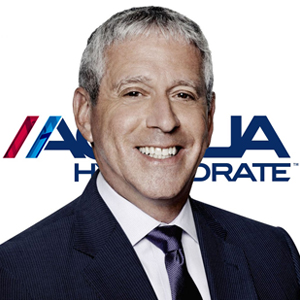
[01:00:02] Greg Fleishman: Yeah, one of those weeks where the news cycle just hits you with a bunch of related news. We saw several CEO departures sort of happening at once. Hal Kravitz leaving Aquahydrate. You know, that was an interesting one. That's a brand that is in a red hot category of alkaline water, premium water. They've had a lot of expanded distribution over the past years, but it looks like maybe the performance of Essentia, Core, some of the others in the category may be outpacing it a little bit. So we'll see what happens. But Hal Kravitz, yes, he has left Aquahydrate. The other ones were a little bit different. Remy Castillo of Moonshine Sweet Tea down in Austin, Texas, leaving to spend some more time with his family. You know, that company has had a lot of growth in recent years, so it looks like he's made a personal choice there. Speaking of premium water, there's another hot category, obviously kombucha. And Trevor Ross, the founder and CEO of Live Soda, recently departed that company. That company has made its name with kombuchas and then later extending into drinking vinegars and probiotic sodas with flavors that are familiar and have appeal to soda drinkers. A little bit of a better for you proposition there.
[01:01:08] Ad Read: Speaking of soda, it's earnings week, or it was, and the big names like Pepsi and Dr. Pepper Snapple reported on what happened with their companies this quarter.
[01:01:17] Greg Fleishman: Yeah, really interesting to hear from Pepsi. You know, North American beverages still declining about 1% in this quarter. And it appears that the CSD business is really weighing negatively against some of the other areas of the business, which are seeing some growth. So according to representatives of the company, it looks like they're going to be stepping up marketing media spend to support their colas specifically. That could be in response to some media spend that's happened as well at Coke. They're also launching the sugar-free Gatorade this summer. This is their first sugar-free SKU, so it'll be interesting to see how that does in that specific sports drink category.
[01:01:52] Ad Read: How about Dr. Pepper Snapple?
[01:01:54] Greg Fleishman: Dr. Peppersnapple, CSDs and non-carbonated both were up. I think CSDs a little bit less so than the latter, but pretty consistent growth over there. Core, another consistent big winner for them, high performer with their premium water. And by also gaining distribution as well. So I would say the allied brands division continues to perform strongly.
[01:02:14] Ad Read: Indeed, Starbucks continues to perform strongly as well.
[01:02:17] Greg Fleishman: Yeah, with Starbucks, they recorded a new record for revenue in the quarter of $6 billion. So certainly a lot of pleased people in Seattle right now. I would say so.
[01:02:27] Ad Read: All right, great stuff. For much, much more on these stories and others, check out BevNET.com. Marty, thank you so much for joining us. Thanks for having me. All right, we couldn't possibly pack more indulgence into this show, could we? With Honey Mamas for sure.
[01:02:42] Sarah-Michelle Geller: I'm putting you into rehab for honey mamas.
[01:02:48] Ad Read: I'll gladly go. Gladly go. Nice. Let's talk about Weller. For those of you who don't know, Weller is a brand of sweet and savory hemp-infused coconut bites that are promoted as, quote, a new kind of wellness. We caught up with co-founder Matt Oscamou at Expo West 2018, where he gave us the pitch on Weller and how it's attempting to make its mark in the snack aisle, all included in this edition of Elevator Talk.
[01:03:17] Galit Laibow: It's time for our Elevator Talk, where we put a founder in an elevator with their dream investor. Let's hear what happens. What is your company's mission?
[01:03:26] Ad Read: Our mission is to bring the benefits of full spectrum hemp extract to a really convenient place where people can add it to their daily routine.
[01:03:34] Galit Laibow: What is your product and how is it different?
[01:03:36] Ad Read: So we have a product that's infused with organically grown, full-spectrum hemp extract. Each bite has five milligrams in it, and our launch product is a coconut-based product, so it tastes great, it's got some indulgence to it, and delivers that five milligrams that's full-spectrum with zero THC.
[01:03:54] Galit Laibow: Who is your target audience, and how do you quantify the market opportunity?
[01:03:58] Ad Read: target market is people who are looking for really a whole new kind of wellness. So, you know, focused on their wellbeing, both stress in their daily life, as well as just general wellness. So that's a really broad category. Yeah. So we're dialing it in and we found, we found so many people interested in hemp extract and the benefits that people are seeing with it, that it has a huge span across the markets.
[01:04:24] Galit Laibow: What stage of growth is your company in?
[01:04:26] Ad Read: We're at the very beginning. We launched here at the show and the reception has been pretty unbelievable. So we're poised to take off right now.
[01:04:33] Galit Laibow: What do you need from a partner or an investor to go next level?
[01:04:36] Ad Read: You know, we're focused on direct to consumer and direct to retailers with really specific requirements around like, how do you understand hemp extract and CBD and all of what's going on. So that's really, as we look for strategic partners, you know, somebody who can really help us dial in on direct to consumer and enhance what we're already doing, which I think is pretty incredible. And so that's the focus and then kind of continuing to support and fuel really innovative new products. We've got a deep bench already that we're looking to the future on. and just always trying to leverage that convenience factor with the ingredient that's emerging in the market and the demand is high.
[01:05:15] Galit Laibow: Why should I invest in you?
[01:05:16] Ad Read: John and I have a combined 30 years of experience in the Natural Product industry. And you know, this is a different kind of space where the people with our sort of business acumen and understanding of products like this really bring a whole new level of insight to this category. So we're moving beyond some of the early phase stuff and bringing something that's really unique and delicious and resonates with consumers.
[01:05:45] Sarah-Michelle Geller: If you're interested in learning more about Weller, you can check out the interview we did with Matt and his co-founder, John Simmons, who was the founder and former CEO of 3rd Street Chai on Project Nosh.
[01:05:59] Ad Read: All right. I got to say those things are delicious. Thanks for hanging out with me at Expo West, guys. I'm really, really excited about what they're up to. Hemp-infused coconut bites? Sounds like it's right up your alley. Right up my alley. I'm bullish on CBD, and you got to be doing it right, and these guys are.
[01:06:16] Sarah-Michelle Geller: They have great branding. They've got investment to back it up, and I'm really excited to see where they'll be next year at Expo West.
[01:06:27] Ad Read: All right, that brings us to the end of episode 110. Thank you for listening and thanks to our guests, Sarah-Michelle Geller, Galit Laibow and Fleishman, Dan Schorr, and Matt Oscamou, as well as our very own Martín Caballero. Tune in next week for episode 111, which features an interview with high-flying entrepreneur and investor, Clayton Christopher. Once again, for questions, comments, ideas for future podcasts, please send an email to askatasteradio.com. On behalf of John, Mike, John and Carol, I'm Ray and we'll talk to you next time. And we'll see you at BevNET Live and Nosh Live. Indeed.