[00:00:02] Ad Read: The beauty of this business is that I could write a song and it would be stale after 10 minutes. I can keep creating snacks until I'm 99 or 105 and be relevant in the marketplace. This week's episode of Taste Radio is sponsored by BevNET Events. Calling all better for you packaged food brands. Join us this June 4th and 5th for Nosh Live, a natural food industry conference gathering A-list speakers from top brands, investors, retailers and more. We're going to navigate the food industry, discover what's next, and help you find your next critical partnership. New Beverage brands don't feel left out. BevNET Live takes place on June 6th and 7th to analyze the current challenges and trends in the non-alcoholic, ready-to-drink beverage space. We know you guys spend a lot of money and time at the big trade shows, and those events do a fantastic job at connecting brands with retail buyers. But let's face it, there's a lot more to your business beyond retail relationships. BevNET events focus on the decisions you make every day. The quality of these decisions ultimately determine the success or failure of your business. We gather the community to provide you with forward thinking, case studies, lessons learned, and industry connections that enable your brand to make the best decisions. Want to learn more? Head over to bevnetlive.com and noshlive.com. And feel free to reach out to us directly by emailing sales at BevNET.com if you have any questions. We hope to see you there. And now, Taste Radio.
[00:01:42] Ray Latif: Hey folks, thanks for listening to BevNET's Taste Radio. I'm Ray Latif, and with me are John Craven, Jon Landis, and Mike Schneider. We're recording from our studio in Watertown, Mass., and in this week's episode, we feature an interview with the energetic, eccentric, and always entertaining Rob Ehrlich, the creator of snack brands Pirate's Pop and Vegan Rob's. We're also joined by three young Turks of the Coffee World, Jim, Jake and Jordan DeCicco, brothers and founders of fast-growing brand Cineva Super Coffee. And in this week's edition of Elevator Talk, we sit down with Breezy Griffith, the co-founder and CEO of Skinny Pop, an upstart maker of chocolate-covered almonds. Just a reminder to our listeners, for questions, comments, ideas for future podcasts, please send them to ask at Taste Radio. It's getting closer and closer and closer. What is it, two weeks away now from Nosh Live? Indeed. And about two and a half for BevNET Live? amazing networking opportunities at these events. We're expecting about a thousand people between both at Nosh Live and BevNET Live combined. Pre-launch brands, fast-growing companies, and global conglomerates combined. We have a list of the companies already registered for the events at bevnetlive.com and noshlive.com. Check those out, see who's attending. It's a pretty hefty list. One of those companies that's attending is called Madey, yes. And it's a whey-based beverage brand. And the founder of the company actually came into the office a couple of days ago.
[00:03:05] Coffee World: One of those pre-launch brands you were talking about, right?
[00:03:07] Ad Read: Exactly, exactly. Melissa and Michael came by and shared us their vision for bringing whey to the masses and creating a shelf-stable version of a New Beverage that just uses the acid whey that gets discarded after making yogurt. Yeah, Mikhail told us it's big in Austria where he's from, just like you, Ray, big in Austria.
[00:03:28] Ray Latif: Yeah, I'm well known in Vienna and those parts. I don't know.
[00:03:32] Ad Read: You get all kinds of email, all kinds of fan mail from there.
[00:03:35] Ray Latif: I think so.
[00:03:35] Ad Read: But New Beverage was good. It tasted like, for me, it was like a light, juicy yogurt that you could crush. Yeah, they're mixing whey with fruit juice. It's not, you know, the type of whey that most people might think of. And when you think of protein beverages, it only had about two grams of protein per serving. It was a really refreshing and light beverage. It has a lot of other calcium and other minerals and vitamins in it that come from the milk. So, it's a pretty cool idea and I like it from the sustainability aspect. It's just, you know, needs a lot of hard work to get off the ground. And always great to have listeners of Taste Radio come visit, right? Yeah, absolutely. I mean, I don't know about you guys, but when people geek out when they meet me, it's like kind of the weirdest thing and in like the greatest way possible.
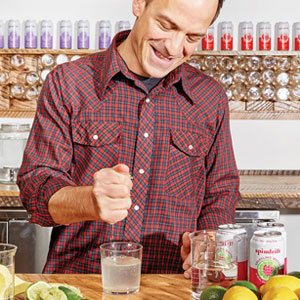
[00:04:21] Ray Latif: Yeah. Well, folks like Melissa would be well advised to meet up with our Wonderful service and suppliers that are attending the show, including ADM, which is a global ingredient supplier, well-known for supporting entrepreneurs with innovative solutions for unique and timely products. So thank you so much to ADM for attending and sponsoring BevNET Live once again. John Craven, you're normally famous. This past month, you're quite famous. Boston Magazine recently published a profile on Bill Creelman, who's the founder and CEO of surging sparkling water brand, Spindrift. And for context on the man, brand, and category, who else would they turn to other than BevNET's CEO and founder, John Craven? You're quoted extensively in the article.
[00:05:06] Ad Read: Thanks, Ray. Well, thank you for that kind introduction there on our podcast. You know, we've talked about Spindrift a lot on here, and Spindrift is literally the closest beverage company to our office here. It's like, I don't know, a mile away or something like that. So yeah, I was happy to help with that story. And you know, it's amazing still that people read print magazines as much as they do. I have had a lot of people point that article out to me. Says the guy who has a print magazine. Yeah, I was going to figure out a way to wrap that in. Atlantis took care of it for you. I don't know. I mean, there's just so much stuff competing for your attention nowadays that it's easy to forget that, you know, print exists. Do they send you a print copy though? No, but there's a PR company who wants us to cover the print story, which is a little weird. But no, it's great. I mean, it's awesome to see what Bill has done with Spindrift. And, you know, I think it's always great to look at, you know, and it's an active story, but, you know, to look at some of the decisions someone has made, you know, in retrospect and kind of how much they weighed on the entrepreneur and the company. And in this case, you know, it talks about the shift they made from, you know, being a soda company to a seltzer company and, you know, how risky that was. You know, it also talks about their visions for, you know, kind of wanting to disrupt, you know, or do for non-alcoholic beverages and sparkling water, kind of what Boston beer, Sam Adams did for craft beer, which is certainly a lofty goal. So we'll see how, how it works out, but super impressed with what they've done so far.
[00:06:43] Ray Latif: For sure. Speaking of sparkling water, we got some Ugly Water in the office this past week. That's a UK-based brand that made its U.S. debut earlier this month, and it's now distributed in New York and through a direct consumer e-commerce platform. The full story about the U.S. launch on BevNET.com. Check it out. It's great to see that brand making waves just a year after appearing in the finals of New Beverage Showdown 13.
[00:07:06] Ad Read: And for those that aren't familiar who missed them in New Beverage Showdown 13, you can catch that online on our YouTube channel. And also check out Ugly, you know, they're doing some pretty cool things from a lifestyle brand perspective, and I think it's one to watch. I think, you know, one of the things that they've really done exceptionally well is that You know, they've created a brand that I mean, it didn't exist in the US until this week. And it was just, you know, crazy seeing how many people in the industry, including even just people in our office beyond that, that were, you know, Instagramming or putting on Facebook, you know, the fact that Ugly was now in the U.S. And, you know, I think they are certainly a model to look at for a brand that has created buzz with basically no dollars behind it. You know, Hugh and Joe have done a tremendous job with that. So, you know, it'll be Interesting Folks see how the product performs here in the U.S., but I think that is something that is noteworthy for other entrepreneurs out there to take a look at. Yeah, I definitely think they were eyeing a US launch sooner than this and were able to kind of restrain themselves and take the time to really plan it out and set it up. And these are the types of results you get when you take that approach. So Hugh and Joe, the founders, they've been in the industry for a while and they, you know, they knew about BevNET and they, They've Network With John Craven. They came to our events. They got to know the industry. And so, you know, I think they're really reaping the benefits of some of that. They also asked if you were okay, Ray. They were two of the few that got the joke from last week's opening.
[00:08:36] Ray Latif: To that I say, glory, glory, Man United. That hurts. Well, you know, Hugh and Joe also really, they've done a good job surrounding themselves with the right people. And in last week's episode, Clayton Christopher said that the need for human capital in food New Beverage is greater than it's ever been and urged entrepreneurs to seek out the best and the brightest to fuel their growth. Well, where do you find the best and brightest? You start with our job board. Isn't that right, John Craven? Yes. You can post a listing today and receive qualified candidates ASAP. The job listings are affordable and you can get results really fast. We'll include a link on how to post a listing in the show notes. So pretty much everyone has heard of Pirate's Booty, which is a ubiquitous puff cheese snack known for its quirky branding and eat the whole bag appeal. If you're in the food New Beverage business, you might have heard of Rob Ehrlich, who's the creator of Pirate's Booty. But to know the name is not necessarily to know the man. He's inventive, eccentric, fearless, creative, and above all, fun, and he's been extremely successful as a food entrepreneur. The sale of Pirate's Booty netted him over $70 million. Money, however, hasn't changed his passion, drive, and excitement for new and innovative ways to disrupt the food business. His latest venture is Vegan Rob's, a line of popcorn snacks and bars that are, as the name suggests, vegan. In an interview with BevNET and Project Nosh editor-in-chief Jeffrey Klineman, Rob discussed what he's learned from the Pirate's Booty days, his approach to brand and product ideation, and why he may be creating new snacks until he's 90 years old.
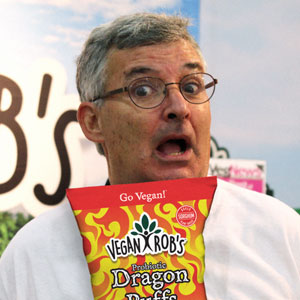
[00:10:15] Ad Read: This is Jeffrey Klineman, the editor-in-chief of BevNET and Project Nosh here for Taste Radio with Rob Ehrlich, the CEO of what today we're calling Vegan Rob's and what has in the past been of Pirate's Booty, Rob's Really Good, and Sexy Pop, and so many other, you know, iterations of snacks New Beverage, really. As well as the proprietor of the Holiday Lounge in Manhattan. Holiday Cocktail Lounge, and at this moment we are filming a movie with Nicole Kidman in the bar, which I'm so excited. That would cause me to ask you why the hell you're sitting on the floor of Expo West. in Anaheim, California. They had to come back and do a reshoot, and I just wanted to be here with you. I'm so excited to be here with you, Jeff. I have to say that in my years of the industry, you are the most heartfelt person that I know. Well, I would say thank you and I'd also say that you're one of the most creative people and innovative people I've ever had the opportunity to interview, to have on stage, to just chat with. Thank you so much. So I wanted to ask you about the arc of your career. because many people know you as the pirate, as the man who started Pirate's Booty, and you made some money off that. Quite a bit. Obviously now the industry's changed in the smallest little... you know, idea, they hype it up and the multiples are crazy. What's happening, you have to sort of take your mind out of that and really enjoy your craft, as I'm an artist. And so that's why you're still here, despite having made a fortune and bought a bar. Exactly. We're a purposeful company. We do things for the larger good of mankind and try to connect consumers to experiences, try to tell a story, is what we do. And the gravitation is unbelievable. I have the foundation and credentials to back this up. So by consuming the product, by buying and engaging with the product, they become part of the story. Oh, absolutely. And you know, Pirate Spoody is the Mona Lisa of that. Kids are now in their 40s or 30s when I started, and they give it to their kids. And it's a staple in everybody's home. So I can be very proud of being a part of shifting snacks early on. I coined the phrase aged white cheddar. So anytime you see that now, that's me. And little things like that. I'm looking at you now and you're actually wearing a Metallica shirt that says Vegan Rob. instead of Metallica. I can say, sir, that you are indeed aged white cheddar. That's exactly right, Jeffrey. I'm wearing a shirt that was suggested to me by David Curtis, the most amazing sales guy I know. He came up with this idea to let a show and in about 20 minutes we had him printing. Yeah. That's how fast you are. The thing about our company is we are so nimble. And behind me is the Dragon Puffs. And a case study would be from concept to market, 27 days. How do you execute that quickly? We have a team of people. We study each morning superfoods and cultures and flavor trends, not just locally, but globally. And then we find out What would be the best? Sometimes we don't necessarily lead. We have to follow by a bit. But we have a great team of artists and conceptuals, mostly me, and mostly throwing up names. You're mostly your own team? Oh, yeah. Well, it's our own team, but the names, Dragon Puffs or Tiger Puffs or things like that, Kombucha Bar. Nobody's put Kombucha with a bar. Right. And I was waiting for someone to tackle me. So you moved from Sexy Pop and Vegan Rob sort of on a coin flip. Again, how do you turn on a dime like that to get product out to market? I remember the moment exactly. We had a conference call with my team in UK, and they said to me one chain had complained that kids were coming in saying, Mommy, get me sexy. And it was kind of an enlightening moment to me because they were like angry that I can attract people in that way. And I didn't think sexy was anything like porno. It was more about confidence and compassion. And so I said, we're going to be Vegan Rob on that moment. And about six weeks later, we probably had 10 SKUs. And how do you develop SKUs that quickly? Well, obviously, the plants, we use a lot of co-packers. And so I kind of know what the wheel does. And then we have seasoning guys that are professionals. And I have them trained. When I say, I want something tomorrow morning, it's at me tomorrow morning, no matter what, if it's a Sunday. So you must do a lot of iteration while the products are already on the market then? We're continually innovating within the products for flavor. We're listening to what our consumers are saying. Obviously, when we launch them, they're perfect or close to it that we can get. Of course, they're perfect on launch and yet somehow they become more perfect as you go along. And Pirate's Booty, well, Veggie Booty, obviously, I was the founder of spinach and kale in 1991. Nobody knew what kale was. You know, it was some sort of a vegetable. They didn't even know. And now, it's there. And now, moringa. I was on Good Morning America twice already. And we're going to be on today's show. Moringa is the next oat brand. Or kale. So, how do you know when trends are peaking then? It's very easy when people say they don't want to order anymore. With brands that iterate so quickly, like yours, how do you determine what the baseline is for success or failure and know when to pivot? Well, I'm a strange person in that way. I don't live by anybody's rules. If I get one email or a call or a comment in a day, that drives me forward. It's nothing about the money at all. I don't focus on that. So you're really attuned to the people who are taking the time to interact with the product. the store employees, to the consumers, to the kids, to even the people on the line who make the products, they obviously tell me the truth. And we know, my instincts are so right on. And it's scary because everybody here, I could, in a minute, create something that beats them. But I don't have to do that if I don't want to. You ever been wrong? Oh, all the time. Yeah. What's the biggest mistake that you made in predicting a trend? Well, I had created these chips around a drink that Pepsi had and obviously they got mad and they sent me lawyer letters because you have to be able to sort of push the envelope a little bit and see where that is. And this is late 90s. I'm not talking about recent. And obviously when I'm always at bat, if I'm a baseball player, I'm always taking pitches all day. Rob's got full-time ups. Yeah, pretty much. And so we always look at everybody else and see what they're doing. And if there's something successful, I can make it different than them. You'd never even know. You know, incorporated, obviously, with TEF as an ingredient or probiotics or anything that's happening today. You could just sort of go around it and make it yours. That's amazing. And some people might say, why the hell are you knocking us off all the time, Rob? I get that all the time, is why are you still here? Can't you give someone else a chance? Why don't you leave and go on a beach? We're freaking tired of you. Get on your boat and sail. And I have, and I've done that. I sailed around the world before the weather got bad. And what brought you back? I just, I have this sort of innate sense that if I create a product like a baby and I put it out in the marketplace, it's sort of an attraction thing. The beauty of this business is that I could write a song and it would be stale after 10 minutes. I can keep creating snacks until I'm 99 or 105 and be relevant in the marketplace. And obviously, you have to be able to not put products out just to put products out. You got to put something out that really moves the bar forward. Right. And do you think you're doing that now? Oh, absolutely. Yeah. Kombucha cookie, kombucha bars. You know, we're into nanotechnology now and all sorts of plant-based ideas, plant-based proteins are coming. And it's amazing to me how it's an endless loop for us. I'm so excited to look around the corner every day. Rob, when VMG invested in Pirate's Booty, It was one of the first really attention-getting pieces of private equity investment in a next-generation consumer brand. Yes. What I'm wondering is what you feel the impact of private equity, VC, investment from institutions has been on the industry. It's quite incredible when you see now at this trade show is amplified when you're in here and people are advertising on the escalators and in the men's room they have, you know, urinal cakes that say, you know, buy Zico, recycle Zico while you're peeing. It's all crazy stuff. Isn't that recycling Zico? Well, I'm just trying to make a point. You know, everyone's got like 10 booths and they're all trying to show The Brothers companies how cool they are. What they're doing is being the gorilla and pounding on their chest. But it's not sustainable out in real life. You know, it's only for here that you see this. And all of that is like venture groups saying that, oh, we'Hire Them coolest and greatest. But in reality, it's mostly going to be the spirit of the entrepreneur and that has to be maintained. You've got to maintain that nimbleness and the speed to market and also yourself. These guys come in and there are brands that don't have this emotional attachment that I do. What would you say is the thing that separates a company or a brand from the pack? That would be longevity and consumer attraction so that the attraction also works and can be gone on different levels and also, you know, different classes of trade. If you're going to sell on the airport or you're going to sell on Costco, you know, you want to be able to work that out. And then obviously, we're getting into more individual personalized snacks. And we're going to be taking Eastern medicine and bringing it to snacks. I'm giving you, everybody here, the key to my kingdom right now. So take notes. We're going to be having snacks for fear, for pain, for insomnia, all these things. And there's not two markets. There's thousands of markets. And we're going to be able to do this because the e-commerce model is so strong and so potent. But we found that you need to have a retail presence. And you can't just have e-commerce. People want to have that validity and verification. Rob, you are constantly throwing down ideas and putting them into play. And I wonder how you manage to incorporate the social and cultural and commercial so quickly. Well, obviously, you know, social media has done that where you could put up a stupid little post with a dog and get 15 million hits. So we are certainly students of that and also practitioners of that. But in also reality, you want to take things and create new concepts for people. And this is not vegan, by the way. This is motherfucking vegan. And when I say this motherfucking vegan, this means we are going to break down the wall of stigma between all of that and make it so that it's every day for people. Have you adopted a vegan lifestyle? Absolutely. I haven't had meat for five years. How's that treating you? I take vitamin B12 supplements. In fact, a lot of our snacks are supplements for that, vitamin D and B12. And I don't feel it. I'm losing weight and I feel great. And if you look at the press, a lot of people are, what's really hot in Europe now is flexitarian and obviously eating less meat. We're a big supporter of Gentle Barn, which is an animal sanctuary around the country now. We were up there and visited them two days ago, and it's phenomenal that their passion for saving animals from slaughterhouses. I would love to see flexitarian robs, and every once in a while, like in the bag, you just pull out a Slim Jim. That's very funny, Jeff, and we could use that in my stand-up routine. Rob, what kind of advice would you give to the entrepreneurs who are sharing the floor with you, aside from, I'm going to come and eat your lunch? Oh, I embrace it. I love the competition, and I tell everyone to get in this business. It is actually the best, most fun thing I could think of doing with your time. would support anyone who wants to call me or email me, as I have when I went to your speeches in Boston or New York. As you know, I love to dance and do crazy stuff. It's not necessarily about the money or the profit, but I'm trying to inspire people. And I really do believe that there is so much room in this business. You come around here and you see it, you think there'd be no room in a supermarket, but every one of these people can succeed, and so can you. What kind of technical advice would you give them? Don't focus on the money. Focus on yourself and what's inside. And if you are true to yourself and you're passionate about what you have, then it all comes out in the end. Rob Ehrlich, is there anything you'd like to add for the Taste Radio audience? I'm a huge supporter of BebNet. Obviously, Jeff, you are a shining star. And I wait for my next opportunity whether to speak or show up at any one of your events. And I love seeing you guys at all the shows. Thank you so much for all of this. Well, we love seeing you here, too, and thank you for sharing this highly organized set of wisdoms with us. I could go on all day. For Taste Radio, I'm Jeffrey Klineman.
[00:25:10] Ray Latif: All right, we're now joined by Jeffrey Klineman. Jeff, thanks so much for being with us. Thrilled to be here. So you've known Rob for a while. How'd you meet him?
[00:25:20] Ad Read: So we got a call from a guy named Marty J. Zurofsky a couple of years ago, probably nine years ago. A couple, a couple of nine. Yeah, nine years ago saying, hey, if you guys are doing another event, and of course we were, I've got this guy who's hired me to help him build out New Beverage business, and he's a little bit shy, but he's been really successful. And I said, Marty J., who is this guy? He says, well, have you had Pirate's Booty? And I said, yeah. So he says, yeah. So I have this guy, Rob. He started and sold Pirate's Booty. He turned out to be smaller than life. physically, but just this incredible character who's been part of our galaxy for about a decade now. Well, when we first had Rob at our event, if you recall, and I think this was before everyone else in the room, aside from Jeff, was at BevNET, Rob insisted on going up on stage before the session started, hiding behind the stage banner, and then jumping out onto the stage once he was introduced.
[00:26:46] Ray Latif: That sounds like Rob. I think the first time I met him, it was at Expo West 2011, and he was in the midst of Rob's Really Good, his beverage brand. And I think the first thing he did was throw a Frisbee at me. And I was like, oh, nice to meet you too. A mini Frisbee. A mini Frisbee. That's right, Jeff. Yes. And I was like, wow, this is a really fun dude. in an industry where you don't often see a lot of fun or at least, you know, certain parts of New Beverage industry.
[00:27:11] Ad Read: He's a character. Yeah. And one who has been really charitable to entrepreneurs we've known and just is a bunch of fun to talk to.
[00:27:23] Ray Latif: Yeah. He's an idea man. I mean, he is an idea man, but he mentioned he's constantly taking pitches and he's always staying close to the ground, listening to his consumers, listening to store employees, to the kids, even he said to the folks that are on the line making the products.
[00:27:36] Ad Read: Well, the thing that I found pretty Interesting Folks part of that interview is that He does pay a ton of attention to the people who are interacting with the brand. And if you heard the phrase brand story, that's what he really believes in. And when it works, it can elevate any kind of consumer product.
[00:28:01] Ray Latif: So do you think that he's going to be making snacks until he's 90 or do you think he's going to sail off on his boat at some point?
[00:28:07] Ad Read: Well, I think if he does sail off on his boat, he'll have a lot of snacks on it.
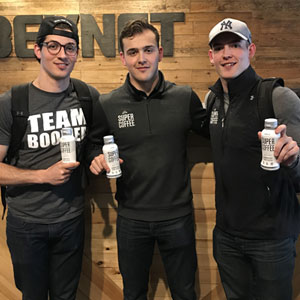
[00:28:11] Ray Latif: I think that's how he came up with pirate's booty. Well done, well done. Jeff, thanks so much for being with us. Great interview and look forward to seeing you again really soon. Thanks for having me and I'll see you on The Brothers side of the office. So we've heard many Taste Radio guests say that you can't make it in the food New Beverage business without hustle. Well, the word defines our next interview guests, Jim, Jake and Jordan DeCicco, brothers and founders of Cineva Super Coffee, a brand of bulletproof style coffee made with MCT oil and protein. The DeCicco brothers have only been in business for a couple of years, but their youthfulness and age, Jim, the oldest brother is only 25, and experience hasn't stopped them from a roaring start. According to The Brothers, Seneva is the best-selling coffee brand in Wegmans and on pace to break $3.5 million in revenue this year. Perhaps the most notable moment for the brand since its launch was an appearance on Shark Tank, which took place earlier this year and provided Seneva with a powerful platform for both industry and mainstream awareness. I recently sat down with The Brothers in a conversation here at BevNET HQ, where we talked about the origins of the brand, swimming with the sharks, and how their networking prowess has resulted in a roster of remarkable relationships. All right, it's Ray Latif. I'm here with Jim, Jake and Jordan DeCicco, the founders of Cineva Super Coffee. It's pretty fantastic to have you guys here. Thank you so much for visiting Boston.
[00:29:36] Coffee World: Happy to be here. Thanks for having us, man. It's finally summertime or springtime up here, huh?
[00:29:42] Ray Latif: It is. It's been a while. It's taken some time, but I think we have some 60 degree weather that's going to stay with us for some time. So I'm looking forward to that. Oh yeah. So you guys are coming in from New York? That's right. You brought the van in? The SUNY van. Yes, the original. The original delivery van. Jordan, what is the original? What does that mean?
[00:30:00] Coffee World: Oh, that's been around since the dorm room. Yeah, since the dorm room. I used to make deliveries out of my dorm room with that thing. It's still kicking. Just fixed the brakes last week, actually. Really? What kind of car is it? A Nissan NV200. That's a big shout out right there to Nissan.
[00:30:15] Cineva Super: I think it's a 250.
[00:30:17] Coffee World: Somehow the oldest brother always gets stuck in the back. There's no seats in the back. It's just coffee and racks and I have to ride back there all the time. You sit there without a seatbelt or anything? No seatbelt. I make a desk on racks that we have in stores and I do work and hope Jordan doesn't crash. Whoever sells the least amount of coffee the previous week has to ride in the back and Jim always loses.
[00:30:36] Ray Latif: Okay. And sales have been great for the brand. I mean, since you launched in 2016, you're doing pretty well distribution-wise and sales-wise. We'll get into that in a second, but I want to get into the inspiration behind the brand. We first met Jim and Jake at BevNET Live 2016, participants in the New Beverage Showdown, New Beverage Showdown 12, made it to the final round, impressed a lot of folks. The The Brothers that we didn't meet, or the only brother we didn't meet, is Jordan. who was the creator or at least had the idea to start. It's the name of a super coffee. What was the inspiration? Why did you decide to create this product?
[00:31:09] Coffee World: Yeah, yeah. I was a freshman basketball player at Philadelphia University and we would have 5 a.m. basketball practices. I loved coffee, you know, always loved coffee and I realized quickly how hard it was for me to go to practice and then run over to business class at 8 a.m. and I didn't have time to make my own coffee. So I'd go to the school convenience store and I noticed that the only option they had was Starbucks Frappuccino. It was loaded with sugar, you know, artificial ingredients, a product that's been around for, you know, 25 years. It hasn't changed too much. So I started doing some research on it. I was a business management major, so definitely interested in business. I started doing some, I actually did a project on New Beverage industry and, you know, came across great stories like Honest Tea. And that inspired me to want to do something myself. At the time Bulletproof was just starting to make its way out on the East Coast, so that was very Interesting Folks me as well, the ketogenic diet and that lifestyle. So on Sunday mornings or Sunday nights I would start blending my own version of Bulletproof. But I would do protein for post-practice, I would make about 12 bottles on Sunday night And then I'd be good for the week. And it actually made a difference, a big impact in my life. And I could have been selfish and said, this is all I need to do. Just make it for myself and keep the secret sauce. But my teammates started asking for it, my classmates, my professors. I got an A for the first time ever, I think, on a project. So I fell in love with it. I really did. And I fell in love with the industry. And when I had found that passion, I decided to stick to it. So it was cool.
[00:32:38] Cineva Super: So selflessly, you said, let's make some money.
[00:32:40] Coffee World: Selflessly, I said, let's sell some coffee. And when did you enlist Jim and Jake into the venture? It was that spring. So my freshman year falls when I started to work on the project a little bit. And then the spring of my freshman year, I called Jake. He was at Georgetown at the time. And they have this Georgetown Entrepreneurship Summer Program. And I said, hey, man. I'm going to start a coffee company. Do you want to do you want to join me? And he said, yeah. And so I moved down after my freshman year. I moved in with Jake. I slept on his couch in Georgetown and we did everything we could. We were in the Georgetown summer launch program. We made a lot of mistakes. We looked for bottlers. We look for distributors. We did whatever we had to do to just learn about it. And then at the end of that summer, we realized, man, we both really love this. And Jake was heading into his senior year and I was set to go back for my sophomore year and I was on full scholarship. I played basketball. And I was like, man, if I go back to school in Philly and you're going to play football this year, I mean, we don't have a business, right? It's going to go under very quickly. No joke. Let's be real about it. So I was like, all right, I'm not going to go back. So I naively gave up my scholarship. called my parents and said, hey, I'm going to live on Jake's couch and sell coffee. How'd they take that? They didn't like that. They didn't like that one bit at all. And it was at that time Jake was heading into his senior year. I made that decision and I wrote Jim an email. He was working on Wall Street. I wrote him an email and I basically said, hey man, look, this is my passion. This is Jake's passion.
[00:34:10] Ray Latif: You really wrote an email? I wrote him an email.
[00:34:12] Coffee World: A lot of typos. A lot of typos.
[00:34:14] Ray Latif: A lot of typos. But that goes to show you're already thinking about business. You're like, I got to make this legit. I'm going to send an email. Yeah, exactly.
[00:34:21] Coffee World: That's how I kind of treated it. I didn't say, The Brothers, like help me out. I was like... It was a bit more ceremonial than that, at least from my perspective. And I knew that these guys were working on their project. And it was my first summer out of college. I was working my first job. I was a financial analyst for Blackstone. And Jordan called me and said, hey man, I'm dropping out of school to start this coffee company. And he's the type of kid that has always had this obsessive personality. Like he would skip school and high school to go shoot free throws at the YMCA because he wanted to go to the NBA. And once I realized that obsession shifted from basketball to entrepreneurship and specifically super coffee, I was like, there's no stopping him.
[00:34:59] Ray Latif: And Cineva Super Coffee recently had its day in the sun on Shark Tank, which appeared in February. And I know a lot of people are interested in hearing about that story. How does one get on Shark Tank?
[00:35:10] Coffee World: Yeah, I think there's a few different ways from camping out to auditions to knowing producers. Fortunately, we didn't have to camp out. And our story sort of lends itself to Shark Tank, right? And we'd be doing demos for the first year and a half, or the first year, and people would be like, oh, you guys should go on Shark Tank. We didn't like those odds. 40,000 people apply for 100 episodes every season. I was like, we're not going to waste our time. And then it was last Easter, just almost a year, exactly a year ago today, to be honest. I saw this guy on LinkedIn, some entrepreneur commented on another entrepreneur's post like, hey, you want to get on Shark Tank? So I slid into the DMs and intercepted it and was like, what's this I hear about Shark Tank? And the guy introduced me to a producer right away. And I got on the phone with him and told him the story. He was like, this is great. Send me your application. Still had to fill out a 40 page application three times. All three of us had to do it. And then a 10 minute audition video. That was end of April, early May. They were like, congrats, write a 90-second script, film it, send it in. And they're like, congrats, you're flying out to Hollywood. And it was awesome. They flew us out in June, end of June, 2017. It was a five-day experience out in Hollywood. Mom and dad came out and got to sit on the set and watch us. But yeah, I mean, there's a ton of gritty details we could get into if you want to.
[00:36:21] Ray Latif: Yeah, I'm really curious. I mean, was it as tough as preparing for New Beverage Showdown?
[00:36:26] Coffee World: Let me tell you, Mark Cuban is a walk in the park compared to John Craven.
[00:36:33] Ray Latif: Well done. Well done. Well, it's funny because, you know, you see all of these folks on stage and you see him sitting in front of the Shark Tank you think, okay, there was a lot of preparation involved, but I don't think we can possibly understand how much preparation there is for this show. Jake, I mean, what are some of the surprising things that you had to do before you actually walked on that stage?
[00:36:51] Cineva Super: Well, what we did, and Jim as being head of investor relations, is we did 15 mock Shark Tank pitches. So one of the ones we did, we were at Honesty headquarters one afternoon, and we pitched to Seth and his gang. And we pitched to a couple other VC people. And it was great because it was a way for Jim to reach out to whether it was people within our network or new folks and say, hey, we're about to go on Shark Tank. Do you want us to come in and do a mock pitch for you? And we did that over and over and over. And people got excited because it was like, hey, you can play Mr. Wonderful today. And they loved that. And it was a great way for us to, one, expand our network. Two, we ended up getting some new investors from it, because it was a chance for us to get in front of folks. But three, just, I mean, prepare over and over and over.
[00:37:33] Coffee World: So the Honest Tea one was especially funny, because Seth did play Mr. Wonderful. He's like, I'll be Kevin O'Leary. And Seth's a quiet, like, soul-to-the-earth guy. And after the pitch, we were like, sharks, who wants to join the family? And Seth was like, I'm out. Beverage industry is too tough. So what surprised you about being on the show? It was so real. I mean, what we see is reality TV, but you go out and for the first 45 seconds, you get to your mark. There's no music, which is a bummer. You get to your mark and you can't say anything for 45 seconds. The camera has to come in and get its swooping shot. So our hearts are pounding. It seems like hours. And the sharks are whispering, are they triplets? Are The Brothers? What's going on? And mind you, they know nothing about us at this point. They don't know we'The Brothers.
[00:38:16] Ray Latif: You could hear them talking, yeah?
[00:38:18] Coffee World: Oh yeah, we're only probably 10 feet away. And then out of the back, a producer yells, begin. And that first 90 seconds is scripted. Jordan let off. There's a nice scene where we ripped our shirts off. Jake went second, and then I was the third. And that 90 seconds was scripted. We reviewed it with the producers. Then we poured samples. And once we poured the samples, it was a full hour conversation of very real, raw, candid back and forth. And I think the rawness of it all was calming just because it was human. But at the same time, it was like, whoa, this isn't TV. This is person to person.
[00:38:49] Cineva Super: Jim definitely blacked out because they played music. And I missed my cue on that one.
[00:38:54] Ray Latif: He did miss his cue. He did. How did you decide who was going to answer what question?
[00:38:58] Cineva Super: Like going back to the way that we divide up the business. So if it was anything about food service, if it was anything about investor relations, margins, Jim would answer that. If it's anything about retail sales, I would answer it. Product innovation, brands, that would be Jordan.
[00:39:10] Coffee World: That took discipline though, because each of us can answer every question presumably about our business. So like we're chomping at the bit to give the best answer, but we had the discipline to hear a retail sales question. Even though I knew the answer, I knew that Jake was going to step up and knock it out.
[00:39:23] Ray Latif: Now, ultimately, you didn't get investment. Right. It did open a lot of doors for you afterwards, but any regrets about being on the show and perhaps even, you know, what you were asking for in terms of investment versus equity?
[00:39:35] Coffee World: Yeah. I mean, I know these guys have their own reservations, but mine, I think, put up a bigger fight. We were too polite out there. We wanted to come off as knowledgeable about our business. And when the Sharks pushed back, we sort of just took the feedback off the chest. Whereas in a lot of those situations, I mean, Mark Cuban doesn't know how to support a DSD model in New York City, right? And that's something, like, we are the world's foremost experts on our brand, right? Every entrepreneur is, and they have to be. I don't care who's sitting across the table from you. They should be, at least. Exactly, right. And for us, I think that we should have put up a fight, you know? And that's really where the money's made, both for the entrepreneurs and for the network, because that's what people want to see. And as athletes, sort of taking that off the chin hurt, but we bounced back quick and sort of made the most of the exposure.
[00:40:20] Ray Latif: I do want to get into your living arrangement and your work arrangement. You have a pretty interesting, pretty unique setup in New York City. We work and we live. That's right. What is this all about, Jake?
[00:40:32] Cineva Super: Well, one, talking about valuation. Those are the guys to talk to, right? But we live out of the WeLive building down on Wall Street. We work out of that same space. So our commute is down an elevator from 11. So what is WeLive? So WeLive is WeWork's communal co-living space. I mean, you have your own apartment, but there's a ton of community events going on all the time. Like there's communal kitchens. Our laundry room is a game room. Just take WeWork and put it into your normal apartment complex. It's a little bougier, too. There's some hot tubs overlooking the East River. It's a really cool setup.
[00:41:03] Ray Latif: Is there caviar service at the hot tubs?
[00:41:05] Cineva Super: No, but they do super coffee all the time.
[00:41:07] Coffee World: Ooh, nice. Yeah. By the way, we have no business living on Wall Street if we didn't have an arrangement with the founders of We Live.
[00:41:13] Cineva Super: Yeah, that's what we were getting to. So, the president and CFO, Mr. Artie Minson, went to Georgetown. So, he's a Hoya. There's a connection there. And we were actually living out of the We Live down in Crystal City, Virginia. It's the second one. and much more affordable than Wall Street. And I bumped into Artie at a Georgetown networking event and he was like, hey, come up to New York for a meeting and we'll chat. And we wanted to move up to New York to really kick off DSD up there. We had put our mark on the DC market. We had a rep there that we were going to leave behind and we were going to go up and try and tackle the big city. got in front of Artie and the one goal was to get reduced rent like that. Hopefully we get reduced rent and we had some good stuff in the pipeline. We're telling we're going on Shark Tank.
[00:41:54] Ray Latif: See now listeners, this is really important. You want to learn how to get reduced rent, pay very close attention to what Jake is about to tell you.
[00:42:01] Cineva Super: Well, I mean, what I'm about to tell you is we got really lucky, really fortunate, because 30 minutes into this meeting with Artie, it was supposed to be a hard stop at 30 minutes, because he and Adam Neumann were going into the war room. They had some stuff going on. I know Adam Neumann's the CEO and founder of WeWork, but I don't know who he is. I've never seen him before. So Artie and I are sitting at this long desk in his office, and in walks this young kid. There's a bunch of super coffees on the table. The guy grabs a super coffee, kind of interrupts the meeting and sits down in the corner. And I'm like, all right, that's weird, but like attention to already, like this guy's the president of WeWork, gotta like lock in. And going back and forth, he's already going back and forth. And then this guy from the corner is like, hey, like I'm lactose intolerant, can I drink this? And I'm like, one, like take it easy, kid. Like I'm talking to the president. But of course, of course, and I'm like, I'm doing my whole sales thing. And I'm like, yeah, you can drink it's lactose free, no worries. Like look at the back of the bottle. And then attention back to Artie and he's like, what happens if I get sick? I'm like, geez, man, like it really busted my balls about lactose right now. I take out my business card and give it to the guy. And I'm like, here, if you get sick, you can sue me and we'll be good. And he just looks me in the eyes. He says, I don't sue people, I fucking kill them. And I'm like, what is going on? It's Adam Neumann sitting across from me. I didn't know it was him. And he went on a long conversation, never once asked about like business model, like strategy, sales, forecast, projections, nothing like that. He was really concerned about how The Brothers work together, what our brand represents and how we interact with our customers. What are our values of the brand and how are we projecting that out into the world? And after that, our conversation with Adam, he said, here's what I'm going to do. You're going to live in my building for free. You're going to work out of my office spaces for free. And I'm going to give you a capital investment. Now get out. And I packed up my stuff. And he said, you and Artie can come up with the terms later. Now get out. I packed up my stuff. And that's the story.
[00:44:00] Ray Latif: Wow. That's a pretty amazing story. How long did it take to ink that deal?
[00:44:04] Coffee World: The meeting was in April. It took us 30 days through diligence, and we moved into We Live on June 1st. The best part of the whole deal is we get to sell our coffees in every WeWork on the East Coast. Wow.
[00:44:13] Cineva Super: Yeah. We hosted our meeting on Wall Street. Jimmy actually starts with a tour of the building. And it's like these typically older white guys who are there. And because WeWork takes such good care of us, it's a really cool narrative to tell. And it's like, hey, I want to be around these guys. And I think that contagiousness goes back to how Jordan got us involved and just selling the sense of belief from the very beginning. So like that combined with the usefulness combined with the WeWork story, just like a lot of good stuff happening. One of our core pillars is positive energy. So we kind of put that out into the world and hope that folks can get on board with that contagious feel.
[00:44:45] Ray Latif: Yeah. You got one, uh, one recent guy who's gotten on board and that's, uh, his name is on your shirt there, Jake. Team Boomer. Team Boomer. Boomer Esiason. Uh, you haven't even raised your Series A yet and you got Boomer Esiason on your roster. Well done. How'd you meet him? boomer.
[00:45:00] Coffee World: That's a great story. Yeah, it was a good story. I'll let you take that. So we were, uh, we were making deliveries for that first year from, from DC to Baltimore and that Maryland, DC, Virginia region. And kind of sucks, right? Getting up at 4 a.m., stocking shelves, it's like it's a grind, but we had to do it. And finally, we knew the big players, the UNFIs, the DPIs of the world, and we were still far too small for those guys. But I saw this guy, a little DSD guy, stocking a shelf one day, and he was wearing an AB Esther, Atlantic Bingo Supply, and I was like, yo, who do you, what's this all about? And he was like, yeah, my boss went to the University of Maryland, he owns this distribution company. He started selling bingo equipment, but now he distributes buy all over the mid-Atlantic. And I was like, really, I've never heard of you guys. Buy New Beverage. Yeah, BAI. And this was before the buyout. And so I reached out to the CEO. He invited us to his booth at a Maryland game. Just some old bingo guy started selling it. He became a great mentor of ours. He still is. And he shared a booth with Boomer Esiason. And we slowly got involved. So the CEO ended up investing. He became our first distributor. Hallelujah. He saved us from waking up at 4 a.m. We still had to do it occasionally, still do. And so that's how we first met Boomer 18 months ago. And we slowly got involved with the Boomer Esiason Foundation for Cystic Fibrosis, got close to his son Gunnar, who actually has CF. And he, like we just last Monday, we played in his three on three basketball tournament. He's like, you guys have supported us so much. Love to see where you've come from in those early days when you were making deliveries till now.
[00:46:26] Cineva Super: I'm in you got me and as fresh as this week so that that money just hit the bank account Wow and Jim brought up a good point there too with being in front of Boomer from the day that we were in that box until when he most recently wrote a check and any chance we make some hard rules sometimes for us to really hold ourselves accountable one of the early ones when we first met Seth Goldman was any chance that we could get in front of Seth we were gonna do it whether it meant going to do an honest t-run in Bethesda or out at Bev net or wherever it was if we could meet Seth we were gonna go out of our way to be there and And we did the same thing with the Boomer Foundation. And Boomer Esiason't always at the events. We were doing events somewhere in the middle of northern New Jersey supporting a 5K or whatever it was. But just going out and showing them that we care and that we're always going to try and show face and be in front of them. And it's led with Seth, I mean, being a great mentor, friend, and life coach. And then Boomer, outside of all those things, an investor as well. So that's something that's really worked well for us.
[00:47:17] Ray Latif: Very cool. So if there's one investor who's out there who you haven't been able to meet yet, who's Oh, the biggest investor who we haven't met yet.
[00:47:25] Coffee World: Could be listening on Taste Radio. Could be listening. I think it would be an athlete or a celebrity. We always said the biggest influencer for us would be Dwayne The Rock Johnson.
[00:47:34] Rob Ehrlich: Okay.
[00:47:34] Coffee World: If that guy stroked a check. Yeah. I mean, he's just so lovable and he came from nothing, you know.
[00:47:39] Rob Ehrlich: Sure.
[00:47:39] Coffee World: He's got his athletic background and now the whole world loves him. So The Rock, if you're out there, man, I love you.
[00:47:47] Ray Latif: Fantastic. Well, you know, I read once and I've heard this before that luck is the intersection of preparation and opportunity. And I wish you guys lots of luck. Thank you. It's a fantastic story. It's a fun story. You guys seem like, I don't know, it's just fun to be around you. Thank you.
[00:48:06] Cineva Super: We were saying, we tell our team every day, one, we say dominate the day, but two, create your own luck.
[00:48:11] Ray Latif: I like it.
[00:48:12] Cineva Super: And you're right. Luck definitely exists, but it definitely is more likely to find you if you're scrubbing the floor at Wegmans than if you're sitting on the couch at home.
[00:48:19] Coffee World: So, yeah, the thing I will say is very few folks have been with us from the beginning and, and kudos to the BevNET team. You guys have been here since day one, man. I know you see brands come and go all the time, but, uh, it's awesome. We were out at Expo West a few weeks ago and Jeffrey Klineman came up to us. He saw us sitting on the bench and he was like, Congrats, guys. I remember when you were in the dorm room. That's awesome. So good people here. We're happy to be a part of this. Thanks for having us on.
[00:48:42] Ray Latif: Thank you very much. And I hope to continue following the story for many years to come. Oh, yeah. Just getting started.
[00:48:48] Coffee World: That's right. Beat Jim, do it. All right. Awesome.
[00:48:54] Ray Latif: I just want to follow up on what Jim was saying. The Rock, Dwayne Johnson, if you are listening, we would love to have you on Taste Radio. We can come out to LA. If you happen to be in New York or the Boston area, let us know. You'd be a great guest.
[00:49:08] Ad Read: I'm sure he's listening right now. I was watching that high school quiz show on like local access television and all the kids introduced themselves as having their favorite TV show because The Rock did a cameo on it and they had eight different TV shows.
[00:49:24] Ray Latif: He's a popular guy. Yeah. What else can be said about these guys, the DeSeco brothers? I mean, they're, They're just fun to be around. And so, you know, I mentioned that at the end of the interview and they're just kind of The Brothers who are just getting through their early twenties and in business together and, you know, going through the same things The Brothers go through throughout their lives. I mean, one of the things that we didn't include in this interview was when they were at Wegmans just before they came in. Bennett HQ. And Jake was talking about how he was doing a demo at the local Wegmans. And he turns around at one point and he sees Jake and Jordan about to get into a fist fight. And he's like, what are you guys doing? We're trying to run a business here. Jim was just about to dump Jordan on the cheese? I think they were just about to go to fisticuffs in the middle of the Wegmans. And I was like, huh. I mean, I guess, I mean, I The Brothers and, you know, we often, you know, one day you're best friends and the next day you want to... You fight at the grocery store. Exactly. Literally.
[00:50:21] Ad Read: Usually it's Thanksgiving for us.
[00:50:23] Ray Latif: Yeah. But that's, you know, who they are. They're excited to be part of this industry. And sometimes, you know, with the good comes this vice.
[00:50:31] Ad Read: We gotta get The Brothers Latif on the show.
[00:50:33] Ray Latif: I don't know if you want that. That Shark Tank story was pretty Interesting Folks. John Craven, you're tougher than Mark Cuban according to Jim there.
[00:50:41] Ad Read: I was gonna say, I didn't remember which brother said that, but I don't know what to make of that comment. What'd you do to him? Yeah, I'm like, what did I do to you, dude? Well, they didn't win the showdown. No, well. I mean, at least he didn't compare me to that Mr.
[00:50:57] Ray Latif: Wonderful guy on there. Not as Seth Goldman for you. Yeah. Those guys are, I mean, they're also constantly networking. I mean, we talked about the Ugly Guys earlier on the show. Great job networking. The Cineva guys, I mean, are nonstop out there, putting themselves out there, Interesting Folks and Hire's really been to their advantage and helped their business.
[00:51:13] Ad Read: Yeah, for sure. I mean, I think, you know, one of the things I loved about that is, you know, it's one of those classic sort of entrepreneurial things where, you know, sometimes you've got to invite yourself to the party where, you know, you've got something you really want to do, someone you really want to meet. And I think it's easy to kind of just not do it, but I mean, these are guys that have done it and, you know, they talked about it and it was cool to hear that. And obviously it's provided results for them. I got a really quick tangent. Ray, we've been talking about Kai Riesdahl on Marketplace. I was listening to that The Brothers day, and he was interviewing one of the co-founders of Home Depot.
[00:51:48] Ray Latif: I model everything I do off of Kai Riesdahl, by the way.
[00:51:51] Ad Read: So he was interviewing one of the co-founders of Home Depot, Ken Langone, and he just came out with a book called I Love Capitalism. And at the beginning of the book, it's five pages of just names, and there's really no explanation for it, but it is kind of implied, and they talk about it at the top of the interview, clearly, in order to succeed, you can't do it alone. And they talked about how important it is when you run a business to be able to have people that you can depend on who can support you. And, you know, me being in here selling our conference tickets all day long and telling people similar things resonated greatly with me. And I definitely recommend, if you enjoy Taste Radio, check out that Marketplace interview of Ken Langone. I like the Adam Neumann story a lot. And I think, you know, one of the things is make sure you know who you might be in a meeting with, you know, and then look them up on LinkedIn and maybe, you know, see what they look like before you go into the meeting. You never know who you're gonna end up meeting. I like what Jake said here about never once being asked about a business model, strategy, sales forecast, or projection, nothing like that. To me, that indicated that he was ready to talk about those things if asked. So I love that he was standing there prepared but wasn't asked those questions.
[00:53:03] Ray Latif: Yeah, I mean, Adam Neumann seemed really interested in the brand and how they're reaching their customers, how The Brothers interact. But you're right. I think Jake was prepared to answer those questions if asked.
[00:53:12] Ad Read: Yeah, because most Adam Neumann's are going to want to know the answers to those questions. For sure. I was just on the phone with Jim The Brothers day too. And it sounds like they have some pretty interesting stuff that they're cooking up for later in this year, maybe around Expo West. So I won't say anything beyond that.
[00:53:28] Cineva Super: We got to wait. Yeah, you got to wait. And now Soneva, you guys got to deliver.
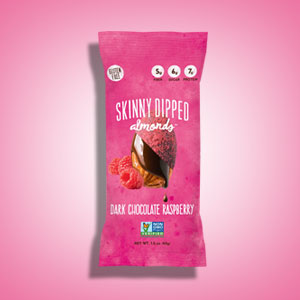
[00:53:31] Ray Latif: All right. Well, in the meantime, I'm going to drink my Cineva Super coffee, which I have in my hand here. This is pretty good stuff for sure. You know what else is pretty good is that Skinny Pop. Oh my God. Skinny Pop almonds. It's one of my favorite products at Expo West. Right on. They call it real ingredients with nothing scary and insanely delicious. That's the tagline. And it was launched on a dining room table in Seattle, founded or co-founded by Breezy Griffith. Breezy shared the vision and grand plans for the brand at Expo West 2018, all included in this edition of Elevator Talk.
[00:54:09] Mike Schneider: It's time for our Elevator Talk, where we put a founder in an elevator with their dream investor. Let's hear what happens. What is your company's mission?
[00:54:18] Rob Ehrlich: Our company's mission is to spread delicious food, the kind of food we make for our friends and family, and create an incredible community of people that are like-minded. What is your product and how is it different? We make a line of Skinny Pop chocolate covered almonds, and we are better for you than anything else in our category. Half the sugar, we use all natural ingredients, non-GMO, and we dust our almonds in raspberry, cocoa, espresso, and new flavors coming out soon.
[00:54:46] Mike Schneider: Who is your target audience, and how do you quantify the market opportunity?
[00:54:50] Rob Ehrlich: Target market for us is mainly women ages 25 to 65 who appreciate good food, but also appreciate putting something and are mindful of what they put in their bodies. What stage of growth is your company in? Startup, but our second year growing quickly, launching nationwide with Target and other retailers, so really excited.
[00:55:10] Mike Schneider: What do you need from a partner or an investor to go next level?
[00:55:13] Rob Ehrlich: Currently, I have some great partners who have supported our growth since the very early days, Kavu Ventures, and I was looking for value add, but very happy with our current relationship. Why should I invest in you? Invest in us because we're scrappy and we're thoughtful and we care about food and we care about what we feed to the people that we love.
[00:55:39] Ray Latif: I like Skinny Pop. Obviously.
[00:55:41] Ad Read: All the snack punches above its weight, you know, it tastes really sweet and there isn't, you know, it's not caked with chocolate. Yeah, that's definitely one of their- That's one of their value props, but I think they pay it off in a good way. And the way they explain it on the package is excellent.
[00:55:54] Ray Latif: Yeah, I look forward to seeing how that brand progresses in the months and years to come. All right, that brings us to the end of episode 112. Thank you for listening. And thanks to our guests, Rob Ehrlich, Jeffrey Klineman, Jim Jake and Jordan DeCicco, and Breezy Griffith. Tune in next week to episode 113, when we're joined by Academy Award-winning filmmaker and spirit entrepreneur, Steven Soderbergh. Once again, for questions, comments, ideas for future podcasts, please send us an email to askattasteradio.com. On behalf of John, Mike, and John, I'm Ray. We'll talk to you next time. Kai Risdahl, thanks for all your help.