[00:00:02] Ad Read: This week's episode of Taste Radio is sponsored by BevNET Events. Join us this November 29th and 30th for Nosh Live, a natural food industry conference gathering A-list speakers from top brands, investors, retailers, and more. To navigate the food industry, discover what's next, and find your vital partnership.
[00:00:21] Ray Latif: Beverage Pros, you know we have you covered. BevNET Live takes place on December 3rd and 4th to talk about innovation, trends, and challenges in the beverage space, while encouraging partnership through extraordinary networking opportunities.
[00:00:32] Ad Read: The events are at the Lowe's Santa Monica Beach Hotel for the 10th time. To learn more, visit www.bevnetlive.com and noshlive.com. We hope to see you there. And now, Taste Radio.
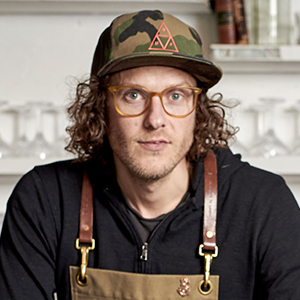
[00:00:52] Ray Latif: Hey everyone, thanks for listening to BevNET's Taste Radio. I'm Ray Latif and you're tuning into episode 129 of the podcast. This week we're joined by Ben Branson, the creator of Seedlip. a first-of-its-kind, non-alcoholic spirit that's changing the way the consumers think about cocktails. Joining me later in the show to discuss the recently held Natural Products Expo East show are my BevNET and Nosh colleagues, John Craven, Mike Schneider, Jon Landis, and Carol Ortenburg. Just a reminder to our listeners, for questions, comments, ideas for future podcasts, please send us an email to ask at Taste Radio. The Oxford English Dictionary defines a Renaissance man as, quote, a person with many talents or areas of knowledge. It's an apt description for Ben Branson, the founder and CEO of Seedlip, an innovative brand of non-alcoholic distilled spirits. A branding and design specialist by trade, Branson's passion for botany, history, and science led him to distillation. a craft in which he's become a self-taught expert. And what began as a hobby has transformed into Seedlip, a highly publicized and sought-after brand that in just three years since launch is now carried by hundreds of the world's top restaurants, bars, and retailers in over 20 countries. Seedlip claims to solve the dilemma of what to drink when you're not drinking. In the following interview recorded by Weblink, I spoke with Branson about his vision for a non-alcoholic spirit and what motivated him to launch the brand. the rapid development of Seedlip, which includes the story of its first sale, and just three months later, an invite to Buckingham Palace, how the brand elicits trial and awareness through storytelling, and whether I Ben Branson's 10-second sales pitch for Seedlip. Hey everyone, it's Ray with Taste Radio, and I'm on the mics with Ben Branson, the founder and CEO of Seedlip. Ben, thank you so much for being with me. Hey, thanks for having me, Ray. So I got to ask right off the bat, you make a non-alcoholic distilled spirit. Yes. Why in the world does the world need a distilled non-alcoholic spirit?
[00:03:02] Ben Branson: It's a great question. I think we're, we're kind of starting to change or have been for the last five years. And I'm talking quite generally here, you know, what we eat and drink. and how we live our lives from how we buy things to where we hang out to what we do in terms of curating our public lives as they are now with the world of social media. And that's forcing certainly from what I can see a kind of recalibration right down to the role that alcohol plays in our lives, for example, or the kind of food we eat, and therefore the kind of drinks we choose to drink as well. And so we're living in a world now where we are drinking less alcohol. you know, globally, alcohol volumes are in decline, values up, which means people are drinking better. And suddenly, you know, over the last 10 years, craft spirits, cocktail culture certainly kind of had a huge, huge influence. But with other forces, I guess, cultural forces at work, like our health, and our access to information, and are these public lives we need to kind of curate online. Suddenly, you do get to this idea of well, What do I drink when I'm not drinking? And I don't want alcohol. And I don't want something fruity. And I don't want something sweet. And I don't want something that treats me like a child. And I don't want something plain. But actually, I'm looking for something that has some of the ritual, the theatre, the sophistication and complexity of something that I might choose if I am drinking alcohol, but just in a non-alcoholic product.
[00:04:52] Ray Latif: You mentioned health a few times. Was there a point in your life where you felt like alcohol was impacting your health in a negative way? And is that what drove you to launch Seedlit?
[00:05:02] Ben Branson: No, actually... Alcohol remained an important part of your life. Yeah, well, no. Ironically, yeah, it had nothing to do with a business idea. It actually had nothing to do with drinks. It had definitely had nothing to do with distillation, non-alcoholic spirits. Yeah, or wanting to kind of offer people great grown-up options. I come from a family of farmers. We've been farming in the north of England for over 320 years, still farming today, very proud of that. And that means I love nature. I love the outdoors. I'm obsessed with produce, ingredients. and growing interesting things at home. And, you know, I was back in the summer of 2013 looking for more interesting herbs I could grow at home. So I, you know, I could grow mint, rosemary, basil, no problem, and just got on the internet. And the internet can be a dangerous place sometimes. You start with a couple of Wikipedia links and before you know it, you're kind of down this rabbit hole, as I was, looking at old cookbooks and coming across ingredients like agrimony and rue and hyssop and bladderwrack and all these kind of wonderful names. I was a little worried you're gonna start talking about the dark web there. I was gonna have to pause the recording. No, no, no. I mean, this is the dark web of botany, I guess. Oh, okay. And so I basically I ended up, you know, kind of weaving my way through the internet evenings and weekends and coming across loads of really interesting stuff. And, you know, I grew up learning about grain and potatoes and carrots. I'd never come across kind of this world of herbs and spices. And I found someone had scanned in a copy of this book called The Art of Distillation. It was originally published in 1651 in London by a physician called John French. who one day, you know, maybe in another life, I may get to meet and thank. But for now, his words sort of guided me on this path. I found in it lots of interesting ingredients. But what struck me most was there were recipes in there for medicine. And the medicine was both alcoholic and non-alcoholic. And it all used copper stills, distillation, how we make majority of alcoholic spirits today. And I was just kind of, I was fascinated by this. I'm a great lover of arts and crafts. You know, I press flowers, I draw, I paint, I learned how to do taxidermy about 10 years ago. And so I go on the internet, and I don't know what it's like in the US, but in the UK, you can order a small copper still from the internet, it gets delivered to your house. You need to go to the dark web to do that in the US. Right. Yeah. Well, anyway, this this very shiny copper still turned up and I just start playing around. You know, I have my own design business. My father's in design, my mother's in farming. It's a curious blend, but very helpful. And I just started playing around. I had my own business at the time. I wasn't looking for another business and ultimately was just kind of enjoying being at home, experimenting and having kind of no goal or outcome required, you know, evenings and weekends. It was just kind of a fun thing to do. And it was three months later and I was in London out for dinner Monday night, not drinking. And I got presented with this pink, fruity, sweet, sickly, childish mocktail. I've had one of those before. It's not, it's not pleasant. Yeah, you're not the first person to say that. There was no eureka moment. There was no lightning bulb. It really, like for anyone listening, I can only speak for myself, but from what I can experience, it doesn't happen like that. There is no eureka moment. But I felt like an idiot. And I felt left out. And I felt I definitely didn't want to finish the drink. I didn't want to order another. It didn't go with my food. And it just stayed with me. And I kind of, you know, I left the restaurant that evening and kind of just started to roll this around in my head. Anyway, the dots, as they say, started to join. And there I was kind of thinking, well, maybe there's something in what I'm doing with this copper still at home. Maybe I could work with my farm and my family and work with ingredients we grow. and maybe I could work with my father and use some of my design experience to help bring something to life and ultimately maybe just maybe somebody else as you've just said also feels super disappointed if you're not drinking for whatever reason and you get a blend of fruit juices handed to you. So yeah, I made the decision to kind of do something about it and think with grandiose dreams of wanting to change the way the world drinks and solve, you know, this what to drink when you're not drinking dilemma once and for all.
[00:10:16] Ray Latif: You mentioned it wasn't a Eureka moment, but it was a moment of, hey, there's an opportunity to fill white space for a high-end, non-alcoholic drink. Absolutely. But it sounds like it was a little bit more of a passion project than this idea for a business. So, you know, how did you bridge that gap? Initially,
[00:10:40] Ben Branson: I didn't bridge it, I carried it on as I guess a passion project and in my very naive way, I thought, Hey, look, I'm going to do this evenings and weekends. I'm going to make five products. I'm going to make them in two sizes. I'm going to do it in six months and I'm going to kind of just go to farmer's markets and just, I don't know, you know, I'd been working for other people's brands for my career and this was an opportunity to have my own brand. And so there was no big business goal kind of element to it in initially, I just kind of thought, hey, this is quite fun. I could create my own brand and make something at home. That quite quickly, when I started then to actually properly explore distillation and fully understand the science of it, those light little pipe dreams quite quickly dispersed. And suddenly I was, you know, two years in having developed a whole bespoke and much coveted process distillation wise for how we make Natural Products, learn about the drinks industry and everything from falling in love with Excel spreadsheets and writing value chains and business plans and understanding financial modeling and how the industry works, right through to kind of bringing the brand to life and wearing many hats, doing lots of things myself. And, you know, ultimately, it took me two years to make 1000 bottles and launch them in London with just one product in one size. The bridge happened really when about a year in and I thought I can't, I'm no good to my design business and I'm no good to Seedlib. I need to go all in and do this full time.
[00:12:32] Ray Latif: You said you fell in love with Excel spreadsheets? I absolutely love Excel. That's absolutely the first time I've ever heard that. So good for you. That's great. We'll be right back with Ben Branson after this short break.
[00:12:49] Oxford English: BevNET Live Winter 2018 is at the Lowe's Santa Monica Beach Hotel on December 3rd and 4th. Register today at bevnetlive.com.
[00:13:00] Ray Latif: I'm holding in my hand this bottle of seed lip. And this is your Garden 108 variety, which I'm assuming is the 108th version of... No. No, it's not? Okay. Well, we'll get to that in a second. But it's a very beautiful bottle. Thank you. It looks like it's a custom bottle, 700 milliliters. It's not the usual 750 for a liquor bottle. And there's this gorgeous... It looks like a rabbit or a sort of rabbit that's made of plants on the front. Is that what that's... A hair. A hair. Yes. In the UK, it's a hare. In the US, it's a rabbit. And I mean, we often hear from folks who are coming from other industries, and they want to get into the beverage business or they want to get into the food business. And it's really difficult to make that transition if you have no experience. But the best entrepreneurs that we've seen have been able to leverage what they've known and leverage their careers in other industries to their advantage in food and beverage. So I'm curious, you know, what you brought from branding and design into Seedlip that's really helped you grow the business.
[00:14:05] Ben Branson: I think there are probably, I guess, three key things. I think number one, certainly the best brands that I've worked on have often met a need in people's lives and solve the problem, solve the tension, answer the needs, you know, were fitting for an occasion and really had a meaning and relevance in someone's lives. I think that's definitely something that we've brought and certainly brought through with Seedlib in terms of You know, when you're driving pregnant, having a week off, night off, et cetera, there is a need, a very clear need and growing need to have a good non-alcoholic option. The second thing I think is probably just how impactful and powerful design can be in bringing to life a story and communicating a company's values. and in helping to really stand out on, on busy shelves, whether they be back bars or, or in retailers, you know, it's fiercely competitive out there. And, uh, to really cut through and win the eye, as they say, you know, it's not an easy job to do. And I think we've, we've brought C-Lip to life beautifully in an impactful way.
[00:15:23] Ray Latif: That story about a first sale. is so memorable for so many entrepreneurs. Tell me about your first sale.
[00:15:31] Ben Branson: Well, a friend of mine had launched a product in a wonderfully iconic English store called Selfridges in London. And I remember her just saying, hey, I could, you know, I could introduce you to the buyer. And I was like, okay, well, I'm not ready to launch yet, but I got some liquid and I got some pictures. I could go and see her. So anyway, she, Dawn, her name is the buyer. And Selfridges, for context, for guys that don't know, Selfridges, it is the place to launch a startup. It is, especially within food and drink, it's an incredibly credible, and powerful platform to launch from. In the UK? In the UK, but recognized, you know, by, I guess, people who are, let's say, in the know or up to date with what's going on in the food and drink world, you know, anyone who's coming to London, that's where you're going to go and be able to find what's new and what's interesting. So it's a big deal, you know, being in there would be a really big deal. And I went and met Dawn and she absolutely loved it. You know, she wanted the product kind of there and then. And that was pretty amazing because I, you know, I, I kind of not really tasted it with anybody. I'd kept it all pretty under wraps. And yeah, to get that kind of feedback was pretty amazing. In fact, because of that feedback, I doubled my first production run from 500 to 1000 bottles. So that was good. And then my plan was those 1000 bottles would sell out in five months. My plan was that I'd get a part-time intern as my first employee, probably three months after launch. My office was in my house. I put my cell number on my website. I just had no idea what was going to happen. And happen it did. So I did 20 events in the first 21 days. I would be making and labeling C-Lip in the morning and then into London, sampling it in Selfridges and then maybe working an event in the evenings and doing that and going home and labeling more bottles and yeah, repeat, repeat, repeat. And they sold out in three weeks.
[00:17:43] Ray Latif: So you were doing all the production on your own at the time?
[00:17:46] Ben Branson: Yeah, this was all super small scale stuff. For some more context, this was only 145 weeks ago.
[00:17:55] Ray Latif: Now, when you went with Dawn for the first time, do you feel like she was more enamored with the brand, the concept, the vision of a non-alcoholic distilled spirit, or was it the liquid itself?
[00:18:05] Ben Branson: I walked into that meeting with Dawn with a small 200 milliliter bottle with no label on that had Seedlip Spice 94 in it, a bottle of Fevertree Tonic, and a bottle opener. And that's what I started with. And this was the real test. Did the liquid taste great? Before I showed her how I was going to bring it to life, some of the design ideas that we were working on and my kind of vision for the brand, This was all about showing her the liquid. And if we could pass that test, then we were stood in good stead, I guess, to then be able to bring it to life beautifully. So a pretty label in this day and age, regardless of whether it's a yogurt, a soft drink, you know, a packet of biscuits. If it's just a beauty parade, you'll get found out. People have got too much choice these days. they're design savvy, they've got better palettes than we used to. And I think they're more demanding in terms of the whole thing's got to add up. You know, it's all got to feel good, complete, rather than it just being a pretty label. So yeah, it's it's a full 360. Everything's got to work.
[00:19:34] Ray Latif: You mentioned Spice 94 and earlier I'd asked you about Garden 108 and the meaning of the number that's attached to the flavor. What do the numbers mean?
[00:19:44] Ben Branson: So yeah, so we've got the nice aromatic Spice 94, the really herbal and green Garden 108. And as of this week, launching in the US, the Super Citrusy Grow 42. The numbers all relate to the dominant ingredient in the product. So Spice 94, the dominant ingredient is allspice berries, give you all those good cinnamon, nutmeg and clove notes. and they were discovered by Christopher Columbus in Jamaica in 1494. We solely source the best allspice berries in the world, the highest grade allspice berries in the world, from a single estate from our farmer Mr. Sherlock in Jamaica every year. So 94 refers to the allspice berries. 108 refers to the peas that we grow and pick from my farm. And it takes on average 108 days for those English peas to be sown, grown and harvested. And they go from field to freezer in 90 minutes when they're picked. And then grove 42 refers to the year 1542. Orange is the dominant ingredient. We use a bitter orange from the Mediterranean as the dominant ingredient in Grove 42. And 1542 was the year that actually the fruit, the orange, that word was first used to describe the color.
[00:21:19] Ray Latif: These are amazing stories that you're telling about the flavor names and the varieties. And you just told us a beautiful story and a really amazing story about the development of the brand itself, your two-year journey. How do you share that information? How do you storytell? in a way that's relevant to consumers? And you can't do it just on the label. How are you telling the story of Seedlip in your own to customers who want to know more about what's in their bottle and how it's made?
[00:21:50] Ben Branson: It's a great question, because I definitely learned the hard way. When you work on something for two years and you then let it out the bag, as they say, and suddenly you're face to face with a member of the public, And they're looking at you going, what the hell is this? And I'm not a salesperson. I can't talk to just anybody. I'm not one of those people that I always admire who can just walk in and talk to anybody. And so, you know, leading up to this first moment, you know, trying to rehearse my spiel and trying to get the order right and figure out what I was saying. And then, of course, in the moment, it all just comes out completely wrong. And so quite quickly, I learned that if I started telling people about distilled non-alcoholic spirits, I lost them. and they weren't particularly interested. When I then, about five minutes into my kind of explanation of Seedlib, mentioned the words, oh, you know, it's kind of what we're trying to solve this problem of what do you drink when you're not drinking and you don't want an orange juice. And then suddenly people started to engage and they started to tell me their stories and they started to talk back to me and tell me you know, isn't it really annoying when you go to a bar and they don't even have any drinks on the menu that you can choose from? And so all I did was kind of just go, right, that bit seems to be working. I'm just going to move that up front and talk about the problem and talk about what's drinking and not drinking. And then I'll talk about distilled non-alcoholic spirits and we can get technical and we can, you know, I can try and explain seed lip to them. But ultimately people, you know, we as human beings, all we're trying to do is lead an easy life. And that means we're constantly trying to hopefully improve things and solve problems. And so meeting people on their kind of wavelength in terms of, hey, look, I've got something, it's going to sound really weird, but actually, it's going to help you and meet a need and fit to an occasion that you will know very, very well. And you'll have experienced it many times. It definitely made the kind of then the idea of offering this distilled non-alcoholic spirit just a bit easier in terms of the solution, because they understood why existed.
[00:24:16] Oxford English: We'll be back with more from Ben Branson after this quick break.
[00:24:33] Ray Latif: I've seen videos of you mixing seed lip in cocktails. And I'm curious, did you have to learn how to become a mixologist, a bartender, to be at the same level, to be on the same wavelength of the folks that you're selling to on premise? In short, yes.
[00:24:53] Ben Branson: just a bit like the Excel spreadsheets. I want to get to the bottom of the barrel with anything that I kind of get involved in. And so I'm forever curious and I want to learn as much as I can. And so that meant, right, I want to learn about bartending. And I practiced at home. And I would write recipes. And I did a cooking course when I left school. I make drinks like they're plates of food, I guess, in terms of pairing great ingredients and great produce, rather than just having to try and make non-alcoholic versions of alcoholic cocktails. I love being behind the bar. I love making drinks. I love putting interesting ingredients and techniques together and love the kind of the freedom that having a completely new category affords us. There are no rules and there are no kind of cocktail books that have been around for a hundred years that say an old-fashioned has to be made like this. I guess it's part of the world that we exist in, in terms of Seedlit. making cocktails and bring some of that theater and innovation is really important. It was the start of people, restaurants like the Fat Duck and hotels like the Ritz and the American Bar at the Savoy and some of these top cocktail bars, top, you know, highly awarded restaurants all getting in touch and wanting to try the product and The demand began, the snowball started. I was invited to Buckingham Palace, and three months after launch, I mean, it was crazy. I took my cell phone number off the website.
[00:26:43] Ray Latif: At that point, you were like, no, no, I don't want anyone to call me right now. I have enough on my plate.
[00:26:48] Ben Branson: I heard from at least 80 countries in the first four months. you know, in terms of distributors and retailers wanting to reach out, we had some amazing press and PR coverage. And yeah, it was pretty surreal. I can't say I enjoyed it, to be honest, as much as it was wonderful that we were, you know, selling all these bottles and it was selling out. It was, yeah, I just was not prepared for it, I guess.
[00:27:16] Ray Latif: I don't know how you could be three months after launch, getting an invite to Buckingham Palace. That's not very common.
[00:27:23] Ben Branson: Right.
[00:27:23] Ray Latif: Did you get to meet the Queen?
[00:27:25] Ben Branson: I didn't get to meet the Queen. Ah, bummer. I mean, this happened for me standing in Selfridges doing a demo. And one of Prince Andrew, the Queen's son, one of his team was very innocently standing there listening to me waffle on about distilled non-alcoholic spirits and seed lip. And he just slipped me his card afterwards. And I actually didn't look at it at the time, because there were quite a few people around. Anyway, after the... You didn't notice that it was embossed with like, with gold and threaded with gold? No, there was no like velvet cushion, you know, that it came with. And then I, you know, you sort of, I was packing up and it's like, Oh, okay. And then you're like, No, this guy works at Buckingham Palace. Anyway, I sent him an email. Anyway, there I was. You know, I used to come to London as a kid and, you know, it would always be like, Oh, let's go and see where the queen lives. And, you know, is she in today? And you see that huge gates and that huge kind of forecourt. And literally that's, I walked, you know, through those gates and, and across this kind of huge courtyard and, and went to meet Prince Andrew's team and did a tasting there. And then we did some events with them at St. James's palace and Windsor palace and, It's really, really surreal. Yeah, really, really surreal. Did everyone like the seedlet? Yeah, it went down a treat. And I don't know if the Queen's certainly not been back to go make cocktails with the Queen yet. You never know.
[00:29:07] Ray Latif: You're still only been in business for two and a half years, just about three years. Yeah, you'll be back. And I mean, it's amazing. Again, I mean, you make a really fantastic product and it's a beautifully branded product, but it's also $40 a bottle. 36 in the US. 36 in the US. Okay. A discount. I'm glad I live in the US. Here, when you have an unknown brand or a new brand on the market, consumers aren't really willing to give you the time of day. Usually it's just a few seconds before they can decide whether to buy or not. If you can tell me in 10 seconds why I should buy a $40 bottle of non-alcoholic spirit, can you?
[00:29:50] Ben Branson: I can tell you in 10 seconds why you could buy a $36 bottle of non-alcoholic spirit. Yes. Okay, go. What do you drink when you're not drinking? Usually water. Would you like something that had all the complexity and considerate care put into it as an alcoholic cocktail, but without the alcohol?
[00:30:17] Ray Latif: I would say yes, only because you have this felt British voice that's just pulling me in and drawing me into tasting this wonderful drink that you have. But in all seriousness, what was your trial strategy? What was your awareness strategy? And again, I don't know how you could really have formulated one early on, but right now, when you do have an established business for a product, for a relatively expensive product, what is the approach?
[00:30:46] Ben Branson: I set myself some restrictions, I guess, was one way of doing it. Firstly, I never, ever want to have to say that C-Lip's any good myself. And that meant basically relying or finding a way to get involved and work with people whose opinion on food and drink people really do listen to. And they really do trust because nobody knows who I am. And nobody knows and certainly knew who Seedlib was. But I think lots of people have, you know, whether it's Eleven Madison Park, the French Laundry, the Dead Rabbit, Dean and DeLuca, Harrods, Fortnum and Mason's, the Savoy, the Ritz, the Fat Duck. That was a really I guess, straightforward goal in terms of my dream of how to put the word out, how to gain the credibility and how to give Seedlit the best opportunity. And then secondary to that was, I got to get people to try this, right? Firstly, what the hell is a non-alcoholic spirit? I don't understand it. How do you use it? What does it taste like? How do you make it? You know, huge levels of kind of education required, completely new category. We're the first people in the world to do this. And so having a real focus on sampling, demos in store, events, and ensuring people got a really great first experience, and that I was able to actually explain what Seedlip was, why it existed, how to use it, what it tasted like, what was in it, and how it was made. It was really those two very simple starting points based on I am one person and that's what I could do. I could go and do tastings with these amazing accounts that got in touch. And I could go and work events and learn how to bartend and do demos in store.
[00:32:56] Ray Latif: Okay, so you're drinking seed lip when you're not drinking. But it sounds like you still do drink alcohol from time to time. So what do you drink when you are drinking? I haven't needed to drink alcohol since I started C-lib.
[00:33:09] Ben Branson: Wow. Yeah, I just, I think it's been a, I spent a lot of time traveling. And I definitely couldn't, you know, for example, last night, We have a great partnership with the World's 50 Best Restaurant Awards and we're outside San Francisco at this amazing restaurant called Single Thread having a seed lip non-alcoholic pairing menu as part of their dinner. And you know I think it's bed till 3 o'clock in the morning. I was up at 5. And, you know, we've got another event tonight, and there's a whole load of work to do. And I've got to get up and be on a flight at 6am tomorrow. So there's no time to drink alcohol, you know, I wouldn't be able to, I wouldn't get anything done.
[00:33:56] Ray Latif: Well, that's part of the the entrepreneur life, right? I mean, you, you're always on the go, you got to have some way to relax. And, well, it sounds like your way to relax is with a nice cocktail made with seed lip.
[00:34:07] Ben Branson: Yeah, that and when I get home and I'm happy out with the dogs in a field.
[00:34:14] Ray Latif: You have like the best life, Ben. It sounds like you really do. A globe-trotting, spirit-making, dog-owning man of the field. A renaissance man, if you will.
[00:34:24] Ben Branson: I don't know. It's not all that glamorous.
[00:34:30] Ray Latif: Well, thank you so, so much for taking the time to speak with me. Thank you for sending this product and allowing me to try the product. I really hope to meet with you in person at some point. You sound like a really cool guy and congratulations on everything that you've accomplished to this point.
[00:34:45] Ben Branson: Thanks so much, Ray, and yeah, thanks for your support.
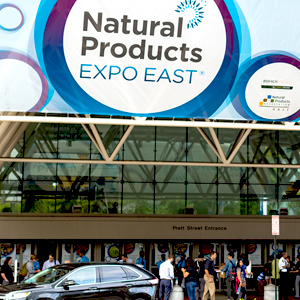
[00:34:50] Ray Latif: As promised at the top of the show, I'm now joined by John Craven, Mike Schneider, Jon Landis, and Carol Ortenburg. Just a quick note to our listeners, if you like what you hear on Taste Radio, please share the podcast with friends and colleagues. And of course, we'd love it if you'd rate us on iTunes. We're all back from the recently held Natural Products Expo East show, which was held in Baltimore, Maryland from September 12th to the 15th. Attendance at the show was definitely affected by Hurricane Florence, which battered many parts of the Southeastern United States. Our thoughts and prayers go out to those affected by the storm. The Red Cross, among many organizations, is asking for donations to help support relief efforts. Head to redcross.com to learn how you can help. For those that did attend Expo East, reaction to the show was mixed. Jon Landis, what'd you think?
[00:35:39] Ad Read: I mean, the people who did make the trip out into potentially, you know, stormy weather were there to work. And I think a lot of people, I saw a lot of hustle and I had amazing conversations myself, you know, and I want to give a shout out to first my wife who nursed my voice this weekend so that you can actually hear me. And also Josh at Mother Kombucha, who was saying the most amazing things about this podcast. Just great to be people in the wild like that. We could say the most amazing things about their beverage, too, while we're at it. It's tasty. And Adrian, Mother Kombucha, Tribucha, who's based in Raleigh, who was there just slinging booch while back home everything was getting pummeled with rain.
[00:36:21] Ray Latif: Every third person told me about Tribucha, or every third person I talked to was like, did you try Tribucha?
[00:36:26] Ad Read: They like the cans. They like the taste. Very colorful brand. Two great kombucha brands right around the corner from one another.
[00:36:32] Ray Latif: I think you get hypnotized by the pyramid eye, really.
[00:36:34] Ad Read: I think that's what's happening. So anyways, I was a little bit of a tangent. Sorry guys, getting it out of the way. Hey, you got to get it out of the way. This is the time to do it.
[00:36:41] Ray Latif: It's not like it was a ghost town though. I mean, like a lot of companies showed up and it was a little easier to move than usual. And the conversations were a bit longer, but like Landis said, everybody was there to hustle and there was some good stuff there. You know, I've been going to these things for a long enough time now that Expo East and West have been in the past, whatever, I guess, five, six years really building up steam fast. And this to me felt like a little throwback to the old days, maybe with fewer people, but what's the cliche to use? Like when life gives you lemons, make lemonade. And I think that's kind of like what people did there, which was, it was totally different. I mean, I think people were more relaxed. You know, of course you're hearing, you know, negative things, buyers not showing. I guess it's just, you know, again, one of those things that point out that's kind of always been the case with Expo East. Like everyone's so all in on Expo East that Expo East is kind of like that sibling show that just gets beat on. But, you know, it's a great show. It's like, how could you not be there if you can make it? Last episode, we talked about like companies that were zigging while others were zagging. I mean, I got to try the new Hatch Chili Jerky from Country Archer. So there was a few new things that came out at the show.
[00:37:53] Managing Editor: I think there were definitely a lot of new products, new rebrands, tweaks to older products that debuted at the show. I think a lot of people realize that it's hard to make a splash at Expo East. So when you debut something at this show or Fancy Foods, you have a more opportunity to get your message out there. A lot of folks also excited for the show to move to Philly, I think, and see more diversity in the places where shows are held. Heard a lot of requests for Orlando and Florida as a show location.
[00:38:22] Ray Latif: bring your families. John Lennon has alluded to the fact that there's more time to talk to some of these exhibitors as well. I definitely felt that it wasn't that crowded space at every stall sort of thing where you know you have to wait your turn to talk to the new hot brand or the executive that is an established brand that everyone wants to get a piece of. At the same time, it seemed like on that bottom level where a lot of the established companies were, there wasn't a lot of that foot traffic. It seemed to be in that hot products exhibits where the new brands, the new products really shined. I mean it was interesting this year and I suppose last year just that it felt like more of the show was in hot products than not in the hot products section. You know obviously the basement is like a large area but it seemed like most of the people that I ended up talking to or you know just kind of where the energy was as far as the show seemed like it was in the hot products just from what I saw so.
[00:39:17] Managing Editor: To that point, though, I do think some of these spots that were really crowded are the more economical choices to be than the bottom floor. So that may be a result of strategies and where you want to devote your trade show dollars, you know, spend a little more at Expo East and have a smaller booth at Expo East. I also think because of the weather, there was less consumers and less of the influencer blogger crowd on Saturday. I stayed and walked the show the whole day. It was really nice to have that day be a day where you could get business done, talk to brands, and learn about what's going on.
[00:39:48] Ad Read: I do regret not being there on Saturday, but I don't know that I would have been able to talk to anybody. I completely lost my voice at the Capitol Grill.
[00:39:56] Ray Latif: How many pieces of dried fruit did you guys eat? There was so much dried fruit at the show. It was Ryan's snack, I remember it very clearly. Oh yeah, I was with you. I got trolled for eating too many. Quick shout out to the Nature's Intent crew. I wasn't expecting a dried fig to be juicy, but these were phenomenal. Your stomach was one big dumpster fire. I walked around with Mike a good amount and it was just like, you gotta learn to just pace yourself.
[00:40:24] Managing Editor: Mike, just say no.
[00:40:25] Ray Latif: I have an iron stomach, it was fine. You might've booted in a garbage can.
[00:40:28] Managing Editor: I stick to one day part. So I'm like, I'm only gonna do lunch and dinner, no dessert, no breakfast. Stick to one usage occasion, Mike.
[00:40:38] Ray Latif: Okay, so we talked about dried fruit. Carol, in terms of food insights, trends that you saw at the show, what really popped for you?
[00:40:46] Managing Editor: It's funny you mentioned dried fruit because I thought there was a lot of plant-based products at the show, but it was new and novel and not just another veggie burger, though there were some delightful veggie burgers, don't get me wrong. Both products that were using whole plants, you could identify exactly what you were eating. I keep going back to the Caulipower sweet potato toast, one ingredient, sweet potatoes. I don't know if you guys have tried making sweet potato toast at home. Didn't even know it was a thing, not gonna lie. Oh, all the time.
[00:41:19] Ray Latif: It's the new Instagram craze.
[00:41:20] Managing Editor: Yeah, it's an Instagram thing, guys.
[00:41:22] Ray Latif: I didn't know you could make that.
[00:41:23] Managing Editor: John Craven, you're following too many Negroni producers. Not enough.
[00:41:27] Buckingham Palace: That's my goal.
[00:41:29] Managing Editor: I saw a lot of brands using other ingredients such as sunflower seeds or tahini. Sky Valley Foods had an awesome new tahini spread. And then, you know, not a new brand, but two new flavors. Lava, their peely nut yogurts were like probably one of my favorite plant-based yogurts that were at the show.
[00:41:50] Ad Read: I like that you say using whole ingredients. The portobello mushroom jerky that I had looked like slices of portobello mushrooms and it was just dried mushrooms and it was really tasty. I don't actually know the full ingredient list on those products, but they're definitely recognizable as mushrooms just as you're eating them. So I love that mushroom jerky stuff.
[00:42:10] Ray Latif: Yeah. On the dried beef jerky front, we saw a couple of Biltong exhibitors at the show, Biltong. Mike Schneider, you're an expert on Biltong. What is Biltong? I don't know about an expert, but Biltong is air dried South African jerky, essentially. And, you know, I tried Ayoba Yo, I tried Brooklyn. I tried to find the third. Someone's telling me there's a third there that I missed. Well, there is a big third that just made a huge splash in terms of investment. Nosh covered the news. Carol, what was this company that got the $10 million investment?
[00:42:39] Managing Editor: You're right. Strive did have a round of funding. They raised $10 million last week. Interesting focus for them. They're actually purchasing Biltong plants so that they will be co-packing for other Biltong producers as well as making their own product. But jerky-wise, do you guys try the salmon jerky from the fish people?
[00:43:00] Ad Read: Oh, yeah. So good.
[00:43:02] Managing Editor: It was so good.
[00:43:03] Ad Read: It was good.
[00:43:04] Managing Editor: And I think it came back to this idea that I heard echoed by products over and over again, which was, hey, people are eating a lot of bars. Bars are processed. Find whole foods that have the same health benefits like omegas, like protein, lower sugar that you can consume that, you know, eat food you can recognize.
[00:43:25] Ray Latif: It's kind of the same concept as the peckish, right?
[00:43:30] Ad Read: I don't even like hard-boiled eggs. I do.
[00:43:32] Managing Editor: That's because they're not hard-boiled. They're, quote, perfectly boiled. Well, whatever they are.
[00:43:37] Ray Latif: I was going to say that waffle something or other dip that it comes with.
[00:43:42] Managing Editor: I was all about fried rice.
[00:43:45] Ray Latif: I only got to try one flavor. I went with the waffle one, sweet and savory. It kind of worked. I tried them all.
[00:43:53] Ad Read: I know, it's a shocker. I love that brand. Their eggs are, in my opinion, perfectly boiled, at least the ones that we were trying there. They were really, really good. To me, it's just a kind of a no-brainer opportunity. We're selling millions of hard-boiled eggs at convenience stores and gas stations around this country. It's a commoditized product. Let's step in and elevate it.
[00:44:15] Ray Latif: Speaking of perfect, does John Sebastiani have the hardest handshake in the industry?
[00:44:18] Ad Read: He almost broke my arm right off.
[00:44:19] Ray Latif: He's like a Navy guy.
[00:44:20] Ad Read: He's got that hand.
[00:44:22] Ray Latif: He almost broke my hand.
[00:44:23] Managing Editor: And then perfectly, perfectly styled hair at all times.
[00:44:27] Ray Latif: Perfectly styled hair.
[00:44:28] Managing Editor: Never a hair at a place despite the winds in Baltimore.
[00:44:30] Ray Latif: Good guy, always focused. You know, as an entrepreneur, you get into a lot of conversations. You always feel like John Sebastiani is focused only on you when you get him in. He's definitely the Rob Lowe of the natural sewage industry. if Roblo were really successful at CPG. Good dude. There you go. Yes. Hey, going back to cauliflower, Craven did try two of one thing. I saw him try two Nolita bites. Those were good. Those were good. Those were good. I don't even know how you'd describe that. I guess it's made out of cauliflower and tastes like a... Nugget? Potato nugget of some sort? Yeah, like a potato nugget or a gnocchi nugget. It's a tater tot. Yeah. Yeah, a better tater tot. We need to get those in here.
[00:45:05] Ad Read: Okay.
[00:45:07] Ray Latif: If Craven has two, that means he wants more bags. Perfect. That was good. Quick shout out to the folks from spins who are very kind and offering some praise to Taste Radio. Really appreciate the feedback. Keep on listening and try to keep on producing those great nuggets that you talked about.
[00:45:23] Ad Read: Shout out to like 75% of the people I was talking to this past week. Well, I'm just saying that they don't like Taste Radio. Three out of every four conversations, people were telling us about how awesome this show is and how much they appreciate it.
[00:45:37] Ray Latif: So like New Beverage Showdown alums, Numa, I got to meet those guys out of Cleveland. Also Cleveland boys. It was a good crew there. Good brand. And we caught up with the sound guys who have a new tea infused sparkling water. It was really good. The cans look sharp. Definitely. Yeah. Plenty of coverage from Expo East. More to come on Nosh and BevNET. Check it out. We'll have coverage for at least the next couple of weeks. Right, Carol? Indeed. For sure. And plenty more on the podcast front, along with plenty of Elevator Talk. So stay tuned for more multimedia on YouTube, Instagram TV, BevNET, Nosh, Taste Radio. It's all out there. That brings us to the end of episode 129. Thanks so much to our guest, Ben Branson. Tune in next week when we speak with dynamic food and fashion entrepreneur, Marcy Saroff. And as mentioned in the last episode, we've got something new and exciting coming to Taste Radio. Stay tuned for full details next week. Once again, for questions, comments, ideas for future podcasts, please send us an email to askattasteradio.com. On behalf of John, Mike, John and Carol, I'm Ray, and we'll talk to you next time.