[00:00:00] SPEAKER_??: you you
[00:00:10] Jon Landis: Hey Landis, what is Blue Pacific's Farm to Flavor philosophy all about?
[00:00:15] Jacqui Brugliera: Well, you might recognize Blue Pacific as a longtime member of the BevNET community. But Farm to Flavor is all about their commitment to authenticity in their products. Blue Pacific are pioneers in the natural, non-GMO, and organic flavor categories. And Farm to Flavor is all about following Mother Nature's design in creating naturally sweet fruit flavors, as well as plant-based and clean label ingredients. And as I mentioned, we know them very well as being beverage experts, but I believe they do a lot more than just beverage.
[00:00:46] Jon Landis: Fruit preparations, dairy, plant-based milks, ice cream, frozen desserts, bakery, nutritional foods, and confectionery product development, they do a lot. They're also heavily involved in proprietary formulation development. They offer trial processing and supervision of your finished products and shelf life evaluation. And most importantly, they can rapidly execute your vision, so they can take you from initial design to shelf quickly.
[00:01:08] Jacqui Brugliera: It's all about getting to market. If you want to learn more, go to www.bluepacificflavors.com or stop by their booth at BevNET Live.
[00:01:17] Jon Landis: And now Taste Radio.
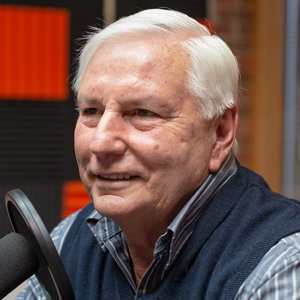
[00:01:32] Ray Latif: Hey everyone, I'm BevNET Managing Editor Ray Latif and you're listening to the Top Podcast for the food and beverage industry, Taste Radio. This is episode 138, which features an interview with Ken Uptain, the founder and CEO of Alkaline Water Powerhouse Essentia. Tune in on Friday, November 23rd for episode 9 of Taste Radio Insider, which features an interview with Nick Ingersoll, the co-founder and CMO of plant-based snack brand, Barnana. Just a reminder to our listeners, if you like what you hear on Taste Radio, please share the podcast with friends and colleagues. And of course, we'd love it if you'd rate us on iTunes. Few could have predicted the runaway success of Essentia, and that includes Ken Uptain, who founded the alkaline water brand in 1998. After two decades on the market, Essentia is nearing $180 million in annual retail sales. Numbers that have attracted rumors of a colossal exit, one that would Ken Uptain a very wealthy man. He admits that the brand's remarkable growth has surprised him, Ken Uptain, a mild-mannered and reserved man who was semi-retired when he launched Essentia, is taking success in stride. He continues to run the company the same way he has for years, leading via delegation, trust, and instinct. In the following interview, Uptain discusses the genesis of Ascensia and its development, including the impact of a major brain revamp and why timing has been so critical to its success. He also speaks about his leadership style and company culture, why all potential employees have to pass Ken's Good Guy test, and the one thing he'll never share with his employees. All right, it's Ray, and sitting in front of me in the Taste Radio studio here in Watertown, Mass., is Ken Uptain, the founder and CEO of Accenture Water. Ken, thanks so much for being with me. I'm glad to be here. Thanks for the invite. You flew in from Blue Pacific Northwest. When did you fly in? Yesterday afternoon. Got in about three o'clock. Any jet lag? No, not at all. Do you get jet lag much?
[00:03:34] Ken Uptain: You're flying all over the country. I fly all over, so you kind of get used to it. What's your secret? Get sleep at the right time. That's important. Can you sleep on the plane? I cannot. I used to be able to when I was younger, but for some reason I can't do that anymore.
[00:03:46] Ray Latif: With all the great retail sales and success of Essentia, you can't get that business class seat. I know, right?
[00:03:51] Ken Uptain: Well, the bigger you get, the more you have to handle. So there's a lot more challenges ahead and I just got to stay focused. True. And I heard you're a relatively frugal person. I am, yeah. I'm very frugal, but as I often say, I'm an investor. So I invest when the timing's right and I don't when it's not.
[00:04:09] Ray Latif: So back in 1998, when you founded Essential Water, what made you think the timing was right?
[00:04:15] Ken Uptain: Well, I probably didn't know better at the time, but basically I built a very large real estate company 15 years previously to that. And from 1982 to 1997, built this large public traded real estate company and really got burned out. So at the age of 44 years old, I decided that I would go ahead and retire and figure out what I'm going to do with the next phase of my life. And as I was winding down, this guy actually brought me this water, not a different brand, but the same product. And I started drinking it, and I couldn't believe how good it made me feel. And I thought, wow, here's a bottled water that tastes good, makes me feel good. It's non-source dependent, so I can make it anywhere in the world in proximity to distribution. And it has science. And I go, well, nobody's doing this. Looks like a great opportunity. So I basically bought the guy's company. did a brand strategy and come up with the brand name Essentia and launched it in 1998.
[00:05:10] Ray Latif: So for listeners at home who aren't necessarily familiar with alkaline water, even though it is a significant category at this point, you know, what are the benefits? Can you say, or are your lawyers weary of you saying anything about specific functional benefits of the product?
[00:05:26] Ken Uptain: Yeah, really what it is, is the problem nowadays is people are putting minerals, alkaline minerals in water, raising the pH, but there's really no scientific benefit at all, no health benefit in doing that. With Essentia, basically what we do is we purify the water We add electrolyte minerals in the water and then we go through ionization process which separates the ions in the water. So we basically remove the acidic ions out just enough to get it to 9.5 pH. In that process we actually change the structure of the water and it becomes more absorbing so it hydrates you better. So what we do is we basically remove something from the water to make it more absorbable where a lot of people are trying to get into the industry, the alkaline water industry, and they're adding minerals into the water, which has no really health benefit.
[00:06:15] Ray Latif: This all sounds very refined and proper. I don't know how else to say it. And I was reading a little bit about you on the Castaneda Partners website, Castaneda Partners being one of your investors, one of Accenture's investors. And the first line that I read was, quote, at one point I was a construction worker who drank water right out of a garden hose. That doesn't sound like the founder of a premium water company.
[00:06:40] Ken Uptain: That is so true. You know, back then, you don't really think about it. And I was in construction. I built a lot of things in my life. And I remember drinking out of a garden hose all the time. You know, it's just, you never thought about it.
[00:06:51] Ray Latif: You know, it's a different world now than it was then. I have a glass of water. I poured you a glass of water before. before we got on the mics. Do you drink much water besides Essentia? No, no, no, not really. Yeah, I'm pretty much all Essentia when I can. On brand all the time? On brand all the time. So let's talk a bit about the brand. Essentia, great name. Down on Mount Auburn Street, not too far from here, is a place that sells mattresses called Essentia. Yeah, that's true. Yes. Where'd you come up with the name though? I am sure they had their own reason for calling their mattresses Essentia, but why Water Essentia?
[00:07:24] Ken Uptain: You know, when I did the brand strategy back in the early days, 1998, we wanted something that was genuine and authentic and Essentia stands for Latin for essence. And so it just felt right at the time. So I took the name and trademarked it and away we went.
[00:07:40] Ray Latif: You also went through a significant rebrand that's done a lot for the company. I believe that was in 2012. It was a good one. It was a good move, Ken. I remember seeing the old bottle and the old logo, and it looked a little private label-ish, maybe? What sort of brand elements were you looking for when you did that revamp?
[00:08:00] Ken Uptain: Well, it was definitely dating the bottle. The bottle was definitely looking dated, but it had just the old label panel on it with the ribs all the way top and bottom. And I wanted to do something more modern looking, but we tried and we could not do anything with that label panel. So basically we decided to go to a cylinder bottle and Tani Davis was my creative director at the time and still is. And she basically come up with this label and we launched it in 2012 and sales instantly took off.
[00:08:29] Ray Latif: prior to the revamp, would you say that Essentia was more positioned as a functional water versus sort of a lifestyle, or as you once called it, a designer water? Absolutely.
[00:08:40] Ken Uptain: You know, through the years, we've tried all kinds of stuff to resonate with the consumer, but it was difficult. And we experimented all the time. It really wasn't until 2012 when we come up with the label that we have now and basically started resonating with the consumer.
[00:08:56] Ray Latif: Do you think that you could have launched as a lifestyle brand or that the brand benefited from explaining itself as a functional water or water with benefits versus a lifestyle product?
[00:09:09] Ken Uptain: I don't. I think we had to kind of build our platform and then grow from there. And, you know, build awareness with the customer, enough customer base and distribution where you can alter the path as we go forward, which we have, but it's really all timing.
[00:09:25] Ray Latif: So it's all timing. When did you actually really start to realize that this was catching on and did you immediately say, wow, we need to get rolling fast and we need to get ahead of the rest of the category?
[00:09:38] Ken Uptain: Well, it was really sometime in 2013 where I decided that I was going to step on the gas. I didn't know to what extreme, but I basically hired some folks, did a business plan, ended up in August of 2014 raising some capital. And that point in time, I really did step on the gas. And we've been just growing leaps and bounds since. It's just was, I think, the right time with the right consumer and the right place, the right product.
[00:10:05] Ray Latif: I wrote a story about the Alkaline Water segment in 2012, it was for our magazine, BevNET Magazine, and essentially was one of the brands mentioned in my article. And I remember feeling at the time like all the brands within the space were kind of on the same footing. They all kind of existed in this, hey, we're growing, category is growing, awareness is growing, but no one seems very much further ahead of the others. What really propelled Accenture to the leader of the pack position?
[00:10:39] Ken Uptain: Well, I think you're right. In the beginning, around 2012, there was several people in the space. We're all pretty even. But what I did is I invested in people, and I also committed to go a DSD footprint to get better distribution. And so I think that that investment in people, that investment in distribution, started moving us ahead of the pack. And we've been doing that ever since. We've been investing in people every year ahead of the curve. And I think it just keeps driving it to the top.
[00:11:08] Ray Latif: People clearly important, but what kind of people? I mean, you know, what were the kind of folks that you were looking for that would help you grow?
[00:11:16] Ken Uptain: So I have this philosophy that when you hire good people, you know, you become a family. Everybody's on the same page. People have integrity. They're smart. They're nice, easy to work with, fun to work with. We all have fun when we work. And so that kind of philosophy I ingrained into my team in the very, very beginning. And what I told them a long time ago, I said, you know, we only hire good people. And they looked at me like, what do you mean? They go, we only hire good people that we want to do business with. And so, you know, you really got to hire. We normally look at their credentials. We got to look at that person we're hiring. And it's amazing what that has done because I bring 40, 50 people into our corporate office to have meetings and they're all like family. It's almost like they knew each other and they've never seen each other before. So I think, you know, the theory is you've got to pass Ken's Good Guy test. So I've interviewed every single employee, team member from the beginning. I have two more this week. And basically the idea is when our hiring managers are interviewing a potential candidate that they want on their team, at the end, they know that person has to talk to me and pass Ken's Good Guy test. And it's amazing how well that has helped cultivate a culture in the company.
[00:12:29] Ray Latif: So what is Ken's Good Guy test? What are some of the qualities of the people that you're looking for?
[00:12:33] Ken Uptain: I look for people that are just generally honest, good people, kind of people, you know, you want to hang with, you can trust. And I just, I don't spend a lot of time on the phone with them, but you can quickly tell, you know, you get into their personal life, what their hobbies are, you know, spend a lot of time with their children, what are they want in life? you ask, like what are your hobbies, how many kids do you have, etc.? Yep. I just, you know, I've just opened up a general conversation so they feel comfortable because as you can imagine, talking to the CEO of Essentia, a lot of people get really pretty paranoid. And so I have to spend some time just, you know, convincing them that I'm genuine.
[00:13:08] Ray Latif: That's really interesting, you know, because a lot of times we'll hear that managers and hiring managers looking for folks that are capable, that have experience. You must be looking for the same thing, but there's got to be a mesh with you personally is what I'm hearing.
[00:13:23] Ken Uptain: I think with the culture, not with me personally, but with the culture, you know, the hiring managers look at their skill set and when they put that person in front of me, Basically, you know, I know they want them on their team. And really, they just got to pass Ken's Good Guy test. And early in the days, there was quite a few times I'd have to say, well, you know, there's some red flags here. And just what do you think? I don't think I've ever said don't hire a person. But I kind of want to raise their awareness that there are certain things you ask and find out. Because obviously, the last couple of years, there's only been a handful that I've ever not just give thumbs up. Because I think they know what the culture is like in the company and what I'm like. and what I'm expecting, and it really works well.
[00:14:04] Ray Latif: For entrepreneurs listening, what's a red flag that they should be looking for in case they're doing a hire and they might not notice it at first?
[00:14:11] Ken Uptain: Well, I think a lot of times you can tell someone's looking, they're ambitious, and they're looking to, you know, this is like a temporary move for them. They're looking to excel, which you can't, you know, blame them. But if you're hiring somebody, you know, at a lower level and it just takes time to grow, sometimes you can get a sense that that person probably doesn't have the patience. And so the next offer on the table would be something that they'd probably take. That's just one small thing that I can sense.
[00:14:37] Ray Latif: I recorded a podcast interview with Tom Furst earlier this year, and Tom Furst is a partner with Castaneda Partners, which as I mentioned, an investor in Accenture, and he praised you as having an ability to build great teams and trust other people to do their jobs. He specifically mentioned that you have great instincts when it comes to people. Is that something that's just natural to you, or is that something that's been honed? over time?
[00:15:04] Ken Uptain: I think it's evolved over time. You know, when you're younger and when I first started out, you know, you didn't really know you had those instincts or that ability, but over the years I have honed them. You know, the biggest reason why I'm successful in both my careers is that I have this really strong philosophy that you hire good people and you let them do the work. You don't micromanage them. You know, if they're not doing the job, then you'll have to make a change and bring somebody else in. But at the end of the day, you hire good people and they're there to do a job. Let them do it. And I just don't micromanage. And what happens is when you give people that kind of authority, they really don't want to mess up because you give them all this authority. So they actually become better at what they do. And so that philosophy has really done well for me. Do you see them as co-entrepreneurs in a sense? Yeah, I think so. They're out there making decisions that they know I like, but they're able to do it without asking me. And so they kind of become small entrepreneurs, like you said.
[00:16:02] Ray Latif: What's an example of letting an employee really run with an idea that's benefited the company?
[00:16:11] Ken Uptain: Well, boy, there's probably a lot of them. I would say probably one of the biggest ones was with Karen Abrahamsen, our CMO. She knows what she's doing. I trust her. The prime example was the last campaign we had. I was telling Karen this the other day, the campaign we have now overachieving H2O, when we first kind of came up with it, I just looked at her and said, I don't get it. You know, it doesn't, it doesn't resonate with me. And she goes, trust me, Ken, this is a winner. And I go, okay. And I did. And it's a winner.
[00:16:40] Ray Latif: Yeah, you've had a few taglines over the years. I have. Yes. I remember super hydrating water. Yes. Hydration perfected, which I like. Yeah. Although I think that was my favorite until now. Yeah. Well, there's a brand out there called Perfect Hydration, which might have caused some issues, I think. They were after us. Oh, were they? Yeah. Yeah. Did you see them?
[00:16:58] Ken Uptain: We'd already dropped that tagline.
[00:17:00] Jon Landis: Oh, I see.
[00:17:01] SPEAKER_??: Yeah.
[00:17:03] Jon Landis: Natural food brands, investors, advisors, suppliers, and service providers will be at Nosh Live, ready to answer the questions that keep you up at night. To see who's attending and to buy a ticket, visit noshlive.com.
[00:17:17] Ray Latif: I recall in the interview you did with Jeffrey Klineman at BevNET Live summer of 2018, one of the things that really stood out was, we have a plan, we stick with it. First of all, When you do have that plan, what do you take into consideration? What are the most important things when kind of bringing your team together to try to solve a problem or to craft a strategy? You know, what do you have to bring to the table and what do you encourage your folks to bring to the table?
[00:17:46] Ken Uptain: Well, I definitely encourage them to work as a team because we have a lot of good team members and everybody has an opinion. So if you're developing a plan or a strategy, which we do all the time, you know, we want basically everybody to be on board. And focus is really key to our success. I tell my team all the time, I said, we got a plan, stick to it, stay focused. And they actually like that because we don't veer off the path at all. We have them for five years now. Basically, they always know exactly what we've got to do. Everybody's on the same page, what the goal is. And I never change the goal or move the goalpost. We're always on that track. And we meet it, you know, we go to the next one. And I think the team likes that sort of structure because they don't have to get worried about say competition or what they're doing, I just tell them, let me worry about competition. You just go out there and develop and implement the plan. And they love it.
[00:18:42] Ray Latif: You never feel like maybe the goalposts need to shift a few inches or two if perhaps you're not seeing the results you wanted to see early on?
[00:18:50] Ken Uptain: Occasionally we'll move it a little to the left or a little bit to the right, but it's really the right thing to do and everybody's on board with that strategy. So I don't move the post without everybody saying, oh that makes sense, right? So it's got to be a whole team thing.
[00:19:04] Ray Latif: Is the benefit from sticking to that plan just confidence in what you're doing and instilling in your employees this notion that a strong leader will direct you down the right path no matter what you're doing? It sounds like it is. I would say probably, I never thought of it that way, but I would say that's probably correct. I mean, do you see yourself as a confident leader? Do you ever feel like you're doing the wrong thing or do you feel any vulnerability in what you're doing?
[00:19:29] Ken Uptain: I don't. You know, it's, it's, uh, I don't know what that sounds like, but I have such a good team around me that I get such good advice and we make such good decisions. And again, we stay focused and we all, we've met every plan that we've had and we keep developing more and we meet them.
[00:19:44] Ray Latif: Is it because of your past success in a previous career that has really enabled you to, to feel confident in what you're doing?
[00:19:51] Ken Uptain: I think that has something to do with it, but at the end of the day, you know, when I have fears, I don't share it with anybody, so my team doesn't see that. And what happens if I have fears or I have doubts, I manage to veer the path a little bit, change the goalpost a little bit without them even knowing it. because I had fears and I had doubts and I wanted to make something different. But I never show fear in front of my team. They know I'm a leader and I'm focused and I work hard at it. Were you ever in the Army? Sounds like you might have been. I wasn't, no. I started building homes right out of high school.
[00:20:26] Ray Latif: Wow, did you go to college? No, I did not. Wow, that's impressive. Tell me about some of the fears. What does worry you?
[00:20:35] Ken Uptain: Well, you know, if you put one example, it was almost four years ago, but when I decided to go all in DSD and we didn't have one DSD distributor, I thought, wow, that's kind of a big marching order. And so I was very fearful that we'd fail at it. And then all of a sudden you're in a situation to where you have this business plan counting on it and you didn't do it, but we did it. That was probably one big one I remember.
[00:20:59] Ray Latif: It was just following the plan, following the strategy.
[00:21:01] Ken Uptain: Yep. We're still on the same five-year plan right now when we're ahead of plan. But the basic goals of that plan, all the pillars are in place.
[00:21:09] Ray Latif: Now you launched there, you crafted that five-year plan in 2013. It's 2018 right now. What's the plan for the next five years? Is there one?
[00:21:18] Ken Uptain: There isn't a full five-year plan we're working on now, but we know where we'll be next year and the year before, year after that. So there's just, there's so much to do and so much growth that we can have. We just want to make sure that we're very prepared for it.
[00:21:32] Ray Latif: What do you take into consideration at this point? Because for the last five years, so much of the growth has been coming so fast, and it sounds like you've been pretty prepared for it. So if I can make an analogy about Essentia, for the past five years, it feels like the brand has been a speedboat, and you are accelerating quite quickly. It's gotten to the point where that speedboat is now a large ship, and ships can't go as fast as speedboats, even if you wanted them to. So how do you now measure growth? How do you now measure acceleration?
[00:22:06] Ken Uptain: Well, as you probably know, we always measure by percentage of growth over the previous year. But as you get bigger, like we are, you know, that percentage goes down, but the dollar growth still goes up. And so we're now starting to look more at dollar growth and not percentage growth. And we kind of guide the company that way.
[00:22:23] Ray Latif: This is your second career, as you mentioned. Are there any lessons? Are there any parallels between building houses and building a bottled water company?
[00:22:32] Ken Uptain: Well, I've used the analogy before, you know, as a contractor, whole contractor now, that, you know, when you build a house, your foundation needs to be square and level. And if it's not, by the time you get to the roof of that house, you're having all kinds of trouble. And I know that from experience. So I look at business the same way. And so I've always, always run Essentia based on longevity, so I concentrated on the supply chain, pricing, just basically get that foundation intact so that one day, when the consumer was ready, I could step on the gas and not be tilted over like a lot of brands that I see do.
[00:23:09] Ray Latif: It sounds like it might have been easier to have a long-term view of the brands, say, in 1998 than today. Do you think you would have had the same success launching Essentia five years ago? Probably.
[00:23:20] Ken Uptain: I would say probably. I mean, the odds are pretty good. I think the consumer is now ready, the millennial consumer especially, is now ready for a water with a point of difference. Everybody's looking for more healthy, good for you things to go in their body, as we all see it. New SKUs of food and beverage are coming out weekly almost. And the consumer is being trained to look for that. So we probably would have been able to time that wave at the same time. But then again, having 15 more years of building that foundation, we may not have been able to do as well as we are right now because we hadn't quite got that foundation built.
[00:23:56] Ray Latif: Would you encourage entrepreneurs, and I'm sure they've asked you, would you encourage them to think long-term, to think about longevity, particularly when it's so tough to do so in fast-growing categories with many competitors? Absolutely.
[00:24:10] Ken Uptain: Without a doubt. Another analogy I've used. is I think, you know, young entrepreneurs need to manage expectations. I see so many that, you know, want to be the next, within two years, Coke and Pepsi buy them out. It's just not going to happen. It is so difficult to build a company of size. You got so many obstacles from people to financial, financial resources, people resources, distribution, retailers accepting the brand, getting it there. There's just so much to do that you really need to have a very long, jeopardy approach in order to do it correctly.
[00:24:45] Ray Latif: Have you ever felt any pressure to think short term? Has your team ever said to you, hey, Ken, if we don't do this now, we're going to be left behind? Absolutely.
[00:24:56] Ken Uptain: We've had many decisions over the last three years. Example, Costco. Two years ago, the team says, we really should go to Costco. Costco wants us. And I said, we're not ready for Costco. How do you know that? Because I know Costco and I know that a small company who takes all the resources, puts in people and so on is limited resources and Costco could be bigger than you can handle and they can also turn you off overnight. And so it's just not a good thing. Walmart, same way. I felt that our brand wasn't really ready for Walmart. We wanted to still be that discovered brand. And so I turned Walmart down two times. And we just now are in all the Walmarts this year. And the timing was perfect. And we're just flying up the charts in Walmart. So it's all timing. And I tell the team, We don't have to have the sales. It's a matter of doing it correctly, making the right decision. We're a premium brand, we want to stay a premium brand. The minute you start dropping your prices, then it just folds everywhere. All the other retailers see it, they want it, it just becomes a hassle. We've never done that and that's why we are where we are. Knowing who you are, very important. Yes, absolutely. And being able to turn away cells, you know, sometimes it's the right thing to do because guess what? It still comes back. And which all is right now. So did it work out? Did your instinct, were your instincts on point? Totally on point.
[00:26:20] Ray Latif: Yeah.
[00:26:20] Ken Uptain: Are you in Costco now? We're in some Costco's. They want us in more. And again, they're playing games with us. We say, fine, we'll just, we'll back out, you know, but that won't happen. But yeah. So we're in, I don't know, 50 Costco, something like that.
[00:26:33] Ray Latif: Is Costco as important as it once was, considering that you can go direct-to-consumer so much easier than you once had? I'd say still.
[00:26:40] Ken Uptain: A lot of people like Costco, for example. I mean, we're in BJ's, we're in Sam's, and we're doing really well. And we're going out on some Costcos, and it's just a matter of time before you need to be pretty much everywhere.
[00:26:52] Ray Latif: In terms of sort of surprises along the way, you've been doing this again for 20 years, been in the beverage industry. What's been the biggest surprise that has come your way? The success.
[00:27:02] Ken Uptain: Yeah? Yeah. I would say that there's no way that I could have 20 years ago, even 10 years ago, more than likely even five years ago, envisioned, you know, a company that's 177 million retail sales, you know, the last 52 weeks and, uh, you know, 170 employees and the reputation that the company has garnered and the brand has garnered. I could never envision it. Has it changed you? No. No, I make a point not to change. Same house, same car? Same house. I got a new car. But, you know, but continuity is really critical for the team because, you know, they look at me and if I'm, you know, if I'm not happy or not in a good mood, it's a big deal. And so, you know, I'm always there. I got to be very consistent. That's important.
[00:27:49] Ray Latif: Sounds like you reward yourself a little bit, maybe a new car here and there. Yeah. You've repeatedly said you invest in people. How do you reward your people?
[00:27:56] Ken Uptain: Well, prime example is we just had an all company announcement last week where I have upped my benefit package, health benefit package for every employee. We're now paying 100% of the employees medical. Wow. And we're paying 80% of all dependents. Wow. And we also give everybody an extra week in vacation time. and a couple more holidays and a few more things like that.
[00:28:19] Ray Latif: That's really great.
[00:28:19] Ken Uptain: Yeah.
[00:28:20] Ray Latif: Yeah. Healthcare is certainly something that's a big deal. It'll lead up profits here and there, but it's important.
[00:28:26] Ken Uptain: It's important. So, you know, as we move along, I'm going to invest more in people. It's just what we need to do. What's been the most challenging part of your 20 year journey at Essentia? I think setting up the DSD network. You know, we have 240 something distributors now when we started with one five years ago. little less than five years ago. It's just been a challenge, but we're now got through it and it's working.
[00:28:51] Ray Latif: I'm going to give a little plug to our BevNET Live conference. I believe that's where you met your chief strategy officer, we'll call him, Neil Kimberley. That's correct. Yeah. Neil's been an important part of the company and he's, in terms of strategy, I mean, he's one of the brightest guys out there in the beverage industry. You know, networking is something we always stress, particularly when it comes to our conferences. You know, how do you become a successful networker?
[00:29:14] Ken Uptain: Well, definitely conferences like your guys. You know, the prime example is, it was Betneb Live, Santa Monica, December 6th or 7th, 2012. That was the first industry event I ever went to. You haven't had the date. I did. I remember it. I remember it quite well because I decided that, okay, I'm going to finally go to an industry event to see what this is all about. You know, I did this on my own. and went there and actually ended up with my attorney, Nick Giannuzzi, and Michael Bergmayer as my banker. From there, I flew to New York on January and sat down and had dinner with them and said, hey, I'm going to grow my company. You guys interested? They both said they're in. And so, you know, Bed, Bed and Life has been pretty good to us.
[00:29:53] Ray Latif: Great to hear. Ken, you've doled out some fantastic advice for entrepreneurs in this interview. I really appreciate it. I'm sure they do as well. Let's take a different tack on this. What's the worst advice that you ever got?
[00:30:06] Ken Uptain: Oh, I'd say the worst advice I ever got was to develop a hybrid distribution system as opposed to DSD. And I didn't take that advice and it worked out flawlessly for us. To end on a good note, what's the best advice you ever got?
[00:30:20] Ray Latif: Stay the course. Be true to who you are, and it's all about people. Got it. Ken, fantastic stuff. Really appreciate the time. Thanks so much for coming to Boston. Hope that your flight back to Seattle isn't too soon. Spend some time here in this great city of ours. Yep, at least Thursday night. Yeah. All right. Thanks so much again. Hope to see you again really soon. Thank you. That brings us to the end of episode 138. Thank you for listening, and thanks to our guest, Ken Uptain. You can catch both Taste Radio and Taste Radio Insider on Taste Radio.com, iTunes, Stitcher, Google Play, SoundCloud, and Spotify. As always, for questions, comments, ideas for future podcasts, please send us an email to ask at Taste Radio.com. On behalf of the entire Taste Radio team, thank you for listening, and we'll talk to you next time.