[00:00:05] Ad Read: This week's episode is brought to you by Oracle NetSuite. For more than 20 years, Oracle NetSuite has helped organizations grow, scale, and adapt to change. Used by 16,000 customers in 203 countries and dependent territories, NetSuite is a global leader of cloud-based applications. NetSuite's cloud ERP for the food and beverage industry can help you with inventory, order management, e-commerce, financials, and CRM. With many customers throughout the industry, NetSuite has experience supporting businesses like yours. For more information on how NetSuite can bring your food and beverage brand to the next level, visit netsuite.com slash taste. And now, Taste Radio.
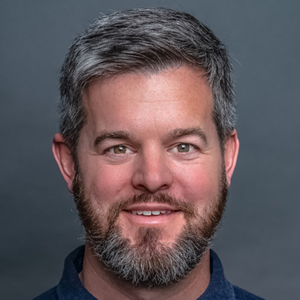
[00:00:55] Ray Latif: Hey everyone, I'm Ray Latif and you're listening to Taste Radio, the top podcast for the food and beverage industry. This is episode 149, which features an interview with Pete Lusko, the founder of groundbreaking brands, Food Should Taste Good and Plant Snacks. Tune in on Friday, February 15th for episode 21 of our Taste Radio Insider Podcast, which includes conversations with Harmless Harvest CEO, Ben Mand and Michelle Simon, the president of the Plant-Based Food Association. Just a reminder to our listeners, if you like what you hear, please share the podcast with friends and colleagues. And of course, we'd love it if you could rate both Taste Radio and Taste Radio Insider on iTunes. It's interesting to think about a time when healthy options for crunchy snacks were bland, flavorless, or sometimes downright disgusting. That's not our reality in 2019. Consumers don't have to make a trade-off between what Taste Good and what's good for you. Pete Lusko was one of a handful of pioneers who paved a path for better-for-you and delicious snacks with Food Should Taste Good, which he launched in 2006. A brand of tortilla chips infused with healthy ingredients like flaxseed and quinoa, Food Should Taste Good was an instant hit among retailers and consumers. And just six years after its market debut, the brand was acquired by General Mills. Five years after the sale, Pete was back at it Plant Snacks, an innovative brand of healthy chips made from cassava flour. In the following interview, I spoke with Pete about his journey as an entrepreneur, including how he created a foundation for success with Food Should Taste Good and why cash will always be king. We also discuss the eventual sale of the company, why he got back into the food business, and what he means when he says he doesn't think about happiness as a goal. Hey folks, it's Ray with Taste Radio, and I'm in Greenwich, Connecticut, and I'm here with Pete Lescoe, the founder of Food Should Taste Good and Plant Snacks. Pete, thank you so much for having me.
[00:02:48] Pete Lescoe: Ray, thanks for having me on. I really appreciate it.
[00:02:50] Ray Latif: Outstanding. When we first started chatting about the podcast, I got to bring this up because you went to Holy Cross, and when you said that, I was like, I used to live like a mile away from Holy Cross in Auburn, Mass. Holy Cross is based in Worcester. Did you enjoy your time in Worcester, Mass?
[00:03:09] Pete Lescoe: I did enjoy my time with Mr. Mast. The group of guys still count as my best friends in the world. I met them all at Holy Cross and we had a great time there and had a lot of great memories since then. So after Holy Cross, I moved to Boston and through my networking, I ended up working for a small startup at the time called Kabloom, which was a startup chain of flower shops. And certainly not the first place I thought I'd work, my first job out of college, but it was a great experience to work in a small company. Did you have an affinity to flowers? Not at the time. You know, my early work there, or really my work there was managing some of the stores, working as a manager, helping to open new stores, etc. So some of the tasks as a store manager of a flower shop is knowing how to arrange flowers, how to care for flowers and care for plants. And I learned all that, you know, through KaBloom. And again, it's just, it was kind of a funny job. It's my least expected career path. But the goal in being there was just to Learn about how a startup grows, the trials and tribulations it goes through, the problems it faces day to day, how it reacts to those, how it fixes those. And so I had a wonderful experience there. I learned a ton of stuff. Yeah, I look back at it finally. My wife still asks me to. create a flower arrangement whenever someone sends us flowers. So she relies on that past experience, I guess.
[00:04:34] Ray Latif: That's really interesting that you're the first person I know who was ever managing a flower shop outside of like the fictional character of Janet in Three's Company. She used to manage a flower shop back in the day. So after Kabloom, I mean, did you work anywhere else? Or was it at that point that you decided to get into entrepreneurship and start your own business?
[00:04:52] Pete Lescoe: Well, part of my thought process leaving Holy Cross is, oh, I have this awesome liberal arts education, I wasn't the best student at. So I don't know if it's really prepared me for anything in the world. So that's a problem. And when I went through that process, I made a decision to try to go back to business school and obtain an MBA. And my goal there was just get more exposure to things like finance, accounting, operations, marketing, because a liberal arts degree has none of that and really prepares you for none of that. And so at the time, I kind of narrowed it down to a few schools in the Boston area. One of them was Babson. And so I kind of set my sights on attending there really based on its background in entrepreneurship. And that really led to the thought process of, hey, if I'm going to go back for entrepreneurship or to a school that focuses on entrepreneurship, besides all the accounting and finance things I want to learn, I should go work in small startup companies to build on that background. And that was one of the reasons I chose Kabloom. So did you end up going to Babson? I did. So I worked at Kabloom for about a year. I made it through really my first Valentine's Day in a flower shop, which is really like. Tell me about it. One of the craziest retail days I think I've ever experienced.
[00:06:11] Ray Latif: That's like, you know, if you own a costume store, it's like the day before Halloween or at least that week. It's got to be insane.
[00:06:19] Pete Lescoe: I think it's even crazier because all it is is men coming in to buy flowers, either out of happiness or passion or guilt or whatever, right? So you have a combination of orders that are placed ahead of time. And then you have a whole bunch of orders that happen in as a walk-in day of thing. And I remember the end of the, that day, we'll say it's around four or 5 p.m. We started to get calls cause there was some problems with deliveries and whatnot. And you know, one gentleman was on the phone and was so threatening and upset. I was started like, I got nervous. This guy's going to come in. He's threatening to come in. Like this is going to be crazy. Oh no. So try to settle this problem. Try to work it all out. Get off the phone. Still bringing up tons of customers. And then literally like an hour later, like this giant giant of a man comes in and he's like, he's red and he's looks furious and he's arrogant. I'm like, Oh my God. I have to go in the back. This is the guy I'm toast. Thankfully he was just there for flowers. It wasn't the angry man from the phone. I survived the day, but it was crazy. Valentine's day on flower shop. I have a lot of respect for people working there.
[00:07:31] Ray Latif: In Valentine's Day, I mean, how often do you look back at that and say, well, that's not what I want to do anymore. I never want to put myself in a position where I'm going to face potentially an angry giant of a man who's going to come and rip my head off.
[00:07:43] Pete Lescoe: Well, I think that I got to a point where I felt like I learned enough about small business kind of startups, opening shops and everything. And I just had a lifestyle decision that, you know, retail hours of working, you know, some weekends and, you know, late shifts or early shifts. You know, I was in my early 20s. I wanted to hang out with my friends and kind of made a decision, like, I need to move on, get another job. So I actually just kind of quit at the consternation of my parents. that summer I kicked around, I caddied at the country club in Brookline, the country club, the country club, TCC, TCC. So I caddied, golfed. And then I found a position with a food broker in Natick mass deli dynamics. And I worked there for the next year. They knew I was applying to Babson. And if I got in, my goal was to go. And so I worked there, learned a ton of stuff about called CPG from a broker's perspective, you know, working with brands and working with retailers, applied to Babson, took the GMAT, you know, got accepted. So I left the broker the next summer, caddied, and then started my MBA program in the fall of 2001.
[00:08:55] Ray Latif: I often thought about going back to get my MBA because I graduated from BU a few years ago. And I always wondered, I was like, what is my MBA going to do for me? Unless I want to go back and teach or, I don't know, be an accountant or something like that. In getting your degree or getting your concentration in entrepreneurship, what were you expecting out of that? Because I always wonder, I mean, did it really benefit you or like did just the sort of rough and tumble world of being your own boss really get you going?
[00:09:27] Pete Lescoe: You know, that's a great question. I don't think anything really can fully prepare you for being your own boss or starting your own business. But Babson certainly helped me. I think there's plenty of examples where people don't even finish high school or college or a graduate degree and are hugely successful. So it's certainly not necessary in every case or something that everybody needs to do. But for me, at least, it was really helpful. What it did is expose me to A lot of areas of business, again, accounting, finance, marketing, operations, and how all these areas tie together, you know, for good and bad and the problems that come from that. And I think without it, without sort of the holistic process that Babson puts you through and teaches, I think I definitely would have been less able or less capable when I started my business. Again, it's not that they taught me any concrete skills, but they exposed me to so much that when I saw business problems or tasks that I had to complete launching Taste Good and other brands I've worked in, I was prepared for it. It's kind of like first time you go to a new place, you know, new destination, everything visually is new to you and you're learning it. And the second time you go, it's easier to find. You know, the third time you go, you don't need to look at the map, right? The fourth time you go, you can tell someone how to get there. And I think Babson, for me, really sped up the process of getting me familiar with a lot of things I hadn't been through either Holy Cross or my work experience.
[00:11:05] Ray Latif: When you were planning out a potential brand or potential business to get into? Was food your first choice? Or were you thinking about perhaps opening, you know, Pete's flower shop or chain of shops or something outside of the food industry?
[00:11:20] Pete Lescoe: You know, as part of the application process at Babson, they ask you to submit a couple new business or startup ideas. And I remember submitting those and then thinking, hey, I'm just going to spend the next two years learning about these, researching these and researching other things. After I spent my two years there, you know, I look back at my tiny or my short career and thinking about things I learned, things I'd done, which had been like kind of retail and food. And kind of prior to that in high school Babson College, I worked in kind of retail and small food businesses. And so that was my background. And at Babson, I did some consulting work, you know, as class credit for Procter & Gamble and Gillette, again, CPG stuff. And leaving, I was like, Hey, I want to, I want to be in CPG. You know, again, I like this. I like brands. I've worked in different retailers, call it my whole life. I've worked for a food broker. I've done some work for the brands, but the brands are, creating value. You know, you can start a new brand and grow it and create some of the value in five, 10 or 25 years. If you and I wanted to start a new retailer, we could certainly do that. But the start of expense to that is extraordinary. And I saw like launching a new brand or launching a new product for consumers, something I could ideate and dream up and do, but also I could afford to do. And that's what led me back to packaged goods and trying to create a brand.
[00:12:52] Ray Latif: It's really interesting to hear you talk about how it was something you could afford to do. What was your approach to risk management and the risk of starting your own business? You know, what factors did you take into consideration pre-launch?
[00:13:05] Pete Lescoe: There's many answers to that question.
[00:13:07] Ray Latif: And what kind of consternation did your parents have with this move?
[00:13:12] Pete Lescoe: So, well, after Babson, I went and worked in a small snack business that was licensing collegiate trademarks and IP to sell college branded snacks and food items. This was based in Boston? It was based in Connecticut. Okay. And so I worked in that business for a little bit and learned a lot about snacks, about the retail sales process, learned a lot about, you know, doing the graphic design and working with designers to do packaging, getting packaging printed, etc. And it was during that time that really the concept The kind of the risk management I'd talk about where I just, that worked for me was I had a job, right? And I had income and I was doing some, you know, a bunch of random projects and consulting and some food brokerage work. So I had income coming in to support myself while I worked on Food Taste Good on the side. And as I worked on Food Taste Good on the side, I narrowed down the problems or risks associated with the business till I got to a point where I said, hey, all I need to do now is get some money to buy the packaging. I have the design done. I have the recipes done. I have retailers who want to buy the product. The only thing missing in this equation is the product. itself physically.
[00:14:32] Ray Latif: How do you get retailers to sign on before you had the product itself?
[00:14:36] Pete Lescoe: I had some retail relationships here in New England and during the design of the product and the recipes and the packaging, I'd bring them on sales calls with me and sort of take care of my primary business and then, hey, this is something I'm working on the side. What do you think? Or I'd make a sales call, you know, separately to a friendly buyer or just send samples and ask for feedback. Were these small independent retailers? Were these chains? These are chains like Big Y, Stop and Shop.
[00:15:10] Ray Latif: It was a good context to have.
[00:15:12] Pete Lescoe: Yeah, certainly.
[00:15:14] SPEAKER_??: And so
[00:15:14] Pete Lescoe: Again, I got to that point where, you know, there's no hard commitments anywhere, right, in this business. But the buyers I was talking to were bullish enough and interested enough in the product. I had the co-packing and the recipes worked out. I had the packaging designed. All I needed to do was print it and sell it. for the first time. So, I borrowed $50,000 from family, and I think my first packaging run probably cost, I don't know, $20,000 or $25,000, $26,000.
[00:15:48] Ray Latif: To be clear, when you say packaging, you're talking about the entire product, not just the packaging itself.
[00:15:53] Pete Lescoe: No, so between the packaging plates and the actual film, some of that design, I think I bought like $26,000 of packaging. Okay. You know, just the film itself, the bag.
[00:16:04] Ray Latif: How many bags is that?
[00:16:05] Pete Lescoe: Well, at the top of my head, it was probably 150,000, something like that. I can't remember.
[00:16:11] Ray Latif: When you're printing these out, you got to think, well, I have to sell 150,000 bags.
[00:16:16] Pete Lescoe: Yeah. I mean, at that point, I was, you know, my thought was if I can't sell this, like I'm not much of a salesperson, right? But, and it was also, if I burn this money up and lose it, it's not that much money and I'll be able to pay my family back someday. So the risk there felt pretty small as well.
[00:16:36] Ray Latif: In the big scheme of things, you're talking about $50,000 is not the end of the world if you lose your shirt. And I mean, I think that's a pretty mature thing to say when you're in your 20s, because $50,000 when you're in your 20s might sound like a heck of a lot of money.
[00:16:49] Pete Lescoe: Yeah. I think I had, I mean, beyond that, I probably had $150,000 in loans for Babson, 120,000, 25, a lot.
[00:16:59] Ray Latif: Yeah.
[00:17:00] Pete Lescoe: So, you know, you're staring at that going, oh, well, how do I lower that payment? Like, I think I deferred as many loans as I could and, you know, combine them, got the lowest interest rates on it, you know, et cetera, et cetera. But again, when I thought about my career and, you know, I was still only in my mid twenties, Hey, like I know I'm going to pay my school loan back. Right. Committed to it. I'm going to assume I'm going to have the earning power to do it someday. So throwing $50,000 on top of that didn't feel like too risky, I guess.
[00:17:32] Ray Latif: So you ended up selling that first package in 2006.
[00:17:37] Pete Lescoe: So let me think back. Yeah. 2006. My first PO was to big Y. I think it was, I'm not going to get the exact date, right. But it was actually like February. I want to say 21st. I have the PO somewhere saved it. And I remember I was like, was also a huge order. you know, because they, you know, put some displays up for me and we did a sampling program. I did a lot to support the sales early on. After that, I brought on Whole Foods in the North Atlantic region and they were an awesome partner to work with and helped me a lot, not just in that first year, but in the early years and forward. Stu Leonard's is another awesome win early on.
[00:18:19] Ray Latif: These are interesting. You're talking about a conventional retailer, a natural retailer, and a specialty retailer in Big Y, Whole Foods, and Stu Leonard's. Was the sales process pretty similar for what you were doing, or did you have to really cater your pitch to each one differently?
[00:18:36] Pete Lescoe: Yeah, the pitch is certainly different. You know, I didn't have any contacts at Whole Foods. My brother, who's also in the food industry and works for Dean Foods at the time, one of his customers was Whole Foods or maybe one of his former customers, but he knew some of the people there, you know, just gave me their phone numbers and emails. I took that. I sent them samples blindly. I followed up. The buyer there, I think pretty quickly called me back and emailed me back, kind of yelled at me for avoiding the new product process, which I had no idea about or that they actually had, but she really liked the products and they brought it in to their warehouse, I think in Cheshire, Connecticut directly and really supported the product and supported me and they were great. Stu Leonard's, again, I think I just called one of the stores and went in and asked like, who do I talk to? This is my product, so on and so forth. And I got the name of the buyer. He called me, asked me what my price was. We negotiated some trade spending deals and demo support that I had to do. And he placed an order. I think at the time I was pretty fortunate that one, the product Taste Good. I think the packaging was beautiful. And there wasn't a ton of new innovation called natural snacks. And so the buyers are pretty accessible and pretty excited to see something new coming in. And I'm sure there's a fair amount of luck with that as well.
[00:20:02] Ray Latif: Sure. We always hear that luck is what the intersection of preparation and timing, something to that effect.
[00:20:09] Food Should: It sounds right. Sounds good. Yeah.
[00:20:28] Ray Latif: Now we haven't even talked about the product itself. And when I told my wife I was coming out here, she's like, Oh, what's in Greenwich? I said, Oh, I'm meeting with the founder of food to Taste Good. She's like, Oh, those great tortilla chips. Can you bring some back? I'm like, you know, Pete sold the company, but we can go buy some anywhere in America at this point. What made your product so different at the time? I mean, why was it such a hit?
[00:20:50] Pete Lescoe: So the initial and kind of a-ha point of difference is that the flavor from our chips was coming from all the inclusions in the product. And our big sales pitch and push with retailers and consumers is, hey, you can, you know, pick up a chip and have, you know, orange flavor dust all over your fingers, or you can pick up our chip and the flavor is mixed in much like a cookie or ice cream or a cake would be. It's ingredients you can see, you understand what they are when you read the back of the package. They're more healthful ingredients compared to snacks at the time. And again, I think that inclusion style of production was a huge point difference and really what we sold our product on.
[00:21:35] Ray Latif: Were customers receptive to, it sounded like retailers were receptive to your idea and the brand itself. Were customers as receptive early on?
[00:21:44] Pete Lescoe: Uh, they were, they were very receptive, very enthusiastic, very positive.
[00:21:50] Ray Latif: And this is still, as you mentioned, relatively early into the healthier snacks category or the formation of that segment of the category.
[00:21:59] Pete Lescoe: So when I started the brand and went after the trademark for Food Should Taste Good, you know, my goal was to start in snacks and eventually move into other categories. and say, hey, I'm going to make the best tasting, most decadent, richest product in every category. But I'm starting with these two flavors, multigrain and jalapeno and tortilla chips. And literally within the first few months and that first year, consumers were writing to me and say, hey, thanks for making this. I'm buying this for my husband. I'm buying this for my children. I'm buying this for myself. This is such a healthy alternative to other snacks we've been buying. Thank you so much. And it kind of struck me like, hey, I created this product and we'll call it seedling of this brand and what people are really responding to and what they're really interested in is like the health profile here as it compares to other products. And I wasn't necessarily like out to create this healthiest product or health food or health snack brand. I just want to make something that Taste Good. per the name of your brand. And per the name of the brand and had like normal, natural, clean ingredients. And it was really consumers that guided us and taught us that, hey, you've created something that really fits my goals for healthier eating and for my family and so on and so forth. They were very receptive that first year and they always were. Across retail channels. Across retail channels. You know, one of the most exhausting things I had to do in like that first year was answer consumer emails. And that's probably, I sound spoiled, but I'd get up in the morning, I'd start working, you know, in my apartment. I might have to go send samples out or go to the plant, go to a customer, but then I'd always go back to my apartment and to the office I had upstairs there. and do whatever I was working on, right? And then at the end of the day, I'd go, okay, like I got five consumer emails today, I have to answer them. And like a big thing for me, I was like, I'm gonna answer everyone. If you took the time to write in, I'm gonna at least give you the time back to respond. And so eventually I would answer like 10, 15, 20 messages a night and it became such a big part of the job. Not that it was a drag, but it would really suck up a lot of time in the afternoon and the evening. And if I wrote, you know, our, just our correspondence for this meeting and this podcast today, we probably had a dozen, dozen and a half emails go back and forth between us. Right. So with the consumer, if they write in and ask you about an ingredient and I give them an answer, they wrote right back again. So some of these email chains that have with people would go on like for six or eight or 10 emails. And you add that into all the new incoming stuff. And it was, it was, it was a lot, but it was awesome. It was great to talk to people and learn more about the brand and, You know, when you're working alone in a business and you're trying to figure out, am I doing the right thing? Am I going to lose my shirt or am I going to be successful? It was, you know, inspiring and rewarding and like empowering to read these emails. And man, like not only is the business doing well financially, but it's doing really well with consumers and like, they're really positive about it and making something good. And it's something we kept all the way through the end is we answered everybody that wrote in and we had a big customer service team eventually that was responsible because the volume of incoming traffic was huge and people had compliments or complaints and we answered everything.
[00:25:32] Ray Latif: So you were at your apartment, answering emails by yourself, working on a business by yourself. At what point did you quit your other job and put all your emphasis and time into Food Should Taste Good?
[00:25:43] Pete Lescoe: So the transition from my other work into Food Should Taste Good was pretty seamless side, you know, that other business that was working on the licensing that, um, it sort of ended. Um, and at that point I was working on future taste and just the launch of it. I was only doing some private label brokerage of my own that was easy to manage on the side while putting the majority of my effort behind food to Taste Good and brokering a private label item. There's definitely a lot of work and a lot of energy that goes into the setup of the product and like you know, first production and then getting into a, you know, into the distributor in the stores and then tweaking whatever needs to be done. But then it gets up onto, you know, some level of autopilot. And at that point, not that the checks roll in, but like, you know, money would flow in, I would spend a little bit of time managing that. And then I had a lot of time to work on food Taste Good. And when I say money would flow in, I think for my private label brokerage work, I was making a couple thousand dollars a month, $1,500 a month, enough to pay for my rent. you know, kind of live off some of my savings.
[00:26:47] Ray Latif: But at least you had that money coming in.
[00:26:48] Pete Lescoe: Yeah, at least I had some cash flow coming in to support myself and, you know, provide that minimum base for me to really pursue the food that Taste Good.
[00:26:58] Ray Latif: I want to talk about cash flow because I know that's an important issue to you and, you know, a big piece of your advice to early stage entrepreneurs. I did have a question I forgot to ask you, which was, when you came up with the brand name, Fuji Taste Good, was there anything else that didn't make the cut?
[00:27:14] Pete Lescoe: Yeah, there was a lot of names that didn't make the cut. I think, you know, I had some pretty exhaustive lists of coming up with call them just sort of natural sounding names, like some variation of Valley or Barn or Stream or Country or Red or Green, and just really generic sounding naturalish names. You know, I think also with Fujitaseco, there was a bunch of variants off of that, that And I probably walked around for a few weeks just muttering them in my sleep and walking around town and trying to figure out what would work and what wouldn't work and what I personally like and what did family, friends, and some buyers think and so on. So yeah, there's definitely a lot of names that didn't make the cut. Well, better straightforward sometimes, right? Yeah, for sure.
[00:28:09] Ray Latif: When we talked before actually recording this podcast, you had mentioned cashflow a number of times and how it was so critical to the first couple of years of your business.
[00:28:21] Pete Lescoe: So one of my memorable professors from Babson, Steve Spinelli, in his class would yell at us, cash is king. Literally cash is king in a business. It's everything. It's the lifeblood of that business.
[00:28:34] Ray Latif: It's not raising money every six months.
[00:28:36] Pete Lescoe: Yeah, it's not. Not raising money every six months, not raising money over 12 months or every two years or not raising money at a huge valuation. It's having that business actually produce cash flow through operations. And so the start of food to Taste Good, as I described a little bit about myself, you know, living off those brokerage dollars. I had built my P&L, I had built some basic spreadsheets around the cost of the product. I had priced it and sized it so I could hit a $299 price point at the time to try to gain trial and everything. And that flowed through to nice economics for that bag or that case of chips. And with very little overhead, Really, I don't want to call it, I hesitate to call it overhead. It's a variable cost as the packaging was like my major cost, right? You know, I didn't have a marketing team. I didn't have employees. I don't even think I had health insurance or I had like a very basic, you know, plan, but literally no expenses. How long were you on your own? So, from that first PO in February 2006, I went really for the next almost year and a quarter, year and a half, before I started bringing on employees. So, the business on its own and its unit economics were, you know, gonna produce profit, right? But in working with my co-packer and working with my customers, you know, my terms for the chips were net 30, right? And all with all my retailers, I would go and, you know, try to get net 10 or net 12 days. And what they'd eventually offer is like a 2%, you know, 10 and net 30 terms. And while I would have griped or had a problem, you know, with them taking that cut off the top, like I was certainly happy to give it my 2% to get my money in 10 days. Cause then I've got the full cost of my PO, you know, in the bank, I don't have to pay my copacker for another 15 or 20 days, et cetera, et cetera. So having that positive cashflow and that positive working capital balance in my favor, literally I couldn't I couldn't run out of money as long as my sales were growing and I managed my expenses. Like the more I sold, the more cash was in. Right.
[00:30:48] Ray Latif: I've never heard that before. I never ran out of money in all the times we've done this. It's always like we ran out of money. We were freaking out. Here's what we did to solve the situation. But you made sure it sounds like that you couldn't run out of money.
[00:31:03] Pete Lescoe: Yeah, that's right.
[00:31:04] Ray Latif: That's amazing.
[00:31:04] Pete Lescoe: Yeah.
[00:31:05] Ray Latif: Yeah. That's really good advice. Don't run out of money.
[00:31:07] Pete Lescoe: Don't run out of money. Try to set up your You know, your business and your payment terms or things like that in such a way that you're not going to run out of money. Set your expenses up in such a way that you're not going to run out of money. It sounds simple, but it's not, I guess. Call me an amateur or, you know, a newbie at that point. None of this was terribly planned or thought of in advance. But it would just be kind of this kind of organic, beautiful thing that, oh man, like, okay, my plant's going to give me net 30 days. That's pretty nice, like, and generous because I'm small and they know it's just me.
[00:31:42] Ray Latif: And when you say net 30 days, that means to pay them.
[00:31:45] Pete Lescoe: Pay them 30 days from the time I take ownership of the product. And so then, you know, I would ship a truck of product to Whole Foods or to Big Y or whatever the pallets were to Stu Leonard's or any customer. And, um, you know, I'd get paid in 10 days. And so I didn't have to put cash in the business to support, you know, that working capital imbalance. Like I always had the cash in the business first.
[00:32:09] Ray Latif: This was with almost no marketing either.
[00:32:12] Pete Lescoe: No marketing. The only marketing I had was the product and the product on the shelf. So if you have a great product, it literally sells itself. You know, I have a really close friend who, you know, still laughs at me and says the number one rule of marketing is have a good product.
[00:32:26] Ray Latif: I don't have a great product. I think that's not necessarily funny. That's, that's the truth, right?
[00:32:30] Pete Lescoe: Yeah. That's yeah. It, I'm sure there's people who say the opposite or have a different view, but I think it was certainly the case with which Taste Good and some other brands I've seen for sure.
[00:32:41] Ray Latif: You said that there wasn't necessarily a well thought out plan for if Food Should Taste Good. But there was something that stuck with me in a presentation you did at a conference that BevNET put on about five years ago. And you said, I was trying to imitate success. What did you mean by that? And how did that provide perhaps that guiding light, that vision for you going forward?
[00:33:03] Pete Lescoe: Even now, or I guess as I think about that quote, you know, the way I was trying to run Fooja Taste Good or the way I was trying to network and learn about the business or improve the businesses, I'm not inventing something completely new, completely magical or different. The place I was in at that time, like someone had been there before, right? And there's people with experience and people with knowledge that, if shared with me, I can then take and try to make my own version of it. And so in trying to imitate success, I guess what I probably meant is something like that, you know, find people who've been there and done that, download from them, whatever you can in terms of how they were successful, and then make that information your own.
[00:33:49] Ray Latif: How'd you find some of those folks, those mentors and advisors? And how did you trust them?
[00:33:54] Pete Lescoe: So, I mean, I'll look at just kind of quickly going through the story of Food Taste Good in 2007. after that really first year of sales or, you know, stub year of sales of like 11 months of sales, like the product and the brand were successful way beyond anything I had planned or had hoped for. And so with actually my dad who was on my board and my early investor and a close family friend, Fred Alper, you know, we kind of put our heads together and said like, holy cow, like you've actually created something successful. Can't believe you did this, you know, congratulations. you're going to get clobbered by some other brand. You know, you really need to think longterm now and make a decision on how do you grow it further? And can you grow it further? The snack category is faddish and it's fast moving and there's large entrance and established players in it. If you don't figure out a plan for the longterm, like you're going to get crushed. And so at that point I started to think like, maybe I should raise money. You know, maybe I should try to hire some people on my own, like start exploring all these different options. Eventually I ended up doing a round of venture capital with Sherbrooke Capital, brought on a couple of the members there to our board. And so we had a board of five and, you know, Sherbrooke at the time had been in a couple other small startup companies and they had some success with growing those brands and harvesting them. And my perspective was, hey, I want to grow this as an asset and grow this business. And here's a group of people who are providing a model for what's been done in the past. You know, let me try to download what they've done, learn from that a little bit, talk to other people in the industry, network as much as I can and find people like this.
[00:35:40] Ray Latif: Before you actually hired some folks, were you outsourcing a lot of the talent that you needed and the help that you needed to do certain things?
[00:35:47] Pete Lescoe: Yeah, so besides being, you know, the guy who wears all the hats and does everything, my manufacturing was, you know, completely managed by my co-packer. My customer service, and by that I mean my logistics and order processing, I was paying, actually the broker I used to work for, I was paying them a brokerage percentage for them to handle that. For my accounting, what I was doing is I'd go to my P.O. box once a week and grab all the invoices and bills and whatever. I'd take them to a local bookkeeper and drop them off and they'd punch everything in the QuickBooks for me and I'd meet with the accountant once a month to clean the books up and kind of close the month. And beyond that, there wasn't much else to outsource. You know, I had a little website built. I was the guy answering everything on it. The friend who built the website for me, he built a form for me so I could like update the website a little bit. So it actually wasn't a whole lot to outsource. But what I did realize is, hey, I'm a team of one, and I'm not at my highest value when I'm answering consumer emails, or I'm going to the PO box, or I'm sitting with an accountant. My highest value is being a salesperson and pushing this product. Beyond that, I had never been a CFO. I had never been head of operations or a COO. You know, I had never been, you know, head of marketing. And again, I was still new at all this. And so my thought was like, I gotta hire these people, right? Like I'm, again, I need someone to support me while I go out and sell. If I can go out and sell and everyone else can support that, then we can grow the business. And really the team that we pulled together at Fuji Taste Good was just as much the reason for the company's success as the product itself. The team was huge, and I give them all the credit. I'm lucky to be here talking to you, and the reason is, hey, I was the founder, and people like to talk about that, but I give all the credit to the team.
[00:37:50] Taste Good: The industry is listening to Taste Radio. Advertising with BevNET gives you control over the message coming through our platform. Visit mediakit.BevNET.com to learn more.
[00:38:04] Ray Latif: Six years after you launched, you sold the company. And everything you've said to me to this point has sounded like you took a very intelligent, disciplined approach to building this business. When you sold the business, I mean, how much of it was a rational decision versus an emotional decision?
[00:38:22] Pete Lescoe: So when I brought on the Venture Capital fundraising round in 2007, and, you know, they joined our board, and they were part of the team to grow the business. Look, every investor and every asset class wants to earn a return, right? And I knew at some point we would go through some transition where this investor would want a return. And our focus wasn't on, you know, daily, it wasn't, we wouldn't come in and go, what's the company worth today? Or can we sell it? It was how we just build the best brand and best product. And if we do all that, you know, good things will happen, right? And that's all we can control. Let's control what's in front of us and whatever happens from the outside world, we'll deal with. When we got to, I guess, 2011, 2012, You know, there was a point in the business where we were, actually I'm not going to get into too much here on the details or the figures, but we were on an incredible trajectory and really looking at getting into new categories and expanding the brand beyond chips. You know, at that point, you know, we went through the acquisition with General Mills. I mean, I guess any decision is always some combination of emotional and rational. And that's a question I guess I really haven't thought about, which was it, you know, in the past. I mean, I think I cried when I told the team that we sold the business, and it was a pretty emotional day and event. Still, when I think about that kind of period of my life and what it was like to go through that, I guess my memory is more emotional than rational because I'd spent so much time in that business and working on it and, you know, working with the team. I don't know. It was pretty amazing at the end of the day. Certainly just rationally and like financially, it was great for everyone on the team. Everybody had equity in our business. And so they all shared in that exit. Our investors did really well. We had created a great brand and a great product, and we had served consumers really well. And so that was reflected in General Mills wanting to buy our brand. They wanted to take that to the next level.
[00:40:33] Ray Latif: Outstanding. It's got to be at the same time amazing and heartbreaking to let go of your brand, to say that I created something, but I'm giving that something away. but you're getting back into this business. You got back into this business with Plant Snacks, a second act, as it were. What made you want to get back into the food industry?
[00:40:54] Pete Lescoe: So after, you know, the exit with General Mills in 2012, I spent a couple of years kicking around in sporting goods and outdoor apparel and, you know, thought I wanted to create a brand in one of those segments because that sort of hobby and passion, you know, kind of many different outdoor pursuits. And after spending that time doing some research into those businesses and talking to suppliers and thinking through supply chain and the finances and design and development, well, the end result of having an apparel company is you have a product, much like you have a product like a bag of chips, how it gets to the consumers. so different than the way a bag of chips gets the consumer. And I decided that, you know, it really wasn't a great category for me to get into because I was going to have to start from zero with learning. And so I decided to turn back towards food and bed. Fast forward a few more years, had a couple different investments. Some went well, some went not so well, but kind of out of the flames of the fire of one of the investments that went south, you know, Plant Snacks born. And really that was a team of us working together and looking at new flowers and new ingredients and trying to create a point of difference in snacking. And from there we started doing a lot of work. See, this is probably back to 2015 with the cassava flour. We began working with some co-packers and we went through numerous iterations. And I think where we are today with the PlantSax product in our line of cassava chips, I'm really pleased with them. I'm really excited about, you know, it's definitely the last year has been a struggle to get to here for sure. And we've learned a lot, certainly made a whole bunch of new mistakes that I hadn't made before. What were some of those mistakes? So we launched with a different kind of set of attributes and a different look. You know, we were really launching this cassava crunch, you know, in the late 2016, early 2017 to try to gain ownership in the snack aisle in cassava as a flower. That's my fault. Packaging was terrible. I think consumers were and are still learning what cassava is.
[00:43:15] Ray Latif: One of those events, those education events that I was referring to in the past, Mike Bergmeier, a well-known investment banker in food and beverage circles, said, never put the ingredient name in your brand name. And cassava, the name of the ingredient, how quickly did you change that?
[00:43:33] Pete Lescoe: So, you know, we had a lot of early distribution in the natural channel and I'm going to have to ask Mike about that because she had told me that sooner. Maybe I should send them my new packaging, my new branding beforehand.
[00:43:45] Ray Latif: Maybe he said that after the fact, maybe he was like, Oh, cause I have a crunch didn't work. Hey, listen up early stage investors. Don't do it. Cause I have a crush. Don't do it.
[00:43:53] Pete Lescoe: And yeah, I would tell people I would just tell people, don't do what I did. I don't know if putting the ingredient in a brand name or in a part of your brand name is good or bad. It just didn't work for us. We had some good early traction. We started off, the product was baked because we were trying to keep the grams of fat down per serving. We went through this crazy situation where our co-packer went bankrupt and we had to scramble to find a new co-packer and change the production process. You know, we survived that, spent a year as, I guess, Cassava Crunch, and then last year decided like, hey, while it has some good early traction and sales and acceptance, like, this isn't a sustainable model right now. And let's review this. And we Plant Snacks as sort of a halo Brad Avery that. And we decided like, you know, with where we want to take this brand and this product like towards plant-based eating and snacking. Let's drop the cassava crunch. Let's focus on the Plant Snacks name. Let's call out this product, you know, directly. And so that's when we change over to Plant Snacks. The market for better for you snacks is certainly and remarkably different than it was when I, when I started Food Taste Good and started selling that in 2006. You know, since our change over to Plant Snacks and our move to be a hundred percent vegan and free of big eight allergens, we did that in March and April of 2018, the products and the Brad Avery like taken off. And so in the veggie chip category, we're number two behind Tara now, and they've been around for 30 years. And so we're, we're beating some brands that are definitely older than us in that category, which I feel great about. And then when you add in the tortilla chip category with the veggie chip category, we're in the top five in terms of sales per point and dollars per TDP. So when you look at us in terms of total distribution, we're still very small and focused and natural and just proving our product and our business there. But our velocities compared to long established brands is awesome. And so I feel really bullish about where the product and the branding and that whole experience is right now.
[00:46:07] Ray Latif: Now, you recently decided to hand off the reins as CEO Plant Snacks to someone else. What was the thinking there?
[00:46:14] Pete Lescoe: So after the really the first year of and again, short and stubbed year Plant Snacks sales as you know, the brand as it is today, and some prior time before that, I feel like I got the brand to a really strong position and place where it is positioned for growth now. We've proven that the product works, that we outperform brands that have been in the category a long time. And as I thought about my time and my energy and my life and things I wanted to work on, I certainly want this to grow because it's an asset and a brand I really believe in. But I was thinking, hey, I want to work on multiple projects right now. And what's the best way for me to achieve that? I'd like to invest in some other food brands. I'd like to work on some other food brands and possibly launch other things. I'd like to spend my time in the food industry, but not just on one brand and one product. And so I thought building out the team further by bringing in a CEO would be the best way to achieve that. So I spent some time thinking through that process and doing some interviewing last year and brought on Dave Eisen. Right at the end of last year, we went through a transition and I feel great about it. Dave's a great guy. He's getting through the first few months of a new brand and new product and learning the category and our customers and a lot of good stuff's happening for us. And so we're excited for this year. We're going to have some great retailers launch. We have great data coming out of some key retailers like Wegmans and Raley's that we had good starts last summer, last fall, but our sales have only continued to strengthen. So I'm really excited about Plant Snacks and about Dave leaning it forward. And again, I think it's been nice to have a senior leader there managing that team so I can focus on my time on, you know, other brands I'd like to work with or invest in or other products and services I want to just research and investigate for future launch.
[00:48:16] Ray Latif: I want to ask you about happiness. I mean, you've achieved a lot as an entrepreneur. You've launched two different brands, been very successful as one, on the road to success with the other. But how do you gauge, how do you assess happiness in your life?
[00:48:32] Pete Lescoe: it's a good question. And I don't have a good answer for it. I don't even let you. So I'm asking you, I'll do my, I'll just say some words and maybe I'll answer it or maybe it won't. You know, I don't think about, I guess, happiness as a goal on how do I become happy or, you know, am I happy? I think what I'm trying to focus on and we'll say in 2019 and beyond is to work on things that, you know, bring me happiness or bring me pleasure or bring me fulfillment. And that's the work side. You know, there's certainly a tremendous like, you know, family side of happiness where, As a new parent and having a couple of kids now, I've certainly spent a lot of time with them. And there's moments where I want to tear my hair out and I feel like I'm at the end of my rope. And then there's moments where you're with your child and you're connecting and there's nothing else in the world at that moment but that connection. And is that happiness? I don't know. Those are really awesome moments. They come and they go like other moments in your life. So happiness kind of comes from everywhere. This is actually a question that I'm thinking about a lot because as my kids grow older, how am I going to teach them? Strive for happiness or just be happy. I don't know. I don't have a good answer for it.
[00:49:53] Ray Latif: Well, it sounds like spending time with your children provides you with a level of contentness that one would define as happiness. So in my life, I think that's true. And when it comes down to balancing business and your personal life, it can be a struggle, I'm sure, because one always bleeds into the other. But maintaining, I guess, a baseline of, today was a good day, is always my approach.
[00:50:20] Pete Lescoe: Yeah, and that totally makes sense. I'm like, man, this should have been my answer. Great answer, right?
[00:50:28] Ray Latif: You know, bouncing ideas off each other and talking about this and talking about this, you know, in the context of business, because business isn't your life, right? I mean, business is a huge part of your life, but it's not everything is really important to reflect on.
[00:50:40] Pete Lescoe: Yeah. And, you know, I'll just go back to the concept of what am I going to teach my kids and, you know, I think business on some level is in everyone's life. You wanna have, I think, I wanna have pleasure in the things that I work on, because I want them to make me happy, or I want the things that I'm hoping to achieve to bring happiness to myself, or to consumers, or really to people all along the, I'll call it the stakeholder chain. You know, as part of that, I mean, I just love the process. You know, I'm researching a new project now, and you know, you have your baseline of knowledge and information, and you're trying to imagine to this future where the situation is different, or you've improved it, or you've got a different product. And getting from that A to B point provides me a ton of pleasure and happiness. And it's certainly at times stressful and frustrating and, you know, I want to quit, you know, I want to charge forward. It's kind of the whole mix in between, but having that I don't know that quest or that search for changing something or doing something new or improving a product or service is exciting. And I think for me, that's what brings, I guess, some level of work happiness to me. And I think like finding that work life balance so that it can do that. makes me, I don't know, more interesting and fun for my family, my wife, my kids, you know, all work and no play makes Jack a dull boy. Is that the saying, right? Something like that. Well, I mean, all play and no work will make you just as dull. Right. And finding that balance for anyone, I think is, is really important. You know, I guess as a human, like I'm just curious and anxious to investigate and learn and do things. And I think that's probably what brings me happiness. Be that trying to be a better father or better husband or, you know, better CEO or better entrepreneur.
[00:52:41] Ray Latif: Well, on this Monday afternoon here in Greenwich, Connecticut, your office, I'm very happy myself to have sat down and talked with you. Sincerely appreciate the time. Sincerely appreciate you sharing your story with our listeners and with me. And I wish you all the success going forward personally and professionally. So thank you so much again.
[00:52:59] Pete Lescoe: You're welcome. I really appreciate your time and this interview and Ray, it's been great. Thank you.
[00:53:07] Ray Latif: That brings us to the end of episode 149. Thank you for listening, and thanks to our guest, Pete Lescoe. You can catch both Taste Radio and Taste Radio Insider on Taste Radio.com, iTunes, Stitcher, Google Play, SoundCloud, and Spotify. As always, for questions, comments, ideas for future podcasts, please send us an email to askatasteradio.com. On behalf of the entire Taste Radio team, thank you for listening, and we'll talk to you next time.