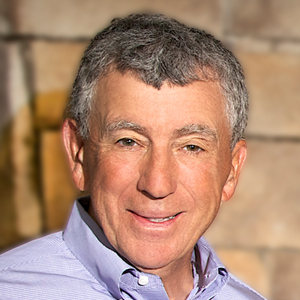
[00:00:10] Ray Latif: Hey folks, thanks for tuning into the Top Podcast for the food and beverage industry Taste Radio. I'm Ray Latif and you're listening to episode 159, which features an interview with beverage industry legend John Bello, who's the co-founder of Sobe and the current chairman of Reed's, the ginger-centric brand of craft sodas. Tune in on Friday, April 26 for episode 21 of our Taste Radio Insider podcast, which includes an interview with a trio of leaders from First Beverage Group, an investment and advisory firm that holds stakes in a number of fast-growing beverage brands, including Essentia and HealthAid Kombucha. Just a reminder to our listeners, if you like what you hear on Taste Radio, please share the podcast with friends and colleagues. Of course, we'd love it if you could review us on iTunes or your listening platform of choice. It's interesting to hear John Bello's current take on Sobe, the lifestyle brand that he co-founded and sold to PepsiCo for nearly $400 million. Already an accomplished marketing executive when he launched Sobe, Bello helped shape the brand's healthy halo and exotic vibe by way of trendy functional ingredients like ginseng and ginkgo biloba infused into its beverages. Today, however, he'll admit that Sobe was selling, in his words, sugar water, packaged and designed for consumers who, today, are far more selective about what they're putting into their bodies. Bellos' admission is part of an intriguing conversation that you're about to hear. In it, he chronicled his long career as a beverage executive and entrepreneur, which begins with college and a stint in the Vietnam War, and includes roles with General Foods and the NFL. He also expounds on the development of Sobe, including early missteps and why timing played a key role in his success, and explains why he joined Reeds as his chairman. Hey folks, it's Ray with Taste Radio. I am in Norwalk, Connecticut, and I am at the headquarters of Reed's. And sitting in front of me is the chairman of the board, John Bello. John, thanks so much for being with me. Happy to be here, man. Chairman of the board, I make you sound like Frank Sinatra. I'd like to do that too.
[00:02:14] John Bello: So you want me to sing a little song for you? Oh, you don't have to do that. I got you under my skin.
[00:02:19] Ray Latif: I know you're a big music guy, but it feels like you're more rock and roll than crooner. True. Eagles, Stones, Beatles, Kinks.
[00:02:29] John Bello: Kinks. That dates me. No, Kinks are great. You really got me, man.
[00:02:34] Ray Latif: I got the reference.
[00:02:35] John Bello: I'm a well-respected man. Oh, keep going. Keep going. A dedicated follower of fashion. So I'm a real kinks guy.
[00:02:42] Ray Latif: Well done. Well done. You're also, as I didn't mention, the founder and creator of Sobe Beverages. A lot of folks know you from that brand. Right. Today I want to talk to you about everything from before Sobe to after Sobe to today here at Reed's. Prior to getting into the food and beverage business, you were in the military. Right.
[00:03:02] John Bello: You were in the Navy. I was in the Navy, affectionately referred to as the Merchant of the Mekong Delta. My career has been a long and winding road. Pretty simple, small town boy from the home of ESPN, which is Plainville, Connecticut. You can figure that one out, but look it up. Went to Tufts University on a Navy ROTC scholarship. I was perhaps the only non-engineer in the group, never learned to use a slide rule, somehow managed to make it through and get commissioned. Don't worry, I don't think anyone knows how to use a slide rule anymore. I still have it if you want. I put it on eBay. Really? I'll look for it. The Navy scholarship really opened a lot of doors for me. First to get into a great school like Tufts where I played football, was in a rock and roll band, did a bunch of things, was in a fraternity. When I signed up, there was a little skirmish in Southeast Asia called Vietnam. Didn't think much about it at the time, but by the time I graduated in 1968, it was a major source of contention. across the campuses and across the country. We were in a war for a long time, never thought I'd see it. When I took my commissioning physical, Basically, I had depth perception problems and color blindness, and I was told that I couldn't qualify either for naval aviation or to be a ship driver, so they said it was either Marine Corps or Supply Corps. So I determined that second lieutenant didn't have a long life to live on the line in 1968, just after the Tet Offensive, and I said, I'm going in the Supply Corps. Meanwhile, all my friends are going to Canada or doing everything they possibly could to avoid the war. It was a real tough time. for young people in a war that I think we lost our perspective on, but I went to school on the military and decided that I thought, you know, I really needed to fulfill my obligation. So I picked the Supply Corps. Lo and behold, a year later, I arrived in Saigon, I was given a flak jacket and an M16, and I'm going, wait a minute, I'm the Supo, man, meaning supplier. So I'm in the rear with the gear. So I did a year in Vietnam War I never got shot at. I didn't shoot anybody. I was supporting river boats. a la apocalypse now, rolling down the river. But at the time I was there, the war was winding down. I spent most of my time really getting involved in a merchandising opportunity that I had on board this little facility, training facility. It was a support facility for riverboats. And we had a little ship store, and one of the benefits of being in Vietnam War coming home with a Sansui tape deck, or a Pentax camera or a Seiko watch. And when I arrived, our little facility was put on hold because we hadn't paid any of our bills. And I petitioned the commander at the Yokosuka Exchange. They opened up the whole store to us and we were shipping stuff in and we created a thing called Womat's Wonderful Warehouse and Butler's Bargain Basement and we had generals flying in from Saigon, landing on our deck to get the latest Creedence tapes and they got an Evita who's hiring Butterfly. It was fun. We had a great time. We used all that money and all the profit we made to have shows and things for the troops, for the sailors. I respectfully earned the title as the Merchant of the Mekong Delta, widely known to everyone, including the Viet Cong, as a place you can go and get Creedence tapes. So it was fun. I had a great time doing that. actually evolved out of Vietnam to become the Navy exchange officer at Moffett Field in California. It was a $15 million multifaceted service and retail operation, which included everything from retail to barber shop, to jewelry, to a nursery school, whole thing, which was also a fun thing for me.
[00:06:59] Ray Latif: Do you feel like, uh, From a leadership perspective, the military supported your professional career in any particular way?
[00:07:06] John Bello: Yeah. I was 25 years old and I was running. $15 million retail operation, multifaceted, I think might have had five or six hundred employees. Fifteen million dollars? Fifteen million dollars. Is that in 1960s or 1970s dollars? 1971. 1971. It was big. Yeah. This was at Moffett Field, which is in Mountain Dew, California. It no longer exists. It's now Google's airbase, but I loved it. I had a great time. You know, we had a lot of civilian employees, and my job was basically to oversee it from a Navy perspective. And it was a wonderful experience. I met great people. I learned a lot about retailing. I learned a lot about selling. I learned a lot about what you had to do to run an operation from inside out. There are two aspects, forward-facing kinds of things, which is you're out there trying to sell whatever you have, but in terms of internal operation as well as managing people. and getting the most out of them and making them feel like they're part of a team. And I think, you know, as I look back on my whole career, which was that, I ran NFL Properties, then I did Sobe and a couple of other things, I think I was best at team building. Because I believe in this business, or in any business, you need to abandon yourself to strengths of others and know what you're good at and where to spend the time and then get other people to do the other kinds of things. And as long as they have a common purpose, you can win. And I've been successful at winning in a lot of things. You know, I've had a couple of flat tires, but you got to throw stuff out there and see how it goes.
[00:08:38] Ray Latif: You mentioned being involved with the NFL. What was one of the things you did a few years after you came back from Vietnam?
[00:08:46] John Bello: Well, I went to the Tufts school at Dartmouth, MBA program, along with my wife, who I met at Tufts. We both went to Tuck School together. Great little story. When I decided to leave the Navy, I decided to apply to business school. And I had met a couple of colleagues at Supply Corps School. One went to Wharton, one went to the Tuck School. I had heard of Wharton and decided to apply there, but I also applied to the Tuck School. So I applied to Wharton, I got on a plane. 1971, I'm walking around Philadelphia with my naval uniform on. Again, not well received by locals, but That worked out and the person that was managing me at Wharton said, you're in. I went back to California, told my wife we were going to go to Philadelphia and as time went on we got a little bit anxious about leaving beautiful California to go back to Philadelphia, Pennsylvania. where Wharton is located. Yeah, exactly. So as time went on, I was having conversations with my handler and I said, hey, you know, I can't really do this in September. I got to do it in January. We talked every day and he kind of encouraged me to come. And then all of a sudden that stopped. And about three weeks later, I get accepted to the Tuck School at Dartmouth. And that felt a lot better to me and my wife in terms of how we would spend our next two or three years. So we got in the car, I resigned from the Navy and drove up to Hanover, New Hampshire. I walk into the admissions office there or the administrative office there and I went into the admissions office and the same guy that admitted me to Wharton admitted me to Tuck School. Dave Evans, great guy, we became fast friends. He asked me if I wanted to work in the admissions office there, and I said, yeah, I'm happy to do it. So as a first year student, I spent time working in admissions and actually going on recruiting trips, interviewing people, actually reading applications. Here I was a first year student, so it was fun. So I read my wife's application. She was more qualified than me, so she started the year after me. So beyond that, I was one of the very few people, I think, at Tuck School at the time that wanted to go into a marketing career. What did most people want to get into at the time? Well, most of them were either consultants or investment bankers back at the time. Sounds about right. I don't think things have changed much. Well, I think it's changed because now people want to go in private equity, which I think is the ultimate private equity or venture capital. That business school is, I think, the ultimate training for that kind of activity. But back then, I just wanted to be a product manager, be involved in making something and then taking it to market. I had a number of job offers. I picked General Foods, a great place to go. I was put in the Maxwell House Division. My wife got a job offer at AMF, and we moved to Westchester County. And we bought a house halfway between AMF and General Foods. And I got a great experience at General Foods in terms of really learning the business and what really drove success. When I started at General Foods, there were three Harvard Business School compatriots or colleagues, and I was from the Tuck School, and they put us through a six-month training program in sales.
[00:12:02] Ray Latif: I thought you were going to say they hazed you because you were from Tuck and they were from wherever.
[00:12:05] John Bello: Well, they couldn't get into Tuck. But the difference was I really took my sales training seriously, and I'd go out every day. I'd work from 8 to 8, and really understood what it really took at retail in terms of consumer marketing, in terms of what the retailers wanted to see and how you could be successful for everybody. Meanwhile, my compatriots from Harvard Business School did everything they could not to get into the field. And ultimately, I was successful and I'm not sure what they're doing today.
[00:12:36] Ray Latif: You were a worker. You wanted to be out there. You wanted to experience business on the ground.
[00:12:41] John Bello: I think you need to interface with your marketplace and ultimately with any consumer kind of product, something you could feel. You have to understand the track, the trade track of how you get it there and what really mattered to retailers, and that's to make some money. So you had to create things that they could understand and that they would dedicate their limited resources to your product, then ultimately create some excitement for the consumer. And I did that for a couple years. I worked on the Maxwell House brand. I worked on Sanka brand. reason that's important was Sanka was a decaffeinated coffee and that was my first exposure to wellness. People would pay more for something that didn't taste that great. We made more money on Sanka. We basically took the worst beans that were available to us, stripped of the caffeine, sold the caffeine to Coke and Pepsi, then went out and charged 10 cents a pound more for it because people needed something that they perceived to be better for them.
[00:13:38] Ray Latif: Now, very, very different dynamic today when people want to know more about not just the quality of the beans, but the sourcing of them.
[00:13:45] John Bello: Well, I think all that's important, but I think at that point in time, wellness was important. It was a trend. I think by the time I got to Sobe, wellness was a cultural shift, and now it's full-blown. This is the way life is in the beverage business if you really want to be, I think, successful. That's why you're seeing Big Soda having issues now. While I was at General Foods working on the Sanka brand, I did a promotion with the NFL. Bill Bishop called me and said, how would you like to go to Super Bowl? And I said, what are you talking about? He said, well, if we buy an ad in the game program for Sanka, you can get some tickets, you can go to Super Bowl, we'll create a promotion around it. And I thought about it from a targeting perspective, Sanka was for old people. old men and women, you know, basically don't want any caffeine. I said, well, how does this work with the NFL, which was a dynamic and exciting. And that's when I kind of learned that, you know, there are aspects of the marketing mix that aren't related to the consumer per se, but to the Salesforce and the retailers and the trade and the NFL worked wonderfully for that. So we put together a great promotion. I got to know the people at the NFL very well. We had a very successful promotion. My wife and I went to the Super Bowl. We had a little daughter, I think it was in New Orleans, against the Broncos and the Cowboys. Good experience. I hung out with the NFL people there as a client. So fast forward, after I left General Foods, I went up the street to Pepsi. And the best part of Pepsi was that it's a very buttoned up, organization, shirt and tie, images, everything. But nobody had control of the brand. You had your marketing people that dealt with the bottlers. That was my job. Then you'd have PR group, then you'd have an advertising agency. And it wasn't a product management situation per se. But the biggest thing that happened to me at Pepsi was I worked on Mountain Dew. Again, that was an electric kind of thing. It was one of the early energy brands before they knew energy. And then I worked on the Pepsi Challenge, which is, you go after your key competition. These are things I learned ultimately that I applied at Sobe, but what really enthralled me about Pepsi was working with the bottlers. And back then, the Pepsi bottling group was really a network of franchise bottlers. who are rugged individualists, who work very hard to pay the bills every day and go to market in their local market. So I spent a lot of time with them all across the country. It was a great learning experience for me because my job was to get them to sell more concentrate. We just sold concentrate to the bottlers, they created the product.
[00:16:34] General Foods: Guessing your margins? That's risky. Belay Financial gives CPG brands the clarity to scale smarter, faster, stronger. Get your free inventory ebook by texting TASTE to 55123 and start making data work for you.
[00:16:53] Vietnam War: Tune in at the end of this episode for an exclusive interview with Matt Lynn of Belay Solutions. He sits down with Melissa Traverse to break down the biggest inventory and accounting mistakes CPG founders often make. You'll learn how to bring clarity to your numbers so you can scale with confidence.
[00:17:12] Ray Latif: It sounds like the foundation for Sobe was there for the taking. And you had plenty of experience in the beverage industry, just had to have an idea and I guess the guts to do it. And when you did it though, the timing of Sobe was a bit later in your career. If I'm doing the math right, you were about 49 or something? 47. 47.
[00:17:33] John Bello: Yeah, there was an interim experience, which added to the foundation. While at Pepsi, I got a call from a headhunter who was doing a search for me, for a promotion manager, and he said, I have an opportunity for you. And he mentioned the NFL. And I said, what do you mean? He said, well, there's an opportunity at the NFL for a marketing person. I said, are you talking NFL properties? And he said, yes. Apparently, I had made such an impression from my General Foods days that they had a slot there that was open for me. And I told the headhunter, I said, you know, I'm interested in that, but I don't think my wife would let me do it because I love football so much. And it was also New York City, which I didn't kind of want to do. I went home and she said, go check it out. So I went to the NFL offices, NFL properties offices, which was housed in the NFL offices, although it was not technically a part of the NFL commissioner's office. And I met the people there and I looked at the opportunity and it was woefully And I thought I could bring a lot to the party just because I understood the brand so well, because I was a football nut. As a matter of fact, when I was in business school, I wrote to the Washington Redskins and said, I'm an MBA. I want to come work for you. And they wrote back, sorry. We don't take MBAs, and everybody wants to work here. At least they wrote back, right? Well, no, he did, and I have the note. It was from John Kent Cooke, who I later became very friendly with, because that's what I used to do. Once I went to the NFL, I used to hang out with the Redskins all the time, the Hogs, and Joe Gibbs. I just got a nice note from Joe Gibbs the other day. His son died recently. We just have kept in contact and there are a lot of stories that go along. It'll be in the book, you know, the life and times of the Lizard King. But anyway, I took the job at the NFL. It was a $6 million operation at the time in terms of income. And essentially what NFL properties was, we had control of all of the trademarks on a centralized basis. It's called the marketing and commercialization arm of the NFL. Shirts and hats and promotions, et cetera. It was woefully under marketed. Basically, the merchandise piece of it was flame-retarded t-shirts you could buy at Sears. I just took the bull by the horns and we started doing things and I said let's use the Olympics as a model. And the beautiful part of that whole thing was I got to really understand entrepreneurship because the licensees we had, they weren't big companies. It wasn't Nike. It was a small company like Starter, which started, I don't know if you've ever heard of Starter Sportswear. Sure, sure. We just interviewed the son of Beckerman, Brad Beckerman. David Beckerman came in and said, I can't get a license here. And this is when I just started taking over. I said, why? He said, because, you know, we have these deals with Kelwood, which is part of Sears and some, I went out with him and I said, look, you give us a hundred thousand dollars in advance. We'll put the NFL shield on the, on the garment and we'll give some to the coaches. We went out and talked to all the coaches and said, how would you like this jacket designed? And the different coaches had different ideas, but basically, you know, we gave them, a chance to input on something that they could wear. And then we made the jackets and gave them to them. They put it on TV and the business exploded. We ended up doing Zubaz and shirts and hats and all kinds of, it just got out of control. The whole business, by the time I left in 1993, It was a $3 billion or $4 billion business at retail. A lot of things went into that. There were 350 licensees, all of whom, again, were rugged individualists, and I admired them. They were getting rich, and I wasn't. I was a nickel millionaire, and ultimately, I didn't want to you know, retire, write in licenses, and a lot of politics came into play. As we started making much more money, we became a lot more important to the various teams and the league, and they wanted more control, and there was a power struggle between the owner that managed us, supervised us, Norman Braman, and the owner of the Dallas Cowboys, Jerry Jones, and some of the other teams who were paying more and more money for their teams, and they wanted control of everything, so I decided time to leave and go off and do my thing. That was when I was 45 or 46 years old and I realized that there was an opportunity out there and since I pretty much was terminally unemployable, decided to start my own thing.
[00:22:01] Ray Latif: Well, it's funny, I just read a quote about entrepreneurship and the thing that entrepreneurs do better than anybody else is mitigate risk. It's a big word, mitigate. It is a big word. Yeah, it's one of the lawyer words that you don't like.
[00:22:13] John Bello: After I left the NFL, basically, I had some money in the bank. I had this vast network of people I had worked with and made a lot of money for, including the league. I didn't have a lot of money. I did okay. I was okay. As I looked around, I had a friend who was working at, who I had met at Pepsi, who went on to work at Arizona, and when you think about a category that, when you look at it, is totally full with Coke and Pepsi dominating, how can you ever break in? I just looked at what Arizona had done, what Snapple had done, what clearly Canadian had done, and some upstarts. It appeared to me that this was a, a designer industry, that if you had something exciting, new, and different, you could penetrate the marketplace and have some success. So I decided that I was going to give a shot at the beverage business. Actually, I did some consulting work for Arizona for my friend Mike Schott. And I had a lot of ideas that I presented to Don Viltaggio. You were the VP of marketing for Arizona for a time, right? I was VP of marketing, but it was, it was a very short lived because Don Viltaggio, God bless him. I learned a lot from him, good, bad, and ugly. He didn't like fancy marketing guys. And that's what I was.
[00:23:31] Ray Latif: Well, that's totally understandable because when we had Don on the podcast a few months back, He had said that only recently have they really started investing seriously in marketing.
[00:23:40] John Bello: I admire what he did, but a lot of the ideas that I gave him were the things I ultimately applied or suggested to him. I ultimately applied to Sobe once it got started.
[00:23:51] Ray Latif: So what did you see as the hole in the market for Sobe?
[00:23:54] John Bello: Well, I, and I still see it today, a concept called healthy hedonism. I thought there was an opportunity to create lifestyle brand around South Beach in Florida which is an exciting area if you ever go down there it was just a really a whole lifestyle thing and had a the Art Deco personality and a lot of that was built into the product line that I created originally called South Beach with my partner Tom Schwamm. Between Tom and me we had 26 years of beverage experience. He had 24, I had two. But together we made a nice team. He knew a lot about things I didn't know about. This is abandon yourself to other people's strengths, which is the operational side of the business and distribution side of the business. I was Mr. Marketing and sex appeal and all the things that could get people excited. So we worked for a year putting together a marketing plan. behind a product called South Beach. Again, it was to capitalize on what went on in the South Beach area of Florida, which was America's Riviera. Again, a fruit and a tea line, and we put together some products, some concepts, and developed a package. And there were some good things and bad things about what we did after South Beach, as a product concept, failed. didn't work. I learned a lot. We created a bottle that ultimately became the basis of what I think our success was, with the lizard on it. And the lizard came off the facade of a building in South Beach. And this gentleman, Bill Bishop, who I'd worked for at GF, gave me an office in his marketing company, gave me access to all of his marketing help, and as designer help, and as color Xerox, that I used to a fare thee well. All he really wanted was a couple shares of equity in the company we created. I don't think he thought we'd be successful, but he put a roof over our heads. And ultimately, we developed that whole look and feel of a package. The early designs and the early concept of South Beach didn't work. We took a step back. and created Sobe, which is short for South Beach. The lizard was the one thing in our initial product line that was very successful and got people's attention. My daughter, as it happened, took the lizard that was redesigned by Bill Bishop's group and juxtaposed it and came up with the Yang lizard design, which became very famous. I looked at it and Didn't like it at first, but then... Well, she'd be the one buying the product, right? Absolutely. She had it up, and she was in the office, and she had a picture of it over her desk. And Bill's son, Billy Jr., who is now the CEO of Blue Buffalo, took the typeface from Braveheart and created the Sobe logo, and they juxtaposed it, and we put it on a product called Black Tea. because we really needed to reposition what we were doing, because what we had done failed. And we had $2 million invested in it. It was pretty clear to me from December of 95 to March or April of 96, this wasn't going to work, and we had to change what we were doing. So we created this product called Black Tea, and we added the whole 3G concept, which was make it a nutraceutical. Add traces of ginseng, ginkgo, and guarana, which became very popular at the time if you were sensitive to what was really going on. And I used to read magazines like Shape magazine and they would say these things were important. You should take, you know, the whole concept of holistic medicine and vitamins, minerals, and herbs was important in terms of a value add. And this was a step beyond where I was with with Sanka. So we created this thing called Sobe Black Tea. It was very menacing looking, but very cool looking. And the same bottle that we had was South Beach with the lizard around the top. It said healthy refreshment on the bottom. And we had ginseng, ginkgo, and guarana. And in November of 1996, we shipped a trailer load up. I think it was 95 or 96. I can't remember exactly. We shipped a trailer load up to the distributor in New Hampshire. it blew out, created a buzz. At the same time, and this is key in terms of being successful and knowing what's going on in the marketplace. At the same time, Snapple was sold to Quaker Oats, and Quaker Oats basically took all of the bulk volume from grocery stores and tied it into Gatorade and left the distributor network, which is, you know, an eclectic collection of cats and dog distributors with just the up and down the street business. And that was not. well-received by the Snapple distribution network, who remained loyal to Snapple, but since they weren't loyal to them, they said, we got to try something else to fill up our coolers, et cetera, and make up for the lost volume. The timing seemed perfect. Timing was absolutely perfect. That was step number one. So we showed our product in November of 95 or 96. It was 96. And we were at a show. It was a beverage show, and the only thing that was hot at the show was decaffeinated water and Sobe black tea. And it's something with a value add. And we had the value add, and the Snapple guys were there, and they said, we like this, but we don't like that, which was the rest of our South Beach line. So I said, OK. And we went and converted everything in the South Beach line to Energy, Wisdom, and some other names, basically the same flavors. Did the double lizard thing. came up with new combinations of value-added nutraceuticals, like our energy drink was Yohimbi, Guarana, and caffeine. It was cool stuff, you know? Once we got the thing off the ground, we took it out to the West Coast, and I went to see John Lenore in San Diego. He closed the door, and he said, I want to invest in this company. Large independent distributor in San Diego. Yeah, big distributor. And he said, and I'll help you. And I'll help you get distribution up and down the coast. He said, this is the best idea I've seen. We did that. He invested $300,000 in the business. He ultimately made 13 or 14 million, but basically introduced it up and down the coast. And at the same time, Arizona decided to abandon its beer network in the LA area and in Northern California to go to Dr. Pepper. And that created a big void in that beer network's volume from what they had in Arizona. So they took us in. In fact, one of the distributors there, Budweiser distributor in Pomona, put a million dollars in the business and made $30 million for his family. So two key timing points. We had a great, exciting, new and different brand. And we had opportunities in the marketplace, in the space that helped us get beyond some of the headwinds that most people will experience. And that's a distribution opportunity. So we had great distribution with Snapple distributors in the Northeast and a beer network in Southern and Northern California, and we actually tied into somebody up in Seattle, which was a master broker, and the brand exploded. It went from $2 million to $13 million to $69 million to $139 million to $270 million.
[00:31:24] Vietnam War: and then we sold it. Scaling a beverage brand into major retail comes down to operational readiness. From packaging lead times to co-manufacturing strategy, the details can make or break a launch. In a new e-book in collaboration with Octopi and Asahi Beer USA, industry leaders share what they've learned in helping brands scale. Download it now at Taste Radio.com slash octopi. Do you need to scale your team faster without compromising on talent? Join Oceans for a live webinar on April 20th and learn how leading companies are hiring top global professionals who are ready to grow with your business. Register for the webinar now at Taste Radio.com slash oceans. That's Taste Radio.com slash oceans.
[00:32:37] Ray Latif: Now getting on shelf, getting distribution, you know, critical for any brand, you got to get the end consumer to want to buy the product and buy it consistently. I want to go back to this concept that you talked about called healthy hedonism and why you think it still applies to today.
[00:32:52] John Bello: I mean, the whole concept of healthy hedonism didn't exactly work for our original concept of South Beach. The whole hedonism part was, you know, what went on down at South Beach, naked young women on rollerblades kind of thing, you know, and the whole nightclub culture down there. What really did work was the wellness cultural shift and the fact that we were adding value for a broader marketing target. I mean, we really, we marketed to young people because it had the theme, it had some excitement, had sex appeal, we tied in with Bode Miller, John Daly, and the X Games. We did exciting things, putting buses on the road. These are some of the suggestions that I had made to Don that he rejected. But there was also a user base that liked the fact that there was Jensen, Ginkgo, and Grana. And almost every week on every show, lifestyle show, they would be talking about something new that could make you smarter, stronger, skinnier, and sexier. And that's what we kind of promoted. The reality was we were sugar water. all natural sugar water in most cases, but we were sugar water. And we had the force for the young people that were excited about the brand. We had that fourth dimension of the whole lizard thing, the fun stuff we did with Under the Crown promotions. But we also had a user base that really felt that what they were drinking there was better than the alternatives.
[00:34:19] Ray Latif: But to your point earlier, I mean, some of these claims are just claims versus having an actual functional benefit or efficacy.
[00:34:27] John Bello: Yeah, well, that gets into why I'm here. OK, great. Because I think because I think, well, first of all, you know, Ginger. to me really is a functional product. It has a lot of health benefits. People don't realize to what degree those are health benefits unless you're really into it. I mean there are a lot of aspects that ginger helps and we'll get into that in a minute but when I was introduced to this opportunity, Reed's was in trouble from a business standpoint. Chris Reed had created a great product with Ginger. He bought Virgil's and added that to his line. And you take a step back, what you're basically dealing with in the business we have now are two platforms. One, a craft soda, all-natural craft soda. and ginger beer, which is real ginger. Last year, not sure I'm accurate on this quote, but ginger ale grew by 11% where everything else was pretty much flat. And that tells you that people want to buy into something they feel is better, and they're willing to do things they wouldn't otherwise do to get some of that ginger impact. So it turns out there's really no ginger in most of the ginger ales out there, and we're taking advantage of that. Meanwhile, we're the only beverage out there, even with other ginger beers, and there are a number of them, and that whole category has grown that really has ginger in it, and lots of it. Ginger was one of those ingredients that really does have a functional use and is truly a therapeutic kind of product that I was basically always promoting in Sobe, which was always a whiff of something. It was more psychosomatic.
[00:36:04] Ray Latif: It's almost like built-in functionality versus added functionality, is what you're saying?
[00:36:09] John Bello: Well, you have to add it. You've got to create a product with it. With most of the stuff that's out there, they can put in ginseng. They can put a lot of stuff in, but it's never going to be enough.
[00:36:16] Ray Latif: But there's no ginseng beer, for example. There's a ginger beer. There's a ginger ale. So inherently, the ginger that you're talking about is going to be better for you.
[00:36:23] John Bello: Ginger has a halo. There's a myth around that it's what your mom gave you when you had an upset stomach. And the growth in the category, I think, also showed that people were going to it as an alternative to other things they might be drinking. And since we had the real thing, I thought it was a great marketing platform. We just need to kind of elevate it. And that's kind of where we are today. I think we've done a great job of doing it. So I agreed to jump in. I didn't realize the company was in, it needed a lot of repair and a lot of remedial work. And it's taken us a couple years to do that. And you always start with a great product, which I thought we had. Ultimately, you have to have a platform in order to get enough shelf space and enough presence to make an impact. So there's two aspects of this. There's number one, you've got the public marketplace and building a brand there and creating value for your shareholders, which is the number one opportunity. Then ultimately, if you take a look around the voids that are out there in the big beverage portfolios, Nobody has a ginger beer. And we're really the major player in the United States. There are a few others. There are mixer kinds of things, Cock and Bull, Gosling. And Gosling's done a great job. But it came in from offshore. And Fevertree has done great. Bundaberg has done great. But we're really the American brand. In terms of a portfolio, once you get critical mass, I think we will have interest from some of the major players out there.
[00:37:57] Ray Latif: So if you're an entrepreneur considering getting in the food or beverage business, how much of your strategy, your initial business plan should incorporate this notion of, well, there is a CPG giant out there that doesn't have this type of product, that doesn't have this type of ingredient in their portfolio. Should you consider these things from an early stage? Should you consider the potential for an exit at an early stage?
[00:38:24] John Bello: I don't have long to go. Is that you per se, John? When people come to me, what do you need? You need a great product, a great team, and about $50 million. You look at some of the brands out there, including Body Armor, and how much money they've spent. My view is you need a brand that has explosive marketing characteristics. And we haven't had that yet. We're in the process of developing that in terms of pull and consumer engagement. And that's the one thing I think both Reid's and Virgil's have, they've lacked in the past. There's a broad base of distribution. We need to expand that into other channels. Ultimately, we need to get it to a certain critical mass level. Once you get to 50 million, you can get to 100 and then to 150. Then I think you become interesting to some of the big players who need to, who need to have something in that category that they don't otherwise have. And they'd rather buy it than develop it themselves.
[00:39:22] Ray Latif: Sincerely appreciate the time. What a remarkable career you've had. And it seems like there are really great things going on here at Reed's. And I wish you the best of luck going forward. So thanks so much again.
[00:39:31] John Bello: You're very welcome. I had a great time. All right.
[00:39:36] Ray Latif: That brings us to the end of episode 159. Thank you for listening, and thanks to our guest, John Bello. You can catch both Taste Radio and Taste Radio Insider on Taste Radio.com, iTunes, Stitcher, Google Play, SoundCloud, and Spotify. As always, for questions, comments, ideas for future podcasts, please send us an email to askattasteradio.com. On behalf of the entire Taste Radio team, thank you for listening, and we'll talk to you next time.
[00:40:12] Mekong Delta: Hello, I am Melissa Traverse here for the Taste Radio podcast, talking about some of the biggest tension points that CPG brands and founders face when they're scaling a brand, and those are financial accounting and inventory management. I am joined by Matt Lynn, inventory accounting guru from Belay Solutions, and he is going to shed some light on all of this that is going to help everybody out quite a bit. Matt, thank you so much for joining us today.
[00:40:42] Maxwell House: Thank you for having us, Melissa. It's great to be out here at Expo West and it's great to sit down and be able to chat this because it's kind of a passion project of ours, working mainly with CPG brands and hoping to help them scale.
[00:40:54] Mekong Delta: It's been such a pleasure chatting with you and the team and learning all about what you do over there at Belay Solutions. Can you tell us a little bit about yourself and what your role is and the kinds of solutions that Belay gives to CPG brands and founders?
[00:41:10] Maxwell House: Yeah, absolutely. My role with Belay, I'm actually our inventory accounting manager. I run our inventory department, so we work with CPG brands, taking them from spreadsheets, putting them on inventory management systems, and really helping connect their tech stack between their sales online marketplaces to that inventory management system, even down to their financial systems like QuickBooks. Belay overall is kind of an outsourced accounting firm. And with that, we're helping teams. We have different levels with bookkeeping, controller level work, even high level into CFO type items. So we really help those brands in any way that they need financially. And then I just have a subset of a department where we're really just laser focused on inventory.
[00:41:53] Mekong Delta: It's certainly a complex topic and there are plenty of places to go wrong. Let's start by going right and start super simple. Can you tell us what some of the biggest red flags are that would help a founder understand or, you know, the person running a brand understand that it really is time to get some help with some of these areas?
[00:42:13] Maxwell House: Yeah, absolutely. I think some of the early red flags is just everything is chaos. So when they're looking in their financial software, maybe they don't really have an accounting background, and they're kind of just piecing it together and doing their best. And what they'll see is that reconciliations take forever, if they even happen. They have a lot of transactions that don't get coded, or they just put them into placeholders to just get rid of it so it's not an eyesore. they'll notice they have revenue but no cash or they notice that they have a good amount of cash but their blind spot is really seeing the vendor invoices that are sitting there just needing to be paid and so they just lack that clarity that's going to really be around the corner.
[00:42:50] Mekong Delta: You know, you were talking about one of the red flags that comes up that I think makes so much sense. When somebody asks you what your numbers are and you can't come up with the right number, that's a big problem because that's something that you really should be able to share with decision makers who you're ideally looking to do business with. What should you be able to call up at a moment's notice?
[00:43:15] Maxwell House: really at any time, you should be able to know an accurate margin. It's amazing how many founders we end up talking to that they can tell you their revenue numbers, they can tell you their selling price, and then the minute you start talking about cost or their cost of goods sold, they just get a deer in headlights look. So really it's very hard to tell, am I even making money? or if you don't know your entire landed cost. Maybe you know what the freight cost is, the duties separately, but you're not really getting that as part of your unit cost. So it's really hard to tell. Am I even making money or am I losing money from the very beginning?
[00:43:48] Mekong Delta: And do you recommend that founders are able to call up a margin by channel?
[00:43:52] Maxwell House: Absolutely. And depending on the number of products and channels, you kind of want to know what are your best sellers, which ones are making the most and which ones maybe you're not making as much. But especially if you're branching out and you're doing D to C with B to B, absolutely want to know that.
[00:44:09] Mekong Delta: Gotcha. You mentioned that when things feel really chaotic, that's probably a red flag. I would say that it probably almost always feels chaotic if you're running a CVG brand. And I know this may be hard to quantify, but is there a revenue number? Is there a number of doors number that would help a brand understand whether or not it makes sense to bring on a partner like Belait? Understanding that so many brands are bootstrapped or they might be tight for cash. What is that friction point?
[00:44:39] Maxwell House: a little bit different for everybody depending on where you're at in your process and sometimes just your level of understanding of financial aspects. You know, when you're first starting and you really cash conscious and don't want to spend that much money, you may keep it on yourself. But as you're growing, as you're getting to those six-figure revenue numbers, and especially as you're approaching seven, you want to make sure you've got good financials. Because as you scale to that point, most likely you're going to be looking to raise capital. And investors, the first thing they're going to look at is your books. And are they clean? And do they show a clear picture of your business?
[00:45:12] Mekong Delta: You know, another area that folks might look to to organize some of the chaos are their systems. So many folks stick with Excel spreadsheets for a good amount of time. How do you know that you need to outsource some of your accounting to an organization like Belay Solutions versus maybe signing on to a Synth7 or NetSuite or something like that?
[00:45:35] Maxwell House: Well, that's actually something we really help with. When it comes to that cost question, that's something that trips people up. And sometimes if you just have a turnkey business, you buy and sell a finished good, you can maintain with spreadsheets. And we've had clients with million dollar revenue that can do that. But we see so many brands nowadays are using contract manufacturers. and they're just sourcing certain parts of their product. So when you start talking costs, they have no idea exactly what their unit cost is. So that's where we come in and we kind of understand, we'll speak with the customers and the clients and get their needs. And then if we think they're ready for a system, then we'll help put them on that system so they can get some of that clarity. And it's not something we force on anybody. There are plenty of times where founders come to us and we'll tell them bluntly, you're not ready for it right now, but we'll let you know when we think you are.
[00:46:21] Mekong Delta: That sounds like excellent advice. What should a founder or somebody running a brand look for in an outsourced accounting partner? Are there certain checklist items that they should make sure that their partner be able to execute or be able to help them understand?
[00:46:38] Maxwell House: Absolutely. I think one of the keys, there's, there's a lot of outsourced accounting firms out there. Some focus on service-based SaaS companies, but if you're a CPG founder, you really want to make sure that your accounting firm has CPG experience. I would ask them, you know, what kind of brands have they worked with and even beyond that industry specific, because there's so many subsets of CPG. And that's something that I think is great about what we do with Belay is that we kind of run the gamut. It's kind of like the insurance commercial. We know a thing or two because we've seen a thing or two across a broad spectrum.
[00:47:08] Mekong Delta: Probably getting references is always helpful, right? Absolutely. All right. So this all sounds great. I think we have a really good understanding of would it make sense to hire an outsource partner? You know, what some of the things you should be looking for are. What does offloading this kind of work mean for the brand? What can this do for lightening the load of a founder or lightening the load of a brand operator? Like, how does that help them in their everyday business?
[00:47:37] Maxwell House: It just tries to really help quiet the chaos. So what we're looking to do is just take some of the weight off that founder's shoulder. Let them focus on building the brand, building the business, getting that exposure. If you don't have sales, you really don't have anything. So we want them to be able to focus on that while we take care of your back-end office work. And we can just present that to you on a monthly basis. You can help make decisions. You can take that to investors. And really, you can just focus on growing your business.
[00:48:03] Mekong Delta: I feel like I felt founders and the folks who are running brands collectively sigh. A breath of relief just hearing that. How can people learn more about Belay Solutions?
[00:48:14] Maxwell House: So people can text TASTE to 55123 for their free inventory guide to get started.
[00:48:19] Mekong Delta: Matt Lin, Inventory Accounting Guru at Belay Solutions. Thank you so much for joining me here at Expo West. It's been such a pleasure to chat with you and learn about what you all do over there to help founders and brands with their financial accounting and inventory management. For everybody else out there, thank you for listening to the Taste Radio podcast. I am Melissa Traverse and we'll see you next time.