[00:00:05] Ad Read: This week's episode is brought to you by Zoom Essence. Did you know that powder flavors can lose up to 30% of their aroma from the intense heat involved in the drying process? An aroma is flavor. Essential oils evaporate due to heat. This is especially damaging to natural ingredients. Don't mess with Mother Nature. There's no excuse for an apple not to taste like an apple. At Zoom Essence, we employ physics instead of heat, so essential oils aren't lost. The natural flavor you put in comes through in every nibble. Find out more at zoomessence.com. And now, Taste Radio.
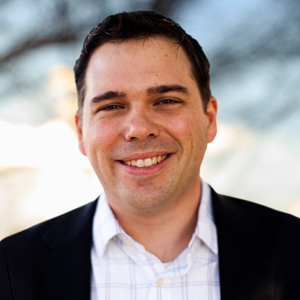
[00:00:55] Ray Latif: Hey folks, thanks for tuning in to the Top Podcast for the food and beverage industry, Taste Radio. I'm Ray Latif, and you're listening to Episode 163, which examines the dynamic growth of oat milk brand Oatly, in an interview with Mike Messersmith, the General Manager of the company's US business. Tune in on Friday, May 24th for episode 35 of our Taste Radio Insider podcast, which includes an interview with Suzy York, the founder and CEO of Love Good Fats, a fast-growing brand of keto-friendly snack bars. Just a reminder to our listeners, if you like what you hear on Taste Radio, please share the podcast with friends and colleagues. And of course, we'd love it if you could review us on iTunes or your listening platform of choice. One of the hottest beverage trends in recent memory, oat milk has taken the country by storm. The origins of the oat milk craze began with the US debut of Oatly, a Swedish-based brand that has been around for over 25 years, but only entered the American market in 2016. The arrival of Oatly kicked off a wave of overwhelming demand for oat milk across food service and retail channels, followed by out-of-stock issues that nearly drove hipster baristas in Brooklyn to madness. You think I'm kidding? I'm not kidding. Google it. Thankfully, those issues seem to have been resolved. Oatly now sits atop a rapidly expanding category for oat milk products, and leading the company's U.S. operations is Mike Messersmith. In an interview with Nosh editor Carol Ortenberg and BevNET's Jon Landis, Mike spoke about the timing of Oatly's U.S. launch, how the company leans on its origin story to differentiate itself from a growing number of oat milk brands coming to market, and why focusing on the unnecessary has been a valuable part of its business strategy. Mike, a former officer in the Navy and longtime food and beverage executive, also discussed his approach to leadership and how he defines success.
[00:02:50] Carol Ortenberg: Hi, everyone. Carol Ortenberg and Jon Landis joining you outside of Flower Bakery in the Seaport area of Boston. We're here for Food Edge, which is a food conference highlighting some of the unique brands and ingredient companies trying to build the food industry in Boston. And we're joined by Mike Messersmith, who was a speaker at Food Edge and is the GM of Oatly USA. Mike, thanks so much for being with us today.
[00:03:17] Mike Messersmith: My pleasure. This is super exciting.
[00:03:19] Carol Ortenberg: So, Mike, I'm guessing most people have heard of Oatly and oat milk, but just in case they haven't walked into a coffee shop in the past year, what exactly is Oatly?
[00:03:30] Mike Messersmith: Yeah, well, it's first still surprising to me that people who aren't friends and family have heard of this. That's still something that we're getting used to in the Oatly team, so it's been pretty exciting. fast in that regard. But Oatly is a vegan plant-based food and beverage company originally from Sweden. We were founded in Sweden over 25 years ago with a desire looking at the dairy industry and the effects on digestion and on climate and thinking maybe there's a better way we could reinvent some product. And so we've been selling oat milk and a bunch of other oat-based products in Sweden and the rest of Europe for many years. Launched in the U.S. just a little bit more than two years ago and make a line of oat milks that we sell over here.
[00:04:10] Carol Ortenberg: And how did you come to be involved with the company? Were you just a really early adopter of Swedish cuisine that was like, I have to take this to America?
[00:04:19] Mike Messersmith: Yeah, they knew me from hanging out in all the IKEAs and eating all the meatballs. No, I mean, I think part of it is like, you know, the right place and right time. And I think so much of building your career is about connections and people. And, you know, I've been building a career in natural foods in progressively smaller, earlier stage companies for close to 10 years. And a friend of a friend connected me to our CEO, Tony Peterson, who is one of the most interesting, charismatic, visionary guys I've ever met. And we had, they brought me in to talk about this oat milk brand. And I have to admit, when they first called me about it, I was just incredibly skeptical, both on just, it took him saying what we did a few times to even understand, like oat milk. Like I'd never heard those two words put together in that order before. And we ended up bonding over brands and natural foods. And, you know, I was incredibly skeptical, honestly, until they sent me a couple cases of product from Sweden. And I took a couple looks at the nutrition fact panel, the ingredients, I tasted it, and I was like, all right, this has a chance. This is, I mean, it's such a competitive space. But I was like, this could be a hit. Like, I love it. So I was all in. And we've been grinding ever since.
[00:05:32] Carol Ortenberg: Isn't that interesting about our industry now is I feel like 20, 30 years ago, you would progress in your career and hope one day to work for a really big food company. And now it's like, yeah, I've been working my way down progressively smaller and smaller brands.
[00:05:47] Mike Messersmith: That's probably endemic of like industry and labor as a whole. I mean, my grandfather spent 50 years at Bell Telephone and retired with a pension. You don't see people doing that in almost any industry anymore. And I think you have combinations of, you know, there's, capital flowing into this space. There's access to information. There's the elevation of entrepreneurial and startup ventures. I think that has good effects. It also has some bad effects. It's a hard job. I'm not a true startup in that I didn't invent this product. We have the Swedish business, the European business to kind of help support us in many ways, which is a huge advantage. So I have nothing but respect for brands and people that have built that from the true ground up. But even still for us, It's hard. And there's a lot of glamorization of these types of companies and roles because of Shark Tank and things like that. And it's not always for everybody, but it's been amazing for us at Oatly.
[00:06:41] Carol Ortenberg: So what does that journey look like since you joined the company? How has the product come to roll out across the states? Yep.
[00:06:49] Mike Messersmith: So when I joined, it was still kind of us asking the question of oat milk. I mean, first off, it was some education of the differences between the market conditions in Europe and the U.S. Obviously new brand that was obvious but new category like oat milk is 30 40% of the category in the Nordics in the UK, very well established businesses. People shop differently in Europe than they do in the US by milk and bags. They buy milk in bags. They don't refrigerate items in grocery stores. There was a there was a working hypothesis for the beginning part of Oatly that we should be launching in shelf stable because that's what we did in Europe and that's what we knew. And we felt we had really I think this is actually a key part of me coming to join the company is Tony and I and our executive team had some really awesome like healthy debate over what And you have to be able to disagree well and like work out the strategy on this and say like, no, like we won't do that. It's different. Like they trust our insight and our knowledge of the market. And so, you know, when I joined the beginning part of 2017, I was the third full-time employee. We were in like 10, 15 coffee shops, including some really early adopters like Intelligentsia, Boba Guys, Tea. I actually just got a picture from them recently of like the first pallet we sent them, which was awesome. And you know, we had this idea. Like, we have to build the idea of oat milk, we have to build the brand Oatly, and focus our team around that initiative and just build from there.
[00:08:15] Although Oatly: When you talk about building the brand, I mean, I heard from you speaking on stage a lot of the technical aspects of why oat milk, and you even mentioned at the beginning that this is more sustainable than dairy. You have a lot of value propositions, but sometimes it seems you just eschew them to just have fun.
[00:08:33] Mike Messersmith: The origin and the belief is important. The company was founded out of an idea of maximizing taste and nutritional content while minimizing environmental impact. And I think whatever your particular brand of oat milk or even plant-based milk overall dairy alternative, the act of choosing a plant-based diet is what we're seeking to support. However, I think a lot of brands can get trapped into, like, there's so many things in your mind that's special to you about the company, like different nuggets of science and ingredient sourcing, all these things. And you then try to use that as a tool to, like, bring people in, and that doesn't always connect with people. And so I think Oatly, we have the depth. We always try to make that transparent and accessible through our website. But we don't think we win people's hearts and minds by talking about features and benefits, unique selling points, scientific facts and figures. Like, you want to connect by being yourself and challenging beliefs and saying things that catch people's attention and draw them in. That is authentic to who we are because it's truly the voice of the people at the company, not trying to put on some sort of veneer of corporate selling feel.
[00:09:49] Although Oatly: Do you think, just your own opinion, do you think that for smaller brands that have consumer education hurdles to climb, have the same kind of capability to build more of a lifestyle brand and then tell a deeper story? I mean, it's a really difficult thing that a lot of our listeners really struggle with in how much do I put this front and center and if I bury it, Does it lose that luster almost?
[00:10:16] Mike Messersmith: Yes. No, I mean, I think there's a couple pieces to that. One, with Oatly, we don't have to carry a burden of consumer education around oats, like the health benefits of that. So when you pick a product, like there can be benefits to doing something incredibly new and innovative, and that can carry with it certain advantages. But like for us, Oats are, I think people intrinsically get that. And if they don't, there's other really big companies that love talking about the health benefits votes. And we're happy to let them really extol on those. Then you get into like, if you do have a unique education piece, you still have to find a way to express that authentically and create human connection and not just get into the selling pitch or the like ingredient minutia to get people involved in the brand. And then you mentioned like lifestyle brands, like you as a company can aspire for consumers to allow you to be a lifestyle brand. Brands can't say that they're like, it's like giving yourself your own nickname. Yeah, like you can't do that. Like, that's lame. Like, You can't like, it's like that Seinfeld episode, like you can't do that. Consumers say that you're a lifestyle brand because they connect with your values and they are the ones that like, take your brand as like badge for what they believe in. Brands trying to do that and proclaim that for themselves is like the height of lame marketing stuff. I can't be T-Bone? Coco?
[00:11:40] Carol Ortenberg: Sorry, Landis. As you have more competition into the category, though, how will you guys start to talk about why Oatly and how Oatly is different than everyone else? Because you do have a different process and you own your manufacturing and there are things that make you unique and special. Will that have to become more of the dialogue that you're having?
[00:12:00] Mike Messersmith: Yeah, and I think it can come in a couple different ways. Like one is, first off, we're incredibly excited about the fact that other people are launching oat milks. If it were up to us, the entire category would go to oat milks. We think that's the best for consumers. It's the best for the environment. We can't do that on our own. Great. I hope everyone makes an awesome oat milk and it all succeeds. I think the way that we tend to tack within that is one, we talk about the belief for why we started. We have a true authentic origin story of why this is important to us. That may not be the same origin story for other companies and they're going to have to think about the things they want to talk about with that product. So we have very closely held beliefs within the people and the individuals within our company about why this product is important. And we talk about that usually through the lens of sustainability. The second part that we talk about is that we only do oats. There's an element of focus to this that we believe is both an incredible point of difference and a huge focal point because we don't know anything about these other brands and almonds or soy or rice or flax or hemp. I mean, those can be great products, but I think that most companies struggle to be able to explain the why behind their offerings when they have that broad range. So it kind of can rob the intent of why I should care about this product. The benefit for us is that we only do oats. We're not gonna try to make 100 oat milks. In Sweden, we have a full range of lots of different products we make out of oats. That is the focus point, because we're able to connect that to the why behind the brand.
[00:13:45] Carol Ortenberg: And focus really is a key theme of Oatly, right? You focus on just oats, focus on coffee shops before you go into retail. Even now, there are products you sell abroad that you don't sell in the States yet. You're focusing just on fluid oat milk. How do you... cultivate that spirit of focus in a company because I think a lot of entrepreneurs that we talk to are like, I got to do this, and I have to do this, and it's going to be too late, and I'm going to miss my opportunity.
[00:14:12] Mike Messersmith: Yeah. It's one of the hardest parts because it's inspiring for us internally. All of my team members are super pumped. When they travel to Sweden and they get to taste the range of items, they come back just glowing. I love it. I got to taste the cream cheese style spreads and put it on a bagel and, oh, when are we doing this? And it's great to dream about those. Fundamentally, we want to make all of those in the United States, bring them all over here. We want more plant-based food and beverage in the grocery store. And we think we have something we can add to those categories. When and how we do that is that element of discipline, of readiness. both customer, consumer, internal, and not to get trapped and pulled down this route of trying to do too much too soon. I've just seen it even organizationally, like, I appreciate the company. It feels like we've been focused on doing a few things. We really only sell four items, four SKUs today. But I've seen the strain of scale on my team over the past two and a half years of growing the business from a handful of coffee shops to now more than that. And the idea of us trying to do more is like, fathomable to me, like the complexity that that would introduce. And so you kind of have to balance like, where's the motivation there? Like it can sometimes be a little bit of a pride, like hubris exercise to show you can, but are you ready in the market? Are you ready within your team? Like you have to ask yourself those questions. And I'm glad that we've done the things we've done to this point. I'm super excited about the things that will come next. And I feel like we're more ready to take those on because of this past chapter.
[00:15:47] Although Oatly: You've got to put some guardrails up and keep people focused day to day and then a few months you look up and then those opportunities are around the corner. Absolutely.
[00:15:59] General Manager: Zoom Essence invented the first low temperature drying technology to make the world's best tasting powder flavors. Heat is the enemy. Cool is the answer. Find out more at zoomessence.com and get your brand Zoom in today.
[00:16:14] Although Oatly: So I want to ask you, Mike, because we've, this is like 140 some odd episodes of Taste Radio, and I don't know the last time we've interviewed a General Manager. So I want to talk to you about your title because I talk to entrepreneurs about how important it is to delegate responsibility and find people you can trust and inspiring confidence. So, you know, what is the day-to-day of a General Manager?
[00:16:35] Mike Messersmith: Yeah. It's an interesting title and you can be a General Manager of a convenience store. You can be the General Manager of an oat milk brand. I think one of the pieces that we have is a European mindset with regard to titles. They approach things like that a bit differently than most American companies that tend to be more hierarchical with directors and VPs and SVPs and EVPs. AVPs, you lose track of the layers at times. Oatly has historically had a very flat organizational structure. And the idea of being a General Manager, and I have counterparts who are General Manager of Oatly within the European Middle East area, within the Asian market. And the mandate for them and for me is build the business, build the brand, build the team. And so I love that job. And it is, I think, one of the biggest things that that entails oftentimes is the ability to go from low to high and high to low in an individual day. So everything from being in the weeds on specific words of, packaging copy or like talking about a specific customer shipment issue or a pricing point to five-year strat plans, you know, bigger picture things with investors or other markets or big channel strategy type elements. And that part makes every day, it's like super challenging but super interesting. And I think for me, like, before I got in natural foods, I was an officer in the military for a number of years. Like, the thing I feel like I've always loved to do is build teams, like, work towards a goal. Like, it's what I did in the Navy. And so the nature of this title gives me the latitude to not, A, not to worry about other titles. Like, I've stopped worrying about those in my career and how my LinkedIn profile looks. Like, it'll all work. Do something awesome. It will all work out. But then secondly, it gives me the latitude to get in on commercial stuff, get on product development stuff, communications pieces, talk to my COO about where we're at on some quality question or something like that. It's great. The thing with hiring that we try to do is you have a very flat culture, and you want to bring people in and have high levels of accountability and autonomy, which sounds good in theory, difficult to execute in practice. Within that, like what my primary job as the General Manager of the team is, it's like I have to be crystal clear on what our strategy is. What are we trying to accomplish short, medium, long term? And then how does this role that I'm asking someone to do, how does that, do they understand what that job is and how it fits into the accomplishment of that strategy? And then you need to hire people that have enough experience and like judgment and almost like discernment to be able to handle 70, 80% of what that job is on their own, like not like fully on their own, but they have to be able to do that job because I can't do it for them. And then they have to know the difference between that 80% of their job and the other 20, what they should be bringing to me or bringing to one of my other The other people on the team, not because it's wrong or it's a problem, but because maybe we can make it better. Maybe we could connect it in a different way. And finding those people who have the capabilities and expertise, but also the judgment to know the difference between stuff that they're just going to handle and it's cool and go run with it and own it, and the stuff that they need to bring and for us to look at and think about to make it better. That's the biggest challenge of hiring, and I'm super, super proud of the team we built at Ole. Nothing that we've been able to do in the market or otherwise would be possible without them. Spoken like a true General Manager.
[00:20:12] Carol Ortenberg: Up on stage, you said one thing that makes Oli different is that you guys focus on the unnecessary.
[00:20:17] Mike Messersmith: Yeah.
[00:20:18] Carol Ortenberg: Thinking about what your team does, what does that mean to focus on the unnecessary, and how do you know when it's really unnecessary that you're focusing on?
[00:20:25] Mike Messersmith: Yeah. So the exact quote which I give full credit to our Global Creative Director, John Schoolcraft, on this is that, sometimes the thing that feels completely unnecessary is the most necessary, and that's not, It is a bit of a maddening quote. So I think even for the people like how does that impact the team? It's a constant moving target of what that is. But the idea behind it is what separates companies, which we don't really want to be a company. We want to be a collection of people trying to make this into an awesome business and brand. And so thinking about the things that if you look at it like, well, that just doesn't, who cares about that part? Like, we could do this easier. Let's outsource Twitter consumer response to create some bots. I'm sure there's amazing agencies that do this. It's just not for us. Like, no, no, no. We're going to try to answer every single person. We screwed up some e-com stuff, which we're wont to do. We were delayed in shipping things. The boxes were destroyed when they got to someone's doorstep and you have oat milk carnage with FedEx. We could just send them a code and try to make it run like that. No, we're going to write 1,300 handwritten apology notes to people and not sign them like Oatly. I'm going to sign them like my name. I'm putting my business card in there and saying like, e-mail me back.
[00:21:49] Ad Read: Call me.
[00:21:49] Mike Messersmith: We're sorry about this. We're a small company. We appreciate the order. We're trying to get better. And it's all the parts. It's operations. It's finance. It's commercial pieces. How do you sample your product? Like, if you're finding pushing up to the limit of like, oh, this is annoying and unnecessary, you have to push through that, because that's where actually like the difference comes between your brand and other brands and how it's perceived by customers, consumers, partners. And so that's kind of what we mean with that. And to empower, get that back to that idea of empowerment with your team, like, set that tone. And then don't just like, if someone says they're doing something like that, like, it's not like, okay, but also that do these other things. It's like, awesome. hey everybody, look at this example of this person finding a thing and like going deep on it. Isn't this awesome? And like celebrate that because that actually makes people excited about their job and I think it does set the company apart.
[00:22:45] Carol Ortenberg: Do you think that there are some things that other brands would say this is totally necessary and maybe devote too much attention to that on the flip side you guys just don't worry about?
[00:22:55] Mike Messersmith: Yes.
[00:22:55] Carol Ortenberg: Or maybe don't worry about but have a different strategy for dealing with.
[00:22:59] Mike Messersmith: Yeah. I mean, one thing I love about Oatly is we try to have the distance between strategy and execution be as short as possible. So I've spent innumerable hours and days of my life at companies working on pre-alignment decks for a call about a deck that we're going to be showing to another person. And like, oh, what a soul crushing, like, husk of an activity that is. And I mean, like, it's not a unique insight to say that people don't like working on decks and pre-alignment calls. But I would say in practice, we really try to eliminate that at Oatly. So like, that's where the piece of like, we're going to have a strategy, we're going to make sure everybody knows about it. We don't hide data. Everybody on my team knows exactly how we're doing. We don't shield Nielsen results. We don't shield financials from people. If you're in the team, you're in the circle of trust, like, we want you to see it because it'll help you do your job and connect to the strategy. And then within that, like, we want to make decisions. Don't be guided by the fear. Don't be guided by needing to like, build consensus amongst every single person, like more is lost by waiting on those things as small companies than making a call, trying it out, failing, sometimes spectacularly, but also just making it better and going forward.
[00:24:15] Carol Ortenberg: If you do fail,
[00:24:17] Mike Messersmith: Yes. Which time? Many times.
[00:24:21] Carol Ortenberg: If you do fail or one of your employees fails, how do they handle it? What do they do? What's important to you as the General Manager to see so that they don't fail again?
[00:24:30] Mike Messersmith: Yeah. I mean, I think first off, Tony, our CEO, like sets a tone and is very open on the idea. And I try to embrace this as much as I can of like, we've already failed in like the biggest ways possible. We'll do it again. So if he can fail on those things like, packaging recalls in the UK, like super delays on factories, you know.
[00:24:51] Carol Ortenberg: Mobs of angry hipsters in Brooklyn.
[00:24:53] Mike Messersmith: Yeah, mobs of angry coffee shop people about getting their oat milk. Those are important and we want to do great work for our partners and everything, but If we've already failed at those levels, you should feel free to push. I think it's a bit trite in business to talk about failures, not really a concept and things like that, and not make it a four-letter word. But the way that I actually find the most important thing now for our team is I have an entire organization of very energized, motivated people that are bought in on what we're trying to build, and they push themselves. I don't have to really do a lot of I have it in my nature to do some rah-rah talks and get on my soapbox. But the bigger thing for me now is actually reminding people more that it will be okay. It's all about progress. Next week will be better than this week. A month from now will be better than that week. So it will be messy. It's always been messy. So the thing I have to do more than correcting failure or anything is reminding people. In doing that, remind myself because I struggle with this personally too of like, it's going to get better. Then it still won't be perfect, but the only way is forward. So that is actually the thing I do more on failure, is just trying to lower the stakes for people to feel it'll be okay, just keep going.
[00:26:10] Although Oatly: That's fine. I feel like asking this question is jumping around a lot. You keep talking about your team and the people and it's so refreshing to hear you talk this way. I want to ask a practical question. How do you know who's the next person is to add and do you guys really throw together very complete job descriptions or do you leave it a little open-ended?
[00:26:33] Mike Messersmith: I like that question. So one of the things we've tried to do from the beginning, and this is that element of like experience and discernment, is we've always tried to build for the company we want to be six months from now or a year from now rather than the company we are today. I think one of the biggest pitfalls that early stage brands fall into, and I'm not obtuse to the fact that like money factors into this sometimes, right? Like sometimes you just can't. Right. chasing capacity and capability isn't just like an operational thing, it's like an organizational thing. If you're already in a spot where you're like, oh my gosh, we're stretched way too thin on this part, it's going to take you three months to fix that by the time you source, bring somebody in, onboard, train them, at least three, six months. And then the goal has already moved. And so what we've tried to do, and this is where like some measure of expertise from the people on my team, like me, my head of sales, head of operations, our team in Europe of like, where do we want to be six months from now? What would be required of the company in that circumstance? Like if we're shipping four times as much oat milk every week, like what are the activities that go into that? Do we have that capability inside right now? If we don't, it kind of doesn't matter what the budget is, like we need to go fill those roles, right? And then I think within that, there's a piece of like being specific of what you're asking people to do. People want to join small natural food and beverage companies because they want the agility, they want to buy into the belief in the values. And I think you're going to get that at most of the companies, but they also want to show how are they going to advance? How are they going to be challenged? How are they going to learn new things? So we try to make sure we bring people in in a role that like, it's clearly defined of what we're asking of them, and that also they feel like there's stretch for them to put their, like, we're going to promise them the accountability and empowerment to, like, take it, but then where do they push? Like, where does this go from there? Because you can't always promise that, but you can say, well, if we keep doing what we're supposed to do, it should create more opportunities for everybody and try to create that sort of environment.
[00:28:38] General Manager: Welcome to a Taste Matters bite from Zoom Essence. We are creating flavor combinations in everything tasty, including sports beverages, CBD-infused products, functional foods, and even snacks. The secret is our low-temp drying technology that creates the world's only liquid quality powder. Find out more at zoomessence.com.
[00:29:00] Carol Ortenberg: We've talked a lot about the dialogues you have with your employees, but what about the dialogues with your other partners, your suppliers, your distributors, and particularly for Oatly, your retailers, because you guys had a period where you couldn't meet the demand fully and fill every order completely. So how did they factor into these conversations?
[00:29:19] Mike Messersmith: Yeah, so I think we have values around transparency that we apply to, like, our products, our website. We list every single ingredient that goes into our product. We talk about what we think is great about it, what might not be so great. And that transparency flows through to this, too, of, like, we didn't promise to be a perfect company. We promised to be a good company. And in the coffee space, You know, it's challenging, like there's other brands out there that are making oat milks, and that's really where we started. And we've made a lot more product, but the demand has significantly outpaced what we could do. And it's to the credit of a few people on my team, like, we try to just be open about where we're at with this. There's a tendency to want to just shield your emotions and sell good news. We try to be very specific about exactly where we're at on stuff. If possible, we'll even make referrals of other places that cafes could get oat milk, even if it's not ours. We recognize that we've created a situation or a moment or a momentum within that space, which is the goal. We firmly believe there should be a paradigm shift within specialty coffee, which is incredibly focused on sustainability and climate issues because the whole nature of specialty coffee and origin beans and like is jeopardized by the effects of climate change. So we believe there should be a shift to oat milk. And so we're going to work hard to supply that market until we can. We'll be honest about where we're at and try to help them do it otherwise. On the retail side, we've Try to do two things. Like with early customers, it's always important to align on expectations. Like what does success look like for you, buyer at this customer? Like we are an early stage company. We've created something that has some momentum to it. Thankfully, we're excited about that. What does success look like for you? I mean, X number of doors, X number of cases per store per week. Great. And then in many cases, what we've seen is the product has turned faster than that. sometimes in a multiple on that number. And so in those cases where now that customer would like to order that like more number of cases, capacity doesn't always grow like that. And so what we say is like, well, this is what we have. We're going to work hard to get you everything we can. We're purposefully not taking on new channels and new opportunities until we're ready. So we're trying hard not to stretch ourselves too thin. And we're investing and our owners are investing millions of dollars in building a factory that will help to alleviate the condition. We're working as fast and hard as we can to get that online. And so that's the level of transparency of like aligning on expectations up front and then just taking them through those things that people aren't happy about that always because they'd like to sell more. You can't sell what you don't have on the shelves. Otherwise, you just end up selling an idea and like that goes sour fast.
[00:32:07] Carol Ortenberg: And it's kind of funny because the way you're talking about this is almost the opposite of the language of your packaging, right? Your packaging is like, drink me, don't drink me, you know, hang out, take a picture, whatever, I don't care. But you invest so much into these relationships. How did you come about developing that voice for the brand that's so different from how you kind of operate the company?
[00:32:29] Mike Messersmith: Well, the transparency piece is very consistent. I would argue that like a lot of those pieces of like buy now is what a company would tell you to say is that level of transparency of not, we don't try to sell to anyone. People hate being sold to, I hate being sold to, I hate being advertised to, I hate ads following me around the internet. So we don't do that. And so Oatly is fundamentally say like a voice. It's one of the most interesting brands I've ever It's entirely to the credit of our CEO, Tony, and our creative director, John Schoolcraft, and the rest of our creative team in Sweden. I read our packaging, and I can hear his voice in my ear. John's from the Pacific Northwest originally, and I hear his, like, angsty Gen X, like I've said to people that I feel like the key to understanding Oatly's brand, I don't think I'm giving away too many trade secrets here, is like watching the Breakfast Club and Reality Bites and listening to like Spells Like Teen Spirit because it's like that product of the Pac Northwest and that like moment in the late 70s, 80s and early 90s. And we just try to be open of like, A lot of brands, I think, fall into the trap of trying to make everybody like them, or they care really a ton if everybody likes them. And in doing that, you don't mean anything to anyone. And so we have people that love our brand and genuinely are excited about our social posts. our packaging and things like that. And we also have people that don't. And like, we're okay with that. That's fine. We don't try to be everything to everyone. And our creative team is unreal. We do it all in-house. He does all the design, all the writing. It's really special. Mike, you're clearly a very optimistic guy.
[00:34:17] Although Oatly: Yes. I think so. I mean, you're very happy and you're passionate and you really clearly care about all the mission that's going on with Oatly and the people that you're working with and it's fantastic to see. But when things aren't going your way and a gray cloud starts to spread around the team, how do you promote optimism?
[00:34:37] Mike Messersmith: Yeah. Well, I do think I am a naturally optimistic person. I would say it's an interesting part of being an American part of a Swedish company. The Swedes tend to make fun of my typical American-ness, like my optimism, we'll make it happen, we'll figure it out, and they're very much like, this won't work. This won't work. It won't work like this. It'll be two months delay. Just accept that now. We'll figure out a plan. But then they're like, then we'll figure out a plan. We just keep going. Yeah. And they, like, tease me a lot about the Americanness of, like, optimism in business and brands. And so I absorb that, those jokes. But I think, like, it's an important part of leading an organization and a team. First off, it is important and imperative that it's actually authentic. I think people can smell that out from people. I mean, it's authentic to who you are. If that's not who you are as a leader, don't try to wear some rah-rah cloak that you put on to try to get people through tough moments because that's not going to work. You have to be yourself within that. This is generally who I've always been, and it works for me. Well, it works for me. I don't know, like, me trying to be somebody else would not work. And so you then accept the fact that, like, we talk a lot within our team of, like, trying to build something special with this company. And special can mean all sorts of different things, like the way you work with your colleagues, something that is like a special business opportunity, something that like creates a category and prides impact, like whatever that motivation is for my team members is pretty unique and like that's their own motivation in a lot of cases. But you can't create something special without it being somewhat uncomfortable and it being challenging. You rarely create something like truly unique or special just by doing something that is like easy or comfortable. Like, that never happens. And so if you embrace that, you say, OK, this is going to be hard. We're going to screw a lot of things up, but we're going to keep going. There's really not another way. We can't go back. Can't go to sides. Got to keep going forward. Then it allows people to kind of accept, recognize and accept that discomfort, and then keep going and keep building forward. I think the first piece on it is to be authentic. Don't be a founder or an organizational leader trying to be something you're not. When I was in the military, early in my career, I was an officer serving on a ship. And I think I'd watched too many movies about the way I think military officers are supposed to be. Stomping my feet, I'm an officer standing in front of you yelling and these things. And I had one of my senior enlisted guys pull me aside and be like, sir, it's just not you. They can see through it. And they're like, you're not going to get more done by doing that. And so I went to my second ship. I was like, OK, I'm not doing that anymore. And then I never yelled again on when things went wrong. Things went really wrong. We had a lot of things that got screwed up. But we'll figure it out. Go forward. And also taking bad news. I always try to like, I definitely don't always do this perfectly, but I had some bosses in the military that I really admired for when bad things happened, I would have to tell them about it, and I felt sick inside, and I was like, oh my gosh, this is gonna be terrible. And they were like, okay. Hmm, okay, what do we do? Like, what's the plan? And the ability to create a culture where people can tell you bad news is one of the most, like, bad news, the plan didn't work, whatever. It was important when I was on an aircraft carrier. It's important when I'm in an oat milk business. And I think, like, a lot of people create cultures where they don't want to hear, it's good news only. That's not going to work because I can promise you there's a lot of stuff that you're not hearing in the organization. You need to try your best to create that sort of environment for people.
[00:38:20] Although Oatly: Did you have any bad habits that you had to work really hard to kind of... Get rid of?
[00:38:25] Mike Messersmith: Yeah. One thing I would say is, like, I still get up super early, which isn't the natural state of the human condition. My wife teases me about that a lot. I mean, I get up at, like, 5.30 every day, and I don't have, like, some, like, set routine like a lot of people. Like, you talk to executives, and they say, like, this for 15 minutes, and then my meditation. I don't do any of that. But I do like to knock out some email in the morning, and so the one thing I'm... cognizant of telling my team about a lot is just because I emailed you at a time like that doesn't mean that I want you to respond to me then. It's just when I had a window to work, sometimes people in organizations feel like, oh my God, I woke up and I have 15 emails. respond to them all right now, I'm already stressed. I'm like, no, no, no, do not do that. It's just how I work. You should work the way that you work, and we'll figure that out. So being overt about that, which just works for me in my life, and I like getting up early to do some work before things get started, that maybe is one piece of it. That's interesting.
[00:39:23] Although Oatly: Not every business is super friendly to that kind of lifestyle.
[00:39:29] Carol Ortenberg: There's also the flip side too, right? There's also the pressure to be crushing it. Consuming all the time. All the time on. Yes.
[00:39:37] Although Oatly: Yeah. And that I think is a part that a lot of people struggle with, but at least, you know, being cognizant about those things helps, right?
[00:39:44] Mike Messersmith: Yeah. I mean, I try to think about like a little bit of like a golden rule thing of like, what's a company that I would want to work at? And I've worked at places and circumstances where it is like either what you said of like, if you walk in and you're at your desk at 9.05, and I have some people on my team that came from other organizations where it's like dirty looks if you weren't in your seat at 9.05. Or another one where it's like, if so-and-so emailed you and you didn't get a response within 15 minutes, then they're like angry and you're like, what are you doing? You're not committed. Like, ugh, I don't wanna work at a company like that. And like, I think, You're seeing more and more companies adopt this idea that work is a thing you do. It's not a place you go to. When I say I don't care, it makes it sound a little bit harsh, but I don't care where my team works. I don't care when they get into the office. I don't care if they're working from home, if that's more convenient to them. We have people that work all over the country. If they're night owls and they want to crank out emails until 11 o'clock and that works for them, Do it. It's fine. Like, we have to do the work, and there's times when that collaboration is important, but you got to leave that mentality of, like, work is only exclusively a place you go. Nobody wants to work at a company like that.
[00:40:52] Although Oatly: Do you think it's better that people identify themselves and, like, their work becomes part of who they are and what they, you know?
[00:41:01] Mike Messersmith: I think you need to identify it within your group. Like, one of the biggest things we struggle with is, like, we've been in business in the US for two and a half years, and I have, like, 40 employees that now have to, like, accomplish complex tasks and challenges together that didn't know each other before, like, 18 months ago. And so, what can I do in leading that team to break down those barriers as quickly as I can and make it easier for people to, like, know how you work? Sometimes that comes, unless you're intentional about that, it can take, years before the people in your office know, like, oh, well, John, like, this is kind of just the way he processes information, or this is how he deals with conflict, and they're able to, like, get that a little bit more. Otherwise, you can have, like, these real, like, weird miscommunications. and you don't get things done. So we actually go to some significant lengths to talk about those things. If you want to work like that, cool. Just be upfront about it with people. This is your style. You're more process-oriented. You're more relational-oriented. You're more accomplishment-oriented. We talk about that stuff a lot within the team. So the key to success is people. Yes, that's chapter one in the business book.
[00:42:11] Carol Ortenberg: All business is people.
[00:42:14] Mike Messersmith: That will be the first chapter in the oat milk for dummies book.
[00:42:18] Carol Ortenberg: Then it's just a hundred blank pages.
[00:42:21] Mike Messersmith: Then it's like, now here's a bunch of empty pages to write your own headlines in the spirit of Oatly and some crayons.
[00:42:28] Carol Ortenberg: Well, Mike, I really appreciate you being so open and honest with us. I think there's some great lessons and takeaways in how to build a business that just has such a movement behind it. And like John said, clearly part of that movement and the reason you're so successful is the people. So thanks so much for being with us today. Yeah, my pleasure. This was fun.
[00:42:48] Ray Latif: That brings us to the end of episode 163. Thank you for listening and thanks to our guest, Mike Messersmith. You can catch both Taste Radio and Taste Radio Insider on Taste Radio.com, iTunes, Stitcher, Google Play, SoundCloud, and Spotify. As always, for questions, comments, ideas for future podcasts, please send us an email to ask at Taste Radio.com. On behalf of the entire Taste Radio team, thank you for listening, and we'll talk to you next time.