[00:00:02] Jelly Belly: If you're looking to create a soda, a ready-to-drink cocktail, a seltzer, an energy drink, a coffee, a CBD beverage, a kombucha, or any drink you can imagine, we can turn your idea into liquid gold. At Flavor Man, we are the beverage architects. We help entrepreneurs and large companies bring their beverage ideas to life through a collaborative process that includes getting flavors just right. We help you scale your recipe, providing quality assurance and testing, and deliver your finished formula to a contract manufacturer that will help you locate. We create beverages from start through finish. Visit flavorman.com slash BevNET and change what the world is drinking. And now, Taste Radio.
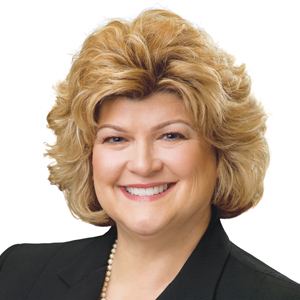
[00:01:00] Ray Latif: Hello, and thanks for tuning in to the number one podcast for the food and beverage industry, Taste Radio. I'm Ray Latif, and you're listening to episode 171, which features an interview with Lisa Rowland Brasher, the president and CEO of Jelly Belly, the beloved and family-owned candy company, which now in its 150th year in business, continues to innovate and evolve. Tune in on Friday, July 19 for episode 43 of our Taste Radio Insider Podcast, when we sit down with three up and coming entrepreneurs who discuss how they landed placement in their dream retailers. Just a reminder, if you like what you hear on Taste Radio, please share the podcast with friends and colleagues. And of course, we'd love it if you could review us on the Apple Podcasts app, or your listening platform of choice. Do you recall the first time you tasted a Jelly Belly jelly bean? I'm guessing that for some folks, like yours truly, it was a watershed moment. The brand's flavors were unlike anything you'd ever seen in candy, and the idea that a jelly bean could taste like buttered popcorn or a juicy pear or strawberry cheesecake was astonishing. Jelly Belly made a name for itself with innovation, and since its inception in the 1970s, the brand has consistently pushed the envelope with new flavor and product development. I recently had an opportunity to sit down with the company's president and CEO, Lisa Rowland Brasher, and in a conversation recorded for this episode, we discussed Jelly Belly's history and development into an iconic brand. She also spoke about the company's focus on creating unique experiences for its consumers, the impact of the brand's relationship with Ronald Reagan, how better-for-you and functional varieties fit into the portfolio, and why one disastrous flavor that never made it to market turned out to be quite useful down the line. Hey folks, it's Ray with Taste Radio. I'm at the 2019 Summer Fancy Food Show here in New York City. I'm with Lisa Rowland Brasher, the president and CEO of Jelly Belly. Lisa, thank you so much for being with me.
[00:02:59] Lisa Rowland Brasher: Thanks for having me.
[00:03:01] Ray Latif: This is truly a remarkable interview for me because I've been coming to the Fancy Food Show for years. My family owned a chain of gourmet food stores and my dad always used to bring me and my brothers to this show. And even though you're not supposed to have kids on the floor, somehow we got us in. I think it was because he dressed us up in suits. And he was like, yeah, these are all with me. These are my sales reps. Something like that. Yeah. And so, of course, as kids, you know, you're looking for the fun, sweet treats. And our favorite booth was, of course, the Jelly Belly booth.
[00:03:33] Lisa Rowland Brasher: I'm so honored.
[00:03:34] Ray Latif: I'm so honored. It's an amazing brand. It's family owned, has been for generations at this point. You're the fifth generation leader?
[00:03:42] Lisa Rowland Brasher: Yes, I'm fifth generation. We're actually celebrating 150 years of candy making this year.
[00:03:47] Ray Latif: Wow.
[00:03:48] Lisa Rowland Brasher: So long time.
[00:03:49] Ray Latif: Tell me a little bit about the history. I mean, how did Jelly Belly come into existence?
[00:03:53] Lisa Rowland Brasher: That's pretty amazing. My great-great-grandfather, Gustav Goelitz, actually immigrated from Germany. In 1869, he began making candies. At that time, he made hard candies. By the turn of the century, his sons began making what we called mellow cream products. Better known today, one of the products we make is candy corn. We've been making candy corn the longest out of any company in the world. And a lot of people might think, I don't like candy corn. I don't know about that stuff. But I always say, have you tried ours? Because it's just so smooth and creamy and wonderful. And so we made that for, still make it, so for a long, long, long time. And in the 1960s, my father and my grandparents decided that we really needed to diversify our business. And we began making other items like jelly beans and fruit slices and those kind of things. Around 1965 was the first jelly bean and we made our jelly beans very special. They had flavor in the center as well as the shell and most common jelly beans of the day just had the flavor in the shell. So that was the precursor to the Jelly Belly bean.
[00:05:04] Ray Latif: And the Jelly Belly Bean, known as a gourmet jelly bean that's got a range of flavors that you wouldn't necessarily expect from candy. My favorites are buttered popcorn and juicy pear. How do you get that flavor in juicy pear, by the way? Because that's kind of nuts. It tastes exactly like a pear.
[00:05:19] Lisa Rowland Brasher: So amazing, isn't it? And that, I think, is what sets Jelly Belly apart from other beans, is that our flavors and beans really do taste like the real thing. And when we create a flavor, we will actually get out the real item, and in that case, a pear, or if it's a red apple or whatever, and we'll taste that, and then we'll taste the flavor and, you know, does it taste exactly like the real thing? Because for us, that's super important.
[00:05:44] Ray Latif: So before Jelly Belly became Jelly Belly, there was someone who came to your company and said, hey, I have this idea to make these crazy gourmet flavors. That was David Klein.
[00:05:55] Lisa Rowland Brasher: Yes.
[00:05:56] Ray Latif: Who has been in the news recently for creating a CBD infused jelly bean. Right. Tell us about how that relationship came to be and why it worked.
[00:06:04] Lisa Rowland Brasher: Yeah. Dave called my dad Herm one night, I think it was six o'clock in June or something like that. And he said, Hey, uh, I know you guys make the best bean. He called it the Rolls Royce of beans. I know you make the best bean in the world and I have an idea and I'd like to make those beans and sell them in separate flavors. Cause at that time, most people sold beans as an assorted mix and kind of sell them like you would ice cream. And he actually did that. He said, I would like to make them with as many natural ingredients as possible. And we already had some of those. So he said, do you have anything like that? My dad said, yeah, I actually, let me check out and see what we have. And so he called him back and he said, we have, you know, eight flavors that already fit the bill and you can use those flavors. And then as time went on, you know, Dave is a very creative person and he came up with lots of ideas. And so in the beginning he basically renamed some of the flavors we came out with. We already had cherry. He called it Very Cherry. We already had vanilla. He called it Cream Soda. He brought about that fun side and that kind of fanciful, playful side of Jelly Belly. So that's how it began. And then Dave would call each day with different ideas and say, can you make this? Can you make that?
[00:07:19] Ray Latif: Can you make buttered popcorn?
[00:07:21] Lisa Rowland Brasher: Yeah. Well, I think that was after Dave, but.
[00:07:23] Ray Latif: Oh, okay.
[00:07:23] Lisa Rowland Brasher: Yeah, so we would go to work working on these things. And so we were basically the, when he talks about a food scientist, that was us. We were the ones that actually made the product, have the recipes, came up with the recipes and figured out, you know, how to make the product. So Dave is a very creative, fun person.
[00:07:41] Ray Latif: Have you ever tried his new jelly beans?
[00:07:43] Lisa Rowland Brasher: I have not. I have not tried those yet, but I'm learning more about that kind of stuff. And a lot of people don't realize that the CBD doesn't have the THC and the effect that can come from those.
[00:07:57] Ray Latif: There's a lot of education left to do on the CBD.
[00:08:00] Lisa Rowland Brasher: There really is a lot. a lot left and we get asked all the time to make it and had even before he came out with those. But I think it's something that needs a lot more work and understanding. And I guess, you know, being in the candy business too, you want to be careful about what you do. So we are candy in that, you know, a lot of people think about kids, even though our target market is older, you know, you want to be careful about what you're putting out there in your candy.
[00:08:23] Ray Latif: Yeah. I remember when I was a kid and they had the candy cigarettes and even then I was just like, it's kind of messed up. What's this all about?
[00:08:30] Lisa Rowland Brasher: We loved him, but back then, you know, they didn't even, well, you're way younger than me, but you know, we'd walk around with those things that are great white with little pink ends. And we thought it was fun, you know, different times, you know.
[00:08:41] Ray Latif: Smoking isn't fun, kids. Certainly not.
[00:08:43] Lisa Rowland Brasher: Smoking is not fun. Not good for you either.
[00:08:46] Ray Latif: In the seventies, I read that the company was still relatively small. The brand wasn't as well known. Right. Ronald Reagan had a big impact, had a big role in the brand's development. How?
[00:08:57] Lisa Rowland Brasher: Well, a lot of people don't know that Ronald Reagan was eating our product back to 1966. And he was actually eating our mini gourmet jelly beans that we made at the time that were the precursor to Jelly Belly. And he was out on the campaign trail for governor. And one of my dad's friends was talking to him at one of his fundraisers. And he told him that he was kicking his pipe smoking habit and that he was eating jelly beans. Whenever he thought about smoking his pipe, he would pop a jelly bean instead. And he said, well, I know where you can get the best jelly beans around. And so we began supplying him with our candy at that time. And of course, when Jelly Belly was born in 1976, he started eating that too. But we, we kept that a secret for a long time because we just felt like that wasn't something that we wanted to, you know, publicize or, or trade off of the president's name.
[00:09:51] Ray Latif: At the time, the governor of California.
[00:09:53] Lisa Rowland Brasher: Yes, yes. And then eventually the president. But in 1980, he was filmed with a bag of Jelly Belly and the logo and it got out at that time and it just was crazy. We didn't even have a computer at that time. That's how little we were. So it was pretty amazing to go through that time and that huge growth spurt in our business where our sales doubled.
[00:10:16] Ray Latif: What better spokesperson for a brand than the president?
[00:10:20] Lisa Rowland Brasher: And a decent guy.
[00:10:21] Ray Latif: In most cases, yeah. One of the interesting things about the brand is that you've been able to maintain the integrity of your name amid a really evolving marketplace for candy. How does Jelly Belly address that changing dynamic?
[00:10:36] Lisa Rowland Brasher: Well, I think since the beginning, our company has been known for quality and the brand has the name and the trust. And we pretty much made jelly beans a category.
[00:10:48] Ray Latif: And you print the name on your name on every single bean.
[00:10:51] Lisa Rowland Brasher: Yeah. We actually had a problem with that in the beginning. And by the nineties, we decided, um, actually my dad was meeting with forest Mars at his little apartment he had above their factory. And he said, Herm, you need to put the Jelly Belly logo on every single bean. that you make, my dad was like, yeah, right, we can never afford that, you know, that's not gonna happen. But as time went on, we realized that people were actually passing off other beans and writing that they were Jelly Belly beans on them, and they weren't very tasty, and they weren't good quality, and people would write us and say, oh, wow, you changed your Juicy Pear flavor, it's not as good as it used to be, why'd you do that? And we said, well, where did you buy that? And they would tell us, and we'd say, actually, that's not our bean, we don't sell there. And so at that point, we were like, you know what, we really need to put our logo on every bean so people know you are getting the real thing when you get our bean with the logo on it. So that is a way that people know that they're getting the best quality they can get.
[00:11:49] Ray Latif: How many cease and desist letters do you send a year?
[00:11:53] Lisa Rowland Brasher: In the beginning, there was quite a few. Now, not as many because I think I think people get it.
[00:11:59] Ray Latif: I mentioned we're here at the Fancy Food Show. Gourmet is a word that you could associate with almost any product here. Gourmet is a word that has always been associated seemingly with Jelly Belly. Does that still apply? Does the word still, is it a differentiator for you?
[00:12:15] Lisa Rowland Brasher: Yeah, it is. And you know, our products, you know, something that sets Jelly Belly beans apart from other beans are that we use the real thing whenever possible to get that true to life flavor. So if you're tasting very cherry, it's got cherry juice in it. If you're tasting watermelon, it's got watermelon. Coconut has coconut flakes. Chocolate is chocolate. So we've got the real thing in there, and I think that definitely does set us apart. And again, the flavor on the inside of the bean. Long ago, a lot of places had either no flavor in the center, of course, which would make it cheaper, or one flavor, the same for everything, no matter what. the shell flavor was. So, and another thing, you know, there's a visual expectation you have when you eat candy as well. And our beans look like what they're supposed to look like. If you look at a watermelon bean, it's green on the outside and red on the inside. Same thing with red apple, red on the outside and white on the inside. So they look like what they're supposed to taste like. All of our senses are involved in making beans and tasting beans. And I think that's something really important to people as well.
[00:13:20] Ray Latif: We'll be back with more from Lisa Rowland Brasher after this quick break.
[00:13:25] Jelly Belly: Turn your drink idea into liquid gold with the beverage architects at Flavorman. We'll help you go from startup to bottoms up. Learn more at flavorman.com slash BevNET. Flavorman, change what the world is drinking.
[00:13:43] Ray Latif: taste is so critical, especially for candy. The expectation is that it's going to be a sweet, indulgent experience. Our audio engineer, Joe, just wolfed down a pack of Jelly Belly beans. Joe, did those taste good? They were great. Okay. That being said, you know, sugar has faced a lot of challenges in recent years. Some people call it public enemy number one. Has it affected your business? And if so, what adjustments have you had to make?
[00:14:16] Lisa Rowland Brasher: Well, I think there is, you know, a huge awareness about sugar today. And we have taken steps to help people with any concerns that they may have with that. One thing that we've done is portion size. You'll see just the samples I brought you today, we have small portions. And we really feel like, you know, candy is a treat. It's not like we're telling you to eat candy three times a day. or every day or whatever. It's a treat. And if you're going to indulge in a treat, it might as well be a great one. And Jelly Belly only has four calories per bean, and they're made with real ingredients whenever possible. We've also tried to, on some bags that we have the proper size, we put a little more nutrition facts on the front we have on there. the fat and the calories so people can look and see and make more informed choices about what they're getting. So we've really tried to talk about it and and let people know that candy is a treat and it's fun and it's something that you can enjoy in an active lifestyle and bring a little joy.
[00:15:15] Ray Latif: For sure, and you do have sugar-free varieties as well, and over the years you've introduced what some folks might call better-for-you varieties. You have organic jelly beans as well.
[00:15:24] Lisa Rowland Brasher: We do, we have organic beans and we also have organic fruit snacks that we make.
[00:15:28] Ray Latif: So are these products intended to address current consumer needs, or is it more about bringing more folks to the brand and to the candy category?
[00:15:38] Lisa Rowland Brasher: I think it's both. I mean, people do want to eat healthy. And, you know, sometimes you think, well, if you're going to eat candy, you're going to eat candy. But if you can offer something that maybe seems like it's a little more healthy and uses organic ingredients and is OU kosher and fat free, dairy free, gluten free, all of those great things, then people might feel a little better about that indulgence.
[00:16:02] Ray Latif: Have things like the organic line, the sugar-free line, have they become a big part of your business at this point? And I remember the organic line when it came out at different trade shows, including this one, there was a lot of emphasis on the organic line. Has it become an important part of what you're doing?
[00:16:18] Lisa Rowland Brasher: I would say there's more talk about it than then action about it, if you want to put it that way. I think again, because we are a treat and we are candy, that some people allow themselves the leeway to have a treat and some people might not care if it's organic or not. So I think it's different than if you're having fruit and the fruit's organic or not. So we're glad that we have the line, but again, we're a treat and people are enjoying candy and some care if it's organic and some don't.
[00:16:48] Ray Latif: Yeah, it's interesting because, I mean, the organic label means something to me. But then at the end of the day, I'm like, well, it's still candy. And the nutrition is probably going to be similar one way or the other. Do your current consumers really see a big difference between your organic and your non-organic varieties?
[00:17:05] Lisa Rowland Brasher: Again, I think it totally depends on the person. And for some people, I know a lot of my kids eat only organic. I have one vegan son, so he's very careful about what he eats and where he shops and all of that. So for some people, it really is important. For other people, they're like, hey, I'm having a treat. It's not like I eat this stuff all the time. I'll eat what I want.
[00:17:28] Ray Latif: Yeah. You also have a functional line of products, we'll call it, they're sports focused or sports beans. They're made with electrolytes and I think in some cases with caffeine as well.
[00:17:39] Lisa Rowland Brasher: Right. And we have the three B vitamins and vitamin C. Yes.
[00:17:42] Ray Latif: So to me, that would seem to be sort of niche, but I could be completely wrong. I mean, is it?
[00:17:47] Lisa Rowland Brasher: Oh, people love them. They use them like crazy. And, you know, they need quick energy when they're running in their races and marathons. And I talk to people all the time, just traveling here on the plane. They love it because of the portion control. They have figured out when they run, I need one or two or three or whatever it may be. And they're easy and they're not messy like some of the sports products are. So there's a great love for those for sure. And they taste good.
[00:18:13] Ray Latif: Is it hard to introduce a product like that because the idea of a better-for-you, sport-focused jelly bean isn't necessarily intuitive?
[00:18:23] Lisa Rowland Brasher: Yeah, and we were careful about how we went about doing that, and it's different buyers that you call on for the nutrition versus candy, so we don't really position it as a candy. We have them, you know, in the sports nutrition aisles and those kind of things because it's not candy. They have vitamins in them. We're careful about where we put those and want to make sure that they're used the way they're meant to be used.
[00:18:47] Ray Latif: That's really interesting that you say it's not candy because that's a huge departure from what you do. You are a candy company.
[00:18:53] Lisa Rowland Brasher: Right. When I say it's not candy, it's not like we put that in a candy store along with all the other candies like eat this. It's a functional product like you said earlier. So that's what I mean by it's not candy. It actually has a use besides just enjoyment and that's giving you energy while you're working out.
[00:19:11] Ray Latif: Totally. From an innovation standpoint, there's a lot of other ways you could introduce a function into your products. But for the most part, you've innovated with new product lines, new flavors. How do you consider innovation? How do you think about expanding the line? And how do you pull back the reins on some products or line extensions that you think might end up hurting the brand or overextending what you're doing?
[00:19:36] Lisa Rowland Brasher: Well, we really look at that closely. We use a lot of people in our company to do that. Our marketing department and my family is very involved in that as well and other folks as well. And we have large retail stores and tour centers in California and in Wisconsin. And we like to use those a lot to get information from people about what they prefer and what they like. And so we will do testing out in those areas as well as other ways that we can test product. Lots of times as far as a new product we go with what we call the wow factor and we really want to produce a flavor that's a you know a nine or a ten that is like an off the charts thing. We don't want to come out with something that's just kind of like ho-hum and that again people know about our brand when they see Jelly Belly they know it's going to taste great it's going to do what it says it's going to do and it's going to be wow. So we are currently expanding more into chocolate, which is new for us. We have made chocolate items in the past, chocolate Dutch mints and chocolate malt balls and those kinds of things. But we are heavily have invested in machinery and those kinds of things to make molded chocolates like this Harry Potter molded wand. And we have been doing great with these. And Harry Potter was also what got us into making kind of some crazy beans, if you remember, when the movie came out. And Harry Potter was on the train and they were discussing some weird flavor beans at that point. And I have to say that was kind of an interesting time. That was early 2000, I believe, when they came to us and asked us if, you know, they know that Jelly Belly makes flavors that taste like what they should. And they came to us and they said, hey, will you make a barf flavor and a booger flavor? I have to say, I was like, oh my goodness, I don't know if I want to do that or not.
[00:21:23] Ray Latif: For our listeners, you said booger, right? Booger. Yes.
[00:21:26] Lisa Rowland Brasher: Booger and barf.
[00:21:27] Ray Latif: Yes.
[00:21:28] Lisa Rowland Brasher: Or vomit. I guess back then they called it vomit. And I literally was like, you know. I don't think my grandmother would like that too much. She might think that that has crossed the line. And I'm going to be really honest, I voted no. When we all talked about it, what do you want to do?
[00:21:43] Ray Latif: I don't blame you.
[00:21:44] Lisa Rowland Brasher: And I was like, I think it's just a little over the edge. I'm not really sure about that. But over time, I changed my mind on that because I see that people understand the intent of it, and they want to have fun. people really enjoy. We made a game out of it, too. We have the Harry Potter beans, of course, that are all crazy flavors. And then in 2007, we came out with a product called Bean Boozled, which really just went viral online, which was amazing, where people were posting their Bean Boozled challenges. And showing eating these crazy bean flavors. And we came out with 20 different flavors, but there was only 10 different colors. So you could eat a white one and it could either, you wouldn't know whether it was going to be coconut or spoiled milk.
[00:22:30] Ray Latif: Oh, okay. Yes, I do recall this, yeah.
[00:22:32] Lisa Rowland Brasher: These crazy type flavors.
[00:22:34] Ray Latif: That's right, we had these in the office. I remember this. And yeah, there were definitely some unhappy folks. Because I think in our office, when people see jelly beans, they don't look at the package or anything else. They'll just dig right in.
[00:22:45] Lisa Rowland Brasher: They'll be like, oh! But I'll tell you this is, we've never had, and, and intentionally, and there's, you know, a few fun stories around that today. I think my grandmother would be very proud of these because she sees how much fun they bring. I had a lady write in one time and she said, I just want to thank you pretty much for helping keep my family together. And I was like, what is this about? And she said, I have teenagers who don't want to have anything to do with me. They're just at that age where they're like, they don't want to stay home. They don't want to have any time with the parents or anything. And we got a box of your bean boozled beans. And we actually spent time as a family for two hours playing this game and had a blast. And I just want to thank you so much for providing some fun for my family. And it was a unifying time for us. And I was like, okay, my, my grandma would definitely be okay with this, you know, super fun.
[00:23:39] Jelly Belly: We'll be back in a moment with Lisa Rowland Brasher after this short break. If you're looking to create a soda, a ready-to-drink cocktail, a seltzer, an energy drink, a health beverage, a coffee, a CBD beverage, a kombucha, or any drink you can imagine, we can turn your idea into liquid gold. At Flavor Man, we are the beverage architects. Visit flavorman.com slash BevNET and change what the world is drinking.
[00:24:09] Ray Latif: Going back to the Harry Potter product, some of these co-branded products that you have are pretty interesting. Also in front of us, we have the Krispy Kreme varieties.
[00:24:18] Lisa Rowland Brasher: Yeah, the co-branded products are really amazing. And we always make sure that we pair up with a brand that has the same kind of attributes as ours, that they're quality, they're fun. And we have done really well doing that with the Krispy Kreme donuts. I mean, it's amazing eating one of these and you want to go out and get a donut. It's like, this is amazing. Or we have Snapple flavors, which are incredible with you know, natural flavors and colors from natural sources. And so we've paired up with quite a few people. Our drinks, for example, for years we've had, you know, Dr. Pepper and A&W Root Beer and A&W Cream Soda and many different great ones. And something great about them too is that other people can't knock you off when you're using those. You know, people copy us all the time, and that is flattering, but at the same time, sometimes it's frustrating. But when you actually have those brand names, when we actually went from, I think, and this was years ago, we just had Root Beer, plain Root Beer. When we switched to A&W Root Beer, our sales went up. And, you know, you use their flavorings and all that, and they taste great. And I think people know, hey, I like A&W Root Beer, I want that.
[00:25:27] Ray Latif: Has there ever been a co-branded product that has fallen below expectations? Has been sort of a mistake for Jelly Belly?
[00:25:36] Lisa Rowland Brasher: I can't think of any mistakes. I can think of some that were hard to make. When we make products, sometimes like our sour flavors, they have more moisture in those beans. They take longer. It takes seven to 14 days to make one Jelly Belly bean. And when we use purees and those kind of things and juices, it makes more moisture in the bean, which means they need more time to cure. Otherwise, you've probably seen somebody else's beans that are sticky in a bag, and that's because they didn't take the amount of time that they need to do that with a product. So there has been one in the past that with as much moisture that was in that co-branded item, it made it difficult to make and we did discontinue that.
[00:26:17] Ray Latif: How about in terms of the flagship Jelly Belly line, what are some of the flavors that had to be discontinued pretty quickly?
[00:26:24] Lisa Rowland Brasher: Ooh, I don't know if there's any that were discontinued pretty quickly. I mean, we have the favorites all the time. And the neat thing about Jelly Belly, and again, what sets us apart from other brands is our variety. We make over 100 different flavors of Jelly Belly. And can you guess what the number one flavor is?
[00:26:45] Ray Latif: Well, I mean, the juicy pear one is pretty amazing.
[00:26:48] Lisa Rowland Brasher: It's in a top five red apple. That's my favorite. Wow. But it's not, it's not the top, but that's my favorite.
[00:26:55] Ray Latif: I don't know. Joe, what do you think? Joe said, I'm going to guess that it's not booger. OK. It's not booger. Yes.
[00:27:05] Lisa Rowland Brasher: Not your booger, anyways.
[00:27:08] Ray Latif: Oh, God.
[00:27:08] Lisa Rowland Brasher: Oh, wow. Well, you know what? Actually, buttered popcorn is our number two flavor, which is so funny because, and it's the only flavor to have ever passed up our number one flavor, which is Very Cherry.
[00:27:18] Jelly Belly: Very Cherry. OK.
[00:27:19] Lisa Rowland Brasher: Very Cherry is it. But buttered popcorn is so polarizing. And we have people that either love that flavor, like there's no tomorrow, and we have people that hate that flavor and they write us letters. Again, you have to discontinue that. It's horrible. And it's like, that's our number two flavor. It's the only one that's ever passed up very cherry for a little bit.
[00:27:39] Ray Latif: I'm still so boozled by these being boozled. It seemed, I'm looking at the package right now, it's like peach or barf. Is it peach or is it barf? Is it birthday cake or is it dirty dishwasher? This is such an interesting product. There must have been some concerns around what you were doing and I can imagine that there were some. failures associated with what you were doing.
[00:28:02] Lisa Rowland Brasher: Definitely. So, you know, concerns, yes, and some failures, but we never know when our failures are actually going to be something that may turn into one of our greatest successes, you know, and I know that hard times and trials actually form us and shape us into the people and the companies that we are. And I have kind of a fun story around that with the barf flavor in Bean Boozled. And it's one that I like to share with tours and different people and encouraging people that we mentor and that kind of thing is. So anyways, making these barf beans were quite an adventure and how they came about was actually a failure that we had in making another flavor. And we had a Jelly Belly contest to pick your favorite flavor. and somebody picked cheese pizza or pepperoni pizza. And so we went out and bought all these different cheeses to, you know, melt, make this product with. And they were those super stinky kind of cheeses. I don't know why they picked those, but they were hideous. Okay. So we made this, this bean and they were putrid. Okay. They were just, they were so horrible. They were like barf. Okay. So we said, uh, that one didn't work, put it up on the shelf and, And later when Harry Potter came to us and said, hey, you know, can you make a barf bean? It was like, huh, we made that. We do have something. So my dad was like, yeah. One of our employees said, pull that recipe off the shelf. And then my dad said, well, when you barf, everybody knows that kind of like acidy, acidic kind of taste, you know, when you barf. Let's make sure we get a little of that. So we had a little citric acid in there to make it a little. And that little tweak made our failure into a huge success.
[00:29:46] Ray Latif: And it was a huge success because people wanted to try it, right? I mean, like you had to experience it.
[00:29:51] Lisa Rowland Brasher: Right. One of the most popular flavors. And even if people were like grossed out by it, they still wanted to try it. And I always laugh because, you know, we always brag about using the real thing whenever possible in Jelly Belly. And I promise with these, we're not using the real thing.
[00:30:06] Ray Latif: Well, I thank you very much, Lisa, for not using the real thing. I think the FDA would probably thank you for not using the real thing as well. So there's that. Throughout our conversation, the constant word that keeps coming up to me is fun. There's a funness, there's a joy about what you do and what you're trying to offer to your customers. It's so apparent how much you love the brand. I can imagine that it's really fun doing your job. I can imagine it's also a little nerve wracking to your job sometimes too, because you are the fifth generation leader, right? You are responsible. You are the steward of the brand. You know, what do you see as some of the biggest challenges when what do you see some of the biggest opportunities you have as the present CEO?
[00:30:49] Lisa Rowland Brasher: Well, I think, you know, we have such a legacy, of course, having all the generations that we have. And that is something I'm super proud of. I, I've never taken time to, to look it up on the internet or anything, but you know, how many businesses are in their seventh generation with the fourth, fifth, sixth and seventh working there. And so for me, I think it's, you know, when I was younger, it was kind of like, well, this position is open. Here's your job. This is where you're going to be. And as we've gotten a little larger and we have, you know, there's five in the sixth generation working right now and all in different areas. And I'm thrilled to have several in production because I want, you know, this next generation to know how to make candy. That's super important that they could look at something and just go, oh, I know, you know, we didn't cook that to a high enough temperature or whatever. And they know exactly by how it looks what happened to that product. And we have kids in HR and international and marketing and retail. And so that to me is super exciting. And I want this legacy to continue. So for me, I've tried to be a little more deliberate about training for the next generation, whereas kind of in ours, it's like you went where there was a spot and you had on-the-job training and that was it. We're still kind of like that and we still have to work our way up and work in different, you know, areas in the factory. But I think, you know, a blessing of being a family member and knowing the family is learning, you know, what are their God-given talents? What are they good at? And not only what are they good at, but what are they like? And then getting them plugged into those departments where they can really grow. So that's exciting to me to see that and to have meetings with the kids. And when I became president, I actually hired a family business consultant to help us with the generations in, you know, how do we do things better than we were doing them before to communicate better with all of these generations?
[00:32:41] Ray Latif: I mean, that's amazing. And the idea of bringing in someone to support the evolution of the company and support, say, the folks born in the 50s, understanding the folks who were born in the 2000s, the aughts, as it were, that sounds like a pretty difficult thing to do. And moreover, if you want to keep it a family business, you have to love your family, even when you hate your family.
[00:33:03] Lisa Rowland Brasher: You know, and our family business counselor has said, you know, we're fortunate. I've never worked anywhere else in my life besides Jelly Belly. The rest of my family members have, but I've had a lot of people say your business is different than some of the family businesses we've been at where everybody's at their throats and competitive and who's going to do this and who gets to do that and whatever. We're not really like that. And sure, we have our things just like anybody else does. But what our family business consultant said to us was, you know, I love how you guys really do love each other. And even if you're having a hard time, you all still come back to the table and you talk it out and figure out what you're doing and what's the way forward. And I think communication is huge. So important to have that. And we're never going to be perfect. We're never going to get it right all the time. But if we're working towards that and doing what we can, and for me, that's the other thing I love about the candy business is the people. I love our employees. I love the charitable work that we do. And I think, you know, everything's about people.
[00:34:04] Ray Latif: It certainly seems like a big part of the success of Jelly Belly has been the family tradition, the family ownership. There had to have been some offers to buy the company.
[00:34:14] Lisa Rowland Brasher: Oh, every day. Yeah. I used to just delete them all, you know, and now and then if there's one that's really funny how they word it, you know, I'll type something back like you wish. So it sounds like... My dad has answered some of those sometimes. It depends on our mood that day. You know, dad has said, you don't have enough money.
[00:34:37] Ray Latif: So it sounds like selling a company is not in the near future nor in the long term.
[00:34:43] Lisa Rowland Brasher: When you have seven generations, it's like, wow, that would be a crime to break that.
[00:34:50] Ray Latif: Lisa, truly an honor and so much fun to talk to you. As I mentioned at the top of our conversation, I've been a fan of Jelly Belly for some time and it's such a trip speaking to you right now, the president and CEO. So thank you so much for that and hope to connect again really soon.
[00:35:06] Lisa Rowland Brasher: Thank you. Pleasure to talk with you.
[00:35:08] Ray Latif: Thank you. That brings us to the end of episode 171. Thank you so much for listening and thanks to our guest, Lisa Rowland Brasher. You can catch both Taste Radio and Taste Radio Insider on Taste Radio, the Apple Podcasts app, Stitcher, Google Play, SoundCloud, and Spotify. As always, for questions, comments, ideas for future podcasts, please send us an email to ask at Taste Radio. On behalf of the entire Taste Radio team, thank you for listening, and we'll talk to you next time.