[00:00:05] Chris Hannaway: They say it takes doing something 10,000 times to be good at it. With over 60,000 beverage formulations, Flavor Man is better than good at making dreams into drinks. We are Flavor Man, and we partner with dreamers and entrepreneurs to not just get your flavors perfect, but help you develop your beverage product from start through finish. When you work with us, we're with you from start up to bottoms up. So let's get started at flavorman.com. Flavor Man, change what the world is drinking. And now, Taste Radio.
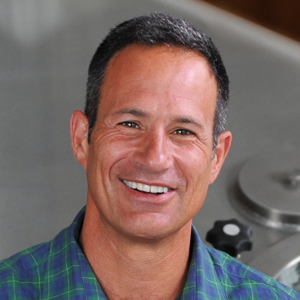
[00:00:45] Infinite Session: Hello and thanks for tuning in to the Top Podcast for the food and beverage industry. That's Taste Radio. I'm editor and producer Ray Latif and you're listening to episode 189, which features an interview with Sam Calagione, the founder of pioneering crap brewery Dogfish Head. Tune in on Friday, November 22nd for episode 61 of our Taste Radio Insider Podcast, when we're joined by the founders of two innovative UK-based companies, Chris Hannaway of non-alcoholic beer brand Infinite Session, and Stuart Forsyth from coffee and oat milk brand Minor Figures. Just a reminder, if you like what you hear on Taste Radio, please share the podcast with friends and colleagues, and of course we'd love it if you could review us on the Apple Podcasts app or your listening platform of choice. A few things you should know about Sam Calagione prior to this interview. One, having founded the much-admired and influential Dogfish Head Brewery nearly 25 years ago, he's often referred to as an OG, godfather, or patron saint of craft beer. Two, he's the author of several best-selling books about entrepreneurship in beer, including Brewing Up a Business and Off-Centered Leadership was the host of the popular, if short-lived, TV show Brewmasters. Sam is now a member of The Boston Beer Company family, following Dogfish Head's merger with his Samuel Adams maker in May. For a former board chair of beer industry group, the Brewers Association, which is commonly referred to as the BA, he's a fierce advocate for independent beer companies and artisanal production methods. And five, he's a successful hotelier. Dogfish Head Inn in Delaware has become a popular destination for fans of the brand, craft beer lovers, and podcast enthusiasts. Just tell them Sam sent you. Hey folks, it's Ray with Taste Radio. I'm here at BevNET headquarters in Watertown, Mass at the Taste Radio studio. And with me right now is Sam Calagione, the founder of Dogfish Head Beer. Sam, it's an honor. Thanks so much for being with me.
[00:02:38] Stuart Forsyth: Thanks for having me, Ray. I'm excited for today.
[00:02:40] Infinite Session: I'm excited about your hat. This is a, for folks who can't see, I mean, there'll, there'll be some video of this as well, but you've got this incredible vintage Schlitz cap on right now. It's a blue with some orange and some yellow right now. It's, it's a, it's quite nice. Where'd you get that from?
[00:02:55] Stuart Forsyth: an awesome used clothing store that no longer exists that was either in Northampton, Mass or Amherst called Sid Vintage. But I think if you go on the interwebs and look up Sid Vintage, they still have their home business where they find all this awesome, cool shit and resell it. And yeah, I bought it for 10 bucks 10 years ago or so and wear it more than any hat I own. Very cool. Well, Sid Vintage? Sid Vintage. Like Sid Vicious? Yep, but Sid Vintage. But Sid Vintage, okay. Yeah, check them out. Western Mass, is that where you grew up? Yeah, I was born in New York City, but my folks moved when I was a tiny kid, so I spent most of my formative years living in Greenfield Mass, and that's actually where I met my wife, Mariah, who started Dogfish with me 24 years ago. We met in high school at a school called Northfield Mount Hermon, where I was a day student and she was a boarder from Delaware. We stayed together and went to different colleges, but that's also why Dogfish Head ended up in Delaware. It's kind of a convoluted story. We took the name for our company from a jutta land. In the summers, my folks had a cabin on an island in Maine near Boothbay Harbor, and it looked out at a jutta land called Dogfish Head. But by the time I got my shit together and raised the 200,000-ish dollars it took to start Dogfish, I wanted to open a brewery in New England where I was from, but all the New England states were taken by then. And the closest state contiguous to New England that didn't have a brewery post-prohibition yet was Delaware. And so I knew it from the summers going and hanging out with Mariah. And I was like, all right, that'd be cool to open a brewery at the beach in Delaware. And that's as thoughtful as it was.
[00:04:30] Infinite Session: Well, we'll get to the launch of Dogfish Head and the 24 years that you've been in business, but I want to go back because you skipped over one part about your school experience, and that's that you got expelled from high school.
[00:04:41] Stuart Forsyth: Yes. So how'd you get expelled from high school? It took a lot of hard work. They let me go in March of my senior year and kind of made a cautionary tale of me. It was called an accumulation of offenses, which meant they had a lot of small stuff on me, but not enough big stuff, you know, from smuggling Beer Co a campus in my hockey bag as a sophomore and getting busted, breaking into the rink, playing hockey naked. They busted us. Well, we had dress socks on and our skates and our sticks and our gloves. This is not totally nude.
[00:05:10] Infinite Session: Well, I mean, if, yeah, that's hot. Yeah. Well, that wasn't going to say that. I was going to say you might get kind of cold. You might catch a fever without at least socks and skates, right?
[00:05:22] Stuart Forsyth: Yeah. 93% of your heat is lost through the heels of your feet. There you go. I love Norfolk Mount Hermon and both of our children went there. MRI is now the chairman of the board. So the school is very meaningful to us still, and I deserve to get kicked out. I don't have any animosity towards them. I regret it terribly, but I deserved it. But I went on to still go to college somehow, like most of the colleges I got into revoked their acceptance. But two of them were like, oh, we don't need a high school diploma. Come on, you know? So I ended up going to Muhlenberg College in Pennsylvania as an English major and loved that too and got in some trouble there, but was kind of getting myself, you know, figured out. But yeah, I was definitely rebellious and I knew I wanted to do something as a career that would be, you know, creative, but also kind of fighting the man. So that was something that was in my mind as I figured out what I wanted to be when I grew up.
[00:06:10] Infinite Session: Well, a lot of people fight the man with a pen and pencil, right? You want to be a writer? Founding fathers, right?
[00:06:16] Stuart Forsyth: Yeah, exactly. Who mostly did it over pints of ale. The Constitution and the Declaration of Independence were written in the city tavern in Philly over tinkers of ale. So I graduated from college and the next day moved to New York City and started taking writing classes at Columbia with the hope of matriculating into the MFA program there. But to pay my bills, I worked at a beer bar and that's where I fell in love with beer and really started thinking maybe I could use my creative writing passion to write creative recipes and evocative brand stories about this brewery that I wanted to start instead of potentially being a novelist or a professor in the world of creative writing. This was in the mid-90s, early 90s? Early 90s. Graduated college in 92. That's when I moved to New York and lived there for two years. There were beer-centric bars, not just back there? Yeah. Really? There were only a few. There was Burp Castle somewhere in Manhattan. There was one homebrew store called Little Shop of Hops. And then I was fortunate enough to work with a guy named Joshua Mandel, who was only like three or four years older than me. who left a brief career in computer programming and started this little bar on the Upper West Side next to Columbia called Nacho Mama's Burritos. Okay. It doesn't sound like an awesome beer hang. They had really good burritos, but he was really the first guy seeking out the OG craft beers. So, you know, I cut my teeth on my staff drinks the first week of Sierra Nevada Celebration and Chimay Red and blew my mind like any college kid before that. I mean, I'd stole my dad. My dad actually pretty... evolved taste for beer. He used to buy beer at the combination VHS rental store and beer store and Greenfield mass weird combination. Right?
[00:07:57] Infinite Session: That's incredible. They need one of those stores right now. Right? I mean, that sounds, well, I don't know. VHS is making a comeback though. Right? I mean, like, like
[00:08:05] Stuart Forsyth: you know, audio cassettes, VHS tapes and vinyl is, I think you're probably right. It's time. And there's a cassette day, you know, where dogfish is the official be of record store day. Now there's a cassette day instead of Netflix and chill. Someone should open up a craft beer and VHS store.
[00:08:18] Infinite Session: You know where they could do this is Bend, Oregon, because this shoots is out there in the last blockbuster in America is where in Bend, Oregon, they're fighting the power. I love it. I'm so mad. I went out there earlier this year and I just did not go to that blockbuster store. I'm such an idiot.
[00:08:34] Stuart Forsyth: Were they selling or renting still? I think they're still renting. Good for them.
[00:08:39] Infinite Session: Yeah. Yeah. Well, they made a mistake because they got rid of late fees. Remember blockbuster used to make just tons of money off you on late fees. And now it's, they got rid of that because people were just like, Oh, yeah. And they lost like, I don't know, a quarter of their revenue or something, or maybe even more than that. That was stupid. Yeah. but getting back to Beer Co you mentioned your dad, he was a, he was a home winemaker.
[00:09:00] Stuart Forsyth: Yeah. He made wine. My uncle's made mine. So here we are sitting in the beautiful world headquarters of Bev net on the 80th floor, right under the helipad. And it's only, you know, I can see from this 80th floor Worcester mass. And that's where my dad would go meet the train when he and his uncles grew up in Milford, the train that had grapes coming from California and they would pick out their grapes to make their wine with.
[00:09:24] Infinite Session: So we're going to have to cut all that. Cause people don't realize we're in a high rise here and we do have a helipad and John Craven takes it from New York city back and forth. People don't realize this about John Craven is actually a billionaire. Yeah. He does. He's done well for himself. Yeah.
[00:09:37] Stuart Forsyth: Elon Musk of beverages.
[00:09:38] Infinite Session: Man, I'm going to change his bio to say the Elon Musk of beverages. But did you take influence from your dad, you know, as a home winemaker?
[00:09:51] Stuart Forsyth: Definitely, both from my dad and my mom. My mom was a special ed teacher and is the one who really got me to love reading and writing and kind of channel my angst and ADD and, you know, creative like messiness. She helped me channel it whenever I wanted a comic book or a book, no matter what, she would buy it for me. And similarly, my dad was a tooth doctor, but he was an entrepreneurial tooth doctor and he grew his little practice in Western Mass to have offices in Brattleboro and Amherst and Northampton and Greenfield. So he acted, you know, he was a businessman as well as a doctor. And he used to buy Forbes magazine, I remember, and he'd show me articles that he thought I might find interesting, and was always inspiring myself and my sisters with hypotheticals. You know, we'd be at like a smash-up derby, and he'd be like, all right, we're in the crowd at the smash-up derby at the Greenfield Fair. What does everyone in this audience need? What would you give them? You know, lemonade, it's a hot day, or something like that. And he would make the concept of business sound fun. So I think they both inspired me on the journey that we're on.
[00:10:56] Infinite Session: So, he was a quasi-entrepreneur as a tooth doctor. He was an oral surgeon. Yeah. So, tooth... I like tooth doctor though. I like that better. That's the informal from the Latin. But was he... Did he ever start his own business outside of that?
[00:11:09] Stuart Forsyth: No, just his own practice. Okay. And he grew that to, I think, five offices. But yeah, that's what he did for his career. And then was just... My parents were both hugely influential in just helping us start Dogfish because I was 24 years old when I was writing the business plan. They put in, I think, $25,000. My dad's best friend, my Jewish uncle, Arnie Levinson. He's called my uncle Arnie my whole life, but he's not technically blood, but he's my dad's best friend. He put in $25,000, I think. And then the Sandry family that owns some oil delivery companies. One of my summer jobs is building stone walls for the golf course that he owned, and he and his wife invest, I think, $50,000. And then I think I had about $110,000 that I raised as personal loans to me. And with that my dad collateralized one of his oral surgery offices where he owned the real estate against a loan that matched it. So I had $110,000 in personal loans to me and then I got $110,000 from a bank as a loan that my dad helped me get. So that's how I started Dogfish, was with $220,000.
[00:12:15] Infinite Session: You must have had a heck of a business plan at 24 years old for someone to give you or a bunch of people to give you $100,000 plus.
[00:12:21] Stuart Forsyth: Well, I mean, I think in that era, what is there is almost 8,000 breweries in America today. And you know, in 1994, when I was shopping the business plan, there was about 600, but it was growing on a very small scale. So it was at least recognized enough, thanks to the path breaking work of people like Ken Grossman and Jim Cook and folks like that, that you could at least reference successful first-generation craft breweries at the moment when I was in trying to get investors and banks to lend me money.
[00:12:56] Infinite Session: when you were shopping the business plan, I don't know if shopping is the right word, but when you were trying to get investment for this idea, was the idea of Dogfish Head in Delaware part of it? Or, I mean, you know, people often talk about white space or attempting to find white space in a category in a market and your white space seemed to be location-based white space because Delaware didn't have a brewery. But I mean, how would you define the opportunity to start a brewery in America and why was Delaware the right place for it?
[00:13:25] Stuart Forsyth: The story today is the same in that, in some regards, as it was then, and I think this is an idea that is relevant in any entrepreneurial, when you're making something, whether it's food, beer, beverages, or whatever, I always say there's, even though there's now 8,000 breweries and beers essentially flat in America, growth-wise, I always say there's always room for another awesome brewery in every major sized town or city in America, if you do three things in a world-class manner, which is quality, consistency, and being well differentiated. And I think there's always room for that. And when I wrote the business plan, it was really, I knew I wasn't going to have a lot of marketing funds. I knew I was essentially going to be starting as one of the smallest breweries in the whole country. And we were at 12 gallons was the size that we could yield per batch when we opened it with a little brewery in the corner of our restaurant. But I tried to do something with a concept that was distinct from everything else that I'd read about. So the first page of the business plan really described our ideal, which was to be the first commercial brewing America committed to brewing the majority of our beers outside the Reinheitsgebot. Reinheitsgebot is the Bavarian Beer Purity Act of 1516, where it was basically mandated Beer Co only be made with essentially four ingredients, water, yeast, hops, and barley. So I said that's what I'm going to stand up against and stand out from, because a lot of the first generation American craft brewers that came before us were making these beautiful, fresh, unpasteurized, robust beers, but essentially they were similar in that they were almost all referencing modern European beer styles, whether it was lagers from Germany, Samuel Adams, or ales from England, Sierra Nevada. So I was like, all right, I'm not going to have them funds to go up against these first-gen brewers and take them on at their own game. And I want to respect the things that they've done distinctly. So do something very different. I said, you know, we brewed, I think the first coffee-infused distributed beer, Chicory Stout in 95, the first beer-wine hybrid, Raison D'Etre in 90. The first beer mead hybrid for ancient ale called Midas Touch in 99. And worked hard to do these, find these little niches where we could be first in the space. And then in that way, our recipes became de facto press releases and our beers started getting covered by national media, Food and Wine, Savor, Art Forum, even when we were one of the smallest breweries. So that was kind of our mission was to do something so distinct that the recipes were The story was equal to the recipe in how well differentiated it was.
[00:16:07] Infinite Session: Use the word niche and niche can certainly be a ticket to the dance or it could just be niche. I mean, did you anticipate that Dogfish Head would be as big as it is today? Did you want to stay small or did you want to, did you just want the appearance of being a small company?
[00:16:25] Stuart Forsyth: That's a great question because there was an era when I really did wrestle with that and my co-worker Brian Selders who's brewed a dogfish for well over a decade. I was always good at keeping my weird Jerry Maguire letters that I'd write in their mid-90s, back when I'd handwrite a letter for meetings with all of our coworkers quarterly. And there were some eras where I'd write letters like, Dogfish Head can never be more than 10,000 barrels. If we get to 10,000, we're going to cap it because, you know, and I'd have some reasons. But eventually we'd go over 10 and then I'd say, all right, well, over 30, we can never be over 30. And then I was like, stop putting a number against this and really, the filter of are we on the right path for me became what are our biggest fermentation tanks, and if they're all someday that I drive in this brewery filled with one beer, then we got too big. It meant that we got homogenized and commodified and turned into the 60-minute brewing company instead of Dogfish Head or in certain name of good-selling beer here. But when I walk in today, there's now 1,200 barrel tanks filled with pumpkin ale and sea quench ale and 60-minute and 90-minute. So even though we got to, I think, the 13th largest indie craft brewery before we merged The Boston Beer, I was proud that we did it while still staying true to that mission. Still, the majority of fermentation tanks, if you visit our production brewery in Milton, are filled with beers that are made outside the Reinheit Skibot, incorporating culinary ingredients, just as I talked about in my business plan when we opened as the smallest brewery in the country 24 years ago. So that's something I'm really proud of.
[00:18:07] Infinite Session: We'll be right back with more from Sam Calagione after this quick word from our sponsor.
[00:18:11] Chris Hannaway: They say it takes doing something 10,000 times to be good at it. With over 60,000 beverage formulations, Flavorman is better than good at beverage development. Let us guide you through the process of getting your drink brand created. Flavorman, change what the world is drinking.
[00:18:30] Infinite Session: It sounds like you really loved to brew. Brewing was your passion. I'm assuming still is your passion. It's interesting because when you're an entrepreneur, you start out doing everything and you start out living that passion, getting your hands dirty in there. Now, I mean, it seems like your day-to-day is much less. part of that brewing process. When did you realize that you'd have to sort of step away from your passion, spend less time doing that and more time being behind a desk or in meetings and, you know, how'd you deal with that?
[00:19:01] Stuart Forsyth: I would say I still proudly identify as a brewer first and a businessman second. I've gotten to do a lot of collaborative brews around the world and it's probably one of my proudest moments is when I come back into America and you're going through customs and there's that thing where you declare, you know, what you have on you, but also what your occupation is. And I always put brewer. I never put, you know, businessman or whatever, company owner, whatever. So that's what I'm most passionate about. But you're right, the ratio of time that I'm working on recipes or actually have boots on on a brew day in a hot, you know, buy a hot kettle is, nothing like what it was the year that we opened or a couple years after we opened, but they're still my favorite days of work. On the phone on the way over here, I was on with Brian Selders and we, you know, the ancient beer recipes, a lot of them incorporated bread into Treehouse Brewing process. In fact, the original human representation of a brewer's Art is a symbol, a glyph, that means both bread and beer. It was synonymous. In ancient Egypt. Ancient Egypt. Right, sure. In Tehinket, we make a beer from that, and that symbol's on the wall in the tomb of Teh. And we're talking about bringing, we're going to do a collaborative beer The Boston Beer, incorporating wood oven made toast into the mash. here and also in Boston. And so the fact that I still get to have calls like that before I do something like this that's fun with you on Taste Radio, I'm glad that I don't have to just sit in front of a computer all day and do emails. But you're right, the ratio of brewing isn't quite what it was, but I recognize that. That's tough shit, Sam. You got to suck it up and not just do the fun stuff. If you're going to have this job where there's a lot of coworkers relying on you as a leader of the company, it can't all just be the fun stuff when you're a leader of a company.
[00:20:51] Infinite Session: Was that one of the reasons you wanted to cap production so that you could stay in the brewery day to day and having, you know, to do less with the administrative kind of stuff?
[00:21:02] Stuart Forsyth: Yeah and I think, you know, when Dogfish Head coming up, that model that's so successful for so many indie craft breweries today of being like a tasting room brewery, I think of my brothers and sisters at Treehouse or Tired Hands or other half, that's a pretty cool model where you're not relying on three-tier distribution and you're relying on customers to come directly to your door. It's obviously a very financially strong model because the brewery's keeping 100% of the sale of their beer, whereas Dogfish, 99% of our beer. And Samuel Adams and Boston Beer goes through the three-tier system so that we only see, you know, half basically of what the price of the consumer pays for.
[00:21:46] Infinite Session: So for context, a Treehouse Brewing directly to the consumer, as you mentioned, is getting 100% of what the price is.
[00:21:53] Stuart Forsyth: Right. A pint of beer sold at treehouse, let's say, I think they sell more four-packs than pints. So let's say a four-pack costs 20 bucks when you go and wait in line at treehouse. If there's a six-pack of dogfish somewhere, you know, 90 minute that costs 20 bucks, Dogfish is seeing roughly half of that and the other half is split between a retailer and a distributor, taking margins. So bigger breweries that work through the three-tier systems are working on smaller margins than tasting room breweries that... go direct, and that's just a reality. But that model really didn't exist when Dogfish Head coming up. You either were a brew pub with full-service restaurant, which has a big cost structure, and everything you brewed was kind of sold in your brew pub, or you were a production brewery that sold everything through distributors and retailers. That tasting room model wasn't really there back then. So yeah, you're right, when I would write those 10,000 barrel Jerry Maguire letters, we never want to get bigger than that. It's in part because I wanted to focus more on being a brewer and less on being a truck driver and a salesperson going around to distributors and cities. But then once I got on that journey and we started growing, I enjoyed that and met so many amazing, passionate beer lovers, restaurateurs, retailers, distributors, who helped not only grow Dogfish, but helped take the craft brewing movement out of this beer geeky niche. where it existed through the 90s into the mainstream in the 2000s. I'm proud to be part of that movement along with thousands of other beer evangelists throughout the three-tier system and including customers.
[00:23:29] Infinite Session: The descriptor for brewing craft popularized by beer, it's now everywhere. You know, you could say you have craft cocktails, you could go to a restaurant and say, hey, you know, try our craft mashed potatoes or, you know, it's just, it's everywhere. I mean, are you concerned that at some point the word will have almost no value because it's being so overused?
[00:23:54] Stuart Forsyth: Yeah, I mean, I could see that being a challenge if it becomes too ubiquitous and doesn't lose its specialness. And I guess only time will tell. We're not walking away from it at Dogfish. You know, when we chose the corporate name of our company, Dogfish Head Craft Brewery, so we opened as Dogfish Head Brewings and Eats because we opened our restaurant brewery first in 95, but then we opened our separate production brewery in 97. the name of the company was Dogfish Head Craft Brewery. And I remember that was not a hot term back then. In fact, we recently checked for our 25th anniversary and I think we were the first TTB company, recognized company, that had craft in the name of our brewery. Because back then it was called Micro Breweries, not Craft Breweries. So I guess maybe I'm even more obstinate about not... Walking away from that term because you know, we're proud that we were one of the first to embrace at least in the craft Category now I bet in my reading back then subconsciously I read about little craftsmen making you know wood-fired breads or little crafty coffee roasteries So I don't think craft beer was the first to in the food and beverage space to use the word craft but I do think it's at least evocative of the Philosophy and scale of the company that you're talking about It's good beer. It's good beer made by people. I think it also implies it's made by people who never let the tale of money wag the dog of inspiration. Oh, I like that. That's how I define craft. Can you say that one more time so I can remember it? Craft, Webster Samuel Caligoni definition, the act of doing something where you don't let the tail of money wag the dog of inspiration.
[00:25:41] Infinite Session: Well, it's interesting because you're an author, you've authored several books, and in one of your books, most recent Off-Centered Leadership, there's this idea, this central idea of goodness associated with Dogfish Head. I'll just read a quote, in business I believe there's good karma that comes with focusing on collaboration instead of competition, both within the organization and externally in the marketplace.
[00:26:04] Stuart Forsyth: Yeah, so I mentioned the first written page of the business plan had that, our sort of raison d'etre to be the first commercial where we committed to making the majority of our beers with culinary ingredients. But ahead of that, the sort of preface to the business plan was an Emerson quote that's short, so I'll say it. It's, who so would be a man must be a nonconformist. He who would gather immortal palms must not be hindered by the name goodness, but must explore if it be goodness for himself. And I just love that concept because it's saying, don't follow the status quo. And if you do something well differentiated and exciting and good, other people will recognize it as good and celebrate it and emulate it and join you on your journey. So we've kind of always applied that philosophy to what we're trying to do. Of course, that much verbiage doesn't fit on a six pack. So we condensed the concept down to Off-Centered Leadership for off-centered people, which essentially says a similar thing. It's saying what we're about and whom we're doing it for. And I think the goodness thing comes alive at Dogfish every day. For example, I've never once said anybody works for me or referred to anyone as an employee. of mine, you know, it feels gross. So we've always recognized we're each co-workers and that, you know, respect is blind to an org chart. You know, we treat every single person at our company with great respect and we ask for input on how we're doing on our journey from every single co-worker. And, you know, that and that's something that is really shared The Boston Beer. Like part of our decision for the merger was we could tell how similar Jim and I, our cultures were, and that they're true meritocracies where if you're awesome, you'll have an awesome career at the company, regardless of the your title of or department where you start at the company. So that's part of the definition of goodness. And I think the other part is externally is treating potential customers with the same respect you treat your co-workers. And we've never been a company or brand that that thumps our chest and says, we make the best thing, you know, the best IPA. There's some awesome other beers and breweries out there. And we've worked hard, like you mentioned, collaboration, something I wrote about. We believe way more in the good karma that comes with focusing on collaboration than the negative karma that comes with focusing on competition. And I think our consumers see that too. You know, I'm going home this week to do our Analog-A-Go-Go festival where we invite the best indie record stores from around the country to set up booths and we serve beers next to them. But we always have other craft breweries that we do collaborations with that might be part of Analog. This year we have a local coffee company that we did a collaborative coffee bean that was aged in our whiskey barrels, plus a coffee liqueur that we brewed with them. So using the opportunities we've been given as co-workers to build a Dogfish Head to help other entrepreneurs, there's karma in that as well.
[00:29:04] Infinite Session: You know, that's a really wonderful way of putting it in terms of how you think about your employees as co-workers. At the end of the day, though, you're the boss. Is it tough being a boss? Was it tough for you to learn how to be a leader in the organization, to learn how to be the leader of a fast-growing brewery? I mean, what were some of the things that you had to adapt to pretty quickly so that you could lead in an effective way?
[00:29:29] Stuart Forsyth: Yeah, I mean, I'd say it's still it's always hard to be a leader. And I'd say I still have way more to learn than I have to teach about being a leader. And I do learn from my fellow leaders every day. But I think, you know, what makes a business leader successful when you think of it, if you're defining success as a business, as growing a company to have you know, multiple locations and hundreds of people like we've been lucky to have grow with Dogfish Head I think one of the skills you most need as a leader is humility, like recognizing almost any entrepreneur regardless of the The industry you start in, when you start small by virtue of definition of a mom and pop startup or whatever, you have to wear a lot of hats because you can't afford to hire a lot of people. So even if you suck at finance or HR, you wear those hats. And I think Mariah and I's ability to grow Dogfish beyond one location or a few dozen people in one building, stems a lot from having great humility and knowing which hats fit us well and which ones we needed to quickly take off and find people who would fit well that had sort of complementary superpowers to ours. We weren't great at finance, we weren't great at HR. Having that humility to know what you're good at and then quickly figuring out how you can afford to excite other leaders with the skills that you don't have to join you on your journey, I think is one of the biggest factors in growing a company from you know, being in one location with a few dozen people to something that is could go coast to coast.
[00:31:10] Infinite Session: I'm guessing you probably made some mistakes and some higher some of the folks that you've thought could be leaders for the organization turned out to be the wrong fit. How do you deal with that?
[00:31:18] Stuart Forsyth: I used to use the sort of Amish method of shunning. You know, I just don't like you anymore. Just kind of turn away. That person's not good at what they're doing. They'll just avert our eyes and maybe they'll get the hint and leave. And then more recently, we've gotten more grown up and we'll have sort of these interventions and we'll put people on what's called a PIP. Uh, which is basically just saying, Hey, you know, recognize that you're not on a positive path at this company. We don't want to just give up. Let's sit down together and say, can we get back on the right path together? Then there's amount of time to see if we can get back on the right path together. And if we can't, We'll let someone go. But, you know, in 24 years, it's very finite amount of our population current and past that we've had to say, you got to leave. We're lucky that we've a lot of people that have been with us over a decade, but we're also happy that when someone's not on a good path with us, it's usually set up where they're choosing to leave because they know it's not a fit for them.
[00:32:23] Infinite Session: Is it mostly performance based or culture based?
[00:32:26] Stuart Forsyth: It's mostly performance-based. It has been through the years. I'll also say that, especially in the era when Kraft was, you know, experiencing high double-digit growth, we had just done a show on the Discovery Channel that, you know, certainly brought us to a level of recognition beyond our scale. So in that era, we were actually losing some people. more based on, you know, startups poaching from us saying, Oh, I saw you on the discovery show. Right. And you'd get these weird press releases of, you know, brewer, former Dogfish Head, executive master of dogfish is coming to Spokane and make them like, well, that person did brew on a shift at dogfish for nine months, but okay. I guess if you're going to call them the brew master, it's says more about you than it does about us.
[00:33:15] Infinite Session: Well, the show was called brew masters, right? We were all brew masters. You talked about sort of the stagnation that's been happening in beer right now. You know, in the 90s, there was a period of stagnation for beer as well. And one of the things that you said was that you wish you'd been more capitalized. Your father-in-law said cash is king, but having some money in the bank as well is very helpful. You know, for entrepreneurs listening, I mean, you know, how do you think about being a well-capitalized brand and company?
[00:33:45] Stuart Forsyth: Yeah, I'd advise any entrepreneurs learning the hard way from what I learned that instead of writing a business plan to figure out how big you can be, write a business plan from how small can I possibly be and still have a viable, sustainable business model. And it's mostly on the financial metrics, you know, to not go too much into bank debt, to not rely on a business model where you're, bank obligations every month are strangling your opportunity for creativity. And I think a large part of that comes from making sure you've got enough dry powder when you open that you can sustain the business without the revenue for, it depends on the industries, but I'd say for at least half a year where you don't need the revenue coming back in to fund whatever the product line or marketing or staffing costs are, and using that dry capital for buoyancy to make smoothness in the bumpiness that's inevitable in any startup.
[00:34:50] Infinite Session: Oftentimes, marketing is one of those expenses that people start cutting when they are in the midst of some financial difficulty. But you guys never really did a lot of traditional advertising. A lot of your brand awareness came from social media and sort of just general interaction with your customers.
[00:35:09] Stuart Forsyth: Yeah, and my wife Mariah deserves a lot of credit for this if I'm sort of the analog voice and face of our company. Mariah is certainly more the digital voice and now she's got a great team of two with her that runs our social. But really it started where in necessity is the mother of invention and when we were really tiny and couldn't afford marketing, you know, we try to find really unique events, or we would have these comment cards in our brew pub that Mariah and I would bring to every customer. What do you think of this new beer? Give us your feedback. And they could see that we were actually listening to them. You know, I'd brew a chicory stout batch, and they'd be like, there's way too much coffee in that beer. I couldn't fall asleep tonight when I drank it. So then we dial back the coffee and they come in, I hand them a new card and say, Hey, I listened to what you said. Try this new batch. Cause we were brewing 12 gallons at a time. So I could change the batch every time. And they were like, Holy shit, this guy's actually listening to us as consumers. And Ryan and I are like, once we started our website, we're like, well, let's just keep that practice. We're learning so much by inviting all this input.
[00:36:11] Infinite Session: And this is before you wouldn't even know if this person was a quote unquote influencer. He was just a consumer.
[00:36:15] Stuart Forsyth: Right. They were an influencer in that they helped influence our ability to pay our debt that month. Everyone was an influencer that came in our front door. And it wasn't called social media then, it was called talking to your customers, right? But as soon as Mariah was savvy enough to see the earliest platforms evolving out of our website and our you know, our email lists to amplify these conversations and early friendships with the Alstrom brothers as they got beer advocate off the road. I remember Mariah was mowing the lawn one day. She's like, Hey, these guys want to interview our 90 minutes, the best rated Beer Co their website. I'm like, these guys think they're going to build a company around a website about rating beer. I want to talk to these guys. I don't know how that's going to happen. Folks listening who are not familiar with beer advocate. It's a pretty robust community. And so, so yeah, so I think keeping that human scale interaction with our marketing and always being like a dialogue based marketing approach, our approach to marketing is always human scale dialogue, you know, we don't do TV, we don't do a lot of billboards, we don't do a lot of print ads, because we just want to have the conversation and then try and tell people what we think is exciting about our brand, but do it in a way that's not ham-fisted and say, it's up to you to make up your mind. We hope you try our stuff and we hope if you like it, you'll tell people about it. And that's why events are so important to us. I mentioned the analog of go-go where we, have all these indie record stores come and set up booths. That's this weekend with great live music and beer and makers all set up that do wood crafts and vintage clothes, etc. Or our Dogfish Dash, so we'll raise over a million dollars next year for the Nature Conservancy from this road race. that we've had every year for, I think, almost 15 years. So those events are just also awesome opportunities to bring in evangelists for the brand, oftentimes around a great cause, whether it's the Nature Conservancy and the awesome work they're doing to fight climate change, or helping entrepreneurial little companies like record stores across America. It's still a great halo to our brand if beer dogfish lovers get to experience these other communities that are doing what we would call good.
[00:38:31] Chris Hannaway: We'll be back with Sam Calagione after this short break.
[00:38:50] Infinite Session: You know, how did you best understand your consumer? How did you best understand who the dogfish consumer was and whether or not your strategy, your business strategy and growth strategy was really marketing or targeting that person effectively?
[00:39:04] Stuart Forsyth: Yeah, that's an ongoing evolution. We never really thought of it to deeply in the years where demand was so far in front of supply that we were just like trying to keep up. So we weren't really thinking about, well, who's buying this stuff? We were just glad that we couldn't keep up. But then you started to learn kind of through which beers you released with which stories were around them. which ones were resonating the most and especially in the era when beer, when it got so competitive, growth slowed and it became harder to have demand stay in front of supply. That's when you really started to have to scratch and say, okay, well, who do we want to be selling to now that we have Beer Co sell, that it wasn't just ripping through our warehouse and we actually had to actively sell it versus just actively make it and it sold itself. So only recently have we started thinking about, you know, traditional demographics and women and men and people of this age or people of that age. That's only been the last few years that we think about it. We have way more to learn than we have to teach. But again, I'd say the fact that we do so many, we're the official sponsor of every Beer Advocate event. So standing behind my booth at the IPA Fest or the Extreme Beer Fest and seeing what people are excited about, not just at our booth, but around the room, and then hosting, having all of our own retail outlets. You know, we have Chesapeake and Maine, our sort of high-end seafood, where we sustainably get 100% of our seafood from those two local regions, our brew pub, our restaurant at our brewery, and getting that input direct in real time from people who care enough about our brand to come to our brand. I'd say my most meaningful meeting of every week, and I'll have it on Friday night this week, is if I'm in town, I host fireside chats at the Dogfish Head Harborfront Hotel, which is called the Dogfish Inn on Lewis Harbor in Lewis. And I go there, I bring my own beers, and everyone brings their own beers, and we sit around a fireplace, and I say, all right, for an hour and a half, we're going to talk about beer. It doesn't have to be about dogfish. It could be the business of beer. It could be beer styles that you're digging on. It could be something that Dogfish doesn't do that you wish we did or something you think we do that sucks. But the only thing we're going to do is talk about beer and try to have one conversation going at a time so that everyone around the fireplace can hear each other and have input to it. And those are my most meaningful meetings of the week, to hear directly from people who cared enough about Beer Co choose a vacation destination that's a beer-themed hotel. I've got a ton to learn from them. And over the course of every week's meetings, you can start to triangulate themes that are bubbling up that you can act on, things you're doing well and things you could do better, concepts for beers that they think Dogfish's off-center thumbprint could be on that we've yet to make. So that interaction's key to our marketing, and we're more focused on those sort of opportunities than spending, you know, hundreds of thousands of dollars on studies for demographics that I'm sure are out there.
[00:41:58] Infinite Session: Well, you're going to start doing those, I mean, The Boston Beer Company, right?
[00:42:01] Stuart Forsyth: That's true. We've got access to data that we've never had before. But, you know, it's a testament to Jim Cook and my fellow leaders The Boston Beer that they're like, we wanted to merge these companies because we love Dogfish, how you guys are so grassroots with your marketing and branding, just because we have more access to resources, use it. but do your marketing the way you always have. So, for instance, in 2020, we're still not doing TV ads or billboards, but we have seven times the budget we've ever had to get our messaging out there through the ways we've always done it. So, I'm excited to see what that means for us in 2020.
[00:42:36] Infinite Session: There was some backlash from some of your consumers about the merger The Boston Beer Company, and some of it was not so nice. You know, I think there are some folks that'll call Boston Beer Company a seltzer company or a tea company or a cider company instead of a beer company. How do you feel about that? Did it, I mean, did it hurt for, you know, to hear that from customers?
[00:42:57] Stuart Forsyth: You know, Mariah and I went into this merger, eyes wide open, and regardless of scale, it's just, it's a little bit sad or humorous, depending on your perspective, that people think of Boston Beer as one of the giants or that we sold out to a big company. when we collectively now that we're merged still have less than 3% domestic market share. We are the largest indie craft brewery by definition of the BA, but in market share we're just absolutely tiny compared to ABI, Molson Coors, Heineken. And Dogfish Head been a beyond beer company since the day we opened. Our whole definition was don't think of beer as just these four ingredients and we started doing meads and ciders and distilled spirits. So again, the fact The Boston Beer similarly is a beer company that makes that that makes stuff for beer drinkers, but they're outside of the definition of the Ryan Heitzke boat. You know, we have the number one cider in America with Angry Orchard, the number one tea with Twisted Tea, Top 2 Seltzer with Truly. I'm proud of how diverse our portfolio is and that we're not just in beer. I was proud of that when we were Dogfish Head and had a diverse portfolio. And I'm proud of that now that Dogfish Head's one of The Boston brands within The Boston Beer portfolio. I can see you're really, you know, passionate.
[00:44:13] Infinite Session: You're really happy about this merger. I mean, not that you shouldn't be, but it even more so than I even expected, I think, you know, given that you're not running your own company anymore. I mean, you are part of another company. You know, how do you feel about that? Sort of letting go as an entrepreneur and saying, okay, I am not, totally in charge anymore. I mean, was it hard?
[00:44:34] Stuart Forsyth: Yeah. I mean, you know, I, when I made the announcement on the merger to my own coworkers, I said, guys, you know, this is going to mean a more bumpy path for us in the short term because changes is challenging for people and integrating two companies is not easy, particularly when we have to integrate not just our companies, but try to assimilate into one distribution network. You know, a lot of your listeners that might come from the food or the non-alc side, you got your own challenges in that world, they might be slotting fees at retail, but a unique challenge to the alcohol beverage industry is we essentially rely on this... this middle tier called distributors who own the rights to your brands. And every state's laws are different, Byzantine and challenging. And in some states it can be feel like indentured servitude where you can't just because you choose to go to someone else, you can't. So the bumpiness of trying to integrate a national distribution footprint, I knew it was going to cause short term headwinds. But I said this bumpiness in the short term, I'm confident is going to mean way more smooth sailing in the long term. And even personally for me, from your perspective, you're right. One of the most challenging changes for me personally is I now go to the second biggest owner of a company instead of the biggest owner of a company. And I'll have a seat on the board. I have the same title as Jim Cook, same compensation or same salary, whatever. And we're both running around the country like maniacs as leaders trying to champion for our brands. But at the end of the day, Jim does have voting control. And if in two or three years, you know, Dogfish Head may be not innovating to the degree that the expectations, I could be part of a board that's saying, okay, well, next year we have to de-emphasize dogfish because there's more opportunity for Boston Beer Co grow with these brands than with Dogfish Head and my coworkers have to have the, I think, maturity to understand that. You know, Boston Beer is a successful company, again, because it is a meritocracy, and it's even a meritocracy around brands. We have to be entrepreneurial within our own portfolio to say, okay, right now this brand needs to be in a sort of building mode instead of in a growth mode, and this one's in a seeding mode. It's a tiny little brand like Artura. which is our alcoholic kombucha. We don't have it in all of our geographies. That's a seeding brand and it's getting resources that are, you know, are correct for a brand that's at that point in its gestation in this cadre of brands that might be at different points in their gestations and at different points in their growth cycles. So I have to, in that way, take off my Dogfish Head sometimes and have my Boston Beer owner board member hat on, and I'm enjoying that process. And I hope my coworkers recognize that just because I have to be thinking about a lot of other brands, I love doing that. And it doesn't mean I love Dogfish Head less.
[00:47:31] Infinite Session: As you mentioned, you're a major shareholder in Boston Beer Company now. You had done well for yourself with Dogfish Head financially. I don't think it's a stretch to call you well off. Has money changed your perspective on life? Has money changed in the way that you think about, you know, sort of business? I guess the question I often ask successful entrepreneurs is why are you here and why aren't you, you know, sailing around the world?
[00:47:56] Stuart Forsyth: Yeah, that's a good question. I think it'd be naive to say money doesn't change the way you look at the world to not have to worry about if I can send my children to the college that they want to go to, you know, or if Mariah and I have food on the table is a luxury that a lot of Americans don't have and we don't take that for granted. We know we're blessed and we spend a lot of time trying to give back to our community in some of the events that I mentioned and we've started a foundation Mariah Runs as well so that we can kind of amplify that that tithing that we choose to do for the stuff that we believe in but yeah I mean the short answer is we know we're lucky and it means that we get to focus on on things that a lot of Americans don't get to people around the world don't get to focus on when they need to just focus on on being able to finance the getting through the day or whatever it is so we don't take that for granted at all and yes money's afforded us opportunities that we appreciate. I don't even know if I answered the question.
[00:48:59] Infinite Session: Well, I think, I mean, you know, when you started out as an entrepreneur, it must have been hard to imagine that you'd be sitting here right now talking about how you have merged The Boston Beer Company, even The Boston Beer Company wasn't the size that it is today. When you're thinking about goals, you know, what was the original goal? I guess, what is the goal now?
[00:49:20] Stuart Forsyth: Yeah, so there's never really, there was never financial metrics personally or professionally. As a brewer, I do think in barrelage, you know, more than I think of dollars. And so barrels are how we in the beer industry calibrate our volume. There's a number of cases within every, every, uh, barrel. And as we talked about earlier, Dogfish is already bigger than my wildest dreams when we got to, you know, we're something around 300,000 barrels. In the context of Boston Beer, we're one of the actually the smaller of the brands. But, you know, as I said at the beginning of the show, it's definitely I'm a brewer first and a businessman second. So I'm thinking more like I woke up and before I did the call about you know, the bread, beer, a beer recipe I'm working on. I was scribbling an idea for a new, truly mixed pack that I can't share and taking a photograph of that and sending it off to the brand leaders and truly being the heart seltzer, because it's exciting. I'm a competitive business. People are competitive by nature and want to win. And it's cool, because we're a David in the world of beer. We're 3% market share up against the same Goliaths we were when I opened 24 years ago. I was referencing the same Goliaths in my business plan that still dominate. So that feels good to still be a David up against the same Goliaths. And even in the world of seltzer, we're number two. We Truly Hard. And so to be able to think, how do we win, is what gives me the most joy for my job. And now I get to think of it with my creative ADD, not just on how does Dogfish win, because I think a lot about that, but around how do The Boston Beer brands win. And it starts with how do The Boston Beer coworkers come together to help make us win. Is competition motivate you more now than it did in the past? Like I said, I mentioned working with my coworkers on this, the opportunity for collaboration with more smart, passionate people than I've ever been able to collaborate with is what is most juicing me now in this merger is everyday meeting, you know, these other people, I feel like we're all just kind of the dogfish crew just kind of pulled up to Professor Xavier, whatever the guy ran the X X-Men. That's Jim Cook. That's for professor Xavier. And we're meeting all these other mutants with complimentary superpowers and getting to know how each of our superpowers are going to work to fight the crime of, you know, two international conglomerates dominating most of our country's beer market share. That's, that's what gets me up. That's what gets me excited every day. Which of the X-Men are you? Oh geez, which of an XMA man am I? I'm probably Cyclops. I was going to say Cyclops. Yeah. Yeah. Cause I'm like always looking out for something new to do, but sometimes I burn down a lot of shit when I'm looking out at the wrong things. Well done. Um, mentioned, you're covering maybe. Cause I'm an Italian. I have a pretty hairy arms and stuff. Maybe Wolverine.
[00:52:12] Infinite Session: I think Cyclops was spot on.
[00:52:14] Stuart Forsyth: Yeah.
[00:52:14] Infinite Session: Yeah. I mean, Wolverine, Wolverine was also like five. He's like a puck. He was like, he's about five, five.
[00:52:19] Stuart Forsyth: He's pretty short. Yeah.
[00:52:20] Infinite Session: You're like Edelman.
[00:52:21] Stuart Forsyth: Yeah. There you go. Julian Edelman is the, is the pro football equivalent of Wolverine. You're always a Patriots fan or just become one. I got to be careful what I say because our brewery is based in coastal Delaware and we got our asses handed to us by the Ravens last week. But yes, I grew up here. So Boston Beer hosted an event in Fenway last night and I got to tell a story to my coworkers about being there in that building with my grandfather, Samuel Anthony Calagione I, my dad, myself, and my son Sammy, and my grandfather going, I saw Ty Cobb slide in the second with this cleats up that mean bastard. And I was like, Whoa, there's a lot, a lot of history in this, in this room. So yes, I am a new England sports fan through and through that might hurt our sales in the mid Atlantic go Eagles.
[00:53:09] Infinite Session: As you said a lot there, Sam, this has been so great. You know, as you mentioned, you guys are coming up on your 25th anniversary. 25 years is a long time, and there's a lot of, I'm sure, happy moments, a lot of moments that are not so happy. What's been your proudest achievement to date?
[00:53:31] Stuart Forsyth: I'd say if there's one thing. So personally, of course, my, my wife and my children, am I proud that my son is joining us on the journey in the summers? He likes to, he's worked in Treehouse Brewing department the last two summers running food before that our daughter could care less. She works in a vintage bookstore in town. Nice. Yep. So I'm proud of my, you might've gone down that road back in the day. So I believe I'm proud of both of them. So that's obviously our biggest personal, but I'd say professionally, if I had to say one thing, I think it would probably be sequent jail. The process of coming up with that recipe that was kind of selfish reasons. I was in my late forties with a metabolism that was slowing down. I like intensely flavorful things, but I was like, I better innovate something that has intense flavors. but low in calories and carbs. So coming up with SeaQuench Ale and with my coworkers help growing that to be the best selling sour beer in America is probably my proudest professional accomplishment. Biggest regret? Biggest regret? Personally, I don't think I have any, you know, other than the loss of some loved ones, like everyone has. And then I would say, uh, professionally it would be coming out with a, a packaged beer infused food line without understanding how grocery channel works. Instead of coming out with a canning line at the same moment, I was like, okay, well I could buy a canning line for this much money or I could do this package food thing. And I did package food. And I could have had our cans out like three years earlier and we all know how much cans have grown. That was probably my biggest professional mistake that was all on me.
[00:55:06] Infinite Session: Oh, in the big scheme of things, that's not so bad.
[00:55:07] Stuart Forsyth: Sorry. All right.
[00:55:09] Infinite Session: Sam, you know, you have such an amazing story and Dogfish Head is just such an incredible brand. Congratulations on everything over these past 25 years. Hopefully we'll see you in another 25 years talking about Well, how Samuel Adams and Doug Fischer had worked collaboratively and worked well together to become the largest brewery in the world.
[00:55:30] Stuart Forsyth: Oh, geez. Then who am I going to have to fight against if we're the largest? I hope we're always at least the second largest.
[00:55:36] Infinite Session: This is coming up a little late. This whole notion of you wanting to fight down the man. Well, we did talk about that at the beginning as well. But anyway, once again, thanks so much for the time. Really appreciate it. And I hope to see you again really soon.
[00:55:47] Stuart Forsyth: this has been a blast. We've been proud. You've had a lot of really esteemed guests on this show. So we're proud to be one of them. And now I got to go up to the roof and get into the helicopter and head away.
[00:55:58] Infinite Session: Craven's got it running. He's ready to go. Thanks. Thank you. That brings us to the end of episode 189. Thank you so much for listening, and thanks to our guest, Sam Calagione. You can catch both Taste Radio and Taste Radio Insider on Taste Radio, the Apple Podcasts app, Stitcher, Google Play, SoundCloud, or Spotify. As always, for questions, comments, ideas for future podcasts, please send us an email to ask at Taste Radio. On behalf of the entire Taste Radio team, thank you for listening, and we'll talk to you next time.