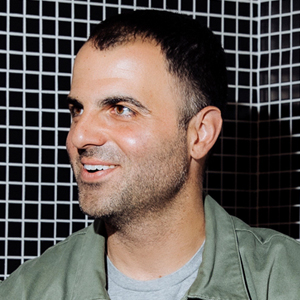
[00:00:10] Matt Weiss: Hey folks, thanks for tuning into the Top Podcast for the food and beverage industry, Taste Radio. I'm editor and producer Ray Latif, and you're listening to episode 195, which features an interview with Josh Zad, the founder of trendsetting cafe chain Alfred Coffee, and the creator of up-and-coming Mexican-style beer brand, Calidad. Tune in on Friday, January 10th for episode 67 of our Taste Radio Insider Podcast, where we're joined by Matt Weiss, the founder of pilon dried fruit brand RIND, who discussed his approach to incubating a brand and steering growth while maintaining a full-time job. Just a reminder, if you like what you hear on Taste Radio, please share the podcast with friends and colleagues. And of course, we'd love it if you could review us on the Apple Podcasts app or your listening platform of choice. Seven years ago, Josh Zad opened his first Alfred Coffee location, a quirky cafe nestled among the luxury boutiques in the Melrose Place neighborhood of West Hollywood. The store quickly became a haven for many of the celebrity and chic denizens of Los Angeles, who embraced Alfred's unconventional stylish charm and adopted its quote, but first coffee catchphrase. The store springboarded a chain of cafes, each conceived with the intention of creating comfortable spaces and Instagrammable moments for its customers. Alfred has since established itself as the standard bearer on how to marry brick-and-mortar retail with a memorable digital presence. After growing to 16 locations across the US and Japan, Josh is looking to replicate the success of Alfred with Calidad Beer, a brand of Mexican-style lagers that lives at the intersection of design, storytelling, and consumer experience. In the following interview, I spoke with Josh about how despite no formal training in coffee or branding, he's built one of the most beloved cafe chains in Southern California, why he believes that the company isn't quote, doing anything groundbreaking, the secret to Alfred's customer-first focus, and how he defines success for Calidad. Hey, folks, it's Ray with Taste Radio. I'm here in West Hollywood at the headquarters of Alfred Coffee and Calidad Beer. And sitting in front of me is the founder of the aforementioned brands, Josh Zad. Josh, thanks so much for having me here. Of course. Thank you so much for having me. You know, it's a bright, beautiful day here in California, in Southern California, that is, and I'm so happy to be here. Have you lived in this area long?
[00:02:30] Josh Zad: Born and raised in Los Angeles. little further west, but now I've pretty much settled into the West Hollywood area for the past 15 years of my life. Nice. I understand you're a Lakers fan? Huge Lakers fan. Born and raised Lakers fan.
[00:02:44] Matt Weiss: There was some controversy that I read about recently that Because you're such a big Lakers fan, you were disappointed when Kawhi Leonard and Paul George, two NBA superstars, signed with the Clippers. And you banned them from Alfred Coffee shops?
[00:03:03] Josh Zad: Of course it wasn't a real ban. Just the nature of sports and competition and just being a hardcore fan, I just feel like Kawhi played us. But I let my emotions get the best of me and took it to the next level and did a ban in jest. And we got some fun hits out of it, and then we got some not so fun hits out of it. But at the end of the day, it's sports, it's all love, it's competition. And being a Lakers fan my whole life and being in LA. It's just kind of what we do is just rag on the Clippers sometimes, you know? They're raggable. They're raggable, but you know, they got a solid team this year. For sure. They whooped us in the first game of the season. I've been watching them nervously. So I do hope it all comes to a head and Lakers Clippers meet somewhere in the playoffs that's meaningful. And you know, we duke this out on the court. All the feelings aside, let's do it. It should be fun. Totally.
[00:03:54] Matt Weiss: And I totally agree with you. It's when people, there's a phrase, right? Can't take a joke, you know, come on. Yeah. Well, I mean, you do have a lot of well-known people come through your doors. Alfred, known as a celebrity haven in some ways. People have been coming in and out of your cafes since you opened your first one in 2013. Who is your customer? Who is the average Alfred customer?
[00:04:17] Josh Zad: So I created Alfred on the premise of me personally not being a big coffee guy and a big coffee connoisseur. I really created this in my own image of it's an experience, Alfred. So we have great coffee. We have obviously a great team. We have great pastries. We do everything best of the best, but really my specialty comes into experience. So I think I cast a wider net with Alfred. And we reach a larger audience of people that want something that's convenient, in a cool environment, and want great customer service. So if you want to pour over and you want to necessarily talk about and know about the source of the drip of the day or the pour over of the day. that's not what we do at Alfred. So my customer is someone that enjoys coffee, but also enjoys the experience of getting their coffee and hanging out and maybe chatting with a friend. It's a place to be. It's a place to be Amanda Huang out. And, you know, luckily coffee is a daily habit. So people tend to experience the spaces in a new way and find new little details that they hadn't seen before by visiting every once in a while.
[00:05:21] Matt Weiss: You said your specialty is in creating an experience, but you graduated from Yale with a degree in economics, and then your graduate degree at UCLA was in? Finance. So how did you become an expert in experience?
[00:05:34] Josh Zad: Yeah, so it's different how life and school kind of take you in one direction, but your passions could be, you know. can lie somewhere completely different. I've always been creative since I was a kid in school. It's been something that I've really enjoyed. I was pretty artistic, but never really found a channel to express that in. Definitely not in college, because it was just go, go, go. Pick something. Economics made sense. I was good at math. went to work in finance for a couple years, went to business school, and then I'm like, you know, I thought I was this guy who needed to work in finance and real estate. But I left to Dallas about 12 years ago, just on a whim, and moved out there and started to work for an interior designer. And without the pressures of being home and no one looking over my shoulder, really started to kind of explore. And working for an interior designer, her name was Laura Hunt. I really started to understand this other side of me again and re-explore it about being creative and designing spaces really was something that started to make me feel good and something I was wrestling with in my head and I finally got to do by opening Alfred.
[00:06:42] Matt Weiss: It is remarkable to go into an Alfred Coffee shop or at least the photos that I've seen of Alfred Coffee shops and it looks like a very welcoming place. It feels like there was a lot of thought put into everything. Is that the case? I mean, do you think about literally every square inch of the place and how it can look great?
[00:07:00] Josh Zad: Yeah, so I designed all the locations myself. Wow. And I have such a tendency to obsess over the design of the spaces that by the time I open the locations, I kind of can't go back for a while, which is odd, you know, but I'm like overwhelmed. And it's like, I put so much into creating a space that A, is warm and welcoming, like you said, And B is durable, right? Because nothing worse than a place looking cool in photos day one and you visit a year later and it's torn apart and wasn't made to last. And of course, that goes back to the charm of if it looks the same as it did today. like the original Melrose Place location seven years ago, and today it's pretty much exactly the same. But it had like that worn in authentic look and feel from day one. So that's something I definitely tried to build into the spaces. But also, like I mentioned before, is create little nooks and crannies and little design elements that you might appreciate over time and visiting often.
[00:07:56] Matt Weiss: It's also very Instagrammable, and that's a relatively new term, but it's a really important term. When you were thinking about the spaces back in 2013, were you thinking about people taking pictures of them and sharing them on social media? I mean, clearly it's much more important, it's something people do now, but was that part of the thought process back then?
[00:08:17] Josh Zad: So when we first opened and I was under construction, let's say 2012, Instagram was really starting to take off, right? I think I'm very tech savvy, phone savvy, social savvy. So Instagram was something that I had adopted and it was a part of my life. Did I imagine it would be where it is today? And the emphasis, no. But I imagined that if someone comes in the space, they really enjoy it, they take a photo of it, they share it on whatever social means, whether it was Instagram at the time or even Facebook. that they're opening it up to their audience, right? So if I'm already gonna put all this effort into the space, I'm gonna design the space, if it takes a little bit more effort and make things that I know will probably catch people's eye, and they'll go out and share it, then all of a sudden, guess what? That one person is not one person that's visited, it's one plus their whole network. So it's something that I took into account a little bit on the first location, but with not such an emphasis as I probably did a few locations later, and I think now it's kind of plateaued. the obsession with Instagram and you can't put like 17 neons in a space to kind of, I mean, people will know you're playing with them at that point. So it's back kind of full circle now of just like creating a great environment and like we have elements like the But First Coffee neon in a different motif in each location and it's become less for Instagram now, but it's just something that we do. It's a part of our DNA. We incorporate neon and we love to explore But First Coffee. the trademark in different fun ways in each location. So it's more now for the physical experience. And if people want to share it, great.
[00:09:49] Matt Weiss: You can control what you put into your cafes. You can control how your baristas are trained, how customer service happens in your cafes, which can, at the end of the day, really benefit the customer experience. But some customers are just not going to have a good experience for one reason or another. What do you do when someone has a less than ideal experience at Alfred and potentially shares it on social and sort of puts a bad light on what you're doing?
[00:10:18] Josh Zad: Yeah, so, you know, customer first is something that we really go by. We do a lot of training of our employees on how to, you know, disarm all kinds of customer situations that might come up. You know, maybe someone's unsatisfied that, you know, their drink is too hot today or too cold today, or maybe they're dissatisfied that we, you know, We can't let their dog in, even though someone might have made a mistake before and let their dog in. I mean, anything you imagine, we joke like there's like a million latte combinations of like, you know, you can mix things, but there's like 10 million customer scenario interaction possibilities. It's just, it's endless with things that can come up. So. emphasis on customer first and doing all that we can, whether it's a manager or a barista, to make sure that we solve the situation right then and there for the customer, make them happy. A small example of that is we used to charge for oat milk or almond milk if you wanted more than a dash, which is obviously arbitrary. Like if you wanted an inch worth, we used to charge for it. And we decided a couple of months ago, you know what? Part of this customer first element If you want half a cup of almond milk in there or half a cup of oat milk and you just don't want the rest of the coffee that much, that's fine. We'll give it to you for free. So these little things that, you know, all these rules that we have that make sense probably to protect our business and make sense to protect our margins. At the end of the day, we want the customer to be happy. So we always try to evolve and not only meet our customers in the middle, but, but, you know, skew towards them most of the time if we can.
[00:11:45] Matt Weiss: How often do you have to think about the financial element of customer service? Because you could have ultra customer service and it would cost you a lot and you know, you could pass on those costs to the end to the end consumer. But you know, how do you do it in a way that's efficient and can sort of balance that cost to the consumer and your product cost or your service cost?
[00:12:05] Josh Zad: Yes, I'm a big believer that everything will come around in the end. I'm not a micromanager, but I do want Alfred to be an amazing experience for people. So ways that we do that, and there might be a cost associated with it, but we're not nitpicking because a new coffee shop probably opens every week in Los Angeles. So we can sit there and just hammer things through a nickel and dime and figure it out that way. Or we can do the best job possible and maybe it costs us a little bit more, but in the end, you know, we want to, we want to float to the top and be considered a great place for people to visit daily. So. things that we do. We invest heavily in culture across our cafes and for employees. You know, there's a charity component to we work with the Children's Hospital, which is really important for us and not only makes us feel good, but makes our customers feel good. And at the end of the day, we're raising hard-earned dollars every year for the Children's Hospital. So, you know, elements like that. We do a lot of training. Like I said in the coffee, we do retraining, customer service. We'll come into the cafes overnight and address maybe new issues that are coming up and issues that particular cafes are seeing. So we're always putting time and effort and I guess money in that regard into making sure that our staff is happy and they're well prepared and that they come to work every day smiling and ready to take on the day's challenges.
[00:13:27] Matt Weiss: I read that you once said, we're not doing anything groundbreaking, but we're doing it better than it's been traditionally done, than traditional players. It's interesting because I would probably call what Alfred has done as groundbreaking in that you've created an experience forward coffee chain that is so unique in comparison to what we've seen and what's currently coming out. And as you mentioned, there's a new coffee shop opening up in LA every single day, but no one seemed to be able to replicate what you've done. I mean, there've been people that have attempted to co-opt the Alfred brand and your approach to branding. But how have you stayed so unique? I mean, how do you consistently be better, I guess, than everyone else?
[00:14:17] Josh Zad: I think a lot of that comes on the fact that we're a very nimble team. Creatively, we always try to be cutting edge. One of the hallmarks of the Alfred brand are our monthly sleeve partnerships that we do with different brands. Right now, it's Netflix. In a couple months, it'll be Nike and we did Postmates last month, but we're always evolving graphically on our sleeves. So it's a revolving door. We're very creative in that regard. Other things that we do are each location is designed very differently and very uniquely. So you get a different feel in each Alfred, but at the end of the day, you can tell there's elements there that tie them all together, that give you that same experiential element. We do a lot of fun events outside of the cafes. We partner with great brands. We just did a Sugarfina collab, but first coffee gummies, you know, the world's first caffeinated gummy bear. Unbelievable. Again, not groundbreaking if you think about it, but pretty groundbreaking because you just haven't seen that, you know, so we're using Alfred as not necessarily a media platform, but as a, as a creative platform, you know, we have these great coffee shops, again, captive audience, they trust us, we've done them well for, you know, seven years now. And it's, it's really keeping it fresh and staying ahead of everybody else. Because, again, we're much more nimble, we have a couple graphic designers in the office, we have a whole branding arm. But, you know, it reflects my personality. I can't really sit still. So I don't think my cafes should necessarily sit still. We're always changing things, introducing new products. You know, our cold case is evolving all the time. And, you know, we find great things that we like. And instead of just sitting on our laurels and being like, this thing is selling well for a couple of years, forget it. We'll change it out. We'll introduce the customer to new products. They'll give us feedback. They love it. They hate it. It gives us a lot more insight into our customer, but also allows us to stay ahead of everybody else, which is important for us.
[00:16:30] Ray Latif: Tune in at the end of this episode for an exclusive interview with Matt Lin of Belay Solutions. He sits down with Melissa Traverse to break down the biggest inventory and accounting mistakes CPG founders often make. You'll learn how to bring clarity to your numbers so you can scale with confidence.
[00:16:47] Matt Weiss: Let's say you think of something, you have an idea that you think would be great for your brand, but your customers hate it. I mean, is that something you'd cut bait with immediately? Or would you say, look, my customer has to kind of catch up to what this is and why it's going to be good for our brand?
[00:17:04] Josh Zad: No, the customer speaks and we react. It's definitely customer first for us. You know, my pride does not get in the way of what we're doing in the cafes.
[00:17:13] Matt Weiss: So even if your gut tells you it's right, if your customer says no,
[00:17:17] Josh Zad: Of course, there's nuances for everything. But generally speaking, one example was oat milk, for example. You asked the folks at Oatly, we're the first cafe in Los Angeles to adopt it. And we adopted it quickly. I tried it, it was great. We had it on bar for a couple customers that normally drink almond milk. They're like, this is unbelievable, what is oat? Oat, goat, what's going on here? And we rolled it out immediately and it was a huge success for us, right? And they've, you know, throughout all the Oli shortages, Oli has protected us. It's been great. But then you see it rolling out in other, in larger coffee shops, the chains, you know, like the intelligences of the world and Blue Bottle, like maybe four or five, six months later. But for us, it was the customer enjoyed it. Let's give it a chance. And it really took off. And, you know, it could be something that wasn't my personal preference or my team's, but luckily it aligned at that point.
[00:18:08] Matt Weiss: We did it. Yeah. There were a lot of shortages, a lot of angry baristas during that shortage in Brooklyn.
[00:18:15] Josh Zad: I'll give you a tour of my headquarters over there and we have stashed pallets of oat milk for real. So if there's ever another shortage, we're on it. We're not going to run out again. I made that promise on an Instagram post.
[00:18:27] Matt Weiss: Well, there you go. There you go. You might've been the first coffee shop to have oat milk lattes here in LA. In New York City, oat milk was appearing in coffee shops for I'd say probably a year or two before that. And I'm curious, I mean, you've opened a tea cafe in Japan. Is that your only expansion outside of LA? Austin as well. We have a coffee shop. You have a coffee shop in Austin. I'm wondering, does Alfred only really work best in LA? I mean, I'm surprised at this point that you haven't opened an outpost in New York.
[00:18:59] Josh Zad: So that's an interesting question, right? I think from the day I opened Alfred, there was like, hey, when are you coming to New York? Not from the day, but once we finally figured it out and had gotten our story right. So that pressure of New York has always been there, and it was alluring for a while. But there's a couple elements that have really refocused us and recharged us to really continue our expansion in Los Angeles. Number one, I'm an LA guy, right? So this is my hometown. Number two, L.A. is obviously a great place, a lot of allure. You know, there's a reason we opened in Japan. We were an L.A. tea shop and we took an L.A. tea shop back to the home of tea in Japan. But it's because there's an undying love between Japan and L.A. L.A. stands out in that regard. Number three, I think coffee is hyper-local. And with all the great neighborhoods and the pockets in Los Angeles, it would be a shame to not continue expanding in Los Angeles. You know, I can open another one in Malibu, in Echo Park. We can open probably two in Santa Monica. It's just, it's endless. Because outside of a few of our locations that are considered destinations, I mean, you're just going to the best, most convenient, closest location Alfred Coffee. So you can't really over-cannibalize yourself. especially if you have a great brand name and a great reputation. So you put those together and the fact that, you know, I like being synonymous with Los Angeles. The opportunity to expand in different markets will always be there, but I still have a lot of work to do in my own hometown. So I think New York will come. We've been down serious path of discussions a few times. It's very possible in the near future. But again, we have a lot more work to be done in LA, and I'm really excited about it. And the concept for us is always evolving. So back to what you mentioned before, there's the tea concept and there's the coffee concept. So what I'm working on now is a combined concept. We call it internally code word Alfred world, but it's the Alfred Coffee and Alfred tea together. So you have great coffee shops that do pretty much what we do in terms of coffee. And it's, it's great. You mix it with this kind of milk or this kind of this, this water, this temperature, this amount, it's coffee, you know? Tea is a much more dynamic and strange and exciting world. The colors, the levels of caffeine, matcha, fine teas, the milk tea bobas that we do, it's dynamic and it's exciting and the concept is to bring both those together. Outside of, you know, I guess Starbucks that does the Teavana and the Starbucks elements together under one menu, no one is doing that. And we have really figured out the milk tea and boba game. We are great at it. And combining it all under one roof would really set us apart. So I'm also learning a lot as we go ahead. So until I perfect my model and I'm really happy with it, And I do think I'm always getting better, thank God. That'll find us in a better place to expand and really make a larger impact than just doing it just to do it.
[00:21:55] Matt Weiss: Do you own all your stores or are they at any franchise? The ones in Japan are licensed.
[00:22:00] Josh Zad: Yes, of course.
[00:22:01] Matt Weiss: Do you feel like... It gives you more control. I mean, you have to have that kind of control over your brand to make sure that it stays consistent. I mean, is there ever an opportunity where you'd say, okay, we are going to say license Alfred or franchise Alfred to a New York or Chicago?
[00:22:19] Josh Zad: That's not something we're looking to do. I mean, direct ownership and growing it organically from within, that's what we like. We get to control the experience. We get to control the interactions. We get to control the drink specials and the quality of everything from A to Z that's important to us. Somewhere like Japan, it's different because the Japanese are impeccable. They're perfectionists. In a lot of ways, we are learning from them. Even when it comes to design and build out, I've incorporated some of the elements of what they've done in my new cafes. So it goes both ways. If there's anybody we trust, it's our partners in Japan. They're doing an amazing job. So, you know, outside of a few, probably few countries that just by nature are perfectionists and would be great or great companies outside of the United States, our goal is to continue just expanding ourselves in the U.S.
[00:23:07] Matt Weiss: You've gotten really good, some might say perfect, at social media. Your Instagram account is remarkable. You have about 125,000 followers on Alfred. If you scroll through the account, I mean, it looks like it's so well curated. How much of an influence do you have on that? I mean, are you... constantly checking up on your social team and saying, yeah, yeah.
[00:23:26] Josh Zad: So we have a, we have a team that, that runs the social media for us, but we have a group chat and they'll send something through and I'll be like, no, or yes, or go, or I won't say anything. And then, you know, I'll go on later and just, you know, change things around my captions or delete photos or whatever. And then they always joke, Josh has gone rogue. Um, but again, I, I, I really find myself in a lot of ways. What really drives my passion for this business is. the creativity of it. So I think of myself really as not the CEO, but the creative director of Alfred. That has to do with designing the locations and site selection and the layouts, but it also has to do with the public elements of what they see about Alfred, right? We live in a day and age where, you know, someone mentions a brand to you and what are you going to do? Go on their website? You don't even know what the website, the URL is, you know, you go on the Instagram search. Oh yeah, there it is. That's the name. And then you're looking. And then what kind of feeling does that give you? You know, does it justify what you thought about the brand? We take a look at all that together and that is the brand to you. So it's very important, the public perception and kind of, you know, the way your business is laid out. I'm not as crazy about it as I was before because we've obviously fine-tuned what our messaging is. Again, I mentioned Alfred takes on a lot of my personality. I think I'm kind of crazy and eclectic and fun. I'm up. I'm down. I'm emotional. It's great. So Alfred has a lot of that. It has a lot of color. It's exciting. It's not necessarily about, hey, today, you know, we're roasting our, our Guatemalan farm relationship that we have. And, you know, this is what we're serving on, on, and cold brew and, you know, it's not about necessarily the coffee so much. It's about the experience. It's about fun stuff. It's about check out our new merch. It's about these are, you know, our holiday hours. It's about this is a new t-shirt we're dropping. And here's a cool picture of a matcha latte against, you know, leaves. This is really what it's about. It's about the lifestyle. You can trust us that the quality is there. You can trust us when we have a new drink special, like our caramel hojicha latte. that the work has been done. It's not something we're just slapping together. You know, it's real. It's delicious. Check it out. So we'll talk about those kinds of things too. But we have a broader message that goes in many different directions that is us. And we have many locations and it's just, you know, it's the personality is there and we try to reflect that on social media. And it's not about, is this the perfect latte art? Yes or no? Are we posting it?
[00:25:48] Matt Weiss: Right. Alfred's a reflection of your personality. I'm curious about the antlers. Alfred is known, or at least the A in Alfred, is sprouting two large antlers. Where does that come from?
[00:25:59] Josh Zad: Yeah, so the initial Alfred logo did not have any antlers. Okay. And looking at, you know, Starbucks, they're not Medusa, but the... What is she?
[00:26:09] Matt Weiss: Siren.
[00:26:10] Josh Zad: Siren. Yeah, she's a mermaid, a siren. Looking at that logo and, you know, you walk by and you see that, that, you know, square blade sign and you see that logo, it's iconic. You know, that's Starbucks. So. We had opened Alfred, and I was like, man, in three years, when I'm big enough, I'm going to need that siren. What is my symbol? It can't just be the letter A, because that's an A. It can't just be the word Alfred, because that's rectangular. I need something square. So it was kind of floating in my mind. We used to host a lot of evening events at Alfred. Alfred After Dark, who some with alcohol, some not. We had a calligraphy series that we did with a with a well-known UCLA calligrapher and an instructor, and she would rent out the place. She'd invite, you know, 10 to 15 people. They'd pay and they got a great calligraphy kit. We'd serve coffee. It was amazing. Fun times. And part of the deal was instead of paying me, she was like, I'll give you some graphic design hours. I'm like, this is great. So I was under the gun and she's like, well, what do you want me to do? So I had her do some renditions of an A with the circle background and all this fun stuff. And then one day we were working with Stumptown at the time, who we still work with right now, and their whole mission purpose is the Northwest. And they had a lot of outdoorsy elements on their mugs and their packaging. So I was like, why don't you add some antlers to this, to this A? And she's like, what? And I'm like, just try it. It's like the Pacific Northwest. It's fun. She put them on there and they were, you know, symmetrical on both sides. I'm like, this does not reflect real life. Maybe chipped one off on one side, ran into something. You got to mix it up, put the antlers on. I kind of was floating with the idea a little bit here and there. And eventually it stuck and I used it more often and people were like, the brain of the antlers. They recognized it and started to slowly evolve and just kind of let it live on its own. And my plan, my three year plan, I think kind of came into fruition a little bit more, you know, I backed into it, but it definitely now stands out. It definitely makes your logo larger and like literally higher. Yeah. Which is interesting. For graphic design purposes, it's a little confusing. For us, it's annoying sometimes because I just wish it was a little more compact and the antlers kind of imbalance it. And I'm a very like balanced symmetrical guy and it's throws it off, but I like it. I'm super visual. Between on social media and just looking around and understanding things and snapping photos, I'm very influenced by the world around me. A lot of the brands that I look at that I really enjoy right now that I admire and maybe I shop from are much simpler, and I'm really enjoying that. So I'm kind of stripping it all down these days. Minimalist? Minimalist, black and white, which is kind of my original vibe anyways.
[00:28:52] Matt Weiss: Yeah, there's another LA brand based out here. It's a CBD infused brand called Vibes. They have that really stripped down kind of mentality as well, but they're a much smaller brand. And it feels like some of the smaller brands often have a really interesting approach to branding that is definitely not traditional, but definitely disruptive.
[00:29:11] Josh Zad: Yes. And it stands out because it's so simple. Right. You know, we, we, we carry that brand. I mean, I brought that brand in initially cause I was like, wow, that's it. Yeah. Just, just pink and black. This is amazing. It's like aerial font underlined some places, not underlined other places. That was it. So it really stood out to me in a world where everyone was maybe trying to do too much. So brought them in just based on aesthetic and obviously they've been doing really well and it's been doing well for us. So we're stoked.
[00:29:40] Ray Latif: Do you want more repeat buyers on Amazon? Well, this free resource in collaboration with Straight Up Growth will help your brand turn first-time buyers into long-term subscribers. Download Winning the Repeat Purchase Game on Amazon now at Taste Radio slash SUG. That's Taste Radio slash S-U-G to start building retention-driven growth for your brand on Amazon. Scaling a beverage brand into major retail comes down to operational readiness. From packaging lead times to co-manufacturing strategy, the details can make or break a launch. In a new ebook in collaboration with Octopi and Asahi Beer USA, industry leaders share what they've learned in helping brands scale. Download it now at Taste Radio slash octopi. Do you need to scale your team faster without compromising on talent? Join Oceans for a live webinar on April 20th and learn how leading companies are hiring top global professionals who are ready to grow with your business. Register for the webinar now at Taste Radio slash oceans. That's Taste Radio slash oceans.
[00:30:51] Matt Weiss: I wonder, I mean, I'm thinking about Alfred as the brand. I'm looking at the logo right now and Given all the interest in cannabis at this moment, have you ever thought about starting a cannabis cafe in Alfred Cannabis?
[00:31:02] Josh Zad: It's funny, as soon as the whole movement, especially in West Hollywood, of the licenses are coming up for cannabis cafes, a couple of my friends were like, yo, let's open one together. Let's get on this. And I'm like, you know what, I'm just busy. There's always going to be great opportunities, but I'm committed to my existing projects. I'm committed mostly to my existing teams of people and to lose distractions and focus on something else that could potentially take up a lot of time. And there's not by any means any kind of slam dunks in this world. It's not my vibe. I'm good right now with what I'm working on.
[00:31:35] Matt Weiss: I hear you. Yeah. Well, It's certainly not a distraction, but it's certainly a big part of your life now, as you mentioned, Calidad Beer. The idea of launching a Mexican lager, a premium Mexican lager, that could be the better Corona has been done before. You know, what made you think that Calidad could be successful in that way?
[00:31:56] Josh Zad: So Cali.Beer is a direct offshoot of my confidence and my work with Alfred, right? So when I was first opening the coffee shops, a lot of the advice I got was, you don't know about coffee, you can't make this happen, or like go work at a Starbucks. learn about coffee, learn about management, learn about running a cafe, or hire somebody from the start. It's like you don't know what you're doing, you won't be successful. And that's fair to think, because I could potentially give the same advice to somebody in another realm that I wasn't really familiar with. Once I opened the first one, got my bearings, opened the second and third, I realized, you know what, I'm comfortable with the fact that I'm not necessarily the coffee person, but I have other skills that suit me well, and we're doing it, people enjoy it, and the brand first approach of Alfred was something that was really exciting. So I had been floating around for about a year or so, the idea of getting into beverages. I was like, I could do coffee, but you know, how many cold brews are out there, right? As I'm thinking about launching a cold brew brand now, but it's only like what, 500, 600. So yeah, you know, you just go in there and it's like, it's like, you know, on the top end, Stumptown crushes it. And it's like, it's, they're the best. There's some local players. Pete's does it on the lower end. I mean, it's just the market was there, the tea side of things for ready to drink. The iced teas are obviously the established players are there, but like full fat milk teas, like we do in our cafes. doesn't work. You put calories on there and it's just not experience. You know, no one wants to buy a canned milk tea with even 150 calories. It just, it's not the environment that we live in. So beer was something that I definitely saw an opportunity in. My crew of friends, my family, everywhere we go, the beer of choice is Mexican beer, right? It's Pacifico, it's Corona, it's Modelo. They're always there. they are the go-to choice of beer. So I started getting this crazy idea in my head of what if I apply this brand first Alfred approach to this category, right? Again, a very simple drink, coffee, tea, beer, not try to do too much, but put a lot of effort into that, not doing too much and brand first approach. So the first element was what's the name of the beer gonna be, right? So I was with my wife and I was floating around some names and translations and she's like, how do you say quality in Spanish? And I was like, Unbelievable. Unbelievable. And she's like, well, what is it? I'm like, I can't believe you just said that. And it was just Calidad, you know, and it's easy to spell. It's phonetic. It's the simplest, most basic descriptive word for beer. Insane. The first four letters are the state you're from. The state I'm from. It works out. great, you know, and I have a couple of friends from Honduras and it's like the response to like, how are you doing, is calidad. It's like, that's great, you know, quality. So it's just like, it's this very common Latin phrase and of course it describes beer perfectly. My mission was there. So calidad, and I'm not trying to do something too crazy and call it like, you know, two dragons beer or something insane. There's probably already a brewery out there called Two Dragons.
[00:34:57] Matt Weiss: And they're probably crushing it. What were some of the names that were on the cutting room floor?
[00:35:01] Josh Zad: I was really excited about working and doing something in Texas, so I had Southerner Beer. I was like Southerner, Mexico, you know, Southerner, Southerner. And then I translated to Sureño, and someone told me that was like a crazy gang. And I'm like, you can't do that one. I had some other random names, but it was just, you know, nothing was really working for me. And then Calidad was just perfect. And it's like Alfred Calidad, it's simple, it's clean. And the next thing was like, what is the packaging gonna look like, right? For Alfred, I designed everything myself. This time I went to Land, which is a design firm in Austin. They had just done some amazing things. They had this very earthy feel, very authentic. I was in awe of their work and got the opportunity to work with them and I kind of unleashed my ideas to them and they came back with eight different concepts. I loved all of them. It was really sickening to start thinking about one of them. and really landed on this color that we called Acapulco Gold, but it's like this deep orange-yellow, and it's the sun, right? So before we even got to making it in California, whether it's Mexico Southern California, wherever you make this style of beer, we share the same sun, it's warm. No one was doing anything that was really like a color rush in the beer space. And my goal was not for the logo or the brand name to catch your eye, but like you go into like a BevMo and you see an end cap. you see that color, that gold color, unify all the elements of like the brand and you're like, that's Calidad. That was the idea. It was color association with brand. So again, not something I had seen done in the beer space. So started with those two concepts, the name, the color, started evolving the brand and really wanted to make something that was straightforward and that people could be like, wow, Josh went to Mexico and like unearth this brand that's been around for 50 years or a hundred years, like something very natural.
[00:36:51] Matt Weiss: So at the time of this recording yesterday, we had our Brewbound live conference. And Brewbound is our vertical that focuses on the business of beer. And I was hosting our Pitch Slam competition. And some of the competitors that were up there were talking about their business strategies and their branding strategies and whatnot. And one of the judges asked one of the contestants, how do you define success? Because I haven't heard anything about that. And he really stressed the importance of defining success within the beer industry and clearly it's important outside the beer industry as well. How do you define success?
[00:37:26] Josh Zad: For Calidad, I think it's making an impact on the Constellation brands.
[00:37:31] Matt Weiss: And Constellation is, for context and listeners who are not familiar, is the conglomerate that owns Corona and is a pretty good sized company.
[00:37:38] Josh Zad: Yeah, I mean, they dominate the Mexican beer market and they've been around for a long time. But however we get there and it's making an impact and chipping away at their market share and showing people there's an alternative world out there where the style of the beer can be still Mexican style, you know, the taste can be on par, but we're offering something very different. It's made here in California. It's primarily California grains. It's much more transparent. Hopefully we're going to have a tap room by next summer. This is a different story that we're telling and it just because it's been done that way for a long time and they've been dominating doesn't mean they should necessarily continue to dominate. So I would like to make an impact directly there. And of course I want national exposure when the time is right. Right now we're only in Southern California. It's important for us. This is a huge Mexican style or Mexican beer drinking market. And we want to make that impact and really become synonymous with Southern California scene. So that's important for us. But it's an ebb and flowy discussion of success, right? I was like, if I get into Whole Foods, I'll retire. You know, we got into Whole Foods and it's like, what's the next mission? You know, it's, it's endless because you just see people enjoying it and you know, you're constantly moving around and it's, it's, it's hard to kind of put all in perspective, but you know, it's good to set mini goals and then beat those and beat those and keep going because your goal might evolve also, you know, Whole Foods is great for us. It does really well, but man, on premise, There's some bars out there that really just crush and the bartender loves your brand and can talk about it. That is a crazy impact versus just being on the shelf with tons of beers at Whole Foods. So it's really evolved for us also on-premises, super important. Nothing makes me happier than walking into a bar and just blindly asking like, what is this Cali.Beer? And just the bartender can talk about it. And you've never, of course, never trained them. You've barely even interacted with them. Maybe your distributor has just said a couple words or dropped off a sheet. That's awesome.
[00:39:32] Matt Weiss: It was weird, about 10 minutes ago, you know, you were talking about branding and brand first and the importance of design aesthetic and you're wearing jeans, a black t-shirt, you got your watch on. I blinked and I was like, he kind of looks like Steve Jobs right there. And I'm like, I wonder if Steve Jobs is one of his mentors or one of his, you know, idols. I mean, is he, if not, I mean, who do you, who do you look up to like that?
[00:39:58] Josh Zad: First of all, that's really funny. Cause I just got these new black t-shirts and they have like, the neck goes really high. It's like a mock turtleneck and it's not, it's not necessarily what I was going for. So I normally wear a t-shirt, but black, well, whatever color t-shirt with like more of like a bacon necky kind of style. This one's really tight and it goes up. So it's completely ironic that I just opened this batch of t-shirts up yesterday. I was going to say it has a high neck. I know, I know. I kind of like it though. It's good for the winter. It keeps you warm. Exactly. It's bundled up. So of course, I mean, Steve Jobs is great. Mentor wise though. I have a couple people that I work with over the years when I was working in finance was a gentleman that I work with those the head trader at this hedge fund Kane Anderson that I used to work at who's always just his messaging is always was very direct to me. It's always reverberated in the back of my mind. My dad's definitely a mentor for me too. He's a tireless entrepreneur started hundreds of businesses. It's crazy. He can't stop, won't stop. I don't think I'm as relentless as him. I have some of my mom's side in there too. I get nervous a lot and I'm pessimistic in a lot of ways, but it's been great just to see what he's accomplished over his career and kind of give me that drive of anything's possible. So that's been really nice too. And honestly, I'm really inspired by several people on my team that work for me also, not to get too sappy, but You know, it's just, you meet people and you respect them and you're like, wow, like this person is amazing and does a lot of things way better than I do. And I have the opportunity of like being their boss. It's, it's crazy. And it's, you know, you just meet so many people as you're expanding your business too. And it's like, these people come along and you pick up something from there and listen to somebody else and. Again, I'm very aware and it's not just on the phone and social media, but it's in person also. I pick up a lot of things and always trying to get better at it and better myself and become a better leader. Do you like being a boss? I love being a boss. I never thought I'd be a boss. Like I thought I just, you know. work in real estate or work in finance for whoever, that was cool. But sometimes I look back and it's like, you know, I have people's livelihood I'm responsible for and not the paycheck, but like, you got to feed this machine and like, keep it going, keep people passionate and excited. And they look to me like, We have our holiday party, Josh say a couple words and it's like, you know, I'm there to inspire them. I'm, I'm that figure. So it's really great being the boss. It's hard sometimes also, but I think overall I'm very happy with it. And it's, it's a, it's been a blessing so far.
[00:42:28] Matt Weiss: What's one thing that you think you're really good at in terms of being a boss or a leader that you hadn't been when you've started out?
[00:42:34] Josh Zad: Public speaking, for sure. Fearfully dreaded it. And now it's like sometimes you just gotta stand up there and be funny or be cool or, you know, rile people up and inspire them or... How'd you get better at it? Just practice? Practice. Just like anything else. just getting practice and throwing yourself into it, not overly preparing for anything, being nimble. And just honestly, I know when I'm myself and I'm in a group of four or five people, I can be all those things if I need to be. I can be funny, I can be inspiring, I can be passionate. So there's no reason why the number of people should really dictate that. So it's about just going head first and it's not like take a shot of tequila and do it, it's just do it. There's no solve for it other than doing it. That's been something I'm still getting better at right now, but it's, it's been really exciting just becoming better at that in front of people.
[00:43:29] Matt Weiss: Well, you're great at podcasting. Thank you. This has been really fun. Yeah. I feel like this is, this is flown by this conversation and, uh, I sincerely appreciate you taking the time to sit down with me. Congratulations on building an incredible brand, like Alfred, an incredible brand, like Kali Dad. Wish you all the success going forward and, uh, hope we can hang out again soon.
[00:43:48] Josh Zad: Absolutely. I really appreciate it. And, uh, thanks for having me on. Let's do it again. Right on.
[00:43:55] Matt Weiss: That brings us to the end of episode 195. Thank you so much for listening and thanks for our guest, Josh Zad. You can catch both Taste Radio and Taste Radio Insider on Taste Radio, the Apple Podcasts app, Stitcher, Google Play, SoundCloud, or Spotify. As always, for questions, comments, ideas for future podcasts, please send us an email to ask at Taste Radio. On behalf of the entire Taste Radio team, thank you for listening and we'll talk to you next time.
[00:44:32] Alfred Coffee: Hello, I am Melissa Traverse here for the Taste Radio podcast, talking about some of the biggest tension points that CPG brands and founders face when they're scaling a brand, and those are financial accounting and inventory management. I am joined by Matt Lynn, inventory accounting guru from Belay Solutions, and he is going to shed some light on all of this that is going to help everybody out quite a bit. Matt, thank you so much for joining us today.
[00:45:02] Melrose Place: Thank you for having us, Melissa. It's great to be out here at Expo West and it's great to sit down and be able to chat this because it's kind of a passion project of ours, working mainly with CPG brands and hoping to help them scale.
[00:45:13] Alfred Coffee: It's been such a pleasure chatting with you and the team and learning all about what you do over there at Belay Solutions. Can you tell us a little bit about yourself and what your role is and the kinds of solutions that Belay gives to CPG brands and founders?
[00:45:29] Melrose Place: Yeah, absolutely. My role with Belay, I'm actually our inventory accounting manager. I run our inventory department, so we work with CPG brands, taking them from spreadsheets, putting them on inventory management systems, and really helping connect their tech stack between their sales online marketplaces to that inventory management system, even down to their financial systems like QuickBooks. Belay overall is kind of an outsourced accounting firm. And with that, we're helping teams. We have different levels with bookkeeping, controller level work, even high level into CFO type items. So we really help those brands in any way that they need financially. And then I just have a subset of a department where we're really just laser focused on inventory.
[00:46:12] Alfred Coffee: It's certainly a complex topic and there are plenty of places to go wrong. Let's start by going right and start super simple. Can you tell us what some of the biggest red flags are that would help a founder understand or, you know, the person running a brand understand that it really is time to get some help with some of these areas?
[00:46:33] Melrose Place: Yeah, absolutely. I think some of the early red flags is just everything is chaos. So when they're looking in their financial software, maybe they don't really have an accounting background and they're kind of just piecing it together and doing their best. And what they'll see is that reconciliations take forever, if they even happen. They have a lot of transactions that don't get coded or they just put them into placeholders to just get rid of it so it's not an eyesore. They'll notice they have revenue but no cash or they notice that they have a good amount of cash but their blind spot is really seeing the vendor invoices that are sitting there just needing to be paid and so they just lack that clarity that's going to really be around the corner.
[00:47:10] Alfred Coffee: You know, you were talking about one of the red flags that comes up that I think makes so much sense. When somebody asks you what your numbers are and you can't come up with the right number, that's a big problem because that's something that you really should be able to share with decision makers who, you know, you're ideally looking to do business with. What should you be able to call up at a moment's notice?
[00:47:34] Melrose Place: Really, at any time, you should be able to know an accurate margin. It's amazing how many founders we end up talking to that they can tell you their revenue numbers, they can tell you their selling price, and then the minute you start talking about cost or their cost of goods sold, they just get a deer in headlights look. So really, it's very hard to tell, am I even making money? or if you don't know your entire landed cost. Maybe you know what the freight cost is, the duties separately, but you're not really getting that as part of your unit cost. So it's really hard to tell. Am I even making money or am I losing money from the very beginning?
[00:48:07] Alfred Coffee: And do you recommend that founders are able to call up a margin by channel?
[00:48:12] Melrose Place: Absolutely. And depending on the number of products and channels, you kind of want to know what are your best sellers, which ones are making the most and which ones maybe you're not making as much. But especially if you're branching out and you're doing D to C with B to B, absolutely want to know that.
[00:48:29] Alfred Coffee: Gotcha. You mentioned that when things feel really chaotic, that's probably a red flag. I would say that it probably almost always feels chaotic if you're running a CVG brand. And I know this may be hard to quantify, but is there a revenue number? Is there a number of doors number that would help a brand understand whether or not it makes sense to bring on a partner like Belait? Understanding that so many brands are bootstrapped or they might be tight for cash. What is that friction point?
[00:48:59] Melrose Place: 3 3 3 3 3 3 But as you're growing, as you're getting to those six-figure revenue numbers, and especially as you're approaching seven, you want to make sure you've got good financials. Because as you scale to that point, most likely you're going to be looking to raise capital. And investors, the first thing they're going to look at is your books. And are they clean? And do they show a clear picture of your business?
[00:49:32] Alfred Coffee: You know, another area that folks might look to to organize some of the chaos are their systems. So many folks stick with Excel spreadsheets for a good amount of time. How do you know that you need to outsource some of your accounting to an organization like Belay Solutions versus maybe signing on to a Synth7 or NetSuite or something like that?
[00:49:54] Melrose Place: Well, that's actually something we really help with when it comes to that cost question. That's something that trips people up. And sometimes if you just have a turnkey business, you buy and sell a finished good, you can maintain with spreadsheets. And we've had clients with million dollar revenue that can do that. But we see so many brands nowadays are using contract manufacturers. and they're just sourcing certain parts of their product. So when you start talking cost, they have no idea exactly what their unit cost is. So that's where we come in and we kind of understand, we'll speak with the customers and the clients and get their needs. And then if we think they're ready for a system, then we'll help put them on that system so they can get some of that clarity. And it's not something we force on anybody. There are plenty of times where founders come to us and we'll tell them bluntly, you're not ready for it right now, but we'll let you know when we think you are.
[00:50:40] Alfred Coffee: That sounds like excellent advice. What should a founder or somebody running a brand look for in an outsourced accounting partner? Are there certain checklist items that they should make sure that their partner be able to execute or be able to help them understand?
[00:50:57] Melrose Place: Absolutely. I think one of the keys there's, there's a lot of outsourced accounting firms out there. Some focus on service-based SaaS companies, but if you're a CPG founder, you really want to make sure that your accounting firm has CPG experience. I would ask them, you know, what kind of brands have they worked with and even beyond that industry specific, because there's so many subsets of CPG. And that's something that I think is great about what we do with Belay is that we kind of run the gamut. It's kind of like the insurance commercial. We know a thing or two because we've seen a thing or two across a broad spectrum.
[00:51:27] Alfred Coffee: Probably getting references is always helpful, right?
[00:51:30] Melrose Place: Absolutely.
[00:51:32] Alfred Coffee: All right. So this all sounds great. I think we have a really good understanding of would it make sense to hire an outsourced partner? You know, what some of the things you should be looking for are. What does offloading this kind of work mean for the brand? What can this do for lightening the load of a founder or lightening the load of a brand operator? Like, how does that help them in their everyday business?
[00:51:56] Melrose Place: It just tries to really help quiet the chaos. So what we're looking to do is just take some of the weight off that founder's shoulder, let them focus on building the brand, building the business, getting that exposure. If you don't have sales, you really don't have anything. So we want them to be able to focus on that while we take care of your back end office work. And we can just present that to you on a monthly basis, you can help make decisions, you can take that to investors. And really, you can just focus on growing your business.
[00:52:22] Alfred Coffee: I feel like I felt founders and the folks who are running brands collectively sigh a breath of relief just hearing that. How can people learn more about Belay Solutions?
[00:52:33] Melrose Place: So people can text TASTE to 55123 for their free inventory guide to get started.
[00:52:39] Alfred Coffee: Matt Lynn, Inventory Accounting Guru at Belay Solutions. Thank you so much for joining me here at Expo West. It's been such a pleasure to chat with you and learn about what you all do over there to help founders and brands with their financial accounting and inventory management. For everybody else out there, thank you for listening to the Taste Radio podcast. I am Melissa Traverse and we'll see you next time.