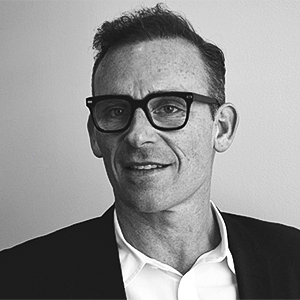
[00:00:10] Ray Latif: Hey, folks, thanks for tuning in to Taste Radio, the number one podcast for the food and beverage industry. I'm editor and producer Ray Latif, and you're listening to episode 199, which features an interview with Josh Taekman, the founder and CEO of natural energy and recovery drink brand eBoost. Just a reminder, if you like what you hear on Taste Radio, please share the podcast with friends and colleagues. And of course, we'd love it if you could review us in the Apple Podcasts app or your listening platform of choice. If there's one thing to be said about Josh Taekman, it's that he's a survivor. eBoost, which markets a range of functional powders and ready-to-drink beverages, has seen its share of wins over the years. But Josh admits that there have also been some pretty big mistakes since launching the brand in 2008, including a few that should have buried the company. Moreover, eBoost has always been undercapitalized, he says, and missed the boat on key hires during critical moments in its development. How has he handled the highs and lows of the tumultuous beverage industry? We explore that very question in the following interview, which also chronicles Josh's career from a marketing executive working with hip-hop and fashion legend Sean Combs, to his joint venture with Arizona Beverage co-founder Don Vultaggio. Hey folks, it's Ray with Taste Radio. I'm here at BevNET headquarters in Watertown, Mass. And sitting with me right now is Josh Taekman, the founder and CEO of eBoost. Josh, thanks so much for coming out here. Oh, thanks, Ray. Happy to be here. And you trained in from New York City. Trained in and fly out. Okay.
[00:01:41] Josh Taekman: Is that normally your routine when you come to the- Honestly, I had not been to Boston in so long. I forgot it was almost a four-hour train ride. Yeah. And when I booked my thing, of course, at the last second, on Monday, I'm like, shit, it's four hours. And I have a dinner in New York City at 8.30. And so then I scrambled. I'm like, all right, I'll train in because it's easy to sit on. I'd rather sit on a train and read, do things like that than to like, spend my time going to the airport, getting on a flight, getting off and then all that transportation in between. So I said, I'll just train in and then fly home.
[00:02:09] Ray Latif: I love taking the train because you can sit down, usually find a decent seat. You can do work. And it's not like the hustle and bustle of trying to, you know, go through security and all this other stuff. It's just much, it's a much smoother process, especially getting into Midtown. You're right there.
[00:02:24] Josh Taekman: Of course. I'd rather spend four hours on a train and three hours on a plane and transport in between. Totally. How long have you lived in New York? I moved to New York in 1996. Okay. Where'd you come from? I came from Southern California. Oh, really? Yeah. Ironically, I was born in Boston, in Worcester. You were born in Worcester? Yeah. I was born in Auburn. Yeah. So I was born in Worcester. My father was a doctor in the Air Force here, in Lexington at the Navy base. And then when we were three, he moved us to Northern California.
[00:02:55] Ray Latif: So you ended up in New York and as it's spelled out on your LinkedIn page, you ended up working with Puff, Puff Daddy, P. Diddy, Sean Combs.
[00:03:05] Josh Taekman: I had many names in between. I did, and it was actually my dream job, but there was a few things I had to do before I got to working for him. And so I spent my first three months in New York going out every single night and getting to know the lay of the land. It's one way to do it. And the social life and, you know, meeting amazing people and having amazing times and experiences and really understand New York nightlife and culture, which was what really drew me to New York. And I'll tell you the first thing I realized when I got to New York is every single person warned me like, oh my God, you got to watch out. You got to watch your wallet. Like you're going to get robbed. You're going to get stabbed. People are so mean in New York. What year was this? This was in 96 and it's trash on the streets. And it definitely did not feel safe, but it didn't feel totally dangerous. But I found everyone to be ridiculously nice. Everyone might have been busy and in a hurry, but I was new to the city, so I'd often ask people for directions. And back then you just had a subway map. You didn't have a phone and you didn't have WhatsApp and you didn't have all these other things or ways to kind of help guide you to where you needed to go. And I found every single person stopped and gave me explicit directions on where to go and then kept moving. No, you need to go two blocks up and left. Follow me. I'll drop you off right there. And you know, you'd follow them. They're like here, but everyone was beyond kind. And then after the second day, I started seeing the same people in different parts of town. I'm like, so a city of 8 million people, I'm coming across the same person that I saw in Soho. Now I saw him in Midtown. So in a weird way, it was kind of. not as big a city as I expected it to be. And I'm like, there's some familiarity with this city. And I found it really easy to get around because the transportation, everything went, you know, north, south. Particularly for Manhattan. Yeah, for Manhattan. So it was pretty easy to divide and conquer the city. And I knew my kind of power center where I hung out and where everything I did was kind of all below 14th Street. So I got really familiar with the city in a short period of time, which surprised me. So I ended up taking a job at a cable network called the Popcorn Channel, where they created a position for me where I had to get distribution on college campuses. So I was doing that. It wasn't horrible, but I just wasn't so passionate about it. And it was kind of nice to fly around the country and go to, you know, Duke and universities like that. In my heart, I still wanted to get back in the music industry. And they lost their funding, so the business was winding down. So I knew that it was time to start looking for another job. And my roommate worked at Hugo Boss, and they were a big sponsor of a tennis tournament in Key Biscayne. And so she said, well, why don't you take two weeks off and come down to Key Biscayne with me and help me host our VIP suite? I said, fantastic. I didn't take any vacation days. So I had some and I was still getting paid and they were still kind of winding the company down. And so while I was there, I ran into Evan Forrester who owned Tough Break, the first place that I interned for. And he's like, Oh, he goes, I definitely want to come to the tennis tournament. And he said, can you get me four passes for the suite? And I said, absolutely. So I hooked him up and so he showed up and he brought his friend Jeff and they each had girls with them. And it turns out Jeff was the product manager at Arista for Bad Boy, which was Puffy's record label, which had a joint venture with Arista. But Puffy liked him so much he recruited him to come over and be the president of Bad Boy. So he literally was starting like that Monday at Bad Boy as the president. So I hung out with him, socialized with him a little bit. you know, nothing serious. We didn't go out at night, but I felt like I got to know him enough that I could pick up the phone and call him. So in the back of my mind, like, you know, what I really want to do is use their platform and Puffy and create a marketing agency within Bad Boy to be the bridge between corporate America and the artists and create endorsement deals. And all these companies want to understand how to, how to get into the urban culture, but it was pretty protected community, right? It was hard to be authentic and break into it, but, It was breakout, right? And when I say urban, it was suburban, right? It was the white kids that were being influenced by MTV, which the urban music was the largest playlist on MTV. So when Puffy would wear his hat to the side, all of a sudden, all the kids in the suburbs started wearing their hats to the side. And so I cold called Jeff and I said, Hey, I have an idea I want to share with you. I met you through, he goes, yeah, yeah, come and see me. So I went and saw him and I laid it out. And he's like, we'll put together a business plan of like, you know, what the key targets are, you know, how you'd approach it. And, you know, we'll, we'll sit with Puff and see if he's interested. And you were going to put together this business plan?
[00:07:35] Ray Latif: Yeah.
[00:07:35] Josh Taekman: Had you ever put a business plan together prior to that? Never. Where did you? I'm not going to say it was a, it wasn't an MBA business plan. Harvard is not taking my business plan and using it as a, uh, as a case study. Well, where did you start? I really started on services that we'd provide. So endorsement deals for the artists, you know, kind of co-marketing. Because so many brands wanted to play in that space, the Pepsi's of the world, the Levi's of the world. There's an opportunity to leverage the talent for marketing campaigns, supporting their album, in-store meet and greets. At a granular level, I knew the value of the talent could bring to a brand. They just didn't know how to access them. You know, these guys didn't have agents back then. This is like when hip hop music just like exploded and became a mainstream thing. Right. But it was still difficult for these guys to understand, like, how do I get into these power centers of urban culture? And they're basically market makers in a weird way. And Sprite was working closely with that community. You know, they had been for a long time using the Rock Heems and and the top hip hop artists and their advertising. So I said, I think I can help navigate that and kind of bring those worlds together. So endorsements was a big thing. Street marketing at the time was a big thing and how the artists were being brought through street marketing. So I'm like, film studios have urban films. They need to get at a granular level, get in with the local radio stations and get into the clubs and create that awareness. So if you have a street team of 15 or 20 markets, you know, they could pass out, you know, 10,000 postcards in the market and illegally put poster boards up and create kind of buzz and hype for that film. So I'm like, I'll go after the film studios. Um, I said, if there's tours, we'll get corporate sponsors. And I just, I said, we could create cultural insights and teach companies like Footlocker how to connect with this audience. I just laid it out and it wasn't like a sophisticated business plan. And so I took, we met with Puffy and I took him through everything and he, yeah, yeah, yeah, yeah. That's yep, yep, yep, yep, yep. And at the very bottom, I put $2,000 a month. And he's like, what's this? And I said, I wanna show you that I'm all in and I'm committed. And I only wanna take $2,000 a month plus 10% of whatever I bring to the table. He goes, you want me to pay you $2,000 a month? I thought he was gonna laugh. You know, he pulled up in a brand new convertible 650 Mercedes. And it was like, he probably had that in his pocket, you know? I literally thought he was gonna laugh and say, come on, man, you can't live on $2,000 a month. He went the other way. He said, fuck you. I ain't paying you shit until you make me money. You eat what you kill. And I'm like, wow, I didn't expect that. And so I said, well, how do I pay my rent? He goes, that's not my problem. He goes, that's your problem. He goes, you eat what you kill. I'm going to do this with or without you. If you want to do it, you get 10% of what you kill. And if you don't, that's cool. And I'm like, well, I need a minute to think about that. And he's like, cool. I said, all right, I'll get back to Jeff tomorrow. I said, fine. So I called Jeff the next day. And in the back of my mind, I'm like, when am I going to get an opportunity like this? I'll figure it out. You actually got a meeting with Puff. Yeah. I mean, there's that. That's correct. Yeah. So I basically went back. I said, if I need Jeff to come on a meeting, come on a meeting. And at that same time, he launched Missing You because Biggie had passed like a month prior. Right. And overnight, he's an overnight sensation. So my big break was about three weeks into the job. I said, who's sponsoring your tour? And he goes, what's that? And I said, a sponsor that like the way Budweiser sponsors R. Kelly's tour, he goes, I don't have one, go get one. So we had about eight weeks to get a sponsor. And I cold called Rick Rock at Pepsi, who was the VP of marketing. And his assistant called me back and said, you should speak with Conetta. She's in charge of marketing for Urban Culture. And miraculously, I got her to the table and we ended up getting a deal done.
[00:11:31] Ray Latif: Yeah, usually those marketing budgets are set at the beginning of the year, like well in advance, not eight weeks prior to the start of a tour. It was very serendipitous.
[00:11:39] Josh Taekman: Yeah. And we got very lucky. And, but he was like literally overnight. He was a house, like you couldn't have lined up with a better person that was impacting culture. So had the benefit of his heat and the timing and she made it work. She figured it out and she was committed to figuring it out and. So I got him $750,000 and he's like, all right, you need to move out of the mailroom and move that person out of that office and give this kid that office. Did you get 10% of that? I got screwed actually on that. Sorry to hear that. Yeah. I got an office though. Hey, you know, an office is important. Yeah. Once his manager got involved and they were playing games and I didn't really fight it. Honestly, I wasn't doing it for the money. I mean, of course I wanted the money, but I was just so happy to be part of that culture and making an impact and like doing what I was truly passionate about. that the money came in time, but I wasn't doing it just for the money. At one point, there was a beverage brand discussed with Puff, is this true? So my job, when I created my job, it didn't exist. And so I really saw Puffy as a market maker and I saw the influence that he had on, even like when he wore Tommy Hilfiger, the sales went through the roof. When he wore a Cincinnati Reds hat, all of a sudden everyone in New York is wearing a Cincinnati Reds hat. I mean, this guy is influencing culture like I've never seen before. So I said to him, I said, we should really start thinking about businesses that are relevant and authentic to you. that you can go into that you could build the brand based on your ability to influence MTV and media. And there was no social media back then, right? So the first real deal that I had was a joint venture with Reebok where he'd have his own sneaker deal and clothing capsule. It was a true, like, revolution. Think of like, it would have been a Jordan type deal with Reebok. Everything was done in paper. And the night before, he's just like, I just don't feel good about it because I just don't like Reebok. I don't like wearing their sneakers. I don't think they're creative. I don't think they're innovative. You have to be rich to think like that, actually.
[00:13:26] Ray Latif: He was.
[00:13:27] Josh Taekman: Yeah, he was. But he kept in the back of his mind, he's like, I'm Nike. I'm not, I'm not. So in his mind, he was always like, thought that was like a lesser company. He loved the idea of all the money and doing something for the first time. But at the end of the day, I guess it'd be like, you know, if my wife said to my son, like, oh, I want to buy you some Skechers. He's like, I'm grateful that you want to buy me a new pair of shoes, but don't make them Skechers. Let's go get Nikes. And I think that was kind of Puff's mentality.
[00:14:14] Nantucket Nectars: Tune in at the end of this episode for an exclusive interview with Matt Lin of Belay Solutions. He sits down with Melissa Traverse to break down the biggest inventory and accounting mistakes CPG founders often make. You'll learn how to bring clarity to your numbers so you can scale with confidence.
[00:14:31] Josh Taekman: So what kind of beverage were you guys thinking? So what happened was in 97, one of our artists, Mase, had a song called 24 Hours to Live and Jadakiss, another artist, was one of the artists on the rap. And it's like, if I had 24 hours to live, I'd say, fuck it. I get a bucket of chicken and a Nantucket. That was it. I get a phone call from someone from Nantucket Nectars, and they said, Nantucket Nectars is selling in the inner city because of Jadakiss' rhyme in that song. We want to license his verse so we can create a radio spot with it. And I'm like, he literally only referenced Nantucket with a bucket of chicken. I'm like, if Jadakiss can have that kind of impact, imagine the impact Puffy could have. So I called Puffy, I said, do you like Nantucket Nectars? And he goes, yeah. He goes, they're great. I love them, except they don't have any urban flavors. So I said, what if we created a line of urban flavors with Nantucket Nectars? He goes, that's awesome. I love it. So I cold call Tom Scott. I get him on the phone. One of the co-founders of Nantucket Nectars. One of the co-founders of Nantuckets. I tell him the idea. I said, you guys have no urban flavors. I said, the fact that Jadakiss can influence the inner city to get people to buy your product, imagine what Puffy could do. And he literally got on his Cessna or whatever he flew around and showed up the next day in New York. And we had an amazing meeting and Puffy, when he's on, like there's no one better than him in terms of like passion Bang Energy and ideas and creativity. He's like, great, let's create a joint venture. And I'm like, right now you say Tom and Tom, Nantucket Nectars and Tom and Tom was your advertising. So imagine Nantucket Nectars, except for it's Tom, Tom and Puff. So we're just creating a sub-brand within the Nantucket Nectars. It's going to be based on X number of urban-inspired flavors and maybe the packaging's a little different. He's like, I get it, let's do it. So we literally had paperwork done, legal contracts, everything ready to go. Were you going to be considered a co-founder of this new brand?
[00:16:22] Ray Latif: I would have, yeah.
[00:16:23] Josh Taekman: My 10% would have kicked in. I hope so. And you have to remember that period of time was 1997. So there was Mystic, there was Snapple, there was Arizona, but people weren't competing the way that they're competing today on the beverage aisle. There wasn't a lot of innovation and there was definitely, I mean, Sprite was using artists to help market their product and Pepsi was using, you know, the Michael Jacksons of the world. But no one was creating a brand that was co-owned by a talent or using an artist with that kind of influence in that way. So in my mind, I just got it. I'm like, this guy is going to get product off the shelf because he's that powerful. And it's such a unique proposition. So ultimately it didn't work out though, it sounds like? Unfortunately, Puffy got a very publicized felony. And Tom Scott called me and said, you know, we're in partnership with Cadbury Schweppes and we unfortunately cannot be in business with felons. And a felony makes him a felon.
[00:17:21] Ray Latif: Well, being charged with the felony.
[00:17:22] Josh Taekman: He was never convicted. He was not convicted, but with all the news and all that stuff, it basically just killed the deal. Right.
[00:17:29] Ray Latif: Yeah. That's unfortunate, but it sounds like your thirst, no pun intended, for Beverage Co still... out there and it evolved into eBoost. Now, let's talk a little bit about why, because, you know, I was looking at your LinkedIn profile and one of the interesting things you posted recently is that there's a major reason why so many people fall short of their goals. It's because they're not deeply rooted in the why. Why is your guiding light? Do you know why? So why were you creating e-boost? You know, what was the white space that you saw? What was the opportunity for a product like yours? And to be clear, it wasn't an RTD at first. It was just a powder. It was just a powder. Right.
[00:18:09] Josh Taekman: And I think the why was really that there was, there was nothing in the market that I would take every single day that served my perfect, that served my needs. And my friend John, who we both developed the company together, he was the same way. Like we work hard, we play hard, we're out all the time. We're not going to drink a Red Bull. We're not going to drink a Monster because that just didn't appeal to us, the artificial ingredients and just, you know. It just didn't appeal to us. We weren't that customer. But I wanted the benefits of vitamins and minerals Bang Energy because I needed it, right? If you go out till four in the morning, you try to get to the gym at seven, you need something that's not like a red line or a cracked out beverage that's going to make you feel hallucinating through the day. So I said, why is there not like in Europe there's Baraka and then there was Emergen-C that people really took like when they felt like they're getting sick and Emergen-C and Airborne. I'm like, why isn't there like a powder that you could put in your pocket that has like healthy energy and also gives you all these other vitamins and minerals that support your immune system and make you feel, you know, healthy. I said, I would take it every day. And he's like, I would take it every day. And I said, imagine if we got it to taste good and if it was natural.
[00:19:16] Ray Latif: What was your strategy for differentiating yourself from the competition? What was your strategy for getting off the ground?
[00:19:22] Josh Taekman: We looked at ZipFizz, which was killing it at Costco. It was a massive business, but I didn't like that it had artificial ingredients. It was artificial sweetener. And then we looked at Airborne and Brock and we're like, it's not an $8 billion category like the beverage, but it's still a sizable category. And we weren't trying to be a billion dollar business. We're like, let's just create something that we would take every day and build like a really cool brand that we think other people would take. It was more about like, how do you build a profitable business? We didn't set the goal like, Oh, in two years, it's going to be worth 10 million and three years, it's going to be 20 and year four, we'll sell it to Coke. I mean, in the back of your mind, you think those things might happen, but at the end of the day, like, let's just have fun and create something that we would take every day. And then through the process of developing the samples, we give it to friends and they're like, Oh man, I love this. It tastes great. I feel great. You know, do you have any more of it? When people start asking for more, you know, you have something. And so our strategy was like, let's build this brand. And the best reference was Vosswater. Like at that time you could only get Voss water at like a hotel, a white tablecloth restaurant, a club, a lounge, like very specialty channels. But everyone's like, Oh my God, the packaging, the bottle, the water. It's incredible. It wasn't mainstream. It wasn't in C stores. So we're like, let's take that approach. Let's think non-traditionally. I'm like, how many hotel rooms are there in this country? Like when I go to a hotel room, I'm not taking anything from the fridge. Cause I'm not going to buy a Snickers. I'll buy a bottle of water, but I'm not drinking a soda. I'm like, this is perfect for people on the go that are jet setters. You know, they go to a new market, they're in a different time zone, they're tired, their immunity is depleted, they need energy, but healthy energy. I mean, we were probably talking to ourself at the time too. And we're like, let's go after all the cool premium boutique hotels. This is perfect for them. And fortunately, John had a good relationship with the president of W Hotels. So we kind of tested it with him. So he gave it to the guy and the guy's like, oh man, I love this. This is great. Where do I get this? And John's like, we can get that for you.
[00:21:11] Ray Latif: So were you thinking about the hotel strategy prior to launching eBoost or in the process? As we were developing it. Okay.
[00:21:16] Josh Taekman: Yeah. We were thinking about like all these, we were thinking about Saks Fifth Avenue, you know, Bloomingdale's, Fashion Outlets.
[00:21:22] Ray Latif: So you weren't thinking about like a 7-Eleven or a CVS or anything? No, no.
[00:21:26] Josh Taekman: GNC, no? No. We had a friend who was, you know, that was, uh, the fun that had bought vitamin shop. And he's like, do you want me to introduce you? We're like, no, we're not ready for that. We want to stick to these non-traditional where we're the only game in town. And to be clear, you're talking about the packets that are about a quarter of an ounce each. Yeah, exactly. And we had tablets at the time. Yeah. Okay. Yeah. Tablets. So we started in these cool tubes. So think of like noon.
[00:21:46] Ray Latif: Right. Sure. So how'd the hotel strategy work out? I mean, you know, it's great for trial for sure, but how much volume can you do in a hotel chain?
[00:21:54] Josh Taekman: Well, based on our initial spread You know, I never seen a spreadsheet that I did that I didn't like. We were way off our calculations in terms of the number of depletions, right? Oh, we just got the Hard Rock Hotel in Vegas, 500 rooms, you know, so they're like 98% capacity. So we'll move a hundred rooms at least. We'll take it one time a month. Right. And we thought we were shooting low. We were lucky if seven rooms pulled in a month. Wow. We were way off, but it's really hard to get depletions inside of a hotel unless you're water, Coke or Snickers. Right. Or Tilda Roan. Yeah. But from a branding perspective, it was amazing. So like our launch strategy was like, let's get an Equinox, let's get in Whole Foods. Let's get like in places like Nordstrom's and their e-bars and their cafes. You know, we got Lifetime Fitness early. They're one of our first partners. Sounds like you were looking at high end premium outlets.
[00:22:49] Ray Latif: Exactly.
[00:22:50] Josh Taekman: And Virgin America. We got on Virgin America. So we were on the menu. It was great for Virgin America, I mean, the amount of awareness. So after we launched, we got tons of great press and media, like Oprah put it on her O Favorites list, we're in People Magazine with Heidi Klum, so like it's showing up all over. So the perception is like we're the super big brand. Did you have the shots at the time? No, we didn't have the shots. That came like three or four years later. We were really only available online, Equinox, W Hotel, Virgin America, Southern California Whole Foods and Northeast Whole Foods. Very little distribution, but the perception was like we are this huge brand. So everyone's like, God, I see it everywhere. But again, we're really speaking to people who lived in New York and LA. And the truth is we didn't really benefit from any of the press and media we got because no one could find it anywhere unless they went to our website and bought it. We weren't even on Amazon at the time because they weren't even carrying supplements at the time, I don't think. There was never any hockey stick growth with this company since day one. We really had a passionate group of consumers that were really like, and it was rare to find a group of people that really loved it. Like when I'd run into people and they're like, You create a de-boost, I love that product. That's the kind of response that we would get. Unfortunately, we're talking about a pool of 1,000 people and not a million people. But I knew we had something. Because if people are that passionate and affectionate about their experience with the product, I knew it has to catch on to more people. So that's really what drove me is that I took it every day. I live by it. I just love it to this day. And so we just kind of grew slowly. We never raised enough money. All the money we raised were friends and family. And thank God we have this one amazing family office that's been beyond supportive. And so it just kind of grew. And then we saw the explosion of 5-Hour Energy. And so pragmatically, you're like, well, God, imagine if we create a better version that's clean, that's natural, that tastes better. has better functional benefits, but we could sell it at the same price. Like we have to be able to take some of that market share. And you were probably the only person that thought that, right? No, actually. Yeah. I mean, but in a sense, there wasn't a lot of people tried, but the only one that I said that really tried was Red Bull came out with theirs. And they quickly built like a $15 million business, but I think they were thinking it was going to be a hundred million and they gave up on it quickly. Rockstar did, Monster did.
[00:25:02] Ray Latif: Well, there were a ton of Indies. I mean, NVE came out with Stacker. They still have Stacker, but I mean, a lot of these were not natural. They were formulated with artificial ingredients. But I remember when I first came to BevNET in 2011, it seemed like, you know, anyone who wanted to start a Beverage Co, was starting a shot, Brent. I mean, it was just anything you saw. And then a year later, they were all gone. And even 50, 50 started a shot.
[00:25:28] Josh Taekman: They raised $30 million and they were doing TV commercials. Remember that Joan Rivers and Mike Tyson, they got massive distribution. Did you go to NACS 2011 in Las Vegas?
[00:25:38] Ray Latif: Did you see their big- Their huge booth and the whole thing.
[00:25:41] Josh Taekman: Yeah, their humongous booth, my goodness. Yeah, so they put in like as good as effort as you can and got no market share. Right? Like their business was struggling. Meanwhile, e-boost shots are still around. They were still around, but they weren't rising until around today. No, we just killed them. When? We just were running through our inventory now. It's like when you look in the mirror, I never loved them for the first place. The way I would describe our shot, it was way better than anything on the market. And it was the least shittiest tasting shot on the market. So I wasn't proud of the taste profile because we're putting tons of vitamins and minerals and natural in a two ounce bottle. It's tough to mass that unless you want to flood it with sugars. So I was never proud of it as a product and I would use it just because it was ease of use. Like if I'm on the go, I just take a shot and it worked really well. I mean, the people that like it, love it, but it never grew any scale and it actually cost us a lot of money. We launched nationally at 7-Eleven, which was a huge debacle. And after that, my gut told me not to do it because I just said, there's no market. Like we keep putting it out there thinking it's going to like magically, all of a sudden the tide's going to turn and people are going to start buying it. And it just always just kind of limped along. So it never gave me any real indicators like this thing's going to go.
[00:26:51] Ray Latif: But did it seem like the shots, I mean, to me, it would seem like the shots would give you the volume that you couldn't get with the powders. Yes. That was our intention and our hope. And so when you signed a deal with 7-Eleven, I mean, what in particular went wrong?
[00:27:05] Josh Taekman: Well, they didn't explain how challenging it is to work with all the franchisees. So you flood all this product into their distributor and none of the franchisees are pulling it. So now all of a sudden they're shipping product back to you. They're not shipping product back to you. They're shipping it in like shreds. It's like completely unusable. McLean was sending back, they tried to send a pallet to our office. And it's like, they had to go out of their way to destroy the product. It came in that kind of shape. It was like, I'll give you five bucks to go mess that pallet up as much as you can and then ship it to Eboost's office. That's the shape that it came in. So I'm like, this is crazy. So if we can't make it work at 7-Eleven where it's sitting, you know, in a good space next to 5-Hour and whatever other shots they had, I said, it's just not gonna work. Let's just kill it.
[00:27:49] Nantucket Nectars: Do you want more repeat buyers on Amazon? Well, this free resource in collaboration with Straight Up Growth will help your brand turn first-time buyers into long-term subscribers. Download Winning the Repeat Purchase Game on Amazon now at Taste Radio slash SUG. That's Taste Radio slash S-U-G to start building retention-driven growth for your brand on Amazon. Scaling a beverage brand into major retail comes down to operational readiness. From packaging lead times to co-manufacturing strategy, the details can make or break a launch. In a new ebook in collaboration with Octopi and Asahi Beer USA, industry leaders share what they've learned in helping brands scale. Download it now at Taste Radio slash octopi. Do you need to scale your team faster without compromising on talent? Join Oceans for a live webinar on April 20th and learn how leading companies are hiring top global professionals who are ready to grow with your business. Register for the webinar now at Taste Radio slash oceans. That's Taste Radio slash oceans.
[00:29:01] Ray Latif: So it sounds like the shots didn't work out. Not it sounds like. The shots didn't work out. The deal with 7-Eleven, even though it sounded amazing, didn't work. What were some of the other challenges? What were some of the other mistakes that you made that, in hindsight, you could look back and say, wow, if we just hadn't done that one thing, we'd be in better shape today?
[00:29:18] Josh Taekman: I think I look back, and I think the biggest mistake I made is I knew the power of direct-to-consumer. I knew Amazon was going to be a force of nature. And I didn't lean into finding really good performance marketers. And my instinct was like, that's where we're going to grow. Like, that's the area that could be our point of differentiation is really building a strong D to C play. And we got on Amazon early. We were an early mover on Amazon. And then we found this group of guys that left Amazon. And of course, they could control the algorithm, blah, blah, blah. And so we partnered with them and hired them. to be our agency for Amazon. And they quickly were getting this great scale and like, I'm like, shit, there's, there's an opportunity here. But unfortunately they, they wanted to create this proprietary shopping cart. Like they were building a shopping cart for the first time that was going to operate as our shopping cart. And it was so buggy. I mean, there was one day when we literally, our website was not live for a day and a half because of this. And it was just like frustration after frustration where they should have just focused on how to scale on Amazon, knowing which levers to pull and not done the shopping cart. Cause Shopify really wasn't around at the time. There was really slow clunky shopping carts available. So their concept was right. Like if we can create our version of Shopify that plugs into Amazon and, and And so I just got really frustrated after like eight months dealing with all these issues that I kind of took my eye off Amazon, where I should have just found another solution because Amazon was only getting bigger and we could have been an early mover, really built up our reviews and built a strong, steady state and growing business on Amazon before everyone else flooded into the market. So I think that was a huge mistake. And then never really finding a person. to really manage our e-commerce and be innovative and build out performance marketing. So that's when I had that coming to Jesus moment. I said, you know what, we need to rebrand, because we're talking about adding new products. So we added a pre-workout called POW into the mix. And it was really not connected to the branding on this. So we did an amazing branding exercise with a great agency. And we really flipped everything upside down, where it wasn't focused about e-boost, and it wasn't about the product name, but it was about the reason to believe. And so we kind of like disrupted the traditional ways of how people build brands. And I think RXBAR did it when they really focused on ingredients. We focused on the reason to believe. So we did this amazing rebrand and we added pre-workouts. We actually added greens and protein powder. And we said, all right, let's really go after this. I hired a real COO, a guy that's really overqualified to be there, Matt Spolar, who's been amazing. And we have a small team, but everyone is really great. I mean, everyone on my team lives and breathes in and is committed and passionate. And so then we created this. And so I'm like, all right, let's really go after it now. Let's think about a retail strategy. Let's think about how we can not slowly grow, but grow at a greater pace. And it was through the rebrand that we started getting really good recognition, like people like it's totally different than anything else that's on the shelf. And then I was having lunch with a friend, Michael Blatter, and he's like, the thing I don't get is why don't you have a beverage? And he was actually ready to drink beverage. And he was doing. a pop-up for Arizona. He's like, Arizona would be a great partner for you. And I go, well, I know Wes and Spencer and they've brought us in there before. And we met Don. Wes and Spencer Voltaggio, the sons of Don Vultaggio, the co-founder of Arizona. Exactly. And they love the product. And, you know, I'd see Wes at the gym Amanda Huang out. I said, you know what, you're right. So I called Wes. I said, will you meet? I said, you know what, Wes, I thought about it. And thanks to Michael, he brought it to my attention. But like, we have created a brand and a product. that people really like. It might be not a massive scale, but when you look at what Bang is doing and disrupting the energy category with a product that isn't natural, doesn't have, you know, real vitamins and minerals or real strong ingredient panel, the timing is now there's a new white space in the energy where people are looking for functional energy. Millennials are not looking at Red Bull, Monster, Rockstar. They are looking at Bang as their first choice. Like it's out of their consideration set. They're looking Favorite Things that have more functional benefit and that connect to them. So I think our powders, if we flavored it right, would be a great energy drink. And you guys have built this amazing platform and infrastructure. to help launch and build brands. There's got to be a partnership because if Ben Weiss had come to your father four years ago and said, Don, you'd be my partner. I'll do the marketing. You do all the other stuff. Ben Weiss, the founder and former CEO of Buy. I said, I guarantee you would have been more successful quicker and you would have participated in a massive exit while you still owned Arizona 100%. So incubate brands off your platform. Wes is like, I get it. Let's go meet with my dad. So, and Don's amazing, right? He's so kind and so generous and gives us an opportunity to pitch the idea. And he's like, I just, you know, this tastes like, it doesn't taste good to me. I said, well, you're not the target audience. We're talking about millennials and Wes and Spence, like dad, people want vitamins and minerals. People want something that's healthy for them. Like, don't think about what you think. And I said, Don, and I gave him examples of like chameleon, all these other brands and watermelon water, you know, raising money at a hundred million dollar valuation. And he's like, are you serious? Like he's totally disconnected to what's happening outside of his brand in the functional Beverage Co. I don't even think he knows Expo West exists. I brought West there for the first time. He's so focused on his business. And I'm like, these brands are trading on a crazy multiple because they've got brand and they're selling at $2.99, not a 99 cents. So if we could turn this into a lightly sparkling beverage, this will sell for $2.99. He's like, are you kidding me? People will pay $2.99 for that? And I brought him all the products in the category from Whole Foods. I said, $3.49, $2.99, $4.99. He goes, are you kidding me? They're paying five bucks for kombucha? I said, yes. And he goes, all right. And it took three meetings, by the way. And finally, he goes, all right. I'm the final say on taste. He goes, you proved to me that there's a market. I'll make you 500,000 cans. You go out and prove to me that you can sell this and that customers will buy it. He goes, but focus on one area. You go in the first time. You either get an order or you give them the product. You go back a second time, most likely they're going to ask for the product, but at a deep discount. You go back a third time and you sell it to them at full price. Because once they pay full price, then you have a customer. He goes, I'll tell you, it's not that easy. It could be six months or nine months before you get that third order. So be patient, but be persistent. And I'm done. And fortunately, we had a couple of accounts that we showed it to that we were already in business with, like Lifetime and HEB and Sprouts, and they loved it. They were ordering. They're like, we want to bring it in. Before we even had final product.
[00:36:02] Ray Latif: You just had the powders.
[00:36:03] Josh Taekman: Yeah, we just had the powders, but I showed them we were doing the Beverage Co I sent them raw samples. And they're like, it tastes great. I love it. And I showed them the packaging. They're like, we'll bring it in. So we had the product set up at those accounts before we even had finished product. But I said, we really will focus on Williamsburg. And we went in March. So it was really cold in March and it's not a great time to be. Why focus on Williamsburg? Which neighborhood in Brooklyn? Williamsburg and yeah, we just thought that that was a good market to focus on and then grow out through Brooklyn and then come into the city. Sort of more affluent community kind of thing? More like more millennial based, a little bit more edgy community, a little bit easier to be targeted to kind of that audience. He's like, and if you can make it work there, then you'll be able to make it work in these other areas. Got it. And so we literally went out and he gave us a van and branded it and he actually put the wrap on himself and he was really proud of it. And we started hitting the street and, you know, every store we got was bringing it in. Then we'd go back the next week and they were moving units. And then we started getting a second order and we started quickly getting a third order. Then we started getting quickly getting a fourth order. Now, all of a sudden there's product in the office and everyone's like, God, this tastes really good. I really like it. So the sounding board of people in the office were like, Dan, Don, what's this? This is great. Do you have any more of these? And so he's starting to pick that up. Then the salespeople were like, this is $299. We could wholesale it for $149. That's a lot of margin. Do you mind if I start showing this to some of my customers? So now their salespeople are getting excited about it. And we quickly on our third and fourth order. And like I said, we went out, we, we went through 500,000 pieces minus probably a hundred thousand pieces we gave away for the promotion and demo and sampling. in less than three months, way before he expected. So it caught buzz really quick and everyone on his team is getting super excited about it. So he's like, we got something here. And so we quickly scheduled the second production run and we solidified a partnership. So how many years was that after you launched the company? I mean, we technically launched in 2008. So 12 years after.
[00:38:03] Ray Latif: 12 years is a long time to- Why do you think I don't have any hair left? I used to have- Well, I mean, that's an important question. I think it's an important topic, which is, it sounds like at any point during the development of eBoost, at any point during this journey of entrepreneurship, you might've been able to say to yourself, look, this isn't working. My money should be spent elsewhere and my resources and my time. Why didn't you quit?
[00:38:31] Josh Taekman: I kind of, and I hate to reference Kobe, but I kind of have a mamba mentality. Like I'm not a quitter. I kept going with Puffy, even like in my mind, I'm like, this guy keeps screwing everything up. And I'm like, I am going to get something. I'm determined to get something across the finish line with this guy. It's like when someone says you can't do it, or I dare you to do it, like to me, it's like, of course I can. And I will through perseverance and grit. And I think the thing that really kept me going is I truly love the product. I'm like, I couldn't understand that everyone I gave it to loved it and asked for more. But why is it not growing faster? There's something here, but why has it not taken off in a much bigger way that some brands you've seen have just kind of explode? And there's probably a lot of reasons. Didn't have the funding, the right resources, didn't tap the right nerve. But in my heart of hearts, I knew we had a great product and a great brand. And I didn't want to fail. And I would be embarrassed to go back to my friends that I took money from. Granted, no one gave me enough money that would change their life one way or the other. But to me, it's like I refuse to fail. at least give it 110%. And so it's kind of like the pride of not failing, the perception that we had, by the way, we had the perception that was a really successful business and that we had something really hot. So we're riding off that and my pride and I'm like, we're just going to make it happen. I'm going to will it to happen. I'm going to make it happen. And really the last salvation was doing the beverage. And that was really, the kind of transformative opportunity that like gave me like, I was starting to get fatigued though, trust me. There was nights, I mean, there's been a lot of sweaty nights where you're like fucking panicking, going like, what am I doing? Like, how long am I going to hold on? Like my lifeboat's about to sink. you're not telling your wife about like the real pains and sufferings, the impact that it's having on your life savings and your kid's college foundation and all that, like you're not sharing that information because if so, then she would shoot me. I had a few moments where I'm like, do I just like step away? Do I figure out like how to dump it? Like, And then the beverage thing happened. It gave me like a whole new bit of energy and vision. Like this is our big opportunity. Like we built all the brand and all the goodwill to get us to this point to be able to do this.
[00:40:40] Ray Latif: I think it's true what you're talking about when you said that, you know, it looked like a successful brand. I mean, you had celebrity endorsers, Jillian Michaels was on board, was that a few, I'm going to say six years ago, something like that. And eBoost, I mean, it definitely looked the part. And I remember Ben Weiss talking about that when they were building Buy, is creating this quote unquote look of success. Eventually someone's going to sniff you out though, right? Yeah. I don't want to call it disingenuous, but it feels like It's something you have to do. You have to make it seem like the brand has a runway for success no matter what, because if it doesn't, no one's going to be invested in its success.
[00:41:19] Josh Taekman: I'm obviously extremely optimistic, and I live on optimism. The glass, to me, is always half full. I mean, I'm also realistic in certain things, so I don't think I ever tried to fugazi anybody. I mean, the crazy thing is, like, every time we raise money, we raise it at a higher valuation. But everybody that put money into the business believed in the product and the brand, and they felt the same way I did. Like, God, everyone we give it to loves it. There's something here. We just got to figure out, like, how to get that spark, and then it could be a little bit of a fire. I think the thing that kept me going is I truly believed in it. I wasn't being dishonest with myself. I'm like, I see this as a real brand. And just in the powders alone, I never thought it was going to be a $100 or $200 million business, but we could be a really great $50 million business. And I'm like, and that's a great business. Sure. Everyone's under the impression like they're going to be a hundred million dollar brand. Like not everything's meant to be a hundred million dollar brand. If we were doing $50 million, I'd be extremely happy right now.
[00:42:12] Ray Latif: Did your investors ever look at you and say, look, Josh, you know, we appreciate the fact that you've built the brand to a certain point, but maybe you're not the right person to lead it. Maybe you need a leadership team that comes from the industry completely new. You know, let's see where that goes. I wish they would have.
[00:42:29] Josh Taekman: That would have spared me a lot of pain and suffering, to be honest with you. No, everyone, by the way, everyone saw the sacrifices that I was making and how passionate, I mean, I live this brand. I mean, I'm like a built in, there's not a time I go out that I don't have product in my hand and I'm not putting it in someone's hand. So I'm absolutely, I live it 24 seven. And I think people saw that. So people believe that I was making the sacrifices in my personal life and the quality of my life, being committed to it. And. I really wish someone had said, like, maybe you're better off just being like the chief innovation officer, innovation officer, chief shareholder, whatever it is. Right. And brought someone in. I would have loved if I could do it again. I would have loved to bring in like a guy that really understands how to build direct to consumer brands. Right. And if I could have found that guy. encountered him with me, then I think it would have been an incredible match. And I'm not so proud. I don't care about being CEO, president. I'll be the assistant to that person. I'm fine with any role as long as it helps move the company forward.
[00:43:28] Ray Latif: Josh, it's been great talking to you. Thank you so much for coming out here. Good luck with everything going forward. And please come back to Boston soon. I will. Thank you for having me. All right. That brings us to the end of episode 199. Thank you so much for listening, and thanks to our guest, Josh Taekman. You can catch both Taste Radio and Taste Radio Insider on Taste Radio, the Apple Podcasts app, Stitcher, Google Play, or Spotify. As always, for questions, comments, ideas for future podcasts, please send us an email to ask at Taste Radio. On behalf of the entire Taste Radio team, thank you so much for listening. We'll talk to you next time.
[00:44:16] Jillian Michaels: Hello, I am Melissa Traverse here for the Taste Radio podcast, talking about some of the biggest tension points that CPG brands and founders face when they're scaling a brand, and those are financial accounting and inventory management. I am joined by Matt Lynn, inventory accounting guru from Belay Solutions, and he is going to shed some light on all of this that is going to help everybody out quite a bit. Matt, thank you so much for joining us today.
[00:44:47] Oprah Winfrey: Thank you for having us, Melissa. It's great to be out here at Expo West and it's great to sit down and be able to chat this because it's kind of a passion project of ours, working mainly with CPG brands and hoping to help them scale.
[00:44:58] Jillian Michaels: It's been such a pleasure chatting with you and the team and learning all about what you do over there at Belay Solutions. Can you tell us a little bit about yourself and what your role is and the kinds of solutions that Belay gives to CPG brands and founders?
[00:45:14] Oprah Winfrey: Yeah, absolutely. My role with Belay, I'm actually our inventory accounting manager. I run our inventory department, so we work with CPG brands, taking them from spreadsheets, putting them on inventory management systems, and really helping connect their tech stack between their sales online marketplaces to that inventory management system, even down to their financial systems like QuickBooks. Belay overall is kind of an outsourced accounting firm. And with that, we're helping teams. We have different levels with bookkeeping, controller level work, even high level into CFO type items. So we really help those brands in any way that they need financially. And then I just have a subset of a department where we're really just laser focused on inventory.
[00:45:57] Jillian Michaels: It's certainly a complex topic and there are plenty of places to go wrong. Let's start by going right and start super simple. Can you tell us what some of the biggest red flags are that would help a founder understand or, you know, the person running a brand understand that it really is time to get some help with some of these areas?
[00:46:17] Oprah Winfrey: Yeah, absolutely. I think some of the early red flags is just everything is chaos. So when they're looking in their financial software, maybe they don't really have an accounting background, and they're kind of just piecing it together and doing their best. And what they'll see is that reconciliations take forever, if they even happen. They have a lot of transactions that don't get coded, or they just put them into placeholders to just get rid of it so it's not an eyesore. they'll notice they have revenue but no cash or they notice that they have a good amount of cash but their blind spot is really seeing the vendor invoices that are sitting there just needing to be paid and so they just lack that clarity that's going to really be around the corner.
[00:46:54] Jillian Michaels: You know, you were talking about one of the red flags that comes up that I think makes so much sense. When somebody asks you what your numbers are and you can't come up with the right number, that's a big problem because that's something that you really should be able to share with decision makers who, you know, you're ideally looking to do business with. What should you be able to call up at a moment's notice?
[00:47:19] Oprah Winfrey: Really, at any time, you should be able to know an accurate margin. It's amazing how many founders we end up talking to that they can tell you their revenue numbers, they can tell you their selling price, and then the minute you start talking about cost or their cost of goods sold, they just get a deer in headlights look. So really, it's very hard to tell, am I even making money? Or if you don't know your entire landed cost. Maybe you know what the freight cost is, the duties separately, but you're not really getting that as part of your unit cost. So it's really hard to tell. Am I even making money or am I losing money from the very beginning?
[00:47:52] Jillian Michaels: And do you recommend that founders are able to call up a margin by channel?
[00:47:57] Oprah Winfrey: Absolutely. And depending on the number of products and channels, you kind of want to know what are your best sellers, which ones are making the most and which ones maybe you're not making as much. But especially if you're branching out and you're doing D to C with B to B, absolutely want to know that.
[00:48:13] Jillian Michaels: Gotcha. You mentioned that when things feel really chaotic, that's probably a red flag. I would say that it probably almost always feels chaotic if you're running a CBD brand. And I know this may be hard to quantify, but is there a revenue number? Is there a number of doors number that would help a brand understand whether or not it makes sense to bring on a partner like Belay? Understanding that so many brands are bootstrapped or they might be tight for cash. What is that friction point?
[00:48:43] Oprah Winfrey: 3 3 3 3 3 But as you're growing, as you're getting into those six-figure revenue numbers, and especially as you're approaching seven, you want to make sure you've got good financials. Because as you scale to that point, most likely you're going to be looking to raise capital. And investors, the first thing they're going to look at is your books. And are they clean? And do they show a clear picture of your business?
[00:49:16] Jillian Michaels: You know, another area that folks might look to to organize some of the chaos are their systems. So many folks stick with Excel spreadsheets for a good amount of time. How do you know that you need to outsource some of your accounting to an organization like Belay Solutions versus maybe signing on to a Synth7 or NetSuite or something like that?
[00:49:39] Oprah Winfrey: Well, that's actually something we really help with when it comes to that cost question. That's something that trips people up. And sometimes if you just have a turnkey business, you buy and sell a finished good, you can maintain with spreadsheets. And we've had clients with million dollar revenue that can do that. But we see so many brands nowadays are using contract manufacturers. and they're just sourcing certain parts of their product. So when you start talking costs, they have no idea exactly what their unit cost is. So that's where we come in and we kind of understand, we'll speak with the customers and the clients and get their needs. And then if we think they're ready for a system, then we'll help put them on that system so they can get some of that clarity. And it's not something we force on anybody. There are plenty of times where founders come to us and we'll tell them bluntly, you're not ready for it right now, but we'll let you know when we think you are.
[00:50:25] Jillian Michaels: That sounds like excellent advice. What should a founder or somebody running a brand look for in an outsourced accounting partner? Are there certain checklist items that they should make sure that their partner be able to execute or be able to help them understand?
[00:50:42] Oprah Winfrey: Absolutely. I think one of the keys, there's, there's a lot of outsourced accounting firms out there. Some focus on service-based SaaS companies, but if you're a CPG founder, you really want to make sure that your accounting firm has CPG experience. I would ask them, you know, what kind of brands have they worked with and even beyond that industry specific, because there's so many subsets of CPG. And that's something that I think is great about what we do with Belay is that we kind of run the gamut. It's kind of like the insurance commercial. We know a thing or two because we've seen a thing or two across a broad spectrum.
[00:51:12] Jillian Michaels: Probably getting references is always helpful, right? Absolutely. All right. So this all sounds great. I think we have a really good understanding of would it make sense to hire an outsourced partner? You know, what some of the things you should be looking for are. What does offloading this kind of work mean for the brand? What can this do for lightening the load of a founder or lightening the load of a brand operator? Like, how does that help them in their everyday business?
[00:51:41] Oprah Winfrey: It just tries to really help quiet the chaos. So what we're looking to do is just take some of the weight off that founder's shoulder, let them focus on building the brand, building the business, getting that exposure. If you don't have sales, you really don't have anything. So we want them to be able to focus on that while we take care of your back end office work. And we can just present that to you on a monthly basis, you can help make decisions, you can take that to investors. And really, you can just focus on growing your business.
[00:52:07] Jillian Michaels: I feel like I felt founders and the folks who are running brands collectively sigh a breath of relief just hearing that. How can people learn more about Belay Solutions?
[00:52:18] Oprah Winfrey: So people can text TASTE to 55123 for their free inventory guide to get started.
[00:52:23] Jillian Michaels: Matt Lin, Inventory Accounting Guru at Belay Solutions. Thank you so much for joining me here at Expo West. It's been such a pleasure to chat with you and learn about what you all do over there to help founders and brands with their financial accounting and inventory management. For everybody else out there, thank you for listening to the Taste Radio podcast. I am Melissa Traverse and we'll see you next time.