[00:00:02] Ad Read: This week's Taste Radio is brought to you by BevNET. The leading suppliers, service providers, investors, and brands grow their businesses and find talented employees through BevNET's advertising, event sponsorship, and job boards. To reach hundreds of food and beverage brands, become a sponsor of the Taste Radio podcast. Email us at podcast at BevNET.com to talk to our team about pricing and packages. You're listening to BevNET's Taste Radio, the podcast for food and beverage professionals, where we talk trends, interview the leaders and rising stars in the industry, and discuss knowledge and topics that we hope entrepreneurs and pros everywhere will find useful. Welcome to Episode 71. This is the podcast episode for August 18, 2017. I'm Ray Latif, and with me are John Craven, Mike Schneider, and Jon Landis. Today we're recording at BevNET headquarters in Watertown, Mass., and this week's episode features interviews with Doug Zell, who's the co-founder of super premium coffee company Intelligentsia, and Tyler Gage, who co-founded Guayusa beverage brand Runa, is the author of a new book called Fully Alive. We also speak with Miriam Novalle, the owner of High Tea Today, in the latest edition of Elevator Talk. Guys, it's a beautiful day in the Boston area, but I still find myself looking at my phone, searching Instagram for the new hot things, new hot beverage and food trends. Is that weird? I think so. I don't know. I think so. We're all lost in our phones. Yeah. But, you know, Instagram has been a really great resource for a lot of food and beverage companies. It's pretty influential. It's one of the more influential social media platforms, in my opinion, particularly for the food and beverage industry. And, you know, I was just wondering about your guys' thoughts on some companies that do it well on Instagram and what makes for a good Instagram account. Yeah, I really like what Tio does. Tio Gazpacho, they tell a story. It's really an art project for them to make their food into art. I think the keys with Instagram are to be on brand first and foremost and to try to tell a story, but start simple. Start simple is the key. There's so many ideas and things you want to do, but if you try to do them all at once, your Instagram account is going to just be a disaster. Landis, you're not a huge Instagram user, but you do really appreciate the platform. Yeah, I use Twitter. That's my preferred like I can only keep up with that. And that's about it. But how do you deal with that brand noise? It's a lot of noise. But I prefer that. I don't know. I guess I'm kind of scatterbrains. But Instagram is cool for photography. I mean, I think that It's given this outlet for people who really have a talent in photography and a talent using the equipment that just about everybody has in their pocket nowadays. So I've seen a lot of people break out as a photographer just by posting on Instagram. Yeah, Indian photography is a big thing now and you're getting to put a name with the person who actually, or a face the person that's actually taking the photos. Yeah, and if you look at like, I mean, there already was a breakout photographer, Pete Souza who worked for Barack Obama, but like he's blowing up on Instagram, absolutely, because that's really what the medium to me is all about is, you know, getting that talent across of being able to take that proper photo when you're inundated with millions of photos on the internet. And these photographers have made some of the brands look so visually appealing and so amazing that people just can't help to look. I know John Craven, you really like that aspect of the platform.
[00:03:38] John Craven: Yeah, I mean, I think the brands that do it well, you know, they start, they have a good photo that they're working with, and it's not just, you know, a cool picture of their product or whatever. But, you know, I think having something, to what Landis said, that's really like a good photo and well done, that also incorporates the brand, even if it's not literally the product, it's something related to the brand. I think, you know, that's the stuff that's really interesting to me. You know, some brands do that well. I think other brands are just trying to push, you know, deals for their online store and stuff like that, which maybe are successful. I just personally don't find it as appealing.
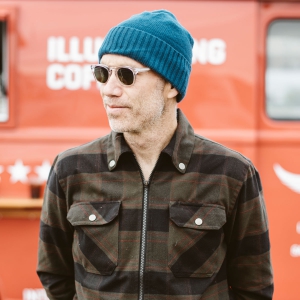
[00:04:14] Ad Read: Yeah. And I think what is most appealing to me is when I see something that really wets the palate. You know, Mike, you brought up Tio Gazpacho. I love when I see those fresh fruits and vegetables and, you know, the color of the liquid. It just looks, my mouth is watering right now. But, you know, I really appreciate when someone can create something that makes me want to lick my iPhone. Is that weird? that I sit kind of close to Ray and I, every once in a while, I'll see him like, ah, let's just hope that it's Instagram. I'm looking at right. Speaking of Instagram, you know what company has a really great Instagram account? That's Intelligentsia Coffee. For those of you who don't know, Intelligentsia Coffee a specialty coffee roaster and retailer with cafes and production facilities in Chicago, LA, San Francisco, New York, and they recently got into the Boston area with a cafe and training lab in Watertown, Mass, which is right up the street from Bevern HQ, which is very cool. The hub of beverage innovation. Of course it is, yes. I actually had a great opportunity to sit down with Doug Zell recently. I joined him for a Skype call and we talked about his background and how he got started in the coffee business. It was really interesting to Chat About his sort of learning lessons as a beverage entrepreneur in the 22 years since Intelligentsia launched. We talked about, you know, what makes Intelligentsia special, what distinguishes it from other super premium brands. And also talked about the sale of a majority stake of the company to Pete's a couple of years ago. all of which is included in this interview. Let's listen. All right, I'm on a Skype call with Doug Zell, who's the co-founder of Intelligentsia, which is a specialty coffee roaster and retailer with cafes and company facilities in Chicago, Los Angeles, San Francisco and New York. Most recently, the company opened up a cafe and training lab in Watertown, Massachusetts, which is right down the road from Bevan Headquarters. So lucky us. Doug, thanks so much for being with me. My pleasure. So, you know, let's start from the top, you know, what really fueled your passion for coffee and how'd you cut your teeth in the coffee business?
[00:06:16] Doug Zell: Well, oddly enough, I actually cut my teeth in coffee with a gig at Pete's Coffee, who 20 years later acquired a majority stake in Intelligentsia Coffee it's an interesting path from back there to where we are now. And, you know, actually prior to that, I had one real job out of college in corporate sales. I have a degree in history, so either meaningful or worthless. and had a gig in corporate sales and then actually left that which was in Ohio to move out to California to start a bottled iced tea company. And that was in 1989. And actually at the time we had a stevia sweetened iced tea which was a bit ahead of the curve and also not generally recognized as safe by the FDA. So there was a seizure of inventory. I had to reformulate with sweetened with juice. And anyway, the trials and tribulations of a couple of friends and a bottle of iced tea in 1989 and the next successive four years, trying to get distribution, you know, natural food distributors, beer distributors, et cetera. It ended up being a money losing, let's say, adventure. And at that time, I went in to go work in coffee for Pete's Coffee, actually in Marin County in the Bay Area. to learn the ropes of that and hopefully have a better understanding of what I might do next versus the prior experience. And so I worked there and also worked at another coffee roasting company called Spinelli at the time when what might be called the second wave was really booming and Starbucks was just coming into the Bay Area and thought it would be an interesting idea to learn that business and took some of what was learned there and moved to Chicago with the idea of roasting in-house and that the freshness would be critical. I actually learned how to roast from a small roaster in Oakland prior to opening in Chicago. Flash forward 20 plus years and here we are with what you said, coffee bars and various major cities around the United States and a wholesale business and really a changed industry. So that was how we began six of us and roasting in a shop in Chicago. And then from there, it really, you know, there were many steps along the way that really transformed what the business looked like. And, you know, the face of what coffee is today.
[00:08:43] Ad Read: So that was back in 1995, when you opened your first cafe in Chicago. I got to ask, where did the name Intelligentsia Coffee from?
[00:08:51] Doug Zell: Well, it's funny. Coffee houses were historically referred to as, you know, in the 1800s, 1900s, earlier as penny universities, where people would come and pay their penny and get coffee and discuss, you know, politics, philosophy, events of the day, etc. And in many cases, a lot of revolutions were fomented at said coffee houses by the Intelligentsia Coffee are often the thought leaders. So it was this idea that something thoughtful might come from what we're doing. And this idea of illuminating what coffee can be tied in nicely. And it was this idea of actually with the fresh roasted in-house as being somewhat revolutionary as well. So it's tied to all of those pieces. And I think, although a long name, once you get it, you remember it. It's not like Java the Hut or Joe's Java Shack or something like that. So I think that we wanted to have something that was memorable. And it turned out that You know, lucky for us, it worked.
[00:09:52] Ad Read: It did work. And, you know, you guys have this really passionate and loyal following of customers looking for your brand all over the country, you know, buying your coffee beans in stores where you sell them. How have you been able to distinguish Intelligentsia beyond what is available at the myriad of coffee shops, independents and chains that are around the country?
[00:10:13] Doug Zell: Well, but I think that, you know, we say that we want to really be doing great work from start to finish. And a lot of that started, I mean, you know, when we first started was this idea of roasting in-house and not using someone else's coffee. But what it really moved to as we dug into, you know, because we were buying coffee from importers, it was really digging into the sourcing piece. And that was really transformational. And that was in the early 2000s. And that was where we began to build out, you know, whether willfully or accidentally, this direct trade model where we found producers that cared enough about moving coffee from being something that has historically been a commodity which they sold to an exporter and then went to an importer etc. and sort of into this black hole that they really didn't know what was happening with their coffee and as a result didn't care to know too Chat About it. And at that point it was tied largely to an external market the commodities market where it was traded somewhere else that had very little to do with the quality of their coffee. So it was beginning when we had enough time to have it be meaningful where we would work with producers that cared and had the right conditions to move a coffee that was pretty good to very good with them knowing that we'd be back the following year that we would. help them to move it along so that they could invest in infrastructure and the people in moving these coffees from being something that were good to, you know, very, very good to remarkable. And that, you know, takes time and investment and confidence that whoever's going to be buying it, and in this case, a roaster that is directly interacting with the producer, will be back, you know, will be back to buy more of the coffee in the successive years with the idea that it's always going to get better. I mean, sure, it's a it's a crop and produce and can change from year to year, but if the right conditions are there, the opportunity for the coffee to get better with the right level of care definitely exists. So that's something that we dug into. So moving again, moving coffee really in that case from being a commodity to being the kind of culinary product it should be that is revered along things like great wine and craft beer and whiskey and champagne and things like that. So that when the producer puts the coffee in the ground or plants the coffee, they're really thinking about where it's going to go and how good it's going to be. And that is something that really has transformed an industry. And we are no longer the only ones or among the only ones doing this. It's really created a movement, the whole direct trade piece, where in many cases, it's the ante into the game if you want to be doing great coffee. But not only that, I also think that if you're doing all that work at source, and then we are doing good quality assurance and careful roasting, At the coffee bar level, you also have to make sure that you've got baristas that care as Chat About getting it right as the producers that cared about getting it right. So then it's taking that coffee and making sure that when it's brewed or when a shot of espresso is pulled, that the care that went into getting it that far is carried on into the customer's cup. We dug into the barista competitions and getting that piece of, you know, if you want to call it the puzzle, getting that piece of it right as well, so that all the effort that preceded it would not be, you know, ruined in the final step or steps.
[00:13:32] Ad Read: How do you get people to buy into the premium coffee experience and the premium price point, frankly, that you guys are at?
[00:13:40] Doug Zell: One of the one of the ways is again to provide an environment that seems to have things that are valuable in them. So it's not you know you want to have a retail experience a coffee bar experience that's elevated with nice materials. Everything looks beautiful. It's served in the right ceramic cups etc. So that each piece of the whole experience is considered. And beyond that it is doing things like you know public tastings public cuppings. You know we also offer classes that are at our many training centers that are open to the public. So it's continuing to push on coffee education and really meet the customer where they're at and try and bring them along. And I think that's a piece that has taken a long time and we're still you know 22 years into it this October. I mean there's still a long way to go and we're still really just getting started. And I think the level of interest in coffee is higher than ever. But I think that it's also you know there's there may be a bit of exhaustion out there with so many choices and so many people saying so many things. But there's a lot swirling. And I think that for the customer the consumer to feel like the you know if you want to call education that they're getting is is actually honest and genuine in some ways because of all the noise it's harder to find them than it may once have been. But that doesn't mean we should stop doing it. I think that you know you want to deliver a cup of coffee or an espresso drink or beans that someone takes home and brews. That just really is that it's extraordinary. They take it like well what is this. And I think that we need to create more and more moments like that where we need to create the opportunity for our customers to find that. And we need to help them get there. And we need to do it in a way that. you know, removes intimidation. And I think, you know, it's something that the industry has struggled with as a whole. And I think that we're getting slowly closer, but it takes time. I mean, I think it's, there's still, I don't want to say decades to go, but there's still a ways to go where we can meet the customer or the ad and get them to be as excited about it as an enthusiastic as we are, but still make it accessible. You know, those things are, you know, they're not necessarily at odds, but one has to be careful.
[00:15:46] Ad Read: Accessibility often has to do with price and location, and Intelligentsia has taken a really patient approach to expansion. You have a handful of stores, and you've seen some of the other third wave coffee companies out there doing some dramatic expansions, whether it be in packaged products or in adding new cafes. You know, how have you continued to grow or what's been your growth strategy such that you're not compromising the standards that you've cultivated over the years?
[00:16:18] Doug Zell: I'd say that you know some of that some of that growth let's put it strategy in quotes was accidental and that we didn't have the economic means to do so. That was part of it. But I also think that you look for us at this point we don't really want to just just open another store. There's no point in just opening another coffee bar. I think that we want to make sure that It's in a place where you walk in and it feels profound. We get you to notice that, hey, something else is going on here, not just for lack of a better term, not just crapping out another one. So you can be like, oh, there's another one. We want you to actually notice that we've opened one and that the experience you get there and the time we can spend with you and the way that the drinks are prepared and all of that actually has the potential to Change your mind what you think about coffee and that you really feel like it's worth it so if we open thousands of them we don't think that's possible and then terms of the kind of training and research we wish to have it's impossible there's many more that we can open the united states and tip it you know what we're going to open them in markets that. can have an impact because we look at our coffee bars as being a way to, if you want to say put a face on the brand, that will give someone an experience that, you know, if then they see it at their upmarket grocer or they see it on the menu at their, you know, the restaurant in the area, they're like, oh, you know, it's Intelligentsia Coffee should get some of that. So we want to plant these flags so that we have an opportunity to, you know, have the coffee make an impression in an environment where it's allowed to do so.
[00:17:52] Ad Read: And making that impression has to do with, you touched on this with, you know, your barista training. You very much invested or invest in your people. That includes the training labs that you have in a few markets around the country. In Watertown, you did not only opened up your cafe here, you opened up a training lab. What's the purpose of those training labs in terms of your education strategy, both internally and for your customers?
[00:18:16] Doug Zell: Well I think internally I mean it allows I mean it's very difficult to train a barista. You know when there's a line forming somebody waiting for a drink during whatever pick a rush. So it's nice to be able to get out of that environment in a comfortable learning environment which we can create in our labs. So from an internal standpoint it allows us to do that facing our wholesale customers. Not dissimilarly, they can come and we have open labs where people can come and learn how to steam milk, et cetera. It creates an environment, again, where learning is much more possible, much more probable under less pressure. And then we also offer classes for the public in those places. So I think it serves the purpose of our own staff, our wholesale customers, as well as the public. We've really found it creates this opportunity that, you know, in various markets, we're not going to roast in every single market that we have a shop in. And really having these labs does create an opportunity for some good teaching and good learning.
[00:19:18] Ad Read: And I read somewhere that barista training is pretty rigorous. It's about a 30-hour process or so?
[00:19:26] Doug Zell: And ongoing, I'd love to tell you, I know the exact number of hours that somebody puts in to become a very good barista, but at this point it continues on. And I think the part that to me is most rewarding is that actually our own educators, and we've got store managers, and then we have educators that are really involved in the drink training and the coffee education, et cetera. And that's something that we're, if not the first, but among the first to sort of separate those things. And the training is ongoing and they've also opted to make it better and better and better and better themselves even without any sort of you know if you want to say instruction like we weren't like all right everybody here's what we've got to do with this training. They continue to push on it make it better and better and better. And it's really honestly it's very rewarding to see that. because the level you know and the number of baristas and trainers and educators and even people that have gone on to start other roasters shops etc. that have come through our doors. I mean are we sad to see them go. Yes. But I think that our training has helped as far as being a building block not only for ourselves but to grow the industry as a whole with these you know these baristas that have taken away what they've learned in intelligence and taken it somewhere else. So there's a much larger group of baristas around the country now that are well educated well trained etc. I do think that that's in many ways helped to transform and create a different kind of industry than it once was where the career path may have been limited. Now these folks are going on to consult or for restaurant groups or for hotel groups etc. having come through our doors or someone like our doors and getting the training to be able to do that.
[00:21:09] Ad Read: That's really interesting, you know, in that you're accelerating the education of premium coffee and how to serve it beyond your own doors. But also internally, there was a blog post on your site written by one of your direct trade buyers talking about how Intelligentsia Coffee all about and constantly tinkering and fine tuning as a way to innovate and continue to be at the forefront of better coffee. Take us into you know what that means in terms of what you're trying to change and what you're trying to make better.
[00:21:46] Doug Zell: Well I mean I think that trying to make everything better. Yes. A strong part of the DNA of this company I hope It's this idea, you know, and I, you know, even, even went with the whole, you know, the, the piece with the acquisition majority stake by Pete's is, is, is that this idea that we're chasing perfection with the hope of never catching it, you know, that each time we feel like we get close, we, we, we actually want it to go up the road a little bit more because it does well for all of us. I mean, if we can elevate coffee, I mean, coffee touches so many lives starting at source to all the people that work. If you want to say in the barista and retail side of it, you know, now it's, It's wonderful to see great coffee programs in hotels, in restaurants, in all of those places. And it didn't really exist even in, you know, when we started in 1995, there wasn't as much attention paid to it, but now it's really getting, or at least it's beginning to get its due in the right kind of places. And I think that by continuing to pursue, you know, it's unlike anything else culinary, I mean, by pursuing a better ingredient and increasing one's level of knowledge, education, talent, et cetera, through training, through understanding, through education, it's only going to make the whole thing more meaningful and more valuable. We know what we're good at and we know what we need to get better at. And I think there's always something to get better at. That's always been the mantra. And I think it's everything from the coffee to the baristas, to the design, to our hospitality, our customer service, whatever you want to call it, all of those things, They're not static. They should keep getting better and better. And it needs to continue to be dynamic for all of it to have meaningful but still thoughtful growth.
[00:23:32] Ad Read: You mentioned this a couple times already, the majority stake that Pete's acquired in Intelligentsia Coffee 2015. When the deal was announced, it was said that you and your co-founder Emily and co-owner Jeff would continue to have an active role in the company. How has that role changed or evolved at all?
[00:23:57] Doug Zell: We still do, which is good. I'd say evolve is the right word. I think that I'm still heavily involved in the pieces that I most love. It would be disingenuous for me to say that I love operations or I love finance. For me, it's the fun stuff like site selection, like brand, like vision. like package design, all those things that I really do enjoy that I get to do. So to me, I'm now freed up to do the pieces that I most enjoy and frankly, other people that are much better at the other pieces are doing those pieces.
[00:24:38] Ad Read: For sure, you know, being able to actually do the things that you love every day and not have to worry about, say, day-to-day operations probably makes it a lot easier for you to get up in the morning and say, hey, I'm going to tweak the package design.
[00:24:52] Doug Zell: Exactly, exactly. And I mean, and that's not to say that, I mean, I think the other part that I am very proud of is that we actually you know at the time of the majority acquisition we still have the same president James McLaughlin who his wife's family has been in coffee in Brazil. He speaks Portuguese and Spanish. He's definitely. still a coffee guy. So it's still led by somebody that digs coffee. And I think that that is meaningful from the track that we're taking because he understands what it is we're after being able to do the stuff you really, really love and don't just have to do is it's rewarding and well fun.
[00:25:28] Ad Read: Yeah. Speaking of rewarding, you've been in business with Intelligentsia Coffee 22 years. In terms of some of the biggest learning lessons that you've had, can you speak to our audience about being an entrepreneur and avoiding some of the pitfalls while navigating some of the opportunities that have been presented to you and to Intelligentsia?
[00:25:51] Doug Zell: Yeah, I think that we certainly made every mistake at least once. I mean, I still remember and it's still etched into my memory that every year there's a specially coffee, well, now it's a specially coffee association. It was the Association of America, now Europe and the United States have merged or whatever it is. And I remember going to a party at, I can't remember which was my second or third time attending this, and it was in New Orleans before the flood, which makes it sound like it was a lifetime ago because it sort of was. And there was an importer there, and this guy still works there, a great guy. And his name is John Cassette, if anybody's asking. And he said, I'm like, well, what's the key to getting all of this right? I mean, it's competitive. And this was in, whatever, in 1990, I don't know, 96, 97. And he's like, just stay focused on quality. And that always resonated with me. And I know that that word gets again it gets bandied about and in some cases become meaningless. But I took that to heart and we took that to heart. And that's what we've always pursued. And it's I think it's like a restless and relentless pursuit of that. And Sometimes you're gonna make mistakes But I think that quality always finds an audience and it's a similar, you know I did live in San Francisco for some years before starting this when I worked for Pete's and for Spinelli and there was actually a guy that owned a cool natural food store that I Asked him what the key to success was and he said the same thing He said, you know, you know when I first opened I bought bread from one company. It was great quality and then more of these bread purveyors popped up and now I have like 10 and And it actually hasn't diminished sales at all because the appetite for quality continues to increase. And especially if that quality is self-evident and you get all those things right. And you know we've never been the low price leader. We never will be. And I think that for me if you've got limited resources Pursuing quality is the thing and I think to me it means like pursuing the best quality that you can with the means and everything else you have at your disposal at that point in time. It's going to change. You become more economically successful. You're going to be able to invest in things. And I think it's always about investing in things you believe in. I mean and for us it was in the whole sourcing piece which wasn't inexpensive and getting that right. And then it was the barista piece and education piece which also wasn't. inexpensive but focusing on getting those things right and continuously pushing to make the quality better and better and better and making whatever you're doing in your mind you know and telling yourself the truth about it the best possible quality that it can be. And then really you end up competing against yourself because the competitors are going to do what they're going to do and there's very little you can do about that. But if you continue to you know as you say tinker with chasing quality to make it better and better and better, you know, you're going to end up in some rarefied air. I would encourage people to go after that. So it's like, if you're, you know, if you're going to do beautifully printed cards, use great paper, you know, use the right letters, use all of those things, consider all of it, because it's all of the little touches that really make the totality of the impression. It is that focus on quality that to never be satisfied with What's good enough or what's in front of you to always be pushing on making it better and better and better if you make a quick mistake learn from it and move on I don't think I'm saying anything that's revolutionary I'm certainly saying what's what's worked for us and for me as an entrepreneur.
[00:29:32] Ad Read: You know, you brought up a really interesting point about quality will always find an audience. It's also, though, about where that audience is located and identifying where that audience is located. And you've had some success, you know, when you opened your first store in Los Angeles, you opened it in Silver Lake. Now, Silver Lake is a hot neighborhood right now in L.A. But back when you opened the store, it was considered to be sort of on the outskirts, not a really great place to open any kind of business. What made you, and now, you know, with Watertown, Watertown is still kind of an emerging neighborhood in the Boston area too. What made you pick these spots? How did you identify, you know, sort of potential for success and potential for an exciting opportunity in these locations?
[00:30:13] Doug Zell: Usually when people say that's a really bad idea, then I'm like, this is where we should open. Silver Lake was beginning to rumble, you know, whatever, 11-ish years ago, because it took us a year to open that store. I mean, some of it's, you know, if you want to call it intuition, it was just the right feeling about the place that here was an interesting part of town developing. And I've always, I've loved Los Angeles longer than other people, probably. But it was a spot that felt like hey there's a customer out there that lives around here that's looking for something. There's nothing here. You know there's just nothing. There's nowhere to go to get great coffee. And you know we found this interesting complex that had a cool French restaurant and a cheese store. And it just seemed it all seemed very symbiotic. And our timing was just you know, either, you know, we'll say it's good to be lucky. And then you start to recognize the pattern. So if you, if you want to know what the, you know, the usefulness of a degree in history is, is that, you know, history teaches you that certain patterns evolve, crop up and then repeat themselves. And I think that Silverlake had all the right parts of the mix to open there. And it turned out to be right. I mean and then right after that chocolate to think that Venice California was also underserved. And that's what we did next. And it had a similar feeling which was hey there's people here. There seems like there's an audience for folks that would want great coffee would find would like great design in their coffee bar all those pieces. And Frankly I think that there are times when we went away from that and it didn't work. You know Watertown actually strikes me as being so similar. I mean that edge of Watertown where where it bumps up into Cambridge is so similar. Silver Lake to me you've got you know the right folks out you know whenever walking their dogs jogging that sort of thing. The right demographic and I mean, I actually have a house four blocks from where we opened, so there's a little bit of self-servingness in where we open. But if you wake up there, you're like, there's nowhere to go for coffee. I mean, there's no place that would meet the kind of place I'm looking for. Plus, I really love the whole sort of Cambridge, Watertown, Somerville. It's beautiful over there. It's interesting. And I think that You know opening in Silver Lake and the way we did it with design and opening in Venice and opening in Watertown and some of the shops in between. I think that what we landed on is we want to open up places where the experience does seem profound. It seems a little jarring. It seems a little unexpected because then it's really clear when you see it. It's not amidst the noise. You're not opening on the same street as everyone else. You know, it's interesting to go around with folks in real estate because inevitably what they take you to is the same place that everyone else has opened up next to all of the other same places, which I get, but I think that there are places that are underserved and you can open up, it can really resonate. And then people, it becomes more of a destination. And we found that oddly, you know, we've done, the best in places where we were maybe not the pioneer but closer to being pioneer like in those areas because then again you see this it's almost like you see this beacon in that area like what is that and i think it really plays into you know if you want to say the human spirit of this idea of discovery it's so fun to discover something and then you feel like you're part of something instead of like oh yeah it's on a street with these other 15 places that open up next door to each other, you know, where the real estate tour, you know, it's like my, you know, my dog could do the real estate tour. I'm like, yeah, it's next to this and this and this, like, Oh, let's drive to the other that has the, this and this and this. So I think we want to be zigging. We've always said this. We want to be zigging when other people are zagging, when other people are zigging one of the other, that's why those locations have really worked because they found a need. And then they were very clear about the story they were telling.
[00:34:10] Ad Read: Doug, this has been great. I have one more question. It's about cycling. I know you're a passionate cyclist. In fact, you're in Little Rock, Arkansas right now, from where you're Skyping from. And part of the reason that you're down there is your passion for cycling.
[00:34:26] Doug Zell: Yes, yes. Involved in building some beautiful carbon fiber bicycles from the ground up in the United States, which is cool, which is an industry that, for the most part, has left the US and is in places like Taiwan and China. So we're doing some, I mean, really great beautiful bikes, built to order, painted to order, all that stuff in the United States. So it seems to be going down the right road. And then again, with a focus on getting the quality exactly right.
[00:34:54] Ad Read: So what parallels are there to cycling and entrepreneurship? That's a great question.
[00:35:00] Doug Zell: You know, I'm an amateur racer as well. And I have a friend who's, you know, a very good amateur racer. I have a few friends that are very good amateur races, but I asked him one day out on a ride because, you know, I race probably, I don't know, 40. Yeah. I think 40 or 50 races a year. You know, there's a couple of weekend and there's some long series. And I asked him at, you know, in a bicycle race for anybody that's ever done it, it's very, very hard. It's staccatic. There's attacks and sort of responses and then catch your breath and then somebody else attacks it. So it's, it's very different pacing than say running, um, you know, or a 10 K, although that, you know, very hard to in a different way. And I asked him if there's ever a point. And if you look at the results of some of the very hard races and you'll see this in the tour de France, or even in one day races, you'll see that. a number of the people that race didn't finish. It's called DNF, did not finish. And I asked him if there's ever a point in each race, particularly hard races, where he feels like quit it, giving up. And his response was like, yeah, in every one. And he's like, there's always a point in the race when it's the hardest. He's like, but I know that's when it's the hardest. And that's exactly the point where people give up. And I said, so what do you do then? He goes, well, that's when I go harder. And I think that to me is it epitomizes what entrepreneurial effort requires. It's much easier to give up than to go on when it's the hardest. And I think that if you can go on when it's the hardest it becomes easier and then you get used to it and then you get better at it and i think it's at that to use the you know inflection point to try to express you know what phrase these days but but it's that inflection point where you do have to go the hardest and and we certainly have seen many days like that at intelligentsia and i'm sure that you know every entrepreneur will express that same you know they've seen that so so it really it is being able to go hardest when it's the most difficult but that's what gets you onto the other side and that's what gets you to success. So I mean I think that my staff and intelligence and people that know me are probably tired of hearing these cycling metaphors but it's it's so you know it's like you can't watch you can watch the race go up the road and someone will attack and go but you you know that's when you're gonna dig in and not let that happen you can't let the race go up the road and I think that Requires training it requires sharpening your skills I mean you have to stay on top and never rest you can't be complacent and I think that's the piece that if you want to get better at cycling if you want to be a great entrepreneur complacency and good enough is is really the enemy. It's no surprise of what you have to get better at as a bicycle racer. The same thing as an entrepreneur, you know what it is you could be better at. And those are the things you have to continuously work on.
[00:37:47] Ad Read: It's a great analogy and it's great advice for entrepreneurs that are listening. And Doug, this has been a tremendous conversation. I really, really appreciate you taking the time. I know you're traveling quite a bit and it's great to finally catch up with you. And I look forward to catching up again with you very soon.
[00:38:04] Doug Zell: Yeah, let's get a cup of coffee in Watertown.
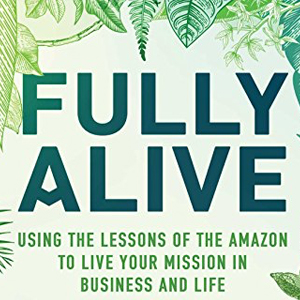
[00:38:06] Ad Read: Outstanding. Please let me know when you're back in town. Will do. All right. Thanks so much. Bye bye. So I've been to the Intelligentsia Coffee in Watertown. I actually went there for the grand opening. And after my conversation with Doug, he let me in on a little secret, which was, well, it's not gonna be a secret anymore, which is that a lot of the employees in the Watertown Cafe are from Silver Lake. And he said that the employees were like, wow, Watertown really reminds us of Silver Lake. And I was like, really, that's really interesting. Wait till winter comes. It just goes to show, you know, there are some people who just sense an emerging market before everyone else does. And there's a reason for that. And there's a reason why they're successful. I'm really excited for it to emerge. I was going to say, I've been here nine years waiting for it to emerge. It's coming. It's coming. Please emerge. But, you know, I think this speaks to some of the things that Doug was talking about. You know, quality always finds an audience. was one of the things that he brought up. And I thought that was a really interesting thing for him to say. And people gravitate toward really nice, really tasty, really impressive things. And Intelligentsia represents a lot of that. There's already been a little bit of a buzz in the area about the company and about what they're planning to do in the Boston area as well. One of the other things I thought was really interesting that Doug talked about was chasing perfection. but with the hope of never actually catching it. And I know that's something we kind of talk about in our office as well, which is really striving to be the best, but knowing that we're probably not going to get there because we don't want to get there. You know how when people ask me how I'm doing and I always say I'm living the dream? Yep. I was getting gas the other day and the guy said, what's better, living the dream or pursuing the dream? Right. And I was, I have it all wrong, you know? You gotta be pursuing the dream because that's where you have the energy and you're chasing something. And I think that's what he's getting at here. It's about the journey. Yeah. And, you know, you also talked about sort of investing in the things that you believe in. And I thought that was really big. Jon Landis, you and I talked about this, which was, you know, Greg Fleischman mentioned this in a recent podcast. And you've got to have a foundation that's built on what you believe in and morals and the things that you want to say you're proud of. I mean, that's what's excited me about entrepreneurs since I've been at BevNET for the last five years. Almost all of the products that we see coming out are coming from a place of passion and from people who want to fix a broken system and they want to change the way people eat and drink and change their diets for the better. They come from wholesome, real places. I don't know if it's a metric of success or anything like that, but it certainly, I think, does give you more of an advantage than someone who's just looking to make money. Yeah, for sure. The other interesting thing was talking about how all the little things matter in that totality of the impression. The experiential piece, like there's so many companies out there that are focused on the quality. And I don't even, for what you said, Landis, the passion is a big piece of it. And bringing the quality together with the passion and making that a part of your brand, dotting the I's, crossing the T's, the tiny things, the experiential piece of it is a big thing that people grab onto when they associate themselves with your brand. Yeah. I mean, you can serve me a cold brew on a silver platter and the most high quality mug and everything. But if the guy who serves it to me as a crappy attitude, it kills the whole thing. Right. That's a good point. All the little things, you know? Yeah. The little things matter and they matter, especially when you're writing your first book. And Tyler Gage, who is the co-founder and former CEO of Aruna, recently sat down with Bevanette's editor-in-chief, Jeffrey Klineman, to talk about this book. This book is called Fully Alive. And, you know, I kind of want to read what Tyler wrote about the book because it really defines it. You know, he said, it's a successful young entrepreneur's immersion into Amazonian indigenous spirituality. It's a life-changing impact on him and how he integrated the lessons he learned to build a successful, socially responsible company, live a purposeful life, and make a difference in the world. That is a book I want to read. And Jeffrey Klineman read it, and then he sat down with Tyler to talk about it.
[00:42:19] Miriam Novalle: I'm Jeffrey Klineman, editor-in-chief of BevNET. I'm here with Tyler Gage on a Skype call. Tyler's the co-founder of Runa, as well as the recently published author of the incredible book, Fully Alive, using the lessons of the Amazon to live your mission in business and life. Tyler, thanks so much for joining us today. Thanks so much for having me. in-depth relationship over the years as reporter and subject. And I always felt that there was a really original approach to the company and the culture around it. However, I didn't quite realize the extent of the shamanic ritual and practice that was at the heart of Runa's origin.
[00:43:23] Ad Read: So for me, I started Runa out of a feeling. It was not planned. It was supposed to be just even a project in college at Brown with Dan. And for some reason, there was some overwhelming feeling that came over us, which I talk more about in the book, that sparked us forward. And in a very similar way, that same feeling came around the book. And part of it in more industry terms was that I would talk to people who would say, oh yeah, Runa, it's great product. It's organic tea, right? And I'd say, yeah, kind of, but not so much. There's so much else under the surface and so much richness of how we created the business and what we stand for and what we do. So the book was a format to get into those deeper layers and even beyond that to speak to this intersection of spirituality and business. And there's such an incredible trend of social entrepreneurship, mission-driven business, social impact, et cetera, that's definitely in the beverage industry and growing more and more so. But the roots of it for me really came from a deeper openness and a deeper respect for these indigenous cultures in the Amazon. And ultimately the business that we built was modeled off the spirit of this leaf and the teachings and culture and practice of these traditions in the Amazon. So I felt like sharing that story to communicate the deeper roots of who we are was one touchpoint, but also to open this conversation for anyone in their life who's looking to navigate difficult situations, which building a business is certainly one of them, living in the Amazon is another. And I felt like there was a lot of relevancy as someone who's still building a business, who's in the throes it every day, who hasn't sold my company for a billion dollars and wanting to share something that was very vulnerable and very relatable for other entrepreneurs and people out there.
[00:45:12] Miriam Novalle: You know, you talk about the company as a way of serving the leaf. I mean, is the book itself a way of serving the ritual, sharing the ritual with the world?
[00:45:24] Ad Read: Without question. I dedicated the book to the Guayusa leaf itself as an honoring to the ways that this strange little leaf from the jungle has turned my life completely upside down and back around a bunch of times at this point. And it has such a particular spirit for these Amazonian traditions that in so many ways it really is a messenger of sorts. It's a leaf that is drank between the nighttime and the daytime. It grows between the jungle and the mountains and it has this exchange in its spirit, and I felt like using it as a meditation point to get into the deeper teachings from these traditions, get into some of these lessons around finding strength in vulnerability, of looking to deeper sources of ourselves and logic and intuition to solve difficult situations, all felt like it came from that similar place.
[00:46:13] Miriam Novalle: Now, you're at the early stages of your career as a businessman still. Did you have any concerns that sort of exposing these kinds of Let's call them non-traditional management rituals. And by non-traditional, I mean non-traditional from the sort of Western side of things. That going this deep into some of the more unfamiliar elements, you know, into the shamanistic side of your management style might affect your opportunities down the road.
[00:46:50] Ad Read: It's definitely something I thought a lot about, absolutely. And for me, ultimately, the kind of world I want to live in is one where vulnerability and struggle is welcome and learned from. And for me, my journey has been full of tremendous support and lots of challenge and incredible learnings from who I am as a person. And I don't believe in business that excludes the fullness of who we are as people. And if there's doors that get closed for me because I am someone who wants to speak in an authentic way and wants to approach things from unusual and unexpected directions, so be it. I'm very comfortable with that. But in my experience with Runa, and I think the book is full of that, the existence of ruin is full of this, that when we put ourselves forward authentically and are at an edge that feels like, okay, there's some sensitivity here, should I be doing this? That that's exactly when the right support, the right people, the right opportunities come forward. So the fact that it was sensitive and did make me question was my way of knowing that I was doing something that felt like it was coming from my heart and putting something out that I believe in.
[00:47:52] Miriam Novalle: If you hit a barrier, you know that's where you need to break through. Exactly, exactly. I feel like we've kind of cast some of this in the challenge light. Let's talk about it in terms of, you know, the incredible positive effect it's had both on your life and some of the places where it had incredibly positive effects on the company's growth as well. Can you take us through an example or two of how some of this ritual helped the company's growth?
[00:48:28] Ad Read: Absolutely. So, you know, I know these words like shamanic and ritualistic sound very out there, which in certain ways they are, but really for me, the roots of it and the angle I take in the book is about how we bring deeper parts of ourself forward. So it might sound exotic and Amazonian and all of these things, but the book is really this linkage point between these Amazonian traditions, which do come from another place and culture, but taking that same spirit and looking at ways we've had to apply that in Brooklyn, New York, and at trade shows and building a team culture and incentive plans. So very early on, when we first moved to Ecuador, there was no commercial production for Guayusa, as you know. And we were two 23-year-olds who studied, you know, Dan-Marine bio, made literary arts, and we had all of two contacts in the entire country. So we had a pretty fundamental choice to make. The first was we could pretend that we were legitimate business people, which undoubtedly wouldn't have gone well. The other option we had was to really lean into our vulnerability. And to approach these communities, approach the government, approach local leaders with an open attitude of saying, hey, we have a sense of something here. We see a possibility. We're willing to work hard for it. And we want to learn from you. We want to hear your ideas, your stories, your vision for what this could be. And we approach it in a very open and vulnerable way as the way to find strength.
[00:49:46] Miriam Novalle: It's beautifully described in the book as a liberal arts approach to business. Exactly.
[00:49:52] Ad Read: Very liberal arts approach to business, which was all that we knew. And in those early days, you know, people ask us frequently, how the heck did you guys go to the middle of the jungle and get 3,000 farmers and governments and everything to support you? And I truly believe it came from that willingness to lean into what we knew. And we knew how to act like students, and we knew how to bring our honest perspective on the opportunity forward. And it was that spirit of collaboration and true openness to building partnerships in creative ways, creating a hybrid organizational structure, half for-profit, half non-profit. taking an investment from the national government, being open to these opportunities that we never could have written in the business plan, but that in that constant spirit of being open, really listening to our partners and building true partnerships where there is an unexpected element, that spirit carried us forward through lots of insanity and lots of difficult challenges.
[00:50:41] Miriam Novalle: So for people who aren't maybe ready to go out on the plant-based edge of what you're talking about, there's a certain willingness to just have an open culture in business. Like that might be the advisory. And don't close too many doors with the way you're building your business practice.
[00:51:00] Ad Read: So a couple examples of that and one that we brought in very practically into the business was in our quarterly investor updates, we always added two sections at the bottom of the newsletter. The first is what's not working. Right. So being very clear, here's a few things that we are fully screwing up and that are punching us in the face. And being very explicit and clear about that. And then second, how you can help. And those two things we found, I think, as entrepreneurs, we're always all sunshine, all positivity, we're crushing it 24-7. But being willing to put those pieces in there of the places where we weren't succeeding and things weren't working, and thereby opening ourselves up to get the support from our investors and advisors to help us out.
[00:51:40] Miriam Novalle: And you guys managed to build an incredibly positive aura around the company and I think it went up and down with the board for quite some time and yet the book opens with a real moment of conflict for you and your board and the directionality of the company and I wonder if you could talk about because there's a lot on the openness with which you'd approach this situation and the feedback that you got from that openness. I wonder if at that point you were regretting sharing what you were sharing with the board.
[00:52:21] Ad Read: No, I wouldn't say I was regretting it. So basically what you're referring to, just to fill people in a bit. So I opened the book with what I almost got kicked out of RUNA two and a half years ago. And I wrote it later in the book as one of the most fundamental growth points for me in this process of transitioning from scrappy entrepreneur to learning how to be a CEO leading, you know, a 50, 60 person team. And my editor at Simon & Schuster, who actually is Ecuadorian in strange, very Runa-esque coincidence, one day was like, let's start the book when you almost got kicked out of the company. And I was like, Johanna, under no circumstance am I going to possibly open this book with that situation. But as I sat with it, it felt very reflective of the tone of the book and this perfect situation of how do you navigate chaotic situations when there doesn't seem like a great solution?
[00:53:10] Miriam Novalle: There's also a point in that meeting in which you tell an unnamed board member, Namaste, you dick. And please allow me to be the first person from the industry to ask, who was that board member, Tyler?
[00:53:27] Ad Read: Well, he remains a good friend of mine. I'm sure some people could guess who that is. And, you know, we reviewed that together to get his consent for including that, you know, major learnings for all of us in those moments and intense processes. But I think to your prior point in the question, really what the breaking point for me in that situation was, seeing that there was a challenge for me of how to stop acting like a work 20 hours a day, do everything myself, you know, acting like me and Dan in our startup-y mode in Brooklyn, and really being a leader. And, you know, I learned along the way to differentiate this idea of entrepreneur, manager, and leader being very different things. And I was taking offense and being extremely defensive of this call to say, hey, Ty, like, you guys raised a bunch of money, company's growing really fast, step up. Like, it's time to evolve as a leader. And, of course, my initial very egoic reaction was defensive and protective and angry and, I think, natural emotions. And it took, as you mentioned, a lot of soul-searching and really digging in really deep back to some of the practices that had got me through a lot of immensely grueling experiences living in the jungle to see that it was an opportunity for growth and to look for support and then have it come forward.
[00:54:38] Miriam Novalle: You know, one of the sort of non-traditional practices that I think is very interesting is this idea that you're consulting with the I Ching and tarot cards and coca leaf readings. And certainly for you, I think it's reflected as a means to get to where you're feeling about different challenges, but how many of the interns knew that you were consulting these kinds of methods and what did they think of that?
[00:55:12] Ad Read: Well, I think anybody who knows me knows that I'm a strange individual and don't really attempt to do a great job of hiding it in most cases. I think it's also something people know about me is that I don't shy away from exploring any avenue to learn. And for me, and one of the chapters I talk about, what I say is looking at both horizons. And I start by, there's this great quote by Larry Page saying that his intuition about things he doesn't know very Chat About isn't usually very good. So it's this idea that we need to have real deliberation, analysis, consideration for any situation, and there's absolutely no substitute for that. And there's so much that our conscious minds can't always reach. And especially in high pressure situations where things are confusing, entrepreneurship to a T, there's so much emotion, relationship, all these factors that really are the spirit and the heart of team building, teamwork, consideration, all these things. which we can't always get our heads around. So for me, these other tools, although seemingly esoteric in nature, really are just about reflection points for how the deeper parts of my feelings, my attitude, my approach is influencing my thinking. So, you know, I use these not as some sort of, oh, I'm going to get this divine guidance on X, Y, or Z. It's really to say, I know there's more under the surface to my thinking and my approach than I can actually see. So I'm going to use these untraditional means like dreams or the I Ching to just get a feeling and sort of use more metaphorical means or subconscious means, intuitive means. to try and understand a situation and my approach to it in a more holistic way.
[00:56:44] Miriam Novalle: Certainly, many cap tables have looked like they were done through complete consultation with mystical forces rather than investors. So, you know, if you're applying it in a less esoteric way than that, you're better off than a lot of companies.
[00:57:05] Ad Read: I think a good example of that too is like, you know, when we got that investment from Leonardo DiCaprio and had built that relationship with him, it was meditating one day that I got the idea to talk to him about donating his shares to the indigenous communities. And it was the kind of thing where felt great, great partnership, would have made a ton of sense. And then this unexpected idea came forward that ended up really resonating with him. and being a great opportunity to further our mission, create an innovative collaboration, very much in the spirit of Guayusa. And there's just endless examples like that of really powerful concrete things that didn't come from me sitting there with a notepad or trying to write an email.
[00:57:42] Miriam Novalle: Sure. One of the things that I thought was super interesting was there's a lot of talk about the use of tobacco in this book. One of the other sort of more – I'm sorry to keep using the word esoteric, but one of the more unconventional products that's out there and certainly a kind of less conventional entrepreneur is someone like Dave Asprey at Bulletproof. who's also a big believer in the power of nicotine as a kind of mind enhancement product. So I wonder if there's any thought on an overlap between the sort of mystical botanic elements that you seem to be drawing on and some of the more scientifically based life hacking principles that you see in that kind of product.
[00:58:43] Ad Read: So absolutely, and I think it actually is a great segue from the last question in that in the indigenous communities, their primary mode of communicating about these things that are difficult to communicate about is through story and metaphor. So when we from the West are trying to learn about the use of different plants or what their intentions are, etc., oftentimes you'll get these seemingly fantastical stories of mythical beings and things which you're like, oh, great, you guys are living, you know, 12,000 years ago. This means nothing. Let's go do some chemistry. However, it's actually just a different language. for trying to understand the efficacy of these plants and how to relate to them in very practical ways. And it is relatively resonant with the biohacking sort of framework and the actual physical experiential approach to ingesting plants, using them functionally and understanding on many levels what they can do. So tobacco is a great example of the most widely used sacred plant in the world. It's been used for thousands of years, North, South America, etc. and has this dual nature to it. It's a great example of a plant has many characteristics that can be approached from many angles. And certainly in the indigenous tradition, they say it's a plant that needs to be used with incredible respect. And you know, an anecdote I relate in the book is that Shipibo guy once told another teacher of mine, he said, in the United States, people actually smoke tobacco and put it in their lungs. And he's like, yeah, people do that. And he's like, that'll kill you. And he's like, yeah, actually, it kills a lot of people. So for them, they're very aware of the different dimensions and elements to plants in actually a very sophisticated way. And that's one of the words I use a lot. when speaking about these traditions that seem, I think, are often considered very fanciful or, you know, shamans waving feathers, but I found that they were very sophisticated and very intelligent with their approach to plants. It's just not the usual language and attitude that we take from a Western point of view.
[01:00:35] Miriam Novalle: Yeah, so I want to thank you for bringing this book and this idea that these rituals don't just have to permeate lifestyle, but can actually permeate business forward. And thank you very much for your contribution to the show. And best of luck on the book tour. Tobacco will kill you, but so will writing a book. So we're glad neither one has taken you from us.
[01:01:06] Ad Read: I appreciate that. I appreciate the space to come on and share a little bit. You guys have always been great supporters to me and Dan and Runa, and I look forward to hearing more people's feedback on the book and having it be another alternative perspective on how to create a positive future for the beverage industry. Best of luck down the road, Tyler. Thanks, man. I'm thinking about instituting some unconventional processes here at, at Babnett. I think we just ditch Asana for stone circle death matches. You first death matches. I want to get some toad in here. everything that Tyler talked about or everything they talked about in the interview felt like kind of a stretch. You know, you don't hear these kinds of things in normal business. You don't hear them in boardrooms. And it seems like it helped Tyler. It also kind of hurt him a little bit having to sort of explain himself, but he had a mission and he stuck to his guns. And, you know, we hear from entrepreneurs all the time. It's like, yeah, you've got to be flexible, but you've got to stand on your own two feet when you need to. And it sounds like, you know, he did that for better or for worse.
[01:02:09] John Craven: Well, I mean, it's definitely a very interesting story. And, you know, I'm still working on reading the book, got my copy a little later than Jeff did. He probably is a better, better reading books than I am. But anyway, I really appreciated just how he even opened the book with this sort of, you know, humbling story, which sets the tone for kind of the rest of the book. And, you know, it was great to hear him kind of address how that Chat About in the interview. But, you know, really interesting story. I mean, you know, there aren't that many people that start businesses in the food and beverage world where they're like down in like the Amazon doing the stuff that Tyler and Dan did. And, you know, it's kind of neat to see it in, you know, retrospect having, you know, obviously watched it kind of unfold too. Yeah, we certainly did.
[01:02:57] Ad Read: There's also not that many people in the world who have such heavy experience with psychedelics but look so composed and professional at all times. I'm seriously blown away by his demeanor and the way he carries himself just now having a more vivid understanding of his college years and beyond, right? Vivid for sure. I'm sure he saw some vivid things using all those psychotropic things in his life. But one of the other things about the interview was, you know, Tyler talks about vulnerability as an important aspect of business. And this is another thing. You just don't Chat About that. You know, you Chat About the macho CEOs, the co-founders who are like rearing, charging ahead. And, you know, he seems to believe that sensitivity and understanding yourself and Vulnerability can really be a true asset, and it's helped them along the way, and it might be a learning lesson for other entrepreneurs out there who are listening. Speaking of life-changing experiences, BevNET Live, Nosh Live, and Brewbound Session are coming up in Santa Monica, and early registration is still available right now. Yeah, I mean, if you sign up now, you get to gain access to the exclusive block of rooms at the Lowe's Santa Monica Beach Hotel. That is life-changing. I feel like every time I go there, my life has changed one way or the other, in a good way. To register, bevnetlive.com, brewboundsession.com, or noshlive.com. Indeed. Speaking of psychotropic drugs. Speaking of speaking of. Speaking of speaking of. Well, I shouldn't say psychotropic drugs, but speaking of interesting ways to enhance your life, our Elevator Talk this week features an interview with Miriam Novalle, who's the founder of High Tea Today. Jon Landis, tell us all about High Tea Today. It's a large bottle tea, cold brew tea, that's infused with CBD, which is not psychotropic. All right, fair enough. There's no psychoactive properties whatsoever. It's the medicinal part of the cannabis plant. And if extracted from male hemp plants, it's perfectly legal in all 50 states. You seem to know a lot about this subject. I think Miriam probably knows a lot about the subject too. Let's get to it. Welcome to Elevator Talk, where we put an entrepreneur in the elevator with their dream investor for 45 seconds. We ask three questions. Who are you and what does your company do?
[01:05:18] Tyler Gage: My name is Miriam Novalle and I own the Tea Salon and High Tea today.
[01:05:23] Ad Read: Is there anything coming up that you're excited about?
[01:05:26] Tyler Gage: Being in the tea business 25 years, you're always looking for another way to reintroduce your product. But recently I started a startup company called High Tea, which is a hemp CBD with a wellness line. So I combined the two and it's called High Tea. So I'm pretty excited about it.
[01:05:43] Ad Read: What have you been geeking out on besides your brand?
[01:05:45] Tyler Gage: I think the industry is open and learning and I think it's educating the public. So right now we're in the education department.
[01:05:57] Ad Read: 10 bucks. Can you get people to buy this for 10 bucks? CBD ain't cheap. I mean, that's the market right now. It is the market right now. And it remains to be seen if CBD can really make it and has a future. Perhaps we'll revisit that in a future episode of the podcast. But for now. We've got to sign off. This has been episode 71 of the Taste Radio podcast. Thanks to you all for listening. And thanks to our guests, Doug Zell, Tyler Gage, and Miriam Novalle. Questions, comments, ideas for future podcasts, please email us at podcast at BevNET.com. On behalf of John Craven, Mike Schneider, and Jon Landis, I'm Ray Latif. We'll talk to you next time.