[00:00:02] Ad Read: This week's Taste Radio is brought to you by BevNET. The leading suppliers, service providers, investors, and brands grow their businesses and find talented employees through BevNET's advertising, event sponsorship, and job boards.
[00:00:15] Ray Latif: To reach hundreds of food and beverage brands, become a sponsor of the Taste Radio podcast. Email us at podcast at BevNET.com to talk to our team about pricing and packages. You're listening to BevNET's Taste Radio, the podcast for food and beverage professionals and anyone building a business. Welcome to episode 73 for September 1st, 2017. I'm Ray Latif and with me are John Craven, Mike Schneider and Jon Landis. Today we're recording at BevNET HQ in Watertown, Mass. And this week's episode features interviews with Joth Rieke, a veteran beverage executive who is currently the president of Adelsheim Vineyard and Is There former president of Stumptown Coffee. We also discussed recent M&A deals in craft beer with the editors of Brewbound, and chat with Debra Isa, the founder of Sweet Tauk Lemonade, in the latest edition of Elevator Talk. Speaking of Elevator Talk, I find myself in an elevator often, and a lot of the talk of late has related to the Whole Foods and Amazon deal. Have you guys been to Whole Foods recently? There was a lot of changes this past week. You know, Monday was a big day for Whole Foods.
[00:01:22] John Craven: Sales signs everywhere.
[00:01:23] Ray Latif: Sales signs everywhere. You know, the company was acquired by Amazon when the deal was approved last week. And then on Monday of this week, they touted new sales or new lower prices for their bestselling staples like bananas and salmon and eggs and almond butter and beef and things like that. And, you know, I saw some of that and I saw some of the product signage that said Whole Foods plus Amazon and, you know, those new lower prices. Did you guys, did you guys see some savings? Did you see the Amazon logos in the ground beef that were on the internet? I did. I saw the A logo in some ground beef. I don't know about the sanitary... nature of that, but it's interesting. Somehow I think there was a call to the meat department at Whole Foods. I went to the Whole Foods app and I downloaded a perfect bar. It was pretty awesome. You downloaded a what? One of the other things that keeps popping up on the internet, I didn't see it at my local Whole Foods, was the Echo. Amazon's Echo In that hands-free smart speaker. And there were big signs that said, Farm Fresh, you know, underneath, on top of the Amazon Echo. And it was pretty interesting to see that and how much Amazon's influence has already been felt in the stores. You know, how do you think it's going to affect your shopping experience at Whole Foods? I bet you we are going Is There and going, Alexa, where are the perfect bars? What's on sale today? You know, things like that. I bet you that's that's one of the next things. Well, I think it's interesting that already people have sort of looked at this as though it kind of legitimizes the shopping experience of Whole Foods, though, and that, You know, there was kind of this dismissive talk of Whole Foods at times that it's, you know, it's a small chain with 300 something stores. And now it all of a sudden is like part of this way bigger, way more legit bleeding edge retailer. Right. And I think that's something that. If nothing else, it's just going to have this perception and probably energy that it creates for a little while in terms of like, all of a sudden, Whole Foods seeming like this new, fresh thing. This retailer who came in originally selling books, right, and ripped through Barnes & Noble, destroyed Borders, you gotta think Kroger's gotta be shaking in their boots, right?
[00:03:32] Ad Read: Kroger might be shaking in their boots, but we have a lot of brands listening now too. And I would be a little nervous that there'd be some pressure for us to lower our prices in Whole Foods. I don't know what the situation's going to be with that. Amazon has a reputation for not treating their employees to the highest standards that Whole Foods always did. So it's going to be interesting to watch all those things come to a head.
[00:03:54] Ray Latif: It's going to be interesting to see cultures colliding and which ones become, you know, which ones take over for other cultures. Is Amazon going to come and just steamroll Whole Foods? Probably not. It's a successful business model. So you got to think Jeff Bezos. He's a pretty smart guy. He's going to be looking at what can I take from Whole Foods and put into Amazon culture.
[00:04:12] Ad Read: I think it's going to be a boon across the board for consumers. The only area where I think might catch some people up is I don't know how they're going to link your prime accounts when you, you know, check out at Whole Foods. I'm guessing that. Hopefully the Apple pay. Well, you know, you're exactly, your credit card is stored with Amazon in your prime account. And then when you pay it, it matches it up. I don't know Is There's any PCI compliance issues with that or will consumers have an issue.
[00:04:37] Ray Latif: Or will Amazon pay be the next thing? Will we have that at the kiosk?
[00:04:40] Ad Read: Is There's going to be a few things that consumers are going to have to decide what side of the fence they're on. But overall, I mean, the prices are lower and I'm just wondering when that's going to get sorted out at BevNET live. Yeah.
[00:04:53] Ray Latif: I think that getting some of the thought leaders on stage at BevNET live is going to be a great thing to have to discuss some of this and how we can talk about how this has impacted them and where they see things going.
[00:05:04] Ad Read: Yeah. Beverly live is going to be a center of discussion and this is going to be one of the biggest topics that I'm sure at Nosh life too.
[00:05:11] Ray Latif: Let's not forget that. And at Nosh live as well. When are those happening?
[00:05:14] Ad Read: How can you register a Nosh live brew bound session week after Thanksgiving? And then that no live Is There following week after that. Just go to brew Brown session.com, Nosh live.com or Bev net live.com.
[00:05:25] Ray Latif: If you're a brewery food brand First Beverage, and if you're like us, you can spend a wonderful weekend in Santa Monica too. Yeah.
[00:05:34] Ad Read: Most people that travel out for this event now, they make a bunch of meetings around it, and it's a nice little workation in December.
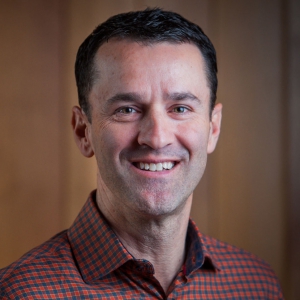
[00:05:42] Ray Latif: But it's interesting to see the combination, the collision of tech and food coming together, and it will be interesting to see what kind of Amazon innovation goes into the Whole Foods store. Yeah, I mean, that collision's been happening for a while, but this is certainly the largest impact on the retail front, which has largely been I think shielded from that, and that's certainly going to change. One guy who has a lot of perspective on beverages and the evolution of the industry is Joth Rieke. BevNET's assistant editor, Martín Caballero, recently traveled to Portland, Oregon, and had an opportunity to meet with Joth, who, as I mentioned, is a veteran beverage executive who's currently the president of Adelsheim Vineyard. Joth discussed his path at Adelsheim, which continues upon a 17-year career in the beverage industry. He was also the CEO of Stumptown, the president and CEO of Jones Soda, and a managing director First Beverage investment advisory firm, First Beverage Group. So Marty and Joth chatted about all kinds of things, including Portland's role as an incubation hub, and some learning lessons from his 17-year career, as well as what's to come, in his opinion, for the super premium coffee business. Let's listen. All right, I'm here in Portland with Joth Rieke, the president of Adelsheim Vineyard. Thanks so much for being with me on Taste Radio. It's great to be here with you and it's really special to talk with someone like yourself who's had such a diverse career in the beverage industry. As I mentioned, Stumptown, Jones, First Beverage. So a lot of experience there. I'm sure we're going to go into it a little bit. Just to start, you know, Is There a, you know, a common theme for you personally, professionally, that has sort of carried over as you've taken on these different roles and distributing and all sorts of different sides of the industry? Is There sort of a guiding motivation for you or something that sort of connects all these diverse jobs together?
[00:07:37] Martín Caballero: You know, actually, when you go back to the fall of 2000, when I got into the beverage industry, I kind of broke into it via the distribution business and had a chance to see all the varying degrees First Beverage, whether it was non-alcohol, whether it was beer or wine. And we were lucky enough to be a distributor that was doing something different at that time. But the common thread of what's kind of gone through all this and what's been interesting for me is that every business I've been a part of, it has literally been a founder-led business where I've had to come in or have been asked to come in and take on different roles depending on the business. In some cases, it was moving a business forward. In other cases, it was taking a professional approach to a business that really hadn't been run that way. In other cases, it was At Stumptown, it really started with this idea of cold Brew Dr how do we turn that into something. And so every situation has had a different need. And I think that, you know, my role in a lot of cases has been somebody who's come in to help kind of catapult what's been a good brand and help take it to the next place. And sometimes that place is growth and other times that place is profitability. And other times it's just professionalizing the business to prepare it for where it needs to go. Absolutely.
[00:08:56] Ray Latif: And I'm sure we're going to talk a lot about your different roles, but going back, what was the initial sort of spark of passion that really got you interested in this particular business and what made you want to get involved in beverages?
[00:09:09] Martín Caballero: Well, it's funny. I had no plan to get First Beverage. I actually just completely fell into it in dumb luck. I spent 10 years in the consumer products business working for Johnson & Johnson and really it was a desire to get home. I was living back east and came to Portland and really got given completely by chance an opportunity to get into the distribution business. And so kind of made this move, this natural move from drugs to alcohol basically was what I did. But what I really loved about beverage, and this holds true whether you're in wine or whether you're in beer or whether you're in the non-ALC space. I think that the people First Beverage are fantastic. I think it's loaded with creative thinkers. I think it's loaded with entrepreneurs. It's loaded with a myriad of challenges that you don't see in most other categories, really in just about any consumer product space. The brand and SKU proliferation of what we get to do First Beverage every day challenges you with something new every day that really keeps it interesting, but also with great people. I think the people that are in this business are great to have a beer with, they're great to have a glass of wine with, they're fun to compete against, and loaded with energy and an entrepreneurial spirit. Whether it's a really big brand or a small brand, it all kind of has that semblance of entrepreneurship with what everybody's doing in this space. Absolutely.
[00:10:34] Ray Latif: And you recently joined Anil Seim was a few months ago, I believe. Could you tell us a little bit about, you know, why this was the right move for you after helping to, you know, get stumped down to that next level? Why was this moving to wine a challenge that you wanted to take on?
[00:10:51] Martín Caballero: So it's classic. I wasn't really looking for it, but there is a small circle of people that knew that eventually I was going to get back to the wine industry. And ultimately, I wanted to run an Oregon winery. A friend of mine called and said, hey, if you ever want to run a winery, the job is about to come open and you should talk to these guys. And these guys, meaning David Adelsheim, who's the founder, and then the owners and his partners and owners. were also at the meeting and we all just got together and really, you know, what I liked about Adelsheim is it's a long-term Oregon brand, deeply rooted in the Oregon wine industry, with an opportunity to kind of take a 46-year-old story and, you know, turn it into 2.0 and take it to the next level. And I think that the You know, the Oregon wine industry continues to grow and continues to build its viability across the country and regions around the world. And I think that there's an opportunity to have Adelsheim continue to lead and grow with it and kind of take it to the next step. So it was a great opportunity to get back to something that I love. I'm from Oregon and being able to represent the state and the region and an industry that's really doing well outside of the state, within the state, and represents an important economic factor to the state, was important to me as far as, you know, kind of the next challenge in my life.
[00:12:11] Ray Latif: And you've had the chance to work at companies doing various different products and various different cultures, I imagine, too. How is it stepping into the wine culture and sort of how did your experiences prior to this help you to sort of step into that and form it in the way that you'd like to see it happen?
[00:12:29] Martín Caballero: It's a good question. I think that the personality of businesses really runs. So Joan Soto was very different from Stumptown, which was different from Adelsheim. And I think that, you know, the common thread is each of them are brands and each of them have a personality in the category they play in. I think that my thing is, has always been is how do you, how do you maintain a culture and a personality that's relevant and continues to allow the brand to evolve, but also understand that you're also running a business. And so I think that in a lot of cases you either get caught up in one or the other and you don't do both very well. And I think that, you know, one of the things I've tried to do is really maintain culture and personality and understand what that is and why it exists. and then be able to move it into that we've got to also run the business. And so let's make business decisions that are going to help support the things that we want to do. And every one of those has been a little bit different. I think the, you know, the personality at Stumptown was, it was really a coffee culture that we had to turn into a coffee and beverage culture, which was different. At Adelsheim, one of the big differences is that you have a pace of business that's different because you're basically producing a product and carrying two years worth of inventory. So the planning and the decisions that you make on packaging and on brand may not be effective in the marketplace for two more years. And Is There's a lot more kind of behind the scenes and some deep, you know, kind of thought put into what you're trying to do. Where at Stumptown Coffee were rotating our menu on coffee every two to three months. And then also coming out with innovation that was going to the market because we had to be the innovator in the space to kind of keep it new and fresh. So very different businesses. Sure.
[00:14:15] Ray Latif: Well, it reminds me of, um, I know that you spoke at BevNET Live a couple of years ago, and one of the quotes that stood out to me is you mentioned that the market for the super premium coffee that you guys were producing in Stumptown is kind of similar with wine in that there's multiple price points. There's an opportunity to sort of educate customers and to step up in quality. Are you sort of seeing a lot of parallels between the two?
[00:14:35] Martín Caballero: Oh yeah. I think there's, when I got to Stumptown, my first thought was that this Is There wine business, just a different category. And now that I'm back in the wine business, It's the coffee business, just in a different category. The parallels of the two industries because of the way that they're farmed and because of their agricultural products and the way that they're positioned with flavors and style and type are very, very similar. And I think that, you know, the wine industry just, it, you know, it's established itself in five to $10 price ranges all the way up through the a hundred to $200 mark. And the coffee industry is just starting to kind of, you know, get into that 15 to $20 price range, which I think more consumers are starting to come into. So tons of parallels in product and building category and how you get people to progress through price points in your brand is a really, it's a great challenge to have, but one that I think can be accomplished. Absolutely.
[00:15:33] Ray Latif: It seems like improving the perception of quality is something that is kind of a thread that's gone through your career with Stumptown, certainly changing the way people think about iced coffee versus cold Brew Dr really what that means. With Jones Soda as well, sort of changing the face of the, you know, typical soda to something more craft and premium. Could you talk a little bit about that and sort of what is your approach to sort of helping these categories elevate no matter which category it is? Are there consistent things that can be applied across all sorts First Beverage types?
[00:16:06] Martín Caballero: Well, I think that there is a segment of consumers and a really important segment of consumers that are always looking to improve their experience. And I think it's whether you're drinking soda or whether you're drinking great wine, I think in every segment there's always segmentation of people that are looking to improve that. I think it's important to understand that that's going to peak itself out at a certain size of business, but the role that it plays in developing a total category for the industry I think is really important. So kind of understanding what role you play, why you play it and where you play it is important because there are places in the United States where super premium categories just don't do that well. There are other places in the country where like Portland, for example, where we've been able to, you know, really be an emerging trends market that's allowed for premium and super premium products to really grow and develop. And I think there's a lot of markets like Portland around the country that you can do that. But from a brand standpoint, I think that, you know, I think it's why craft beer developed the way it did. It really, you know, 15 years ago, craft beer was an emerging category around the country. but it was premiumizing a commodity business. And people, we were starting to watch people gravitate that way because of the quality, the story, the brand, the authenticity that comes with that. And I think you see that whether it's in cheese or whether it's in meat or whether you're talking coffee or beer or wine or soda, I think that there's a role for that in every category. And I think the retailers, it's important to the retailers. Retailers need to be able to, show differentiation, but they also know that the profit that comes out of those higher end categories can be important to their total mix. Sure.
[00:18:00] Ray Latif: It seems like it's a balance to kind of strike that, you know, helping elevate that category, but also giving consumers what they want. I mean, I think Sumtown had an array of products that were super premium, but also maybe with with the kind of flavors and things that maybe more mainstream consumers can gravitate towards without so much education. So it seems like there's a balance to be struck there.
[00:18:24] Martín Caballero: Yeah, you have to be careful because I think you can scare people. And I think one of the biggest obstacles outside of price for people opting into something new is that premium tends to be a little bit different. And so, you know, education is going to be important in order to get people to come into your brand or into your product so that they know, you know, because people don't want to spend that extra 20-30% if it's not going to be good. And so they've kind of need some reassurance going in that, you know, it's going to be okay and that it's going to be a good product for you. And I can tell you that at Stumptown Coffee of our biggest obstacles when I first got there with coffee was that people said, you know, I don't want to make Stumptown at home because I might mess it up. So we really had to remove that obstacle of you can make great coffee at home and maybe we need to put the materials together to teach you how to do that. But, you know, great coffee experience can be at home. You don't have to have bad coffee at home. You can have great coffee at home and it's worth it. Sure.
[00:19:20] Ray Latif: Well, sticking with cold Brew Dr a second and ready to drink specifically, clearly during your time at Stumptown, the cold brew line expanded. There's an array of products Is There. What kind of runway does cold brew still have? Is it still in that meaty part of the curve with nitro and all these other things coming? Is There runway sort of closing a little bit? Is There still a lot more room for innovation in that particular area of cold brew?
[00:19:44] Martín Caballero: Well, I think there's a ton of room for innovation and growth in that segment. I think that, you know, we knew it would come fast and it did. And I always said that as soon as Starbucks figures it out, that they'll be able to do it faster and bigger than anybody could. I think what you're seeing right now Is There category is getting organized and the retailers are starting to figure out, you know, what Whole Foods was onto two or three years ago. I think you're going to start to see the mainstream, you know, retailers start to get their arms around What does the category look like for this? What does category management look like in cold brew? And, you know, how's that all going to shake out? So I think we're in the early phases of cold brew. I think the opportunity for cold brew Is There. I think it has the ability to be, you know, kind of what craft beer was to the beer category. I think cold brew has the opportunity to be that too. not just to ready to drink coffee, but to the coffee category in general. And coffee is a big, big category in the retailer, and it has a chance to really kind of cross over with that. So I think we're in the early stages. I think it's going to be a very big business as you look five to 10 years out down the road.
[00:20:51] Ray Latif: And I think Sumtown's a great example of kind of that craft mentality, bringing that the character of Portland also as well. It's a big part. But, you know, as it grows, how do you kind of keep that that craft sort of signifier and that sort of all that that encompasses while you are growing and getting into more places and becoming something that is, you know, synonymous with cold brew?
[00:21:15] Martín Caballero: Therein lies the challenge, my friend. You know, I think that you, again, I think it goes back to understanding what role you play in the category and being okay with that. I think that, you know, it'd be interesting to see kind of what happens with Stumptown as it does roll out. But I think Stumptown has a ton of runway ahead of it for Cold Brew to grow and maintain its authenticity. But it always will come back to, as long as the product is outstanding in the bottle, And as long as it maintains a role with innovation, which I think will continue to be the plan there, I think that authenticity will continue to happen in this authentic brand that came from Portland. But it has to come back to what's in the bottle. It has to come back to how that product's made and the quality of craftsmanship that goes into the production of that product. And it's something that we were very careful on at the beginning. We said, you know, We wanted to be premium. In fact, we wanted to be super premium because we felt like the brand needed to be super premium. But we felt like the only way you could stay super premium is we had to hold ourselves accountable to the highest quality product in the category. And I think that holds true for any category. You can't be super premium if it's not the best. And if it doesn't hold up to being the best, then it will never, then you'll lose that status. And that becomes a, you know, kind of a death by a thousand cuts example. So you have to really be focused on what's in the bottle.
[00:22:43] Ray Latif: And, you know, Sumptown was certainly a great place to do a lot of innovation. In your new role, Is There something that sort of scratches that itch of innovation and that you had a chance to experience at Sumptown?
[00:22:55] Martín Caballero: You know, it's different. I think that there Is There's absolutely innovation in winemaking happening. There's innovation in, you know, we're pretty big farmers. There's innovation in farming and how you improve the farming and the technology that comes with the improvement of the quality of the product that's in the bottle. I think there's innovation in route to market. I think you're seeing a big shift in the wine industry to direct to consumer and kind of how you capture that dot-com category. You know, there's not a lot of innovation in packaging unless you're a really big business with the box business or you want to be a can player. And I think the can business is really interesting to watch right now with what's happening there. There's some good brands coming out of Oregon, for example. in the can space that are making great strides and making themselves available around the country. And I think those are really important because they're getting younger wine drinkers into the category and also increasing the day part usage. Not that it's a morning beverage, but maybe it's the occasional usage of, you know, outdoor recreation or something like that, where you was clunky to bring this big bottle before or a 375. Now you can bring a can, put it in your cooler, and enjoy the beverage. So I think there's a lot of upside in what's happening right now in the category of wine and I think there continue, there absolutely will continue to be. It may not be right for us because we are a super premium player and have a certain place in the category, but I think that there is some level of innovation happening around us that I think is going to be very exciting for the category and will bring younger consumers in sooner versus maybe you didn't drink wine until your early to late 30s. I think you're seeing a lot more. Some of the recent data shows that you're seeing more millennials opt in sooner into the category than what we've seen before.
[00:24:50] Ray Latif: That could be an interesting challenge, sort of making a super premium canned wine. That seems like it could be interesting.
[00:24:57] Martín Caballero: I don't, well, I should never say never, but I would doubt that would happen at Adelsheim. Right, right.
[00:25:02] Ray Latif: And I want to talk a little bit about just your insights into the market in general. You've had a chance to, as I mentioned, to work in so many different areas. Are you seeing any particular segments, any areas, or maybe just activities that are particularly exciting for you or signal a direction that the industry is going that excites you?
[00:25:25] Martín Caballero: I'm still very excited by the coffee space. I think that the ready-to-drink coffee space, thanks to Starbucks and Frappuccino, I think has created an entry point to see what happens with innovation in coffee. I think cold brew is one level of innovation. I think there are several other directions that coffee can go. You know, coffee has this ability to proliferate to a large, large base of consumers. And I think that that segment can be very big and very interesting to watch. I think, again, I think we're in the very early stages. of hopefully cold brew help break through product innovation for the coffee category. And I think there's a really interesting play there. As you know, I'm on the board of Brew Doctor now. And I think the kombucha space is, you know, we've seen a lot of activity with acquisition, you know, with recently with Kavita and a couple of other brands. And I think that the kombucha space is continuing to evolve. I mean, you think back 10 years ago when GT was on the market. And I remember going to Whole Foods in the ready to drink section and like, what's this GT brand and why is it out of stock all the time? And you're really seeing the involvement and the growth of what will be another really big mainstream category. You know, that one'Is There to stay and it'll be around for a long time. Switching gears, I think the beer business is really interesting right now. The shift that we've seen in beer and the promiscuous nature of the consumer and the on-premise business, you know, changing handles and really there's no handle that stays on that long anymore. It's really changing the business for the beer brands in a way like how do they do that? How do they compete? And I think we're watching an evolution of winners and losers probably in that category. I also think that the The lack of mainstream marketing in the beer industry in the last five years and the pullback of that from some of the bigger brewers, what used to be the really big American brewers, I think has hurt a consumer base of education where, you know, where my generation grew up on big beer ads and beer was everywhere. And I just don't think you see that as much anymore. So it'll be interesting to see kind of what's happening. I know we've seen a share of stomach decline for beer, but I'll be curious to see what's going on there. And then there's, you know, you've got the LaCroix phenomenon, which shouldn't be, shouldn't be discounted, even though it's a discounted brand, right? The LaCroix phenomenon and what's happening around the country is, is amazing to me. I mean, people that can't get into their cars without having a LaCroix in their hand. And you see it over and over and over again. It's like, so what happens with that? And what does that lead to? I think that you always see these big blips and then it's curious to see what the shakeout is and what innovation or what market dynamic changes from that. And we'll absolutely see something that comes out of what's happening in this round with LaCroix. And LaCroix has done an amazing job with their packaging. I mean, it's been the way they positioned that brand and what they did. to reposition that entire business was game changing. I think it's something that we can all learn a lesson from.
[00:28:31] Ray Latif: I want to talk a little bit about, you know, I know Portland is home for you. You mentioned before that it's important to go with a Oregon winery and sort of that as your next challenge. What is it about, you know, this area that really fuels what seems to be so much innovation, so much excitement around food and beverage?
[00:28:51] Martín Caballero: It's a great question, and I think we have a culture that really, and it's been this way for 25 years, but it's a culture that has several elements to it that has allowed for that to happen. And I remember in the 90s, Portland was always a test market for bigger companies, like they always wanted to test. You know, it was one of the three or four markets around the country that you would test new products in. And I think it's, you know, it's several things. I think one is that we have a community of kind of creative types that kind of comes from this creative class of entrepreneurs. You know, we're fortunate to have Nike in our backyard. Which has driven, you know, not just an amazing culture, but also it brought Adidas to Portland. And all of these spinoff businesses from ad agencies to creative types that have really kind of come into the marketplace, that are willing to experience, build, and do new things. I think that we've always been a place where, you know, we've been on the front edge of innovation and really encouraged that as a community, whether it was you know, making our entire coastline public, you know, I think that was 50 years ago, to the bottle bill and what was happening with recycling, to this place where we have an amazing growing climate that allows, we've got the water, we've got the agriculture, and we have the ability to do things. The other thing that happens here is that you have this, you have this channel of businesses. So we have a very strong independent grocery market here that's local that allows you to build local brands and do something with it, whether that's New Seasons or Market of Choice or, you know, some of the other smaller grocers that are in town. Fred Meyer was also always a place where you could build innovation, and they were the bigger grocery store that you could start to build and move into. And it became acceptable to be in Fred Meyer, so you could build brands through that. And so we always had this chain of places, whether it was on-premise or off-premise, that we could build products from. You know, whether you were in the beer industry or whether you were in the wine industry or whether you were in the non-alc business, some of the great natural food brands have come out of here. It's just always been this place that we can build and create, and it's been encouraged. We really have a community of that, and we have a community of great creatives here that want to continue to participate in in new and growing and building. So I think it's not one thing. I think it's a combination of a whole bunch of stuff that kind of makes Portland this special place. And I think it will continue to be, it will continue to be that way.
[00:31:27] Ray Latif: You know, you've had such a diverse career, as we mentioned before, and I just wanted to sort of get a gauge of, Is There any personal professional moment for you where there was sort of a breakthrough moment that you felt really elevated your career or sort of your commitment to this particular industry that really stands out for you in your memory?
[00:31:47] Martín Caballero: You know, I probably go back to the hard knocks of distribution. Really, I mean, I learned so much working on the distributor side of the business and really getting access to, you know, some of the great brands across all these industries, whether it was, you know, New Belgium, as we were launching and building Fat Tire, or whether it was Behringer, when we were talking about how do you build a Behringer brand in a marketplace or whether it was working with, you know, I remember when Mike Rapoli walked in and he had this brand called Vitamin Water and we weren't selling anything in Oregon. We had just started selling in Washington, but having access to a guy like Mike who you couldn't help but be engaged by what that guy was about and what he was trying to do and the change that he was trying to make. I don't know that it was any one particular breakthrough. I think it was more of having access to and being around some amazing people. And I think in distribution, we got to experience some entrepreneurs that have since kind of been looked at as paved the way for some industries. And so whether it was sitting with Kim Jordan, in a distributor council meeting and learning on how she looks at things and you know this is 15 years ago to riding the vitamin water wave of just this craze that took on and like how do you do that and how do you position yourself and how do you think about things differently. I don't know that it's any one moment as it is a thousand of them. But I think my approach has always been to learn. I try to learn from every experience. I try to learn from everybody I'm with and try to take the collection of that and be able to take it to the next thing. And I think that, you know, Cold Brew Dr what we did at Stumptown with Cold Brew Dr what we saw with Cold Brew was really, it was based on experience of collection of a lot of things that allowed us to kind of catapult that business quickly into what it became, you know, in a matter of a couple of short years.
[00:33:50] Ray Latif: And with that desire to learn, and you've had obviously several different roles, do you find yourself, do you have kind of a wanderlust professionally in terms of looking for new challenges after a certain amount of time? Or is that something that motivates you?
[00:34:03] Martín Caballero: Yeah, I think as I get older, I think those are becoming less and less. I'm actually, you know, what I'm excited about with moving into wine is it's an opportunity for me to take what could be a 10 year project that will take five to seven years to really refine. And then for the next five plus years, we'll start to execute against that. But what I do find is I do still get a chance to work with other entrepreneurs and other companies and being involved with Ninkasi or being involved with Stumptown still, or being involved with Brew Doctor and do work with Dry Soda as well. So I get a chance to kind of participate now, but I'm just participating in a different way.
[00:34:41] Ray Latif: And if I told you that your next job would not be in the beverage industry, where would you guess that it might be?
[00:34:47] Martín Caballero: I would be teaching and coaching somewhere. Teaching what? Coaching what? Well, I haven't decided yet. I'll either be teaching high school classes in business or doing something at the collegiate level, again, in business and business practice probably. And I've always promised myself that someday I'm going to be sitting on the sidelines of a high school basketball game as a coach. And that's really, when I grow up, that's what I really want to do. That's great.
[00:35:14] Ray Latif: Well, you know, just that might be a good place to close it out. Do you have any, you know, advice for, I know it's kind of a general question, but do you have any advice or what is an important thing that you'd like to pass on to the sort of up and coming entrepreneurs in this industry right now?
[00:35:31] Martín Caballero: Well, I think that for the entrepreneurs that have been around, I've said this before, but I think to the newer entrepreneurs and the people that are around, I think that the number one thing you can learn how to do is say no. Because what I find is that if you say yes to the wrong things, it can really cause headaches for you and ultimately put you out of business. You know, the success rate in this business is small. So you really have to be disciplined in how you do things and what you do and be disciplined on where you want to do them and why you want to do them. And if you're really good at those things, then it will improve your chances of success. It won't mean that you're successful, but it will absolutely improve your chances long-term to be successful.
[00:36:12] Ray Latif: Great. Well, thanks so much, Joth, for hosting me here in Portland. I hope to be back soon. And great speaking with you. Thanks for joining us on Taste Radio.
[00:36:19] Martín Caballero: Absolutely. Thanks for having me.
[00:36:22] Ray Latif: John Craven, you know, you went out a few years ago to go visit Joth at Stumptown HQ in Portland. You know, what's your perspective on Portland as this incubation hub? Well, it certainly had at the time. And I think this was probably four or five years ago, just a lot of different things brewing that brewing brewing. I know no pun intended there, but you know, you saw lots of cold Brew Dr you know, certainly I was out there at a time where Stumptown was just getting into that game. Things like kombucha, you know, I remember seeing brew doctor, which is, you know, on fire and Joth is on the board of now, but it seemed like a place where There was innovation everywhere in food and beverage, be it beer, food, whatever. Definitely a nifty place. I would love to get back there. It's been a while.
[00:37:15] Ad Read: And it's funny, I remember talking to Jamie Donick before it was Hum Kombucha, it was Kombucha Mama, and she was telling me about the growler fill stations, like gas stations, like all around up there. And I'm like, what is this place? This is so, I couldn't even wrap my head around it, like four or five years ago.
[00:37:31] Ray Latif: Yeah, it's pretty, pretty wild place with, they've got all these food pod things that are like little organized, like food truck markets. And I remember being at one that it was like a brewery and I have no idea what it was called, but it was like contained in a food truck. You know, and that's just like something, you know, you don't see anywhere, right? Yeah. Mike Joth talked a lot about the parallels between super premium coffee and the wine business that he's currently in. You know, what's your take on how those two categories, you know, have some similarities and where the ways that he's able to use his influence and his perspective and experience in coffee and, you know, use it. Wine's like the original Epicurean business where people really get into the flavors and they get into the way that it makes you feel and the terroir of the land and things of that nature. And it's really been awesome to see other industries like craft beer, for instance, go into that direction. And now we're seeing it with coffee. And one of the things that I grabbed onto in the Joth interview, which by the way, Jothriki sounds like a bounty hunter from Star Wars. He said that coffee is starting to push in terms of not only the quality of coffee in your home, and you don't have to have bad coffee at home, you can have the same ritual that you have in a coffee shop, but he also talked about pushing price points. I'm curious about whether our listeners have tried a $10 coffee, if they've had that $10 pour over. I personally have, and I was like, this better turn into gold at the end or something like that. $10 to have somebody pour hot water over coffee beans and to give me a coffee seemed like an awful lot, but we're moving in that direction now and we're seeing a lot higher price point coffee, not only in beans, but also in shops.
[00:39:18] Ad Read: And if you think about what wine is able to fetch for some bottles, I mean, I don't know Is There's an aging process for coffee that will make it super rare or high delicacy.
[00:39:28] Ray Latif: I don't know about that, but I do know that because fresher coffee is usually better. Is There's probably something like that that's going to come out. But if you think about just the terroir, for me personally, I really love Central America and I'm obviously into Costa Rica right now because I've been there recently. And I tried a bunch of beans from Costa Rica and I really like just the richness of the coffee, especially in a light roast where you get a lot of flavor from the beans. But what about you guys? You guys have... I mean, I think my perspective on coffee... You have preferences? I'm a big wine guy and it's interesting for me to see or hear about the parallels between coffee and wine because you know, there are some really slight and minor differences between some styles of coffee or the way some coffee is roasted that you could relate to, you know, the nuances between varietals of wine and different vintages and things like that. The question is, and Joth brought this up, is, you know, how do you educate consumers about premium? Because There is that big education component. If you see a higher price point, you're wondering why you're paying that higher price point. And he's doing his best, I think, with Adelsheim. And, you know, in the same way that he did with Stumptown Coffee really elevate that level of education. The thing is, is that Joth doesn't need to do the job. They can and Stumptown is doing the job right now. But the interesting thing is that the influencers are doing the job. If you look on Instagram, you see people who are, you know, you see baristas pouring the lattes and we're obviously into latte art around here and I'm the worst at it, I think. But you've got those guys. And I think the interesting thing here is that Stumptown and companies like Stumptown should, should be working with these influencers to elevate them. All right, great stuff from Joth. Thanks so much, Marty. I actually had a great opportunity recently to sit down with our Brewbound editors. Brewbound is a sister site of BevNET, and it covers the business of beer. And Brewbound editor, Chris Furnari, and assistant editor, Justin Kendall, recently sat down with me to discuss recent M&A deals in craft beer, how they unfolded, and their potential impact amid an industry in transition. Let's listen. All right, I'm joined by Chris and Justin. Thanks so much for being with me, guys. Yeah, thanks for having us. Yeah, I mean, you guys have been tirelessly covering this business of beer. Quite a bit's happened in terms of M&A over the past few months. And just to get some perspective on, you know, what's been going on. I mean, can you give us a little background, Chris, on, you know, how the M&A deals and the environment has compared to years past?
[00:42:03] Chris Furnari: Yeah, well, I think, you know, the best way to kind of look at this is to think about some of the transactions that have occurred over the last, I'd say, 24 to 30 months. So if you go back to 2015 and 2016, we saw about 50 or so transactions between those two years and I think the biggest difference between the transactions that occurred in 2015 and 2016 versus the ones that are happening now in 2017, those deals were much larger. You're dealing with a lot of top 50 craft breweries. So, you know, some notable ones in 2015 would be Ballast Points, Billion Dollar Sale, The Constellation. Oscar Blues and Perrin selling to Fireman Capital. Firestone Walker, a very large brewery out in California, selling to Duval Mortgart. Lagunitas selling a 50% stake to Heineken. In 2016, we saw a lot of similar deals like that. Obviously, Anheuser-Busch and Miller Coors acquired their fair share of breweries during that time. And then this year it sort of changed and really we've only seen about two or three deals inside of the top 50 this year. So 21st Amendment out of San Francisco-based, they cut a deal with Brooklyn and Lagunitas sold the remaining 50% stake to Heineken and then Anchor Brewing sold as well to Sapporo. So all the other deals that have occurred in 2017 have been pretty small and there's been about close to 30 of them now.
[00:43:44] Ray Latif: Yeah, it seems like we're seeing less acquisitions and mergers as it relates to the top 50 breweries in the country. But the conglomerates, the acquirers out there are still staying busy. I mean, you mentioned Constellation Brands their acquisition of ballast points two years ago, where they're back in the game and they recently acquired a brewery based in Florida. Can you tell us a little bit about that one?
[00:44:04] Chris Furnari: Yeah, they acquired Funky Buddha, which is in the Fort Lauderdale area of Florida, South Florida. And Justin actually kind of took the lead and ran point on that story. And I know you spoke with KC, one of the co-founders. What did he have to say, Justin?
[00:44:21] Ray Latif: Funky Buddha sort of reached a crossroads where it was either, you know, invest a lot more of your own money or find a partner with a deep wallet and they did that in finding Constellation. Yeah, I mean, they also, you know, the deal sort of elicited this development of a new business unit inside Constellation. You know, what does that entail and what's that do for Constellation? That's going to be a high-end unit that's going to focus on acquiring more craft breweries. Constellation Brands pretty much said that they've learned a lot from the ballast point transaction and that they thought that that was going to be a national brand, and now they're looking more at local, and they're looking to fill out a portfolio of craft brands in that high-end unit.
[00:45:15] Chris Furnari: Yeah, I think the sort of key difference, you know, we talked a little bit about the changes in the actual deal types between 15 and 16 and this year. You know, during that period, we've actually seen a pretty significant change just in the industry itself. So, you know, if you go back to 2014, 18% growth, and you think about, I guess, sort of the excitement in the craft category coming out of 2014, leading to a lot of that investment in 2015 and 2016. And at that time, there was still a little bit of run room for brands to kind of expand their footprints, and I think you maybe had a situation, at least with Ballast Point and Constellation, where they envisioned Ballast Point being this national brand that would be relevant everywhere. And what's happened since is local has become much more important. And the companies that are shifting their strategies to be more regional or be more local and focus are seeing some really positive results. And you talk about this this high end craft and specialty division that they've now created. You know we see those types of divisions at Anheuser-Busch with their high end group. inside Miller Coors with 10th and Blake. So it's really not something that is new or different from what all the other larger strategic buyers and larger companies already have in place. I think that Constellation Brands just sort of playing catch up here. So Funky Buddha is sort of number two. They also have a brand that they've developed internally called Tokayo. They plan to probably either develop more in-house or go out and purchase more and add those breweries to that division, you know, over the next, I don't know, 18 to 24 months.
[00:47:06] Ray Latif: So two weeks ago, a group led by New Belgium Brewing Company announced that it would acquire Magnolia Brewing, which is a San Francisco-based, as part of a bankruptcy proceeding. Yeah, that's a really interesting one just for the fact of who New Belgium is partnering with. They're partnering with Dick Cantwell, who was one of the founders of Elysian in Seattle, which was acquired, I believe, in 2015 by Anheuser-Busch and Bev. Dick ended up leaving the company. He's been under a non-compete for a couple of years. His non-compete outside of the Pacific Northwest had already expired and he was looking to get back into the business. So he went in, invested with New Belgium and owed beer sales and a silent partner. And he's going to be leading the brewing operations there. So, you know, what did he see with Magnolia that really, you know, piqued his interest? One, it was a great sale price, $2.7 million for two brewing operations in San Francisco-based he's going to walk Is There. He's going to take over the operation. He's going to, I mean, he's not going to be a shift brewer, but he's going to, you know, come up with new recipes. He's going to change the way, slowly over time, he's going to change the way that they operate. And, you know, it's, it's, it's a local thing for him too.
[00:48:38] Chris Furnari: He lives two blocks away from the brewery. Should be mentioned that his girlfriend is also Kim Jordan, who co-founded New Belgium. And they have, as Justin mentioned, a part-time residence, I think, in San Francisco-based. So, you know, this gives him a creative outlet, I think. But beyond that, I mean, you know, if you just look at it from a business point of view, yeah, I mean, pennies on the dollar. $2.7 million. They had put in their bid for what they thought the company was worth. There were no competing bids offered. I mean, there was Basically what happens is, to the best of my knowledge, once you put in a bid, there's a period of time where people can offer or tender competing bids. And nobody outbid them. There was not a single bid received after they had offered $2.7 million for the business. You know, to me, that seems like they got it at a pretty fair price. They got a pretty good brand, I think, with enough, you know, sort of changes. And once Dick gets his arms around it, you know, I think there could be some positive things to come.
[00:49:43] Ray Latif: So San Francisco-based brewery, Anchor Brewing, is considered one of the pioneers of the modern craft beer industry. And it was recently acquired by Sapporo Holdings, which Is There Japanese conglomerate. that has its tentacles all over the world and the deals for $85 million. Chris, how was that deal received by people in the industry?
[00:50:04] Chris Furnari: Well, it's the second time in the last, I think, seven years that Anchor has been sold. So it was, you know, originally purchased by Keith Greger, who came from the spirits world. He bought it from Fritz Maytag, who He purchased it many, many years ago, and he is largely credited with pioneering the craft brewing movement in the United States. How it was received in San Francisco-based, I think you'd probably have to ask someone on the ground. In general, from what I've noticed, it really seems like it's kind of split in two, right? There's a group of people who say, well, you know, this isn't all that surprising. This is a guy who came from the spirits world, had started, you know, an investment firm that was aimed at buying and selling businesses. And this is sort of the natural life cycle of that business. On the other hand, you do have like an iconic San Francisco-based brewery that is, you know, so, I guess, connected to Americana and American brewing. And it was really sort of one of the last, you know, remaining old established pioneering craft brands. And now it's owned by a Japanese company. So people were a little bit hurt by that, I think. So as far as what Keith Greger from Anchor has said, this was the best opportunity for them to keep the brand intact. to to do right by the brand and to, you know, give it a long term legacy that it deserves. And this is what he's saying. So, you know, it sort of remains to be seen and we'll see how it all unfolds. But, you know, I think the sort of quote that he had provided to me was that, there was a greater chance of him selling this company, this business off to a group of investors or a private equity firm that would have just, you know, looked at where the brewery was situated and said, this makes absolutely no sense to have a brewery in the middle of San Francisco-based. Let's uproot it, move it to somewhere where it's, you know, the land is cheaper and turn the space, which again, they own the property. Let's turn that space into condos. And that would have been horrible for the Anker legacy. So, you know, hopefully Sapporo can, it sounds like they want to keep the brewery there and, you know, they want to have this nice little gem of a brewery in San Francisco-based. I'm originally from the Bay Area. I grew up outside of San Francisco-based. That'Is There I first discovered craft beer. Anchor was one of the first craft beers that I had. So if I get back to sort of my beer geek roots, I would love to see Anchor Brewing there in 50 years when I come back, if I'm alive in 50 years, when I come back to the Bay Area and want to get a beer.
[00:52:54] Ray Latif: And we talk about local, they're talking about putting in a tasting room there.
[00:52:59] Chris Furnari: Yep.
[00:53:00] Ray Latif: So they're going to have another local presence that wasn'Is There before. And this deal was, you know, they called it part of their Speed 150 process or their Speed 150 plan. Justin, I mean, what does that entail? I mean, I think they're trying to get a bigger presence in North America, support where that is, but what does the deal entail? It's just a plan to, like you said, build a North American presence. And they're looking at alcohol beverage, food, and soft drinks. So for entrepreneurs out there, you know, there's potentially more opportunity. So San Francisco-based to be a theme with these recent deals. Anheuser-Busch last month announced that it was going to acquire Highball, which is a beverage company based in San Francisco-based that markets a range of caffeinated beverages, including energy Dry Sparkling waters, and cold brew coffees. The company also makes a line of non-caffeinated juices and seltzers called Alta Palla. Chris, can you tell us a little bit about Anheuser-Busch's thirst for non-alcoholic beverages and the significance of this deal?
[00:53:58] Chris Furnari: Well, in a broad sense, Anheuser-Busch has a commitment to, I would say, balance their portfolio of offerings to include low-alcohol or no-alcohol offerings. And I think they basically want to be providing more products of that nature to consumers in their sort of quest to push behind responsible drinking habits, right? So I think from that point of view, this acquisition kind of plays into that strategy of having products that are low or no alcohol. You know, the bigger one for me, though, really appears to be just sort of replacing the monster brand in the Anheuser-Busch distribution network. When Coca-Cola took over Monster and most of Monster's distribution, you know, a lot of it was going through Anheuser-Busch wholesalers. And as you know, in the beer world, there are very strict franchise laws that govern the relationships between brewers and wholesalers, and those don't really exist in the non-alcoholic world. Yes, brands often move their distribution between wholesalers and brand rights are paid, It's not as contentious as it is in the beer world because wholesalers are really, once they have a contract with a brewer, they're locked in. So I think a lot of the AB wholesalers were upset that they had lost that brand and they were looking for something to replace it. And depending upon, you know, how quickly AB is able to scale the production of high ball, you know, I think this is a nice replacement for them.
[00:55:41] Ray Latif: Let's, let's talk a little bit about, you know, what Brooklyn brewery is doing with their international investments. You know, Justin, you've been covering the company and what it's been doing quite a bit. Can you tell us a little bit what's going on there? There are a couple of different things that they have going on there. First of all, in the last couple of months, they've entered into three international ventures where they're starting brands or partnering with Carlsberg on brands in Lithuania, the United Kingdom, and Hong Kong. And I find the Hong Kong deal kind of really interesting because one of the things that they've said that they're trying to do there is to build a brand from the ground up as a local brand and reach consumers in that way. So, I mean, in the other two deals they're partnering to in acquisitions of breweries in those territories. The other thing that Brooklyn has going on Is There were taking some of the money that was invested in them in a minority deal with Kieran from Japan, and they've reinvested that into acquiring stakes in Funkworks and 21st Amendment. Another tie to the San Francisco-based, again with 21st Amendment. What was their interest there? Well, the three companies are going to partner on a national sales platform. So they're going to share a sales team. They're going to work on expanding those brands and just expanding their own Brooklyn brand into other markets.
[00:57:20] Chris Furnari: Right now, the craft business is just ultra, ultra competitive. And there is a real need for feet on the street and talented salespeople out there in the marketplace. I think at this point, with 5,600 craft breweries all competing for mine share and market share, It's never been more imperative to have a sales division that's out there offering, you know, a plethora of brands to retailers. And by creating a national sales platform, you know, with a company on the opposite coast, what Brooklyn is able to do is not only add employees to, Brooklyn is bringing the majority of the sales force, it should be noted. So they're not only going to strengthen that sales force, they're also giving them a second brand to back up the Brooklyn brand with in 21st Amendment and of course Funkworks. So they'll actually have three depending upon, you know, where these brands are distributed and where the salespeople are located. But I think more importantly is that, you know, for the most part, Brooklyn is an East Coast brand, and they're not really widely available west of the Mississippi. They have some distribution in Nevada, but they're not available in California. So if or perhaps more like when they decide to distribute in California, which is one of the largest beer markets in basically the entire world, you know, they will have access to Anchor Brewing facility now. And Brooklyn already contracts a lot of their beer out of upstate New York. So, you know, I think that this is a pretty intelligent deal for them. It's really interesting to see how they've combined, you know, sort of the operations end with investment. and, you know, quite frankly, strengthened another company in the process, because without Brooklyn, I wonder how effective 21st is at scaling and, you know, penetrating some of these key retail accounts.
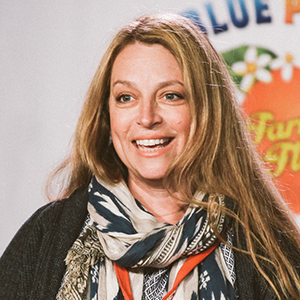
[00:59:19] Ray Latif: And it made sense for all three because, one, you're right, they get to grow their sales forces, but they don't have competing portfolios, really. So it adds another arrow in the quiver that wasn'Is There for each of those brands. well, hold your arrows in the quivers for the time being, because we want to have you guys back, I think in a few months to discuss the rest of the deals that we're going to see in 2017. But for now, this has been great. Really appreciate you guys taking the time to be with me and a great insight. And we'll talk to you again soon. Thanks for having us. Thank you. Great stuff, great insight from Justin and Chris. Thanks so much to those guys again, and really keeping their finger on the pulse of the beer business over at Brewbound. On a more somber note, like everyone else, we've seen Hurricane Harvey's devastating impact on Houston and the surrounding area. You know, there's a lot of ways to support those affected by the storm. And I just wanted to offer three websites where you can donate and or sign up to volunteer in the relief efforts. There's Hurricane Harvey Relief Fund. You can go to ghcf.org. The Houston Food Bank, you go to houstonfoodbank.org. And All Hands Volunteers, their website is hands.org. This week's Elevator Talk features Deb Iza of Sweet Tauk Lemonade out of Montauk. And we got to meet her at BevNET Live. And the interesting thing about Deb is she is always ready to give you some of her lemonade. She's got it like stashed everywhere. It kind of reminded me of the days of the guys with the watches in their trench coat. She was ready with the stuff. It wasn't like that at all. She's really passionate. You'll hear it in the elevator. Welcome to Elevator Talk, where we put an entrepreneur in the elevator with their dream investor for 45 seconds. We ask three questions. Who are you, and what does your company do?
[01:01:13] John Craven: Hi, I'm Deborah Aiza from Sweet Tauk Lemonade, and we're based there in Montauk, New York.
[01:01:20] Ray Latif: Is There anything coming up that you're excited about?
[01:01:23] John Craven: Well, we did something really special this year. We pivoted, and we've taken the sugar out of all of our lemonades, and now this whole bottle has one gram of sugar.
[01:01:33] Ray Latif: What have you been geeking out on besides your brand?
[01:01:35] John Craven: Something's coming and it's big. It's marine botanicals. So it's your blue spirulina in conjunction with marine collagens and things like that. We're developing a product right now. Beautiful blue lemonade.
[01:01:51] Ad Read: I gotta say that, you know, Dev is one of these people that I've met through BevNET, through this industry, that I'm just generally glad I've met because she's an amazing person, like regardless of work. She is incredibly passionate, such a hardworking person. really takes the time to get to know you and listen to you and ask the right questions.
[01:02:13] Martín Caballero: And she's rocking the networking at BevNetLive.
[01:02:16] Ad Read: She always does. She always does.
[01:02:17] Ray Latif: She's right there waiting to talk to the thought leaders as they come off stage, you know, give them some, have a sample ready to go. of, of her product and, you know, talk about how they could work together.
[01:02:27] Ad Read: It was great. We're able to go over to her shop this summer. You might've been able to get one of her CBD lemonade shots. They're really good.
[01:02:34] Ray Latif: Always be plugging CBD. Always be CBD ing. Yes. Well done. All right. That brings us to the end of episode 73. Thanks so much to Joth Ricci, Martín Caballero, Chris Furnari, Justin Kendall, and Deb Iza. Once again, for questions, comments, ideas for future podcasts, please email us at podcasts at betnet.com. On behalf of John, Mike, and John, I'm Ray Latif. Thanks so much for listening. We'll talk to you next time.