[00:00:02] Ad Read: This week's episode of BevNET's Taste Radio is sponsored by Algarithm Ingredients. Algarithm Ingredients, Inc. is affiliated with the POS group of companies focused on developing, manufacturing, and marketing value-added ingredients derived from its unique 40% DHA algal oil. Algorithm leverages existing POS know-how and networks to grow a new entity capable of explosive growth. Learn more at www.algorithmdha.com. That's algorithm, A-L-G-A-R-I-T-H-M, D-H-A dot com. And now Taste Radio.
[00:00:45] Ray Latif: Thanks for listening to BevNET's Taste Radio. I'm Ray Latif, and with me are John Craven, Mike Schneider, and Jon Landis. Today, we're recording at BevNET HQ in Watertown, Mass. This is episode 76, which features an interview with Spindrift founder and CEO, Bill Creelman. We explore the emergence of MCT oil and chat it up with James Vail, who's the founder and CEO of ZestT in this week's Elevator Talk. Guys, y'all came back from Expo East, myself included. How are you feeling? Better? Good? Well, I'm excited by the prospect of talking about MCT oil. I think there's lots to talk about with MCT oil. But we'll get to that in a bit, I guess. Yes, we're getting ahead of ourselves. I want to talk a little bit about what we saw at Expo East, because there were some really interesting things. There was a pretty good show. Really interesting, innovative products, food and beverages that some things we've seen, improvements upon, some things we have not seen before, a la Chicken Chips. Chicken Chips.
[00:01:37] Ad Read: You had the Chicken Chips? Yeah. Did you discover the Chicken Chips? Well, so, uh, I did try them at Expo East. They had like a very small amount behind the scenes, but obviously at Expo East, they were announcing it. They had a big sign and they had a lot more samples. Which brand was this again? Wild? Wild. Yeah. Wild snacks. It blew up the BevNET slack. Chicken jams. It's like, I did a video for Nosh staff picks and I know I'm not supposed to talk about taste, but oh my God, it tastes like fried chicken skin. Can't talk about taste on Taste Radio. And the texture and everything. It's got the texture of a potato chip. It tastes like fried chicken skin. It's probably the most heavenly thing I've ever consumed. I don't think it tastes like fried chicken skin.
[00:02:18] Ray Latif: skin that is. I thought it definitely tastes like ground up chicken that somehow was formed into a chip and something you could probably have like three or four of before you're like, I am completely full. I could eat a bag and a half.
[00:02:30] Ad Read: I did not try this and I'm not even convinced that it really exists, but Landis, I give you props for being at Expo East for one day and finding the Chicken Chips don't want to call it weird, but you know, something that is definitely outside the box of the stuff that we are typically focused on. So, it's really high quality chicken meat and they fry it in coconut oil. It's so... Oh, it's got MCTs, right? Yeah, absolutely. It's pretty whack that last week we were talking about companies that are using plants to make meat and now we've got companies that are using meat to make chips. Yeah, it's a meat-based plant snack.
[00:03:04] Ray Latif: Well, let's get back to high quality and plant-based because I think I speak for all of us when we've had our fill of Chicken Chips for one segment, no?
[00:03:12] Ad Read: Yeah, I've thought about them one more time than I'd like to.
[00:03:15] Ray Latif: Yeah, exactly. I can't wait to get them in my mouth. We did taste some pretty phenomenal hummus at the show.
[00:03:22] Ad Read: Hummus. Hummus. Nicely done, guys. Yes, we tasted some phenomenal hummus. It was called Ithaca Cold-Crafted. I chose it for my Nosh staff pick that we're doing in our show roundup. Stuff is really incredible. You know, really like products that taste like what you would get if you made it in your kitchen, and that stuff nails it to a T. Cold is the new hot. I mean, cold's been the new hot for a while here.
[00:03:50] Ray Latif: Yeah. Yeah. I mean, it's a, it's an HVP hummus and it really does taste like, you know, someone made it behind the booth and then just served it to you. But it's this stuff is actually packaged, it's sealed. And when they open it up and you dip it in there with like a chip, not a Chicken Chips, but if you get in there, you can use the Chicken Chips.
[00:04:07] Ad Read: They did have one criticism though. They had really, really tiny, tiny chips. They were serving
[00:04:13] Ray Latif: I think they'll fix that next time, hopefully. If you're listening, Ithaca, get bigger chips, yeah. I mean, there were a lot of really interesting snackable treats at the show. Mike, what'd you see?
[00:04:24] Ad Read: Yeah, I went to the 4th and Heart booth, and they had this new stuff called Chalk Tea, and it incorporates their ghee with chocolate. Yeah, it says chocolate ghee spread, but I mean, it was basically like snackable butter, if you want to call it that. Really interesting stuff. I mean, it did kind of have that Nutella Taste Radio it's weird to be at a booth where you're just like eating butter. Yeah. And I couldn't stop. That was a problem.
[00:04:50] Ray Latif: That's going to be like the next awesome blogger thing is like, I ate butter and it was amazing. Like, yeah, you ate butter when you were four years old too. And like, what's changed really?
[00:04:59] Ad Read: It's totally a thing now with all the, you know, the LA yoga influencers, they're always talking about, you know, fourth and heart and eating, you know, high fat stuff. And this will totally be the next thing.
[00:05:09] Ray Latif: It's all about that good fat. Right.
[00:05:10] Ad Read: Yeah, that's a good fat. I mean, I think on that front, another one that was pretty interesting was the forager Good Plant Natural Products, which are both in drinkable Fat Yogurt form. TBD and release, right? TBD on release. I think Fat Yogurt was like ready to go but not the drinks. It was pretty incredible tasting yogurt in quotes since it's plant based. You know, I think it's really neat to see brands like that that are kind of trying to, well, they specifically said differentiate from all the plant-based protein by being plant-based fat.
[00:05:43] Ray Latif: Yeah, I mean, we saw Harman's Harvest talk about trying to do Fat Yogurt back in the day, a coconut milk-based yogurt. And this stuff is coconut milk and cashew milk-based stuff. And I didn't get to taste Fat Yogurt, but I did taste the beverages. Holy moly, they are really, really tasty. And they had this one, I think it was like orange creamsicle or orange cream. Yeah, creamsicle. Mm, creamsicle. It was so good. I think they described it as... You just cheesed Louise. Yeah, I did cheesed Louise. That's how good it was. They described it as a really healthy orange Julius, which yeah, I mean, I'll take that every day of the week and twice on Sunday.
[00:06:13] Ad Read: Yeah. The eighties have come back. That was amazing.
[00:06:15] Ray Latif: Yeah. I mean, speaking of beverages, I mean, one of the things that I tried the first day was a Harney and sons Nitro Tea. Now I know there's been a few Nitro Tea on the market, but this thing is the real deal. It's got zero sugar. It's got zero calories in it. but the hot cinnamon spice fry, you'd think there was 10 or 15 grams of sugar in there. It was so tasty and so smooth. I don't think there's a better Nitro Tea on the market at this point. It was really impressive.
[00:06:38] Ad Read: Anyone else get to try that? I didn't get to try that. It was very difficult trying to walk the entire show in one day. But, you know, one of the first booths I saw there was Vermont Village with their new drinking vinegars. And I got to give a shout out to Allison and Andrew because they've worked tirelessly on these products and they really hit it out of the park. I'm not going to lie. I pocketed a few of those and I got called a rookie because it was first day. I was taking a few of those shots, put them in my pocket. It's okay. They're they're TSA approved, man. You can fly with those, those pouches. They're really, really good.
[00:07:09] Ray Latif: You can't get them for your flight vinegar shot needs. Exactly. Yeah. Any other really interesting things that we saw at the show, Mike, you see anything interesting Repurposed Pod, Cacao Juice.
[00:07:19] Ad Read: You know, we've seen it before, but now they've changed the messaging around it and they're, and they're looking at it as not only a juice, but as an ingredient. and I got to say, I dropped some into some limitless cold brew, the vanilla cold brew. And it was, it turned it into a whole new beverage. It was pretty stunning. And I have to apologize to Kayla. I didn't, I didn't get a chance to see you guys at the show this time around, but I know we had long conversations about serving raw Cacao Juice as just a beverage. And I'm glad to see that you guys are moving in a different direction with it. Those guys had a great message about sustainability and about fair trade and getting to know the farmers. I mean, it's a byproduct, and if they can harness a byproduct for positive use like that, then that's amazing. It's just, I don't know, it's so sweet. It's like syrup that you don't want to really consume it straight as a beverage, but I could definitely see potential for it sweetening products. I could chug it.
[00:08:14] Ray Latif: I mean, it's really tasty stuff. I could also chug some Spindrift, and I didn't unfortunately get to see Spindrift at the show, but I was lucky enough to be able to visit the Spindrift headquarters in Waltham, which is just about two miles away from BevNET HQ here. And I met up with the founder and CEO, Bill Creelman, who I spoke with for an interview that's included in this episode of the podcast. him getting into the beverage business, sort of cutting his teeth with Stirrings, which is his first company, which is a high-end cocktail mixer brand, and also talked about the origins of Spindrift and sort of how it continues to play a really important role in the development of the company. We also talked about a lot of other things, including his desire to make Spindrift sort of the craft option in the sparkling water category, and also how the company's taken a really careful approach to retail partnerships and investment. Let's listen. Alright, I'm here in Waltham, Mass., at the headquarters of Spindrift, and I'm with founder and CEO Bill Creelman. Thanks so much for having me, Bill.
[00:09:15] Brad Avery: Absolutely. Pleasure to have you visit us.
[00:09:17] Ray Latif: Yeah, I mean, this is the second or third time I've been here. We did a podcast interview with you last year talking about sort of the transition in marketing that you guys have been doing and getting to the point where you are now. But I wanted to meet back with you and talk about, you know, your sort of history in this business and get a sense of how you've kind of made your way in this crazy industry of ours. And obviously I'll also talk about the amazing success of Spindrift amid a really surging category in sparkling water.
[00:09:49] Brad Avery: Thank you for following our story. It's definitely been just that. It's a journey for sure. I think when we first started talking, Spindrift was more of a concept than a company. And now we're, for a variety of different reasons, we are now enjoying the emergence of Sparkling Water. So excited to discuss it.
[00:10:11] Ray Latif: Yeah, yeah. Well, let's back up for a second. I mean, people know you as the founder and CEO of Spindrift. I think some people know about your backstory and your history in the premium cocktail mixture movement. Tell us about that. Tell us about breaking into the business and getting into that category with stirrings.
[00:10:26] Brad Avery: Sure. Well, it starts for me a little bit before then. I think as you know, I've shared before, but I grew up in Massachusetts in Western Mass on a farm surrounded by local and sort of from the Algarithm Ingredients. We had chickens and pigs and all kinds of animals and maple syrup was produced right down the street. Our milk was unpasteurized. It sort of came delivered. warm with the cream on top. So that was, I think that was probably my first entree into kind of a local food, if you will. But following that, I, at about 14 years old, started working in the fishing industry off of Nantucket. I was a mate for four years. And then the day after I graduated from college, I took my U.S. Coast Guard captain's license exam and began a couple of year career as a charter captain. I was kind of around food almost my entire life. I joke that I think I've never really done anything else but be interested in food. The interest in cocktails came when I was actually at university. I got a job as a bartender at a local pub called Chadwick's down in Washington, D.C., if you've ever been down there. Later on, you know, developed a line of cocktail mixes. And, you know, what was happening at the time was the premium vodka category, which really didn't exist prior to, say, 2002, 2003, began to emerge. Brands like Belvedere and Chopin and Absolute were emerging on the scene, and there was really no cocktail mix that had similar quality attributes to those brands. And so we identified an opportunity and launched in the early 2000s.
[00:12:25] Ray Latif: What did you see as an opportunity? How did you identify that white space for a premium bottled cocktail mixer that wasn't already out there?
[00:12:34] Brad Avery: You know, our product development philosophy has always been the same. And it's really to take a product type that consumers recognize, but do it in a way that has never been done before. And so in the case of cocktails, there was really two things happening. One is the category had really just you know, Mr. and Mrs. T's and sort of kind of very highly processed products that didn't even have in most cases juice as a base. So that felt like an opportunity. The second thing is you had people for the first time trying to make mojitos and cosmopolitans and Bloody Mary's from scratch. And so we were solving a different problem there, which is just people not wanting to be embarrassed, you know, when they made a cocktail at home for their friends. So, you know, I had a little bit of experience from my you know, for my days as a bartender, but I, you know, I really started to understand and enjoy and explore the cocktail world and, you know, realize that in a cosmopolitan, there was Cointreau and lime juice and cranberries and just, you know, through that kind of simple education, felt like there was really a chance to offer a differentiated product.
[00:13:51] Ray Latif: We've all been to somebody's place and they've made us a terrible cocktail and we're just like, well, you know, this is okay, but maybe you should have used stirrings.
[00:13:58] Brad Avery: It's a terrible way to start a party. Yeah, it is. It's funny in that it seems now as cocktails have become, you know, more premixed cocktails have become more commonplace and there's a lot of great brands out there, but there really was, you know, there was a show called Sex and the City that was on, Never heard of it. On HBO and, you know, and that through, in a variety of other popular culture factors. I mean, it just, there was, there was a, an unmet need and really the fear of embarrassment was kind of the driving factor. So yeah, we, we started out with Cosmopolitans and Mojitos. and eventually expanded into, you know, apple martinis and chocolate martinis and espresso martinis. But there again, what was fun and what continues to be my passion is doing something that's never been done before. You know, there was no Cosmo mix to model our product after. So that is both a opportunity, but also, you know, an incredible challenge. And that's, you know, that's the kind of thing I really enjoy.
[00:15:04] Ray Latif: And it seems like a premium offering was something that, you know, you were not only looking for, but capable of getting to market.
[00:15:12] Brad Avery: I think because I was around ingredients and really kind of way upstream, seeing how food was made and sourced very early on in my life, my natural instinct wasn't, I guess, as much to premiumize in the sense that it was more expensive. It was really more to authenticate these things, whether it's a cocktail mix or a sparkling water. You know, you couldn't, you know, in the 2000s, you would go into a liquor store, see a bottle of Mr. and Mrs. T's or Jose Cuervo mix, and it was electric green. And, you know, and even as a consumer, I would say, gosh, it feels like there has to be a way to just do that a little bit better. And it was really through asking that question that that stirring spin, you know, and the variety of flavors emerged. It doesn't stop with the liquid, though. You really have to take that experience and extend it all the way through the brand, into the packaging, into where it sits on the shelf. We've had lots of instances where we've come out with a great product, but then haven't been able to follow through. And then the idea can only go so far.
[00:16:24] Ray Latif: The brand picked up a lot of traction and stirrings to the point where it was acquired by Diageo in 2009. How did you know? What was the process of saying, okay, this is our time to exit. You know, we have a good opportunity to get out now.
[00:16:38] Brad Avery: So there's a couple of ways to answer that. I mean, the first is I think it's impossible to time an exit. And I actually think you can create false incentives and misguided incentives if you try to model a business around a certain exit. Our philosophy then and now is to really build a brand that will extend out generations. And I think if you do that, you don't run into a trap of sort of finding yourself down a one-way street. With Stearns, we got very lucky. We had an article that broke in the Wall Street Journal about the emergence of cocktail mixes and cocktail trends in general. We were prominently featured in it. And a week later, we got a phone call. And it felt like the right time. I think what we saw in Diageo with that partnership is really the opportunity to expand. And we felt like we had taken the brand as far as we could and the channels we could access. That happens to be a very highly regulated business. The liquor companies are very much in control of what is being sold both on and off premise. And so the partnership for us with the leading spirits company in the world was a great opportunity.
[00:17:59] Ray Latif: You've sold Stirrings to the IGO, maybe you have a little bit of money in your pocket, and you look at the next opportunity, which is Spindrift. What was your interest in getting into that business? And Spindrift was originally a craft soda company before it is now what it is, a sparkling water company. What parallels do you see between cocktail mixers? What knowledge and learning lessons could you bring from that category into craft soda and eventually into sparkling water?
[00:18:24] Brad Avery: So I was a huge soda drinker, consumer, and I had my ritual at, you know, sort of two o'clock every day of having a Diet Coke at my desk. And then as I got older and ultimately, you know, I was now looking for another job, you know, I really started to become interested in that space. We had developed a tonic water and a ginger ale at Stirring, so I had a little bit of experience with carbonation, but it's hard to not be in this business and look at the soda problem and just from a personal standpoint and just from a business standpoint, be curious how you can help fix that. And so I began the way that felt natural to me, which is working in my kitchen and you know, squeezing fresh fruit and tasting with my friends and really saying like, gosh, it feels like there's an opportunity here to combine two big interests of mine. One is kind of local and fresh. And then the other is, you know, kind of beverage and specifically carbonated beverages into something that, you know, is really as differentiated as Stirrings was.
[00:19:38] Ray Latif: How did you see Spindrift as differentiating from not only a marketing, but a sales perspective?
[00:19:44] Brad Avery: So we, you know, when we set out to do the liquid development in 2009 and then eventually ran our first batch in 2010, we were not thinking about soda, sparkling water. We were really just thinking, let's make an incredibly delicious product that the base of which is real squeezed ingredients. You know, so it just so happened that the product at that time had sugar in it. And that was what we needed to achieve the flavor that we were looking for. What ended up happening, it started to happen in the 2000s for sure, but really by 2011, 12, 13, the awareness around sugar levels began to change, and I'll never forget sitting with some very close family friends and watching them enjoy the product, and the kids were drinking it, the adults were drinking it, and then there was a moment in the in the dinner where I saw the mom sort of whisper like, no more soda. And I know you have young kids, I have young kids and it's almost become like smoking in a sense to show up at a birthday party for kids with soda. And so it was remarkable how quickly that change happened. I still think there's a market for soda and I'm a huge ginger beer fan and I think there's a time and a place for sweeter products. For us, what happened is We eventually figured out a way to make our product through lots of trial and error and lots of improvements at the plant and improved sourcing. We figured out a way to make a product that we had originally set out to make in 2010 without needing to add sugar. And that really was the breakthrough moment for us.
[00:21:27] Ray Latif: How have you been able to maintain the integrity that you see in your brand and that real fruit proposition amid a category where you're seeing, you know, LaCroix and what it's doing and Polar and all these other brands that are just saturating and flooding the market with these, frankly, sort of in-between value and premium options?
[00:21:50] Brad Avery: Well, it's another challenge and that's, you know, part of the fun of this business is just that every day, every week, you know, there's a new challenge. I'll never forget when we started to really focus on Sparkling Water going up to actually the Hanover Co-op and the Lebanon Co-op up in New Hampshire and walking the store with with the manager, Matt, who is a big believer in our soda product. And he said, you know, I want to show you something. Come over here. And we stood at the top of one of their aisles. And, you know, one of the large, I think it's probably the second or third largest co-op in New England. He said, look down this aisle and look to the right. And it was just a sea of sparkling water. And he said, now let's turn around every label and let's tell me if you can differentiate between these brands. And without even realizing it, I mean, you know, I'd spent years and years in these stores, but you know, the sparkling water category was the largest in their store and every product was the same. And so, You know, that really was kind of the wake-up call for us to say, OK, here you have a 100-year-old category. And from a food perspective, you're talking, you know, these liquids are basically interchangeable. So we approached our marketing and kind of our positioning with that in mind. We don't think about ourselves as selling against LaCroix or Polar or all these other brands that are out there. They really are. They're a completely different proposition. The ingredients are different. The process is different. We're a fresh juice company and a sparkling water company that are kind of merged together. And so the way we think about ourselves is really being, you know, the 214th brand in this category, in a hundred-year-old category. And really almost having the opportunity to create something like the craft beer category or the craft ice cream category, you know, a la Sam Adams, you know, 30 or 40 years ago, or Ben and Jerry's 30 or 40 years ago. So we certainly are aware of what they're doing and we're, you know, we are actually grateful for them for helping pioneer this channel. But if we do our jobs well, we're thinking much broader that this can be, you know, the beginning of of a new era in sparkling water that is defined by sparkling and real ingredients. So that's a huge challenge. We think a lot about flavors. We think a lot about, you know, where we sit on the shelf, you know, vis-a-vis the other sparkling water brands. But I think our initial, we feel like we will do our jobs well if people just understand why we're different, understand that there's a different way to make sparkling water than what they have seen for the last 30, 40, 50 years.
[00:24:40] Ray Latif: Before we hopped on the mics, you talked about the category as separating itself at this point. There is some separation into different tiers. Yes. What tier do you see SpinRift in in relation to other brands that are competing? And I know you said you're not competing with them, but in essence, you know, consumers are making that decision.
[00:24:57] Brad Avery: So the way we think about it is they're essence brands. So brands that are using some sort of flavoring system, and then there's brands that will have real ingredients. And it's really not a different approach. If you look at, again, any of these bigger, more mature categories, they all have kind of tiers of premiumness, and it's usually based off of ingredients. And we believe that in time, this sparkling water set will have at least two categorizations, you know, one being kind of natural flavors in sparkling water and then one being, you know, real ingredients in sparkling water. It's obviously a convenient categorization, but I do think, you know, we're not going to be the last to do sparkling and real where When we go in and sell, we don't really sell as much as educate, you know, really try to help the retailers and, you know, understand kind of who we are within this, this crowded category full of legacy brands. That's fundamentally what we're doing today.
[00:26:04] Ray Latif: And, you know, from an operations perspective, you're not making things easy on yourself. You know, you're using real fruit. You got rid of added natural flavors. It's basically like what it says, you know, I'm looking at a can right here. sparkling water and real squeezed fruit. And then I guess your new tagline, yep, that's it. Have you been able to streamline that process? Have you gotten to a point right now where you're comfortable with not only your sourcing, but the production of your products?
[00:26:32] Brad Avery: We've gotten much better at it. We are still the same company we were when we had that conversation. We still source all of our ingredients the same way. We still work farm level. If anything, the scale has forced us to kind of double down on those relationships so that when we make fresh lemon juice, we now know to even a higher degree where those lemons came from. where those lemons are in their kind of peak season. Are they on the back end of the season or in the front end? And because the flavor might be a little bit different. And so we may have to blend a couple of different types of lemons in order to achieve consistent flavor. So the other thing we've done, I think you've probably seen in some of our social media is we've actually just had to invest even more in allowing us to run bigger batch sizes the same way we've always done it. We started out by taking one gallon of fresh lemon juice and then we went to drums and then totes and now we're actually transporting for the first time in tankers of fresh lemon juice. So we have gotten more knowledgeable and we are much more comfortable now with the seasonality of fruit and growing cycles. We always have to be aware of the variability that happens with this path we've taken. You know, it would be much easier to use a natural flavor system to sort of smooth things out or even concentrates, which you can freeze, you know, years in advance. But we just, that's not the business we want to be in. We really want to and have remained committed to the kind of quality that we promised and really built the brand on seven years ago.
[00:28:13] Ray Latif: At the same time, Demand is through the roof. You mentioned social media. I think I saw on a recent Instagram post it looked like 100,000 cans stacked in this warehouse. It was pretty amazing. Trader Joe's is a huge customer of yours. You've got new retailers popping up all over the place. You just recently signed that big deal with Big Geyser, which is going to do DSD distribution in New York City. How are you keeping up with demand? How are you able to forecast?
[00:28:36] Brad Avery: The way we've tried to respond is really to find retail partners that are willing to tell our story. The sparkling water set that I described from the co-op five years ago, that is still the state of sparkling water. So we cannot just drop our brand into the middle of a sparkling water aisle and sort of cross our fingers. You know, we really have to partner, have them really understand the brand, understand our points of difference, and then, you know, merchandise it thoughtfully in a way that then supports that messaging. I wish I could sit here and tell you that it was as easy as, you know, now just sort of consumers get it and no problem, but we are still working every day to really kind of storytell and market.
[00:29:26] Ray Latif: The other side of this is the investment side to keep up with production. Keep the lights on in this place, you've got to sell and raise money. Spindrift has raised quite a bit of money over the past couple of years. What are the qualities of an investment partner that you find as providing not only the finances and the funding, but the knowledge base and sometimes the operational expertise that can help you win not just now, but in the future?
[00:29:54] Brad Avery: I think it evolves just like the company. So early on, we needed someone that would help us with all of our questions. It's one thing to grow a business, you know, all the complexity that's involved in the structure of the team and the hiring. It's another thing to try to grow a business as a categories and flux the way that sparkling water and CSDs are. We had a very simple criteria, find someone that asks the best questions and get as many of those people around the table with you. And that's really where we were early on and our initial investment with Prolog was very much kind of based on that. We were very fortunate to partner with VMG, you know, at a different stage in the business when we were really ready to scale. And they had incredible experience with kind and vitamin water prior to that. And all of those experiences, you know, were provided great insight for us as we we would love to be thought of in that same company one day. And, you know, in the snack and beverage category, it's a different There's different challenges. I mean, it's just it does happen very quickly. Everyone's vying for that space. There's the retail. It's very competitive for, you know, in the retail perspective, you have Coke and you have a lot of the big CSD, you know, brands that are in there that you're fighting against competing with. So so we really need and continue to need as many of the advantages as we can gain. And for us, you know, VMG is that added advantage. So I would say we've been very lucky. I wish I could tell you it was all perfectly planned. You know, it was a combination of kind of, I think, being out in front of the investment community as much as I was able to. We were lucky to be identified by them early on and begin conversations early. It's amazing what's happened. You know, if you go back to the Stirrings days, you know, there really was not the type of financing available. It was much more, you know, if you found someone, boy, you were lucky and you better not let them go. I think it feels like now you have more choices. And I think for us, we partnered with the right partners at the right time. And we continue to really rely on them and others to help us, you know, continue as we navigate this journey.
[00:32:19] Ray Latif: You mentioned going back to the Stearns days, you know, there was an article in the Wall Street Journal about Stearns. A week later, you get a call from Diageo. I'm sure you get lots of calls from big companies these days. How hard is it to say no?
[00:32:32] Brad Avery: It's easy, really. In this office, we've really felt like we're just getting started. You know, if you, as I said, this sparkling water category, if you look Fat Yogurt newsfeed, I mean, it was really just in the last year or so that you know, really started to pick up momentum and we feel very fortunate to have identified it early on and have these amazing partners and incredible teams. So everyone in this building is head down, you know, focused on execution, getting it done the right way, kind of our way. I think it's flattering, you know, in the instance where those calls come in and, but for us, you know, I think we would say there's still miles to go, you know, before we rest. I think, if anything, there's just sort of added motivation now and really responsibility. We have such an incredible opportunity with this brand to really kind of change the way that people think about sparkling for, you know, for years to come. And so that's really what we're focused on.
[00:33:33] Ray Latif: This is your second time doing this, as we've talked about. What's this been like as compared to the first time?
[00:33:40] Brad Avery: It's been extraordinary. I mean I would say it's all of the excitement of the first startup but with the benefit of appreciating how special it is when you have moments like this. I mean any of us that get in a position where we're able to kind of do what we enjoy what we're passionate about. It's a combination of hard work. We're very lucky. I think we got very, very fortunate with the timing of the emergence of Sparkling Water. So we don't take it for granted at all. We, you know, I joke with the team. I feel like I've never worked, you know, a day in my life. I mean, I've gotten to really do what I love and do it with two brands that are incredible. But really for me, you know, having been in beverage for this long, it really, the emergence of a team is probably the most new and exciting thing that I didn't really fully appreciate at Stirrings. You ask with these businesses as they grow, you're pushing through so much change. I mean, everyone's job description changes basically every six months. And so I didn't appreciate, I think, how important culture was. That is something that I've really really come to value more than ever. You have to work at it every day, it's critically important, but I think we've got an incredible group that's motivated, passionate, and that because there's a sense of trust in the room that we've been able to really push through the change required to get the brand to where it is today. So I think of all of the things that I learned and that I'm most proud of. It's just, you know, the team aspect is really kind of what keeps me coming back and, you know, getting in here early every day and pushing.
[00:35:26] Ray Latif: This has been great. And you know, we are right here in the middle of your office and everyone does have their head down. You mentioned that everyone's job is sort of evolving as it is. How do you steer the ship like that? I mean, it's got to be difficult when everyone feels like, hey, you know, my job description is not what it was yesterday and I need to be doing something completely different. Who's going to do my job that I had yesterday? So on and so forth.
[00:35:47] Brad Avery: So this is the thing. I mean, this is the great challenge of these businesses and why they're different from, you know, a more mature brand that, you know, in the CPG space. So I think there's a couple of things. I mean, one, you have to hire people that have a shared value system. Here we hire for passion and for motivation. I joke that I think almost every employee we have started working when they were 14 years old, literally. These are people that just are determined to be successful. Doesn't matter what their background was or how they came to us. And then passionate, almost everyone here loves food or something about food or beverage. You've got to have that base. The second thing is communication. So if I'm asking all of these people to change their job description almost every, you know, every quarter, every year, they have to understand why. And I think, you know, the old days of CBG and just, you know, kind of business management was, you know, kind of lead from the top. We have a very different approach. We communicate continually. Every single employee gets the daily sales report in their inbox every night. We do quarterly P&L report top to bottom. You know, if you walked into our office and asked anyone where we were in the month or the quarter of the year, everyone can give you an answer. And so I think by doing that, it develops trust. So when you do push through those hard decisions and say, hey, listen, I know you're doing this, I really need you to do this and here's why. You're not starting from scratch, you're starting from a place where they understand why you're making that decision. But with all of that said, it's something you have to continue to work on. So every year we sit down and we have three new initiatives we push through to continue to reinforce our commitment. So two years ago, we put in an all company summit. So for three days, we lock ourselves in a room. Let's talk about everything that didn't go well. Let's talk about what's going well. And let's sort of double down on that commitment. So, you know, it's a living, breathing thing. If you're growing quickly, you're also doubling your team. And so, you know, you need to re-educate as you go. So I think, you know, all of that said, I think it's a challenge, you know, every day for us, but I do it kind of the only way I know how, which is just to be transparent about it, be honest about when things are going well, when they're not going well, so that when you do push through change, it's not unexpected.
[00:38:25] Ray Latif: This has been really tremendous, Bill. I really, really appreciate the time. I do have one more question for you, and I'm going to put you on the spot. Sure. You know, you just mentioned this. Things are sometimes going well, sometimes things aren't going well. And in this business, you know, it's the highest of the highs and sometimes the lowest of the lows. That was a funny face you made when I said lowest of the lows.
[00:38:42] Brad Avery: Sometimes in the same day, same hour. We joke our days are packed with that kind of high, high and low, low. I think that's kind of what you know in beverage and frankly, especially in sort of the CSD world. It's the high stakes poker table. It's incredibly visible. People are seeing the product every day. And it's a big, it's a very personal experience for them. You know, people, beverages are a badge. We say that all the time, just that people really have a different connection and therefore we feel a different sense of responsibility. I guess what I would say is, to your example, probably is in that soda and sparkling water transition. You know, that was a very hard, very personal thing for me to walk away from. We had a lot of customers that we're very close to that it, developed a real passion for that brand. And so, you know, to walk into a customer and say, gee, we're discontinuing a line that you have spent years in cold chain distribution, all these things that we're really trying to make that transition and pull that product is a real challenge. The flip side of that, was to then reintroduce them to the new unsweetened version, to have them open that first can, you know, hear that sound, you know, take that first sip of an icy cold, new sparkling strawberry with lime Taste Radio say, oh my gosh, like I, you know, I didn't understand why you made the decision initially, but now I do. So we're constantly asking people to trust us and believe us because we're, you know, we really believe it's important to set a marker downstream from an innovation standpoint, from a kind of where taste is going standpoint. So it's unusual for us to walk in and have people immediately understand who we are and what we're about, but that makes it almost even more fun when they discover the brand Taste Radio say, okay, I'm in. I get why you're as excited about this as you are.
[00:40:41] Ray Latif: Is that the high point here? You know, when you see someone who really gets it, you know, is that the high point?
[00:40:46] Brad Avery: You know, I still try to spend, At least a day a week, I'm leaving from here and going right to downtown Boston to be with a customer and kind of see the product live. I think, you know, one of the challenges for an entrepreneur is as business grows, you kind of get stuck behind your desk and you're, you know, it's harder and it gets harder and harder to get out into the market. For me still, the great joy and I still get butterflies, you know, why walking into a a restaurant or a retail store and seeing someone with their precious hard-earned money purchasing a case or a can of our sparkling waters and all of the decisions that had gone on to get to that point and then the trust that they have in the brand with so many choices. I don't think that ever gets old for me.
[00:41:34] Ray Latif: Yeah, that's got to be amazing. And I can tell that you're really passionate about that. Thank you so, so much for being so generous with your time. You've got an amazing company and I can't wait to see the continued development of it. And I look forward to talking to you again really soon. This idea of creating a craft brand in sparkling water is really interesting, but do you think there's real potential for that kind of a brand in sparkling water a la what we saw in craft beer and as Bill mentioned with Ben & Jerry's in the ice cream category?
[00:42:15] Ad Read: Well, I mean, water is certainly like the most commoditized category in all of beverages, right? I mean, it's the most basic thing. So I think trying to go upscale, like, you know, you said, is there potential? I mean, clearly there's potential. The question is how big and, you know, how far can this go as a category and a company and clearly, you know, spin drift has proven itself. But I think as far as the category, I don't know. I mean, it's, it's interesting. You still have LaCroix that is dominating. You've got private label that obviously makes up a large share of the, uh, you know, water sales across all categories. So for something like spin drift, I think it's more of like a long play than one that's super opportunistic and going to take down LaCroix or whatever it might be. Super interesting to hear how they talk about themselves as a brand and to hear him, you know, specifically talk about them being a juice company.
[00:43:13] Ray Latif: Yeah. Yeah, I mean, there was an interesting Wall Street Journal article that came out about LaCroix that said, customers don't really care, you know, what the ingredients are in LaCroix. And I saw Bill reply on LinkedIn. And he said, well, if you do care about what's in your sparkling water, then drink Spendrift. And I think that's their thing. It's like, They have to find the people right now that do care. And I think there is a long-term option. There will be a long play because more and more people are looking at those ingredient panels. They are looking at, you know, what are natural flavors. And as we talked with Bill about extensively, it's really important for customers to find the products they're looking for, especially in certain retailers that can articulate what those products offer.
[00:43:52] Ad Read: He talked about the marketing. He talked about the importance of getting the message out there. And, you know, he's obviously living it. He's talking, he talked about it over and over again in the interview about, you know, where the brand comes from and, and the differentiation points. And clearly they're living the message. I have to say I love the cans and the packaging and the convenience and the cost for it all. But one of the biggest competitive advantages I think Spindrift has in this challenge is the color of their products. Like I just picked up a four pack of the Blackberry Seltzer and it's got two grams of sugar. And you pour it into a glass and it's like dark purple. And it shocked Julie, my fiancee. She was like, you know, it's seltzer. It should be clear. But I'm like, no, they use real fruit in it to flavor it. Do you think that could be a turnoff to people? No, I don't think it'll be a turnoff. I think that that's what... really tells you that this is a different product. And that's, like I said, a competitive advantage. It's something that's... So somebody who's handed a glass of it, and you're looking at it going, what is this? And then you say, oh, it's Spindrift. And then you want to get more information on Spindrift. Do you think that's a competitive advantage? Well, I think that if you're talking about craft sparkling water, This is something that clearly sets it apart from every other sparkling water out there is that not only is it flavored using real fruit juice, but you can see that fruit juice. You can see the difference. It pays off. Yeah. So I would love to see them play that up a little bit. I don't know exactly how, but. If they really, truly want to go as a craft sparkling water, I think that that's something they should be using. Well, they do in the packaging, especially on the boxes. The color is as close to the color of the beverage as possible.
[00:45:32] Ray Latif: Yeah, they're bold colors. It's good stuff. Maybe they should consider adding MCT oil. Maybe that could dial up the craftness of it.
[00:45:41] Ad Read: Wow. Or they could maybe go with one of those. Well, they have, I think the product settles a little bit spin drift, but they have those clear cans, like the monster hydros. And now that would be an interesting point like rising to the top. Nice. I would kind of disagree the colors and advantage to them, but I think, you know, the biggest challenge is just price, right? I mean, if, if spin drift were the price of LaCroix or Poland spring or whatever, you know, brands more value oriented, it'd be a whole other game, but it's, it's not. So, I mean, I would love to drink spin drift all the time, but again, I think it's just, it comes down to price, but it's craft, you know, and if you think of craft beer, It is, but I mean, there's a certain point at which, like, can you make something craft that's water, right? Bottled water. Brands have tried to do that. I mean, it's, it's a challenge. So. You know, that's to my point, I guess, you know, if it is craft, it uses real ingredients. They come through in the look of the product and yeah, price is obviously going to be a factor, but. Craft water where they artisanally attach the hydrogen and the oxygen molecules.
[00:46:49] Ray Latif: I will say that I really do like the tagline of real fruit plus sparkling water. Yup. That's it. I mean like that to me just says, okay, well prove it to me and then I'll turn around the can. If that's all there is in there. Fantastic. That's a super clean product. I mean, that's the best part. That's real advertising too. All right. I did mention MCT oil and a playful kind of like myself up there. I was sitting Landis up there too, but he, he almost took the bait, but he didn't yet.
[00:47:13] Ad Read: I want to keep talking about spindrift.
[00:47:17] Ray Latif: Well, we could, I feel like we could talk about spindrift all day. I'd rather drink it. Yeah, but no, I mean, it was cool. I mean, you in a Bev net staff reporter, Brad Avery recently sat down, chatted about MCT oil. And it's a pretty interesting ingredient right now. You know, you got a bunch of people in the sort of on the bleeding edge talking about it. That'd be a good opportunity for you guys to sort of flesh it out.
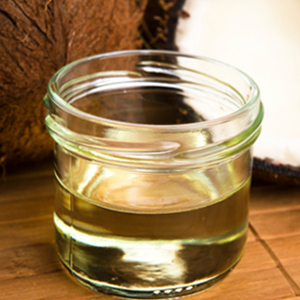
[00:47:38] Ad Read: It is a little bit different than a lot of the other trending ingredients that we see because it really only fits into like a lifestyle type diet. So, you know, it's going to be interesting to see where it goes, but let's, let's get into it with Brad and myself here for 10 minutes so we can talk about it a little bit more after. Do it. Well, I'm joined here by BevNET reporter, Brad Avery. How are you doing, Brad? I'm good. How are you? Doing good. Thanks. We want to talk about MCT oil. We've been hearing a lot about it. You've been writing a lot about it. Why is it a thing? Let's get started with what exactly is MCT oil. Okay, so MCT stands for medium chain triglyceride. It's a form of fatty acids that are now being used as a functional ingredient for largely beverage, but food as well. And they're said to contribute to weight loss, to higher energy, and some even talk about psychological effects of increasing your focus and mental clarity. And so, MCTs are found in largely two sources. They're found in coconut oil and palm oil. Through man-made processes, they can be extracted and turned into this unique MCT oil that's different. So when you're seeing coconut on a product label that's talking about MCTs, it's not coconut oil. It's MCTs derived from coconut oil. So that's sort of the key difference that we have. Sure, or something that contains coconut oil and therefore contains MCTs. Correct. Yeah. And it's really been two main diets that have driven this into the forefront, so to speak, the paleo diet and the ketogenic diet. Yeah, exactly. And so that's why this has been around as sort of a brewing trend for nearly a decade now as sort of the diet bloggers and food trend followers have been buzzing about this. And now as the keto diet is really starting to ramp up, the paleo diet sort of had its moment, and now keto's coming in from behind, we're seeing more people latching onto this, more brands, building around it and utilizing it. Butter coffee being one of the top items that serves these diets. So the keto diet, to define that, it's mainly high fat, low carbs. And the theory goes that when you are Getting most of your nutrition from Fat Yogurt body must then burn the fat for energy. Your body doesn't need the carbs. It can get energy from fats. And so that sort of requires your body to adjust a little while. But once you do, you burn more weight and get your energy from there. So that's why you get products like butter coffee. So butter coffee typically is made with coffee butter and often MCT. You know, you're talking about 200 calorie coffee with no sugar. but all fat, and you get your morning energy, your nutrition, from those fats. once your body's adjusted to this. And so that's a large driver of this trend is proponents of that. And so the most obvious recent news was that Bulletproof launched a ready to drink, but they're certainly not the first to market here. Right. You have companies like Picnic that have been doing RTD for several months now, Suniva Coffee, and a slew of other brands that have been selling You know, coffee and tea as well. And then MCT oil on its own. They haven't been combining it for RTD, but they have been selling them in packs together, recommending that you mix with this. And that way they can sort of hit both the non-MCT demographic, the people who just want to drink their coffee, and the people who want to use this new functional ingredient to get its benefits. And they can hit both that way. Does it seem like there's a place for people to be consuming this for functional benefits if they're not biohacking their way there? That's my question, honestly. That's the type of thing I'm not too sure about. Because to me, I look at this and I see something like Bulletproof putting out an RTD. And for so long, Bulletproof has been a lifestyle brand. That's sort of how they built it around. And really, you got to keep going back to them when you're talking about this because Dave Asprey was one of the major proponents of this early on. He was blogging about this. He was adopting the Bulletproof lifestyle. But there is sort of that sense of, well, this doesn't quite fit into just any diet. If you're going the butter coffee route, if you're going the high MCT beverage route, nutritionists recommend you build your diet around clean eating. You build your diet either around that keto diet or around something where you're getting most of your fats from your coffee and then keeping fats out of the rest of your diet. Those are sort of two approaches because otherwise you're just consuming a ton of calories. And that I think is sort of if someone likes to taste of it, they like to taste of it. If they want to treat it indulgently, they can treat it indulgently. But, you know, most people look at it more as a wellness thing, as a way of finding different healthy biohacking methods of eating. And, you know, this segment is why is this a thing? And right now there's not a whole lot of data on MCT infused products, but there are some early indicators of this being a trend. Yeah, a few years ago, when I wrote an Explainer article about two weeks ago now coming up on MCT oil, I spoke to Vyron, which is an ingredient supplier, and since 2012 is when it really started kicking off. And in the past five years, it's gone from, let me get that exact number here, it's gone from under $3 per kilo for MCT up to $8 per kilo. So that's a massive jump in demand from people purchasing the supply. I don't know about consumer sales data, but that's just showing a bit of a gold rush for who's going to be the ones to be putting this in their products, who's going to be the ones putting this out there on shelves. And it kind of begs the question as to what's to come, right? Bulletproof seems to be making a lot of strides in how proprietary their processes are for extracting these MCTs from exclusively coconut oil. How much further are we going to go down that road? Are people really going to care so much about where the source of their MCTs is and, you know, what other applications are we going to see? What Bulletproof has is their brain octane oil, as they call it, and it's a special proprietary process by which they extract only certain chains that they want for the oil. That way, they sort of have their unique touch on this that a lot of other companies don't have. And, you know, as far as innovation goes, there's that. You can build off of that, or you can sort of build off of the product larger. So Bulletproof has put out Fatwater. which is a minimal amount of the MCT oil, but it promises itself for brain activity, for a lot of the functional benefits that you're gonna get from MCT oil, and they're putting that into an enhanced water, not a coffee. And that's one of the big branches of what you can do with this. snacks you know no brainer is an example of where you can put this in a snack breakfast items probably could really benefit from this you can you can infuse this with food and build around that. And of course you know we're seeing more companies doing teas. That's starting to come up as another obvious mixer for MCT oil. So you have a company like Metabrew, which takes the butter coffee trend, but instead makes it vegan and gets on another level as you don't even need dairy. You can do vegan MCT oil based products. If there are any MCT ice cream manufacturers out there, we're waiting to hear from you. Yeah, that seems like a, like a natural jump. That seems like the type of product where you could easily fit that in, not hurt your flavor, not make anything strange and promote yourself as being better for you. Well, that's what they say. You know, Taste Radio is a wacky business ideas for adventurous entrepreneurs. So. Yeah, definitely. Anyone who out there wants to run with that, go for it. We should mention that Dave Asprey does have a blog post out there that really breaks down all the different types of MCTs and you can go way down into a rabbit hole with that. I don't know exactly when it was published, but it's on Bulletproof site. It's called coconut oil versus MCT oil versus lauric acid. And, you know, I cited this a lot just because he breaks it down really well into layman's terms. He does get into the nitty-gritty of the science, but it's much easier to read than trying to take a whole scientific study and break through that language. If this whole thing interests you and you want to get a little bit more technical detail, go look that up. Brad, you also wrote a great article recently that has a bunch more information. But I think that we really broke this down pretty well today as to why MCT oil is a thing. Yeah, absolutely. Thanks for stopping by.
[00:57:02] Ray Latif: Thank you. Obviously, sparkling water is a huge broad opportunity for growth and growth potential. MCT oil, where do you think the opportunity is for MCT, John?
[00:57:14] Ad Read: Well, I mean, it's hard to say where the long-term opportunity is for it, but I do think that, you know, right now there are two challenges. One is awareness, which, you know, all of these little brands are out there trying to educate consumers on what it is and what it does. And certainly, companies like Bulletproof that have larger means will help, you know, help that along. But it's still a pool of relatively small companies that are trying to spread the word. And I think that's a really big challenge. Yeah. And that's something, you know, you witness at these trade shows where you go up to a booth and when you need somebody behind a booth to give like a three-minute explanation of a product, that means there's definitely, you know, a problem there. And to your point of like spindrift, does that need an explanation? Probably not. And then I think, you know, the second thing is just one of, you know, feeling the functionality. And I think that's a challenge for. anything where you don't feel it right away outside of things like, you know, protein and fiber and vitamins that are widely accepted. This is a new thing that like, what is the benefit to the consumer and when do you feel it? And I think that's another thing that right now is kind of a complicated explanation. Yeah, that's the big one to me is, you know, what's the efficacy and is this like an objective functionality? Like if I consume this, no matter what my diet is, am I going to feel more focused? Is it going to help me burn fat? fat. There's a lot of different, uh, functionalities that they're touting for MCT oil. And, and to me, it seems like a lot of them tie into a lifestyle and not just consuming a product and then feeling the effect. What is that lifestyle? To me, I think the big one is this ketosis diet where you stop consuming carbohydrates and consume almost all of your energy and fat. So it trains your body to burn fat instead of carbs for energy. It's a weight loss type of thing as far as I know. you know it takes a few days to get your body into that state and you have to deal with a bunch of crummy headaches and all that stuff until you get there and then it's like supposedly somewhat euphoric once you're finally there but it seems like a huge commitment like it's not just drinking a good belly shot, you know, to help your digestive system. Like that's an objective functionality. Consume a product one time, you feel it right away. Just FYI, I now crush my good belly. I eat it in bar form. Yeah. Going back to Expo East, those were good, right? Right, those were great.
[00:59:43] Ray Latif: Well, one of the functions that I'm most interested in when it comes to MCT oil is brain function. And there's a lot of claims out there about it sort of improving and enhancing, I guess, brain efficacy, if that's something. So I actually tested something out before we got on the mics and I poured a little bit of MCT oil in everyone's coffee this morning. And I want our listeners to send in and write to us via email, you can tweet us, whatever. If we sounded smarter on this podcast, than other podcasts that you've listened to. This is a real test for the function of MCT oil, at least when it comes to, you know, brain function.
[01:00:23] Ad Read: But that is, again, like, if you're talking about subjective functionality, like the grandfather of all subjective functionalities, I feel smarter, or I feel more focused, like, how do you measure that? And how Do I say that, you know, it's not just some kind of placebo effect or anything like that? This explains why I kept calling it the fourth in heart boot.
[01:00:46] Ray Latif: It's also why people pay a lot of money for long-term clinical trials. So I guess we'll see. But that was a great, great segment. Thanks so much to Brad Jon Landis for putting that together. Now we've got Elevator Talk. Yeah, let's hit the elevator here. We caught up with James Fayel at BevNET Live Summer 2017. He's the founder and CEO of Zest Tea, which is a brand of high caffeinated teas designed for, get this, mental clarity and energy. All right, let's listen to James. I need to drink this.
[01:01:18] Ad Read: Welcome to Elevator Talk, where we put an entrepreneur in the elevator with their dream investor for 45 seconds. We ask three questions. Who are you, and what does your company do?
[01:01:28] Jon Landis: Hi, my name is James Vail. I'm the founder and CEO of Zest Tea.
[01:01:33] Ad Read: Is there anything coming up that you're excited about?
[01:01:35] Jon Landis: We're really excited to actually launch into the ready-to-drink market. We've had a line of bagged teas for the last three years. They're all high-caffeine energy teas, very unique to the market. But this is our first opportunity to launch into actually the bottled market, and we'll be doing that in August or September.
[01:01:53] Ad Read: What have you been geeking out on besides your brand?
[01:01:55] Jon Landis: Specific to us, we're an energy beverage or an energy tea. We're really excited about the market moving away from heavier sugared options for less healthy options to healthier than versions of energy beverages.
[01:02:12] Ray Latif: We saw that aforementioned RTD product at Expo East. It was pretty good. Landis, what do you think?
[01:02:18] Ad Read: Yeah, they had three flavors. I believe it was like the mojito flavor I thought was my favorite. He said he was getting great feedback on their chai flavor as well. cans look really nice. You know, it's a really buttoned up product and I'm excited to see it once it's finally in cans. They had it on draft at the show, but it did taste pretty damn good.
[01:02:38] Ray Latif: Yeah. The packaging looks really nice too. Speaking of buttoned up, it's a, it looks pretty tight. I just really stands out on the shelf. I think.
[01:02:44] Ad Read: Yeah, it's playful and aggressive at the same time. So, you know, they're kind of coming across and saying, you know, fuel yourself up, but don't take it too seriously kind of thing. That's kind of how I would describe you, Len. It's playful and aggressive.
[01:02:59] Ray Latif: All right. That brings us to the end of episode 76. Thank you so much for listening. And thanks to our sponsor, Algarithm Ingredients. Appreciate our guests being with us, Bill Krillman, Brad Avery, and James Vail. As always, questions, comments, ideas for future podcasts, please email us at podcasts at BevNET.com. On behalf of John Craven, Jon Landis, and Mike Schneider, I'm Ray Latif. We'll talk to you next time.