[00:00:02] Ad Read: This week's Taste Radio is brought to you by BevNET. The leading suppliers, service providers, investors, and brands grow their businesses and find talented employees through BevNET's advertising, event sponsorship, and job boards. To reach hundreds of food and beverage brands, become a sponsor of the Taste Radio podcast.
[00:00:18] Ray Latif: Email us at podcast at BevNET.com to talk to our team about pricing and packages. And now Taste Radio. Thanks for listening to BevNET's Taste Radio. I'm Ray Latif and with me are John Craven and Mike Schneider. Our other host Jon Landis has moved to Ecuador and we wish him well. Just kidding folks, John is off at NBWA with the Brewbound team covering the beer industry. He'll be back next week. We're recording at BevNET HQ here in Watertown, Mass. This is episode 79, which features an interview with Joy Bauer, who's the founder of Betterfew snack company, Nourish Snacks. We also speak with Gus Griffin, who's the CEO of MGP, which is a leading supplier of premium distilled spirits. And in the latest edition of Elevator Talk, we chatted up with Marcel Gozali, the founder of Avonaut. Cool brand, cool name for a brand. Yeah, and chill dude too. He's a good guy. Speaking of avocado smoothies, you guys were out in Los Angeles last week. Mike and John, how was that? Great. Avocado level's so high right now. Yeah, yeah. Doing a bunch of podcasting, some video work, checking out the space for BevNET Live and Nosh Live and Brewbound Session. Meeting up with some entrepreneurs and executives from across the food and beverage spectrum. I hadn't been to the space before and it is so choice right by the water. Yeah. The low Santa Monica got a couple of nice runs in and got to see the space, meet the crew. I can't wait. Yeah. It's going to be exciting. Some of those folks that you met with are going to be at the event as well. GT Dave from GTS kombucha. Is he going to be there? Oh, we can only hope. Hopefully. Yeah. Well, you guys got to go and visit his office while you were in Los Angeles. We did, and we've got a podcast interview coming soon for that, but always great to sit down with GT Dave. You know what it smells like? Kombucha. It does? Yeah, spoiler alert. How much kombucha did you drink at the facility? Not as much as I would have liked to. I was hoping that they would just hook me up to a kombucha IV or something like that, but we did try the new Gratitude Enlightenment, and that was the seasonal. Really, really good stuff.
[00:02:20] of premium: Yeah, great stuff.
[00:02:21] Ray Latif: Were you enlightened and full of gratitude? I was full of carrot, which my carrot levels were. My carrot levels were off the chart. I loved it. You also went to the new Bulletproof Labs facility, which is like supposed to make people superhumans. And I was thinking, do they have like a kombucha IV there? They know, but they did have IV treatment there.
[00:02:37] of premium: Yes.
[00:02:37] Ray Latif: Yeah. They're opening this new space that it's not yet opened, although it's sort of soft open, but they have different things that you can do in there that they refer to as hacks. It's some pretty wild stuff. I mean, some of it is, you know, they offer hangover IVs, cryotherapy, but then there are all these machines that sort of look harmless on the surface. But these are things that it seems as though Dave Asprey has like personally, you know, hand selected. pretty wild stuff. They were telling us Tony Robbins had been in there already. So kind of want to go back and get hacked, if that's the right word. They said we could come back and get hacked. And we're pretty excited about that. I'm particularly excited about getting my grapes. You know, they talked about internal cellular water and external cellular water. And they said that When you have good cell water, your cells are like grapes. I want that. I want to have grape cells.
[00:03:28] Marcel Gozali: Yeah.
[00:03:29] Ray Latif: Like wine? Yeah, like wine grapes. I'd like that too. If my whole body was just wine. Another funny thing about it was it's right next to Arnold Schwarzenegger's office and you can see like the Terminator with his giant gun. You can see like a standee of him through the office while you're doing your hacks. You can just see the Terminator like staring you down. This is no joke, by the way.
[00:03:47] of premium: No, it's true.
[00:03:47] Ray Latif: It's amazing. Yeah. Is there a big like caption next to him saying, I'll be back? No, there isn't that. You know what I did ask him? There is a boatload of security guards though, which I feel like he is known for often taking out security guards in some of his older movies. I agree. Yes.
[00:04:03] of premium: So I wouldn't want to be one of those dudes. Yeah.
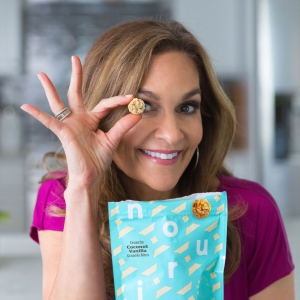
[00:04:05] Ray Latif: Yeah. So I was talking when we were talking to him about the IV treatments, I did bring up the, uh, the whole rumor, the whole Samir Nasri, uh, controversy when he came to the U S the LA to get IV treatments. And then FIFA was like, They were like, oh, we don't know anything about that. They didn't have anything to do with it. But it was interesting because I was asking about, you know, athletes and they said, you know, it's really good treatment for athletes. And it was interesting to just take some of the things that we think about and then quantify them. They're all about the quantify. They're all about the metrics. They're all about, you know, the workout from the inside out versus the outside in. Yeah. Well, Dave Asprey, the founder of Bulletproof Labs been pretty outspoken about these treatments as being really helpful for him. We'll see if it can be helpful for a broader audience as well. And I definitely want to try it when those cryogenic eggs, those look cool. Well, the memberships there were not cheap either. It's all covered by health insurance these days though, isn't it? Something like that. The cryogenic eggs, they said that you might cry when you go into these cryogenic eggs because some people just they experience something they've never experienced before because the idea with Bulletproof Labs obviously is they're trying to unlock parts of your brain that you don't use because Dave really believes that we are using... Well, we know from science also that we're only using a small percentage of our brain's capacity and they're trying to get us to be able to use more. Especially here on this podcast. Well, I was gonna say, you know, if you cried in cryogenic egg, you know, you might be reminded of your first experience at Erewhon. Right, Mike? Mike's not well, we have to take a break. I might cry. I couldn't spend enough time at Erewhon. I mean, just the kombucha section alone. So Erewhon is an extremely high-end grocery store with two locations. Three locations. Three locations. Venice, Santa Monica. Venice, somewhere near Beverly Hills, and then I think up in the Valley. Okay. They got this cool branding outside, like these sketch people that go around the outside, which I thought was, first of all, was great for me because I love graffiti. And then you walk in and you're just like, Oh, speechless. Yeah. Whole foods on steroids. And then some. Yeah. Just all the brands that you want to try are right there out in the open. You can just, you have choice paralysis though. That's the problem. But I did get to see coconut cult in the wild. I was excited about that. So many types of boots and then they have their, um, their Erewhon brand stuff that was We got to try a saffron limeade that if you're a pro, you keep the bottle. Cause you know, saffron is one of those spices that sticks around forever and you just keep refilling it with water and you've got saffron water for days. It's awesome. Yeah. I don't think there's anything in that store like under 10 bucks. Totally kidding. But I mean, it's, you know, the high end place right in that area. And, you know, I don't know. I always love going in there just to see like, you know, the bleeding edge of whatever the next crazy thing is going to be. I don't know if I spotted anything like super new. I mean, it seemed like there were more like fear products, which by the way, GT calls Kiefer. I'm just saying, I'm just saying GT says Kiefer. I'm going to say Kiefer. But everyone is the epicenter for some of these new brands and trends that we see down the line. And if you have an opportunity to, to head out there, you did get that single pistachio for seven 99. That was a good deal. Speaker 0 0. I'm going to keep this going. Speaking of pistachios, do you see any pistachios at snack nation? We did. We saw, we saw pistachios. We saw a banana. We saw all kinds of snack boxes. What is snack nation again? Snack nation snacks for your office, healthy snacks, healthy choices for your office. They send you a box and you get snacks. Interesting. You guys met up with the founder of the company for a future episode of the podcast. Sean Kelly. Yeah. Good dude. Yeah. He's a podcaster himself. They podcast it up over there. That's a pretty interesting interview. And he talks about their philosophy on hiring. He's really known for team building and hiring and keeping great people. Yeah. Lastly, I mean, you guys were at Cal Pheu. We went and visited Cal Pheu last year, John Craven, Jon Landis and I. Amazing space in downtown LA and recorded a couple interviews there as well. So, I mean, glad to hear that you guys were able to connect with those folks. Yeah. Well, this isn't directly about Califia, but in that area of downtown LA, it's just like mind boggling how much it's changed in the course of a year. You know, new places that have opened up. There's a blue bottle of coffee and a ton of restaurants. You know, Califia just seems like they're, you know, humming along and grinding away. To that point, their office was, you know, I wouldn't say vacant, but you know, everyone's sort of out like traveling, doing their thing, you know, you can sort of feel the like, just urgency and buzz there, which is awesome. And on top of that, you know, we also went around and visited a lot of different entrepreneurs who were starting up in the, you know, on the west side of LA. I mean, I think that area just continues to be a place where You know, thinking back to, I don't know, geez, like 10 years ago, I'd go out to LA and, you know, you'd really have to like drive far and all over the place to meet startups. And now it's like, you know, geez, I don't even think we took like an Uber for the couple of days we were there. We were just like on foot half the time. And, you know, there's so much. Yeah, on foot in LA is crazy. But it is truly, you know, I think people talk a lot about that area, as do we, as, you know, sort of the ground zero for food and beverage innovation. And it's pretty wild how many companies are there and incubating now. It was great to be at Califia Farms. Thanks a lot, Arnold, for hosting us. And we got to meet, we did something a little different as well. We're going to have an interview in an upcoming episode with Olivia Koo, who's lovehealthok on Instagram and lovehealthok.com. She's an Instagram influencer who gave us some interesting insights into how to work with influencers. Yeah, I'm really excited. I was following you guys on Instagram, BevNET Craven, BevNET Mike. I'm Bev Trade with a Y. And it looks like you met with a ton of entrepreneurs and executives. And I know there's going to be included in some future Elevator Talk that will appear on BevNET's Instagram stories account and also, and some of the audio is going to appear on future episodes of the podcast. So please stay tuned for that exciting stuff. Yeah, and you know, we're out there, as Ray said, you know, posting our whereabouts on social media. I put on, you know, LinkedIn and Instagram, kind of where I was going and when. And, you know, it's great. I had a fair amount of companies that just reached out, like seeing that I was in town, always happy to do that. And, you know, we're not, we're not hard people to reach. So love to sit down with entrepreneurs and you know, just catch up or get to hear about new things like any chance we can. So Instagram is a great way to do it because it shows kind of where we are and what we're up to. And we also, uh, it was kind of funny. We met Jake Paul on the plane on the way out. So we, we kind of did some tributes to him and her Instagram stories along the way. I mean, we try to have fun with it. Yes, indeed. It is fun. You know what else was fun was meeting Joy Bauer. I met Joy back at Expo East in September and many of you might know her as the nutrition and health expert for NBC's Today Show. She's also the founder of Nourish Snacks, which is a brand of Better For You granola bites that are sold across the U.S. And Megan McGinnis, who's Project Nosh's senior staff reporter and I, sat down with Joy, who spoke to us about her motivation to get into the food and beverage business with Nourish. She also talked about sustainable food trends versus fly-by-night fads. And she also discussed the impact that big CPG conglomerates are having in the evolving landscape for snacks. Let's listen to this interview. All right, we're here at Natural Products Expo East 2017 at the Nourish Snacks booth, and we're sitting with Joy Bower, who's the founder of Nourish Snacks. Joy, thanks so much for being with us.
[00:11:49] Marcel Gozali: Thanks for having me.
[00:11:51] Ray Latif: Joy Bower is recognized as one of the nation's leading authorities on healthy eating and living. She's the nutrition and health expert for NBC's Today Show, and as I mentioned, the founder of Nourish Snacks. You're also the writer and author of 12 New York Times bestselling books. You know, I really wanted to talk about your background in Nourish, but let's get started with your background as a nutritionist. And, you know, how do you get into this business? How do you start that as a career?
[00:12:15] Marcel Gozali: It's a great question. I was quite literally born with a passion for health. I was a competitive gymnast from a very early age, and I was always super fascinated with how to fuel your body so you could really optimize your performance. So in the earlier parts of my career, I have an undergraduate degree in kinesiology and biochem, and then I have a master's degree in clinical nutrition, and really went into the clinical side the entire first part of my career. So I was the nutritionist for the neurosurgical service at Mount Sinai, worked with very, very sick people. And then I was the director of nutrition for pediatric cardiology. out of Mount Sinai Hospital as well. And that's really where I developed my learning curve and my mojo. I had the luxury and the privilege of working with so many people from so many different walks of life. And it helped me to then take textbook, you know, all of the stuff that I had learned within my classes, but also get a deep understanding of what people needed and wanted in order to really be able to make better smart food choices and enhance the health of their lives. So from that, I then did a lot of lecturing. I ran programs in areas that were at high risk for heart disease for underprivileged kids and communities in Harlem and East Harlem. teaching young children, kindergarten all the way through 12th grade and their parents and the faculty, all about how to eat better and to exercise more regularly so that we could break the chain. We could really make a difference, stop diabetes, stop heart disease, reduce the risk for obesity and things like that. Because I love to write, I was always writing. I was pitching lots of articles to newsletters and to committees and to the glossy magazines. And fortunately, a lot of them started to stick. And from the articles, I was lucky enough to get book deals. And then from the book deals, those books started landing on the desks of a lot of producers. And then television shows actually started to call me to come in and deliver segments and spots and advice on health. And it was great because people were really interested. It was a time when food was at the forefront. People, you know, whether it be for dieting purposes or for lowering cholesterol or for thinking more clearly or boosting energy, people really cared. And people were acknowledging the fact that food was powerful and making the right food choices in the right combinations. can really catapult you to the top of your game. And that's the story. I always knew I wanted to get into the food space. You know, I just, I had to figure out when was the right time because after speaking with so many different people from different walks of life, I knew what they wanted. I knew where the holes were. And I really did feel that I would be able to make a difference in the food landscape if I came out with my own line. Great.
[00:15:18] Joy Bauer: I'm exhausted just hearing all of that. I feel like you haven't slept in probably the past 20 years. I just don't understand. But you're passionate about what you're doing, clearly, and you have the background for it, for bringing a snack that is both nutritionally what consumers want and has the taste profile that consumers want. So can you just tell me a little bit about just what you think Nourish plays to when it comes to current snacking trends?
[00:15:44] Marcel Gozali: Absolutely. So the whole idea behind nourish or like a nourishing indulgence is to create a snack, of course, that is loaded with wholesome, nutrient-rich ingredients, but at the same time delivers those crave-worthy flavors that people want. It's sort of one-stop shopping. You know if I'm making a snack, it has all the right stuff from an ingredient perspective, but it also delivers the satisfaction that you're looking for. There are so many snacks out there that are super, super healthy, and they're incredibly admirable and impressive when you look at the ingredient panel. But unfortunately, they feel like a compromise or sacrifice to a lot of people when they eat them. So it doesn't hit the sweet spot. You know, they want another and another. What I was trying to do and what I am, you know, hopefully accomplishing is offering a snack that doesn't feel like a jip. You know, you eat it, you crave it, you love it. And by the way, it's also good for you.
[00:16:50] Ray Latif: But at the same time, I mean, indulgence and health don't always mesh when it comes to consumer awareness. People think, oh, this is really, really delicious. It can't be healthy for me. You know, what are the challenges in creating the products and then marketing it to consumers?
[00:17:07] Marcel Gozali: Well, the challenge, of course, is coming up with a product that hits all the marks, right? So I spent a lot of time in the kitchen prior to scaling, figuring out what are the right ingredients in the right combinations. What is the right amount of sugar that will deliver something absolutely extraordinary and mouthwatering, but at the same time doesn't have too much? I'm not going to add any artificial sweeteners. I'm not even adding any of those zero sugars, the fake sugars like a stevia or a monk fruit. But at the same time, I need it to taste sweet. I need it to be absolutely delicious and addictive and crave-worthy. So how much sugar can I add with still keeping it to a minimum when it comes to the granola bites? what is the right combination of the whole grain oats with the blueberries, with the apples, et cetera. So that's really the challenge because at the end of the day, it needs to be extraordinary. You know, the packaging is really fun and vibrant and bold. So I know that it will pop off the shelf and land in somebody's grocery cart, but I want that person tasting it and coming back the next week and the next week and the next week. I want it to be the go-to snack for them. So I think the biggest challenge is, you know, making sure that again, it hits all those marks. It's made with wholesome ingredients, but it is out of this world.
[00:18:30] Joy Bauer: Now, you really have a pulse on just the food industry as a whole. What are some of the hottest trends in snacking that you are seeing right now?
[00:18:38] Ray Latif: We'll get back to our interview with Joy Bauer in 15 seconds. Early registration for BevNET Live ends today, Friday, October 13th. Register now and save $200. Go to BevNetLive.com.
[00:18:52] Marcel Gozali: People are really confused. They're confused by all the certifications, by the bugs. Is it GMO? Is it non-GMO? Is it gluten-free? Is it low-calorie? Does it have sugar? Does it not have sugar? How much fiber is in there? So, to me, the trend right now is just clean ingredients. People just want to know that they trust a product, that when they eat it, they're going to feel energized. There's no guilt associated with it. But at the same time, I think delicious is a huge trend. People are not willing to sacrifice just straight awesome nutrition for Taste Radio for flavor and for an awesome experience. So I think those are two really significant trends right now that are going to have long legs. So they're not even really trends. I think they're going to be here to stay.
[00:19:40] Joy Bauer: So I mean, kind of on the other end of the spectrum then, are there any snacking trends right now that you think will be fleeting over the years to come?
[00:19:49] Marcel Gozali: That's a good question. I think maybe a lot of the full-fat milk products that are coming out right now because there's a big media blitz and buzz on that full-fat dairy. Full-fat dairy helps to keep you feeling fuller longer. I don't know that that's going to have long legs because the saturated fat in dairy we know is directly related to raising LDL cholesterol. So I'm not sure that that's going to last. Otherwise, nothing specifically that I could think about. I think a lot of companies are doing a good job in just sort of cleaning up their nutritional panels. And I don't think that that's gonna disappear anytime soon, which is thrilling to me.
[00:20:27] Ray Latif: Well, I mean, that's interesting because we see a lot of big companies, legacy companies with their legacy brands, cleaning up their labels, reformulating their products to have no artificial ingredients. How do you see that as affecting the food and beverage industry as a whole? Is that good for smaller brands or does that put smaller brands in sort of the shadow of these big companies?
[00:20:46] Marcel Gozali: So I'll answer that question from two different directions. From a health expert direction in the media, I think it's a valiant effort that these companies are doing and bring it on because people are loyal to a lot of these iconic longstanding brands. So to be able to continue to buy brands that you love from the bigger companies with cleaner ingredients is fabulous and terrific. And I'm constantly applauding all these companies for doing that. In terms of the smaller guys, I don't really think it affects us. And I'm one of the smaller guys because people love to discover new brands. And I think there's such a huge movement right now for discovering and giving a big applause to some of these smaller brands to get them out there. And sometimes they even trust us more. We're experiencing a lot of that. People know because I'm making the snacks, even though we're a small, tiny brand, that they can trust it. We're authentic. We're transparent. So I think it's a positive in both directions. I applaud the companies, the larger companies that are doing it, and I'm so excited about all the smaller companies that are popping up to the right and left.
[00:21:54] Joy Bauer: Yeah. What has your experience been so far kind of as this founder and leader of an emerging brand in this space?
[00:22:01] Marcel Gozali: huge learning curve. Wow. Let me say, I had no idea how difficult it is to take a food from my kitchen and actually get it on the store shelves. And even to this day, like I walk up and down the aisles within the grocery stores and I want to give standing ovations to some of these small mom and pop brands that have actually made it on shelf because now I know how difficult it is. And everything's difficult. Every single detail is difficult when you take some sort of fabulous creation or concoction, in my case snacks, from the kitchen to scale, getting them into packages, then getting the distribution and actually getting them off shelves into people's grocery carts. But because everything is so challenging and there's so many obstacles, I think it makes success that much sweeter. And I have to tell you, when I walk into these stores now and I actually see my goodies on the shelf, I get goosebumps all over my body and it makes everything worth it.
[00:23:12] Ray Latif: This is your brand, this is your baby. You're also the brand ambassador. In addition to being the founder, people look at you as the brand in a lot of ways. How are you able to convey the lifestyle you live into what is Nourish Snacks and into the sort of product mix?
[00:23:29] Marcel Gozali: Well, to know me and to know Nourish Snacks and what we stand for as a company, Nourish Snacks, We're incredibly similar. We really are one in the same because my whole philosophy has always been moderation and learn how to fit in the foods you love, no matter what your goal is. I'd like to think I'm fun, I'm vibrant, I'm bold. And I seek to give people information that's realistic, that's manageable and sustainable. And that's exactly what we're trying to do through Nourish Snacks. Being able to have the attention of millions and millions of people through publications and also through television and radio, I want to be able to provide realistic advice, actionable things that people can start doing immediately. And that goes right back to Nourish Snacks. I want to make healthy snacking, easy snacking. I want to be accessible to everyone and anyone who's trying either to enhance their own life or the lives of their families. So we really are one in the same.
[00:24:34] Joy Bauer: And on that personal level too, was there ever that aha moment throughout just the span of Nourish Snacks its start where you were like, wow, I'm really glad I started this. This is going to take off. I'm so excited.
[00:24:49] Marcel Gozali: from day one, even though I had no idea there were going to be so many obstacles ahead, because I was so excited about this venture. I view this as my fourth child. It is truly a labor of love. And I will tell you, it took way more than nine months to hatch, and there was no epidural. But I've been so excited about it and so optimistic and so certain that we are going to succeed that I think the aha moment started at day one and it sort of has continued throughout the entire journey, which has been truly incredible.
[00:25:26] Ray Latif: What's been the biggest surprise for you at this point, you know, being in this industry? You know, you talked about the challenges of scaling and commercializing your recipe from your kitchen, you know, but what's been the biggest surprise since you founded the company?
[00:25:39] Marcel Gozali: I think how hard it's been, how many challenges there are. And again, going back to being so impressed with how many companies that do not have my media capabilities are able to actually do this. It's a lot.
[00:25:55] Ray Latif: for sure. Joy, this has been tremendous. I really appreciate you taking the time to be with us. The booth looks amazing. The packaging looks great. I'm really looking forward to snacking on some of these products as soon as we drop these mics.
[00:26:07] Marcel Gozali: So what's your favorite flavor?
[00:26:08] Ray Latif: You know, I don't know yet, but I think I'm going to try all these ones that are in front of me. I see five different products here. I have a feeling it's going to be the chocolate banana bites.
[00:26:15] Marcel Gozali: That's my favorite. Yeah. Good choice. Although I'm a little bit biased to the crunchy coconut vanilla. and the chocolate peanut butter. And depending upon the day, I like the blueberry apple also.
[00:26:26] Joy Bauer: That's great.
[00:26:27] Ray Latif: Yeah. You can't go wrong with your own products, for sure.
[00:26:29] Marcel Gozali: A snack for every occasion, you know? Yeah. Exactly. We're going to do some snacking now.
[00:26:33] Ray Latif: I love it. Joy, thanks so much again and good luck with everything and hope to check in with you again soon.
[00:26:38] Marcel Gozali: Thank you.
[00:26:41] Ray Latif: I liked what Joy was talking about by, you know, offering consumers snacks that doesn't feel like a JIP. In other words, you're giving folks something that's really highly nutritious, but at the same time, it doesn't taste like cardboard, which is, I think, what we dealt with for a really long time before this new wave of really tasty, but also nutritious snacks and foods over the last few years. Yeah, I mean, no one wants to compromise, right, when it comes to what they eat. And I think that's something that, you know, we hear more and more from startup companies, you know, they're trying to do that, right. And I think this is, you know, just another example of someone who you know, has realized this early on, you know, like you said, we're not going to eat, you know, cardboard to save a few calories or whatever. I mean, certainly some people will, but that's not kind of where the industry is heading. So certainly I think, you know, looking at Nourish Snacks, you've got a nicely packaged product that looks like it's trying to sell you on great taste. And, you know, that's something that, that is appealing. Yeah, and as I asked, you know, the hard part seems to be convincing mainstream consumers that something can be indulgent and nutritious at the same time, which seems to be an issue that a lot of food and beverage brands have, especially the ones that are targeting and beginning the natural channel. Well, Joy talked about there being confusion in the snacking community now with the mainstream consumer because of all the options that are out there and all the new kinds of ingredients. We have to remind brands that this is an opportunity to educate. Ones that take this opportunity can rise above that chaos and make a mark for themselves. Agreed. And it's also an opportunity for small brands to take the lead on these efforts. You know, we asked Joy about conglomerates getting into Better For You by revamping their legacy products. This is also an opportunity for smaller brands to really take the lead on these efforts. I mean, we talked to Joy about CPG conglomerates revamping and reformulating legacy products to make them better via clean labels or more nutritious offerings. And it's harder, I think, for consumers to buy into the fact that, say, a Chips Ahoy is going to be somehow immediately better for them. But that may not be as difficult a leap for a new brand that's getting into the space from the get-go. I'm definitely rooting for Nourish Snacks. You know, I tried some of the stuff at Expo East and really tasty. I felt like I was eating something that I could just dig into an entire bag and finish it and wouldn't feel guilty about doing it because I knew it was made with really nutritious ingredients. Did you bring us any? Um, no, there were some delivered to the office, but no one can find them. We'll have to work on your lootings.
[00:29:21] of premium: They vaporized. They were so good.
[00:29:22] Ray Latif: We'll have to work on his looting skill. Yeah, yeah. I also got to work on my looting skill when it comes to distilled spirits. I was going to say, can I do a transition? Speaking of places where Ray didn't bring us anything from, speaking of looting, let's talk about MGP. Yes, yes. We get some samples in the office and I like to drink them, but I share. I share whenever I can. Which is never. So while Mike and John were hitting it up in Los Angeles, I made my way out to Lawrenceburg, Indiana, where I went out to MGP Distillery. As I mentioned, MGP is a leading producer of premium distilled spirits and has for decades supplied companies large and small with really high quality bourbon, gin, and vodka. The company's particularly known for its prowess as a distiller of rye whiskey. And if you're a rye consumer, chances are that you've tasted MGP's handiwork. It's just labeled under a different brand name. That's changing though, MGP recently launched its own branded portfolio. And I spoke with the company's CEO, Gus Griffin, about the new venture, as well as MGP's role in the emergence and development of the craft spirits segment. Let's listen. All right. I'm here at the MGP Distillery in Lawrenceburg, Indiana, and I'm joined by the CEO of MGP, Gus Griffin. Gus, thanks so much for being with me. It's a pleasure to be here. So we just took a amazing tour of your distillery, went through a tasting of some of the company's branded products. For those of our listeners who aren't familiar with MGP, could you give us a little bit of insight into the company and how long it's been in business? Sure. MGP is 76 years old. We were formed in 1941 in Atchison, Kansas. We are a leading provider of premium beverage alcohol and specialty proteins and starches. It was interesting, you know, when we were meeting before the interview, you had said something really interesting. You said that MGP sells products that others turn into brands. Can you elaborate on what that means? Sure. On both sides of our business, both on of premium beverage alcohol and our specialty wheat proteins and starches, our role is to meet our customers' needs for the ingredients, whether they be alcohol or proteins and starches, to meet the functional needs for them to turn those products as an ingredient into brands. So we partner with our customers, we try to meet their needs for what they're specifically working for, and then we leave it to them to turn those into brands. We have a long history. We have two locations, Atchison, Kansas, where we were founded, and then in 2011, late 2011, we bought this distillery in Warrensburg, Indiana. So we have two distilleries. And in all those years, you've been working with large companies, small companies, really tiny companies. I mean, it's a broad range of folks that you work with. But what's really interesting is to see how the small specialty craft spirits category or segment has really emerged in the spirits industry. You know, what's been MGP's role in the development and evolution of this segment? Yeah, people, we work with a wide range of customers, as you said, and people come to us for different needs. Could be for capacity, it could be for unique capabilities, could be particular expertise in a particular area. With the craft industry, which has been really key in terms of the growth of the American whiskey category, and when I talk about the American whiskey category, that's bourbon, rye whiskey, Tennessee whiskey, those particular, the craft players have particular challenges. Anytime you're starting a new operation, it's very expensive, very capital intensive, and then as you try to scale it, that's a unique challenge. When you overlay the challenge of whiskey, which you're aging, that presents new challenges both to your forecasting, your projections, and to your balance sheet. And then on top of that, when you overlay your desire to innovate with different mash bills and different types of whiskeys, which is another driver of the industry, that just creates more challenges. And what we try to do is partner with those customers and help them meet some of those challenges. And MGP is known as a specialist when it comes to rye whiskey distillation and production. What makes the company so specialized and so unique in its ability to produce really high quality rye? Yeah, we make a wide range of whiskeys. So even when you get into our bourbons, they have a particularly high rye content. And then as you move into our ryes, and a rye whiskey means it has over 51% of the mash, but it was rye. Rye has two complications. One, to actually extract the true flavor of the rye, to get that trademark spiciness of rye, takes a lot of expertise in terms of how you cook it, how you ferment it, how you distill it. And we've been making rye here for the better part of 150 years. This distillery, MGP, bought it in late 2011, but a lot of the people who work here now have been working here long before we owned it. And that expertise and that technical expertise and sort of the art and science of doing that came with them. And then how you handle the protein part of the rye and then how you handle that spent mash is also tricky. And so we've really specialized that and we think we've done a really good job with it. And you mentioned this, you acquired this distillery in 2011, but the distillery itself has been around for a very long period of time. And I wanted to ask you, in addition to this distillery, what other ways is MGP investing in its future and the future of the industry? Yes, several different ways. I mean, we are obviously very bullish on the American whiskey category, both due to the current trends, the historic longevity of trends, the export potential. We're very bullish in the American whiskey category. And so we've been making sure that we're investing to be able to support our customers growth, that we have the capacity, most recently to make sure that we have the capacity of warehouses as our customers put down whiskey for aging, that we are able to meet their needs and make sure we have the warehouse space. And then we're also really making sure we invest in our human assets to make sure that we continue to build on the expertise that we have here so that we have the fermentation, the distillation, the maturation, the blending expertise and we spend a lot of time making sure we're developing a strong bench to support our customers long term. You were talking about the expertise that you have here at the distillery and the company as a whole, and it was clear to me, walking the floor, that the folks that you have working here are highly experienced and really knowledgeable about what they're doing. At the same time, there's a level of innovation that requires some technology, especially to move the category forward and to produce at a scale that you're producing at. How has technology really impacted the way spirits have been formulated? and distilled and aged in recent years? And what ways has MGP sort of advanced its expertise using technology? Yeah, I think where technology has really come into play is in terms of consistency. Making premium whiskey is really a combination of art and science, but the technology has allowed us to be more precise in terms of everything from grain selection to cooking to fermentation. And so when you have the product that you want, being able to consistently reproduce that, consistently execute that, technology helps you do that on a larger scale. The two key goals are quality and innovation. But you can get the quality you want one time. What's tricky is getting that quality that you want on a consistent basis. And I think that's where the technology comes in, is enabling you to consistently hit that quality. And as you're making changes, as you're innovating, being able to better analyze and better understand the impacts that you make to hit that innovation and then being able to repeat them. And quality is really important for your own brands, which include George Remus and Till Vodka. MGP recently got into these company-owned brands. What's the strategy behind this part of your business? Our core business will always be supplying other customers, helping other brand builders develop their brands. But we also thought it was an opportunity for us to develop a portfolio of our own brands. The reason being, we think there's always white space with the consumer, so there's always room in the marketplace for relevant and compelling brand concepts. And then if we can develop brand concepts that highlight particular expertise that we have, we think that that combination is very compelling to consumers. And so we think there's room for us to both be great partners and continue to service our customers and play that role, but also carve out a small place for ourselves that's going to be unique and meaningful to consumers and highlight what we do. And George Remus and Till Vodka are the first two brands. What else is on the horizon? Are we going to see more whiskey? Are we going to see more vodka, gin? This is very much of a go slow process. We're not in this for the quick buck. We're in this for the long term. You're looking at a MGP with a long history itself and then a distillery up here in Lawrenceburg, Indiana with over 150 years history. So we're looking at going slow, making sure that we're building, that our concepts are great and that they are true to the liquid we're putting in the bottle. and slowly building over time. I think we will have more brands. We'll continue to build out the portfolio. Right now we're in a handful of states, mostly in the Midwest, and gradually we'll go to more states as we build out our sales and marketing platform to support them. So it's very much of a watch us over time as opposed to, you know, seeing how much money we make in a short time. The obvious question is, you know, what are your clients and some of your customers think of you getting into the business with your own brands? Yeah, I think that's a great question. You know, as I said before, our core business is supporting other brand builders, whether it be in the alcohol business or the protein and starch business. And so we are very conscious of being good partners to them, to making sure that we're meeting their needs, that we're meeting their capacity needs, their capability needs, their R&D needs. And then in terms of developing our own brands, it's really important to make sure that we're addressing white space with the consumer so that it would be poor business and poor marketing to come out with a brand that stepped on top of one of our customers. So we need to find our own space in the market, both with the brand concept and in the liquid, to make sure that we're providing something unique and compelling to the consumer. Yeah, there's something like 2,000 distilleries in America, including those that are in planning. Do you see that as an opportunity for MGP or do you see that as potentially a threat and a challenge for the company? No, we definitely see it as an opportunity. We understand our role in the industry, what we can offer to different customers, be they large customers or small customers, well-established brands or new brands. We offer a wide array of not only products but services and we are working hard to understand the needs of our customers. So the more customers is the more people that we can partner with and that means more brands to consumers and more interest in the categories and overall. You produce a lot here at this Lawrenceburg distillery. You also produce a lot in Atchison. Before we got on the mics, you talked about how you need more capacity for aged spirits, and you really come up against, I guess, an endpoint for that. And I asked you something about this new process of rapid aging, and it's a very new concept. And, you know, for a supplier like MGP, I'm wondering, have you considered it? Have you dipped your toe in the water when it comes to rapid aging processes? You know, I think innovation in anything is exciting. We have not dipped our toe into it. There are certain regulatory issues. For instance, for a product to be labeled four-year, it must actually be in a barrel four-year, regardless of the process you've gone through. So there are certain limitations there. I encourage the innovation. It's exciting to see what people will do. We're not particularly focused on it. We're building warehouses to make sure that we can age whiskey the traditional way, but it's bringing different offerings to the consumer and it brings excitement to the category. You also mentioned that MGP, in addition to being a supplier for the spirits industry, is a big supplier of ingredients and you supply to non-alcoholic beverage companies and food companies as well. How much of your business comes from those industries and do you expect it to be an area of growth for the company? Yeah, it's always been a part of our, of MGP's business. Our ingredient solutions business segment represents about 17% of our sales right now. And it's really focused on helping our customers address needs for increased fiber, enhanced protein, non-GMO offerings, and particularly plant-based proteins. So these are all trends that are growing with consumers and we think we're well positioned against those trends and we think we will grow in the future. Any particular trends in food or beverage that you think are fast-growing and that are an opportunity for growth for MGP? Yeah, I think in the terms of spirits, certainly the American whiskey category, in the various different offshoots, you know, the innovation that our customers are doing, that has tremendous long-term growth. And obviously we were very bullish on that, both in the U.S. and export, I think that has tremendous long-term potential. And then on the food ingredient side, we think those various trends, the need for increased fiber, increased protein, certainly have long-term runway. And then the whole trend in terms of plant-based protein, whether it be for dietary reasons or sustainability, it has a lot of consumer interest and we think that's going to be a long-term trend. You've been in the spirits business for a long time now. Before you were at MGP, you were with Brown-Forman for over 20 years. What gets you up every day and gets you excited? It's a very unique industry. It's not uncommon to find people like myself who have spent their whole career in the spirits industry. I think you have great people in the industry. You have long trends. You have people who have worked at multiple different companies in the industry. The companies interact with each other. It's a very collegial industry. And then from the consumer standpoint, I think Alcoholic beverages take a different place in the consumer's mind. It's not so much functional, it's more emotional. They can taste the difference. They want different beverages for different points in the different drinking occasions. They can really understand the differences in those products and they have a very emotional connection with those brands. Gus, this has been great. Thank you so much for everything, the tour, the tasting, this interview. It's all been fantastic. Really appreciate it. Well, it's great to have you here today. Thank you. you've guys been on a distillery tour, right? You've been to a few local ones here in the area. I've been new a couple. I don't think I've been to any of the ones locally, but no, you've never been. It's been a long time since I've been to a distillery tour and I, I've been to a lot more brewery tours and distillery tours. Yeah. We're some of the ones that I've been new. Like one of my favorites was the anchor brewing their distillery that they have kind of locked up in the basement in their place in San Francisco. Yeah. Well, I mean, when you go in there, you see these like gleaming stills and fermentation tanks and things like that. Fancy stuff. Fancy stuff. It's for the public. MGP's distillery was not for the public. Very much an industrial distillery, but also incredible in its size and scale. I mean, the fermentation room tanks were, they were immense and they were just, you could tell they were just making tons and tons of products. The barrel filling room, I mean, that thing was filling barrels of spirits five or six days a week. And it was hundreds and hundreds, if not thousands per week. How many tanks did you contaminate when you tried to swim in it? I think it was three. It was only three. And I lost a ring in there, by the way. MGP, if you can find that, please let me know. It's very important to me. No, I didn't. They made us wear all kinds of gear. The other interesting thing is they had this control room. They didn't let us film in there. They didn't let us take any photos. But it looked like you were on the bridge at the Starship Enterprise. I mean, it was just like... Did you see the teleporting room? No, but you know what, there could have been one there. But, you know, for all its, you know, lack of, I guess, shininess, what they were doing there was really exceptional in that they were trying to keep very, very consistent standards when it comes to producing the product, the high quality product that they're known for. And it was great to hear Gus talk about that. You know, it's one thing to make spirits. It's one thing to distill spirits. It's another thing to really maintain consistency and quality. And that's one of the things that MGP has been lauded for. And, you know, the talk about technology and the use of technology, I mean, the expertise on the floor was really evident. You could see people that just knew what they were doing, very confident in what they were doing, and have been doing it for years. But it's the infusion of technology that I think is really going to allow them to take that next step into being not just consistent, but truly scalable on a global level. Yeah, I mean, it's interesting, I think, listening to that and just knowing what MGP does. I mean, certainly in the spirit space, you see a lot of brands out there that try to, I think, portray themselves to the public as similar to like a fine wine or a craft beer. In reality, with Spirits, you know, you expect consistency every single time and high availability, and you know, you don't get that way without, you know, high-tech manufacturing, right? Right. You know, I kind of wonder how this all will play out. You know, do consumers, will consumers accept that some of the products that they pay of premium for are, you know, made in this place in Indiana and not in, I don't know, like some like, you know, warehouse or farmhouse in Kentucky or whatever they might think it is. But, you know, I think that's just, you know, the difference of the category, right? It is. And it's also, you know, highly manufactured. or mass-produced wine is kind of written off as bad, whereas large spirit companies are actually pretty good at making high-end stuff. So it's kind of a unique category in that sense that you don't see in other beverage sectors, at least. As John mentioned, there are brands out there that you know and you've tried before and you can look them up on the internet. And it's only been revealed over the last few years that MGP is behind the creation of these products, or at least the liquid inside them. And Gus mentioned, we make products, they make the brands. But it's been going on for decades. As Gus mentioned, you know, as winemakers source their juice and grapes from different farmers and other producers and blend them into their own products, so has MGP produced the liquid and the spirits for brands that just didn't have the capacity to produce them on their own. I also wanted to touch on MGP's food and beverage ingredient division. Gus mentioned it's 17% of their revenue. And we've talked about some of the food brands on this podcast that use MGP ingredients. Think plant-based protein. And I think that's going to be an interesting Interesting area of growth for the company, for sure, as plant-based protein continues to emerge as an important ingredient. So basically we need to drink more booze in order for there to be a supply of plant-based protein is your takeaway there? Twist my arm. Sure, I'll say that. There are two separate divisions for sure. One's it's not necessarily a byproduct. It's not at all a byproduct, but I like the idea of drinking more booze anyway. I would definitely need to drink a lot of booze after that heartbreaking U.S. men's team loss. Finally, something in soccer that we can agree on. You have to bring that up.
[00:48:45] of premium: I'm sorry, man. Sorry.
[00:48:46] Ray Latif: Crickets over here.
[00:48:47] of premium: Yeah.
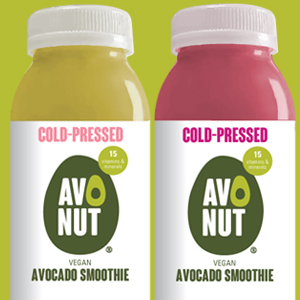
[00:48:48] Ray Latif: Yeah. On a positive note, you know who's a chill dude? Marcel Gozali, founder of Alvona. You met him, Mike, at Expo East. We did meet him at Expo East. He's a, he's a good guy. I mean, we, he was in the kind of the area that's like still more further other new products. Like they, they keep adding new areas to Expo East, which is, which is kind of cool. And you, and you walk into these areas and you're like, well, you're not sure exactly what you're going to get. So you, you know, you kind of go in with both eyes open and just ready to try the bleeding edge. And, and there's a, you know, there's a guy like Marcel there with his, with his avo nut smoothies and, you know, fan of the show and reads BevNET and, and, uh, had a lot of nice things to say and was really great to be able to, uh, you know, experience the avo nut smoothie and then, and then, uh, talk to him in this new version of Elevator Talk.
[00:49:40] Nourish Snacks: It's time for our Elevator Talk, where we put a founder in an elevator with their dream investor. Let's hear what happens. What is your product and how is it different?
[00:49:50] of premium: So my product is a cold-pressed avocado smoothie. And the way to differentiate ourselves is, number one, we really showcase avocados as the key element of our smoothies. We also cold-press all of our ingredients. And third, we make sure that we have a portfolio of 15 vitamins and minerals. What is your target audience? We are targeting people who consume avocados daily and are looking for a different and more convenient way to consume avocados. We are also targeting the younger population who is more educated about nutrition quality and who are passionate about avocados and the health benefit as well.
[00:50:32] Nourish Snacks: What do you need to go next level?
[00:50:34] of premium: What I really need at this moment is to get the attention of the buyers from the larger retail chains. We had really positive reception from our 30 independent retailers so far. So now to take our game to the next stage, we just exhibited at Expo East and we had such a positive reception that I believe that we should be on our way to being at a major grocery retail chain soon.
[00:51:06] Ray Latif: I didn't get to try any avonaut. I'm very disappointed.
[00:51:09] of premium: It was pretty tasty.
[00:51:10] Ray Latif: It was good. Yeah, it was good stuff. Yeah. I feel like it's one of those things that's been made in, as I said, like in Southern California forever, and now bottling it seemed like a smart idea. It wasn't where he found his inspiration though. He found it in Indonesia. Indonesia. Yeah. Well, there have been a couple of HPP avocado-based products out there, various smoothies and such. I think it's just, you know, it's one of those flavors that as kind of a skew within a larger brand, it, I don't know, it's kind of like, do you want to drink avocado? And I think, you know, looking at AvoNut, he's done a nice job of presenting it in such a way that it definitely, like, kind of has that appeal to the senses. So, see how it works out. Is it gulpable? Jeez, I don't know if I'd call it gulpable. I'd swig it. I'd take it down. I liked it. I mean, I think, as John said, the packaging's appealing. Just the smell of the products is appealing. The taste is great. And it was avocado, which is so hot right now. Outstanding. Well, that brings us to the end of the episode. Thank you so much for listening. And thanks to our guests, Joy Bauer, Megan McGinnis, Gus Griffin, and Marcel Gozali. As always, questions, comments, ideas for future podcasts, we read them. Please email us at podcasts at BevNET.com. On behalf of John and Mike, I'm Ray Latif. We'll talk to you next time.