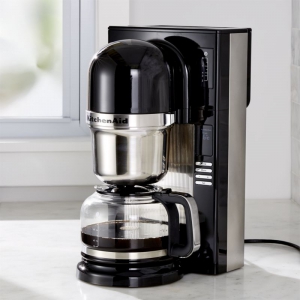
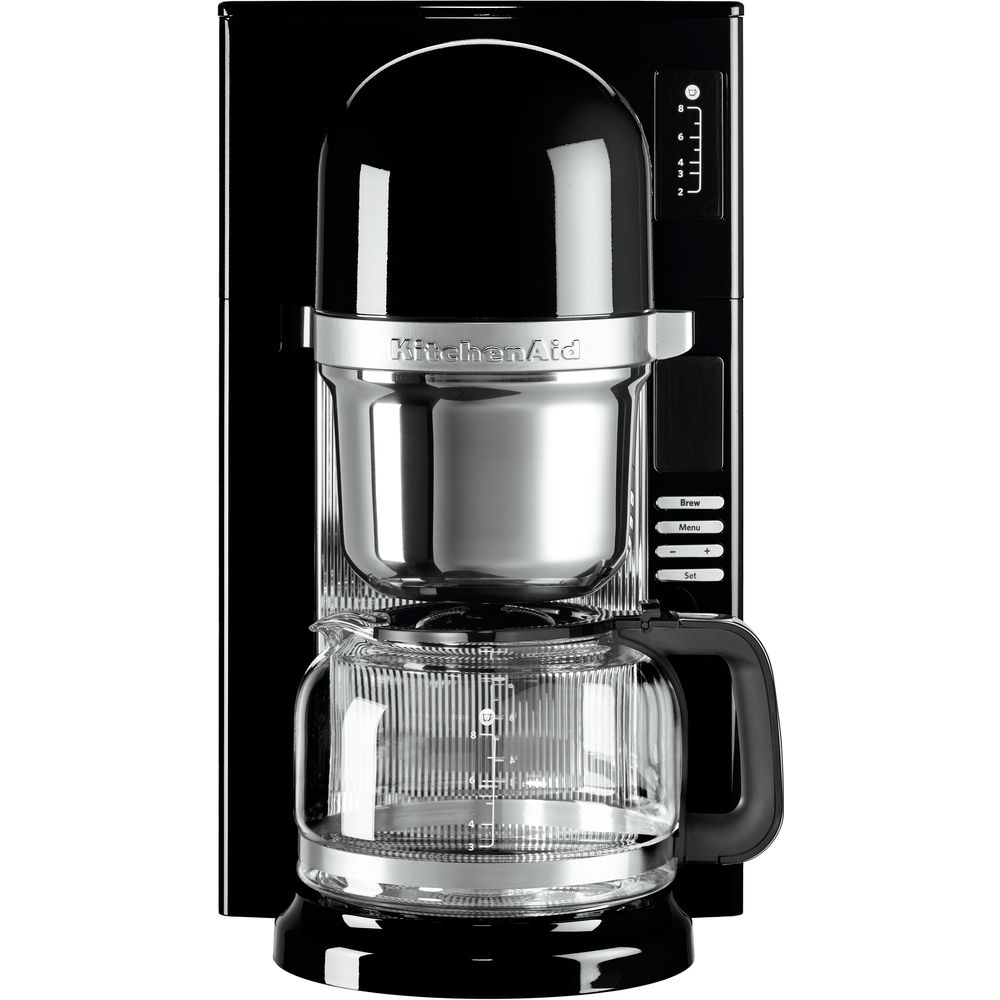
[00:00:02] Ad Read: This week's Taste Radio is brought to you by BevNET. The leading suppliers, service providers, investors, Halen Brands grow their businesses and find talented employees through BevNET's advertising, event sponsorship, and job boards. To reach hundreds of food and beverage brands, become a sponsor of the Taste Radio podcast. Email us at podcast at BevNET.com to talk to our team about pricing and packages. And now Taste Radio. Hey everyone, thanks for listening to BevNET's Taste Radio. I'm Ray Latif and with me are John Craven, Mike Schneider, and Jon Landis. We're recording at BevNET HQ in Watertown, Mass. This is episode 84, which features an interview with Jason Cohen, who's the founder and co-CEO of Halen Brands. We also speak with Ken Plasse, who's the CEO of Fish Fishpeople Seafood. And in this week's edition of Elevator Talk, we chatted up with Sarah Hardgrove-Koleno, the co-founder and CEO of Cray. That's so cray. So cray. So cray. Cray with a K. Over the past few months, people are continuing to gravitate toward higher-end coffee and tea options, and we've talked a lot about the bottled varieties, but let's talk a little bit about the at-home options that people have. We've seen a bunch of these automatic, high-end coffee and tea machines come to market in the last few months, a couple in the last few years, and we've had some shipped here to the office. The studio right now is full of machines. I feel like we're like Jawa selling droids or something. Yeah, I mean, we've got three different machines and we're going to talk about those in a second. It's funny because, you know, some people might say, well, it's undercutting the artisanal nature of long-steeped cold brew or the ceremony of matcha preparation or the gentle nature of pour-over coffee. But what manufacturers are saying that, you know, these machines help with the consistency and the convenience of making things like cold brew and matcha and pour-over coffee. We're going to put it to the test. First, let's make some pour-over. Okay, so this machine is the- Oh, I'm a skeptic. The skeptic. We've got the KitchenAid. The KitchenAid pour-over coffee machine. We're gonna set this timer. Here we go. Okay, we hit brew. We're gonna include photos of this. It looks exactly like RoboCop. Doesn't that look like his mask? It does. It does. It's like that or the one that was like a shark looking RoboCop.
[00:02:26] Carol Ortenberg: What are we making here?
[00:02:27] Ad Read: Pour-over? We're making pour-over coffee. But the water's already in the pot. Let's hold, folks. I'm having trouble. Oh, look at that steam go.
[00:02:40] Carol Ortenberg: Folks, can you hear this?
[00:02:41] Ad Read: I can do RoboCop quotes all day. I'd buy that for a dollar. Okay, while we're making some pour-over too, we've also got this great machine that the folks from Sharp sent us, which is an automatic matcha tea maker, and it's this nice compact green machine, as it were, and it grinds up your matcha leaves and then it will It'll make you some matcha, so. Is that what these, this bag of green leaves are? That's what the bag of green leaves is for.
[00:03:11] Halen Brands: I'm starting to wonder.
[00:03:12] Ad Read: That's not what Landis left in the conference room a couple nights ago. Hey, that's my oregano. Okay, so we're going to grind up our oregano. We're going to put our matcha leaves in here. Am I the only one old enough to, when he said green machine, go back to the days of big wheels, and I was like really thinking about that old school thing with the handles.
[00:03:27] Carol Ortenberg: Yeah, you're totally deading yourself right now. Oh my God. All right, you ready to grind some matcha? I'm ready for grind.
[00:03:31] Ad Read: Let's grind. Let's grind. Uh-oh. It's beeping at you. It's saying thank you.
[00:03:37] Halen Brands: It's so angry.
[00:03:37] Ad Read: It's saying something's going on here. So angry. Alright, we're grinding the matcha leaves here. What is that, a cement mixer over there? We've got some fine matcha leaves here. And then we're going to put it into this automatic tea brewer, which will provide some really delicious product, I'm assuming. So is like unground matcha tea leaves, are they cheaper than ground powdered matcha? I mean, I've never seen matcha leaves. I'm not really sure like what you need, like why anyone would do this. Yeah, is there like a huge consumer base of people that don't want the powder? The powder is very difficult to stir in water. Don't knock the tea, Sarah. I mean, I feel like unless this is just like totally going to be a mind blowing experience. What's the point? I think that if I could go to a specialty store or a tea shop and find matcha powder, I don't even know where I can find unground matcha leaves. So they're selling this machine and I haven't even heard of the ingredient. I think there's a base of consumers out there that reveres matcha as a beverage. And then there's the folks that really deeply believe in the ceremonial aspect, the ceremonial preparation of matcha. That's me. You use the whisk and the powder and you use the. Whenever the ceremony is, whatever the ritual is, whether it's matcha making or coffee or coffee or lattes, or did I mention coffee?
[00:05:00] Carol Ortenberg: Yeah.
[00:05:01] Ad Read: Pouring over coffee. That's the thing, man. Like this, this RoboCop machine over here is, it's freaking me out, man. It is. And we're brewing on both machines right now. And what I want to say about them, again, about the match, I mean, what they're promoting here is convenience and ease of use. Okay, it's only my second time using it. But while we're brewing, let's talk about conferences. Because we got about two, two and a half weeks to Brewbound session, Nosh Live and BevNET Live. Limited tickets remain for the three events. Now's the time to sign up if you haven't already. the networking with top influencers, unparalleled opportunity, it really is. Yeah, I mean, networking is great, and there's also the whole aspect of socializing with people, too. I've noticed a lot of brand owners been able, maybe not to connect with someone on a professional level about their product as much as they've connected on a personal level. Yeah, I mean, and the parties are really an opportunity to meet those folks on a personal level and in a casual setting, and there's after parties for all three events. encourage folks who are attending the shows to hit the bar, so to speak, and meet these people because, you know, a casual beverage can lead to a new retailer opportunity, distributor opportunity, perhaps even new funding for your company. So back in the day, before I joined BevNET, I was a speaker at Brewbound and attended BevNET and got to meet a lot of great people. And it was one of the things that really impressed me about BevNET and Brewbound and Project Nosh is that there's this really vibrant community that you can meet and talk to and everybody's really down to earth and ready to do business. It's really great. And, you know, it's an opportunity for exposure. If you're trying to get your brand out there, we have the New Beverage Showdown. We have the Pitch Slam. We have the Startup Brewery Challenge. Those are all filled up right now. But there's other exposure opportunities between the sample coolers. If you want to be on our live stream lounge, reach out. We'd love to talk to you. Podcast segments, our Elevator Talk segments are a really great way to introduce folks to early stage brands. Are you trying to say we still have a couple of sponsorship opportunities? We do still have a couple sponsorship opportunities, I believe. Jon Landis? Just a few. But we do want to talk to you if you're interested in, you know, getting to our attendees, because we're going to have over 100 different food brands at Nosh and 150 different beverage brands. Jon Landis standing by. And for those of you that are amazing enough to attend Nosh Live and BevNET Live, don't miss on Saturday, December 2nd, we have a special cocktail hour from three to five at the Lowe's Hotel. It's going to be, what do the kids say, baller? Lit. Lit, it's gonna be lit, okay. It's gonna be lit every day, bro. Well done. It's gonna be so good. If you heard that beep. Oh no, it's beeping. Is that a helicopter going down right? God help us if it is. That means our pour-over coffee is ready. We're going to try that. While I'm pouring cups, John Craven, could you talk about the third device we have here, which is a fast cold-brewing automatic coffee unit. It's sitting right in front of me.
[00:07:50] Halen Brands: Yeah, I got this one in the mail.
[00:07:53] Ad Read: It basically makes cold brew in 10 to 15 minutes. which seems like pretty much the opposite of every cold brew coffee that we get that talks about how long and slow process and so on and so forth. I'm definitely a bit of a cynic on all these different machines. Didn't you say that thing takes like two cups of grounds to make like 16 ounces of coffee? Yeah, well I also had to watch a YouTube video to figure out how to work it. It's weird and unnatural, I tell you. Yeah, so that's a good way to sum it up. I would have loved to try it, and thanks again to the folks at Dash for sending this unit, but... I lost pieces.
[00:08:31] Carol Ortenberg: We lost the cover.
[00:08:32] Ad Read: And I tried to do it, and then it was starting to bubble over. It looks really cool. In our show notes, you'll see some photos that will include these three machines. For me, I guess if you wanted to replace your coffee machine at home, I can see, you know, one of these maybe doing the trick. But for me, it's very much like... Any kitchen appliances that only do one thing are pretty useless to me. I like versatility out of my kitchen appliances. I think that's why the Vitamix is such a hot, you know, crock pots and things like that, that you can do a bunch of different things with. If it's going to take up this much space in my kitchen, it's got to do more than just, you know, grind matcha leaves. Don't be a hater until you try the matcha, my friend. Here, look, we're going to pour some right now for you. Oh, look at that. It's some serious matcha. Wow. It's kind of more like an eject button than a pour button. Speaking of helicopters, it looks like something Swamp Thing should have in their water cooler. Once again, thanks to the fine folks at Sharp for sending us this T-Cera unit, which we're trying out now. Okay, give everyone a little sample. I wonder if the folks at Sharp are more of a, you know, I want to brew it and go, or a ceremonial matcha drinker. This is not an approved use of my Cortado glasses. I just want to say that. You know what? It's not bad. It's pretty good, actually. It was a really complicated way to make, like, a bottle of tea's tea matcha. Anywho, I do want to say the pour-over came out quite nicely. The KitchenAid pour-over machine did its job, I think. It's very similar. Too slow. It's a little slow, but a very smooth cup of coffee, I think. I'll be the judge of that. Landis, do you want a sip on it? I know you don't drink coffee. I'll try it. I'll try it. I mean, I got to chime into what Mike said earlier, though. You know, like, I see a lot of you guys making your pour overs in the kitchen and taking the time to stand there and do it. And I think that that's kind of part of the deal. Like, that's kind of why you want to make a pour over so you can kill five minutes to make it.
[00:10:32] Jason Cohen: I'd buy that for a dollar.
[00:10:35] Ad Read: Yes. Well, I'm going to continue to test these machines out throughout the week, and I'm going to check back in. Check us out on Instagram. I'm sure we're going to be showing some nice Instagram videos of other attempts to use these machines. What did you do? He blended them. He made some coffee matcha, John Craven did. Just curious. Okay. He's drinking it. Not good. The coffee is not terrible. You're right. It's not terrible. From automatic kitchen appliances to an automatic winner, that's Jason Cohen, who's the founder and co-CEO of Halen Brands, a privately held operating company that invests in, acquires, and operates food and beverage brands. Jason's a highly successful food and beverage entrepreneur investor who's grown and sold businesses including Mamma Says and Sensible Portions for a combined total of $560 million. Good Lord. He's also held the role of the President of Club and Snack Division at Hanes Celestial, and partnered with the founders of Skinny Pop, which is a pretty fast-growing brand of popcorn, before co-founding Halen Brands. Halen has investments in fast-growing brands like Core and Chef's Cut Jerky, and recently acquired Owen, which is a brand of plant-based protein drinks and shake powders. Mike and Project Nosh editor Carol Ortenberg recently sat down with Jason and discussed his background in the food and beverage business, what he's learned about building successful relationships with retail buyers, and the one thing that entrepreneurs should avoid if they want to sell their company.
[00:11:57] Mamma Says: Carol here. I'm the editor of Project Nosh, and I'm joined today with Mike Schneider, who is our CMO here at BevNET, and Jason Cohen, who is the founder and CEO of Halen Brands, which is the company behind some of the hottest brands on the market right now. So, Jason, you know, thanks so much for being with us today.
[00:12:17] Halen Brands: Yeah, we're psyched to have you here, Jason. It's a pleasure to be here.
[00:12:20] Mamma Says: You know, let's get started. What's Halen Brands? Tell us more about that.
[00:12:24] Halen Brands: So it took a while for us to figure out a great name for our partnership, but my partner Lee Feuerstein and I happened to meet back in, I think, 1999 at a Sammy Hagar Van Halen concert, even though we were both David Lee Roth Van Halen Brands.
[00:12:43] Ad Read: Were you guys both wearing the t-shirt at the concert?
[00:12:46] Halen Brands: I plead the fifth on that. I might've been wearing David's headband, but in all seriousness, I was touting around my first brand, which was a biscotti company with a message inside called Mamma Says. And Lee happened to be pulling into a spot next to me with the same car, same color. The difference is he had beer and liquor and I had cookies. I was able to trade some cookies for some liquor and tell my story to a finance guy on Wall Street about what I was doing. And I think he thought I was crazy. And long story short, a few years later, after I sold that business to Windpoint Partners, who owns Noni's Food Company, before that we partnered with Keebler Kellogg's, but ultimately sold it to I bumped into Lee at a Starbucks in a town that I could finally afford to buy a home in. And he said, congratulations on your sale. And this is before social media or people were texting and I didn't know how he even knew that we sold. And ironically, he was part of the fund used to vet our deal and give the financing for the transaction. And ironically, he remembered how good the cookies were. Usually accountants just look at deals off a balance sheet and thank God for that Van Halen concert because he was impressed by the product probably more than the balance sheet.
[00:14:16] Mamma Says: And you've since cookies, you've had some other winning brands that you've started or worked on. Tell us a little bit more about those as well.
[00:14:26] Halen Brands: One of the things I could tell young entrepreneurs is don't get anxiety over your first brand. The first brand for me was really a proof of concept. I came out of the life insurance industry. I was 29 years old. I really wanted to do something that people actually enjoyed wanting to talk to me about. And life insurance was probably zero on the list. But the cookies and things that I brought into their office resonated with people. The idea was to try to create better for you products that tasted like mainstream goods. And the Mamma Says brand was one in which we really learned from ground zero on what it took to get a product in a store, what it took to manufacture products, and then ultimately what it took to partner with Keebler Kellogg's, get your products on their trucks, and then ultimately how to sell the business to a private equity fund. While all that sounds easy or clean, the business sold and I made a few bucks but not a lot of dollars. But what it gave me was extreme credibility and understanding what to do on my next deal because I was 30 years old and I wasn't ready to go home. So like a lot of entrepreneurs, you had a couple of other ideas.
[00:15:42] Ad Read: You didn't maybe do your baby for the first idea. What came next? What were you thinking about? And when did you know it was time to start thinking about the next thing?
[00:15:52] Halen Brands: Well, a couple of things. One is, I tell entrepreneurs that you can't get too attached to your brand if the ultimate goal is to sell it. If you're thinking from day one that you're going to sell the brand, then you have to realize that one day that baby is going to grow up, go to college, get married. And that may happen in 12 months or 24 months or 48 months, which you need to be prepared for from day one.
[00:16:20] Mamma Says: So, you know, we've talked a lot about these babies. What are some of the other babies that you've helped raise?
[00:16:27] Halen Brands: So after we sold Mamma Says, you know, the first thing we did is my partner and I at the time, we went over to Europe and we looked at the way people were eating because everyone there was skinny and they were eating pasta and a whole bunch of other snacks. And what we noticed were a lot of snacks out there were extruded and they were made from pellet-based snacks. And when we came back to the U.S. and I was talking to some of my Costco buyers, they didn't hear of this technology and after talking to some of the large CPGs, about 2% of the snacks in the U.S. were made from pellet-derived snacks. And when I say pellets, it's kind of like taking macaroni before it's cooked and then pressure cooking it or frying it so it puffs into the form of a snack. So we looked at that as an opportunity to take technology from Europe and bring it to the US. And right before I left to go to the US, they showed me this shape which looked like a flute. And it was made of different vegetables. And one of the things that I will tell entrepreneurs is we formed amazing relationships in our first business with our retailers. And I was able to go back to some of our strongest retailers and show them this technology. and see if it was something that they thought was validated for their stores. The first comment was, don't call it a flute, call it a straw. And one of my buyers actually helped coin the name Veggie Straws. The next thing we did is we took this technology and found an old popcorn facility in Pennsylvania and brought in all this technology and then invited all these retailers to the plant and said, we now have the ability to provide pricing and strategy as if we're a large company. We just need your help to turn these machines on so we could put throughput through there. We laid out all our packaging strategies, we had them all work on it with us, and we launched the product in just three retailers, Trader Joe's, Costco, and Sam's Club. And three years later, with primarily those retailers being the business, it was over $60 million in sales with literally two SKUs in three customers. The benefit of that was that the club business provided a lot of cash flow, so we were able to be profitable pretty early on. We were able to afford to keep a facility. And then ultimately, when we sold that business to Haines Celestial, we were able to provide a channel strategy that they didn't have within their current network. So we were extremely accretive, not only from a brand perspective, but from our relationships in a channel they ultimately wanted to play in.
[00:19:05] Mamma Says: So I want to touch upon something that you kind of casually mentioned, but, you know, going to your retailers in advance and showing them the product, getting them invested in the process. You have this amazing relationship with buyers and retailers. Can you talk about, you know, how you've developed that relationship and how you approach those individuals?
[00:19:25] Halen Brands: Well, one of the things that I learned when I got out of school and I was working for Northwestern Mutual is that they taught us that the people buying insurance policies were buying you, even though you had this multi-billion dollar insurance policy or brand behind you. It was how you looked, how you dressed, and the questions that you asked to see if you were sincere and you actually really cared about the person. And I took those relationships and concepts and brought them to the food industry. And I realized that a lot of the people going in to sell their customers didn't have the authority to make decisions. They were just order takers. Somebody above them decided before they even walked into that store that this was the color of the packaging, these are the claims, and this is the way it's going to taste. And here you have this buyer who's controlling hundreds of millions of dollars of sales and has 10 years plus of tenure, knows what they really want in their store, and they can't tell that person in front of them what they should do right. When you're an entrepreneur and you can make those decisions, go in there and offer them the ability to provide their intuition and innovation to make the product a better product before you leave that buyer's office. So one of the recommendations or things that we did really well is we would bring pre-concept or half-baked products to retailers and find the ones that really wanted to help make it a brand. And when you do that, you've got a stronger partnership than if you came in with something that was forced down their throat.
[00:20:59] Ad Read: So when you say that you're allowing the retailer to help make it a brand, what do you mean by that specifically?
[00:21:06] Halen Brands: So a lot of times, you know, you're an entrepreneur and you've been an entrepreneur in this business for six months. And that buyer has been in that desk for 10 years. It would be crazy for you to walk into that buyer and think that you know more than she does or he does. So I reverse the process and say, okay, I've got this great idea. I've got this great technology. You need products like these to be successful and keep your stores busy. What are some of the attributes that I need to add to what I'm doing to ensure success? And while that may not always come to fruition, you'll find a few buyers that will say, wow, I could finally use all the knowledge that I have and have someone who's going to take that knowledge and turn it into a more successful approach than what they have in front of me. And it's amazing how much loyalty you'll get from that retailer when you do those little steps and provide the opportunity for them to engage in your brand.
[00:22:07] Mamma Says: Because I assume, you know, if you have a successful brand and you're lifting up their category and yielding sales for you, do they appreciate that?
[00:22:15] Halen Brands: I think they appreciate it very much and take it another step further is a lot of times we'll go in there and we'll talk about brands that we don't even own. We'll talk about brands that are successful in other retailers. These are Halen Brands that you should have on the shelf. And what that provides is confidence that that buyer realizes that you're just not a salesperson. You're actually trying to help them be in that chair longer than they were hoping to possibly be there. If that buyer has a successful set, guess what? That buyer gets a bonus. Guess what? That buyer stays in her seat. And guess what? That buyer remembers that Jason Cohen was the one who maybe helped her create a set that allowed her to be successful in her chair. So a lot of times it's very important to go into these meetings with not just an agenda of I got to sell something. You have to build an agenda that I'm going to be someone that they're wanting to do business with, not just sell me product. Partnership. Partnership.
[00:23:12] Ad Read: So let's take a step back to Halen Brands for a minute here because it's a fascinating company. At first when I heard about it, when I was doing some research, it was it's almost like an incubator, but you're an investor. There's an operational component. Talk to me a little bit about how you like to do business.
[00:23:29] Halen Brands: So when I first started out at a school, I had no credibility. And in our Mamma Says biscotti, we had sayings inside and it would say a bank will lend you money when you can prove you don't need it. And there were very limited resources for us to find capital. It was friends or family or venture capitalists who are looking to just take over your business. What I really needed was strategic help. I needed people who can surround themselves around an entrepreneur with a lot of energy and some talent and provide the relationships that they need to accelerate their products or their brand. And over the years, what I have noticed is we've built five brands that we've sold, one that we took public. And when you sell, it should be a great experience and our employees did well, but then they're forced to go on a journey that they didn't necessarily sign up for. They're either working for that public company or they're working for that new CEO that has a different culture or a different mentality than possibly we did. So after all these years of trying to put the band back together, Hale Halen Brands, Lee and I decided that our people are the most valuable asset that we could have within our organization. It's bigger than our brands. And our acquirers view our brands as bigger than our people because they're looking to take our brands and put them into their own systems, is Halen is essentially a housing spot for the best town in the industry. We have close to $10 million of payroll. And that's all highly compensated individuals from finance to marketing, to sales, to design. And when I say sales, it's specific to categories and customers. So that if you have an idea, we can touch the majority of the ACV out there by the click of a button. And when you're a young entrepreneur, You're getting that first seed money and you got to find one person who could validate your brand. Hale Halen Brands has 27 salespeople who can validate your brand overnight. So the idea behind Hale Halen Brands is that we can sell our brands, but we get to keep our people.
[00:25:54] Mamma Says: I've been following you guys, the story of you acquiring this protein beverage that you guys have now named own, and it's about to hit retail. I'd love to hear a little bit about the story behind that beverage and what's going on with it now.
[00:26:11] Halen Brands: So what's exciting about Owen, it's the first brand that we've actually partnered with where it literally had just a brand name and some liquid. Didn't have anything much more than that, but the importance of that And the founders are great. So the importance of that is when we looked at this plant-based protein category, one of the initial concerns was that none of the products that we tried really had mass appeal. And it was very difficult for my partner and I to bring a lot of these beverages back home to our kids and get them to digest any of them. And it's a shame because a lot of them have great packaging. A lot of them have great attributes. But what I've learned from the success of every brand that we had is that we lead on taste. And we won't invest in something, we won't build something, unless we felt that the brand could win on taste first. So when these founders came to us, the first thing that they had was amazing taste. The products were four grams of sugar, they had 20 grams of protein, coming from pumpkin, flax and pea. So they had a complete source of protein. The big selling point is that there's no erythritol or stevia. So there's nothing to affect digestion or stomach. And when you see a lot of these drinks out there, people will drink them before they work out and then find out they got to run to the bathroom. It's more of a laxative than it is a supplement. So that was very important to us. And then the other big thing was that, you know, my partner and I, we have children with allergens and this brand is the first brand to have a national presence with the Pharoah organization. And the Pharoah organization is the largest research firm to try to develop drugs and safety for allergens. So what we wanted to do was not only provide this community with allergen-free products, but we wanted them to taste good. So from our perspective, Owen had great function, great taste, was something that would help a community in need. And most importantly, as we develop the packaging that provides a lifestyle approach versus a medicinal approach.
[00:28:34] Ad Read: So what was it about the founders that you said, this is a Halen Brands? And obviously you talked about the product and you talked about it tasting great and the potential for the product.
[00:28:43] Halen Brands: But what you talked before about, you know, people aligning with your vision, what was it about these founders? So these founders were two ex-college athletes. They both went on to professional careers. One was a professional football player. The other one was a professional soccer player. They were very concerned about providing great products from function, but a lot of the products that they were forced to digest as athletes didn't have mass consumer appeal. So we felt that they had an amazing passion. They created an amazing formula. They literally spent about two years working on it. So it wasn't something from the seat of their pants. And they needed a firm that could take this to the market with the right financial stability so that they could focus on the brand and not be raising money every six months as they were showing proof of concept to their investors.
[00:29:39] Mamma Says: So Owen is your second beverage brand. You also...
[00:29:42] Halen Brands: Which stands for only what you need.
[00:29:44] Mamma Says: Only what you need.
[00:29:45] Halen Brands: We slash out all the bad and we keep all the good and that includes taste. Taste is good. I'm drinking it right now. I'm gonna have some more coffee.
[00:29:55] Mamma Says: Mike Schneider having more coffee, that never happens. Shocker, right? So, Only What You Need and Core, you know, those are the first two beverage brands you've worked on. Your background has kind of been in food and snacks. Is there anything really different about the beverage business that's surprised you versus the food business? I see eyebrows going up.
[00:30:15] Halen Brands: You know, the snack world is more of, I would say, we had a lot of competitive friendliness. You know, some of my closest friends were Pete Lesko, Keith Belling, Warren Wilson, Aldo Zubicini. And we all looked at a way to help elevate each other by creating sets that would help us win against Frito-Lay. And when it comes to the beverage business, I noticed that Everyone's so protective of their distributors, they're protective of their turf. And there's a lot at stake because they've raised a lot of money and they're all going for that billion dollar transaction. So it's a tougher and probably more of a lonelier road. People who have a secret of success don't necessarily want to share it. So it gives us the opportunity to learn this and then provide some of these young entrepreneurs with that secret of success so that we can continue to not only do great snack brands but beverage brands as well.
[00:31:11] Mamma Says: So with Ellen, look, you're launching with beverages, you've got powders, you've got bars. As you're here, you're showing me two other brands at the same time. You know, you guys are clearly going fast and you're going big with these brands. What's causing the urgency and the need to really accelerate so quickly right now?
[00:31:31] Halen Brands: Well, I think the urge is that the world is telling you that people are looking to eat cleaner. They're looking to eat healthier. Allergens have become a big epidemic among children today. And there's a lot of people that are coming out with innovation quite quickly. And I think if you come out with things that taste great, have great functionality, and have the financial stability to get out there, there's a lot of large CPGs out there that are hungry to try to find that next millennial brand that they can build for the next 20 or 30 years. It's a great opportunity. to really do it right. And what I want to encourage the entrepreneurs today is to make sure that you've got your pricing right. Make sure that when you're building these brands, they can transition to a large CPG. It would be a shame to build a lot of these top Halen Brands and find out that they're not accretive to the acquirer. The days of just building something for top line I think are gone. I think people need healthy balance sheets. it's important to look at both EBITDA as its top line as you're building these brands.
[00:32:37] Mamma Says: Well, it certainly sounds like it'll be a busy 2017 for you guys, but we would expect nothing less. So thanks so much for joining us. And we look forward to seeing what comes next.
[00:32:47] Halen Brands: Thanks a lot. It's been great talking to you. And I want to encourage everyone to please support BevNET and Project Nosh. Santa Monica learned a lot of great things at a lot of their events. And if I was a young entrepreneur, I would be crazy not to be at these events and hear what these people have to say.
[00:33:03] Mamma Says: Thanks so much, Jason.
[00:33:05] Halen Brands: Anytime.
[00:33:08] Ad Read: Okay, we're now joined by Carol Ortenberg, who, as I mentioned, is the editor of Project Nosh. Carol, thanks so much for being with us.
[00:33:14] Mamma Says: Thanks for having me.
[00:33:15] Ad Read: Yeah, one of the things that really struck a chord with me in the interview was when Jason talked about not getting too attached to your brand if your ultimate goal is to sell it. And I think there's a lot of entrepreneurs out there that will try to deny that they're trying to build a company to sell. But at the end of the day, they're trying to make money like everybody else is.
[00:33:36] Mamma Says: I definitely think that there is sometimes a concern that if I position myself as wanting to sell my company, then I will come off as inauthentic. But I think the other thing, which came up in our recent interview with RxBar, is that if you build a company thinking about selling it, you'll build it in a different structure. And so maybe some entrepreneurs, you know, don't consider the exit right at the start because they want to focus on building a really successful brand and not take shortcuts. Not that you necessarily take a shortcut if you're planning to sell your brand, but they want to build it for themselves and then worry about selling it.
[00:34:17] Ad Read: The interesting thing about Halen Brands is the way that they invest in the company and the way that they come in and take on an operational role. They're somewhat of a unique player in the space in the way that they invest not only money, but also time and resources and people resources. You really have to think about that when you're thinking about who your investment partner is. Definitely. And also, just to kind of expand on what Carol said a little bit, You know, a lot of natural entrepreneurs out there start a business for a particular reason, and it's not always to make money. It's to share something that they've discovered in the world, to make food better for people. They're very mission-driven, and those might be some of the qualifiers that make it, quote-unquote, a successful business in their minds. And that might not be Velocity or Margins or EBITDA. And for those kind of companies, the thing that you have to do is to find an investor who is aligned with your goal and that can also help you take that and make a business out of it.
[00:35:14] Mamma Says: I think it's also key that, you know, while Jason said, you know, don't get too attached to your company, you know, he's a very passionate entrepreneur and he clearly is attached to these companies and lives and breathes these companies every day. So while he may end up selling it in the end, That's not meaning he's not completely attached to them, watching them grow.
[00:35:37] Ad Read: Sure. Because the thing he's seen that some of these entrepreneurs haven't seen is what the next thing looks like. He knows what that feeling is of selling a company and then starting the next thing and starting over from, you know, possibly from scratch. Definitely. For entrepreneurs who are listening and want to get in touch with Jason, you should. He's a very highly knowledgeable individual and someone who might be able to take your brand to the next level. And will be very, very available to talk to you at DevNet Live. Him and a lot of folks on Halen Brands and Owen team, and we're really, really excited to host them. Well, I guess that land is standing by. It's ready to go. So, Carol also had an opportunity to sit down with Ken Plasse last month at the Eskabona Conference, which was held in Austin, Texas. Ken is the CEO of Fish Fishpeople Seafood, which is a leading brand of sustainable and traceable seafood. In their conversation, Ken spoke about the company's mission to, quote, change consumers' relationship with the sea and to preserve and support local fishing communities.
[00:36:37] Mamma Says: Hi, Carol from Project Nosh here. We are in lovely Austin, Texas at the Escobona Conference, recording with Ken Plasse, who is the CEO of Fish People. Ken, thanks so much for being here today.
[00:36:50] Carol Ortenberg: Thanks, Carol. Great to be here.
[00:36:52] Mamma Says: So let's start by talking about Fish People. What is Fish People?
[00:36:56] Carol Ortenberg: Fish People makes better seafood simple. And at the heart of it, we bring you pure, sustainable seafood with a story. And consumers today, the story behind your fish deeply matters, where it was caught, how it was handled. All that translates to better taste and quality. And every one of our fish, you can trace back to the source. So at the heart of it, we're taking an industry that's not very transparent, broken in a lot of ways, and trying to disrupt the industry, make it more simple to eat better seafood.
[00:37:24] Mamma Says: So that sounds like a lot of work.
[00:37:27] Carol Ortenberg: It is. It's a difficult industry with a really complicated supply chain. It's the last wild thing on earth, fish. So put that together with trying to build a brand and it's a pretty complex task.
[00:37:40] Mamma Says: So let's talk about how are some of the ways you're helping consumers understand where their seafood comes from. How do you guys implement that?
[00:37:47] Carol Ortenberg: So it's interesting, the majority of the seafood industry is built from supply. Massive amounts of supply that was taken from quota-based systems. And because they have this massive amount of supply and it has a very short shelf life, they want to quickly move it to the consumer as fast as possible. And because of that, it's much easier if it's not transparent. And that's created a lot of the difficult industry practices that have made it difficult for consumers to not trust their fish. So Fish People really came at it from the other side, which is what does the consumer need? What does our oceans need? What does our world need? And started by building a consumer brand first and then integrating into a supply chain. And essentially what we've done is start with that brand and then realized what we wanted to bring consumers and the traceability around it. And we've, over time, vertically integrated back to the landing, partnered with independent fishermen that are doing it right with better practices. And then bringing that to consumers in a pure, transparent way.
[00:38:44] Mamma Says: And what inspired the company to start with the consumer brand first? Why go that route?
[00:38:50] Carol Ortenberg: Yeah, it's really amazing. We have two really cool co-founders. One is a guy named Duncan Barry. He was a commercial fisherman at the age of 18, ran his family boat on the Columbia Bar, one of the most deadly fishing zones in the world, actually. Decided that would be a very short life and went and started a couple of fashion apparel companies, sold both of those. Went back to the coast and tried to retire and realized the industry hadn't changed in the 20 plus years he'd left it. And he met Kip Baratov, who was in his sort of ag-based, started Equilibrium Fund up in Portland with some others. And the two of them came together and started Fish People. and had no idea really what that meant or how to do it and innovated actually a first product line, an entree product line. Basically, it's a seafood meal in a bag and you could add it to rice or pasta. And honestly, a bit of naivety combined with a lot of passion for what to do and how to do better by the oceans in our local fishing communities and that started Fish People.
[00:39:50] Mamma Says: So you guys started with these meal seafood entrees in a bag, and now your newest product is a frozen sort of seafood kit, right?
[00:40:00] Carol Ortenberg: Yeah.
[00:40:00] Mamma Says: So tell me more about these kits and how they've sort of come to market.
[00:40:06] Carol Ortenberg: Yeah, so there's not a lot of research around the seafood consumer. So when we first came in, we studied the consumer really deeply, did ethnographies and a bunch of really kind of cutting edge, cheap, qualitative and quantitative. And it came out that consumers had three massive fears. One is they just didn't trust their fish. Where it came from, was there color added, the preservatives? Was it fraudulent? Was there heavy metals? Massive fear and distrust there. It's really hard to prepare and really easy to screw up. You buy a nice piece of fish for 10 bucks and everyone was really worried about, you know, when you get home and you overcooked it and then your family, your friends are disappointed. And because of that, two thirds of seafood is actually purchased in restaurants or food service because people want to make, they trust those providers to do that right. And so it's really a massive opportunity if we can solve all three of those challenges. And both our soup line, soup and bisque line basically gives you a ready-made gourmet soup. You can put it in the microwave for a minute or when you're camping, boil it for a few minutes. And then more recently, our seafood kit, which is a center of the plate kit. has two salmon or cod pieces, a topper, and a garnish with a tray. And essentially, you get a little recipe card, use the foil we provide, and you get foolproof results in a couple minutes. So basically, you can't screw up a really nice piece of fish.
[00:41:29] Mamma Says: So pivoting a little bit to consumer perception of seafood, you know, it is there's so many stories out nowadays. Are you eating fake fish? You know, what's in your fish? How was it raised? How do you go about kind of quelling those fears and teaching consumers about your line? Because I think that's something a lot of brands and natural foods struggle with, right? You've got a brand new kale chip or a new form factor that consumers are just not aware of and might be something that's a little scary at first?
[00:42:00] Carol Ortenberg: Yeah, it's a great question. Seafood doesn't have some of the accolades like organic yet or grass-fed or, you know, cage-free. And I know there's some challenges even in those industries, but seafood doesn't have that yet. So right now it relies very deeply on wild and farmed as a separation standpoint. And consumers are really confused about fish and just fearful in general. And so I think it's been easier in some categories like soup, where consumers actually know the category, but there's not an entry versus a meal kit where we're having to break through in a new category in a new section of the store. And then not only try to give them a new innovation, but then also describe why your fish is better. And I think this idea of what makes a better fish and how we bring it to the consumers is a challenge we're always constantly working on. We're trying to solve it in one way by telling you the story behind your fish, that it matters more in wine. I mean, in wine and beer and chocolate, you talk about these finessed hops or these terroirs and how there's these finessed differences, and it actually matters so much more in proteins and fish. You can take the same fish and handle it in different ways, and you wouldn't even know you're eating the same fish, but it's really difficult to translate that to the consumer. We're trying to bring you that story behind your fish. And our traceability code lets you get that story behind your fish and how it translates to better health and taste. But the majority of consumers are still making that decision based on packaging or word of mouth. And so I think how we break through that convention is the game. It's what we're figuring out every day. And we have a passionate fan base, but we're still, you know, always looking for new ways to break through and bring that to the consumer.
[00:43:44] Mamma Says: And consumers are leading such busy lives and bombarded with so many different messages. You guys have a great story to tell, but I'm sure it can be tricky sometimes to capture their attention long enough to tell that story.
[00:43:57] Carol Ortenberg: Yeah, totally. As we're working through our digital channels and it's amazing to get feedback so quick. The things that are resonating are where we make seafood approachable and light and fun and inspire them about how it's going to help them make themselves healthier. versus sort of the, hey, the oceans are in trouble, or this farming is bad, or they really want to be inspired. We did this video called The Chovee, where it was one of our boats, and in between they were, they're bored, and so they have this dance called The Chovee, and it's kind of this half-break dancing, kind of like move, And we made it into like a 30 second spiff and it was like our most prolific. People were like, I mean, we got so much feedback from it. And it was just about the joy of fishermen and sort of in a downtime and they're working so hard, but then you have these quiet periods. And I think that these light moments, we had an Ask a Fisherman series and we got the most, the funniest questions.
[00:44:55] Mamma Says: And I think it's- What was a funny question?
[00:44:58] Carol Ortenberg: There's a lot like, you know, you're 45 days, you get a little lonely. There's others like, hey, how do you not get seasick? I mean, just like basic stuff. But when you get these old school fishermen telling it to you in a very authentic way, it's just like you love them for the authenticness that they have around it. So I think this connection with your food and fishermen will tell you how they eat fish and what it means. If we can bring that to the consumer, I think it helps start to begin to tell that story.
[00:45:29] Mamma Says: And there certainly are other players in the sustainable seafood world trying to help tell these stories. But, you know, you guys focus on wild fish. There's other ones that are focused on farmed fish. How do you go about conveying the path that you guys have chosen? Or as you said, you know, do you focus more on the inspirational, you know, sort of fun side of cooking fish?
[00:45:54] Carol Ortenberg: Yeah, there's actually not that many startups in our industry like a lot of the, other categories. There's just a handful. And every company claims they're sustainable in some form. There's a lot of different companies that can give you some kind of claim for sustainability. And so there's a few that are there. We're kind of trying to make noise together and bring those new methods. And I think that, you know, some are taking a farm approach, some wild, some mixed, but they're all trying to actually help the consumer appreciate what is better seafood. And at the heart of it, what gives me passion is if the consumer votes with their dollar around fish that are handled in better ways and caught in better ways, it doesn't necessarily mean a premium. It just means you care. I think that'll help all of us rise. And so it's very interesting in that way that most of the competition comes from big, gigantic seafood companies who have some tough practices, not actually a number of other startups. It's a little unique in that way.
[00:46:52] Mamma Says: We were talking before this interview a little bit about what you're seeing on the retail side and kind of consolidation. So, you know, there's a lot going on. You guys have really strong partnerships with retailers, I think, and you've developed different products that are exclusives to retailers. What do you see going on right now in retail?
[00:47:13] Carol Ortenberg: Yeah, I mean, it's a pretty exciting time. There's so much change in the industry. First, it was all these natural brands coming together. Now, we're having massive consolidation on the retail side. Finally, seeing e-commerce start to grow, seeing the rise of sort of Aldi and Trader Joe's and then the Amazons and Whole Foods. I'm particularly excited about e-commerce and the ability for natural brands to actually tell their story. You know, in the ambient side, I think you can actually create your own e-commerce platforms. On the fresh and frozen side, that's a lot more difficult. It's high acquisition costs, high shipping costs, but yet the ability to tell your story and go direct to the consumer, you can create promotions that are so targeted. I want to get someone that's purchased the second time five days after they've purchased and hit them up with a coupon. So I think there's some really exciting developments there. Then on the traditional retail side, The playing fields in many cases are they're all moving to this new consumer. And so you're seeing a lot of stores change, the buyers are a lot more open to it, and they're more willing to make big bets and focus on those natural brands. But at the same time, they're doing a lot better job with their own brands. And so you're getting a lot more requests for partnering with companies to do private label brands as well. So it's an exciting time. And I think as long as you're actually separating through innovation, and not just pure brand, I think you're gonna continue to be successful in the new space. But if you don't have a product that's actually differentiated, I think it'll become more and more difficult to just do it through just the brand side of it alone.
[00:48:48] Mamma Says: Do you prioritize accounts and companies that want to work with you and let you tell your story?
[00:48:55] Carol Ortenberg: There are certain buyers who get it that see where the consumer's moving, that are passionate about We're the first B Corp that brings people, planet, and profit together, and then actually brings the consumer something that helps them eat seafood more simply. And I find that it's more important that that buyer's open to that relationship and willing to do the things that support us and support them in their store, making that difference. There are some buyers that are really about price and commodity driven, and it's really all about price and making sure they have that. And those just aren't going to be our great partners. So I think it happens more at that level. We've done those classic cuts of like, you know, which retailers better fit our consumers. But most retailers, there's some set of stores where there are consumers who fit our brand profile. And I find that that partnership with that buyer or the food service partnership, where they're willing to let us bring it to them in their different marketing channels or in-store customer marketing. We can't afford huge demos in seafood, so we have to find a lot of alternative paths, that's probably been one of the most important criteria for figuring out who's the right partners.
[00:50:03] Mamma Says: Does just making consumers feel more comfortable around seafood, even if they don't know it's fish people's seafood, does that help with the category overall though?
[00:50:11] Carol Ortenberg: Yeah, I think consumers want more seafood. We're one of the lowest. The United States has one of the lowest. We import 90% of our seafood and we export 90% of our seafood. And we have one of the fewest pounds in the world of any industrialized nation that we eat in seafood. But when you look at the studies, consumers want more protein. They know fish is a healthy protein. And I think as you see our innovation with both the soups and the kits, and when you see us innovate here in the future, we've got a really exciting pipeline. It's going to be around helping us eat more seafood simply. I think that's probably the scariest part of it is, you know, you probably have one recipe you cook with your salmon and beyond that, you know, you're like, hey, that's, that's it. And so I think that that's actually the biggest part of the game and then giving it to them in a way that consumers want it today without chemicals or preservatives. It's amazing. There's a preservative in the industry that's used, you know, as a preservative. But the reason a lot of seafood companies put it in is because it adds water weight. And then that, of course, helps margin. So it'd be nice to actually have more water in our fish. If we were selling that to the retailers, it would help with that margin. But, you know, we've made that decision to have no chemicals or preservatives. And so we won't change those requirements. But I think making it simple is where fish people will continue to probably most differentially invest our time.
[00:51:34] Mamma Says: I have two seafood recipes and I just added a third. So I guess I'm above, a little above average. I felt bad that I only had three basically ways I cook fish. So, you know, it's funny though, you mentioned getting consumers to eat more seafood, because I feel like in the natural products world right now, we hear about plant-based diets and getting consumers to eat more plants, but we don't really hear a big push around I mean, we hear it from seafood companies themselves, but there's not as much this rallying cry around eat more seafood in your diet.
[00:52:06] Carol Ortenberg: The Mediterranean diet, I think is pretty, you know, it's still pretty prolific actually. And protein is obviously huge and there's a huge amount of buzz and plants at the forefront of that. And that's great. I think we need to obviously continue to drive more there. When you look at the growth figures, chicken is number one. It's the fastest growing and seafood's right there behind it. considering it's more expensive, that's pretty good. And beef's probably taking the biggest hit where you're seeing very significant declines. And so it's kind of a sleeper protein in a way where you know you're getting your omega-3s. It's one of the few sources of that. You're getting good protein and you're getting in a really healthy way. And what's been interesting is Consumers, when they eat fish, they're saying, oh, I feel good about myself. I'm healthy. I ate some fish tonight. And so they see it as one of the most healthy sources and kind of pat themselves on the back whenever they have it. So there's definitely a desire to have more. But I think, again, it's very difficult for them to have more. They're kind of afraid of cooking it for themselves. And it's very expensive when they go out to a restaurant. And so how do we break that paradigm?
[00:53:07] Mamma Says: Yeah, I guess I don't pat myself on the back when I'm like, I ate pea protein today. Good job, Carol.
[00:53:14] Carol Ortenberg: I had 26 grams in my bar, exactly.
[00:53:17] Mamma Says: Well, it's funny for you trying to get consumers to eat more seafood. Previously, you know, you've been at Hershey's, you've been at Gallo Wine Company. I imagine these are easier sells to consumers than fish.
[00:53:31] Carol Ortenberg: I think I was a lot more popular when I brought wine or chocolate over to friends' houses than seafood. But I actually, I love this industry. I love consumers and food and either what brings them passion and more joy or helps make them healthier. And when I learned about fish people and I just saw this industry, it's kind of like the last frontier of food. Every other category has seen some sort of revolution and beverages you have like adaptogens and kombuchas and you're like on the seventh or eighth. generation and like I'd argue even in milk we've had organic and we've had some alternative milks like almond and others but like seafood's never had the first and I was kind of shocked when I started studying and it's a huge industry in the U.S. and couldn't really figure out why and so I love these big industries that sort of haven't seeing the new consumer revolution. I was probably naive to how difficult an industry it is, but that really, that with our founders and a really good initial investor set really attracted me to seafood. And it's a big problem, but that's the opportunity actually. The same thing that makes it hard is what makes it an opportunity.
[00:54:38] Mamma Says: Well, I know we're excited to see where that opportunity goes in the future. And thanks so much for joining us today here at Eskibona.
[00:54:46] Carol Ortenberg: Yeah, it was a pleasure really enjoying everyone here and chatting with you. So thanks.
[00:54:50] Mamma Says: Thank you.
[00:54:53] Ad Read: So, you know, in Jason's interview, Jason Cohen's interview, he talks about working with other brands to build a set that can compete with larger brands. And Ken talked about that as well, which is that there's some small seafood brands out there that need to kind of band together as these higher quality premium brands that can compete with the big seafood companies out there. And I think that's a really admirable goal, but these big seafood companies are so huge. I wonder if it's a realistic goal.
[00:55:19] Mamma Says: Well, I think one of the things fish people is doing is trying to create innovative product offerings that the big seafood brands are not offering. So he's not out there, you know, trying to sell fish sticks, which, you know, is a certainly a saturated category in the frozen food setting, especially in conventional retailers. He has a cool meal kit offering that gives the consumer something different. I think it's also a lot of these big providers are just thinking about, convenience and how do you produce seafood quickly, you know, defrost it and put it in the oven. And he's really thinking about the larger story, which is around dealing with these two consumer pain points of seafood is scary because I don't know how to cook it and because I don't know where it came from. So there's a larger story to communicate to consumers as well.
[00:56:11] Ad Read: Yeah, I mean, it's interesting when he was talking about the consumer voting with their dollar for sustainable sourcing, and I think that's a notion that resonates across the food and beverage spectrum, which is that you want to know that your product is coming from a better place, and you're willing to spend a little bit more to make sure, to ensure that you are not just benefiting your inside by eating good food, but you're benefiting the environment as well.
[00:56:37] Mamma Says: I mean, and I think with seafood, you have an extra layer to that, which is there is a lot of seafood fraud right now. And by tracing your seafood, it's not just coming from a better place. You actually know what it is you're eating and that you're not getting one fish when you thought you were buying another.
[00:56:55] Ad Read: You're not getting two fish, red fish, blue fish. There you go. I think that part of, you know, the conversation, just seeing kind of an entrepreneurial company trying to go after something like sustainability and traceability is, you know, it's an impressive feat. I mean, I think some of the stuff that they're trying to do, just even like on their website, you can put in the product code to see where it came from, you know, seems like a almost simple kind of intuitive approach. Whereas, you know, certainly there's plenty of stuff in the food system. trying to figure this out, like, you know, you can go down a rabbit hole of reading about blockchain, for example. And, you know, I think what they've done is pretty straightforward and gives consumers like info that they don't get from other products. So and certainly, yeah, I mean, it's it's funny. I almost like when I was looking at their products after, you know, listening to the interview. It definitely was kind of like, oh yeah, wow, like seafood is kind of scary if you think about it. So, and you know, I think they've done a good job of, I don't know, making it seem approachable. You know what else is scary? Commercial fishing. Very dangerous business. But I would love to see if fish Fishpeople Seafood, if they did a contest, they invited consumers onto a commercial fishing boat. I would love that.
[00:58:04] Mamma Says: They do have an Ask a Fisherman series.
[00:58:07] Ad Read: Okay.
[00:58:07] Mamma Says: So you can learn about commercial fishing and the perils of that.
[00:58:12] Ad Read: Can we talk to the king crab fishermen? Those guys are insane. I just, I'm scared. Ever since I saw Perfect Storm, I'm worried about that kind of, that whole thing. Wasn't Mark Wahlberg in that movie? Mark Wahlberg wasn't in that movie. Jon Landis. Well done. All right. Great interviews, Carol. Thanks so much for joining us. I look forward to talking to you next week and the weeks to come on interviews that you recorded as well.
[00:58:35] Mamma Says: Thanks so much for having me.
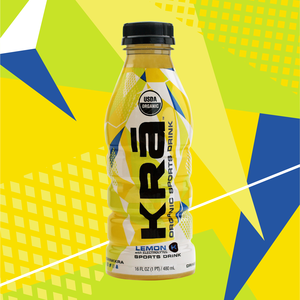
[00:58:37] Ad Read: All right. Before we get to our Elevator Talk, does anyone want some more matcha or a pour over coffee? Give me an IV. Fine, fine. I love it. Does anyone want an organic sports drink instead? We have some Cray in the office. That's exactly what Cray is. It's an organic sports drink brand that was co-founded by Sarah Hardgrove-Koleno. She's the co-founder and CEO of Cray, as I mentioned. It's based in Chicago, and we caught up with Sarah in Chicago at the NACS 2017 show and connected for this edition of Elevator Talk.
[00:59:09] Jason Cohen: It's time for our Elevator Talk, where we put a founder in an elevator with their dream investor. Let's hear what happens. What is your company's mission?
[00:59:19] Sensible Portions: We are just putting a really healthy sports drink on the market. We're also giving back to the community in whatever way we can. So we're trying to keep as many kids in the game with our program is called Cray for Play.
[00:59:29] Jason Cohen: What is your product and how is it different?
[00:59:30] Sensible Portions: We're an organic sports drink and there have been other organic sports drinks out there, but the difference with us is we're genuinely organic. I've got four young kids who play sports, so do my business partners. We started the business because we looked out on the market and saw that there was nothing like this out there. Nothing with six or seven really clean ingredients, less sugar, fewer calories, no artificial dyes. And so we set out to create that product and that's how we came up with Cray.
[00:59:53] Jason Cohen: Who is your target audience and how do you quantify the market opportunity?
[00:59:56] Sensible Portions: Our target audience are young athletes ages 12 to 20 and their parents who are buying their drinks. And the market opportunity really is, if you look at the sports drink market, it's a $10 billion market. And so this is people who have either lapsed out of drinking sports drinks because they don't want the dyes and all that, but it's people who we're hoping will come back and drink a healthier sports drink.
[01:00:15] Jason Cohen: What stage of growth is your company in?
[01:00:17] Sensible Portions: So we are still in the initial phases. We're doing a seed round. We're still raising money. We're in two markets. We're looking to expand regionally. So we are still very much in the kind of initial stages of the business. What has been the biggest surprise since you launched? I guess just how difficult it is. You know, I thought if you put a fantastic product out on the market, it would fly off the shelf. But what you really need is the marketing. You need people to know about it. You need the branding. And so I think we've got the right liquid. We've got the right brand. But just getting people to know about it and actually get out there and buy it has been the biggest challenge.
[01:00:50] Jason Cohen: What do you need from a partner or an investor to go next level?
[01:00:53] Sensible Portions: We need obviously funding and sales. So help with putting together a great sales team to get out there and get our product on the shelf and help pulling it off the shelf as well. Why should I invest in you? You should invest in me. You should invest in Cray because we are driven to succeed. We have a fantastic product. We want to get it in the hands of as many kids as we possibly can. And we want to give back to the community in as many ways as we can. We're confident that we're going to succeed in doing that.
[01:01:25] Ad Read: Very excited to see Sarah at BevNET Live. She's got her ticket already, and the cray will be in the coolers at BevNET Live, so you can check it out there. The cray in the coolers, spelled with a K each way. Good stuff, guys. Great episode. Thank you all so much for listening. And thanks so much to our guests, Jason Cohen, Ken Plasse, Carol Ortenberg, Sarah Hardgrove-Koleno. As always, for questions, comments, ideas for future podcasts, please email us at askatasteradio.com. On behalf of, I'm going to do this a different way. On behalf of Jon Landis, John Craven, and Mike Schneider, thanks so much for listening. We'll talk to you next time.