[00:00:04] Ray Latif: Hey, folks, thanks for tuning in to episode 109 of Taste Radio Insider. I'm Ray Latif, the editor and producer of Taste Radio, and I'm with my BevNET and Nosh colleagues, John Craven, Mike Schneider, and Jacqui Brugliera. In this episode, we're joined by Drew and Mac Anderson, the co-founders of fast-growing fermented food platform Cleveland Kitchen. Just a reminder to our listeners, if you like what you hear on Taste Radio, please share the podcast with friends and colleagues. And of course, we'Do Love it if you could review us on the Apple Podcasts app or your listening platform of choice.
[00:00:36] Mac Anderson: Now you got me wanting Cleveland These Products here, Ray. I wish I had some for my salad. It's good stuff. They used to be called Cleveland Browns.
[00:00:44] Ray Latif: I'm sure they're going to talk about that in the interview. Yes, we are going to document that in the interview. Yeah, formerly Cleveland Kraut, a premium refrigerated maker of sauerkraut products, and they have since expanded into dressings and marinades. Dressings and marinades, honored as Nosh's Best of 2020, or None Of Nosh's Best of 2020 new products. Fantastic stuff for sure.
[00:01:07] Mac Anderson: Super tasty.
[00:01:08] Ray Latif: Give those guys a lot of credit for
[00:01:10] Mac Anderson: you know the way they've built that brand and for the way they didn't get too far ahead of their headlights they started off as a sauerkraut brand and they knew they were going to go you know beyond that. But they were very smart about how they grew that brand.
[00:01:22] Ray Latif: You know, I recorded an interview with the great Jerry Rice, the NFL legend and a four-time Super Bowl winner in last week's episode of Taste Radio, episode 236. He and his daughter are the co-founders of a Better For You energy drink brand called Goat Fuel. Jerry's daughter's name is spells J-A-Q-Y, excuse me, J-A-Q-U-I. And she pronounces it, get this, Jaquie. And I immediately thought of Jackie because, of course, as we've talked about in this podcast before, sometimes people call her Jaquie. And I mentioned this in the interview. He is known as Jaquie. That's like an alias. Exactly. Official alias.
[00:02:06] Mac Anderson: I like it way better. I don't know why my parents decided Jackie. It's not as an original name, you know, but I like it. I'm not alone. It's 2021, Jackie. You can have as many identities as you want. Very true. I'm going to keep tacking them on.
[00:02:22] Ray Latif: Isn't your full name, it's not Jacqueline, is it?
[00:02:24] Mac Anderson: It's Jacqueline with a Q, yeah.
[00:02:26] Ray Latif: Okay. No, it's Jaqueline.
[00:02:28] Mac Anderson: Jaqueline. The Jaqueline is arriving on platform nine. Oh, I'm crying out loud. My whole name, you can pronounce any way you want. It's a long one. So, you know, my first name, pronounce it four different ways. Last name, there's like 10 different ways.
[00:02:45] Ray Latif: Too many syllables.
[00:02:46] Mac Anderson: Too many. It's a mouthful.
[00:02:47] Ray Latif: So many syllables.
[00:02:48] SPEAKER_??: Yeah.
[00:02:49] Ray Latif: This is gonna be kind of an odd segue, but there's not a lot of syllables in Bitchin' Sauce. And Jackie talked about this a couple episodes ago. You were the one who turned me onto this brand. Bitchin' Sauce is a maker of vegan, gluten-free, obviously dairy-free spreads and dips. They're all almond-based, and I never had it before. And Jackie was like, oh yeah, you should try this stuff. It is just phenomenal. I don't know how I haven't, tried this stuff before, I don't even know what to say about it. It's like, it'll replace any dip you could ever hope for.
[00:03:21] Mac Anderson: And when you go to Costco, you can get, like, a huge tub. And when I get those things, it disappears in a couple days. So... By the way, Rae, I think the proper segue would have been to finish or follow up Jackie's comment about, wow, that's bitchin'. Speaking of bitchin'.
[00:03:44] Ray Latif: Now, I know everyone in this group is an imbiber of cocktail here and there, so I'm assuming None Of the four of us have been participating in the quote-unquote dry January event that happens every year. Has anyone been Doing Dry January or no? Definitely not.
[00:04:02] Mac Anderson: I mean, every time I hear the phrase dry January, I start to get the shakes.
[00:04:06] Cleveland Kitchen: Yeah, like I might be drinking more.
[00:04:09] Ray Latif: I've been participating in Fergroni January. Fergroni January. I love how John Craven was the first one to jump into that. I said, is anyone participating? He said, definitely not.
[00:04:21] Mac Anderson: I don't know if that's a badge of honor or not. I don't know. I'm definitely a fan of some of the non-alcoholic options that are out there and plenty coming to market, but I prefer to just rotate those in, maybe have one IPA, have one Athletic Brewing or a hop water or something like that, and then maybe go have another IPA. I don't know. It seems to work okay.
[00:04:49] Ray Latif: Well, I think they call that, what do they call that, flex sober? I mean, it's certainly not sober, but it's flex sober, like you're blending your non-alc with your alcoholic products and just drinking better. Why does it need a name?
[00:05:00] Mac Anderson: Yeah, I don't like it. I'm done with this now that there's a label for it. Why does there have to be a label for it? I mean, there's labels for everything.
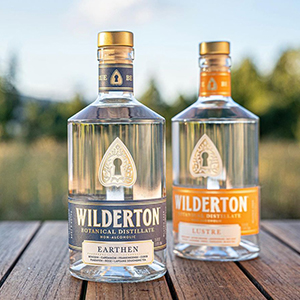
[00:05:06] Ray Latif: It's like, hey, I'm not drinking today. Well, I think it was Hugh from Ugly Drinks who actually introduced that term to me. I think it was in an old episode of Taste Radio. I could be wrong, but yeah, I heard that phrase and I was like, oh yeah, I get that. I hear it. I'm going to take that up with him. Yeah, I might take that up with him. There are, as John Craven mentioned, so many different new options coming to market for the innovative stuff. I mean, I think we initially saw this non-alcoholic cocktail-based or non-alcoholic spirit-based type product with seedlet from back in the day. And now we're seeing a lot more of those types of products come to market. One I've been looking at of late is a brand called Wilderton Botanical Distillate. It's distilled from, as I mentioned, raw botanicals, sourced from around the world, and made in the Pacific Northwest. It's, again, pretty seed-lip-ish. It's not intended to replace a cocktail you might have at a bar or a cocktail at home. It's intended to be something sort of completely different, but still a cocktail in itself. The one I have in my hand right now is called Earthen. It's got flavors of spice, wood, and smoke.
[00:06:17] Mac Anderson: I still find that most of those are best for making a lower proof cocktail than a full non-alcoholic cocktail, but it is definitely impressive how fast these companies are innovating and coming up with new ideas. I mean, it's just we're in a totally different place than if we were having this conversation, I don't know, five years ago. where there were really no solid options. I don't know, I went to the office yesterday to check out new products that had come in and we just have a ton of different non-alcoholic spirits ready to drink as well as in bottle form. I got to try, can I hold up a picture of the Blood Zero?
[00:07:03] Cleveland Kitchen: How was that?
[00:07:06] Mac Anderson: Well, I did a quick hear Mike drink this without telling him what it was. I'm somebody who, if my option were to drink a Bud Light or not have a beer, I'd go thirsty. But, you know, hey, I guess it sort of tastes like Budweiser. It tastes just like Budweiser, and that was the problem. I was so triggered by that, and I'm smelling it, and we're in a meeting, and Jackie's over there, she's already laughing, because I'm like, this smells like Schlitz, and then I drink it, and then I'm just... The other one I grabbed that I didn't share with you, the Golden Road mango cart, that was super good. Nice job on that. Of course, you didn't share the good one with me. That's your MO. That's your MO. Yeah, pretty much. What's the point of sharing good stuff with you?
[00:07:59] Ray Latif: Well, I was waiting for Guinness to try the Guinness Zero product, but apparently they pulled that off the shelf. There were some problems with it, but if they could make a product that tastes exactly like Guinness with no alcohol, I'd be drinking that like now. Yeah, I like the idea of that. That seems like a worthy use of non-alcoholic.
[00:08:15] Mac Anderson: For sure, but I'm not sure why they pulled it off the market. To your previous point about the cocktail experience, Ray, it seems like this is still kind of the wild, wild west in terms of what non-alc cocktails are or non-alc spirits are because nobody's really figured out the burn. I mean, I guess for me, seed lip is the closest and maybe still the best, but there's a lot of complexity out there that's good. And what John was saying about adding alcohol to make it a lower proof cocktail, spot on for me too. offerings like Everleaf that we tried in the UK and Three Spirit. And then we recently got Bon Buzz into the office, which is really complex and it's good on its own. But if you add a little, you know, you add a little tequila or a little mezcal, it really kicks it up a notch. But that's not the primary purpose, obviously. Well, one that we did recently receive that I think actually has gotten a little closer on the burn aspect of it is a brand called Spirity Cocktails, which they make a ready-to-drink Negroni, a Mule, and a Margarita. It's interesting, their base spirit, if you will, is distilled from tea and then turned into a non-alcoholic spirit. But they did a really nice job with that base flavor. It does taste pretty close to alcohol. So, you know, again, I mean, that was just kind of more on the point of what I was saying before of like, you know, it's cool seeing the different, you know, ways that companies are trying to approach it, which they're really focused on trying to create the flavor of the alcohol, which, you know, I think that that is clearly like the biggest challenge of these. I think outside of just like the taste factor, it's like, what are you trying to get out of it? So like, I think a lot of people I'm seeing are switching over to cannabis or I've seen like the social tonics, like where they're trying to like, it's Kin Euphorics. So they're doing, they're using other functional ingredients to give you a buzz of sorts. That's not the same as like drinking, you know, alcohol, but you still get some sort of relaxation or something that you're trying to get out of alcohol, but they're doing it in a different way. Speaking of that, I also found None Of these a wonder at the office. Is that the THC? Yeah. It's interesting just the copy and whatnot on it. I think to Jackie's point, there are obviously other approaches to avoiding alcohol as we've probably talked about a million times now.
[00:10:55] Whole Foods: Guessing your margins? That's risky. Belay Financial gives CPG brands the clarity to scale smarter, faster, stronger. Get your free inventory ebook by texting TASTE to 55123 and start making data work for you. Vibrant Ingredients is the natural ingredient partner powering food and beverage innovation, delivering flavor, function, and protection through a science-backed portfolio. Vibrant delivers purpose-driven solutions that help brands create extraordinary experiences. Discover what's possible with Vibrant today. Visit vibrantingredients.com.
[00:11:42] Ray Latif: One other brand I want to bring up real quick is a brand called Cedars, which makes a juniper-lead, quote-unquote, alt-gin. Interesting stuff. Again, you know, intended to be a replacement for gin versus something kind of on its own. Like a lot of These Products we've been talking about launched in the UK, in 2018 and has just come to the United States, came to the United States in 2020. Apparently it's available in about 24 markets to date. Interesting stuff. I mean, you know, another part of this too is just like the beautiful packaging. I mean, if you think about when you are buying spirits, a lot of times the label, like anything, is going to catch your eye first. And if someone picks this up off the shelf, they're interested in at least you know, kind of understanding what this is. If it says non-alcoholic, some people, maybe John Craven might throw it out the window, but it definitely piques your interest and says, okay. He's drinking them, to be fair.
[00:12:35] Mac Anderson: To be fair. I actually enjoyed that product. That stuff's pretty good. I think it mixes pretty well with tonic water. Honestly, not quite sure what else to do with it, but yeah, I mean, they've got some good flavor in that. I think it's also interesting to look at just how they're calling out like non-alc. I went into a couple of grocery stores just searching for non-alc options and they seem to be kind of mixed in. So like you might be looking for beer and you're picking up a non-alc or you're looking for non-alc and you don't know where to find it. And same with like Three Spirit too. There was no section for like lower alcohol or non-alc. I had to ask and there was one non-alcoholic wine and there was like two non-alcoholic beers. And then there was a couple like, faux cocktail brands as well. Yeah. I mean, that's definitely None Of the big challenges for these companies right now. And some of them that I speak with, you know, they're ending up in like the mixer set or, you know, in some other place where the consumer isn't looking. I think the potential good thing that's happening is that if you look at sort of beverage alcohol as a whole, there's sort of this segment of These Products, if you will, that's, I don't know, it used to be just sort of the misfit stuff. But I mean, there's kind of a growing number of new products that don't quite fit perfectly into any one category that are kind of ending up together. So I think, you know, some of These Products might end up in a retail space for just kind of like new innovative stuff, but that's still obviously the biggest challenge. And Jackie, you mentioned before function replacement, you talked about, you know, CBD and THC. Are your friends into that? Do they, do they kind of understand it? Are they seeking CBD as a replacement for alcohol Doing Dry January? I'm seeing it more and more. I'm also seeing the process of like adoption. So there's like the skeptics in my friend group. And I think micro dosing is really allowed people to be introduced to THC specifically, especially for myself, not really being into cannabis. Micro dosing is a lot safer for me. I don't have those Rose cafe incidents. So we've definitely, I know me and my group of friends have been consuming more THC, but in smaller quantities, rather than like picking up a glass of wine, we'll have like half of a gummy or we'll have a beverage that is low dose. And it's definitely been like a good alternative. I mean, obviously we've seen New Beverage Showdown winner, Can, who's a THC beverage. And we saw initially, I think Proposition Cocktail was the first that I saw that was trying to replace, you know, the function of alcohol with CBD. And since others have come along, like Sweet Crude, who is a New Beverage Showdown contestant, and also Sweet Reason out of New York. So, I mean, it's pretty interesting to see how this is evolving.
[00:15:30] Ray Latif: Yeah, and staying on that functional theme and ready-to-drink theme as well, and while this is not a non-alcoholic product and it's not a non-alcoholic category, hard kombucha is definitely something that is growing. And it's an easy, actually, it's an easier fit for where it goes on shelf. There's dedicated shelf space for These Products, at least what I've seen in California. Jackie, correct me if I'm wrong, but it's all usually next to the craft beer in a market or a liquor store. One brand that I came across pretty recently is called Local Roots. They make some pretty phenomenal stuff, actually. This is described as a better tasting alternative for those who are health conscious and enjoy the occasional imbibe. The variety I'm holding in my hand is called Island Vibes. It's got kombucha, pineapple, coconut, and blue spirulina. I tried this the other day. It blew my mind at how good this tasted just as a beverage. And then, you know, the afterthought afterwards, I'm like, oh, this is actually not bad for me. In some cases, it might be pretty good for me because of And Probiotics. But yeah, I was really impressed by this. And although I'm not Doing Dry January, I am trying to eat and drink a little bit healthier. And hey, it's a pretty good option for sure. Speaking And Probiotics, has anyone tried the rebranded, refreshed GT's Coco-Yo? I mean, this stuff is phenomenal. It's all coconut-based, raw coconut, raw yolk coconut, raw yolk coconut water, probiotic cultures, vanilla extract, in this case, vanilla extract, a little bit of stevia, and 100% pure love. I can't say enough about this stuff. It's creamy, it's tangy, it's good for you. An entire jar of this stuff is 180 calories, but you could easily eat an entire jar of this in one sitting.
[00:17:14] Mac Anderson: I haven't tasted many peers for that one, aside from maybe Coconut Cult. That is definitely a tangy, forward, fermented experience. It's good.
[00:17:25] Ray Latif: Yeah. Yeah. And the other thing is too, I mean, for me, even though like going back to dry January, I'm not necessarily cutting, well, I'm cutting back a little bit on my alcohol consumption, but I'm trying to introduce more better eating habits, I guess. So less dairy, less gluten, less caffeine, things like that. And so when it comes to not eating dairy, this is just the perfect replacement for not eating like yogurt and things like that. So, and I typically eat a lot of yogurt. So thanks so much to GT for providing this kind of product to the market. It's really, really good. Also on the probiotic front, Jetson Probiotics is a supplement brand. I don't normally talk about supplements on the show, but they've come out with these pretty interesting products that are designed for particular use occasions. This is the one I just showed on the video. It's from Mood. It says it promotes a better positive mental state, better sleep quality, and normal metabolism. But the one I've been taking on a pretty regular basis is one called Immunity. And this one is specifically made for the winter. It's got And Probiotics, all kinds of great things. Take one in the morning. I think it's been helpful for my gut. I have a happy gut these days.
[00:18:35] Mac Anderson: I think this is a healthy beverage for the morning. My cocktail, mocktail from Bettera. This is what I've been sipping this morning, a nice zero-proof cocktail. It's really nice, bitter, which is what I like.
[00:18:51] Ray Latif: Super bitter. Isn't it 8.30 in the morning where you are, Jackie?
[00:18:54] Mac Anderson: It is.
[00:18:55] Ray Latif: There you go.
[00:18:56] Mac Anderson: This is the benefit of non-alcoholic drinks.
[00:18:59] Ray Latif: Do you feel like it's cocktail hour? Do you feel like it's happy hour right now? She works with me all day, so, you know, probably always feels like cocktail time.
[00:19:08] Mac Anderson: Always a happy hour. Always a happy hour indeed. You can take that however you want.
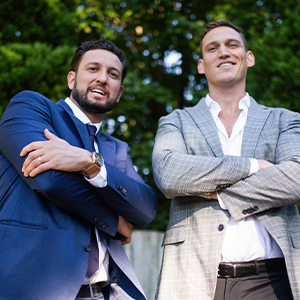
[00:19:15] Ray Latif: Oh God, here he comes again. All right, I think it's time to get to our featured interview for this episode. As I mentioned at the top of the show, Drew and Mac Anderson are two of the co-founders of Cleveland Kitchen, a maker of fresh fermented foods, including the brand's flagship sauerkraut, along with a recently launched line of marinades and dressings. Founded in 2013, Cleveland Kitchen has emerged as the top-selling brand of premium sauerkraut in the U.S., according to the company, and is available at over 9,000 retail stores, including those of Target, Wegmans, Whole Foods, Sprouts, Kroger and Publix. Amid growing consumer demand for probiotic-rich foods, Drew and Mac, along with their co-founder and brother-in-law, Luke Visnic, are aiming to build Cleveland Kitchen into, quote, a household name with a healthy halo. As part of the interview, Drew and Mac spoke about the roles that their mother and city of Cleveland had in the inspiration behind the brand, how they leaned into new use occasions for sauerkraut and why it was key to growth, how data led to more impactful merchandising and bigger sales, and how the brothers balanced family and business. Hey folks, it's Ray with Taste Radio. Right now I'm gonna call with Drew Anderson and Mac Anderson, brothers and co-founders of Cleveland Kitchen. Drew Mac, how are you?
[00:20:38] Luke Visnic: Great, thank you for having us. Great, Ray. Appreciate it.
[00:20:42] Ray Latif: And for our listeners at home, the first voice you heard was a Bruce and the second was a max. So now, you know, and now we know the Browns are legit, the Cleveland Browns. That is when they first playoff game in a long time this past weekend. And I guess the Browns is the Browns, except it's a, it's a new kind of Browns that we're talking about. And I'm referring to the phrase or the quote that's a Pittsburgh Steeler wide receiver made about the Browns before the game sort of mocking the team. And well, Cleveland showed him, huh?
[00:21:13] Luke Visnic: We sure did. Cleveland's a winner now. Cleveland's a winner. We're so excited to hear the city is a buzz. I mean, it's been last playoff game. I think Belichick was our head coach and it was in like 2000 or no, was it 96, 96? Yeah.
[00:21:30] None Of: Yeah. The strange 12 months continue. The Browns are alive in January. Strange times indeed, but it's been a huge point of pride for us here in Cleveland. And, uh, yeah, I actually want to thank Juju for giving us that, that sound. I think he was, he might've been our MVP on, on Sunday night. He definitely gave a ton of motivation to the team. I can't confirm that Baker does or does not eat a patch of crap before every game and like explosive energy, but, uh, it's good.
[00:22:01] Luke Visnic: It's good to have a winning team. And, uh, Ray, I was listening to your last podcast with, Jerry Rice and his daughter Jaquie. Great podcast. But in the beginning, he did say that he thought it was going to be Kansas City and Green Bay. And I think it's going to be the Browns. I think it's going to be the Browns and Green Bay with the Browns coming up on top. That would just make 2020 that extra special, extra weird.
[00:22:28] Ray Latif: Well, 2021 now. And yeah, the last 12 months would be extra weird. Yeah. But if, if, if the Browns do win the Superbowl certainly would be a great start to 2021 for Cleveland. And I think the NFL as a whole, I think it's, you know, it's a good thing to see a team that's been kicked around for a long time. really make it. And sure. Baker Mayfield, your quarterback has been a big part of that. I saw your, your, an Instagram post recently where he was holding a bag of Cleveland Browns. I don't think it was Photoshopped. I think it was pretty real, right? He eats that stuff on the field. Perhaps that's his secret weapon.
[00:22:58] None Of: Actually, uh, you know, 10 time pro bowler, apparently today on Cleveland radio, Joe Thomas was talking about how great our Narnia was on, on broad. So I think he got a good kick out of that post as well. So Yeah, the whole Browns Org is fueled by Cleveland Kitchen. It's good.
[00:23:16] Ray Latif: Well, clearly you guys have a passion for Cleveland and for fermented foods. You have your mom to thank for that. We'll get into that in a second. I mean, just talk a little bit about what it was like growing up in this Ohio household where fresh food was abundant and eating healthy was a big part of the lifestyle.
[00:23:37] Luke Visnic: Sure. Our mother, she's a chef and biologist. She went to U of M and studied biology and she also trained at Le Cordon Bleu in Paris. And so we, she was very concerned early on about what we were putting in our bodies. And we were exposed to fantastic foods. When we were really young, we were dragged out every weekend to different farms, Amish country, to pick berries, vegetables, et cetera. And Ohio is really known for its agriculture. We've got fantastic glacial tillage. So our vegetables are delicious and they look great. Growing up in that world was fantastic and we were exposed to a lot of really, really good early on food trends. We ate fantastically.
[00:24:20] None Of: I think obviously before Whole Foods, Cleveland not being the primest of markets to rush into, was anywhere near Cleveland while though it's my mother realized there was, you know, demand for fresh local produce grass fed be free range chicken and so she she took it upon herself and founded the North Union farmers market, and, you know, did bring early on just a few smattering of farmers and has since grown to you know, over 300 businesses have been incubated and grown. She's got 14 networked farmers markets here in Northeast Ohio. And so 1995, from about four years old on, personally, child labor laws aside, Drew and Mac were out there schlepping produce and working with those small farmers. And then, you know, new product makers and manufacturers began coming to market. And this was, You know, this was a big part of our upbringing, and also just our mother, you know, gathering for home cooked meals, being responsible to be able to suit chefs and drew his points out that friends wouldn't come over to our house after school for snacks because we didn't have Doritos or hostess or anything. we just had ingredients, but they'd always want to come over for dinner because she had, you know, the freshest ingredients and was excellent at putting a meal together. So it was definitely a different upbringing. And you've met us for anywhere, you know, 6'6 and 6'9 respectively. I think our good food had a lot to do with that.
[00:25:47] Ray Latif: Yeah. Well, you know, fermented foods does the body good. I think that could be your new tagline. There you go.
[00:25:53] None Of: I am in the food shows with the pandemic, because I'd always say, I was five foot when I started eating the kraut, and now look, it's that good for you.
[00:26:01] Ray Latif: Nice. I love that you dropped Wild Oats. I haven't heard Wild Oats in a while, Mac. That's an old school retailer for sure. I think Wild Oats was like the even crunchier Whole Foods, wasn't it back in the day?
[00:26:13] None Of: Yeah.
[00:26:13] Ray Latif: Oh, yeah.
[00:26:14] None Of: They were crunchy, and they moved into Cleveland Browns both sides of our town, so at the edge east side at the edge of Cleveland Heights and our shaker heads in Beachwood where Whole Foods actually bought them not a few years later. So yeah, definitely a old school crunchy retail.
[00:26:35] Ray Latif: Well, I'm sure you guys saw a bunch of crunchy brands and products, pun and no pun intended, working at the farmer's markets. Everyone talks about working and, you know, selling their wares at places like that and learning a lot about who your customer base is and learning from your consumers what they like, what they don't like. I'm sure for you guys, though, it was an even better experience because you got to see how people operate as business people. and how successful brands are formed and developed. What were some of the lessons you learned early on about how brands at these farmers markets were successful, what they were doing, and what are some of the examples of companies that didn't do so well and why?
[00:27:19] Luke Visnic: You know, growing up, we would see these businesses and who would succeed and who wouldn't. There were some basic sales tactics there, stack it high, watch it fly, showing abundance to the customer. really helped. Sampling was key. The apple producers with the orchards who were cutting open the apples explaining hey this is the gala we grow it here and now try a piece. They were the ones who were winning and they made it further than the guy who's sitting there with a couple of apples out there on his pitch, didn't know the story. I mean, a lot of people flock to those farmers and those makers who have that story. This is why I do what I do. It's a generational recipe or, or here's my family and this is how we work the farm. So you give that experience, you sample, you have your pitch down and you show beautiful abundance. And that's what we learned, you know, age. Mac was four and I was eight, you know, very early on. No, absolutely.
[00:28:17] None Of: Our mother would hold gatherings and she would have in the offices and all the farmers and she walked them through best sales tips and all those things and it was really great to see that and then also on top of that as more of the maker market emerged and we started to see you know upcoming brands start to come as well as the emergence of social media. how those brands were building the story and taking the experience of the farmer's market, which is very much an experiential place where you go to your farmer's markets, you're kind of expecting to see something new or to try something new. You're giving someone time to give you the pitch and walk you through why fermented sauerkraut with great probiotic benefits might be an excellent thing to work into your eggs every morning. So rather than an in-store demo where you're kind of bothering someone on their grocery routine when they might be in the middle of a busy Monday night, this is someone where people are a little, they're a little more slowed down. They're willing to understand the pitch. They want to try new things. And once you build up that fervent base there and really extend the touch pieces of the brand at the farmer's market, we saw the good brands that would end up on these local grocery store shelves, you know, extending that feel into their social media, you know, really, they would be dressing in a certain way, they would have their table really being an extension of the brand. And they would wrap all that up in social media and make sure that they had a fervent audience that they could take to the local, you know, whether it's the local natural store or, you know, Heinen's, a small regional, but, you know, very well regarded chain that ended up taking us on first. We would make sure that we had that kind of built out touch points of our brands so that
[00:30:03] Luke Visnic: into the grocery meetings. And to that point about customers you're learning from customers every Saturday you go out and you set up when you're developing the recipes and you know our first iteration of roasted garlic sauerkraut was good, but it's a lot better now because we learned so much from the customer. So somebody is coming up and buying it. They had it last week. Maybe we added a little more black pepper. They come back the following week, and we ask them straight up, what did you think of These Products? We changed it a little bit. And they're extremely honest, and they're buying. So you're getting revenue, and you're getting great feedback from super consumers face to face. And so that more black pepper, you know, get it a little bit spicier. And, you know, we take that back to R&D. And so we were able to refine our recipes and refine the pitch around that by interacting directly with customers. It was great to build a brand.
[00:30:52] Ray Latif: When you said more black pepper, I was just imagining Christopher Walken walking up to your booth and being like, I need more pepper. I need a little bit more pepper. More pepper. I gotta have more pepper. Exactly.
[00:31:05] None Of: Exactly. To Drew's point too, it was really important for us to see the usage occasion evolve and for us to have those demonstrated data cases of our super consumers. They weren't just using a hot dog or a Reuben. a few times a year, they were using it much like we were on avocado toast, in salads, in bowls, fish tacos, you name it. And they were seeing These Products as we were, as a fresh, crunchy, fermented and beneficial vegetable. And so that really gave us The fact that we were able to bring so many consumers in to this new category for them being sauerkraut and fermented vegetables, that gave Us Are little bit of some confidence to go out there and take this brand to grocers and invest in manufacturing and building this thing and seeing it as a real opportunity in the business.
[00:31:58] Ray Latif: You Us Are making me really hungry, talking about fish tacos and salads and crunchy sauerkraut. So before I get ahead of myself and start drooling, and I am drooling a little bit, let's back up for a second and talk about sort of the foundation, the creation of Cleveland Kraut, which has become Cleveland Kitchen. you know, I don't often hear about college students fermenting foods in their dorms or their apartments, but from what Mac tells me from our call before this interview, that's how you guys got started. Why were you fermenting foods in college?
[00:32:31] Luke Visnic: So it kind of goes back to, you know, we grew up in the farmer's markets. Fast forward I have a degree in statistics and I was working at a bank in Virginia for about four years and I missed that good Midwestern fare that you'll get in Cleveland, you get in Chicago, you get in Pittsburgh, pierogi, sauerkraut, kielbasa, brats, and I started fermenting in my apartment as a hobby. I get hired by a bank, come back to Cleveland, and I found my brother-in-law, Luke, who's our third co-founder and COO. He was also fermenting sauerkraut. And that was just odd that two 20-somethings were making sauerkraut. And we realized, hey, this is delicious crunchy. It's not on the shelves right now in this form. It's only that kind of mushy, generic, you know, old, old school product that is dirt cheap. And we know the brands.
[00:33:24] Ray Latif: Yeah.
[00:33:25] Luke Visnic: Right. And so, you know, I put my brother was in college in his dorm and I called him, I said, you know, Luke and I are looking at this sauerkraut And Probiotics are skyrocketing. We love These Products ourselves. We've got this test market, you know, at farmers markets. What do you think? And I kind of explained back, this is how you do it. And he did a little test batch, you know.
[00:33:48] None Of: No, my buddies, my housemates were wondering, again, what the heck was that bubbling away in our kitchen cupboard? And, you know, as it continued to ferment, there's a bit of a smell. But come the season when we broke it out, I mean, they were loving how delicious it was, how fresh and crunchy it was, you know, obviously on a college diet, which isn't the best, or mine wasn't at least, and probably heavily influenced by light beer. You know, this was something fresh with great gut benefit that, that was, you know, really tasty and we'd have friends over for cookouts and, you know, some of the trendier girls that would come over that understood fermentation or they were plant-based, you know, maybe they were early adopters of kombucha and would have a bottle of booch on them around campus. They really understood what we were making. And of course, that's when my buddies chimed in and said they helped chop up the cabbage or peppers. And we're pretty nice guys, so I'll let them have that one. But We heard to see that not only were we loving eating it, but potentially a younger generation was able to look at this as a totally refreshment and reframing of what sauerkraut could be.
[00:34:57] Ray Latif: Good for your gut and good for your dating life, it sounds like. Thank you. Well, when it did become a brand or when was the moment, when was the sort of aha moment when you said, okay, we can take this from, you know, making this for our friends and family into, we can turn this into a brand and what level of commitment, I guess, did you dedicate to seeing that become a reality?
[00:35:20] Luke Visnic: Towards the end of 2013, I'd moved back. We discovered that myself, Luke, were making sauerkraut. We taught Mac how to do it. And we said, OK, let's make a little logo, our first Cleveland Kraut logo. We decided to put the name in there because Not just for the alliteration, but the city of Cleveland Kitchen Midwest, you know There's a lot of Eastern Europeans here and sauerkraut is a staple food It's something that is kind of an underdog food Which is associate Cleveland Browns kind of an underdog city and you always feel like you're the underdog in a situation So we thought maybe they identify and have a place where hey this came from a Cleveland a Midwest city That's where sauerkraut should come from So we started doing 20, 30 different flavors in my mother's at a cellar. And then we started taking it to farmer's markets. And I remember Mac moved home. We were all working day jobs. I was at a bank. Luke's an architect. Mac was in finance. And we would meet up at a little commercial kitchen around 7 p.m. every day during the week. And we'd work till 2, 3 in the morning. and go back to our day jobs. And on the weekends, we were grabbing big barrels and we started in big barrels and we would serve it deli style and we'd hit as many farmers markets as we could. And I think around mid 2015 is where everybody's just, we're quitting our jobs, we're raising a little bit of capital here, building our little kitchen, and we're going after this. And Mac took the retail product and started calling on grocery stores. But I think we really drank our own Kool-Aid or our own brine, right? Probably beginning of 2015. So about a year or so, and we were like, this, this has got legs. People love this. We're seeing Iron Chef, Michael Simon is coming down, sending his sous chefs to pick up sauerkraut. Heinen's is asking for retail product. We're getting the right people calling. And we think we've got our pitch down. We've got our product and let's go, let's do it. Let's take the risk.
[00:37:21] Cleveland Kitchen: Do you want more repeat buyers on Amazon? Well, this free resource in collaboration with Straight Up Growth will help your brand turn first-time buyers into long-term subscribers. Download Winning the Repeat Purchase Game on Amazon now at Taste Radio slash SUG. That's Taste Radio slash S-U-G to start building retention-driven growth for your brand on Amazon. Scaling a beverage brand into major retail comes down to operational readiness. From packaging lead times to co-manufacturing strategy, the details can make or break a launch. In a new ebook in collaboration with Octopi and Asahi Beer USA, industry leaders share what they've learned in helping brands scale. Download it now at Taste Radio slash octopi.
[00:38:11] Ray Latif: when you're thinking back about working those days, those long days and having your day jobs and then, you know, going to the commercial kitchen at 7 p.m. and leaving at two or three in the morning, hindsight's always 20-20, but do you think you couldn't have had as good a start or do you think that you couldn't have had as good a foundation had you not made that commitment to 16, 18 hour days and working on the weekends? How much of that plays into where you are right now as a company?
[00:38:39] None Of: No, I think it was critically important much like Cleveland Kitchen mean we built this on a foundation of hard work rolling up our sleeves and going and getting after it, and it did you know we weren't from. This was our first venture. There wasn't a ton of VC opportunity for food, especially here in Cleveland. And so, you know, we knew if we were going to do this, we had to take it on our backs and it would be a lean couple of years at first. So as long as we could keep, you know, getting income in the door and really focus on building out a stable and scalable product that we could do this. And I think, The fact that we decided to do it the hard way and become self-manufacturers because Drew and Luke went out and researched Copackers and saw if anyone could make These Products, But We have a specific way we do it. Our black box, it's thicker. and the flavor that we were producing. And we thought, hey, if we're really going to refresh and re-energize this potentially tired, smaller category, we have to make sure that we're bringing something that is totally different, that is crunchy and fresh and has those great benefits. But being able, being young obviously was a big help and not at the time, myself or Drew and Mac, especially tied down by family or restrictions, I was able to go When we launched New York with Rainforest Distribution, I was able to go sleep on my buddy's couches in Brooklyn for a week while I was getting the sales in. Every month, I could rent a car for really cheap and drive up there, take a bus to Chicago, same thing. I had great friends. In key markets, we kept it as lean as we possibly could, But We were pouring everything back into the business. and really hitting and achieving a stable point of growth where we could attract good investment and still hold on to a good portion of the company and build it the way we need to. As a manufacturer, obviously, it's very global intensive, so I think savings are key.
[00:40:43] Luke Visnic: It's really tough, and you're always looking for motivation. When Max is sleeping on couches, and we're working during the day and at night and all weekend, definitely digs into your social life. But We're looking for motivation in an interesting place. I have a kind of a funny story that helped us along the way. You know, I was pulling it. I parked at the Cavs stadium parking lot every morning when I go to the bank. I worked at downtown Cleveland and I pulled in and I'm on like an hour sleep. I still smell like sauerkraut. My eyes are red. I'm like, what am I doing here? You know, questioning my existence and my choices. And, you know, we got to raise some capital. We got to build this. I got to make more sauerkraut. These, you know, everything's flooding thr parked the car, I get out in front of the stadium circus is in town and you odd mix of people working. They had just pulled these crates off the train. So they took a train into town. Right. And there's like an elephant being unloaded. There's crazy fire contraptions, wild people. And I'm looking, I'm saying, I just look at that. I'm like, that is an insane business model. All I have to do is make sauerkraut. We have it easy. Like these Us Are like, this is easy. I was just going to make sauerkraut. So what it distills down to is, like, if you don't do it, somebody else will. And everything that we've done has been done before, and we can handle the pressure. We can handle late nights. We've got it in us. We'll get there. We'll get to the promised land and just keep moving forward, really.
[00:42:21] None Of: I think it also created a great culture within Cleveland Kitchen now of, you know, hard work, rolling up your sleeves and putting on each additional cap. And the fact that there were three of us there at the time You know, while we're all making deliveries or packing orders or when needed packing jars or pouches, you know, we, we got up and we got things done, But We were also, you know, very, very scrappy. We were hustlers to be, to be frank and every little piece of data, of course, a young brand, not many young brands can afford that data, but I built such a great relationship with our Heinen's buyer. I went back to pitch him our new. you know, whiskey dough skew. And he was like, you know, if you came in here six months ago and your pitch and told me you'd be selling this much sauerkraut, I'd hit you on the head and send you out of my office. Like what the heck are you guys doing? And it was, you know, the fact that we were going to all these events and, and, and pushing on demos and making sure that we just were building a really great case study. Cause we did see a lot of our national competitors in that set and said, Hey, if we can win here, you know, we can, behind us is a great respected chain out in the greater market. we can really make a case. And he was actually kind enough to show me, flip his monitor at our meeting and show me how we were trending within this set with all these national players. And I'm like, Hey, you know, would you mind sending that over? So we were very scrappy at data driven when we could be. And, um, you know, that led us to, to do some really Some really insightful things and focus where we're spending our little energy and funds, you know, really make sure that we were distilling that down to exactly what we needed and continuing to be scrappy and through, you know, our finance raising and growth, and now becoming the number one premium refrigerator to our crowd in the nation, we've definitely held on to that scrappy, tenacious, go get it attitude. And I think that's served us very well.
[00:44:12] Ray Latif: is great stuff. And I think it's really great advice for early-stage entrepreneurs who are listening. A lot of those early-stage entrepreneurs are coming to market with quote-unquote innovative and disruptive products. And forgive me for saying this, But We you think about sauerkraut, not the first thing that comes to mind when you're thinking of today's innovative products with ashwagandha or some ingredient derived from the Himalayas or something like that. And when you are talking to retail buyers, I'm sure some of them, like the one you mentioned, Mac, were like, get out of here. I don't need this. I need this sauerkraut on my shelf. So was it as easy as just sort of taking the story of success that you had in one retailer and success that you had with that one buyer, that relationship and sort of translating that and replicating that into other retailers? Or was there something else? What did it take to get people on your side on a retail level?
[00:45:05] None Of: It's never easy. There's nothing going to be easy in this space. You pointed to some innovation like ashwagandha. Those are ancient, in a lot of other cultures, heavily used nutrients and ingredients. What we saw in sauerkraut and fermented vegetables as a whole was the fact that there are so many cultures. This is the ancient way to preserve the harvest. There are so many cultures for thousands of years that have been eating some form of fermented cabbage. Sunshu in China, obviously kimchi in Korea, which is precipitated across Asia as a daily eat. Germany and a lot of Eastern European, Bavaria, they eat sauerkraut as a center of the plate food at least three, four times a week. So what we see and hopefully what we want to translate into an opportunity in the United States is to bring delicious and healthy fermented foods and and make them a part of that daily diet in America and make it easy for consumers. If you look at tofu in the 80s, when folks didn't know what the heck it is, and now it's a ubiquitous item with multiple skews per produce set and really high velocities, or even hummus at the end of the 90s. A lot of Americans weren't familiar, but yet there's a region of the world that eats this daily. It's such a great food, has so many great benefits and nutritionals. And you look at it now, it's its own category. So we see that as a great opportunity to really reinvent the sauerkraut. And then, of course, there's so many people that have these ties. And it's been great getting out and seeing folks who are familiar with sauerkraut or have that connection. their grandmother used to make it or something, because there is a lot of that here. Eating this fresh, crunchy stuff is the home-based way that a lot of people's grandmothers traditionally would make it. Seeing that light up, but kind of to your question, we took these data cases and we started to get smarter as we learned more about the industry. Obviously, coming from different industries and me being relatively fresh out of college, we weren't going to lie about the fact that we didn't know what the heck we didn't know. We're new to this space, and however we can learn and grow and understand, okay, Whole Foods seems to have it, merchandise and dairy, because they saw a demand for animal-based dairy shrink up, so they have a relatively bigger, cooler space that they can put all these plant-based alternatives in. And so we went into dairy with Whole Foods, and actually, when they ran out of space in that dairy set, they would kick these items out to produce and have them right in that set. And as we're tracking the data, Whole Foods does a great job of giving you your own sales data through their portal. We started to notice those stores locally that were putting us in produce, I mean, those numbers were jumping. Those same store sales numbers were jumping. And we connected it to the fact that we're getting in front of those home chefs, health conscious folks are always going to be finding their fresh ingredients within These Products department. And again, in the consumer's head, it really connects us more to that fresh, crunchy, fermented vegetable than potentially having us next to all the meat. This gets us up in front of a newer audience, more expanded audience that is leaning plant-based or, you know, reducitarians potentially, flexitarians, everything that is emerging with folks looking to expand their diets. And so we took those learnings to our conventional partners like Giant Eagle, which was None Of our very first, you know, local partners and worked with Paul Abbott there. And then Scott Ackman, who's their head of produce, he was expanding the vegan category. I told him our discovery, and he actually shifted us from the dairy deli set over into that produce set. So we saw our same store sales grow double. We were contributing double digits, you know, between 14 and 30 percent to our produce partners, you know, explosive, healthy, alternative plant-based sets. And so we continue to make that case and to build those case studies, again, doing it the lean way, wherever we can nibble up data and see these sales double. And what we had to convince a lot of these conventional produce buyers, which is where we've taken all our meetings in conventional for the past couple of years, is that, hey, you're already selling cabbage, beets, garlic, peppers. You're selling these items. What we're doing is taking these, adding salt, time through fermentation, and giving them back to you with a year shelf life, a much higher dollar ring, And Probiotics benefit, fermented trends that consumers are looking for, and giving you an incremental growth space within your category. So we just had to make sure that we were continually focused on data, focused on growth. As soon as we had an insight that we thought might be something, we take that thread and pull it and try and explore it with some of our best partners and see, hey, do we really have something here? And we just had to, again, be very scrappy. And to your point, folks aren't traditionally very excited about sauerkraut. Drew, you can tell the story about Terry coming in, But We're bringing some excitement to sauerkraut, to a sleepy category. And it's just all about the way we're framing it.
[00:50:19] Luke Visnic: Yeah. I mean, None Of our investors and advisors, a 40-year CPG guy, he was the top of Tropicana, top of Fresh Express. He got hold of our pitch deck at some point. He's out of New York. And he's like, sauerkraut. Who the heck wants to play in that space? That is old. And then he looked at our deck and saw the partners we're working with and the movement. And he's like, have these guys ship me some product. We shipped him some product. He tried it. He goes, this is it. I'm in 100%. And he's been a fantastic partner, investor, advisor.
[00:50:55] Ray Latif: Well, that brings up a really good point. You both sort of alluded to this, you know, getting people to try These Products is an important part of getting people to buy These Products. And when you are in These Products set, it sounds like that certainly helps with sales, certainly helps with getting in front of the consumers that you want to be in front of. But how much retail support did you have to incorporate into that strategy to be successful?
[00:51:19] Luke Visnic: From when we started the company, you know, we tried Early on it was demos and you get in the car, each None Of the founders would try to replicate a slice of the farmer's market stand in a grocery store and we'd be there for four hours just convincing people that they love sauerkraut. We learned early on would you like try some sauerkraut? A lot of people like no, so we say would you like a healthy snack? You know, they're like, okay, i'll come in healthy snack. It's sauerkraut. Well, I don't like sauerkraut. Would you like spicy food? Yes Try this narnia. All of a sudden they get a sample of that and so you kind of navigate the ways Of getting it into the consumer's mouth and then speaking to the benefits and they start to understand they see us and we used to hit I mean, we used to demo all the time. It was just demo, demo, demo. We'd hop in a car, we'd start driving. If Mac had a meeting in Florida or something, he'd take the meeting, then hit like four or five stores while he's there and demo and push it. Obviously, we don't do that as much anymore because we've built more of a house But it was very key for us and people say, you know, they're black or white on demoing. It works. It doesn't work for us. It was a necessity and it really paid off.
[00:52:35] None Of: Yeah. And I think as we've scaled, obviously, demoing is cost intensive and really tough to scale. But We took a lot of those learnings, you know, we have to convince folks, you know, what would be that trigger that would make people come over? What was the benefit that actually said, oh, wow, it does that. It is probiotic. I can have it on this dish. And we took those digitally and we started using those phrases that would catch people's attention and showing them the usage occasions that expanded that offering, as well as just dialing it in with the strategic promotional strategy as we grew, understanding what does drive trial, using multiple price points that we can get more than one flavor in folks' fridge. Because for me, I love the beet red. you know, with field beans and feta cheese and salad. But I love the narnar, the roasted garlic on my eggs in the morning. And I just made a great spicy dandan pork last night with, had the narnar as a fresh, you know, crunchy vegetable side. So making sure that people are getting those different flavors and for the different usage occasions and and just evolving our strategy and taking everything we've learned at demos and working with great influencers and people in the health space and R&Ds that can say, hey, yes, you actually should be eating fermented vegetables, sauerkraut, kimchi specifically, once a day and leveraging those assets as we've grown. and focused on building a company, as well as, to Drew's point, once you try it, you're like, oh shit, this is good. It's fresh, it's crunchy, it's got flavor. Working on a stellar food service campaign, like with Iron Chef, Mike Simon, and he had it on every tray of his hit Mabel's barbecue restaurant and his B-Spot burger bars, going to colleges and landing it on the salad bar. We were actually in several regions of Whole Foods on the salad bar. We were nationwide with sprouts on this bar because again, it framed it for the consumer, allowed them to try very low risk. Hey, this is a fresh crunchy vegetable. I should be throwing this on my salad. And it gave our partners like something very cool. Sprouts could probably honestly say they're like the first national natural account to have sauerkraut on their two different varieties on their salad bar nationwide. And it gave them a great, fresh, crunchy probiotic vegetable. So those strategies have been implemented and grown. And a lot of it did start from the hustle and bustle of us getting out, building that consumer base, and really learning from our consumers directly with demoing in markets.
[00:55:08] Ray Latif: building that consumer base, and it also sounds like building that production facility was key. How much of that facility is an asset when you are pitching to or convincing retailers? Are they looking at this and saying, okay, well, I know these Us Are going to have a stable supply chain and be able to get me my products when I need it all the time?
[00:55:28] Luke Visnic: Yeah I think it's it's been a huge asset for us both with being able to control costs and picking the right ingredients and working with the right people rather than leaving that up to a co-packer. Although co-packers are fantastic and get a good one out there but definitely in pitches. You know hey this is made here in America. It's We can show you where it is. This is a facility. We've had actual retail grocer customers come out and see the facility and they see our process. But it allows us to speak to hey we've got a black box. Nobody else does it the way we do it. We watch certain metrics here. We of field, we know the farmers, you know, everything that goes into that to make our product that much better than competition, we can speak to that and we can speak honestly about it because we've built it. And so it gets us over that, you know, extra little bit, extra mile with the customer. And now that we've, you know, we're in a 30,000 square foot plant now. And, you know, when we started this thing, I think we're in like 2000. And now that we have that capacity, big customers, you know, especially on the food service side now are looking at us as these Us Are a major player in, sorry, we're the, we're the second, maybe the second largest sauerkraut manufacturer in the country now. So, I mean, that's, it's like a big, big, big thing for us. And it takes longer to build that, that backend, that ops, and it's definitely expensive. But, uh, once you get there, it starts to pay off triple. So it has helped.
[00:56:57] None Of: This year is a huge pride point for our team and just, you know, a reason why we went through the hard, you know, the capital intensive, the work intensive process of building our facility was, you know, we heard reports from, from Walmart, from our buyer Nick or Meijer, our buyer Ben, you know, Target, our buyer Ryan. He's like, you guys, through this whole pandemic, and this is all kudos to Drew and Luke for making sure our team remained healthy, for making sure our supply lines weren't interrupted, But We've been at a 99.8 service level and we've made sure that we're producing These Products still, we're getting it to our customers when they order it, and this, you know, frankly, They're like, you Us Are None Of the only suppliers, and our leadership has definitely taken note that you guys get here on time, in full, every time, and there aren't any issues. And in produce especially, that's a huge concern. These buyers, they're dealing with commodities. They want to make sure that services is top priority and that they're taken care of. And they also really appreciate the fact that we work directly with our farmers. You know, we understand the full supply. We can speak to the science of how we're producing it. And I think that just gives us another level up and another reason Do Love our brand and what we put into each pouch of crop, because we actually, you know, from full cabbage, full pepper, we produce everything. And it's a big point of pride for us.
[00:58:20] Ray Latif: And Drew, you're in the Cleveland Kitchen, so to speak. You're in the facility right now. And I think I heard a forklift horn in the background just now. You know, when you think about a platform brand, which is now what you guys have created, going from Cleveland Kraut to Cleveland Kitchen, obviously it gives you more flexibility to go into different product categories, as you did with the marinades and dressings. But how much consideration What kind of consideration do you put in to your innovation strategy? How do you think about going to new product categories? And what are some of the concerns about getting into ones that are unfamiliar to you guys personally?
[00:58:58] Luke Visnic: So, you know, as Max spoke to you earlier, we're, we're very data driven now. And we look at our brand, you know, we went from Cleveland Kraut, which is very niche, very focused on one product. And we realized, you know, Well, it's a small category we can exist there and we can be a healthy business there But We have so much more to give around fermented foods pickled foods cured items things that we wanted to Open that up and become that platform brand, you know, we got in the door with sauerkraut But now that we're in Ray, we're not getting out like we're in and so we would listen to our super consumers a lot of our customers were taking the brine from our sauerkraut and they were using it as like a vinegar in their dressings and they were getting these really healthy, low calorie, delicious, flavorful, new and exciting dressings and we thought that was really cool. that will work for us. You know, it's not a huge stretch for our brand. We're not going into salty snacks right now. We're not going into beverages, fermented dressings works, you know, refrigerated, fermented dressings in produce. You know, it's very close to our current product. We got the data. We started to see that hey, people that are buying in refrigerated dressing sets, they're looking for things that are good for you, exciting flavors, something unique and different. And they're willing to pay $1 to $3 more for a more premium product. That's our customer all day. And so that was a logical no-brainer. Let's take a step. But as we look at new categories and we look at our R&D pipeline, it really comes down to, where can the brand stretch right now? We don't want to We're not ready for yet. Where can we stretch right now? And what products really fall under that? Hey, we're gonna take something We're gonna add some culinary expertise going back to our mother being a chef and half of our friends are chefs Going back to that. How can we make it delicious? And now can we have that halo of health, you know, so this is really good We've elevated it and it's also very good for you And so that's how we look at new products and and where we're going with our R&D pipeline. I
[01:01:05] None Of: Absolutely. I think we've been able, as we've grown to Drew's point, to just be more educated. With new products, we can take a hard look and say, hey, what's the category size? Within the confines of, does this make sense with dressing, we had so much usage within salads and within grillables. So dressings and marinades made perfect sense. And we were hearing from our consumers, they were using us. And it's a chance to get in, to disrupt and shake up a much bigger category and goes in line with our mission of making delicious and healthy fermented foods easy to incorporate into that American diet. And maybe serves as an entry point for someone who might not want to try a full pouch of fermented vegetables, but loves dressings and marinades. This is an easy entry point into the brand. We consistently are looking for what our consumers are pairing us with, what they're asking for, what they expect out of our brand, given that we're the leader in quality and Taste Radio flavor on fermented vegetables. What are they seeking next? innovation is always fun. And obviously at every expo people are, what's new, what's new. And for us, it's taken a lot of discipline to make sure that we've gotten our ACV up. We've become that premium number one brand in sauerkraut and gotten our distribution up with our line. before we go out and then extend into new product lines? Because for any startup, time, resources, just bandwidth in general are at a premium. So what are you spending those on? And is it sustainable? And will it add significant growth to your brand and platform? And that's how we've been able to approach it.
[01:02:47] Ray Latif: Yeah, and you know, innovation can also be on the food service front. And I have a feeling that you guys probably have thought about food service in a number of different ways. I guess you're being in salad bars is one way that you're involved in that in that space. But did you feel like you had to be really successful and have a really rock solid foundation in retail before getting into food service before even thinking about food service?
[01:03:11] Luke Visnic: You know, you see successful food service brands out there that you're eating all the time and you never you never knew that they were a big brand. So you can go either way. But I think it definitely helps because you know Mac better speak to this. But We'll take the retail data and say we're number one everywhere. And people use this X Y and Z. We already have like some pretty good relationships in food service people where it's working out really well. And so now we and we can expand. So it's definitely helped having this success in retail.
[01:03:45] None Of: We knew that the lion's share of our business and growth was going to be in retail initially. And so carving out for high volume, potentially low margin business like food service was tough, But We were very strategic. Like if Mike Simon's Calling or some of our great restaurant partners want it where it makes sense, you know, we're definitely gonna do that in in local stadiums, you know, a big pride point for us Cleveland kids that we got a they built out a booth in right field with the Cleveland Browns house and they serve Johnson brought worse beyond made sausage and a hot dog and you can get any of our crops on there. So those things that really serve as touch points and entry points into the brand, being on Ohio State or Yale salad bar, getting those super consumers into using our product every day in college and as they go out into the world seeking our product, we had to really pick and choose. But now, we're able to chase those higher, we're going after operators with 500 units. None Of the big Luke, our regional sales manager underneath me, Messiano, he was able to land Veggie Grill in the middle of a pandemic, and they released their Reuben, which is consistently their number two sandwich now with Mrs. Goldfarb's fantastic vegan corned beef, our whiskey dill kraut. It is a great chunk of business. It's not huge. They've got 45 restaurants, but they're they're cranking with it and it gives us an ability to say here's how we're reframing and refreshing old classics. So it's really cool and it's exciting to now be able to go after those larger scale opportunities.
[01:05:16] Ray Latif: This is such great stuff and such great tactical advice for entrepreneurs listening. And for some of those entrepreneurs who are listening, they're also involved in family business like you Us Are. Two brothers and a brother-in-law as the co-founders. Through the years, how have you balanced family and work life? How have you stayed away from, you know, mixing some of the family challenges with some of the business challenges? How do you avoid those things overlapping?
[01:05:40] Luke Visnic: We got a punching bag in the back of the warehouse. I hope it's not, I hope it's not Luke. So, I mean, with any family business, it can be your strong suit or it can be your weak suit. We tend to think it's our strong suit here. I think that we all can argue pretty well. You know, we, we have this thing, fierce internal debate, one external message, right? So we'll go at it at the conference table and why is, you know, why should we do this? Why should we do that? And it gets pretty heated. But then the next day, you know, I got to go to Thanksgiving dinner with these guys. You know, I can't I can't hate him forever. You know, so it's a pretty good cycle where we can argue, we can push around and really get to the bottom and the core of the decisions that we're making. And we're able to peel back those layers because we're related. You know, we can get deep. And then the next day, it's great. You know, you're right. Let's go. I said we go left, But We're going to go right on this one. And then we go and we do it. One external message.
[01:06:43] None Of: Yeah, there's there's definitely to that point. I mean, obviously, as brothers, me being the younger brother, there's always the utmost respect. And the fact that I looked up, grew up looking up to my brother, and we just got used to our work styles. And you know, me being a little cheeky, and we both had to be able to, you know, we can get into a screaming match or a little punch, but But an hour later, we're like, hey, where are we going to get lunch? That's just brothers. Learning how to do so and play to each other's strengths with Luke has been critical and important in business. But We've managed very well. And we're friends outside of this. And there is no real balance or separation. I think New Year's, we just had a obviously quiet with our significant others, my sister, Drew's wife, and my girlfriend. over at Luke's house with their nephew, we put him to bed. After the clock, we were actually just down the basement. We had an hour of conversation about the outlook of the business. It's always going. I think that's for any entrepreneur though, if you're going to be around your co-founder, it's inevitably going to come up. But We've been sure to take time to enjoy things. When we are on trips, we go and see really great restaurants we want to see or get around to golfing or make sure we're going to surf if we're by a coast or something like that. you know, balance is key in making sure that we're taking a little pressure off the relationship as a whole and getting some, getting some serotonin flow and some laughs going is always, always key. So it's a challenge, but I think any co-founder relationship will be at the end of the day, these are, you know, I'm going to see them all the time. They're my family. They're the people who will be there for me. So it's, I think it's all the more important.
[01:08:23] Ray Latif: You know, this is None Of the first interviews that I've recorded in 2021, but I have a feeling it's going to be None Of my favorite ones for the entire year and potentially for the life of the show. This has been such a great conversation. Drew Mac, I can't thank you enough for taking the time and sharing such great insights with me and our audience. Just so happy that I got the time to sit down with you guys.
[01:08:43] Luke Visnic: Awesome. We appreciate it. It's a fantastic show. I'm glad you chose us to be on it.
[01:08:48] None Of: Yeah, it means a lot. We're stoked. We love the show. And hopefully, as insights got passed to us, we can pass a few along, and we'll keep listening and gleaning those. But thanks a lot for having us on, Ray.
[01:09:00] Ray Latif: Yeah, thank you, Ray. Thank you guys so much again for joining me. That brings us to the end of episode 109 of Taste Radio Insider. Thank you so much for listening, and thanks to our guests, Drew and Mac Anderson. Please subscribe to Taste Radio on the Apple Podcasts app, Spotify, Stitcher, or Google Podcasts. As always, for questions, comments, ideas for future podcasts, please send us an email to ask at Taste Radio. On behalf of the entire Taste Radio team, thank you for listening, and we'll talk to you next time.
[01:09:35] SPEAKER_??: you