[00:00:04] Ray Latif: Hey, folks, thanks for tuning in to episode 111 of Taste Radio Insider. I'm Ray Latif, editor and producer of Taste Radio, and I'm with my BevNET and Nosh colleagues, John Craven, Mike Schneider, and Jacqui Brugliera. In this episode, we feature an interview with Mae Steigler, who is the CEO of Organifi, a brand of whole food, organic, clean label, superfood blends that has generated over $100 million in direct-to-consumer sales since 2014. Just a reminder, if you like what you hear on Taste Radio, please share the podcast with friends and colleagues. And of course, we'd love it if you could review us on the Apple Podcasts app or your listening platform of choice. I'm not chuckling about that. I'm serious. You really should review us on the Apple Podcasts app. I was chuckling because I was Talking About, and I don't know why I was Talking About this, Tom Brady and Rob Gronkowski and the rest of the Tampa Bay Bucks, rowing out on boats yesterday, celebrating their big Super Bowl victory, which occurred last weekend. Did any of you guys see those videos on social media?
[00:01:04] Mae Steigler: Yes.
[00:01:04] Ray Latif: And the only thing that was missing was Andy Samberg. I'm on a boat.
[00:01:08] Mae Steigler: I'm on a boat.
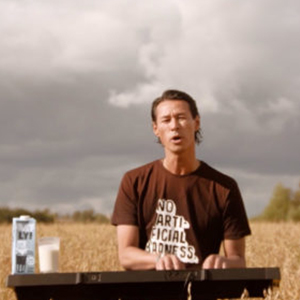
[00:01:11] Ray Latif: It was pretty nuts. I mean, I saw Gronk doing some unseemly things with the Lombardi trophy. And Why were throwing it from boat to boat. That wasn't the unseemly thing I was referring to. And Brady, of all people, Mr. Cleanly Abled Tom Brady was straight up drunk. He couldn't even walk. I guess when you win, you can do those things. Yeah, yeah. Well, while the Bucs won the big game, a lot of people think that Oatly won the Super Bowl sweepstakes for the best ad during the big game. It was a very strange 30-second commercial that featured Oatly CEO Tony Peterson playing a keyboard and singing a short jingle with lyrics, it's like milk, but for humans, and wow, no cow. negative reaction was instant. A lot of people went to social media to be like, that was the worst ad I've ever seen. I hate Oatly. In fact, someone I know, a close friend of mine said, I am never buying Oatly again after seeing that ad.
[00:02:15] Clubhouse Fatigue: kind of extreme for a reaction, but that's just the reaction. And that's exactly why they did what they did. Right. I mean, you know, on one side of, you know, either side of the spectrum, you win, you're either the best dad and everyone Talking About you or you're the worst dad and everyone Talking About you. And, you know, they, they probably didn't spend a lot on that either. So there you go. Perfect genius.
[00:02:36] Mae Steigler: I was reading about it and it's interesting because they repurposed the ad. So it actually first ran in 2014. And I think it's kind of ballsy. You know, it's minimalist. It is polarizing. And the fact that they repurposed an ad for the Super Bowl, I think right there, they're willing to take risks. And I think that's why they've gotten to where they are now. Oatly takes risks.
[00:02:57] Ray Latif: They take risks, but they knew the negative reaction was coming. They even prepped a t-shirt that they were going to sell. It had Peterson's face on it. It said, I totally hated that Oatly commercial. I didn't buy one. Did any guys snag one of those? No. I don't need more beverage t-shirts. How about T-shirts with a picture of a CEO of a plant-based milk company? Do you have any of those? I don't think you have any of those, I'm guessing.
[00:03:21] Clubhouse Fatigue: Probably not. But, you know, look, they got a reaction. That's something right there. So, you know, there are plenty of other commercials on there that I vaguely remember seeing. But what were they even for in some cases? I'm in Norway. It's adorable. Sure, you know, there's that or or, you know, the weird Reddit commercial, but I give him props for for getting a reaction to it. I think it was well done.
[00:03:49] Ray Latif: You know, that's a good point, John, because I don't remember many of the ads that I saw. And maybe it's just because I was really tuned in to the ones that were related to food and beverage. But the only one obviously stood out to me. And I think the other one was the Wayne's World with Cardi B as well. But to show you, I think it was an Uber Eats ad. I don't know. It was one food delivery service, but I don't remember which one.
[00:04:13] Mae Steigler: Yeah, it was Uber Eats and their whole, you know, I think across their campaign was just support local, but I think the way they did it was interesting.
[00:04:20] Clubhouse Fatigue: It was a throwback, but also was current bringing in Cardi B. The one I was Talking About is obviously the Paramount Plus where yet another streaming service coming out, you know, because obviously streaming services are genius following in the footsteps of like Netflix, Disney Plus, BevNET, you know.
[00:04:37] Ray Latif: Well done, Mike. Well done. I think a few people Talking About these two role ads on Clubhouse, the platform that we chatted about a couple of weeks ago on Insider. And since then, we've been in some rooms here and there. Mike, I know you've been quite active on Clubhouse. John, you as well. I've been in a few rooms, led a couple. Jackie, you as well. I think You know, it's still hard. I think the jury's still out on Clubhouse and its effectiveness, you know, its usefulness for the food and beverage industry. I think there's been some good conversations that have come out of it. But I guess the good conversations, how much further can they go, is the question for me.
[00:05:20] Clubhouse Fatigue: That's a good question. It's a fine question, Ray. I think there are going to be a lot of good conversations that happen in Clubhouse. The problem is that you're going to have to wait an awfully long time until a good conversation happens or, you know, you're going to have to be sitting there mining for gems, Ray. which is, I guess, the term that they're using on Clubhouse for dropping serious knowledge bombs. But you have to spend a lot of time to get through a lot of speakers to find the things that you're interested in. I think a lot of the topics are still really quite general. But, you know, we've seen some interesting people come in and start to interact, too. Like, for instance, Guy Raz from How I Built This Podcast, another fine podcast. has been on and leading discussions and giving chances to interact and that he probably heard the Taste Radio crew decided that Clubhouse was a good idea.
[00:06:14] Ray Latif: Well, interestingly enough, Guy Rez and Ari Rez, one of the co-founders of Once Upon a Farm are in fact brothers. So perhaps he has heard about Taste Radio and I wouldn't be surprised if he has. That being said, you know, the other Talking About Clubhouse that I'm not totally clear on is who it's for And Why demographic is really being targeted by the platform. When I am on Clubhouse, I see a lot of people who are, you know, in my cohort, my age group, that is, and less people than you would see on sort of a newish social platform like, you know, TikTok, which seems to be much more for a younger audience. You know, Jackie, I'm given that you're the youngest person in the crew here, and happy birthday, by the way. Happy belated birthday. I mean, do you find Clubhouse when you're on there, do you see people who are sort of younger or younger minded or is it because of the conversations we're having, does it feel like a little bit of an older platform or people, you know, a platform for older people?
[00:07:16] Mae Steigler: I would say it's definitely a mix. I'm seeing more people my age join as of late. So I always get the notification that like a friend of mine has joined and to welcome them in a, in a group. So I think I've seen an uptick lately of people are more around my age, but it definitely leans a little bit older, maybe like thirties, forties, rather than late twenties or mid twenties.
[00:07:39] Clubhouse Fatigue: Silicon Valley building a platform for themselves. I mean, I think that's generally what happens in the first place. You have investors and tech folks who they're using themselves to test. They know how to build these things. They've got the growth hackers out there bringing people in And Why've done a pretty good job of making this a platform for thought leaders and influencers so that, you know, And Why thought leaders and influencers do things, obviously they influence people to do it. So I think that the platform is primarily built right now for early movers, and that's who we've seen jump into the platform first. I think it's also really interesting, you know, first of all, to watch a new platform while it's still relatively, you know, rough and just at that point of getting buzzed. But I think it's also really interesting that this is happening during a pandemic where people's pandemic behaviors are, you know, sort of influencing and driving this, you know, case in point for me is, you know, I logged on, I think it must have been like nine or nine 30 Eastern time on a Friday night. And there's like piles of people Talking About So, I think, you know, that's in no way to like, you know, hate on it. It's just interesting that that is sort of like the thing that's incubating this right now. And, you know, I think, you know, I think it's a good thing. I think it's a good thing. I think it's a good thing. I think it's a good thing. I think it's a good thing. I think it's a good thing. I think it's a good thing. You know, I know that's something I feel like we've Talking About over and over again on here as it pertains to our industry, all the, you know, new products that have come out and the things that are hatching out of this pandemic. And, you know, this is just one more of them that it'll be neat to look back someday at it.
[00:09:26] Mae Steigler: Yeah, I think also kind of building on what Mike was saying, I think it just needs focus going forward I was like cruising a lot of the groups and looking at just what people are doing to make it more of a weekly thing or something that's more structured that people know at this time to this time they're going to be tuning in. So it's more like a weekly show that you're tuning in, you're interacting with, rather than you're just jumping into something that's live. You don't know how long you're going to be in there, and you don't really know what we're going to be Talking About. So I think getting buy-in and creating those small communities within the platform is going to allow it to kind of scale.
[00:10:05] Ray Latif: Yeah, you know, we've heard some chatter about new products here and there on Clubhouse. I will say that I feel like it's always better to be able to see the products we're Talking About and interact with the folks behind them on a sort of more in-depth basis. And segue coming, that's what we do in our category close-up series, which takes an in-depth look at food and beverage categories and also highlights what brands are doing in terms of new product development, distribution, retail development as well. And we have a bunch more coming out. We've Talking About this in prior episodes of Taste Radio Insider. Jackie, what is on deck for Category Close-Up?
[00:10:52] Mae Steigler: Yeah, so for this month, for February, we're releasing for BevNET energy drinks and for Nosh yogurt. And then we have applications now open for our upcoming product showcases in March and April. For Nosh, we have noodles, which could be pasta, ramen, mac and cheese, any type of noodle. And then we have confection, which includes gummies, candy, chocolate bars. And for BevNET, we have juice and bottled water.
[00:11:19] Clubhouse Fatigue: Juice.
[00:11:20] Mae Steigler: Yeah, juice and bottled water.
[00:11:21] Clubhouse Fatigue: Sean Craven's going to be like a toddler watching Elmo with that one.
[00:11:25] Mae Steigler: So if you fall into those categories, check out our sites, BevNET.com and Nosh.com, and you'll find the applications there for our upcoming product showcases.
[00:11:35] Ray Latif: Yeah, as Jackie mentioned, it's pretty easy. If you'd like to apply, if you fit into any one of the categories that Jackie mentioned, and you'd like to promote your brand or Talking About what you're doing with your company, just head to bevnetternosh.com at the top of the screen, at the top of the menu bar. Look for the submit dropdown menu and you'll find out how to do it. It's pretty easy to do and we'd love to have you on. Now, a product that recently came into the office, I don't think it fits into any of these categories specifically. Maybe it could fit into yogurt or energy, I don't know, but it is a pretty amazing product. I'm curious. And that is Harmless Harvest's new coconut smoothie. Okay, it doesn't fit into yogurt, but anyway. And this is Harmless Harvest's latest innovation, which is just fantastic. It's made with coconut water and coconut meat. It's organic, it's 140 calories per bottle. And I think this might be my favorite innovation from Harmless Harvest in a long time. They've put out a ton of stuff over the past three, four years, but this one really takes the cake for me.
[00:12:35] Clubhouse Fatigue: To be clear, Harmless Harvest team, Ray was not suggesting that you go into yogurt energy.
[00:12:41] Ray Latif: Well, they do have a yogurt. I mean, they do have coconut yogurt. They have it in single-serve sizes and multi-serve sizes as well. That's something that we covered or our colleague Martín Caballero covered in a recent article about the company. It's titled, As Rivals Reset, Harmless Harvest Aims to Deepen Presence in Premium Coconut Beverages. in an extensive conversation with CEO Ben Mand, who also revealed that Harmless Harvest is launching a new line of energizing coconut water. See? Energy. There you go. They're all infused with tea. There's three different varieties, one with green tea, one with black tea, and one with yerba mate. Highly recommend you read the article and highly recommend, if you can, get your hands on this product. It is fantastic. But not a yogurt sparkling water energy, right? Never gonna live that down. Never going to live that down. All right, Mike, what do you got on your desk? You got plenty of stuff on your desk, I'm sure you wanna Talking About.
[00:13:35] Clubhouse Fatigue: I have a cornucopia here of interesting beverages. I've got some Clearly Kombucha Ginger Mint Lemonade, which 20 calories. This is like, it really hits the spot. It's pretty different than most kombuchas, but I really like this one for the low sugar. I've got the new, speaking of kombucha, Better Booch Happy Apple, which is not that toy that, you know, that red toy that everybody had when they were a kid, that jingles. I've got this Culture Pop grapefruit that Tom first brought by the other day from Culture Pop. And then the Flow Water collagen water. This is the blood orange flavor, which I think used to be Boone, which was founded by one of the founders of Kite Beverage and later purchased by Flow Water.
[00:14:20] Ray Latif: There you go. Tasty. When you said apple and showed that apple flavor from Better Booch, you reminded me of a Slack a Slack thread that was occurring yesterday Talking About how folks in the office were upset that Skittles had replaced its lime Skittle flavor with a green apple. It's not worth diving into, but it's reminding me of that. Mike, did you get to try this Prevail Jerky? I know you spoke with Ashley Cohn, who's the founder and CEO of the company, filling in for me in our latest edition of Elevator Talk. Love the packaging, but I am embarrassed to say I haven't tried this yet.
[00:14:55] Clubhouse Fatigue: Yeah, keep taunting me, Ray. I haven't had a chance to try that yet. Ashley did say she'd send it to me right before I go skiing, though. Before you go skiing? Why would you need it before you go skiing? Because it's Prevail. Oh my goodness. I was thinking you, uh, you're going to get lost in the woods while you're skiing and need food, Mike. No, I was going to say between that or like just straight up falling off the lift. Cause you're like on clubhouse or something. I just forget to get off the lift. Cause I'm, I'm so enthralled in clubhouse. I'm just the guy who keeps riding the lift around and around and around. Yeah. Awesome.
[00:15:34] Ray Latif: This is great stuff. I just tried some 100% grass-fed beef, no antibiotics, no hormones. Yeah, I like this stuff a lot. Good job, Ashley, and great job on your Elevator Talk appearance yesterday. If you want to apply for Elevator Talk, very easy. Go to BevNET.com slash Elevator Talk. It'll be very easy to apply, and we'll get you on the show.
[00:15:53] And Why: guessing your margins, that's risky. Belay Financial gives CPG brands the clarity to scale smarter, faster, stronger. Get your free inventory ebook by texting TASTE to 55123 and start making data work for you. Vibrant Ingredients is the natural ingredient partner powering food and beverage innovation, delivering flavor, function, and protection through a science-backed portfolio. Vibrant delivers purpose-driven solutions that help brands create extraordinary experiences. Discover what's possible with Vibrant today. Visit VibrantIngredients.com.
[00:16:40] Ray Latif: Jackie, you been trying anything new lately?
[00:16:42] Mae Steigler: So I was roaming around my local lazy acres last night and I picked up one of the GT's alive elixirs. So it was the mushroom one. It was like root beer. It was really tasty.
[00:16:54] Clubhouse Fatigue: Yeah, the Pu-erh one.
[00:16:56] Mae Steigler: What was that?
[00:16:57] Clubhouse Fatigue: Is it Pu-erh root?
[00:16:59] Mae Steigler: Oh yes, yes.
[00:16:59] Clubhouse Fatigue: Yeah, that one's good. It tastes just like root beer.
[00:17:02] Mae Steigler: Yeah, it was really, really good. I also tried from Big Easy, mango tapache. So it was interesting. It was almost like, tasted like it could be going down the yogurt route. I know it's a fermented beverage. Really interesting, sweet and tasty. So tried that last night too.
[00:17:21] Ray Latif: Very cool. I think you piqued John Craven's interest when you said tapache. The product I have in my hand, I really want to get John's take on, because I know you've seen a lot of these types of products, these anti-hangover drinks. And I know you've seen a lot of sort of novelty plays in that category. But the one I have in my hand is a product called Magic Bullet. It's an anti-hangover drink. For folks who can't see us or have not seen the video, it's a 8.4-ounce Slim Can with a white label wrap. and this bullet-like cap on top of the can that makes it look like Magic Bullet, or if you use your imagination, something else. You know, when you think about these types of products, John, is the packaging sort of more kitschy to you or is it something that's really going to, you know, draw eyes?
[00:18:11] Clubhouse Fatigue: Well, that particular approach to putting a cap on top of a can has been done a variety of times and I guess won't name products, but Well, none of them are around. I guess maybe that tells you enough, but no, I mean, in all seriousness, I think that that's tough and that it just creates added complexity, like cost for that cap. Like you can no longer just put it in a normal cardboard tray and wrap it, you know, like things are going to be more complicated for what purpose. And I think any sort of packaging enhancement, if you will, that you have to remove prior to you consuming and then holding the product in your hand, I think that's the type of stuff where you really have to question if it's necessary or not. They probably bought those caps in a surplus from the failed Legs Pantyhose Minis. Remember those? My mom used to let us play with those eggs back in the day when Legs Pantyhose used to come in an egg.
[00:19:14] Ray Latif: You realize that this is going to be published, Mike, right? This is content that's going to live in purposefully.
[00:19:21] Clubhouse Fatigue: Thank you for that trip down memory lane. No one can unhear that. It's like the first time I ever mentioned my mom on the podcast, I think. So there you go.
[00:19:29] Ray Latif: There you go. That's my tribute to mom. Well, God bless your mom, because I do remember those nice pantyhose. And those were fun things to play with, for sure. I'm just giving you grief, Mike. All right, it's time to get to our featured interview for this episode. As I mentioned at the top of the show, Mae Steigler is the CEO of Organifi, which launched in 2014. Best known for its flagship powdered green juice, Organifi has quietly emerged as one of the leading direct-to-consumer brands in the nutritional supplement space, generating over $100 million in sales since its debut. The company is now setting its sights on the retail industry, part of a growth strategy that is being led by May, who's been with Organifi since day one and was promoted to CEO in January. In the following interview, I spoke with May about the origins of Organifi, its remarkable direct sales business model, how the company crafted an effective consumer acquisition and retention strategy, scaling while being bootstrapped and taking in no outside capital, and how daily huddles and employee empowerment are key to company culture. Hey folks, it's Ray with Taste Radio. I'm on a call right now with Mae Steigler, who is the CEO of Organifi. Mae, how are you?
[00:20:43] Talking About: Ray, very well. Thank you. It's a treat to be here and a total honor.
[00:20:46] Ray Latif: It's a treat to be with you as well. So as I do with a lot of the guests that appear on Taste Radio, I do a little bit of research and part of that research takes me to your social media profiles and your Instagram profile info includes this interesting phrase, which is reframing professional. That's all it says, reframing professional. What does that mean? And Why does it mean to you?
[00:21:11] Talking About: Thanks, Ray. I am fascinated with change. And to kick it off in a little woo-woo way, I believe that the energetic state that we make change from matters tremendously. So I often lean into what is possible with these change points in our lives. And at work and in my community and friends, I'm often known for the person that will reframe something from a challenge to the opportunity. I kind of believe in leaning into possibility to catalyze action faster. You can imagine it kind of like the panoramic view for moving forward compared to maybe the portrait lens when you focus on something change instigated from fear or threat. So just love behavior change. And that's kind of my nerdy side coaching background for sure. Past lives translated to today.
[00:21:58] Ray Latif: Yeah, let's talk a bit about your past life and how you actually came to Organifi, because Organifi was born out of a platform called FitLifeTV. Talk a bit about that company and how it was the inspiration behind or the genesis of Organifi.
[00:22:16] Talking About: Absolutely. FitLife TV was based on creating education creating content. We were the founder of Organifi and I prior at FitLife TV were creating playing in platforms like YouTube before it was a big deal. I think it was very early stages of that. Facebook and YouTube both platforms. And Talking About health and wellness, I mentioned my background was in coaching. And Drew Canole, the founder of FitLife, was on his personal adventure towards health and wellness and kind of reimagining what that could look like and recording all of it. So it was, again, I think pre-heavy influencer era, for sure. It was 10, 11 years ago. Things were just getting started on that platform YouTube and Facebook and we were kind of bridging that gap We were applying the idea of how we could guide our community right on Facebook guide our community through using whole foods and it was back when juicing was just picking up and We were guiding individuals and and groups coaching groups through juicing transformation. So it was reimagining how to become healthy without using pills and powders and instead using real foods and It was just a super fun time. We were very, very connected with our customers through Facebook. We were in the comments chatting with everyone. We were doing live calls. The content was made on YouTube and shared. So it was very highly engaged. We were just experimenting. Didn't know what it would become, of course, at the time. But so much of the roots of Organifi were founded right there. And it was just a really great connected start with our customer base.
[00:23:55] Ray Latif: Now, you mentioned that you had a highly engaged consumer audience or a highly engaged audience. You had a really big following on Fitlife TV, like shockingly big. How many members did you have? What was the size of your audience early on?
[00:24:11] Talking About: Well to Drew's testament he he was growth hacking Facebook before it was something you did. And so when I came on board with him I was employee number one at FitLife and the first hired employee. And we had about 30000 Facebook fans. And over the course of FitLife grew that to three million. And that was, again, before Facebook is what it is today. And it went through six or seven different iterations. But Facebook was free. And so marketing on Facebook was very different. Growing a community was all about having a message worth sharing. So our Facebook community was called Juicing Vegetables. And it was all around the idea of empowering health and wellness through the foods you put in your body and the importance of the quality of those And Why you could really make possible in becoming healthy that way. So it's a really exciting time to be Talking About that. It was just when organic wasn't in Costco. There wasn't. I'm sure it was but there wasn't a huge organic section like there is today. And Why I reflect on it there is so much that we couldn't have known we were part of, I guess. We'd go into the Hillcrest Whole Foods and be Talking About the juice shop that just opened in the Hillcrest Whole Foods, right where we live. And Why'd be making fresh juices there. And we'd be doing a live video to our Facebook community about making this juice in their house. And so it was just a really cool time to witness that and to reflect now on how much has changed and to recognize where that conversation really started.
[00:25:37] Ray Latif: Well, juicing was something that a lot of people, not just on Facebook, were attracted to in the mid-2010s. You know, as we reported on BevNET, cold-pressed juice was the rage. Everyone was interested in juicing for cleanse or general health or whatnot. And born out of that were many RTD products, ready-to-drink products, Suja, Blueprint, Evolution Fresh. These are some of the brands that were pioneering that category. But Organifi was a powder and I'm wondering why you chose to go that route versus a liquid format.
[00:26:17] Talking About: I don't think we actually thought about it. I can't explain why. When we were designing Organifi from FitLife TV we were actually looking at solving the biggest obstacle to our current large customer base kind of towards their goals for health. So we're trying to solve this issue of how do you make juicing easier. And the one reason why customers wouldn't get results is because juicing was a pain. You know it's all the chopping and the cleaning and it was just this whole thing, right? I did it for years and it's a ton of work. It's a ton of work. Makes sense why we decided to pay people to do that for us, right? Whenever we could And Why juice bars blew up for a little bit. But we wanted to make this as simple as possible and quite honestly, just looked at the fastest and kind of most convenient form to do that. And that was built on our direct-to-consumer landscape we were absolutely living in. We just didn't have the lens that I think retail was looking at RTD. We were looking at it like, how do we ship our customers a solution? So powder was inherently easier to ship and to manufacture than, of course, an RTD option. So we wanted to dissolve the obstacle to our customers getting results by just giving them the best solution possible, focused on what would be the ultimate superfood juicing blend that we could give them that might even be hard to find themselves and or get the benefit of themselves, you know, had chlorella and spirulina and these ingredients, moringa, ashwagandha, which at the time was not spoken about. And we really got to educate on those key ingredients that now are such normal and I guess better understood superfoods. We got to bring that to our customers in such a convenient format. So over time as Organifi has evolved and how we found new ways to connect with our customers and to even, you know, evolve our product base, the consistent piece for me through, as you mentioned, many, many different roles and being in technically two startups through this journey, I can imagine I've had a lot of hats, but each of them kind of the theme and it has been connecting with the translation of Organifi's mission or Fitlife's mission with the customer's feeling and sensing results. And that has looked like developing coaching programs from the start, the customer service platform itself, then how even our products are delivered to our customers and the experience in doing so, to retention, and even then kind of the heartbeat of who Organifi is, is building out people and culture and to where I am now. So it's certainly been an adventure and one that I certainly was not trained for. Conventionally, you could say, through experience though, have arrived here with so much gratitude for those different adventures, even working in influence marketing and kind of how we translate what we do, empowering partners and influencers to be able to also share that certification program, all kinds of pieces that I'm really excited as we get to retool them with our current stage of business now.
[00:29:14] Ray Latif: Why were you so focused on direct shipping versus going into retailers?
[00:29:20] Talking About: It kind of only makes sense in reflection, coming from YouTube and Facebook, we were beginning from a place of direct interaction with our customers. So I think when you ask, why was it D2C that our focus stemmed from and kind of the lane that we developed into, I think it was really natural from that place. So it made sense to, hey, we're in this conversation, this is the value we can provide to this customer. let's do that, right? And there wasn't a whole lot of, I think, build out, especially if you look at the difference between D2C and retail, there's just a different interaction with the customer, for sure, a different lens. So D2C very organically came from and kind of made sense from the place that we come from.
[00:30:01] Ray Latif: So when you're Talking About managing, say, something like customer retention or acquisition, which was your specialty or your primary focus for a number of years, what was the approach? What were you Talking About in terms of spend to get those people to try and buy your product?
[00:30:20] Talking About: Yeah, originally this really came from meeting our customers where they were. They were on Facebook, they were watching YouTube videos and we wanted to be in that place and really adapt our messaging to that platform specifically. I think where that hasn't worked for DTC brands is if they're making a universal message and then just kind of smashing it onto these other platforms without the adaptation, right? I think that's just inherent in online marketing And Why people came to learn. So, for us, this has evolved from the backbone of a lot of even the origins of Organifi came from really strong partnerships, affiliate relationships, being able to basically source the overlapping customer base with different partners and different audiences. So, being able to basically listen for what's the conversations that we feel passionate about being in, who's having them, and how do we pair up our basically our offer with their audience And Why their platforms. So that was an exciting, I think kind of some of the origins of where again, if I came from and really where our influence program and ambassador programs blossomed from what we are excited to continue to evolve and blending this offline online era that we're moving into so, so quickly. And, and I think that the customer acquisition and overall experience has to stem from a really clear vision in that area specifically.
[00:31:40] Ray Latif: How about customer service? I recall, I think it was Jeff Bezos say a long time ago, if we can create a website or a platform where, you know, there's great selection, low prices and really, really exceptional customer service, you know, we can be successful. And again, for a brand that's primarily or had been primarily direct to consumer, I'm sure customer service was a really important part of what you were doing.
[00:32:09] Talking About: Yeah, yes. And customer service and even the customer experience started pretty unconventionally. Like I was saying, I'm in YouTube comments, maybe even bringing on live guests during videos, live calls. We had a membership and our Facebook, even we do lots of Facebook lives now as well and on Instagram. So keeping that conversation very dynamic and I believe that the, as you look at customer service from kind of those origins, we kind of made it possible to decidedly make a call center in San Diego, which everyone else would, any, any normal business person would think that was crazy. But the origins of that really come from the heart of what we wanted the customer experience to be. And that was a conversation that was more than service. It was coaching. It was what we have now is literally a coaching floor. We have an inbound and outbound team. that connects with our customers, ensures that they're set up for success, maps plans with them. It's a much more robust conversation than a typical service center.
[00:33:12] Ray Latif: Do you still have a call center? And if so, how many people work at it?
[00:33:16] Talking About: We do. We have 12, actually, I think 14 locally in San Diego right now. And part of our CS team is outside of San Diego itself. But yes, that is a huge part. And actually going virtual through COVID and all this, I was really, really grateful that we were able to maintain that and still such an expression of the heartbeat of what Organifi is about, which is being able to directly connect with our customers and share those conversations, share those highlights, and ensure that we're consistently tapped into the results of our customers at all times.
[00:33:49] Ray Latif: Can you measure return on investment for a call center like that?
[00:33:53] Talking About: I believe that our hybridization of sales and service and sales being focused on customers getting consistent results, which would be translated to LTV, right, and retention in general, helps us mitigate some of that, the idea of a sunk cost call center. So we love the hybridization and that has helped us, I believe, really grow it and maintain it.
[00:34:18] Ray Latif: Now, early on, if I'm Talking About operations management and fulfillment, I imagine you and Drew filling boxes of Organifi and sending them out to customers and stuff like that. There might have been a time like that, maybe not. Maybe you guys were ahead of the game when it came to fulfillment. How has your fulfillment evolved since the beginning?
[00:34:37] Talking About: It certainly has. And shockingly, we don't have that origin story. So from the very beginning, and really our Jamel Betahar, our prior CEO, who's now in a co-founder role with Drew, he brought in a lot of expertise for fulfillment prior to Organifi being created. So he came on during the FitLife era, helped us actually build out, and really was part of the roots of Organifi. And he had enough wherewithal to know that we should pair up with a 3PL. have that set up as the launch of Organifi as it came to life, as it moved from truly digital marketing and online content creation programs and all digital to a physical product. As Organifi came to life and became a physical solution for our customers, we were shipping from a 3PL. And although, yes, it has evolved since the beginning greatly, we luckily don't have an origin story of boxing in our garages. Shockingly, I think, you know, many, many, many do. So we did benefit from that, eliminating that step along the journey.
[00:35:37] Ray Latif: What about demand forecasting? You guys have sold $100 million worth of products since the launch of Organifi. I imagine that, you know, a few years ago, that might've been hard to believe that you could do that, but you have. How have you forecasted demand through the years?
[00:35:55] Talking About: That's also evolved tremendously. We have an incredible supply chain team that helps with that and right now it's a very dynamic process that as things are changing so much it's become definitely something that requires a lot more focused effort outside of promotion calendars and launch calendars. What it was built on though and how we were able to do that and kind of the ease of D2C was planning launches and being able to predict with certain partners, how many units would move. There was a beautiful degree of predictability that D2C offers that we certainly benefited from. As we now look into new channels and a much more diversified format, that becomes not as predictable. And luckily, over the years, and building kind of this more robust demand planning with Whether it's influence marketing partnerships are typical and kind of classic DTC launches for new products, we can hope to benefit from some of that.
[00:36:55] Ray Latif: You've done so well with direct-to-consumer, And Why you told me last week kind of surprised me, which is that you're making a huge push into retail. You're making retail a priority. I'm sure you've been asked this question a number of times, which is why? Why, especially now, when direct-to-consumer is as hot a trend as could be, what's the reason that you think that retail has to be a part of your growth strategy going forward?
[00:37:20] Talking About: Thanks, Ray. Yes, we have been asked that. We've been called crazy as well in kind of going upstream or going the opposite direction of so many companies going from retail to DTC. We're looking at doing the opposite. Specifically, what is exciting and kind of the why for this is an expansion on our mission, which is to make high-quality nutrition convenient. and really bringing that to becoming omnipresent for our customers. So we just like the origin story of Organifi, we want to meet our customers where they are. And if we just focus on D2C, we wouldn't be fulfilling that. So retail inherently has importance to us. And I I think specifically I do want to mention that rather than meeting retail where it is, I'm really excited to go with retail where it's headed. So what I'm most enthusiastically interested in is what retail will become and this convergence, right, this merging of offline online that's happening in a faster way than ever before with consumer behavior changing. So just being fascinated with behavior change in general, especially interesting is consumer behavior changing, even my own, right? How I'm ordering groceries, how my husband and I are, right? Our team, and then yes, our loyal customers, they're changing how they're ordering groceries and online and offline, right? So I'm excited about the time that we're moving into and the era that we're moving into. And so retail, yes, is a really important piece of our growth strategy. We've diversified our even org structure. We've invested in team members. We've put a lot of time and energy into what this will become for us. Importantly, and I guess intentionally, I'll say.
[00:39:02] Ray Latif: As you are creating this omnichannel strategy and building out your team, I imagine that you have a good sense of not just who your customer is today, but who your future customers are. Tell me, who is your customer? Who is the ideal or the typical Organifi customer? And are you sort of trying to broaden that definition to appeal to a significantly wider audience?
[00:39:29] Talking About: Yeah, I'm excited about this question and it's something that I believe our success at Organifi is. hinged on the ability to consistently look at this, right? And to say, who is the future of our customer, right? Who will they become, right? Who are they now? Our customer is someone who is looking for a better way. Someone who is Talking About the future of the planet, who's Talking About what they put in their body. And that, like that customer is evolving, which is beautiful, right? And so exciting to look at How can we amplify even the impact of that customer's buying decisions? How can we equip them with more information, more education, even introductions to new brands and people beyond us, right, beyond Organifi? We've kind of reimagined focus groups for product, but it's enabled us to be in this deeper conversation around the lifestyles and the habits of our customer. And that is something that as we translate to retail, I can't help but know will hopefully provide a lot of value in us being able to understand what they actually want in-store versus online. And rather than just imagining, hey, Organifi gets to translate and become a retail brand also, we get to actually be very specific in what's in retail And Why's online And Why, right? Because we know that customer. So that's really interesting to me and I feel like we're just kind of popping the hood on it because this is kind of a new era for Organifi as well.
[00:40:58] Super Bowl: Do you want more repeat buyers on Amazon? Well, this free resource in collaboration with Straight Up Growth will help your brand turn first-time buyers into long-term subscribers. Download Winning the Repeat Purchase Game on Amazon now at Taste Radio slash SUG. That's Taste Radio slash S-U-G to start building retention-driven growth for your brand on Amazon. Scaling a beverage brand into major retail comes down to operational readiness. From packaging lead times to co-manufacturing strategy, the details can make or break a launch. In a new e-book in collaboration with Octopi and Asahi Beer USA, industry leaders share what they've learned in helping brands scale. Download it now at Taste Radio slash octopi.
[00:41:48] Ray Latif: Does the content need to change pretty significantly for DTC versus retail or is it pretty similar?
[00:41:54] Talking About: When you say content, to clarify, do you mean education or do you mean more like branding?
[00:41:59] Ray Latif: Yeah, education and promotional content, education and marketing related content. How is that? How does that need to change or does it need to change as you're going from direct to consumer to retail?
[00:42:08] Talking About: Yeah, the translation we've experienced, which was A heavy lift this last year was recognizing and the evidence is actually in our rebrand. So we did a beautiful rebrand and prep for retail as well. And kind of the Evolution Fresh what Organifi is becoming. But we were recognized as it's a different conversation on the retail shelf as a consumer only has this product to look at and to understand and comprehend. And the value needs to be translated. versus D to C, you have as much as you want. You have an hour long video, right? You've got this webinar series, they're experiencing a landing page and infinitely more, right? Last year, also more prep outside of the rebrand was also doing full substantiation on all benefits, all product benefits. investing heavily in the accuracy of our conversation with consumers. And I think that will play in, deliver a lot of value also as we consistently look at how the marketing messaging and the branding does need to translate.
[00:43:07] Ray Latif: As much as you're investing in content marketing for your site and for a direct consumer, I imagine that it's a smaller investment than launching with distributors or investing in distributors and in retail placement and presence. I can imagine margins are significantly affected as you go into retail. How are you reconciling the significance of those margins
[00:43:31] Talking About: I think I think it has to be a bit more than that. So yeah it's a critical focus for us right now as we're assessing what retail to expand into And Why. An example of this is our 14 pack. So different product offerings for retail. That's obviously just a different serving size. But beyond that retail specific products. So recognizing there's definitely a disparity and addressing that in margins and even kind of what's acceptable And Why's going to make sense on shelf versus DTC. DTC's own land, right, kind of made our products start there. And so recognizing how they really do need to make sense in retail does require some changes, which is Really fun and where I think a lot of our prep the last two years actually will come into play here is our mini launches. We actually do, tried on a couple of mini launches last year, which was just a small run of product to see how it performed online and to make sense of the marketing messages to then translate to official labels and official education. It helps us kind of shortcut our product launch process. and reimagine how we create products. And so a lot of that will play in, I think, very valuably as we create likely new products for retail itself.
[00:44:44] Ray Latif: As you're making this push, I'm assuming that there's going to be more and more trade or industry coverage of Organifi, which is interesting to say, because we missed you on BevNET and on Nosh. I searched for Organifi on our site, and I think there was one hit, and it's when Jamel, your former CEO, joined us for an episode of our Elevator Talk series earlier in 2020. I think it was in May of 2020, and I was like, Wait a minute, Organifi has done $100 million in sales as essentially a juice company. How have we not covered them? How have you stayed under the radar so long?
[00:45:25] Talking About: Well I like to imagine it has something to do with these two completely different worlds retail and DTC. We were focused on our lane. We were head down completely bootstrapped and being self-funded and just focusing literally on the fast growth that we were experiencing where we were kind of our lane recognizing that definitely in our early days and up until very very recently not having the ability to focus on anything that didn't show ROI. So whether it was PR, even some events, we just weren't in that space. We were really focused on where we could in any way have some predictable success or predictable results. So I think we were definitely doubling down in the areas that we had shown success prior. So that might be why you've missed us, but I'm hoping that that ends really soon.
[00:46:14] Ray Latif: It's ending as we speak. Now, may you said something there, which I'm sure it's a surprise to a lot of our listeners, which is that you have never taken any capital outside capital or investment. Uh, you have done this entirely bootstrapped, which is insane. It's insane to think about how you could scale to this point without taking outside money. I have a feeling that there might've been some suitors, but why was that a big part of your strategy?
[00:46:45] Talking About: Thank you, Ray. As I mentioned, being so focused on our lane and kind of what was proving results, our fast growth being that result, it had us believe that we could just keep flexing what was working. So I'm not sure it was so much strategic as I'm not going to say luck either. I think it was being able to consistently invest in what we saw working. So yeah, I will definitely take that as a compliment. In reflection, we are kind of, I'm sure, was almost naively lucky in where we arrived in, but grateful that we've made it this far without that and without taking on investment. And it's been quite a journey that's kept our team, I think, radically focused on the things that have worked. And kind of through this conversation, what I'm really excited to translate for where we're going then, which is really exciting.
[00:47:36] Ray Latif: Any plans or any consideration for strategic investment in the near future?
[00:47:43] Talking About: Something I can share is keeping an open mind for what makes kind of the future possible. So certainly that's on the horizon potentially. And I think it's a healthy as kind of a business leader healthy to keep our minds open or my mind open as well. So certainly something that we are considering and open to in the future. Was that as vague as I could be?
[00:48:08] Ray Latif: That's as vague as it could be, but that's an important function of the CEO, which is to be diplomatic and address questions that are not easy to answer at the time they're asked. You recently became the CEO, and I'd love to Talking About your leadership style.
[00:48:25] Talking About: I would say people-obsessed, people-centric, relationship-centric. My background is in coaching, and I'm just fascinated with what something as simple as a conversation can open up. I would say my style is catalyzing. I love to enable and start where I see potential with people, with our team, specifically what I'm saying, people. And something that our founder, Drew Canole, demonstrated for me so strongly, so what I really experienced myself was him believing in my potential far before I could. And where I am today has to, in part, be because of that. So what I am fascinated by and love exploring is the connection point of our team members with where we believe they could go, right? And just exploring that with them. So yeah, I think it's growth obsessed and determined to kind of collapse the the gap between work life balance that we think that so many believe is out there. I'm really curious about work life integration and essentially bringing people to life through work. I think as we unlock that, there's no cap on the potential with what we can create. And it's more of the art of, and in very fundamental terms, getting the right people in the right seats. But the art of doing that is just, I think, such an adventure.
[00:49:49] Ray Latif: From what you're saying, it sounds like in the same way that Drew empowered you and put you sort of on this track to leadership, you're empowering others. So are you currently, you know, or not currently, but are you Talking About, you know, people in your company as potentially becoming the next CEO of Organifi?
[00:50:10] Talking About: I certainly hope so. And as much as possible connecting team members to the points of contribution, have them live that, right? So even in each of my roles prior, the points where I was most engaged and able to not feel like work was work, were those times when I was living into the idea that I was actually creating the direction for Organifi, regardless of my role. So again, it's that art of designing that with each team member and from having, uh, hiring the current team into Organifi and also I think very intentionally and specifically guiding some of the mindful transitions out of Organifi with team members that maybe the timing's not the right fit, right? Being able to address that in in the most kind of open-eyed, loving way, I think makes a really, really big difference. And even creating an Organifi kind of alumni where, again, if the timing's not right, we still believe in that person And Why they're capable of, whether at Organifi or somewhere else.
[00:51:15] Ray Latif: I'm pretty sure you said mindful transition out, which is a nice way of saying they were, uh, not, they're not with the company. Yes, exactly. It reminds me of the, uh, the Gwyneth Paltrow way of saying divorce, which is consciously in couple, right. Is that what that's good?
[00:51:32] Talking About: We should just start using that.
[00:51:33] SPEAKER_??: Yeah. Yeah.
[00:51:36] Ray Latif: I read that daily meetings and huddles or meetings and daily huddles are really, really important to you. And it's funny you mentioned that in the article that I read, because I had done an interview with Mark Rampolla, who was the founder of Zico Coconut Water and one of the managing partners with PowerPlant Ventures. And he had mentioned that every high functioning organization that he's ever participated in has a daily huddle from the top down. And his, I think he's like, we do ours at 10, 13 a.m. or 10, 12 a.m. every single day. But how do you create efficient meetings? How do you create effective daily huddles? I think that's the key, right?
[00:52:13] Talking About: It is the key. And the answer is really dynamic. I think the answer is consistently asking, is this creating value, right? Asking the team, asking different management levels, right? Is this valuable? Is this something you want to show up to? Addressing the elephant in the room when it sucks, right? When you can feel that no one wants to be there and making change. consistently asking, is it working? And then being willing to flex it, being willing to change it. And Why Organifi growing so quickly, even Fitlife changing so radically, I am completely open to and comfortable with adjusting the operations as the kind of in parallel with the growth of the business. And I think that's just critical. The belief that we're not, we're not going to nail it and that's okay. We aren't going to find the answer. that the right meeting or the right agenda, right? But instead, the right thing to do is be able to address it frequently and be able to change it frequently and not hold on to it with like white knuckles, right? So it's kind of like loosely holding with the knowledge that that meeting rhythm is critical, right? It's actually like a ritual. It's the energetic start to your business. It's the demonstration of hopefully your core values in the business, right? For us, it's transparently sharing our metrics, right? We run through the dashboards with the entire team. It's open. We bring on guests, right? We have a thought of the day, which is normally like super woo-woo and like energetic and intense. And that rotates, right? You know, it's totally inclusive. And we also do caught being awesome, which is a really beautiful demonstration of celebration, the mentality of celebration and kind of frequency of celebration, recognizing the team members points of contribution. And so it's just like this kind of melting pot for the things that we consistently are saying are important. And then our demonstration of those conflicts, right? Ours is nine o'clock every day and it's literally 10 minutes.
[00:54:00] Ray Latif: And going back to this notion of, you know, the elephant in the room, Is that elephant typically related to performance or interpersonal disagreements? I mean, I've been part of companies where, you know, the elephant is just someone in the room that everyone doesn't like. And you realize that it's like, okay, why isn't this person Why is this person still here? And I think that's a hard question to answer, especially if that person is really high performing in the company. This was something actually I spoke with Mike Urban, not to keep bringing up coconut water companies, but Mike Urban, the founder and CEO of Vitacoco. He said, you know, look, even if we have a rockstar in the company, who's our top performing salesperson, if that person is a bad cultural fit, that person has to go because it's just going to turn into a bad situation. Now, I kind of steered this to interpersonal, but, you know, and I originally asked you about elephants. So what does the elephant look like typically?
[00:55:02] Talking About: the elephant also wears lots of different hats. So I agree with the direction you took it. I would have without prompting definitely said the largest elephants are typically those that come from the interpersonal. So are the unspoken awkwardness between someone's funky energy. Right. And a group call and the willingness to call that person out lovingly and typically it's a call post the group call, right? Check in what's going on. Hey, I noticed like you're in a funk, just know that the team feels that what's going on. Right. And then to your point, which is a much bigger, I think important, I would say cultural point and kind of principles, business principles are, is a culture fit more important than a performance fit? And yes, because the performance fits that are not a culture fit will erode the foundation of the business. And then all the elephants are all those high performers that are horrible culture fits and, or you just don't have culture anymore. So your culture then becomes one of performance, and I feel like that kind of takes the heart out of the business. And I'm definitely not saying we have this nailed, but what I believe in is the consistent willingness to address this as it comes up. And it's, you know, you hear companies focusing on building Culture Pop know, your culture is your current team, your culture, just like, you know, kombucha, right? It is what's in the jar. It's not something that you, you know, put on a piece of paper and then hope that everyone believes, but it's like, it is what is. So it's looking at it for what it is and then protecting it and or making changes if it's not the way that you see possible. And that can include people, it can include challenging org shift conversations for the betterment of culture. And those are all, I think, the most exciting, the challenging conversations. I kind of think of it like a spectrum. The intensity and kind of the balance of the risk but the the challenge of the conversation is equal to and kind of opposite of the opportunity in the conversation what you can unlock in that conversation. And I believe as leaders the unwillingness to get into those stagnates the business.
[00:57:02] Ray Latif: Yeah. And, and I thought that was a really good analogy you made, uh, with, uh, your team is, is a bottle of kombucha and, you know, but oftentimes if you, I mean, if you, if you take that a step further, you could say that great bottles of kombucha always start with great ingredients. Right. So that makes the hiring process equivalent, or we'll Talking About the hiring process as you know, the SCOBY.
[00:57:25] Super Bowl: Yeah.
[00:57:26] Ray Latif: And you know, yeah. So, you know, is the key here just to hire better?
[00:57:31] Talking About: I love this topic and watch out. I can talk on it for a long time. Hold me here. Okay, two thoughts. What I'm really interested in is, yes, the hiring process is critical, right? That's your filter, right? So your ability to, and of course we do a CultureFit interview that trumps the perfect resume, right? So CultureFit's critical, I mean, get into that. But then I think after that, then it's the radical responsibility and watching that employee create success from the assumptions you made in the beginning, right? So it's the first 90 days. taking immense care with that employee, right? To set them up for success, ensure that in fact we did make the right decision and ensure that they did too, right? It's totally a two-way street. You're dating, right? Are you making a good decision? And then the willingness to, if we didn't make a good decision, to take action on that. So the willingness on both ends to say, this is the most important thing, and then ensure, were we right? Did we do a good job with this person? Are they going to be successful here? If they're not, really be okay with quickly taking action. In the past where we've had challenges is not taking quick enough action in support of the employee actually. From the beginning days, and I think what helped us grow so fast early with even team members being successful was, consistently asking the question of what are you enjoying most? Let's have you do more of that. And as they became better and better and better, we actually just offloaded anything they were not good at, right? If we have an incredible partnerships manager who was amazing at relationships, actually thinking of someone in particular, incredible at making relationships and can't stand the admin work, It's absolutely even strategically as a business, the most supportive thing to do for this individual is allow, allow that person to do more relationships. We'll hire on an admin person to take care of that. You know, it's like kind of the fundamentals. And instead of looking at it from the org structure and company benefit side, you just get to see it so clearly from the individual side, which is how can I support this person better? How can I remove obstacles, right? Support them in a more clear way to do what they love to do And Why they're really good at.
[00:59:40] Ray Latif: The Montessori approach to HR, it sounds like, is that what you're Talking About here?
[00:59:45] Clubhouse Fatigue: Yeah.
[00:59:47] Ray Latif: May, it's been so amazing speaking with you. You're such a dynamic and fun person to speak with, and I can imagine that really translates to your leadership as well. As the leader of the company now, as the person who's at the helm, what do you see as the next stage of growth for Organifi? What do you want to see happen for this company in the next one to two years?
[01:00:07] Talking About: I am so excited to recognize this inflection point that we're in in human health and kind of planetary health. So there's, there's two just exciting areas, which actually recognizing them as the same thing is probably most critical and where the truth lies, the health of the planet and the health of humans, where that gets to go. So with regenerative ag kind of coming around, my background is actually in animal science. And where I come from is, is actually like 40 acres of gardens with my parents. And I grew up in Northern California. So kind of my getting to, I think, express my roots into Organifi is really, really exciting and see where both our team and our customer base gets to move into that conversation, similar to what I saw possible with organic now happening with regenerative. And then the broadening conversation around what is human health, right? What is wellness? through this pandemic and all these things that have brought so much into the forefront and into our lens of focus, that conversation is so exciting to get to support our team and our customers and evolving their sense of sovereignty around health and wellness. How do we enable people to feel equipped and capable and believe what's possible themselves versus maybe waiting for something outside of themselves to fix their situation? Yeah, I'm sure my excitement is being felt, but it is this inflection point that I believe is so important and recognizing where we started with this in kind of who I am and being excited by possibility, right? The positive reframe, I think, in the experience that we're having as humans right now. is the newness of opportunities, right? It is the recognizing that retail and online are converging. The consumer behavior is changing. There is this change point happening. Our lifestyle, like our entire lifestyle, has changed as Americans, right, and globally. And also, probably some of the most important conversations all have the opportunity to be involved in or even experience, which is the future of our planet and health. So it's with so much excitement that this next big step for us is retail of course. But just beyond that what is happening in the world today and where I see us evolving beyond product into lifestyle into the future of health.
[01:02:31] Ray Latif: It's so remarkable to hear your answer to that question, because I think some folks might say, oh, well, you know, we hope to double sales in 2021, or we hope to be in these retailers or do this or that. And your answer was much more about vision and passion. And it's really refreshing to hear. And it makes me so happy that I had this opportunity to speak with you, because I imagine there are going to be great things to come for Organifi beyond the sales, beyond the distribution. And, you know, your role as a brand leader, innovator in our industry is so important. I can't wait to see how it all plays out. So starting now, we've got to pay much more attention to Organifi than we have in the past. So let's make a promise to do that. Let's check in again really soon. But in the meantime, May, this has been so great. Thank you so much for taking the time to speak with me today. I couldn't have asked for anything more.
[01:03:23] Talking About: Right. Thank you. That was a total honor and just a complete treat to be on here. And the platform you guys have created is amazing. Hopefully, we won't be strangers anymore after this. I promise. Make a commitment. And just, yeah, excited for what's to come. Thank you so much.
[01:03:38] Ray Latif: Fantastic. Thank you. That brings us to the end of episode 111 of Taste Radio Insider. Thank you so much for listening, and thanks to our guest, Mae Steigler. Please subscribe to Taste Radio on the Apple Podcasts app, Spotify, Stitcher, or Google Podcasts. As always, for questions, comments, ideas for future podcasts, you can send us an email to ask at Taste Radio. On behalf of the entire Taste Radio team, thank you for listening, and we'll talk to you next time.