[00:00:05] Ad Read: This episode of Taste Radio Insider is brought to you by BevNET Events.
[00:00:10] Uncle Matt: Our winter conferences will be here before you know it. Join us at the Lowe's Santa Monica Beach Hotel the last week of November for a two-day brew-bound live conference, followed immediately by Nosh Live on Thursday and Friday. The next Monday and Tuesday, December 3rd and 4th, the return of BevNET Live.
[00:00:29] Ad Read: BevNET events are designed for founders, owners, CEOs, and decision makers of breweries and food and beverage brands to immerse themselves in two days of industry strategy and learning. We pace the events to allow time for the important discussions. The content sets the stage for networking opportunities with investors, suppliers, service providers, and other experienced connected industry experts.
[00:00:51] Uncle Matt: Visit brewboundlive.com, noshlive.com, and bevnetlive.com for details on each individual event. We hope to see you there.
[00:01:02] Ad Read: And now, Taste Radio Insider.
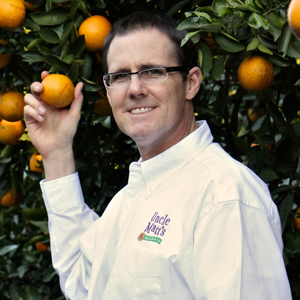
[00:01:12] Ray Latif: Hey everyone, thanks for listening to Taste Radio Insider. I'm Ray Latif and with me are my BevNET colleagues John Craven and Mike Schneider. We're recording from our Taste Radio studio in Watertown, Mass. And in this episode, we feature an interview with Matt McClain, the founder of organic beverage company Uncle Matt's, who discusses the brand's evolution from its launch nearly 20 years ago through to its sale to dairy conglomerate Dean Foods in 2017. We also sit down with BevNET Editor-in-Chief Jeffrey Klineman, who shares insight into Keurig Dr. Pepper's $525 million acquisition of Core Nutrition. Just a reminder to our listeners, if you like what you hear on Taste Radio, please share the podcast with friends and colleagues. And of course, we'd love it if you would rate us on iTunes. Who hasn't rated us on iTunes yet? Please, please do this. It's very important to us.
[00:02:03] Ad Read: Yeah, please rate us on iTunes and also talk to your phone. Say, Siri, subscribe to Taste Radio Podcast or Siri, subscribe to Taste Radio Insider Podcast.
[00:02:13] Ray Latif: It works. Mike, you did that yesterday, I believe. I've done it. I can do it now. No, I won't do it. I won't do it. He didn't do it yesterday because that means he would have only subscribed to Taste Radio yesterday, which that's not the case.
[00:02:22] Ad Read: No, that's not the case. But if I get an Android, I'll also say, Alexa, Subscribe to Taste Radio Podcast.
[00:02:28] John Craven: I'm not going to lie. I only subscribed yesterday during our Taste Radio Insider prep meeting. I totally forgot. So thanks.
[00:02:35] Ad Read: That's okay. Your reminder worked. I appreciate that. And we had to test Siri anyway, John Craven was the guinea pig for a change. Usually it's me who has some secret vial to try and he wants to see if it's not poison. I'm happy to do it. Secret vial, eh? Yeah. Secret vial.
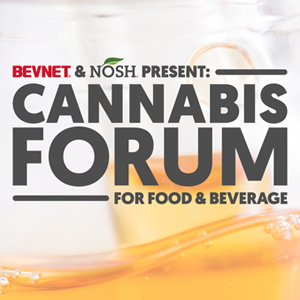
[00:02:50] Ray Latif: All right, big news in the world of BevNET and Nosh. We last week announced a event that's happening in between BevNET Live and Nosh Live in Santa Monica in December. It's the Cannabis Forum for Food and Beverage. Mike Schneider, why are we hosting an event about cannabis?
[00:03:09] Ad Read: Well, Ray, we get questions from food and beverage companies all the time through, you know, every channel, email through Instagram about, you know, the cannabis industry. What's going on with the cannabis industry? How do we get into cannabis industry? This is going to be a $25 billion market by 2025. And, you know, there's all kinds of questions about legalization and regulation and how do I get it into my food? How do I get into my beverage? Who do I work with? And we're going to try to answer some of those questions at this event. And so who is it geared toward? I mean, who should be attending this event? That's a good question. It's geared toward the food and beverage professional who's curious about cannabis applications for their food product or their beverage product. So that could be THC, that could be CBD. There's other cannabinoids out there. We'll probably talk about those too. There's all kinds of questions about how to apply Cannabis Forum your food and beverage product and is it legal and where can I do it? And this event is designed to answer some of those questions, and then we'll have people from the industry that you can talk to offstage to try to help you get it done.
[00:04:12] John Craven: It's also designed to appeal to people who are already in that industry and are trying to look at what opportunity exists in food and beverage. It's part of why we put it in the middle of Nosh and BevNET. You know, there's people who are going to Nosh and BevNET. Most food and beverage companies are looking at that category if they haven't already. And certainly if you're not in either of those but are already in cannabis, marijuana, whatnot, you know, this is an event that will hopefully help you explore opportunities within the food and beverage space.
[00:04:42] Ad Read: And as John said, there are going to be people that are going to Nosh and BevNET. And if you're going to Nosh and BevNET, you get into the Cannabis Forum for food and beverage for free. If you want to go to Nosh and Cannabis Forum BevNET and Cannabis, there's an add-on price. And then if you want to just go to the Cannabis event, we've got a price for that too. So check it out at BevNetLive.com and NOSHLive.com.
[00:05:03] Ray Latif: And to be clear, it's a half-day forum on Saturday, December 1st at the Lowe's Santa Monica Beach Hotel. It takes place from 12 p.m. to 4 p.m. I'm going to be there because I certainly have a lot of questions about cannabis and from a regulatory standpoint, I mean, it all seems really amorphous at this point and I just want to know what the heck is going on.
[00:05:24] John Craven: You know, this is a really weird episode Jon Landis to conveniently not be here. Yeah. Can we make a joke about him vaping in the corner?
[00:05:32] Ray Latif: From what I understand, he's planning for the Cannabis Forum right now, yes.
[00:05:35] Ad Read: Up in Vermont. I keep looking over to him for advice. Yeah. Just say, hey Mike, that's good.
[00:05:40] Ray Latif: Indeed. Well, a couple of great office visits this week. We had a nice visit from the founder of Regrained. Mike, you invited him to the office. Tell us a little bit about Regrained and said founder.
[00:05:51] Ad Read: Daniel Kurzrock, the co-founder and chief grain officer, also known as CEO for Regrain, stopped by. He was in town for Forbes 30 Under 30. Which he is a part of the recent class.
[00:06:02] Ray Latif: He got the honor.
[00:06:03] Ad Read: Congratulations, Daniel, on that honor. He came in to talk to us about what's going on with Regrain. So what is Regrain? Regrind is a company that uses spent barley to make flour that they Cann You know, you can use in products. They're using it in some of their own products, like they make a granola bar with four different flavors, I believe. We talked to Daniel about, is your mission to be the sustainability company? Is that your brand? And he's like, you know, it's about sustainability, but it's also about taste. He gets it. You know, it's the most important thing in food and beverage is to have something that appeals to people. So they want to be known for both of those things.
[00:06:40] Ray Latif: Yeah, this whole notion of upcycling, reducing food waste, very on trend, very important topic right now. Good to hear that Daniel's taking a role in fixing that problem or at least addressing the problem. And good to hear that investors are also interested in this space. Regrain pulled in a new round of investments recently. Read all about it on Nosh.com.
[00:07:02] Ad Read: Yeah, it was fun to hear about how he got started as a brewer and how he was thinking that at some point he would have his own brewery and it went just down a totally different path.
[00:07:13] Ray Latif: You start a brewery Cann You end up with a flower company. How about that? Go figure. Make This is more scalable. We'll see. We'll see. Time will tell. Indeed. We also had a visit from the founders of Predator Endurance, which is a healthy natural energy drink Predator Endurance drink, if you want to call it that. The founders' names are Bianca and Natasha de Jong. I think I pronounced that correctly. I think so. They're from Amsterdam. And even though the product isn't sold in the U.S. yet, It's great to see them engaging with BevNET, getting to know who we are and allowing us to know who they are. And I think that's a really important line of communication, sort of building their community, not just with retailers and distributors, but also with the media, i.e. us.
[00:07:52] Ad Read: I didn't get a chance to talk to the founders directly, but I did get a chance to take a look at their packaging. And when you look at it, it doesn't, I can't just say predator. It's like predator. And there's this aggressive Panther on the, you know, on the logo. And it's clearly a pump you up energy drink.
[00:08:07] Ray Latif: I wonder if they should have timed it with the recent launch of the new Predator movie, sort of reboot as it were. I think it's a reboot. I don't know if it is, but it came out. Not so great reviews though. Hopefully Predator Energy will have some good reviews once it makes its way to the US. As always, we love to hear from and even more so to see the folks that are listening to Taste Radio, reading BevNET, reading Nosh. If you are in the area, making a trip to Boston or anywhere in the Northeast United States and might have an opportunity to stop by our office in Watertown, Mass, please do just send us an email to askattasteradio.com. I know Jon Landis is always hearing from folks who want to stop by the office, so you can email him as well, jlandisatbevnet.com. And if he were here right now...
[00:08:52] John Craven: He'd probably give you his cell phone number, honestly.
[00:08:54] Ray Latif: He probably would give you his cell phone number.
[00:08:55] John Craven: Hey, maybe we should talk about the fact that we're all on the road a bunch coming up.
[00:09:00] Ray Latif: We are, yes. I will be in New York City this week to record some podcast interviews with some very awesome people. Stay tuned for who those people are. John Craven, you're heading across the pond, as it were.
[00:09:13] John Craven: Heading to London. I guess I'll be there when this airs, goes out, whatever we call it, uploads on Friday all the way through Monday. So I guess maybe reach out if anyone over there is listening.
[00:09:25] Ray Latif: Happy Columbus Day.
[00:09:26] John Craven: And then you, Ray.
[00:09:27] Ray Latif: Jon Landis are heading to NACS, right? We're heading to Sin City, Las Vegas to cover the National Association of Convenience Store Show. Always an exciting show. Hopefully we'll see a lot of interesting new line extensions and products. I know we're gonna see a lot of cool people. Kobe Bryant is once again rumored to be attending the show and perhaps we'll even hear him on Taste Radio. Aren't you guys BFF? We took a photo together, so if that qualifies us as BFFs, then yes. It's on Ray's lock screen. We did more than take a photo. We actually recorded a video interview. We actually recorded a video interview at last year's show. Check it out on YouTube, on BevNET's YouTube page, that is.
[00:10:08] John Craven: You Jon Landis should have like a Nathan's hot dog eating style competition of like fried chicken and jerky. That might be a good segment. It's just a thought.
[00:10:18] Ray Latif: Chicken tips. Just a thought. That aforementioned photo with Kobe Bryant, I wasn't too happy with my midsection at that show, I think. So I'm going to stay away from the Nathan's hot dogs, if you catch what I'm saying. I hear you.
[00:10:29] Ad Read: Yeah. Okay. Stay safe. Not going to be challenging Kobayashi anytime soon. No.
[00:10:34] SPEAKER_??: Okay.
[00:10:35] Ray Latif: All right, I think it's time we get to our featured interview of the show. Matt McClain is fond of saying that orange juice is ounce for ounce the most nutritious beverage you can buy. He has good reason to say it. As I mentioned at the top of the show, McLean is the founder of Uncle Matt's, a maker of organic beverages, including a flagship line of orange juice. The company has a reputation for high quality standards and its super premium juices have developed a loyal following, particularly among natural channel consumers. It's no secret, however, that orange juice consumption in the U.S. has declined in recent years, and as a result, the company has looked to expand its offerings and evolve its portfolio to reflect consumer interest in fast-growing categories, including energy drinks and kombucha. I sat down with McLean at Natural Products Expo East 2018, where he discussed the origins of Uncle Matt's and why he launched the business, how the company cultivates consumer evangelists for the brand, the thought process for entering new beverage categories, and the decision to sell the company to Dean Foods last year in a deal worth $22 million. All right, it's Ray Latif with Taste Radio, and I'm on the mics with Matt McClain, the founder and CEO of Uncle Matt's Organic. Matt, thank you so much for being with me.
[00:11:55] Jeffrey Klineman: Ray, my pleasure. Really appreciate being on Taste Radio. Listened to it quite a bit, and it's an honor.
[00:12:01] Ray Latif: Thank you very much for saying that. The last time you and I sat down or stood up for an interview was Expo East 2017, and I wasn't feeling well. I was under the weather, so to speak. I think I was sweating profusely, is what it was. Cann You looked at me Cann You said, you know, Ray, you know what's good for a cold is orange juice. And hey, I own an orange juice company. And I said, okay, well, how perfect is this? And I was curious actually back then, and I'm curious now, how does one start an orange juice company? What drive did you have to get into this business?
[00:12:36] Jeffrey Klineman: Well, lucky you did stop by the right booth that day. We pumped you full of vitamin C. Hopefully you bounce back. immediately.
[00:12:42] Ray Latif: It took a couple days.
[00:12:43] Jeffrey Klineman: A couple days. All right. Well, we'll have to send more orange juice your way. But yeah. So, you know, for me, it kind of ran in the family, right? It was in my blood. I'm a fourth generation Florida citrus grower. So I grew up with it all around me. We never had a brand. So the fun thing was that when I came along and had the aha moment, we finally broke through from just being growers and actually have the impact of a brand and affect customers and it was a whole nother world after that.
[00:13:12] Ray Latif: Awesome. So when did Uncle Matt's launch and when did you decide to start that brand and what did it look like? Is it similar to what it looks like today?
[00:13:20] Jeffrey Klineman: Yeah, totally different. Obviously, we have evolved quite a bit with the marketplace and the time. So we actually started in June of 1999. So we're next year coming up on 20 years, which is hard to believe. So almost a sort of a pioneer in the space of organic. That really was, you know, why I became involved and got really interested in the space was because of that farming method that we truly believe in. But I got out of college in 1993. I went to school to get out of the citrus business. I had a degree in business with a minor in economics. I took zero ag classes because I grew up working on those hot groves in the summer when everybody else was surfing and having fun on the lake. I was out there pulling weeds and trimming trees and doing everything that, you know, it was great. Hard day's work, learned a valuable lesson of that, but I definitely was thinking there had to be a better thing than agriculture.
[00:14:13] Ray Latif: So I feel like there's there's a lot of valuable lessons that you don't want to learn when you're a teenager. That might be one of them.
[00:14:19] Jeffrey Klineman: Exactly. But when I got out of college I started an import export company. I had an opportunity with one of my dad's citrus growers. My dad was a consultant at the time, and this gentleman was German, and he said, hey, I need some help getting my fruit and juice over to bottling customers in Europe. And I said, geez, that sounds like a lot of fun. I get to travel to Europe. Heck, I'm in. So I started a little import-export company. and started sending bulk orange grapefruit and some pulp cells over to Europe. We'd send them into flushing there in Holland, and then we'd sell it to the different bottling companies throughout Germany, France, and Austria. And so, from there, we had one customer, about 1995, 96, that asked for Biologic, white grapefruit juice, and I said, Biologic? Ah, what the heck is that? Oh, it's organic. So at that time, I didn't know what organic was. Came back to the US, asked my father and grandfather first, like, hey, what is organic farming? Can we grow organic in Florida? And that was a point where my grandfather just, he was basically offended that I had asked that question. Because he said, what do you think we did before pesticides were invented? We farmed organic. And really it was a great way to farm. It was what he believed still at that time was the best way to farm because we no longer, today we were relying upon single factor analysis. You have a pest, you find a pesticide. Nobody holistically was looking at, why is that pest attracted to the tree? Why is the disease happening? So organic is that holistic method. You start with healthy soil, you grow a healthy tree that can naturally build up its immune system and defend itself. And it's not a perfect method, but it's definitely a method that I thought was attractive and it really made me feel passionate about that and going back to how my grandfather thought we should be farming. And so off I went on that journey of how do I start an organic orange juice company. I looked in the marketplace. That was the aha moment. There was no Tropicana Organic back in 96, 97. I went to Expo East.
[00:16:28] Ray Latif: There's still no Tropicana Organic as far as I know.
[00:16:30] Jeffrey Klineman: There is not, correct. I went to Expo East before there was this big show. It was really a tiny mom and pop operation. I mean, everybody had a little 10-foot booth with just a table. So it was simple. And off we went. I started Uncle Matt's. I finally figured it out after a couple years. I had a friend of the family who was the co-packer. And I went to him and said, hey, this is what I want to do. And he said, you should not do this. This is a bad decision. Do you know how difficult this business is? You have no idea what you're doing. I said, you're right.
[00:17:03] Ray Latif: I have no idea what I'm doing. Did he mean the business of juice or the business of organic beverages? refrigerated beverages.
[00:17:09] Jeffrey Klineman: I had to start it all over again. I probably should have done a hot fill, like two year shelf life or something.
[00:17:15] Ray Latif: I don't think you would've gotten the following that you have now.
[00:17:17] Jeffrey Klineman: I would've had a little less stress at the beginning, but no, the premium products is refrigerated now from concentrate. And so he, he knew how difficult that was. I had no idea. I was definitely young and dumb today. I'm no longer young, but It was one of those times, and I just said, no, this is what I want to do. This is the opportunity that's out there in the marketplace. I felt we could grow it. After talking to my grandfather and father, that really gave me the confidence and the impetus to say, hey, we can grow it. We have the knowledge to do that. We can build this supply base, and the customer, I believed, would want it. It made perfect sense. The organic market was tiny then, but to me, it just was about farming without harmful pesticides. and what that really meant for the health of the planet and health for just overall, you know, the human population.
[00:18:07] Ray Latif: So you have a loyal following. You have consumers that say, I'm buying Uncle Matt's and only Uncle Matt's when it comes to orange juice, and we'll get to some of your other products as well. How do you leverage that? How do you leverage that brand loyalty and the love that some of the consumers have for your brand to help market your brand and advertise your brand to others?
[00:18:27] Jeffrey Klineman: Well, I will say it's so humbling, number one, that we have that little following. If you're listening now, I profusely thank you. It really is humbling. I fly a lot, fly all over the place for sales meetings and conferences and stuff like this. And every now and then, I'll sit next to somebody that's a huge fan. You sit there and they go, hey, my kids were raised on your product. Like, wow, you're right. We're 18 years old. Obviously, people have been raised on Natural Products. That's amazing. Cann You invited us in your household. And so I always take that with me every day to work. Like, hey, we have people raising their families. And I have young kids, too. So I don't want to give them anything that's going to let their kids down, let their family down. And same with my own kids. I only want to give them the most nutrient-dense, healthiest, cleanest food that I can. And that's why Uncle Matt's, I think, has that loyal following. But to answer your question, to leverage that, Any new product that we roll out, any line extensions, we've got our probiotic fruit infused waters. We've gone into kombucha. We've gone into some functional energy drinks, orange energy, orange defense with turmeric and probiotics. I think it gives you permission as long as you stick to your values and what you believe in. You know, like I said, we're consistently great. We want to be consistently great at everything we do. So we don't skimp. We don't cut corners. Our kombucha is real brewed. You know, we use the probiotic in our fruit-infused waters. It's gonna need in BC30. It's clinically proven to support digestion and immune support. So, you know, the coffee berry is a great story. The organic coffee berry from sustainable farmers in Mexico using the outer husk, which was thrown away and usually composted. They grind it up and there's natural caffeine in it. So just, you know, really going deep. into us being committed to the movement. I live it every day. I have an organic garden. I have backyard chickens in a hive. I'm a farmer as well. And so we live it.
[00:20:27] Ray Latif: Unfortunately, Orange Juice, just to put it out there, and I think everyone's relatively aware of this, is a category in decline. And no matter if you're the highest quality brand or, you know, just some frozen concentrate, you're losing market share to other beverages. So how do you stay relevant, especially when your primary ingredient is something that people just aren't drinking as much of?
[00:20:53] Jeffrey Klineman: So first off, I'm going to take the opportunity on my soapbox to the millions of listeners that you have right now. It's 2 million. It's 2 million listeners. Your intergalactic reach. So first off, Orange juice has been declining due to sugar demonization, right? So they think it's added sugar. Orange juice is two parts fructose, one part glucose, one part sucrose. It's definitely not high fructose corn syrup. It's definitely not cane sugar. It's not sucrose. It's none of those things. It's nutrient dense, packed with vitamins, minerals, antioxidants, dollar for dollar, ounce for ounce. Orange juice is the most nutrient dense, healthy beverage that you can consume every day. It's also an elicitor to help absorb other food that you eat. A lot of people don't know that, but there's actually some studies that show that. So four to eight ounces with any meal, you get extra punch from that. So it's a fantastic thing. So, but we've been demonized from the sugar. People are turning the label, oh wait a minute, orange juice is sugar, it's like a donut, it's like a Frappuccino. couldn't be the furthest from the truth. So we're going to stop that decline right now because we've had this conversation. We have 2 million listeners who are going to be evangelists for orange juice. There we go. That's right. So to stay relevant in that category, we do understand that, hey, the new consumer, some of the millennials will lose, right, from that orange juice. So you've got to be able to listen to them. What else can we do to make orange juice relevant in their diet? We've come out with some other products like our Orange Energy, which is the coffee berry and ashwagandha.
[00:22:25] Ray Latif: I'm going to open this up right now. Let's see here.
[00:22:27] Jeffrey Klineman: Three simple ingredients compared to a Red Bull, which would be 14 plus. Orange juice, coffee berry, and ashwagandha, which is an adaptogen herb. Tastes like orange juice, doesn't it? It does.
[00:22:41] Ray Latif: I'm not getting any of the ashwagandha, but I don't know what ashwagandha tastes like on its own, so I don't know.
[00:22:45] Jeffrey Klineman: Yeah, it's not good on its own. Orange juice is a wonderful product to Make This with because of its naturally sweet flavor profile. And for that product, we put 100 milligrams of caffeine. Your typical Red Bull will have like 60 milligrams of caffeine. Your typical cup of coffee has 80 milligrams of caffeine. So the millennials told us, do you want me to drink orange juice again? Put caffeine in it. Like, okay, we did. But we didn't just do your typical. We used a nice organic sustainable source, the coffee berry. And we use the adaptogen herb that's proven for stamina and mental clarity, which is the KSM-66 ashwagandha. So those two combined, we like to joke that's our clean cognitive caffeine. And if you started your day with that instead of a Red Bull or a Mountain Dew, I think you're going to do a lot better long term for your health and wellness. That's got to be a given.
[00:23:40] Ray Latif: I hope people aren't starting. I hope too many people aren't really starting. And I shouldn't say this. I should be more objective. But I hope people aren't starting their day with a Mountain Dew. It just seems so counterintuitive. Don't do it. I'm not going to. Yeah. Anyway. staying relevant by extending the brand into other beverage categories is something you've done as well. As you mentioned before, you have kombucha, you have an infused water. Tell us about the thought process of going into kombucha, which very hot category, very competitive category, though.
[00:24:07] Jeffrey Klineman: Absolutely. So, you know, with anything, there's competition. I don't know if there's any category that doesn't have competition in the beverage sector is just unbelievable. Hyper competition, but you can't be afraid of it. If you feel like you've got a good proposition, you got to start with quality ingredients, quality product. We have a brand that people trust. Is it something that can resonate through all the kombucha customers? No, we're not trying to be GTs. We're going to be Uncle Matt's. It's real brewed, it's light. So what we wanted to try and do, is go in and get something that doesn't have the vinegar bite. When we did our research, it showed that one large retailer said, hey, we have surveyed and 20% of our customers come through our door, know what kombucha is, but only 3% buy it. And we're not exactly sure. When was this? So this was prior to us launching. So this was when we were doing some of our research. What year was this? So this was just last year. Wow. So a large conventional retailer, not a traditional natural food. Obviously, it's much larger and natural food channel, but a large conventional retailer. So it challenged us to if we're going to try to play in this space with our brand, you know, where is that sector? Where's the segment? And so we wanted to make something that's drinkable. Uh, that vinegar bite isn't for everybody. It's definitely for the 97% according to this guy, I believe is part of it why they won't drink it. And the other thing was we wanted to have an eye appealing package and something that was related to people. We did very classic, simple combinations, you know, blueberry, ginger, mango, things that are easy to recognize by the average consumer that may have walked by that category, looked over and said, you know what? I think that looks more like medicine and not necessarily like a beverage. And so we just, we kind of uncle-mapped it, put a lot of, you know, fruit and stuff on the label that, cause it is, you know, fruity flavors and, We'll see how the customer receives it, but we made it light with green tea. We brewed it that way so it doesn't have that vinegar bite, but it still has all the same health benefits of your normal kombucha.
[00:26:20] Ray Latif: One thing we haven't talked about is a very big move for Uncle Matt's, which took place last year. The company was acquired by Dean Foods. Yep. You and I talked about it for an article on the site. I'd love to flush that a little bit more. It's your baby. This is your brand. This is your company. You built this. What was the thinking? What was the impetus for selling the company?
[00:26:42] Jeffrey Klineman: So when I first got in and started Uncle Matt's, about every year, you know, someone asks, what are you selling? What are you selling? Right. So for 18 years, for 18 years, you know, we've gotten, you know, regularly, what are you selling? When are you going to sell? Someone's going to offer you a whole lot of money. And if you have any limited success, you know, people will always ask you that. So, and I would always respond the same, Hey, there's always a good time to get in. and I'll know when the time is to get out. And I think we had reached a good pinnacle for Uncle Matt's at that time last year. And I really saw a chance to take our brand with Dean Foods and put it on their 6,000 DSD trucks with their milk. and complete our mission to really make organic accessible and affordable and available to so many other places and spaces. And it had taken me a long time, over 18 years to get as far as I had. It's like that tip of the iceberg for them. So I thought it was a great refrigerated partner that could do it. And we had an opportunity and we were just blessed with the right timing. So, you know, yes, it's the baby, but the baby grows up, goes off to college and eventually, you know, they're on their own.
[00:28:03] Ray Latif: Or there's at least someone taking good care of your baby.
[00:28:06] Jeffrey Klineman: That's right. So I'm still there with the baby enjoying every minute of it. They've got a lot of opportunity for Uncle Matt's and, you know, we were a family business that's now part of a $8 billion NASDAQ traded public company. And I'm really enjoying that side of it and seeing, you know, they're a really professional group. They have high integrity. They're well experienced, deep from all kinds of CPG backgrounds. They're fantastic operators. They really know about efficiencies and distribution and production. So just, you know, learning a lot.
[00:28:41] Ray Latif: So at some point, I would assume that you're going to move on. Are you asking me to be employed at BevNET? Is this what you're leading into this? We need some proven operators at the company. Matt, would you like a job? No, in all seriousness, at some point, I'm assuming that you'll want to relinquish your responsibilities and move on. Would you ever start another beverage company?
[00:29:08] Jeffrey Klineman: So, you know, never say never. I love what I do. I really do. And I've tell, we work with entrepreneur groups from University of Florida and locally people come and we give them tours and talk about, you know, how to start a business and the pitfalls and heartbreaks and headaches, but also the real successes. And what I really enjoy is the entrepreneurial spirit of it. I still have that every day when I go to work with Dean, but I think, Yeah, sure. If you latch on to something else, find your passion. That's what I would tell those entrepreneur students. If you're fortunate in life to find what you're passionate about, in this case, it was organic farming for me. It just so happened to be it was orange juice, which is a great catalyst for a brand and for our growth. But if you find that passion, it is no longer just a J-O-B every day. It is not just a job. It is something that doesn't feel like work. Cann You just enjoy what you're doing. And that's where I'm at, but yeah, I'm sure someday that, you know, the next step in life and I'll climb some other mountain.
[00:30:13] Ray Latif: And that mission of democratizing organics through organic farming isn't over, right?
[00:30:17] Jeffrey Klineman: I mean... That's the great thing. 18 years ago, when I started this, we didn't have the USD organic logo. It was, you know, all regional certifiers.
[00:30:26] Ray Latif: It was biologique.
[00:30:29] Jeffrey Klineman: It was still truly organic. We had integrity behind it. So it's come so far. And it's now 5% and growing of the industry. I mean, it's kind of, it's become sort of the industry, right? Organic. is taken over, I think it's going to be 10%, 15, 20% in the next 10, 20 years. So I mean, that's super rewarding, right? I mean, that's mission accomplished there. Fantastic. So yeah, just excited to see where that continues to go. And all the next steps in my life will probably be pursuing something in that organic sphere.
[00:31:04] Ray Latif: Fantastic. Matt, every time I speak with you, I feel like I'm speaking to a friend. You have a very calm, wonderful, great approach to and great perspective to life. And I thank you for sharing that with me. And I thank you for sharing that with our listeners. Good luck with Uncle Matt's and everything else going forward. I'm sure we'll stay in touch. But for right now, thanks again.
[00:31:23] Jeffrey Klineman: Appreciate it, Ray. Thank you for all the billion listeners intergalactic. We have been blessed beyond belief. So yeah, thankful for that. Appreciate it.
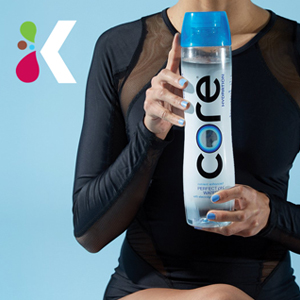
[00:31:32] Ray Latif: Of course. So I'm now joined by BevNET's editor-in-chief, Jeffrey Klineman, who's here to talk about the recent acquisition of Core Nutrition by Keurig Dr. Pepper. Jeff, thanks so much for being with me. Delighted to be here, Ray. So Core Nutrition is a maker of Core Hydration and core organics. KDP acquired the company for $525 million. The company was founded by Lance Collins in 2015. Lance is a cereal beverage entrepreneur known for starting brands like Fuse and Body Armor. Now, Jeff, what made CORE an attractive target for current Dr. Pepper?
[00:32:10] Keurig Dr: Well, so Core was part of Dr. Pepper Snapple's allied brands group even before the sale to Keurig Dr they'd pretty well dug in with a lot of the distributors that operate under the Dr. Pepper banner. So this happened at a time when Fiji Water had terminated its agreement with Dr. Pepper Snapple. Dr. Pepper Snapple had sunk money into CORE already, much the same way that they'd sunk money into BUY at the time of that sale. So they already had a stake, plus they had an important financial and operational stake. in core in that if the brand had gone elsewhere, they were going to have to fill a hole in the portfolio. So there was a really advantageous timing aspect to it, as well as the fact that the brand has performed pretty well under Dr. Pepper's stewardship.
[00:33:16] Ray Latif: It seems like Kirk, Dr. Pepper was really looking to establish itself as an owner of brands more so than a steward of them.
[00:33:23] Keurig Dr: Well, I think that they're under new ownership now. So they have definite plans for the way they want to assemble their portfolio. And when a transaction like this takes place, a lot of contracts are either voided or subject to renegotiation. And we're seeing that both on the distribution end and on the investment end. So KDP has purchased Big Red. thereby allowing former big red owner Gary Smith to tour the world, checking in from exotic locales. It also – the year before brought in buy. There are former allied brands whose fate is still up in the air. Highbrew, I'm sure, is having pretty detailed conversations with KDP, although that fits more clearly inside their core competency in that it's a coffee brand. What I think is one of the most interesting things about this transaction is that it's something that people have really mixed reactions to. What are some of the mixed reactions you're talking about? A lot of the entrepreneurs are saying, God, that's something that I have to be able to do. Look at that. That's a great example of the way that you can sell a brand for so much money, even just three, four years into its existence. What I think is interesting, though, is this is one of those brands where they were able, Cann You're seeing this as well with Body Armor, You're able to leverage a lot of startup capital and a lot of high-profile positioning to go much more quickly. It's not the typical situation that many of these entrepreneurs find themselves in. And that's because the founders have a lot of connections. They have the ability to position themselves both within a strategic portfolio to activate old connections and to push in convenience, which is the place where you can scale up and build top line volume most quickly.
[00:35:51] Ray Latif: Now, when you say entrepreneurs, you mean the spectrum of beverage entrepreneurs out there. What about some of the entrepreneurs who run brands in the former Allied Brands Portfolio, like a Vitacoco, who's been part of that unit for a very long time?
[00:36:03] Keurig Dr: Sure. Well, Vitacoco is interesting because there is no ownership stake and they are trying to figure out if they want to remain independent or if they want to buy brands or be sold. But with the exception of Vitacoco, the other brands in that portfolio have had veteran entrepreneurs who've in fact built brands through that independent Dr. Pepper Snapple network in the past. Now, Fidecoco, in fact, has had people within its board structure, within its executive structure, who've also had experience building within that network in the past. And certainly, the CEO has been in the business for 10, 12 years. So the issue with allied brands has always been they're picking sort of fatter cows to ally with and also picking better capitalized ones to ally with.
[00:37:13] Ray Latif: Now we know that KDP is working with some other smaller brands, Forto, which is a line of highly caffeinated energy shots and recently launched a full-size RTD product as well.
[00:37:23] Keurig Dr: Yeah, that's an interesting play. I mean, again, you've got a founder who's worked within the Nestle system for a long time before he went out and started his brand. And he's working with some of the more established advisors in the space. But it is a smaller play. Again, it's within the Keurig JAB specialty coffee, but they're giving this brand some running room and trying to develop it and it should be something that's a little bit more inspirational to some of the newer entrepreneurs out there that they can find this kind of partnership with a larger distribution organization.
[00:38:11] Ray Latif: Now there's a bit of an elephant in the room, and that elephant's name is Essentia, one of the fastest growing premium water brands of recent memory. Essentia is rumored to be for sale, and I'm curious as to your thoughts on what Coors Acquisition means for Essentia.
[00:38:29] Keurig Dr: I don't know that it necessarily means that much, except that it leaves them as one of the few princesses left at the ball. Certainly, their sales have been higher than Kors, and they don't have to deal with the incident-driven choice that Lance and company faced. when KDP was formed. In other words, look, Core was delighted to have this opportunity to sell. It was really fortuitous that this opening appeared to allow the transaction to take place because it's always a question of, well, when Cann You get the deal done? What triggers it? Now, Accenture is still on a growth path. Certainly, they've explored and continue to explore what their options might be for sales, but they can ultimately make that decision as to when they want to run a process and they're growing so efficiently that they can remain independent for a long time if they want. At least in my opinion.
[00:39:40] Ray Latif: I guess it remains to be seen. It probably does remain to be seen. All right, Jeff. Well, thank you so much for joining me. Great insight and I look forward to talking to you again soon.
[00:39:50] Keurig Dr: Congratulations everyone on the deal Cann You, Ray, for launching this new Insider Podcast.
[00:39:58] Ray Latif: I appreciate that. Thank you. That brings us to the end of Episode 2 of Taste Radio Insider. Thank you so much for listening, and thanks to our guests, Matt McLean and Jeffrey Klineman. Tune in next week for Episode 132 of the flagship Taste Radio podcast, when we're joined by Patty Spence, the founder of market research company Spins, and zero-calorie beverage brand Zevia. As always, for questions, comments, ideas for future podcasts, please send us an email to ask at Taste Radio.com. On behalf of the entire Taste Radio team, thanks for listening and we'll talk to you next time.