[00:00:05] Ad Read: This episode of Taste Radio Insider is brought to you by BevNET Events.
[00:00:10] Jon Landis: Our winter conferences will be here before you know it. Join us at the Lowe's Santa Monica Beach Hotel the last week of November for a two-day Brewbound live conference, followed immediately by Nosh Live on Thursday and Friday. The next Monday and Tuesday, December 3rd and 4th, the return of BevNET Live.
[00:00:29] Ad Read: BevNET events are designed for founders, owners, CEOs, and decision makers of breweries and food and beverage brands to immerse themselves in two days of industry strategy and learning. We pace the events to allow time for the important discussions. The content sets the stage for networking opportunities with investors, suppliers, service providers, and other experienced connected industry experts.
[00:00:51] Jon Landis: Visit brewboundlive.com, noshlive.com, and bevnetlive.com for details on each individual event. We hope to see you there.
[00:01:02] Ad Read: And now, Taste Radio Insider.
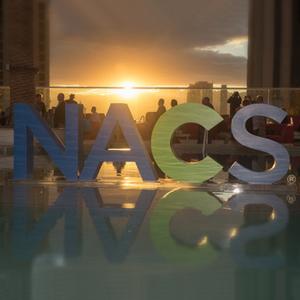
[00:01:12] Ray Latif: Hey, everyone. Thanks for listening to Taste Radio Insider. I'm Ray Latif and with me are my BevNET colleagues, Jon Landis and Marty Caballero. We're on location at the 2018 NACS Show in Las Vegas. In this episode, we feature an interview with Jon Sebastiani, the founder of Krave Jerky, who discusses the business strategy behind his incubator and private equity fund, Sonoma Brands. We also discuss news, trends, and innovation in the convenience store channel as viewed here at the NACS Show. As always, for questions, comments, ideas for future podcasts, please send us an email to askatasteradio.com. Gents, how are you feeling? Day two of NACS.
[00:01:49] Jon Landis: Yeah, I'm kind of run down.
[00:01:51] Marty Caballero: A lot to take in, but it was a lot of fun. It feels a little bit similar to some of the natural shows in some ways. We're seeing some of the trends bleed over, so it's been interesting to watch.
[00:01:59] Ray Latif: And Marty, you and Brad Avery, staff reporter for BevNET, have been covering the show tirelessly, looking at what's happening in the beverage industry as it relates to the C-Store channel. Seems like everyone's talking about and continues to talk about coffee. What do you see?
[00:02:14] Marty Caballero: Certainly. Coffee was really interesting, I think, this year at the NACS show. I think we saw some items, some new products that were sort of playing Illy Coffee as more of an energy drink, sort of a higher caffeine delivery system to sort of play in that similar kind of space as energy drinks. Forto Coffee, which many of our listeners may be familiar with from their Coffee Shot products, launched a full-size RTD line. High Brew also had a extra strength, triple shot, that's right. Starbucks also had a couple new products that were upping the energy and sort of expanding the use occasions for that kind of product. And then we also saw Sonoma Brands that really established themselves in the natural space. I'm thinking about La Colombe, Califia, really make a concerted effort to make this next year, one where convenience stores is really going to be important channel for them and really to sort of elevate the cold brew experience in that category set.
[00:03:13] Ray Latif: Yeah, from from what I understand, and I talked to a handful of people about the coffee category, is that is a concern about oversaturation at this point. And some of the brands are trying to find ways, as you mentioned, Marty, to stand out in a way that is a little bit more in line with, say, an energy drink, or bolder tasting coffee, or, you know, just an innovative way to bring new folks into the category. Jon Landis, you know, your impressions of the coffee category, you know, who did you talk to and, you know, what are their thoughts?
[00:03:41] Jon Landis: Yeah, I can see what you're saying from maybe a short-term perspective. Everyone's trying to stand out, and there's a lot of rush to compete in a lot of different ways with protein and caffeine and things that you're seeing. To me, I think Starbucks Frappuccino still has a lion's share of the market, and it's still kind of bleeding out. So as they continue to lose progressively more market share, it's opening up more opportunities for different coffee brands out there. We've seen this with carbonated soft drinks seeding to energy drinks and sparkling waters and things like that. And it's, you know, if you look at it from 10, 20 years out, if this trend continues, we're just going to see more proliferation of more brands and more different types of products. And maybe things will slow down at some point because it seems like everyone's rushing really quickly to innovate and bring new products every couple of months. And like, I think we need to slow down at some point.
[00:04:38] Marty Caballero: I think it's interesting just to follow up on your point. I had a great conversation with the folks at Coca-Cola and Far Coast is going to be launching early next year. That's coming in as the Illy partnership is phasing out. So really interesting there because that brings Coke another use occasion, another entryway into that category to go along with the Dunkin Donuts line, which is expanding as well, McCafe. It's not just one thing. You can have coffee fit a bunch of different purposes, and I think people are really embracing that.
[00:05:10] Ray Latif: One category that continues to grow and we're seeing a lot of innovation and new line extensions coming out here at the show is water. Bottled water, Sparkling Ice, alkaline water. Caffeinated water. Caffeinated water. All kinds of things happening. Marty, you mentioned you were at the Coke booth, some developments with the Smart Water line. Tell us about them.
[00:05:29] Marty Caballero: Yeah, absolutely. Smartwater, obviously one of the leading brands in the premium water segment, is launching an alkaline water as well as an antioxidant-infused line. So this is a play that I'm sure many people are familiar with. There's many brands out there that have been in the alkaline space and also in antioxidants, but I think it's a confirmation that First of all, there's a lot of equity in that category, a lot of room to grow and expand, but also that these things are, you know, they're beyond, I think, niche items at this point. I mean...
[00:06:00] Ray Latif: When we look at Essentia, for sure, I mean, it's a $100 million brand.
[00:06:02] Marty Caballero: Of course. The acquisition of Core by KDP is sort of a, certainly a big confirmation for this category, so that's going to continue to grow, and listen, it just fits right in with these other trends we're seeing. Water has always been a huge category for the C-Store segment, so I think there's going to be a lot more growth in there.
[00:06:19] Ray Latif: And, you know, with some legacy brands like a San Pellegrino or a Perrier, you know, I'm holding in my hand this new flavored San Pellegrino product, zero calories, zero sugar, definitely a change for that brand. It's just an essence water. This one's with morello cherry and pomegranate, really trying to take advantage of all the interest in sparkling flavored waters.
[00:06:39] Marty Caballero: perfect example, right? San Pellegrino. Then we have Topo Chico. Then we have something like Jarritos, which is actually the Mexican Sonoma Brands that people are very familiar with for their bright, really very sweet sodas is now launching a Sparkling Ice line with natural flavors. Each one of those kind of brings a different sort of reference point and different sort of experience. One is imported, others, you know, different sort of positioning. So listen, there's a lot of different things you can do with that.
[00:07:04] Ray Latif: Yeah, and for some of the entrepreneurial brands too, like in Eternal Water, we saw them launch a new flavored line. Qure Water got into the caffeinated water business with a new line. Sparkling Ice even launched a new caffeinated line as well.
[00:07:14] Jon Landis: Yeah, Avate was here too. The caffeinated water brand, the original caffeinated water brand. Exactly, and I honestly think that this is going to help them, you know, because if a consumer goes into a store and sees one brand trying to pitch them a value prop like this, it's... kind of, I don't know what to think about it, but if you go in and you see two or three or four different brands trying to pitch you caffeinated water, well, all of a sudden, there's something to this, and maybe I gotta check it out. It seems like this is something that I don't need to be an early adopter anymore. I can just be a regular person and drink this and try it. So I think that the Cure caffeinated water, I think there was another one. Water Joe? Sure. We saw at least three caffeinated water brands here. They're all going to help each other, kind of rising tide lifts all boats type of thing.
[00:07:56] Marty Caballero: I think it just underscores in general about water. People are looking for functionality of all different types in water. And I think the brands are responding with innovations that fit in that. You know, even some of these large legacy brands, Nestle Waters, for example, new sparkling flavors, really trying to be creative and give something a little bit different from the straight up fruit flavors or whatever. So even these brands that are very well established are not sitting back. They're really looking for more innovation.
[00:08:24] Ray Latif: Yeah, in terms of natural beverage categories, didn't see a lot happening with, say, plant-based milks or juices. However, for the first time, I can recall, we saw six, no less than six kombucha brands here featured at the show. Brew Doctor had its own booth. Wonder Drink had its own booth. Koe Kombucha, which is a relatively new player in the space, had its own booth. GT'Koe Kombucha was featured at the Advantage Solutions booth. New Age with Buchi. New Age with Buchi. And Pete's Cold Craft, their booth was featuring Revive, which is part of the Pete's portfolio. And it's interesting because I thought I would never see six Kombucha brands at this show. And then I've talked to other folks and they said, I'm surprised there's not more.
[00:09:10] Jon Landis: We've been talking about Knack's going better for you for years now. I think that there is interest in convenience stores to be offering healthier options. This is a margin-driven channel. The margins aren't there for premium products compared to commoditized products. But the writing's on the wall here. I mean, there's a lot of consumers out there that just don't shop at C-stores because they don't have options for them. So I think Koe Kombucha, in my opinion, is going to be an opportunity for C-Stores to start attracting more foot traffic, more customers that have left their stores. I think that this is opening the door for that.
[00:09:48] Ray Latif: And brands are responding in some cases. Brew Doctor introduced a new 16-ounce can here at the show, really designed for that C-Store channel. And then we saw a couple shelf-stable varieties as well. Wonder Drink and Koe Kombucha both shelf-stable, something that's really going to resonate with C-Store retailers. Gucci says they're shelf-stable as well.
[00:10:08] Marty Caballero: Yeah, I agree. I think the can concept is one that works really well for stores, but I also think, you know, as we report on this and we focus on this every day, we've seen a ton of growth Koe Kombucha in Natural Channel, but sometimes it's easy to Koe Kombucha only really has a 10 to 15% household penetration. across the country. Something like probiotic drinks has much higher penetration, much higher knowledge, right? So it may be a situation where that growth is on the right track, but it's going to take more time. I mean, it's still fighting an uphill battle, I think, a little bit.
[00:10:41] Jon Landis: Definitely worth mentioning that Kavita had their own booth as well as a presence at the Pepsi booth.
[00:10:47] Marty Caballero: It'll be interesting to see Koe Kombucha works in terms of pricing. You know, a natural channel is a great place to sort of launch a product that may be in a premium price point, a little bit sort of going after a different type of consumer. I think it'll be really interesting to see where the sort of average price settles as, you know, GTs and some of these other companies really get into that channel. You know, what's going to be the right point for them to really drive trial and get it to take off.
[00:11:12] Jon Landis: I did want to just throw in a little shout out to a beloved food brand, White Castle. Well done. Who launched veggie burgers and black bean burgers at this show. They're vegan. Our photographer, I believe, went and ate some. I had them. I thought they were tremendous. And it's just yet another sign of things to come.
[00:11:31] Ray Latif: Landis, was it the Impossible Burger you were eating, or was it just a veggie burger? Nope. Because White Castle has partnered with Impossible Burger for some of these sliders.
[00:11:38] Jon Landis: Yeah, yeah. They're doing some Impossible Foods stuff, but this was, no, this was an unapologetic veggie burger. It had chunks of veggies in it. It was really good. It was like that one your mom would make home with, like, the peppers and onions coming out of the meat? Kind of. And the black bean burger, you know, had a really great flavor. Tasted like beans. I mean, it wasn't trying to be a burger made out of veggies. It was trying to be a veggie burger, and they did a good job with it.
[00:12:00] Marty Caballero: I mean, if there's any indicator on how the plant-based movement is going, I think the fact that one of our institutions of hamburgers and cheeseburgers is now putting up a veggie burger, so very interesting.
[00:12:12] Ray Latif: I will admit I didn't have any Krispy Kreme this year, and I feel a little bit better about myself for not having done that. I had a lot of Chester's chicken. Chester's good stuff. That's good food.
[00:12:21] Jon Landis: Yeah. Yeah. I'm going to be sad when I can't get more free Chester's chicken. Marty's like, you guys just need to... At least I'm taking home my nicotine toothpicks. This is a true thing. We're going to put this in the show notes. What's it called? Pixatine. Pixatine. Good Lord. Winter ice flavored. three milligrams of nicotine per toothpick.
[00:12:41] Marty Caballero: Also a quick mention, CBD, this is one of the most talked about sort of functional ingredients, noticeably absent at this show, kind of for technical reasons. They weren't allowed to be displayed on the show floor, but certainly we know that there's beverage companies that are exploring this and developing that channel. So I'd be interesting to see how that sort of, you know, I think there's some opportunity there, and maybe next year, we'll have a chance to see some stuff kind of above the board.
[00:13:08] Jon Landis: In my opinion, NACS is gonna hold out on Cannabis as long as they can, because it's one of those, once the rabbit is out of the hat, you can't put it back in type of things. And Cannabis has the potential to just kind of take over this show. I don't think they want this to become a pot show. It's kind of inevitable, though, in my opinion.
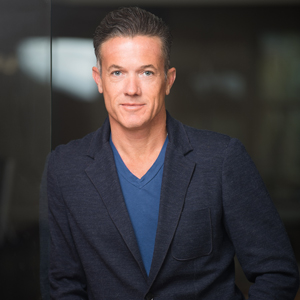
[00:13:26] Ray Latif: Have you ever tried to put a rabbit back in a hat? It's very difficult. Very difficult. Guys, good stuff as always. Now we should talk about one of the foremost innovators in the jerky world, appropriate for this show, Jon Sebastiani. And from the NACS Show, we go back to Expo East 2018, where I sat down with the aforementioned Jon Sebastiani, who is perhaps best known as the founder of Krave Jerky. He's also the founder of Sonoma Brands, a unique consumer product incubator and private equity fund whose portfolio includes a mix of internally developed concepts such as Smashmallow, Noma and Peckish. along with investments in high-growth brands like Guayaquil, Dang Foods, and most recently, Vintage Wine Estates. Earlier this year, Sonoma launched a new $60 million fund and has in recent months deployed the capital to expand its holdings. As part of our conversation, John explains how Sonoma evaluates opportunities to disrupt highly commoditized categories, how portfolio brands are nurtured as a unit, promoting the Sonoma region as a hub for innovative brands, and why he's back in the wine business after vowing never to return. All right, this is Ray Latif. I'm on the mics with Jon Sebastiani, the founder of Sonoma Brands and Krave Jerky. John, thank you so much for being with me.
[00:14:48] Jon Sebastiani: Thank you, Ray.
[00:14:49] Ray Latif: So we had you on the podcast about a year ago, and we talked about your career, the development of your brands, and the launch of Sonoma Brands, which started about three years ago. A lot's been going on with the venture capital, innovation, incubation unit. Yeah. Tell us a little bit about some of the things, some of the successes that you've had over the past year.
[00:15:09] Jon Sebastiani: Yeah, well, I think on the heels of selling Crave, there was a love affair with starting new brands and new categories, whether it be an existing category that's just stale and nascent and breathing life into it, or investing into early stage brands that we feel we can add value. And so I think that what we wanted to do is, as an entrepreneur would enter a product and try to disrupt the category, I wanted to enter the early stage investing space and disrupt the way that venture and private equity can deploy capital. And so the big differentiation is that we were going to invent brands A, and then invest in brands and that the two actually work very collaboratively together. And what I mean by that is, you know, we have a lens that we see through when we typically look for categories that either have a piece of innovation on how they're used or a usage occasion. or all together just new ways of thinking in food, but that gives us a team. So the three brands that we've built internally offer us about 60 employees, and those staff ranging from sales, to marketing, to finance, actually become a part of our toolbox, so that when we invest into Dang, or Hue, or Guayaquil, that our teams can actually step in day one and provide real tactical value.
[00:16:31] Ray Latif: And what are some of the internally developed brands that you've been working on or that you've created? And where are they right now in their lifecycle?
[00:16:40] Jon Sebastiani: Correct. So we have three. And I'm going to start, actually I'm going to end with our latest, which we announced yesterday. Which is the talk of the show here at Expo East. So the first was Smash Mallow, and you'll see a common theme here between each brand. And the epiphany of Smash was born out of a love of running for me. I'm still running marathons and Ironmans and pay attention to what I eat, but unfortunately, I have a total sweet tooth. And the marshmallow itself was a way of scratching that itch without total guilt. And there's less sugar, there's less fat, there's less calories than most other confection products. And the big idea was, could we make it snackable? I mean, snack is everywhere. It's a word that every small company, big company is thinking about because it's sweeping through the way that we eat. And the big idea for Smash was, could we convert a marshmallow, which everybody knows what it is, It's typically used in a Rice Krispie treat or on a s'more or on a hot cocoa, and actually by creating flavor and inclusions, make it snackable. So that business was the first one out of Fun One. We founded that business two years ago. Today, it's in over 15,000 doors. We have successfully proven via the data that consumers are buying this to eat, they're opening the bag, they're finishing the bag, they're adopting this instead of brands like Barkkins or Brookside or other confection companies. And so we know that we've achieved a snackability phase. We've then launched the Smash Crispy, which is a natural new vertical. that is offering, again, a better-for-you play with flavor and packaging and fun in the Rice Krispie Treat category. That's a bigger, definable category dominated by Kellogg's, but we're seeing consumers, both adults and kids, adopt this because it's more flavorful, it's better for you, and it's just a better-tasting product. So that business is going very well. It was a big step for us as we think about how Sonoma Brands works. You know, we started a company. I was CEO and investor. We tested it. We reached a point that the validation of the business model was there. I hired a full-time CEO. So I kind of matured that business outside of the inner circle of Sonoma Brands. So while I continued to be the primary shareholder, and chairman of the board, it is now run independently apart from Sonoma Brands.
[00:19:08] Ray Latif: Is that the strategy or was that part of the strategy to be able to create a brand that could stand on its own to spin a brand off?
[00:19:15] Jon Sebastiani: Yes, it really was. Because I think about bandwidth and just focus. I mean, every entrepreneur has a hard time saying no, we want to do it all. We want to think that we can chase every opportunity. And so the idea from the get go was to develop a minimum viable product to test that product against a hypothesis that we generated. Look for the repeatability of purchase. How big can this business get? Clearly, we search for categories that nobody else is doing. We want to be a first mover. I don't want to be a second or third mover in something that we create. And in this business, two years later, it's, you know, run rating close to $15 million. We're looking at another double next year. Wow. That deserves a full-time, day-in, day-out CEO. So David Lacey, who was VP of Finance at Plum Organics and sold to Campbell's. He became my CFO at Crave, sold The Hershey. Then he went off with Neil Grimmer and joined Habit and helped launch that. And then I hired him back as CEO of Smash.
[00:20:15] Ray Latif: a proven operator to run a proven brand at this point. So one of the other internally developed brands Zupa Noma.
[00:20:22] Jon Sebastiani: Zupa Noma is a similar play, and I think it represents also a brand that we launched that didn't have the immediacy of traction at retail similar to Smash. It was a product that maybe is a bit ahead of its time as it pertains to retail. It requires more education. Clearly, it's a vegetable that we're using as opposed to a fruit. Vegetables sometimes people don't eat because they don't taste great. There's no sugar in it. So it's a fiber play. We're using skins. We're using seeds. We have collagen. We have a collagen line. We have a shot line that's using adaptogenic ingredients like apple cider vinegar and turmeric. That business is pivoted towards a direct-to-consumer route. So while we are in Whole Foods and certain select retailers, the lion's share of that business is D2C. We have a partnership with the Whole30 group, with Melissa Hartwig, and we're seeing tons of business through subscription, through just direct delivery.
[00:21:22] Ray Latif: And then your latest product, your latest brand is one that pretty much debuted here at Natural Products Expo East. The brand is called Peckish. Yes. I would do a terrible job explaining exactly what it is. So in a nutshell, what is Peckish?
[00:21:36] Jon Sebastiani: So Peckish is a brand that will hero the egg. And it starts with the sourcing of the egg. Americans eat approximately 279 eggs a year.
[00:21:47] Ray Latif: Per person? Per person.
[00:21:48] Jon Sebastiani: Wow. Per year, on average. The lion's share of those eggs are produced in scrambled fashion or easy over, but hard-boiled egg is a snack that most fitness folks or health-seeking consumers use on a day-to-day basis. But we feel that while there are brands out there in a private label format with just a couple eggs in a bag, usually those eggs are bathed in too much citric acid, Their yolks are cooked to the point where it's more chalky. And so our approach was, like Crave, we identified a category that was big, highly commoditized, but totally portable, totally snackable, just in desperate need for innovation. So peckish is a word that means to be a bit hungry. Clearly, there's tons of plays on the word peck. on the word egg, on the word yolk. So it's an elevated egg experience. Our first line of products are what we call Peck Packs. And they're two perfectly boiled eggs which maintain the richness of the yolk.
[00:22:51] Ray Latif: I can attest to that because I had it yesterday. Beautiful. I don't know if your folks just gave me a perfectly cooked egg. All that way, right? Okay. It's quite nice.
[00:23:02] Jon Sebastiani: All that way. Also, there are inclusions, so each backpack has a dip, and we dip hard, we double dip, and the dip adds a crunch. A dry dip. And we all love crunch, but it's all keto, paleo, Whole30, and it's generally made from the quinoa, but we have a rancheros, we have a maple and waffle, we have a fried rice, we have an everything bagel, we have a salt and pepitas, which is crushed pumpkin seeds, And so these dips give flavor beyond just salt and pepper. And it's a very healthy snack, zero in sugar. And when we think about who's our customer, what categories are we really going after? We did not, when we launched Crave, enter the space saying, we're better than Jack Link's or Oberto or Slim Jim. No way. It was more about we wanted that brand to be in the sentence of Chobani Greek yogurt, Clif Bar. a healthy snack searching for protein. And so in this business, we feel that we're going to go after the bar business. This is a far more nutritious offer. I think it's as pleasing to the palate. And I think that it just delivers more protein and more portability, you know, than many bars. So it was launched yesterday to a resounding success. I mean, anytime you launch a new brand, you can kind of navigate through the niceties of certain consumers. But I think there's a buzz in the air that I can feel everywhere I go. And we just can't wait to get it on shelf.
[00:24:31] Ray Latif: Yeah, the branding is pretty phenomenal, too. I mean, we'll include an image of it on the show notes, but it just it definitely stands out, especially in that cooler set. You know, do you see Peckish as sort of a Crave 2.0 in that, you know, you have this natural protein that people are very familiar with, an egg. You know, do you see it as sort of elevating that protein experience?
[00:24:53] Jon Sebastiani: Absolutely. I mean, I think obviously there will be different nuances to the egg than there were with the jerky, but I think the bottom line common denominator is this is a commoditized business. I mean, the egg industry is highly commoditized, driven by fluctuations in pricing, but nobody has elevated the experience in a premium way. We feel like our retail partners that we're speaking with are highly desiring our ability to add incrementality to that refrigerated snack set. Consumers are looking for more freshness, more variety, more options on the grab-and-go. And so it fits a hole that just doesn't exist right now. And I think when we talk about the quality of the sourcing as an organic cage-free egg, produced in a way that removes much of the citric acid that creates the terrible aroma with a rich, fresh yolk. The dips just add more color to the eating experience that we're going to drive a new sector. I mean, when I built Crave, it wasn't just cannibalizing existing business. We had a mission to grow the category. We call it a jerky renaissance. And I think with the egg, we want to hero the egg in a way that is viewed as nature's perfect snack.
[00:26:08] Ray Latif: It's interesting because refrigerated is known as being sort of a tough business. The shorter shelf life on refrigerated, the amount of actual shelf space, cooler space is limited. And so looking at this opportunity, were you at all concerned about The fact that it might be hard to get your product into coolers, that there might not be enough space for a new egg product, especially when there are some folks, even though you mentioned most folks eat almost 300 eggs a year, not everyone does eat eggs. And you might actually have to convert some folks to this new way of thinking.
[00:26:44] Jon Sebastiani: There's definitely education that will be involved in building this brand. And you're absolutely right that the refrigerated set, whether you're a beverage or a snack item, is just more competitive given the limited real estate in stores. But what we are seeing from Walmart to Target to Independents, that they are leaning into more refrigerated areas. And as more brands emerge and drive consumers to purchase that, they're forced to create more real estate. All that being said, The shelf life is about 12 weeks. It's more challenging from a supply chain standpoint. The velocities need to be there to justify our presence. But the size of the prize, if you hit it right, is also magnified. And so when we compare it to our Smash business or our Hu Chocolate business or our Guayaquil Yerba Mate business, It doesn't give us the off-shelf opportunity because off-shelf doesn't exist in the refrigerated set. But we have an extremely talented team. Peckish is also reflective of Sonoma's interest in hiring and finding rock stars that help run this business. So Chelsea Biala, who's been on our team even dating back to the early days of Crave, is CEO of Peckish. So we're coming out of the gates with an independent leadership team, of course, I'm there supporting it, as is the Sonoma Brands investment team, but we feel like we have already identified a strong team coming from great brands that know how to do this.
[00:28:14] Ray Latif: Yeah, you mentioned that the last time we talked was that one of the reasons that Crave really worked is because you had folks that had done it before and that they knew how to sell, they knew how to market, they knew how to accelerate. And at the same time, when you have now a portfolio of brands, how do you align the teams on each for each brand to sort of see the vision of bringing the entire portfolio forward?
[00:28:40] Jon Sebastiani: I definitely think that, particularly with the brands that we are designing internally, that we live in a campus in Sonoma Brands so in our Sonoma offices, each brand has its own office, but it is a nine iron chip shot away from each other. So the leaders, the marketing leads, the sales leads are constantly sharing their networks, their wins, their losses, and helping each other in whatever it may be. It could be a supply chain issue. It could be a transportation issue. We have multiple products that require refrigerated transportation, and you think about building businesses. Getting the consumer to buy your product is one thing, but actually cost-effectively delivering the product as you're starting out is very difficult and different. when you're dealing with a limited shelf life refrigerator product. So the goal here is to create teams that work together, that share their Rolodex and their relationships in a way that you sort of one plus one equals three. That same group is what makes Sonoma different. So as I think about Sonoma Brands in the marketplace against so many great investors out there, this industry has never seen so many investors and investors that bring value to the table. So we're forced to understand exactly where we're different. and what makes Sonoma unique to a prospective entrepreneur that might be raising capital and they may have options from all of the big names. One of the things that is very different about Sonoma is that team. And so if I make an investment into company A, I'm gonna deliver 50 sales and marketing supply chain and finance people that will be available to them. Some founders come out of a operation-centric area of expertise, some are marketers, some are sales. But every company, even later stage companies that we've invested in have a need that we can support. And so we feel it's an extremely collaborative group, as well as just when you think about the human element. If I'm an employee or a team member, we don't even refer to them as employees or family members. And I can be a part if I'm on the Peckish team or the Smashmallow team, and I get to play a part in building a sales strategy for Guayaquil or for Hu Chocolate or for Dang Foods. It's amazing. And I think that's what makes us different, and these companies, they want that and appreciate that.
[00:31:06] Ray Latif: The folks on different brands were all working together in one way or another. Are you trying to sell the sort of portfolio of internally created brands and invested brands? Are you trying to sell the portfolio as a whole?
[00:31:20] Jon Sebastiani: I mean, there's a couple sides to that answer. I mean, certainly we're very aware and sensitive to if we develop a brand in-house that in any shape or form competes with a brand that we're invested in. We would never design a brand that would compete against a portfolio company or invest in a portfolio company that invests with a brand. So it's purely meant to be incremental to each other and collaborative. That's a risk. And I think that if I'm an entrepreneur and I decide to talk to John at me at Sonoma Brands, a concern may be, well, if I share too much of my information, they may just go do it on their own. We've demonstrated that time and time again, that that's not the case. In fact, it's the reverse. It's the talent and the know-how and the expertise that gets brought from those brands to these portfolio companies. In terms of selling, no. I mean, these are each independent siloed businesses with Every brand has a different cap table. Some of them have strategic dollars in them already. Most of our invested brands were leading the round, but in many cases, we have other investors that follow us in. And so, you know, we will treat each investment as its own business.
[00:32:33] Ray Latif: It sounds like you are looking for more investments to make in other brands and certainly to create more brands in-house. What's the sort of size, I guess, of brands that you're looking to invest in? And how many more brands are you looking to create internally, say, over the next couple of years?
[00:32:50] Jon Sebastiani: You know, it was just three years ago or less than three years ago that we sold our business The Hershey. And I think we came out of that experience with a great team, with a playbook, with many relationships in the retail community, and wanted to test the thesis that Sonoma could be a viable early stage investor, that we could design a brand in a new category. to demonstrate to the marketplace, not just to entrepreneurs, but to our investors, our LPs, that Crate wasn't an accident, that we actually have a strategy, that we actually have a lens that we can see opportunity. And now with three incubated investments launched, as well as six other brands that we've invested into, we've built a sandbox that I think allows Sonoma to play in different consumer categories than just food and beverage. We did a personal care investment about six months ago, and then we did a pretty significant wine investment just two months ago. So, we feel that these different consumer segments and sectors, you know, incrementally add value to each other. In terms of stage, You know, we understand the lane that we're in. We're looking to write three to 10 to $12 million checks. We can go up sometimes, we can go down sometimes, but, you know, stage of business is around Series A. We feel like the best value that we can add is at a business that's not yet hit 20 million, where leadership teams are multitasking in a variety of different disciplines. Later stage businesses is a different animal, and right now we're staying in that lane.
[00:34:25] Ray Latif: And for internally created brands, what are you looking for? I guess I'm asking for the secret sauce and I shouldn't be, but you mentioned that when it comes to innovation, it's a lot easier to sell, or I'm putting words in your mouth, but it seems like it's a lot easier to sell a product or an ingredient that most consumers are familiar with, i.e. a marshmallow or a jerky or a hard-boiled egg. So, you know, is that the kind of thing we should be looking or foreseeing for the next Sonoma internally created brand?
[00:34:57] Jon Sebastiani: Yeah, I think that we do not want to be investing or incubating in what we predict to be tomorrow's trends that maybe are a firm fad right now. I think when you look at the line of products that we've developed, including Crave, most of them aren't highly complicated. Most of them when consumers or retailers see them, it's like, oh my God, why didn't I think of that? Because it's not that complicated. But when you find that right sector or category and design a brand against it, It can become very obvious and generally we look at the size of the addressable market in a way to show true scalability. I don't want to build a brand that can only live in natural specialty. I really want to build premium brands that drive a shift in consumer behavior that were premiumizing an experience, we're delivering to a retailer a higher penny profit product so that we're helping them. I want to be a retailer's partner in helping drive up overall check size at the register. And so you do that by offering a premium experience that a consumer is willing to pay for.
[00:36:08] Ray Latif: A lot of people know about wine. I think wine is one of the more well-known beverages out there for sure. As you mentioned, you made an investment in a winery recently. What made you want to get back into the business? I mean, and if you listened to our last episode with Jon Sebastiani, you'll know he has a little bit of experience in wine.
[00:36:26] Jon Sebastiani: Yeah, I do feel like, you know, this investment, I talked out of both sides of my mouth a little bit because on the one hand, I'd never do wine again because I can't think of a more crowded sector. In fact, I spoke at BevNET in New York just a couple months ago, and I used wine as an example of creating so much differentiation that actually what you've only done is confuse the consumer. Right. And that is a result when so many businesses are in one sector. That being said, wine is in my blood. My family is a four generation old wine family. I've spent half of my career in wine. And I think that the business at large has a lot of glamour level investors and operators in it. But there are a few businesses and operators that are truly building iconic portfolios. And so wine is a $40 billion category. There are over 14,000 wineries in America. We found a business that is a conglomerate. It's called Vintage Wine Estates, which is a holding company. We own over 34 wineries. We own four brands of whiskey. We own wineries in Washington and in Oregon and Napa and Sonoma Brands Australia. We have a highly centralized production center where we create efficiency. We produce private label products for major retailers around the country. This is a big business. We were able to become the fourth largest shareholder in this business, and we want to be a collaborator. I mean, clearly with my family's name and my personal experience, I'm able to add perspective and value day one. Moreover, one of the unique characteristics of this deal is that the winery, in fact, that when I was a kid, that I helped build, literally, from a construction standpoint, it was my first job as I was going through school and after school, is actually a part of this portfolio. It's one of the 34 brands and Sonoma Brands now has complete operational control of this operation. And this winery located in Sonoma is a highly trafficked spot. So we're seeing more visitors per year than most wineries in all of Sonoma County. And that allows Sonoma to feature and highlight many of our brands in real time. Guayaquil is permanently featured within the tasting room where we see 300,000 visitors a year. Smashmallow, we're going to have a roasting pit outdoors where consumers can experience smash in a fun way. This is a marketplace where it's not just a winery, with a tasting room, there's a heavy food presence there. So we can deliver the very ethos of what Sonoma is trying to build as an innovator and thought leader in food and beverage, but at a retail location and test new ideas and test new flavors. But at the same time, again, feature and direct consumers, retailers, distributors to the winery to experience our brands in a new way.
[00:39:28] Ray Latif: So what's the best wine pairing for a roasted marshmallow?
[00:39:32] Jon Sebastiani: Oh, my gosh, good question. I think it's probably a Riesling, something certainly depends on the marshmallow that you choose to put in that s'more, right? I mean, if you have a strawberries and cream s'more, it's going to be a little bit different than a cookie dough. But I think from a red wine standpoint, we have a state grown Cabernet Sauvignon and Pinot Noirs that are going to go great Hu Chocolate on some of the more fruit forward flavors like coconut, pineapple or strawberry marshmallows in the s'more. a Riesling or a Moscato would be a perfect pairing.
[00:40:08] Ray Latif: Nice. So the investment in Vintage Wine estates is sort of a coming home for you, but you've lived in Sonoma County your whole life, right?
[00:40:15] Jon Sebastiani: I have. It's like a mixed blessing. I love this community. It's very much a small town. It's an incredible trip for me to now raise my 10-year-old daughter and have her see the vineyards that I was literally put to work in when I was 10 years old. And the town is still very small. The community has been very successful keeping out big box retailers and so forth. And it is a coming home. This business, you know, I can thank Krave Jerky for this amazing opportunity in my life to put me where I actually prefer building businesses in food and beverage. I think the trends that are taking place in this business lead to more entrepreneurial behavior, allows us to be more creative, the consumers are willing to test and adopt new products. The wine business is a mature business. There's not a ton of room for innovation. But this investment allows me to return to the industry, provide the learnings and my expertise to the board of Vintage, and in a way create a portfolio at Sonoma that's obvious to have a winery in it.
[00:41:22] Ray Latif: And, you know, your work with cinema brands, you know, your money in essence is helping create a community where you sort of have a foundation for a hub for innovative brands, food and beverage brands that can incubate in the area. You know, do you see that as developing? Do you see that as an important part of your strategy, personal or otherwise?
[00:41:43] Jon Sebastiani: Absolutely. I think that, you know, one of the core elements of any new food product or any established food business that's trying to stay relevant with all the newcomers entering the space is one of flavor innovation and flavor pairing and connecting the dots between, as you just asked, you know, what is a marshmallow pair with a wine? And the very nature of the wine business is a innovative industry that far predates food. And so for hundreds of years in Sonoma Brands Napa, wine growers and winemakers have been driving innovation in the form of new varietals. Restaurant chefs have set up some of the most iconic restaurants in the country. Thomas Keller at the French Laundry, Michael Chiarello. And so we live in a community that actually from a culinary standpoint is driving more innovation than any other area in the country. What isn't there are consumer product businesses. And so that has been a goal of mine with Sonoma Brands. That's why I named the firm Sonoma Brands is to hero Sonoma Brands a destination because it's an agricultural entrepreneurial area. And we feel that the culture that we have there, the vocabulary that we use about flavor, the descriptions that we use to describe pairing is really a vernacular that's very relevant in consumer products. And if we're working with a prospective entrepreneur, bringing them to Sonoma, exposing them to the chefs and the wineries gives them a different perspective.
[00:43:16] Ray Latif: Well, I certainly hope that the next time I'm in Healdsburg, I can stop by the General Store and see some peckish in there and perhaps... Peck yeah, or I should say peck yeah. Well done, John. All right. Thank you so much for taking the time to be with me. Good luck with everything with the rest of the show and the launch of Peckish, and I hope to talk to you again really soon.
[00:43:33] Jon Sebastiani: Thank you, Ray.
[00:43:34] Ray Latif: All right. That brings us to the end of episode three of Taste Radio Insider. Thank you so much for listening. And thanks for our guest, Jon Sebastiani. Tune in next week for episode 133 of the flagship Taste Radio podcast, when we're joined by Erika Huss and Zoe Sakoudis, the founders of pioneering cold-pressed juice brand, Blueprints. Once again, for questions, comments, ideas for future podcasts, please send us an email to askattasteradio.com. On behalf of the entire Taste Radio team, thanks for listening, and we'll talk to you next time.