[00:00:05] Mike Schneider: If you like Taste Radio Insider Podcast, it's now on its own feed. Subscribe today on iTunes, Stitcher, Spotify, SoundCloud, or Google Play.
[00:00:12] Jon Landis: It's easy to subscribe on your phone. Just ask Siri. Like, check this out. Hey Siri, subscribe to Taste Radio Insider Podcast.
[00:00:22] Siri: Just to confirm, would you like to subscribe to the podcast Taste Radio Insider by Taste Radio?
[00:00:29] Jon Landis: Yes. Landis, I noticed you got the British Siri, so do I. I always envisioned that an AI speaks to me with a British accent, so I had to make it happen.
[00:00:39] Mike Schneider: And now Taste Radio Insider.
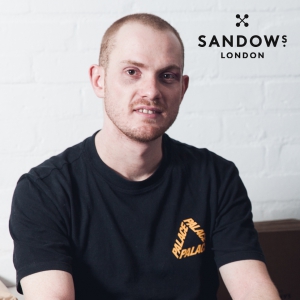
[00:00:48] Ray Latif: Hey everyone and welcome to another edition of Taste Radio Insider. I'm Ray Latif and with me are my BevNET colleagues John Craven, Mike Schneider and Jon Landis. This is episode four of Taste Radio Insider and we're recording from our Taste Radio studio here in Watertown, Mass. In this episode, we feature an interview with Hugh Duffie, the co-founder of UK-based coffee company Sandow's, who discusses the emergence of the cold brew category across the pond. Just a reminder to our listeners, if you like what you hear on Taste Radio, please share the podcast with friends and colleagues. And as always, we'd love it if you would rate us on iTunes. Jon Landis, you looked a little hurried coming into the studio this morning, assuming you're coming from your office where you were making a lot of phone calls and talking to folks in preparation of BevNET Live, Nosh Live, Brewbound Live, Cannabis Forum, all of it happening. in about six weeks. It's a straight hustle.
[00:01:40] Jon Landis: It really is. My voice is kind of shot, honestly. It's been like this for a couple of weeks now. There's a lot of people out there who want to come to these events, and today is the last day of early registration if you're listening to this podcast on the day that it's published. But otherwise, SOL, I don't know.
[00:02:01] Mike Schneider: Some people might give you an extra day.
[00:02:04] SPEAKER_??: Yeah.
[00:02:05] Jon Landis: You save quite a bit of money doing it, right? Isn't it $200? Yeah, like 200 bucks. I mean, the thing is we have a lot of people who've been to these events already. These are not one and done things. The industry is changing very quickly. If you're a founder or a CEO, you're on a learning curve that never flattens out. It's constantly a change evolving your job and your responsibilities. So people will come back to this thing in droves.
[00:02:31] Ray Latif: And as Jeffrey Klineman, Carol Ortenburg, and Chris Fennari are preparing the content for our live events, they're also writing a bunch of content for the site, for the magazine, all of the above. This week covered on BevNET and Nosh was the news that Pilotworks, which operates a network of incubators and commercial kitchens for early stage food and beverage entrepreneurs, abruptly shut down. They had locations in Brooklyn, Newark, Chicago, and Dallas. Hundreds of young brands are affected.
[00:03:00] Mike Schneider: I mean, I think it's interesting, you know, shared kitchens have obviously been a massive enabler of a lot of the innovation that we've seen out there. So, you know, to see one of them that many companies used and, you know, had raised a lot of money, obviously meet this sort of end is, unfortunate in its own right and I just can't imagine what, you know, some of the companies that were relying on Pilotworks are going through as they just, you know, can't make their product or, you know, I've seen stories on social media of people having, you know, lost their inventory and whatnot. So definitely feel for anyone out there who's affected by it. And the communities really band together, we said on social media, so there is hope for a soft landing. We've seen a lot of alternative kitchens trying to come to the rescue, essentially.
[00:03:51] Jon Landis: Yeah, I've been hit up by a number of people who just said, hey, if you hear from anyone who's struggling because of this, tell them to contact me. help them directly with my facility, but I know a lot of people and I'd be happy to just chat with them. So there's a lot of camaraderie that's coming out of this and hopefully, you know, we look back on it a few months from now and it's like a little blip on the radar.
[00:04:14] Ray Latif: That's a good point, Jon Landis. Please continue to reach out to BevNET and Nosh if you need any assistance. We'll try to point you in the right direction, connect you with folks that are part of other community kitchens or incubators. And yeah, we're here to help. So it's unfortunate, but as Mike mentioned, this is a community and we're all in it together. Speaking of small and early stage brands, we had a few come into the office this week, including 6AM Health. Jon Landis, you've been in contact with these folks. What is 6AM Health? What do these guys do?
[00:04:45] Jon Landis: Yeah, I got connected with Brad, who is a Taste Radio super fan. I think he's listened to more episodes than I have at this point. And he started a juice delivery, expanded it to have meals, overnight oats, rice balls and salads, and is doing kind of fresh, relatively on-demand delivery in the Boston area. It's a pretty ambitious business model and logistically challenging. And, you know, he's got a lot of energy and great ideas and takes the time to really think things through. So he would be someone I would want doing something like that.
[00:05:21] Ray Latif: Yeah, it's pretty cool. When they came to the office the other day, they dropped off a bunch of products and talked to us for a bit. One of the products they dropped off is this charcoal lemonade that they make with Drink Simple's maple water. Drink Simple being a local brand here in the area as well. Formerly known as Drink Maple. Formerly known as Drink Maple. It's made with lemon, maple water, and activated charcoal. I like this stuff.
[00:05:41] Jon Landis: And I know for a fact that the Drink Simple team is actively promoting bulk sales of their maple water. So if that's a line extension anyone, any of our listeners are interested in, they can hit those guys up.
[00:05:54] Ray Latif: We also had a visit from the folks behind Spirit Fruit, which makes a blend of vodka and juice products, the sparkling juice products, that is. In my hand, I have a grapefruit variety. We tasted this yesterday, really good aroma, really good flavor, comes in these 375 milliliter glass bottles. They're distributed locally here in the Boston area. An interesting addition to this bottled cocktail category that we're seeing emerge. Yeah, kind of an interesting play here because it's in a bottle.
[00:06:24] Mike Schneider: And I was wondering if it's, you know, similar to the Briggs Hard Seltzer guys. You know, those guys came in a while back and brought us sparkling juice with alcohol.
[00:06:32] Ray Latif: Well, that's the thing. I think they're really trying to differentiate themselves from this spiked seltzer category that's really blowing up. They really want to see themselves as sort of... Because they don't want a piece of that.
[00:06:41] Mike Schneider: blowing up category? Is that why you think they're doing that?
[00:06:43] Ray Latif: Well, they see themselves as sort of in between that bottled cocktail category and the spiked seltzer, something that's a little different. It's a female-focused brand from what they say, and I think the formulation is spot on. They were talking about tweaking the branding a little bit. We'll put a photo on the old show notes for our listeners to take a look at and comment on your own. Mike, you and John Craven are headed to Los Angeles next week, doing some podcasting, yes? We've got some insider podcasts set up for next week in Los Angeles.
[00:07:14] Mike Schneider: We're still got some room for a couple more. If anybody wants to reach out to us, askatasteradio.com.
[00:07:20] Ray Latif: Yes, reach out to askatasteradio.com or stop Mike and John in the streets. That happened last time you guys were in Los Angeles, right? You just couldn't even walk a block without someone stopping you.
[00:07:29] Mike Schneider: No joke, I had someone stop me in LAX when I was there with my kids once. And I got the like, dad, what's, what's wrong with you? It was a beverage guy. Of course.
[00:07:38] Jon Landis: Chill dude. Yeah. I'll be in Virginia this weekend for some fish concerts. Not anything. I don't want to do any interviews out there. But if you're a listener and you're at the Phish concerts in Hampton, come find me.
[00:07:51] Mike Schneider: I can only imagine what kind of interview you'd conduct at a Phish concert. And while we're in LA, hit us up on at BevNetMic or at BevNetKraven. That's a good way to get us too on Instagram.
[00:08:03] Ray Latif: Well done. I'm sure you guys would love to pack your bags with samples from Los Angeles, yes? Oh, yeah. Yeah. Well, if you can't pack their bags, if you can't pack their pockets with samples, you can always send them to BevNET headquarters here in Watertown. And this week, we got a bunch of nice things directed to the Taste Radio team specifically, including a nice care package from the Belgian Boys. I really appreciate this. It says, with a note, this is Hi, Team Taste Radio. We hope you enjoy our goodies. Bon Appetit. Team Belgian Boys, hugs and kisses. And on our table here, we have all kinds of waffles. I mean, I should note that Belgian Boys is a maker of stroopwafels, waffles, cookies, waffle chips, cookie butter, pancakes, and crepes.
[00:08:46] Mike Schneider: And they've got the legit liege waffles. You know, the crystallized sugar, and that's what we have in front of us here. In fact, we only had, they sent us 10 packs, and one of them made it into the studio. I might add a few. They're pretty damn good. They're pretty addictive.
[00:09:02] Ray Latif: We also received a nice package from the folks from Ohi Superfood Bars. Ohi is a maker of refrigerated Superfood Bars, plant-based, gluten-free, grain-free. These folks did a great Elevator Talk with us at Expo East in Baltimore. Check it out at youtube.com slash BevNET or youtube.com slash Nosh.com. That's N-O-S-H-D-O-T-C-O-M. You can see all the elevator talks. that we have recorded over the past year. It's great stuff, great opportunity to learn about early stage brands and what they're up to. In addition, there's a bunch of booze on the table. What is all this? John Craven, you have like five bottles in front of you. What is all this?
[00:09:43] Mike Schneider: I just travel with a pile of booze, right? That's how I roll.
[00:09:46] Ray Latif: Hey, well done.
[00:09:46] Jon Landis: Have you seen his Instagram?
[00:09:47] Mike Schneider: Yes. Good point. We're also working on some new spirits related stuff here at BevNET. So I've been getting more samples in the office, which Brought a few over to share in case anyone wants to partake during this recording here.
[00:10:03] Ray Latif: Any particular ones that you want to point out here? What's this? Neimand Dry gin? It's a pink gin.
[00:10:09] Mike Schneider: Yeah, this is some fancy gin from Germany. I think Niemann, I don't speak German, but it means nobody. Some real floral good stuff. Appreciate those guys sending it. Also have a bunch of different whiskey and other products here we have the straight edge bourbon whiskey which is kind of a weird name for a whiskey no yeah they also I think have slaughterhouse hammer could be their next one this is a smaller groups spirits which is a John Sebastiani owned company.
[00:10:48] Ray Latif: So very cool. Well, John Sebastiani, most recently on episode three of Taste Radio Insider, if you haven't listened to it, it's a great interview. And I'm saying that as the host of the interview, but hey, you know, I'm biased. I'm not biased. Yeah, hit me with some of that stuff, man. Here you go. We also have Batisite Rhum, which is this rum that's crafted with sugar cane. They really focus on this production philosophy called eco-positive. On the bottle itself, it talks about how they're sustainable, carbon negative, and don't use any pesticides or herbicides. Interesting stuff. I'll have to try this. Also sent to us, RW Garcia. It's a maker of non-GMO, better for you snacks, including tortilla chips, crackers, and corn chips. These corn chips are crazy addictive, and they're organic. Thanks for saving those for me. How did they go with whiskey?
[00:11:39] Mike Schneider: How did they go with Slaughterhouse?
[00:11:40] Ray Latif: Well, I mean, these are basically the Fritos you've been waiting for your entire life.
[00:11:43] Jon Landis: He says as he opens.
[00:11:44] Ray Latif: He is literally opening an empty bag. Okay. There's some crumbs in here. There's a few crumbs in here.
[00:11:50] Mike Schneider: He's got Cheeto residue on his fingers.
[00:11:53] Ray Latif: He's got Cheeto face. But seriously, I mean, remember you guys remember Frito chips and like they're all greasy and like overly salty. Garcia face. Yes, no, these are really great. I like them on my chili. But this, I mean, this is like a perfect example of upgrading your snacks, right? I mean, like forever we only had Fritos for corn chips and now we have this opportunity, this option that is better for you, healthier and just made better. John Craven, you were in London a couple of weeks ago and you were partaking in some of these spirits, not on our table that is, but partaking in spirits and the bar culture and bar scene over there. Did you have any mezcal while you were in London?
[00:12:29] Mike Schneider: I'm not sure if I had any mezcal. Certainly had a few. Not that he remembers. Not that I remember. It wasn't quite like that. Definitely had a few cocktails. I don't know, I'm always a sucker for the, there's the world's 50 best bars list, which is put out by the company that actually produces Food Navigator, and that comes out early October. I happen to be getting to London the morning after that came out. felt the need to try and make a dent in the, I think there were almost 10 bars in London that were on the list. What was the highest ranking? There was one called Dandelion, which is number one, which is shutting down at the end of the year. I also, number two was a place called the American Bar, which was in the lobby of my hotel conveniently. but yeah, strong cocktail culture over there. 10 cocktail bars you went to? This explains why.
[00:13:23] Siri: No, no, no.
[00:13:24] Mike Schneider: I didn't get to all 10. Oh, you didn't get to all 10? I mean, maybe I went to 10, but not 10 on the list. That explains why the Ugly Drinks guys weren't able to get you John Craven Cottage to see Arsenal slaughter Fulham. Jeez. You know, true story for you, football fans. Wanted to buy a souvenir football shirt for one of my kids and went into a sporting goods store and literally was picking the team based on the color and which one looked least offensive. Went with the Chelsea. Chosen Chelsea, that's a that's like a team. Yeah, it's a team Okay, it matches the Golden State Warriors colors, which is no it doesn't yeah, their colors are blue No, they have a gold thing on there. They have a gold thing.
[00:14:07] Jon Landis: Yeah, I just like that You know Craven goes to the UK and goes to the American Bar.
[00:14:12] SPEAKER_??: Oh
[00:14:14] Mike Schneider: I didn't name it that way. I don't know. I mean, honestly, all the bartenders over there are like Italian and the drinks are I've never seen stuff with like, I don't know, smoked hay and Scottish seaweed was in another drink. They don't have that at TGA Fridays.
[00:14:28] Jon Landis: No, no, no. It doesn't sound very appetizing.
[00:14:30] Mike Schneider: I've been asking Buffalo Wild Wings for a week now.
[00:14:34] Jon Landis: Maybe there's a reason why Scottish seaweed isn't in any cocktails. I don't know.
[00:14:38] Mike Schneider: I mean, maybe it's tastier than the regular seaweed.
[00:14:41] Ray Latif: Well, perhaps. Definitely a strong cocktail culture in the UK and in London. Seems like there's a pretty strong community of food and beverage companies as well. Early stage, that is. John Craven, you met with a few of those and recorded insider interviews.
[00:14:58] Mike Schneider: with them. community together and you know really for me it's always interesting to get a chance to look at some of the categories and trends that we write about you know happening here in the US and seeing how they're developing or how they exist even in a market like London which is You know, not all that far away from, you know, where we are right now physically. But, you know, it's kind of, I think to some extent, you know, worlds apart in terms of just the dynamic of the market and how everything works. You know, essentially did a couple of podcast interviews touching on categories that we always talk about. Cold brew coffee, kombucha, cold pressed juice, sparkling water. And we've got interviews in the next couple of episodes.
[00:16:02] Ray Latif: Yeah. I'd be remiss if I didn't talk about MatchaWorks, which is a brand that you saw out there. Thank you for bringing over those samples in your suitcase. They make matcha lattes with plant-based milk. I tried one yesterday that was made with an oat milk. really, really good stuff.
[00:16:19] Mike Schneider: They have oat milk, they have coconut milk, almond milk.
[00:16:22] Ray Latif: These are some pretty good lattes. Yeah, I really like that squat 250 milliliter can format as well. I do love the tiny cans, yeah.
[00:16:28] Mike Schneider: Yeah, I mean everything over there I think is, you know, much more reasonable in terms of package size. I shouldn't say nobody, but I have, you know, yet to see any of these emerging products going into, you know, I don't know, tall cans or whatnot, things that we see over here is like the norm, you know.
[00:16:45] Jon Landis: The 99 cent Arizona iced tea cans.
[00:16:47] Mike Schneider: Well, even more like if you look at something like kombucha or cold brew, again, like we've seen, you know, some companies go small and plenty are, you know, going for larger sizes and over there you just don't really have that, so. Many sizes for Sandow's coffee though, yes? Yeah, Sandoz, you know, which is the interview we have in this episode, you know, is one of the handful of cold brew coffee companies over there. And, you know, they offer their product in a multi-serve concentrate. They also have it in a flask, which I think is about 12 ounces, as well as, you know, short-sized cans. Yeah, but how many milliliters? Sparkling in the tiny cans, right?
[00:17:29] Siri: Jeez, you're testing me.
[00:17:30] Mike Schneider: They're probably like 330 or something like that. They have the sparkling stuff in the tiny cans and then they also have their, they have some pretty good swag too.
[00:17:38] Ray Latif: Yeah. Well, I'm thirsty for some Sandoz coffee and content. Let's get to it. As I mentioned at the top of the show, Hugh Duffie is the co-founder of Sandoz. While cold brew coffee continues to be a hot category here in the U.S., it's slowly making its way into the U.K. market, and Hugh is one of a handful of entrepreneurs operating in the space. In the following interview, John Craven spoke with Hugh about his background in the coffee business and what inspired him and co-founder Luke Sutterds to launch Sandhaus. Hugh also discusses the market for cold brew and educating UK consumers about premium coffee, the company's product and innovation strategy, and the impact of Sandow's striking package design on trial and awareness.
[00:18:23] Mike Schneider: All right, so we're here in London, and Hugh Duffie from Sandhaus Coalbrew is with me. How you doing? Hey, how are you doing, Hugh? Yeah, I'm great. Well, good, thanks. Why don't you first and foremost tell us a little bit about what Sandhaus Coalbrew is and what it's doing over here in the UK?
[00:18:38] Hugh Duffie: Yeah, sure. So Sandals Cold Brew, we launched back in 2014. Basically, my mate Luke and I, we used to work together in a cafe here in London, in Soho, really central London. We've been working there, specialty coffee, and very much like sourcing and roasting our own coffee for three stores. Luke and I worked there for about 18 months or so. I was roasting coffee there and we basically learned. all through from like serving customers and all about, you know, that kind of coffee culture through to sourcing and roasting. And we were very much inspired into like the authenticity of that sort of higher end, like, you know, really genuine premium experience. And I guess through the process, like we had a summer menu and we all had to kind of become obsessed with filter coffee. You can only really drink so much milk before you just start expanding. We just love cold brew and it just started to get really popular with our customers. A cappuccino guy who's coming in three times a week, four times a week is suddenly cold brew guy. you know, there was no plan for us to grow that out, you know, as a sort of program. And Luke and I were like, you know, we'd really enjoyed working there. It was very sort of entrepreneurial place and very much inspired by our boss, the founder of that place. There was just like nowhere more for us to go and we were ready for a new challenge. And so, yeah, we went around to a few other cafes that, you know, where people we knew worked, asked them if they're experiencing the same thing with cold brew. And it turned out, yeah, there was a bit of a sort of moment where people were just saying like, yeah, we wish we could buy this stuff instead of having to make it out back. Right, right.
[00:20:18] Mike Schneider: So Sandhaus, today you have the flask, you know, kind of ready to drink. You've got a concentrate and you also have a canned product, right?
[00:20:28] Hugh Duffie: Yeah, that's right. We have seven products across a variety of formats. We cover everything from like very premium, sort of a very distinctive and special experience, you know, opening a glass flask that's sort of reminiscent of like a whiskey bottle or something like that with a really high perceived value. And it is genuinely like a special experience. down to a more everyday approach, which comes in the form of 250 mil cans. We also have two coffee sodas, which we launched just about six months ago. I think that that's something that we're going to see a lot more of in the future. It's a caffeinated soda in the same way as a Coke or something like that, but obviously using single origin coffee to get that caffeine kick, and it makes for a really refreshing pick-me-up. Like you said, we also have a couple of on-premise targeted products, like a concentrated cold brew that we blend with a tree bark extract in order to mimic that emulsifying effect that you would normally only get from brewing 30 espressos back-to-back and batching into a bottle. We just find that's crazy. The espresso martini is one of the most popular drinks here in the UK. It's just mad. The venue loves it because they sell loads of them. The consumer loves it because it's like the holy trinity of caffeine, alcohol, and sugar. Of course. Yeah. We just felt that when you get a Christmas party or something like that, the bartender is getting an order for 20 espresso martinis and they're just going, ''Oh my God.'' That's just such a joke and we wanted to make it so that everyone along the process could enjoy it and it could be consistent, it could be something that we could put our name on and really start to drive a bit of a revolution in quality on that.
[00:22:21] Mike Schneider: So the lineup that you have, you know, somewhat mirrors what we would see from a cold brew company in the U.S., you know, concentrate, ready to drink, you know, maybe a third offering, you know, in your case, you have, you know, a soda product. Yeah. You know, from your perspective, how would you describe, like, the cold brew category just in general in the U.K.? Well, I mean... In terms of packaged products, that is.
[00:22:44] Hugh Duffie: Yeah, sure. So we're the, we were the first cold brew brand here in the UK. And so that meant obviously some challenges with having to educate, you know, we've sort of sampled like well over 100,000 customers just between our small team. And that has been really invaluable for gaining insight into what the UK consumer actually feels rather than relying on, well, this is what's happening in the US, which is very tempting to do. Because we've been building it from within and we're inspired first and foremost by our experience in that cafe, we've always tried to build the UK, like a UK cold brew that was that sort of catered to British coffee tastes, attitudes. You know, people don't like things to be massive here. They're looking for like smaller, but better. But, you know, by the same token, we were very much inspired by by US companies. You know, we looked to Stumptown, guys like you, Slingshot Coffee in particular. We felt that what we loved about them was that they were original, that they had their own vibe, and that that really came through, and we're inspired by that. We wanted to do something that looked really distinctive, felt really special. We wanted people to get excited the way that we did when we would order these products from the US, and it was like, oh my God, this is crazy. Yeah, we just wanted to create something that felt true to our experience of that specialty coffee culture, which was all about directly sourcing coffee, making sure that it just tastes delicious and did justice to all the people along the way, but was also used the power of design to sell the product without people even needing to try it, knowing that it was quite a new concept for people here.
[00:24:33] Mike Schneider: Well, following on that, and I guess to the point of you saying that you've sampled, what was it, 100,000 something to that effect?
[00:24:40] Hugh Duffie: At least, yeah.
[00:24:41] Mike Schneider: I guess, are you in essence, like, educating them on a new product that they're not familiar with? Or are most consumers familiar with cold brew from, you know, going to a cafe or somewhere?
[00:24:52] Hugh Duffie: No, definitely not. At the very beginning, we've tried everything. We've tried just about every single way of describing, always positively geared, but this is like smoother, it's brewed over 16 hours, so we're extracting less bitterness, all of the classic cold brew descriptors. But people would just come off and they wouldn't see the brew part, they'd just be like, cold coffee? And we always had to go, come on, give it a try. A lot of the time, people are like, wow, that really is different. That process really does pull out a really different flavor. But there's always some people who are like, they're just not ready for it yet. And I think my key insight over the last couple of years has been that whereas in the US, the idea of what coffee is, you know, comes from this sort of long-held experience that coffee is like your diner style, just like black filter. Sure. And so like, you know, when you put that really bitter, like probably five, six hours old sort of mug of filter coffee... You're making me sick just talking about it. It's kind of like airport coffee, right? It's just like it's not possible to make that good. But you put a cold brew next to that and obviously it's recognizable as the same thing, it's coffee. But the flavor is also recognizably completely different and it just tastes, so it's kind of like a half step away. Whereas in the UK, you know, over 70% of people drink coffee with milk here. And, you know, it's kind of traditionally obviously a tea drinking country. And that's been changing over the last sort of 30, 40 years. You know, most people probably drink coffee every day now rather than tea. But, you know, the milk was kind of like the link between the two. A tea with milk is similar to a coffee with milk, but coffee is just like a bit more of an amped up version. And we're starting to see it now. I actually just walked past an ad this morning from Costa, finally promoting filter coffee on the menu. And that's probably one of the most noticeable things I've seen over the last two or three years here, is this understanding that filter coffee can be a great thing. It can taste amazing. If you're in a cafe and you're preparing it two liters at a time, if you get through that in 10 minutes, that's really fresh. Sure. It can be great quality if you use good coffee. But I think people are getting over this idea that if it's black and it's filter, it's going to be instant coffee. And so for them, it's like a couple of steps away or at least a couple of half steps. And so that's been a big challenge for us. We've ended up kind of coming away from that whole thing and sort of saying like, this is, you know, sugar free, dairy free, pick me up. It's completely different. And you know, you should give it a try. And then that led us to, I think the reason why we haven't introduced like milk or milk alternative products is because we didn't want to confuse the idea of like this distinctive thing that we've been trying to create as cold brew, very separate from iced coffee. Iced coffee here is bigger as a category and I think most of the ready to drink sold will be as as like a nice coffee, which is, you know, milk and sugar, quite a lot of sugar, almost all the time. And it's like a hug, you know, and it's just like very, very sweet and not really like an adult taste in my view. And, you know, you get we'd been trying to develop this cold brew as separate to that under the umbrella of iced coffee. And so, you know, that led us to, we wanted to get the cold brew from our flasks that had become popular into a more everyday, sort of price point and format, which led us to the canned product. And rather than doing three cans and, you know, one of them is black and the other two are with milk, we thought that would be a bit of a strange experience, like drinking it with milk from a can. I mean, it is done here. Starbucks have a product that is that. We just thought, why don't we just blow this whole thing wide open? Whereas up until this year, basically, we'd been chasing after trends that would happen in the US. We'd be reading about this is what's happening in cold brew, and we always felt like we were two years behind or three years, even five years behind. From the very beginning, we followed the hashtag coldbrew on Instagram. I remember Luke and I, we'd be texting each other. We'd wake up every day and- Just do some wild stuff on there, for sure. At the time, there was only 5,000, 10,000 tags on there. well over a million, I think. And so that, I mean, you know, if you're looking at like what constitutes a trend, I think that's like a modern sort of metric on that. And, you know, we wanted to be like one of the first ones, you know, globally to do this sparkling coffee concept. And that's what led us to develop the coffee sodas.
[00:29:49] Mike Schneider: Right now, Sandow's is focused exclusively on the UK, correct?
[00:29:53] Hugh Duffie: Yeah, correct at the moment, but definitely have ambition. We really see our connection with London and this sort of prestige that you get from being the UK's most popular brand. We believe that that can scale globally, and we want to do that. We have ambition for that, for sure.
[00:30:15] Mike Schneider: And I guess what, can you give us any insight into, you know, what that might look like, I guess, in theory? Is Colbrew something that you would take to other countries, you know, or somewhere in the EU or the U.S.? Or is the market, in your eyes, you know, big enough here in the U.K. at some point to just be a U.K. brand?
[00:30:37] Hugh Duffie: Well, I think that that kind of touches on a wider question that affects all brands in the UK and particularly beverage brands. You know, I think that the consumer here, there's a sort of hurdle once they get over about one pound and another You know the hurdle gets bigger once the price point is over 150 and and bigger again as you get up to two pounds and beyond and I think that obviously that means you know, Like the all the volume is at the lowest price and to be selling in store at one pound one pound fifty You know, you're not making a great deal of those of those sales. So you need to sell an awful lot ultimately, you know, there are sort of like 80 million people in the UK and where most of this stuff will sell in terms of like quickly being able to engage new accounts is in London and so ultimately you're then pitching it to sort of more like 8 million people and you know that's just like one city in the US you know. So, you know, in my opinion, you really need to look beyond that. And we're very much like proactively going after like further distribution into Europe. We've always had, you know, interest from day one, from the Middle East. We'll get at least one, you know, reach out a week, every week since we started from Kuwait or the UAE. And yeah, we're very much looking to take advantage of that and to proactively go after that. And also like, you know, we'd love the challenge of taking taking cold brew to the US and sort of differentiating ourselves as the UK and Europe's top brand. We believe that that gives us a point of distinction and something that's, it's just going to have to be done really cleverly.
[00:32:19] Mike Schneider: So one of the things that I think you've done a really nice job of is developing this cool looking brand. Can you tell us a little bit about just the Sandow's name and how this came about?
[00:32:30] Hugh Duffie: Well, I appreciate that. Thank you very much. I guess at the beginning, this all started out as we wanted to be this London brand. Initially, our working title was London Cold Brew. We just thought that was like super ballsy. It's like, yeah, we're going to own London. We went to our designers who funnily enough actually, they were leaving their jobs at the same time. So it was a really amazing partnership where we've been able to grow together. We went to the guys and we had this bottle that we wanted to use. We felt that it looked Victorian. Actually, the way that we came across it was that it's the same bottle as a court of Captain Morgan's, which was from A Night Out. It was like this halo moment. Great ideas come from drinking. Yeah, there you go. Yeah, you can find inspiration in the most unusual places. Yeah, we just thought like, wow, this is perfect. The cold brew that we'd be making at Tap Coffee where we used to work, was in this little brown medicine bottle and people would always ask, am I going to be okay if I drink this? Actually, it did give it a bit of a cult appeal, but it also really held a lot of people back from trying it. We just thought the liquid is brown anyway, let's use clear packaging, not really realizing at the time that was like a classic clean label approach. and also using this bottle which was like a flat bottle, whiskey style. It really stuck out and it's the only way you would ever get a bottle like this in a soft drink section or even in a coffee shop. And so immediately, you know, it just felt right. Like I said, we kind of felt that it looked a bit Victorian. We asked our guys to come up with something using a Victorian strongman. You know, it was pretty crude logic at the time, really. It was like, coffee is strong. Victorian strongman is from London. You know, we're from London. This bottle looks Victorian. Like, it was all these little dots that we kind of joined together. You know, everything that we came up with in the first stage with this working title of London Cold Brew actually looked a bit like the logo for Thames Water, which is like the water utility service here in London. And we were just like, no, that's not right. And so we went away and did a bit more research around this guy. around the concept of Victorian strongman. And if you Google that, every result is for this one guy, Eugene Sandow. And he's an absolutely amazing character. It's crazy that he's almost completely forgotten within 150 years. And when Arnold Schwarzenegger won the Mr. Universe title, he was awarded with the trophy, which is called a Sandow. And basically, this guy, Eugene Sandow, was a strongman who was famous for his approach, his ethos of using really unusual methods, trying to not just be bigger and bigger like everybody else was trying to be at the time, when it was more about almost like a freak show, and trying to really hone in on recognizing the Grecian ideal, this embodiment of masculine perfection that was from the Greek ages and the Grecian athletes, and really making his exercise routine to achieve predetermined proportions that were masculine perfection. And so we were just like, wow, that is crazy. And we just thought, we're making coffee with cold water. We're using this really unusual method to get a slightly smoother less bitter and really drinkable flavor. Let's name the brand in homage to this guy. You know, we're really inspired by him. And I think that it's all about unusual methods to strive for perfection. And that attention to detail really drives us to always be better. Nice. Yeah. So, I mean, that's after a few times telling that story. Well, hey Hugh, thanks a lot for your time and best of luck.
[00:36:23] Ray Latif: Awesome. Thanks so much. That brings us to the end of episode four of Taste Radio Insider. Thank you so much for listening and thanks to our guest, Hugh Duffie. Tune in next week for episode 134 of the flagship Taste Radio podcast, when we're joined by celebrity chef Marcus Samuelsson and Fairtrade USA founder and CEO, Paul Rice. Please subscribe to Taste Radio Insider on iTunes, Spotify, Stitcher, SoundCloud, or Google Play. As always, for questions, comments, ideas for future podcasts, please send us an email to ask at Taste Radio. On behalf of the entire Taste Radio team, thank you for listening, and we'll talk to you next time.