[00:00:04] Ray Latif: Hello, and thanks for tuning in to Taste Radio Insider. I'm Ray Latif, the editor and producer of Taste Radio, and you're listening to episode 47 of the podcast. I'm with my BevNET and Nosh colleagues, John Craven, Carol Ortenberg, and for the very last time in the show, Jon Landis. We're recording from the Taste Radio studio at BevNET headquarters in Watertown, Mass. And in this episode, we sit down with Ann Yang, the co-founder of Misfit Foods, who opens up about her decision to leave the company in order to focus on her mental health. If you like what you hear on Taste Radio Insider, please share the podcast with friends and colleagues. And of course, we'd love it if you could review us on the Apple Podcasts app or your listening platform of choice. John Craven, welcome back. Thank you. You were in San Diego for a couple of weeks.
[00:00:50] John Craven: I was getting a little tan, you know See that farmers tan. Yeah, I know. I'm not gonna lie. I don't even try to like get Sun It's just like what's the point? You know, don't don't eat skin cancer. I got a pretty sweet watch Apple watch tan, too Yeah, try to stay safe out there. Visited the folks in the WCB, as we call it, the West Coast branch? Yes, definitely did some of that. Got to see some local brands out there as well and getting the office ready out there for Mr. Landis to join us. Which I guess we should probably clarify, you were like for the last time, he's not dying or something, right? No, no.
[00:01:31] Ray Latif: He's just he's just leaving for greener pasture, San Diego as mentioned on a previous episode Jon Landis is moving to our San Diego office Yeah, I want to get one of those fathead things Jon Landis just to put on the studio wall
[00:01:48] John Craven: Can the eyes move and like watch you as you cross the room or maybe a negative review on taste ready? We'll send you a limited edition velvet painting a Landis Well, I gotta make it out there first, you know, I'm driving a truck 16-foot truck across the country next week So that's gonna Has to happen first you have to get on Instagram at least that week. So we know you're like alive. Yeah, I know Well, I'll try I'll try I'm gonna to see if my wife wants to help me. She's better at content than I am She's better at life that's frightening since you've been on a podcast for like 200 episodes I'm not the content guy.
[00:02:32] Ray Latif: Oh, there you go. We're getting a lot of really good content from our listeners who are tagging us on Instagram, tagging us on LinkedIn. Those folks include the founders of a brand called Roasty or more specifically Swiss Rosti. That's Steve and Lori Caldwell. Roasty is a startup based in Portland, Oregon. They make these frozen crispy filled potato products. Wait, that's a potato filled with cheese?
[00:02:56] Jon Landis: Yes. Why didn't I eat that yesterday when Carol made them? I put them out. They really met them.
[00:03:02] John Craven: Well, did you see them at the fancy food? Yeah chatted with them again the fancy food, you know, I think I saw it But I usually when I'm at the shows, I just can't I can't like sample stuff It's the downfall of I think it was a smell that attracted me though.
[00:03:14] Ray Latif: Like it smells so good Yeah, those are my good floor and then in the kitchen as well
[00:03:19] Jon Landis: I'll make another batch today.
[00:03:20] Ray Latif: Great product.
[00:03:21] Jon Landis: Delightful.
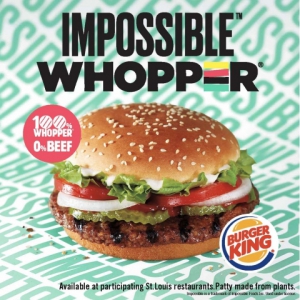
[00:03:21] Ray Latif: This particular variety that we have on the tables, filled with Swiss cheese. I'm not a huge Swiss cheese guy, but anything these guys have made has been good, so I'm going to try it. Speaking of Swiss cheese, or cheese in general, are you going to get cheese on your Impossible Whopper this afternoon, John Craven?
[00:03:36] Jon Landis: We have an exciting lunch planned.
[00:03:38] John Craven: Yeah, I'm about to hit the order button on the DoorDash app, because I'm not going to set foot in a Burger King. That would be too, I don't know, weird or something. Yeah, we're going to load up on Impossible Whopper. I don't actually think I saw any option for configuration of it, at least on DoorDash. So that'd be kind of weird to get cheese on your Impossible Whopper, right? Although I guess, does it have mayo on it?
[00:04:02] Jon Landis: There's been a big debate because they have announced that they're going to be cooking the Impossible Whopper on the same griddle as the Meat Whoppers. And so there's, you know, cross-contamination between the meat and the veggie burger. And Burger King's whole point is like, hey, this is a veggie burger for meat eaters. Like, most of the people who are going to be ordering it are just subbing it in instead of a Whopper. It's not to, like, have a strictly vegetarian option.
[00:04:27] John Craven: I mean, I'm pretty short-sighted. Yeah, but I mean, it's a Burger King. I'm not in any way pretending that this doesn't have, like, 2,000 calories or something. Sure. And we're getting a crap load of fries. I'm going to add those to the order right now.
[00:04:40] Ray Latif: Well, DoorDash has this deal, I think it's through September or through early September where you can order an Impossible Burger and a regular Whopper for seven bucks and they'll deliver it to your office or house.
[00:04:51] John Craven: Is that a thing? Yeah. Wait, really?
[00:04:54] Jon Landis: Yeah.
[00:04:54] John Craven: Wait, so that's what I need to order is the Impossible Taste Test? Yes, that's the one you need to order. Oh, that's a crazy amount of food. Let's get that. Well, I mean the impossible Burger King its own is what like five or six bucks from it's only a dollar more to get the whopper And yeah, we're doing that Be prepared to die you There's gonna be some Instagrams of like Tums and pepsi later who gets the sickest off this launch is really well
[00:05:21] Ray Latif: Can't wait for it. Well, hopefully no one gets too sick because we have a dessert or at least dessert like items. We've got Sunday Provisions, which is a line of pecan butters that the founder Gavin Murphy sent to the office. They are fantastic. We've got in the fridge their pecan choco variety. Fantastic stuff. Thank you so much, Gavin, for sending that.
[00:05:41] Jon Landis: It's interesting to see all these alternative nut butters kind of popping up, seeing a lot of pecan butter. If you follow the awesome Instagram account, Costco does it again. Pecan butter is kind of one of the hottest things that keeps popping up there. There's also major FOMO. If you follow that account, you're like, why doesn't my Costco have pecan butter?
[00:06:01] Ray Latif: I actually have two recent photos of pecan butter on my Instagram page, my Instagram account, that is. One is Purely Pecans, which I saw at Expo West. And the other one is Humble Nut Butter, which we have previously talked about on the podcast. The one I'm looking at is their salty and sweet variety. I'm watering at the mouth thinking about this. What's the deal with pecan butter, all of a sudden? I don't know.
[00:06:27] Jon Landis: I think, you know, peanuts are, there's a lot of peanut allergies, almond butter been there, try something new. And I would imagine the price point on a pecan pecan is a better than like a macadamia nut butter or, something else along those lines. I'm excited to dip this Lily's chocolate bar we have on the table in pecan butter. I think that sounds great. But hopefully we'll get to say hello to that team. I'm headed to Denver and San Francisco next week and excited to meet some of the awesome brands that are out there. Hopefully report back after Ray and bring in some goodies for Taste Radio.
[00:07:04] Ray Latif: It was funny. My brother was talking about Lilies the other day. He said he went into a Whole Foods and was looking for something with a low sugar chocolate offering. He saw Lilies and he's like, yeah, it's made with Stevia. And I was like, yeah, I've heard of the brand. I know the brand. They've actually participated in our Nosh Live event. And I've always been, I don't know, I shouldn't say this, but I've always been hesitant to try it because Stevia is so divisive and I've just never been a huge fan, but it is pretty fantastic stuff.
[00:07:33] Jon Landis: Their new chocolate-covered nuts, Ray, if you have not tried them, pretty stellar. They're actually using a little bit of erythritol in there as well, so that may be smoothing out that stevia flavor.
[00:07:44] Ray Latif: You know, I'm a big fan of erythritol. I put erythritol in everything. That's all that's good for your teeth. No, that's I can't keep it straight. Sorry. Also, thank you to Haley Sanderlin who reached out and sent samples of her family's dressing brand, which is called breeze. Oh, I hope I'm practicing it correctly b-r-i-z-o It's made with a handful of ingredients, which I'd love Just olive oil lemon juice spices and salt. That's it. Haven't tried him yet, but can't wait to do that. Thank you so much Haley As I mentioned at the top of the show, we have an interview with Ann Yang, who is the co-founder of Misfit Foods, which makes products from misshapen or scarred fruit and vegetables. You know, those ones that you see at farmers markets from time to time that look like a tomato that was grown in a bucket or something like that. Still tastes great though. Yes, exactly. Carol, this was a pretty hard hitting interview, something that we don't necessarily, a topic that we don't necessarily cover as often on the podcast or at all in trade media, which is about mental health and depression.
[00:08:46] Jon Landis: Yeah, it was very impactful to me. Certainly I walked away from this interview thinking a lot about myself and how we all need to take better care of ourselves and prioritize that just as much as we do covering the news. Sometimes some of the stuff and was talking about really resonated with me. The feeling that like you always have to be on, I think we've talked about this at the podcast before, as you know, going to a trade show, feeling like you always have to connect with people or John, look at both of us, you know, going on vacation and using that time to keep working and keep meeting new people because that could be that next story or next connection. And when do you need to take that time and really disconnect and not be working? And I just, I really applaud her bravery and honesty. It's, it's so hard to talk about these things and, worry about judgment or what other people in the industry will say. And I think for Anne to be so open and honest about her own struggles, I hope inspires a wider discussion in our industry that brings about a larger dialogue. John, it also just made me really appreciate what it must have been like to start BevNET way back when, how many years ago? 23. 23. And then still the pressures that every founder faces on an ongoing basis.
[00:10:06] Ray Latif: And, you know, there was also some other notes about, you know, the loneliness of entrepreneurship, which I don't know about. But I've talked to you, John Craven, about some time from time to time, which is that at the end of the day, you know, you're responsible for a lot of folks. You're responsible for the success of BevNET. And, you know, the buck stops there. I can imagine that's kind of a terrifying place to be.
[00:10:26] John Craven: Uh, yeah, I mean, again, I think you get used to it or maybe thick skin for it after a while, but you know, it's certainly interesting being in a world where, you know, most of your friends, like most people just have jobs and a boss and, you know, they can sort of shut that off depending on what they do, you know, when they go home or on vacation and, you You know, as a business owner, you can't do that. I think, you know, it's it's certainly just, you know, there's given a take to it. And, you know, I think for me compared to, you know, a lot of the people that we we cover who talk about this stuff, you know, they're venture backed or, you know, have investors to answer to and, you You know, I never had that. So I think the right pocket, you know, starting in college, you know, and I guess, you know, we're 20 years old, having, I guess, started slowly relative to these brands and entrepreneurs that we're talking about, you know, I feel for them. I mean, you know, it's interesting from our vantage point where You know, we know the entrepreneur and we get one story from them. And then we talk to the investor or someone from one of their, you know, investment firms. And, you know, you see like two sort of totally different sides. And I'm like, you know, again, looking at that through the entrepreneur's lens, I'm just like, man, this must be really tough right now. And, you know, that's that's the world that they've chosen to live in, too. But yeah, for sure. I mean, if you don't take care of yourself, I mean, look, I mean, certainly been there where it's like you're just spinning your wheels, working too much. And it's like, you know, you just got to realize that, you know, taking a break and taking care of yourself, whatever that is, even if it's just thinking about something else for a little while, it's going to make you like ultimately more clear headed and, you know, more focused and efficient. Like when you get back to it, you know, it's just the reality of how humans work. Right. I'm proud to be signing off on this episode with this conversation. We've, how many times have we heard, you gotta be crazy to want to start a business? Well, that's kind of rude, you know, like people are a little crazy, but like they, they deserve, everyone deserves the opportunity to. do something for themselves and be good to themselves. And it's hard to do that when you run a business, when you have people depending on you, when you have so much going on and you have your family and you have so many other things that, you know, it's you're often the last person on your list to take care of. And, you know, it's it's easy to joke about some of these things, but it's not easy to have these conversations. I think I think it's also like when you take away like, you know, this sort of safety net of, you know, there's someone else looking out for you. You know, there's a company or, you know, someone who runs that company. So it's just a different, you know, sort of path. I think, you know, to your point, if you have to be crazy, I mean, I think you have to be maybe not crazy, but slightly fearless and okay with the unknown. I mean, there's just a lot that you're not going to know, and it's up to you to figure it out, like just you in a lot of cases. So it's just a different challenge.
[00:13:30] Ray Latif: On that note, we'll get to Carol's interview with Ann Yang. Landis, good having you on the podcast for the past three years. Good luck in San Diego and Jon'll see you soon. Thank you.
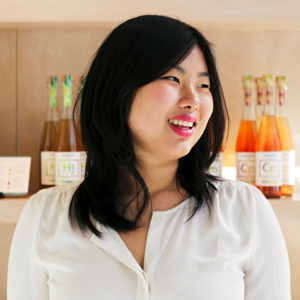
[00:13:43] Jon Landis: All right. Hi, everyone. Carol, the editor of Nosh here. And today I'm joined by Ann Yang, who is one of the co-founders of Misfit Foods and recently left the company to transition to more of an advisory role. We'll get into that in a little bit. But Anne, first, thanks so much for joining us today. Thank you. It's quite the honor. I'm glad to be speaking to you. So it was a little bit of backstory. A few weeks ago, I was sitting at my desk and I saw this story from Bon Appetit pop up written by Anne. It was a little departure from what I normally see on the site. It wasn't a recipe, although they have excellent ones, and said it was kind of an overview of your journey in entrepreneurship and why you left Misfit Foods. I knew you had departed the brand, but I didn't exactly know the specifics. And the piece really resonated with me. I posted it to LinkedIn and I've never seen this many comments and likes and just messages about a story and how much it impacted people, which made it very apparent to me that this was a discussion that we needed to have in our industry. For those folks who haven't seen the piece, I'd love to start by just talking about your journey and what you've been kind of going through over the past couple months.
[00:14:59] Carol Ortenberg: Yeah, definitely. So on March 18, 2019, I told my entire professional network that I was going through founder depression. And it was like, definitely one of the most scariest things I've ever done, but I'm really glad that I did it. And I wrote a medium piece that sort of explains like my experiences with founder depression and class struggle. And ultimately, the decision I made to transition out of an operational role in my company into an advisory position to focus on my mental health. I was really grateful for the opportunity to then have the Bon Appetit team ask me to really dig into the idea of Founder Depression and write a larger piece for Healthyish. And ever since then, I think that the thing that I'm most grateful for is, I think that, to your point, it's opened up a lot of conversations in terms of how common mental health and like how specific depression can be to the entrepreneurial journey in the larger food community and I've been able to have like really meaningful conversations with people about their own experiences and sort of like hold space for them to be more vulnerable than I think is typical like in a like a typical professional interaction in the food industry.
[00:16:08] Jon Landis: Let's start by going back a little bit further. So what was Misfit Foods and when did it start? How did it come about and what did it do?
[00:16:17] Carol Ortenberg: Yeah, so Misfit Foods is a company that I started with my best friend, Phil, when we were juniors and seniors at Georgetown. We didn't study business. We have no experience in business. We're both in the School of Foreign Service. And really the impetus and the mission of the company was to turn supply chain inefficiencies into delicious products. I'm not sorry because we learned about just the rampant food waste that was happening in our food system. It's about 20 billion pounds of fruits and vegetables go unharvested or unsold every single year. And a proportion of that is because they're the wrong aesthetic size or shape for grocery stores, but still are perfectly good to eat. So our first experiment was with a Vitamix blender that I borrowed from a woman I babysat for. And we had a couple crates of ugly peaches from a local farmer at the farmer's market. And we made sort of like our first juice concoction as college students. And from there, we built a juice company as college students and scaled it regionally. And really, the mission of the brand was to turn supply chain efficiencies, like whole ugly fruits and vegetables, as well as scrap waste from things like baby carrot production, or watermelon cube production, turn it into a beverage product that consumers can enjoy, and also told the story of food waste that was happening within our food system. And then also use this idea that there is this counterintuitively universal feeling of being a misfit, right? that every single person at some point in their life has felt a little bit misfit or a little bit out of place and use the emotionality of that feeling to really connect with consumers but then also tell the story about the food system. And then we built that company to a regional size and Phil and I sort of realized as we were raising our second round of financing that we wanted the concept to be much larger than just a beverage product. And we felt like there could be room for a platform food products that were made out of supply chain deficiencies that really addressed more center of the play, had a bigger impact on consumers' diets, and also was looking at this issue around climate change multidimensionally and not just around food waste alone. So we raised our second round of financing to sort of expand the platform through Misfit Foods. And for the past nine months, the company has been in like a product development innovation stage and has been coming up with new products under this larger brand umbrella. of creating products that fight climate change and tell stories in interesting ways.
[00:18:41] Jon Landis: It's a very secretive process right now. I've been lucky enough to receive a few of the samples and test them out. I'm excited to see what the company continues to produce. But when you first started Misfit in your dorm room, did you think of it as a high stress job or, uh, you know, when I was in college, I thought about like, you know, being a surgeon or an investment banker, you know, it would be high stress, but I don't know if I necessarily would have thought of entrepreneurship as a high stress role.
[00:19:09] Carol Ortenberg: Yeah, that's a really good question. I mean, I think like, the first thing is that I just have huge blind spots in my career right now. Like we started the company when I was 20. And now I'm 25. And it's the only job I have ever known. And in some ways, I feel as I'm sort of transitioning into an advisory position and doing like a job search for the first time in my life, In some ways, I feel super experienced in terms of starting something from scratch and managing things end to end. In other ways, I feel just completely lost and sort of embracing beginnership in my life in the sense that I've never executed at a super large scale, I've never reported to anyone, and there's just a lot of things I don't have experience in. And I think that definitely is sort of similar to how I felt in college, which was I was really excited about this thing. I had an amazing relationship with my co-founder, and we were really out to build a mission-based brand. And we were excited about what we were doing, and we're still excited about what we're doing. But at the same time, like we were college students, like I think that we really had no idea what entrepreneurship meant and like sort of the nuances and the crevices. But what I would say is, like, I think entrepreneurship holds a really special place in my heart in the sense that my parents are immigrants from China. And I grew up in a low income household and largely I think a lot of my childhood was watching my parents as immigrants really like build their life as like one large entrepreneurial project. And it was really beautiful to watch and I think that like that was learning entrepreneurship in a very different way than most people typically think of it in terms of watching my parents use very little resources to accomplish like pretty lofty goals. And I also think that that experience gave me this like other larger takeaway, which is that I think it's an absolute privilege to be able to ask yourself the question of how your work has meaning beyond a financial transaction. And I think that's like a very special question that most people don't get to ask. For most people, I think that they're just trying to make ends meet, or they're looking for a job that has the highest wage in order to take care of themselves and take care of their family. And I think that for a lot of people in the food industry, for a lot of people in the entrepreneurial world, for a lot of people just in the demographic that we operate in, even though people have very diverse stories and come from different backgrounds, we all have the unique privilege of asking ourselves how we want our work to be more meaningful than just a paycheck. And that's a privilege and we shouldn't squander it. And I think that like my parents didn't always have that choice growing up. And so entrepreneurship felt like a unique opportunity that I felt like I was given specifically because I didn't have any college debt. And in that way, like I think entrepreneurship also felt very much like a gift.
[00:21:46] John Craven: Guessing your margins? That's risky. Belay Financial gives CPG brands the clarity to scale smarter, faster, stronger. Get your free inventory ebook by texting TASTE to 55123 and start making data work for you.
[00:22:06] Carol Ortenberg: Tune in at the end of this episode for an exclusive interview with Matt Lynn of Belay Solutions. He sits down with Melissa Traverse to break down the biggest inventory and accounting mistakes CPG founders often make. You'll learn how to bring clarity to your numbers so you can scale with confidence.
[00:22:22] Jon Landis: Melissa Traverse, CPG Founder and Founder of Belay Solutions. The pursuit of the American dream is certainly a privilege, but in some ways it seems like it could also add an additional layer of pressure onto starting a business.
[00:22:33] Carol Ortenberg: yeah like as I've sort of had hundreds of conversations with strangers on the internet um since the article came out I think that my experience and like listening to other people's experiences has certainly spoken to that there are a couple of dynamics happening right I think like the first is that when you're an entrepreneur like you your work is like uniquely part of your identity And in some ways, I think that that's really powerful and interesting in the sense that there are companies that are doing really compelling and wonderful things and wonderful work and creating amazing cultures for their employees to exist. But from a mental health perspective, I think that can be really challenging to manage, like where your work begins and where your identity starts and vice versa. I also think that like sort of the culture of entrepreneurship is that if you're an entrepreneur, if you're a founder, every social interaction that you have sort of becomes an opportunity to represent the brand or an opportunity to create like a social connection to the brand. So all of a sudden, like in all of your social interactions everywhere you go, you like became a representative of like the company that you're trying to build. And as a result, I think that people are in this position where they always have to paint the best story and the best version of what's happening in the company. And it's not that it's deception. It's not that it's a lie. Like I definitely say it's the truth, but people are definitely selling the best versions of the story of what's going on in their company because they don't want like any missed opportunities for themselves or for the company. It makes a lot of sense. But what I also think happens is that there's like a specific type of emotional exhaustion that happens where a lot of companies are like an upward trajectory. Some of them are hockey stick trajectories, which like investors love. But if you like zoom in really close to that upward trajectory, it is like a little bit more inconsistent in terms of the ups and downs. So it might be true that your sales team is killing it, or your fundraising is going super well, or product development is going super well, but you, as an entrepreneur, might feel really sad and lonely. You might feel super anxious, and you might feel super fearful. I think there are not that many spaces for people to talk about that, for fear that there might be judgment for how the company is doing or how they're doing.
[00:24:45] Jon Landis: What role do you think social media also played in sort of your own entrepreneurship journey or feeling like you have to be on? I noticed there's a lot of, you know, posts on LinkedIn, right? About, Oh, we just hit this crazy sales goal. And I've heard from founders and entrepreneurs saying that they've actually started pulling back from social media and engaging less with it because of this sentiment that you always had to be on, you always had to be crushing it. And you could only kind of create this glossy persona that talked about everything that was going well.
[00:25:16] Carol Ortenberg: Yeah, I took a break from social media for four months, right after I transitioned to an advisory position from March until actually right when the article was released. For me, it was incredibly healthy, and I'm really glad that I did it. And I guess, like, I think sort of my reflections from that experience are that social media is a tool, which means that it can be used, like, for good and it can also be used for bad, like, similar to, like, the human language, right? Like, you can use your words to make really impactful statements. You can also use them to say really hateful things. And I think that the same is sort of like the role within entrepreneurship, I think that there's one part of it where I think there's like something really happening, interesting happening sort of in like the digital compression in which people have to present themselves like both like in a digital space and in a material space. And I think like what happens with social media is that all of a sudden there's all these ways in which you feel like surveillance is happening in your life, in terms of like always feeling like you're being watched on LinkedIn or on Instagram or on Facebook and I think, I think it causes a thing where like your identity sort of becomes a performance. I'm sure like social psychologists and like much more intelligent like cultural critics have written extensively about that. But I think that like for entrepreneurs specifically, when we're in a culture which sort of mythologizes like who the entrepreneur is, and I think in terms of like where the cultural zeitgeist is, we're really in this age of praising the entrepreneur. I think it creates a unique pressure to build like a quote unquote personal brand and like to be like the most interesting, the most dynamic, the funniest person like in the industry and in the space. And I think that can cause a lot of pressure for people to feel like they're not, they don't always have space to be their authentic selves. I think on the flip side, like I think that a lot of founders and a lot of companies have used social media as a tool to really think about vulnerability and the entrepreneurial journey in a different way. I can definitely think of a couple of examples like Ellen Marie Bennett from Headline Bennett Aprons, or this person's not in favor, but like Alexandra Ocasio-Cortez. really using social media as a window to open up into the day-to-day of their experience and their learning curve, right? And I'm using social media as like a tool for connection in terms of being like, hey, like, I am the youngest congressperson ever. I don't know how any of this onboarding works. So I'm going to use Instagram story to show you my experience being onboarded into Congress. Or with Ellmarie Bennett, like with Helene Bennett, really going, digging into being like, these are the decisions I'm thinking about today as an entrepreneur. This is where I'm anxious. This is where I think I can grow the company. This is what I'm excited about. And I think it's a really interesting and compelling use case of social media. But at the end of the day, I think that it can either increase the pressure cooker of mental health for a lot of people, but it can also be used for a tool for good. And hopefully, I think as vulnerability and as sort of like the realization that founders are humans as well becomes more of a dialogue that people will feel like they can be like the honest versions of themselves like on social media even if that means that they feel insecure or scared or anxious and be able to share that.
[00:28:18] Jon Landis: I'm really hopeful that we can use social media as a platform to have more discussions. And you wrote that you, you like talking about your feelings, but that can just sometimes be hard in our industry. It's funny to me to think about natural foods as not being a place where you can express your feelings because as a whole, you know, we're certainly more touchy feely than other industries. Do you think there's anything particular about the food and beverage industry that makes it harder to share these discussions?
[00:28:46] Carol Ortenberg: I mean, first of all, everything with a grain of salt because the natural food industry is the only industry that I've ever been in. I don't really have a reference point for what other industries are like or haven't done the investment banking or the consulting thing, which I'm sure are opportunities and challenges in their own right. I think a couple things like one is like in general, I think that the natural foods industry has a long place to go in terms of our investment in diversity and like thinking about how to diversify the space both in terms like founders who are getting companies and also just employees and like roles at companies. I think that they're like are incredibly wonderful and like friendly people in the natural foods industry and I've been it's felt like such an honor and privilege to be part of the community. What I do feel though is like sort of being very um consuming like a lot of content about other industries and other entrepreneurial places like I do think that the conversation around diversity is like pretty far behind in natural food. particularly just like investment in institutions or like groups that are like sort of doing that conversation. And in that way, I think like the friendliness is important, but I also think it's like centering like one very specific experience. And like we're not necessarily having voices or experiences like from more diverse backgrounds like in the industry, which I think can make a lot of people feel like isolated and lonely. I also think that the nature of the industry is that a lot of people in the natural foods industry are like selling a product, right? Like it's like a CPG company. So I think that the dynamic then becomes like everyone is sort of like optimizing to sell more widgets, regardless of like whether or not your widget is the best widget or not. Right. I think like those interactions, like in the natural food industry in terms of like this is a widget, but it's better because of why or like, I'm selling a million, which is this year, like how many widgets are you selling? Like, it's like all sort of like optimized to sell more things. And I think like that is amazing in the sense that it's bringing in products are really important and can like make a better impact on people's lives. But I also think it like can make people's interactions a little bit more transactional than like other industries that aren't like centered around like the optimization of selling product.
[00:31:04] Jon Landis: There's also a larger social mission for a lot of companies. You know, for you guys, it was rescuing imperfect produce and food waste. And so when you're not performing well, it's not like you're just not selling enough widgets. You're also, you know, kind of not achieving this larger goal that could help save the whole world or, or help a population. Um, and I imagine for a lot of entrepreneurs, I certainly can't speak to it myself that could add to the pressure you feel.
[00:31:34] Carol Ortenberg: Yeah. I mean, I think that's like one is, I think like theory of change and like how companies make impact is like really complex. And I think it's, it's a conversation that we had a lot at Misfit where it's like, what is our current theory of change? What do we know about like the impacts that we're making and how can we measure it? What do we feel like as a place that like we could improve upon or we feel a little bit blind and we're not sure how we're measuring our impact or like maybe like a negative externality that is happening because of our impact. what does our theory of change look like in the future? But I think if you're in it for a mission driven reason, which I think a lot of people in the natural foods industry are in terms of just creating better products that create healthier bodies and a healthier food system, it is the idea, the scale of your impact. The larger you can make your company, the more impact that you can have. But also I think there's this interesting thing that happens where it's as you scale, you have to figure out what your mission prioritization is and like the things that you're going to compromise or prioritize and like the small choices that you make as you scale and like your supply chain and like your packaging and all these other things that you care about, you're sourcing as you grow. And I think it can be a really interesting internal conversation that can lead to a lot of unknowns and like a lot of places we're just like, I actually don't know what the answer to that is.
[00:32:52] Jon Landis: And that's in addition to just, you know, having those conversations, admitting you don't know is also hard sometimes across entrepreneurs or not entrepreneurs, I think.
[00:33:02] Carol Ortenberg: Yeah definitely I mean I think that we certainly live in a culture that values people like having opinions and like also there's like sort of like um a fear of just like simply saying that I don't know and I think like because that's the case like I think it leads a lot of people to have opinions or have statements or have certainty in areas that that they might not actually have true conviction Which is like, I think is hard, right? Like, I think it's like, that's like a hard place to be. And hopefully, I think because entrepreneurship is so ambiguous, and the world is ambiguous, that like, we can create a culture where people can say, you know what, like, I actually don't know. I don't know what my opinion is on that. And that's okay.
[00:33:42] Jon Landis: You strike me as a very thoughtful person.
[00:33:44] Carol Ortenberg: Do you want more repeat buyers on Amazon? Well, this free resource in collaboration with Straight Up Growth will help your brand turn first-time buyers into long-term subscribers. Download Winning the Repeat Purchase Game on Amazon now at Taste Radio.com slash SUG. That's Taste Radio.com slash S-U-G to start building retention-driven growth for your brand on Amazon. Scaling a beverage brand into major retail comes down to operational readiness. From packaging lead times to co-manufacturing strategy, the details can make or break a launch. In a new e-book in collaboration with Octopi and Asahi Beer USA, industry leaders share what they've learned in helping brands scale. Download it now at Taste Radio.com slash octopi. Do you need to scale your team faster without compromising on talent? Join Oceans for a live webinar on April 20th and learn how leading companies are hiring top global professionals who are ready to grow with your business. Register for the webinar now at Taste Radio.com slash oceans. That's Taste Radio.com slash oceans.
[00:34:54] Jon Landis: So now on top of thinking about your product and selling product and how you're going to revolutionize the food system, you're also thinking about, you know, how do you manage your employees? And for a 24 year old, let alone anyone, that's a lot to juggle at once. So, Do you have any advice for entrepreneurs? I know it's looking back not too far, but how do you prioritize what you should be focusing on at any one time so you don't just feel overwhelmed by thinking about it all?
[00:35:25] Carol Ortenberg: Yeah, I mean, my advice is that I learned by doing and I became extremely overwhelmed and like very bad at prioritizing things and I think that that juggle and like that choreography of like figuring out like what was important and like feeling like I just like the work never ends and like not even really sure if I like just feeling like because I was managing so many things I like not sure if I was doing any one of those things well was like a lot of the basis of like my experience with founder depression and anxiety. my biggest takeaway from that is that as someone who identifies as like very much like a feelings-first like emotionally aware person and like sort of like in my social group and sort of the person that everyone leans on emotionally um and it's like a big part of like how I identify personally I thought that I was going to be the type of person who would see burnout and like see depression like before I was there like I thought it was like something that like I felt like self-aware enough to be like okay like if things are bad, like all know. And what I in fact learned is that like burnout is like it syncs up on you. And it's like not necessarily something that you can predict. And it's because it like functions very similar to exercise or healthy eating, or just like any sort of healthy habit in general, where it's like mostly about consistency and like everyday activities that keep you from being burnt out. Like you can't If you're training for a half marathon, you can't just run 10 miles the night before and expect to do well. You can't cram. In terms of your physical health or your eating habits, it's pretty similar with burnout as an entrepreneur. You can't push yourself really hard for three or four months and then take a weekend off and sleep for 12 hours and then be fine. It really has to be a conscious decision every day in terms of the small things that you're doing to take care of yourself. in order to prevent burnout and depression from happening. And even then, even if you have those habits and structures in place for yourself, of course, it's such an overwhelming thing that you're trying to do in the first place. And it is a wonderful, but also deeply lonely experience. And not having outlets to process those things as a dynamic and changing person in a dynamic and changing company at any size, at any stage, can be a really difficult place to be.
[00:37:44] Jon Landis: In addition to entrepreneurs, we have a lot of folks who work at food and beverage companies or interact with entrepreneurs on a daily basis. Do you have any advice or insight for what to do if you think that a coworker or a friend or a mentor of yours is maybe approaching that period of burnout? You know, is there anything we can do as an industry to help support entrepreneurs as well?
[00:38:07] Carol Ortenberg: Yeah. At the end of the day, like we need leaders who are really emotionally intelligent. And like, I think that we need to get away from a culture where we think emotional intelligence is like an inherent thing that people either have or they don't have. Like, I think that we need to move toward like a culture where like emotional intelligence is a learned skill and you can learn it as much as you can learn like how to read a PNL or like how to do sales. And if we like think about like emotional intelligence as something that people have to learn in business to be a good entrepreneur, And that working with an executive coach on emotion intelligence is just as important as learning Salesforce. I think we'll be in a better place where people will be able to really be open about the places where they're personally and professionally growing.
[00:38:48] Jon Landis: It's interesting on a daily basis, we receive emails about new hires at companies and you'll hear things like, Oh yeah, I hired a COO. I need to help with my supply chain. But you don't hear, you know, hi, we're bringing on this person because we need help, you know, with our people and our team and our, you know, uh, how everyone's feeling. So it is interesting how we kind of normalize needing help with certain parts of the business, but not with other parts of the business.
[00:39:15] Carol Ortenberg: Yeah, I definitely think that's the case. And I think I'm sure like people at Stanford and Harvard are studying this, but I think that like investing in that also would probably result in like higher employee happiness and higher retention over time. So I think if you're like looking at it from like a pure business perspective, like it's also in people's interest from like a profitability perspective to like invest in emotional intelligence within the organization.
[00:39:38] Jon Landis: Well, I hate to wrap up this conversation, but I think you've left our audience with a lot of action items at their own companies and for their own entrepreneurial journeys and really shared something special with us today. So Anne, thank you so much for sharing your journey with us.
[00:39:52] Carol Ortenberg: Thank you for the opportunity. I really appreciate it.
[00:39:58] Ray Latif: That brings us to the end of episode 47 of Taste Radio Insider. Thank you so much for listening, and thanks to our guest, Ann Yang. Please subscribe to Taste Radio Insider on the Apple Podcasts app, Spotify, Stitcher, SoundCloud, or Google Play. As always, for questions, comments, ideas for future podcasts, please send us an email to ask at Taste Radio.com. On behalf of the entire Taste Radio team, thank you for listening, and we'll talk to you next time.
[00:40:29] SPEAKER_??: you
[00:40:34] Ann Yang: Hello, I am Melissa Traverse here for the Taste Radio podcast, talking about some of the biggest tension points that CPG brands and founders face when they're scaling a brand, and those are financial accounting and inventory management. I am joined by Matt Lynn, inventory accounting guru from Belay Solutions, and he is going to shed some light on all of this that is going to help everybody out quite a bit. Matt, thank you so much for joining us today.
[00:41:05] Misfit Foods: Thank you for having us, Melissa. It's great to be out here at Expo West and it's great to sit down and be able to chat this because it's kind of a passion project of ours, working mainly with CPG brands and hoping to help them scale.
[00:41:16] Ann Yang: It's been such a pleasure chatting with you and the team and learning all about what you do over there at Belay Solutions. Can you tell us a little bit about yourself and what your role is and the kinds of solutions that Belay gives to CPG brands and founders?
[00:41:32] Misfit Foods: Yeah, absolutely. My role with Belay, I'm actually our inventory accounting manager. I run our inventory department, so we work with CPG brands, taking them from spreadsheets, putting them on inventory management systems, and really helping connect their tech stack between their sales online marketplaces to that inventory management system, even down to their financial systems like QuickBooks. Belay overall is kind of an outsourced accounting firm. And with that, we're helping teams. We have different levels with bookkeeping, controller level work, even high level into CFO type items. So we really help those brands in any way that they need financially. And then I just have a subset of a department where we're really just laser focused on inventory.
[00:42:15] Ann Yang: It's certainly a complex topic and there are plenty of places to go wrong. Let's start by going right and start super simple. Can you tell us what some of the biggest red flags are that would help a founder understand or, you know, the person running a brand understand that it really is time to get some help with some of these areas?
[00:42:35] Misfit Foods: Yeah, absolutely. I think some of the early red flags is just everything is chaos. So when they're looking in their financial software, maybe they don't really have an accounting background and they're kind of just piecing it together and doing their best. And what they'll see is that reconciliations take forever, if they even happen. They have a lot of transactions that don't get coded or they just put them into placeholders to just get rid of it so it's not an eyesore. they'll notice they have revenue but no cash or they notice that they have a good amount of cash but their blind spot is really seeing the vendor invoices that are sitting there just needing to be paid and so they just lack that clarity that's going to really be around the corner.
[00:43:12] Ann Yang: You know, you were talking about one of the red flags that comes up that I think makes so much sense. When somebody asks you what your numbers are and you can't come up with the right number, that's a big problem because that's something that you really should be able to share with decision makers who you're ideally looking to do business with. What should you be able to call up at a moment's notice?
[00:43:37] Misfit Foods: Really, at any time, you should be able to know an accurate margin. It's amazing how many founders we end up talking to that they can tell you their revenue numbers, they can tell you their selling price, and then the minute you start talking about cost or their cost of goods sold, they just get a deer in headlights look. So really, it's very hard to tell, am I even making money? or if you don't know your entire landed cost. Maybe you know what the freight cost is, the duties separately, but you're not really getting that as part of your unit cost. So it's really hard to tell. Am I even making money or am I losing money from the very beginning?
[00:44:10] Ann Yang: And do you recommend that founders are able to call up a margin by channel?
[00:44:15] Misfit Foods: Absolutely. And depending on the number of products and channels, you kind of want to know what are your best sellers, which ones are making the most and which ones maybe you're not making as much. But especially if you're branching out and you're doing D to C with B to B, absolutely want to know that.
[00:44:31] Ann Yang: Gotcha. You mentioned that when things feel really chaotic, that's probably a red flag. I would say that it probably almost always feels chaotic if you're running a CBD brand. And I know this may be hard to quantify, but is there a revenue number? Is there a number of doors number that would help a brand understand whether or not it makes sense to bring on a partner like Belay? Understanding that so many brands are bootstrapped or they might be tight for cash. What is that friction point?
[00:45:04] Misfit Foods: a little bit different for everybody depending on where you're at in your process and sometimes just your level of understanding of financial aspects. You know, when you're first starting and you're really cash conscious and don't want to spend that much money, you may keep it on yourself. But as you're growing, as you're getting to those six-figure revenue numbers, and especially as you're approaching seven, you want to make sure you've got good financials. Because as you scale to that point, most likely you're going to be looking to raise capital. And investors, the first thing they're going to look at is your books. And are they clean? And do they show a clear picture of your business?
[00:45:34] Ann Yang: You know, another area that folks might look to to organize some of the chaos are their systems. So many folks stick with Excel spreadsheets for a good amount of time. How do you know that you need to outsource some of your accounting to an organization like Belay Solutions versus maybe signing on to a Synth7 or NetSuite or something like that?
[00:45:57] Misfit Foods: Well, that's actually something we really help with when it comes to that cost question. That's something that trips people up. And sometimes if you just have a turnkey business, you buy and sell a finished good, you can maintain with spreadsheets. And we've had clients with million dollar revenue that can do that. But we see so many brands nowadays are using contract manufacturers. and they're just sourcing certain parts of their product. So when you start talking costs, they have no idea exactly what their unit cost is. So that's where we come in and we kind of understand, we'll speak with the customers and the clients and get their needs. And then if we think they're ready for a system, then we'll help put them on that system so they can get some of that clarity. And it's not something we force on anybody. There are plenty of times where founders come to us and we'll tell them bluntly, you're not ready for it right now, but we'll let you know when we think you are.
[00:46:43] Ann Yang: That sounds like excellent advice. What should a founder or somebody running a brand look for in an outsourced accounting partner? Are there certain checklist items that they should make sure that their partner be able to execute or be able to help them understand?
[00:47:00] Misfit Foods: Absolutely. I think one of the keys, there's, there's a lot of outsourced accounting firms out there. Some focus on service-based SaaS companies, but if you're a CPG founder, you really want to make sure that your accounting firm has CPG experience. I would ask them, you know, what kind of brands have they worked with? And even beyond that, industry specific, because there's so many subsets of CPG. And that's something that I think is great about what we do with Belay is that we kind of run the gamut. It's kind of like the insurance commercial. We know a thing or two because we've seen a thing or two across a broad spectrum.
[00:47:30] Ann Yang: Probably getting references is always helpful, right? Absolutely. All right. So this all sounds great. I think we have a really good understanding of would it make sense to hire an outsourced partner? You know, what some of the things you should be looking for are. What does offloading this kind of work mean for the brand? What can this do for lightening the load of a founder or lightening the load of a brand operator? Like, how does that help them in their everyday business?
[00:47:59] Misfit Foods: It just tries to really help quiet the chaos. So what we're looking to do is just take some of the weight off that founder's shoulder, let them focus on building the brand, building the business, getting that exposure. If you don't have sales, you really don't have anything. So we want them to be able to focus on that while we take care of your back end office work. And we can just present that to you on a monthly basis, you can help make decisions, you can take that to investors. And really, you can just focus on growing your business.
[00:48:25] Ann Yang: I feel like I felt founders and the folks who are running brands collectively sigh. Breath of relief just hearing that. How can people learn more about Belay Solutions?
[00:48:36] Misfit Foods: So people can text TASTE to 55123 for their free inventory guide to get started.
[00:48:41] Ann Yang: Matt Lynn, inventory accounting guru at Belay Solutions. Thank you so much for joining me here at Expo West. It's been such a pleasure to chat with you and learn about what you all do over there to help founders and brands with their financial accounting and inventory management. For everybody else out there, thank you for listening to the Taste Radio podcast. I am Melissa Traverse and we'll see you next time.