[00:00:04] Ray Latif: Hey, everyone. Thanks for tuning in to Taste Radio Insider. I'm Ray Latif, the editor and producer of Taste Radio, and you're listening to episode 52 of the podcast. I'm with my Bevanite colleagues, John Craven, Mike Schneider, and Jon Landis. We're recording from Natural Products Expo East 2019 in Baltimore, Maryland. And in this episode, we feature an interview with Grant Gajewski, the co-founder and CEO of fast-growing nitro cold brew brand, Rye's Brewing Co. If you like what you hear on Taste Radio Insider, please share the podcast with friends and colleagues. And of course, we'd love it if you could review us on the Apple Podcasts app or your listening platform of choice. Last year in Baltimore for Natural Products Expo East 2019, we're actually recording after day one. Any interesting insights, highlights that you guys saw on the first day?
[00:00:55] Jeffrey Klineman: Geez, I mean, I hate to say CBD, but CBD. I mean, lots of that and kind of all over the show. Although I guess you're technically not supposed to have CBD beverages here or something, someone said. It's everywhere. It's everywhere. There's like a river of CBD here. I think my whole backpack's filled with CBD samples.
[00:01:11] Mike Schneider: I mean, I don't think any of it is truly, truly, like, legal. I think it's just not being enforced. There's a sign up, a hemp warning.
[00:01:20] Jeffrey Klineman: Oh, yeah, that disclaimer sign outside the hemp pavilion was, uh, was pretty interesting. Well, it's something about like less than point zero three percent. Yeah, the morning you had to get your badge scanned again to go in there to those of us who might melt. I was going to say in case something bad happens to you, they're like, oh, sorry. Read the disclaimer. Don't have like EMS on hand.
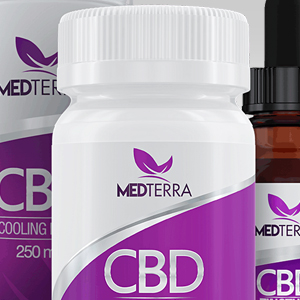
[00:01:42] Jon Landis: I'm basically coded in MedTerra right now. I mean, you're coated in what? In Medterra CBD right now, they've got this Manuka honey balm that I put all over my knees. And then they've got something that's like an icy hot. There's all kinds of interesting sort of I haven't checked that area out for CBD. I mean, they want you to rub it everywhere. They want you to drink it. They want you to put it on your lips, under your armpits, knee pits. We invented knee odor. And what happened to just smoking weed for ruining it? Many people have been walking up to us during the show and saying that they like the show, which is always an honor. I found myself blushing yesterday when someone was like, hey, we're just in the middle of a conversation. Oh, I wanted to meet you. Oh, Taste Radio is the show, not Expo East is the show.
[00:02:27] Ray Latif: Yeah, our show. Oh, our show, Taste Radio, okay. I got to catch up with- Shows, I should say, Taste Radio and Taste Radio Insider. We have two. That's true, the shows.
[00:02:34] Jeffrey Klineman: Like them both on your, what is it, podcast listing platform of choice? Yes, correct. There you go, see?
[00:02:40] Jon Landis: I don't remember. 3, 2, 1, done. OK. Nice job, everybody. You completed the challenge of subscribing. There you go.
[00:02:48] Mike Schneider: Someone asked me a question yesterday that's really stuck with me. They said, do you think it's taking longer for brands to go out of business? And I'm like, that's kind of a loaded question, like taking longer for brands to go out of business. But it's also a pretty good commentary on the competition that we're seeing because, I mean, there's a lot of booths here. There's a lot of brands just walking the show. There's only so much shelf space. And I guess the digital landscape is more forgiving, but I wouldn't call it infinite. And I think that it's interesting to see how much competition is happening. It's like, okay, now we have like a bunch of different keto ice creams. It's not just, you know, a keto ice cream brand. So, you know, how many keto ice cream brands does a retailer need to carry?
[00:03:34] Jeffrey Klineman: The question of how long do companies get to go out of business or whatever is maybe the wrong way to look at it. For sure, companies right now have a longer runway, you know, they're getting more capital. And, you know, I think ideas are being funded at sort of an earlier stage, both for the company itself, where maybe they don't have any revenue yet, or where, you know, the category that they're targeting is not actually a proven category or something that there's anything more than a gut feel. which is both a good and a bad thing. We've talked about this before, but categories that we talk about all of a sudden have a host of different offerings, yet awareness, retail space for these things is still zero. And yeah, I mean, I think that's for sure where we're at right now.
[00:04:24] Mike Schneider: I think that there's potentially some profit, more profitability and direct to consumer today than there was maybe five or 10 years ago. And that brands are finding revenue opportunities that are helping them get longer runway as well as the investment and maybe like finding more white space to fill in. Sure.
[00:04:42] Jeffrey Klineman: But it's not for like keto ice cream.
[00:04:44] Mike Schneider: No, no. But there's still like. multiple keto ice cream brands here.
[00:04:48] Jon Landis: So, and you want to see something funny. It's when John Craven walks by an ice cream booth and he's trying not to try it. It's like pulls him in like gravity. He's like, I can't do it. I want to, but I can't do it.
[00:04:58] Jeffrey Klineman: Eating ice cream at a trade show, that's a rookie move right there.
[00:05:00] Mike Schneider: And they all taste good. So then what do you do? What sets you apart? I think it's service. I think that it's the relationships that you build. And I think that it's, you know, that your partners want to email you. They want to call you. They want to see you. And you have the perseverance to get to that point, because it takes a long time of nagging somebody sometimes to get to a point where they actually want to talk to you. Right, right. But anyways, I just think that that is a little bit of the story of the show. To me, just competition is taking over, it seems.
[00:05:35] Jon Landis: And coming back around to interesting things that we saw and people and, you know, got to catch up with the Humm Kombucha team yesterday. Of course, Jamie Danik and try their new flavors and got to see the cans up close. And those are looking really great. And we got to meet and catch up with Matt Witherell, who has been in the industry for a long time with Miller Coors, and now he's the new president of Humm Kombucha. And I mean, just very humbling to hear that he's a listener of Taste Radio and still learning a lot about the industry through the podcast. And thanks so much for the kind words, Matt, and the cans look great. And Jamie was happy about the booth, like the booth. The Humm Kombucha booth, the design for the booth, it's looking really good now. I mean, it's like they've always had a great presence, but now you've got like the graphics really coming to life in the booth and it's kind of, it pulls you in and the way they set up the coolers. I mean, it's looking good. When you pay a lot of money to build a booth, I hope it looks good. It doesn't always work that way where you go in and you put a design together and this one flows really well, it draws people in, and the most important thing is that the product pops.
[00:06:45] Ray Latif: Did you take any videos or photos of the booth? Absolutely. Oh, good. We'll include them in the show notes so people can see and hear what you're talking about. Judge Mike's photography skills. There you go.
[00:06:58] Jon Landis: Put me on the spot now.
[00:07:00] Ray Latif: Well, most of the time I spent here on day one was interviewing folks for upcoming episodes of Taste Radio and Taste Radio Insider. And it was interesting to hear about their perspective on advice and what early stage brands should know about working with advisors. And it was really great to hear how candid they were about being careful who you align yourself with, because this industry is, from what I'm hearing, full of people who don't necessarily have a true interest in your brand. For some of those folks, it's really about beating your own chest and making yourself seem bigger than you are, when at the end of the day, you're just kind of full of crap and looking to make a quick buck. As Landis mentioned, you know, this is a tough business. There's a lot of competition. And who you align yourself with is just as important as your business strategy.
[00:08:01] Jon Landis: You know, thinking about that and when you're making choices with anybody who you associate with, your investors, your partners, trying to figure out if they've done something like you that feels like you, that's the most important thing. And then it's, you know, the level of operation that you need, the level of advice that you need, the level of either consulting or, you know, funding that you need. Just make sure that that feels good. Trust your gut on this kind of stuff. And then also reach out to the industry because one of the great things about this industry is that There's a lot of situations where we're frenemies, you know, where even when you're competing, like Landis was saying before, you're building categories oftentimes together. Like look at, I don't know, the plant based tonics category, like the gold threads and sun winks and wacos of the world who are trying to build up this new this new category. They're talking to each other about, you know, messaging cues and looking at each other's labels and sharing information because they know that they're not really each other's enemies. They don't have enough proverbial bologna sandwiches in their refrigerator to educate everybody.
[00:09:06] Jeffrey Klineman: On a lighter note, another question I got was, what did you do with Landis? So good to have him back on the show. I guess I want to personally thank you for not dying in your moving truck. That would be really sad. I drove it 3,200 miles. Man, five days. It was intense. It's awesome that you moved to San Diego, and then like a week later, You just have a longer flight to Baltimore.
[00:09:31] Jon Landis: And then we try to have a reunion with you. And the whole restaurant needs to be evacuated.
[00:09:35] Mike Schneider: Yeah. Yeah, there was. I don't know. It was a gas leak situation. And that's not a joke about my flatulence.
[00:09:43] Jon Landis: We're on the 14th floor. We're not cutting that.
[00:09:47] Jeffrey Klineman: But we're on the 14th floor of Topside Restaurant. First of all, hold on. Let me tell the true story. You go. You go. We're standing at this bar. It's on the 14th floor, 15th floor, I think, actually. Rooftop bar restaurant, topside, great place. Highly recommend. Anyway, we're standing there, and all of a sudden, the, like, little fire alarm goes on. And, you know, nowadays, like, a fire alarm goes on in a public place, you kinda just, like, ignore it. short of there being smoke flames or someone dying maybe, and no one's doing anything. All of a sudden, this serious chef guy comes out of the back.
[00:10:19] Jon Landis: Well, even before that, I'm standing at the bar with a very long list of things that we're ordering, drinks, appetizers. She says, okay, thank you very much. Now, we're evacuating the building.
[00:10:30] Jeffrey Klineman: Okay. So then this serious looking chef guy is like, no, it's real. Everyone's got to leave. And Mike, like, looks at the guy, and he just immediately bolts through this door. And I'm like, what just happened? I finished my drink. Mike, not worried about his other Taste Radio hosts. It's like, screw you guys behind me.
[00:10:51] Jon Landis: They were letting everybody know. And I was like, all right, where's the exit?
[00:10:54] Ray Latif: So I led the way I wasn't there last night. But just to make this clear, I would have done the same thing that Mike did.
[00:10:58] Jeffrey Klineman: Okay. Lastly, I have a nice picture of this that you could put in the show notes of Mike. He also ran down the 14 flights with his cocktail. That's true. And we get outside and we're in this little square thing. And Mike is hanging out.
[00:11:13] Jon Landis: you're drinking a cocktail with the class you stole from the restaurant with the monument behind me, which was a great backdrop. And it was weird. Twelve emergency vehicles.
[00:11:23] Ray Latif: Which monument was that? What's that? Which monument was that?
[00:11:25] Jeffrey Klineman: What is that monument? It's the only monument they have here. Yeah, we did get some nice networking time with a couple of regulars out there, too. So good. Yeah.
[00:11:36] Jon Landis: And then we're trying to find another place to go after that. So I'm, I'm looking around and I was like, Oh, there's a wine bar right around the corner from here. That's like 0.9 miles away. Jon Landis 0.9 miles. Ain't going to cut it, man. It's like, no way. No way. It's right around the corner.
[00:11:50] Jeffrey Klineman: 0.9 0.9. Jon Landis is like important decimal point. It was so good. And then Landis proceeded to Kobayashi two burgers.
[00:11:58] Mike Schneider: Well, you ordered an extra burger for some reason. Yeah, I don't know.
[00:12:00] Jeffrey Klineman: You looked like you were malnourished since you moved to San Diego.
[00:12:03] Jon Landis: Yeah, we went to Sugarvale, hooked us up. And we get there, and they're like, all right, the kitchen's closing in two minutes. And we're lightening around. But anyway, great to have you back on here.
[00:12:11] Mike Schneider: Thank you. You'll enjoy this. I was in San Diego on last Friday and a beverage entrepreneur recognized me from Instagram. She was following my post since I put it up there. I was moving from Boston to San Diego and just happened to run into me at a bar. So shout out to Kaylee at Kaylee's Culture. We are really looking forward to hosting you at BevNET Live. I know you're going to geek out hearing this on Taste Radio because you're such a fan. So keep your eyes out beverage industry in 2020 for Kaylee's Culture.
[00:12:41] Ray Latif: Right on. Well, I could go for some coffee right now, and given that our next guest is a coffee entrepreneur, we should get to that interview. As I mentioned at the top of the show, Grant Gajewski is the co-founder and CEO of Rise Nitro Brewing Co, a fast-growing brand that has made waves in the emerging segment of nitro-infused coffee. Launched in 2015, Rise is known for its high-quality organic nitro cold brew and innovative line extensions, which include citrus-infused coffees and first-to-market oat milk lattes. The company has gradually expanded distribution beyond its home market in New York, and in May landed placement in over 2,000 Walmart stores across the U.S. In the following interview, I spoke with Grant about the steady rise of his coffee brand, how he and his co-founders determine their roles within the company, challenges of being a first-time CEO, how Rise considers innovation and distribution amid a rapidly growing coffee category, why it's critical to choose the right advisors. Hey, folks, it's Ray with Taste Radio. I'm at Expo East 2019, and sitting with me now is Grant Gajewski, the co-founder and CEO of Rye'Rise Nitro Brewing Co. Grant, how are you? I'm doing well. Thanks for having me, Ray. Good to see you. First time I met you was in June 2017. You were a participant in the New Beverage Showdown competition that we have at BevNET Live. And I distinctly remember 7.45 in the morning, 15 minutes before we had to go on stage, we're like, where's Rice? Where's Jarrett? Where's Grant? Jarrett being your co-founder. And where's their products? And we were a little worried because we knew you had a good product. We knew you really wanted to participate. We knew you were in New York, at least based in New York, and we're in Hell's Kitchen. We're like, what happened? And then about 10 minutes later, you arrived. And you ended up winning the entire competition. So congratulations on that. But what happened that made you late?
[00:14:47] Grant Gyesky: I wish I could say there was something specific that happened that had us running late that morning. But I'm going to put a little bit of blame on my co-founder, Jarrett, who has made it a style and a positive element of being late and casually late to events, I think, throughout his life. Jarrett time? Jarrett. It's on Jarrett time. I was one of his best men in the wedding, and I remember giving a speech and asking his wife, what does Jarrett mean when he says, I'm on my way? Because I'm on my way can mean five minutes or 45 minutes or two hours. But when he gets there, he does very well. And so it's well worth the wait. Nice. It's always funny to get that text message on my way.
[00:15:26] Ray Latif: What does that mean? I don't know. Exactly. You have to know the person and what they mean by that phrase.
[00:15:31] Grant Gyesky: Yeah. We got one coming on to Expo East actually. I think somebody asked Jared to pick up ice and we got a, I'm on my way. But I think that was on the FDR drive or something like that. Okay.
[00:15:42] Ray Latif: Let's talk about the founding of the company. I first encountered Rise when we were planning to send one of our reporters out to New York. to cover a news story. And while he was out there, we're like, oh, you should go and visit a couple other companies. And Rise kind of came out of the blue for me. I said, I've never heard of this company. You should go check them out. And he ended up sitting down with you guys and writing a story for BevNET. How'd the company get started? You know, why'd you guys choose the coffee business?
[00:16:12] Grant Gyesky: So it was really born out of trying to put together a better for you, organic, better ingredient drink. We were going into grocery stores or gas stations when we were traveling around together. Jarrett and I would do quite a bit together even before we were working together. You were friends, were you business colleagues? Yeah, so not business colleagues, but Jarrett, Justin, and I all went to high school together. Justin being your third co-founder? Justin being the third co-founder. And so as we were making some shifts in our diet and beginning to cook for each other and spend a little bit more time, I think, paying attention to what was going into our body, one of the things that we realized was when you're on the go, there aren't any really good options, right? You had energy drinks, which we didn't drink, and coffee drinks that are loaded with cream and loaded with sugar, and there's actually not that much coffee in them. So it was 2014, and we began just playing around with cold brew, making batches, testing it with each other, And then a friend of ours who worked at a beer Brewing Co moved back from Colorado and ended up telling us to put the coffee in a keg. That was mainly done to preserve the coffee, because when we were making these batches, they would oxidize over one or two days even. Makes quite a bit of difference in a cup of coffee if it's left out and open. So we put it in the keg. We were putting nitrogen into it. And the way that a keg works, there's an in and there's an out. The out has a rod that drops down to the bottom of the keg, and we accidentally put the nitrogen in the out, which ends up passing all the nitrogen through the coffee. And so when we eventually switched the hoses around, poured it out, it came out like a Guinness. And I think that was a real aha moment for us when we said, this is something a little bit different.
[00:17:47] Ray Latif: Even though it was being done before, for you guys, it was a relatively new experience.
[00:17:51] Grant Gyesky: Correct. Yeah, we didn't know how it was being done. We had actually never seen Coffee Co out of a keg before. So, you know, we had awareness of it, but we didn't have any first-hand experience with, you know, seeing it, tasting it, understanding the process behind it.
[00:18:06] Ray Latif: So you had a really good taste in Coffee Co do you commercialize it? What was that process like?
[00:18:10] Grant Gyesky: So that whole process there was in Jarrett's apartment down in the Lower East Side of New York. The first commercialization step was to bring that to my garage. So I live out in Connecticut. I turned the garage into a brewery and we began sampling different beans, sampling different processes. I would go to a used restaurant store that was essentially shelves and shelves of stainless steel, and we'd buy hot coffee equipment, we'd buy beer brewing equipment, we'd buy anything that looked like you could potentially do something interesting with it, and really just began tinkering. I don't know if you can call it commercialization, but at that stage, we all had other jobs. I was working construction, and then I would get home from construction, brew from 6 p.m. at night till 2 a.m. in the morning, put the kegs out right outside of my garage. Justin would drive out from New York City, pick them up, deliver them around for the full day. He was arriving at my house around 4 a.m., deliver them till 2 p.m., and then we'd start the whole process over again the next day. It was keg only for the first two years of the business. We were just a keg business.
[00:19:17] Ray Latif: And then you opened a cafe. Yep. Why cafe? Why not just jump right into RTD?
[00:19:22] Grant Gyesky: So one of the things that we wanted to do was to get more feedback. We could bring the kegs to restaurant owners and we could sit down with them and we could talk about what they liked, what they didn't like, what they needed. But we didn't have an opportunity to do that with a large scale of people on a regular basis. And so the cafe gave us the opportunity to interface with people. It wasn't many people, but it was 20 people a day. And they would give feedback and they would give comments. We could test different types of milks, different types of milk alternatives. And it really worked as somewhat of a test kitchen for us to kind of drive where we wanted to take our product development.
[00:19:57] Ray Latif: I got to think that the feedback that you're getting from a cafe in New York City gives you a lot of good information about which direction to go in, at least if you're going to sell in the city, if you're going to continue to grow within the city. What's some of the earliest feedback that you heard?
[00:20:11] Grant Gyesky: One of the more directive feedback that we actually took action on was the size. We were pouring 16-ounce cups and 12-ounce cups, and a lot of people were saying that it was just too much coffee, that they wouldn't end up finishing the cup. That came around probably a year after we had opened the cafe. We also launched our ready-to-drink line, which was originally in a 12-ounce can. And so we began taking that feedback that the serving size was too large, and we changed it at the cafe to have smaller offerings, which was easy. But we also incorporated that into our ready-to-drink product and shrunk that from an 11-ounce can down to a 7-ounce can.
[00:20:47] Ray Latif: As you mentioned, there are three co-founders of the company. You are the CEO. How do you decide on the roles? And how do you decide on those roles so that there's no ill will in between the three co-founders?
[00:20:58] Grant Gyesky: Yeah, so there's actually four co-founders. Hudson, who's no longer active in the company, was a fourth co-founder of ours. We didn't take roles for a very long time. We didn't take titled roles, and then we also didn't actually take you know, actionable role. So there was a lot of overlap, I think, in the beginning. And that was positive because I think it gave everybody exposure to the entire business. And it also gave us time to see where we naturally fell into those roles. And so I think that the fact that it happened over two years, you know, we didn't put together a business plan and pick roles. It was pretty natural and pretty easy for everybody to sort of fall into the title that they have. Did you want to be the CEO? No, I was probably the biggest proponent of not having a CEO for that time. I think that It was a continual conversation and there was different names put in the hat and there was conversations about us bringing in a CEO. And I didn't think it was necessary at that point in time for us to have a CEO. Why? The company was doing really well. We were getting a lot of exposure. What year was this, just for context? This was 2016. Okay. And I think that the overlap in roles, it worked well for the company. Everybody felt that they owned the company, that they had started the company. And when we represented that to people we were speaking to, there's a really authentic component to not having a title. You just started this company, you're a founder of this company. And I think it served us well in the beginning. Then I think when things begin to get a little bit more structured, when there's processes in place and employees come in, that's when that structure needed to change.
[00:22:38] Ray Latif: You mentioned that there was a lot of exposure for the brand and things started to move pretty quickly. Was it always go, go, go for you guys? Did you know that you wanted to accelerate all the time? Did you feel like you had to given that the nitro coffee category and the cold brew coffee category were growing quite quickly?
[00:22:56] Grant Gyesky: Yeah, absolutely. I mean, I still feel that way today. I still feel that it's go, go, go. As the category was developing, you get nervous that somebody is going to do something first that you're working on and you're a few months away from bringing it out. There is a lot of pressure to innovate. There's a lot of pressure to expand and grow. I remember when Starbucks first announced that they were going to launch a nitro cold brew coffee, I literally got condolence emails from friends saying, you guys gave it a great shot, but sorry to hear this. And it's the best thing that ever happened to us. Even this morning, walking down to Expo, I passed a Starbucks. And on just about every single glass entrance door to Starbucks today, it says nitro cold brew coffee. And so they're doing an incredible job educating people on what nitro cold brew is. And so to circle back to the original question, although it always feels go, go, go. And if you, if you slow down, you know, you're going to lose a step and somebody is going to move ahead of you. You also don't know how it's going to play out when some of the competitors put together products that actually compliment the category and help educate the space and grow the space.
[00:24:00] Ray Latif: Over these past three years, has there been a time when you're like, we got to pull back, we got to be careful about what our next launch is going to be, or what retailer we align with?
[00:24:11] Grant Gyesky: We have had to pull back more so with SKUs, I think, than with actual geographies or retailers. As you probably recall, we had two Citrus SKUs that we had launched. We had a Blood Orange and a Lemonade, which were the internal team favorites, and people love the SKUs. When we were going into new territories that people didn't really know the brand and we were putting a coffee lemonade or a blood orange cold brew Coffee Co the shelf, there was just a little bit too much education that had to happen in that process. And so to date, that's probably the largest example of us pulling back on a product.
[00:24:44] Ray Latif: When you feel the pressure to innovate, do you have to be the first mover? Like when you guys introduced the oat milk latte, did you feel like, hey, we know this is going to be out. We just need to be the first people to do it.
[00:24:55] Grant Gyesky: I don't think so. It helps to be the first mover as long as there's other movers that are moving at a similar time, and the product is well-timed. Because again, to go back to the citrus SKUs, we were also the first mover in those citrus SKUs, but there wasn't other people moving at a similar time around us, and so the entire education fell to us. And as a startup company, we just weren't able to do it. The oat milk, I certainly think we were the first to put it in a ready to drink product, but we weren't the first to be launching oat milk at that time, right? I think similar to the Starbucks education, Oatly did an incredible job educating the US over the last two years as to what oat milk it is, why it's better. And so if you innovate too quickly or if you move too far ahead of your space or your category, I think you're going to end up losing consumers and it ends up being too expensive to pull it off. And so it's a very fine line between being that first mover and then being a follow on product that's doing something similar.
[00:25:56] Ray Latif: I'd love to talk about your team for a moment. Again, you, Justin, and Jarrett went to high school together, you're friends. Do you have to be friends with your coworkers? Does it help to build your team around people that you know and trust? Or was it helpful for you guys to look outside of your circle and find folks that are maybe a little bit more experienced in the industry?
[00:26:17] Grant Gyesky: Yeah, I think a combination of both is helpful. Starting on early, certainly that trust is everything. You're not setting up an organization with roles, as we discussed, and specific titles and documents. And so being around people that you've been around for 15 years helps a lot. I do think that For the first time in our history, we've been able to bring some people in that have industry experience in the last six months. And so I think that there gets to be a tipping point where you no longer can create the knowledge that you need to grow in the space. In the early days when you're trying to get into three or four stores around New York, you don't necessarily need to know how distributors work, how reset schedules work. but you get to a point where you're growing and you need to have that experience in that industry. We've actually just brought on a new director of sales about three months ago, and she's brought a ton of structure to the team, structure to the process at which we're looking to roll out the brand. I don't think that we could have done that internally just by feeling our way.
[00:27:21] Ray Latif: How did you learn on the job as a CEO? What are some of the things that you thought would be more difficult and what are some of the things that you thought would be easier?
[00:27:30] Grant Gyesky: I think managing a group of people is more challenging than I thought that it was going to be. That's kind of the piece of the job that you don't necessarily plan for. You plan to make the products, sell the products, but managing a team of people can be challenging. We're fortunate to have an incredibly close team. We are all friends, and so it's probably easier for me than it is for most, but I do think that that's probably one of the biggest challenges that's come about it. And then in terms of what's easier and perhaps than I expected, I've been somewhat surprised at how if we stick to our core and what we believe in, organic ingredients, better for you beverages, that you can be innovative in a space where there seems to be thousands of players with much larger budgets. And I think it's largely because the industry has stayed pretty similar over the last 15 years. And so the smaller brands are the ones that have the ability to come in and innovate because they're willing to try new things. And so I thought that it would be more challenging to come up with new innovative products. And not to say that a lot of work doesn't go into it and it's not challenging, but I do find that if you stick to, we've found that if we stick to our organic ingredients, that it's been easy to stand out in terms of our product development. You, the CEO, live in Bend, Oregon.
[00:28:50] Ray Latif: You've been living there for how long? I've been there for eight months. What's that like being on the other side of the country? Because Rise was originally based in New York, and I'm assuming most of your team is in New York?
[00:28:59] Grant Gyesky: Yeah, the majority of the team is in New York and Connecticut, with some people in Portland and Seattle as well. So how does that work when the CEO is literally across the country? So even when we were all in New York, we were remote. There was no central office that we all went to. So we were working from home or from coffee shops. And so the interaction between the team hasn't changed that much. A lot of it is phone calls. A lot of it is email. We travel around quite a bit and get the opportunities to see each other for meetings that we're meeting up in the middle of the country or expos or fancy foods. So it's changed a little bit of the dynamic between seeing people, but it hasn't really changed as much as I thought that it would have or had the potential to. One of the real benefits has been getting to go to a new market that's just being exposed to Rise for the first time. We all grew up around seeing Rise develop out of Connecticut and New York and being a very grassroots brand. And that's a different process than when the company's a little bit more established and you introduce it to a new market. And so I found it really valuable to see how consumers, how retailers have been reacting to that. It was a strategic move as much as it was a personal move. Correct, yes. We work with a distributor in Oregon and Washington. It's a large distributor. The name is Columbia. And they do quite a bit of beer distribution, but then also a lot of non-alcoholic distribution. We tried to manage that relationship from across the country and we were finding it a little bit difficult to really allow them to have a sense of what the brand is and what the product is. And so that was the initial driver for me to come out was to help manage that business and to really plant the brand here the way that it had been built in New York.
[00:30:39] Ray Latif: You haven't been shy about innovation when it comes to distribution. That seems like a tougher game, given that you have to have a lot of resources to cover the entire country or to cover multiple parts of the country. What's your distribution strategy like? I mean, have you considered getting the product in front of customers in multiple states? And I mean, as you mentioned with Walmart, you know, it's going to work in certain areas, but not others. And how do you do it in a way that is cognizant of the competition and what they're doing?
[00:31:05] Grant Gyesky: Yeah, I think the strategy is certainly evolving. One of the things that we heard when we were first starting this company is go deep and narrow. Pick a single city and really trying to develop the brand in it. We tried to do that, but also be opportunistic when certain retailers or geographies had a well-fitting store that we thought the brand would do well in. We picked three geographies to really focus on initially. That was the Northeast, Pacific Northwest, and then Southern California. And as soon as we solidified that strategy and felt comfortable with it, we started getting opportunities with really great retailers like the Fresh Market or Lucky's, Fresh Time, that go across parts of the country that sat outside of that geography. And so, It's been hard to stick to a particular strategy, and I think the key to it is when you can find good partners, and those are good retail partners that you know align with how Natural Products are perceived by our customers, then those are the opportunities worth going after. And at some point you need to put somebody in the market with them, but you can also do quite a bit of support just by partnering with the retailer.
[00:32:12] Ray Latif: I'm sure you've gotten a lot of advice from folks saying you have to do this one thing. This is how you should cultivate your distribution strategy. This is how you should think about innovation, et cetera. And I've been asking entrepreneurs this question a lot during Expo East here, which is, you know, how do you vet people? How do you vet advisors to rise? Because when they see a hot brand like yours, it seems like everyone wants a piece. And some people might not have the same agenda that you have or the same. They might not understand the mission that you have and appreciate it for what their agenda is.
[00:32:42] Grant Gyesky: Yeah, so a lot of it's personal relationship. I put a really high value on how I directly get along with an individual, whether that individual's role is an investor, a salesperson. And so I think that people have an ability to develop a trust for people that they're drawn to. And then I also think experience is obviously a huge factor with it. When you can look back and trace the decisions that someone has made in their career, And you can see that they've been successful making those decisions, particularly if they've innovated or if they've had known challenges that they got around. It makes it a little bit easier to take that advice from them.
[00:33:20] Ray Latif: Has there been an instance where you've made the wrong decision on someone who's joined the team as an advisor or otherwise?
[00:33:27] Grant Gyesky: We have had advisors, I think, be a part of the company that we initially thought were going to be more effective and more accurate when they first came on board. And then perhaps through some of their suggestions or some of the decisions that we make based on their suggestion, you might understand that perhaps that person doesn't understand the current business that you're trying to build. They may have been a part of a different business at a different time that doesn't relate. And so I think that one of the ways to handle that is you don't ever give an advisor the feeling that they can control the business, right? That what they say should be done. You make it pretty clear that it's, you know, one of many voices that you're listening to. There's a lot of voices coming internally from the team. And so you're not going to offend somebody if you don't follow the strategy that they put together. What if they have equity in the company? I still don't think that changes. Equity and perhaps control are different things, but if somebody has equity in the company, they put money in the company, they're largely doing it because they believe in the team, they believe in the brand. There's certainly exceptions where an investor can and should step in and express their thoughts and feelings, but I also think that The reason that there's so many brands here at Expo East and there's thousands of booths of entrepreneurs is you need to think differently to be disruptive. And so a lot of the investors, again, will apply the same solution to different problems. And I think that the reason that food and beverage and CPG is so exciting is because oftentimes those solutions won't work or aren't the correct ones. And it's the people that haven't done it before that are actually coming up with the correct path. I don't necessarily think it changes if they have equity in the company. I still think that the team and we need to be confident in what we're doing and stick to our convictions. Are you currently raising money? We are about to raise money towards the end of this year. In the fourth quarter, we'll be raising money.
[00:35:34] Ray Latif: Are you selling the product? Are you selling the business, selling the idea to investors, or are they buying it?
[00:35:40] Grant Gyesky: My view is very much that they're buying into something. One of the things that has been a challenge for me, and I've seen it with other entrepreneurs, is when people come along with money. the entrepreneur seems to think that that money should have control or should be in charge. And I think that what entrepreneurs need to remind themselves of is they're putting everything into these businesses. They're putting their entire lives. And so that should counterbalance with the capital that comes into the business. Both things are needed. And I think that both things are equally important. And so when you have an investor that puts money into the business and feels as if they're taking away some of that control from the entrepreneur, I think that's a red flag. And we've been really lucky not to have that. But I certainly have seen it in other companies where an entrepreneur takes a check and they feel beholden to this investor as if they're not providing that investor value as well.
[00:36:36] Ray Latif: For the investors that you've talked to, is there some hesitation around a company that is in an extremely competitive category like coffee? And if so, how do you assuage their concerns?
[00:36:49] Grant Gyesky: There's certainly an element that people think that the space is very crowded and very competitive. And I think for the first time, In sort of this last five year of cold brew development, there's been brands that are going away. Before that, it was all just new brands coming in. And so obviously there's concerns when brands start going away, but I also think it's healthy for the category. And so it's going to prevent a lot more competition coming in. It's also a little bit difficult to define the space the way that investors like to look at it because is coffee competing with energy drinks? Is cold brew coffee competing with a Starbucks store? Is it competing with a white unlabeled hot trip cup of coffee in the office? And so I think that the space is still being defined. And so some investors look at it differently. Some investors think that it should just be RTD coffee in terms of cans. And so We've recently started subscribing to consumer data, and that's been really helpful for us to communicate to the investors what the space looks like and what our brand looks like inside that space.
[00:37:53] Ray Latif: It's really amazing to talk to you, Grant, because your background wasn't in entrepreneurship and Coffee Co beverage or anything like that. You said you were in construction. Were you a laborer or were you in management? Manager. My brother and I worked together and we built houses in Connecticut. Now that you're in this though, and in it all the way, how's this changed your perspective on your personal life?
[00:38:14] Grant Gyesky: One of the things I think about often time and hear other entrepreneurs say is, When I look back at this period of time in my life, this is as good as it gets, right? The building the brand part, as hard as it is and as scary as it feels, I think not having that safety net, hopefully someday when you get to look back upon it, is what makes it so exciting. And so I have really tried to take learnings from that and enjoy the journey and the process as to what we're going through at the moment. I don't think that where the brand eventually gets to or where we get to with it should be the goal. The goal should be to enjoy the journey there. Being remote, one of the biggest benefits is there's less distractions. There's not that much time in the day between a startup and family that you can have other things. us going out there together and really being able to focus on the core unit of the family has pulled some other pieces that existed back on the East Coast, and it's allowed us to have a lot more time together, which is nice.
[00:39:17] Ray Latif: Are you home every night for dinner at 6 PM? I mean, there are some folks I've talked to, they're like, we have to do that. I have to have a set schedule for my family time. Otherwise, I won't have a schedule at all.
[00:39:28] Grant Gyesky: We don't have schedule, and I'm not home every night. I got home on Monday of this week, because it was my daughter's first birthday on Wednesday. Congratulations. Thank you. I hadn't been home in five weeks prior to that. Oh, my gosh. And so part of that, my family was with me on the East Coast, but I was home for two days, celebrated my daughter's first birthday, and now I'm back in Baltimore and on the road again. So there is no dinner at 6 o'clock on a regular basis. Is that a goal, though? Yeah, it is a goal. The goal is to have the family functioning well and the relationships be good, which they are. My kids love going to events and setting up the rise tent and serving Coffee Co people. They've been making coffee with me for the last five years. This year at the invention convention of my son's school, he put together a product called Strapple, which was a strawberry apple juice that was served out of a nitro keg. Wow, that actually sounds really good. It was pretty good. I don't know how Snapple will feel about it. The kids being involved and enjoying the process, I think, also helps with it a lot.
[00:40:37] Ray Latif: Again, doing this for almost or since the inception of the company, it's been about five years. What's the happiest moment you've had with Rise Nitro this point?
[00:40:46] Grant Gyesky: The happiest moment, it's tough because there's a lot of little happy moments, right? There's the New Beverage Showdown back in June of 2017, which is certainly a highlight, and looking back on it, that's up there. But there's also an email that you get from your mother that says, I'm so proud of you, or something like that, that also is really meaningful. So there's a lot of... A lot of little things and a lot of big things on the way. I don't know that I could pick one particular high point of the journey so far.
[00:41:13] Ray Latif: Well, that email sounds like it's pretty special. It feels like more validating than even getting into a retailer, like a big retailer. It's just that your family's proud of what you're doing and happy that you're doing something that you love.
[00:41:26] Grant Gyesky: Yeah, it certainly is really meaningful. So perhaps that's it.
[00:41:30] Ray Latif: All right. Grant, once again, fantastic stuff. It's been so amazing to see the journey of Rise and of you personally. And I wish you all the luck going forward. And please stay in touch and please keep us caffeinated. Absolutely. Thank you, Ray. All right. That brings us to the end of episode 52 of Taste Radio Insider. Thank you so much for listening, and thanks to our guest, Grant Gajewski. Please subscribe to Taste Radio Insider on the Apple Podcasts app, Spotify, Stitcher, SoundCloud, or Google Play. As always, for questions, comments, ideas for future podcasts, please send us an email to ask at Taste Radio. On behalf of the entire Taste Radio team, thank you for listening, and we'll talk to you next time.
[00:42:18] SPEAKER_??: you