[00:00:04] Ray Latif: Hello and thanks for tuning in to Taste Radio Insider. I'm Ray Latif, the editor and producer of Taste Radio, and you're listening to episode 55 of the podcast. I'm with my BevNET and Nosh colleagues, John and Mike Schneider, and Melissa Traverse. Recording from the Taste Radio studio at BevNET headquarters in Watertown, Mass. And in this episode, we're joined by Chris Kirby, the founder and CEO of Ithaca Craft Hummus. who spoke about his strategy for disrupting a legacy category and being profitable while doing it. If you like what you hear on Taste Radio Insider, please share the podcast with friends and colleagues. And of course, we'd love it if you could review us on the Apple Podcasts app or your listening platform of choice. Welcome back, Mike and Craven. You guys were across the pond, as our friend and colleague Adam Stern would say, you were in London, England. I mean, if you were following BevNET Craven or BevNET Mike on Instagram, it looked like a hoot. There was plenty going on.
[00:01:03] Chris Kirby: What were some of the highlights from your trip? You know, it's all kind of a blur. That's like what happens when you know, just kidding. You know, it's great, first and foremost, to go to the the Bread and Jam fest, really strong, unique community of entrepreneurs over there. You know, and I say unique, just it's very different perspective there. And Bread and Jam fest kind of has everyone across like the gamut of food and beverage. So, you know, you have these companies that are doing, I don't know, literally farmers market stuff. You know, they just produce stuff that they sell in food stalls at like one of the city's markets, you know, up to brands that have higher velocity products, you know, sparkling waters, all the traditional kind of beverage and salty snacks. It's super fun to talk to people who many of whom are our listeners. I think that was kind of the fun part of it. I felt like a good chunk of the people that we spoke to were Taste Radio listeners. And, you know, many of them listened to the podcast for, you know, just inspiration on the U.S. Market and Publix general. So, you know, fun to get over there and connect with people. I did a panel discussion on launching in the U.S., which had a nice packed room for it. We also did a bunch of podcasts. We held our London meetup, which was quite jammed, I think, you know.
[00:02:27] Ray Latif: Pun intended.
[00:02:27] Chris Kirby: Yeah. Pun intended. No pun intended. This was the one with, at the, was Kit Kat the brewery?
[00:02:32] Ray Latif: At the Home Slice. At the Home Slice, yeah.
[00:02:34] Chris Kirby: Fitzrovia Pizza, so. I think, uh, I guess as it turned out, a lot of people seem shocked that we just, uh, had an open tab and we're providing free pizza and beer. We could have promoted that a little more. Like it was a scam. And on the way out, we were going to hit them all with like a, you know, 500, uh, pound bill.
[00:02:50] Ray Latif: People were trying to go out the back door and be like, yeah, I'm just going to let BevNET take care of this.
[00:02:54] Chris Kirby: Well, you know, it's funny, like I didn't even realize till halfway through that we could just get some cocktails. So, yeah, we were, we were starting out light. There were pictures of Negroni at one point. Yeah.
[00:03:04] Ray Latif: John, you alluded to this. There are definitely differences in the UK and US markets. Melissa, you started working at Whole Foods right around the time they launched the first Whole Foods store in the UK, right?
[00:03:16] Ithaca Craft: That's right. In 2007, Whole Foods opened its first UK and first non-US store in Kensington. There were a lot of challenges that Whole Foods experienced launching abroad. There were some operational challenges you might expect. So workers have different rights in the UK and in the EU, so they time out differently. You need to pay overtime differently according to how many hours are worked in a day or in a week, and vacation time is different. there are certain operational challenges that they experienced and had to import more American labor than they initially expected due to those things. But even the entire value proposition that Whole Foods Market has was slightly different and had to be mitigated because food safety and food quality in the UK and in the EU is more elevated than what you might see in the United States. So you guys, you know, probably... in a lot of the conversations.
[00:04:12] Chris Kirby: That was kind of odd because one of my first observations as I was walking past the seafood counters, they didn't have the nice little spit shield there. It's just like, it's just like open fish. I mean, if I lean the wrong way, I would have been in some salmon, you know? That would have been for Instagram. Mike would have been right behind you filming that whole thing. Thanks for not telling them that I slipped in salmon. Also, what was really wild about Whole Foods when we walked up is they had a huge, like, covering the main window banner for GT's Kombucha, which is, like, just launched there. So it was, like, super weird to see one of the, you know, historically, like, you know, best performing, like, beverages here in Whole Foods. be like the new kid on the street. And it's certainly outside of people in the beverage business, like nobody kind of knows what it is. So pretty interesting to see that in person.
[00:05:04] Ray Latif: So I'm assuming most of the Whole Foods have UK or EU based brands in them, right? Yeah. Yeah. So, you know, for all those brands that are trying to come stateside, I mean, what percentage of brands do you see or you talk to that were trying to make their way to the U.S.?
[00:05:20] Chris Kirby: I've been certainly speaking to brands over there for a long time. And, you know, this is, I don't know. whatever, I've made a couple trips over in the past couple years. And I think this time it kind of really clicked for me, which is that, you know, in one of our podcast interviews with Shalon Patel from Distill Ventures, you know, he had this line, which I guess not to give away the punchline of an upcoming podcast, but, you know, he was sort of comparing the two markets and said that in the UK brands raise money to go slower. And, you know, I think... At least from Distill. Right. But I think that's an observation that talking to a lot of these entrepreneurs, you know, they're trying to raise money so that they don't have to bootstrap. They can do something that's not like compromised, but it's not a, we're going to raise some money so we can step on the gas and have this sort of hockey stick curve. You know, they're more realistic. They're in a market that economy wise is a little smaller than California. So I think it's just very different, like what these brands are after. And then when they try to, you know, make the jump, they're in this tornado over here where everyone's just not everyone, but a lot of companies are spending money to build top line. They're not worried about, you know, profitability, they're just building for the exit. So And that just for a UK only food and beverage brand is pretty hard. You know, you might have an exit, but it's not going to be for for billions over there. It's so different. I'm really honestly like not sure how brands that do make the leap do it successfully, just because the markets are so different and the requirements of going after the U.S., certainly it's going to require way, way more capital than attacking the U.K. market. I heard a lot of conversations about we're going to go into a U.S. market, and it seemed like the plan was that word of mouth would be the primary way that they would take on this Market and Publix tried to impress upon people that your current market is the size of, quote, only Texas and California in terms of people-wise. And as, you know, as John said before, the GDP is is less than, you know, slightly less than California. And you're going to need to look at very specific audiences. They built these brands for multiple use occasions and they would think about it. We can make this brand for everyone in our market. And the way that they were marketing assumed that they would find, you know, pockets in various audiences and not quite, they didn't seem quite as focused on particular audiences. You know, so I was trying to impress upon them that if you come to the U.S., it's going to be a lot harder to do that.
[00:07:59] Ithaca Craft: The competition is so fragmented in the United States because you have so many regionalized chains and that necessarily changes the way that those companies need to do business over here, right?
[00:08:11] Chris Kirby: Definitely. I think the other interesting observation that you would hear repeatedly is that the supply chain over there and just the actual task of creating the product is a pretty big hurdle. So, you know, one of the brands we, we met with while we were over there who is launching a cold brew and cold brew coffee is still a really, really nascent thing there. you know, just they were talking about how they literally have to use like, I don't know what it was three or four different suppliers to actually like get the finished liquid in the can. And I think that's another thing that over here, that's for most things at this point, like not a hurdle, you want to make a cold brew, or there are plenty of people out there that can help you with that. So you know, they also have technical challenges that we I think take for granted in this market.
[00:09:00] Ray Latif: So what's the investment community like over there? Is it friends and family? Is it sort of bootstrapping? I mean, where are they getting their money from?
[00:09:08] Chris Kirby: Yeah, I mean, I'm curious if we get or I get some hate mail from this, but for someone who's actually, you know, in the trenches over there who would disagree, but my observation is that You know, generally speaking, like certainly just given the market size again, like the size of a raise is way smaller. So like, you know, a million pound raise would be like, I don't know, maybe it's like a $10 million raise here. And it seems much more like friends, family, there aren't as many, you know, I don't hear about. folks who are like known sort of angel investors in the food and beverage community, whereas, you know, we've had plenty of those folks on our podcast and our stage at our events. So it's definitely a much bigger challenge for people. and continuing with their supply chain in the UK and using that supply chain to produce in the U.S. And then, you know, very few of them had actually said, OK, we're going to try to figure this out in the U.S., producing in the U.S. And we talked a little bit about some of the differences in ingredients and things of that nature that might make it difficult to produce the exact same liquid in the U.S. I definitely don't want this to all sound like negative either. I mean, I think what's what's awesome over there is that since there isn't the noise of like, the crazy market here of maybe every category being loaded with competitors and the need or drive from investors saying, Hey, you know, you're in New York, you need to be in LA too. I think, you know, there seems to be a lot more focus and a lot more sort of pride in the actual quality of the product. I think way fewer people come up to you and start talking about like, oh man, we're just like, I don't know, killing it. And it feels more authentic across the board. Not to say that we're not, you know, authentic and caring about good products here, but you have to, you absolutely have to care about that stuff over there. You know, you can't just be trying to fill white space and stepping on the gas fast.
[00:11:01] Ray Latif: I mean, that's one of the reasons I wanted to talk to Chris Kirby, who's our featured interview for this episode. I mean, they have an incredible high quality product that's disrupting Tribe Hummus category just based on it being so high quality and The Fresh and the flavor being there. And what was most interesting is that he's profitable while doing it. And it was actually really interesting after the interview, I won't give away too much of what happened, but after the interview we were talking about raising money and he said they had recently raised a little, I think it was about two and a half million dollars. And I said, are you currently trying to raise more? And he said, no, we still have that money in the bank trying to figure out what to do with it. because they're running a profitable operation as it is right now, one that can sustain itself without a large injection of capital at this point. That being said, Tribe Hummus category itself, he mentioned that it's slowing down a little bit, but you know, we're seeing some innovation in that space. I know, Melissa, you've seen some things happening in that department.
[00:11:57] Ithaca Craft: I also asked Chris what he thought about dessert hummus. I'm fascinated by dessert hummus in general, and I know that there's certainly a market for it because they're delighted by hummus. They run Shark Tank. They raise like $600,000 for Mark Cuban. They're all over the place.
[00:12:14] Chris Kirby: Trader Joe's has it.
[00:12:15] Ithaca Craft: Trader Joe's has it. And then also, like, if you look at the major players Tribe Hummus, like Tribe, Joseph's, Sabra, Cedar's, they all have at least a chocolate hummus offering. It sounds like Ithaca will not be offering a dessert hummus anytime soon.
[00:12:31] Ray Latif: I just don't know what the what's the use occasion for dessert hummus.
[00:12:34] Chris Kirby: I mean, I get, okay, dessert, I get it. I mean, it basically tastes like pudding, but I mean, it's the classic, like, tried and true playbook of food, you know? It's like, cover it in chocolate and you have gold, you know? What's the use case for 23 karat gold KitKat?
[00:12:49] Ithaca Craft: You promised me Kit Kat chat.
[00:12:51] Chris Kirby: Oh, yeah.
[00:12:51] Ray Latif: You want to go play to KitKat? Hold on. I mentioned this on the last episode of Taste Radio Insider that John and Mike, well, we were at Knack's eating matcha flavored KitKats. John and Mike were eating gold infused KitKats. And John has one in his hand right now. They're more like gold plated KitKats, right? They're gold what?
[00:13:09] Chris Kirby: They're more like gold plated gold plated. I mean the inside is gold plated gold infused. There's Gold In there This cost 25 pounds So in U.S. dollars, it's what, 40 bucks? I don't know, my math's a little bad. No, it's $1.20 to buy a pound right now. It's a really low exchange rate. Wow, you guys must have killed it over there. We had fun. Yeah, we just went there for the cheap currency. Where I was going is that the unplated KitKat was about eight pounds. So my reasoning here is that there's actually, what's the math there, 17 pounds, British pounds that is, worth of gold plating in here. See what I did there.
[00:13:48] Ithaca Craft: Yes, you definitely got your money's worth.
[00:13:50] Chris Kirby: Yeah, so here have a have a gold bar here. It's heavy yeah, and You know you might you might feel a little sick after you eat.
[00:14:00] Ithaca Craft: Okay.
[00:14:00] Chris Kirby: Thank you Thank you. Yeah, you need one too. Oh, wow. Unwrapped. I don't know.
[00:14:04] Ithaca Craft: Yeah, tell me what your, uh... How do they make these Kit Kat?
[00:14:08] Chris Kirby: Oompa Loompas, of course. They have them right now. One of the most, I would say, opulent brand activations you've ever seen in the department store. So you Gold In and you can, like, you can customize your own. You had a conversation, John, about, about customizing, right? Yeah, I was super disappointed. Well. Maybe I shouldn't be that it takes an hour to make a custom KitKat from scratch They have this like this solid gold John Craven bust KitKat. The thing is I don't think I'm like a purist I don't even know what I'd want on my KitKat like just make Kit Kat with better chocolate that Doesn't have crap in it. I don't buy that right in the store though. You can just buy that in any C store their chocolates No, no, no, but I wanted there was like a lady with like the you know The pastry bag of chocolate and all that that is not what you're buying in a convenience store fair enough. No, it's true So it's not what you're buying at Harrods either. No and even The Bitter wafers So they like start from the bear a wafer and it looked like a better quality Thing than what's in your average KitKat, which I could be just totally, you know, drinking the Kool-Aid of this
[00:15:11] Ithaca Craft: And could you choose all different kinds of fillings and chocolates?
[00:15:16] Chris Kirby: Yeah, they had all sorts of weird stuff. I mean, I bought the packaged ones, they had like a gin and tonic, they had a whiskey one, a matcha one. I don't know, all sorts of different stuff. But these are like pop-ups in a basically a department store for like the holiday season since, you know, people like to give candy for the holidays.
[00:15:35] Ray Latif: Sounds good to me. Sweets.
[00:15:36] Chris Kirby: Sweets, yes. Excuse me, sweets.
[00:15:38] Ray Latif: You know, I'm really angry. I didn't use the classic line for asking for the Kit-Kat. Break me off a piece of that Kit-Kat bar. Remember that commercial?
[00:15:46] Chris Kirby: Sure. You know what else I'm really impressed about? Is that Mike here went to an Arsenal match. See, I called it a match, not a game. And you guys have not yet once talked about football on this episode. We went to London. He said match and football was done. Mike was on the pitch. He got arrested.
[00:16:07] Ithaca Craft: Wait, you're a Gooner, is that right? I am a Gooner.
[00:16:09] Ray Latif: You didn't know this? Yeah, I'm a Gooner.
[00:16:10] Ithaca Craft: I just learned it recently.
[00:16:12] Ray Latif: Okay, Gooner, he's not, and when Mike was over there in England, in London, England, he was, I suggested that he start. Like the other England? Yes, I suggested he start.
[00:16:22] Chris Kirby: You know, he literally, every person on the street that he saw in Arsenal, wait, let me get it right, Kit, he was like shouting to, and you know, some bro called you a numpty, numpty, numpty? The Spurs fan? Yeah, that was his first fan. But anyway, yeah, he was really weird. The guy on the subway was like, he was like, lovely. He loved it. I was like, hey, Gooner. I had to ask Joe, Ben and Hugh Thomas from Ugly if they greeted their team's fans the way that Mike does, and they had quite a chuckle. Well, first, they did. They thought it was kind of funny, but I'd never seen so many Gooners in one place, especially like right in front of the Emirates.
[00:17:02] Ray Latif: It was amazing. So I was just like, People are gonna have to look up the things that you guys are saying Emirates kid. I Love the soccer banter. Yes You will not have to look this stuff up American fans.
[00:17:16] Chris Kirby: Maybe yeah, they love Americans that are like into football It's it's great kind of like the same way that you know pick your local team. I don't know Patriots fan, you know when you see one on the street and like a random see you just bought the jersey cuz it's cool and
[00:17:31] Ray Latif: A few minutes ago, Melissa, you mentioned Shark Tank, and I saw this brand in our freezer. It's called TADAH. T-A-D-A-H. They make falafel street wraps, or what they call falafel street wraps. And the founder, John Soriel, he was recently on Shark Tank. And Daniel Lubetzky, who was the founder of KIND, Kind Snacks was a judge on Shark Tank, and he invested $500,000 for a 25% stake in this brand. And I can understand why. This is some really, really tasty stuff. And I know falafel. This is a really good falafel. Falafel hummus stuffed falafel.
[00:18:13] Ithaca Craft: I believe me Melissa.
[00:18:14] Chris Kirby: I know oh my gosh.
[00:18:15] Ithaca Craft: Is that like a molten chocolate cake, but with Tribe Hummus in the middle like it's a plant-based Savory molten chocolate cake that you can buy in the freezer section the box is empty.
[00:18:25] Ray Latif: There's nothing in the box The one I had was with sweet spicy harissa and labneh and which just makes my mouth water. If it had a vegan labneh, I think our director, Nate, would be very interested in this product. I like talking to Nate, because he doesn't have a microphone. Well, he does have a microphone, but once in a while, we'll get him on the show at some point. He's giving you the finger now, right? Two fingers. He's not on camera either, so I guess he can do that. He's got two up, because this is an episode about London. It says, though, chickpea patty in very small letters. Do people still not know what falafel is? Everyone knows what falafel is. I thought so. Yeah. You'd hope. You would hope so.
[00:19:04] Ithaca Craft: Although we are surrounded by like-minded people. Who knows? Who knows what?
[00:19:09] Chris Kirby: I think it's smart to- If you don't know what a falafel is, do you know what a chickpea is?
[00:19:12] Ithaca Craft: I think there are some people who don't know it.
[00:19:14] Chris Kirby: I mean, like they probably don't. Some people think it's a garbanzo bean. They don't know it's the same thing. So that's, that could be, that could be confusing.
[00:19:20] Ithaca Craft: Confusing.
[00:19:21] Chris Kirby: So confused. Yes.
[00:19:23] Ray Latif: Uh, also of note in my lap right now is the latest edition of BevNET magazine, the September, October, 2019 edition. It's got feature articles on juice, sparkling water, import beer and kids beverages. Don't miss it. Head to BevNET.com slash magazine. to read it online or order your very own subscription to BevNET magazine. And I also just realized, on the day of this recording, we're about two months out from what, Melissa?
[00:19:49] Ithaca Craft: We are about two months out from BevNET Live, Nosh Live, and the Cannabis Forum. And we're about three weeks away, a little bit less than three weeks away from our early incentive deadline.
[00:20:02] Ray Latif: Early incentive, I like the way you said that, early incentive deadline.
[00:20:05] Ithaca Craft: It is a deadline.
[00:20:06] Ray Latif: We called it something else, but I like the word incentive. Early incentive deadline, I see. Man, I really hope somebody signs up by then. Well, big news. We're getting the fine folks from Perfect Snacks and also One Brands to come speak at Nosh Live. That was just announced this week. They're going to talk about how they built their brands and also how they worked with their acquisition partners on the sale of their brands.
[00:20:35] Chris Kirby: The Perfect Snacks is going to be a pretty interesting conversation after acquisition. Let's see how life is post-acquisition.
[00:20:41] Ray Latif: Last but not least, John Craven, you've been holding in your hand all this time a very wonderful beverage near and dear to my heart. For our listeners who can't see what you're holding, what is that?
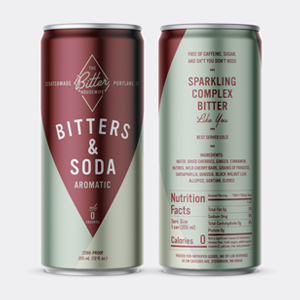
[00:20:52] Chris Kirby: This is The Bitter Housewife bitters and soda, the very last can in the office. Please send more. Yes. Yeah, no, this was also, you know, just sort of last note about our trip. You know, we We tried a lot of different like low and no alcohol products like that market of any beverage category is definitely more advanced than what we have over here in the US. Even while we were over there, Seedlip introduced a ready to drink seed lip and tonic in a can, and they also are launching a no-groany, which I need to try, like now. But there's, you know, there's a lot of startup companies that are creating products like that. So I don't know, I guess I came back and saw this last can. I think it was kind of like, I'm saving it, you know, behind glass in case of emergency. And, you know, a podcast recording seems like a good emergency. So, you know, last one here.
[00:21:54] Ithaca Craft: What role do you think the UK's sugar tax that was instituted in 2018, I think it was, has to do with the offerings of low and no sugar?
[00:22:04] Chris Kirby: I don't think it's actually driven by that as much as there's data. And I don't have it, you know, off the top of my head, but it's like, you know, one in four, like don't drink or something like that over there, despite the like pub culture. You know, I think over here, there's all of this coverage about millennials not drinking and competition from things like cannabis, and they don't have that over there. So like, no one talks about cannabis seeding into alcohol sales. And I think craft beer, you know, hard seltzer, like, well, hard seltzer is like not even a thing over there yet, really. So, like, White Claw just launched there. And, you know, craft beer here kind of went so, like, high alcohol, their craft beer was, like, low alcohol. So, it just covers around, like, 4%. Yeah, I mean, so it just seems like it's an easier kind of, like, but it's also full flavor. The low ABV, well, which is pretty much the standard craft beer hovering around four or five, some even 3% is pretty full flavor too. And we found that some of these non-alcoholic spirits that we tried like Everleaf and Three Spirit are focused on the flavor and being very interesting. Some of them even have figured out a way to have the burn. And so, you know, you can have this as a cocktail and be involved in, you know, sort of cocktail culture without the impact. And we found that pretty interesting. As John said, it seems to be a market where many of the markets like cold brew, for instance, over here, very advanced market, kombucha, very advanced market. and where the US has been leading the charge in building those categories, it seems that this is a space where UK is a bit ahead. And so they're pretty excited about that. I'd even say like you go into a good cocktail bar and like pretty much every single one has low and no alcohol, you know, seed lip based primarily cocktails, which I think are just a lot harder to find here. So Still Ventures has a really nice report on this whole category on their website. If you want to see more about that. We went to Connaught Cocktail Bar and they had... That's the number two bar in the world. The number two bar in the world, according to the list, right?
[00:24:23] Ithaca Craft: Fancy.
[00:24:24] Chris Kirby: The interesting thing was, well, there were many interesting things about the bar, but I found it interesting from a marketing perspective because the menu not only had the, you know, had the marketing kits around it and they had drinks that were related to certain kinds of moods and things of that nature, but they were ordered in terms of ABV and there were four drinks for each mood. And the top one was the highest ABV. And then at the end on each page was a non-alcoholic cocktail. And they had some cool stuff in them like, you know, fixate kombucha was in them. And so they, you know, they, they were really trying to make these NA cocktails very interesting and, you know, something that you could, if you're enjoying a cocktail, could enjoy this just like you enjoyed any other cocktail.
[00:25:10] Ithaca Craft: Would you expect over there that even if there's a consumer who drinks, they may go to a bar and have one cocktail with alcohol in it and then maybe switch over to a non-alcoholic cocktail?
[00:25:24] Chris Kirby: I think that's a great question that I don't know the answer to. That part isn't totally clear, like, you know, if it is a drink that someone might, you know, swap in. I mean, there's just so many different ways that these products are used. I mean, I don't know, I had a drink that had seed lip in it that also had like, uh, scotch and chartreuse in it. So it was just like to cut a super high alcohol drink into like a more modest one. So I think all of that like kind of remains to be seen though. Good stuff. Good stuff indeed. You eat your Kit Kat, Ray. I know he's like saving it.
[00:26:02] Ray Latif: I think he's going to go eBay it or scrape the gold out of it. I am. I am going to scrape the gold out of it and use it for one of my fillings. So. All right, I think it's time to get to our interview with the aforementioned Chris Kirby. You might recognize Ithaca Craft Hummus from its tagline, which until a recent label revamp, was printed on the top of every package. Tribe Hummus Tastes Fresh, and it does. Launched in 2013, the brand's use of cold pressure processing instead of pasteurization as a safety step is key to Ithaca's ultra-fresh flavor profile. Backed by a loyal, bordering-on-rabid consumer following, the brand has won placement in thousands of retail stores across the U.S., including Wegmans, The Fresh Market and Publix. Chris Kirby has emphasized a scrappy approach to growth that's focused on strong relationships with his co-packer and retail partners. The result has been a lean, profitable operation producing one of the fastest-growing hummus brands in America. In the following interview, I spoke with Chris about why he got into Tribe Hummus business, how Ithaca's commitment to cold-pressed and high-quality ingredients has remained the same since day one, and what he learned about operating his own production facility for four years. He also urged entrepreneurs to be thoughtful about their retail relationships and deliberate about expenses, and why he hires people that are highly self-sufficient. Hey, folks, it's Ray with Taste Radio. I'm at BevNET headquarters inside the Taste Radio studio. Sitting with me now is Chris Kirby, the founder and CEO of Ithaca Hummus. Chris, how are you? I'm doing great. Thanks for having me here today, Ray. Good to see you again. This is your second time at the office. You're coming in from, I assume, upstate New York based on the name of your brand.
[00:27:53] Craft Hummus: Actually, that's not true, Ray. I live in Raleigh, North Carolina these days. Oh, how about that? And we are headquartered in Rochester, New York. Oh, okay. Did you start the brand in Rochester? Started the brand at the farmer's market in Ithaca, where I was going to school at the time. And I lived there for about six years to get the brand off the ground. And we were really doing all the manufacturing there for quite some time. And then we partnered with a company in Rochester who now does the manufacturing for us and relocated our headquarters there. Where'd you go to school in upstate New York? I went to the hotel school at Cornell.
[00:28:27] Ray Latif: Okay.
[00:28:28] Craft Hummus: I understand you used to be a chef. Well, once a chef, always a chef, right? Well, yeah, absolutely. And I was a professional chef in my career starting out. I went to culinary school when I was finished high school and cooked for about six or seven years professionally after that. Places I would know? Possibly. Marcel's in Washington, D.C., which is a French-Belgian restaurant. I worked at the Encore Hotel in Las Vegas for a year, for exactly a year.
[00:28:56] Ray Latif: While you're in town, you get to see the Encore Boston, right? That's the casino that just opened up.
[00:29:01] Craft Hummus: You know, my Lyft driver was telling me about that on the way over here. So I wondered if there was a connection and it sounds like there is. There is. Yes. Cool. And then I moved to Austin, Texas, where I worked at a small wine bar called called Mulberry downtown there and did a brief stint in prepared foods at the Whole Foods flagship store. So that was a lot of fun. And while I was there, I really decided I wanted to get out of the restaurant business and advance my education and start a company of my own. And I ended up in upstate New York at Cornell.
[00:29:34] Ray Latif: Why hummus? Why'd you get into Tribe Hummus business?
[00:29:37] Craft Hummus: Well, when I got to Ithaca, I went to the local co-op. I went to the farmer's Market and Publix was really looking for a void in the local food space. You know, really it started out as more of a something that I would do while I was in school. I mentioned I was a little bit older when I got to Cornell. So I was 26. Most of my classmates were 18. So I really needed something. to do with my time there when I wasn't studying. And I felt like, hey, no better time than now to start a business while I'm in school and surrounded by all these people who can really help me with that. And so, yeah, I was looking for white space in the local area there. And I don't know how much you know about Ithaca, New York, but it's a very granola kind of crunchy town. I heard it's gorgeous. It is gorgeous as well.
[00:30:25] Ray Latif: Yeah, that's true. Dad jokes all day, right?
[00:30:27] Craft Hummus: Yeah, of course. But I was shocked when I did that kind of market tour and did not find a locally produced hummus. And I said, well, that's my niche right there. And as I learned more and more about the category on a national scale, I felt like the problem that I was solving locally in Ithaca was one that needed to be solved nationally as well.
[00:30:51] Ray Latif: How do you educate yourself about Tribe Hummus category? It sounds like you took a lot of steps to prepare yourself to get into the business before you said, Hey, I'm just gonna make Craft Hummus brand.
[00:30:59] Craft Hummus: Yeah, I really, you know, learned by doing to be honest with you and going out in stores and seeing what the other brands look like, what they tasted like, you know, a lot of primary market research on my part. You know, the other part is Because I started at the farmer's market. So I was literally standing in front of my consumer, selling directly to people who would give me feedback. And that was really a key piece of experience for me early on, because not only did I get to hear what they enjoyed about my product, but I also got to hear what you know, some of the things that they that were missing for them when they went to the supermarket and bought bought hummus. What were they missing? The Fresh. I mean, if you go to a restaurant or make hummus at home, you really make a product that's typically made with all fresh ingredients, fresh lemon juice, fresh garlic, and the texture is just lighter and fluffier. And when you go to the grocery store and you buy some of the national brands out there, it's just not the same experience that you get from a sensory perspective. So that's, you know, as the business evolved and started to grow, that really became the white space that I identified on a national scale as well.
[00:32:10] Ray Latif: There's freshness, there's also flavor, and you're a self-proclaimed flavor fanatic. And I have to admit, your products taste incredible. And I can't tell if it's from the flavor or from The Fresh. So, you know, which do you put more emphasis on, especially starting out? Do you think about, okay, well, flavor is my wheelhouse, that's where I'm going to put most of my efforts, and then think about freshness after? I mean, how did that process work?
[00:32:33] Craft Hummus: Well, flavor and freshness to me go hand in hand. My style of cooking, you mentioned that I'm a flavor fanatic, which absolutely I'm a proud flavor fanatic, but my style of cooking and creating recipes has always been, it needs a little, just a little more salt or a little squeeze of lemon, you know? So I've never been one to just kind of dump all the spices in the spice cabinet into something that I'm preparing. I like simplicity in food. And if you're going to cook very simple recipes and use simple ingredients, you really have to make sure that the quality of each one of those ingredients is as high as it can be. And I think quality and freshness go hand in hand as well. So we strive to create recipes that are very bold and flavorful, but those flavors come from, you know, really The Fresh of the ingredients that we use.
[00:33:30] Ray Latif: So when you started scaling, Were there any elements that you said, okay, these parts are non-negotiable?
[00:33:37] Craft Hummus: As we were scaling up, there were a few things that I was dead set on making sure that we were able to maintain as we grew the business. I always wanted to use cold pressed fresh lemon juice in our formulas. That's really the signature to all of our recipes. We'd never use preservatives. just as a chef, using preservatives is not something that's really part of my ethos or my style. And then one of the things that I learned as I educated myself on the category was that there are a lot of brands out there that are actually pasteurizing Tribe Hummus after it's made. And when you think about what that process does to food, it really denatures The Fresh ingredients that ideally you wanna be putting into the food that you're creating. And so just by nature of using cold pressed fresh ingredients, it would completely destroy the flavors and the nutrients to pasteurize that. So that's something that we just, you know, always felt strongly that we would never do as a brand.
[00:34:35] Ray Latif: A safety step is required for food and beverage products before they go to shelf. You mentioned pasteurization, but Ithaca uses HPP, which is best known, or perhaps in the beverage industry, best known for cold press juice. It's used for deli meats, other things like that, and food. How did you identify HPP and how did you come to grips with the fact that you're going to be paying a little bit more to process it that way, to process your hummus that way, because it does cost more in HPP than it does to pasteurize.
[00:35:07] Craft Hummus: Yeah, when I was first starting out, I remember reading an article about another Hummus brand that had just acquired some HPP equipment and thinking this is, you know, maybe a couple months into starting my company and thinking, wow, that would really be the silver bullet for us if we had access to a machine like that and we could figure out how to work that cost into our cost model. But we were so far away at that point that it was really just about, how do we get from point A to point B? And that was all the way down the alphabet at Z for us back then. And so to be clear, at the time, you didn't have to pasteurize. You had a pretty short shelf life? Yes. At the time, we started with a seven-day shelf life. And then we slowly moved from seven to 14, and then 14 to 21, which is about as high as we were able to get our shelf life without a more robust kill step. Yeah, so for the first three years, we just had to deal with the fact that we had a really short shelf life on our product and what that meant for our distribution, which was great, honestly, because it forced us to stay really narrow and really focused and focus on velocity instead of just door count, which is a lesson that we've kind of taken into the where we are today. But eventually, I was connected with a company called Ledestri Foods in Rochester, New York, through Wegmans, which is a, we were working with Wegmans at the time and still do today. And they had just acquired an HPP machine. And initially, they wanted us to make our product at our plant, send it to them as a toll facility, and then they would send it back for us to distribute from there. And, you know, economically, that's just something that wasn't going to work for us. So ultimately, it took about a year to convince Ledestri to not only HPP our product, but also bring a lot of our equipment into their plant so that they could manufacture it as well. But that's ultimately what ended up happening. And our product is not inexpensive to make. It's an expensive product to manufacture. And that's something that I'm constantly working with retailers so that they understand why it costs more. But in the end, it's worth it for the product and it's worth it for the consumer.
[00:37:23] Ray Latif: You were doing your own manufacturing for how long? Four years. Four years?
[00:37:27] Craft Hummus: Yeah. What was that like? Crazy. Probably the most difficult four years of my life. I started out renting a summer camp kitchen, very small, very humble beginnings, I'll say that. And then when we started working with Wegmans, we had to increase our capacity and make some changes to the process and things like that. we ended up renting a 10,000 square feet of a 20,000 square foot commercial manufacturing facility. I bought a steam boiler and the kettles and filling equipment, blending equipment, and I was just in way over my head because I had zero food manufacturing experience, but luckily had a great team and we were able to make it work. Were you maxing out every credit card that you owned? Oh, yeah. I mean, every week was who do we pay? You know, we have to make sure that we were collecting all of our receivables on time and really stretching our payables as far as we could. So it was it was tough. The cash flow issue is real when you're doing your own manufacturing and you own the inventory. And it was very difficult.
[00:38:33] Ray Latif: Do you feel like you could be here today without your own manufacturing facility, without having those four years, given that, you know, you put so much effort and emphasis on the quality of your product?
[00:38:44] Craft Hummus: You know, I learned a lot about food manufacturing. I certainly gained a ton of respect for the people who do it day in and day out. And yeah, I mean, it was a difficult time, but lessons that I learned that I'll keep with me for The Fresh of my life.
[00:39:03] Tribe Hummus: Guessing your margins? That's risky. Belay Financial gives CPG brands the clarity to scale smarter, faster, stronger. Get your free inventory ebook by texting TASTE to 55123 and start making data work for you.
[00:39:22] Tastes Fresh: The thing that. Tune in at the end of this episode for an exclusive interview with Matt Lynn of Belay Solutions. He sits down with Melissa Traverse to break down the biggest inventory and accounting mistakes CPG founders often make. You'll learn how to bring clarity to your numbers so you can scale with confidence.
[00:39:40] Ray Latif: really threw you for a loop when you started manufacturing? Because we talked to a lot of entrepreneurs who say, okay, the only person that can make this product the way I want to make this product is me. I'm the only one who really cares enough about the ingredients, about the processing, about how it's packaged, how it looks like when it goes out. And so I can't trust anyone else to do that. So they say, okay, I'm gonna start manufacturing my own product without knowing how difficult it is. What was the most difficult part of the process for you?
[00:40:09] Craft Hummus: Working with equipment that I had never worked with before, something as simple as an inkjet coder that sits at the end of your line that sprays the date and lot code onto the side of a package, think about that. That's the last step of the process. If you don't have that, you can't sell the product for something so simple as a code on the side of the cup. you know, when something like that breaks or someone puts the wrong ink into it or whatever, you're not selling product until you can get that fixed. And getting these specialized pieces of equipment fixed a lot of times, you know, you can't run down to your local Pep Boys and find somebody who knows how to do that. So I wouldn't assume at Pep Boys that you could find. Well, I couldn't think of a better example, but there's no, there's not really a local inkjet professional service person. Who's going to help you with that? You know, generally they're hundreds of miles away and you've got to pay for them to come and visit your plan. And then, so that was definitely the most difficult part, learning how to use and maintain and troubleshoot equipment that I had never used before.
[00:41:18] Ray Latif: When you do make that decision to start working with a co-packer, you've talked about this in the past. It's like dating. And eventually if you find the right partner, it's like a marriage. But as we all know, dating can be difficult. Marriages can be very difficult. How do you cultivate that relationship with Lodestri? What were the initial steps? Talk to us about some of the things that you needed to work on so that they would be comfortable with you coming on board and some of the things that they had to work on so that you would feel comfortable working with them.
[00:41:48] Craft Hummus: Well, I saw in Ledestri from the beginning a company that really, they're a family company, and they put food quality, you know, at the top, just like I did. And so that gave me a lot of comfort in the early days of working with them. They were willing to do things that other manufacturers that I had talked to just weren't willing to do. Like what? Like cold-pressed fresh lemon juice. That was really the big one. It's like, this is a big part of what makes our recipe special. And, you know, they saw that, they understood that, and they were willing to take that leap with me. So that was a big thing, seeing that we were kind of eye to eye on, you know, the quality of the product is number one. And then from there, I think what helped them kind of see me as somebody that they wanted to do business with is they had a lot of respect for the fact that I had done the manufacturing myself for a few years, and that was really, I think, attractive for them.
[00:42:50] Ray Latif: That was attractive to them because you understood the process and you understood how challenging it was and some of the things that could go wrong and why it would require. I'm putting words in your mouth, but I'm assuming that just you having the experience as opposed to a green entrepreneur, you know, you're going to understand when something's broken, hey, it's going to take some time to fix versus somebody else might be like, hey, I'm paying you to get this done.
[00:43:13] Craft Hummus: Right. Yeah. I mean, I, I had experienced equipment outages and I understand, you know, what it's like when you get a huge order for the first time and you know, that's going to require people to work around the clock for days at a time in order to accomplish that. So I really, I really understood, you know, the Giovanni Lodestre says he's got all the cuts and bruises to prove it. And, and I feel like where he's got cuts and bruises, I have some, you know, little scrapes and things like that. So I think he saw that and, And he understood that I was going to be a good partner to them. But the third thing, and perhaps the most important, was I really developed a close relationship with someone on the Ledestri team who's now on our team. His name's Frank Cavallaro. And I think without him championing me and my brand from the inside at Ledestri, I don't know that we would have been able to convince them to make our product. So that was another key piece of what led us to working with Lodastri. I don't want to speak for Frank, but I think he just felt like, okay, this is somebody who's really driven to do what they say they want to do. And that was something that he was able to take back to his team and convince them of.
[00:44:29] Ray Latif: And Lodastri eventually invested in Ithaca. That is pretty interesting to me because you don't hear about a lot of co-packers investing in the brands that they work with. What was their interest in doing that and how did you get comfortable around the fact that your manufacturing partner was going to be an equity partner?
[00:44:48] Craft Hummus: Well, that's something that I always had in my sights. I knew that at some point, if we wanted to start growing quickly and scaling up, we would need to take on some kind of capital investment. But I was always adamant that I didn't want to take that from someone or an organization that was just a checkbook. I was really looking for a strategic partner. And Ledestri doing the manufacturing for us is the epitome of that. And so it was a natural move for me to want to bring them on as a partner. I think from their side, they saw when someone's doing your manufacturing, they don't really need to look at your books. They can see how quickly your company is growing in our case. And I think that was very exciting for them. And then I think that coupled with the fact that they knew Frank so well and they knew that he was on my team, they just had a lot of confidence in both of us and they could see that every day as the orders were increasing. I think that was kind of what attracted them. And as I said earlier, they're really the ideal partner for us. So it was a great mutual thing.
[00:45:59] Ray Latif: Now we're on the heels of Expo East 2019. The first time I saw your product was a couple of years ago at that show. I'll never forget, I was upstairs and it was this little booth that said Ithaca Cold Crafted. And you've since changed the name and we'll get to that later on. But the package said, Tribe Hummus Tastes Fresh. I was like, okay, let's see how fresh it tastes. And I tasted it for the first time and I was, like a lot of folks, just absolutely blown away. Beyond tasting it, I mean, what was your communication strategy at the beginning? Because sampling is one thing, you know, getting people to try the product at a farmer's market, okay, you might get a few folks to do that. But that message of Tribe Hummus Tastes Fresh, where did that come from? And how do you overcome the fact that there's a lot of people who don't Tribe Hummus based on prior experiences?
[00:46:52] Craft Hummus: Yeah, Tribe Hummus Tastes Fresh. I really wanted to, that was at the time, you know, to me, our biggest calling card, our value proposition to the consumer, if you will. And so I wanted to put that front and center right on the packaging so that people knew what we were promising and what they were buying when they put it in their shopping cart. So that was really where that came from. And I think it's a promise that our product delivers on.
[00:47:21] Ray Latif: Did that really resonate with consumers? Were a lot of consumers gravitating toward the product? Were they picking it up off shelf because of that callout? Sort of that straight ahead, this is what it is, no BS, try it.
[00:47:34] Craft Hummus: I think that had played a role. I think the white packaging, the square, the color blocking that we did with that iteration of our packaging also really helped to, it was just kind of like a breakout design that stood out in a sea of beige and red and green and colors that are not Tastes Fresh and vibrant looking. You know, white was was perfect and I think on brand for the product that's inside.
[00:48:00] Ray Latif: Did you run into any issues with retail buyers who said, hey, this doesn't look like Kambes, this looks like, say, cheese or something else like that?
[00:48:08] Craft Hummus: We haven't gotten that feedback from retail buyers, but when we do retail visits, sometimes we will be next to the pimento cheese dip or beer cheese or things like that that are in a square tub like we are. And it is a bit confusing sometimes. So in those cases, we always try to go back to the retailer and say, hey, maybe put us in the middle of the set instead of on the fringe where we may be confused with a cheese spread. Or you could just move it all yourself, right? Well, we can and we do, but sometimes buyers don't love that. But yeah, we do what we can.
[00:48:44] Ray Latif: Going back to the label, Tribe Hummus Tastes Fresh, your original name was Ithaca Cold Crafted. Why was it called that and why not just call it Ithaca Hummus, which is what the name is today?
[00:48:56] Craft Hummus: Yeah, there was a point in time where I felt like the innovation that we had, which is cold batching our process, taking the beans after they're cooked, cooling them down all the way before you actually add cold pressed ingredients to them, and the HPP process combined, I felt like that was an innovation, and still do, that could be translated into a lot of different subcategories other than just hummus. And so we used that name for a couple of years and we just found it to be, you know, while cold crafted is interesting and might pique someone's interest, it's also a bit confusing for consumers who are discovering your brand for the first time. And so we made the decision to say, you know, hey, there's enough disruption and innovation to be done in Tribe Hummus category for us. We really need to put the name of, you know, the product on the packaging and have that as part of our brand name. So we did switch back.
[00:49:53] Ray Latif: Going back to the question about changing consumer perception about hummus, especially for those who say they don't Tribe Hummus, they've tried any number of national brands and they say, this just isn't for me. What's been your experience in sort of reinventing this idea of Craft Hummus can be and taste like? This is an issue that we see with, you know, folks in other food and beverage categories. Kombucha comes to mind where somebody tries it for the first time and they're like, I never want to have, even see the word kombucha on shelf again. So, you know, what's been your approach to reintroducing hummus to consumers who have a negative impression about the food?
[00:50:29] Craft Hummus: Yeah, that's honestly one of the most fun parts about this business, not just for me, but for everybody on our team. Back in The Fresh market days, you know, I would get people who came up and say, I, you know, not a really, I don't Tribe Hummus. That's really not for me. No, no, I'm good on that. So, but You know, it's really about, I hate to say it, it's about getting people to taste our product. And you're right, you know, they have that visceral reaction that now, you know, just being at Expo East, other members of my team are starting to experience that. And it's really energizing. And it's really great, great to see that. And one of the lines that we use now on some of the marketing materials that we have, like shelf talkers and things, is Tribe Hummus for the first time, even if it's your hundredth time. And I think that really encapsulates what we're offering people with our product is it's going to taste different. It's not going to taste like anything that you've had before. And it's worth giving it a try. We change minds every day. You need to trademark that if you haven't already.
[00:51:35] Ray Latif: Yeah, I think we're working on it. Someone else is going to try to use that. Don't trademark it yet. Chris is on it. Yeah, I'll get there. Good. Once people do try it, some people just go nuts about your product. You have a rabid consumer following just going on your Instagram or Twitter. You know, I'm just pulling up one quote. Someone said the package says enjoy within seven days. Mine lasted seven minutes. How do you engage those core consumers? And I mean, they're your de facto ambassadors, right?
[00:52:07] Craft Hummus: Absolutely. I think keeping constant contact with them, you know, when someone is nice enough to write a review for us, we always try to reach out, send coupons and just really make it easy for them to be ambassadors of our product. So I think that comes with just staying engaged on social media and having two-way conversations with the people that love your product. Who does that on your team? Is it you? No, actually, we are using an agency to do our social media and community management.
[00:52:39] Ray Latif: Has that been a benefit to you? Is it because it's sort of a distraction from your primary responsibilities? Or, you know, why do you use an agency versus doing it in-house?
[00:52:47] Craft Hummus: I mean, our goal is definitely to bring that in-house, the community management piece of social media. But just the nature of a growing startup, one of the things that's really helped us as we've grown has been to stay lean. And so anything that we can outsource, as long as we're comfortable and happy with the partner that we're outsourcing to, you know, up to this point, that's been the strategy that we've used. But now that we're starting to really grow and have some success, and we're not in pure survival mode anymore, it's exciting to think about starting to bring some of those things back in house and really take that under our wing.
[00:53:25] Tastes Fresh: So you said two things. Do you want more repeat buyers on Amazon? Well, this free resource in collaboration with Straight Up Growth will help your brand turn first-time buyers into long-term subscribers. Download Winning the Repeat Purchase Game on Amazon now at Taste Radio slash SUG. That's Taste Radio slash S-U-G to start building retention-driven growth for your brand on Amazon. Scaling a beverage brand into major retail comes down to operational readiness. From packaging lead times to co-manufacturing strategy, the details can make or break a launch. In a new e-book in collaboration with Octopi and Asahi Beer USA, industry leaders share what they've learned in helping brands scale. Download it now at Taste Radio slash octopi. Do you need to scale your team faster without compromising on talent? Join Oceans for a live webinar on April 20th and learn how leading companies are hiring top global professionals who are ready to grow with your business. Register for the webinar now at Taste Radio slash Oceans. That's Taste Radio slash Oceans.
[00:54:38] Ray Latif: You're trying to stay lean, but earlier you mentioned that you have some pretty aggressive growth goals. being scrappy while scaling as quickly as possible. How does that work?
[00:54:52] Craft Hummus: It's difficult. It's tough. It's, uh, we all work very, very hard to keep up with, with the goals that we have. And how many people on your team? Seven, seven. Okay. Yeah. So like I said, still a very small lean company, but we've got a lot of great partners external to the business, like our financial accounting, for example, is, you know, we use a third party for that. And I mentioned some of the, you know, we will use marketing agencies and creative agencies for different things that we're trying to do in marketing. And, you know, brokers are, we rely on brokers for some of our sales. And so just Ledestri, you know, Ledestri is our outsource manufacturer is, is, takes a lot of the headcount away from a business like ours. So, you know, it's, it's been core to our strategy to get to where we are today to stay lean. And I think it's core to who we are as a, as a brand, you know, we have to do all The Bitter kind of stuff and, and the paperwork and the stuff that, that you don't really want to do sometimes, but, and then you also have to be responsible for the strategy and The Bitter picture. items. So it's kind of going back and forth on a daily basis for everybody on our team. And luckily we're all flexible in that way.
[00:56:06] Ray Latif: Growth goals can only be achievable if you get on shelf and actually get pull from consumers. Have you seen the homestead expanding? And if not, you know, how's that work jostling for position with the big brands as big national brands and some of the smaller ones like yours, which there are a number of?
[00:56:23] Craft Hummus: Yeah, the category right now is not growing as fast as it once was, but it is still growing, and it's big. It's an $800 million category, so there's a lot of opportunity for small brands like ours. That being said, it is difficult to Gold In and convince a buyer who has seen you know, 50 hummus brands, in many cases, why yours deserves a space on the shelf next to the national brand that owns 60% of the category. And the way we've done that is to really take one retailer at a time and focus on driving velocity and building a great story and taking that case study to the next retailer and say, you know, Here's what we did. Here's how we did it. And we're ready to do it with you. And this is something that's going to grow your category instead of just cannibalizing everything else that you have on shelf. We look at the regions where we're strong and try to tell a story about why that is and get buyers to really get on board with our brand that way.
[00:57:27] Ray Latif: Is that story translatable from retailer to retailer though? Does it work every single time? You and I were talking earlier about a retailer that isn't performing as well as you would expect it to be. So, you know, what went wrong?
[00:57:40] Craft Hummus: Yeah, I think... It doesn't always work and as an emerging brand, you have to be very careful about what retailers you partner with and your channel strategy overall. It's limited resources and you're really looking for the best ROI out there when you go and spend those marketing dollars. I would encourage brands to really be careful with what retailers they partner with, especially in their infancy.
[00:58:07] Ray Latif: In your infancy, one of the great partners you've had, one of the great retail partners that you had and continue to have was Wegmans. How did you cultivate that relationship from the outset, especially as a small brand? I mean, are they looking for really up and coming innovative brands like yours or was it kind of challenging to get in? Was it sort of a test? Hey, we'll do it in a handful of stores here. I mean, how did that work?
[00:58:29] Craft Hummus: Our way in at Wegmans was through the nature's marketplace section that they have. That store within a store. Exactly. Yeah. That's the organic section in Wegmans. So really if you're selling hummus, you want to be with the Tribe Hummus because that's where people are trained to go and buy that category in the store. But we had to work our way up through the nature's marketplace section and we started in one store. We started in the Ithaca store. which is good because we were able to really focus all of our efforts there and did a ton of demos. And within four weeks of being in that store, we had one flavor, lemon garlic, our original flavor, and we were selling over a thousand units a week in that one store. Wow. And so that's a story that I was able to take to the next closest store in Syracuse. And then, you know, from there to the next store and, and slowly one by one focus store by store and, and and grow with Wegmans. Pretty incredible. And our numbers are still up there to this day. And, you know, you would expect that. The name of our company is Ithaca Hummus, and it was the Ithaca Wegmans. And we were putting a lot of time and energy and support behind that. And the product is great. You know, it's the kind of product that when people try it, as you mentioned earlier, they're kind of like, oh, wow, this is how hummus should taste. And they keep coming back. So we really grew store by store until we had about five, and then I was able to go to the regional buyer and say, you know, how about we put this in, you know, 20? And, you know, we just continued to grow. Wegmans has about 100 locations and we're in, you know, 95 of them today.
[01:00:05] Ray Latif: One of the things that we talked about is that Ithaca Hummus is a profitable company. This is incredible. I thought nobody makes a profit in this business. That's what I'm told too. Were you always focused on turning a profit? Was this always a business where you said, okay, if I'm going to be all in, I have to make sure that I'm financially responsible and that we're doing the things that aren't common in this business?
[01:00:29] Craft Hummus: Absolutely. I mean, the way that I, you know, I really bootstrapped the company from day one. And the minimal investment that I took came from people that I knew well, my friends, my family, my dad, in some cases. And so, That's money that you have to be really conscious and responsible about making sure that you're able to return that to people one day.
[01:00:52] Ray Latif: Otherwise, Thanksgiving is going to be kind of awkward.
[01:00:55] Craft Hummus: Thanksgiving would be awkward. Yeah, exactly. So that's really something that's built into my DNA and that's kind of built into the DNA of the company as well. So I've always strived to be profitable. We weren't always. I mean, at the beginning, we were because it was a cash business at a farmer's market. So that was great. But then when we started getting into retail and working with distributors, you start to see how things can shift and change. And it's a little bit more difficult to follow the dollars and where they're going. and where they're coming from. And so I think during that period of going from a small cash farmers market business to the trial by fire of like, oh, wow, we're losing money here working with distributors and retailers that we're not experienced with working with. and manufacturing ourself too, by the way. That's also something that's difficult to do profitably at a small scale. You know, I rode the line a lot. And as I mentioned earlier, not being able to pay all of your payables and all of your vendors is a very stressful scenario to be in. And it's much more fun to run a business that's profiting than it is to run one that's losing money. And so, you know, it's always been a really important piece for me.
[01:02:11] Ray Latif: What are the keys to running a profitable business, to achieving profitability for you, for a small business like yours?
[01:02:18] Craft Hummus: I think you just have to be very intentional about what you're spending and why and what you expect in return for the dollars that are going out the door. A rule of thumb that I like to think about, we don't, we're not perfect. We don't always use it, but for like marketing expenses for, as an example, for every dollar that we spend, you really want to see $2 come back within 60 days or else you just got to, you've got a bunch of. marketing dollars out there that are not as productive as they need to be. Is that your rule or is that a general business strategy rule? It's actually a rule that my dad taught me. Okay. So that's one of his rules. He actually was a CPA and so accounting and making sure that businesses are telling the right story on the financial statements is something that he's been strong at throughout his career and I've been able to lean on him as well.
[01:03:08] Ray Latif: I recently talked to an entrepreneur who said their company is obsessive about margin. What do you take into account when you're thinking about your gross margin?
[01:03:18] Craft Hummus: Everybody's got a different take on gross margin. Personally, I think it's for us in a very competitive category that we're sitting on the shelf for $4.99 in a lot of cases where you've got a private label that's there for $1.99. we really have to squeeze our gross margin as much as possible to stay competitively priced on the shelf. And so you have to make that up in the SG&A, you know, below the line part of your P&L. And that's really where staying lean and making sure that everybody on our team is as productive as they need to be and not growing our team too fast has has really helped us. So margin is important, but if you have a light margin, like we do in our case, you have to make that up below the line, which is something that we've been able to do, fortunately.
[01:04:09] Ray Latif: What is your gross margin, if you don't mind me asking?
[01:04:11] Craft Hummus: We're at about 30-33%. Okay.
[01:04:13] Ray Latif: When you're talking about staying lean, are you talking about salaries as much as you are the size of the team itself?
[01:04:20] Craft Hummus: more of the size of the team. Okay. I think it's important to have really good people that are able to do a lot as I as I kind of alluded to earlier. So being able to fill out the forms and do the paperwork and make the calls and chase people down and also come up with our strategic plans and things like that. So I really look for people that can do both. So that when I hire somebody, I'm not hiring someone that needs a whole team of support along with them. You find that a lot with people that have come from big companies. They need the support that they're accustomed to. And that's something that in a startup, in a scrappy lean startup like ours, is not something that we're able to offer. So it's important to find people that are able to do both.
[01:05:05] Ray Latif: When you're hiring, you say, hey, you know, do you avoid people from big companies because of that fact?
[01:05:09] Craft Hummus: No, actually, our new VP of sales is from Sabra, came from Sabra. So and yeah, he had a big team of people that were working under him. And in the sales department, that's something that we're looking to build out as well. But you know, in like a marketing type of role, our VP of marketing is very skilled at working with agencies, she comes from an agency. So she understands what agencies are going to work for what projects and how to really get the best quality for in the most cost effective way possible. So I look for people that are self as self sufficient as possible.
[01:05:47] Ray Latif: Chris, as I mentioned, the first time I met you was a couple of years ago, and I've been a big fan of your hummus. I know I'm supposed to be objective about these things, but it really is an incredible product, and it's amazing to see what you've been able to do with the brand. Congratulations on everything that you've done to this point, and good luck with everything going forward.
[01:06:05] Craft Hummus: Thank you so much, Ray. It's been an honor to be here. And thanks to you and the entire BevNET team, Nosh team, Taste Radio team for putting this together. I know for me, it's been a huge source of inspiration and education. So thank you for that.
[01:06:19] Ray Latif: Thank you. I'm glad that we have that recorded. All right. That brings us to the end of episode 55 of Taste Radio Insider. Thank you so much for listening. And thanks for our guest, Chris Kirby. Please subscribe to Taste Radio Insider on the Apple Podcasts app, Spotify, Stitcher, SoundCloud, or Google Play. As always, for questions, comments, ideas for future podcasts, please send us an email to askatasteradio.com. On behalf of the entire Taste Radio team, thank you for listening, and we'll talk to you next time.
[01:07:04] Ithaca Craft: Hello, I am Melissa Traverse here for the Taste Radio podcast, talking about some of the biggest tension points that CPG brands and founders face when they're scaling a brand, and those are financial accounting and inventory management. I am joined by Matt Lynn, inventory accounting guru from Belay Solutions, and he is going to shed some light on all of this that is going to help everybody out quite a bit. Matt, thank you so much for joining us today.
[01:07:34] Chris Kirby: Thank you for having us, Melissa. It's great to be out here at Expo West and it's great to sit down and be able to chat this because it's kind of a passion project of ours, working mainly with CPG brands and hoping to help them scale.
[01:07:46] Ithaca Craft: It's been such a pleasure chatting with you and the team and learning all about what you do over there at Belay Solutions. Can you tell us a little bit about yourself and what your role is and the kinds of solutions that Belay gives to CPG brands and founders?
[01:08:01] Chris Kirby: Yeah, absolutely. My role with Belay, I'm actually our inventory accounting manager. I run our inventory department, so we work with CPG brands, taking them from spreadsheets, putting them on inventory management systems, and really helping connect their tech stack between their sales online marketplaces to that inventory management system, even down to their financial systems like QuickBooks. Belay overall is kind of an outsourced accounting firm. And with that, we're helping teams. We have different levels with bookkeeping, controller level work, even high level into CFO type items. So we really help those brands in any way that they need financially. And then I just have a subset of a department where we're really just laser focused on inventory.
[01:08:44] Ithaca Craft: It's certainly a complex topic and there are plenty of places to go wrong. Let's start by going right and start super simple. Can you tell us what some of the biggest red flags are that would help a founder understand or, you know, the person running a brand understand that it really is time to get some help with some of these areas?
[01:09:05] Chris Kirby: Yeah, absolutely. I think some of the early red flags is just everything is chaos. So when they're looking in their financial software, maybe they don't really have an accounting background and they're kind of just piecing it together and doing their best. And what they'll see is that reconciliations take forever, if they even happen. They have a lot of transactions that don't get coded or they just put them into placeholders to just get rid of it so it's not an eyesore. they'll notice they have revenue but no cash or they notice that they have a good amount of cash but their blind spot is really seeing the vendor invoices that are sitting there just needing to be paid and so they just lack that clarity that's going to really be around the corner.
[01:09:42] Ithaca Craft: You know, you were talking about one of the red flags that comes up that I think makes so much sense. When somebody asks you what your numbers are and you can't come up with the right number, that's a big problem because that's something that you really should be able to share with decision makers who you're ideally looking to do business with. What should you be able to call up at a moment's notice?
[01:10:06] Chris Kirby: Really at any time, you should be able to know an accurate margin. It's amazing how many founders we end up talking to that they can tell you their revenue numbers, they can tell you their selling price, and then the minute you start talking about cost or their cost of goods sold, they just get a deer in headlights look. So really it's very hard to tell, am I even making money? Or if you don't know your entire landed cost. Maybe you know what The Fresh cost is, the duties separately, but you're not really getting that as part of your unit cost. So it's really hard to tell. Am I even making money or am I losing money from the very beginning?
[01:10:39] Ithaca Craft: And do you recommend that founders are able to call up a margin by channel?
[01:10:44] Chris Kirby: Absolutely. And depending on the number of products and channels, you kind of want to know what are your best sellers, which ones are making the most and which ones maybe you're not making as much. But especially if you're branching out and you're doing D to C with B to B, absolutely want to know that.
[01:11:01] Ithaca Craft: Gotcha. You mentioned that when things feel really chaotic, that's probably a red flag. I would say that it probably almost always feels chaotic if you're running a CVG brand. And I know this may be hard to quantify, but is there a revenue number? Is there a number of doors number that would help a brand understand whether or not it makes sense to bring on a partner like Belay? Understanding that so many brands are bootstrapped or they might be tight for cash. What is that friction point?
[01:11:31] Chris Kirby: 3 3 3 3 3 3 3 3 3 3 3 3 But as you're growing, as you're getting to those six-figure revenue numbers, and especially as you're approaching seven, you want to make sure you've got good financials. Because as you scale to that point, most likely you're going to be looking to raise capital. And investors, the first thing they're going to look at is your books. And are they clean? And do they show a clear picture of your business?
[01:12:04] Ithaca Craft: You know, another area that folks might look to to organize some of the chaos are their systems. So many folks stick with Excel spreadsheets for a good amount of time. How do you know that you need to outsource some of your accounting to an organization like Belay Solutions versus maybe signing on to a Synth7 or NetSuite or something like that?
[01:12:26] Chris Kirby: Well, that's actually something we really help with. When it comes to that cost question, that's something that trips people up. And sometimes if you just have a turnkey business, you buy and sell a finished good, you can maintain with spreadsheets. And we've had clients with million dollar revenue that can do that. But we see so many brands nowadays are using contract manufacturers. and they're just sourcing certain parts of their product. So when you start talking cost, they have no idea exactly what their unit cost is. So that's where we come in and we kind of understand, we'll speak with the customers and the clients and get their needs. And then if we think they're ready for a system, then we'll help put them on that system so they can get some of that clarity. And it's not something we force on anybody. There are plenty of times where founders come to us and we'll tell them bluntly, you're not ready for it right now, but we'll let you know when we think you are.
[01:13:12] Ithaca Craft: That sounds like excellent advice. What should a founder or somebody running a brand look for in an outsourced accounting partner? Are there certain checklist items that they should make sure that their partner be able to execute or be able to help them understand?
[01:13:29] Chris Kirby: Absolutely. I think one of the keys, there's, there's a lot of outsourced accounting firms out there. Some focus on service-based SaaS companies, but if you're a CPG founder, you really want to make sure that your accounting firm has CPG experience. I would ask them, you know, what kind of brands have they worked with? And even beyond that industry specific, because there's so many subsets of CPG. And that's something that I think is great about what we do with Belay is that we kind of run the gamut. It's kind of like the insurance commercial. We know a thing or two because we've seen a thing or two across a broad spectrum.
[01:13:59] Ithaca Craft: Probably getting references is always helpful, right? Absolutely. All right. So this all sounds great. I think we have a really good understanding of would it make sense to hire an outsourced partner? You know, what some of the things you should be looking for are. What does offloading this kind of work mean for the brand? What can this do for lightening the load of a founder or lightening the load of a brand operator? Like, how does that help them in their everyday business?
[01:14:28] Chris Kirby: It just tries to really help quiet the chaos. So what we're looking to do is just take some of the weight off that founder's shoulder. Let them focus on building the brand, building the business, getting that exposure. If you don't have sales, you really don't have anything. So we want them to be able to focus on that while we take care of your back-end office work. And we can just present that to you on a monthly basis. You can help make decisions. You can take that to investors. And really, you can just focus on growing your business.
[01:14:54] Ithaca Craft: I feel like I felt founders and the folks who are running brands collectively sigh. Breath of relief just hearing that. How can people learn more about Belay Solutions?
[01:15:05] Chris Kirby: So people can text TASTE to 55123 for their free inventory guide to get started.
[01:15:10] Ithaca Craft: Matt Lynn, inventory accounting guru at Belay Solutions. Thank you so much for joining me here at Expo West. It's been such a pleasure to chat with you and learn about what you all do over there to help founders and brands with their financial accounting and inventory management. For everybody else out there, thank you for listening to the Taste Radio podcast. I am Melissa Traverse and we'll see you next time.