[00:00:05] John Craven: If you like Taste Radio Insider Podcast, it's now on its own feed. Subscribe today on iTunes, Stitcher, Spotify, SoundCloud, or Google Play.
[00:00:12] Jon Landis: It's easy to subscribe on your phone. Just ask Siri. Like, check this out. Hey Siri, subscribe to Taste Radio Insider Podcast.
[00:00:22] Mike Schneider: Just to confirm, would you like to subscribe to the podcast Taste Radio Insider by Taste Radio?
[00:00:29] Jon Landis: Yes. Landis, I noticed you got the British, the British Siri, so do I. I always envisioned that an AI speaks to me with a British accent, so I had to make it happen.
[00:00:39] John Craven: And now Taste Radio Insider.
[00:00:48] Ray Latif: Hey everyone, welcome to another edition of Taste Radio Insider. I'm Ray Latif and with me are my BevNET colleagues, John Craven, Mike Schneider, and Jon Landis. This is episode six of Taste Radio Insider. We're recording from our Taste Radio studio in Watertown, Mass. And in this episode, we feature an interview with David Yeung, the founder of Green Monday, an innovative plant-based food platform. Just a reminder to our listeners, if you like what you hear on Taste Radio, please share the podcast with friends and colleagues. And of course, we'd love it if you'd rate us on iTunes. All right, as we are recording, we are being recorded on Instagram lives. This is good stuff.
[00:01:24] Mike Schneider: I like it.
[00:01:25] Ray Latif: Nate Brescia, our photographer for BevNET, Nosh, and Brewbound is recording us live. And thank you so much for doing that, Nate. One thing that happened in the news this morning we forgot to talk about in our prep meeting, because we couldn't have talked about in our prep meeting, is the fact that Health Warrior was acquired by PepsiCo this morning. Wow. Yes. Health Warrior, whose CEO and co-founder Shane Emmett was just on the podcast about a month ago, sold out. So listen to Taste Radio to find out how he did it. Exactly. I think I asked him that question, but it actually ended up on the cutting room floor. So maybe we'll find that footage and we'll reinsert it somewhere.
[00:02:01] Jon Landis: Well, congrats to those guys.
[00:02:02] Ray Latif: Indeed.
[00:02:03] Jon Landis: I want to go to whatever Halloween party they're going to tonight.
[00:02:07] Ray Latif: You'll find lots of chia snacks and candies, I'm sure. Yeah. Mike and John Craven, welcome back. You guys were in Los Angeles for a few days last week, yes? We were. We did a couple of podcasts.
[00:02:19] John Craven: We were getting ready for Bevanette Live and also working on next year's Bevanette Live. And of course, took in some of the, I was gonna say some of the sites, but you know, food and beverage sites. We took in our favorite site, the Los Santa Monica Beach Hotel.
[00:02:32] Ray Latif: Mike went on a roller coaster out on the pier. Did you guys ride any of the bird scooters that are all over the place there?
[00:02:38] John Craven: Man, it is a war zone of scooter and bike shares there right now. I think since the last time I was out there, which was, I don't know, a couple months ago, it's like, it's almost just like litter everywhere. You've got so many options. It's funny, you know, you talk to people there and the complaints have now shifted from being able to find a bird scooter to being able to find one that actually has battery because apparently they just end up in piles where they're out of juice.
[00:03:06] Jon Landis: So that was my experience in Baltimore.
[00:03:08] John Craven: I couldn't find one with a battery, literally in front of the Lowe's for anyone who's coming to one of our conferences, there's basically like a parking lot full of, uh, Birds, jump, bikes and scooters. It's pretty nuts. It's like walking out of a saloon except for horses there are scooters.
[00:03:24] Mike Schneider: There are all kinds of scooters.
[00:03:25] John Craven: Lime, lift, bird, jump. And I noticed the, it seemed like the local Santa Monica taxi service had like packed up and gone home. They've just like given up.
[00:03:36] Ray Latif: I wouldn't be surprised with all those birds and with all the Ubers and Lyfts. It doesn't make sense to have taxis in Santa Monica anymore, right?
[00:03:40] John Craven: And they're zigging and zagging all over the streets. Yeah, watch yourself walking around. Sometimes you're on the sidewalk. Sometimes people walk them. There's a couple guys walking across the crosswalk and I was like, hey, they're more fun to ride. They're like, cheers, bro. Cheers, bro. Everyone's so happy in LA.
[00:03:54] Ray Latif: So in addition to the streets being littered with scooters, I'm sure the streets were littered with CBD food and beverage products. Yes. Yeah, speaking of unregulated. Nicely done, Mike. Thank you. That's your line, really. Yeah, it was. That's a good transition. I like that.
[00:04:08] Jon Landis: Well, I also could maybe explain why everyone's so happy in L.A. all the time.
[00:04:11] Ray Latif: No, we're talking about CBD, not THC, Jon Landis.
[00:04:16] John Craven: Well, I'll say something useful to follow up Mike's point. No, I mean, I think, you know, we were in Santa Monica and Venice a ton. And, you know, certainly Erewhon is kind of the obvious place that people stop nowadays.
[00:04:28] Ray Latif: The very famous high end supermarket out there.
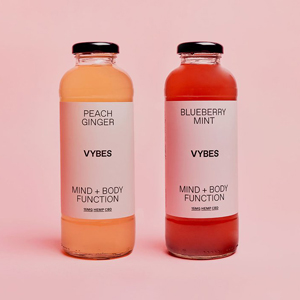
[00:04:31] John Craven: Yeah. Yeah. And I think, you know, it's interesting just how many different products it's in. And I also noticed that a couple of, you know, coffee places or maybe it was a juice shop. It was like you could add a shot of CBD to like basically anything you wanted. So obviously no shortage of CBD products out there. We, you know, had fun picking up a ton of them at Air One and giving some of the newer ones a try. Any favorites? Geez, well, I personally really like the Air One. They're just like house juice line the best. I mean, it's just raw juice. So kind of unfair advantage. You know, we also saw Vibes, M Kombucha. Trying to think of some of the other ones off the top of my head.
[00:05:13] Ray Latif: What's that little chocolate square you were talking about?
[00:05:17] John Craven: What is that chocolate square? That thing, it's kind of like in, it looks, the box looks like, you know, Lucy, you know, the psychiatrist booth that Lucy has.
[00:05:25] Mike Schneider: Five cents. Yeah.
[00:05:27] John Craven: It's so weird. Yeah. I mean, I feel like the buyer at Air One must kind of be like, you know, after the pitch, well, you know, you had me at super high priced and handmade because, yeah, there's a lot of that stuff in there. So it wasn't five cents. No, I think it was like we had a cacao matcha square. It was like, you know, these tiny little like chocolate sized things. Eight bucks for two of them. They had a CBD one. I think it was 15 for one of them. 15 for one. And it looked kind of weird sitting in the middle of the box because usually there's two and they almost fill the white space in the box.
[00:06:02] Ray Latif: So this is all weird to me because, you know, again, CBD is not an FDA approved ingredient for food and beverage. It's not GRAS, GRAS standing for generally recognized as safe. How are all these products out there?
[00:06:14] Jon Landis: So I believe that you are able to self-certify GRAS for the FDA. So probably a lot of them are going through some gray areas with that. And I also think, or at least from what I've been hearing from you guys and everyone else I've been talking to that a lot of this is being enforced in the local level, not in the state or the federal level. So if you have a community that embraces it and enjoys the revenues that these high priced items are bringing in and, you know, want to do the sales and don't really care about any kind of regulatory red tape that they might be getting themselves into, they're kind of free to do that. But other communities are more wary of this and just won't sell it. It depends on you know, where the grocery store is located, really.
[00:07:00] John Craven: We talked to GT Dave about this a little bit and, you know, they've got the founder of GT's Kombucha.
[00:07:05] Ray Latif: GT's Living Foods now.
[00:07:06] John Craven: Yeah, GT's Living Foods. I messed that up too in the interview. You'll find out. The cannabalist product, which is another great CBD product, is one they use a bit as a beacon. They kind of send it out into the world and see what happens because, you know, some places, like we said, Venice, It's easy to put CBD on the shelves because they're okay with it, but places like maybe Carlsbad, not so okay with it. And it's like, nope, nope, it's illegal. You know, it's one of those things where it's not very well regulated and it is really a wild, wild west right now, just like bird scooters. What's also just interesting is how many people we sort of met with. I mean, literally everyone we met with and spoke to, be it for a podcast or just anything, it's like everyone wants to talk about it. You know, it's clearly on everyone's mind, you know, no surprise probably to anyone listening to this, but you kind of hear most people very bullish on, you know, there's kind of a gold rush right now, but when it kind of becomes fully, you know, legal, people are expecting this to be something that really has a meaningful, you know, impact on basically every food and beverage category.
[00:08:10] Ray Latif: Well, I guess that's my biggest question is, you know, what does CBD do? What is its function? You know, how does it help you? And that's a question not only that I have, I think that's a question that many consumers have as well. And why am I paying this very high price for a water or a juice or a piece of candy that has added CBD? Moreover, if it doesn't taste very good, in this day and age, in 2018, am I paying for a function that doesn't taste good? Am I paying for a product with a function that doesn't taste good? I don't think so.
[00:08:40] Jon Landis: You said a lot there that we can unpack, but I'll try to keep it as simple as I can. You have 30 seconds. If you want to talk about efficacy, compare it to like an aspirin or an Advil. You have a headache, you have a sore shoulder or back or something, it's going to be for something like that. It's so expensive right now because a lot of... As a beverage or as a topical? All of this stuff, yeah. Everything, consumables, topicals. It's also very expensive right now because it's being extracted from the male hemp plant, which is extremely inefficient. So they're growing tons of acres of this stuff. And if there's deregulation on the female cannabis plant, which is what people smoke to get high, then it's going to be a lot more efficient to be able to pull the CBD out of that. And the price will definitely go down. But for the foreseeable future, you need federal deregulation of cannabis for that to happen. And this administration doesn't seem like that's on their radar.
[00:09:36] John Craven: People that I've spoken to, I mean, all of this right now is kind of just about how much risk a company wants to undertake. I mean, I think when we were talking to GT Dave, you know, he's a company that clearly will have a big target on his back, right? You know, if he did something wrong, there's money for someone to go after with a lawsuit. Whereas I think a lot of these upstart products, you know, they don't have a whole lot of risks since they're not widely available. For right now, it's also these companies need to be careful about, you know, the claims they're making too. You know, you can't say basically any of the stuff that Landis just said on a product. Exactly. So you'll notice the more savvy ones out there are just listing, you know, contains CBD. Let people do their own homework. The thing that I would compare it to is like Trader Joe's when it's pumpkin season, you've got pumpkin everything. The question is, do we need like CBD pancakes and CBD cookies and CBD dog food, you know, out there right now? Where does CBD belong and how do you build a brand around it? You know, with the regulation as such, you put CBD on the label and you're subjecting yourself to being taken off the shelf or regulation. Now we've seen products like Recess, which Shout out to recess and that blueberry chai situation, which is.
[00:10:43] Ray Latif: Sparkling water brand infused with flavored sparkling water. Blackberry chai infused with CBD.
[00:10:48] John Craven: Which doesn't say CBD on the can, but it says industrial hemp oil in the ingredients. So, you know, people see that and they're like, How is that regulated? I was asking Landis the other day. I can't wait to go to the cannabis forum for food and beverage because... That's our event. That's our event, right? Coming up between Nash Live and BevNET Live.
[00:11:06] Ray Latif: Because we'll have some of these questions answered, like CBD and industrial hemp oil, are those the same thing? Well, I mean, and what does industrial hemp oil taste like? I mean, if I pick up a can of recess and I didn't even see that, but I drank it, I was like, oh, this is really good. But if I saw it on a shelf, and I didn't know that this was a function, maybe it was a flavor, I don't know, I probably wouldn't buy it. So, and on top of it, like, how much does that cost? So all in all, I think, you know, for me, CBD has a long ways to go. And I think trying to unpack all this, you know, when our conversation is tough, trying to unpack this like in conversation, You know, if you had six months to go over, it would be kind of tough. So we'll see where it goes. And I'm really looking forward to, as you mentioned, Mike, the cannabis forum, where we kind of talk about a lot of this for food and beverage. Recess. I'm also willing to be a Guinea pig if you want.
[00:11:51] John Craven: We can see if you want to send more. You can't make lattes out of it, Mike. I mean, for me, I kind of look at this, you know, I don't know, I'm going in the time machine here to when energy drinks weren't a thing. And, you know, Red Bull came to the U.S. late 90s. And, you know, there was this kind of thought that energy would kind of ripple into, like, every product category. And all of a sudden, you saw things like, you know, caffeinated water and caffeinated orange juice and basically just put caffeine in everything, make it an energy drink. And I feel like if you look at that as an example where over time the types of products that the consumer and the market will accept as being energy products has kind of really narrowed a lot, right? So we're not drinking, you know, energy orange juice or, you know, whatnot, but it's a couple of categories. And I think with this, you know, right now there's kind of, you know, a lot of companies that are, you know, building a bit of a beachhead as like first mover of putting CBD in whatever category. And I think over time, like that's just not sustainable, right? We can't have every product in the store that's going to have CBD in it. Like consumers will gravitate towards certain things. Now, I think they're probably going to gravitate towards beverage applications because I think it makes sense as a beverage guy, but it's probably not going to be every last category out there. I think the question is just what will it be? What category is going to rise to the top? We're not going to have CBD charcoal water? Who the hell knows?
[00:13:10] Jon Landis: Well, on my end, I'm seeing a lot of entrepreneurs launching brands with CBD as their kind of hero, and that's why they're doing it. And I think if you're a CBD food and beverage entrepreneur, you need to be asking yourself, does my product stand on its own without this functional ingredient? Is there a purpose for people to get connected with my product and brand beyond this functional aspect of it? Yeah, still early days, right?
[00:13:38] John Craven: So I think you can get away with not having the most delicious beverage, but I think the recess guys have it right because they're trying, you know, they're trying to make the taste really good and put CBD in. The thing that they're not doing is making CBD so apparent on the label that, you know, you might not know that recess is a CBD beverage.
[00:13:55] Ray Latif: I mean, so much of this comes back to perceived versus actual function. I mean, with energy, caffeine proven function gives you energy, gives you, I don't know, excitable energy. With CBD, there still is a question and there's still a lot of education out there in terms of what it does. Now, Landis, I know you told a story during the prep meeting yesterday, not necessarily for the listening audience right here, but you have had some positive impact with CBD.
[00:14:20] Jon Landis: Yeah, I mean, it was at the end of our long string of events last summer and my feet were very swollen and very sore and they hurt really bad. I was on my feet for like a week straight. And so I took a shot of a CBD lemonade I think it had 20 milligrams in it and my feet felt fine. It was just like, I completely went away.
[00:14:39] John Craven: That's another question.
[00:14:40] Jon Landis: Yeah. I think that's a pretty decent dose.
[00:14:42] Ray Latif: You sure it wasn't the tall, more do kicking in.
[00:14:44] Jon Landis: Yeah. It could have been that too. Yeah.
[00:14:45] Ray Latif: You know, combo. Yeah. John, Mike, you both mentioned a GT Dave. You saw him out there, recorded a podcast interview for a future episode of insider. Looking forward to hearing that also met up with a few other folks too. Who else do you see?
[00:14:58] John Craven: Well, we went basically like direct from the airport and saw Wyatt over at Vive. Always great to see him. That was the perfect thing to have right off the plane was a Vive visit, you know, because Wyatt's all high energy and then the shots. And a punch to the face with some ginger and cayenne. Ginger and cayenne. That was just what we needed.
[00:15:15] Ray Latif: And the Kiefer shots, too. The juice shot company, fast-growing juice shot company. Yes, sir.
[00:15:19] John Craven: We also saw GT Dave GTS kombucha, obviously Arnold Ventura at Beanfields. I guess we hooked up with Seb from Dueler ventures, who stopped us on Instagram. So that's great. Nicole Coogan, AKA no bread on Instagram on Instagram.
[00:15:36] Jon Landis: Arnold's a CEO there now, huh? At Beanfields. Yeah. Yeah. Yeah. It's a pretty sweet gig. He got for himself.
[00:15:41] Ray Latif: Yeah, yeah, the former beverage executive at Calafia. Calafia is actually beverage and food nowadays. Also worked for PepsiCo and just an all-around amazing guy.
[00:15:51] Jon Landis: Yeah, he's got his Nosh Live ticket already, so. Nice.
[00:15:54] Ray Latif: Good for him.
[00:15:55] John Craven: We also, speaking of Nosh Live tickets, we saw Chris Sebastian. the founder of Madre Mezcal.
[00:16:00] Jon Landis: Yup, and he's got a new bone broth line, Nell's Bone Broth.
[00:16:04] John Craven: His wife has the Bone Broth Company, and he's got the Mezcal brand, and we got to sit down with him. Fun fact, he's also the former CMO of MTV during the Beavis and Butthead and Road Rules days. We had a lot to chat about.
[00:16:16] Jon Landis: You also saw... Yeah, it was really cool. Shut up, Beavis. You also saw Old Friend... No way.
[00:16:22] Ray Latif: You also saw old friend, Andrew Gard, who used to be a BevNET employee here running operations. Now he's running the Gard Agency and he's working with early stage food and beverage companies.
[00:16:33] John Craven: Talk about hustle.
[00:16:34] Ray Latif: Yeah, on their operations plans. Yeah, he is.
[00:16:36] John Craven: He's a mile a minute. Yeah, always. Oddly enough, we were, you know, it's great to see someone from Boston when you're in Southern California. We sat outside and had dinner at the Rose Cafe in Venice and watched the Red Sox, I think beat the Dodgers that night, right? They beat the Dodgers that night, yeah. Everyone looked really cold at Fenway. That's the only way we could get them to slow down, though, was to meet them in LA.
[00:16:57] Jon Landis: My shout out to the Joshua Pratt and Jacqui Brugliera era, you know, our folks who run our West coast branch out there, they were out in LA for game five and saw the Sox win it all.
[00:17:08] Ray Latif: Indeed. Well, on the reverse, we had some folks from LA come here to Boston to visit us. The folks from LA libations, Danny and Dave came to see us this week. Good to see those guys to see them.
[00:17:20] John Craven: By the way, we did meet up with Danny at Simsies in LA as well. The thing about Danny is you spend five minutes with him and he gives you like so much industry inside information and both visits were totally different and valuable. Great to see you, Danny. Great to see you, Dave.
[00:17:34] Ray Latif: Indeed. And we had a visit from Owen yesterday as well.
[00:17:37] Jon Landis: Yeah. Awesome. They dropped off their new strawberry banana flavor. They got some new labels for their other three in the, in the line. They dropped off a bunch of product. You know, that stuff goes through this office. We definitely take a few of those. Yeah. Yeah.
[00:17:51] John Craven: Those are great for soccer recovery.
[00:17:53] Jon Landis: Yeah, man, so we're thankful that they came by and dropped off some product.
[00:17:56] Ray Latif: Oh and being the plant-based protein Shake and powder company. It's owyn only what you need. Okay, we can cut that for an ad later on speaking of products
[00:18:08] John Craven: In fact, the Minor Figures crew from UK, Craven met up with them back on his London trip, but I've also been talking to them via Instagram, and they sent some of their awesome Nitro Cold Brew, their Nitro Latte, Nitro Mocha, and then their oat milk, and you can check out my bad latte art. Of course, at BevNetMike, I did some Minor Figures latte. It holds up really well. The microphone's sweet.
[00:18:30] Ray Latif: Way to slide that promotion of your Instagram account in there.
[00:18:32] John Craven: Yeah, there you go. Well done.
[00:18:33] Jon Landis: And speaking of coffee, I want to give a shout out to Taste Radio super fan, David at Waka Coffee. He's got this really awesome instant coffee. It's in these brown square packets that look like a sugar packet, but it's coffee and it's super fresh.
[00:18:49] John Craven: Are you hoarding that in your office? How come I haven't tried that yet?
[00:18:51] Ray Latif: I think Carol is hoarding it in her office actually. It's one of the two, right? Yeah. We mentioned the Cannabis Forum earlier in our conversation. Again, that's happening December 1st in between Nosh Live and BevNET Live. You want to come to that event if you have any interest in the CBD category or THC category as well. Lots to talk about there. And you can come to Cannabis Forum for free, right? Yeah, if you're coming to Nosh Live and BevNET Live. Those are happening on either side of Cannabis Forum. Absolutely. And if you're going to one of the two events, you get Cannabis Forum for $4.99. Half price. And to be clear, you should probably sign up for Nosh Live and BevNET Live pretty soon. BevNET Live is 70% sold out at this point.
[00:19:29] Jon Landis: I'm not going to be dealing. I'm not looking forward to the sob stories in late November, early December. Where's my ticket? You know, you guys need to plan ahead. We're legitimately expecting this event to be sold out around Thanksgiving. So please make your plans for BevNET Live in advance. That's a good idea. That's good feedback. It's good advice.
[00:19:48] John Craven: too. So I wouldn't wait for that one either.
[00:19:51] Jon Landis: And Nosh live is going to be, uh, you know, twice the size of our last one. So it's going to be the biggest Nosh live we've had.
[00:19:57] John Craven: I mean, I think we've cracked the code with the sampling experience and expo. And I I'm, I'm pretty, pretty psyched about this Nosh life.
[00:20:03] Jon Landis: If you're waiting for your first time to check it out, don't wait too long. This event is going to be huge in the coming years. It's really in a great place right now. We're going to have around 400 people at Nosh Live. It's a really excellent, comfortable, intimate experience, but still representation from all around the industry.
[00:20:20] John Craven: Yeah, we still have some opportunities to get involved. If you want to sponsor Nosh Live, just, you know, shoot us an email, askatasteradio.com. Well done.
[00:20:27] Jon Landis: Phone number is 617-231-8834. Land is standing by. We just can't get to Dave Young's interview fast enough.
[00:20:34] John Craven: Is he going to give you a ShamWow for signing up?
[00:20:37] Jon Landis: You're going to love my nuts.
[00:20:39] Ray Latif: ShamWow. Oh, geez. Hello. All right, let's get to our interview with David Yeung, who, as I mentioned at the top of the show, is the co-founder and CEO of Green Monday, a global platform for plant-based food and lifestyles. Young was recently named Social Entrepreneur of the Year by the World Economic Forum, and he's influencing society through food, through a set of eateries in Hong Kong, through convincing companies like the MGM Macau Casino and Hotel and more than 600 universities across the globe not to serve meat at least one day a week. Jung is also the creator of Omnipork, an innovative plant-based meat substitute sold in Asia and akin to domestic brands like Beyond Meat and the Impossible Burger, albeit marketed a bit differently. The illustration of those differences is why we sought his perspective for this week's edition of Taste Radio Insider. In the following interview, BevNET's editor-in-chief Jeffrey Klineman sat down with Young in New York City, where they discussed his insights into marketing in Hong Kong and China, the reasons he's serving as an investor in both U.S. and international vegan companies, and the kinds of adjustments brands need to make when they seek to sell in China and throughout Asia.
[00:21:54] John Craven: This is Jeffrey Klineman, editor-in-chief of BevNET, and I'm here for Taste Radio interviewing David Yeung, who is the CEO of Green Monday and the founder of a variety of different organizations and ideas. And he's going to tell us a little bit about what he does.
[00:22:19] Taste Radio: Well, thanks for having me, Jeff. Green Monday is an organization, a social venture group that I founded in 2012. So a little over six years ago. And our goal is to tell the world and empower people that there are many problems that we are dealing with on the planet. And these are urgent ones. Problems like climate change, food insecurity, public health issues, there are many of them, and the nexus of many of these problems is actually food, or more specifically, our overconsumption of meat and dairy. So simply by us switching to a more plant-based or plant-centric diet, we can do the world and we can do ourselves a lot of good. So that's kind of where the motivation of starting this whole group.
[00:23:16] John Craven: So you were an investor in a variety of enterprises before you moved into this, is that right?
[00:23:26] Taste Radio: Yes. I and my family business are involved in apparel, in real estate, and investment in both properties and, you know, financial. So investment and business and entrepreneurship is part of the DNA.
[00:23:43] John Craven: What brought you into the food entrepreneurship field?
[00:23:50] Taste Radio: Back 17 years ago, that was 2001. This is very kind of just coincidence and serendipity. But that year I became a vegetarian. I have never been too big of a fan of meats anyway. But just out of compassion for animals, that year, there were a couple instances. I'm not going to go too much into that. But I just thought to myself, hey, you know, I don't want to be hurting any animal lives anymore. So since 2001, I've been a full-time vegetarian and because of my background working and traveling both in North America and in Asia, sometimes experiencing some very difficult times just to find food in terms of eating out or dining in. So I kind of have accumulated a long history of personal experience of the lack of choices of plant-based food and also the lack of awareness about eating plant-based food.
[00:24:55] John Craven: Is it easier to shop vegetarian in Hong Kong or in New York City?
[00:25:02] Taste Radio: Which one was easier or more difficult, you mean? Easier, yes. I start my vegetarian days in New York and it was alright. I won't say it was extremely easy, but I could get by. But moving back to Hong Kong in late 2003, early 2004, that was a huge lifestyle adjustment. Finding food in general, shopping for grocery, was very difficult. Everything has some meat in it, even if the name doesn't say it. You know, curry sauce, for example. But if you look in the ingredient, there may be some chicken or some beef or pork.
[00:25:44] John Craven: the one that always trips me up is Mapo tofu.
[00:25:48] Taste Radio: Yes. Well, it sounds so just a tofu dish, right? Yeah, so innocuous. And this actually happens to a lot of Asian dishes, particularly with pork. Pork is kind of used as almost like a default ingredient. whether it is mapo tofu or stir-fried string beans. If it says stir-fried string beans... There's bacon in it. There is some minced pork or maybe shredded ham or something that they would sprinkle on top. But they don't even highlight it. They don't even mention it because to them, It's part of Asian culture, I guess, that, you know, particularly with pork, they just use it in everything. So you need to always need to highlight and emphasize to the... you know, to the people at the restaurant that I'm vegetarian, please make sure you need to double check. Mapo tofu minus the minced pork or the pork.
[00:26:49] John Craven: So I just want to jump to this since we're talking about pork. And that is that you've started a company that's bringing a plant-based pork to China.
[00:27:03] Taste Radio: To China and to Asia and to the world. And it's starting in Hong Kong. That's right. So tell us about this. This is one of the arms under Green Monday Group. this is a food innovation arm. The company is called Right Treat. So treat everyone right, treat the world right, treat animals right, and treat ourselves right. And our first product that we announced and we launched a couple months ago is called Omnipork. Omnipurpose, that you can use Any way you want is a very versatile ingredient. And that's exactly for the purpose that I was just mentioning earlier, which is Western people kind of interpret pork more as bacon or sausage or ham. But Chinese people, Asian people, they put it in dumplings, xiaolongbao, of course it is in sweet and sour pork, but at the same time, even in a mapo tofu dish or sauteed string bean, they have pork inside.
[00:28:10] John Craven: Isn't meat often more of a flavoring in traditional Chinese cuisine or traditional Asian cuisine, rather than the kind of chunks that we tend to go for here?
[00:28:24] Taste Radio: You know what, that's one way to interpret it, is that it in itself may not be the whole dish. Like here, let's say you have a burger, and of course the beef patty is the majority of the entree. or of course if you have a stick, the stick is it. But for Asian cooking, it is particularly with pork. It is used in so many ways and sometimes it is kind of hidden in the background. It may not be the dish that you think of immediately. So one classic example is a dim sum. So one of the most iconic dim sum is the shrimp dumpling. Chinese is 蝦餃, which the name says shrimp dumpling. So if you ask anyone and say, hey, what do you think is in the shrimp dumpling? They would look at you as like, what? Why would you even bother to ask that question? Of course it's shrimp and the wrap, okay? But actually 90% of shrimp dumplings have pork inside. It's kind of used as a glue, like the minced pork that hold the shrimp together and give it a little bit more of the, different texture, I guess. So it's not a trick question. Like if I ask you, hey, shrimp dumpling, what do you think is inside? People are like, David, you know, why do you even bother? But in fact, so... We create omni-pork because different types of meats create different types of pollution. Beef, of course, is big on carbon footprint. Cows, because of methane. Now, pigs, of course, also have carbon footprints. But the other major environmental issue that comes with the hog industry is actually water pollution. Certainly, from excrement. Yes. And in China, the numbers are staggering. We have 1.3 billion people living in China, but at the same time today, there are 700 million pigs. The ratio of human being to pig is two to one. What's the ratio in the U.S. ? I think there are roughly 75 million pigs or below. I forgot the exact number.
[00:30:44] John Craven: But half the ratio.
[00:30:46] Taste Radio: Then that would be a 4 to 1 or 5 to 1 ratio. But a lot of the pork that is manufactured or produced in the US is actually shipped back to Asia or particularly China.
[00:30:59] John Craven: One of the sort of constants in the evolution of China as a world power has been this sort of constant search for protein for its people. And you talk about this two-to-one ratio of people to pigs in China. So one would think that Hey, we've gotten there. Is Omnipork in its existence sort of questioning that entire goal of having the protein that's long been promised for an economy that's grown so much?
[00:31:47] Taste Radio: Well, this applies to not just China, but the entire world, and that is We have 7.6 billion people in the world. And majority, particularly in developed countries, people are eating very extravagantly. Obviously seafood, a lot of meat. Meat consumption is way up compared to even 30 or 40 years ago. We are talking about 20-fold of meat protein consumption versus only 30 to 40 years ago, not a century ago. So how do we even manufacture or produce that much meat or that much food? That's where antibiotics and hormones and all of these chemical unnatural things start to come into the picture. And of course, that's also how animal agriculture start to come into the picture. Chicken are not raised the way they used to. Cattle, pork, hog industry, none of these are raised the same way they used to.
[00:32:53] John Craven: So there's a massive cost associated with these things. Totally. And yet... And it's not sustainable. It's not. And yet I feel this incredible irony that, you know, developing economies are able to... finally sustain this and immediately the curve has to be bent away from it.
[00:33:20] Taste Radio: Right. That's an interesting and ironic point, which is, you know, people work so hard, you know, they start to get into middle class, middle income. Obviously, they want to enjoy life. Exactly because of the sheer population growth and the way we consume, the moment when everyone in the world wants to live that way or eats that way, that is when the ecosystem collapses. And we are not on the verge of that happening. That is already happening. So right now, this very moment, there is a big African swine fever that is happening in China, actually in Europe as well. And they just killed at least 50,000, if not 100,000 pigs because of this swine fever. Now, this is only happening because of the extremely adverse environment that these animals are living in under a factory farm environment. And this type of disease or this type of virus is bound to happen. And ultimately, even if it is hidden, when human beings consume them, obviously it's bad for us. So, I mean, the idea of Omnipork, just like the idea of many of the plant-based meat alternatives right now, is, can we come up with something that tastes the same, cooks the same, but actually it is a more nutritious, a superior product, and without any of these basically junk that is in the food system.
[00:35:00] John Craven: Let's talk reception in your corn market. Right.
[00:35:05] Taste Radio: So you introduced this how many months ago? We announced in April, we start putting it in the market in June. So it has been a few months now.
[00:35:16] John Craven: And what was the anticipation like? What's the uptake been like? And where's its soul?
[00:35:23] Taste Radio: Well, I need to go back just a little bit to the other arms of Green Monday. We have a movement, which since 2012, we have been pushing very hard, not just in Hong Kong, but in many parts of the world now, which is, hey, we're not asking anyone to become a vegan tomorrow, but can you go plant-based one day a week? So number one is we have laid a very strong foundation, the groundwork for people to understand that we have a food issue here, particularly in terms of overconsumption of dairy and meat. So in Hong Kong right now, there are 22% of people who are actively thinking about or implementing less meat in their diets because of the Green Monday campaign. Sort of a meatless Monday. Sort of, yeah. And we tied it more to sustainability and Green Monday doesn't need to just cover food. We certainly can talk about many other aspects of our life. You know, plastic straw, packaging, conservation, you name it. Those can be under Green Monday too. But the food aspect is an anchor of Green Monday. So in that sense, it is similar to Meatless Monday. And then Green Common came out of Green Monday, is that right? So the other arm is called Green Common, which we opened the first Green Common in 2015. Today, we have six locations. These are plant-based shopping and dining one-stop destinations. And we work with, we partner with, and we bring in many of the most innovative brands and companies around the world. So, Beyond Meat, for example, is a great partner of ours. Gardein, Daiya, Caliphere, These are among the brands that we bring to Green Common to let people know that vegetarian food or plant-based food today is not what they used to be 20, 30 years ago. Through Green Common and Green Monday, we have laid a pretty strong foundation in terms of truly empowering and educating people that a diet shift is something that the world needs and something that's good for themselves.
[00:37:52] John Craven: So is that where you debuted Omnipork then for consumers?
[00:37:58] Taste Radio: Yes, absolutely. We are kind of vertical now in that sense that whether we bring in a brand or we self-incubate a brand, we can directly use Green Common as the showcase. We don't have to wait for other people, wait for other chefs to say, oh, let me think about it.
[00:38:17] John Craven: And you don't have to deal with having products that are geared toward a more Western palette in their composition. I mean, so if you look at Beyond Meat, you can get two burgers. You can get a burger and you can get an English burger.
[00:38:34] Taste Radio: Right? You can't get a bao. That's right. You cannot put it in a bao or a dumpling. Or even if you do, that's not how it is meant to be used. That's exactly the point. I guess my overall focus is I am trying to re-architect a food world that can cater to all audience.
[00:38:56] John Craven: In researching this interview, one of the things that I found interesting was that the pitch to consumers in China is slightly different than the pitch here, which is more of a preservationist and on trend. In China, it's food system safety, right?
[00:39:20] Taste Radio: That's right. It's kind of like Every different part of the world, whatever business you are in, you cannot just copy and paste. Just because a certain, if you're talking about fashion, just because certain things are a hit in New York, well, even within the United States. San Francisco and New York don't have the same fashion trend, so let alone New York and Shanghai, let's say. So with food, food is such a cultural thing. So that's number one, that's already very different. And second, the number one concern of mainland Chinese customers is food safety. If there is an equivalent, well actually there are, but let's say the equivalent of a Bethnet in China, what they report every week is actually food scandal or food safety problems. Those are regular occurrence. People truly need to know what is behind the food they're eating nowadays and why certain meat or certain food is so cheap. I mean, how can, whether it's chicken nuggets or bacon or a certain type of sausage, still be that low in price? Is it really because of the lack of inflation or is it because of the deterioration of the quality of product that they're giving to you? In the case of China, that goes beyond deterioration. It is fundamentally about whether the food is real or fake.
[00:40:57] John Craven: Yep. And whether or not it will make you sick or not.
[00:41:01] Taste Radio: Yes. So I think to different people, there are different motivations. But for example, in China, if we use the animal welfare angle, that won't go too far in terms of convincing people to go plant-based. Sure.
[00:41:15] John Craven: Yeah, sure. But it's also an interesting first step. into plant-based is the idea that you may not be worried about the welfare of the animal. You may not be worried about the welfare of your descendants. Right. Which is often a reason that people start moving toward environmentally sustainable foods. Right. But you may be worried if you've gotten sick yourself. And as many sort of contamination outbreaks as we see in the US, China has a much less dependable regulatory system with regard to food safety. But I wonder, can you go out and market this as omnipork?
[00:42:08] Taste Radio: this food won't make you sick? I do think that is a major part of the pitch. Okay. It is a healthier product. It is a junk-free product. And this is not just about vegan or meat. It is just a better product, period. And of course, it needs to taste good. And it's easy to use. So those are kind of the major attributes that we highlight. On the background, there is still certainly the animal welfare and the environment issues. But on a daily basis, those are not the things that people make the decision on consumption on a meal-by-meal or day-by-day basis.
[00:42:52] John Craven: So one of the things that interests me about the Green Monday investment strategy is it's not tied into just plant-based. True. You also, you've made an investment in In Perfect Day, which is a lab-based dairy substitute, I see New Age Meat just released a lab-grown pork substitute. What's your assessment of the development and eventual potential impact of these two streams of meat-free meats, or what the Good Food Institute calls clean meat?
[00:43:37] Taste Radio: First of all, on a macro level, I think we need to explore as many avenues as possible to try to grow food in a much more sustainable and junk-free way. So I think majority, if not all of these new ventures are extremely exciting and potentially going to make a huge impact to feeding nine to 10 billion people 20 years from now. However, if we look at today, I must say that educating the public and getting approval from different countries in terms of, you know, FDA, there may be some obstacles to overcome because from a consumer mindset standpoint, like let's say plant-based meats, such as Beyond Meat or Gardein, It's not hard to explain, right? Okay, at the end of the day, inside the burger, inside the fishless fish is, let's say, is pea protein, soy, beetroot, whatever that is. But it's a food, it's a plant. But when you start to explain to layman people and say, this is grown from an animal cell or it has the same profile as dairy, but not from animals, you know, it would take some explaining. And frankly, I think a lot of people may not be ready to accept it. So my take is on a macro level and medium to long term, absolutely, We need to just explore as many ways as possible to provide food to 9, 10 billion people. But short term, personally, I still think plant-based is kind of an easier thing to explain.
[00:45:34] John Craven: Now, in your investment strategy, are you looking for brands that can translate to Asia?
[00:45:42] Taste Radio: Yes, there are many angles that we evaluate a company. Obviously, it always comes down to management. It always comes down to how competitive, what is unique proposition of that product or the offering. But The possibility of us bringing their products or collaborating with them to work in China and Asia, that is one of the considerations as well. It's not a must, but it certainly is a very key consideration for us, that we hope they can leverage our network and accelerate.
[00:46:21] John Craven: So how did you get involved in Beyond Meat, in Perfect Day?
[00:46:27] Taste Radio: How did I get involved? Well, first of all, these entrepreneurs, I think this circle, particularly, you know, the last five years or so, we all share similar mission, we are sharing the same goal, just trying to tackle the problem from different angles. So in that sense, the number one thing that we all share is, how can we work together and help each other? And let's bring the product to the market as quickly as we can, and let's spread this to the world as fast as we can. So because of this common interest, you know, when I met Ethan or Ryan or Paramount, you know, of Beyond Meat or Perfect Day, we hit it off very quickly. And the fact that we are based in Asia, which, quite frankly, the market is very different from the U.S. and... But very large. But at the same time, potentially extremely lucrative and impactful. So, it's kind of like the puzzle. We bring a very big piece to the puzzle that is complementary not overlap, but complementary to what they do. And it's almost like the definition of a strategic investor, that we are not, definitely not just money, but rather we are building their company with them and providing our network and resources that can accelerate their entry to those markets.
[00:48:03] John Craven: So speaking as someone who offers strategic advice to these kinds of companies, what would you suggest to our entrepreneurial food and beverage listeners who are thinking about trying to penetrate Asia as a market, penetrate China or even Hong Kong as a test market?
[00:48:25] Taste Radio: Well, number one, we gotta always know that food is cultural. Even if, just like I kept saying about pork, the Americans' understanding of pork is indeed different from Chinese understanding of pork. Your applications, the Western applications and the Eastern applications are different. So, I guess the number one thing I want to remind people is, Food is cultural. Food is social. And that means what you eat, the way you cook it, the way you present it, a lot of times it's different. That's why it's not copy and paste.
[00:49:09] John Craven: All right. David, thank you very much for all your time here.
[00:49:13] Taste Radio: Thank you for having me.
[00:49:16] Ray Latif: That brings us to the end of episode six of Taste Radio Insider. Thank you so much for listening, and thanks to our guest, David Yeung. Tune in next week for episode 136 of the flagship Taste Radio podcast, when we're joined by cyclist and high-brew coffee investor, Lance Armstrong. Please subscribe to Taste Radio Insider on iTunes, Spotify, Stitcher, SoundCloud, and Google Play. As always, for questions, comments, ideas for future podcasts, please send us an email to ask at Taste Radio. On behalf of the entire Taste Radio team, thanks for listening, and we'll talk to you next time.