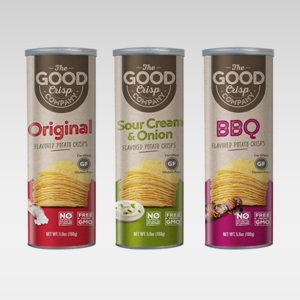
[00:00:04] Ray Latif: Hello and thanks for tuning in to Taste Radio Insider. I'm Ray Latif, the editor and producer of Taste Radio, and you're listening to episode 62 of the podcast. I'm with my BevNET and Nosh colleague, Mike Schneider and Taste're recording from the Taste Radio studio at BevNET headquarters in Watertown, Mass. In this episode, the British invasion continues as we're joined by Suzie Walker, the founder of paleo-inspired snack brand Primal Pantry and Dan Broughton, the co-founder of Dalston's, On Brand of better-for-you craft sodas. If you like what you hear on Taste Radio Insider, please share the podcast with friends and colleagues. And of course, we'd love it if you could review us on the Apple Podcasts app or your listening platform of choice. For folks who are listening on November 29th. Happy Thanksgiving. Happy Thanksgiving. Happy belated Thanksgiving. Yeah, it's a ghost town around here right now, Ray. Everybody's off for either Thanksgiving or making their way out to the West coast for the events or they're hiding in their offices, hunkered down, trying to manage last minute preparations. I know that's where I was before we popped in the studio. I was right there with you, Ray. This is one of those times where if you have your ticket, you know, you're probably already ready to go and you're excited about the events. I mean, but if you don't have your ticket yet, I'm not really sure what you're still waiting for because you still have time, even though it's only a handful of days away from the shows. Yeah. You can still go to BevNET.com slash events and get a ticket for any of the events that, uh, that we're running all four of the events still available. Indeed, and I'm really excited about the agendas for all of the events to some of the biggest names movers and shakers gatekeepers in our business will be there at the events at Nosh live on December 4th and 5th and BevNET live on December 9th and 10th. I'm hoping to see our friends from The Good Chips company at Nosh live. They're makers of well, I don't want to call it a Pringles type product. But hey, if you looked at the canister, you'd say that looks like a better for you natural version of Pringles. It also tastes like that. They do. They do. This is one of those brands that has an ingredient list that looks much nicer than some of its competitors. I'm counting one, two, three, four, five, six, seven ingredients. That's it. I like that. Now, Mike, I'm going to ask you about the New Beverage showdown. You're judging the semifinals at BevNET Live Winter 2019. I think your advice on stage is always great. And, you know, it's interesting because I think some people think, the advice is specific to the brands on stage, but a lot of times it applies to all early stage brands. So, you know, what are some of the just general points that you can offer to some of the folks that will be participating and then some of the folks that will be watching in the audience and then on the live stream? Our job in the first round isn't to be the be-all end-all and give you all the advice that you're ever going to need. It's really to get you thinking and get the audience thinking, because what's going to happen is you're going to come up on the stage, you're going to become a minor celebrity during the event, and people are going to come up to you and say, hey, you know, Mike Schneider's full of shit. I have a better idea, or he was spot on, or something like that. Those usually happen. And I'll have founders who have participated in the event come up to me after and say, hey, that was good advice, or hey, 10 people contradicted what you said. And I think that's all OK. What we're trying to do is to, first of all, give you something to think about, and then really provoke conversations for you with audience members who are going to be able to help you take your business to the next level. It's a pretty fun contest. I want to segue, you know, oftentimes people ask me, okay, what should I bring with me to the events besides a Beyond Meat apron, which is actually what Ray is wearing, right? Literally is what I'm wearing. I'm wearing other clothes, but I'm wearing this Beyond Meat apron. It's a black apron with the Beyond Meat logo. We get a lot of great swag, Ray. Yes. Well, you know, some of the best I've seen. I figured I might spill something on myself, and I just washed this hoodie, so I don't want to get anything on that. Because you do wear it every day, so. I don't wear this hoodie every day. This is rare winter style hoodie, Rey. Winter mode Rey. Yes. Storm shadow in winter gear. Obviously you want to bring business cards, especially if you're an early stage entrepreneur. I always recommend to folks that you exchange business cards with at least 50 to 100 people. That might sound like a lot, but that's your network. That is your network of folks that you will talk to potentially, you know, years down the line. Stay in touch with those folks. You know, even if you have a chat, two-minute chat, be like, hey, let me grab your business card. Let's stay in touch via LinkedIn. Let's stay in touch via email. Follow up with those folks afterwards. And speaking of LinkedIn and speaking of social channels, you know, a lot of times people will say, hey, what's your Instagram handle? What's your Instagram profile? I'd love to see it. might be a good time to clean up your Instagram, clean up your Twitter, you know, do things like that. So you can show off a polished social persona. A lot of people look hard at that. I mean, we talked about this a few episodes back with Chris Hollad, a noted early stage investor based in Los Angeles. You know, he puts a lot of emphasis on that Instagram profile on your Instagram account. He says it's the first thing he looks at even beyond the product itself. I would say he's not alone. I'm definitely going to your Instagram profile to see how you present yourself with images and to see what your bio looks like. And then I'm going to LinkedIn to see how you write to see what you've done in the past. And don't be afraid to promote your brand whenever you can. You know, I love to meet entrepreneurs that are events, but sometimes I'll miss them. And I'll miss them because a I don't necessarily know what they look like. or B, that in the crowds of people, I might just not have seen them. But when I will approach is if I see someone wearing a branded t-shirt or a cap or something that signifies your brand on your person. So yes, dress up, but you know, there's always that blazer t-shirt combo that looks great. I think being On Brand is a good thing. We see a lot of people who, you know, they dress to the nines, they want to dress for success. And I think there's a couple of different schools there. One dress to kill, the other dress to be recognized as your brand. And I've seen both of those work really successfully. and also have product On Brand if you can. I mean, I'm not saying you should walk around with a briefcase full of your stuff, but it helps sometimes, you know, especially I know a lot. We have a lot of folks participating in these sample coolers at Bevanette live and the sampling expo at Nosh live. But if you're meeting with an investor and you have a product On Brand, I feel like that's a much stronger play. And you can't put secret product into the refrigerator, although, you know, there are people around who will test it if you wanted to. That's frowned upon, Mike. Don't give anyone any ideas. I'm just saying you should, but I'm not saying people don't do that. All right. I think it's time we get to our featured interviews for this episode. Let's begin with Suzie Walker, who launched The Primal Pantry in 2014. Based in the UK, the brand markets plant-based protein and energy bars that are made with just a handful of ingredients, including tree nuts and fruit. A former nutritionist and executive with Nestle, Susie's foray into entrepreneurship came with an unwavering commitment to quality and whole food formulations. In the following interview with Mike Schneider, she spoke about how she's navigated her first five years in business, including missteps and unexpected wins, why it's okay to make a mistake as long as you don't make it twice. This is Mike, and I'm here in London at the Bread and Jam Fest with Suzie Walker, who is the chief fire starter of Primal Pantry? That's correct. The chief fire starter of Primal Pantry. What's a chief fire starter first?
[00:07:50] Suzie Walker: Well, I think it's just a fancy name for CEO.
[00:07:53] Ray Latif: So tell us a little bit about Primal Pantry, because I think there's an interesting story here about how you got started and then how you, I think there's a good reason that you're called the chief fire starter, because you had a little bit of a fire in the beginning.
[00:08:06] Suzie Walker: You had a fire in your belly. So we are a fully all natural, 100% real food snack brand, which is built out of the basis of the paleo diet. So we make energy bars and protein bars, which we retail nationwide and in some countries in Europe.
[00:08:22] Ray Latif: Give us a little bit of the backstory about how the company started.
[00:08:25] Suzie Walker: So my background's in The Good industry. So I started at the big guys at Nestle. I then left and went to Innocent Drinks. And while I was at Innocent, I really had this fascination for how food works with the body and how impressive nutrition can actually be. And so what I did is I took redundancy from Innocent and used the money to retrain as a nutritionist. And then whilst I was working with clients, I really discovered the benefits of stripping the lifestyle and the diets right back to basics. And ultimately what you had was a paleo primal diet. And where clients struggled was with on-the-go snacks.
[00:09:00] Ray Latif: How is the paleo diet received in the UK? Is it very well known right now?
[00:09:04] Suzie Walker: No, it's not well known. It's very well known within certain communities, whether it's those that want to eat more real food, those that follow a healthy lifestyle, those that follow a gluten-free lifestyle or undertake, for example, CrossFit. So yes, but when you're on the shelves of Tesco's, no one has any idea what paleo is, let alone how to say it.
[00:09:26] Ray Latif: So why do you go there?
[00:09:28] Suzie Walker: Because for me it was a lifestyle that I truly believe in and I wasn't really thinking big. I was thinking that I could fix a problem whereby there wasn't a lot of choice in the industry to choose something that you could have on The Good, that was easy and convenient and tasted great. It has grown since then because the idea now is really, it's all about real food ultimately.
[00:09:49] Ray Latif: So you have these clients and you're helping them with snacking and what do you do?
[00:09:55] Suzie Walker: So I would create breakfast, lunch and dinner solutions for them and meal plans. And that's when they turned around and they said, I don't know what to have in the car or at the gym or at my office. And I said, well, wait a minute, I'll make you some snacks. And so I went through various blenders and made various ranges of energy balls for them and gave them to the clients to try. And they turned around and said, you know, we want to buy these off you. You know, at which point I thought I'd missed The Good industry and I miss having a product and looking after On Brand. And so ultimately I was, I was making products at home and realistically I couldn't serve as a business out in my kitchen with a dog and two cats running around. And so I Googled contract manufacturers of energy bars and there are numerous ones across the UK. I knew I wanted a product that was made in the UK and I met various manufacturers and it was difficult because- But you're taking orders at this point.
[00:10:43] Ray Latif: Pardon? Yeah, you're taking orders and you're making these in your kitchen and you're trying to find a contract manufacturer.
[00:10:47] Suzie Walker: I knew in the long term I didn't want to make it myself. I'm not a qualified chef or food technologist.
[00:10:53] Ray Latif: And you plan to have many, many, many orders. Yes.
[00:10:56] Suzie Walker: Well, you just kind of go for it, see what happens and then deal with it when you cross that bridge. And the first manufacturer I spoke to didn't take me seriously. They kind of said, here's a catalogue of bars. Which one do you want to make? I said, no, I'm making a quite a niche product. I am aware that I'm using expensive ingredients and I'm aware that I'm using high quality nuts that are going to cost money.
[00:11:16] Ray Latif: So this company tried to say, look, this is the way that we do it. Yes. Can you make your product in one of these ways? And you didn't want to compromise.
[00:11:24] Suzie Walker: Yeah, this is the standard of what we do. And for me, that wasn'The Good enough, because I'll just make any other bar that's already in the marketplace at the time. And so I was fortunate to finally found a manufacturer that would take my idea seriously.
[00:11:40] Ray Latif: What was the approach to that manufacturer? Do you look at what they have first and figure out if they're going to be like you or are you just talking to everybody that you've googled?
[00:11:49] Suzie Walker: They're very difficult to know what they actually make. So it's very difficult to know if you like what they make because they don't tell you what other brands they make for. But I think from my point of view, I contacted the owners of the manufacturer that we work with, we still work with, and really shared my story as to why I wanted to make these products and why I felt there was a gap in the market and why I felt there were consumers that needed this product. To this day, they will say that they bought into that story and that understanding as to what I was out to do and the purpose I had to create.
[00:12:22] Ray Latif: What are those conversations like when you're talking to them about the manufacturing? Are you telling them, OK, so I roll this in my kitchen and my cat runs across the table? How does that go?
[00:12:32] Suzie Walker: I think it's, um... It's not the first time I've heard of it, definitely. I think it's understanding how they would work. So you speak to people at certain events like today, where they make products at home, they want to know how to scale up and move to a contract manufacturer. And the number one thing you've got to bear in mind with a product of your own is it's going to change, and you've got to accept that it's going to change. And so I think various manufacturers get frustrated when they meet food founders because they don't realize that things change when you scale it up. And you've got to accept that.
[00:13:06] Ray Latif: So what changed about your product?
[00:13:08] Suzie Walker: We were quite lucky. We were quite lucky because with three or four ingredients, we knew that our product wasn't actually going to change that much. We were making them by hand at home. We found a manufacturer that makes it pretty much by hand, just on a larger scale. In fact, my manufacturer said to me, we'd advise you just use plain foil wrappers for The Primal run. They do a factory run of every On Brand they make. I turned around and said, I don't want foil wrappers, I want branded, printed wrappers. So we wouldn't advise that because the product might change. In this case, I said, well, there's three ingredients, almonds, cashews, dates. Realistically, what will change? Oh, probably not much is going to change. So let's just print the wrappers.
[00:13:46] Ray Latif: So you push them a little bit.
[00:13:47] Suzie Walker: And actually have a product that's finished from day one.
[00:13:51] Ray Latif: You got the soundbite. There's a soundbite in there that's brilliant, like the whole that your product is going to change when you scale. So you found your co-packer, you don't have to make it in your kitchen anymore, and now you're producing product. What next? How are you selling this, just through your website?
[00:14:07] Suzie Walker: Yeah, so the orders I was taking initially was just from my clients.
[00:14:12] Ray Latif: Word of mouth. So it's just word of mouth.
[00:14:14] Suzie Walker: Then I went online and Googled how do you create your own website and came across Squarespace Dan Broughton a $8 Squarespace website and created a shop page and about us page and product page. I didn't have real photography because I didn't have real finished products. So I had mock-up scamps of what the product's going to look like. And I thought I selected which pages someone searching the product on Google would find. But ultimately, someone still managed to The Primal Pantry.com slash shop. And they bought a box of bars that we hadn't actually made. And so I forgot to turn off the robot. I didn't make the shop page private. So they parted with their money, they bought a box of bars from a company that had never existed before. I rang up my co-founder and I said, they bought a box of bars.
[00:15:05] Primal Pantry: Oh shit.
[00:15:05] Suzie Walker: Yeah, oh shit, really. He said, oh great, well, let's do pre-orders. I communicated it on Facebook groups, Paleo groups, Twitter groups, CrossFit groups. Hey, we're coming, this is our bars, this is what it looks like, this is why they're a bit different.
[00:15:20] Ray Latif: When is this?
[00:15:22] Suzie Walker: What year is this that you started doing this? This is January 2014. January 2014. The first production run wasn't until February 2014. We did 20,000 bars on the website in the first two weeks.
[00:15:36] Ray Latif: 20,000. Is that a good number?
[00:15:38] Suzie Walker: Yeah, that was a really good. What did you expect when you did that?
[00:15:41] Ray Latif: I had no plan.
[00:15:42] Suzie Walker: I didn't write a plan. If my manufacturer came to me and said, what's your forecast? I wouldn't have had anything because I had no expectation as to what they would be. It was a side hustle at the time. I was doing my nutrition business. Let's just see what happens.
[00:15:58] Ray Latif: Okay, so $20,000, you think you might have a product here. Who's buying it?
[00:16:01] Suzie Walker: Yeah, so CrossFit boxers were buying it. People that were advocates of the paleo diet were buying it. People that just wanted to try something new were also buying it. The challenge we had is we were making one, we had three recipes. One recipe, coconut macadamia, which is our top selling product. our manufacturer had never worked with coconuts and macadamias together. And because of the oiliness of the macadamias or the product broke down, the factory trial didn't go to plan. And so by the time the products arrived, we only had half of what we ordered. So we already had a situation where we couldn't fulfill the first lot of orders of those 20,000 that came in, which to me is... How do you solve that problem? For me, it's almost not treating it as a problem. You know, when we have... muck-ups along the way, kind of use it as a great way to communicate with the customer. So if we make a mistake, for us, it's a great way to communicate with the customer, attain them, build that relationship, and treat it as a good thing rather than as a bad thing.
[00:16:56] Ray Latif: What do you learn in those conversations with a customer when you've mucked up?
[00:17:00] Suzie Walker: Yeah, I know.
[00:17:02] Ray Latif: I love it.
[00:17:02] Suzie Walker: Yeah. I mean, we've learned we've got a great consumer base with people that have followed the journey from the beginning. So when we mess up by giving them voucher codes that don't work or accidentally selling products on the website that we're out of stock of, we find that if we're just open and honest and say we've made a mistake and put our hands up, you know, no one can complain. And for me, if that gives me a reason to be able to communicate with the customer about something and build that relationship, then then it's not a muck up, essentially.
[00:17:32] Dan Broughton: Guessing your margins? That's risky. Belay Financial gives CPG brands the clarity to scale smarter, faster, stronger. Get your free inventory e-book by texting TASTE to 55123 and start making data work for you. And how do you turn?
[00:17:52] Ray Latif: Tune in at the end of this episode for an exclusive interview with Matt Lynn of Belay Solutions. He sits down with Melissa Traverse to break down the biggest inventory and accounting mistakes CPG founders often make. You'll learn how to bring clarity to your numbers so you can scale with confidence. that from, oh, we're just communicating with our customers, when we muck up to more of a proactive conversation with the customers. I guess the question really is, what's the proactive conversation look like? And when do you start to, you know, instead of just being keeping up with orders, start to proactively search for new customers?
[00:18:30] Suzie Walker: In 2014, for us with no budget, no money, 20,000 bars doesn't get you very far.
[00:18:36] Ray Latif: This is bootstrapped.
[00:18:37] Suzie Walker: This whole company is bootstrapped. For every bar we sold, we had to go and buy another two. We were growing so quickly. We're talking credit cards here to be able to purchase products to sell. I Always Be the mindset of what's the worst that can happen. I had one other co-founder that would say, are you sure you want to do this? Are you sure you want to buy more bars? I said, well, the worst that would happen is they don't sell. I'll sell them within 12 months at the price I bought them for. So the next stage was, let's find out how can we actually get more customers. The first six months really was Facebook. It wasn't Instagram. There was no Instagram.
[00:19:11] Ray Latif: Facebook advertising or Facebook? Just Facebook groups.
[00:19:15] Suzie Walker: Facebook groups. which I think are different now.
[00:19:17] Ray Latif: Grassroots, organic stuff.
[00:19:20] Suzie Walker: Very grassroots. There was no spend on marketing money involved.
[00:19:24] Ray Latif: Could someone do that today? Could someone do what you did today?
[00:19:28] Suzie Walker: I don't think so. Facebook is just noise now. I don't think it's as easy as it is anymore. You know, I was just listening to a direct-to-consumer panel earlier, and the cost now to acquire a customer on Facebook is incredibly expensive. It's putting businesses out of business. It's getting in early on everything, whether it's now TikTok or something else, that, you know, that cost to acquire a customer is a lot cheaper than it will be later on down the line.
[00:19:54] Ray Latif: Let's talk about Instagram. You've got 14,000 followers on Instagram. That's a fairly significant amount for a On Brand. How are you using that to drive commerce?
[00:20:07] Suzie Walker: We strongly believe that we're a really social brand. So we're really lucky that consumers go out, The Good to Whole Foods, they buy a range of products, they come home, they pour it out on the kitchen table, all different brands they'll purchase, they take a photo of it. And for us, we're proud that we're one of the On Brand that finds that post on Instagram and communicates with them and says, thank you. You communicate with them. Yeah, we will. If someone hashtags us, not even tags us, they'll just say Primal Pantry, we'll find it on there and we'll say thank you very much for sharing. Let us know what you think.
[00:20:38] Ray Latif: And what does that do for you?
[00:20:39] Suzie Walker: It just creates a conversation where we can tell the story.
[00:20:42] Ray Latif: Do they follow you?
[00:20:45] Suzie Walker: Yeah, they follow back. For us, it's just a connection to be real and to be us that's speaking to them. We don't use a social media agency that communicates on our behalf. It's us and the team that communicate with them.
[00:20:59] Ray Latif: And before this conversation, we talked a bit about Amazon, and you've been a direct-to-consumer business with your own website, and you've had these direct conversations with customers. You mentioned using Amazon for scale. How has that been?
[00:21:12] Suzie Walker: I love working with Amazon. We spent a lot of money, or it felt like we spent a lot of money on Google driving traffic to our website. Now, we're not a solely direct-to-consumer brand. All of our investment has actually gone into retail, direct-to-business brands, so through the customer into the consumer. So we chose to invest our money into Tescos and BP and Marks & Spencers, et cetera, rather than on our website. Even though the original brand started on the website, And so we spent quite a bit on Facebook and on Google trying to get shoppers to the website. The challenge we had was once you're in a Tesco's, there's no need to buy from the website, really. And we've got a small customer base that buys online. But for me, you know, attracting new consumers through Amazon, who are already shopping for products, who are already searching for certain keywords, at the cost for Amazon Charge, which is next to nothing at the moment for the PPC costs, it's a no-brainer. It's our fastest-growing channel at this stage, and that's just in the UK.
[00:22:13] Ray Latif: Have you thought about the subscription model at all?
[00:22:16] Suzie Walker: We have thought about the subscription model. We've tried it. It hasn't been as effective as we'd hoped, essentially. I think for us, we need a product that is going to be used, utilized over and over again in the households. Our distribution is quite strong in the UK in store. So again, there is nothing niche there to subscribe to it if you can purchase it on the high street.
[00:22:40] Ray Latif: One of the things that we didn't talk about was investment. At what point do you realize that this is going to need a little bit of a shot in the arm for me to pay for marketing costs or to do some research and development to do my next product?
[00:22:55] Suzie Walker: When you land the big supermarket listing, you almost got to look at it as, you think it's hard, but the easy bit is getting the listing and getting on shelf. The hardest bit is staying in, almost protecting the castle that you've built. And that costs money. You know, it's all great being a paleo, paleo, people couldn't even pronounce it, product on shelf. No one, no one. No one knows what it means. You've got such little space to communicate who you are, why you're there, what's so great about your products. And so ultimately you need funds to support it on shelf, off shelf, out of store, to get the PR that you need to drive that listing. Otherwise the next year or six months later, you're off the shelf. We've raised a few times. The first raise we did was 150,000 pounds. And my hope with that raise was 50,000 to buy stock. 50,000 to start hiring people and moving to an office, and 50,000 to launch in the US, which was very naive. I love it. Very naive.
[00:23:52] Ray Latif: So that didn't go the way you planned?
[00:23:54] Suzie Walker: That didn't go the way I planned, no.
[00:23:55] Ray Latif: a friends and family round, essentially?
[00:23:57] Suzie Walker: It was actually a nutrition client of mine.
[00:23:58] Ray Latif: Okay.
[00:23:59] Suzie Walker: Really interesting. So, yeah, I suppose you could say friends and family round. And then when we launched into Tesco's, we then had to get debt finance to pay for the manufacturing. My first lot of production for the Tesco products was £180,000 production run. And I spoke to my dad and said, you know, where am I supposed to get the money from? And he said, well, can you not tell Tesco's to wait? I said, I can't tell Tesco's to wait. I need to get a loan. We got the loan.
[00:24:29] Ray Latif: I love you, dad, but I cannot tell Tesco's to wait.
[00:24:32] Suzie Walker: I couldn't tell Tesco's to wait.
[00:24:33] Ray Latif: Thanks, dad.
[00:24:33] Suzie Walker: We'll be waiting forever. We still would be waiting because no money is never enough.
[00:24:37] Ray Latif: Exactly. So when you search for an investor, was it just like searching for a co-packer? Find somebody who does something like you, tell them your story.
[00:24:45] Suzie Walker: In a similar way, yeah, because I've got two co-packers now and I've got various investors. you can make a great product and you have a great brand, but they're all, I feel that you as the entrepreneur or the founder is what they're investing in, whether they're investing in you to make your product or they're investing in you to give you the money to grow the business. And yeah, you are, you're still trying to sell your dream to someone else, ultimately. We found it through networks, through connections, through people in The Good space, which you can see at events like this, how connected everyone actually is.
[00:25:20] Ray Latif: Bretton Jam Fest we're talking about right now, if you forgot from the beginning of the show. In your mind right now, what does Primal Pantry need to go next level and what is the next level look like?
[00:25:31] Suzie Walker: For us, it's really distribution expansion. The best marketing we can do is to be on the shelf. We are a retail-ready product. We can do everything we can to be direct to consumer, but the best marketing we've had is to be on as many shelves as possible, to be in train stations, airlines, offices. Our focus at the moment with the small team we have is to really nail that in the UK, and then we can look to expand strategically into Northern Europe and the US. And then the next stage really is to find a great strategic partner to work with us, you know, a bigger player, the mothership in The Good industry that will happily take us under their wing and allow us to give us the launch pad to take us to the next level.
[00:26:13] Ray Latif: Well, brilliant. Hey, it's been great talking to you, Susie. Thanks so much for being on the show.
[00:26:17] Suzie Walker: It's great to be here. Thank you.
[00:26:22] Ray Latif: Like The Primal Pantry, Dalston's takes a back-to-the-basics approach to its products. The London-based company sells better-for-you sodas in sparkling waters, crafted with real fruit, no artificial ingredients, and low or no added sugar. Dalston's products are sold throughout the UK and have a growing presence in the US, with chain-wide distribution at The Fresh Market and 1,000 Publix locations. In the following interview with John Craven and Mike Schneider, Dalston's co-founder Dan Broughton breaks down the company's business strategy, why he views the brand as well-positioned to take advantage of the evolving landscape for non-alcoholic beverages, and his beliefs that the product should do the talking. Hey, John and Mike here, and we are at the Britain Jam Fest in London, and we're sitting down with Dan Broughton, who is the co-founder and managing director of Dalston's.
[00:27:13] Primal Pantry: Thanks for joining us, Dan. Great. It's amazing to be here, John and Mike. I've listened to your show loads. I'm privileged to be on. Great to have you in London. You're the first person who's listened to it loads.
[00:27:23] Ray Latif: I love it. So, you know, just to get started, can you give our listeners a background on what Dalston's is?
[00:27:31] Primal Pantry: Yeah, of course. So Dalston's actually started as Dalston Cola Company and started with my business partner, Duncan, who's an ex-chef. He saw an opportunity for making better quality soda or soft drinks. And with his background being a chef, he went about it by using the best real ingredients and then not having to mask it with loads of sugar or loads of chemicals. And he went about it by making it in a kitchen. It started to launch in a club called Passing Clouds in East London, which is a sort of famous kind of left-wing club. And it was made as a syrup, as a cola, and it went down really, really well in the club. I think admittedly, because it was mixed with rum and whiskey, they loved it. But Dunker thought, I've got a great business of this and started to make it in the first factory and started delivering it by bike. built a great groundswell in lovely delis and coffee shops within London, and then it started to build and started to produce 300,000 bottles by hand, which is a lot of hard work. And then I came in about three years ago to come alongside, and we started to say, look, this is a lovely story, but it's not a great business. We need to scale this, and there's certain ways to do that. So the economics of hand-making, it's not viable, the economics of selling in to the trade at a really high price, that's not going to scale it. And we needed to look at volume per site. So the craft beer guys, they could build in London around 100 pubs, they could get a lot of volume out of each site, you could sell in one pub, you could do 200,000 pounds worth of sales with craft soda, you're gonna do 20,000. So We had to look at it differently and say, it's the same consumer, but how are we going to scale this? So what I looked at was, okay, we need to look at, let's outsource this production, let's get the quality up, let's get BRC certified. And we rebranded as Dalston Soda, and we started to look at flavors outside of cola. We actually said, look, we're not going to take over Coca-Cola. We think the sort of area for us is within this kind of fruit carbonates has seen as being healthier. And now we've grown to sell 4 million cans this year, and we're in about 12,000 distribution points. So it's been a fantastic journey and lots of learnings along the way. So the company started out making cola and now the products that you're producing are quite different. And I think what the company stands for is quite different, correct? Absolutely. Cola, we looked at and said, we thought there'd be a craft market for it. But what you find is that if you manage to switch by hook or by crook, blood, sweat and tears, you'll get someone to take Coca-Cola out and put yours on. Ready to sell will be down at 25%. That's not viable for the end retailer. So you just realize that people are wedded to Coke, they're wedded to Diet Coke, and you've just got to play around the edges of these guys. In terms of the principles and the values of the business, we've Always Be about real ingredients. It's quite simple. Lots of people ask us, they say, well, what's your point of difference? And they imagine us to have some wonderful moonberry juice or unicorn hair or something in there. That's just going to be revolutionary. We're just going back to basics and saying, look, we believe by using real primary ingredients that taste great. what's gonna happen is you don't need to put a lot of sugar in there, a load of chemicals. Let the ingredients do the talking, and then that's where the flavor comes from. So it's a real movement of going back to basics and staying true to where we started, which was we were getting ingredients off markets at Newcombe Garden, Ridley Road, and we're bringing in pallets of ginger, we're bringing in pallets of lemons, we're squeezing and we're grating and we're mashing and brewing these soft drinks. It's the same principles now as it was back then.
[00:31:06] Ray Latif: Why do you think you need to play around the edges if you have better ingredients, better taste? Why are people so wedded to the big guys? Is it because they have more marketing dollars in their bank accounts or what is it?
[00:31:16] Primal Pantry: It's interesting because I think there's other categories where you can go and compete with a big guy. Something very different within soft drinks and Coke, I think all their marketing has just wedded people to that brand. So if you want to have the full flavor, you're going to have Coke. If you want to have something that's perceived healthier, you're going to have a Zero. If you want something that you feel is going to help your diet, you've got Diet. People have just been wedded. to that brand. And if you go into something like Tonic, where Fever Tree did so well, people weren't wedded to shreps as much. So I think it's intrinsically linked with how powerful they've been. I think Coke's one of the top five brands in the world. So that's probably why. I don't think it's indicative of many categories. I think you can challenge them. I think it's just unique to soft drinks. You have to understand and play around the edges of those.
[00:32:07] Ray Latif: So more recently you've also expanded into flavored sparkling water, which compared to the U.S. market seems like a much more nascent category here. What was sort of the thought process behind taking a craft soda brand and, you know, moving it into water?
[00:32:25] Primal Pantry: Is that a sign of where soda soft drink consumption is or what kind of motivated that? Yeah, the big thing for us was we had to do a no added sugar product. And we started to look at chicory root fiber. If you use that in big doses, it will make you very regular. And we started to go look down the road, but we got to replace sugar. The market's so big, it's actually overtaken the full fat. But we didn't like all the artificial sweetness. We didn't like the stevia. We thought it gave a bitter taste. And so we were on this kind of hunt for what are we gonna use to replace sugar? It took us about two years, and what we found is we created a drink that is like no other. It's been put into the sparkling water category because it's got sparkling water in it, but every soft drink does. We're actually calling it a seltzer. We think sparkling flavored water is a zero calorie space. we believe there's a market for 20 to 40 calories. I think over the pond where you guys are, you've got On Brand called Spindrift. We think they've done a fantastic job. You've got permissible calories there, 20 to 40 calories, you've got no added sugar, you've got real ingredients, and we've got fantastic flavor. My personal view, I love some of these sparkling water brands, but I just think they're very light on taste. And it's good for a Monday to Tuesday or Wednesday, but when you wanna let your hair down, you wanna have something with a bit more body and flavor, I think Aselt's is right. So it wasn't too much of a pivot. It was a natural progression to say, let's get into this more kind of diet area and let's do something with real provenance. Let's do something with real Taste Radio a low calorie. So what we've done to sweeten our drinks is we've used real fruit. We use a lot of British fruit just because it's on our doorstep and we would go there and we work with The Fresh and we get some great taste in rhubarb. We get great taste in cherries. And then what we do is we use the natural flavorings, which is the same as the sparkling water. But I think by the combination of the two, you get such a better taste.
[00:34:22] Ray Latif: And I guess, you know, getting back to the soda end of things, where do you see kind of craft soda? I guess that's what we would call it, right? Craft soda, you know, where do we see that going, at least in this market?
[00:34:34] Primal Pantry: Is that something that still has a lot of growth potential? I don't know, where's it at? Soda's got a bad name, and I think it's probably because... It's a four-letter word now, right? It is a four-letter word, but I think actually it's about what people have put in the product. It's pretty nasty, actually, some of the stuff that goes in there, but that doesn't mean that soda's bad. We want to come in, put that kind of real ingredient back at the heart of it, and in terms of where it's going to go, if you look at what happened with craft beer here, Eight years ago, it wasn't a category. Now it's a 300 million pound category. And within London, there's something like 300 breweries. We believe the same trends that have driven craft beer will drive craft soda. We're starting to see that in the UK now. You'll see Asda, Sainsbury's, Waitrose are all starting to have better quality non-alcoholic drinks. I think that's really the move rather than soda per se. It's more about better non-alcoholic soft drinks, whether that's a kombucha, a flavoured sparkling water, a seltzer, a soda. People don't want to have the sickly sweet mainstream that tastes of sort of very kind of chemically. They just want a great taste that's on par with the wines, beers and spirits that they're consuming.
[00:35:46] Ray Latif: You've shared with us that you're taking Dalston's into the US market Wanted to get a little kind of insight into you know, why you're deciding to do that now I think you even mentioned it's you know, or maybe I mentioned saturated markets.
[00:36:00] Primal Pantry: So what makes this the right time?
[00:36:03] SPEAKER_??: Hmm
[00:36:04] Primal Pantry: There's never a right time or a wrong time. For us, we started a business in 2012. We built the groundswell here. We've got some momentum and we can see us grow into 10 million. The U.S. is very attractive to us because there's a huge market. The same type of consumer pool is there for better quality, for real. And we've seen the sparkling water explode, but we feel that this Seltzer market is something that is not getting as much attention as it should. Everyone's talking about the Bubblies, the La Croix, all these brands, but there's On Brad Avery there called Spindrift who've done a phenomenal job. I absolutely love the product. I fell in love with it about two years ago, and I saw it over here and I thought, there's an opportunity. But equally, if that's a great product, there should be more of that. And I think in America, it should be more seltzers with flavor. We've got a bit of hyperbole around zero calories. You know, I don't want to dance around in the shower to get wet. I want a bit of calories and I want taste. So I think there's room for this and come with a sensible message around balance, around real. And hopefully the British brands start to signal a sign of quality. I think people resonate with those in certain states. And we've seen On Brand called San Pellegrino that have come over, an Italian brand. And I think that was for me when I was in San Francisco, I'd noticed where San Pellegrino were, they were ubiquitous. And I thought, well, Our mantra here is wherever there's a San Pellegrino, there's a Dawson's. So naturally, I'm sitting in America and I'm saying, well, there's room for us next to San Pellegrino.
[00:37:54] Ray Latif: Who do you think the US consumer is? Download Winning the Repeat Purchase Game on Amazon now at Taste Radio slash SUG. That's Taste Radio slash S-U-G to start building retention-driven growth for your brand on Amazon. From packaging lead times to co-manufacturing strategy, the details can make or break a launch. In a new ebook in collaboration with Octopi and Asahi Beer USA, industry leaders share what they've learned in helping brands scale. Download it now at Taste Radio slash octopi. Do you need to scale your team faster without compromising on talent? Join Oceans for a live webinar on April 20th and learn how leading companies are hiring top global professionals who are ready to grow with your business. Register for the webinar now at Taste Radio slash oceans. That's Taste Radio slash oceans. You message them.
[00:39:00] Primal Pantry: our consumer it's interesting you try and put them in a box like here we think oh, it's a millennial. Yeah, but in Sainsbury's, it's families that buy Starbucks. Okay. So our bullseye customers are 20 to 35 year old, who's a foodie, time poor food rich, you know, someone who's lives in an urban city. And we think it's just people that want to have better quality. They want to have real soda or seltzers. So it can go right the way across from a kid through to a grandparent. But the bullseye for us in America would be this kind of urban professional who's looking for a shortcut to quality and they just want something that's healthy and tasty.
[00:39:43] Ray Latif: And when you go into the US market, Of course, you could think, well, I'm going to try to do what I've done in the UK market, but it's a, it's a smaller market. And, you know, in order to target that market in the U S you, you have to have, you know, sort of Coke dollars to be able to do it across the entire United States, which is why I was asking, you know, who do you think it is? And you said, it's this urban professional, which I think is someone you could easily target in say, you know, Facebook advertising, or you could build lifestyle content around to get your message into that audience.
[00:40:10] Primal Pantry: The big thing we just asked previously was about how do you market and in the UK we're still quite small and the budgets are quite small. But what I say to people is we've invested in the liquid, that's the most important thing. Then you invest in the packaging, so we've got a fully recyclable BPA free aluminium can, zero plastic. And then you look at the branding. We work with one of the top agencies who have branded the product and hopefully the logo and the packaging people really love and it really stands out on the shelf. So if we get all of that right, and then the next thing is about the price and the promos. I feel here it's more about marketing led sales. And if you have the PMF, the product market fit, the product will do the talking itself. And this is what we found here is the bigger brands that come in and try and force this into market. So typically, a big corporate trying to start up, I say it's like a granddad wearing a racy shell suit, doesn't really fit. And this is the thing, it's about authenticity, it's about real products, and let the product do the talking. So we believe that by going into certain retailers in America, When people buy it and taste it, they're gonna buy it again. We don't need to prop this up with lots of money and advertising. It's really back to basics, that word of mouth, get people tasting it, and they're gonna suddenly go, wow, that rhubarb soda, that's rock and roll.
[00:41:28] Ray Latif: Well, rhubarb though, that's a flavor that isn't as... as well known in the U.S. It's, you know, it's more of a flavor that is known for, you know, in pie. Rhubarb pie is the biggest sort of application. How do you, do you plan to tweak the product for the U.S. or do you plan to go in guns blazing with rhubarb? You wouldn't go in guns blazing. That's a U.S. thing to do.
[00:41:48] Primal Pantry: We're going politely on a horse and cart.
[00:41:52] Ray Latif: Well, I guess let's get a little more direct though, you know, what are we going to see from the launch?
[00:41:57] Primal Pantry: You know, where are you launching? Which, you know, products from your product line are coming over? Yeah, so we've kept this deliberately tight and we work with the UKTI. So our government are really helping us to export to America. They're really trying to help that. So they roll out the red carpet and help co-fund a trip that I had over there. And they've linked us up with all the lawyers and the the retailers and conferences, etc. So it's been fantastic help and we deliberately have targeted some more natural set retailers. So we've got The Fresh Market, we'll be launching in 130 stores and there you're going to see three products. We're going to go with two sodas, we're going to have the cherry soda and we're going to have the elderflower soda and then the third one will be our rhubarb seltzer. They all come in four packs. And the retail price will be about $4.99. It's a bit punchy, but we will go into promos at $3.99, and we'll do some tastings there. The other retailer we've got is Publix. So we've got 1,000 Publix stores that we're going to go into with our elderflower soda. And that's come about for they have a 10-meter bay of best of British. And so they want to promote British products. And there's a lot of expats down in Florida and Miami. And we'll see how it goes, because elderflower is new news. Who play hockey with you? He can play hockey with me. Yeah. I mean, that's, that's where I was at 18 playing hockey. I had my Cadillac, my Brougham 89. People didn't understand this Brit had a goatee and a tan and I used to skate.
[00:43:20] Ray Latif: And he checked people. And I checked people.
[00:43:22] Primal Pantry: Yeah.
[00:43:23] Ray Latif: He knows what a puck is. And I, I assume you're going to be, you said importing the product that is produced here. Correct. Is that something that you would intend to maintain, you know, as part of the product that we see in the U S or. do you eventually have to produce it overseas?
[00:43:40] Primal Pantry: At the beginning, we will be manufacturing in the UK, down in Somerset in the West Country, and then we're shipping it over. We've taken that hit on the margin in the early days because there's no point us making big margins and then it being priced out of sync. If it starts to get traction, we would look at that, but it's not in the plan in the immediate future. I guess It all depends on if there's the real pick up and we'll look at that in a couple of years time to say, you know, do we set up a USA office? Do we start to get manufacturing in there? I guess for us in the early days is we want to just test a couple of natural set retailers and see if the rate of sale is there. We don't want to come in as many British brands have and say, well, we're going to take over America. We're on the no false illusions that that's how you kind of crash against the rocks. You want to do it measured, strategic, and it was just a really kind of like a focused way. And what sort of timeline do you put behind this?
[00:44:36] Ray Latif: You know, how long? And I asked this question, you know, for other entrepreneurs that are, you know, maybe thinking about going from the UK market to the US market. And I'm sure you have spent time researching this and whatnot, as you've said. So, you know, what should On Brand expect, you know, if they're going in with, I don't know, modest expectations? How did that sort of work for Dalston's? You know, what, again, what sort of timeframe do you put behind it?
[00:45:03] Primal Pantry: Yeah, I mean, for me, it's no real timelines or turnover. We're not going in with these high ambitions. It's a test and learn and say, look, do people like these flavors? Does it resonate with the American audience? Do they buy it again and again? You know, let's test and learn. and let's see, you know, maybe we need to iterate and do a different flavor that's right for the market, or doing a rhubarb suddenly becomes so rock and roll that everybody's talking about it, it becomes famous for that one product. We're just testing, and we'll see what happens along the road. It'd be great if it does start to take off and we set up an office, but let's see how we go. What sort of effort are you putting behind it to market it then and support it in all these retailers? The Good thing for us is that we've got the listings directly with the retailer. So we're going to be on the shelf. We're not having to go through this kind of DSD network and get it on the shelf. So it'd be planted around, it'd be on there. We're looking at the promotions in there to drive trial. We're looking at tastings, and we're looking at off-picture displays as well. So just keeping it quite simple, probably have some PR around us as On Brand, who we are, what we stand for. We could look at that on social media, on their website, but if we can get a shelf barcode, that would The Good.
[00:46:19] Ray Latif: But you have to send it to news.BevNET.com as well.
[00:46:22] Primal Pantry: Oh yeah, hopefully we get it on BevNET. It'd be fantastic.
[00:46:26] Ray Latif: When you come into the U.S. market, you want to think very pedantically about what you call your product because the first thing that we tell entrepreneurs is look at the shelf and look at what something like you is using for the language because you don't want to be coming into a new market and building a new category. you want to be able to be recognized for what you are and differentiated for, which in this case, right now I'm holding your Dalston's Real Squeeze Rhubarb in sparkling water and I say, because it tastes amazing, but it's one of those things where it's like, okay, you've got a few things on here that are interesting, like rhubarb is something people don't know, but they do know what real squeeze means and they do know what sparkling water is. It's a premium thing, but you've mentioned that I'm going to call it seltzer.
[00:47:14] Primal Pantry: So what's the thinking behind that? Yeah, it was good because we launched these this year in April and we saw the sparkling water just booming. And so we started to say, look, this is a flavor of sparkling water. But what we found is that buyers were saying, hey, I've got this covered. You know, I've got 20 sparkling water brands. We're saying, hey, hey, hey, look, this is real flavor here. This is something that's completely different. If you taste that, it is not like a flavor of sparkling water. Do you get the buyers to taste it? Yes, we get the buyers to taste it. But I find that this term is more about the trade language, especially in the UK, is when we start to say sales, they're like, oh, what is that? It's not a known term here. So we're getting them to reappraise the product, because if they just shut the door straight away, because it's a congested space, we're not even kind of getting to the first rung on the ladder. So what we're doing here is saying, right, Seltzer's, and then they'll ask the question, well, what is a Seltzer? Then we can have the conversation. What's different in America is Seltzer's name actually, I think, has appeared. It means something. But we have actually gone through The Good FDA kind of approval, and we've actually called it New Beverage, a rhubarb beverage, because we were advised to do that. But it might be something that we would be advised down the line we'd be able to call it a seltzer. But for us right now, for consumers, we think like there's a fantastic brand called RX Bar. We love what they do. They just put the ingredients on the front. They don't have any fancy name. We try to do something similar where we just say real squeeze rhubarb, sparkling spring water. And I think that's the language of Spindrift who we looked at was like, yup, nothing else. We love that kind of honest language, just not trying to sugarcoat it with any kind of fancy name. So we have deliberately not put cells on the front of the can.
[00:48:58] Ray Latif: No sugar.
[00:48:59] Primal Pantry: You shouldn't sugarcoat it, right? Exactly. No sugarcoat it. No sugar in there.
[00:49:04] Ray Latif: Before we let you go, we've got to talk about the product that you shared with us, which is a non-alcoholic sparkling, I guess, are you calling it a GNT rather than a gin and tonic? You probably shouldn't put gin and tonic on a GNT. You know, that's certainly, you know, the non-alcoholic, low alcohol space is something that we've seen a lot of over here. Can you talk about, you know, what that product is and, you know, where that fits, why now, et cetera?
[00:49:32] Primal Pantry: We believe there's a huge movement for non-alcoholic beverages, and whether that's a soda, a seltzer, we just think there's more interesting stuff to do. And everyone would say, well, you're a craft soda brand, why are you going to go into non-alcoholic G&T? We think we're a craft drinks brand, and we want to catch some of these categories as they emerge early on. You know, these categories get swamped so much quicker than they used to, and you've got to be an early mover in there. We think we have legitimacy because we're drinks makers. We will have our distillation kit back in Dorstan. This is new news. We will be launching our brew lab back in Dorstan from February next year. We've now built the business to be able to afford to go back in. It got gentrified, so that's a big one for us. And we'll be distilling some of our botanicals for our G&T in there. But why are we doing it? great taste, you know. Not everybody wants to have that hangover all the time. I certainly don't. I've got two kids under the age of five. I'm here, I'm with you. You're there. You can't operate on a hangover. We've now got more demands on us, on business. We're always connected and this market is booming. I know it's hard to see when you're in London on a Friday night but apparently one in four are not drinking alcohol now. and they don't want this sickly sweet, chemical-laden product. This is all derived about taste. We think the botanicals, the lemon balm, everything in there tastes phenomenal. And what we get in the feedback is that people say, are you sure there's no gin in that? That's exactly what we want.
[00:51:02] Ray Latif: That was my first reaction, so I'll fess up to that. And it truly is a pretty impressive flavor that you've created there. Definitely. from a marketing perspective, I think about that matrix there and I think about, how is this not shiny object syndrome? Because you've got your sodas and you've got this brilliant sparkling spring water with rhubarb that, if you can get someone to taste it, they're going to go, that's the flavor I never knew I needed in the US, I think. Then now you've got this G&T. So someone picks up a Dawson's and they pick up, And they know, okay, I like the rhubarb, and now I'm going to go try the, oh, cherry, that's a soda. Okay, that's different. Or I try the G&T, oh, that's a bit different. And is that helping you or is that, could that be hurting you?
[00:51:50] Primal Pantry: Yeah, we've debated this quite a lot to say, you know, do you keep it super focused? And ideally we'd have the Red Bull model where you've got one or two SKUs and you just nail it. I think non-alcoholic soft drinks operates differently, that you have strength in depth and you see major brands that have different flavor bases and people look to you for like a one-stop shop. They get Coke sorted and then they're outside of that normally pick On Brand. Retailers is different, they're gonna have many brands. But what we've looked at is we want to be producers of great liquid, soft drink liquid. Now, whether it fits into different categories or not, I think that's something we do in the trade and in marketing. We try to categorize everything. And basically, the consumer is just looking at it and saying, hey, these guys make great drinks. You know, it's not rocket science. So we're just a craft drinks maker. We put new stuff out there. We see if the consumer likes it. If they don't, we then will pull it. But in terms of our focus, this actually helps us to talk to different places in the store. And they're potentially our buyers that aren't buying Coke and Fanta and 7-Up. who are buying beers, wines, and spirits, who are a lot more early adopters in the craft movement.
[00:52:57] Ray Latif: So you don't see these side by side on the shelf, you see these in different sets.
[00:53:01] Primal Pantry: Absolutely, so you'd look in a retail store, you'd have the sodas in one place, the seltzers next to the water, and the non-alcoholic stuff starts to go into... Where? Who knows? Next to the RTD sure, you know in the beers wise and spirits equally that does then command a bit of a higher Retail price because people in that mindset are going they're liking you to some of the higher price gears So that helps our portfolio and our strength in in the whole kind of margin mix All right. Well Dan, thank you very much for joining us here It's been awesome to get to sit down and have you on the podcast here and want to wish you best of luck with your US launch Thank you very much, guys. I've really enjoyed it and hopefully understand my accent. I think everyone will enjoy it.
[00:53:41] Ray Latif: Thanks. Thank you. That brings us to the end of episode 62 of Taste Radio Insider. Thank you so much for listening and thanks to our guests, Suzie Walker and Dan Broughton. Please subscribe to Taste Radio on the Apple Podcasts app, Spotify, Stitcher, SoundCloud, or Google Play. As always, for questions, comments, ideas for future podcasts, please send us an email to ask at Taste Radio. On behalf of the entire Taste Radio team, thank you for listening, and we'll talk to you next time.
[00:54:22] Mike Schneider: Hello, I am Melissa Traverse here for the Taste Radio podcast, talking about some of the biggest tension points that CPG brands and founders face when they're scaling On Brand, and those are financial accounting and inventory management. I am joined by Matt Lynn, inventory accounting guru from Belay Solutions, and he is going to shed some light on all of this that is going to help everybody out quite a bit. Matt, thank you so much for joining us today.
[00:54:52] The Primal: Thank you for having us, Melissa. It's great to be out here at Expo West and it's great to sit down and be able to chat this because it's kind of a passion project of ours, working mainly with CPG brands and hoping to help them scale.
[00:55:03] Mike Schneider: It's been such a pleasure chatting with you and the team and learning all about what you do over there at Belay Solutions. Can you tell us a little bit about yourself and what your role is and the kinds of solutions that Belay gives to CPG brands and founders?
[00:55:19] The Primal: Yeah, absolutely. My role with Belay, I'm actually our inventory accounting manager. I run our inventory department, so we work with CPG brands, taking them from spreadsheets, putting them on inventory management systems, and really helping connect their tech stack between their sales online marketplaces to that inventory management system, even down to their financial systems like QuickBooks. But Lay overall is kind of an outsourced accounting firm. And with that, we're helping teams. We have different levels with bookkeeping, controller level work, even high level into CFO type items. So we really help those brands in any way that they need financially. And then I just have a subset of a department where we're really just laser focused on inventory.
[00:56:02] Mike Schneider: It's certainly a complex topic and there are plenty of places to go wrong. Let's start by going right and start super simple. Can you tell us what some of the biggest red flags are that would help a founder understand or, you know, the person running On Brand understand that it really is time to get some help with some of these areas?
[00:56:22] The Primal: WKYT. They have a lot of transactions that don't get coded or they just put them into placeholders to just get rid of it so it's not an eyesore. They'll notice they have revenue but no cash or they notice that they have a good amount of cash but their blind spot is really seeing the vendor invoices that are sitting there just needing to be paid and so they just lack that clarity that's going to really be around the corner.
[00:57:00] Mike Schneider: You know, you were talking about one of the red flags that comes up that I think makes so much sense. When somebody asks you what your numbers are and you can't come up with the right number, that's a big problem because that's something that you really should be able to share with decision makers who you're ideally looking to do business with. What should you be able to call up at a moment's notice?
[00:57:24] The Primal: really at any time, you should be able to know an accurate margin. It's amazing how many founders we end up talking to that they can tell you their revenue numbers, they can tell you their selling price, and then the minute you start talking about cost or their cost of goods sold, they just get a deer in headlights look. So really it's very hard to tell, am I even making money? or if you don't know your entire landed cost. Maybe you know what The Fresh cost is, the duties separately, but you're not really getting that as part of your unit cost. So it's really hard to tell. Am I even making money or am I losing money from the very beginning?
[00:57:57] Mike Schneider: And do you recommend that founders are able to call up a margin by channel?
[00:58:02] The Primal: Absolutely. And depending on the number of products and channels, you kind of want to know what are your best sellers, which ones are making the most and which ones maybe you're not making as much. But especially if you're branching out and you're doing D to C with B to B, absolutely want to know that.
[00:58:19] Mike Schneider: Gotcha. You mentioned that when things feel really chaotic, that's probably a red flag. I would say that it probably almost always feels chaotic if you're running a CVG brand. And I know this may be hard to quantify, but is there a revenue number? Is there a number of doors number that would help On Brand understand whether or not it makes sense to bring on a partner like Belait? Understanding that so many brands are bootstrapped or they might be tight for cash. What is that friction point?
[00:58:49] The Primal: 3 3 3 3 3 But as you're growing, as you're getting to those six-figure revenue numbers, and especially as you're approaching seven, you want to make sure you've got good financials. Because as you scale to that point, most likely you're going to be looking to raise capital. And investors, the first thing they're going to look at is your books. And are they clean? And do they show a clear picture of your business?
[00:59:22] Mike Schneider: You know, another area that folks might look to to organize some of the chaos are their systems. So many folks stick with Excel spreadsheets for a good amount of time. How do you know that you need to outsource some of your accounting to an organization like Belay Solutions versus maybe signing on to a Synth7 or a NetSuite or something like that?
[00:59:44] The Primal: Well, that's actually something we really help with when it comes to that cost question. That's something that trips people up. And sometimes if you just have a turnkey business, you buy and sell a finished good, you can maintain with spreadsheets. And we've had clients with million dollar revenue that can do that. But we see so many brands nowadays are using contract manufacturers. and they're just sourcing certain parts of their product. So when you start talking cost, they have no idea exactly what their unit cost is. So that's where we come in and we kind of understand, we'll speak with the customers and the clients and get their needs. And then if we think they're ready for a system, then we'll help put them on that system so they can get some of that clarity. And it's not something we force on anybody. There are plenty of times where founders come to us and we'll tell them bluntly, you're not ready for it right now, but we'll let you know when we think you are.
[01:00:30] Mike Schneider: That sounds like excellent advice. What should a founder or somebody running On Brand look for in an outsourced accounting partner? Are there certain checklist items that they should make sure that their partner be able to execute or be able to help them understand?
[01:00:47] The Primal: Absolutely. I think one of the keys, there's, there's a lot of outsourced accounting firms out there. Some focus on service-based SaaS companies, but if you're a CPG founder, you really want to make sure that your accounting firm has CPG experience. I would ask them, you know, what kind On Brad Avery they worked with? And even Beyond Meat industry specific, because there's so many subsets of CPG. And that's something that I think is great about what we do with Belay is that we kind of run the gamut. It's kind of like the insurance commercial. We know a thing or two because we've seen a thing or two across a broad spectrum.
[01:01:17] Mike Schneider: Probably getting references is always helpful, right? Absolutely. All right. So this all sounds great. I think we have a really good understanding of would it make sense to hire an outsourced partner? You know, what some of the things you should be looking for are. What does offloading this kind of work mean for the brand? What can this do for lightening the load of a founder or lightening the load of On Brand operator? Like, how does that help them in their everyday business?
[01:01:46] The Primal: It just tries to really help quiet the chaos. So what we're looking to do is just take some of the weight off that founder's shoulder, let them focus on building the brand, building the business, getting that exposure. If you don't have sales, you really don't have anything. So we want them to be able to focus on that while we take care of your back end office work. And we can just present that to you on a monthly basis, you can help make decisions, you can take that to investors. And really, you can just focus on growing your business.
[01:02:12] Mike Schneider: I feel like I felt founders and the folks who are running brands collectively sigh a breath of relief just hearing that. How can people learn more about Belay Solutions?
[01:02:23] The Primal: So people can text TASTE to 55123 for their free inventory guide to get started.
[01:02:28] Mike Schneider: Matt Lynn, Inventory Accounting Guru at Belay Solutions. Thank you so much for joining me here at Expo West. It's been such a pleasure to chat with you and learn about what you all do over there to help founders and brands with their financial accounting and inventory management. For everybody else out there, thank you for listening to the Taste Radio podcast. I am Melissa Traverse and we'll see you next time.