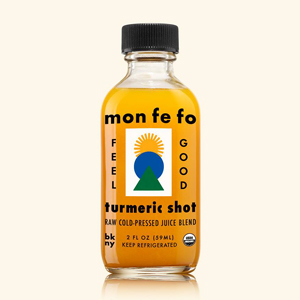
[00:00:04] Ray Latif: Hello, and thanks for tuning into Taste Radio Insider. I'm Ray Latif, the editor and producer of Taste Radio, and you're listening to episode 65 of the podcast. I'm with my BevNET and Nosh colleagues, John Craven, Mike Schneider, and Martín Caballero, and we're recording from the Taste Radio studio at BevNET headquarters in Watertown, Mass. In this episode, members of the BevNET and Nosh editorial teams discuss key events Send News stories affecting the food and beverage industry in 2019. Just a reminder, if you like what you hear on Taste Radio, please share the podcast with friends and colleagues. And of course, we'd love it if you could review us on the Apple Podcasts app or your listening platform of choice. You know that last part? I usually have that written down and I didn't. But I've said it so many times that I guess I just didn't need to write it down this time. Usually I just read that and... I have 65 episodes or more than that, really, because I've been saying it since we were just like reciting that in your sleep. I am. I did wake up once. It wasn't a nightmare. It was actually a wonderful dream. Reminding people to review Taste Radio on the Apple podcast app. I have chills, Ray. You're such a pro. I mean, so many people came up to me and said, Mike, can you introduce me to Ray Latif at BevNetLive and AnoshLive? And I get to work with you every day. I sincerely appreciate that. You have a significant fan club to their mics. Don't don't sell yourself short. I had a good time talking to brands about their packages and having many of them come up to me and say, Hey, I don't agree with your feedback. What can I do? You know, who else can I talk to? Maybe they want to talk to Ray to report your, your bad attitude. I think that's, did you take any of those, uh, any of those conversations? Did you get any feedback, um, performance, you know, in terms of the, in terms of the new beverage showdown at bed net live, uh, I only got really good feedback, uh, from you or about you, Mike, uh, people love your schlocky comments and. You know, there's a great photo out there. I don't know if people saw it in last week's episode where it had a picture of Mike. It's on Taste Radio.com and a picture of Mike with two thumbs pointing at himself. And it was, it was like one of those jokes, you know, uh, who's got two thumbs and is a kick-ass. And you've ever shown a judge this guy, you know, I think is that kind of who has two thumbs and a Mon FIFO shot and a Mon FIFO shot. Yeah. Yeah. Yeah. That is a wonderful shot of Mon FIFO that you got in your hand there, Mike. Yeah, the new the new glass bottles are in and they've got a new logo and and look and feel on the package, which is a maker of ginger shots and turmeric shots. A winner of the New Beverage Showdown, I believe, is 2016 that they won the New Beverage Showdown in summer 2016. Justine Monsal is the founder and CEO. Like the brand, like the repack. I do too. I, I have a little bit of, I'm not really sure why they separated mine fee phone to three words. It kind of reminds me of, cause I'm old mine fee, five, four, five. You know, maybe they, maybe they want to be the giant shot or something. Maybe, I don't know. Well, the biggest change is obviously going from plastic to glass, uh, more Sustainable Shots sure. And that's how they promote it. We're making a conscious effort to reduce our impact on this planet, uh, is the, uh, What do you call this, the neck tag that they have on here? Yeah, kind of weird to have a neck tag to talk about eco stuff.
[00:03:19] Martín Caballero: I guess that's true.
[00:03:20] Ray Latif: Yeah, I mean, I appreciate the move. It definitely, you know, just forgetting about that feels like a more premium product, you know, which kind of goes nicely with the like intensity of that ginger shot. It is quite different though, I have to say. It maybe is something that if you are familiar with the old packaging, you might have to look twice to recognize that this is the same brand, just with a little bit different look. I do like that it's, um, that it's pretty easy to tell what it is because it's, you know, you can see through so you can see the liquid. Um, it tells you that you're going to feel good. Uh, this thing on the side that says high vibrationals, I'm wondering if they're going to enter the cannabis market or I kind of thought maybe if you read that you might think there's cannabis in it, but, uh, overall a pretty good upgrade. Indeed it was. And you know, it's tough to figure out what direction you want to go with your packaging and your brand. at the outset and when Monfifo launched, it was in that like a little like an alcohol shot bottle. Yeah, it was a little bit more like a plastic nip bottle. You might find some liquors in kind of like a longer neck. I think it actually was a just bottom shelf liquor nip bottle. Yeah. And now it's not now it's more in line with the rest of the juice category for sure. Definitely looks good on the shelf. And they have a great color liquid as Mike said, that really shines through with these bottles. But the most important thing about any beverage is that it tastes good. It's really no issues there. Yeah, great tasting product, all kinds of great advice you get here on Taste Radio insider. I do want to just give a really big shout out. I know we usually give a quick shout out or at least Landis when he was on the show, we'd give a quick shout out. To these wonderful entrepreneurs that I connected with at bet net live that's doctors Tom and Amy says They're optometrists from Arizona. We're in the process of launching a beverage company called the fix movement. They're loyal listeners of Taste Radio I was really humbled by the very kind feedback. They shared with me It's really gratifying to hear that we've been able to play a small role in and supporting entrepreneurs as they build their businesses. So thank you so much to Tom and Amy, and of course to the thousands of fantastic folks that continue to listen in every single week. How humbling is it when somebody makes the investment pre-launch to come to the show to figure out how to get it done? I mean, it's so meaningful because it means that BevNET, Nosh, and Taste Radio are trusted by folks inside and entering the industry to give them the right advice, to give them the kind of, I guess, encouragement and tools to launch their businesses by minimizing mistakes and paving out a path that will hopefully lead to success. Now, among the wonderful things on the table that we have today is a big tin, and this is definitely a big tin, of cookies from the brand Milk Bar, that's M-I-L-K, known for their delicious and indulgent products. This tin is loaded with things like chocolate chocolate cookie, compost cookie, which is probably their most known product, corn cookie, confetti cookie. We already had a compost cookie that was wolfed down by John Craven. How was that? Looks like you washed that down with some of the new O2 plus hemp CBD. Yeah, I hadn't tried this flavor before and it was in the studio, so why not? There you go. Yes. O2 recently launched this. I think they debuted this at Expo West. O2, a maker of oxygenated recovery beverages. Do you drink anything without CBD these days? I mean, Mike, what's the point? Speaking of loyal listeners of the podcast, Dave Colina is the founder and CEO of O2. Great guy. Saw him at BevNetLive. Great to talk to him as well. So as I mentioned, Dave launched the new hemp variety at Expo West. And we know that people are going to be launching new products in 2020, the upcoming winter fancy food show. And of course the mother of them all Expo West. I know Marty, this drives you crazy because we get all this information, all these new press releases, emails, people talking about their new products. What is it like two days before the events? And it's like, could you have sent this maybe a week, two weeks before the event instead of two days right now? Listen, I mean, we get it. And everybody's busy. And let me clarify that, you know, it drives me crazy, but in a good way, because there's a ton of I know you're speaking for you. I'm sorry.
[00:07:42] Brad Avery: No worries.
[00:07:43] Ray Latif: It's there's a lot of great innovation. There's a lot of excitement around it. Obviously, like we covering the new products is something that we really want to pay attention to, especially around these shows. So obviously, the sooner The Bitter. If you can let us know about what new products you have coming out. This is a conversation that we can have and sort of figure out when we're going to release some of this information. So really, just the more that we communicate with you guys, The Bitter. We're definitely excited to hear what you guys have for Expo West and we don't want to miss anything. So definitely hit us up. I could swear. I heard Mike singing the Aerosmith song. Don't want to miss a thing. I could definitely see that middle school flashbacks.
[00:08:15] Brad Avery: Oh yeah. I love that song.
[00:08:16] Ray Latif: You know, that's like my favorite song. I sing it in the shower every morning. Nobody wants to hear what you're doing in the shower and any morning, but thank you for probably singing some beat. Don't don't doesn't Arsenal like have an anthem or some crap. I sing that in the shower while weeping. I just make sure your whole your whole family like down at the breakfast table singing the arsenal the arsenal. We do like singing starting the day off that way. Just make sure this is Marty's first opportunity to troll me because enters doing so well right now. So bring it Marty. Thanks for bringing that on.
[00:08:50] Brad Avery: Yeah. Yeah.
[00:08:51] Ray Latif: Pretty well. Pretty well. This might be John Craven's worst nightmare actually for a guy who complains about all the soccer football talk. I did just instigate that. you open a can of worms. I did. I don't know. Do, do our listeners know that Marty is also a big European soccer fan, specifically Inter Milan, the Italian team. I thought it was La Liga.
[00:09:12] Carol Ortenberg: No, that's Spain.
[00:09:13] Ray Latif: Jesus. Yeah. Siri. Ah, is, is Italy. Don't worry. There'll be opportunities to troll Marty about inter just not today, but currently inter is top of the top of the league. Yeah, I really want to do a story on Bevan about people in the beverage industry who are also inter fans. So definitely hit me up and we'll do a big big front page story on that one. Can we please get back to Expo West for a minute here? I mean what you said Marty and what you said Ray is so true. It's like there's a playbook out there right now. We are going to launch a new product at Expo West. And so what happens is we get a lot of announcements. There's a lot of things that are happening that are new at a show. And I think for some brands, the way to get attention and to make sure that someone knows that you're launching something new is to do things in advance. So if you can prepare in advance, you know, sending us news or doing some advertising or sending an e-blast or things of that nature. You're putting yourself in a position to be seen by the people that you want. And then also to push that conversation down the funnel from someone coming up to your booth and going, hey, what's new? To, oh, I already know that you released this new sparkling probiotic beverage and I need to try it. There's a subtle difference there in how that conversation goes, but it also is, again, it's further down the funnel. Someone's coming up and not saying, hey, I'm unaware. They're saying, I'm interested and I'm potentially considering. And that's where you want to be with retailers and investors or partners in these events. Yeah, I'm always looking. He's like, Yeah, no, I mean, I'm always looking at that net and not when I'm planning for these shows, because that's where the information is. And, you know, if it's after the fact, it's less impactful, honestly, because, you know, I might have missed it at the show. And it's it already happened. And I didn't get to see it live, or I didn't get to taste the product. you know, during the event. So I always encourage folks, you know, get us the news as soon as you can and get more traffic to your booth. I mean, that's the whole reason you're there, right? Talk to our brand team. We've got some show coverage packages that are really compelling and they will get you in front of the audience that you want to meet in advance and they will move that conversation down the funnel. And that doesn't just go for Expo West. Once again, that's for Winter Fancy Food Show, which is coming up in just a handful of weeks. So as much as we love producing Taste Radio from week to week, we're going to take next week off due to the holiday. So you won't hear any new episodes of Taste Radio or Taste Radio Insider, but for folks who love the show, and I hope you do, we will have new episodes the following week. That is for the new year. In the meantime, we hope everyone has a wonderful holiday and we'll catch you on the flip side. Nobody says that anymore, catch you on the flip side. I'm going to bring that back. You know why? Just because no one uses records anymore. Is that where that comes from? That's the flip side. Oh, okay. Yeah. Yeah. And, uh, just another shout out to Mike for wearing his, uh, Mr. Rogers sweater. I knew we were not going to be able to escape without that. It's a nice sweater. Thanks. Yeah. Appreciate it. It's pretty much the highest compliment you can get to be called Mr. Rogers. Kindest human ever. All right, as mentioned at the top of the show, we're going to turn things over to the BevNET and Nosh editorial teams for a discussion of some of the major news stories, trends, and topics from 2019. Managing Editor Martín Caballero sits down with BevNET Editor-in-Chief Jeffrey Klineman to recap developments in the burgeoning cannabis CPG segment to analyze how investments and transactions from the past year will help shape the market in 2020. Later, they're joined by BevNET staff reporter Brad Avery to contextualize the explosive growth of the oat milk and sparkling water categories this year, and by Nosh editor Carol Ortenberg, who discussed the evolution of frozen food and plant-based meats. In closing, Martine chats with BevNET founder and CEO John Craven about his major takeaways from 2019. All right, thanks for joining me. My name is Martín Caballero. I'm the managing editor at BevNET.com. And we're going to get right into it with a discussion of some of the top stories, biggest trends and major takeaways from the past year in food and beverage. My first guest is Jeffrey Klineman, the managing editor of BevNET.com and Nosh. Thanks for hosting this newsroom takeover of the Taste Radio studio. It's, it's a bit bloody. We had to knock some people out and drag some, some people out of here, but we made it. I Mike Schneider. Mike has some stitches over there in the corner. Yeah, hurt feelings, bruised egos all around. A few cats, but you know, we made it. We made it. So we're going to talk about a couple things here. As I mentioned, just a few things we want to hit on. And the first thing, not anything that is going to surprise too many people, cannabis and CBD. We just finished our third cannabis forum. The initial one was last year at BevNET Live, or just after BevNET Live Winter 2018. So, we've had a full year with lots of developments, a lot of things have happened. Basically, I just want to start with, you know, a year on from that first Canvas Forum, where sort of are we at? Have we made progress? Are we sort of treading water in this category? You know, I think it's interesting. I think a lot of people are still treading water, but some are treading faster than others. One of our panels during BevNET Live was actually on the kind of dual brand strategy companies, the ones who are selling in both dispensaries and doing THC-type products, and the ones who are doing CBD. And there seemed to be a real retreat from the dispensaries as a way to scale. You know, the tide of legalization for marijuana based brands just isn't coming as quickly as the opportunity that many entrepreneurs see in CBD, the sort of non-psychoactive, potentially highly functional compound that we find more commonly in cannabis but also in hemp. If you asked the hippies, you know, 40, 50 years ago, you probably wouldn't have a whole lot of them talking about CBD. I don't think Peter Tosh thought that CBD was what's good for tuberculosis. But consumers and the media and stores and entrepreneurs really seem ready for this compound. And the question is, which sort of national chains are really going to reach for the pent-up demand that we're seeing. Yeah, I think I agree. I mean, a lot of the story behind cannabis and CBD has been the waiting game. It's about waiting for regulations to catch up. It's about waiting for retailers to catch up. It's waiting for sort of brands to develop and sort of audiences to understand and be educated. But there were a few things this year that I think, to your point, there was some good news or some positive news regarding distributors sort of taking on those CBD products. I think notably we saw Big guys are a major New York distributor taking on brands like, you know, recess, vibes, a day trip, all making sort of inroads on on the coast. So do you think distributors are sort of have their attitudes changed in a positive way? Are we going to continue that seeing and next year? Well, they're stocking up on brands, but the stores may not necessarily be stocking up on those same brands. So you see independent accounts that are willing to kind of move into these predominantly sparkling water brands. You know, folks like Gotham Brands and Critical Mass Group and SAS down in Florida are all sort of building positioning for brands that they think are going to break out. then they're waiting still for the retailers to get some clarity from their legal teams you know eric schnell who was uh one of the uh founders mood 33 was talking about going to a rapid pitch event sponsored by a company and all of these retailers saying, yeah, you know, just as soon as legal gets through reviewing all this stuff and we feel like the government's giving us a green light, then we're going to go into it whole hog. But right now they're still trying to push that hog's head into the oven. Is there consensus on sort of where this is going to go in terms of RTD beverage? With this many sparkling waters, are we going to see more follow suit or is this sort of already getting oversaturated? Well, one thing that I think we're seeing in terms of advancement in the category is that stuff's starting to get better in solution. Even products that have been on the market for a year or two, their ability to more evenly disperse the product throughout and get rid of some of those, what someone called a fish food kind of flavor, is improving. And that's something that you see with a lot of functional compounds going back to the days of Gatorade and energy drinks. As you work with this sort of product more, you start to make it taste a little bit better. That said, a lot of people are going for sparkling water simply because that's the hot format of the moment. One of the most popular brands in the CBD space, which is called Vibes, is taking sort of a tea or elixir based approach. We're also seeing, you know, not necessarily RTD, but we're seeing like tea bags coming in. People are dumping this stuff into coffee. I'm still waiting for a really good sports recovery drink featuring CBD. I think that's potentially a really good usage for it just because it's supposed to be a strong anti-inflammatory. All these use cases, of course, are dependent on the compound itself being proven useful though and that's again a place where the jury is still out and could probably sink the category more than anything else is if there's not some standardization of dosing, extraction methodology, mixing and a knowledge of what effects to look for, I think consumers are still going to have a hard time making this anything more than a fad. You know, anyone who is a avid reader of BevNET Magazine knows that you yourself have explored CBD products. Is that still, are you on board? Is it still something that you incorporate in your daily routine? You know, I haven't been able to find a daily routine that suits me. What I did was try everything we had to try and... Just by the fistful. Yeah, to get an effect. And, you know, maybe I got a little bit of one I certainly don't think I was harmed any more than I usually am. I'm one of these people who really wants to find some relief from the physical and mental anguish that comes with working with you on a daily basis. And so I've decided that I can't keep drinking you away. And so, Marty and there's no legal treatment for for dealing with the caballero. You can ask my wife. Exactly. Although no jury could convict me, you know. Great. Well, I'm sure we're going to be talking lots more about CBD and cannabis. I think maybe by the time we finish this recording, there'll probably be a couple more products launched. So I'll check my inbox when I get back to my desk. But moving on, I want to talk a little bit about this year in sort of financing, transactions, mergers and acquisitions, all that kind of good stuff. I have a idea of an answer to the question in my head to this, but I want to ask you, was there an overarching theme or sort of through line that sort of, you know, informed what was going on in terms of mergers and transactions this year? Well, if you were selling nutrition bars, it was a good year to exit the company. I mean, we saw a couple of really big sales of one, you know, things like one bar and, uh, perfect snacks, both sold. On the beverage side, it was very different. I was looking back for what I've been calling our year-end final exam that you're throwing at the news team here, Barty, and one of the things that I thought was super interesting was that you actually had, and this is in no way indicative, ultimately, of the appetite for entrepreneurial brands within large, strategic, But look what happened with entrepreneurial brands that had been bought by big strategics in the past. I'm going to roll some beer in here also. But you had Bold Bolthouse Farms being sold by Campbell's to Butterfly, to a private equity firm. You had Ballast Point, which was a craft beer brand that was bought a few years ago for a billion dollars. being sold to a small brewery that no one had ever heard of. You had Dean Foods basically going bankrupt and trying to fire sell itself to DFA. Coke and Goldman Sachs can't wait to get out of their Suja investment. And even Going back as far as something like Hormel selling muscle milk to PepsiCo, there seemed to be a lot of buyer's remorse on some of these deals that have been made in the past. Now, I can't explain it, but it sure been an interesting 12 months for brands that have that had long since been added to some of the big strategics. I was going to say something similar. I think that, you know, maybe there is a little bit more caution than in past years. I don't know. I mean, a lot of these were fairly sizable brands when they were purchased. But there's a question of can you scale them to the point where they're going to create profitability rather than just add top line revenue. And that's something that we we've certainly heard a lot about in the past four or five months. And when we're talking to some of the investors you know in our investing in the 20s panel, which is this idea that strategics are looking for at least a path to profitability because their shareholders want to see return on the money that's being spent. on some of these investments rather than just sort of having a finger in the wind on a particularly trendy product. Stuff that might have happened this year, certainly everyone was looking to see Essentia sell this year and there was a lot of talk that that there was just some price negotiation going on. And there was also a lot of talk about whether or not HealthAid was going to transact. But instead, they pulled in another round of investment from Koch and some of their other existing partners. It just didn't happen yet. And that's not to say that the market has cooled off. It's just one of those years. Along those lines, I wanted to ask, the strategics in the past have put a lot of emphasis on divisions like VEB, the venture group for Pepsi, ZX Ventures for AB. Are we seeing the sort of maybe attitudes change towards there? Are those sort of the missions for those individual divisions being adjusted a little bit? I think, because in VEB, we saw a certain amount of turnover this year and at the end of last year. Yeah, I'm not sure that the strategics are fully kind of moving away from this, I call it like a pocket VC strategy where they're typically the sole limited partner behind a fund that's either held by the company or that's deployed by the company. There's a real diversification of some of the strategic options, particularly for non-alcoholic companies. When you see something like a Bolson Coors investing in LA Libations as a brand incubator, I mean they certainly did a lot of good work for Coke in the past. You know, ZX is looking at non-alcoholic kind of products. So there's an increasing number of big beverage companies that are looking at non alcoholic beverage products, how many they'll ultimately purchase, or they'll just sort of play at and try and learn from, you know, smarter than minds than mine are working on the problem. I'm just here to tell the story of it. Well, we appreciate you being here to help tell the story. Jeff, thanks so much for coming. Thanks for having me think I could stick around for a little bit and annoy the rest of the team. I think so. I think we're gonna do that. All right. Guessing your margins? That's risky. Belay Financial gives CPG brands the clarity to scale smarter, faster, stronger. Get your free inventory ebook by texting TASTE to 55123 and start making data work for you.
[00:26:51] Sustainable Shots: It's my next guest. Tune in at the end of this episode for an exclusive interview with Matt Lynn of Belay Solutions. He sits down with Melissa Traverse to break down the biggest inventory and accounting mistakes CPG founders often make. You'll learn how to bring clarity to your numbers so you can scale with confidence.
[00:27:09] Ray Latif: Here is Brad Avery, my colleague, my good friend, the staff reporter at Bev net.com. The guy who is responsible for a lot of the stories that you've been reading over the course of this year. And we're going to talk a little bit about some of the major stories in beverage. Brad, how's it going, man? It's going good. Alright Brad, so let's start with oat milk. 2019 was supposed to be the year of oat milk, at least that's what a lot of people were saying at the end of last year. So let's get a little bit of the landscape here. So how has oat milk really taken that step this year and become a leading force within this sort of plant-based milk movement?
[00:27:41] Carol Ortenberg: Well, you know, it's absolutely been an explosive growth year for oat milk. I have some spins data I'm looking at right now with me. And if you want to just, you know, look at where the subcategory is within plant based today, these numbers are from October, but it gives a real image of where we are. It has grown 2094.9%. which is, you know, it's going from 2 million to 48 million, but to get that much momentum in just 52 weeks is, you know, it shows real strength behind this, uh, this new trend.
[00:28:18] Ray Latif: Yeah. Well, it's, it's mainstreaming a little bit is what that indicates.
[00:28:22] Carol Ortenberg: Exactly. And you know, part of that is just through a lot of media exposure, a lot of demand and a lot of innovation that's been coming as you know, new brands rush in to get a piece of the pie.
[00:28:33] Ray Latif: Is this segment getting oversaturated already? Or what can we sort of read into the amount of players that just jumped in within the last 12 months?
[00:28:41] Carol Ortenberg: Well, it's hard to say if it's oversaturated, perhaps for the relative size of the category, because again, $48 million is a lot, but that is a fraction of almond milk, which is about 1 billion and which is a fraction of dairy milk, which is about 12 billion. So the number of oat milk players could give a sense of saturation just because it's a much smaller subcategory at this moment. And so maybe there's not as much room for, you know, say a, uh, I don't want to throw any brands under the bus, but say, you know, a mock oat Milk Bar a, you know, happy planet or some of these other players, uh, compared to the, the ground that Oatly is already laid.
[00:29:19] Ray Latif: There's also the question of, do the big companies go in too quickly? Are they too far ahead of the trend? And does it not fit with their consumers? We saw with Quaker, where again, they control a big chunk of the conventional supermarket aisle. Well, that may not be the, the oat milk consumer may not be the conventional supermarket consumer yet.
[00:29:44] Carol Ortenberg: And there's a number of, you know, possible reasons why Quaker Oats that false start and was pulled off the shelf so quickly. You know, part of it is that you have a very young demographic that is gravitating towards this, you know, driven in part by Oatley's branding, you know, in part by the flavor trends, the, you know, the dietary trends, and Quaker Oats tried to go for an older demographic, you know, emphasizing heart health, it was, you know, basically being the Cheerios of the oat milk aisle, and a lot of older consumers just don't know what oat milk is yet, or do they even want it is a question. And that might be part of what, you know, led to that play falling apart so quickly.
[00:30:27] Ray Latif: Did Wilford Brimley shop at Starbucks? Oh, man, don't don't don't blame the walrus based on brands that we saw come out this year. Is there anyone or has there been sort of interesting points of differentiation or anyone sort of looking for those other connections to make?
[00:30:43] Carol Ortenberg: Differentiation has been a little tough, but there is some, you know, some brands like say, Moala are going for organic and trying to emphasize that. Or others like Califia Farms have come out with the innovative play like Uber Milk, in addition to standard oat milk. fortifying the product, adding something extra. Now Chobani is getting in and they've got a whole line that includes yogurts. And so part of this is going to be brand recognition and flavor. But as far as differentiation goes, we're seeing just a little bit of variation, maybe some flavor changes here or some nutrients here.
[00:31:23] Ray Latif: Jeff, what do you think that means for almond milk makers, soy milk makers? You know, I think that the whole plant-based milk category is capable of sustaining a lot of different milk types while it grows. I'm not clear even whether any of these types have passed soy, but if they have it's probably almond milk and people drink these things for different reasons, but the most common one... is they put it in their coffee, so it's still at this ingredient phase. In the meantime you see this overall decline in milk consumption. Now that's not necessarily because people are switching out for plant milk. I think plant milk is kind of... growing in different use cases from where dairy milk has gone. Now, you talk about where people get introduced to oat Milk Bar to almond milk, and it's often, unless there's a dietary issue, it's often at the coffee shop or as a creamer type. That said, I think that there's plenty of room for each of these, and there's a long, long way to go. If you think about the history of packaged consumer goods, milk's probably the first one, right? Maybe beer or wine, but there's a long tradition of milk getting to the consumer. So as that category kind of shrinks down, It's going to, as we talked about with plant-based meats, it takes a while for people to say, oh, well, I want to do a one-to-one substitution where I'm going to drink an ice-cold glass of almond milk with my cookie. Sure, there are people out there who are doing it, Right now you got to look at the category overall and there are probably many uses of a plant-based milk where an oat milk is a better substitute for one type of usage versus an almond milk.
[00:33:48] Carol Ortenberg: And I think, you know, you look at why oat broke out in the first place. It was that it was popular with baristas. It was popular with coffee shop patrons because it made a better latte substitute than dairy milk. And, you know, now we're seeing, you know, RTD coffees using oat Milk Bar lot of those partnerships, you know, Stumptown, La Colombe, rolling out these products. And a lot of the big CPG products are barista blends. You know, Oatly has their barista blend, Calafia has their barista blend. They're trying to market to coffee shops.
[00:34:24] Ray Latif: Whereas something like an almond milk might be better in a smoothie. It's tough to tell what the highest, best use of all of these things are. It's almost like a sort of a cooking oil set. once we saw Java monster come out with an oat milk product. I think that was, that was a signal.
[00:34:44] Carol Ortenberg: This is, this is for real. I wasn't expecting that one. I gotta be honest.
[00:34:47] Ray Latif: I don't think many of us were, but real quickly, I want to touch a little bit about sparkling water. Again, as much as we can pack into a few minutes here, certainly a fast moving dynamic category, but I think the biggest kind of thing that is we're anticipating next year is Coke's real sort of formal, serious entry into the sparkling water stakes. They are going to be launching AHA, which is the flavored sparkling water. It's going to compete directly with Bubbly. How is having Coke and Pepsi really getting behind this category? How is it going to reshape the landscape, especially for brands like LaCroix, Sparkling Ice, and these high-performing independents that have helped built the category?
[00:35:23] Carol Ortenberg: Well, I think bubbly has already been reshaping the landscape considerably. And one reason for that is just the strength of Pepsi's distribution network, and their marketing and ability to just put this brand everywhere at once. You know, this is still a category where private label is one of the leading brands, so to speak, you know, when you look at Nielsen data, because consumers are going for the most accessible and the cheapest option. And so Pepsi was able to come in with bubbly and just put it everywhere. And you know, that's a little bit of what led to, you know, LaCroix stumble. And that's a little bit of why bubbly is climbed the charts so quickly. So when Coke moves in, you know, they have a similar network and maybe they'll be able to do something similar. I would point out that one thing that differentiates aha from bubbly is caffeine.
[00:36:10] Brad Avery: Correct.
[00:36:10] Carol Ortenberg: And that's going to be something that will be interesting to watch as you have two brands that are competing, but have, you know, quite a point of differentiation there.
[00:36:21] Ray Latif: I think the ultimate point that you're making is something that you wrote about earlier this year, Brad, and this idea that functionality is coming to sparkling. It shows a great deal of category maturity at this point.
[00:36:36] Carol Ortenberg: And I think you look at what the category is, it's water plus carbonation plus natural flavors. There's only so much you can do with that. You can, you know, roll out some funky fun flavors or, you know, have really strong branding, but it's a really good building block for, you know, adding in some functionality, adding in some CBD or some caffeine or, you know, L-theanine, like say Focus has done. It's such a strict category by definition that at what point do you stop being a sparkling water?
[00:37:06] Ray Latif: Right. Yeah, you mentioned the, you know, adding caffeine, adding CBD, it seems like it's become a really attractive vehicle for sort of entering these different kind of functional products. Do you think it'll continue next year?
[00:37:17] Carol Ortenberg: Yeah, I think it's got to in order for brands to keep differentiating and innovating. We'll definitely see more variations on what you can do with this building block.
[00:37:29] Ray Latif: Marty, you just wrote about something very similar in the kombucha category as well, that you're starting to see functional and purposeful variation across a particular product type. We saw it in coffee as well. Do you two both think that we're getting to the point where we're going to see shakeouts of brand types because folks are trying to create differentiation through different functional states.
[00:38:02] Carol Ortenberg: It makes me think sometimes we see a little bit of over-innovation, sometimes trying to do too much in one package, and sometimes just the simplest play of just let's just add caffeine to sparkling water is the smarter play.
[00:38:13] Ray Latif: Although there's one more part to it that we can't forget, which is A lot of the sparkling water share, as we heard a couple weeks ago, is coming out of soda. It's not coming out of brands chasing each other around the park. Maybe this is an attempt, just as the still water development of brands like Dasani and Aquafina was an attempt to play in places that they had to play because they could see the writing on the wall with regard to the decline of the CSD category overall. And I think that one place that's really easy for them to slide over into is in the sparkling water set as well.
[00:39:05] Carol Ortenberg: And I think that's also a bit of why you're seeing Coke go with a caffeinated play is because consumers do sometimes go or often go rather to Coca Cola and Diet Coke for that caffeine kick. And so this is their calorie free, you know, sweetener free caffeine kick that they were getting from Diet Coke.
[00:39:24] Ray Latif: Good point. The future is definitely going to be sparkling. So Brad, thank you so much for joining us. Be sure to read articles on bed net.com. That's where you can find Brad stories. Thanks again for joining us, Brad. Thank you, Marty. Thanks for having us all here. You're welcome. It's not over yet, but thanks. Oh boy. All right. Moving right along here. I'm joined by Carol Ortenberg. Who's the editor at Nosh.com. We just completed Nosh live 2019. I think it was a really great event this year.
[00:39:52] Brad Avery: Yeah, it's always wonderful to see familiar entrepreneurs who've been in the space for a long time as well as emerging brands and really come together as a community to figure out how we can push the natural products industry forward and all learn and grow together.
[00:40:05] Ray Latif: So we're going to talk a little bit now about some of the biggest topics that we heard this year in food. Obviously, plant-based meat. This is a major trend from last year, continuing on into this year. You know, more money, more sort of big names entering this space. You know, before we get into some of the details of what we saw this year in this category, just want to get your thoughts on sort of the overall landscape in this plant-based meat category. Are we starting to see basically an arms race between some big companies here?
[00:40:34] Brad Avery: I think a lot of the big players are sticking to some of these traditional categories like ground beef and sausages, but there's still room for lots of innovation in subsegments like chicken, pork, seafood, and we're seeing a lot of emerging brands try to tackle those new categories with plant-based alternatives. I have heard though that as we see more and more large brands like you referenced enter the space, you know, it's getting harder to gain shelf space. You're having as a brand to invest more into promotions, more into slotting fees, and this all meat set when it was with tofu. wasn't necessarily as competitive to get into as a brand. And now it's, it's increasingly difficult. I talked to one brand earlier this year in Israel, and he said, you know, I'm not coming after the US market to start because I can't afford to go into grocery stores in the US.
[00:41:27] Ray Latif: It's interesting. I think we see it with plant milks as well, is that you can be an independent brand and grow and build a constituency in these sort of incubation channels. And then the category captains might try and innovate their way into a category and squeeze everyone out. I think a lot of the big food companies are really thinking about doing it through an R&D process rather than M&A. The Beyond Meat IPO might indicate just how much money the independent brands think it's going to take to really shift consumer behavior and in fact, the power within the stores.
[00:42:15] Brad Avery: There are also the large companies selecting one brand and really going all in on them. you look at someone like Nestle acquiring Sweet Earth, they've now worked that product type into their other line. So I think last week we saw Stouffer's lasagna with Sweet Earth crumbles in it. They don't need to partner with multiple plant-based beef alternatives. They just find their one and then go really deep and execute it in all their other brands.
[00:42:44] Ray Latif: So we're seeing this category grow in retail and also on premise. What are some of the different ways that they're developing? And is one segment sort of has a more runway for growth in terms of these plant-based brands to get in front of consumers?
[00:42:56] Brad Avery: I'm not sure about one segment having more of a runway for growth. I think it's about developing a strategy that attacks both channels and strategically and finds a way to work in them in tandem. You see Daiya plant-based cheeses going after that, you know, burger consumer, pizza consumer in food service and being their partner. Now they're not always branded on the menu as being that option like an impossible where restaurants are really calling out, we have the impossible burger. We were talking about this with Burger King, and I almost feel like it's brand building for Burger King in that instance, more than anything else. I don't know if we've yet to see that impossible shopper go into retail. They really have limited retail distribution right now, but it's certainly driving a lot of buzz and marketing as they think about entering retail and build out that strategy.
[00:43:51] Ray Latif: Now, obviously, we've seen a lot of you mentioned earlier, you know, there's been a lot of interest around the burger as sort of the format that's really introduced a lot of people to plant based, you know, as it goes beyond burgers, can we expect or should we project consumers are going to follow along into these other formats? Are they going to follow along into stuff, for example, like plant based jerky and other things sort of looking beyond the burger as a meat replacement?
[00:44:14] Brad Avery: Well I mean just like many of the consumers that eat these plant-based products aren't actually vegans, they're flexitarians, they're going back and forth between meat, they're also not just looking for burgers, they're looking for chicken, they're looking for seafood, they're trying to find other places in their lives where they can flex. Siggy has just launched a plant-based yogurt know that most of the consumers who are purchasing it are not vegans or vegetarians. They are that flexitarian shopper. So certainly, I think it stands to reason that other categories could see an interest in plant-based. The question is, how close can you get in the Taste Radio texture to mimic it? And really, how far are you able to stretch the consumer? This week, I was sent a press release for plant-based tomato jerky by a sun-dried tomato company.
[00:45:02] Ray Latif: Isn't that just a sun-dried tomato?
[00:45:05] Brad Avery: Yet to try that one, but it stands to reason no matter how hard you try, it's going to be pretty hard to get a sun dried tomato to taste like beef necessarily, though there is some great tomato based sushi alternatives out there. So who knows?
[00:45:20] Ray Latif: I just comment on burgers this way. I mean, I've always looked at it as a good sandwich is going to call me to eat it, whether it's plant-based or beef-based. And I think you can build sort of a complement of flavors around some of these things more easily than you can build, say, a steak or a cutlet. For example, there are plenty of good imitation chicken products out there that are plant-based that, again, work well with dips, cheese melted on top, maybe even die a veggie based cheese, some bacon, Jeff. I know that's the way you, I am on record on this program as being a big fan of the hypocrite, which is a veggie burger with cheese and bacon. What do you think, Carol? Do you agree?
[00:46:17] Brad Avery: I definitely agree it's about the complete experience with your meal. I also think that brings up a great point that consumers are already used to maybe buying a premium burger, spending a little bit more on that. I don't know if they're quite yet, you know, used to spending a lot more on jerky. So what's that price increase from the alternative meat option and how much are they willing to go up if the flavor and taste isn't there?
[00:46:44] Ray Latif: You know, finally, before we move on to the next topic, you know, you mentioned flexitarians interested in this sort of trend. It's not just people who are vegans. So are we seeing anything in terms of, you know, real meat sort of responding at all to this rise in alternative meats?
[00:46:59] Brad Avery: While there's flexitarians, there's also just consumers who want to eat less meat. It's maybe less of an either or situation. And so whether that's for dietary reasons or sustainability reasons, they just want to cut back. So a lot of these blended products that are launching appeal to that shopper and say, hey, you can have all the Taste Radio texture of your favorite burger or sausage, but with a better impact for the earth. So we've seen blended burgers like Teton Waters doing a mushroom blended burger. There's sausages from Misfits Foods, one of our Nosh best of 2019 award winners. And what both of them offer is no compromise, but with veggies and a lower sort of calorie profile there to entice shoppers. And in speaking with these companies, leadership teams, you know, they really feel this is the way to get mainstream America on board, that if you want to make a sustainability difference in the U.S. You have to think about how the average American shops and what they want to eat for dinner and that that's less of a stretch for them.
[00:48:01] Ray Latif: But isn't sustainability not the best way to pull in a shopper? Isn't the best way to pull in a shopper on taste?
[00:48:12] Brad Avery: Well, and even Beyond Meat, as a shopper, how does this help me? Is this going to help me get less calories, gain less weight, have a healthier life, lower my cholesterol? You know, let's be selfish. How does this impact me? Because some of these sustainability discussions around removing pounds of carbon from the atmosphere get pretty lofty pretty quickly.
[00:48:33] Ray Latif: I'm just wondering how I can feed my kids something that they're going to devour. Again, it's hard to sell them on, well, this is environmentally sustainable cardboard that you're eating.
[00:48:47] Brad Avery: That does really well with two-year-olds, I heard.
[00:48:49] Ray Latif: Well, they'll eat anything. Well, that's a great point. I think Taste Radio flavor is still the number one reason why consumers choose plant based. But it is interesting to see that brands and manufacturers in the space are offering people options. It's not just are you a vegan? It's not just are you this that or the other. There's sort of options for everyone and looks like they're trying to bring in people and be more inclusive. So that should be a positive step or at least that's that's a nice little momentum behind it. All right, well, we want to keep on moving on. You know, the next subject we want to talk about is kind of crosses over with with plant based a little bit, but frozen food. I think we've seen a little bit of a renaissance, a little bit of a sort of changing attitudes towards frozen food, particularly this year. So why now are consumers looking at frozen food a little bit differently?
[00:49:31] Brad Avery: Well, if you think about what a lot of consumers want, which is clean labels, less unknown ingredients, you can achieve that in frozen because your preservation method is freezing. It also has a longer shelf life and is for a lot of these products, a quick, easy meal. that you can get on the table. So it speaks to that convenience aspect. And then for those more sustainability focused consumers, yeah, it's a food waste play as well. You know, you can defrost just what you need, you don't have to buy something at the store and then risk it disappearing into the back of your refrigerator as a leftover forever.
[00:50:09] Ray Latif: And some of that has existed for years. But why now is it a little bit changing in terms of the attitude and the sort of atmosphere around it?
[00:50:16] Brad Avery: Well, I think there's a momentum that's drawing consumers back into that aisle. So there's enough brands to spark interest in walking down the frozen food aisle where before, you know, there wasn't that much excitement. I think we're also seeing brands find new ways to work with ingredients like vegetables, right? You know, frozen vegetables in a bag all sort of stuck together wasn't that exciting. But when you start working it into pizzas and frozen mac and cheeses and burritos, It builds a little bit of that interest in and you kind of want to try it out. And then finally, just a few category leaders that people are walking down that aisle because they want that cauliflower pizza and happen to spot three other brands that are exciting and that they're also willing to test out.
[00:51:01] Ray Latif: Carol, do you get a sense that the frozen category is growing or that some older brands are trading out for newer, more interesting product types?
[00:51:13] Brad Avery: I mean, the data seems to indicate that frozen is growing. Do I also think that these emerging brands are stealing share from some older brands? Yes. Is that pushing those older brands to innovate 100% as we talked about, you know, Stouffer's integrating plant-based meat crumbles is pretty innovative for a brand that's been around for decades.
[00:51:35] Ray Latif: So within this frozen segment, are we seeing sort of momentum one way or another for certain categories or what sort of driving growth? What are maybe some areas that are opening up in terms of space?
[00:51:45] Brad Avery: Well, I think sometimes you see retailer excitement for a certain category driving a lot of growth. So with the success of Halo Top and several premium ice cream brands, there was this rash of new innovation in ice cream and it wasn't a category that had necessarily been reset in a while. And some retailers, so they quickly built out this very large ice cream set. And as you saw, plant based or high fat also gain momentum. A lot of retailers felt like they needed to add options that address that. I think time will tell now is did that retailer bet payoff and does the consumer really want that product? Also, as we kind of touched upon veggie based pizzas and zoodles and, you know, smoothie kits as well, you see one company do really well. And then all of a sudden you see retailers have built out a whole set around this concept.
[00:52:38] Ray Latif: How many oat milk based ice creams do you think we're going to see in the coming year?
[00:52:42] Brad Avery: I'm not entirely sure if the oat milk trend will carry over to ice cream. I think one thing that's made it resonate in fluid dairy is, going back to your point, Jeff, taste. It tastes and operates like dairy-based milk in a latte, in a drink. I'm not sure if consumers really care what their ice cream is made out of, as long as it tastes good and tastes like the ice cream they're used to.
[00:53:08] Ray Latif: you heard of consumers. Do you care what your ice cream is made out of? Carol Ortenberg, you can email her and let her know what you think. Carol, thanks so much for joining us. A lot of stuff that we covered here and there'll be a lot more stuff on Nosh.com. So thanks so much for chatting with us.
[00:53:21] Brad Avery: Thank you.
[00:53:22] Ray Latif: All right, so for this final segment.
[00:53:25] Sustainable Shots: Do you want more repeat buyers on Amazon? Well, this free resource in collaboration with Straight Up Growth will help your brand turn first time buyers into long term subscribers. Download Winning the Repeat Purchase Game on Amazon now at Taste Radio slash SUG. That's Taste Radio slash S-U-G to start building retention driven growth for your brand on Amazon. Scaling a beverage brand into major retail comes down to operational readiness. From packaging lead times to co-manufacturing strategy, the details can make or break a launch. In a new ebook in collaboration with Octopi and Asahi Beer USA, industry leaders share what they've learned in helping brands scale. Download it now at Taste Radio slash octopi. Do you need to scale your team faster without compromising on talent? Join Oceans for a Live Winter on April 20th and learn how leading companies are hiring top global professionals who are ready to grow with your business. Register for the webinar now at Taste Radio slash oceans. That's Taste Radio slash oceans.
[00:54:34] Ray Latif: chat a little bit with BevNET CEO John Craven. I know that at our events, which has concluded at every trade show, you get asked a lot of questions. And I think now would just be a good time to sort of looking back over the course of the year, just sort of your impressions, some of your major takeaways from just all the developments we saw across food and beverage. So just to start, were there any really standout product categories for you in either food or beverage this year? Well I think in the broader space I certainly would point to just plant-based meat in particular as kind of a standout category and it you know wasn't as much some earth-shattering new innovation but you know just the kind of proliferation of those products into mainstream I mean I think that's the thing that impressed me the most is that, you know, I don't know, my drive in going past a Dunkin Donuts, there's a huge sign for a plant based sandwich in the window. You know, it'll be interesting to see where that goes next year. But this year, for sure, that seemed like the breakout product category. Well, you know, as I mentioned before, you get a lot of questions, comments, people want to hear what you think about certain categories and just the industry in general. You know, is there any sort of comment or question that sort of most frequently came up in your discussions with people during the course of the year? I mean, for sure. Just questions about CBD beverages. That's probably, you know, a big one. And we can talk about that too. But I think, you know, the one that probably was maybe the harder question is just kind of one of, you know, where, where's this all going right now? You know, we're in this sort of time of, you know, tremendous growth that's been sustained for, you know, almost a decade now with really no end in sight. And I think, you know, there are a lot of people out there kind of expecting, you know, some sort of bubble that will burst. And it's really interesting, like, compared to any cycle I've seen, this is the one where emerging brands are truly disrupting, you know, big categories. And it's, it's pretty hard to imagine any of that being undone by economic conditions changing. I think, you know, there's the potential that companies might have less capital to work with, or that they might have to be a little smarter about, you know, what types of products they're launching, you know, right now, you can kind of launch anything, and there's someone out there to back it and a retailer that wants it. But stuff again, to point back to plant based meat, you know, I think that's a change that's just going to open more doors. So long story short, you know, it's hard to see some major, you know, slowdown in these spaces anytime soon, but definitely would exercise caution as well. Well, I'm sure that'll be good news for a lot of brands. There's still room for growth. There's still a lot of momentum at the same time. Did you see any categories this year that may be becoming overcrowded or is there going to be some, you know, need to shake things out a little bit in certain areas? Yeah. I mean, I think on the beverage and CBD beverages, again, alluded to that a little bit, that's one where there just been so many entries and it's still a category that's kind of not on safe footing yet in that it's not in a lot of major retailers. The fundraising end just due to regulatory issues is not where it needs to be. And I think right now we're sort of in that spot where it's like throw CBD and anything and everything and see what happens. And you know, the reality is that A lot of that just won't stick. Consumers are going to want CBD in only certain product categories most likely. So I think that will definitely kind of hopefully shape up a little bit in 2020. We talked a little bit about that earlier with Jeff about sort of certain categories within CBD infused products that seem to be getting a lot of traction. Sparkling water was a big one this year. From what you've seen, is there any category that really lends itself well to this or that you can see sort of leading the growth of this category? Yeah, I mean, I definitely would say that that sparkling water seems like a right place for it. It's a category that it's a very basic product to begin with just flavor and carbonated water. So and I think many different types of functional ingredients have tried to go into that without success. You know, even stuff like sparkling energy water, there aren't that many brands out there that have been successful about that. And energy is a pretty understandable function. But for whatever reason, this seems like something that is clicking well with with CBD, you know, it doesn't dramatically change the immediate function like energy, it still maintains the flavor. And I think, you know, that's a category that is ripe for innovation. So You know, earlier during The Bitter, you were sipping us on a CBD drink. I'm curious, is this something that you've sort of really adopted personally? Does this make an impact on your daily life? Yeah, I mean, I've adopted it personally, not in like beverage form, but supplement form. And I think, you know, honestly, tried it out just as a curiosity type of thing. And, you know, it definitely, you know, works for me personally, whether or not that'll translate into, again, all these different product categories and products. I think that's the challenge that all of the entrepreneurs behind these brands faces. How do you communicate that component of your product? And how does a consumer know that it's actually efficacious? And I think right now where we're in this, this weird sort of point in the ingredients kind of life where it's not, you know, the regulatory end of it's not figured out, but You know, we're seeing and we've reported about people who have tested products that just don't have what they say they have in them. There's definitely a lot of work that needs to be done for this category in general for it to get to that full mainstream potential. You know, another thing that we talked about is the development of plant-based milks. Oat milk was really the story of the year within that category. So much development, so many brands sort of adopting this. You know, we talked a good deal about it, but I wanted to get your take about sort of the space for real innovation and variation in oat milk, because we've seen a lot of brands enter into this segment, but are we at the, is there a risk of not enough differentiation? And is there a chance that we'll see more in this coming year? Yeah, there are definitely many challenges ahead. Differentiation is for sure one of them, as well as just product quality. I mean, we see a lot of companies that are racing to get into oat milk that their product just isn't as good as what's already out there. And honestly, to some extent, I feel like oat milk and plant-based milks would have had more of the spotlight this year if it weren't for the success of plant-based meat, but, you know, you pair those two together, and I do think they kind of feed off of one another in that they do show the consumer that there are real quality options out there that are plant-based. And, you know, it's interesting thinking, like, further ahead. I really, you know, when I see something like a Burger King commercial for an impossible whopper, it's kind of wild. It's like, I almost feel like there's a future where at some point, you're either going to look at the meat version and as inferior, or I don't know, maybe it'll be more premium and cost more, but you kind of look at that and it's like, why wouldn't these companies just go all in on plant based at some point? Like, does a consumer care that that white liquid that they put in their coffee comes from oats? Does it have to come from a cow? Do they need that patty on their whopper to be from a cow? Today? Yes, because that's how you know, society here exists. But as these products continue to evolve, like for me, I kind of like the taste of Oatly better than real milk. I don't know why I drink real milk, you know? That's something we talked a little bit about in terms of the plant-based meats with Carol and Jeff about on premise being a major part of sort of bringing consumers into the idea of eating a plant-based burger. It seems like you kind of think that, you know, things like Burger King's adoption, is that going to drive more people towards this category than what happens in retail? Or is they both going to work together? You know, that's an interesting question. I mean, I think if you look at a lot of sort of greater food trends, you know, they often do start on premise just in that, you know, it's easier to go to a restaurant and try some new food that someone knows how to prepare and it's taking the time to figure out how to prepare it than to go and buy it at the store and try it at home. You know, I think of things like I don't know, even basic things like kale and quinoa and whatnot. Like if you just kind of go by those randomly, it's like, what, what do I do with this? But you know, now you brought up Oatly as well with the coffee. Yeah. And I think it's maybe a little harder to see on kind of the plant based dairy end and that I'm not really sure what in 2019 is kind of the big opportunity for actually consuming like a milk like product on premise. You know, I think things like plant based ice cream showing up at, you know, restaurants or an ice cream shops like that might help it, but I don't know, I'm not sure where that would sort of work for those products. It'll be definitely interesting to see how that develops. You know, I want to touch on another thing, which, you know, we don't cover a lot of spirits at BevNET, but I think this year within that, there was really some interesting stuff going on with RTD cocktails. You know, this movement towards premiumization in RTD cocktails, just your opinion, do you think this category is really broken through to a new level of quality? And do you think it's really changing how consumers think about drinking Hella Cocktail that comes out of a can? Yeah, I mean, for sure, the quality end of it has taken great steps forward. I mean, canned cocktails, which most of them were just flavored malt beverages. In the past, you know, we now have actual spirit-based, ready-to-drink cocktails. And I think the ones that are malt-based have, just as a result of kind of The Bitter craft spirits movement, stepped up in terms of what they're offering. I'm definitely very bullish on this category, I think, you know, it solves a problem on many levels, the consumer, like who walks into a liquor store, and you know, gee whiz, they had that, I don't know, Manhattan at their local restaurant, like, you know, and I see people doing this all the time. It's like, I don't know, what ride did you use in that? And then it's like off the liquor store. And then it's like, crap, like, how do I make a Manhattan, right? It's not even like that hard, but still like, the assembly required piece of it, similar to like, I don't know, why do people like things like premium sort of fast casual restaurants, right? I think it kind of solves that end of it for the spirits world. It also for a lot of these small distilleries who ultimately have created businesses that are pretty low volume, you know, you're the local guy making gin or vodka, or maybe you've contract purchased some whiskey that you're aging, you know, you kind of have this like product differentiation problem. And you know, how many cases of that can you really sell? Whereas I think, you know, you look at anything that's single serve ready to drink, the opportunities are just much, much greater. So I think it kind of changes the business model. And, you know, we've always dealt with a lot of spirits companies that, you know, they'll look at sort of the BevNET world of, you know, these companies that just sell millions of units. And they're like, I want that. How do I get that? And well, for some of them, it's like the panacea that really, it's going to take time, we need to build space at retail, distribution's a little murky depending on, you know, what type of product you have. But I do think that there's a big potential for these products to kind of shift the way that people look at craft spirits. You know, one thing we heard at bed net live was about the importance for brands to really stand for something and take a position on certain issues. Do you think that we'll see more brands fall along those lines? And do you agree that this is something that consumers are really paying more attention to these days? Yeah, I think you're talking about the lock alone and Chobani conversation. And you know, I think Todd Carmichael from lock alone is done a tremendous job of being, you know, an advocate in a way that it's really not like what's neat about it, there isn't some clear, you know, connection to the actual product or company. It's not like, I don't know, Newman's Own or something like that. What he's doing is, it's honestly kind of a risky move that I think, you know, he's placing priority and importance of these issues ahead of any potential kind of, I don't know, hurdles that it might create or backlash, which he's certainly, you know, had at times for his business. You know, I think whether or not that's important, you know, it's tough to say. I think not everyone's sort of wired to, you know, do that in their business. You know, there are certainly plenty of people who are super successful in business and then go out on their own and be, you know, philanthropists or whatnot. I don't think that it's necessarily I don't want to say it's not important. It's not important for the success of your company or your success as a business person. Is it important to take a stand for issues that you feel strongly? Yeah, sure. Of course. And I think, you know, he's done a great job of doing that right, I would say, you know, doing it in a tasteful, you know, well thought out, passionate way. And I think that's probably the component that really does tie back to what La Colombe and Chobani are about, is that passion, right? And I think that, as someone who's the face of a brand, it's key. Whether you call that authenticity or whatever you want to call it, I think that's the component that ultimately does matter to La Colombe. Okay. And finally, for this last question, you know, John, I know you've tried a ton of beverages over the course of many years. You have a good idea of what you like and what you don't like, but I have to ask, is there any product or anything that you tried this year that really surprised you that maybe you didn't think you were going to like, but, you know, changed your opinion? You know, there wasn't, like, one product, of course. Can't be that simple. There were a couple things that sort of stood out for me. You know, two of them were beverages that maybe this won't be a huge surprise, but, you know, I really was impressed by The Bitter and soda concepts from both The Bitter and The Bitter Housewife. I was, you know, a little skeptical of bitters companies moving into ready-to-drink, and, you know, it really works well. They're both products that pack a lot of flavor, assuming you kind of like The Bitter stuff without, you know, a ton of sugar or ingredients or anything like that. Yeah, another one that kind of stood out for me this year that I didn't think I would like, but I do and consume somewhat regularly are the Vital Proteins, ready to drink products, the water, the collagen water, as well as their shot. Collagen is, it's definitely a pretty neat functional ingredient that you know, with Vital Proteins and Primal Kitchen are kind of having a moment. And I really, you know, like those products, the shots in particular, I could definitely drink those like every day if I had them. So. So even after trying tons of products, we can still be impressed, we can still be surprised by what you guys throw at us. I'm talking to you, the brands who are listening. So thank you so much. Keep them coming. John, it was really great talking to you. Thanks for joining us. Thank you. I'm Martín Caballero. And that's it for this episode of Taste Radio Insider. Be sure to join us next time. That brings us to the end of episode 65 of Taste Radio Insider. Thank you so much for listening. Please subscribe to Taste Radio on the Apple Podcasts app, Spotify, Stitcher, SoundCloud, or Google Play. As always, for questions, comments, ideas for future podcasts, please send us an email to ask at Taste Radio. On behalf of the entire Taste Radio team, thank you for listening, and we'll talk to you next time.
[01:10:33] Send News: Hello, I am Melissa Traverse here for the Taste Radio podcast, talking about some of the biggest tension points that CPG brands and founders face when they're scaling a brand, and those are financial accounting and inventory management. I am joined by Matt Lynn, inventory accounting guru from Belay Solutions, and he is going to shed some light on all of this that is going to help everybody out quite a bit. Matt, thank you so much for joining us today.
[01:11:03] Ray Latif: Thank you for having us, Melissa. It's great to be out here at Expo West and it's great to sit down and be able to chat this because it's kind of a passion project of ours, working mainly with CPG brands and hoping to help them scale.
[01:11:15] Send News: It's been such a pleasure chatting with you and the team and learning all about what you do over there at Belay Solutions. Can you tell us a little bit about yourself and what your role is and the kinds of solutions that Belay gives to CPG brands and founders?
[01:11:31] Ray Latif: Yeah, absolutely. My role with Belay, I'm actually our inventory accounting manager. I run our inventory department, so we work with CPG brands, taking them from spreadsheets, putting them on inventory management systems, and really helping connect their tech stack between their sales online marketplaces to that inventory management system, even down to their financial systems like QuickBooks. Belay overall is kind of an outsourced accounting firm. And with that, we're helping teams. We have different levels with bookkeeping, controller level work, even high level into CFO type items. So we really help those brands in any way that they need financially. And then I just have a subset of a department where we're really just laser focused on inventory.
[01:12:13] Send News: It's certainly a complex topic and there are plenty of places to go wrong. Let's start by going right and start super simple. Can you tell us what some of the biggest red flags are that would help a founder understand or, you know, the person running a brand understand that it really is time to get some help with some of these areas?
[01:12:34] Ray Latif: Yeah, absolutely. I think some of the early red flags is just everything is chaos. So when they're looking in their financial software, maybe they don't really have an accounting background and they're kind of just piecing it together and doing their best. And what they'll see is that reconciliations take forever, if they even happen. They have a lot of transactions that don't get coded or they just put them into placeholders to just get rid of it so it's not an eyesore. they'll notice they have revenue but no cash or they notice that they have a good amount of cash but their blind spot is really seeing the vendor invoices that are sitting there just needing to be paid and so they just lack that clarity that's going to really be around the corner.
[01:13:11] Send News: You know, you were talking about one of the red flags that comes up that I think makes so much sense. When somebody asks you what your numbers are and you can't come up with the right number, that's a big problem because that's something that you really should be able to share with decision makers who you're ideally looking to do business with. What should you be able to call up at a moment's notice?
[01:13:36] Ray Latif: Really at any time, you should be able to know an accurate margin. It's amazing how many founders we end up talking to that they can tell you their revenue numbers, they can tell you their selling price, and then the minute you start talking about cost or their cost of goods sold, they just get a deer in headlights look. So really it's very hard to tell, am I even making money? Or if you don't know your entire landed cost. Maybe you know what the freight cost is, the duties separately, but you're not really getting that as part of your unit cost. So it's really hard to tell. Am I even making money or am I losing money from the very beginning?
[01:14:09] Send News: And do you recommend that founders are able to call up a margin by channel?
[01:14:13] Ray Latif: Absolutely. And depending on the number of products and channels, you kind of want to know what are your best sellers, which ones are making the most and which ones maybe you're not making as much. But especially if you're branching out and you're doing D to C with B to B, absolutely want to know that.
[01:14:30] Send News: Gotcha. You mentioned that when things feel really chaotic, that's probably a red flag. I would say that it probably almost always feels chaotic if you're running a CBD brand. And I know this may be hard to quantify, but is there a revenue number? Is there a number of doors number that would help a brand understand whether or not it makes sense to bring on a partner like Belay? Understanding that so many brands are bootstrapped or they might be tight for cash. What is that friction point?
[01:15:00] Ray Latif: 3 3 3 3 3 But as you're growing, as you're getting to those six-figure revenue numbers, and especially as you're approaching seven, you want to make sure you've got good financials, because as you scale to that point, most likely you're going to be looking to raise capital, and investors, the first thing they're going to look at is your books, and are they clean, and do they show a clear picture of your business.
[01:15:33] Send News: You know, another area that folks might look to to organize some of the chaos are their systems. So many folks stick with Excel spreadsheets for a good amount of time. How do you know that you need to outsource some of your accounting to an organization like Belay Solutions versus maybe signing on to a Synth7 or NetSuite or something like that?
[01:15:56] Ray Latif: Well, that's actually something we really help with when it comes to that cost question. That's something that trips people up. And sometimes if you just have a turnkey business, you buy and sell a finished good, you can maintain with spreadsheets. And we've had clients with million dollar revenue that can do that. But we see so many brands nowadays are using contract manufacturers. and they're just sourcing certain parts of their product. So when you start talking costs, they have no idea exactly what their unit cost is. So that's where we come in and we kind of understand, we'll speak with the customers and the clients and get their needs. And then if we think they're ready for a system, then we'll help put them on that system so they can get some of that clarity. And it's not something we force on anybody. There are plenty of times where founders come to us and we'll tell them bluntly, you're not ready for it right now, but we'll let you know when we think you are.
[01:16:42] Send News: That sounds like excellent advice. What should a founder or somebody running a brand look for in an outsourced accounting partner? Are there certain checklist items that they should make sure that their partner be able to execute or be able to help them understand?
[01:16:59] Ray Latif: Absolutely. I think one of the keys, there's, there's a lot of outsourced accounting firms out there. Some focus on service-based SaaS companies, but if you're a CPG founder, you really want to make sure that your accounting firm has CPG experience. I would ask them, you know, what kind of brands have they worked with? And even Beyond Meat industry specific, because there's so many subsets of CPG. And that's something that I think is great about what we do with Belay is that we kind of run the gamut. It's kind of like the insurance commercial. We know a thing or two because we've seen a thing or two across a broad spectrum.
[01:17:29] Send News: Probably getting references is always helpful, right? Absolutely. All right, so this all sounds great. I think we have a really good understanding of would it make sense to hire an outsourced partner? You know, what some of the things you should be looking for are. What does offloading this kind of work mean for the brand? What can this do for lightening the load of a founder or lightening the load of a brand operator? Like, how does that help them in their everyday business?
[01:17:58] Ray Latif: It just tries to really help quiet the chaos. So what we're looking to do is just take some of the weight off that founder's shoulder, let them focus on building the brand, building the business, getting that exposure. If you don't have sales, you really don't have anything. So we want them to be able to focus on that while we take care of your back end office work. And we can just present that to you on a monthly basis, you can help make decisions, you can take that to investors. And really, you can just focus on growing your business.
[01:18:23] Send News: I feel like I felt founders and the folks who are running brands collectively sigh a breath of relief just hearing that. How can people learn more about Belay Solutions?
[01:18:34] Ray Latif: So people can text TASTE to 55123 for their free inventory guide to get started.
[01:18:40] Send News: Matt Lynn, inventory accounting guru at Belay Solutions. Thank you so much for joining me here at Expo West. It's been such a pleasure to chat with you and learn about what you all do over there to help founders and brands with their financial accounting and inventory management. For everybody else out there, thank you for listening to the Taste Radio podcast. I am Melissa Traverse and we'll see you next time.