[00:00:04] Ray Latif: Hello, and thanks for tuning in to episode 85 of Taste Radio Insider. I'm Ray Latif, the editor and producer of Taste Radio, and I'm with my BevNET and Nosh colleagues, John and Mike Schneider, and Melissa Traverse. In this episode, we're joined by Jessica Weiss-Leveson founder and CEO of innovative ice cream brand, Peekaboo Organics. Just a reminder, if you like what you hear on Taste Radio, please share the podcast with friends and colleagues. And of course, we'd love it if you could review us on the Apple Podcasts app or your listening platform of choice. John Craven, welcome back. We've missed you for the past two, three weeks, I'd say. Yeah, thanks. Been traveling. No kidding. Been busy. I can imagine you have been busy. You're only the CEO of the number one independent media outlet for food and beverage. I remind myself that every day. Thanks for that. Good stuff. Indeed it is. You know what else is good stuff? What I saw on Office Hours yesterday, Office Hours, an interactive live program. that explores many of the issues facing food and beverage entrepreneurs today and tomorrow, hosted by Nets Editor-in-Chief, Jeffrey Klineman, every Tuesday at 3 p.m. Yesterday, it was great to see and hear from industry vets and investors, Alan Murray and Brad Barnhorn, who joined us in yesterday's episode. Great folks. They are great folks indeed. The subject was strategy, pivots and planning during the pandemic. Very alliterative. If you missed it, Don't worry, you can head to BevNET or Nosh.com. We have full video of the episode on both sites. That said, it is better if you tune in live. Mike Schneider, why is it better if you tune in live? Because where you can call in, it's fully interactive. You can ask a question. You can even be on the show.
[00:01:48] Jessica Weiss-Leveson: How else are you going to get all your questions answered?
[00:01:51] Ray Latif: Exactly. And you can ask questions in a variety of ways, email, phone calls, or Zoom calls. We actually had some great questions from Ty Boyschen, who's the president of Seasons Sparkling, Aaron Hind, who's the co-founder of LifeAid, and Tom Chiz, who's the co-founder and CEO of Intent Brands and a loyal listener of Taste Radio and Taste Radio Insider. Tom. Yes. You know, one of the questions that came up, this was a question from Aaron, was about whether entrepreneurs should be thinking about developing new immunity-focused SKUs given the current crisis. We heard from Brad and Alan, but John Craven, I'm curious about your thoughts on the subject.
[00:02:30] Peekaboo Organics: When is there not a bad time to make immunity products? You know, I think a lot of products that at least present the consumer with there being a chance of somehow improving their well-being. Those are things that sell pretty well. The classic immunity shot, so to speak, I think will always be a good seller, pandemic or not. Whether or not someone should double down on that right now, I don't know. I mean, I think you are probably walking a fine line if you're actively promoting something that might help cure you from an illness with presently no cure, right?
[00:03:11] Ray Latif: But there seems to be a heightened awareness of what people are putting in their body. So yeah, I don't think it's a bad time. Yeah, I don't think it's a bad time either. I think the question or there is a question about how you do promote it, as you mentioned. And, you know, there are some varying degrees of this is going to, you know, change your life versus, you know, this will help boost your immune system. And I think you're better off going with the latter than the former. You can get yourself in a lot of trouble if you're making those statements. And unfortunately, you do see some of that out there. For sure. Yeah.
[00:03:46] Jessica Weiss-Leveson: It was such a great episode of Office Hours. I thought that Brad Barnhorn and Alan Murray had some really good advice about how to work with your investors and how to work with retailers. Specifically, they were talking about how right now there are some category reviews happening. There will certainly be more coming up as this whole thing evolves. And what retailers do want to hear right now, especially from smaller brands, is that they're safe. So if they're going to be able to fill POs, they have the inventory, they're stable, and some other really good advice. So if there are folks out there that didn't have a chance to catch it, it was really full of useful information.
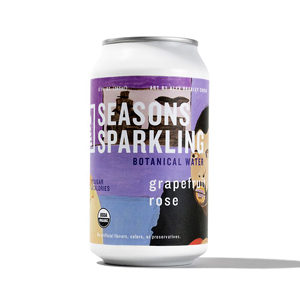
[00:04:25] Ray Latif: Of course, the only way to watch it on BevNET and Nosh is to be a subscriber. So head to BevNET or Nosh.com right now and subscribe. Well, I think that's a great idea. I mentioned Seasons Sparkling and Tai Boishin, who's the president of the company. Seasons Sparkling makes a line of organic sparkling botanical waters. And coincidentally, I had a can of their Grapefruit Rose variety last night with my dinner. It was pretty fabulous. I also saw some pretty fabulous products on the Instagram accounts of John and Mike that was of Ugly Drinks' new Cherry Cola variety. Did you guys get to try that yet? Yes, Ray, we did get to try it. Got randomly added, according to Ugly founder Hugh Thomas, to their beta testing program, and it showed up at my door one day. Randomly, huh? Well, I mean, full disclosure, I do subscribe to Ugly, so a fair amount of that comes through my home on a monthly basis. Yeah, I mean, I love the idea of a cherry cola flavor. I think La Croix did one back in the day. It wasn't cherry cola, but it was a cola flavored sparkling water called Nikola. John, do you remember that? Vaguely. A lot of these brands that are trying to promote themselves as soda alternatives, well, you got to have the classic soda flavor, right? But the most important thing is that it tastes good. I think so. The cherry cola flavor is good in this. For me, somebody who doesn't like a lot of sugar, it gave me that same feeling of drinking a cherry cola. And I also had a Reese's Peanut Butter Cup moment, Ray. How's that? I was also drinking Cure Hydration and I poured a splash into the cherry cola and it tastes like a Dr Pepper. Oh, wow. The Cure Hydration wild flavor. Interesting move. It's good. Formulating at home.
[00:06:12] Peekaboo Organics: Never ceasing to amaze us with his strangeness.
[00:06:20] Ray Latif: I don't know. I saw you mixing up some nice Negronis as well on Instagram. Hold on. Let's not call them nice. No. I definitely have been sending some of my Negroni variations to John Craven because we live close by. He gave me a good tip on how to take away some of the sweetness from one of them by changing out one of the ingredients I was using. I was using some rhubarb and I changed it to an ambrosia aperitif. It was a good call, John Craven. What are the scientists that were on The Muppet? There was the guy that kind of just like... Dr. Bunsen Honeydew and Beaker. Didn't he sort of wildly mix things together, if I'm remembering correctly? But that was my other tip for Mike, was to just stop doing that. He told me to stop beakering, basically. Every time Dr. Bunsen Honeydew had a dangerous experiment, he would He would give it to Beaker, of course, and Beaker would always be on fire. Clearly, we have a new live show in the works. It's John Craven and Mike Schneider as Dr. Bunsen, Honeydew, and Beaker. Who is whom is the question, I guess. Well, I think we know who's who. John Craven has tried to set me on fire before. Well, he'd have to set you on fire every show, because that's what happened to Beaker.
[00:07:44] Jessica Weiss-Leveson: That's good content.
[00:07:45] Ray Latif: Yeah, that is good content. Man on Fire is the second funniest joke. I mean, it's always a crowd pleaser. It's also a great movie. Anywho, moving right along, I also want to give a shout out to the makers of Simply 7 Snacks, Rasheem Oberoi, who is the founder of the company. I actually joined us on Elevator Talk live stream a few weeks back, talking about the company's rebrand, which looks amazing, and also their veggie sticks, which are just phenomenal. So shout out to Rashim and his team doing some great stuff out there. If you're an entrepreneur who's listening and interested in participating on Elevator Talk, we'd love to have you. How to participate? Go to BevNET or Nosh.com, look for the Features tab in the drop-down menu, you'll see the Elevator Talk option, learn about how to apply, and we'll see you on the show every Wednesday at 3 p.m. Eastern Time.
[00:08:38] Nets Editor-in-Chief: Guessing your margins? That's risky. Belay Financial gives CPG brands the clarity to scale smarter, faster, stronger. Get your free inventory ebook by texting TASTE to 55123 and start making data work for you.
[00:08:58] Jeffrey Klineman: Tune in at the end of this episode for an exclusive interview with Matt Lin of Belay Solutions. He sits down with Melissa Traverse to break down the biggest inventory and accounting mistakes CPG founders often make. You'll learn how to bring clarity to your numbers so you can scale with confidence.
[00:09:16] Ray Latif: Can we talk about coffee for a second? I think we can. Oh, yes, please. Yes. Yes. It is the morning. I'm still working on my first cup of joe. Speaking of which, how many cups of coffee do you have in the morning before noon, Mike? What day is it? Nobody knows what day it is. It's every day. Oh, on every day? Some days one, some days two. That's it? Yep. John, I figure you have more than that. Me? No. Yeah. No. I'm just a one cup of coffee person or If no good coffee is available, I'll go zero. No problem. Melissa?
[00:09:53] Jessica Weiss-Leveson: I'm good for one in the morning and then maybe an espresso in the afternoon if I'm in the office, which I'm not.
[00:10:01] Ray Latif: Yeah, that's right. You know what? We always used to do this. I would always have an espresso or an Americano in the afternoon when we were in the office. That doesn't happen very much anymore. It's just, I think that kind of coffee consumption, it's like a form of a fidget for people, you know? Like, I don't know, I like to twirl my pen and some people like to drink excessive coffee, you know?
[00:10:22] Jessica Weiss-Leveson: Even just the process of making it is a fun fidget.
[00:10:25] Ray Latif: Yeah, it is. It's not a fidget. It is a ritual.
[00:10:30] Jessica Weiss-Leveson: It's an art.
[00:10:33] Ray Latif: That's definitely one thing that I think I and some of the folks on the team miss is Mike's Cortado lineup around 2pm and then a Slack message of Cortado's on the bar. Yeah, I am going out of my mind. I miss the La Marzocco machine more than any of you. It's so hard to not be around the machine pulling shots and all that stuff. I'm just kidding.
[00:10:58] Jessica Weiss-Leveson: I love you guys. Mike was my latte art mentor. I miss that.
[00:11:03] Ray Latif: You definitely need a better mentor, Melissa. That should be a Craven line, actually. Yeah, right. No comment. You could just take it home. I mean, just temporarily. I don't think anyone's going to give you grief for that. It is connected to a water line. It's definitely plumbed. And of course, I've thought about it, but that is, you know, that would, yeah, it's connected, right? It's like trying to rip the gas pump out of the gas station. Not going to work. Jeez. I didn't realize it was that serious. OK, don't do that, Mike. Yeah, I was going to say, Mike, have you tried this? I hooked a chain up to my bumper and I drove really fast, but it still just ripped my bumper off. Jeez, it is pretty heavy. Have we ever had Groundwork Coffee in the office? Have we ever had bags of Groundwork Coffee? Yes, we have. Groundwork For phenomenal.
[00:11:55] Jessica Weiss-Leveson: I spoke with Groundwork yesterday, and they're working on some really good stuff. So they've noticed, obviously, a change in their business. Their subscriptions are way up, their coffee subscription program, that is. They're selling more five-pound bags than ever before, which makes sense because folks are making so much more coffee at home, as we just discussed. Their bundles are way up in sales, so they have Chemex bundles and pour-over brewer bundles where you get the hardware and the coffee at the same time. And one thing I thought was really interesting is that they're noticing that they're selling more single origin coffees than they have before. For what reason that is, I have no idea. And they didn't seem to know exactly why either, but that coincides with a launch they are in the middle of right now. They're launching three single origin organic coffees this week. They have a Peruvian version which just won the Cup of Excellence, and I think it was the first organic coffee to ever win the Cup of Excellence, a Colombian and a Kenyan. The Kenyan is going to be the first one to launch. This coincides with an uptick in business that they're seeing already, so that should go well for them.
[00:13:06] Ray Latif: I want to try this. Fun fact about Groundwork For, I guess a fun story is that back in the days when we used to go to Expo West, remember those days? They kindly gave us some samples to bring back to our bunker, to our house that we used to have at Expo West. That was very nice of them. We had coffee for the house because it's really hard to find good coffee during Expo West. It's strange because we stay in this house. There's no grinder there, so they ground the beans for us. It was great. We had pour-overs for the whole week. As we are known to say in the office, chill dudes. Alright, it's now time to get to our featured interview for this episode. That's with Jessica Weiss-Leveson, the founder and CEO of Peekaboo Organics. A maker of indulgent organic ice cream infused with hidden vegetables, Peekaboo debuted in 2018 and immediately drew interest from consumers and retailers who embraced the brand's better-for-you positioning. The products, which include chocolate ice cream with hidden cauliflower and a strawberry variety made with carrots, are carried nationwide at Kroger, along with hundreds of Safeway, Whole Foods, and Target locations in select regions. In the following interview, Jessica spoke about how she transitioned from a career in law to the ice cream business, the standard questions about why consumers need veggies in their dessert, why identifying those who understand and appreciate the concept is critical to the company's retail and funding strategies, why winning over kids is not as challenging as she expected it to be. A major bonus in our conversation, how to avoid slotting fees. Hey folks, it's Ray with Taste Radio. I'm on a call right now with Jessica Weiss-Leveson, the founder and CEO of Peekaboo Organics, the maker of Peekaboo Ice Cream. Jessica, how are you?
[00:14:58] Mike Schneider: I'm super. How are you?
[00:14:59] Ray Latif: Pretty good. Pretty good. We're both recording this late in the afternoon with kids running all over the place. So for folks who are listening right now and might hear a child in the background, well, it comes with the territory, folks.
[00:15:16] Mike Schneider: Exactly. WFH.
[00:15:19] Ray Latif: WFH. Exactly. Well, it helps to have ice cream in the house, I'm sure, so that you can reward the kids when they are doing well and take it away when they're not. You became an entrepreneur selling ice cream after being a lawyer. That's quite the career pivot. What precipitated the move from law to ice cream?
[00:15:43] Mike Schneider: For a little while, I was actually doing both. I first opened up an ice cream shop here in Miami Beach because I loved ice cream and I saw an opportunity in the neighborhood. But I really dove into the craft of making ice cream full time and with all my heart when I got fired from practicing law.
[00:16:04] Ray Latif: You got canned.
[00:16:06] Mike Schneider: I got absolutely canned. Let me also note that it was a very low-paying job, and they were lucky to have me, but I guess I didn't get that memo.
[00:16:19] Ray Latif: You know, sometimes I've heard so many great stories about people who have been let go of their job or fired for one reason or another and gone on to do some amazing things. And I hope the same will be true for you. You're already off to a great start. The company you originally started was a company called Serendipity Creamery. Tell us a bit about that and how it led to the development of Peekaboo.
[00:16:43] Mike Schneider: Sure. Serendipity Creamery, it's still actually operating. Now it's been a little more challenging with the quarantine and everything and just the current climate. But I opened it up while I was still practicing law because I thought my little neighborhood of Surfside, Florida, which is just south of Miami Beach, could really benefit from homemade ice cream and just that kind of neighborhood feel. So I opened up Serendipity Creamery and I was practicing law at the same time.
[00:17:11] Ray Latif: And to be clear, Serendipity is a standalone ice cream shop.
[00:17:16] Mike Schneider: Correct. Totally unrelated to anything else of similar name. We have one location in Surfside. And so I started making ice cream just because I really loved eating ice cream and I thought I could do better in my neighborhood. You know, my neighborhood and I deserved better ice cream that was made from scratch. So I started tinkering. I discovered that there's actually an ice cream school at Penn State, one of the oldest courses, college courses. is a Penn State short course for learning how to make ice cream. So I learned sort of all the details and the science behind making ice cream, and then came back and sort of relaunched. Originally, when I opened up Serendipity, it was just frozen yogurt. But, you know, once I learned how to make ice cream and got a lot of consumer feedback, that's when we really started to diversify the product mix and cater more to the community.
[00:18:06] Ray Latif: So I'm curious, what did the shop teach you about business and how to meet consumer needs? Oftentimes, folks that have a retail storefront get to interact with consumers and really understand on a face-to-face level what it is they like about a brand and what they don't like.
[00:18:27] Mike Schneider: It was so important and formative for the entire, you know, what would become Peekaboo Organics. When I first opened up Serendipity, it was only frozen yogurt. And my husband at the time said, why don't you sell ice cream? Sell ice cream. And I was like, you're not the consumer. You don't even pay for the product. What do you know? So of course I ignored him. And then consumers would walk by or they'd come and buy frozen yogurt and they'd say, you know, my kids like ice cream or my husband likes ice cream or some of us want frozen yogurt, some want ice cream. And that's what really inspired me to learn how to make ice cream and go to Penn State short course. So from frozen yogurt, we evolved into ice cream and then ultimately homemade ice cream. And then I kept seeing, you know, as I sort of as a storefront evolved, and it was at this point open about 10 years, a lot of the customers that kept getting more kids and little siblings, and then I started having kids and whole customer base evolved, my family evolved. And I realized that ice cream could potentially do better, it could do more. So If I could stay in the same lane in serving delicious, indulgent ice cream, but I could add some components that sort of made it better, wouldn't that be an amazing sort of win-win? So I started tinkering with how do I make this ice cream better? And little by little, I started incorporating veggies and getting consumer feedback. And that's really where Peekaboo Ice Cream was born.
[00:19:52] Ray Latif: Why launch a packaged product versus opening new storefronts? I mean, obviously the answer, the answer is pretty obvious right now, but you know, you had the one store, why not open another?
[00:20:03] Mike Schneider: That's so hard. I mean, anybody that has a storefront has got to say it's the hardest hustle because your revenue and your reach is obviously limited by the number of people that walk through your door. Whereas when you have e-commerce or you're in retail and you're in CPG, it's a much broader market and a much broader ability to reach the consumer. It's very seasonal also, at least my little hometown, and my dad helps me a lot. And he's old and he doesn't want to be managing other storefronts. You know, he does it as a favor because he's retired. But any additional store, how am I getting another dad to sort of man that and help me with that? So really opening storefronts was limited by the number of old dads that I have. Really just because it's really hard. And I thought for peekaboo in particular, it was the type of product that really needed to be in front of a lot of people because as a consumer, I knew that in a heartbeat, I would buy it from a supermarket. But if I was living in New York, for example, and wasn't familiar with serendipity, then I wouldn't have access to such an innovative and unique product. So when I really developed peekaboo, I knew from the very beginning it was meant to be a CPG product that had the luxury of being tested in my storefront.
[00:21:20] Ray Latif: You were talking about making ice cream healthier by introducing vegetables into the product. And I'm sure you get this question all the time. Why does ice cream have to be better for you?
[00:21:36] Mike Schneider: It's such a good question. I guess it doesn't have to be better for you, but what's the harm in making it better for you? I always say, unless you really hate vitamins and minerals, there's really no reason you wouldn't choose Peekaboo ice cream over any competitive brand. It's just as indulgent, the flavor profile, the texture, the quality, plus it's organic. It just happens to have vitamins and minerals from veggies. So the intention was really twofold. Number one, to make ice cream better, because why not if you're not sacrificing anything? And number two, really to provide a different platform to introduce kids to veggies in a really unique and innovative way. Because I have my own kids. I know you have a daughter. And it's really tough to not only get them to eat veggies, but to make them understand why veggies can be mild flavored. They could be sweet. They could be incorporated in different ways. They could have no flavor at all. And peekaboo ice cream is a really great way to showcase that. And ultimately, the goal would be to expand into different product categories and sort of amplify that message in cookies and snacks and cereals, where we can incorporate veggies in a way that really adds nothing to the flavor profile, but does amplify the nutrition. But again, if you don't like toothpaste with extra fluoride, or you don't like milk with extra calcium, Peekaboo Organics probably not for you. But I think for the average person that just loves delicious, indulgent ice cream, it's a real value add.
[00:23:00] Ray Latif: I do want to ask you about that consumer that does love your product and how they interact with it, and then those who are not so interested in a product like yours. Before we get to that, I do want to ask you about creating the ice cream, because infusing, say, zucchini into a vanilla ice cream doesn't seem like the easiest thing to do. How long did it take? What were some of the biggest challenges and pain points in doing so?
[00:23:26] Mike Schneider: It's really hard because veggies actually have a really high water content and ice cream hates water. So anytime you introduce any ingredient that's got a high water content it makes the ice cream icy. So in order to offset that you have to add more gums and stabilizers and that's not the type of product that I wanted. So it took actually a lot of iterations to get the right texture with the right sort of nutritional profile. And also from just the, you know, taste perspective, I tested it on my kids. So I added as many veggies as I possibly could until they noticed. And at that point, you know, I knew to scale it back. But the iterations took years. And then when we finally reached the point where I thought this is really a product I could be really proud of, that's when I started determining, okay, how do I launch to market? Because I didn't know anything about CPG, retail, margins, slotting. I mean, for me, it was a whole different world. So that was a whole other learning process once I finalized the product.
[00:24:25] Ray Latif: I'm sure you were really excited to learn about slotting once you had invested all the money that you had initially Investing In the company.
[00:24:31] Mike Schneider: Let me tell you what I was excited to learn about. If you're a certified woman-owned business, you can get away with no slotting at a lot of retailers. It's a little tip.
[00:24:40] Ray Latif: Oh, really? Which retailers are those?
[00:24:42] Mike Schneider: Kroger is one of them. No slotting. Some distributors sort of have very favorable policies for certified woman-owned businesses. So for all the women out there, I would definitely encourage you to become certified.
[00:24:55] Ray Latif: And what's the process of certification? Is it relatively short?
[00:24:58] Mike Schneider: Can I tell you a funny story? Yeah, please do. So for me, it was important just like from the community perspective, I didn't realize that, you know, had these other benefits. But I became certified under a different company name before I did a whole fundraising round I had is a different LLC. So I became certified as a woman. owned company and you have to show sort of business documents and then they do a site visit where they verify that you're a woman. And so a woman came to my house to verify that I was in fact a woman and six months later when I changed my company name, I went through everything again and I said, listen, you probably don't have to come to my house at this point. I just think we can both safely assume I'm still a woman. You saw I had lady parts. I have children that I birthed. And no, she had to come back and actually verify that like six months later, I was a woman. I was like, this seems so crazy to me. But so one of the big steps is actually to visually inspect.
[00:26:01] Ray Latif: Well, I guess rules are rules. For folks listening, for female entrepreneurs that are listening, what's the name of the certification service?
[00:26:10] Mike Schneider: Um, we bank is the one that I went through, um, W B E N C. Okay. Yeah. So I have had a great experience. I mean, the lady was lovely, of course. And the process was, I mean, it was tedious, but, but all in all pretty simple.
[00:26:25] Ray Latif: Okay, great. Well, thank you for sharing that information. Going back to the consumers that appreciate your product versus those who don't, what was the initial reception to peekaboo? How did you get people to buy into this concept of veggies in your ice cream?
[00:26:40] Mike Schneider: The first time I really experienced the reaction to peekaboo, I didn't know what to expect, but I debuted at the fancy food show in June of 2018, not having ever been to a trade show and not knowing what to expect. And I was candidly very nervous because I thought, oh my God, veggies and ice cream. It's so weird. Nobody's going to get it. And it was an overwhelmingly positive reaction from retailers and media and people there. So that's what first gave me the confidence to know that this could be a, you know, widely accepted product. So that was really exciting because at Serendipity, when I was testing on consumers, I did it sort of in reverse. I wouldn't reveal what it was. It was, you know, this is mint chip ice cream with a hidden ingredient. instead of the reverse saying, this is peekaboo ice cream with hidden veggies. So it's hard to really gauge consumer feedback so much at serendipity because I dropped it on them after they had already liked the flavor. But initial reaction has been overwhelmingly positive.
[00:27:39] Ray Latif: Is there a specific consumer, is there a specific demographic or type of person that gets the concept better than others?
[00:27:46] Mike Schneider: Absolutely, I would say parents of young kids immediately get it. And they say, this is genius. Why did this not exist when I was a kid? And also grandparents, grandparents also get it, you know, because they're always, you know, being hassled by their kids, like don't feed my, you know, don't feed the grandkids so much sugar, don't feed them so much junk. So this is a great loophole for grandparents, I've discovered to say like, but it's got veggies, you know, I'm not feeding the grandkids so much garbage.
[00:28:12] Ray Latif: That sounds like a grandparent. But then, then other times I see grandparents and they're, you know, giving kids things that they shouldn't be giving just to be, you know, the number one grandparents. So it goes both ways. Totally. You know, when we chatted prior to our conversation, you talked about bridging the 80-20 gap. Could you elaborate on what you were talking about?
[00:28:33] Mike Schneider: So meaning the 20 that just don't get it versus the 22. So what I discovered is that 20% of the people that are confronted with peekaboo almost see it. I mean, they don't get it. So they think like you were referring to before, why mess up ice cream? Why does the world need this? Or, oh my God, that's so gross. Why do I want cauliflower chunks in my chocolate ice cream? I think we're lucky in the sense that those 20, inevitably, it's like watching a train wreck, so they have to taste it. to prove to themselves how gross it is, which is such a huge opportunity. Instead of them saying, that's so gross, I won't even touch it. It's like they need to know how terrible it is. And then of course, once they taste it, it's amazing chocolate ice cream. There's literally nothing you can say badly about it. So that's when we really capture that other 20%. At the end of the day, the consumer we're definitely not getting is the Halo Top, you know, the keto consumer, like those will never be a consumer of peekaboo. But for anybody else buying ice cream, whether they fall into the 80 or the 20, I feel like we can convert them easily by just tasting peekaboo.
[00:29:41] Ray Latif: It's a little bit tougher nowadays to do those demos. But I mean, it's very helpful to know who your customer is and who it isn't. At the end of the day, do you think you'll ever reach out to those Halo Top consumers? I mean, do you think they'll ever appreciate the product?
[00:29:55] Mike Schneider: So as a startup obviously you know we have to spend wisely. We have a tiny marketing budget. So that budget is spent exclusively targeting the consumer that we have a really high likelihood of capturing. And those are parents of young kids. Having said that, our whole position is balance, right? So I don't believe there's anything wrong with indulgent ice cream. Everything is fine in moderation, and I think it's okay to be able to treat yourself. So I'm not in the position that just because you can eat an entire pint of ice cream, that's, you know, healthy and balanced eating habits, you know? So I mean, I think there's a huge opportunity to capture people that wouldn't, seem to be the target consumer. A lot of it, you know, a lot of consumers that are looking for keto or sort of diet products, you know, it just comes down to the relationship with food. And I think hopefully, you know, we can show that by providing a product that has some level of balance and is delicious, we can sway them and persuade them to taste peekaboo and become peekaboo customers. But from a marketing spend perspective, I mean, I think it's just important to know your consumer.
[00:31:05] Jeffrey Klineman: Do you want more repeat buyers on Amazon? Well, this free resource in collaboration with Straight Up Growth will help your brand turn first-time buyers into long-term subscribers. Download Winning the Repeat Purchase Game on Amazon now at Taste Radio slash SUG. That's Taste Radio slash S-U-G to start building retention-driven growth for your brand on Amazon. Scaling a beverage brand into major retail comes down to operational readiness. From packaging lead times to co-manufacturing strategy, the details can make or break a launch. In a new ebook in collaboration with Octopi and Asahi Beer USA, industry leaders share what they've learned in helping brands scale. Download it now at Taste Radio slash octopi. Do you need to scale your team faster without compromising on talent? Join Oceans for a live webinar on April 20th and learn how leading companies are hiring top global professionals who are ready to grow with your business. Register for the webinar now at Taste Radio slash oceans. That's Taste Radio slash oceans.
[00:32:16] Ray Latif: Many of your consumers, as you alluded to, are kids. And ultimately, if kids like it, that's half the battle. But I'm assuming that many kids are turned off by the idea of cauliflower in their chocolate ice cream. So how do you address that issue on a packaging and marketing level?
[00:32:33] Mike Schneider: Such a great question and such a huge challenge that continues to be something that we're sort of evolving and determining. Originally, I thought once kids, including my own, realize that there's veggies in peekaboo, you know, the jig is up. There's no way my daughter is going to eat it. For that reason our very original packaging had no veggies really it was very hard to determine those veggies in the peekaboo It was a very subtle design pattern in the background and even the font that said with hidden cauliflower Was like a four-point font whereas everything else on the pint container was maybe 12-point font or larger but the feedback that we got from parents first was, why would I buy this if I don't even understand what the unique selling proposition is? Which then put us in the category of competing directly with other Intent Brands that we couldn't compete with budget-wise, right? So our message was being lost because the packaging originally was intended to hide the fact that there was veggies so as not to deter kids from eating it. We now just rebranded and launched a new design that has veggies front and center. The reason is, number one, we stand out on shelf more because that's really what we're selling is hidden veggies. And what we've learned from doing a lot of demos and speaking to a lot of kids at a lot of events is that the kids, all they want is delicious ice cream. So they don't care what's in it if it tastes good. And then secondarily, they use it as leverage. So my kids also, you know, nine o'clock at night, my kids will be asking for ice cream. Of course, I say, no, it's bedtime. And then they come back with, but it has veggies. So, you know, my kids are not in the minority. It seems to be very common from what we hear on social media and different feedback we get from parents. that kids love the flavor so much they use it as leverage then to just either get more or more times during the day. So it turned out to not be such a scary concept as I had originally anticipated.
[00:34:33] Ray Latif: Embrace your point of difference on your packaging is what I'm hearing. I'm curious as to the initial feedback on that packaging and how your customers are responding to the change.
[00:34:44] Mike Schneider: The origin of the new packaging was we sort of designed it in a bubble without any kind of feedback and no real reason, you know, no real plan to launch a redesign. And then Target approached us and said, we want to launch with peekaboo. We don't love your original packaging. Do you have anything else? So I scrambled. I was like, well, I have something sort of that's been sitting on the back burner. And I showed it to the buyer and I said, this is very preliminary. What do you think of this? She was like, I love it. This is what I want. So I was like, oh, oh, for sure. No problem. I mean, anybody that knows anything about packaging or lead time, it's like a 12 to 16 week lead time. And then, of course, you have to manufacture and ship and yada yada. And I had basically eight weeks to do what should have taken 16 weeks. But as any startup entrepreneur does, it's like the answer is always yes, right? I'm not going to turn down any opportunity. You want new packaging? I have a truckload waiting for you. So that was really the impetus. But while it was all being printed, I went to Whole Foods, my local Whole Foods, with mocked up pints. And I took all my original pints out of the freezer and put in the empty mocked up pints. And within 20 minutes, by the way, I had been creeping on my freezer shelf, you know, for hours every week since we launched in Whole Foods to see how the consumer interacts. And never had I seen the reaction that I had when there was empty pints on there with the rebrand. So every three minutes, someone not even looking for ice cream, but just passing the hall, you know, a mom dragging a kid would look and notice something. you know, sort of unique, it's a different kind of branding, grab it and of course be surprised that it was empty. And that's when I really awkwardly would approach them and say, I'm just testing something out if you want, you know, the real ice cream here it is. So from that perspective, immediately I noticed that there was a difference in the consumer interaction with it. And then we went to one of the trade shows, UNFI trade show in Orlando. and showed it to a lot of buyers and distributors and brokers and everybody reacted very positively. So it gave me some confidence in the absence of any kind of legitimate scientific study that this is something that could really have a huge impact on sales.
[00:36:57] Ray Latif: That is a great tactic. And for folks who are loyal listeners of Taste Radio, you'll know that our guests often hit you on the top of the head with walk the aisles of your store, see how your customer interacts with your product, ask them questions. And it sounds like you're doing all of the above, which is great. How many Target stores are you in now?
[00:37:20] Mike Schneider: We're in 225 between Florida and California. So we're in two regions, about 100 and change in each region.
[00:37:30] Ray Latif: There's a lot of folks listening who would love to be in Target. Talk a little bit about how you initially interacted with the retailer and how those buyer meetings went.
[00:37:39] Mike Schneider: I got very lucky with Target because actually the buyer sent me a cold email, which sounds so mind-blowing.
[00:37:46] Ray Latif: It does.
[00:37:48] Mike Schneider: But we were featured in the Daily Dose of Dairy, which is a newsletter. I don't know if you're familiar, but it's a daily newsletter which features, obviously, dairy products. And Donna Barry, the woman that publishes it, featured Peekaboo Organics there and apparently the buyer at Target receives it and send me a random email. I just saw this newsletter. I'm very interested. You know, can we talk? So I was like, this has got to be a spam. But that was a year ago or a year and a half ago. That was not this particular reset. It was the year prior. So I met with her at Target headquarters, which was such a crazy experience because I'm a diehard Target shopper. So that was really cool. But she thought at the time that it was a little too early for peekaboo. She wanted a little more sort of brand awareness. And so she didn't think we were ready yet. And then this year again, you know, I approached her. and said, you know, now do you think we're ready? Can we make this work? So this year it worked out. I feel very, very, I'm very grateful because it's a huge company, you know, so for a huge company to essentially take a risk on a really innovative, you know, and new brand is, I think just goes to show their level of commitment to innovation and really catering to their consumers. preferences and interests. So I'm super excited to be launching a target.
[00:39:15] Ray Latif: Did you stay in touch with a buyer on a regular basis? Or is it that one meeting and then that one follow up email a few months later?
[00:39:22] Mike Schneider: My instinct is always to sort of keep on the top of their mind. But you know, that count has to be counterbalanced with not being too creepy. So I hesitate. I mean, my you know, because I like to be chitchatty and stuff, but I don't I really do limit it to unless I'm in stores, so then obviously I reach out to buyers more often to say, hey, we were featured in this article, or we're an R&D for this flavor. You know, there's more occasions to interact if you're already on shelf. But for those that I'm just trying to pitch, I do it basically just leading up to the category review.
[00:39:56] Ray Latif: And let's talk about pitching investors, because it's arguably the most difficult part of being an entrepreneur. You, however, have found some initial success raising capital. How'd you do it?
[00:40:09] Mike Schneider: Honestly, I never thought I'd be able to do it, ever, ever. There's a really great website called PitchBook. You need a subscription, but I knew somebody that had a subscription to it. And you can see all the people that invest. And a lot of this, I'm sure, is also publicly available. PitchBook just happens to be like the Facebook of investment, as I would sort of position it. And you can see who Investing In similar companies. So I had looked up some companies that either had a veggie component, a hidden veggie component, a better for you angle, indulgent foods, to see who their seed round investors were. And then I basically cold pitched them. It just so happened one, I knew. So my lead investor from my, it was like a sort of a hybrid friends and family round. was someone that my husband knew, who also I happened to discover Investing In a similar company. So I got lucky there and they sort of really believed in the concept, believed in the product, and they're avid ice cream eaters. I still sometimes get emails, you know, I get email alerts when people order online. And once a week, a member of the family is ordering a peekaboo ice cream on my website, which I think is so funny. And then from that point on, you know, it's just a matter of talking to as many people as possible. And the more people that either see the value in your product, even if they won't invest, but then can direct you to someone else who might think it's a good fit, it just sort of snowballs that way. And you know, the wider you cast the net, I think the better chance of capturing people. But it's hard and it's certainly not something I enjoy. I love meeting people. I just hate asking for money.
[00:41:48] Ray Latif: I can imagine it is kind of a challenging process, or I'd assume it's a very challenging process. When you say cold pitched, did you email the folks? Do you call them?
[00:41:57] Mike Schneider: Yeah, no, I don't. No, I emailed or messaged on LinkedIn, or, you know, if I could find their email, find their email. Some angel funds have online portals where you can apply. I haven't had any luck with that. It seems like you do need an introduction in order to get anybody's attention. But it's all about finding, I think, targeting the right person, you know, someone that would have Investing In vegan, you know, no sugar added X, Y, or Z would probably not be interested in peekaboo. Someone that Investing In, you know, a baked goods company that's got no junk in it, you know, might be a good fit. So that's sort of how I invested my time.
[00:42:37] Ray Latif: How do you handle those folks that aren't initially interested in the product? Is this similar to your target consumer just knowing that this isn't the right fit and kind of moving on or can you convince them otherwise?
[00:42:52] Mike Schneider: In terms of investment?
[00:42:53] Ray Latif: Yes.
[00:42:55] Mike Schneider: I actually met with two different investors that I thought would be such great fits. They each sold a food company for an enormous amount of money, would be such a strategic fit for Peekaboo, and they were completely unrelated to each other. But in the course of pitching Peekaboo, they both had the same sort of feedback. For them, they thought it was a kid product. They sort of didn't think a kid-focused brand could become an empire. They didn't see the value of hiding veggies. So, of course, I have, you know, also being a lawyer, obviously, I have counter arguments to all this stuff. What's significant about the story is that neither of them had children, so they weren't parents. And I thought, how am I going to convince? I mean, I get where they're coming from. They don't they don't see the value. And what's the point of convincing someone, especially at such an early stage when I really need an investor's wholehearted support and blind check writing, you know, to try and convince someone. it's sort of counterproductive, it's futile, and I don't want to waste anybody's time either. If I had five years of sales and year-over-year growth and this amazing story of revenues, which hopefully I will in five years from now, I think it'd be a different argument because then you'd be appealing to someone's desire for returns and things like that, financial gains. But it's such an early stage, I think it's important that either they get it or they don't, and I'm okay moving on.
[00:44:27] Ray Latif: You know, a lot of entrepreneurs a couple of years in are looking to raise money and one of the hardest parts seems to be figuring out how much you need. How did you determine how much you needed for that initial friends and family round and now for the current round that you're raising or have raised?
[00:44:45] Mike Schneider: For the original round, I just sort of threw a number out there. I didn't really know. I mean, you could do forecasting, obviously, and projections and try and figure out, you know, what's the loss at the end of the year and then raise to that, you know, or like some runway. I didn't know all that. So I just sort of threw a number out there that I never thought I'd be able to raise and thought if I can get even a quarter of that, I'll be satisfied and then I'll grow proportionately. Because when I did my first round, I wasn't in a ton of stores. So my growth would have been limited by the amount of funds that I could raise to support that sort of accelerated growth. At this point now, I know what I need because I have some sales history and I just know that everything is 100 times more expensive than you'd ever think. It takes 10 times longer. Given the fact that we're in really tough climate and environment, the objective is to raise for 18-24 months of runway or get as close as possible.
[00:45:47] Ray Latif: Thank you, Jessica, so much for taking the time to speak with me. Good luck with everything going forward, and good luck managing your kids for the near future.
[00:45:58] Mike Schneider: Thank you so much. I really enjoyed chatting with you.
[00:46:02] Ray Latif: All right. That brings us to the end of episode 85 of Taste Radio Insider. Thank you so much for listening, and thanks to our guest, Jessica Weiss-Leveson subscribe to Taste Radio on the Apple Podcasts app, Spotify, Stitcher, or Google Podcasts. As always, for questions, comments, ideas for future podcasts, please send us an email to ask at Taste Radio. On behalf of the entire Taste Radio team, thank you for listening, and we'll talk to you next time.
[00:46:40] Jessica Weiss-Leveson: Hello, I am Melissa Traverse here for the Taste Radio podcast, talking about some of the biggest tension points that CPG brands and founders face when they're scaling a brand, and those are financial accounting and inventory management. I am joined by Matt Lynn, inventory accounting guru from Belay Solutions, and he is going to shed some light on all of this that is going to help everybody out quite a bit. Matt, thank you so much for joining us today.
[00:47:10] Peekaboo Organics: Thank you for having us, Melissa. It's great to be out here at Expo West and it's great to sit down and be able to chat this because it's kind of a passion project of ours, working mainly with CPG brands and hoping to help them scale.
[00:47:22] Jessica Weiss-Leveson: It's been such a pleasure chatting with you and the team and learning all about what you do over there at Belay Solutions. Can you tell us a little bit about yourself and what your role is and the kinds of solutions that Belay gives to CPG brands and founders?
[00:47:37] Peekaboo Organics: Yeah, absolutely. My role with Belay, I'm actually our inventory accounting manager. I run our inventory department, so we work with CPG brands, taking them from spreadsheets, putting them on inventory management systems, and really helping connect their tech stack between their sales online marketplaces to that inventory management system, even down to their financial systems like QuickBooks. Belay overall is kind of an outsourced accounting firm. And with that, we're helping teams. We have different levels with bookkeeping, controller level work, even high level into CFO type items. So we really help those brands in any way that they need financially. And then I just have a subset of a department where we're really just laser focused on inventory.
[00:48:20] Jessica Weiss-Leveson: It's certainly a complex topic and there are plenty of places to go wrong. Let's start by going right and start super simple. Can you tell us what some of the biggest red flags are that would help a founder understand or, you know, the person running a brand understand that it really is time to get some help with some of these areas?
[00:48:41] Peekaboo Organics: Yeah, absolutely. I think some of the early red flags is just everything is chaos. So when they're looking in their financial software, maybe they don't really have an accounting background, and they're kind of just piecing it together and doing their best. And what they'll see is that reconciliations take forever, if they even happen. They have a lot of transactions that don't get coded, or they just put them into placeholders to just get rid of it so it's not an eyesore. they'll notice they have revenue but no cash or they notice that they have a good amount of cash but their blind spot is really seeing the vendor invoices that are sitting there just needing to be paid and so they just lack that clarity that's going to really be around the corner.
[00:49:18] Jessica Weiss-Leveson: You know, you were talking about one of the red flags that comes up that I think makes so much sense. When somebody asks you what your numbers are and you can't come up with the right number, that's a big problem because that's something that you really should be able to share with decision makers who, you know, you're ideally looking to do business with. What should you be able to call up at a moment's notice?
[00:49:42] Peekaboo Organics: Really, at any time, you should be able to know an accurate margin. It's amazing how many founders we end up talking to that they can tell you their revenue numbers, they can tell you their selling price, and then the minute you start talking about cost or their cost of goods sold, they just get a deer in headlights look. So really, it's very hard to tell, am I even making money? Or if you don't know your entire landed cost. Maybe you know what the freight cost is, the duties separately, but you're not really getting that as part of your unit cost. So it's really hard to tell. Am I even making money or am I losing money from the very beginning?
[00:50:16] Jessica Weiss-Leveson: And do you recommend that founders are able to call up a margin by channel?
[00:50:20] Peekaboo Organics: Absolutely. And depending on the number of products and channels, you kind of want to know what are your best sellers, which ones are making the most and which ones maybe you're not making as much. But especially if you're branching out and you're doing D to C with B to B, absolutely want to know that.
[00:50:37] Jessica Weiss-Leveson: Gotcha. You mentioned that when things feel really chaotic, that's probably a red flag. I would say that it probably almost always feels chaotic if you're running a CBD brand. And I know this may be hard to quantify, but is there a revenue number? Is there a number of doors number that would help a brand understand whether or not it makes sense to bring on a partner like Belay? Understanding that so many brands are bootstrapped or they might be tight for cash. What is that friction point?
[00:51:07] Peekaboo Organics: 3 3 3 3 3 But as you're growing, as you're getting to those six-figure revenue numbers, and especially as you're approaching seven, you want to make sure you've got good financials. Because as you scale to that point, most likely you're going to be looking to raise capital. And investors, the first thing they're going to look at is your books. And are they clean? And do they show a clear picture of your business?
[00:51:40] Jessica Weiss-Leveson: You know, another area that folks might look to to organize some of the chaos are their systems. So many folks stick with Excel spreadsheets for a good amount of time. How do you know that you need to outsource some of your accounting to an organization like Belay Solutions versus maybe signing on to a Synth7 or NetSuite or something like that?
[00:52:03] Peekaboo Organics: Well, that's actually something we really help with. When it comes to that cost question, that's something that trips people up. And sometimes if you just have a turnkey business, you buy and sell a finished good, you can maintain with spreadsheets. And we've had clients with million dollar revenue that can do that. But we see so many brands nowadays are using contract manufacturers. and they're just sourcing certain parts of their product. So when you start talking costs, they have no idea exactly what their unit cost is. So that's where we come in and we kind of understand, we'll speak with the customers and the clients and get their needs. And then if we think they're ready for a system, then we'll help put them on that system so they can get some of that clarity. And it's not something we force on anybody. There are plenty of times where founders come to us and we'll tell them bluntly, you're not ready for it right now, but we'll let you know when we think you are.
[00:52:49] Jessica Weiss-Leveson: That sounds like excellent advice. What should a founder or somebody running a brand look for in an outsourced accounting partner? Are there certain checklist items that they should make sure that their partner be able to execute or be able to help them understand?
[00:53:06] Peekaboo Organics: Absolutely. I think one of the keys there's, there's a lot of outsourced accounting firms out there. Some focus on service-based SaaS companies, but if you're a CPG founder, you really want to make sure that your accounting firm has CPG experience. I would ask them, you know, what kind of brands have they worked with? And even beyond that industry specific, because there's so many subsets of CPG. And that's something that I think is great about what we do with Belay is that we kind of run the gamut. It's kind of like the insurance commercial. We know a thing or two because we've seen a thing or two across a broad spectrum.
[00:53:35] Jessica Weiss-Leveson: Probably getting references is always helpful, right? Absolutely. All right. So this all sounds great. I think we have a really good understanding of would it make sense to hire an outsourced partner? You know, what some of the things you should be looking for are. What does offloading this kind of work mean for the brand? What can this do for lightening the load of a founder or lightening the load of a brand operator? Like, how does that help them in their everyday business?
[00:54:05] Peekaboo Organics: It just tries to really help quiet the chaos. So what we're looking to do is just take some of the weight off that founder's shoulder, let them focus on building the brand, building the business, getting that exposure. If you don't have sales, you really don't have anything. So we want them to be able to focus on that while we take care of your back end Office Hours. And we can just present that to you on a monthly basis, you can help make decisions, you can take that to investors. And really, you can just focus on growing your business.
[00:54:30] Jessica Weiss-Leveson: I feel like I felt founders and the folks who are running brands collectively sigh. Breath of relief just hearing that. How can people learn more about Belay Solutions?
[00:54:41] Peekaboo Organics: So people can text TASTE to 55123 for their free inventory guide to get started.
[00:54:47] Jessica Weiss-Leveson: Matlin, inventory accounting guru at Belay Solutions. Thank you so much for joining me here at Expo West. It's been such a pleasure to chat with you and learn about what you all do over there to help founders and brands with their financial accounting and inventory management. For everybody else out there, thank you for listening to the Taste Radio podcast. I am Melissa Traverse and we'll see you next time.