[00:00:04] Ray Latif: Hello, and thanks for tuning into episode 95 of Taste Radio Insider. I'm Ray Latif, the editor and producer of Taste Radio, and I'm with my BevNET and Nosh colleagues, John Craven, Melissa Traverse, and Carol Ortenburg. In this episode, we're joined by Hannah Crum, the co-founder and president of influential trade group Kombucha Brewers International. Just a reminder, if you like what you hear on Taste Radio, please share the podcast with friends and colleagues, and of course, we'd love it if you could review us on the Apple Podcasts app or your listening platform of choice. You know, I always thought that the town that we're based in was really appropriate for BevNET. That's Watertown, Mass, right? Watertown, you know?
[00:00:44] Hannah Crum: Not Kombucha Town?
[00:00:45] Ray Latif: Not Kombucha Town, no. I don't know if there's a Kombucha Town U.S., but that'd be kind of cool. Mike would live there for sure.
[00:00:51] Hannah Crum: Note to HealthAid or GT is go establish Kombucha Town U.S.A.
[00:00:55] Ray Latif: There it is. But we are moving our offices to Newton, Mass., which is about a mile away. And We Have a New Mailing address. And this is important because if folks want to send us samples for us to try out, this is a new address that you need to send them to. That's 65 Chapel Street, C-H-A-P-E-L, 65 Chapel Street, Newton, N-E-W-T-O-N, Massachusetts. The zip code is 02458. John, you've been knee-deep in moving stuff from the old office to the new office. How's that going? It's great, Ray. I'm super psyched, in case you can't tell.
[00:01:34] Kombucha Brewers: We've been here for 10 years, so there's a lot of stuff to move. Moving offices during a pandemic's a new one for me. So yeah, good times. Have you uncovered anything crazy in the office that we've been in for so long?
[00:01:53] Kombucha Kamp: Are you asking about your own office?
[00:01:56] Kombucha Brewers: Oh, I hope you didn't go in there.
[00:01:57] Hannah Crum: Did you find that body in the wall? I was going to move that.
[00:02:02] Kombucha Brewers: I was going to say, Carol would probably be most suspect, given that she had a fridge of samples in her office.
[00:02:10] Ray Latif: No, it's good to purge some stuff too. Looking forward to getting out of here. I'm looking forward to seeing the new office. I requested and as far as I know, received a steam shower in my new office, which is really exciting. It's been a dream of mine for a long time. I'm not going to say I deserve it, but I feel like it's been a long time coming. Thanks, John. Appreciate that.
[00:02:33] Kombucha Brewers: Well, no problem. That's what you get for taking the office down in the basement of the new place.
[00:02:39] Ray Latif: Oh, I see. The steam shower is located next to the boiler. So the boiler is actually steaming up my office. It might just be the overflow off the boiler. Nice.
[00:02:48] Kombucha Brewers: Sounds like a steam shower to me.
[00:02:50] Ray Latif: It's steamy for sure. Yeah. Melissa, good to have you back. We missed you in last week's episode, but you were on vacation. So that's a good reason for missing you.
[00:02:58] Kombucha Brewers: Yes, well, thank you and I miss all of you as well. We did some Camping Hack hiking as is, you know, that's one of the few things that you can do these days that, you know, feels safe and normal. So we did a bunch of hiking and Camping Hack I made a major, major discovery and I think it's going to Change Your camping life. Are you ready? I'm ready. Indian food is the best camping food. There are a few different reasons for this. Obviously, Indian food is a lot of simmer sauces, rice, naan. Every time we go on vacation, we go check out a co-op or a new grocery store. And so I grabbed some Brooklyn Delhi, some of the coconut cashew korma that they have, which is delicious. And then Maya Kaimal has, and I think I'm going to pronounce this right, I hope, Sereka rice, which is a really delicious rice that they have. It's a little bit sweet and it's firm, and some naan, and you just cook whatever vegetables or protein you want in the simmer sauce. You can throw the naan on your campfire, like on the grate on the campfire, and it's delicious, and I think it changed my life.
[00:04:16] Ray Latif: That sounds incredible because I would never think to bring any, that's like the last thing you would think to move when you're camping. I know. But it sounds amazing. I'm assuming that you attracted a lot of wildlife when you're making this food too, some raccoons, perhaps an eagle that came flying down toward your campsite.
[00:04:34] Kombucha Brewers: We were definitely waving the eagles away. They were very interested, but unfortunately, I didn't buy enough to feed everybody. So next time, I will stock up so that we can feed all of the wildlife as well.
[00:04:48] Ray Latif: Well, okay. Well, you know what? I've never been camping before, but I believe that if I ever do go Camping Hack's got to be on the agenda for food, Indian food. So thank you for that. Do you wear a blue shirt if you go Camping Hack was kind of what I was wondering.
[00:05:03] Hannah Crum: That's what I was wondering, too. Like, does the tent match the shirt? Is it all coordinated? Wait, wait, wait. I don't get it. Why would the tent match the shirt?
[00:05:12] Ray Latif: Well, because, you know, blue is my color. It would match the blazer.
[00:05:16] Kombucha Brewers: It's Ray's signature color. Oh, yes. Yes. Yes, for sure. Yes. Now I really, really want to see Ray's camping adventure. I think that needs to happen.
[00:05:27] Hannah Crum: I feel like it would be the cleanest campsite. Like Ray would be like sweeping out the dirt. Vacuuming. Vacuuming a little inside the tent.
[00:05:36] Kombucha Brewers: Side story here, yesterday I had the privilege of seeing Adam Stern in the office here and he was telling me about how he had seen Ray a couple weeks ago outside on someone's like roof deck or something like that it was like 95 degrees out and Ray had his blue shirt Adam Stern was, he was just like, I don't know how that guy was surviving without passing out.
[00:06:02] Ray Latif: Amazing. Because I'm a warm-blooded creature, and my body temperature just stays the same. I've practiced, I mean, this has been going on for a long time, that, you know, my body has just adjusted to whatever temperature is outside. So, while the other gentlemen who I was with, all socially distanced, far apart, on the roof deck, were all sweating, completely and just profusely sweating, I was cool as a cucumber.
[00:06:24] Hannah Crum: This is why he needs the steam shower, is because in order to maintain these skills, he has to go in the steam shower with his blazer on and like acclimate himself, prepare. It's his training.
[00:06:37] Ray Latif: The truth about the steam shower is That Will hate ironing. So when I go into the steam shower, all my clothes, the wrinkles just evaporate immediately. So that's really the secret there. So now you know.
[00:06:48] Kombucha Brewers: I'm learning so much.
[00:06:50] Ray Latif: Yeah, me too. I thought you loved ironing. That was like sort of a demand during travel.
[00:06:56] Hannah Crum: Yeah, that seems like a Ray thing. Yeah, you have a mini iron, don't you?
[00:07:00] Ray Latif: I do. Here's a misconception about people who like to clean and people who like ironed clothes. I hate washing dishes. I hate ironing, but I have to do them because these are the things that keep everything in line, keep everything in order.
[00:07:13] Hannah Crum: Because you have standards. The world would descend into chaos if you had a wrinkle, guys. I agree. You have to control what you control.
[00:07:21] We Have: Fair enough.
[00:07:23] Hannah Crum: I mean, I had the same conversation with Jon Landis. I'm sure you're not surprised by that.
[00:07:30] Ray Latif: If that guy irons anything, it's his hair, I'm assuming.
[00:07:32] Kombucha Brewers: Oh, and I have another life-changing vacation hack.
[00:07:39] Ray Latif: Okay. I think I heard a little bit about this, and I'm excited to hear a lot more.
[00:07:43] Kombucha Brewers: I mean, I really couldn't be more excited about this one. My friend Darcy, who's the marketing director over at Coconut Bliss, told me about this one, and I have to say it blew my mind. So she said when she travels, she has, she's what I like to call a condiment magician. She collects a peanut butter packet, a soy sauce packet, a packet of chili flakes that you would get with like pizza, that kind of thing, a packet of honey, a little bit of malt vinegar if you can get it in one of those packets. She mixes them together and you get a peanut sauce.
[00:08:18] Hannah Crum: How amazing is that? How many quick service restaurants do you have to visit first though to collect all those peanuts? Like malt vinegar in a packet is impressive.
[00:08:28] Kombucha Brewers: That is a very, very good question. So we were talking about this, and some of the rest stops that you might stop at, and I know that things have changed, obviously. I don't know if all of these condiments are available to the public these days, but some of those rest stops that you might find on the side of the highway or something, if you walk around to each place sometimes, you can find them all in one place, but you could also turn it into a scavenger hunt for your vacation and collect them along the way.
[00:08:58] Hannah Crum: Melissa, is this why your children have the weirdest stories, like sad stories? Mom dropped us off at a rest stop and told us to collect condiments as a scavenger hunt. And that was our fun activity.
[00:09:09] Kombucha Brewers: Yes, they have a lot of strange stories and they'll probably be very strange children, but there's nothing wrong with that. I mean, we all need a little bit of excitement in our lives, right?
[00:09:19] Ray Latif: Yes, of course. I love collecting condiments on the road. Especially because, you know, around the country, there's different kinds of condiments. Sometimes you find, you know, crafty kind of condiments that you wouldn't find anywhere else. I like it.
[00:09:30] Kombucha Brewers: One of my favorites is when you get the Sir Kensigton's ketchup, mustard, and mayonnaise packets. That's a big score for your trip.
[00:09:39] Ray Latif: Those are always at Whole Foods. Okay, I'll admit, sometimes I swipe them, even though I'm not buying sandwich. But yes. You know, I actually looked up condiment magician on Google just now, and I couldn't find, there's no condiment magician per se, but there is a site out of this condiment alchemy, how to transform the mundane into mealtime magic.
[00:10:01] SPEAKER_??: Okay.
[00:10:02] Ray Latif: Wow. Does it have a recipe for like Thousand Island on there? You know, that's actually a good question. Big classic from growing up on Long Island.
[00:10:13] Hannah Crum: I love Thousand Island dressing. I ate so much Thousand Island dressing growing up.
[00:10:18] Kombucha Kamp: Yeah, you just cover, I mean, I feel like it was pretty much like at a family meal, we'd use like one of those like jumbo size bottles and there'd be like The ratio to lettuce, it was probably iceberg lettuce. It was like half a head of iceberg to one jumbo size. I think it was Wishbone brand, Thousand Island. That's what we got. Oh my gosh. Yeah.
[00:10:38] Kombucha Brewers: There's a lot of condiment alchemy to be done, and I'm very excited to take it on.
[00:10:44] Hannah Crum: Guys, if you love condiments as well, I would highly suggest following Taste Sauciest, which is an Instagram account that just details sauces. And it's also a platform where you can buy them. It's got a lot of condiment glamour shots, Melissa. You could probably fall in there and spend a couple hours looking at them. I'm already there.
[00:11:10] We Have: Guessing your margins? That's risky. Belay Financial gives CPG brands the clarity to scale smarter, faster, stronger. Get your free inventory ebook by texting TASTE to 55123 and start making data work for you.
[00:11:30] New Mailing: Tune in at the end of this episode for an exclusive interview with Matt Lin of Belay Solutions. He sits down with Melissa Traverse to break down the biggest inventory and accounting mistakes CPG founders often make. You'll learn how to bring clarity to your numbers so you can scale with confidence.
[00:11:48] Ray Latif: All right, last thing on condiments. Obviously, in this summertime, eating hot dogs, hamburgers, all these things, condiments are critical to your cookouts and barbecues. And I just feel like this summer has flown by, but the news cycle just keeps going. And there was some pretty big news this past week about a big PR agency and one that's pretty notable in our industry called Covet PR that was acquired. Carol, you wrote about this news.
[00:12:16] Hannah Crum: Yeah, Covet PR was acquired by Power Digital, which is a digital marketing company. And it was interesting because I was talking to the founder of Covet, Sarah Brooks, about why she decided to merge. And she said that traditional PR is broken, which is kind of an interesting statement to hear from a PR person. But she talked about how the fact that PR has really changed. It's not just about getting earned media, it's also about influencers, there's SEO involved, there's social media. And that the companies that are really doing the best right now, especially in this D to C e-commerce heavy world, are the ones who are kind of integrating all this together. And so by merging into PowerDigital, they'll be able to work with their teams that are focused on online marketing and be able to really create these holistic plans for building buzz around companies.
[00:13:15] Ray Latif: Yeah, interesting stuff for sure. For Sarah Brooks, who's someone who's been a PR expert for over a decade at this point, to say that traditional PR is broken is saying something. Getting the word out about your brand and your company is even more challenging given That Will major trade shows, at least for the fall, are not happening. And we've been talking about our new Brand Spotlight platform on this show for the past couple episodes. And it's been so great to see the brands that have participated in getting their message out there via BevNET and Nosh.
[00:13:52] Kombucha Brewers: We, like you said, are so excited about this new offering that We Have for brands because you're totally right. It's really hard to build buzz right now when there are no trade shows, even in-person meetings are hard to come by. And it really is difficult to stay in touch and stay in front of all of the industry decision makers and influencers. that brands need to help launch new products, get the word out. If folks are looking for investment, it's really hard to kind of stay in the middle of all of those folks right now with no trade shows and taking into consideration, you know, our present circumstances. So Brand Spotlight has been really great. We're getting a lot of excitement and, you know, certainly we're getting some of the larger brands, which is great. So we've got, you know, Bobo's, Rise Brewing, Cleveland Kitchen have all run. But we're also seeing some of the smaller emerging brands who are, you know, in the middle of a launch or who are really at an early stage. So we had Loopy run. They were, of course, part of our pitch slam. Moody Moodygirl Chocolate is coming up next week. They're a very early-stage brand. We designed this product so that it's accessible not only for the larger brands We Have bigger budgets for industry awareness, but also for smaller brands who really need that help getting in front of the industry to help support their efforts to launch new products. And we're really excited about it.
[00:15:23] Ray Latif: Yeah, it's fantastic stuff. You mentioned a few of those brands, Melissa, and I think that as the platform expands, we're going to see more and more. What's the best way to connect with the team behind Brandspotlight?
[00:15:36] Kombucha Brewers: Yes, so you can email me, mtraverse at BevNET.com and you can also email sales at BevNET.com and we will send you all of the information that you need. It couldn't be easier to run. The only assets that we need are a product shot and a few short blurbs. There's a lot of value for what you get so that, you know, it's open to smaller brands and larger brands alike. So reach out and we'll give you some more information. We're looking forward to hearing from everybody.
[00:16:07] Hannah Crum: And of course, if you have news that we should know about, don't forget to also email news at Nosh.com or news at BevNET.com. We're excited to hear about everything you've got going on, including rebrands, new products, new hires, investments. We're there and we're excited to hear from you.
[00:16:25] Ray Latif: For sure. Speaking of news on BevNET, great to see Sandro Rocco, who is the founder and CEO of a new brand called Sanzo, pick up a million three in new funding. Sanzo is an Asian themed sparkling water brand. I'm holding in my hand their lychee variety, which is pretty amazing. Sandro joined us as part of the New Beverage Showdown 19 competition, and it's great to see young and emerging brands really put their mark on the industry with an innovative and disruptive kind of product like his and then get the funding they need to scale. So congratulations, Sandro.
[00:17:04] Hannah Crum: Ray, we're recording this at roughly 11 a.m. and I tend to use my Sanso to make cocktails. So I don't know how you use it, but hopefully we drink these beverages differently.
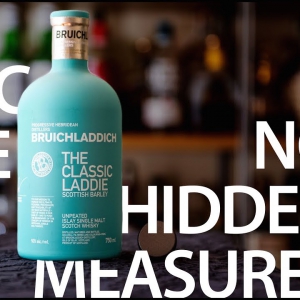
[00:17:18] Ray Latif: Well, my drink of choice these days is Scotch. More specifically, Scotch crafted by a brand called Brooklottie, whose distillery is located in, you guessed it, Scotland. But the location is in a very unique part of the country, the southwestern tip of the remote island of Islay. The team behind Brooklottie is quite proud of the heritage and the regionality of their whiskey, but even more so the exceptionally high standards by which they produce their wares. I learned quite a bit about the process and how the company markets and promotes its whiskey in a virtual seminar that was hosted by Berclotti head distiller Adam Hannett and held appropriately on National Scotch Day, which was on July 27th. The seminar was timed alongside the launch of a new Berclotti campaign, which was called No Hidden Measures, which is designed to enhance traceability and transparency of their whiskeys. Adam explained that the campaign addresses the need for more education and awareness around the factors affecting flavor in Scotch whiskey, particularly the primary ingredient of barley, along with cask aging and how they both affect flavor blending and ultimately the final product. One of the most notable parts of the campaign is Brook Lottie's Age of Transparency website, which gives you access to the exact components of its classic Lottie whisky, that's L-A-D-D-I-E, by way of a numbered code that's printed on the label. This type of information is pretty remarkable given that the Scottish government has laws that restrict distilleries from sharing too many details about what goes into aged whisky that's distilled in the country. I know it's pretty strange, especially at a time when consumers want to know more and more about what goes into their food and drink. I did ask Adam about Berclotti's expectations for how consumers would use and interact with the site, whether he believed that it would move the needle in a significant way. Clearly, I'm a cynic. But he expressed optimism in the strategy and pointed to consumers' desire to more fully understand production from grain to bottle, particularly for premium spirits. To help illustrate the production process and transparency efforts, participants in the seminar were led through a blending session in which we were provided with eight samples of a single malt scotch, four aged in former bourbon barrels, three in wine casks, and one in a sherry barrel, and were asked to recreate a blend of the classic Lottie. I'm pretty sure I missed the mark. And while Adam and his team encouraged us to send a sample of our blend to the distillery, I've held off to this point. but perhaps I'll give it another shot in the days to come. All right, it's time to get to our featured interview for this episode. As I mentioned at the top of the show, Hannah Crum is the co-founder and president of Kombucha Brewers International, known as KBI for short, a trade association whose stated mission is to promote and protect commercial Kombucha Brewers around the world. For over a decade, Hannah, who's also the founder of homebrew education platform Kombucha Kamp, has been one of the most influential figures in the development of the kombucha industry. A respected voice among her colleagues, Hannah's work has supported the creation of educational initiatives and production standards that have shaped the modern kombucha category. As part of our conversation, Hannah discussed how her passion for kombucha spurred the creation of KBI, how she manages a membership group comprised of frenemies, the recent launch of a Code of Practice for brewing kombucha, why it's important to support the category's evolution despite the misgivings of some within the space. Hey folks, it's Ray with Taste Radio. I'm going to call right now with Hannah Crum, the co-founder and president of Kombucha Brewers International. Hannah, how are you?
[00:21:12] Kombucha Brewers: I'm great, Ray. How are you doing?
[00:21:14] Ray Latif: I'm doing great. Great to hear your voice. You are based in Los Angeles, but originally from Des Moines, right?
[00:21:22] Kombucha Brewers: That's right. I was born in Des Moines, Iowa, lived there for about seven years, and then we moved to the Chicago area. So I really call Chicago the place where I grew up, but I still have roots in Iowa. And I think that being a Midwesterner is a great upbringing. There's just a lot of that, you know, work hard, blue collar farmer energy that can do, you know, I had my first job at 15. I was someone who was going to be a go getter and figure out what this whole life thing was about. I did theater growing up in the Midwest, in Chicago. Piven Theater Workshop, if you've heard of Jeremy Piven, his parents used to run a really well-known theater group for children, and I enjoyed being part of that. And then you get into your teenage years and other things preoccupy your time. But when I finally finished college, I majored in Mandarin Chinese and Spanish. I lived in Taiwan, and that's part of why my Chinese remains one of my more fluent second languages. But I ended up meeting a fellow in Taiwan, and he had family in the Los Angeles area. So that is what brought me originally to LA. And with that, the dream of, hey, what if? I've never explored what would have happened if I really pursued acting. And so I did improv and theater company and plays and student films and all kinds of silly stuff that you do out here in LA. But it's really a fun, way to get to know people and see the city. And obviously it helped with confidence in terms of public speaking. And that really is what it evolved into, was a way for me to leverage my ability to sort of perform, to have charisma, along with marrying it with something I really feel passionate about, which is Kombucha Kamp fermented foods.
[00:23:08] Ray Latif: Were you always passionate about, you know, fermented foods? I mean, what was your first experience with kombucha? Was it in Los Angeles?
[00:23:14] Kombucha Brewers: So I first heard about kombucha in San Francisco. So it definitely is a West Coast experience for me. I was visiting a friend from college from the Midwest who had moved to SF and in his cool apartment, there happened to be a jar of Kombucha Brewers. I'd never seen it. I never heard of it. We didn't even taste it because it just wasn't ready yet. But that word is so weird. It lodged in my brain. So when I came back to LA and was at Whole Foods, Lo and behold, entire shelves full of kombucha, this drink I had heard of. So I bought a gingerade and cracked it open there in the store and I took my first sip. Ray, that first sip was like the heavens opened up, the angels were singing, and here's why. I was sad. I was standard American diet. I was eating processed foods that didn't really have a lot of nutrients or life to them. So that first sip of kombucha, first of all, it was tangy, which reminded me of when I used to sneak the pickle juice out of the pickle jar. I just, I would love. drinking that salty, sour brine.
[00:24:16] Ray Latif: You were that kid.
[00:24:17] Kombucha Brewers: I was that kid, exactly right. Kombucha Brewers like a really natural fit. And then I think my body was just so excited by those nutrients in a living form That Will quickly formed a habit that didn't fit my budget. And so because I had fallen in love with kombucha, but was still the struggling actor at the time, I decided I should just make it myself, which was a somewhat unusual move for me as I'm not really much of a cook. And I use that example by way of helping people understand it really is not that hard to try it at home because essentially we're making tea. We boil the water, we steep the tea, we add sugar because sugar is an important nutrient for the microorganisms, and then we float our SCOBY in there. So that's our symbiotic culture of bacteria and yeast. It's a cellulosic chemical that the bacteria create as a raft. So a lot of those organisms are aerobic, meaning they need oxygen, and so the raft allows them to float on the surface of the liquid. And that SCOBY also then acts as a shield to prevent mold and other things from getting into the brew. And then the yeast, like you'll see these little yeast beards hanging off the bottom. And so the yeast and the bacteria work together, converting the sugar, converting the tea, enhancing that nutritional value of those polyphenols. and creating these great organic acids that help to keep your body running the way it should.
[00:25:38] Ray Latif: Did you say yeast beards?
[00:25:40] Kombucha Brewers: I did because when they hang off of the SCOBY, they look kind of like a beard. They're long beards.
[00:25:49] Ray Latif: This is the kind of thing that newcomers to the kombucha category, I'm not really sure how they react to it. So it better be a darn good tasting product to be having some sort of yeast beard anywhere near your beverage. But anyway.
[00:26:02] Kombucha Brewers: Well, craft beer lovers will identify because even if the beard isn't hanging off the top, it's floating at the bottom of their bottle, especially if it's an unfiltered, unpasteurized product. So, you know, human beings have been consuming yeast in these living forms for thousands of years. But to the average consumer who's used to a clear soda or sparkling water, it definitely is a new experience.
[00:26:26] Ray Latif: What you're referring to earlier was your company, your brand, Kombucha Kamp. When you launched it, did you see it as being kind of a side hustle or more of a viable, scalable business?
[00:26:37] Kombucha Brewers: It was really a passion. It was a hobby. I just Kombucha Kamp filled me with so much inspiration. And this is the funny thing, Ray, and I'm sure you've talked to lots of Kombucha upstarts. How they start is maybe they had a health challenge. Kombucha really helped them feel better. And they were so inspired with passion and wanting to share that with other people that they had to spread it to their community. So rather than making a commercial product, I chose to educate people so they could make it themselves, really about empowerment at that level. We did end up making a Hannah's Home Brew product for a few years, sold it like Erewhon and some of the local co-ops here in LA. And that was more just to create diversity on the shelves. And once we started to see brands like HealthAid and Hum and other brands start to come into this space, we decided to focus on the education piece. And this was all before KBI even started. So back then, Hum would have been called Kombucha Kamp.
[00:27:33] Ray Latif: Yeah, yeah, I remember those days. And those are part of the early days of the Kombucha community. It's amazing to see how this segment has evolved. I'd love to hear your thoughts on what the category was like, some of the players, and how you became a leader and a respected voice among your peers in that community.
[00:27:54] Kombucha Brewers: So I first started teaching kombucha out of my home in 2004. And that's where Kombucha Kamp, some cute and clever with all the K's was born. So it was really this educational purpose. Well, as media came along, right, the internet was still fairly new, but around 2007, blogging you know, this word I've never heard started to become really popular. And I decided, you know, I had seen some of the information about kombucha on the internet and it all seems self-referential. Like I didn't understand where the original source material was coming from. Some of the information didn't resonate with my experience. And so I decided, Hey, let me just write a blog. Let me just tell people about this thing. I love share my experience, talk about, you know, it really isn't scary or that hard to do. And that, that started a love of sharing information about kombucha. So I then decided I would feature brands on the blog. I even had a podcast before they were popular on the blog. And so that led to Connecting with brands. I just wanted to highlight kombucha to everybody and help them find could I get kombucha locally? Or did I have to make it at home and through the blog people started asking? Hey, do you have a scoby? You know, can I get a culture from you? So I put up a couple PayPal buttons, but it really wasn't with the idea of this is gonna be my business This is gonna be my life. I was still pursuing acting and you know, the interesting thing in terms of the baton passing was my very last scene study for my acting class was me doing a Kabuta camp workshop on stage. So it really, did sort of merge into this different avenue. And I did a lot of shows. I would go to all kinds of events and sample our kombucha. And we do our Scobie Petting Zoo where we would bring the cultures and invite people to touch them and really just demystify what Kombucha Brewers. But it was our love of the category that really drove us to want to feature and highlight other people. And, you know, I think that's an outgrowth of the culture itself, right? It's symbiotic. And symbiotic means that it requires other people, other elements in order to be fully realized. And this was the interesting thing too, in all my different acting places, like I was always putting myself into a leadership organizational position. And I had this little phrase That Will would say all the time and try to fit it everywhere. And that was, we grow together. That didn't really come into its own until we. Alex and I founded Kombucha Brewers International. So we launched an e-commerce site in 2010. We finally realized we had critical mass. There was an opportunity here. There were some other folks already selling cultures and kits online. And so we took the plunge. And Alex is my husband and partner. We've done Series of videos together that we've put on our YouTube channel because he has a film background So he came from that world of production and film and again at that time It wasn't really a thought of creating a business but when the opportunity presented itself It made sense for us to take our very niche and specific knowledge and turn it into an opportunity so then in 2010 a crisis hit our industry where Whole Foods and asked every brand to take their product off the shelves because some Kombucha Brewers found to have trace amounts of alcohol above the current legal threshold for taxation and for classification as an alcoholic beverage. And I want to clarify, this didn't come from any consumer complaints. It wasn't a recall, which is a federal term wherein there is an actual complaint or issue where someone's gotten sick. So nobody was getting sick, but And those of you who want to read the history can read the article from 2011 that Alex and I wrote about what happened. But it created a huge trauma because many brands, small brands, big Brad Avery brand was required to buy back their kombucha, which is a huge financial burden. And it created a lot of chaos and secrecy. And it really was a big trauma in our industry because instead of us being on this natural progression of continuing to grow, we hit a real hiccup. And that's where the idea for, hey, would this have happened if we had a trade association in place that could have connected with Whole Foods from an industry perspective as opposed to from an individual brand perspective. So this idea of the industry coming together to collaborate and work together was really formed in that moment. And it is an outgrowth of our culture, right? The kombucha culture is a symbiotic culture. That means it needs to be working in harmony with other elements in order for it to be fully successful. I mean, we could argue that everything is in symbiosis in one way or another, because symbiosis doesn't just mean positive commensal things. It can also be parasitic things as well. It just describes that relationship of interdependence. So that's what initiated a need for a trade association, but it didn't get started in 2010, right? First of all, who was going to lead it? Everyone who had their own brand was scrambling, dealing with their own individual brand issues. As educators, Kombucha Kamp and being passionate about the industry, having highlighted, you know, members and brands on our blog posts, on our podcasts, I really felt passionate about bringing people together, creating this community so that we could work together and ensure that generations down the road would still have access to this amazing product that had really transformed my life. And so in 2011 and 2012, Alex and I decided, hey, let's bring brands together and do some promotion of Kombucha Kamp a category as a whole. And so we reached out to all of our friends in the industry. I want to say it's like 10 or so brands and said, let's work together. Let's promote competitors. Let's talk about kombucha in these contests. And that was really successful. So in 2012, we did it again, even bigger. And we did a 30-day kombucha challenge, which was really transformative for a lot of folks who participated in that. It helped them get off soda or coffee or end addiction to beverages that really weren't serving their health in a positive way. And just got a lot of really positive feedback from folks who participated in that. And all of this collaboration and some travel I did in 2013 going around visiting brands, asking them saying, hey, I'm, you know, Alex and I are going to start this trade association, Kombucha Brewers International. Can I count on you to show up to participate? And in 2014, January of 2014, we had our first kombucha con with 40 brands from around the world, brands from Australia, from Europe, from Canada, from the US showed up to talk about our industry. And that's, that's how KBI was formed.
[00:34:27] New Mailing: Do you want more repeat buyers on Amazon? Well, this free resource in collaboration with Straight Up Growth will help your brand turn first-time buyers into long-term subscribers. Download Winning the Repeat Purchase Game on Amazon now at Taste Radio slash SUG. That's Taste Radio slash S-U-G to start building retention-driven growth for your brand on Amazon. Scaling a beverage brand into major retail comes down to operational readiness. From packaging lead times to co-manufacturing strategy, the details can make or break a launch. In a new e-book in collaboration with Octopi and Asahi Beer USA, industry leaders share what they've learned in helping brands scale. Download it now at Taste Radio slash octopi. Do you need to scale your team faster without compromising on talent? Join Oceans for a live webinar on April 20th and learn how leading companies are hiring top global professionals who are ready to grow with your business. Register for the webinar now at Taste Radio slash oceans. That's Taste Radio slash oceans.
[00:35:38] Ray Latif: Now, the mission of KBI seems to have evolved over the years. What was the initial focus and what is it now?
[00:35:47] Kombucha Brewers: Well, I think it's remained the same. It just takes on various shades. Right. So the mission is to promote and protect the commercial kombucha category around the world. So it's pretty straightforward. You know I have to admit just like bacteria will take on DNA from other organisms and evolve rather than reinvent the wheel. We look to the craft brewers association. How are they set up. How did they Organize themselves now many folks have likened our industry to the craft beer industry 30 years ago And where they came out of really a homebrewer movement to legalize the ability to brew beer at home You know, we're sort of approaching it from a different angle. And so while we're similar in some ways being craft products we're also very different and you know, that organization is fully formed. It has loads of committees and volunteers and, you know, the craft beer industry is well established and Kombucha is still young. You know, the vast majority of our producers are small family brands. They're people who are potentially still working day jobs and this is a side hustle for them because they want to build something for themselves. And that means there's very limited amount of time available to volunteer and to help out. And so we're small, but mighty. We're grateful that we've been able to be nimble, to be limber. And we did that by, you know, I was a volunteer for the first four years, just giving my time, taking away from my own business in order to nurture this industry as a whole, because I have so much passion and love. And it really is an outgrowth of our mission at Kombucha Kamp, which is changing the world one gut at a time. And as I've alluded to already, we already knew that, you know, even though I speak Mandarin Chinese and Spanish and English, and that's the majority of the world's population, I'm never going to meet all however many billion people on this planet. But, you know, if we can inspire people to make their own Kombucha Kamp home, and those turn into brands, and they serve their community, we can. hopefully change the world for the better by encouraging this type of growth. And so creating a trade association really is sort of a natural outgrowth of that mission so that we could create standards. We could create conversation and bring together competitors in places where they can overlap. Now, competitors are going to be competitors and they're going to do what they do in the marketplace. But at least here at KBI, what we can do is say, hey, we really need to understand our product. We need research. We need best practices. And that's what we've been able to do.
[00:38:07] Ray Latif: Indeed, you know, there is going to be some competition within any organization or trade group. I liken it to managing a group of frenemies, friends and enemies. There are internal disputes. What were some of the most impactful ones and We Have you attempted to address them?
[00:38:23] Kombucha Brewers: Yeah, well, I think probably the biggest one is how do we define kombucha? You know, if we had put out a definition in 2014 or 2015, it would have been really straightforward, tea, sugar, scoby. But as you have other interests in your industry, people are going to develop different ways of making the product. And of course, being an industry that came from homebrewing, right, from a tradition of people making themselves at home in a very specific way, when you start to create, mass produce a product, and you need to ensure consistent quality over time, there are different ways in which that product may need to be made. And some of the ways that that has evolved sometimes feels at odds with a traditional thought process. But over the years, Ray, there's been a lot of drama, and I won't really get into that here. But suffice to say, what ultimately became clear is that our goal is diversity. You know, I think I read a quote from someone saying, you know, We Have sort of a happy echo chamber, but we're all competing for the same customers. And, you know, I think, I don't know how accurate the status, but I think I saw somewhere it said like 15% of households have even never heard of kombucha just in the United States. So what that means is there's a massive opportunity for our product to be consumed by a much broader base of people. However, as we discussed earlier, you know, that funky, scoby, floating, yeast beard brew may not be enticing to a lot of folks who are more used to clear sodas or waters or things like that. And so having products that can speak to those consumers, can bring them into the category, help them develop a Taste Radio a love of kombucha, can then open up their palates to a wide variety of other styles of kombucha. And so we really believe that this, rather than fighting over this, that, or the other, it makes more sense for us to put out a definition that fits the vast majority of products in the marketplace today, but also is flexible enough that as we evolve, as We Have more research, we can continue to update that and it may get more narrow, but it also may get broader in other ways. And so that's the exciting thing about our Code of Practice is, I think, as I've alluded to before, bacteria, they take DNA and they continue to evolve and change. And because bacteria runs everything on this planet, it makes sense then that we would follow a similar pathway in terms of how we continue to evolve. So that's where we're in this really exciting time of being able to discover and uncover this and inspire more research in our field so that we can better understand the mechanisms of fermentation and what really drives that reputation of kombucha right kombucha isn't just. a funny word to say. Because of its long history as a traditional fermented beverage, it has a reputation, right? Throughout history, it's been called the elixir of long life or, you know, the miracle cure. And while we certainly don't claim that for kombucha because, you know, every body is different and there are many, right? There's never one answer to a problem. Kombucha is just one of many fermented foods that we can include in our diet to help support a healthy lifestyle.
[00:41:39] Ray Latif: So if there are many ways to make Kombucha Kamp there are many ways to benefit your body from drinking kombucha, We Have a definition at all?
[00:41:49] Kombucha Brewers: Well, because there are people out there who want to capitalize on the name and reputation of kombucha that aren't adhering to ways in which Kombucha Kamp be made in a way that yields the same type of product, right? You know, there has been a lawsuit, for example, against Yogi Tea because they make a tea product with a powdered Kombucha Brewers don't understand powdered kombucha yet. Are the health benefits the same? Does it make sense to call that kombucha? Is that better served as some other type of product? And this is where we just don't know yet. And so I think it's important that we do have a definition of kombucha because, you know, like every time there's a standard of identity, there's going to be people out there who are trying around the edges to sort of, you know, get away with paying the least amount for the process while yielding a product that can charge the most for it. you know, as a craft beverage, what we really value is the artistry of what goes into our products. You know, I think you could find a similar argument in the beer world, right? Like between the big beer companies and the smaller craft brew companies, why do they feel those are such different products and different processes? And yet people gravitate towards what resonates for them. And so this definition is that is the, are those guardrails to say, Hey, here's what we think of as kombucha right now. And these have an opportunity to change as research validates meeting those changes but you know we also feel like even if this definition even if some products in the marketplace look at this Code of Practice and say you know what it seems like we don't actually meet this definition there's nothing in there that says those products don't deserve to exist. We absolutely see that kombucha is one of many fermented drinks that are going to continue to rise in popularity. So whether those are probiotic sodas, whether they're taking, you know, pharmaceutical grade probiotics and inoculating them into flavor profiles, or the traditional stuff, we're seeing more water kefir coming up, coconut water kefir, kvass, you know, all these terms that maybe people who aren't in the fermented foods world, it's going to sound foreign to them, but these beverages have been around for a long time. Whey sodas, traditionally fermented, flowers and herbs. I mean, this is how human beings consumed beverages and nutrients and plants for millennia. So we're really just sort of reuniting people with their old friends.
[00:44:04] Ray Latif: So why not let the market decide?
[00:44:05] Kombucha Brewers: The market will decide.
[00:44:07] Ray Latif: Yeah.
[00:44:08] Kombucha Brewers: The market can't decide until they know what the products are. And that's why the Code of Practice includes several labeling requirements, right? The trend that we're experiencing, and that you've already alluded to, is transparency. People want to know what is going into my body. Processed foods came after World War II, and they were seen as sexy. TV dinners was a sign of affluence. And we lost the ability to cook for ourselves. We shifted to factory farming, which, you know, one red tomato, right, as opposed to the multiplicity of types of tomatoes. Same with potatoes. And again, everything turned into this sort of factory way of doing things. And in the process, we lost nutrients, we lost family farms. You know, so whenever we shift to processing something on a large scale, something's lost. And so that's where we really want to honor the craft of Kombucha Kamp allow that to continue to be what is the definition of kombucha, is this crafted product as opposed to something that gets denitrified through a mass production process. For example, juice, right? So when we were thinking of the Code of Practice, we went and we looked at what were some of the other challenges that happened in other industries. And with orange juice specifically, there was a period of time when you didn't have to indicate if a product was from concentrate or not. Now, these days we assume that we're going to know that information by simply looking at the label, but there were several lawsuits that had to be fought in order to make that the case. And so rather than go through a litigious route, we look to the examples of other folks and we said, Hey, let's make sure the consumer knows what type of product they're purchasing. And we, as I alluded to before the diversity of consumers, some consumers want a product that has zero sugar grams because of whatever dietary issues they're dealing with. Some people want the product that guarantees there's no alcohol present for whatever personal reason. And some people want that weird funky product and every sort of variation in between. But the way that we help consumers understand the difference between these products is to label it clearly. And so anyone who feels good about their product and their process, you know, likely shouldn't have an issue with being transparent to their consumers. And many already are ahead of you know, some of these sort of labeling requirements that we're putting out there, and we're not dictating language per se, right? So if you're using a spinning cone column to remove the alcohol from your Kombucha Brewers're not saying you have to use a specific word choice. It's just communicated to the consumer in a way that feels most transparent to you. And again, if there are abuses down the road of this, that or the other aspect of it, that's where then We Have the latitude to decide as a group, as an organization, what those healthy boundaries are going to continue to look like.
[00:46:52] Ray Latif: Okay, so the definition is one part of a way that you're attempting to grow the kombucha category. But as you mentioned, household penetration is about 15%. So what else does the industry need to do to increase awareness and sales of kombucha?
[00:47:07] Kombucha Brewers: Well, this is so code was the first thing we had to agree on how we wanted to call our products. Now we can start the consumer education piece of this. So we are in the process of developing guides for consumers so they can understand what these terminologies mean. how they can choose the k for them last year or sor year was the first year w day. So 2 21 is our, is holiday. So We Have that to february. And the idea re consumers understand what Another aspect is we're going to be creating a kombucha sourness unit. Just like the international bitterness unit helps you figure out which IPA is the one That Will scrape all of the taste buds off your tongue or not. That's what we want to do with the sourness unit. Some folks crave that sour, just like I was that pickle juice drinker. Other folks, they need something that's a little more palatable, less tangy. And so having an easy metric is going to help them. The seal will also help. Right. We Have become accustomed to seals, organic, fair trade, B Corp, kosher, right? There's so many vegan seals out there. And what they do is they're a shortcut to the consumer that says, Hey, this brand cares enough about ensuring that their product is in harmony with. what it's supposed to be that they have pursued a seal so That Will as a consumer can look at that seal and have faith and confidence that what I buy is something that's an authentic product. And so all of these, right, they needed the Code of Practice. That was sort of the linchpin, the keystone. And now we start building out all of the education around it.
[00:48:46] Ray Latif: People are increasingly reaching for Kombucha Kamp a soda alternative, and the category is noticing that dynamic and introducing new products that are soda-like. There has been some debate about whether kombucha should appeal to soda drinkers or should look more like soda. What's your take on what's going on?
[00:49:06] Kombucha Brewers: Well, I think fermented drinks are the original sodas, right? Like, sodas came out of pharmacies. Originally, they were medicinal herbs that were combined with carbonated water, and they were intended to have a specific health effect on the body. I mean, Coke is the original cocaine. It's the original energy drink, right? And over time, that evolved into something that really doesn't carry that same nutritional promise through. Sure, there's a fun flavor, but it also comes with negative effects on the body, especially when you overconsume it. And so I think it's natural for people to come back to Kombucha Kamp a soda replacement. And in fact, before we had the code out, certainly there are brands that are diluting the product in order to help minimize the alcohol content. And so in a way, there've already been some products in the marketplace that have that lighter profile, that have, you know, more of a sort of soda-like flavor to them than say, you know, a kombucha that isn't diluted with water or other things.
[00:50:07] Ray Latif: Some of the new products have caused a little bit of sniping and infighting between entrepreneurs representing different brands. They've been pretty public. We don't need to go into, you know, who and why, et cetera. It seems like it's bad for the category, but is it good for competition?
[00:50:24] Kombucha Brewers: You know, I can't speak to how it ultimately plays out. Do these brands benefit by taking these tactics? I don't know. I come from the thought process that, again, variety is better. I'm not, I understand that brands want brand loyalty, but I think what makes the most sense, because think about the way we consume beer. Are you only ever reaching for that one craft beer or are you diversifying? all of your choices. And I think the more we think about it like that, where, you know, the Kombucha Kamp want in this moment, maybe I want the lighter, refreshing one, the Kombucha Kamp want this moment, maybe I need that full strength kombucha. And so I think by having variety in the category, that's what allows us to attract more consumers. So, you know, everyone's going to have the way in which they feel they want to present their product in the best light. I personally don't think that, you know, going after other products is a way that resonates with today's culture. You know, we're already so polarized on so many different things. I think the more that we can elevate brands and the more that we can, you know, again, you can hear I'm a hippie idealist here, but right, that's who you want as a leadership, because hopefully that then creates a positive inspiration for other people around us. And why do we get competitive? Well, we feel we're competing for resources. But when we recognize that, in fact, We Have a nearly unlimited supply of potential customers, I'm hoping that's going to help shift attitudes to recognizing that, hey, we can work together to get more people excited about kombucha. And that's just going to be better for everybody. There's no one brand that can make all the kombucha for everybody who wants it. that's just impossible and it's unsustainable and so by its very necessity we're going to need many many brands of Kombucha Kamp you know my sort of dream for the industry is one where We Have many small family businesses what's important to them isn't necessarily being you know some huge multi-million brand but rather to create a business that sustains them their family their community it becomes you know, not just about making money in a bottom line, but really about engaging community, really about helping those who live near them, who, you know, maybe they're getting ingredients from their local farmers. Maybe they're bringing this into areas where there's not a lot of food, high quality food choices available, and really encouraging people to see the opportunity of any fermented food business for the 21st century, especially as this, you know, pandemic has highlighted our food supplies, When they're so centralized is really difficult to pivot very quickly. And that's where we need more decentralization. We need more small brands. We need more people to have direct access to their farmers and to those making their food because that is food security. Relying on massive companies that you know you get an outbreak of whatever illness, and that shuts down all this production, that's not a sustainable model for the 21st century. So that really is the vision for the kombucha industry. And of course, there's going to be those who want to be the national brands, just like there's always going to be, you know, Pepsi and Coke or Bud or, you know, Molson Coors, whatever, those brands are always going to exist. But I think, again, looking at the craft beer community, looking at craft distilling, looking at, you know, craft winemakers, What it is, it's about the passion, the love, the artistry, and I think the more we highlight that to the consumers versus where we disagree, that's just going to speak volumes to what we really stand for.
[00:53:50] Ray Latif: there are kombucha brands that are aligned with strategics and there are some folks that are unhappy with that. You know, you could say as, you know, part of the hippie in you that it's not great to be aligned with a Coke or a Pepsi. It seems like it's a double-edged sword, this notion of getting involved with or accepting investment from a big beverage company.
[00:54:09] Kombucha Brewers: That's true for every food producer. Anytime you Take that money comes at a cost. It's not free money. There's no such thing as free money. And you have to be prepared to either, you know, in that negotiation, say, hey, this is what I'm willing to do. This is what I'm not willing to do. And if they agree to that, great. And if they don't, well, then maybe it's not the right fit for funding for you. Or you stay smaller and grow more organically. Or when you do, I think there really is a huge opportunity. Look, I grew up drinking soda. I don't drink it anymore. But I also think the soda companies have a huge opportunity to really change and transform their image. By highlighting kombucha, by bringing kombucha to people who maybe haven't seen it before. I would love to see Pepsi allow their Gatorade sponsorships to also have Covina in there. Why not? It's the same company. Why not have athletes choose if they want to have a Kombucha Kamp apple cider vinegar product, or one of their probiotic beverages, or a Gatorade? You know, they have such a huge platform and opportunity that they could blow this entire industry wide open and really create a lot of opportunity for many brands. Unfortunately, a lot of times these soda wars, these strategies have been about dominate and prevent other brands from existing. And I think that preventing diversity on the shelf space actually harms them because I'm one of these people. I cannot consume a product with Stevia or monk fruit. It instantly. creates such a negative taste in my mouth that, you know, if that's the only option available to me, then I'm not going to buy it. And instead of forcing people to only purchase one type of product, Why not encourage? Why not say to grocery stores, hey, you know what? We need to have the local brand in here. And that's what Whole Foods used to do really well before they were bought by Amazon. They allowed local and regional brands. In fact, they highlighted those brands. They pushed those brands to the front. So instead of just having the three or four national brands on the shelf to choose from, You had a multiplicity of brands to choose from. And that, I think, again, is just the smarter strategy. I think what's going to happen in the 21st century, instead of single people amassing massive amounts of wealth, the people who are going to have the most status are those who can make money for other people. Right. So when you can invest in brands, and grow those brands so they're successful and you have a whole network of those brands you're working with. That is how we transform this world. Now it's a very different model from the dominate type model. And it's very much a symbiotic model in the sense that, you know, we want to see multiple people flourish. That kind of infusing the roots allows for a lot more growth versus this sort of, you know, I'm going to dominate squash and eliminate and be the only choice.
[00:57:00] Ray Latif: Well, I really hope that your vision of a future where people want to make other people more money is one that actually comes true. Hannah, it's been so great speaking with you. I know we've spoken many times over the years, but I really appreciate you taking the time today. For having been in this industry as long as I have, and having spoken to my colleagues as many times as I have, it's always amazing to have this opportunity to have an extended conversation because you learn so much more, I'm learning so much more, and I really appreciate you sharing it with me and our audience.
[00:57:36] Kombucha Brewers: Thanks, Ray. Always a pleasure to connect with you and the BevNET team. Really appreciate your platform and how you guys have amplified brands through what you do. And so just really grateful to continue our relationship and to be able to share with everybody. Thank you.
[00:57:51] Ray Latif: Well, thank you again. That brings us to the end of episode 95 of Taste Radio Insiders. Thank you so much for listening and thanks for our guest, Hannah Crum. Please subscribe to Taste Radio on the Apple Podcasts app, Spotify, Stitcher, or Google Podcasts. As always, for questions, comments, ideas for future podcasts, please send us an email to askattasteradio.com. On behalf of the entire Taste Radio team, thank you for listening, and we'll talk to you next time.
[00:58:30] Kombucha Brewers: Hello, I am Melissa Traverse here for the Taste Radio podcast, talking about some of the biggest tension points that CPG brands and founders face when they're scaling a brand, and those are financial accounting and inventory management. I am joined by Matt Lynn, inventory accounting guru from Belay Solutions, and he is going to shed some light on all of this that is going to help everybody out quite a bit. Matt, thank you so much for joining us today.
[00:59:01] Kombucha Kamp: Thank you for having us, Melissa. It's great to be out here at Expo West and it's great to sit down and be able to chat this because it's kind of a passion project of ours, working mainly with CPG brands and hoping to help them scale.
[00:59:12] Kombucha Brewers: It's been such a pleasure chatting with you and the team and learning all about what you do over there at Belay Solutions. Can you tell us a little bit about yourself and what your role is and the kinds of solutions that Belay gives to CPG brands and founders?
[00:59:28] Kombucha Kamp: Yeah, absolutely. My role with Belay, I'm actually our inventory accounting manager. I run our inventory department, so we work with CPG brands, taking them from spreadsheets, putting them on inventory management systems, and really helping connect their tech stack between their sales online marketplaces to that inventory management system, even down to their financial systems like QuickBooks. Belay overall is kind of an outsourced accounting firm. And with that, we're helping teams. We Have different levels with bookkeeping, controller level work, even high level into CFO type items. So we really help those brands in any way that they need financially. And then I just have a subset of a department where we're really just laser focused on inventory.
[01:00:11] Kombucha Brewers: It's certainly a complex topic and there are plenty of places to go wrong. Let's start by going right and start super simple. Can you tell us what some of the biggest red flags are that would help a founder understand or, you know, the person running a brand understand that it really is time to get some help with some of these areas?
[01:00:31] Kombucha Kamp: 3 3 3 They have a lot of transactions that don't get coded or they just put them into placeholders to just get rid of it so it's not an eyesore. They'll notice they have revenue but no cash or they notice that they have a good amount of cash but their blind spot is really seeing the vendor invoices that are sitting there just needing to be paid and so they just lack that clarity that's going to really be around the corner.
[01:01:08] Kombucha Brewers: You know, you were talking about one of the red flags that comes up That Will think makes so much sense. When somebody asks you what your numbers are and you can't come up with the right number, that's a big problem because that's something that you really should be able to share with decision makers who, you know, you're ideally looking to do business with. What should you be able to call up at a moment's notice?
[01:01:33] Kombucha Kamp: really at any time you should be able to know an accurate margin. It's amazing how many founders we end up talking to that they can tell you their revenue numbers, they can tell you their selling price, and then the minute you start talking about cost or their cost of goods sold, they just get a deer in headlights look. So really it's very hard to tell, am I even making money? Or if you don't know your entire landed cost. Maybe you know what the freight cost is, the duties separately, but you're not really getting that as part of your unit cost. So it's really hard to tell. Am I even making money or am I losing money from the very beginning?
[01:02:06] Kombucha Brewers: And do you recommend that founders are able to call up a margin by channel?
[01:02:11] Kombucha Kamp: Absolutely. And depending on the number of products and channels, you kind of want to know what are your best sellers, which ones are making the most and which ones maybe you're not making as much. But especially if you're branching out and you're doing D to C with B to B, absolutely want to know that.
[01:02:27] Kombucha Brewers: Gotcha. You mentioned that when things feel really chaotic, that's probably a red flag. I would say that it probably almost always feels chaotic if you're running a CVG brand. And I know this may be hard to quantify, but is there a revenue number? Is there a number of doors number that would help a brand understand whether or not it makes sense to bring on a partner like Belay? Understanding that so many brands are bootstrapped or they might be tight for cash. What is that friction point?
[01:02:57] Kombucha Kamp: 3 3 3 3 3 3 3 3 3 3 3 3 3 But as you're growing, as you're getting to those six-figure revenue numbers, and especially as you're approaching seven, you want to make sure you've got good financials. Because as you scale to that point, most likely you're going to be looking to raise capital. And investors, the first thing they're going to look at is your books. And are they clean? And do they show a clear picture of your business?
[01:03:30] Kombucha Brewers: You know, another area that folks might look to to organize some of the chaos are their systems. So many folks stick with Excel spreadsheets for a good amount of time. How do you know that you need to outsource some of your accounting to an organization like Belay Solutions versus maybe signing on to a Synth7 or NetSuite or something like that?
[01:03:53] Kombucha Kamp: Well, that's actually something we really help with when it comes to that cost question. That's something that trips people up. And sometimes if you just have a turnkey business, you buy and sell a finished good, you can maintain with spreadsheets. And we've had clients with million dollar revenue that can do that. But we see so many brands nowadays are using contract manufacturers. and they're just sourcing certain parts of their product. So when you start talking costs, they have no idea exactly what their unit cost is. So that's where we come in and we kind of understand, we'll speak with the customers and the clients and get their needs. And then if we think they're ready for a system, then we'll help put them on that system so they can get some of that clarity. And it's not something we force on anybody. There are plenty of times where founders come to us and we'll tell them bluntly, you're not ready for it right now, but we'll let you know when we think you are.
[01:04:39] Kombucha Brewers: That sounds like excellent advice. What should a founder or somebody running a brand look for in an outsourced accounting partner? Are there certain checklist items that they should make sure that their partner be able to execute or be able to help them understand?
[01:04:56] Kombucha Kamp: Absolutely. I think one of the keys there's, there's a lot of outsourced accounting firms out there. Some focus on service-based SaaS companies, but if you're a CPG founder, you really want to make sure that your accounting firm has CPG experience. I would ask them, you know, what kind of brands have they worked with? And even beyond that industry specific, because there's so many subsets of CPG. And that's something That Will think is great about what we do with Belay is that we kind of run the gamut. It's kind of like the insurance commercial. We know a thing or two because we've seen a thing or two across a broad spectrum.
[01:05:26] Kombucha Brewers: Probably getting references is always helpful, right? Absolutely. All right. So this all sounds great. I think We Have a really good understanding of would it make sense to hire an outsourced partner? You know, what some of the things you should be looking for are. What does offloading this kind of work mean for the brand? What can this do for lightening the load of a founder or lightening the load of a brand operator? Like, how does that help them in their everyday business?
[01:05:55] Kombucha Kamp: It just tries to really help quiet the chaos. So what we're looking to do is just take some of the weight off that founder's shoulder. Let them focus on building the brand, building the business, getting that exposure. If you don't have sales, you really don't have anything. So we want them to be able to focus on That Will we take care of your back-end office work. And we can just present that to you on a monthly basis. You can help make decisions. You can take that to investors. And really, you can just focus on growing your business.
[01:06:20] Kombucha Brewers: I feel like I felt founders and the folks who are running brands collectively sigh a breath of relief just hearing that. How can people learn more about Belay Solutions?
[01:06:32] Kombucha Kamp: So people can text TASTE to 55123 for their free inventory guide to get started.
[01:06:37] Kombucha Brewers: Matt Lin, inventory accounting guru at Belay Solutions. Thank you so much for joining me here at Expo West. It's been such a pleasure to chat with you and learn about what you all do over there to help founders and brands with their financial accounting and inventory management. For everybody else out there, thank you for listening to the Taste Radio podcast. I am Melissa Traverse and we'll see you next time.