[00:00:04] Ray Latif: Hello, and thanks for tuning in to episode 96 of Taste Radio Insider. I'm Ray Latif, the editor and producer of Taste Radio, and I'm with my BevNET and Nosh colleagues, Mike Schneider, Melissa Traverse, and Carol Ortenburg. In this episode, we're joined by Breezy Griffith, the co-founder and CEO of fast-growing coated almond brand Skinny Dipped. Just a reminder, if you like what you hear on Taste Radio, please share the podcast with friends and colleagues, and of course, we'd love it if you could review us on the Apple Podcasts app For You listening platform of choice. Now, I get my inspiration to host these shows and host these episodes from a range of different people. And one of my favorite hosts of a TV show of all time, Wink Martindale. Oh, sorry. Wink Martindale is great. Peter Tamarkin from Press Your Luck is great. Those are both game show hosts. I'm talking about other hosts, like late night TV show hosts. And one of them is Craig Ferguson, who used to host The Late Show or The Late Late Show, whatever it was on CBS.
[00:01:01] Breezy Griffith: Also was on The Drew Carey Show.
[00:01:03] Ray Latif: Yes, hilarious guy. And so as I was getting my inspiration prior to this show, like about five minutes before the show, I had my computer's audio was just blasting out. And Melissa, I just hear someone in the background going, Hello? Hello? What's going on?
[00:01:20] Craig Ferguson: I'm like, Oh, I was both very entertained and confused, which is not abnormal.
[00:01:30] Breezy Griffith: Did you think she was talking to Craig Ferguson? I don't understand. She was like, did Craig Ferguson, is he co-hosting today?
[00:01:37] Craig Ferguson: Am I in the right place?
[00:01:39] Ray Latif: Yeah, if you haven'To See some of his YouTube clips, some of them are pretty risque, frankly, but he's pretty hilarious. He is probably the quickest wit that I've ever seen or has the quickest wit that I've ever seen.
[00:01:51] Craig Ferguson: Is everything safe for work now that most people are not actually at work? Is there no not safe for work anymore?
[00:01:59] Ray Latif: NSFH now? What is it, NSFW, or? Yes. Not safe for work. Yeah. You know, he toes the line, so to speak. Okay.
[00:02:08] Breezy Griffith: I mean, if you like John Oliver, you'll like Craig Ferguson.
[00:02:10] Ray Latif: Yes.
[00:02:11] Craig Ferguson: Ooh, I do.
[00:02:13] Ray Latif: But it is amazing So Much content there is out there, video content. And there's just more and more video content coming out during these times. People are producing stuff that you can watch now, later, tomorrow, the next day. And I think that's one of the reasons why we thought... Oh, I see where this is going, Ray. You see where this is going? You like this transition? It's one of the reasons why we thought it important to lay out a content calendar for what we're doing. We're producing a ton of content, so many shows, So Much video programming that we thought it was important to organize everything into a handy dandy calendar. Mike, talk a bit about what people are gonna find in this calendar and where they can find it.
[00:02:55] Breezy Griffith: Ray, we just featured an article on BevNET.com and one on Nosh.com as well to roll out the new calendar. You know, we've got original series like our office hour series where you can ask questions of experts, the Elevator Talk series where brands unveil their new products. And, you know, we've added a bunch of new kinds of content as well. And we thought we should put a calendar together so people know what's coming.
[00:03:18] Rohan Oza: Mike, speaking about what's coming, we've got some category close-ups and product showcases coming up. Those will be new in September. The category close-ups will be a deep dive among a panel of experts on a specific topic. For example, Nosh will be talking about plant-based meat. And then following that, we'll have a product showcase highlighting some of the brands that are doing innovative things in that category.
[00:03:46] Breezy Griffith: We kicked off our roundtable series on investment and valuation.
[00:03:50] Rohan Oza: Oh my God, it was a great session with Stu Strumwasser, and it was really engaging and interactive, and it was so nice To See everyone's faces and just come together to talk about valuations, which is something that's top of mind for most brands right now.
[00:04:06] Breezy Griffith: And we'll be following that up on the 3rd of September with Speed Dating, so you can meet investment bankers. If you're a brand who wants to learn more about valuation, how to raise money, things of that nature, they'll be there to answer your questions one-on-one.
[00:04:20] Craig Ferguson: There are so many opportunities for brands coming up. I think that this content calendar will help them not only stay organized, but make sure they don't miss out on anything.
[00:04:31] Ray Latif: Once again, a lot of information condensed into an easy, handy-dandy calendar. You can find it at Taste Radio slash content calendar. I am excited for the Speed Dating program coming out on September 3rd. Stu Strumwasser will be part of that in addition to Mike Bergmayer from Whipstitch, Nicole Frey from Cascadia, Janica Lane from Piper Sandler. I mean, just a cornucopia of some of the top investors in our industry. And Stu told me, that if you pronounce his name correctly, he will immediately invest in your brand. So you can't miss an opportunity for any entrepreneur. Now it's interesting, I was doing a pre-interview call with Stacey Madison, who is the founder of Stacey's Pita Chips for an interview that we're going to publish in next week's episode of Taste Radio. And one of the most interesting things she told me is that she never accepted outside investment before the company was sold to pepsi co and that was that was pretty amazing to hear that being said she is now doing her best to pay it forward via experience your experience and mentorship as part of a program called stacy's rise project. which was created by PepsiCo to, quote, help bridge the funding gap for female founders. They offered 15 female entrepreneurs $10,000 in business grants, one-on-one executive mentorship and working with them in terms of strategic advertising and things like that. Pretty amazing stuff. One of the recipients of the 2020 program you spoke with recently, Melissa.
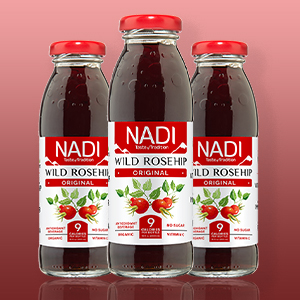
[00:06:06] Craig Ferguson: Yes, so coincidentally this week I spoke with Nina from Naughty, the wild rosehip juice brand, and she participated, as you said, in Stacey's Rise program, and she said that she really appreciated the networking component, in addition to everything else, of course. because she has a full-time job as a lawyer. So she said, I work 60 hours a week at my day job and then I spend 60 hours a week on Naughty. It's really hard to fully immerse yourself in all of the networking events and everything that you would need to do to build out your network in CPG. So she said that she was really grateful for being with a group of women who were like herself in the emerging stages of launching a brand. And she found that really helpful.
[00:06:55] Ray Latif: So she's working 120 hours a week?
[00:06:57] Craig Ferguson: It's a lot of hours. I mean, I'm not going to do the math right now on how many hours there are in a week, but I feel like that's a good chunk.
[00:07:06] Ray Latif: My goodness.
[00:07:07] Craig Ferguson: I also spoke with Niyari Kaverian this week. She was the co-founder of Zeus Greek Iced Tea, where she participated in the Mass Challenge program as an entrepreneur. She's now over at Lighthouse working on a brand called Dabbly, and she had some really interesting information that brands would be interested in hearing about. I asked her some of the questions that brands might have about incubator programs, one of which is how to get in. So she said that the best way in, from her perspective, is very similar to what you might pitch to an investor. So being able to articulate a solid business plan that's disruptive and also consumer-centric, so making sure that it's something that consumers have a need for, and having really detailed ideas around margin, volume, that kind of stuff. So everything that you would do for an investor. And her tip for once you get into the incubator program is make the most of your time there. And I know that sounds sort of obvious, but really making sure to take advantage of all of the resources, all of the networking, all of the workshops, and really getting to know the staff because it's a great place to meet mentors. She said that the folks that she met and the mass challenge incubator are folks that she still goes to today when she has big decisions to make or needs some advice. So really making sure that you're just talking to everyone and connecting with everyone. And the last thing I thought was really important is using those connections while you're in the incubator. to help you build your brand so that once you have distribution, you can get off the shelf. So being in an incubator can oftentimes connect you to people who down the road may be able to help connect you to retailers. But it's so important to build a product and a brand that will turn once you're in a retailer. And obviously an incubator program is a great place to work on that as well.
[00:09:11] Ray Latif: From lighthouse to greenhouse, as in PepsiCo's North American Greenhouse Program, an accelerator that helps 10 emerging food and beverage brands build their businesses. The six-month program came to a conclusion recently in which Ashley Rogers, the founder and CEO of Spudsy, won a $100,000 grant. Amazing stuff. You might remember Ashley from episode 88 of Taste Radio Insider.
[00:09:37] Rohan Oza: Ray, you know who I think could go for some Spudsy right now? college kids. I don't know if you guys have been watching this TikTok trend, but a lot of colleges are quarantining students in their dorm rooms for two weeks when they get to college and they're having meals delivered to them. And I kind of blew up on TikTok because NYU students were displeased with the food they were being sent. And granted, there were some problems. I think there was a vegan student whose dinner was tortilla chips and a packet of balsamic dressing. And they've just been posting about it. And the New York Times have covered it. But what I thought was really smart was brands We Have started dropping off snacks at these dorms for students. So I saw that Emily Elise Miller, who I did an interview with on Nosh and is the new CEO of Off Limits, dropped off many boxes of cereal for all the kids there. They don't have coffee, apparently, so her cold brew cereal was a big hit. And I'm just waiting To See what other brands... They don't have coffee? They don't have coffee. Oh, my God. Well, Mike, you would be okay. One day, they got cans of Rye's cold brew in their bag. Some kids posted that.
[00:10:51] Breezy Griffith: Thank goodness.
[00:10:52] Rohan Oza: But apparently they've been getting tons of bottles of water. One kid joked that he must have a Hunger Games sponsor because just like a pallet of water showed up outside of his door. No food, just water. So if anyone else has been suffering from insomnia like I have, I suggest late night TikTok viewing of the hashtag NYU quarantine. It's kind of sad, but also slightly funny and maybe it'll inspire a sampling opportunity For You brand to help these kids out.
[00:11:22] Breezy Griffith: I mean, this is like next level TikTok. Windex totally should have sponsored that wiping trend, right? I mean, when they're cleaning the mirror. What are you guys talking about? Ray's never watched TikTok.
[00:11:36] Rohan Oza: Ray's like not on TikTok.
[00:11:38] Ray Latif: Late night TikTok viewing. I appreciate the fact that, you know, if you can't sleep, that might be kind of entertaining. But what does Windex have to do with any of this? What is this?
[00:11:48] Rohan Oza: Mike, I think Ray has been doing a lot of those dances on TikTok secretly. He has his channel, guys. I found it. He wears his signature blue shirt, does all the dances. It's amazing. You guys have to find him.
[00:12:01] Breezy Griffith: Ray, if you want to get caught up on TikTok, I think the best way to do it is, well, I mean, aside from downloading TikTok, is to Catch up with her old friend Olivia Koo, lovehealthok on Instagram. She does Feel Good Fridays where she curates a lot of great content and you can, that's how I get caught up on what's going on on TikTok.
[00:12:19] Ray Latif: Okay, maybe I need to do something about that. All right, I think it's time to get to our featured interview for this episode. That's with Breezy Griffith, the co-founder and CEO Skinny Dipped, a Seattle-based brand of almonds and cashews that are coated with a thin layer of chocolate or yogurt. Launched in 2013, Skinny Dipped one of the fastest growing food and beverage companies in America. According to Inc. Magazine's annual Inc. 5000 list, Skinny Dipped27;s revenue has grown by 1,550% over the past three years. To keep up with surging demand, the company added over $10 million in new funding in July, which included an investment from pop music star Shakira. In the following interview, I spoke with Breezy about her background as an entrepreneur and how her experience building businesses post-college fueled the launch and development of Skinny Dippeds. She also spoke about how Hustle and Guile led to placement in the pantries of Google and Microsoft, how she won and managed national distribution at Target, why she credits an experienced and passionate team for the brand's success. Hey folks, it's Ray with Taste Radio. I'm going to call right now with Breezy Griffith, the co-founder and CEO of Skinny Dipped. Breezy, how are you?
[00:13:34] We Have: I'm doing well, Ray. Thanks for having me here today. Appreciate it.
[00:13:38] Ray Latif: Well, thank you So Much for joining me today. I really appreciate it. You know, Breezy is one of the nicest names, one of the most beautiful names I've ever come across. It's not your given name. Your given name is Brianna. How'd you get the nickname Breezy?
[00:13:53] We Have: Good question. And thank you. That was a nice compliment. It's not always easy when I like order to go food and people say, what's your name? And I have to say breezy, like the wind, you know, but it's a fun name. So I was born Brianna. And I think that very quickly, my parents discovered that they'd made a mistake. And really I was meant to be breezy. Both my parents have a little bit of a hippie flower child background. So I think that the name felt fitting.
[00:14:21] Ray Latif: So it's not a nickname. That's your name.
[00:14:24] We Have: Yeah, no, not a nickname. I say it counts because it's on my college transcript. I've been Breezy since as early as I can remember. Brianna is like super foreign to me. Only when my parents are mad at me, do they call me by my full name. And then I'm like, oh, I definitely know I'm in trouble.
[00:14:42] Ray Latif: Yeah. Do they still dare to do that? You're an adult.
[00:14:46] We Have: Oh, I still get it. Hey, I work with my mom, right? You know, We Have our moments.
[00:14:51] Ray Latif: There you go. That's true. You know, it'd be interesting if you just went by your first name, Breezy, just like one of your recent investors, Shakira. And speaking of your recent investor, I mean, that's a pretty big name to be associated with any brand. How long was that deal in the works?
[00:15:07] We Have: Yeah, we're really excited to have Shakira to welcome her to the Skinny Dipped team. And so that has been in the works for a while, as you can imagine, you know, it takes a little work to get that across the finish line. And we're super excited that that was news that we just got to share a couple of weeks ago with the world. And yeah, I mean, you know, if you think my name's cool, her name's way cooler.
[00:15:30] Ray Latif: You know, it's interesting because I think I read in your press release that she was a big fan of The Snack even before she was interested in investing in the company. Did you initiate that? I mean, were you sending product to her folks and to her trying to get her to kind of sample the product and perhaps become an ambassador and an investor?
[00:15:50] We Have: Yeah, good question actually and it's one of the ways in which our lead investor Kavu Ventures have been great partners for us. The product actually made its way to Shakira via Kavu and she fell in love with the product and then I think secondarily she learned a little bit more about our story and the fact that we are mom and daughter founded, women founded and that we had kind of a similar missions and philanthropic, you know, kind of goals. And so she reached out and just said like, Hey, I'm super excited about your brand and your product. Is there an opportunity to be an investor? And of course we were super excited because I feel like she's an amazing kind of representative of Skinny Dipped. So we're really lucky and excited that, you know, she made, she made that call.
[00:16:40] Ray Latif: Totally, a self-made star. In a lot of ways, you're a self-made star, an entrepreneur from an early age. You started your first business in your teens?
[00:16:50] We Have: That would be a stretch to say I started my first business. I think probably the best way to describe it was I've just always had kind of an entrepreneurial spirit. And even when I was young and I didn't realize that that was the kind of journey or the track that I was going to take through life, it was just, It was always kind of the way that I gravitated. So, you know, when I was a little kid, I would shine rocks with Vaseline and set them up on the side of the road and sell them to the neighbors. You know, and eventually I kind of continued to build small businesses along the way and learn from those.
[00:17:28] Ray Latif: You know, shining up rocks, that's a business. I mean, I'm sure you got paid for it.
[00:17:32] We Have: I did.
[00:17:32] Ray Latif: Yeah. Well, So Much did you get per rock?
[00:17:36] We Have: You know, I can't remember, but clearly So Much. And I'm pretty sure that my mom, because my mom is this incredible cook, and that's why our products so delicious, you know, she would bake up delicious brownies too. And I would sell rocks and brownies and, um, and then I'd keep all the money.
[00:17:53] Ray Latif: Well, beyond the rocks, uh, you did end up building businesses post-college.
[00:17:59] We Have: Yes, Miami was my first stop where I had my first small venture. All along the way, even in my teens, I just never really held what you would call a traditional job. I always ended up somewhere that was a little bit out of the ordinary. When I was in Miami, which was at the very end of college, I spent a lot of time thinking, well, what do I want to do to make money while I'm finishing school, university? I ended up teaching myself how to make organic sorbet from fresh fruit. I found a commercial kitchen that was super cheap to rent in the middle of the night in the off hours. I would go down to maybe not so great part of the city at midnight and I take my little teeny tiny sorbet maker with me. And I would stay there all night making sorbet, pint by pint, very slow. And then I'd pack it all up on dry ice, and I'd lug it to the farmer's market, and I would sell it. And then it was kind of a few months later, one of the farmer's markets was in the parking lot of a hospital in Miami. And I had a couple doctors approach me and they said, Hey, this is an incredible product for some of our patients in recovery. Can we place a larger order? And I was like, great, amazing. Wow. And then, you know, they sent me this order, this purchase order over email. And I just remember looking at it going like, Oh my gosh, it's going to take me like, months to make this many pints of sorbet. And so it was that moment that it was kind of, that was one of the, you know, the moments that I had where I think I started to kind of like fill my tool chest with experiences that would serve me later on when I went to start Skinny Dipped.
[00:19:44] Ray Latif: Post Miami, you found yourself in, well, what some people call the capital of the world, New York City. What were you doing in New York?
[00:19:52] We Have: In New York, I was doing what I think you do in your early 20s. I wanted to spend a little slice of my life there. I think New York brings a hustle and bustle and an energy that's kind of hard to match. So I spent a couple of years there. And when I was there, similar to, you know, following in the footsteps of kind of how I'd always treated my work experience, I really just sat down and I was like, well, what can I do to generate some income without having a boss? And I was a decent cook. I'd been kind of like all along the way, you know, my mom's this amazing cook. So I, by osmosis, I'd really learned a lot as I'd grown up. And so I started to hone my baking skills and in my little itty bitty teeny tiny New York kitchen, I would bake custom cakes and custom cupcakes and cookies for kids' birthdays and everything. And then I would go and often I would deliver them to these events. And then through these events, I met a lot of parents, women in particular, that were following very specific diets at the time. And so I kind of created a second business from that, which is that I said, this is like before the days of all the you know, kind of pre-portioned meals. And I would make all these meals for these women. And then, you know, twice a week, I'd pack them all up on ice and I'd get on the subway and I'd deliver them all over the city. I'd learned a lot in Miami. Like I'd learned that I really had to pay attention to my costing. I learned that I had to have some ability to scale my operations, although that was still a learning process for me. So again, I think like I was just starting to kind of slowly fill that tool chest with tools.
[00:21:33] Ray Latif: And once you have enough tools, well, then you can start a packaged food brand. Is that right?
[00:21:38] We Have: Yeah.
[00:21:40] Ray Latif: Talk about the genesis of the brand. How did you start concepting around this idea of flavored almonds?
[00:21:48] We Have: Yeah, so the genesis of the idea was kind of in 2013. We lost a young friend of ours, a family friend. And my mom and I had decided after that, that, you know, we wanted to find a way to spend more time together and food. We knew it would be food because for us, we're just like this food centric family. It's about community. It's about bringing people together. And what we realized is that the snack that we both craved at three o'clock in the afternoon, when you want to grab a chocolate chip cookie just didn't exist. So we spent some time trying really thinking through like, well, what do we love to eat? And kind of how do we create a product that delivers on both a nutritional sense, but also something that's super delicious that you want to eat all the time and that you can feel good about eating. And we would eat a ton of almonds and nuts at the time and both love chocolate. And so we realized at a certain point, we were like, wait, What about if you put a thin layer on an almond and you balanced, you created this balanced snack, you know, with a good roasted almond, a little bit of rich artisan dark chocolate, and it would really become like the perfect three o'clock in the afternoon snack. And so this was really born on my parents' dining room table in our kitchen. We started tinkering for over a year, dipping different almonds in chocolates and really trying to just create the perfect prototype.
[00:23:14] Ray Latif: As you mentioned, your mom is involved. She's one of the co-founders of the business. It's difficult sometimes to work with your family. Why do you ask your mom to be a co-founder?
[00:23:23] We Have: Well I guess I think I you know maybe it wasn't So Much that I asked her to be my co-founder is like we both essentially came to the table with this idea. And it was the right time in both of our lives. And I think we also realized that. we both brought very different skills to the business. You know, I consider myself to be the kind of the jet fuel and the accelerator. And my mom is the thoughtfulness and really she's the genius behind the product. And not to say like we, you know, and we've had to, uh, to work to figure out how to be both business partners and then always, you know, also mom and daughter. But I think that ability for us both to kind of have these two different skill sets has really served us well.
[00:24:10] Ray Latif: It certainly seems like it. Going back to all the essentials that you would need to build a business, you know, scaling a family recipe is always more difficult than it sounds. It's always more complicated than it would appear to be. That's why finding the right co-packer is one of the most difficult things that an entrepreneur can do, at least the entrepreneurs that I've spoken with. You know, I read a recent article in which you said that finding the right co-packer is about selling, quote, the dream and the idea to these manufacturers. Is that all it is? I mean, you know, that sounds pretty simple.
[00:24:51] We Have: Gosh, yeah, co-packers are really challenging and it's a challenge that continues as the business evolves and grows because, you know, there's kind of these different points at which, you know, you have to continue to scale, right? I think in the early days, and I, you know, I learned some of those back to those days in Miami of making sorbet one pint at a time in my ice cream maker. You know, I had some hard lessons in realizing that scaling was gonna become really, really important while we built Skinny Dipped we were turned down by, I mean, pretty much every manufacturer in the country, honestly. It was either that our volumes were too low or they didn't want to work with the ingredients that we felt strongly we wanted our product to be made with. and eventually we ended up finding a manufacturer who was at the time kind of this artisan manufacturer and we kind of to your point of selling the dream you know we partnered with him and you know we really explained to him that there was there would be an opportunity if he could kind of simultaneously scale his operation as we scaled the first couple years of the business And he's still to date one of our manufacturers. We've got a great relationship with him. And as we've grown and we approach new manufacturers, I do. I think it's that balance between selling the dream and also coming with kind of an organized plan as to, you know, how and when you're going to try to bring in the volume they need. And maybe they're willing to kind of take a chance on you in the earlier phase of that growth.
[00:26:26] Ray Latif: Well, it seems like you were taking a chance on your first Copaq or someone who is building out of their own garage. That might not be the most reliable person. You know, did you feel like it was a risk worth taking? Well, clearly you did. But So Much of a leap, I guess, a leap of faith did you feel like you needed to make?
[00:26:41] We Have: Yeah, no, I think it was a risk. And I'm not sure that that's the path everyone should take. For us, it was that, like, we simply could not find anyone else to make our product. And what ended up happening is We were super hands-on with our product for the first couple of years. And when I say hands-on, I mean actually roasting thousands and thousands of pounds through the night and packing up pallets and driving trucks across the state, where then we would package them on a line in the off hours of a co-packing facility that we'd found. So I think that in our situation, it was kind of, we were hand-in-hand with our manufacturer. And then obviously as we grew, you know, his capabilities, he became a more sophisticated co-man, and then we brought on additional co-mans as well.
[00:27:31] Ray Latif: So as you mentioned, the idea for Skinny Dipped came about in 2013. When was your first sale?
[00:27:37] We Have: I think our very first sale was the end of 2015. All four of us, me and my mom and two best friends who are my co-founders as well, we all four of us walked into a corner store in Seattle and we cornered the poor manager and asked him if he wanted to buy our nuts. And the good news, we had them for sale in the back of the car and we would accept cash or check. Honestly, that was our first sale. And that is how we... Yeah. And I'll never forget the look on his face. I think he was so overwhelmed that he said yes. And that was really how we built the business for the first year. Just boots on the ground, door-to-door selling, learning about our product, learning about buyers and distributors and route to market. That has served us so well.
[00:28:21] Ray Latif: Cornering the manager of a corner store. That's a first for me. But you know what? It's good that you had backup. You had four people, all four of you were there?
[00:28:29] We Have: All four of us were there and then it didn't end there. I think for about three months, all four of us would go like three times a week and we would demo for two or three hours in this little teeny tiny local neighborhood market. But again, like we learned So Much. We watched people react to our product. We learned about pack size and what people really wanted. And I think those early days of kind of collecting that information was just so important to our growth later on.
[00:28:57] Ray Latif: Were you also knocking on other doors? Were you also going into other corner stores to try to get placement there as well? I ask because I think back to an interview I did with the founders of a brand called Tiesta Tea. And they had gone to their investors and said, hey, look, you know, We've knocked on every door in Chicago where they're based and no one's buying our product. And their investors are like, did you knock on every door in New York City? And so they went out for a month and knocked on like 500 doors. So I would guess that you had a similar story.
[00:29:30] We Have: Oh, Ray, let me tell you, we knocked on every door in Seattle and that included everything from selling in our product to Whole Foods locally and other natural foods chains and sneaking into the Microsoft campus, sneaking into the Google cafeteria to find the head chef To See if he'd bring the product in. And believe me, I have also spent a lot of time knocking on many doors in New York City, coffee shops, bodegas, you name it, I'm sure we've paid them a visit.
[00:30:02] Ray Latif: Well, you're not an entrepreneur until you've heard the word no about a thousand times. Sneaking into the Google campus, the Microsoft campus, that sounds really scary. I'm not sure if we should encourage that on the show, but I'm curious. How'd you do it?
[00:30:20] We Have: So Microsoft was actually very easy. That was, um, it's one of our co-founders, Chrissy. She's always the one that's got kind of like the master plan. She's, um, heads up a lot of our sales still. And so Microsoft, we just walked in like right behind someone with their badge and got in and was it, we were able to find someone in food service and then Google, Google, we waited outside until we saw the chef. And then, you know, he had his big tall white hat on. And then I think we proceeded to go up and completely overwhelm him. And he was flustered. So he let us come in. We sat down. And actually, that was Google. That was kind of like our first corporate account. We did a special pack size for them. And they brought it into all of their cafeterias and micro markets. So you know what? Sneaking into Google turned out to be worth it. And I'm not saying that's what everybody should do. But I think sometimes you have to be a little bit creative.
[00:31:15] Ray Latif: Yeah, that certainly is creative. And I think there's a theme here about bum rushing the gatekeeper. Once again, not necessarily something we would encourage, but you know, occasionally it works. You know, you can get into a thousand bodegas, you can get into, you know, hundreds of doors, but when you can get into Target, that says something. Talk about that Target deal because it really made the brand. You guys got into Target nationally.
[00:31:44] We Have: Yeah. And we did not break into target. Um, so target was a really pivotal point for the brand. We were able To See a meeting with the buyer and my mom and I flew out to Minneapolis and we sat down and we met with her. And to be honest, like usually I think you, you can walk out of a meeting and you have a pretty good sense of, you know, if it went well or maybe it didn't go so great. And honestly, we both walked out of that meeting and we had no idea You know, they were so hard to read and we knew that it was a long shot because we were a small brand emerging brand and we were talking about, you know, national distribution. So we went back to Seattle. We kind of crossed our fingers and toes that maybe we could make it into 500 of their kind of health and wellness stores. And we got a call back from the buyer. We flew back to Minneapolis. She sat us down and I'll never forget it. She, you know, she looked me straight in the eyes and she said, do you have any supply chain problems? And I said, nope. And she said, you know what, I love your product. I love your story. You know, she's like, I want to support this brand and have it in Target. So we're going to take it in chain wide, all 1800 stores and all SKUs. I've never celebrated like that in my life. I think my mom and I were just speechless afterwards, you know, we called her to co founders, like everybody just couldn't believe it. But we celebrated for a moment. And then we realized that we had a ton of work to do to go from a little scrappy startup to we had 10 weeks to figure out how to supply target nationally and not mess it up.
[00:33:23] Ray Latif: Have you spoken with that buyer since and asked her, you know, what really moved her to make that deal? Because, you know, I'd love to hear about the elements of your pitch. And I bet our audience would as well.
[00:33:37] We Have: Yeah, we definitely still chat with her. And every time we make it out to Minneapolis, even though she's no longer our buyer, I always try to make a point to reach out to her and also run past, you know, new innovation as well. So I think that, well, one thing that is just always super important to us is we are ourselves. So when I go into meet with a buyer, I just feel like, you know, the best thing I can do is be myself and tell our story and be genuine and be a believer. Like I believe So Much in what we're doing that I think that that comes across to the buyer. I also think that she tasted the product and the product is absolutely delicious and the package also. I think she knew that that could sit on the shelf and it could really sing and it would stand out and it would resonate with the target consumer.
[00:34:30] Ray Latif: As you mentioned, you had to do a lot of work to prepare for this massive opportunity. Did you have enough money to produce the product? Did you have enough go-backers online to be able to go into 1,800 stores with all of your SKUs? How many SKUs did you have, by the way?
[00:34:45] We Have: We initially had three SKUs and then very quickly afterwards, Target took on our fourth SKU as an exclusive for six months.
[00:34:54] Ray Latif: Wow. So yeah, a lot of work and a lot of code backers. I'm sure probably a lot of phone calls to investors.
[00:35:03] We Have: Yeah. And a lot of nuts. Um, yeah, so I guess, you know, to answer the first part, like we were fortunate enough to have Kavu Ventures as our, our investors at that point, which meant that, you know, we had the funding we needed to build the inventory and to supply what we needed to, to target. the more challenging part for us in that phase was that we still had our one, you know, who I call kind of our boutique co-packer as our only co-packer. So we knew that we needed another one for both volume and also just to have like a redundancy now that we were talking about national distribution with one of the biggest players out there. So we had to identify that Coman very quickly. And we went and we scaled from like zero to 60 in four weeks with them with, you know, we come like essentially like, you know, test batches, the whole thing, we spent days and days on end in the facility to make sure we could get the product right. Because we actually have kind of like quite a bit of IP in our process. And when we went to go and actually produce the product that would get shipped to target, we will never forget this either. I was a I was flying from Seattle to Colorado. My mom was in the plant working to scale the product. When I landed in Colorado, I got a call from my mom and she was like, you won't believe this. You need to fly back to Seattle. We Have a problem. So I literally walked off the plane. The plane ended up being, you know, it was turning right back around and flying back to Seattle. I walked right back on. I landed in Seattle. I drove to the facility and I just, my walked in and my mom was sitting at this table and she'd eaten like she'd bitten through hundreds of almonds and What it turned out is that we had been shipped a like what I would call subpar truckload of almonds and we are sticklers For You quality, like total complete sticklers. And that was just not going to work for us. And it's not something we would ever put on the shelf. And it was the week of Thanksgiving. So everyone was closed and no one wanted to do us any favors. And we were so itty bitty teeny tiny that no one paid attention to us. So we really had to scramble to try to find a second supplier that could expedite truckloads of almonds to us, get them in time. And I'm telling you, we made that first target delivery by the skin of our teeth. We had to work so hard to get that out the door.
[00:37:36] Ray Latif: By the skin of your almonds.
[00:37:37] We Have: Yes. So many almonds.
[00:37:41] Ray Latif: Yes. You'd mentioned that Kavu Venture Partners was already an investor in the brand. It seems like that was a pretty early stage of investment for a firm like that. Kavu is known for its amazing team, which includes Rohan Oza, Clayton Christopher. These are people who are experienced operators and really good at what they do. How long was it before they made that initial investment?
[00:38:09] We Have: Yeah, so it was actually kind of a chance meeting with Rohan and it was very early in the brand's kind of life. And at that time we weren't even in, you know, a package. I still had the product in a Ziploc bag. It was in prototype phase. I gave it to him to try because I was giving everyone product to try to get feedback. And I actually at the time didn't even know that he was involved in CPG. And he, uh, He reached out and he said, Hey, I want to congratulate you on this product. It's amazing. And I think maybe there's potential for us to work together. And so Rohan was actually, he was an investor in Skinny Dipped before Kavu was born. So he's been a really early cheerleader For You know, for us and for the brand. And then when Kavu was born or founded, They had set aside some money for smaller brands, you know, that were in more of that startup phase and we were able To See some of that. And that was super helpful because all of a sudden we, you know, we were able to get plugged into this kind of network of CPG leaders. And those became, you know, those people became really important resources and mentors for us as we started to scale the business.
[00:39:22] Ray Latif: So going back, Rohan Colt called you?
[00:39:25] We Have: No, it was a complete chance meeting at a restaurant and I shared the product and he fell in love with the product as everyone did. And so, you know, he had some early impact on our packaging and our naming and everything. And so really they, you know, Rohan has been a part of the brand For You know, quite some time.
[00:39:47] Ray Latif: We didn't talk about this, but at the time, Skinny Dipped wasn't just called Skinny Dipped. It was a different name. Can you talk about that and how Rohan convinced you guys to change it to Skinny Dipped?
[00:39:57] We Have: Yeah, I think this is probably one of the best things that Rohan has pushed us to do over the last few years of working together. So the company was originally called Wild Thing Snacks, which is now our umbrella name. And on our first iteration of our package, it said wild things, snacks, Skinny Dipped almonds. It was a mouthful. And, you know, as founders, we kind of, we were kind of married to the name wild things because we felt like wild things could be a cool representation of this idea we had around kind of inclusivity and a certain way to, you know, live your life and, And Rohan really pushed back and he said, you guys, Skinny Dipped is the winning name here. It says something. And it says something about our product. It talks directly about our product that we use the Skinny Dipped layer of chocolate. And I have to say, So Much as I still think Wild Things is a cool name, Skinny Dipped has been so important to our brand and as we build our brand and as we think about platforms beyond what we're doing right now. So yeah, I mean, I have to hand that one to Rohan. That was a really important move.
[00:41:12] Ray Latif: It certainly seems like it. Beyond your investment team, your operations team, you know, your day-to-day folks have been essential to the brand's growth. That's something that you mentioned to me prior to us getting on the mics. You know, how do you attract the best talent and vet folks that can fit into the Skinny Dipped culture?
[00:41:39] We Have: For Skinny Dipped was born, it's mom and daughter founded, and two best friend co-founders. The way we think about building our team is that it really is an extension of our family. It's how we treat each other. We, as a company, thrive on collaboration. We work really hard to make sure that everyone's voice is heard. not just necessarily like what you would call a leadership team or something, but like really and truly, we make sure that we take the time to listen to everyone. I think that's where sometimes some of the best ideas come from. So yeah, I mean, I think that like for us that kind of those family values are always our North Star and where we come back to. And we, you know, we also like to kind of foster the idea that no idea is too small to change the world. I mean, here we are, this was a chocolate dipped almond and, you know, now we're able to do, you know, we're able to build a team with all these incredible people from different walks of life and we're able to start to, you know, embark on some really amazing philanthropic work. So, yeah, I think family is kind of at the core of how we grow that and that culture.
[00:42:50] Ray Latif: You know, I've asked other entrepreneurs this question. I mean, do you have to be family with your employees? I understand that it can be a family culture, but do you feel like the people you work with are essentially part of your family?
[00:43:03] We Have: You know, in the early days when we were a really small company, I think that, you know, I'm sure we crossed, you know, a lot of those kind of boundaries that you're not supposed to between work and friends and family. And it all gets a little muddled because you're, you know, you're a startup. And, and I think now the way that I view it is like, we spend So Much time at work and, Growing a business, building a brand really takes blood, sweat, and tears. I do think of everyone that I work with as really important members of our team and also our family. I think we've learned to create some space, But I would say that part of Skinny Dipped's culture is that we're warm and we're nurturing, and it's how we want people to feel when they come to work every day. They want to come to work and they feel valued and respected. So yeah, I'm sure we've crossed that line a few times, but those values are important to us.
[00:44:03] Ray Latif: Now, as I mentioned, you're the co-founder and CEO of the company. You were also the president for a time, but that role is one that you've handed off since. When did you hire a president and what does that role entail and what did it take off your plate?
[00:44:20] We Have: Yeah, so we made the decision to hire a president about a year ago. He's amazing. And really that came out of kind of my own self-reflection about, you know, I had been running the day-to-day operations of the business and, you know, as the business grew and we continued To See really strong growth, I started to realize that the skills that I think that I bring to the table, those kind of entrepreneurial skills, I was no longer able, I didn't have the bandwidth to leverage those because I was so focused on operating the business. on the day to day and so we realized that we needed someone with deep operational experience to come on board and to kind of be a marriage between you know what we brought is entrepreneurs and then what they could bring to the table as an operator. And that was one of the best decisions we ever made because it means that I We Have time to get out and build relationships with buyers and retailers. And I get to do incredible things like bring Shakira on board. So that has really kind of freed me up to do what I think I do best. And he's an incredible operator and the company needed some of that kind of deep operational experience.
[00:45:35] Ray Latif: When you're out there now making those relationships, building those relationships with buyers, you're not the new kid on the block anymore, obviously. Do you feel like it has benefited you or it had benefited you to be a sort of disruptive brand out there, an innovative brand? And has that, I guess, dissipated a bit given that you are now an established company?
[00:46:01] We Have: Yeah, I mean, I think that you do need to be innovative to stand out, right, when you're small, because that's the advantage that you have over the big companies, the big CPG companies that, you know, own most of the space in the planogram. For us, one of the challenges has been is that we've really had to almost create a category. which is like coated nuts. It didn't exist. Usually you're used to, you know, finding a chocolate coated almond in a bulk bin. So we had to really kind of carve out not only why we were innovative, but like also what our category was and where we were supposed to live in the store. And I think that that has been one of our greatest challenges to date. And I appreciate the compliment about being an established brand, but I think We Have a long way to go and We Have a really strong pipeline of innovation that we're going to start to bring out. And so, you know, we've got our work cut out for us, but that's the exciting part too, right? You know, that's why we're here to build a brand.
[00:46:56] Ray Latif: For sure. I'm curious about some of the innovation that's in the pipeline, all nut related, I'm assuming, or is there an opportunity to extend the brand name beyond the nut category?
[00:47:08] We Have: Yeah, so we do have nut innovation coming out. We did just launch cashews a couple months ago, which have been a huge hit. We launched a cocoa cashew and a salted caramel cashew, both insanely delicious. You will see some more nut innovation from us before the end of the year, which is really exciting. And then as we move into 2021, you will see some things from us that move away from just coated nuts and into kind of some other adjacent categories. We're really excited about that, always staying true to our brand promise, which is real ingredients, low sugar, and absolutely freaking delicious. So keep your eyes peeled, and I'll make sure you get a little sneak peek.
[00:47:49] Ray Latif: Well, I really appreciate that Breezy. That's very kind of you. And you've been so kind and wonderful throughout this interview. Thank you So Much for taking the time to be with me. I know you're very busy and this has been a really fun conversation. So appreciate you being on Taste Radio Insider and please stay in touch.
[00:48:07] We Have: Thank you So Much, Ray. This has been a lot of fun, a really nice opportunity to tell the world a little bit about our story. So thank you.
[00:48:17] Ray Latif: That brings us to the end of episode 96 of Taste Radio Insider. Thank you So Much for listening, and thanks to our guest, Breezy Griffith. Please subscribe to Taste Radio on the Apple Podcasts app, Spotify, Stitcher, or Google Podcasts. As always, for questions, comments, ideas for future podcasts, please send us an email to askatasteradio.com. On behalf of the entire Taste Radio team, thank you for listening, and we'll talk to you next time.
[00:48:46] SPEAKER_??: you
[00:48:52] Craig Ferguson: Hello, I am Melissa Traverse here for the Taste Radio podcast, talking about some of the biggest tension points that CPG brands and founders face when they're scaling a brand, and those are financial accounting and inventory management. I am joined by Matt Lynn, inventory accounting guru from Belay Solutions, and he is going to shed some light on all of this that is going to help everybody out quite a bit. Matt, thank you So Much for joining us today.
[00:49:22] So Much: Thank you for having us, Melissa. It's great to be out here at Expo West and it's great to sit down and be able to chat this because it's kind of a passion project of ours, working mainly with CPG brands and hoping to help them scale.
[00:49:34] Craig Ferguson: It's been such a pleasure chatting with you and the team and learning all about what you do over there at Belay Solutions. Can you tell us a little bit about yourself and what your role is and the kinds of solutions that Belay gives to CPG brands and founders?
[00:49:49] So Much: Yeah, absolutely. My role with Belay, I'm actually our inventory accounting manager. I run our inventory department, so we work with CPG brands, taking them from spreadsheets, putting them on inventory management systems, and really helping connect their tech stack between their sales online marketplaces to that inventory management system, even down to their financial systems like QuickBooks. Belay overall is kind of an outsourced accounting firm. And with that, we're helping teams. We Have different levels with bookkeeping, controller level work, even high level into CFO type items. So we really help those brands in any way that they need financially. And then I just have a subset of a department where we're really just laser focused on inventory.
[00:50:32] Craig Ferguson: It's certainly a complex topic and there are plenty of places to go wrong. Let's start by going right and start super simple. Can you tell us what some of the biggest red flags are that would help a founder understand For You know, the person running a brand understand that it really is time to get some help with some of these areas?
[00:50:53] So Much: Yeah, absolutely. I think some of the early red flags is just everything is chaos. So when they're looking in their financial software, maybe they don't really have an accounting background, and they're kind of just piecing it together and doing their best. And what they'll see is that reconciliations take forever, if they even happen. They have a lot of transactions that don't get coded, or they just put them into placeholders to just get rid of it so it's not an eyesore. they'll notice they have revenue but no cash or they notice that they have a good amount of cash but their blind spot is really seeing the vendor invoices that are sitting there just needing to be paid and so they just lack that clarity that's going to really be around the corner.
[00:51:30] Craig Ferguson: You know, you were talking about one of the red flags that comes up that I think makes So Much sense. When somebody asks you what your numbers are and you can't come up with the right number, that's a big problem because that's something that you really should be able to share with decision makers who, you know, you're ideally looking to do business with. What should you be able to call up at a moment's notice?
[00:51:54] So Much: really at any time you should be able to know an accurate margin. It's amazing how many founders we end up talking to that they can tell you their revenue numbers, they can tell you their selling price, and then the minute you start talking about cost or their cost of goods sold, they just get a deer in headlights look. So really it's very hard to tell, am I even making money? or if you don't know your entire landed cost. Maybe you know what the freight cost is, the duties separately, but you're not really getting that as part of your unit cost. So it's really hard to tell. Am I even making money or am I losing money from the very beginning?
[00:52:27] Craig Ferguson: And do you recommend that founders are able to call up a margin by channel?
[00:52:32] So Much: Absolutely. And depending on the number of products and channels, you kind of want to know what are your best sellers, which ones are making the most and which ones maybe you're not making So Much. But especially if you're branching out and you're doing D to C with B to B, absolutely want to know that.
[00:52:49] Craig Ferguson: Gotcha. You mentioned that when things feel really chaotic, that's probably a red flag. I would say that it probably almost always feels chaotic if you're running a CBD brand. And I know this may be hard to quantify, but is there a revenue number? Is there a number of doors number that would help a brand understand whether or not it makes sense to bring on a partner like Belay? Understanding that so many brands are bootstrapped or they might be tight for cash. What is that friction point?
[00:53:19] So Much: 3 3 3 3 3 But as you're growing, as you're getting to those six-figure revenue numbers, and especially as you're approaching seven, you want to make sure you've got good financials. Because as you scale to that point, most likely you're going to be looking to raise capital. And investors, the first thing they're going to look at is your books. And are they clean? And do they show a clear picture of your business?
[00:53:52] Craig Ferguson: You know, another area that folks might look to to organize some of the chaos are their systems. So many folks stick with Excel spreadsheets for a good amount of time. How do you know that you need to outsource some of your accounting to an organization like Belay Solutions versus maybe signing on to a Synth7 or NetSuite or something like that?
[00:54:14] So Much: Well, that's actually something we really help with. When it comes to that cost question, that's something that trips people up. And sometimes if you just have a turnkey business, you buy and sell a finished good, you can maintain with spreadsheets. And we've had clients with million dollar revenue that can do that. But we see so many brands nowadays are using contract manufacturers. and they're just sourcing certain parts of their product. So when you start talking costs, they have no idea exactly what their unit cost is. So that's where we come in and we kind of understand, we'll speak with the customers and the clients and get their needs. And then if we think they're ready for a system, then we'll help put them on that system so they can get some of that clarity. And it's not something we force on anybody. There are plenty of times where founders come to us and we'll tell them bluntly, you're not ready for it right now, but we'll let you know when we think you are.
[00:55:01] Craig Ferguson: That sounds like excellent advice. What should a founder or somebody running a brand look for in an outsourced accounting partner? Are there certain checklist items that they should make sure that their partner be able to execute or be able to help them understand?
[00:55:17] So Much: Absolutely. I think one of the keys, there's, there's a lot of outsourced accounting firms out there. Some focus on service-based SaaS companies, but if you're a CPG founder, you really want to make sure that your accounting firm has CPG experience. I would ask them, you know, what kind of brands have they worked with? And even beyond that industry specific, because there's so many subsets of CPG. And that's something that I think is great about what we do with Belay is that we kind of run the gamut. It's kind of like the insurance commercial. We know a thing or two because we've seen a thing or two across a broad spectrum.
[00:55:47] Craig Ferguson: Probably getting references is always helpful, right?
[00:55:50] So Much: Absolutely.
[00:55:52] Craig Ferguson: All right. So this all sounds great. I think We Have a really good understanding of would it make sense to hire an outsourced partner? You know, what some of the things you should be looking for are. What does offloading this kind of work mean for the brand? What can this do for lightening the load of a founder or lightening the load of a brand operator? Like, how does that help them in their everyday business?
[00:56:17] So Much: It just tries to really help quiet the chaos. So what we're looking to do is just take some of the weight off that founder's shoulder, let them focus on building the brand, building the business, getting that exposure. If you don't have sales, you really don't have anything. So we want them to be able to focus on that while we take care of your back end office work. And we can just present that to you on a monthly basis, you can help make decisions, you can take that to investors. And really, you can just focus on growing your business.
[00:56:42] Craig Ferguson: I feel like I felt founders and the folks who are running brands collectively sigh, a breath of relief just hearing that. How can people learn more about Belay Solutions?
[00:56:53] So Much: So people can text TASTE to 55123 for their free inventory guide to get started.
[00:56:59] Craig Ferguson: Matt Lin, Inventory Accounting Guru at Belay Solutions. Thank you So Much for joining me here at Expo West. It's been such a pleasure to chat with you and learn about what you all do over there to help founders and brands with their financial accounting and inventory management. For everybody else out there, thank you for listening to the Taste Radio podcast. I am Melissa Traverse and we'll see you next time.